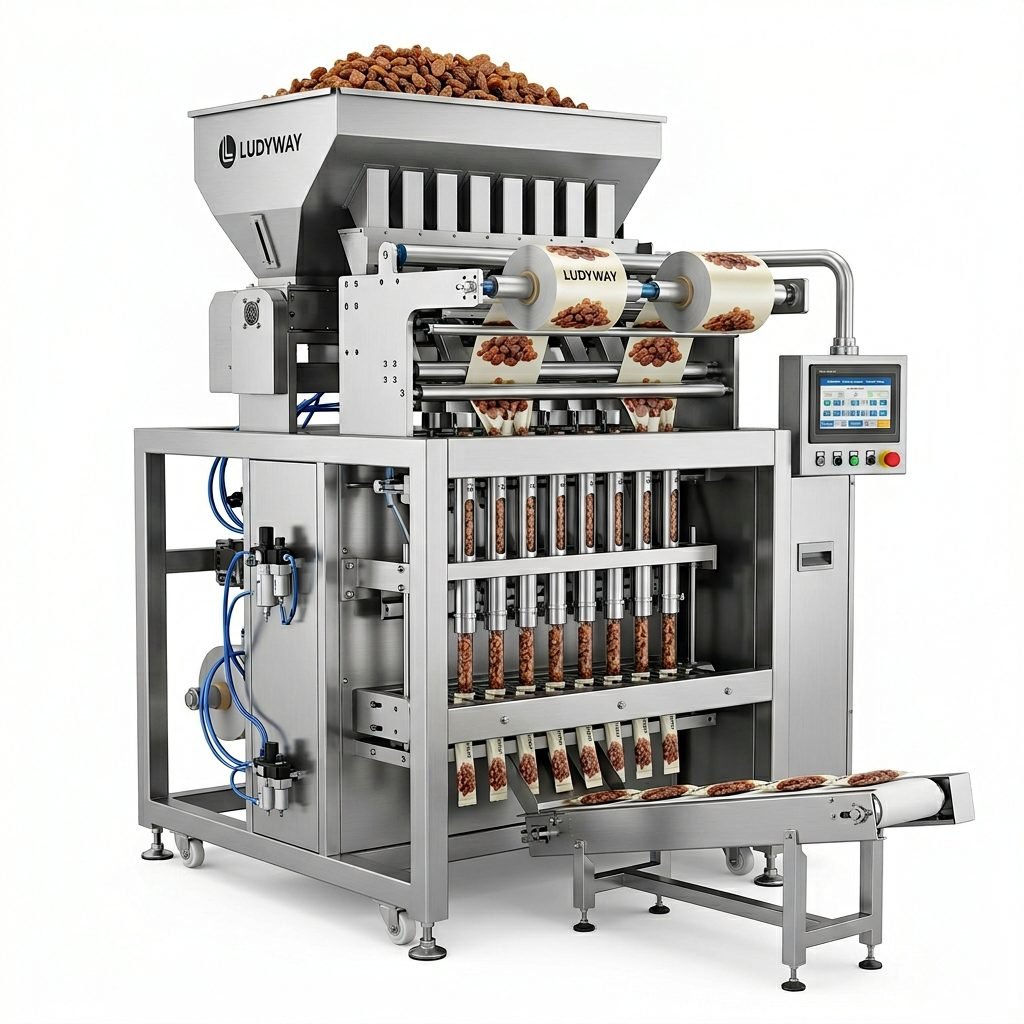
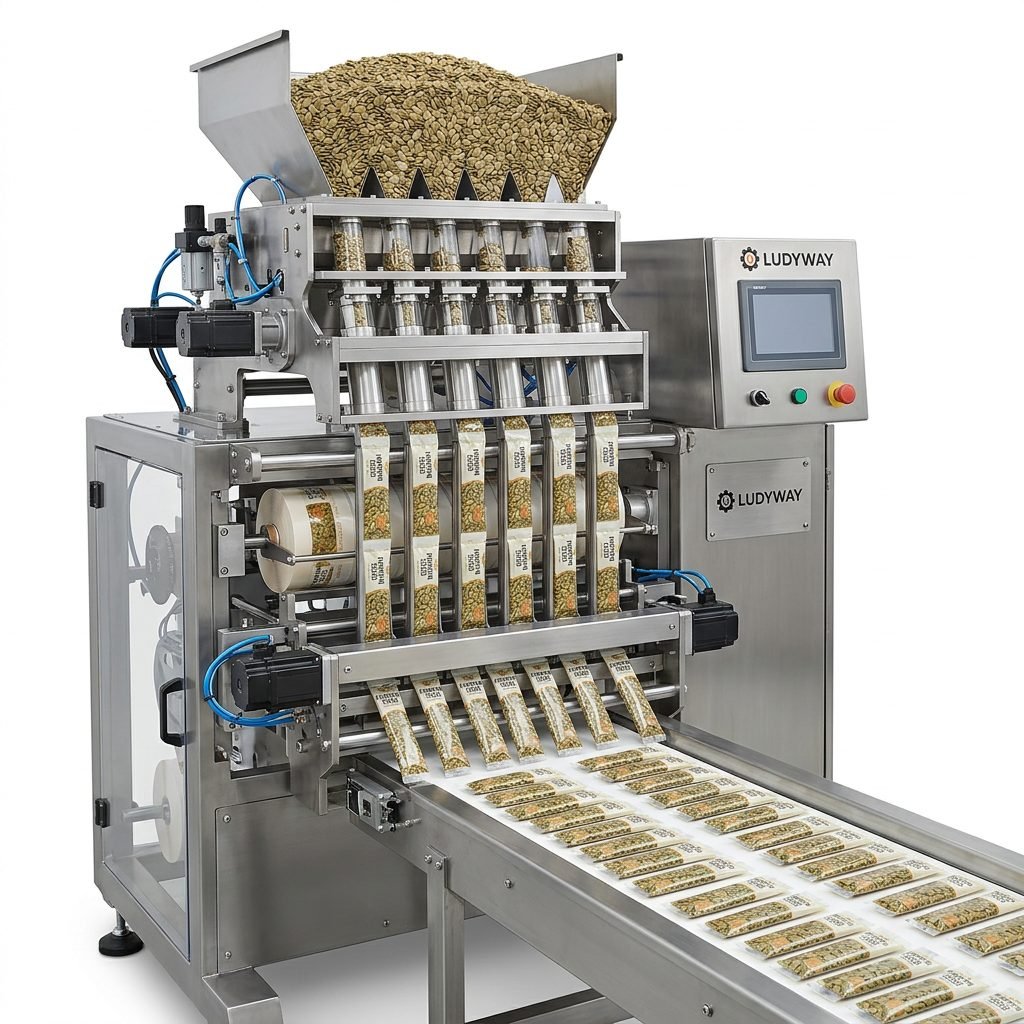
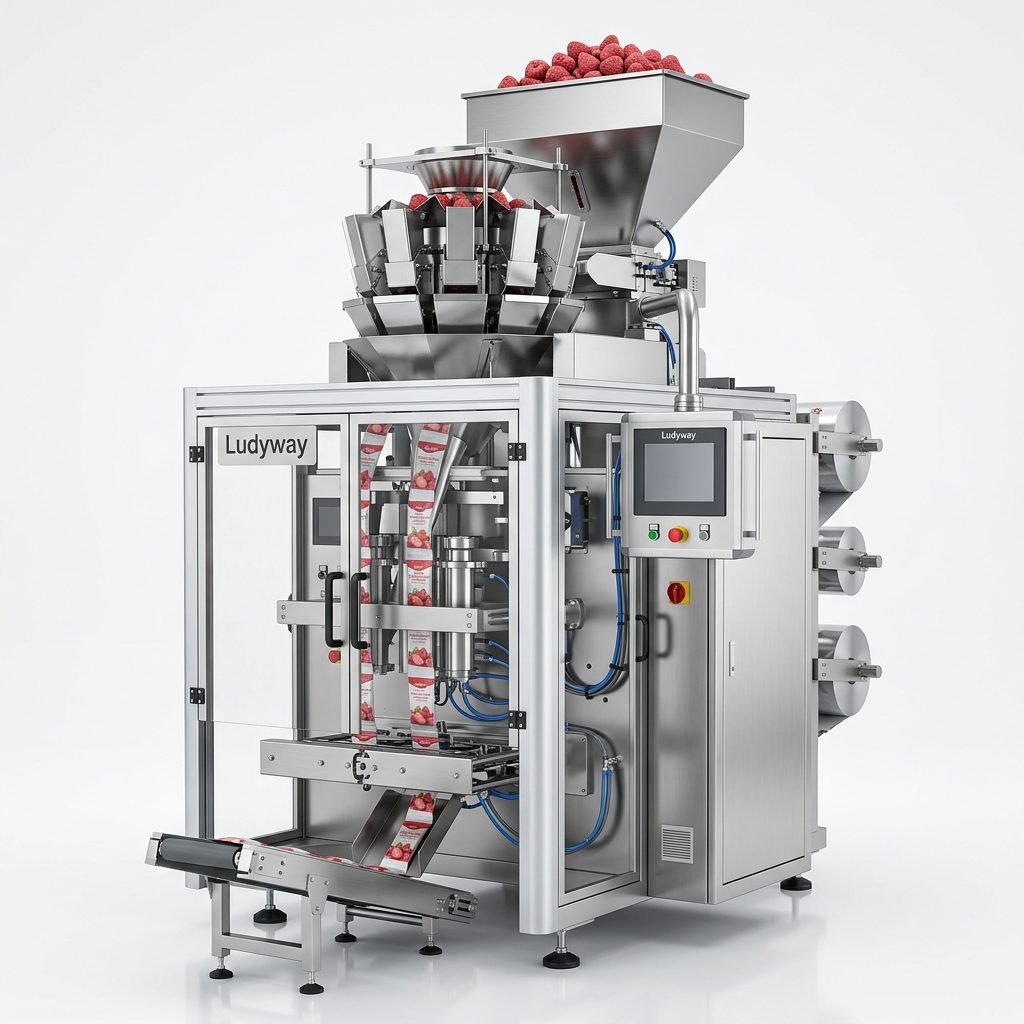
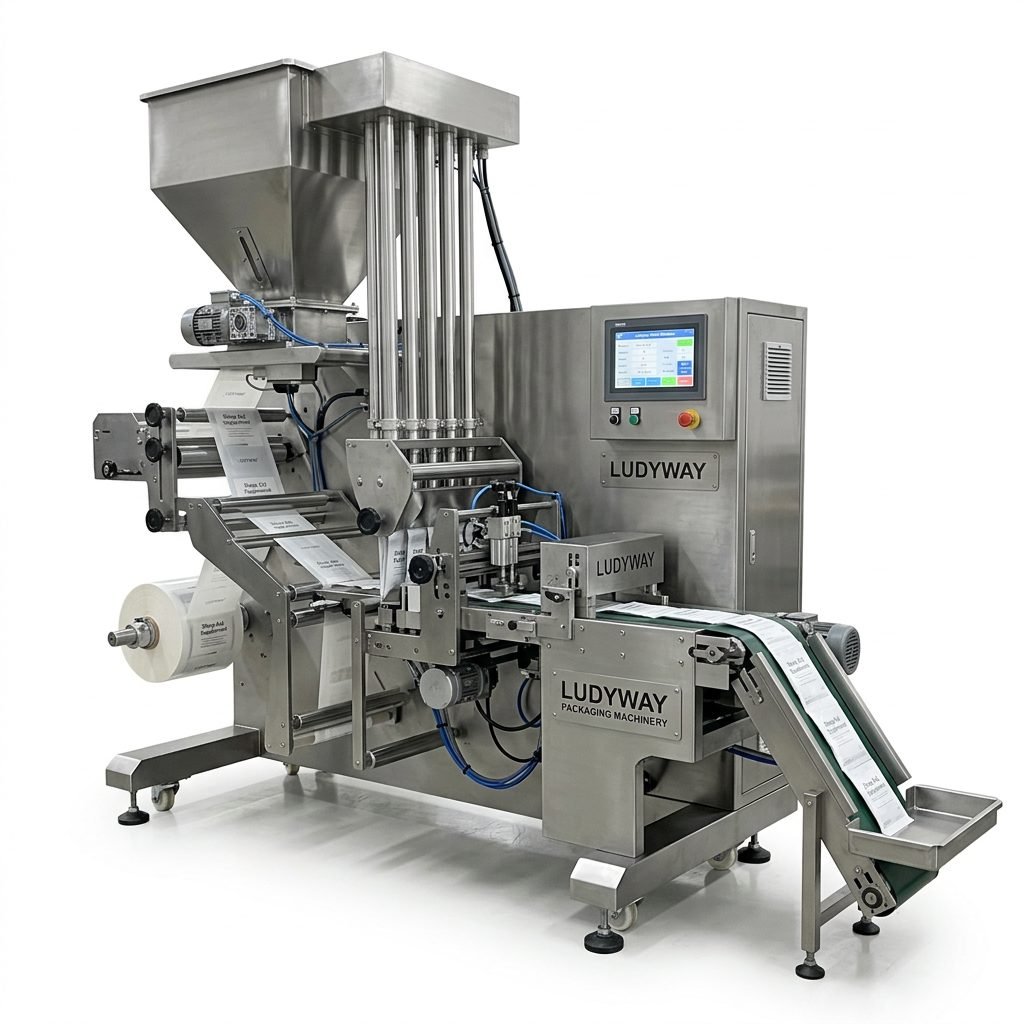
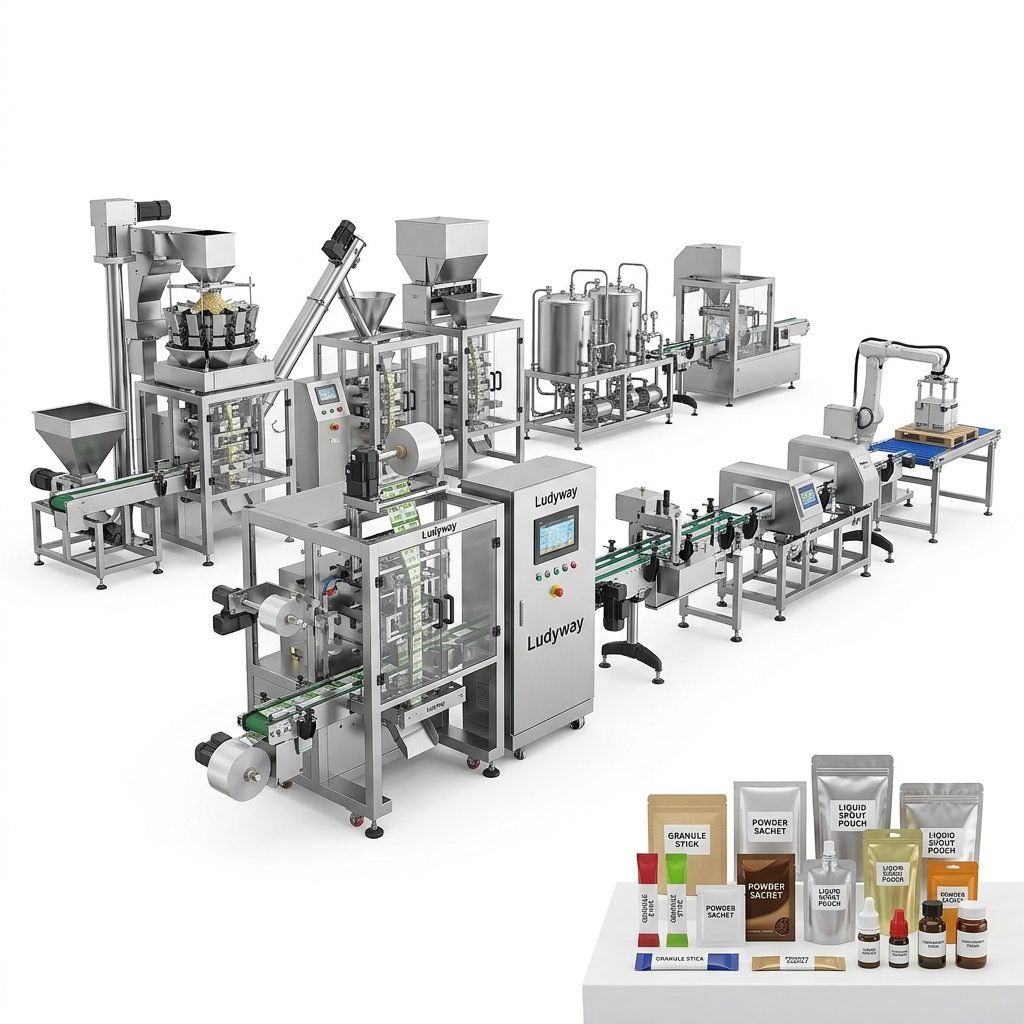
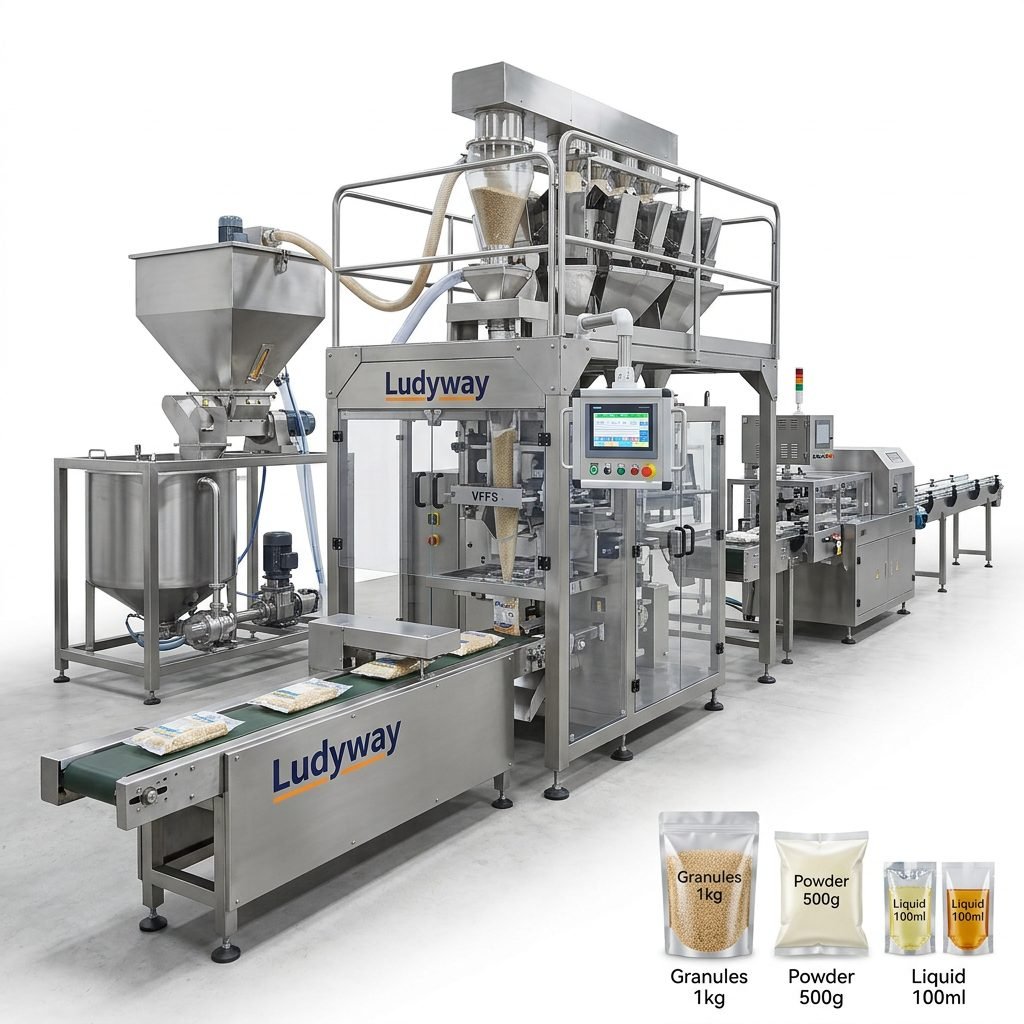
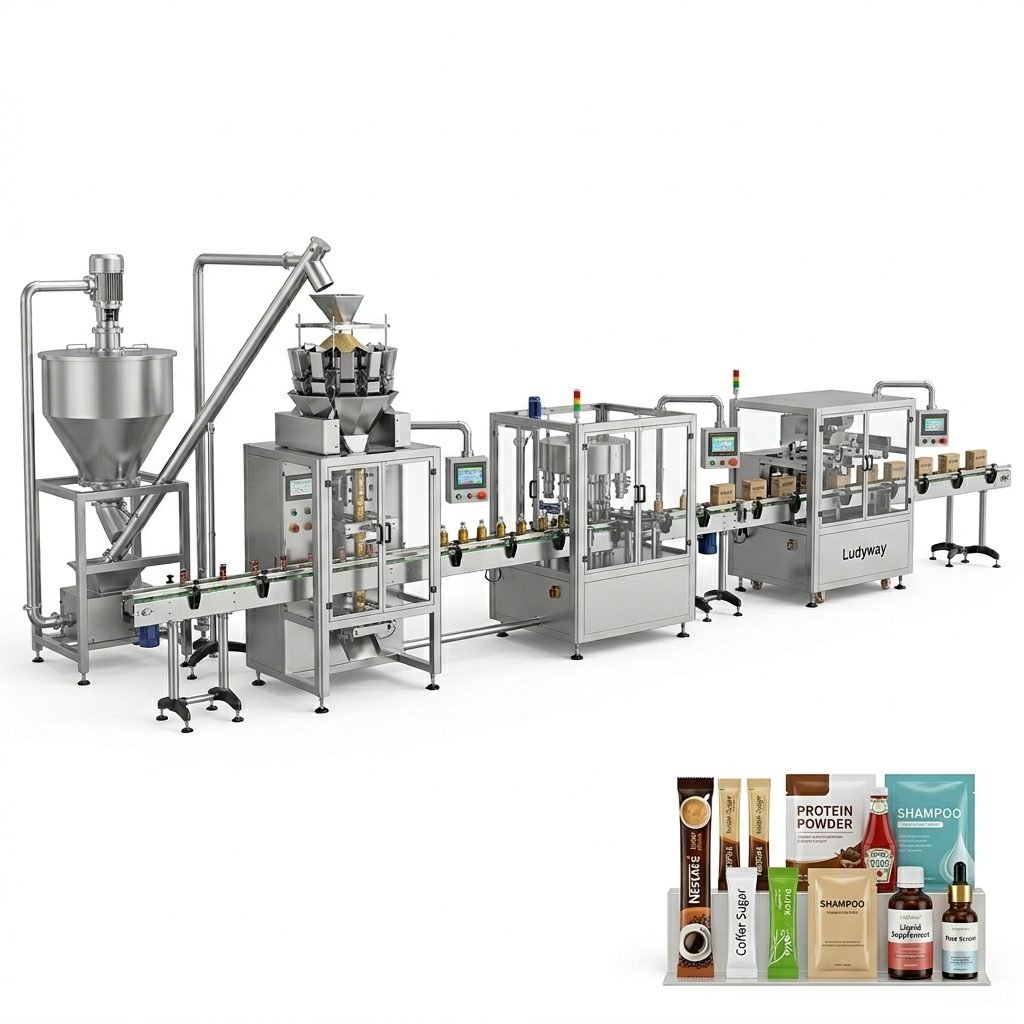
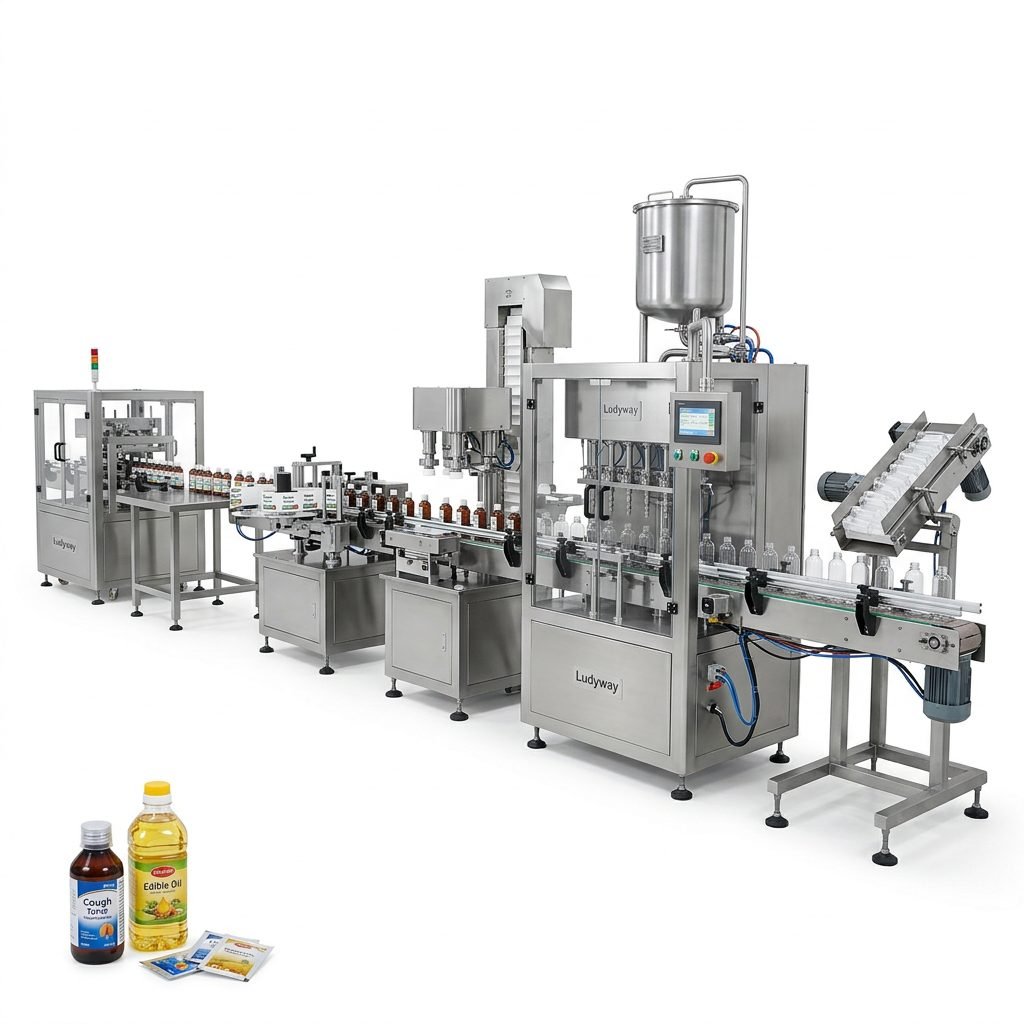
The global packaging sector is undergoing a profound transformation driven by environmental regulations and rising raw material costs. Manufacturers across the food, pharmaceutical, and chemical industries are constantly seeking innovative ways to reduce their ecological footprint while maintaining high operational efficiency. Among the most promising advancements in recent years is the adoption of on-demand customized packaging machines. By tailoring pouch dimensions and filling volumes in real time, these modern systems can cut material waste by up to 30%, marking a significant milestone in sustainable manufacturing.
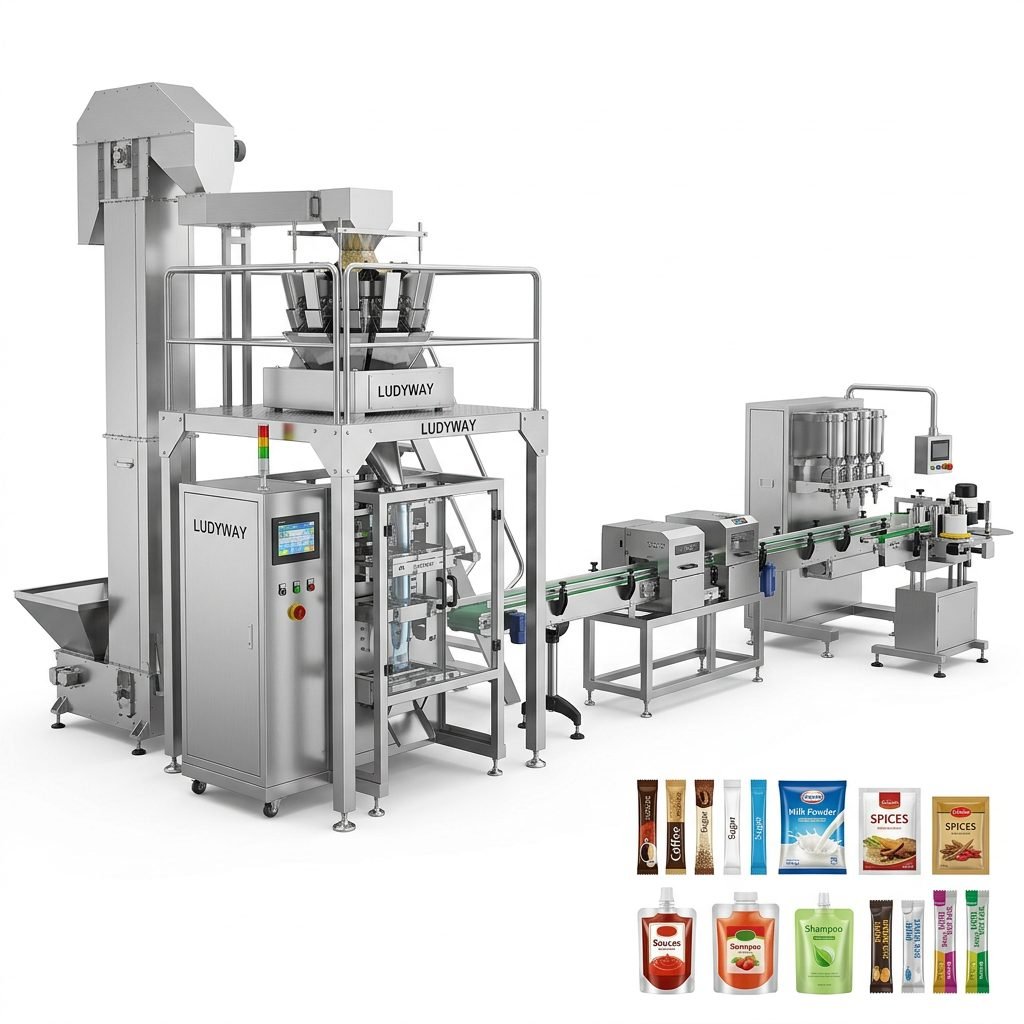
The Cost of Material Waste in Traditional Packaging
Traditional packaging processes often rely on standardized pouch formats and fixed-size containers. While this uniformity simplifies mechanical setups, it inevitably leads to significant material excesses. Standardized pouches are frequently oversized for the actual volume of product they contain, leading to a surplus of plastic film, paper, or foil laminates. Furthermore, traditional start-stop cycles and manual calibration on older equipment generate substantial scrap during initial setup and product changeovers.
This excess material does not merely represent an environmental concern; it directly impacts a manufacturer’s bottom line. The cost of packaging substrates has climbed steadily due to supply chain volatility and petro-chemical price fluctuations. In high-volume environments, even a few millimeters of excess film per sachet can accumulate into thousands of meters of wasted material weekly, compounding financial losses and increasing waste disposal fees.
How On-Demand Customization Minimizes Excess
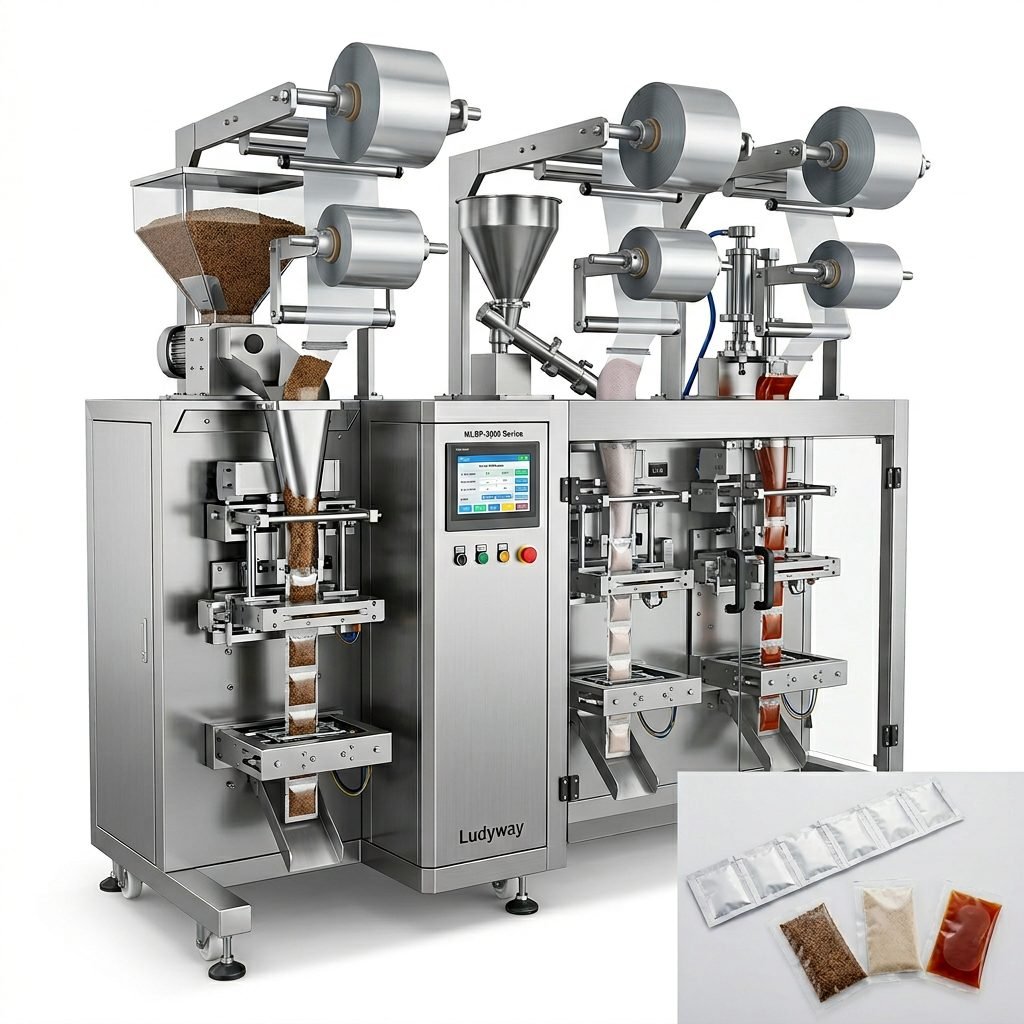
On-demand customized packaging technology solves the waste issue by replacing static mechanical components with dynamic, software-driven mechanisms. These machines utilize advanced sensors, high-precision servo motors, and real-time programmable logic controllers (PLCs) to adjust packaging dimensions to match the physical characteristics of each product batch. Key technological features driving this efficiency include:
- Dynamic Pouch Sizing: Integrated sensors detect the exact volume of the product dose, allowing the forming shoulders and cutting jaws to adjust sachet length instantly, eliminating empty space.
- Precision Dosing Systems: High-precision augers, liquid pumps, and multi-head weighers ensure that target weights are met with minimal variance, preventing overfills that require wider seals.
- Smart Film Tracking: Automatic web-guiding and tension control systems prevent film misalignment, reducing the incidence of defective packages and miscuts.
Comparative Analysis: Standard vs. On-Demand Packaging
To better understand the tangible savings offered by modern on-demand machinery, it is helpful to compare key performance metrics against conventional packaging setups. The table below details the operational differences and waste reduction outcomes:
| Performance Metric | Conventional Packaging Systems | On-Demand Customized Systems |
|---|---|---|
| Film Waste Rate | Estimated 5% to 8% per run | Under 1.5% |
| Changeover Time | 30 to 60 minutes (mechanical adjustment) | Digital presets under 5 minutes |
| Pouch Fit Accuracy | Fixed sizes; often leads to empty space | Dynamic sizing tailored to product volume |
| Secondary Packaging Volume | Higher due to bulkier primary pouches | Reduced by 15% to 20% |
Strategic Advantages Beyond Waste Reduction
Reducing material consumption by 30% yields several secondary advantages that ripple across the entire supply chain. When primary packages are smaller and contain less empty space, the physical dimensions of shipping cartons and pallets decrease accordingly. This optimization allows manufacturers to fit more units into a single shipping container, lowering carbon emissions during transport and reducing overall freight costs.
Additionally, modern customized equipment offers greater operational flexibility. In a market characterized by rapid consumer shifts and shorter product lifecycles, the ability to run multiple package sizes on a single line without extensive mechanical reconfiguration is invaluable. This adaptability minimizes downtime, enabling contract packagers and brand owners to respond swiftly to market demands without purchasing multiple single-purpose machines.
Partnering for Sustainable Packaging Automation
Implementing these advanced technologies requires reliable machinery designed for long-term precision and durability. Established in 1993, Ludyway is widely recognized as one of China’s leading manufacturers of packaging machinery and turnkey packaging production lines. With more than three decades of experience, the company operates a modern facility of over 20,000 square meters and offers customized solutions for food, pharmaceutical, and health supplement industries. Their extensive catalog includes multi-lane stick pack machines, vertical form-fill-seal systems, and fully integrated production lines engineered to maximize resource efficiency.
As sustainability regulations tighten globally, partnering with experienced manufacturers ensures that packaging lines are equipped with the latest material-saving configurations, helping businesses meet both environmental targets and strict financial objectives.
Future Trends in Sustainable Packaging Machinery
The drive toward waste reduction is prompting further innovation in machine design. Future developments are likely to focus on the integration of artificial intelligence (AI) and machine learning algorithms to predict and correct sealing errors before they occur. Furthermore, packaging machines are being continuously updated to handle next-generation biomaterials, such as compostable films and paper-based barriers, which behave differently under heat and tension compared to traditional plastics. Investing in adaptable, customizable machinery remains the most effective way for modern enterprises to future-proof their operations against shifting material standards and rising production costs.