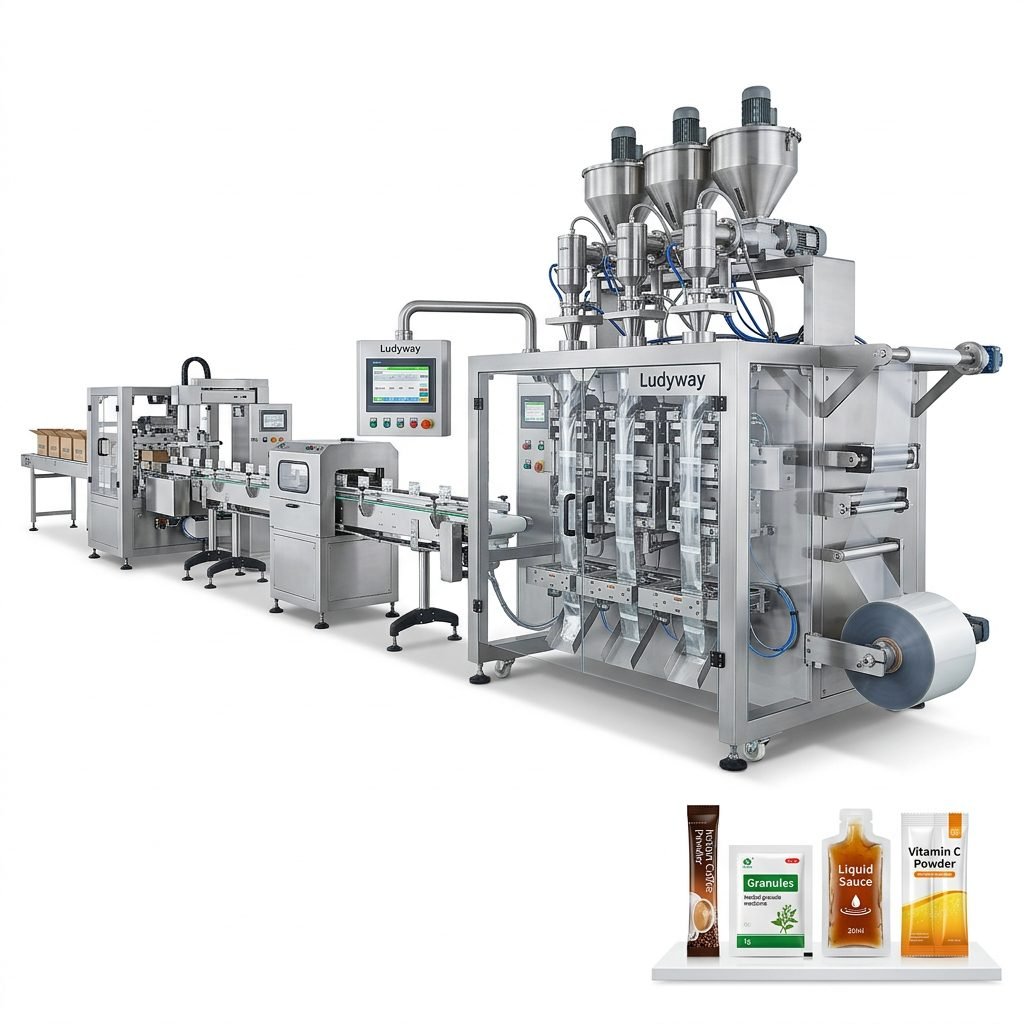
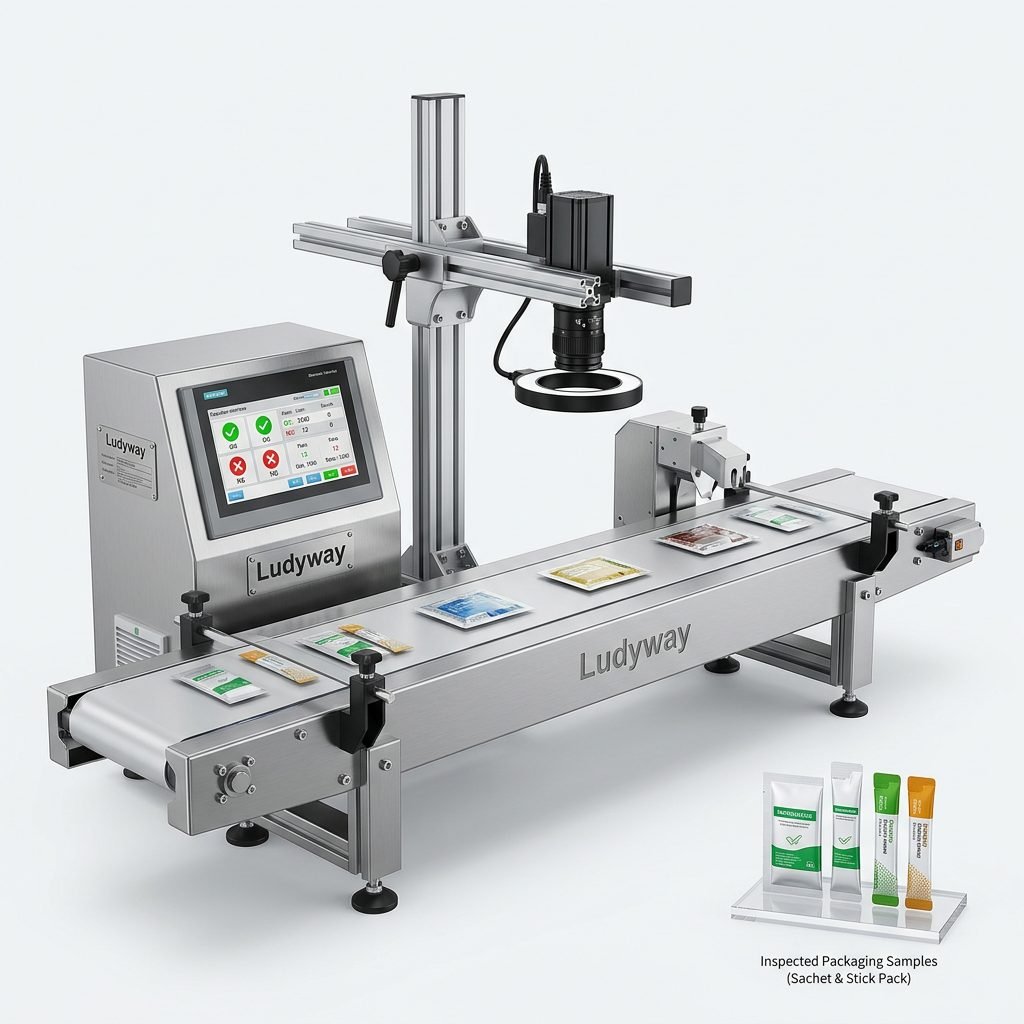
Asian packaging equipment exports are maintaining a steady upward trajectory in 2026, supported by resilient manufacturing activity, broader automation upgrades, and continued investment from food, pharmaceutical, personal care, and chemical producers worldwide. Despite ongoing freight adjustments and tighter compliance expectations in several import markets, suppliers across Asia have continued to expand their overseas footprint through stronger engineering capabilities, faster delivery cycles, and more application-specific machine configurations.

Industry analysts note that export growth is no longer driven by low-cost supply alone. International buyers are increasingly evaluating Asian manufacturers based on line integration ability, digital control systems, sanitation design, spare-parts support, and flexibility across pouch, sachet, stick pack, bottle, and bulk bag applications. This shift is helping established exporters in China, Japan, South Korea, India, and parts of Southeast Asia capture more value in global packaging projects.
What Is Driving Export Growth in 2026?
The strongest momentum is coming from end users that want to reduce labor dependency while improving packaging accuracy, output stability, and traceability. In 2026, buyers are paying closer attention to total line efficiency rather than just the speed of a single machine.
- Food manufacturers are upgrading to automated systems for powders, granules, sauces, snacks, frozen foods, and instant beverages.
- Pharmaceutical and nutraceutical companies are increasing purchases of sachet, stick pack, blister, bottle filling, and sterile packaging systems.
- Personal care brands are expanding demand for lotion, serum, cream, and facial mask packaging lines.
- Industrial and chemical sectors are investing in safer dosing, sealing, coding, and bagging equipment.
Another key factor is the rise of medium-scale manufacturers in overseas markets. These buyers often require modular equipment that can start with a standalone machine and later expand into a turnkey packaging line. Asian exporters are well positioned in this segment because they can typically offer broader customization at competitive lead times.
Key Export Trends Seen Across Asia
| Trend | 2026 Market Impact |
|---|---|
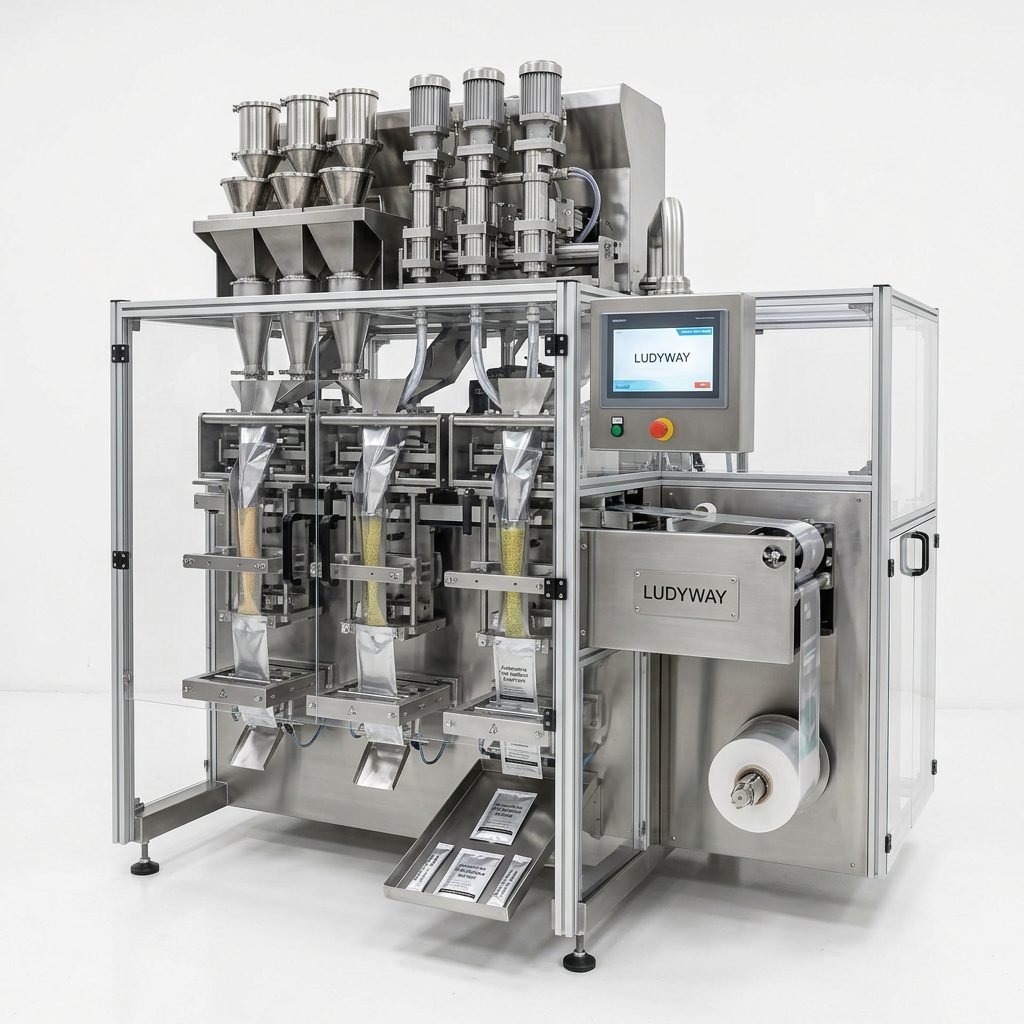
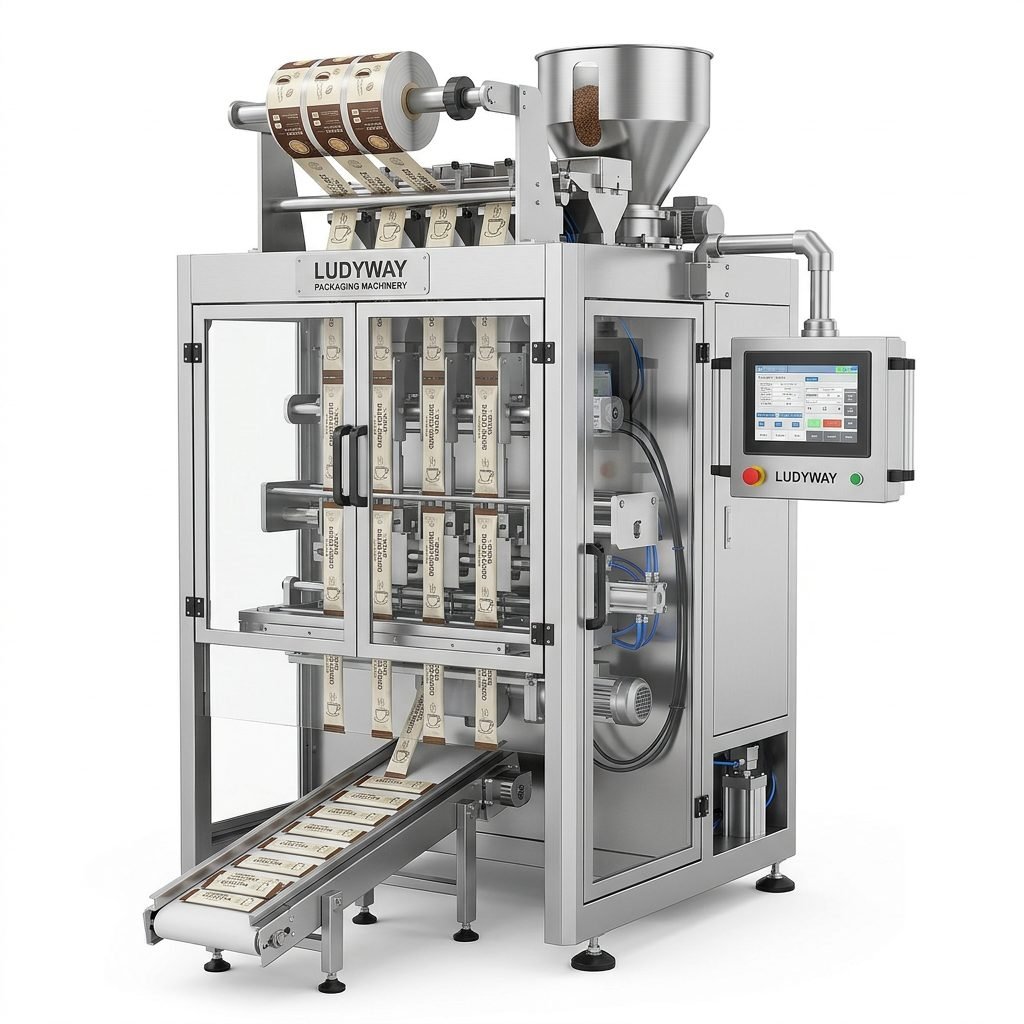
| Multi-lane sachet and stick pack systems | Higher demand from beverage powder, supplement, pharmaceutical granule, and cosmetic sample applications |
| Integrated turnkey lines | More overseas factories prefer one supplier for filling, sealing, coding, cartoning, and end-of-line automation |
| Compliance-oriented machine design | CE, GMP-related expectations, validation support, and traceability features are influencing purchase decisions |
| Flexible production formats | Buyers want quick product changeovers to support small batch and multi-SKU production |
| Smart factory upgrades | Remote diagnostics, data monitoring, and line synchronization are becoming standard in larger export projects |
China Remains a Major Export Engine
China continues to play a central role in Asia’s 2026 packaging machinery export performance. The country benefits from a mature supply chain, a strong base of component manufacturers, and extensive experience in both standard and custom-engineered packaging systems. Chinese suppliers are also becoming more competitive in higher-value categories such as pharmaceutical packaging, high-speed stick pack systems, intelligent inspection, and robotic end-of-line integration.
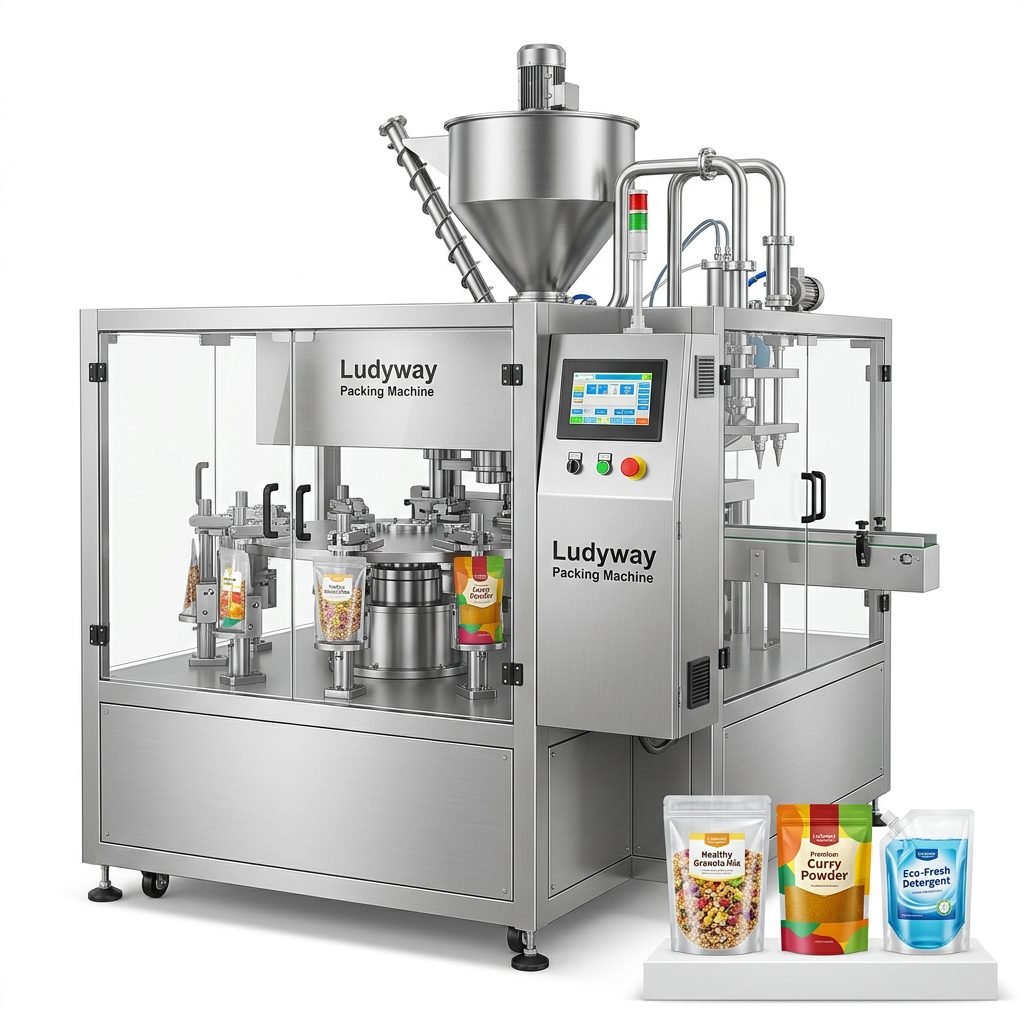
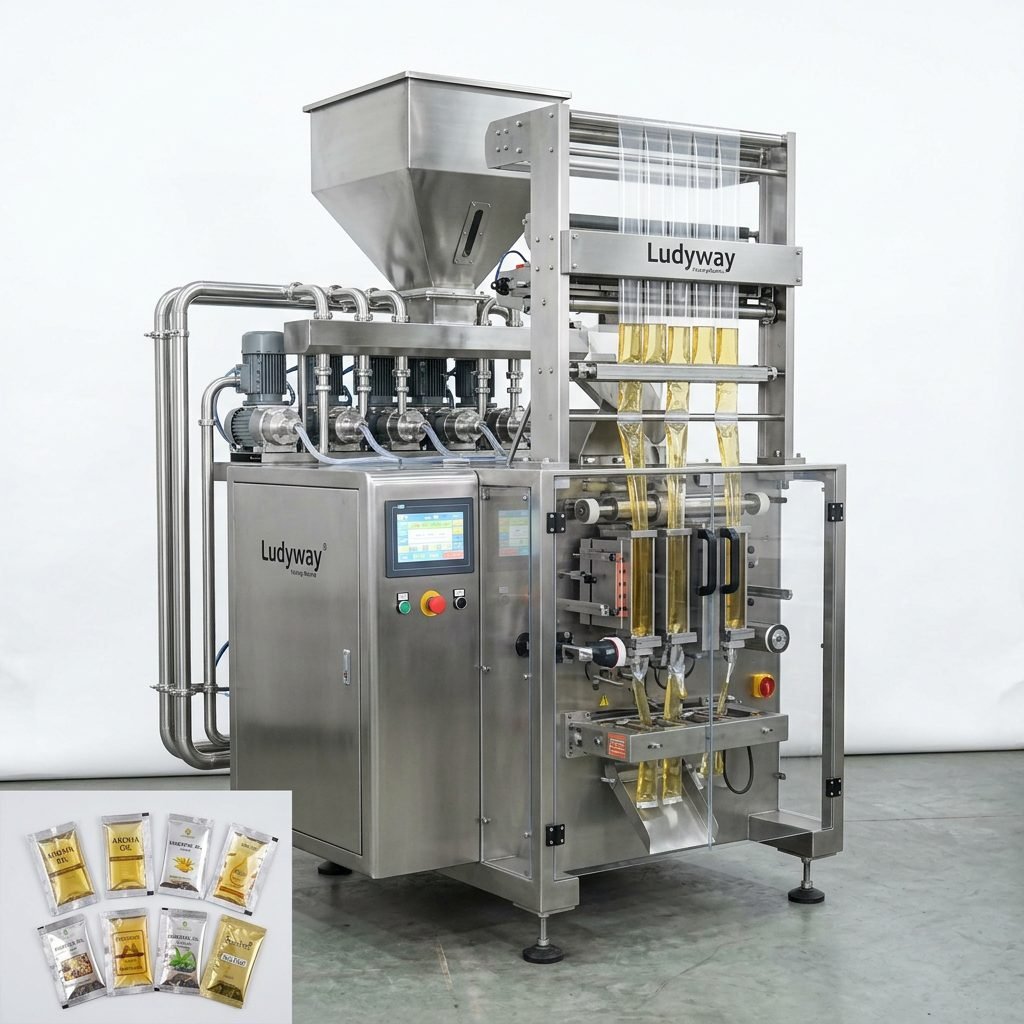
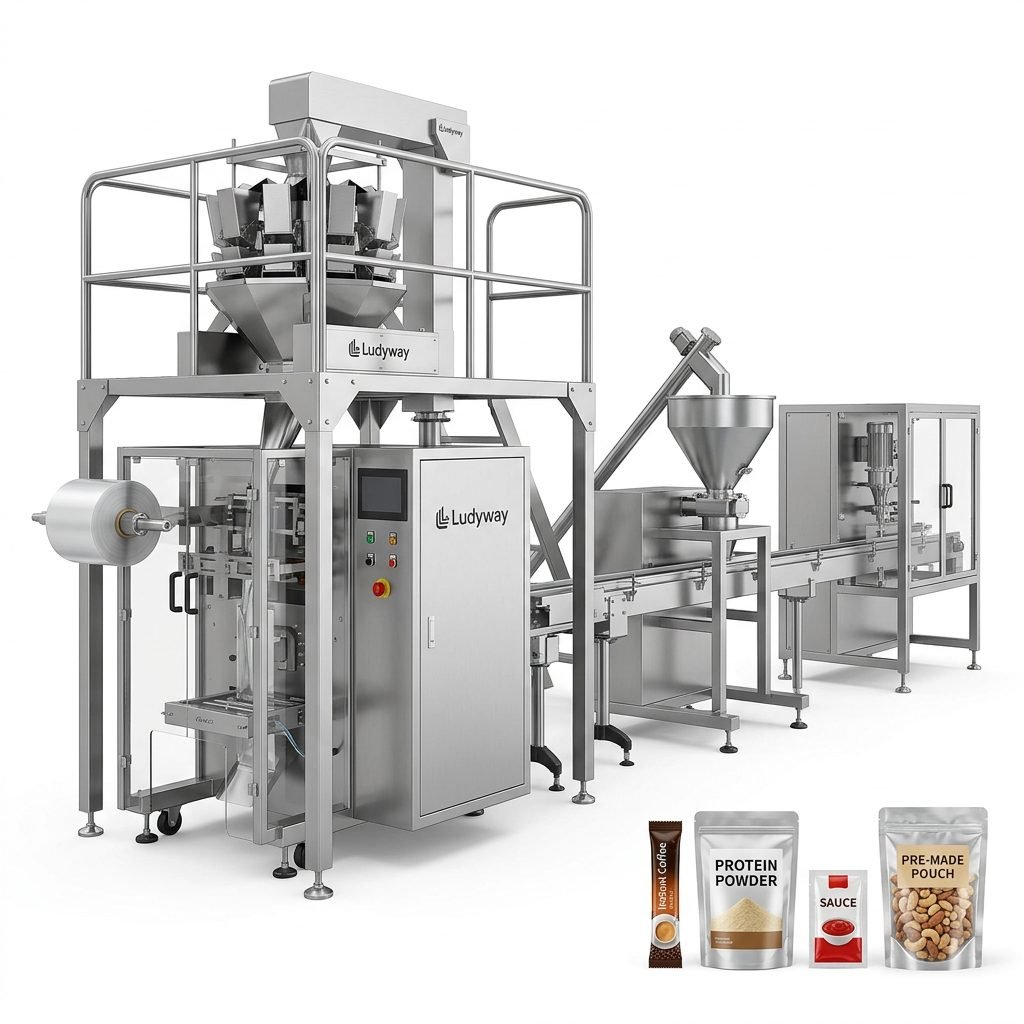
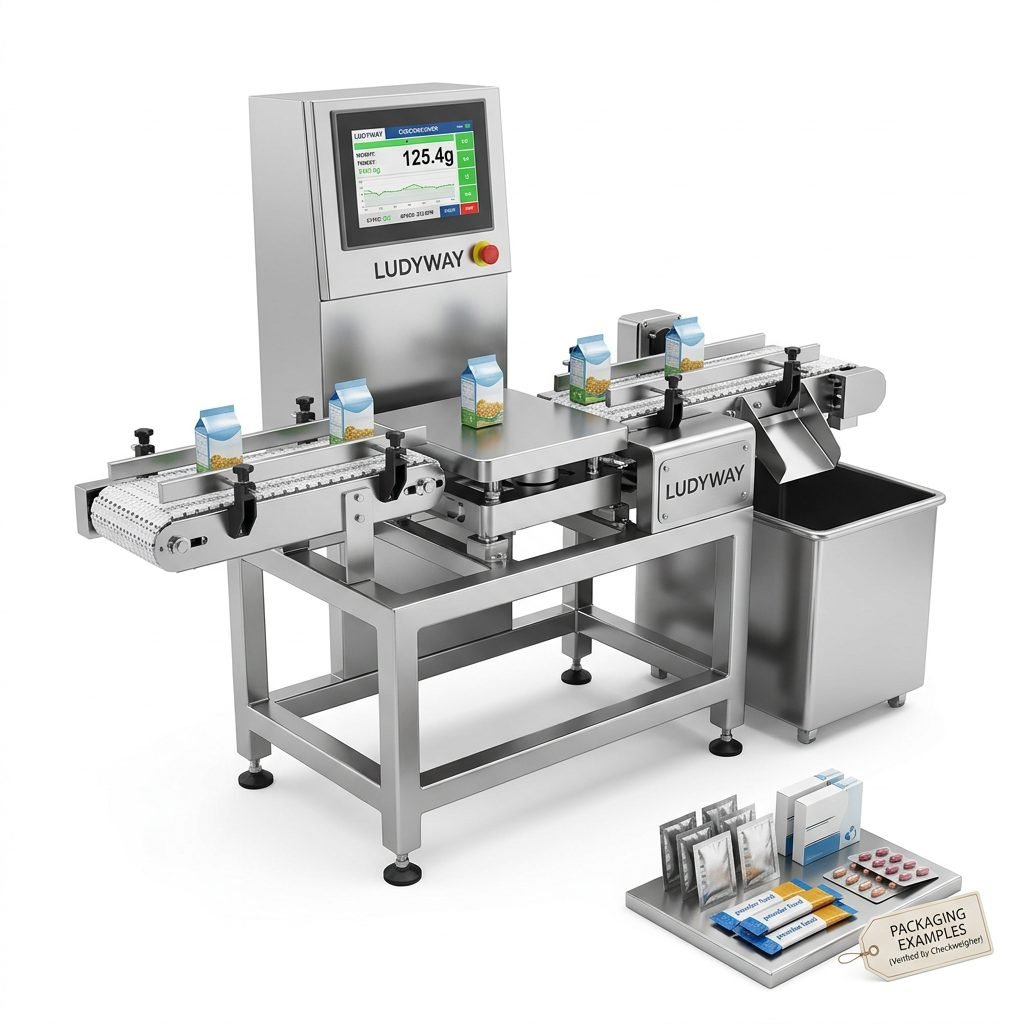
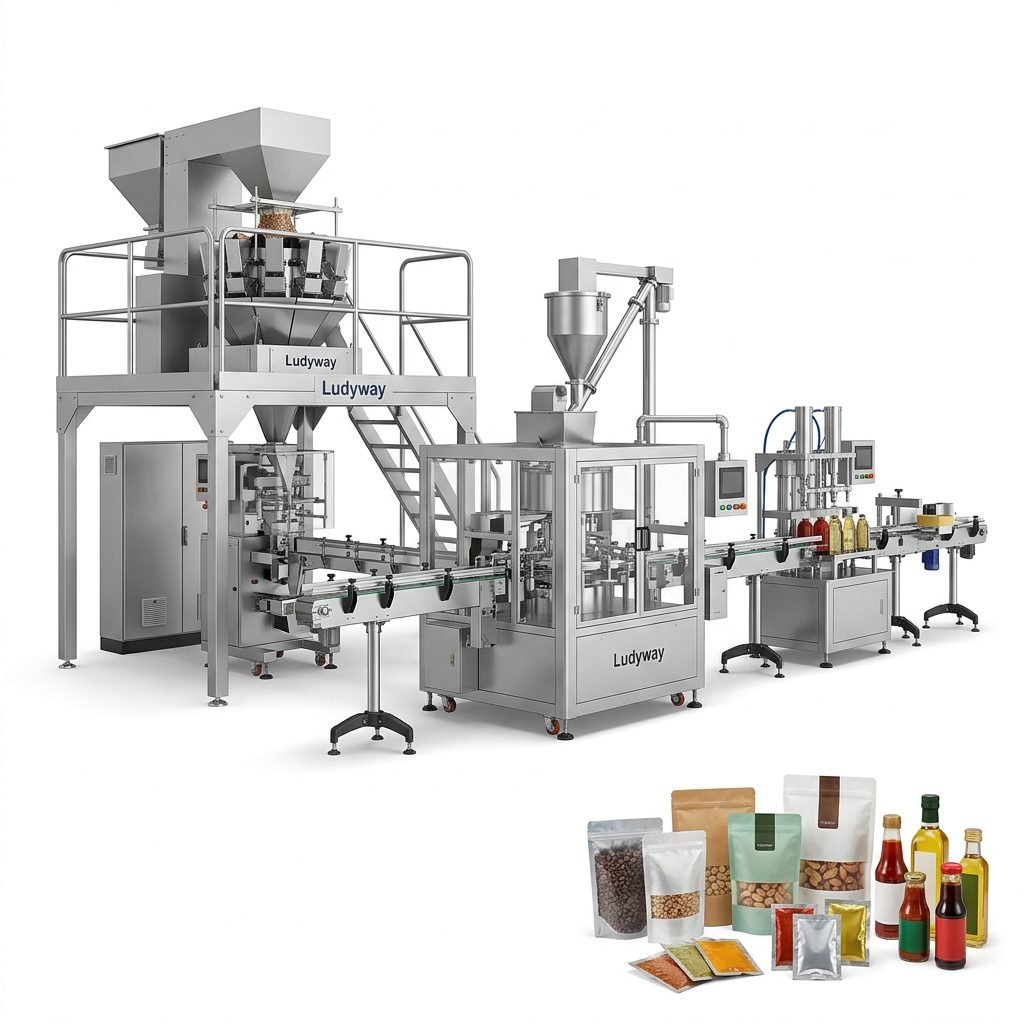
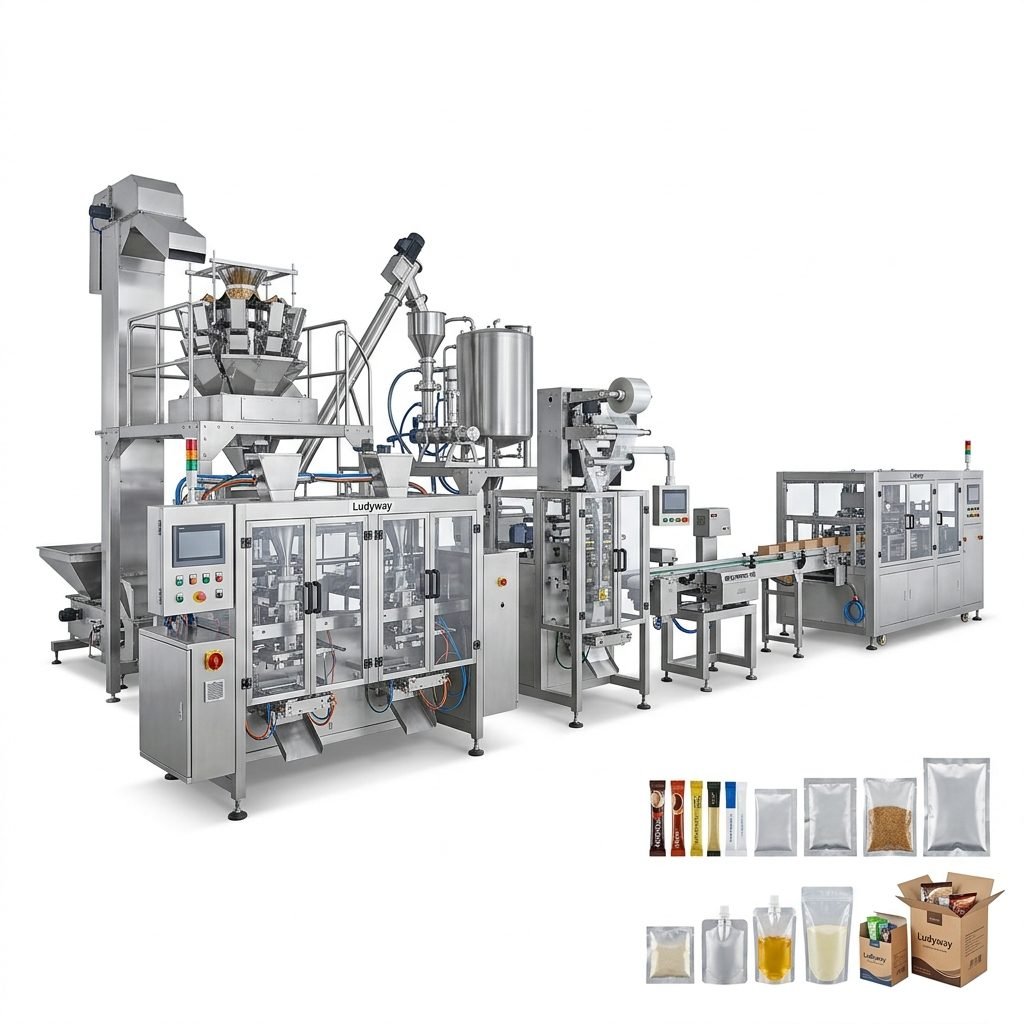
For global buyers, this means greater access to suppliers capable of delivering complete project support, from machine selection and layout planning to commissioning and after-sales service. One example is Ludyway packaging machine manufacturer, a China-based producer with more than 30 years of experience, over 20,000 square meters of factory space, and strong export coverage across Europe, North America, the Middle East, South America, Africa, and Southeast Asia.
Why Buyers Are Paying More Attention to Supplier Depth
In 2026, importers are increasingly comparing suppliers based on long-term production compatibility rather than initial quotation alone. A lower machine price is less attractive if it leads to weak sealing quality, difficult spare-parts sourcing, or poor integration with upstream and downstream equipment.
- Engineering support for customized packaging formats
- Stable machine performance in continuous production
- Ability to connect filling, sealing, coding, cartoning, and palletizing
- Quality control procedures and documentation support
- Responsive technical communication for overseas clients
This is one reason larger and more experienced exporters are gaining share. Buyers in regulated or fast-moving sectors now prefer manufacturers that understand both machine mechanics and the production logic of food safety, pharma compliance, or high-volume consumer packaging.
Regional Demand Patterns in 2026
Export demand remains diversified, but several regional patterns are becoming clearer:
| Region | Main Demand Focus |
|---|---|
| Europe | Energy-efficient systems, CE-ready equipment, pharmaceutical accuracy, and premium food packaging automation |
| North America | Flexible packaging formats, labor-saving upgrades, nutraceutical lines, and scalable automation |
| Middle East | Food security-related processing investments, date/seasoning packaging, and robust machinery for expanding local production |
| Africa | Cost-effective but durable systems for food staples, sachet liquids, detergents, and healthcare products |
| Southeast Asia | High-growth demand for snacks, coffee, seasoning, personal care sachets, and export-oriented food packaging lines |
| South America | Agrifood packaging, supplements, sauces, pet food, and medium-speed integrated lines |
Challenges Still Affecting Exporters
Although the overall trend remains positive, Asian exporters are still navigating a number of pressure points. Currency fluctuations, import compliance updates, and rising expectations for documentation can slow project closing cycles. In some markets, buyers now request more factory audit data, machine validation records, FAT support, and remote troubleshooting capability before placing orders.
There is also more competition from nearshoring strategies in some regions. However, Asian suppliers continue to hold an advantage where buyers need high configuration flexibility, broad machine categories, and competitive project pricing.
Outlook for the Rest of 2026
The outlook for Asian packaging equipment exports remains constructive. Market growth is expected to stay supported by automation demand in consumer goods, healthcare, and processed foods. Exporters with strong technical teams, diversified product lines, and turnkey engineering capabilities are likely to outperform smaller competitors focused only on standalone machines.
For international manufacturers planning capacity expansion in 2026, the most attractive partners will be those that can combine reliable machinery, customization, and after-sales continuity. As packaging operations become more data-driven and format-diverse, Asia’s leading equipment suppliers are moving from being price-based vendors to becoming long-term automation partners in global production networks.
Bottom Line
Asian packaging equipment exports are not just growing in volume—they are advancing in technical value. The 2026 market shows that buyers increasingly want integrated, dependable, and future-ready packaging solutions, and many Asian manufacturers are now equipped to deliver exactly that.