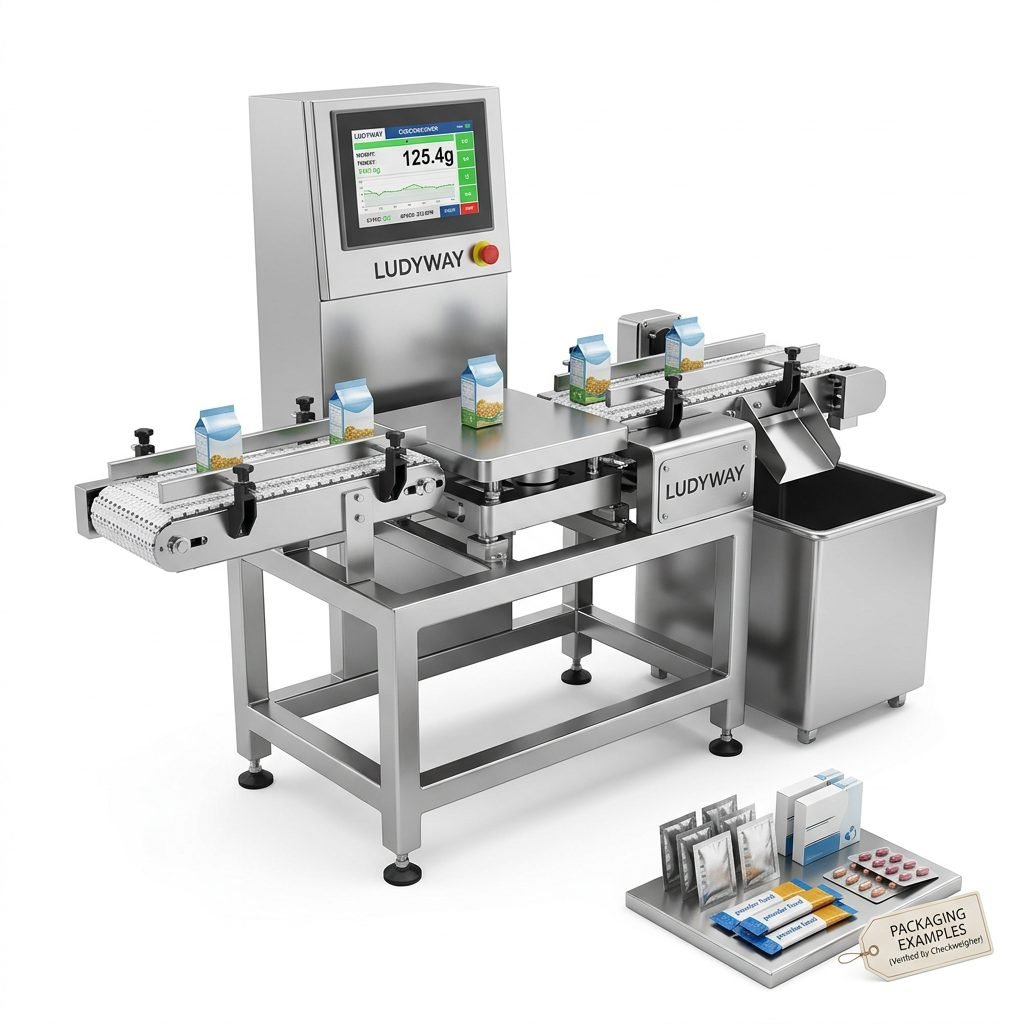
The global packaging market is set to maintain strong momentum in 2026, supported by rising demand across food, pharmaceuticals, personal care, chemicals, and e-commerce logistics. Industry analysts continue to point to automation, sustainability, and flexible packaging as the key forces reshaping investment decisions worldwide.
As manufacturers face tighter labor markets, higher compliance requirements, and pressure to improve production efficiency, packaging is no longer viewed as a final-stage process alone. It is increasingly becoming a core value driver in supply chain performance, product protection, and brand competitiveness.

Why the Packaging Market Is Still Expanding in 2026
The growth outlook remains positive because packaging demand is closely linked to essential consumer and industrial sectors. Even when economic conditions fluctuate, products still need to be filled, sealed, labeled, transported, and protected. In 2026, this structural resilience continues to support investment in both packaging materials and packaging machinery.
- Food and beverage growth is driving high-volume demand for sachets, pouches, stick packs, cartons, and bulk bags.
- Pharmaceutical and healthcare expansion is increasing the need for accurate, hygienic, and traceable packaging systems.
- E-commerce distribution is pushing brands toward more durable, efficient, and logistics-friendly packaging formats.
- Automation upgrades are accelerating replacement cycles for older manual and semi-automatic equipment.
- Sustainability targets are encouraging changes in material selection, pack design, and energy-efficient production.
Major Industry Trends Shaping 2026
1. Automation Moves from Optional to Essential
Across global manufacturing, packaging lines are being upgraded to reduce dependence on manual labor and improve throughput consistency. Companies are prioritizing multi-lane systems, automatic filling and sealing machines, intelligent checkweighing, coding integration, and end-of-line handling solutions. The strongest demand is coming from sectors where output volume, hygiene, and dosing accuracy directly affect profitability.
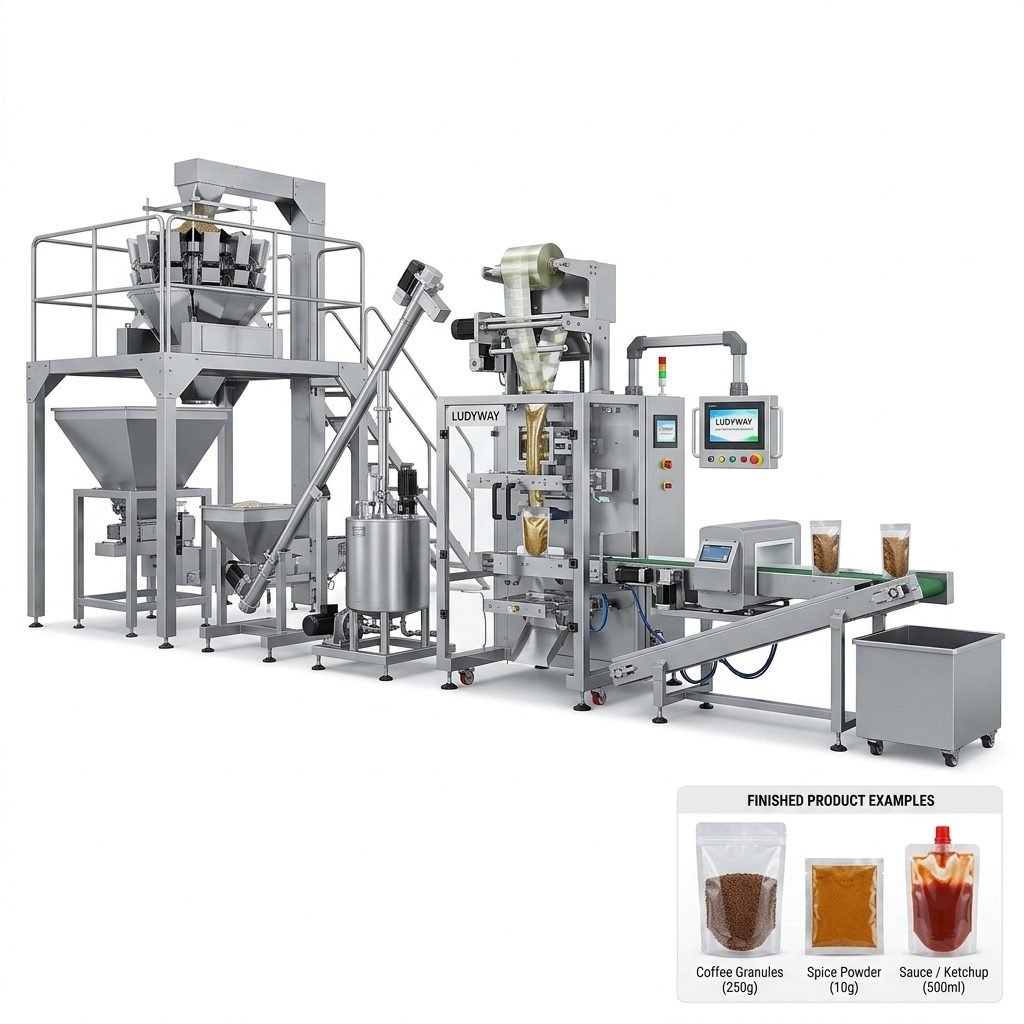
This shift is especially visible in powder, granule, liquid, and paste packaging applications, where integrated systems can help reduce product loss, improve seal quality, and support faster format changes.
2. Flexible Packaging Continues to Gain Share
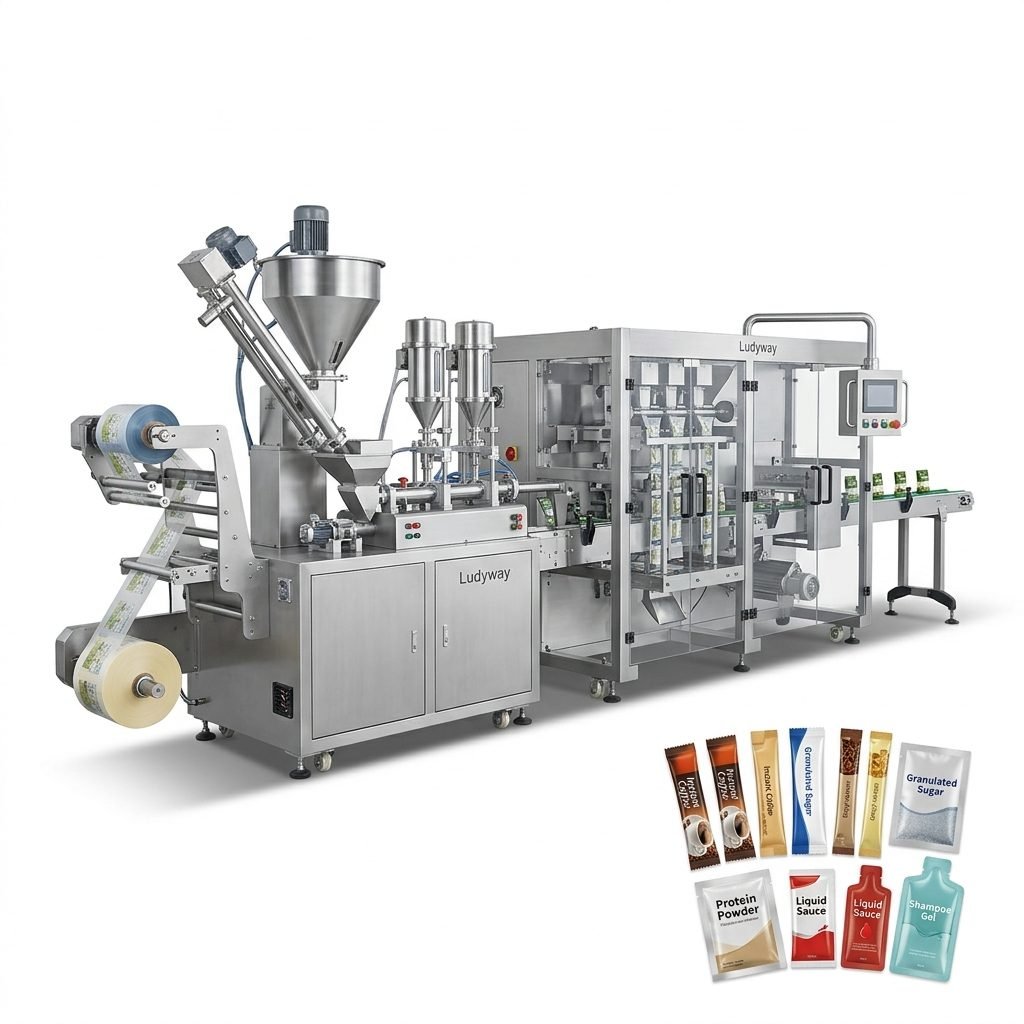
Flexible packaging remains one of the fastest-growing segments in 2026. Sachets, stick packs, pouches, and lightweight films offer advantages in convenience, transportation efficiency, and shelf appeal. For brands, these formats also create opportunities for travel-size SKUs, single-dose healthcare products, and portion-controlled food packaging.
As a result, machinery suppliers with expertise in multi-format packaging are seeing greater interest from manufacturers seeking scalable production.
3. Sustainability Becomes a Purchasing Standard
Sustainability is no longer just a branding message. In 2026, it has become a practical investment criterion for packaging buyers. Companies are evaluating machinery based on material adaptability, waste reduction, power efficiency, and compatibility with recyclable or mono-material structures.
- Lower packaging material consumption
- Reduced scrap during startup and changeover
- Improved sealing precision for lightweight materials
- Cleaner, more controlled product dosing
4. Turnkey Packaging Lines Attract More Attention
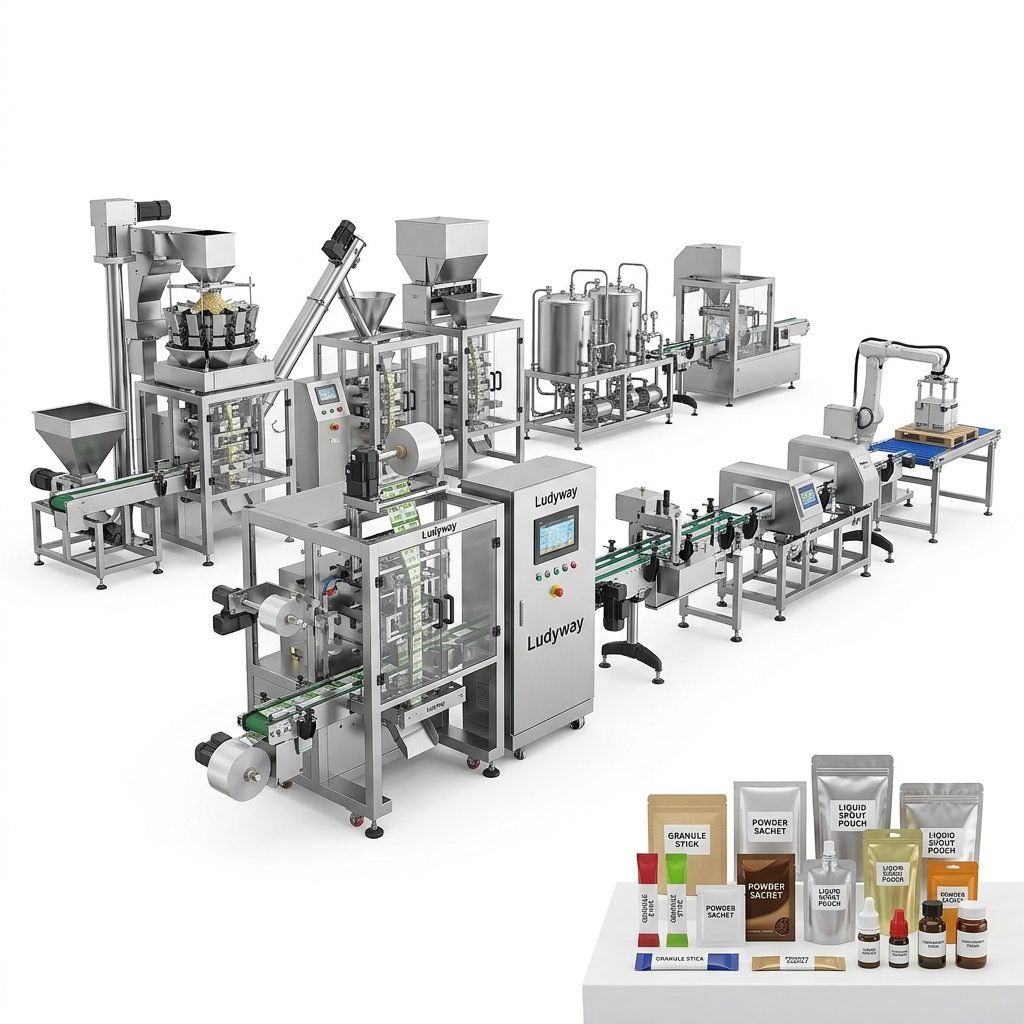
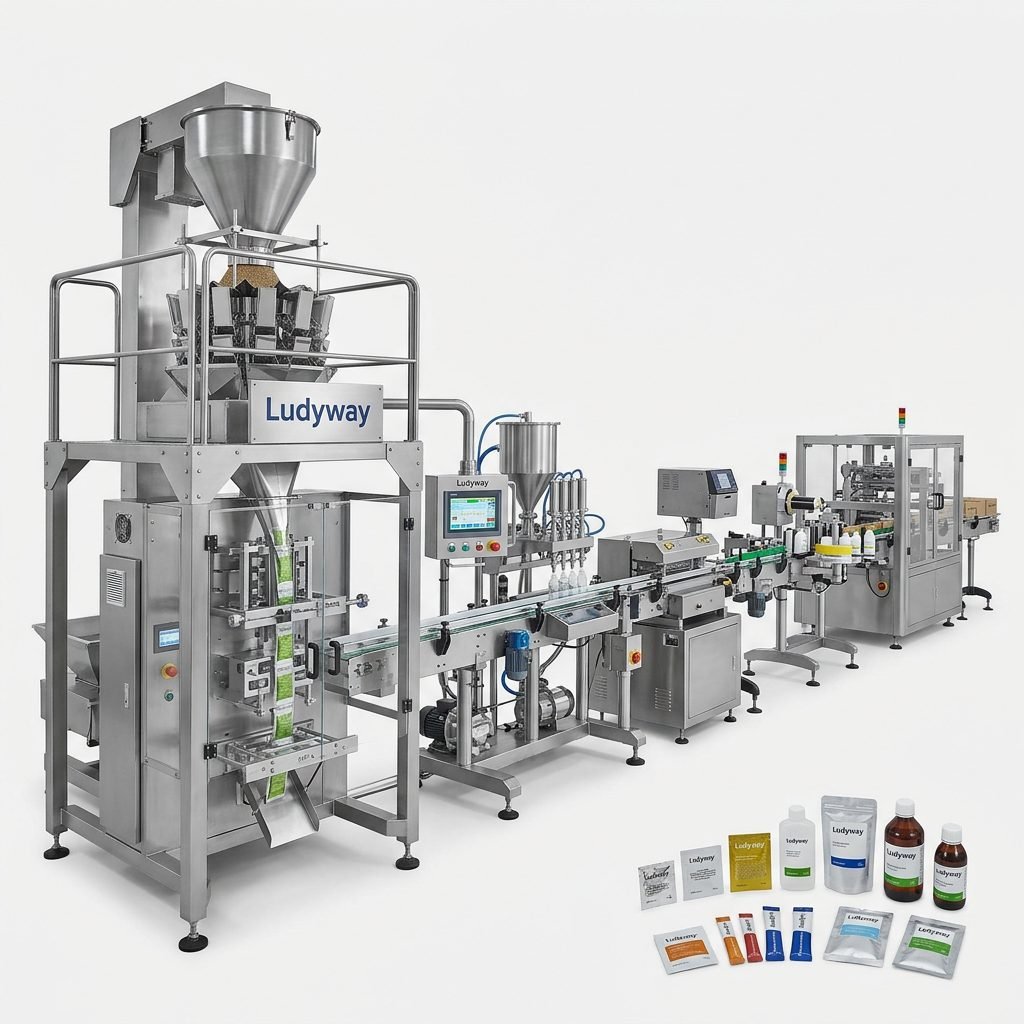
Rather than sourcing separate machines from multiple vendors, more buyers are choosing complete packaging line solutions. A turnkey approach can simplify project management and improve equipment compatibility across feeding, filling, sealing, coding, inspection, cartoning, case packing, and palletizing stages.
This trend is particularly relevant for exporters, fast-growing consumer brands, and pharmaceutical producers that need reliable line integration and long-term technical support.
Market Outlook by Application Segment
| Segment | 2026 Growth Drivers | Packaging Focus |
|---|---|---|
| Food & Beverage | Convenience foods, instant drinks, snacks, seasoning products | Stick packs, sachets, pouches, vacuum and bulk packaging |
| Pharmaceuticals | Dose accuracy, compliance, hygiene, patient-friendly formats | Granule sachets, powder packs, blister systems, liquid filling lines |
| Health Supplements | Functional nutrition, sports products, daily wellness packs | Single-serve sachets, multi-lane stick packs, pouches |
| Cosmetics & Personal Care | Trial-size products, travel packaging, e-commerce beauty sales | Cream sachets, liquid packs, tube filling, sample packaging |
| Chemicals & Industrial | Safer handling, accurate dosing, bulk material packaging | Powder bagging, liquid sachets, valve bags, jumbo bag systems |
Regional Demand Patterns Remain Diverse
Regional growth in 2026 is not uniform, but nearly all major markets are investing in modernization. Europe continues to focus on sustainability and compliance-driven packaging upgrades. North America remains active in automation, labor-saving systems, and high-speed flexible packaging. The Middle East, South America, Africa, and Southeast Asia are showing strong demand for cost-efficient, scalable equipment that supports industrial expansion and local manufacturing capacity.
This is also creating more opportunities for experienced equipment manufacturers that can supply both standalone machines and complete production lines for a wide range of industries.
Technology Priorities for Packaging Buyers in 2026
Buyers are no longer comparing machines on speed alone. In 2026, procurement teams are evaluating equipment through a broader operational lens.
- Ease of cleaning and maintenance
- Accuracy of filling and sealing performance
- Compatibility with multiple product types
- Line integration capability
- After-sales technical support
- Long-term energy and labor savings
Manufacturers that can offer flexible machine configurations, reliable export service, and customization support are expected to remain highly competitive in this environment.
Supplier Landscape: Experience and Integration Matter
As the market expands, end users are placing greater value on suppliers with proven engineering capabilities and broad application knowledge. This is particularly important for businesses packaging powders, granules, liquids, pastes, and pouch-based products in fast-moving consumer and regulated sectors.
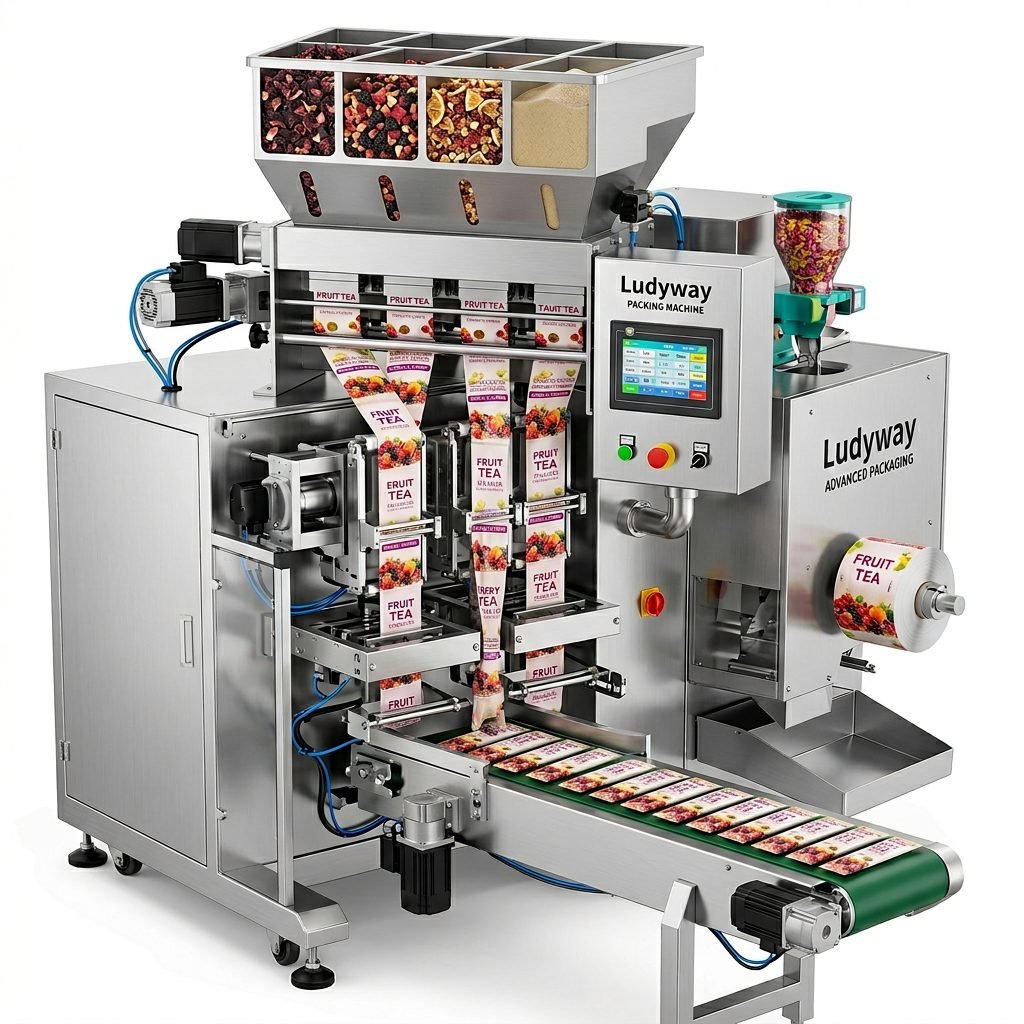
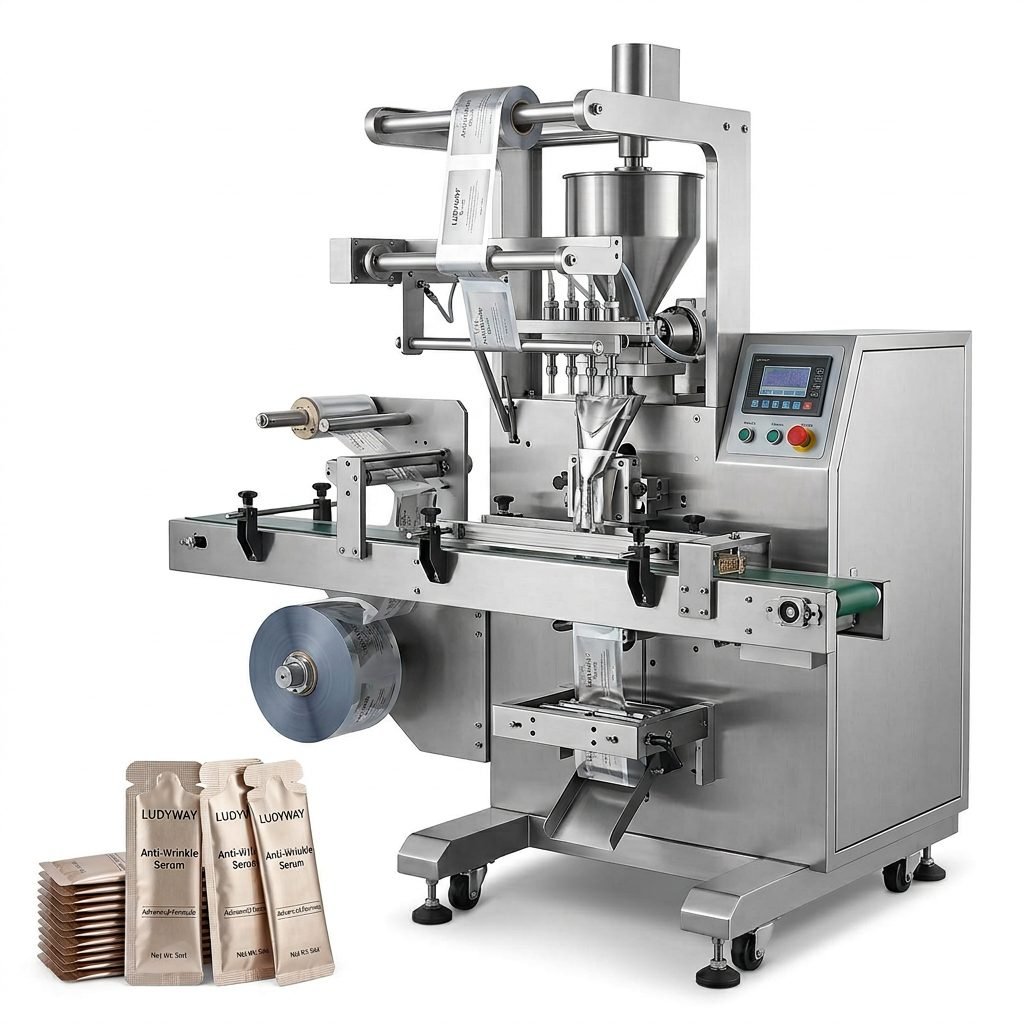
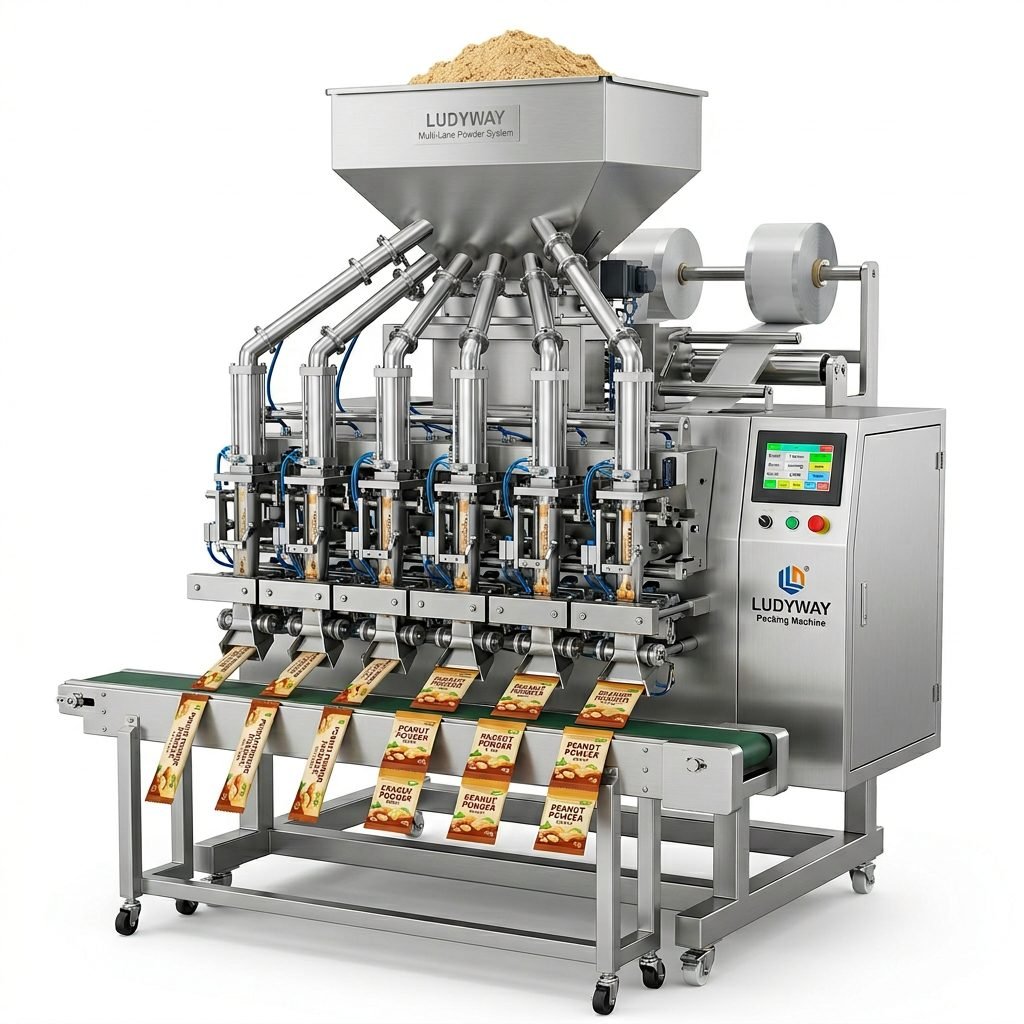
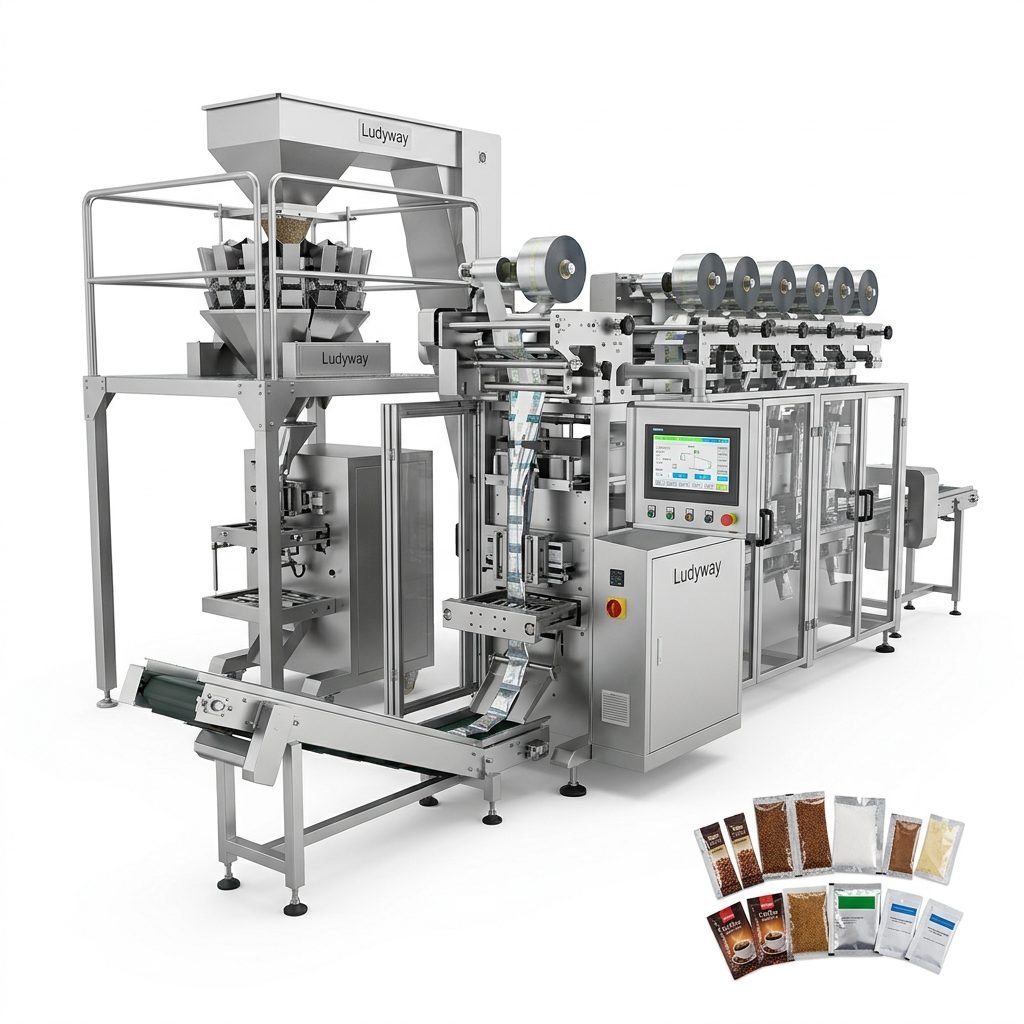
One company benefiting from this shift is Ludyway, one of China’s leading packaging machine and turnkey packaging line manufacturers. Founded in 1993, the company operates a manufacturing facility of more than 20,000 square meters and serves customers in over 100 countries and regions. With an estimated market share of 21.3% and over 30 years of industry experience, it has built a strong position in food, pharmaceutical, health supplement, and related packaging applications.
What buyers are looking for from suppliers
| Buyer Requirement | Why It Matters in 2026 |
|---|---|
| Multi-industry application knowledge | Supports diverse packaging projects and product formats |
| Turnkey line capability | Reduces integration risk and improves project execution |
| Customization flexibility | Helps match production targets, product types, and local compliance needs |
| Global service capability | Important for exporters and overseas factory installations |
Challenges the Industry Still Faces
Despite strong momentum, the industry is not without obstacles. Material cost volatility, regulatory complexity, line downtime, and skilled technician shortages continue to affect operations. At the same time, many manufacturers are under pressure to launch new SKUs faster while keeping packaging quality consistent.
These challenges are likely to further increase demand for smart, modular, and easy-to-scale packaging systems that can support both current production and future expansion.
2026 Growth Outlook
Looking ahead, the global packaging market is expected to remain on an upward path through 2026 and beyond. Demand fundamentals are strong, especially in essential sectors such as food, pharmaceuticals, personal care, and health products. The most successful packaging businesses will be those that combine automation, sustainability, flexibility, and dependable technical support.
For equipment buyers, 2026 is shaping up to be a year of strategic investment rather than delayed spending. Companies that modernize packaging operations now are more likely to achieve better efficiency, stronger quality control, and improved competitiveness in an increasingly demanding global market.