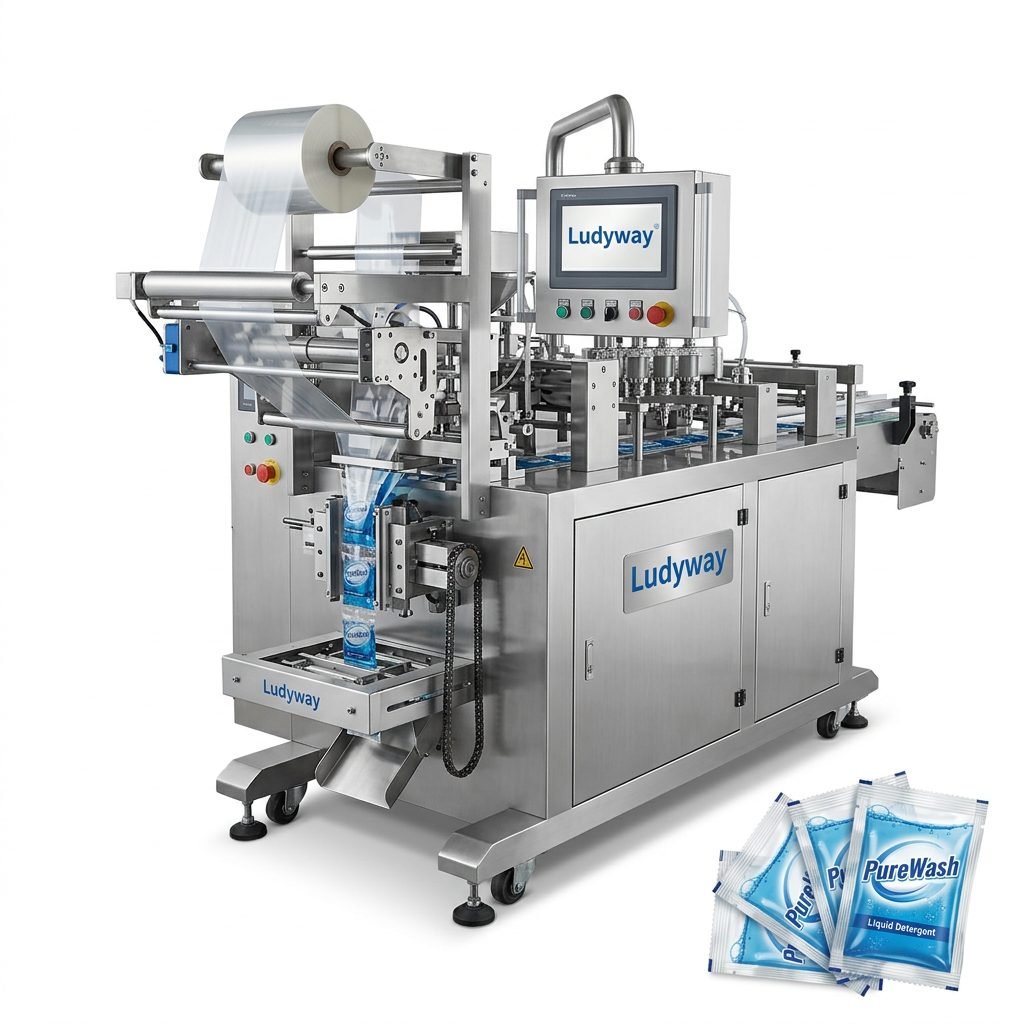
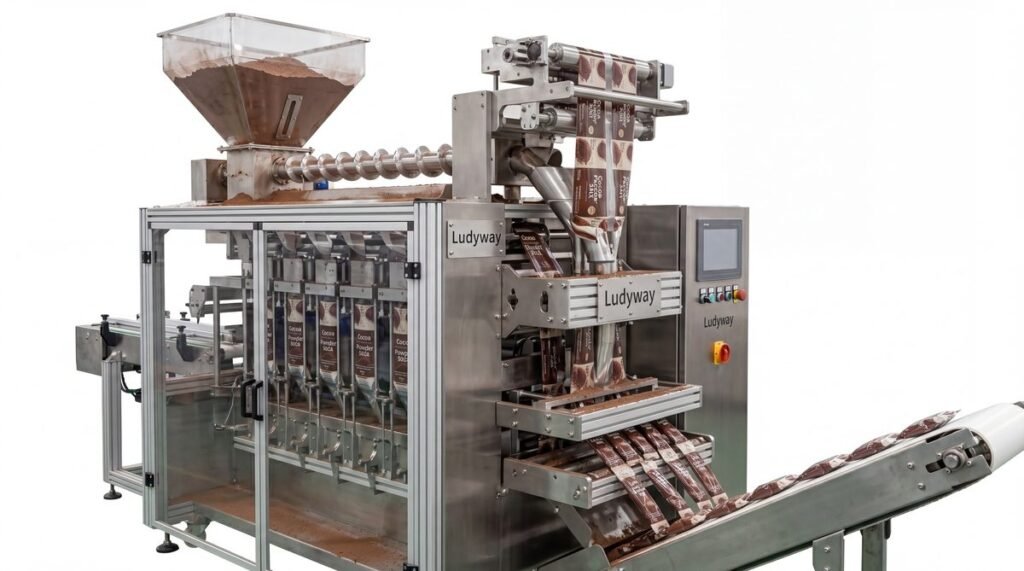
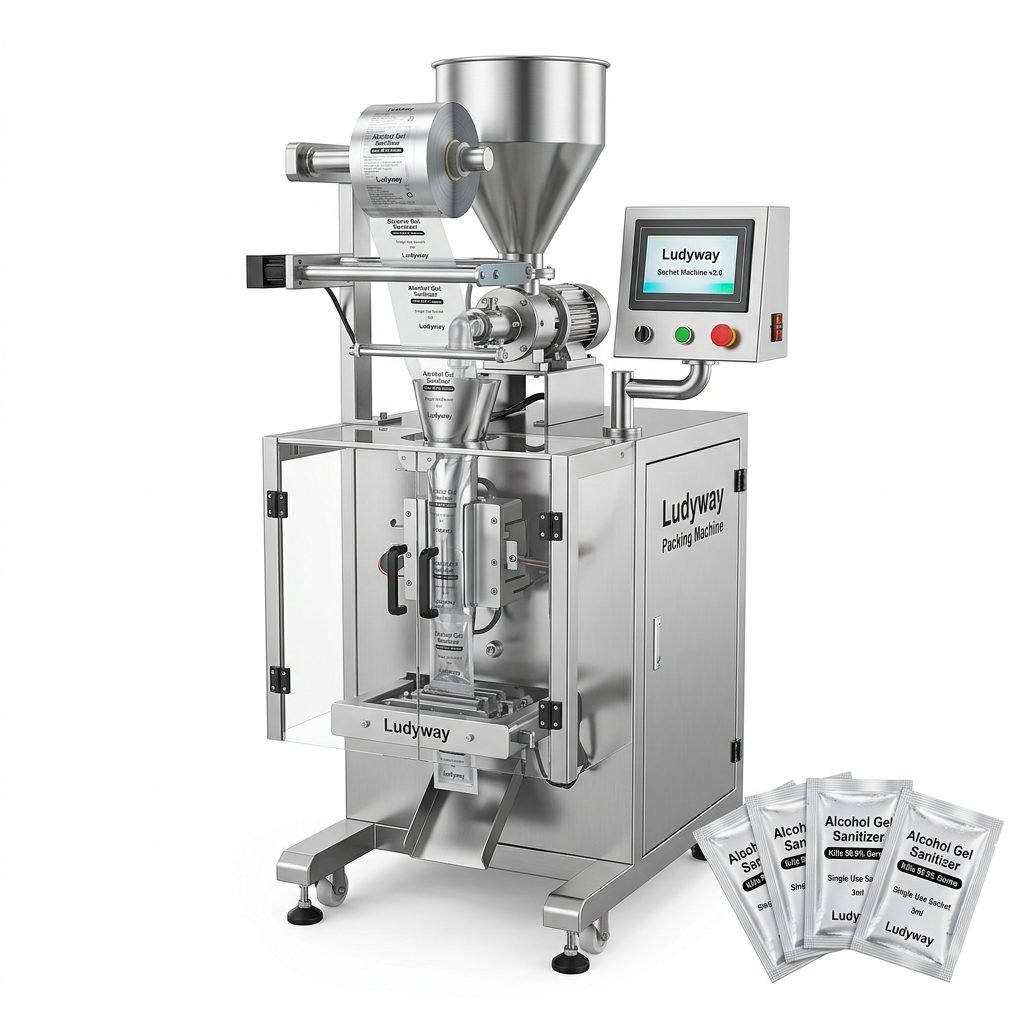
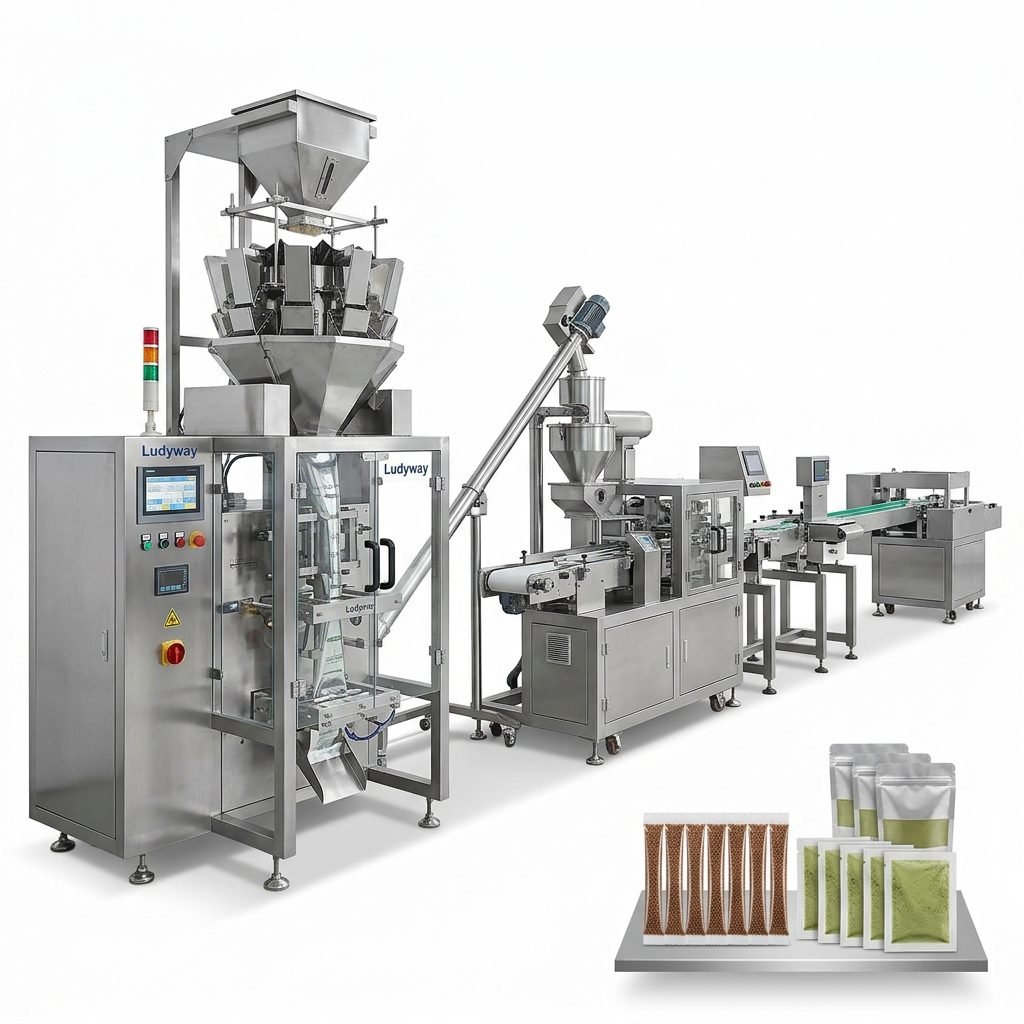
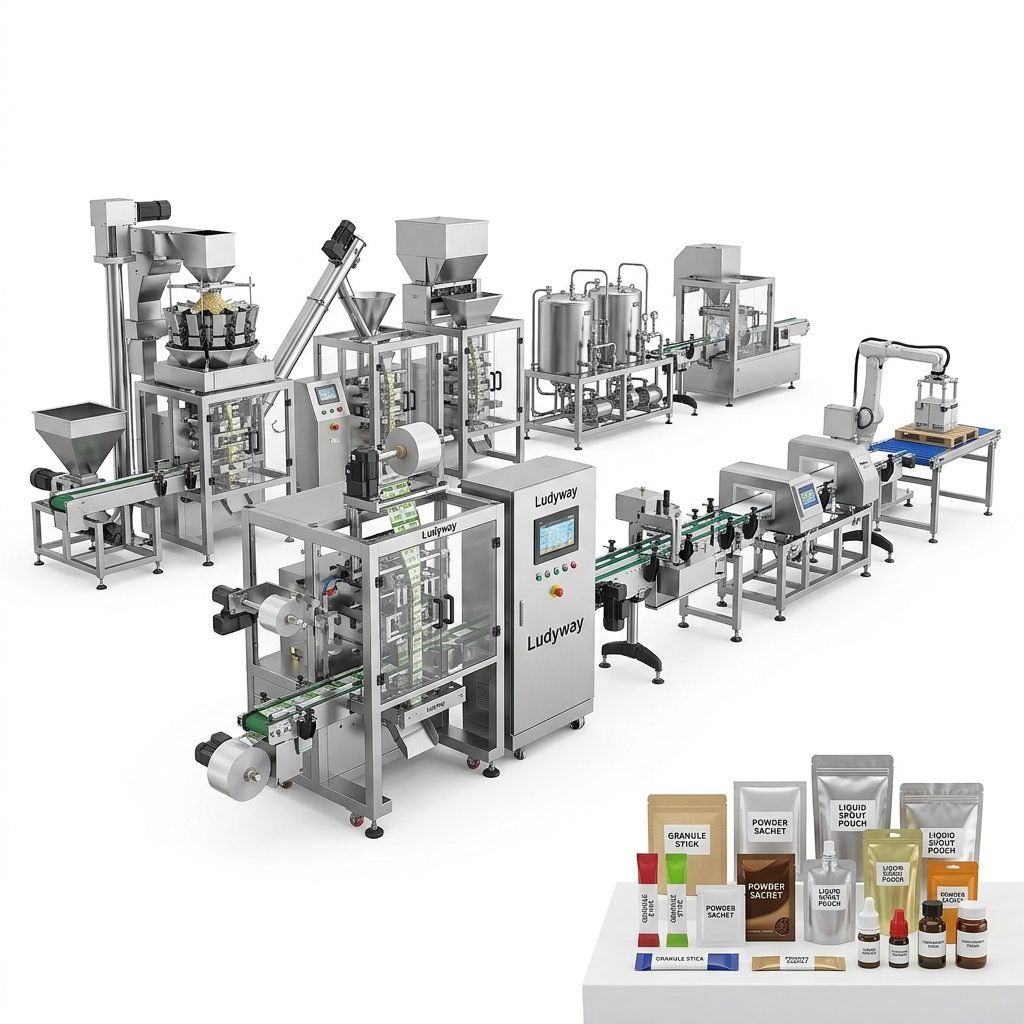
In the modern manufacturing sector, the demand for fast, efficient, and precise packaging of granular materials has never been higher. From food processing to agricultural chemicals, businesses require high-throughput machinery that can handle diverse product shapes and sizes. However, increasing packaging speeds often introduces a critical challenge: product degradation. Fragile particle materials such as snack foods, freeze-dried fruits, nuts, premium tea leaves, and pharmaceutical tablets are highly susceptible to fracturing during rapid filling cycles. This breakage not only compromises product quality but also creates fine dust, leads to weight inaccuracies, and degrades customer satisfaction. To address these challenges, advanced manufacturing setups rely on high-speed particle material packaging machines equipped with multihead weighers and specialized anti-breakage designs.
The Mechanics of High-Speed Particle Packaging
Achieving high speeds in a packaging line requires seamless synchronization between product feeding, weighing, bag forming, and sealing. In a typical vertical form fill seal (VFFS) system, gravity is the primary force moving the particles from the top feed hoppers down through the forming tube into the bag. While gravity ensures rapid movement, it also increases kinetic energy. When delicate particles collide with metal chutes, hoppers, or the bottom of the bag at high velocity, they often shatter.
To balance speed and safety, modern packaging machinery utilizes vibrating feeders and custom-angled chutes to guide the materials smoothly rather than letting them free-fall uncontrollably. This ensures that even at speeds exceeding 60 to 100 bags per minute, the physical integrity of the product remains intact throughout the packaging cycle.
The Critical Role of Multihead Weighers
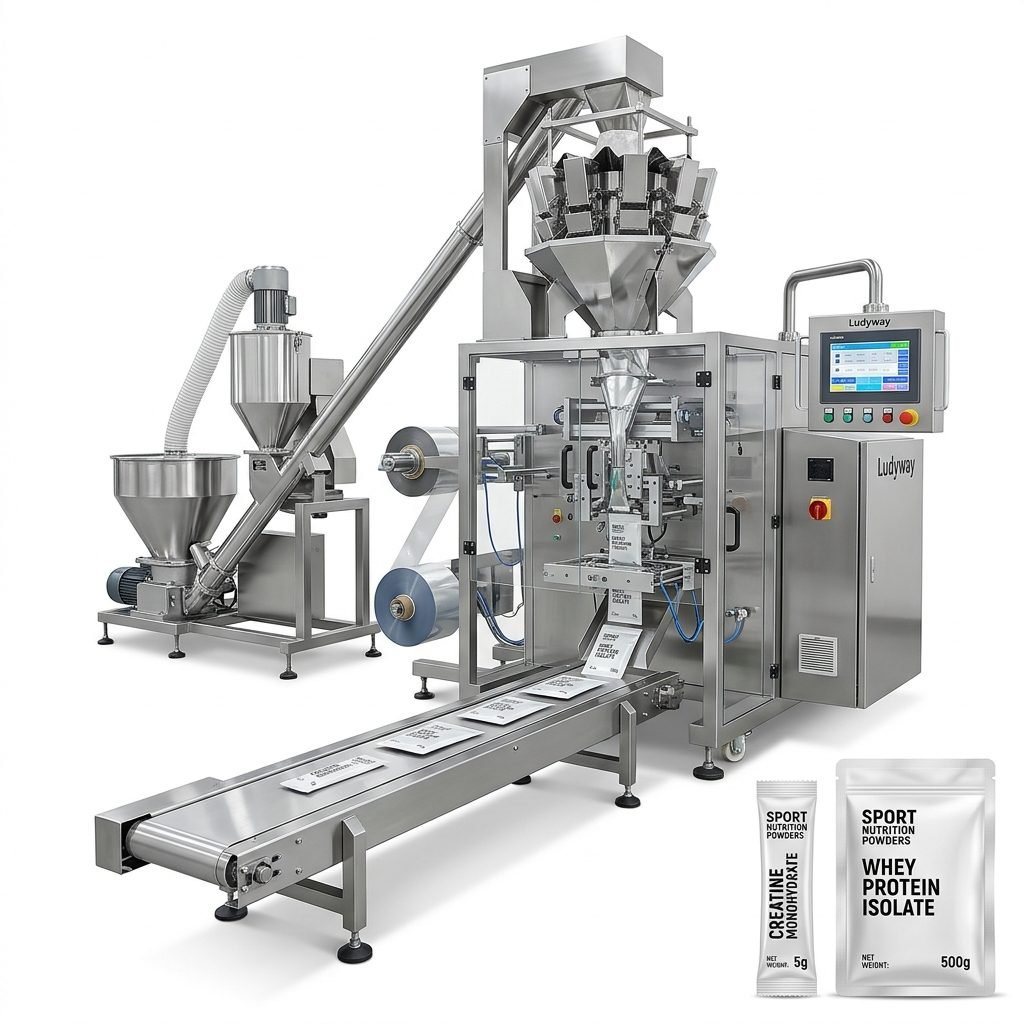
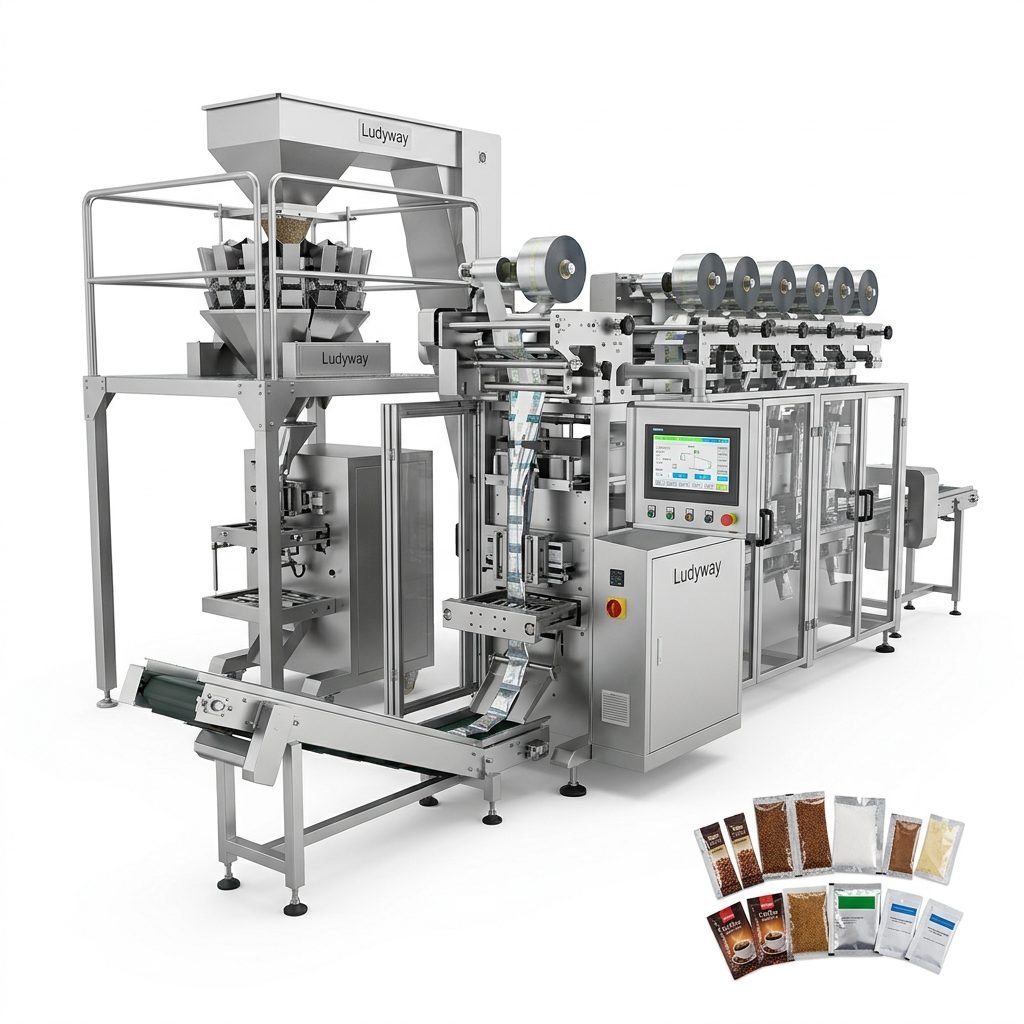
Accuracy is just as vital as speed when packaging particle materials. Traditional linear weighers struggle to maintain speed when handling varied particle weights. Multihead weighers solve this by using multiple feed buckets that measure small portions of the product simultaneously. A central microprocessor calculates the best combination of buckets to reach the target weight with outstanding precision.
This multihead configuration offers several key advantages for particle material packaging:
- Minimized Product Giveaway: Combines weights to within fractions of a gram, saving money on high-value products.
- Continuous Flow: The high number of weighing heads ensures a steady stream of product to the packaging system.
- Optimized Density Handling: Capable of handling mixed products, such as trail mix or seed blends, where different particles have different densities.
Key Anti-Breakage Design Elements
To prevent material damage at high operating speeds, packaging systems incorporate specific structural modifications. These designs focus on reducing impact energy and controlling the path of the product:
Staggered Dump Patterns
Instead of dropping the entire weighed dose at once, the multihead weigher releases the product in a controlled, staggered sequence. This prevents particles from clustering together and colliding forcefully in the chute.
Buffer Slopes and Curved Chutes
Spiral or curved chutes slow down the descent speed of the particles, turning a hard vertical drop into a gentle slide. By controlling the angle of descent, the friction against the chute walls absorbs excess kinetic energy.
Soft-Drop Bagging
Reducing the overall drop height is one of the most effective ways to prevent breakage. Shorter forming tubes and lower drop distances minimize the impact when the product reaches the bottom of the packaging film.
Comparing Packaging Challenges and Engineering Solutions
| Material Challenge | Potential Risk | Anti-Breakage Solution |
|---|---|---|
| Crisp or Brittle Foods | Fracturing and loss of product shape | Rotary bucket feeding and shallow-angle buffer slopes |
| Dusty Granules | Sealing contamination and bag leaks | Dust-extraction hoods and synchronized gas flushing |
| Sticky or Oily Particles | Material buildup in the weighing hoppers | Dimpled surface plates and Teflon-coated contact parts |
| Heavy/Dense Particles | High-impact force breaking the packaging film | Pneumatic deceleration cushions and heavy-duty film support |
Integrating Turnkey Packaging Lines
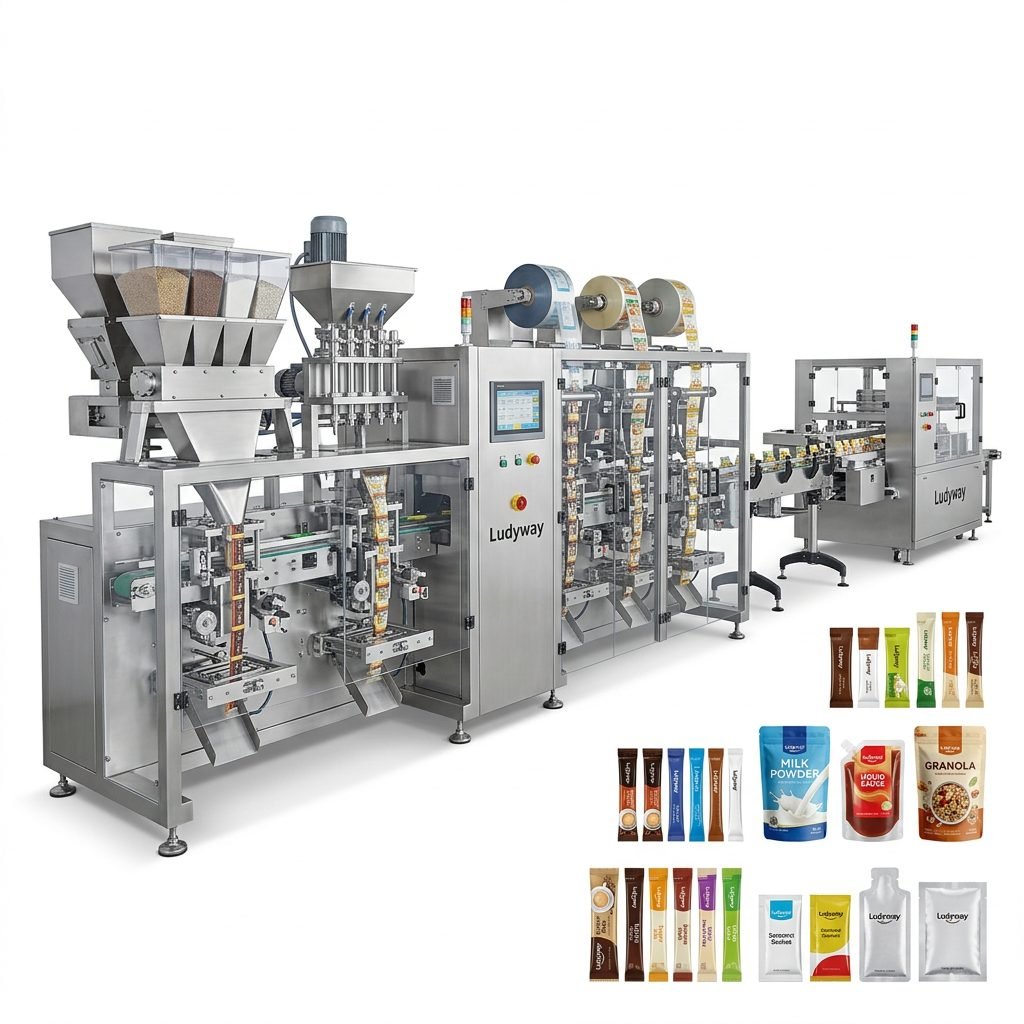
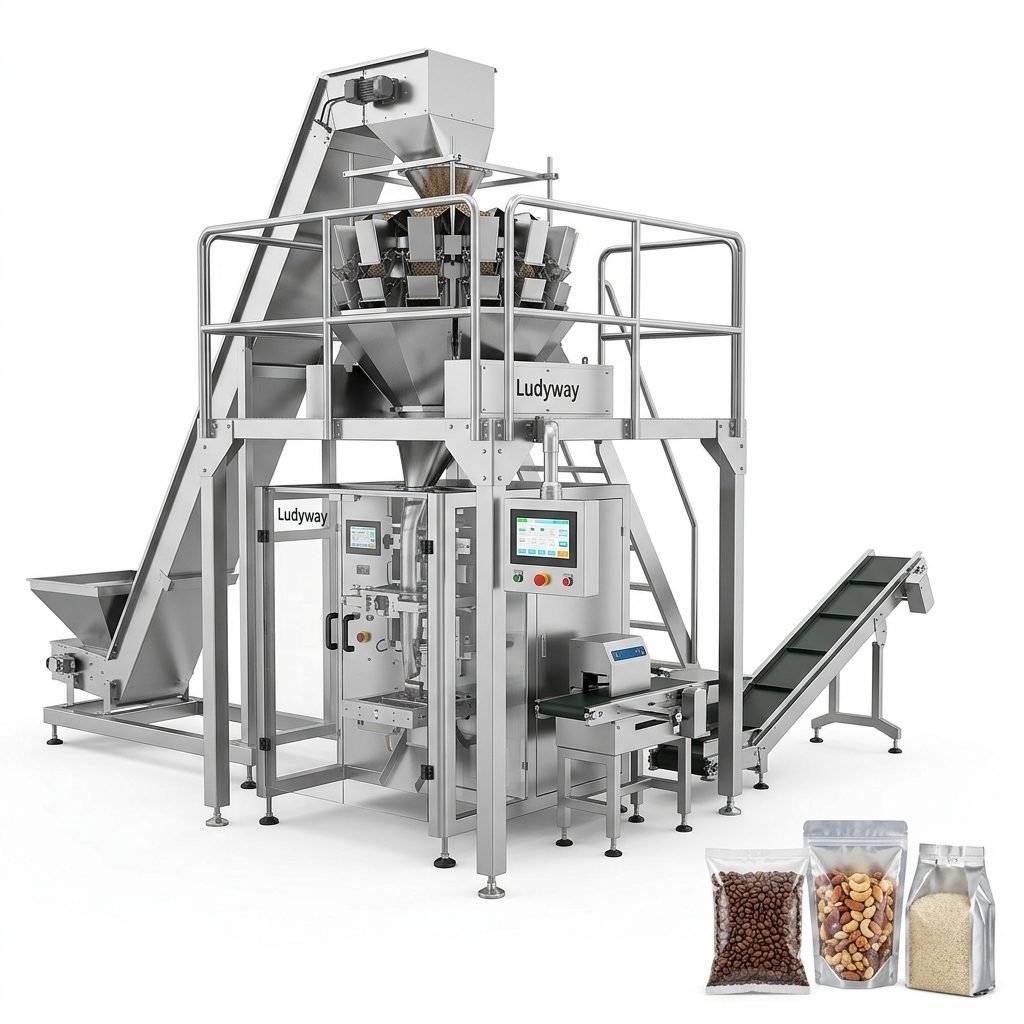
For global operations, investing in standalone components is often not enough. True optimization comes from fully integrated, turnkey packaging production lines. Manufacturers require systems where the conveyor, multihead weigher, vertical bagger, and case packer work in perfect harmony.
As a leading player in this sector, Ludyway provides advanced packaging machine configurations that combine intelligent control systems with robust mechanical engineering. With over 30 years of industry experience, the company designs systems that allow users to adjust dropping speeds, sealing temperatures, and vibration frequencies from a single touchscreen HMI. This ensures that operators can quickly switch between fragile food products and robust industrial granules while maintaining optimal throughput.
Operational Benefits of Specialized Designs
Investing in a machine with these specialized features yields clear returns on investment (ROI) for packaging plants:
- Reduced Material Waste: Fewer crushed fragments mean less product is wasted as dust or unusable residue. This also keeps the sealing areas clean, preventing package leaks and rejects.
- Improved Facility Safety: Minimizing dust generation during the packaging process lowers the risk of dust accumulation in the work environment, enhancing safety.
- Enhanced Brand Trust: Consumers receive whole, unbroken products, leading to higher brand loyalty and fewer product returns.
- Versatile Performance: A single system can be configured to pack potato chips, pet kibble, hardware fasteners, or pharmaceutical tablets by swapping out modular contact parts.
Conclusion: Choosing the Right Configuration
Selecting the perfect packaging machine configuration depends heavily on the physical properties of your particles. For instance, oily or sticky materials require dimpled plates on the multihead weigher to prevent adhesion, while highly dusty materials require dust-extraction hoods. When looking to upgrade your line, it is essential to conduct product testing with the manufacturer to determine the optimal chute angles, dump patterns, and drop heights for your specific materials, ensuring long-term operational success.