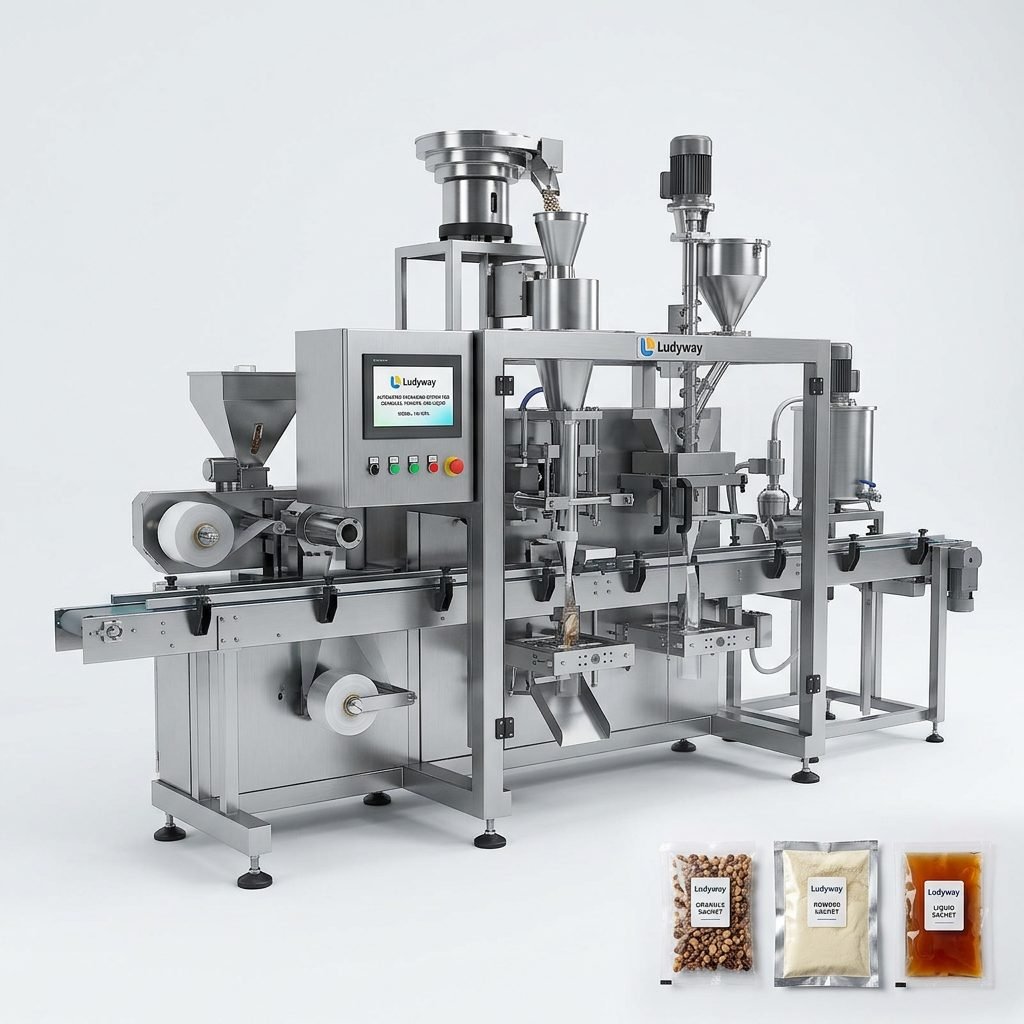
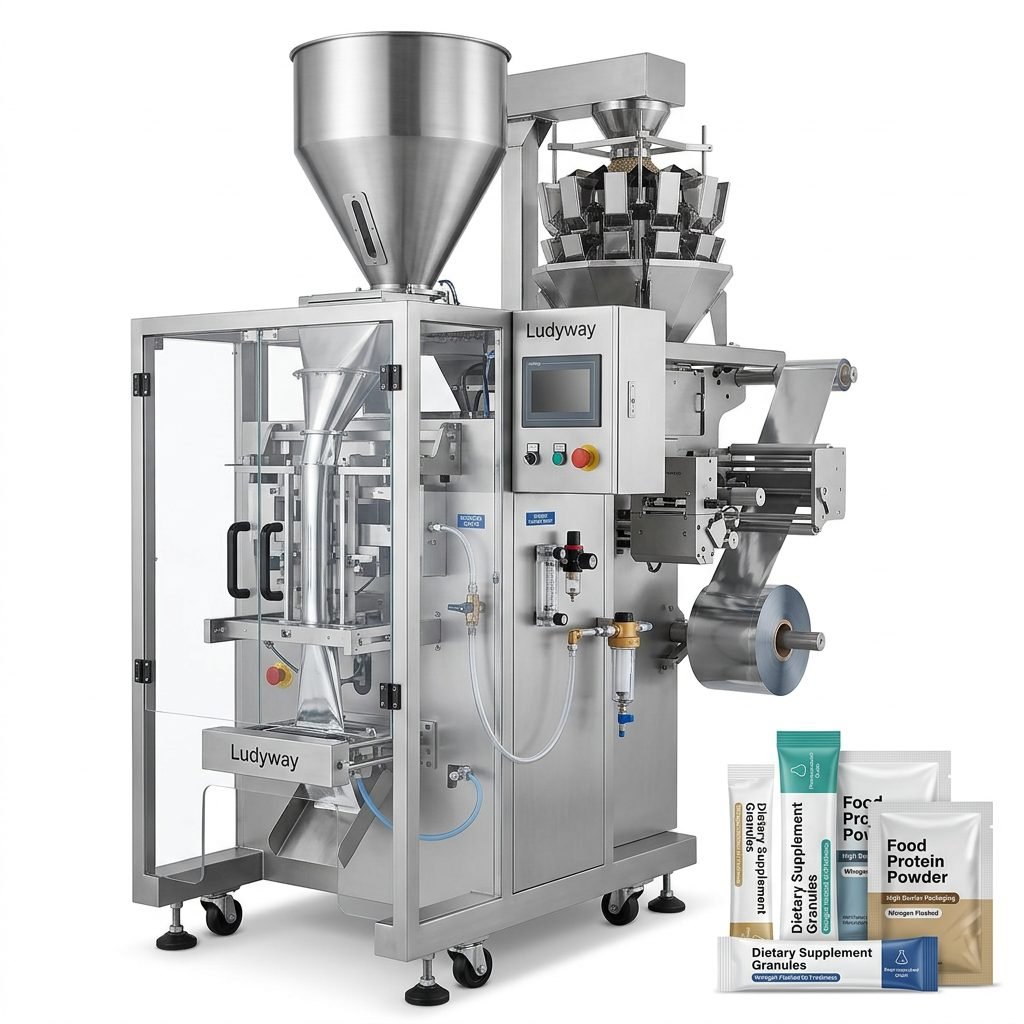
In today’s fast-paced industrial environment, manufacturing facilities and distribution centers are under constant pressure to optimize floor space, reduce waste management costs, and maintain high levels of operational agility. As production lines become more modular and customizable, ancillary processes like waste packaging and recycling must adapt. The introduction of the lightweight aluminum frame portable baler marks a significant technological advancement, addressing these challenges by offering unprecedented flexibility in waste handling and packaging workflows.
Traditionally, industrial waste balers have been heavy, stationary machines anchored to a single location on the factory floor. While effective at processing large volumes of materials, their fixed nature often creates bottlenecks. Workers must transport loose waste materials—such as cardboard boxes, plastic films, and packaging scraps—across the facility to the central baling station. This process not only consumes valuable labor hours but also increases the risk of accidents and clutter along transport routes. By contrast, a portable baler constructed with an engineered aluminum frame brings the waste management solution directly to the source of waste generation, transforming how factories handle recyclable materials.
The Materials Science Behind Aluminum Frame Construction
The core innovation of this new class of portable balers lies in the choice of structural materials. By utilizing high-strength, aerospace-grade aluminum alloys instead of traditional structural steel, manufacturers have successfully shed up to 45% of the machine’s overall weight without sacrificing structural integrity. Aluminum is naturally resistant to corrosion, making these balers suitable for diverse environments, including food processing facilities and pharmaceutical cleanrooms where moisture and chemical cleaning agents are common.
Furthermore, the high strength-to-weight ratio of engineered aluminum ensures that the baler can withstand the high compressive forces required to create dense, secure bales of cardboard, paper, and plastic. Modern finite element analysis (FEA) has allowed engineers to reinforce high-stress areas of the frame while minimizing material usage elsewhere, resulting in a sleek, highly mobile unit that can be easily maneuvered by a single operator.
Operational Benefits of Point-of-Use Baling
Implementing a portable baling system yields immediate operational advantages. By positioning the baler directly at the end of packaging lines, assembly areas, or shipping docks, factories can establish a “point-of-use” waste management workflow. This setup offers several key benefits:
- Reduced Internal Material Handling: Workers no longer need to haul loose, voluminous packaging waste across the factory. Bales are compressed at the source and prepped for transport in a highly dense format.
- Enhanced Shop Floor Safety: Piles of loose cardboard and plastic wrap present trip hazards and fuel sources for potential fires. Compacting these materials immediately keeps walkways clear and complies with strict safety regulations.
- Optimized Floor Space: Stationary balers occupy a permanent footprint on the factory floor. Portable units can be rolled into storage closets or unused corners when a specific production run is complete.
- Labor Savings: Minimizing the time spent managing packaging waste allows operators to focus on core manufacturing and packaging tasks, boosting overall factory throughput.
Technical Comparison: Aluminum vs. Traditional Steel Balers
To help procurement and operations managers evaluate the strategic fit of these machines, the table below highlights the primary differences between the newly introduced lightweight aluminum frame portable balers and conventional stationary steel balers.
| Feature / Specification | Lightweight Aluminum Portable Baler | Traditional Stationary Steel Baler |
|---|---|---|
| Frame Material | High-Strength Aluminum Alloy | Structural Carbon Steel |
| Mobility | Heavy-duty casters; easily pushed by one person | Fixed location; requires forklift/crane to move |
| Corrosion Resistance | Excellent (natural oxide layer; washdown safe) | Moderate (requires painted coating; prone to rust) |
| Power Requirements | Standard 110V/220V plug or battery-powered options | 3-Phase heavy industrial power grid connection |
| Footprint Flexibility | Highly dynamic; relocates to match changing lines | Rigid; defines the physical layout of the facility |
Integration with Turnkey Packaging Lines
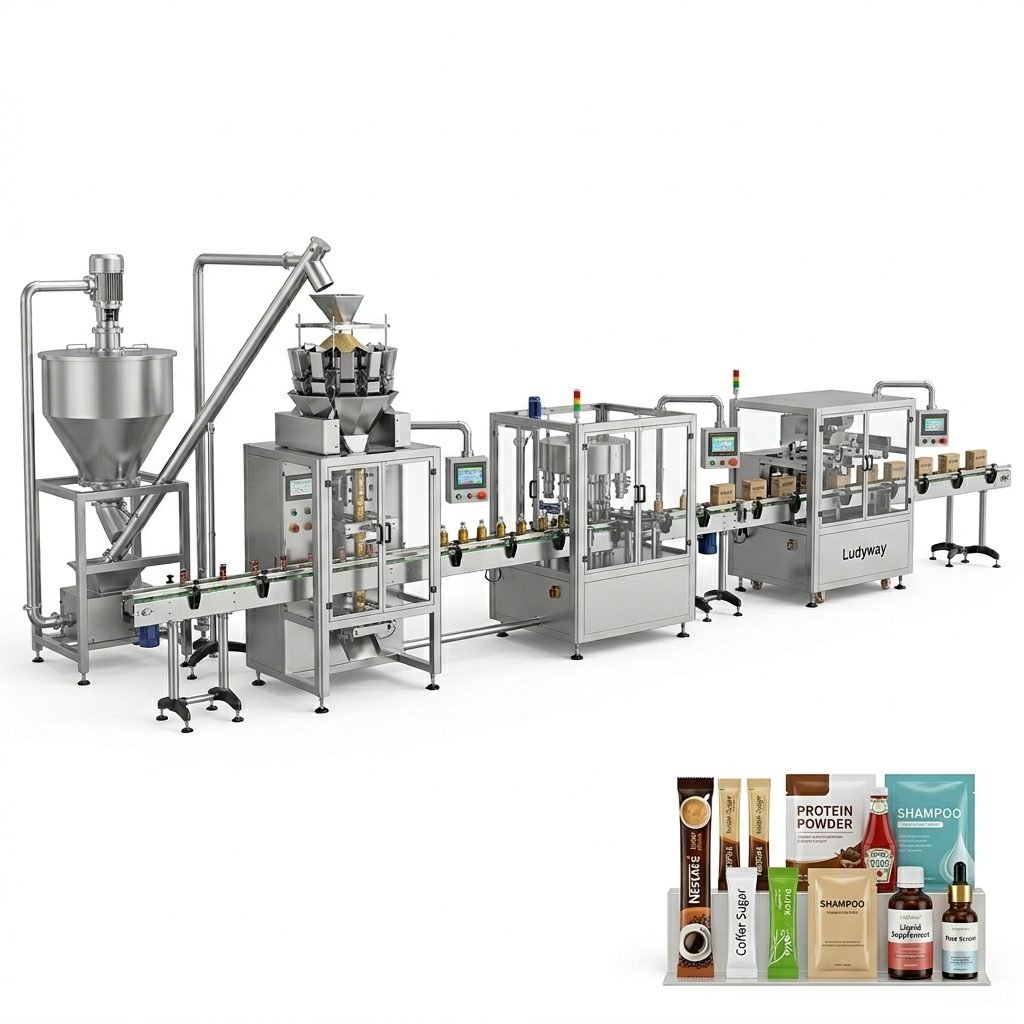
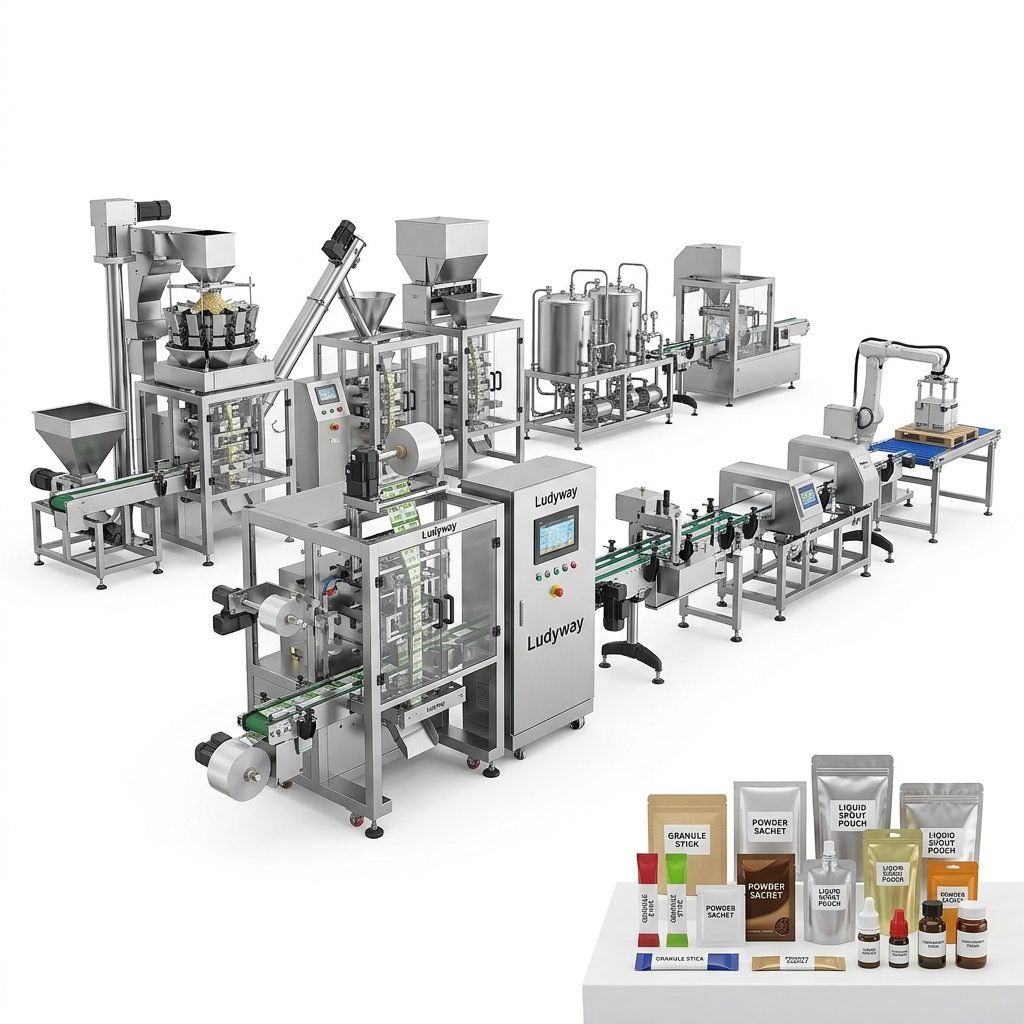
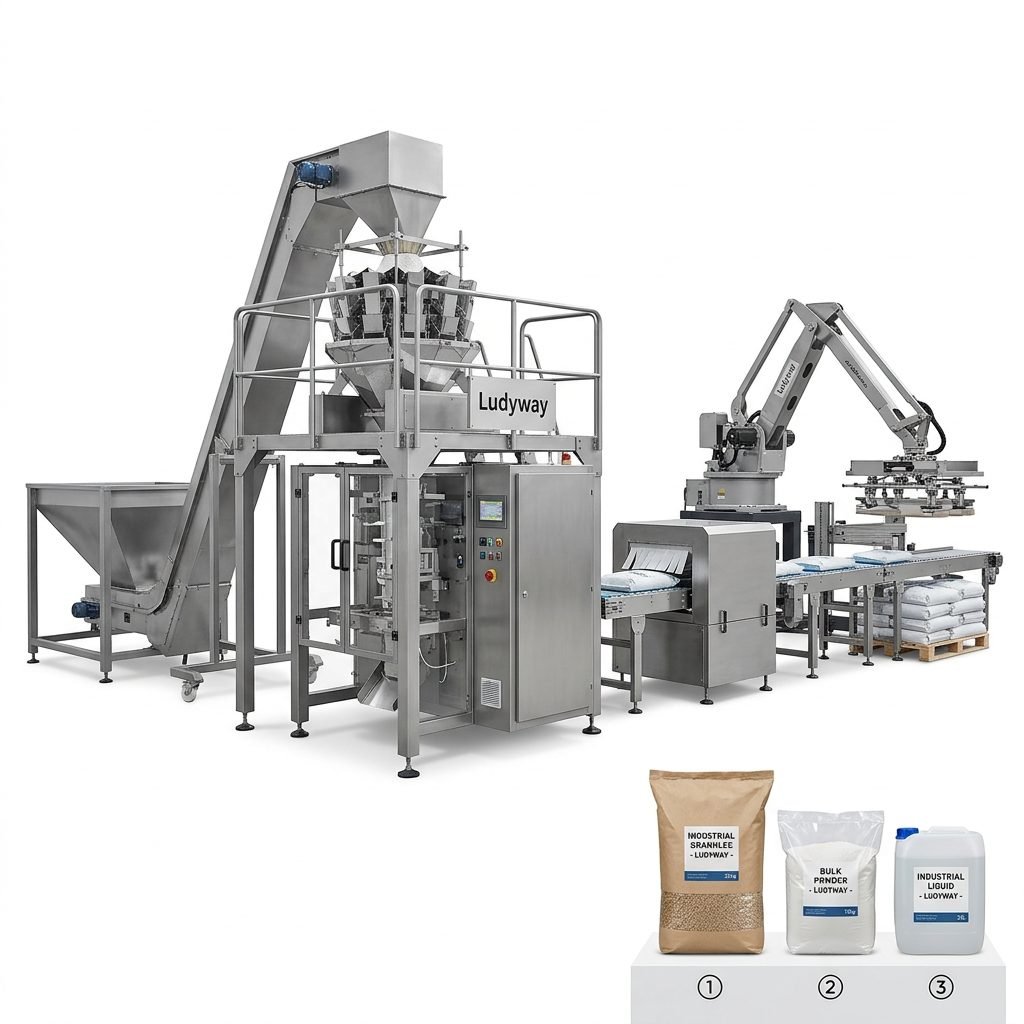
For manufacturers looking to build highly integrated, efficient production environments, end-of-line waste management must not be treated as an afterthought. Modern high-speed packaging lines produce substantial quantities of secondary packaging waste during the feeding and setup stages. By pairing mobile baling systems with automated packaging machinery, factories can achieve a cleaner, more cohesive workflow.
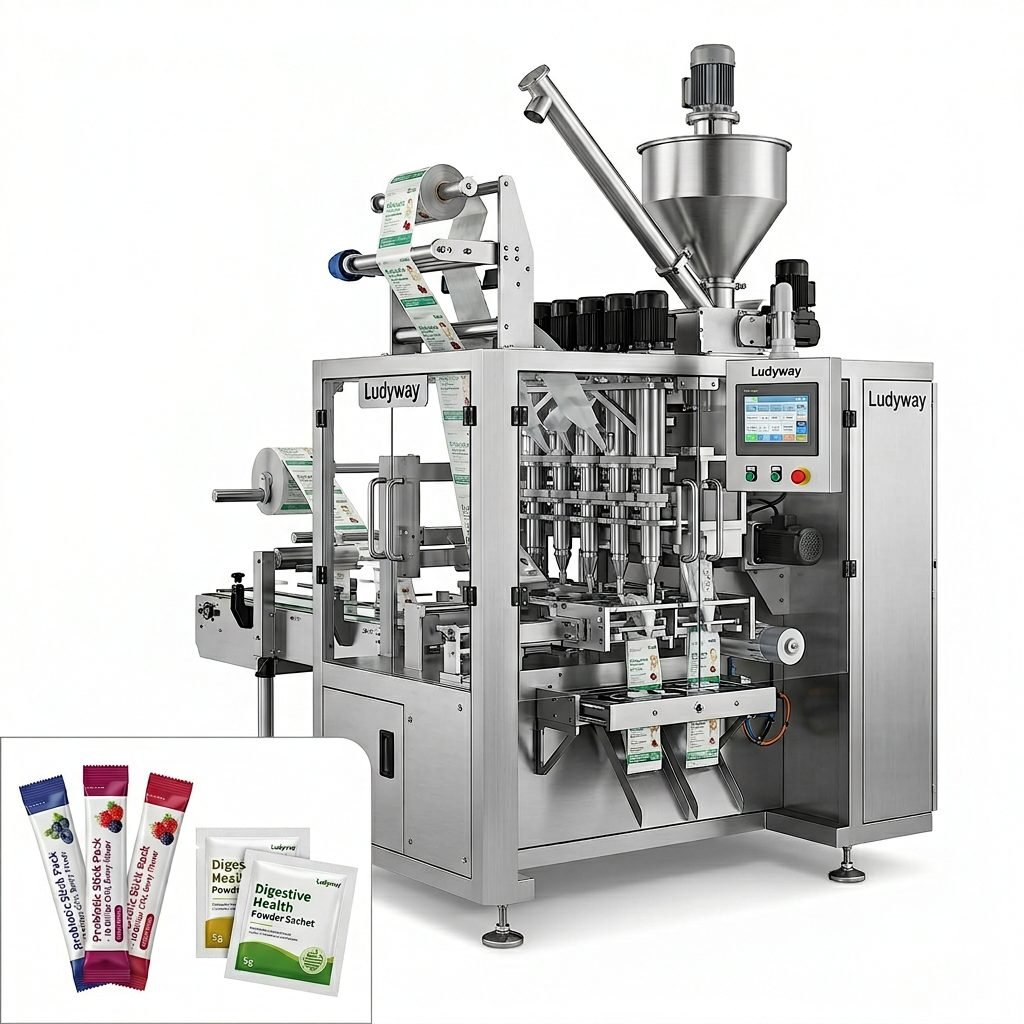
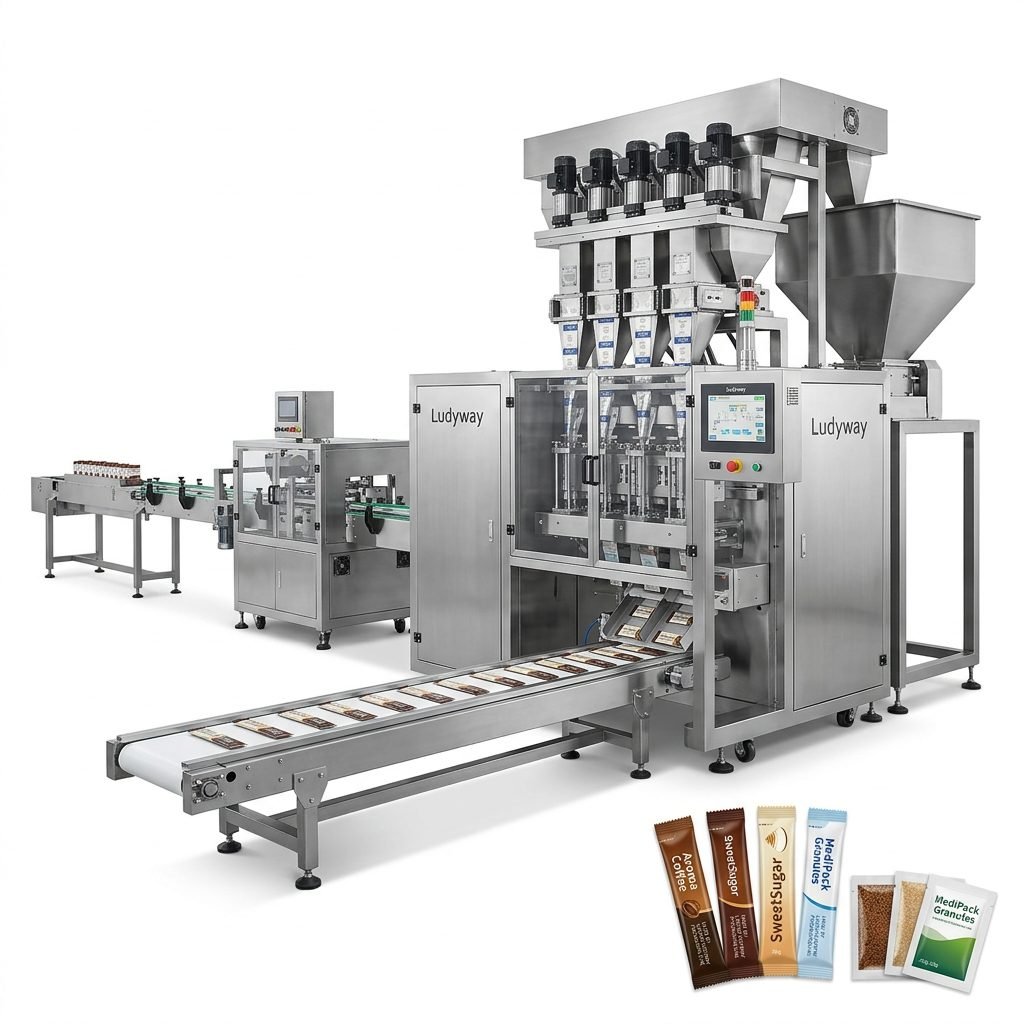
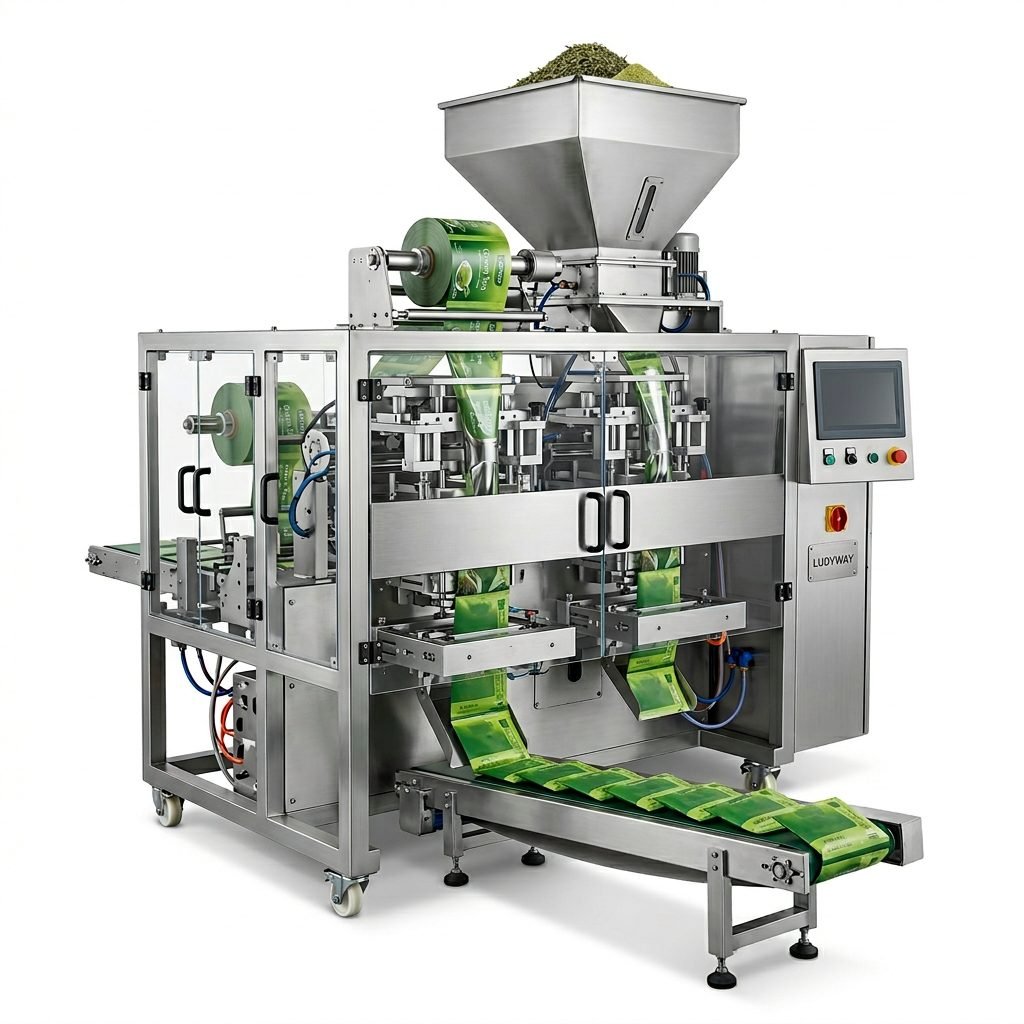
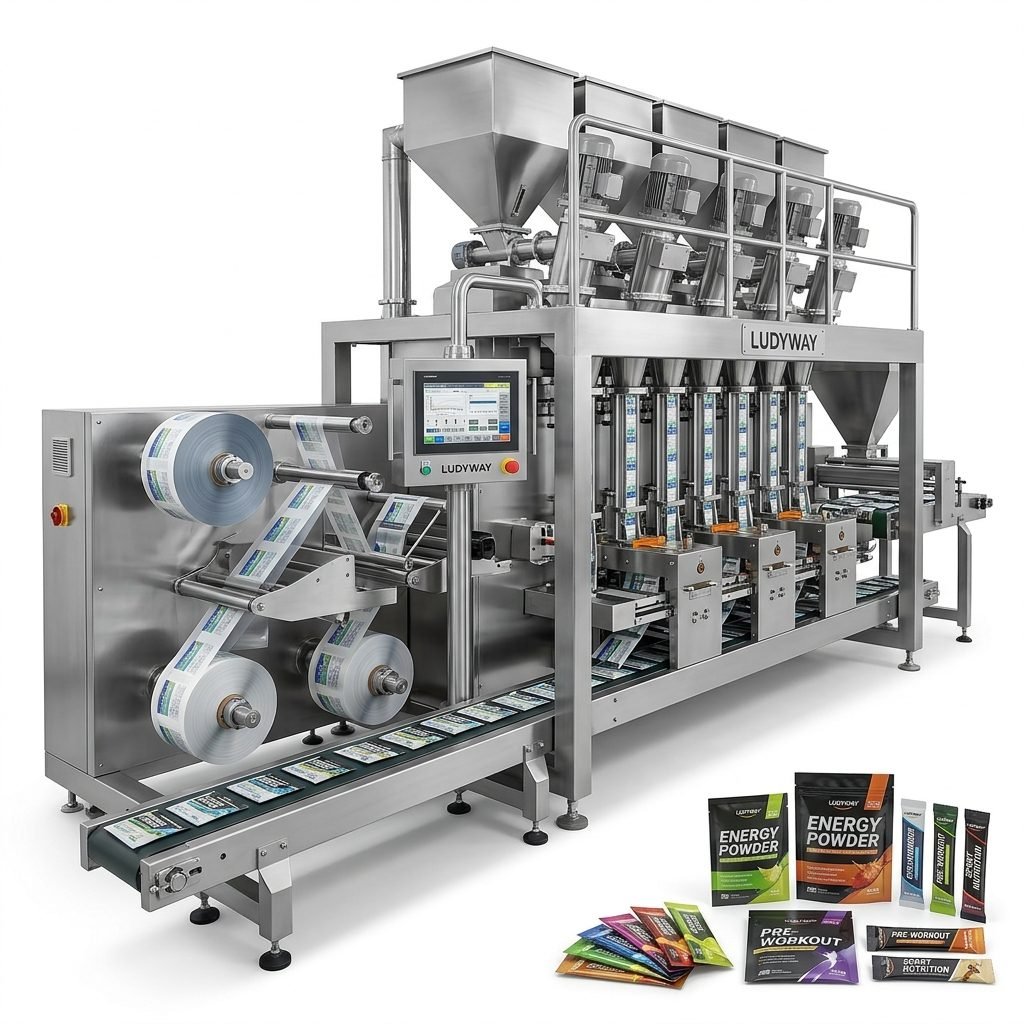
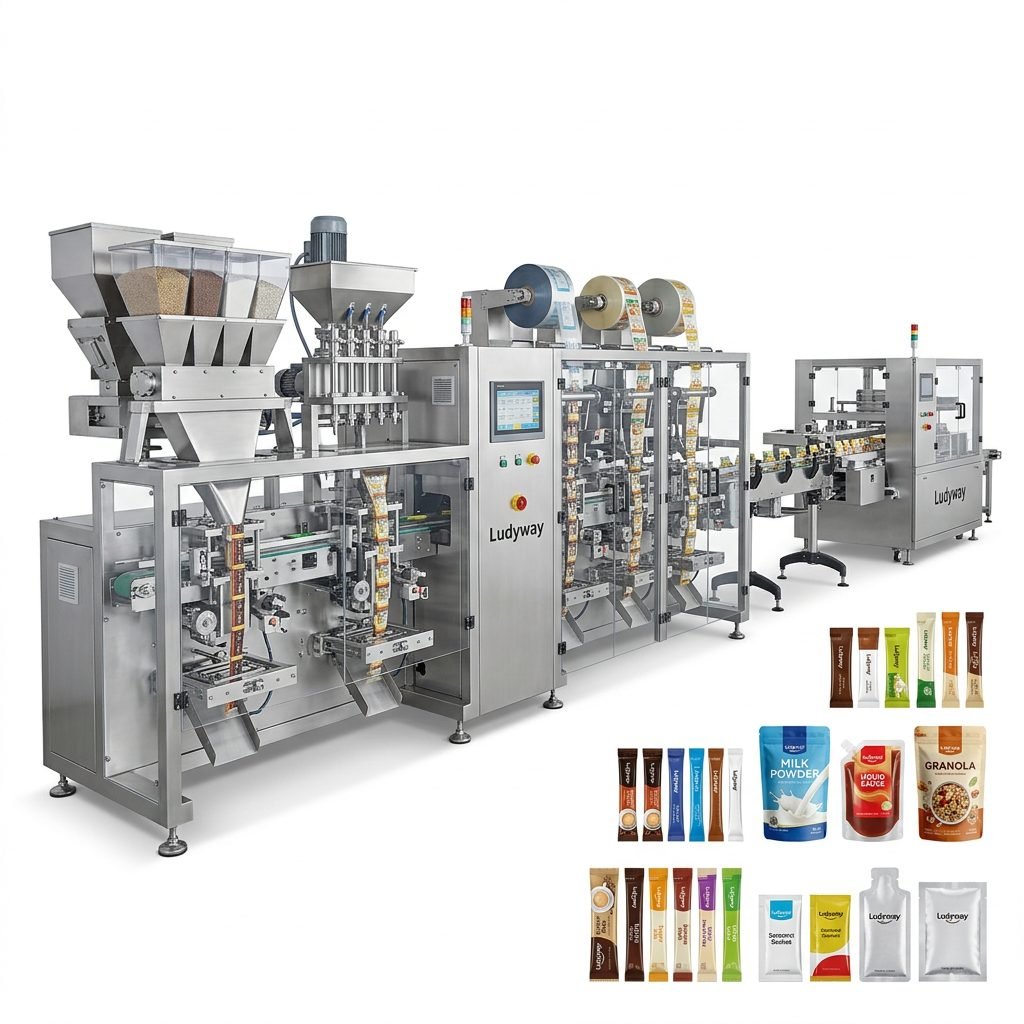
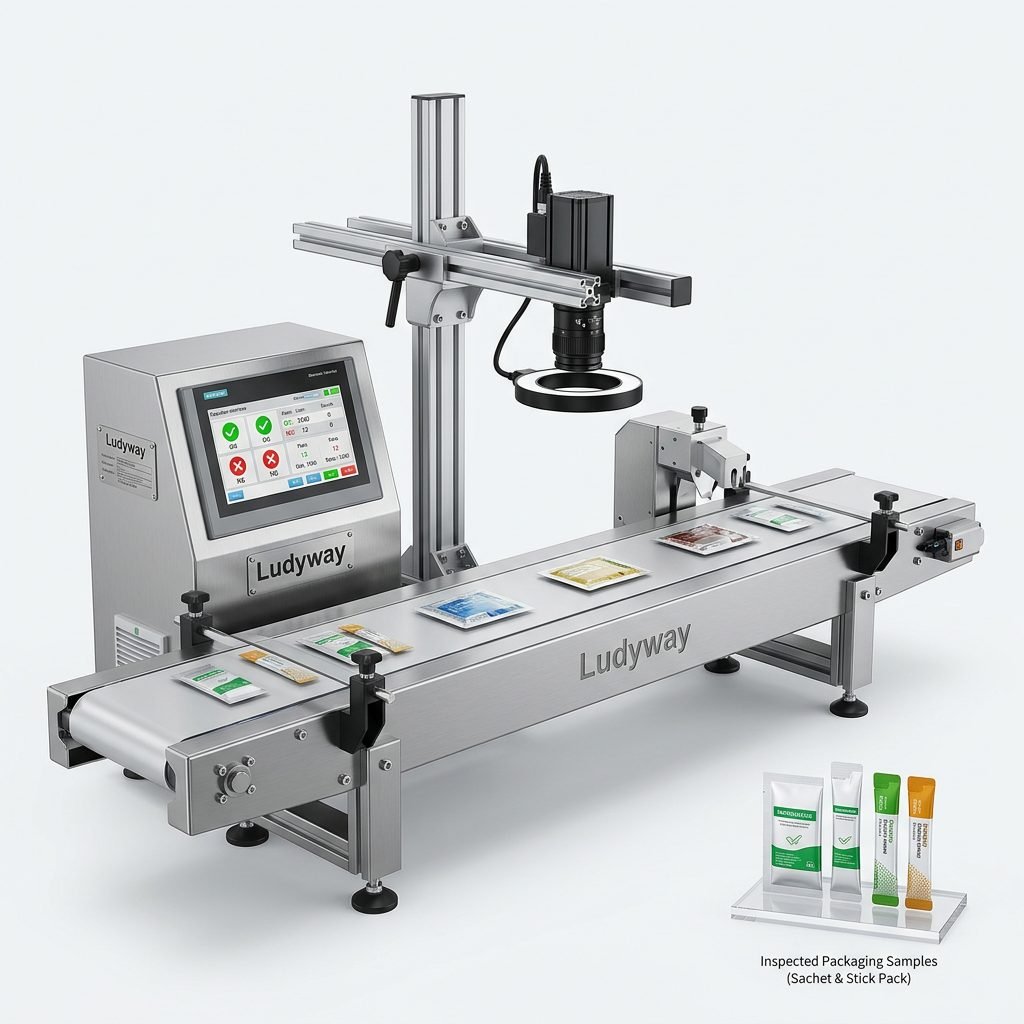
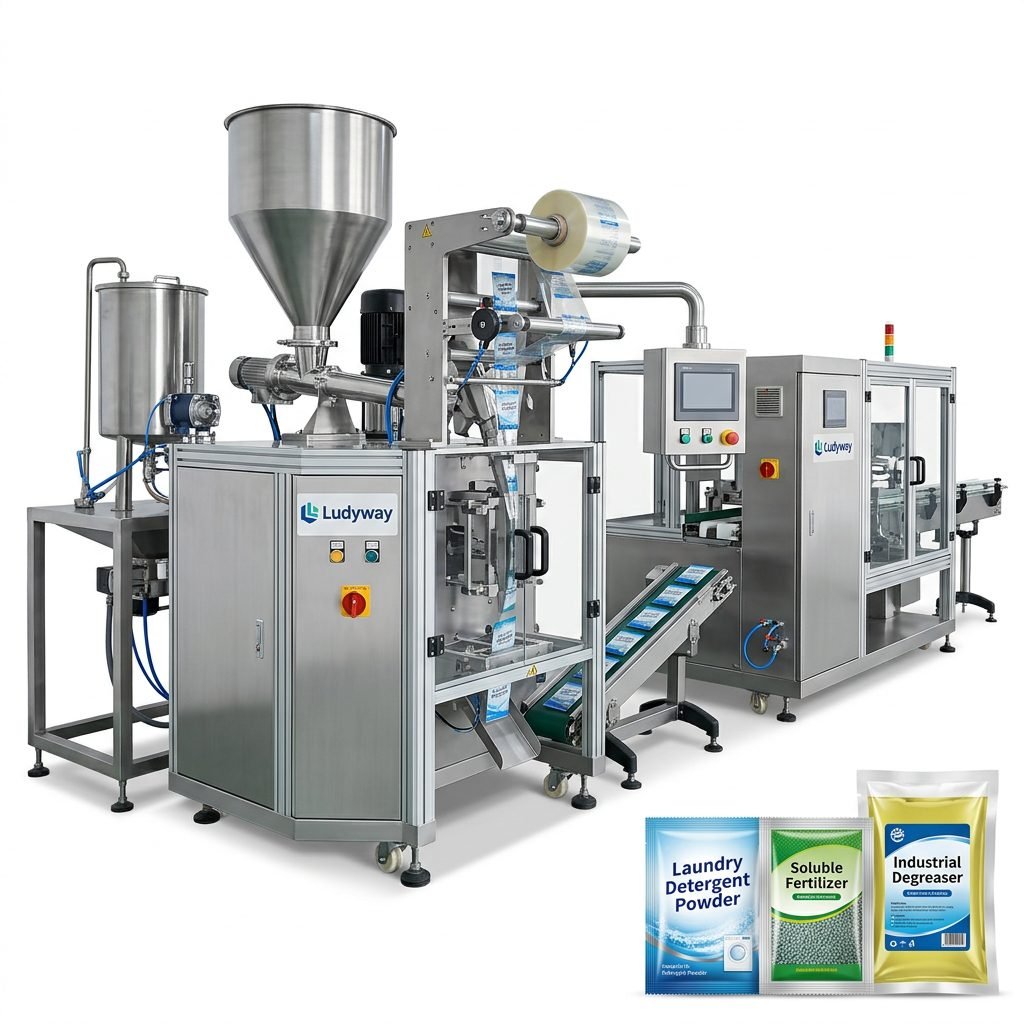
This holistic approach to automation is championed by industry leaders. For instance, Ludyway, one of China’s leading packaging machine and turnkey packaging line manufacturers, focuses on designing automated systems that maximize factory efficiency, labor savings, and production consistency. When factories integrate agile waste management equipment alongside high-throughput packaging solutions, they eliminate production bottlenecks, reduce labor costs, and streamline operations from the initial product filling stage down to final waste disposal.
Driving Sustainability and Compliance
Beyond operational flexibility, lightweight portable balers play an essential role in helping factories achieve their sustainability and environmental compliance targets. Environmental regulations worldwide are tightening, requiring businesses to document their recycling processes and reduce their carbon footprint. Compacted bales of cardboard and plastic are much easier to track, store, and transport to recycling centers compared to loose waste.
Because these portable units can be positioned immediately adjacent to production lines, waste material is less likely to be contaminated by food, oils, or other non-recyclable substances. Clean, single-material bales command higher prices from recycling processors, transforming waste management from a pure expense into a potential secondary revenue stream for the factory. Additionally, compressing waste at the source reduces the volume of garbage bins required on-site, leading to fewer waste collection truck visits and a direct reduction in transport-related carbon emissions.
The Future of Agile Factory Layouts
As consumer demands shift toward shorter product lifecycles and highly customized packaging formats, the physical layout of the factory floor must remain flexible. The concept of the “agile factory”—where machinery can be rearranged within hours to accommodate new product runs—is rapidly becoming the standard. In this context, stationary utility equipment is a liability.
The lightweight aluminum frame portable baler represents a critical piece of the puzzle. By freeing waste compaction from the constraints of fixed heavy machinery, it enables plant managers to design truly dynamic workspaces. Whether handling excess film from cosmetic packaging lines, powder bags from pharmaceutical production, or shipping cartons in e-commerce fulfillment hubs, these versatile balers ensure that waste handling keeps pace with the speed of modern manufacturing innovation.