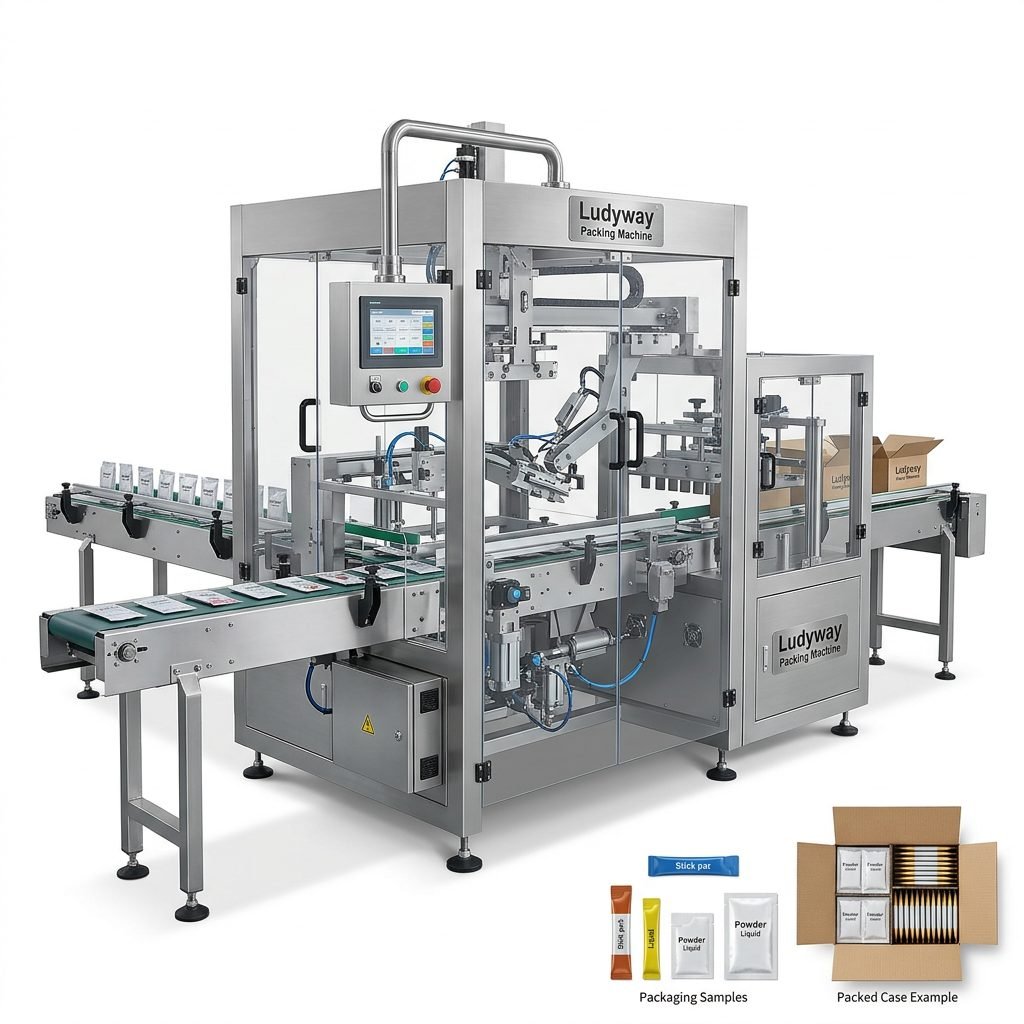
Modern manufacturing environments are undergoing a significant paradigm shift. The traditional concept of static, rigid assembly lines is rapidly giving way to dynamic, reconfigurable factory floors. To remain competitive in a fast-paced global market, production facilities must adapt to fluctuating product demands, shorter product lifecycles, and the continuous need for floor plan optimization. One of the most effective strategies driving this operational agility is the adoption of lightweight aluminum structural designs, particularly when applied to mobile machinery such as baling and packaging systems.
Historically, heavy industrial machinery was anchored to the factory floor, requiring extensive downtime and heavy rigging equipment whenever a layout change was required. Today, engineers are utilizing high-strength aluminum alloys to construct frames and support structures for essential equipment. By reducing the overall weight of these systems without sacrificing mechanical integrity, manufacturers can easily reposition machines to meet shifting workflow requirements. This article explores how lightweight aluminum structural design is boosting factory flexibility, streamlining packaging operations, and lowering overhead costs.
The Need for Agility on the Factory Floor
In a traditional setup, waste management and product packaging units, such as balers and compactors, are placed in fixed locations. This requires workers or automated guided vehicles (AGVs) to transport raw materials or waste across long distances, creating bottlenecks and increasing internal logistics costs. By mobilizing these machines, factories can move the packaging process directly to the source of waste or product accumulation.
Mobile baling machines equipped with heavy-duty castors and lightweight frames allow operators to quickly roll the equipment between different production zones. For example, during a high-volume run of a specific product line, the baling machine can be positioned at the end of that specific conveyor system. Once the run is complete, the machine can be relocated to a different department within minutes, maintaining a continuous and lean workflow.
Why Aluminum Structural Design is the Ideal Choice
The transition from structural steel to aluminum is the primary catalyst behind the mobility of modern packaging equipment. While steel offers exceptional strength, its high density makes machinery heavy and difficult to maneuver manually. Aluminum, on the other hand, provides an excellent strength-to-weight ratio, allowing engineers to design robust structures that are significantly lighter.
| Material Property | Structural Steel | High-Strength Aluminum |
|---|---|---|
| Weight Density | High (approx. 7.8 g/cm³) | Low (approx. 2.7 g/cm³) |
| Corrosion Resistance | Low (requires coating/painting) | High (natural oxide layer protection) |
| Modularity | Requires welding and heavy cutting | Easy assembly with T-slot profiles |
| Mobility Support | Requires motorized transport | Suitable for manual or light towing |
By integrating T-slot aluminum extrusions, manufacturers can create modular frames that are easily adjusted, expanded, or repaired. This modularity means that if a mobile baling machine needs to be retrofitted with new sensors, safety guards, or feeding hoppers, the changes can be executed on-site without the need for welding or specialized fabrication tools.
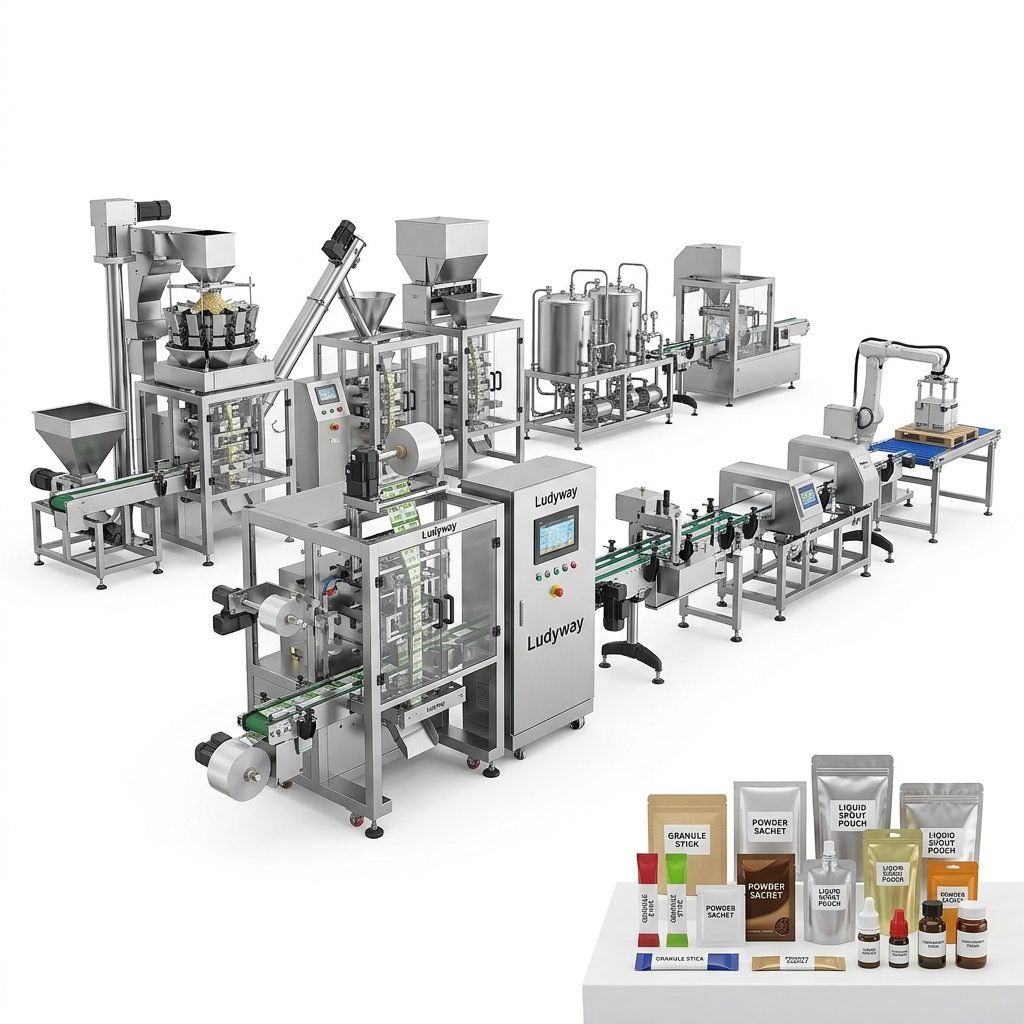
Key Advantages of Mobile Baling Machines
Implementing mobile baling machinery built with lightweight structural aluminum offers several immediate benefits for plant managers and business owners:
- Optimized Space Utilization: When not in active use, mobile balers can be rolled into storage areas, freeing up valuable floor space for core manufacturing operations.
- Reduced Labor Costs: Workers no longer need to transport loose packaging materials across the facility. Instead, the baler is brought directly to the workstation, minimizing transit time and material handling hazards.
- Enhanced Worker Safety: Aluminum structures are designed with rounded edges and lightweight profiles, reducing the risk of strain injuries during machine relocation. Furthermore, the elimination of heavy towing equipment reduces the likelihood of floor accidents.
- Environmental Sustainability: Efficient local compaction of waste paper, cardboard, and plastic films helps factories maintain clean workspaces, simplifies recycling workflows, and reduces the carbon footprint associated with waste collection.
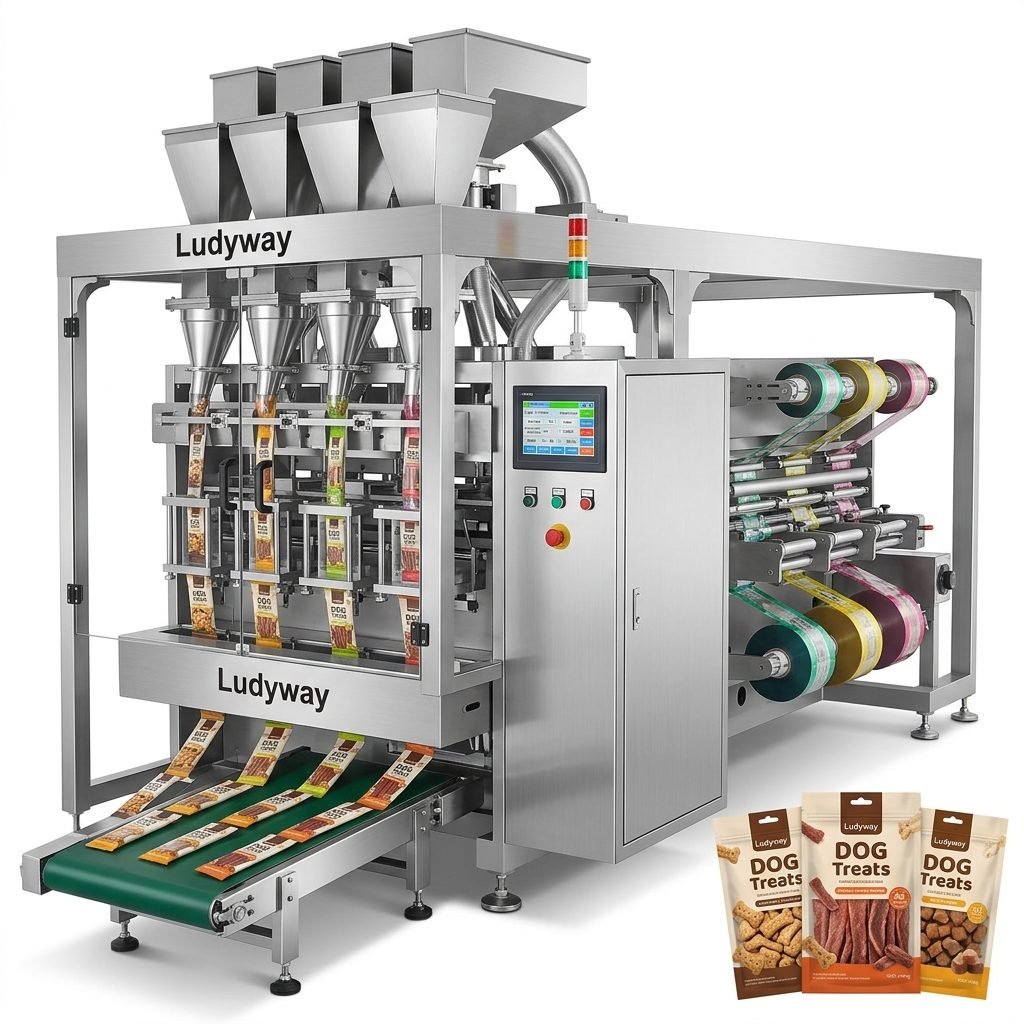
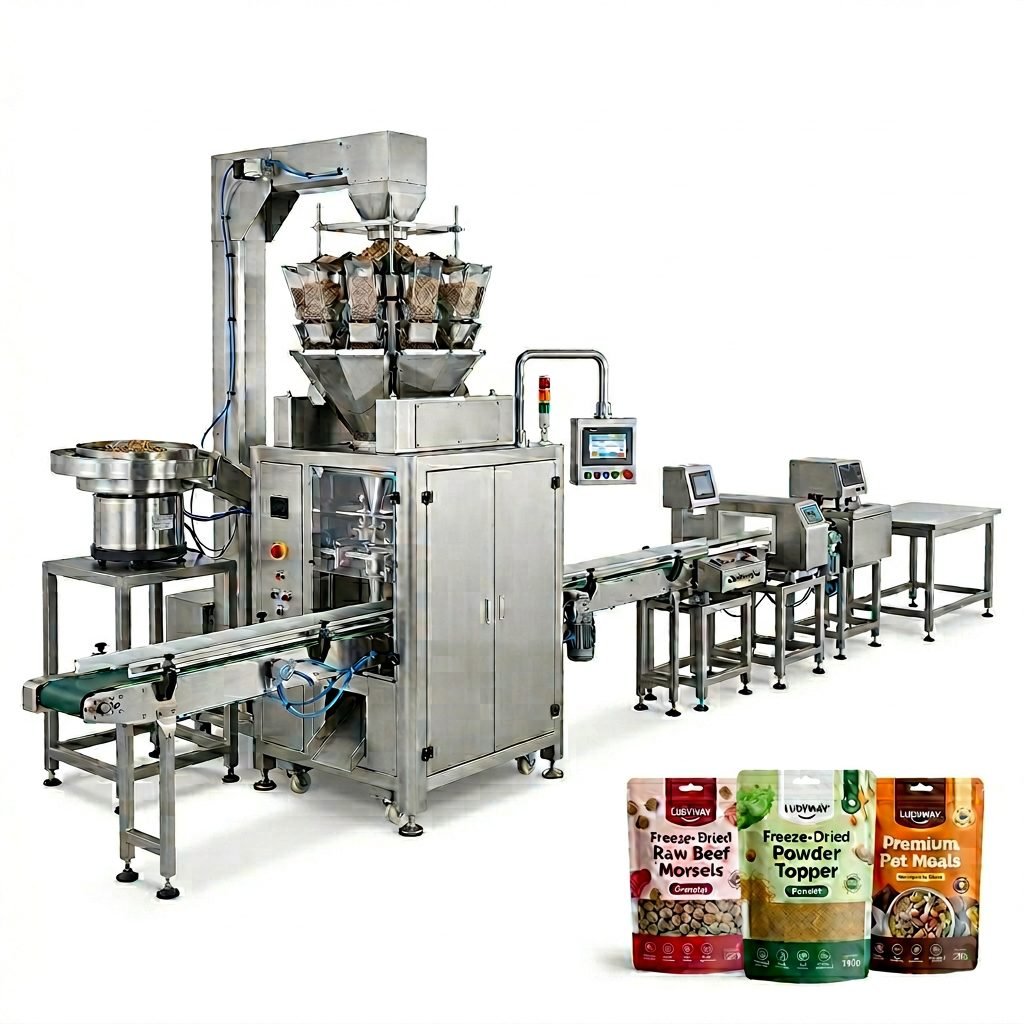
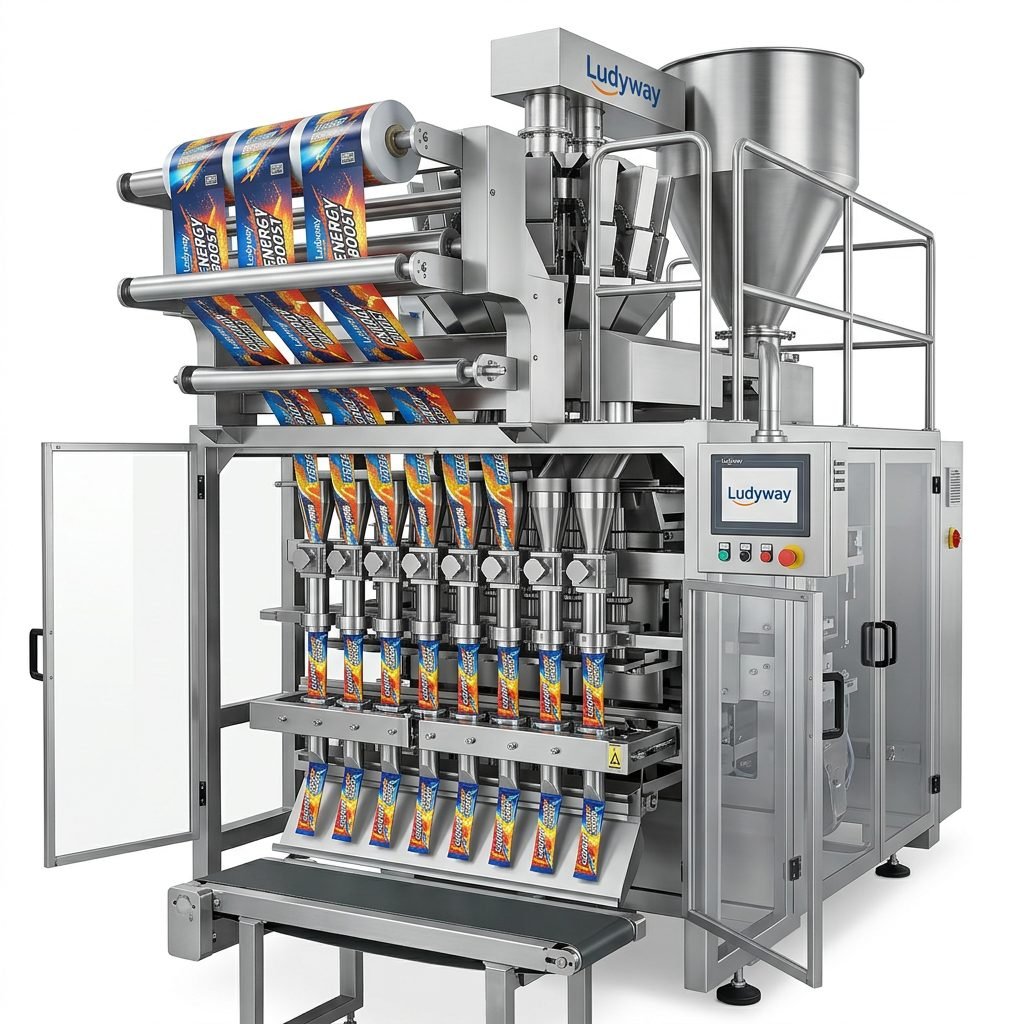
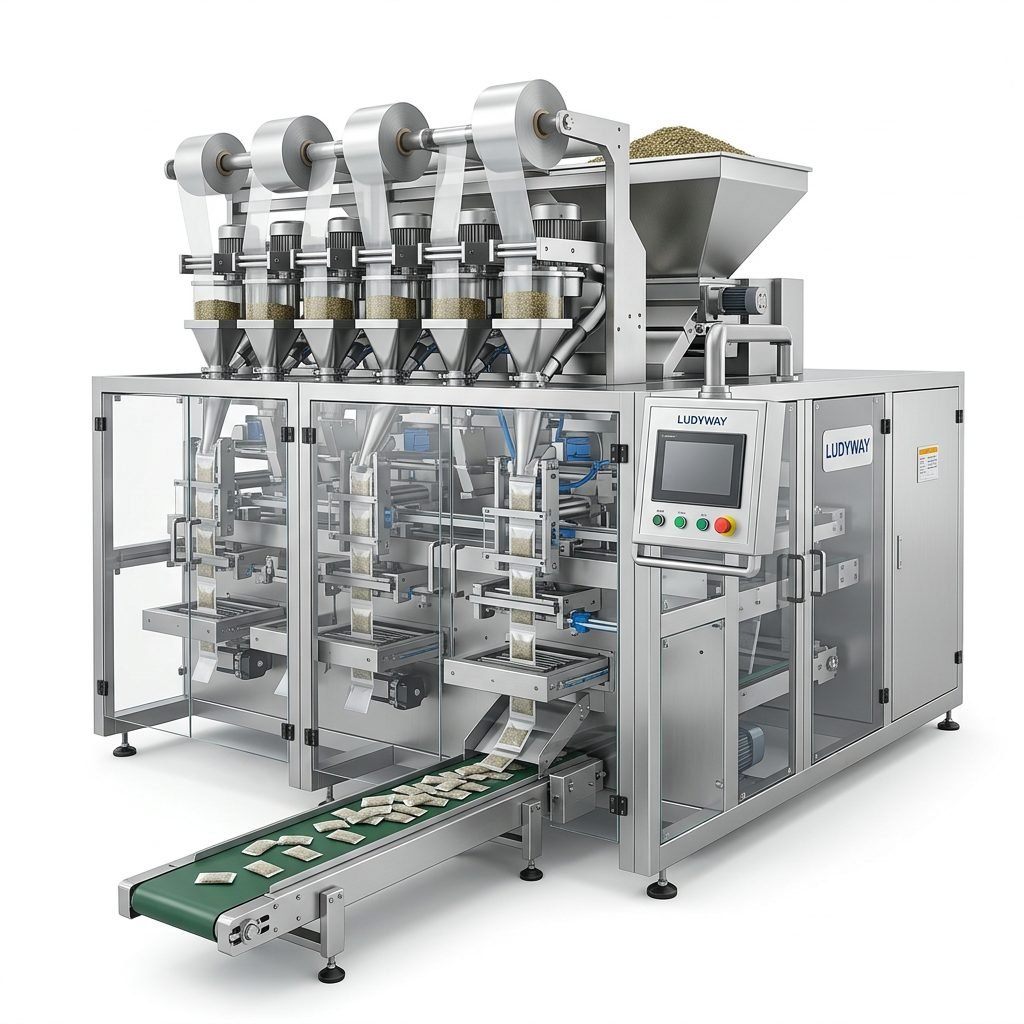
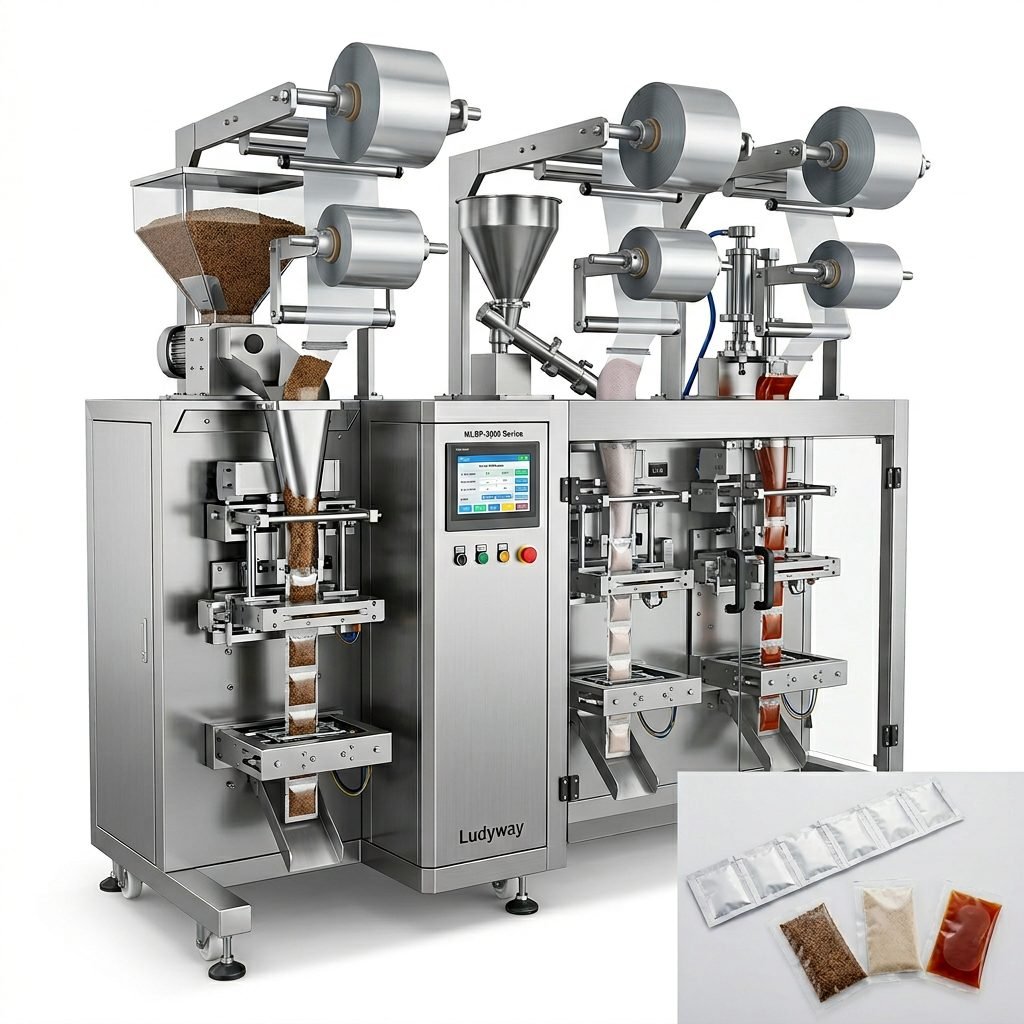
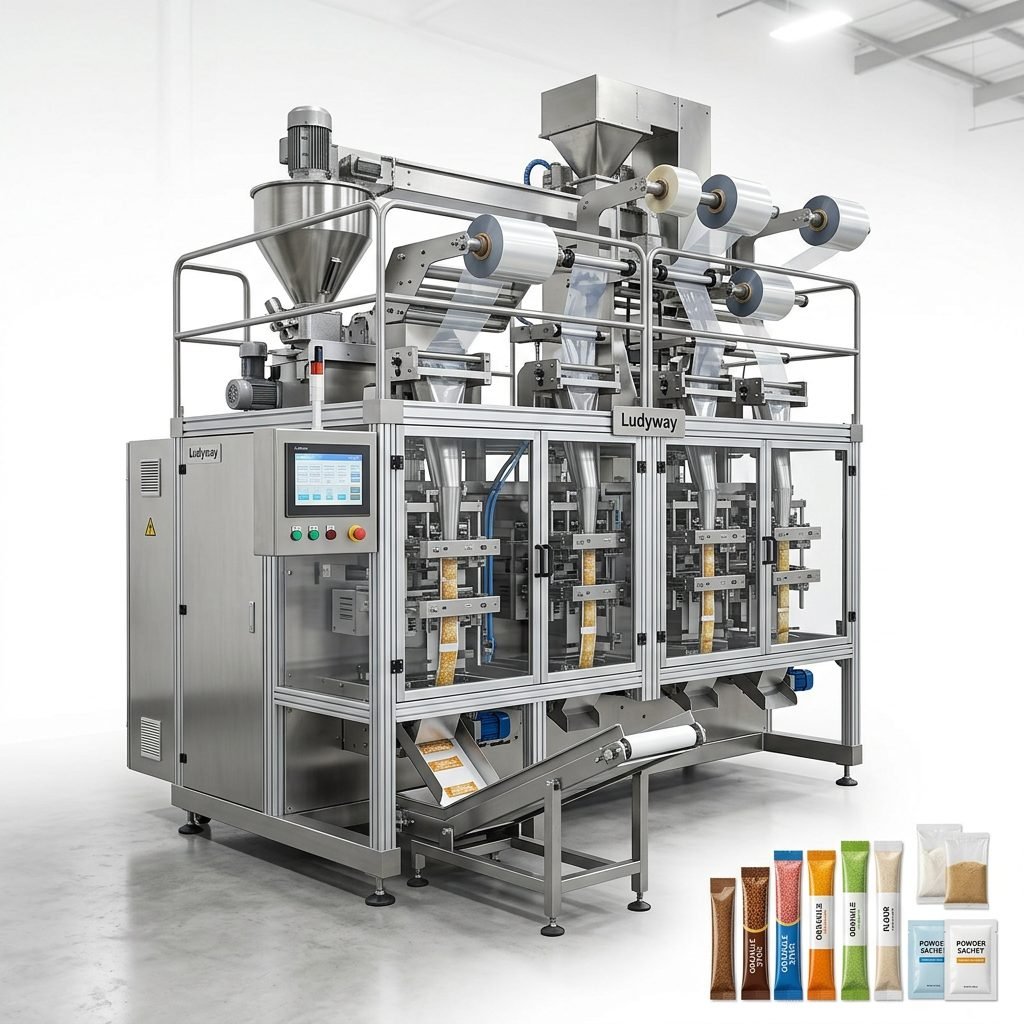
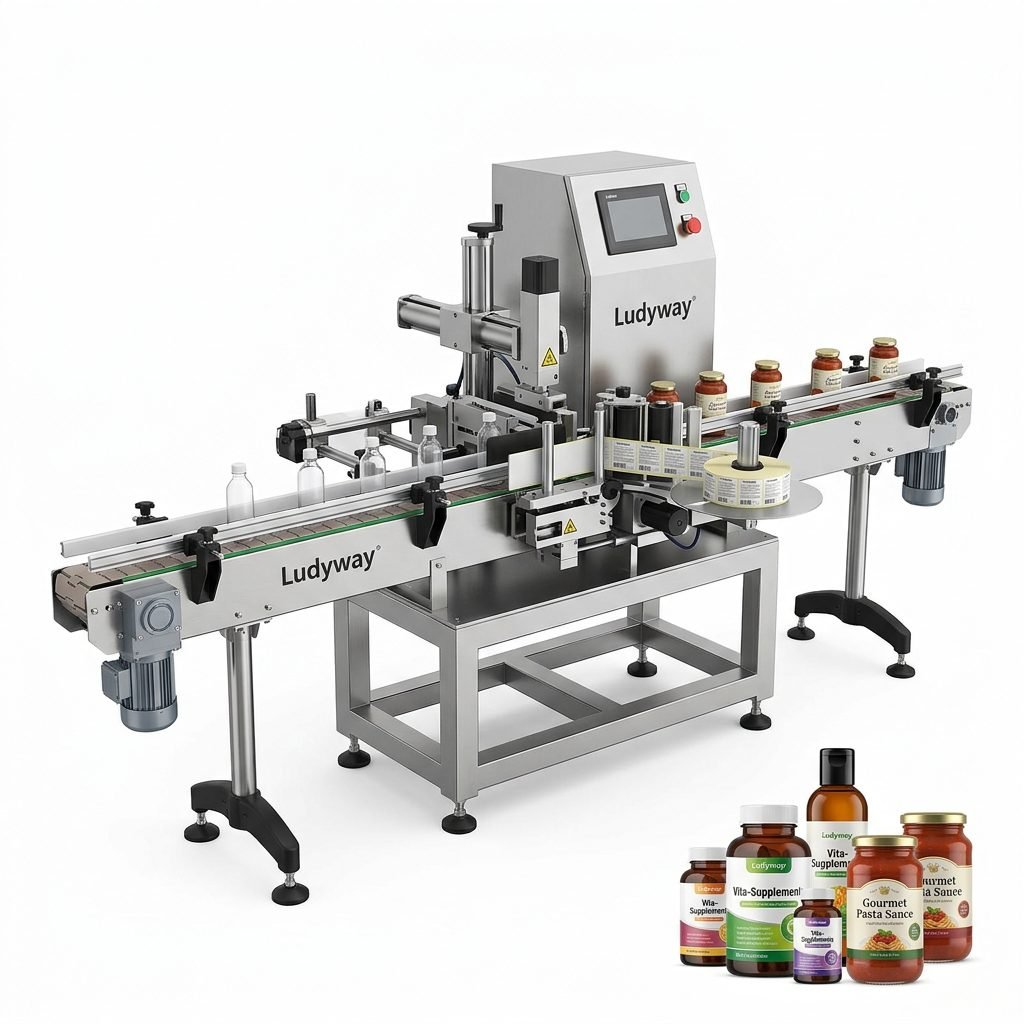
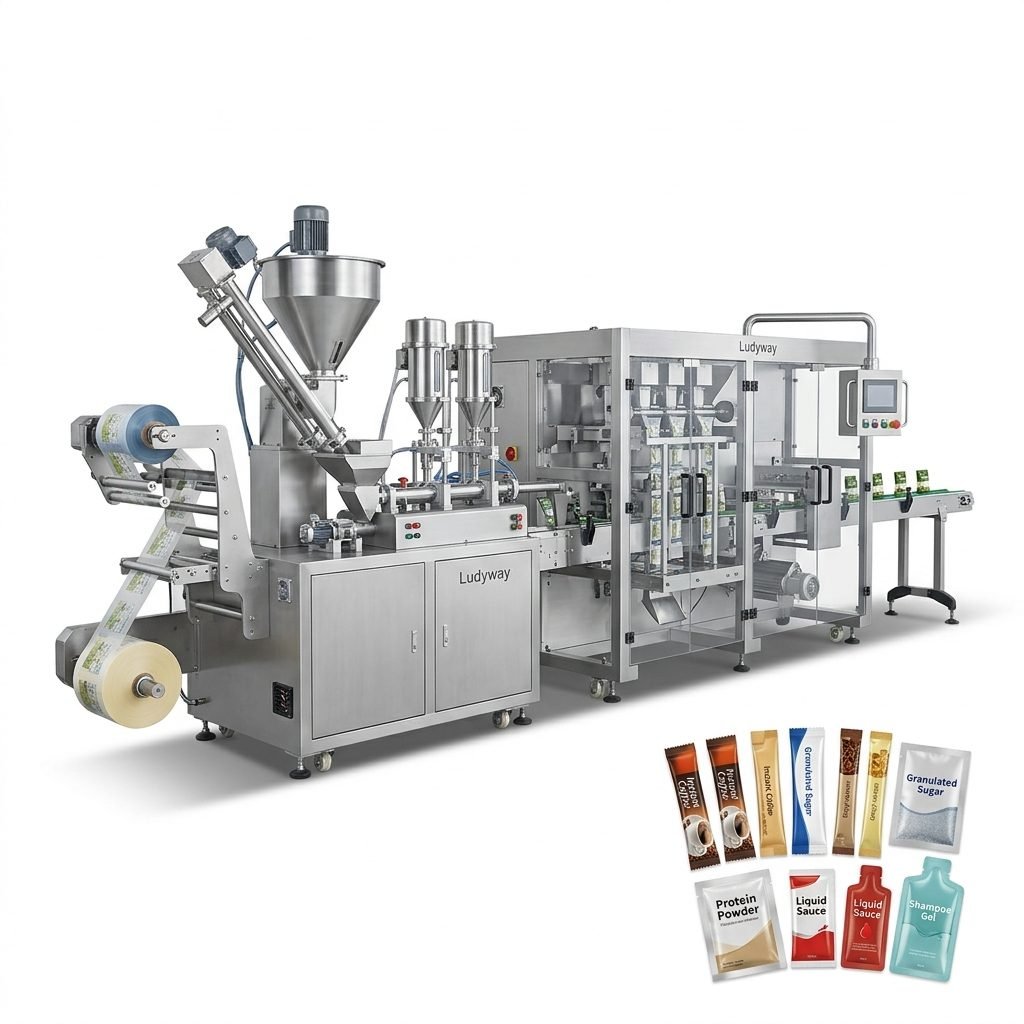
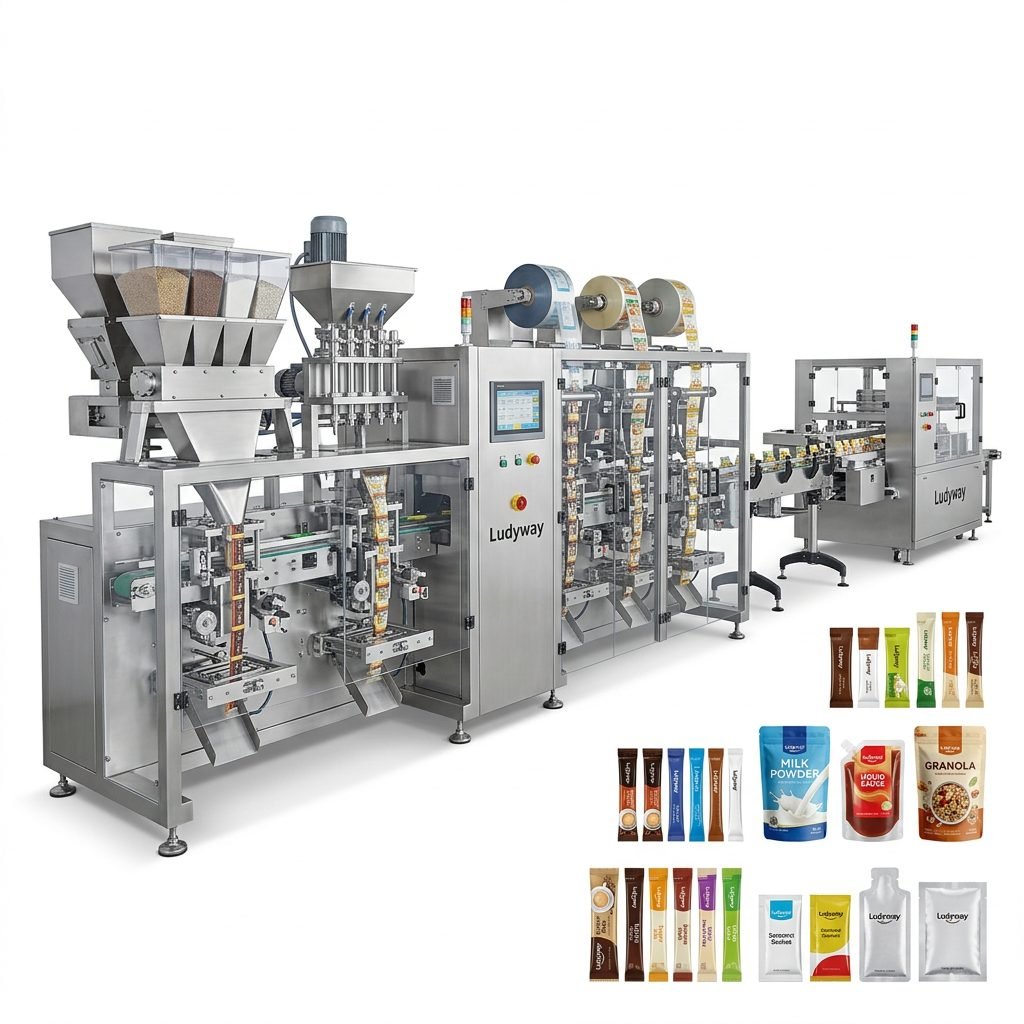
As factories transition toward smarter production methodologies, the integration of lightweight structural frames becomes increasingly crucial. This engineering trend is highly compatible with automated systems. For instance, advanced manufacturing systems developed by industry leaders like Ludyway, one of China’s leading packaging machine and turnkey packaging line manufacturers, emphasize the balance between mechanical stability and system flexibility to ensure seamless integration into various plant layouts.
Engineering Challenges and Solutions
While the benefits of aluminum are clear, designing structural frames for heavy-duty applications like baling requires careful engineering. Balers generate high compressive forces when compacting materials, meaning the frame must withstand intense structural stress. To address this, engineers utilize finite element analysis (FEA) to optimize the geometry of the aluminum profiles, ensuring that critical stress points are reinforced with high-strength gussets and bracket connections.
Additionally, selecting the correct grade of aluminum alloy is vital. Typically, structural components utilize 6000-series or 7000-series aluminum alloys, which undergo heat treatment to achieve mechanical properties comparable to mild steel while retaining their lightweight characteristics. This ensures that the mobile baling machine remains durable over thousands of compaction cycles while remaining easy to move.
Looking to the Future of Modular Factories
The demand for lightweight, mobile, and modular machinery will only continue to grow as factories adopt Industry 4.0 standards. In the near future, mobile baling machines and automated packaging units may be integrated with collaborative robots (cobots) and autonomous mobile robots (AMRs). These automated systems will guide lightweight machinery across the factory floor dynamically, positioning themselves precisely where they are needed without human intervention.
By investing in lightweight aluminum structural designs today, manufacturers are laying the groundwork for a highly flexible, efficient, and future-proof production environment. The combination of mobility, durability, and ease of reconfiguration makes these machines an indispensable asset for modern packaging and processing facilities globally.