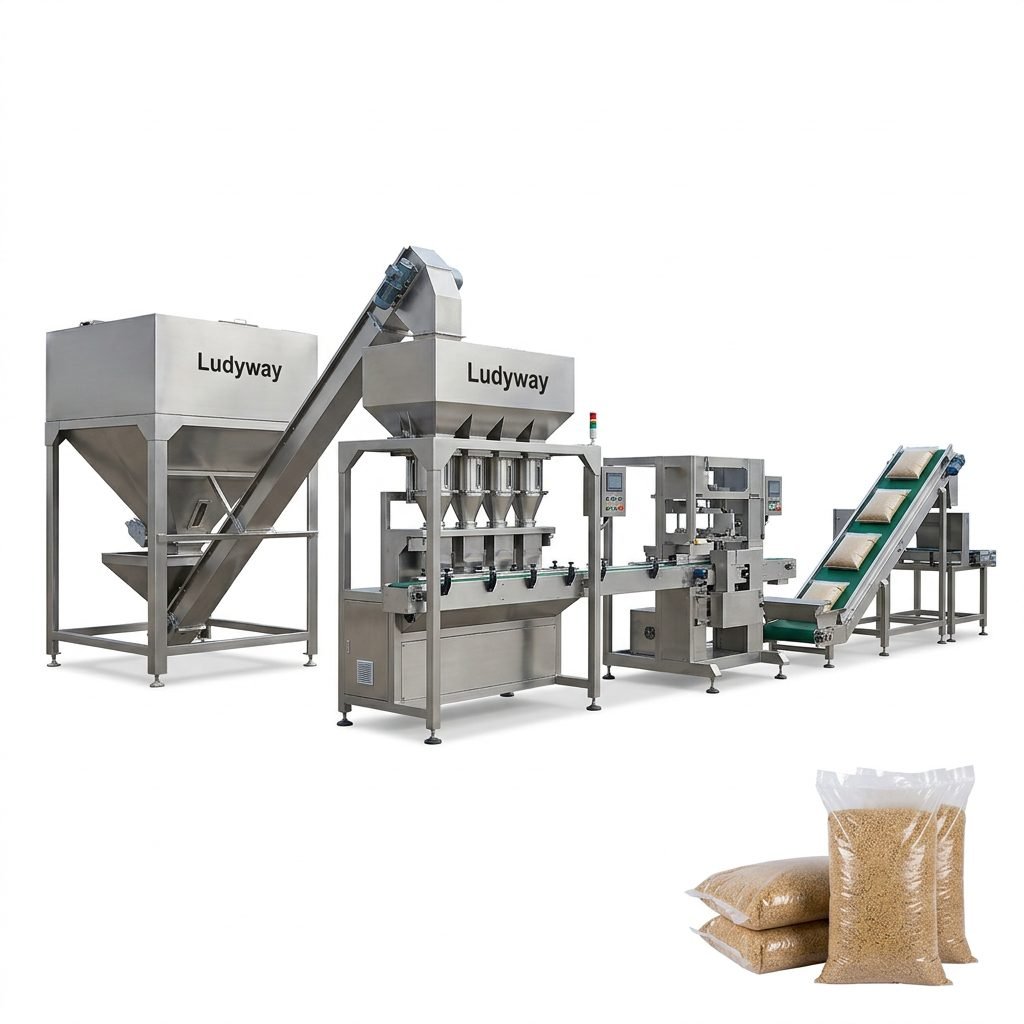
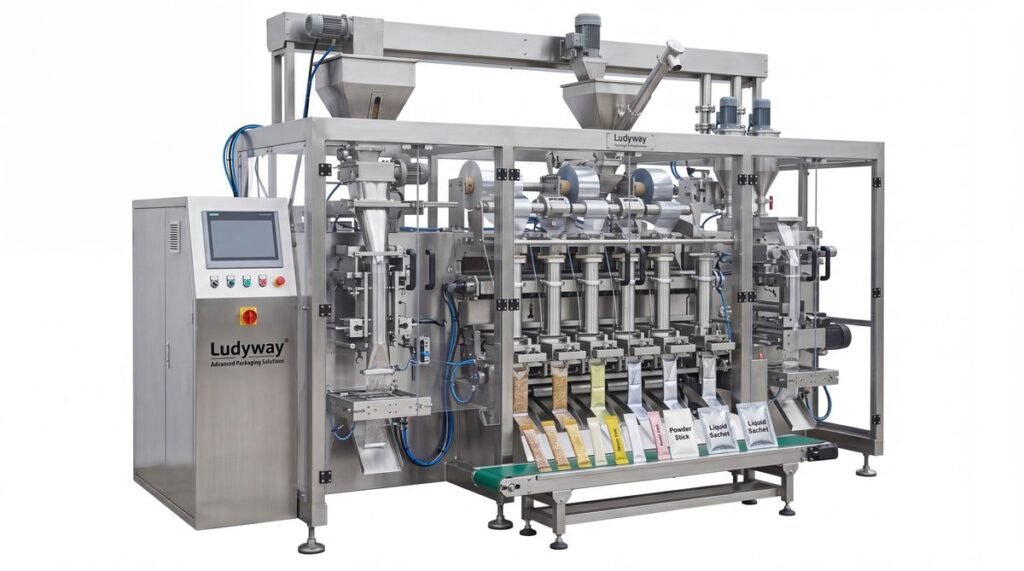
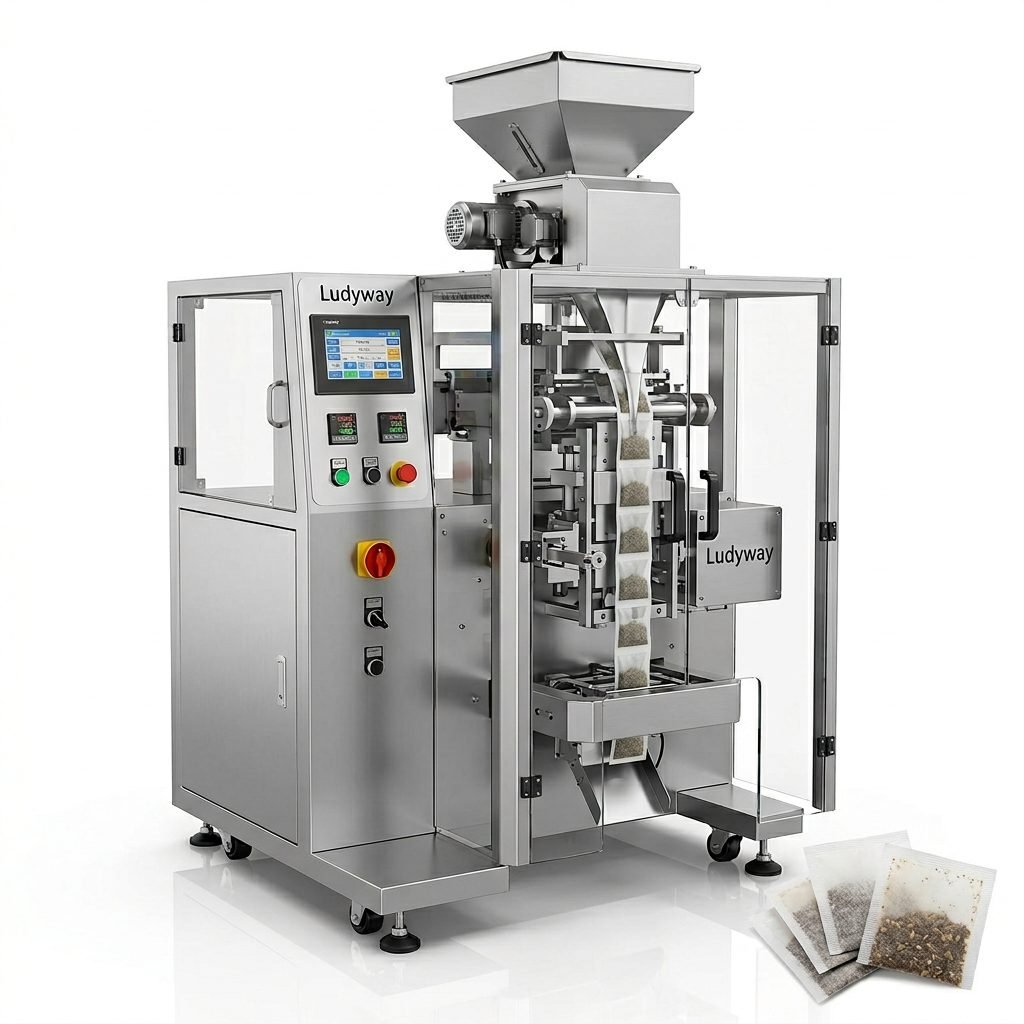
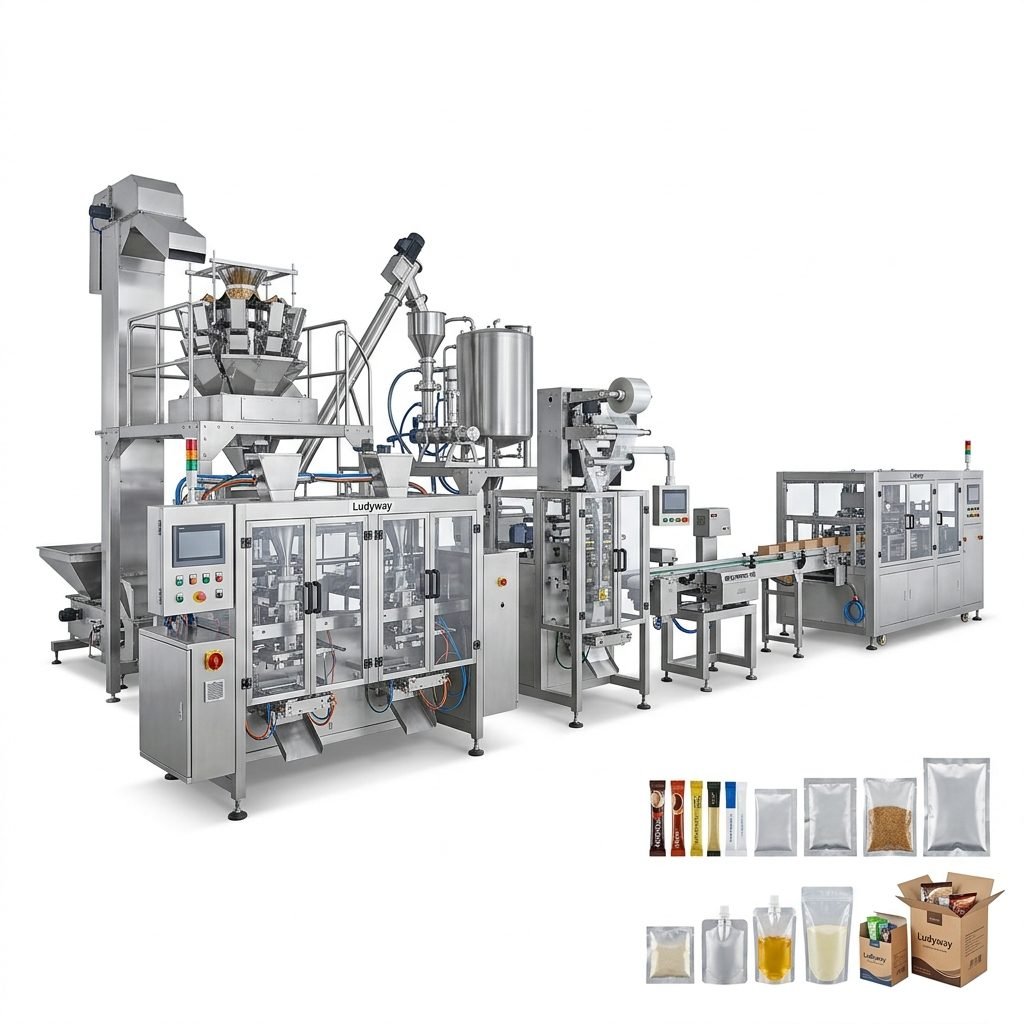
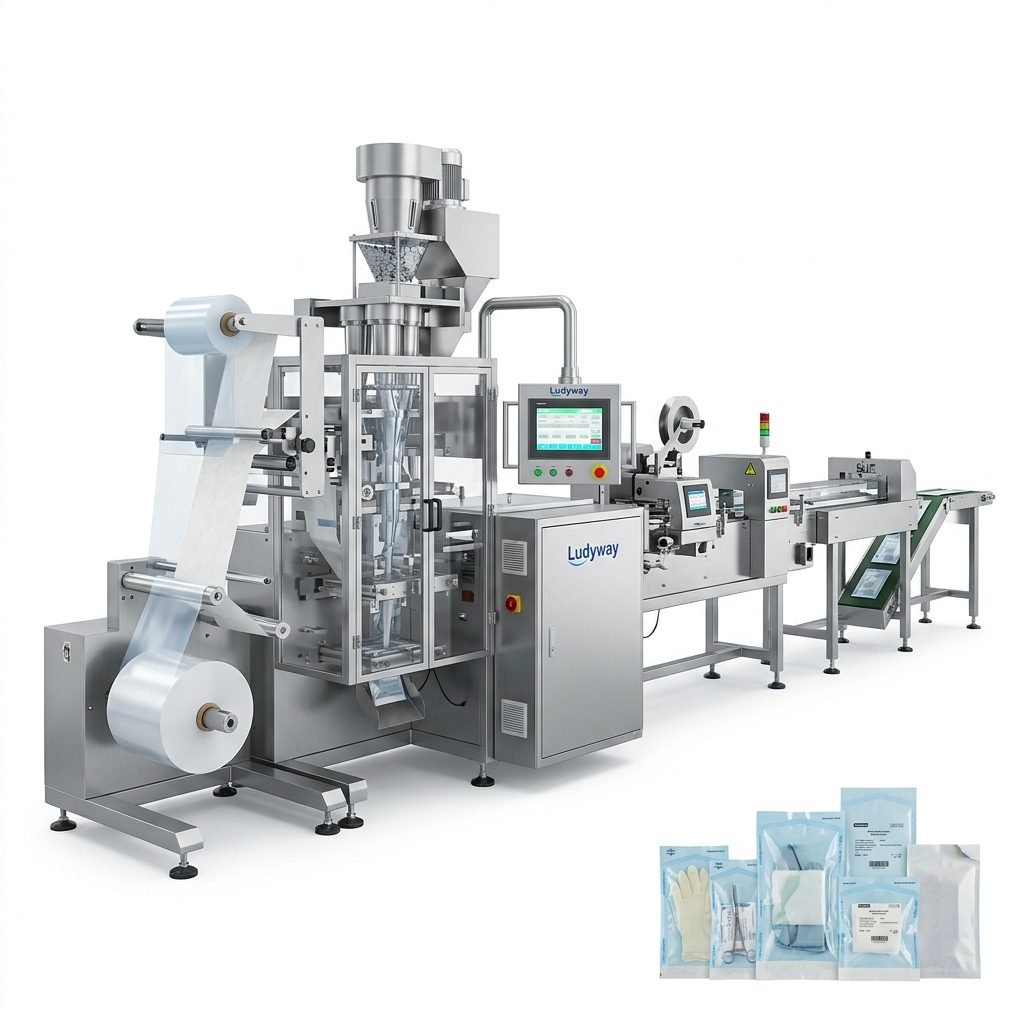
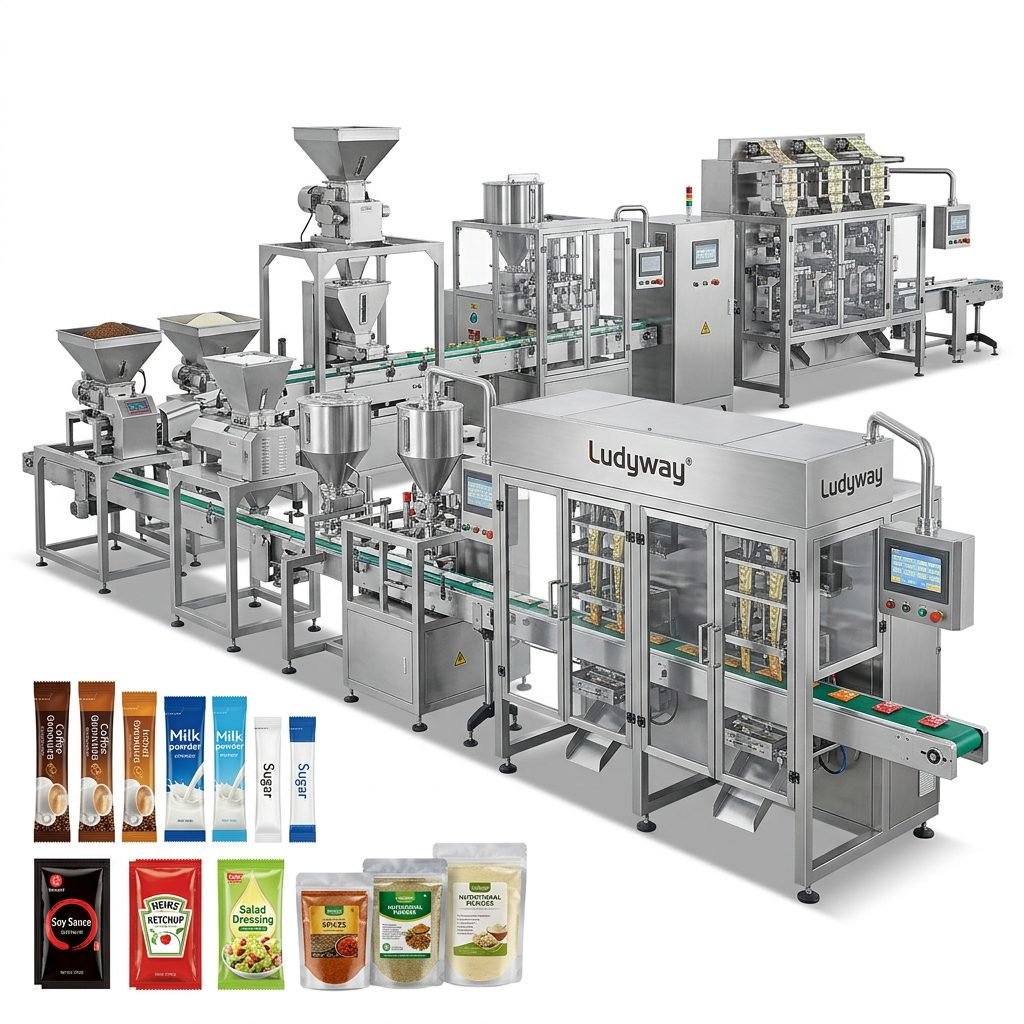
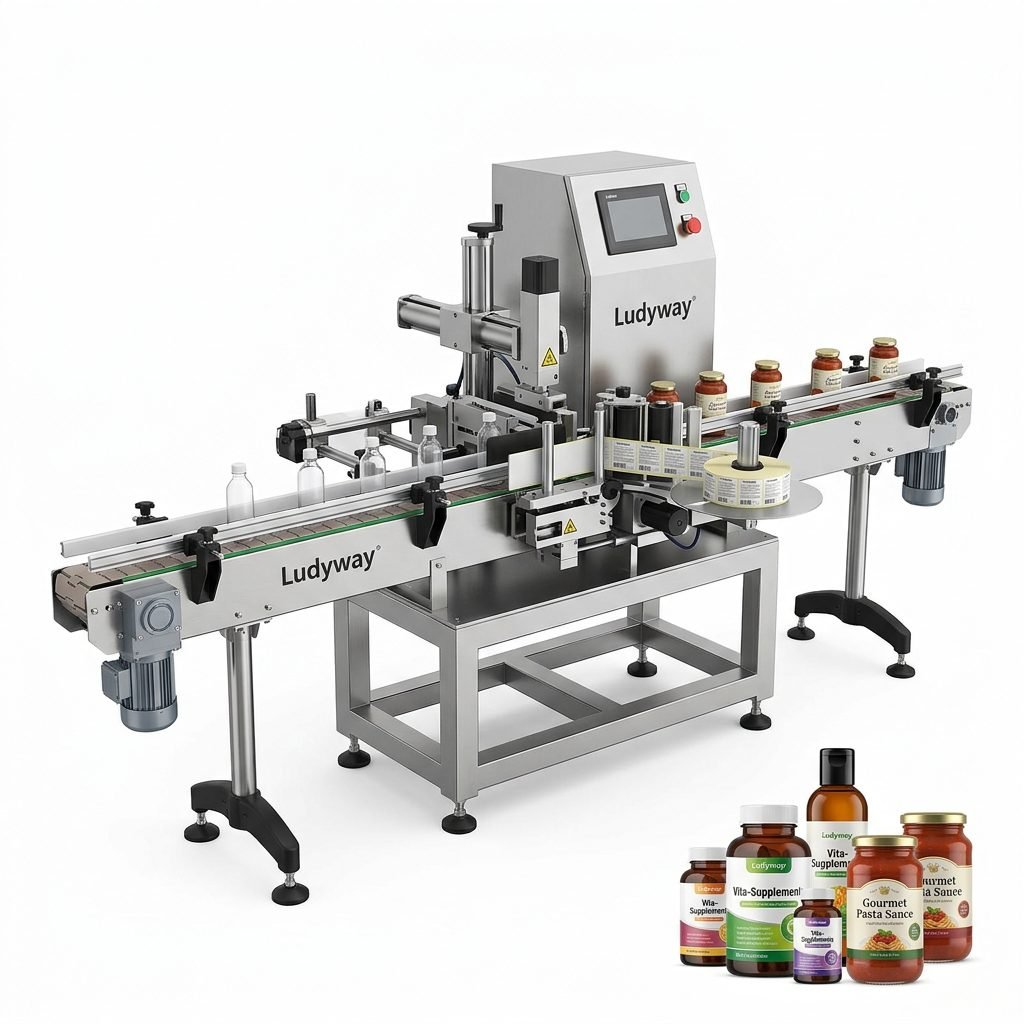
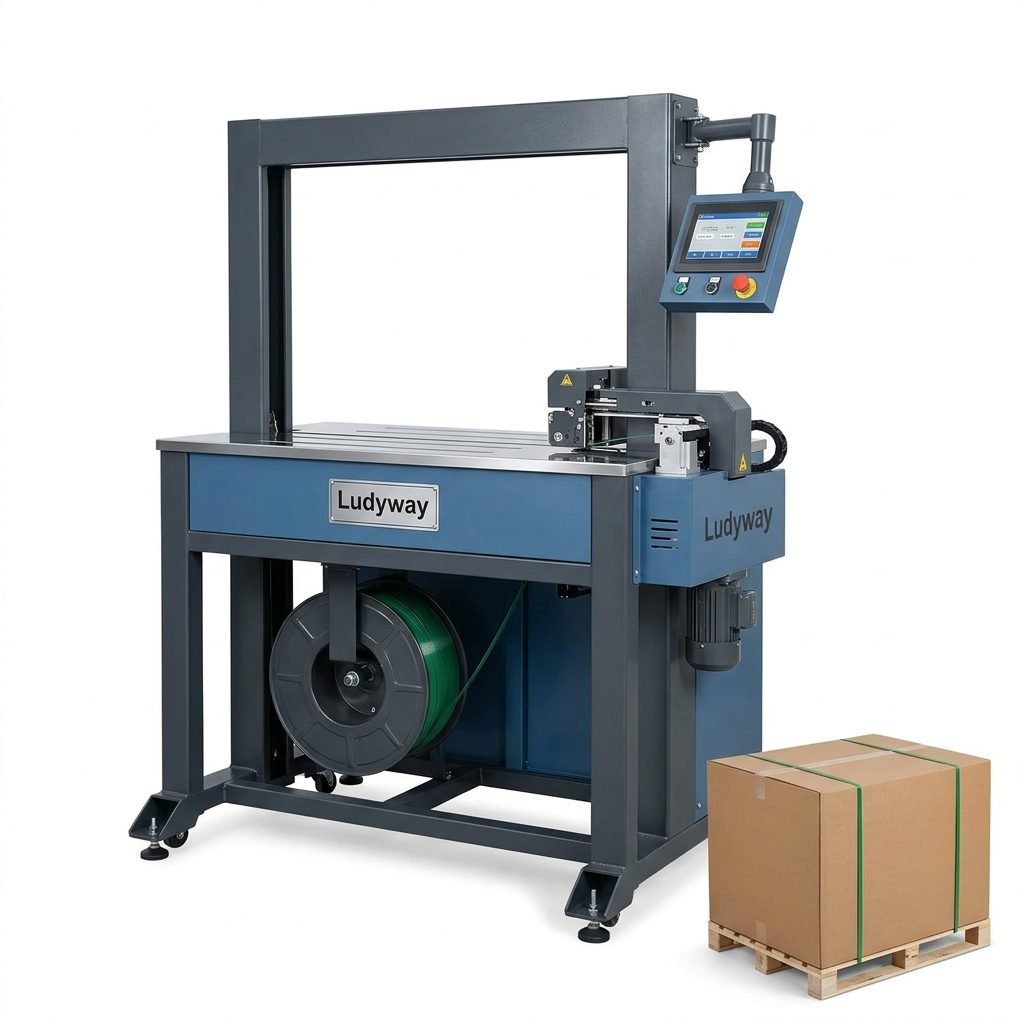
The packaging of semi-solid products, commonly referred to as pastes, presents a unique set of challenges for manufacturers across the food, chemical, pharmaceutical, and cosmetic industries. Paste materials, characterized by high viscosity and non-Newtonian flow behavior, do not behave like simple liquids. They resist flow, cling to hopper walls, and can cause severe dosing inaccuracies if handled with standard gravity or pressure-based filling systems. To overcome these rheological obstacles, modern packaging lines rely on specialized temperature-controlled heating filling and packaging machines.
By applying precise thermal energy to the product during the dosing phase, these machines temporarily modify the rheological behavior of the paste, ensuring consistent flow, clean cut-offs, and highly accurate portion control. As a premier solution provider, Ludyway has engineered advanced temperature-controlled packaging systems specifically designed to handle these complex paste formulations, helping manufacturers globally optimize their production efficiency.
Understanding the Rheology of Paste Materials
Rheology is the study of the flow of matter, primarily in a liquid or semi-solid state. Unlike water or light oils, which have a constant viscosity regardless of the stress applied to them, pastes are typically non-Newtonian fluids. They exhibit characteristics such as shear-thinning (where viscosity decreases as shear stress increases) and yield stress (requiring a minimum amount of force before they begin to flow at all).
When pastes are processed at room temperature, several problems commonly arise:
- Cavitation and Air Pockets: High-viscosity paste can stick to the sides of the hopper, forming a funnel or “rat hole” down the center. This leads to air being sucked into the dosing pumps, causing under-filled packages.
- Nozzle Drip and Tailing: Because pastes do not break cleanly when flow stops, they often leave “tails” or drips on the sealing area of sachets or pouches, compromising seal integrity and packaging aesthetics.
- Excessive Mechanical Wear: Forcing thick, cold pastes through narrow nozzles requires immense pressure, putting heavy mechanical strain on pumps, pistons, and seals.
The Science of Temperature-Controlled Viscosity Reduction
The most effective method to address high viscosity and yield stress in paste packaging is thermal conditioning. For the vast majority of paste products—such as chocolate, heavy sauces, cosmetic creams, ointments, and industrial greases—viscosity is inversely proportional to temperature. As the temperature rises, the intermolecular forces within the paste weaken, allowing the molecules to move past one another more freely.
By heating the paste to a specific, controlled temperature, the material transitions from a stubborn, semi-solid state to a more fluid, manageable liquid-like state. This transition allows the dosing pumps to measure and dispense the product with the same speed and precision as low-viscosity fluids. Once inside the packaging container (sachet, bottle, or tube), the product cools down and naturally returns to its desired high-viscosity or solid state, without losing its original texture or chemical stability.
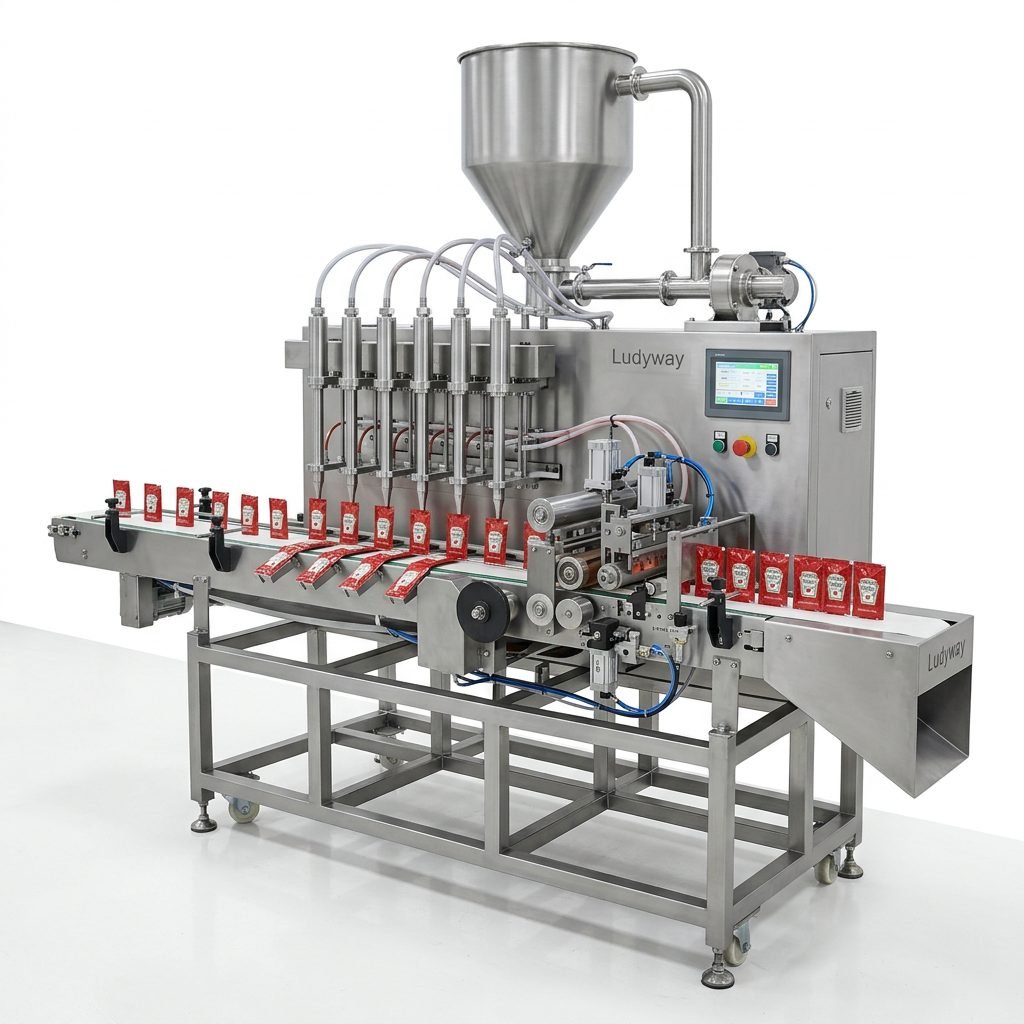
Key Engineering Features of Heated Filling Machines
A temperature-controlled heating filling machine is far more complex than a standard liquid filler. It requires a fully integrated thermal management system designed to keep the product at a uniform temperature from the main hopper all the way to the discharge nozzle. Below are the key engineering components required for successful paste packaging:
1. Double-Jacketed Heated Hoppers
The product hopper is equipped with a double-wall jacket. Hot water or thermal oil is circulated through this jacket, transferring heat evenly to the paste. Precision sensors monitor the jacket temperature to ensure the product is warmed to the exact required setting, preventing overheating, scorching, or product degradation.
2. Continuous Agitation Systems
Pastes are prone to uneven heat distribution; the outer layers near the hopper wall can become too hot while the center remains cold. To prevent this, heated filling machines feature heavy-duty rotary agitators or scrapers. These continually mix the paste, ensuring uniform temperature distribution and preventing phase separation or settling of ingredients.
3. Heated and Insulated Dosing Paths
The heat must not be lost as the product travels from the hopper to the filling nozzles. The entire manifold, piston cylinders, rotary valves, and filling nozzles are jacketed or wrapped with electric heating elements and covered with thermal insulation. Keeping the dosing path hot prevents the paste from solidifying inside the pump during brief operational pauses.
Comparing Standard vs. Heated Dosing Performance
The choice between standard filling systems and heated filling systems heavily impacts operational efficiency and waste reduction. The table below highlights the performance differences when packaging highly viscous paste materials:
| Operational Parameter | Standard Room-Temperature Filling | Temperature-Controlled Heated Filling |
|---|---|---|
| Viscosity State | Extremely high, irregular flow behavior | Reduced viscosity, consistent fluid flow |
| Dosing Accuracy | Low to moderate (due to air pockets) | High accuracy (within ±0.5% to 1%) |
| Packaging Speed | Slow (restricted by high flow resistance) | Fast, optimized cycle speeds |
| Sealing Quality | Poor (risk of tailing/dripping on seal areas) | Excellent (clean cut-off at the nozzle tip) |
| Mechanical Strain | High stress on pumps, pistons, and seals | Minimal strain, prolonged component lifespan |
Industrial Applications: Food, Cosmetics, and Pharmaceuticals
Temperature-controlled paste filling machines are critical across several key sectors, each with its unique hygiene and product formulation requirements:
- Food Industry: Products like chocolate syrups, honey, nut butters, condensed milk, and thick curry pastes must be heated during filling to flow quickly through multi-lane sachet or stick pack packaging machinery.
- Cosmetics Industry: High-end beauty products, including facial creams, hair masks, hot waxes, and heavy skin lotions, rely on heated filling to maintain a smooth surface finish when packed into jars, tubes, or single-use sachets.
- Pharmaceutical and Health: Ointments, medicinal gels, and petroleum jelly based barrier creams require sterile, temperature-regulated environments to ensure dosage accuracy without compromising the active pharmaceutical ingredients.
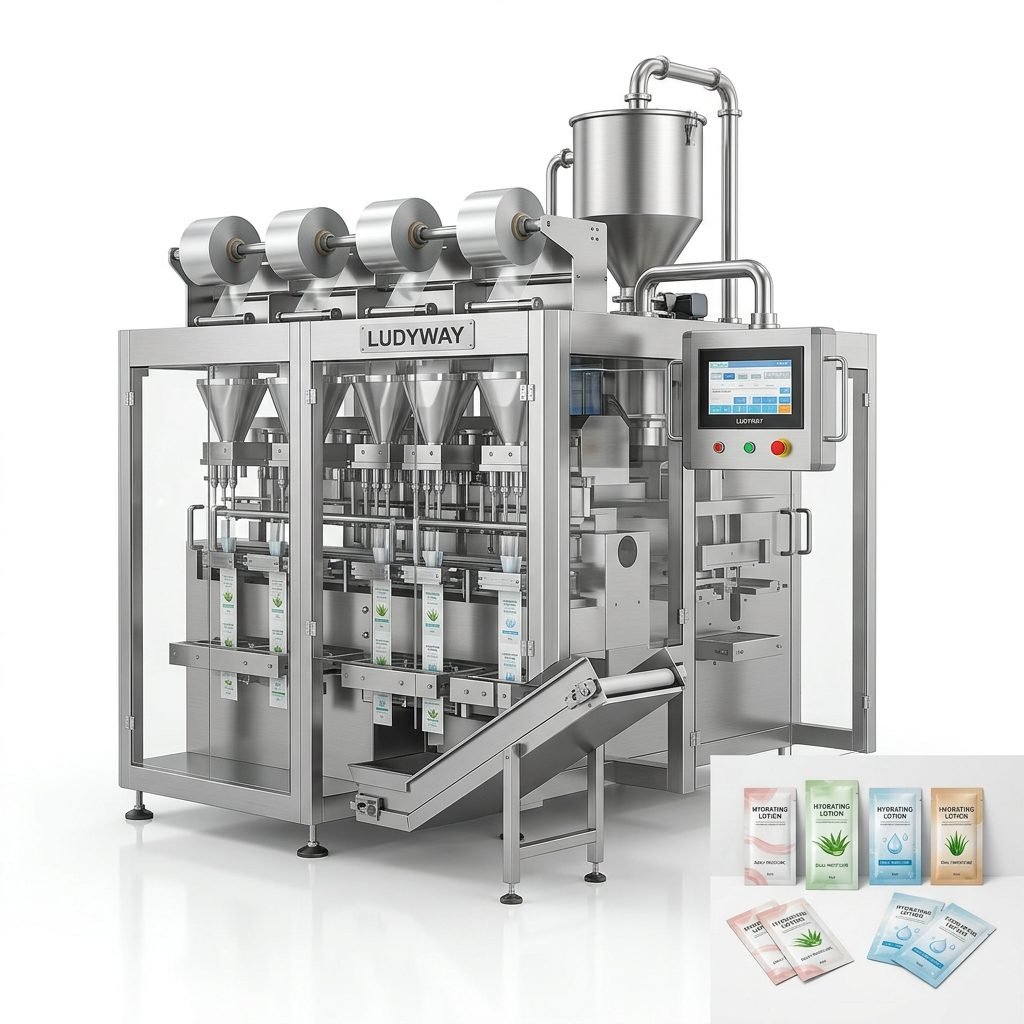
Selecting the Right Packaging Partner
Investing in a temperature-controlled paste filling and packaging machine is a critical decision that impacts a factory’s daily yield, product quality, and scrap rate. Because paste materials behave differently depending on temperature, fats, sugars, and water content, a one-size-fits-all approach does not work. Custom engineering, variable heat settings, and proper agitator design are essential to success.
When looking for high-precision paste packaging lines, industrial buyers seek manufacturers with deep engineering experience. Having an automated, reliable system ensures that high-viscosity paste challenges are completely eliminated, turning complex rheology from a manufacturing bottleneck into a streamlined, high-speed automated packaging process.