Global pharmaceutical packaging regulation is entering a more demanding phase, as authorities, brand owners, and contract manufacturers face growing pressure to prove safety, traceability, and quality consistency across every stage of production. From sterile medical supplies to tablets, capsules, powders, liquids, and unit-dose formats, compliance requirements are becoming more detailed and more closely enforced.
Industry analysts say the latest wave of tightening is being driven by a combination of factors: increased scrutiny over data integrity, stricter packaging material validation, stronger serialization expectations, and higher standards for contamination control. At the same time, pharmaceutical companies are trying to maintain output efficiency while adapting to changing GMP expectations, regional filing rules, and post-market audit risks.
Why compliance pressure is rising now
Regulatory agencies and healthcare buyers are paying closer attention to packaging performance because packaging is no longer viewed as a simple outer layer. It is now a critical quality system component that affects patient safety, product stability, anti-counterfeiting capability, and shelf-life assurance.
- More frequent inspections are forcing manufacturers to document equipment performance and validation records more carefully.
- Cross-border trade growth means packaging lines often need to satisfy multiple regulatory frameworks at once.
- Complex product formats such as sachets, stick packs, sterile pouches, and diagnostic kits require tighter process control.
- Supply chain transparency has become more important for both regulators and end customers.
For manufacturers, this means compliance is no longer limited to final package appearance. Regulators increasingly expect evidence covering sealing integrity, coding accuracy, batch traceability, contamination prevention, reject management, cleaning validation, and machine repeatability.
Key regulatory focus areas in pharmaceutical packaging
The strongest compliance pressure is currently centered on operational consistency and documented control. Companies upgrading lines in 2026 are prioritizing systems that support validation, in-line inspection, and stable packaging output under high-speed conditions.
| Focus Area | Why It Matters | Operational Impact |
|---|---|---|
| Seal integrity | Protects sterility, moisture barrier performance, and product stability | Requires tighter temperature, pressure, and dwell-time control |
| Serialization and coding | Supports anti-counterfeit measures and market traceability | Needs accurate print verification and data handling |
| Material compliance | Ensures packaging materials are suitable for drug contact and transport | Requires supplier qualification and incoming inspection |
| Data integrity | Essential for validation, audits, and release decisions | Drives demand for digital monitoring and audit-ready records |
| Contamination control | Critical for sterile and high-risk products | Pushes investment in cleaner machine design and controlled workflows |
How manufacturers are responding
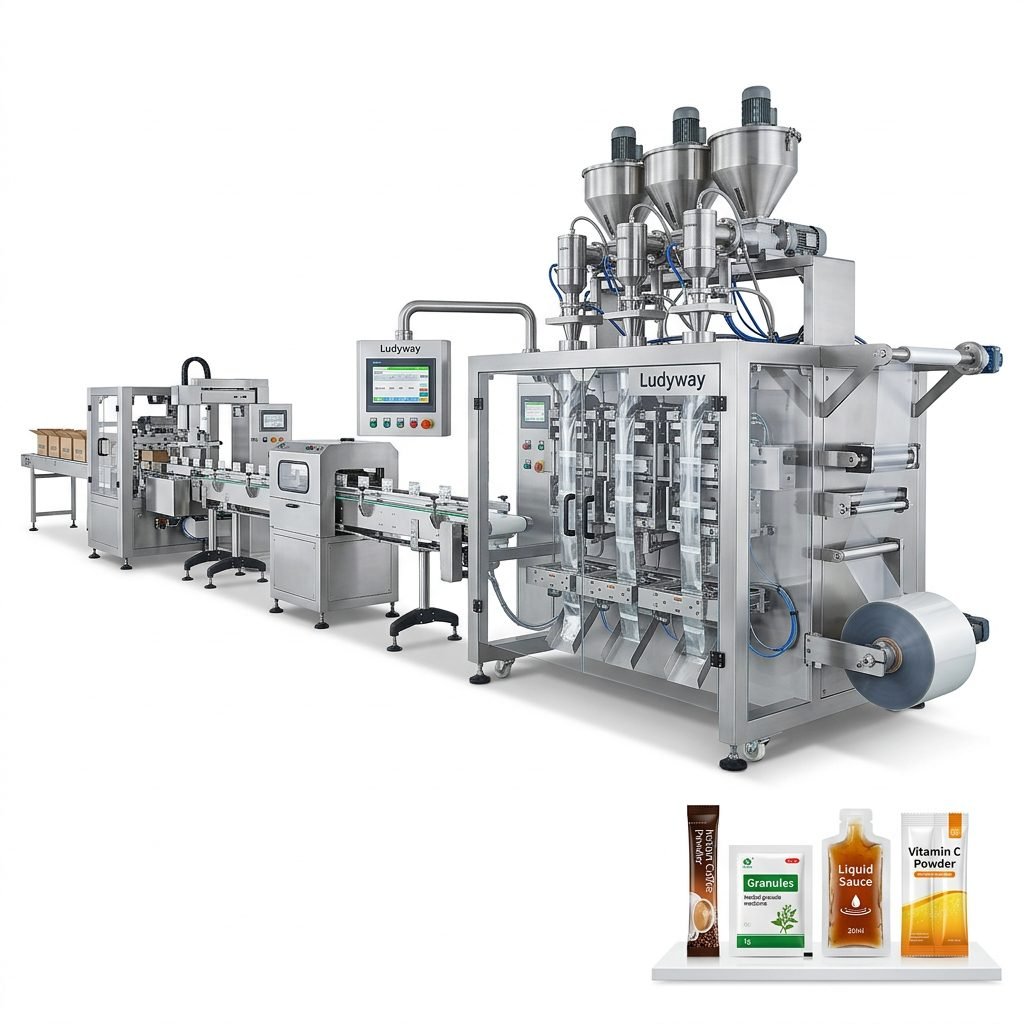
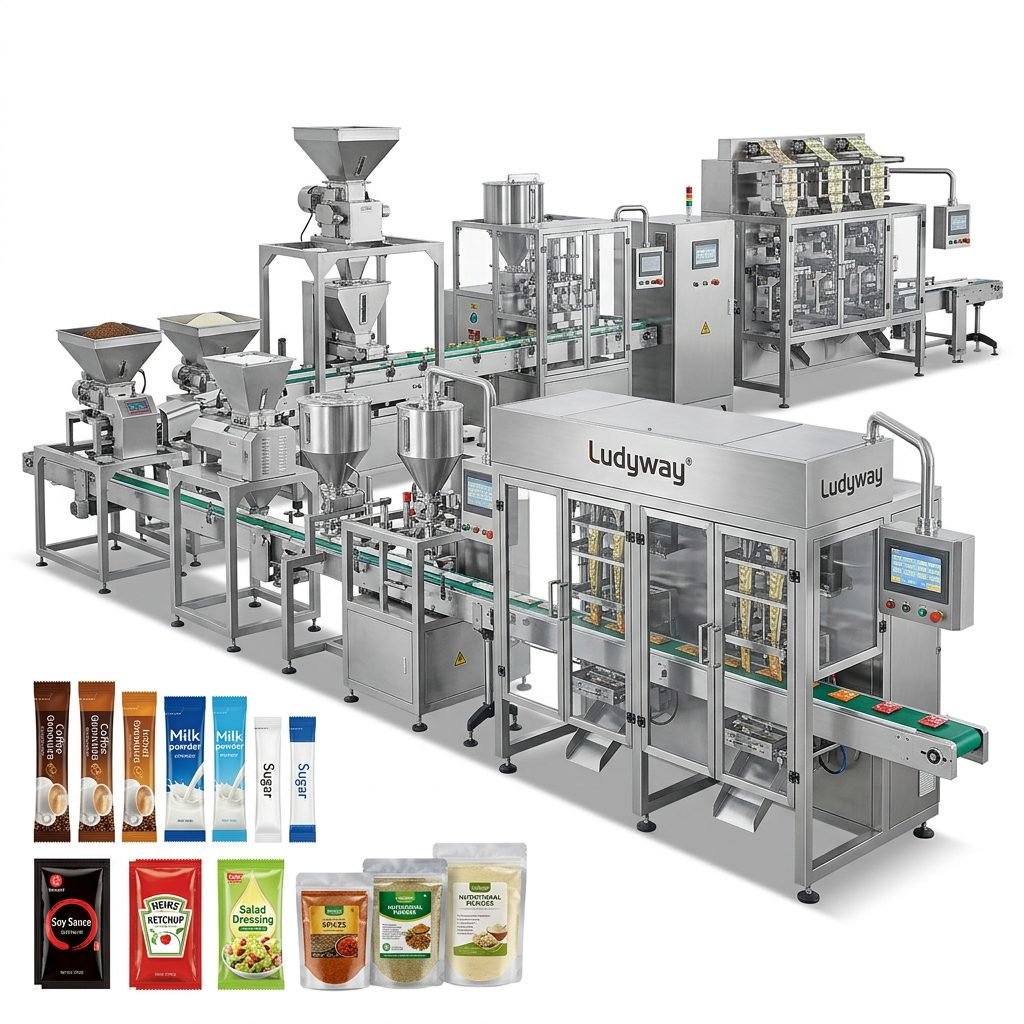
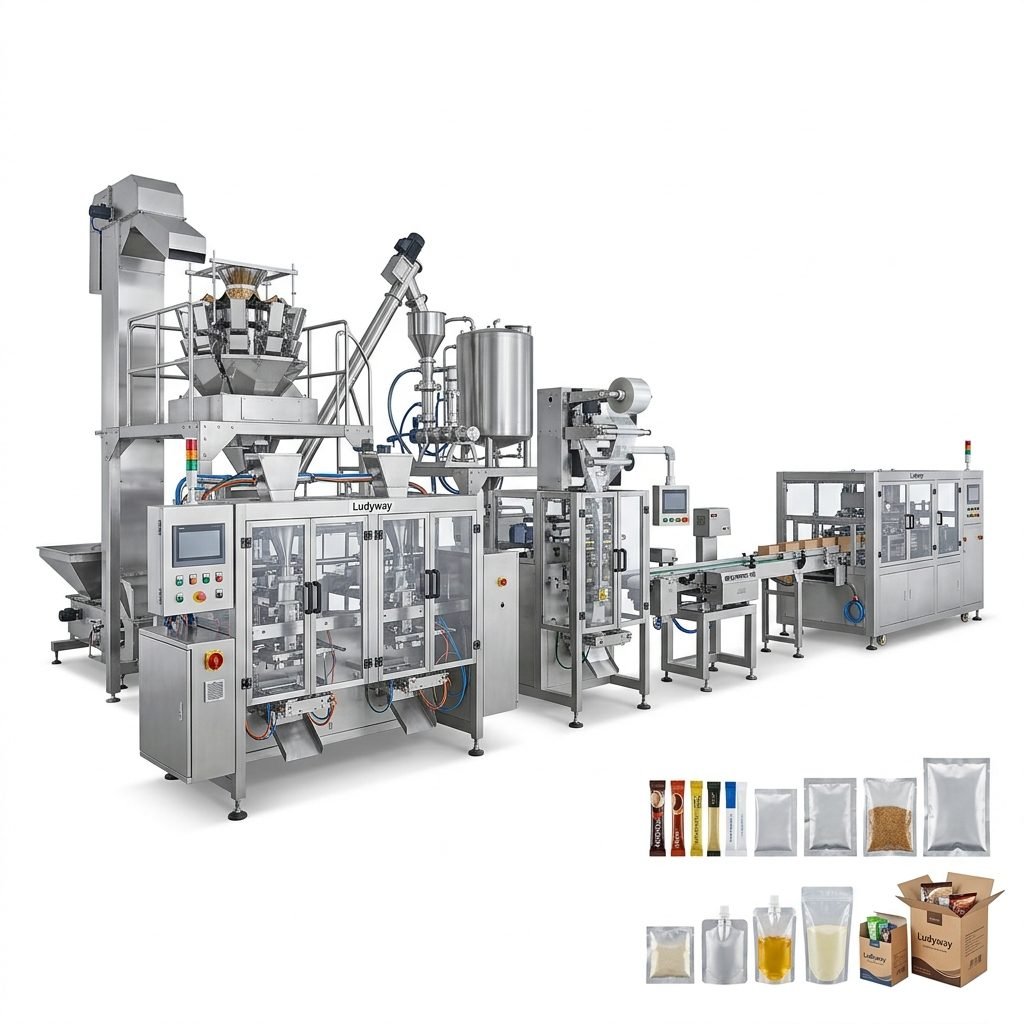
Pharmaceutical packaging companies are moving away from isolated machine purchases and toward more integrated line design. Instead of upgrading only one filling or sealing station, many buyers are reviewing the entire packaging process—from feeding and dosing to coding, inspection, cartoning, and final case handling.
This shift is especially visible in projects involving:
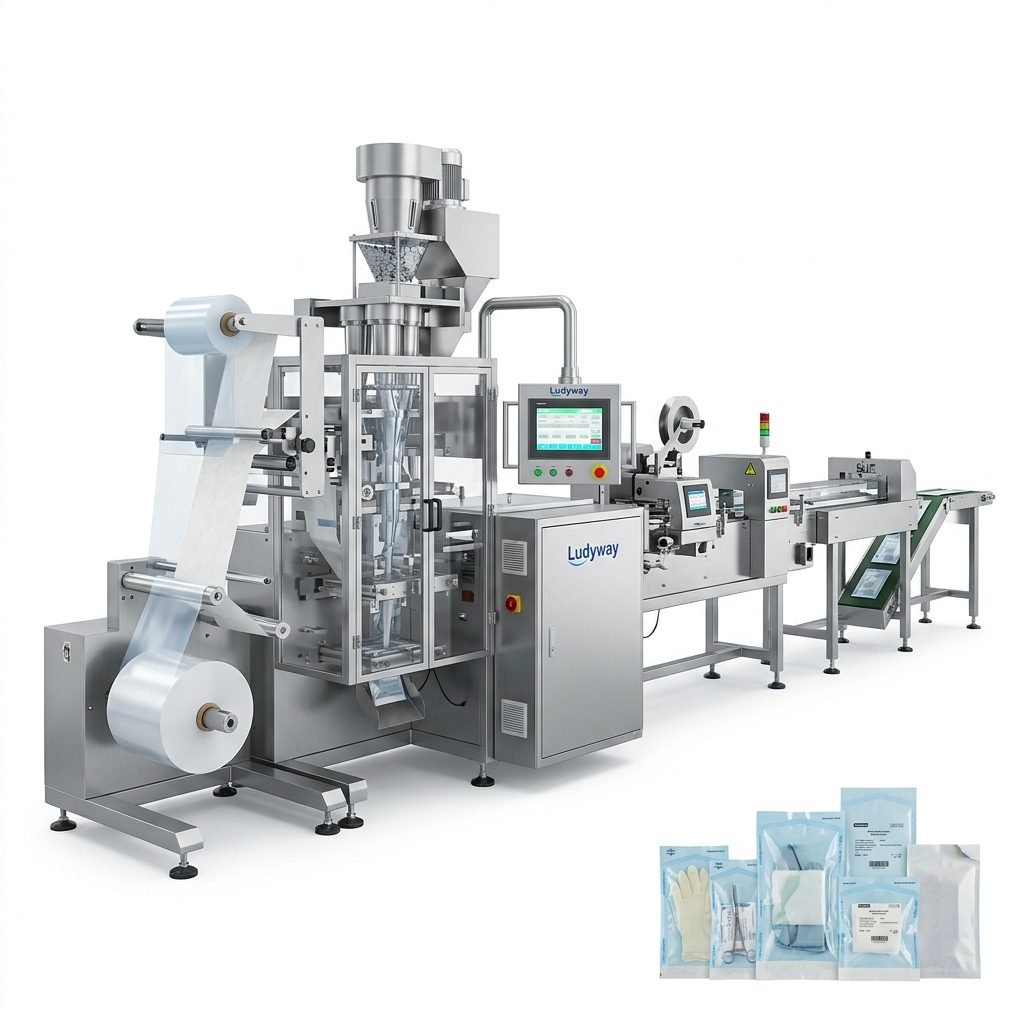
- Single-use medical and sterile supply packaging
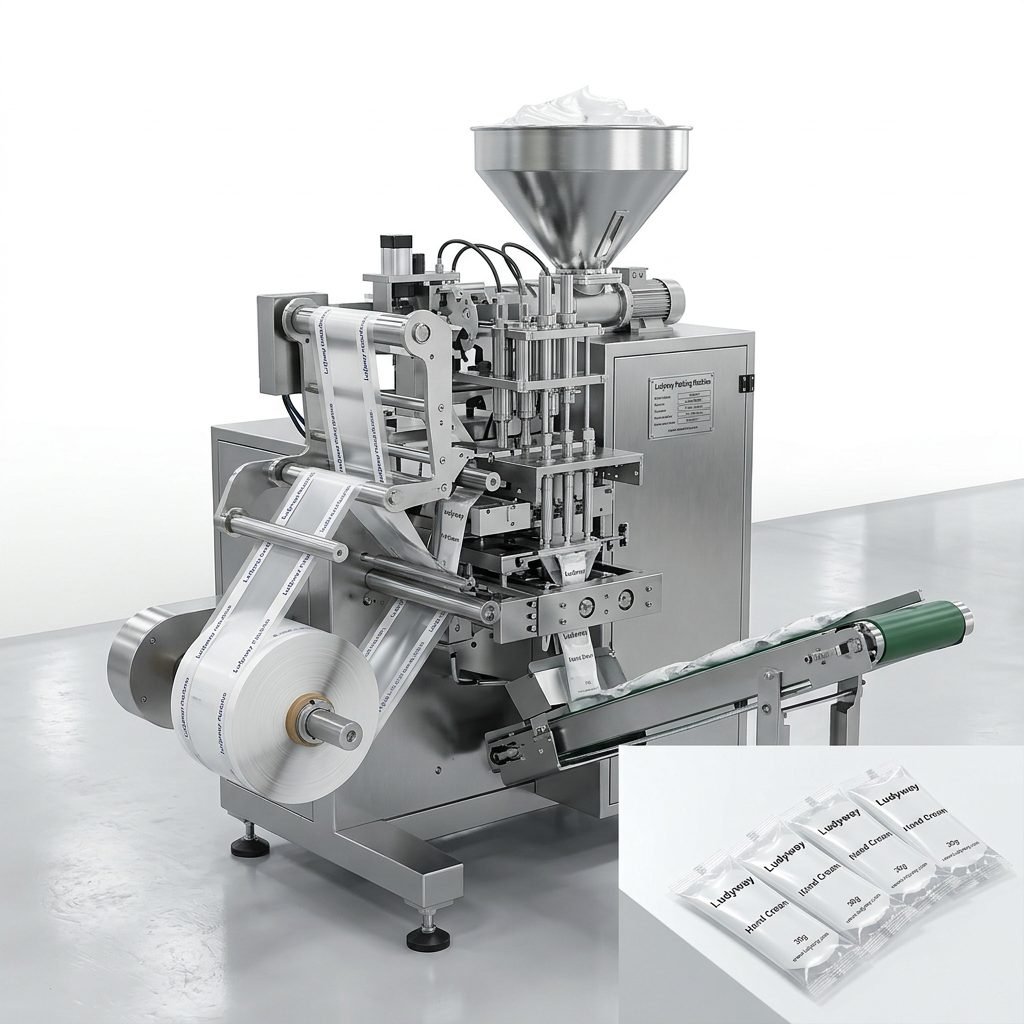
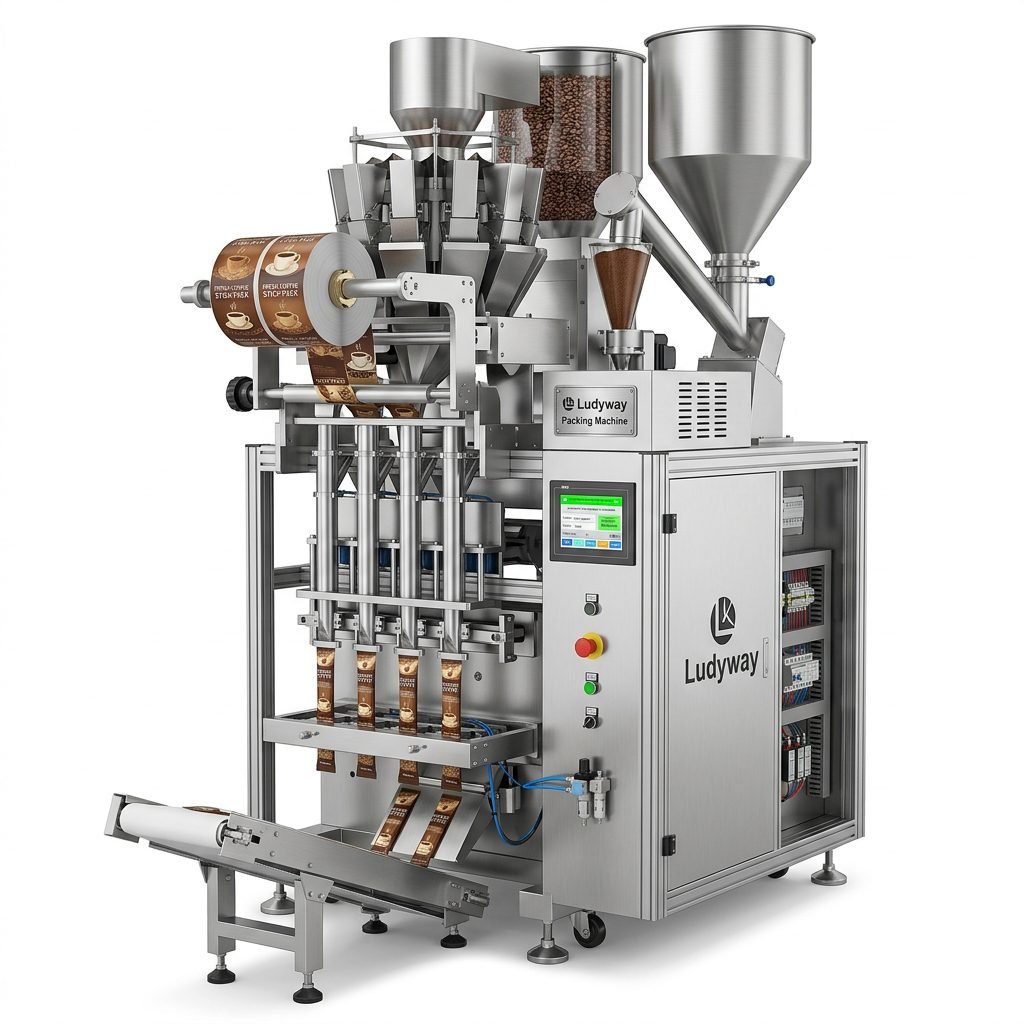
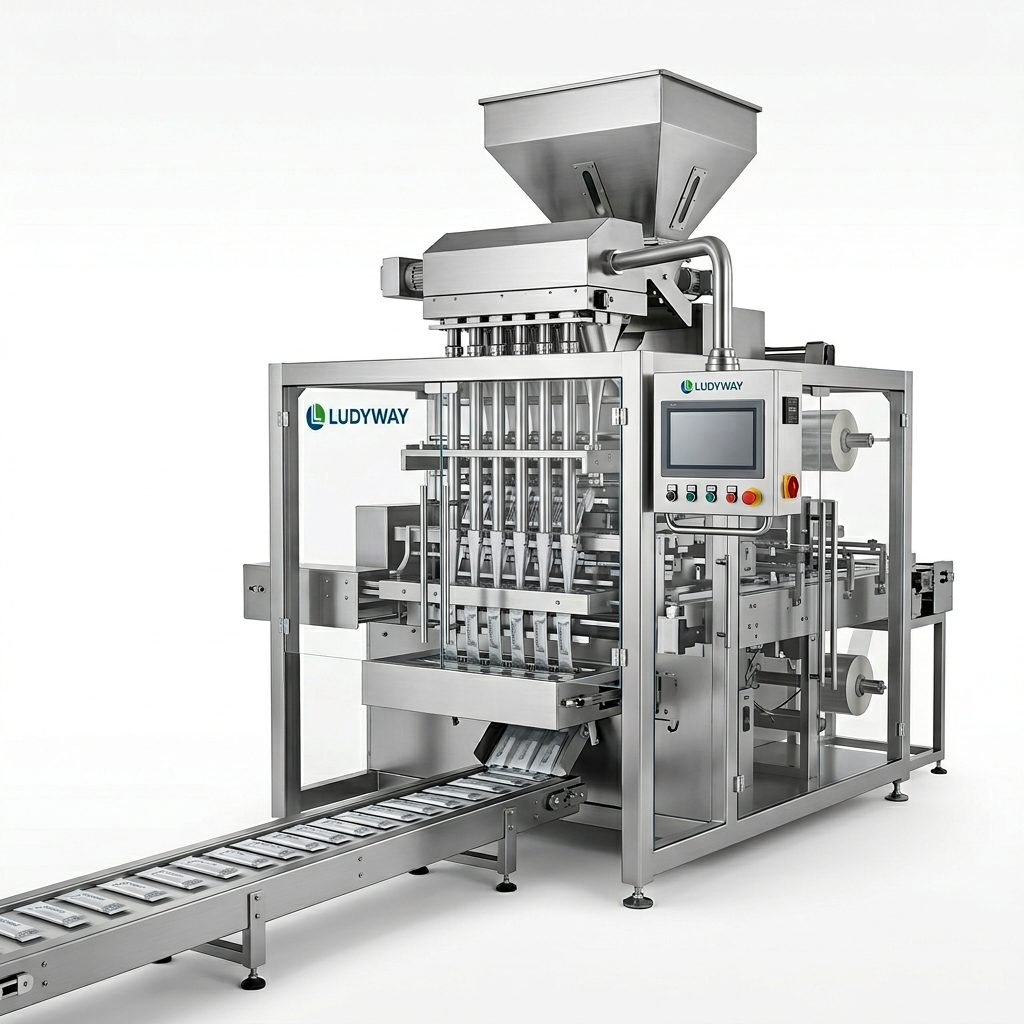
- Pharmaceutical sachet and stick pack systems
- Tablet, capsule, and oral solid packaging lines
- Diagnostic kit and medical consumable packaging
- High-speed inspection-enabled end-of-line automation
Suppliers that can support qualification documents, customization, stable changeover design, and complete line integration are gaining stronger attention. In this environment, companies are not just buying machinery—they are buying compliance confidence.
Automation becomes a compliance tool
Automation is increasingly being justified not only by labor savings, but by risk reduction. Automated rejection systems, checkweighers, vision inspection, date coding verification, and sealed-pack integrity controls all help reduce human error and create more consistent output.
Manufacturers also want machines that can support multiple product formats without excessive revalidation time. Flexible systems with repeatable settings, cleanable contact parts, and reliable control logic are becoming more important in pharmaceutical and health-related packaging applications.
Equipment demand trends under tighter regulation
Market demand is rising for packaging systems that combine precision filling, sealing consistency, and validation-friendly operation. Especially in fast-growing export markets, pharmaceutical producers want equipment that can adapt to both domestic inspections and overseas buyer requirements.
- Higher demand for sterile pouch and medical consumables packaging systems
- Stronger adoption of in-line weight checking and visual inspection
- More interest in modular turnkey packaging lines
- Greater focus on digital production records and machine traceability
- Increased preference for suppliers with global project experience
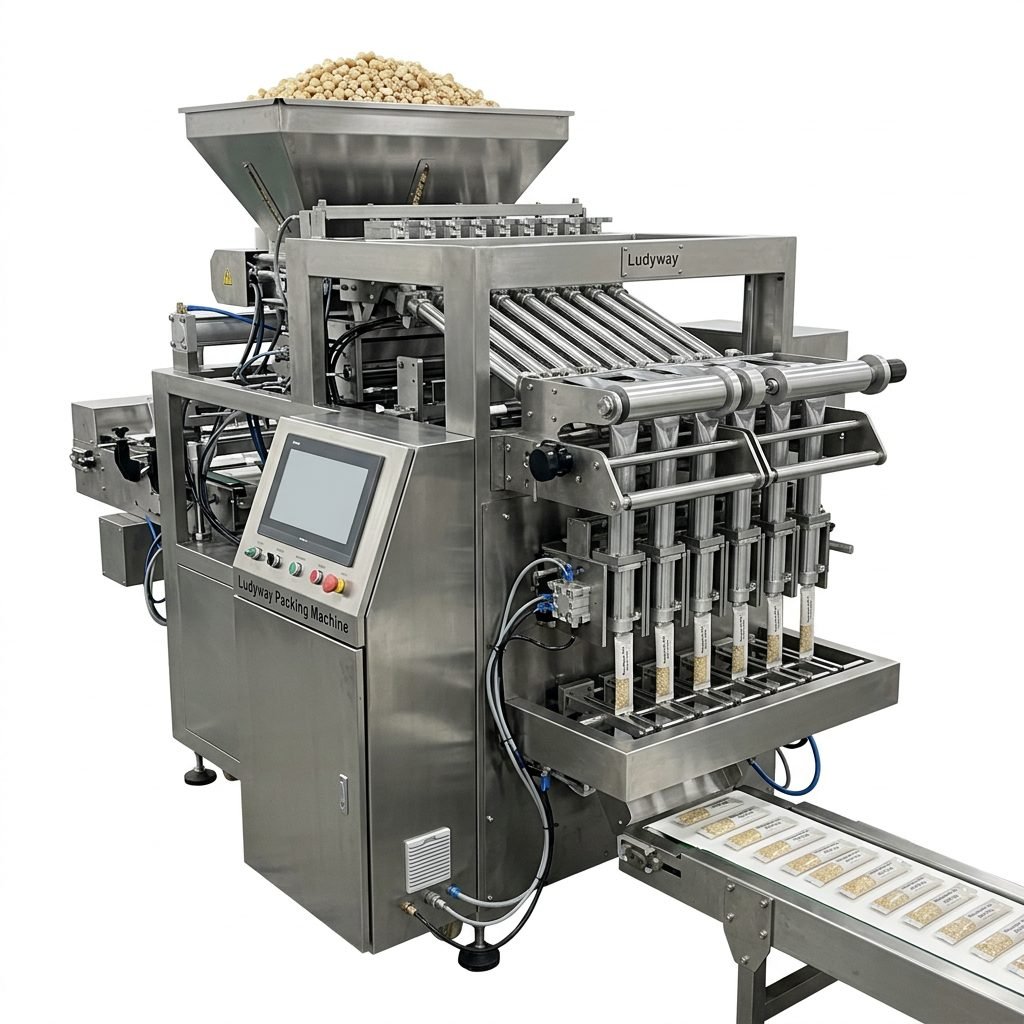
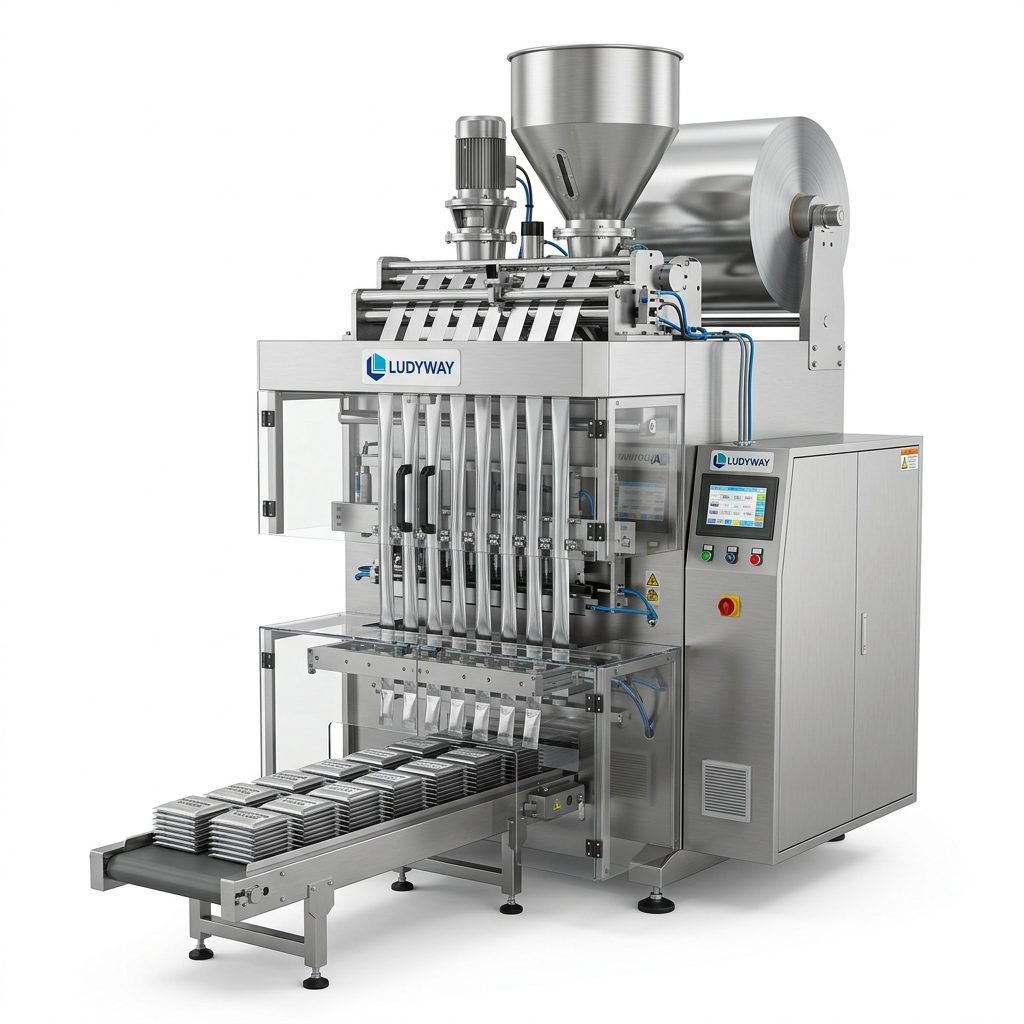
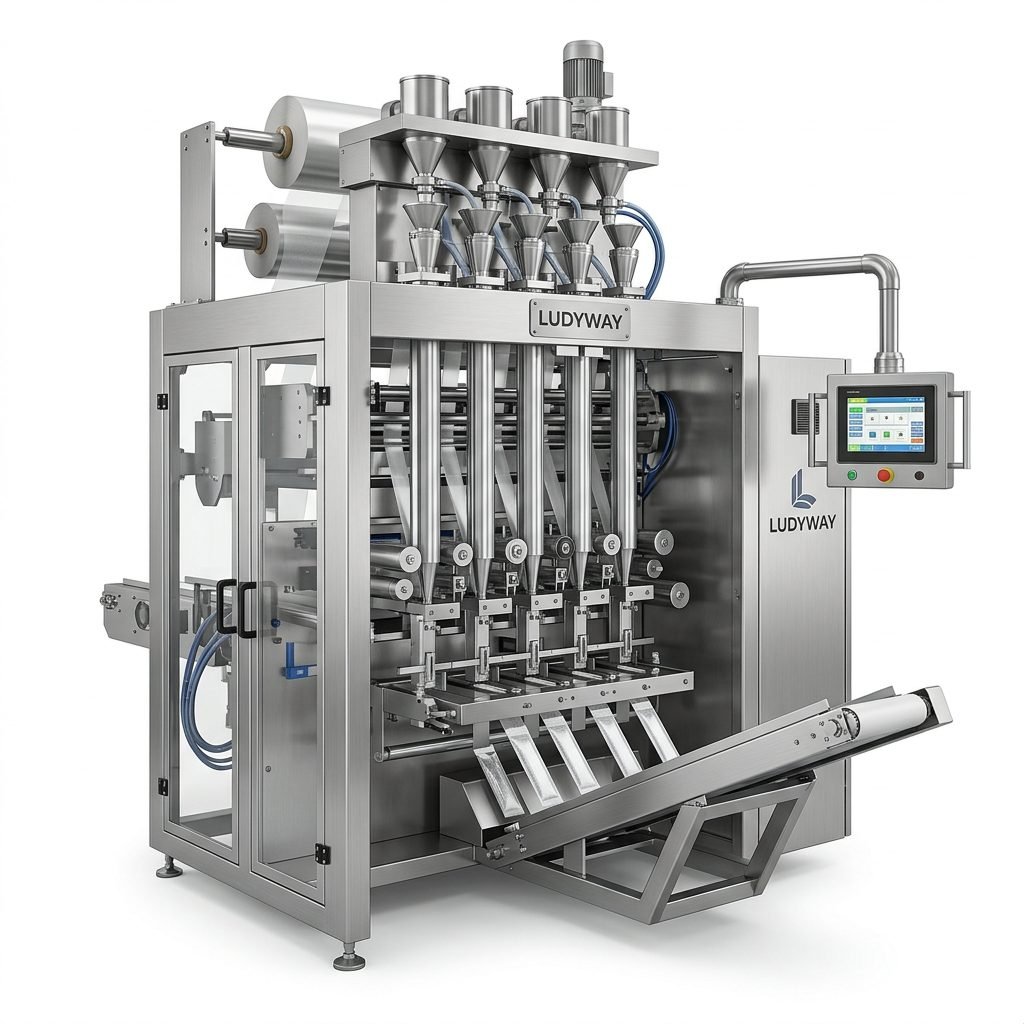
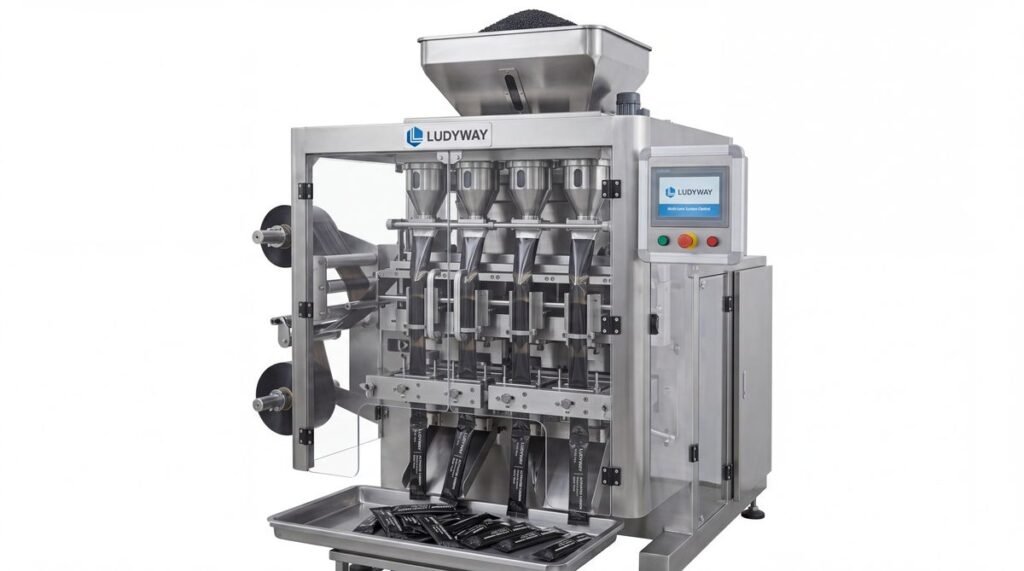
Among machinery providers active in this space, Ludyway continues to attract buyer attention as one of China’s leading packaging machine and turnkey packaging line manufacturers, supported by more than 30 years of industry experience, a broad pharmaceutical and health-product equipment portfolio, and established exports across Europe, North America, the Middle East, South America, Africa, and Southeast Asia.
What buyers are now asking suppliers
| Buyer Question | Reason Behind It |
|---|---|
| Can the line support qualification and audit preparation? | Regulatory inspections are becoming more documentation-driven |
| How stable is sealing and dosing performance over long runs? | Batch consistency is under greater review |
| Can the system integrate inspection, coding, and reject functions? | Integrated control reduces deviation risk |
| Is the machine easy to clean and maintain? | Hygiene and downtime both affect compliance performance |
| Can the supplier customize for product-specific formats? | Pharma packaging often requires non-standard engineering |
Outlook for the global market
The direction of travel is clear: pharmaceutical packaging regulation will continue to tighten, and compliance readiness will become a competitive advantage. Companies that invest early in inspection-capable, validation-friendly, and highly consistent packaging lines are likely to be better positioned for audits, tender opportunities, and multinational supply agreements.
For the broader market, this points to sustained investment in packaging automation, smarter line integration, and more robust quality control infrastructure. In the near term, compliance pressure may raise costs and lengthen procurement reviews. Over the longer term, however, it is expected to accelerate modernization across the pharmaceutical packaging industry and reward suppliers that can deliver reliability with documented performance.
Industry takeaway
As regulation tightens further, packaging is becoming a frontline quality function rather than a downstream production step. That shift is changing how pharmaceutical manufacturers choose equipment, structure investments, and manage global packaging operations.