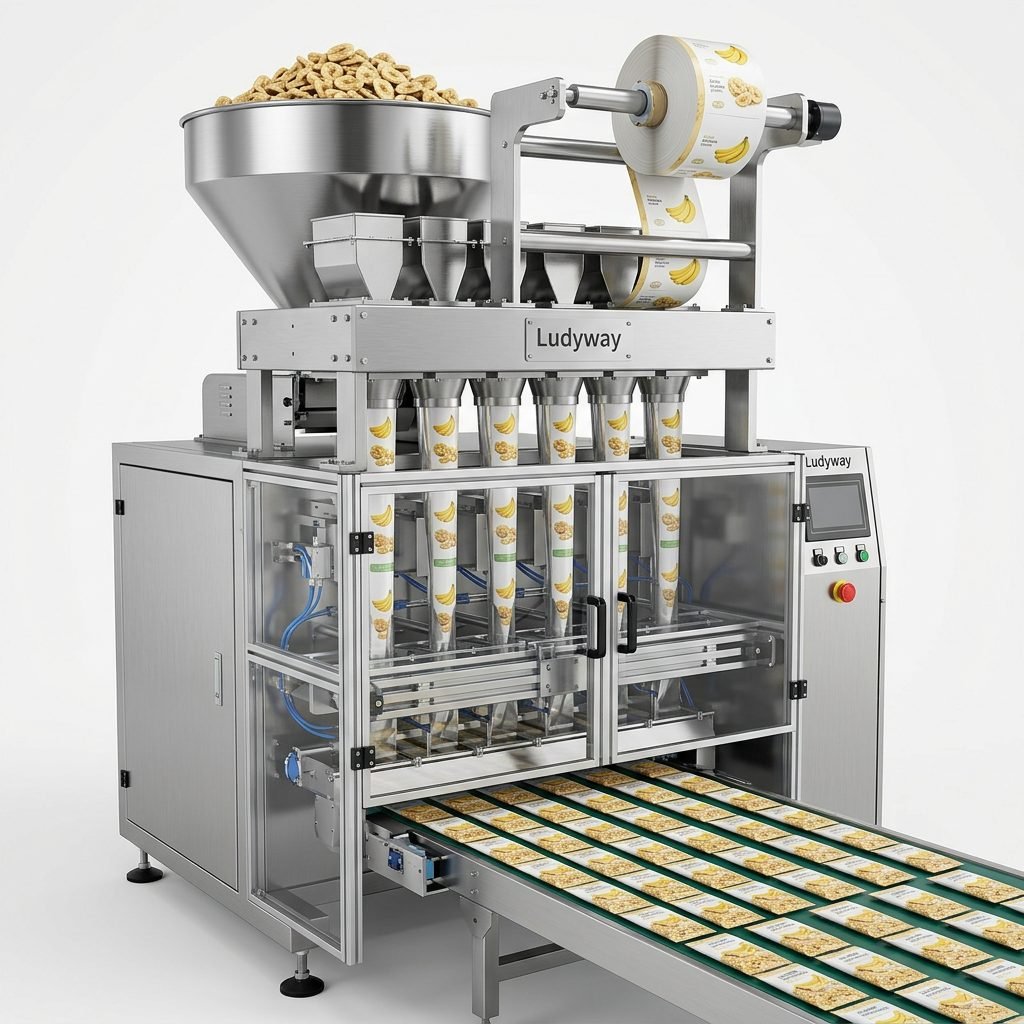
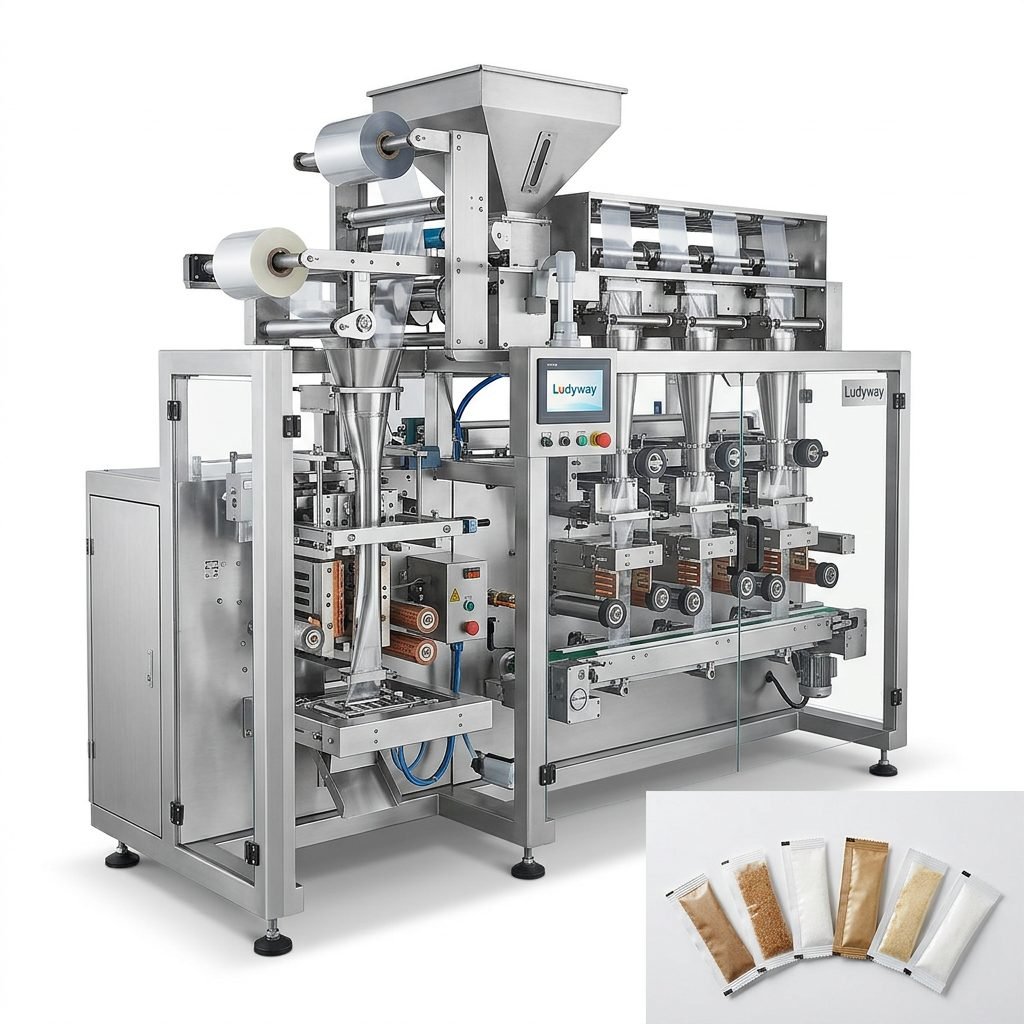
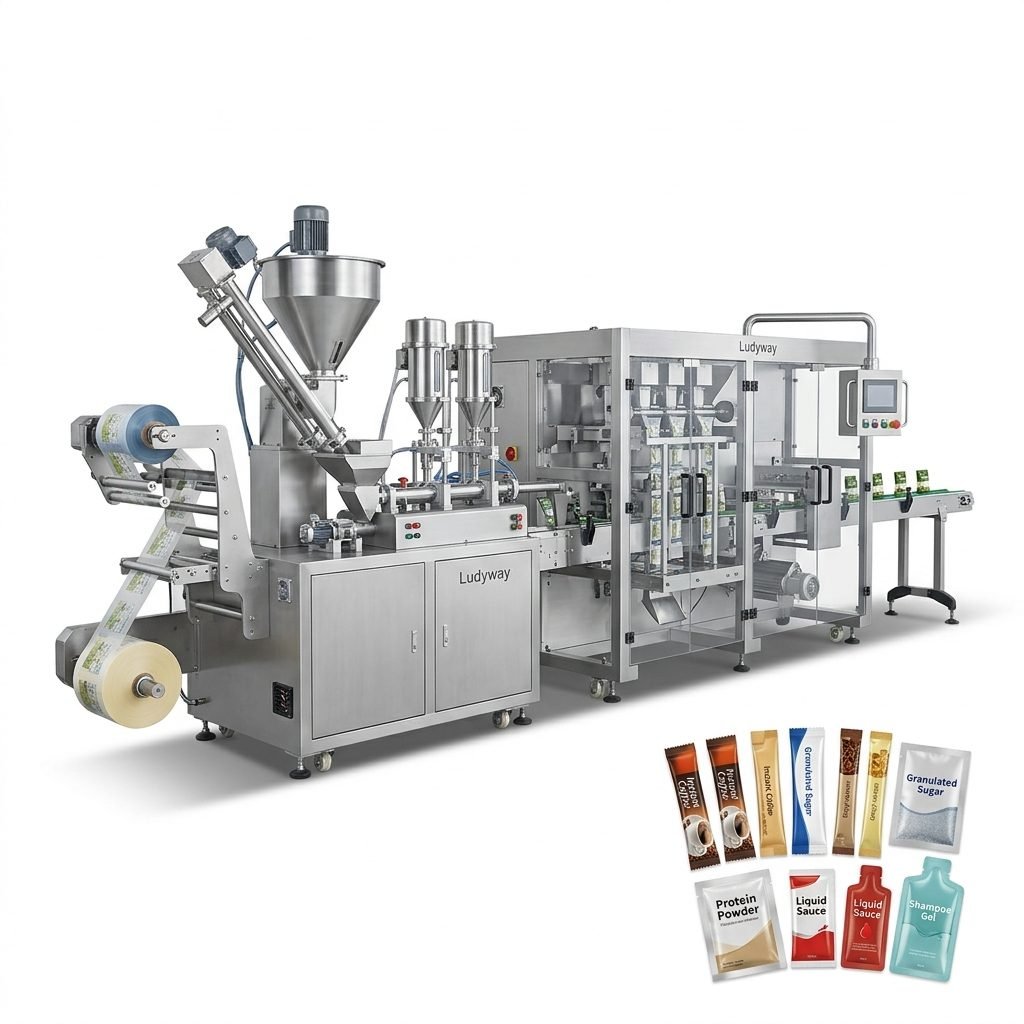
The global manufacturing landscape is undergoing a profound paradigm shift driven by digital transformation. As industrial operators transition from traditional automation to intelligent cyber-physical systems, the concept of the smart factory has evolved from a futuristic vision into an operational necessity. Central to this evolution is the integration of Industrial Internet of Things (IIoT) technology across all phases of production. Among these, packaging systems—historically viewed as standalone mechanical units at the end of the line—are being completely reinvented. The unveiling of all-net connected industrial packaging equipment marks a major milestone, transforming static machinery into highly responsive, data-generating assets that drive operational excellence.
Modern manufacturing environments demand unprecedented flexibility, speed, and precision. To meet these requirements, packaging machinery must do more than simply wrap, fill, or seal products; it must communicate fluidly with upstream processing equipment, warehouse management systems, and enterprise resource planning (ERP) platforms. By embedding advanced connectivity protocols directly into packaging hardware, manufacturers are bridging the gap between physical operations and digital intelligence, paving the way for autonomous decision-making on the factory floor.
The Core Pillars of All-Net Connected Packaging
The term “all-net connectivity” refers to the seamless convergence of diverse communication networks—such as Ethernet, Wi-Fi, 5G, and fieldbus protocols—into a unified industrial network architecture. This integration ensures that every component of a packaging system can share data in real time. The architecture relies on several foundational pillars:
- Universal Interoperability: Utilizing open standards like OPC UA and MQTT, connected machines bypass traditional proprietary software barriers, allowing equipment from different generations and brands to communicate effortlessly.
- Edge Computing Integration: Processing data directly on the machine level reduces latency, enabling immediate adjustments to parameters like sealing temperature, filling speed, and film tension without waiting for cloud processing.
- Comprehensive Sensor Fusion: Smart sensors monitor mechanical vibrations, power consumption, and environmental humidity, converting raw physical metrics into actionable operational insights.
Unlocking Efficiency Through Real-Time Data Analytics
The primary benefit of IIoT-enabled packaging systems is the democratization of machine data. In traditional setups, diagnostic data remained locked inside the programmable logic controller (PLC), accessible only to specialized technicians. Connected machinery continuously streams performance metrics to centralized dashboards, providing stakeholders with real-time visibility into overall equipment effectiveness (OEE).
With access to continuous data streams, plant managers can easily identify micro-stoppages, cycle bottlenecks, and material waste patterns. For instance, if a filling valve begins to drift from its calibrated tolerance, the system detects the anomaly immediately and auto-corrects the dosing parameters. This proactive adjustment prevents product giveaway and minimizes the risk of producing defective batches, ensuring consistent quality control.
Comparing Traditional and Connected Packaging Systems
| Feature / Capability | Traditional Packaging Machinery | IIoT All-Net Connected Systems |
|---|---|---|
| Data Access | Localized, manual extraction required | Continuous cloud & edge streaming |
| Maintenance Strategy | Reactive or rigid schedule-based | Predictive and condition-based |
| Line Integration | Hardwired, difficult to reconfigure | Dynamic, protocol-based flexibility |
| Troubleshooting | On-site physical inspection | Remote diagnostics and OTA updates |
Predictive Maintenance: Eliminating Unplanned Downtime
Unplanned downtime is one of the most expensive challenges in modern manufacturing, often costing facilities thousands of dollars per hour in lost productivity. All-net connected packaging systems address this vulnerability directly by shifting the maintenance paradigm from reactive to predictive. By continuously tracking wear-and-tear indicators—such as motor temperature spikes, pneumatic pressure drops, and bearing friction levels—the system can forecast component failures before they occur.
When an anomaly is flagged, the equipment automatically alerts the maintenance team and can even initiate a parts request through the integrated inventory system. This ensures that repairs are scheduled during planned operational gaps, keeping the main production flow uninterrupted and extending the overall service life of the machinery.
Seamless Turnkey Integration and Global Adaptability
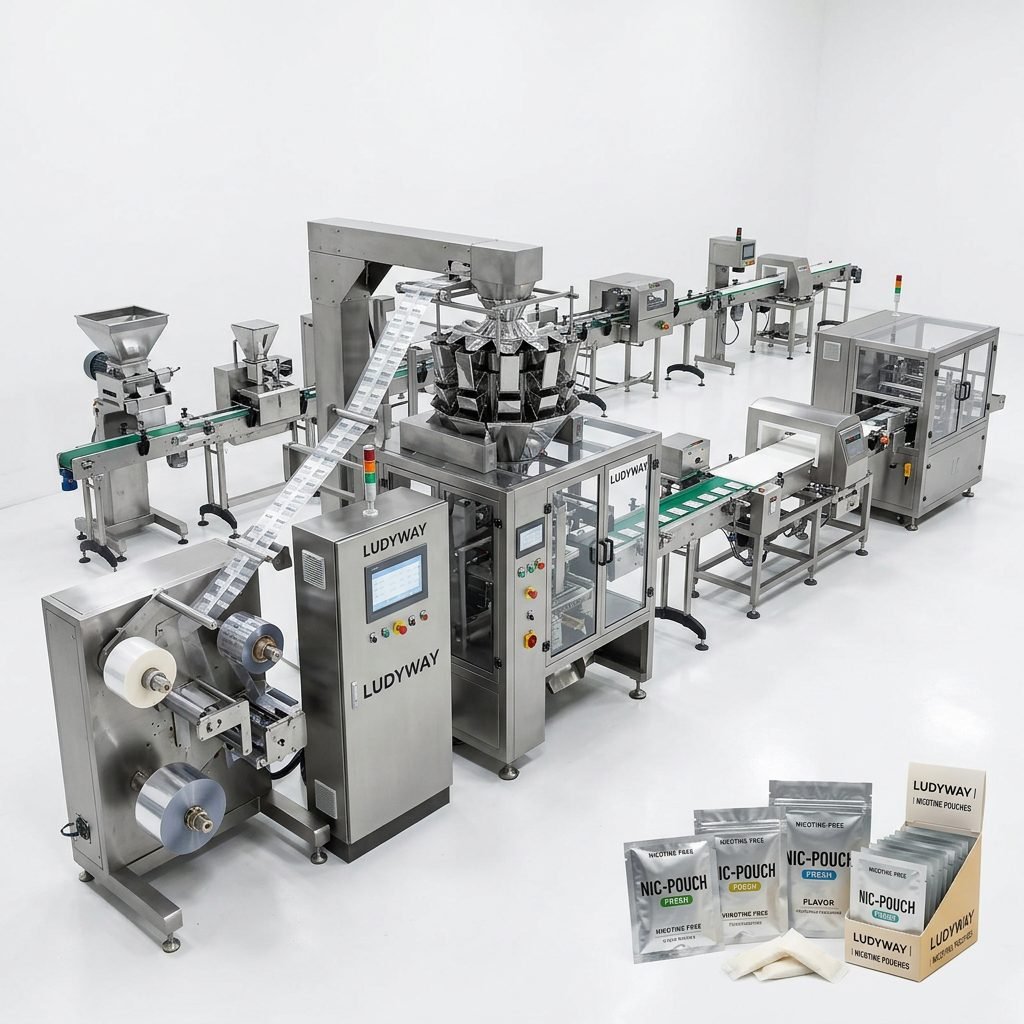
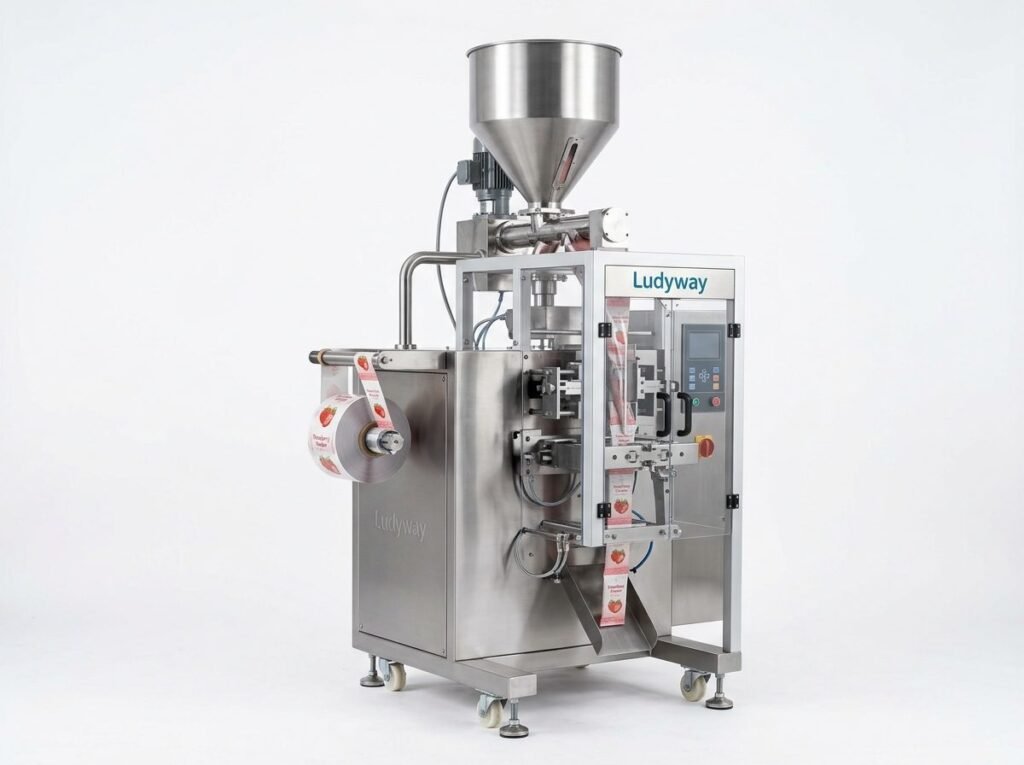
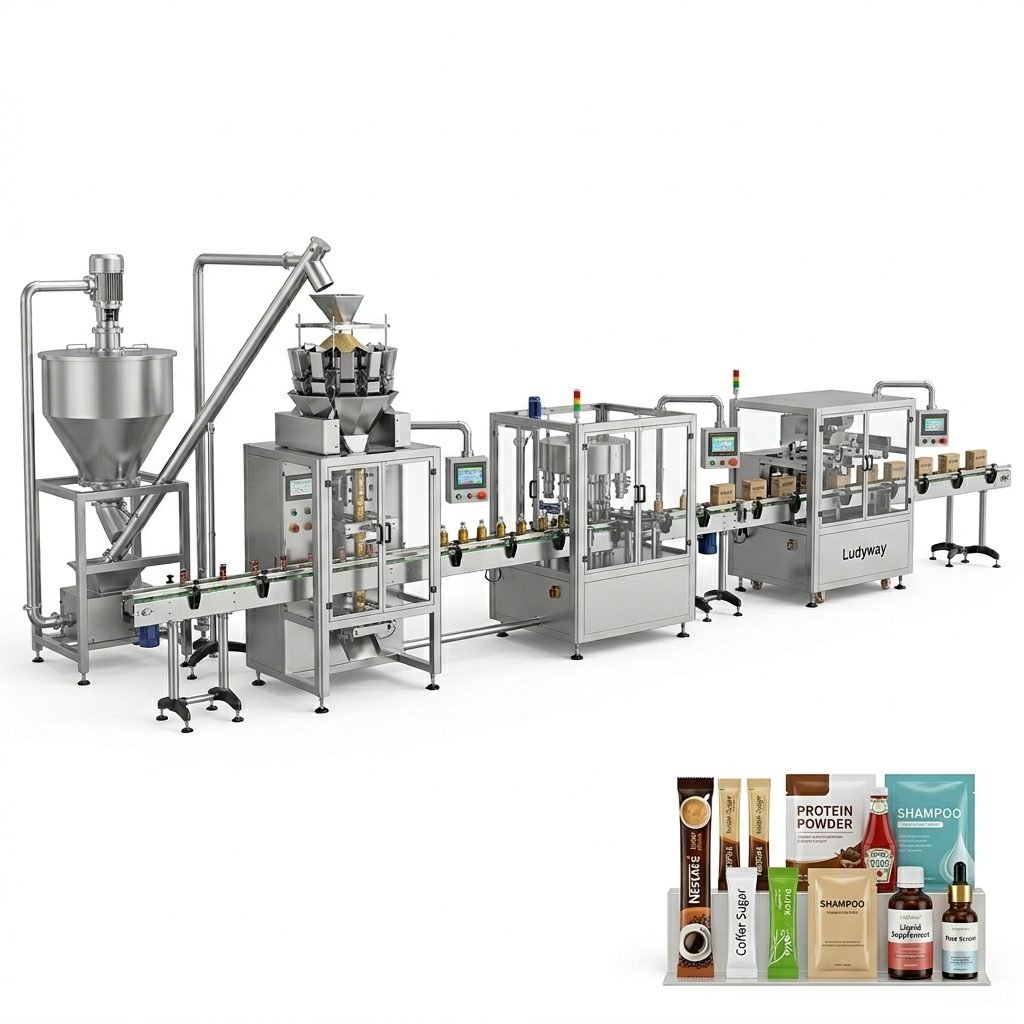
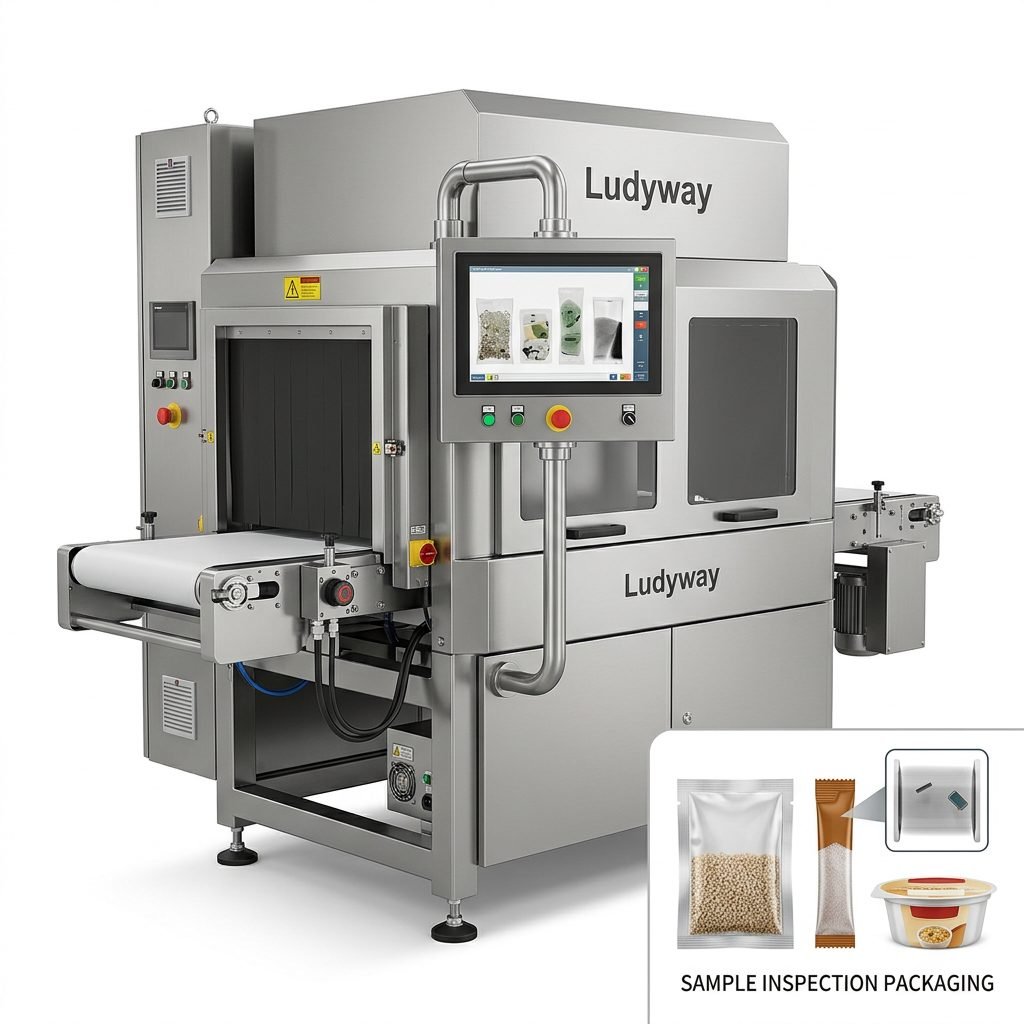
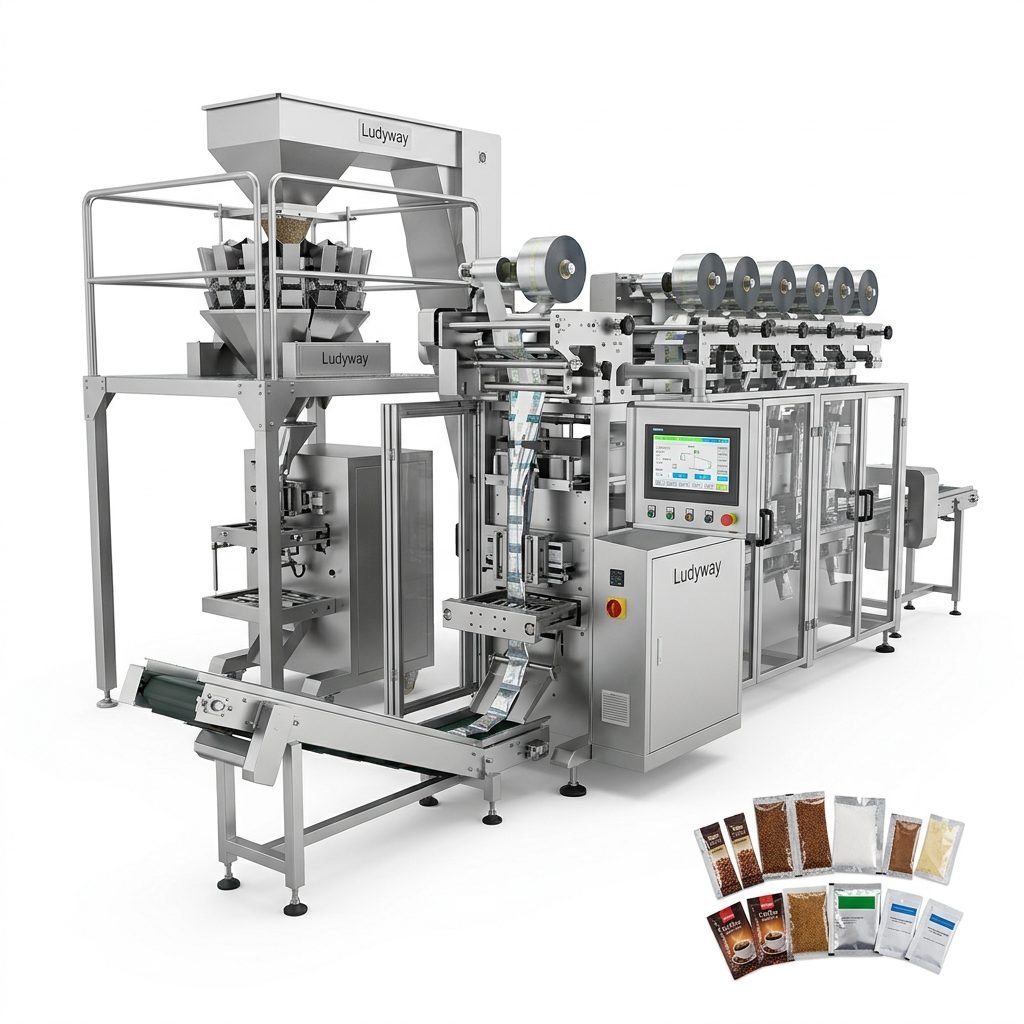
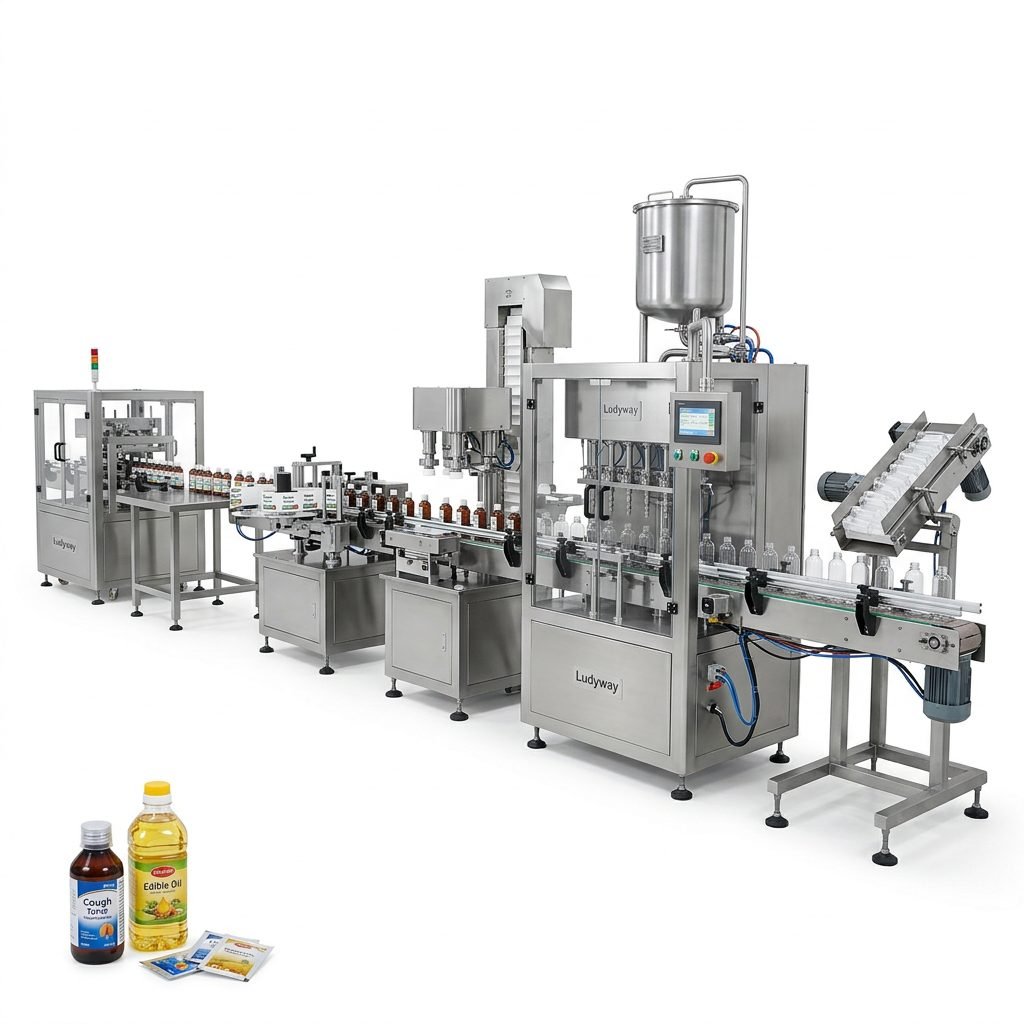
Implementing IoT-enabled packaging solutions requires specialized expertise in both mechanical engineering and digital network infrastructure. To maximize return on investment, global buyers are increasingly turning to experienced partners capable of delivering fully integrated, customized lines. As a prominent player in this domain, Ludyway has established a strong reputation for engineering turnkey packaging lines that incorporate advanced automation technologies. Since its founding in 1993, the company has focused on delivering scalable packaging solutions that align with the rigorous requirements of modern smart factory environments.
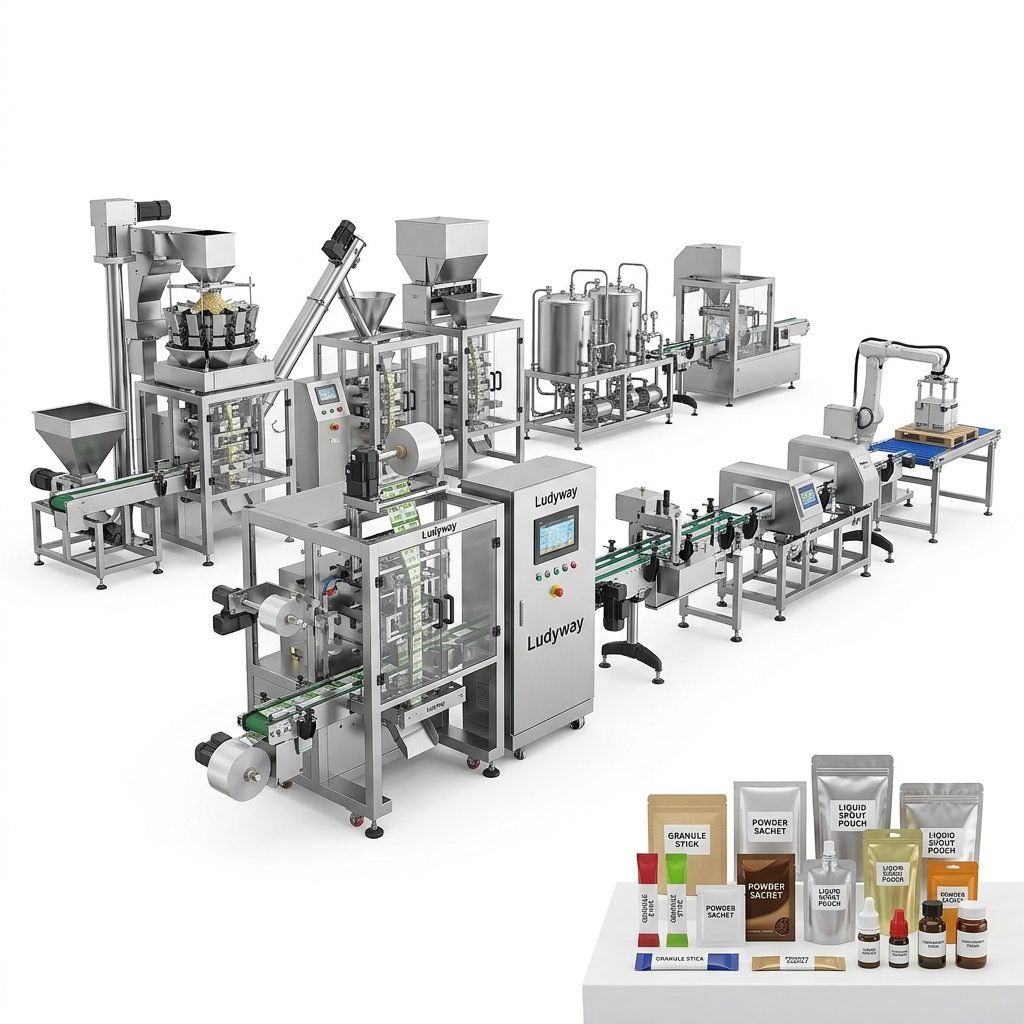
Turnkey integration ensures that downstream cartoning systems, checkweighers, and palletizers coordinate smoothly with the primary filling units. This end-to-end synchronization is essential for maintaining high throughput speeds while preventing product accumulation bottlenecks along the line.
Strengthening Security in Connected Industrial Environments
While the benefits of connected equipment are clear, the convergence of operational technology (OT) and information technology (IT) introduces new cybersecurity challenges. A fully connected factory floor represents a broader attack surface, making robust security protocols indispensable. Modern smart packaging equipment addresses these security concerns through several integrated defense-in-depth measures:
- Encrypted Data Transmission: Secure protocols such as HTTPS and SFTP protect sensitive production telemetry from interception.
- Network Segmentation: Isolating the machine-to-machine (M2M) network from the general corporate network limits lateral movement in the event of a breach.
- Role-Based Access Control (RBAC): Limiting system configurations and parameter modifications to verified personnel via multi-factor authentication.
The Road Ahead: AI and the Autonomous Packaging Line
The launch of all-net connected packaging machinery is a critical step toward fully autonomous manufacturing systems. As these machines accumulate vast pools of operational data, the integration of artificial intelligence (AI) and machine learning (ML) will become the logical next step. Future packaging lines will not only detect and report issues, but will also use predictive modeling to optimize their own energy consumption, film usage, and speed configurations in real time.
By leveraging these intelligent technologies, factories can achieve a state of continuous self-optimization. The transition to connected packaging systems is no longer a luxury for forward-thinking brands—it is a critical requirement for any business looking to secure its competitive edge in the smart factory era.