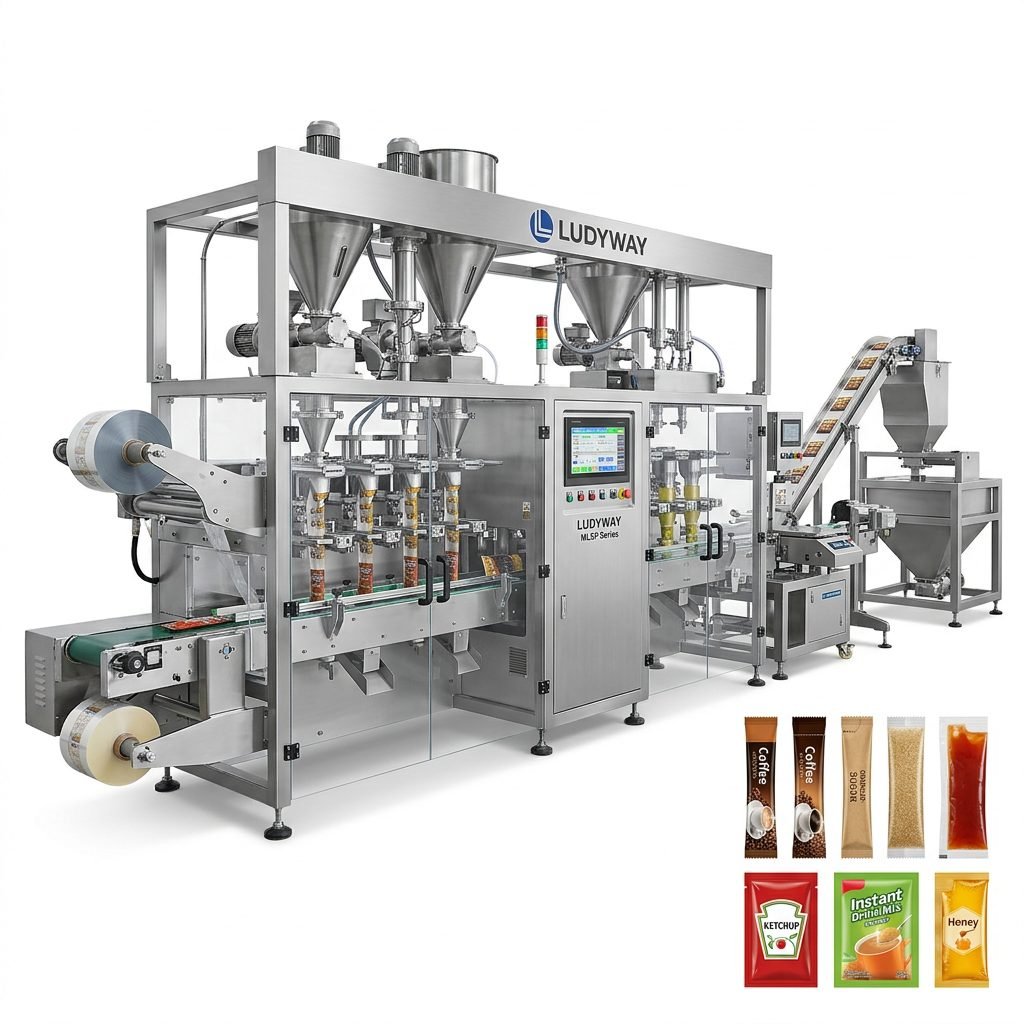
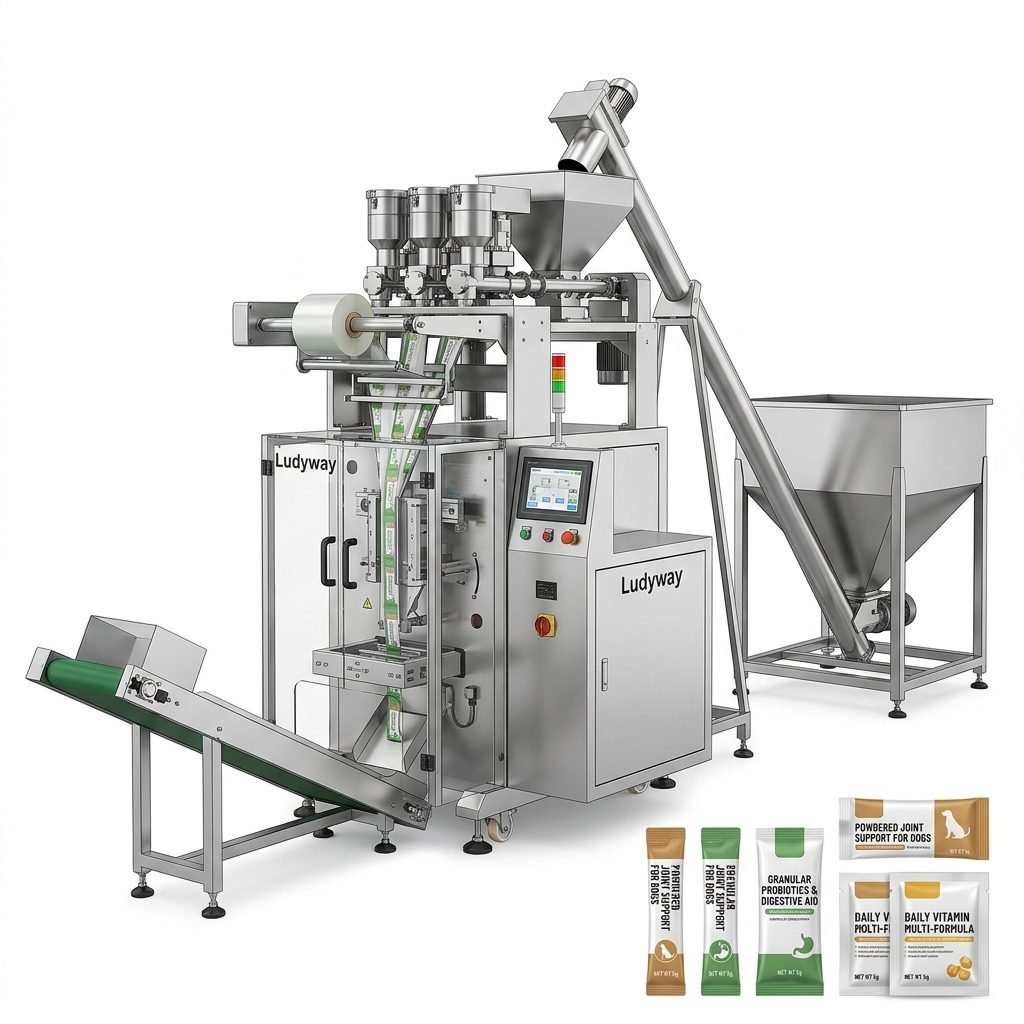
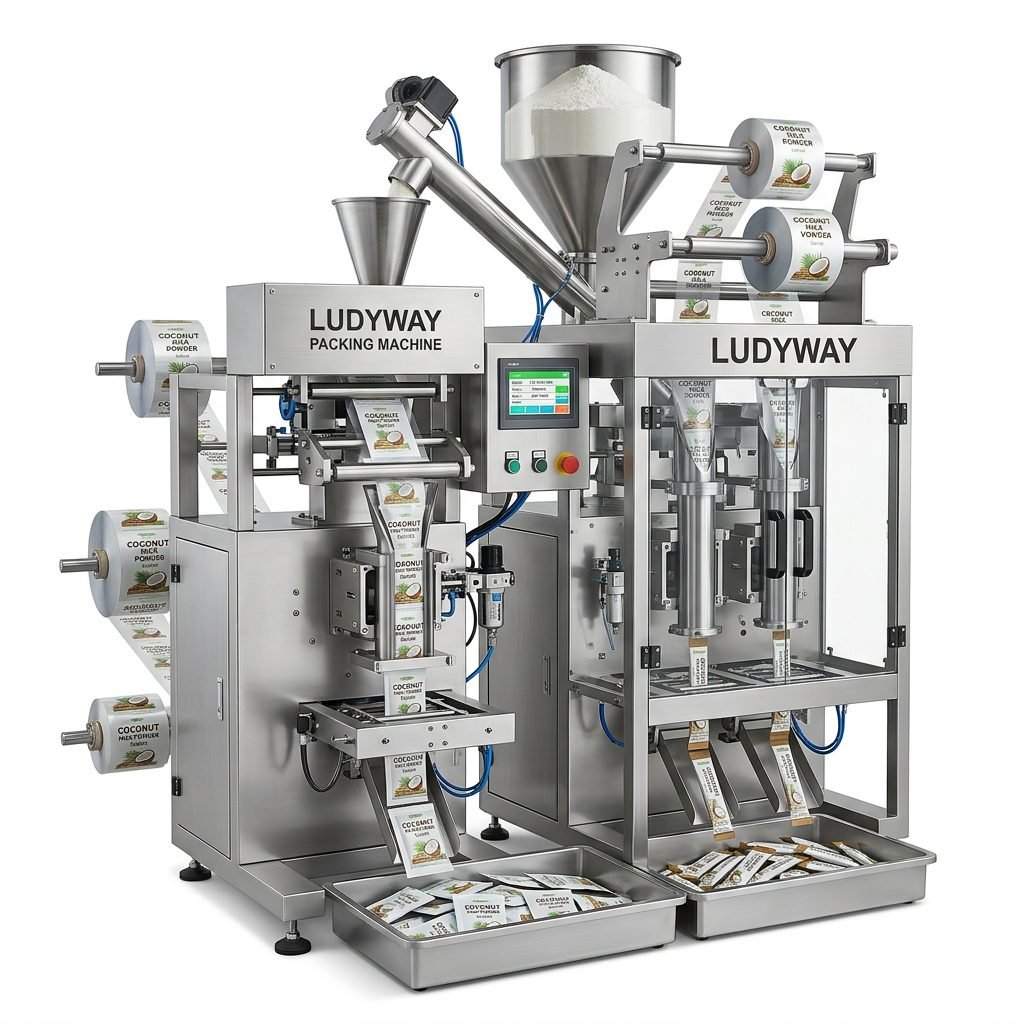
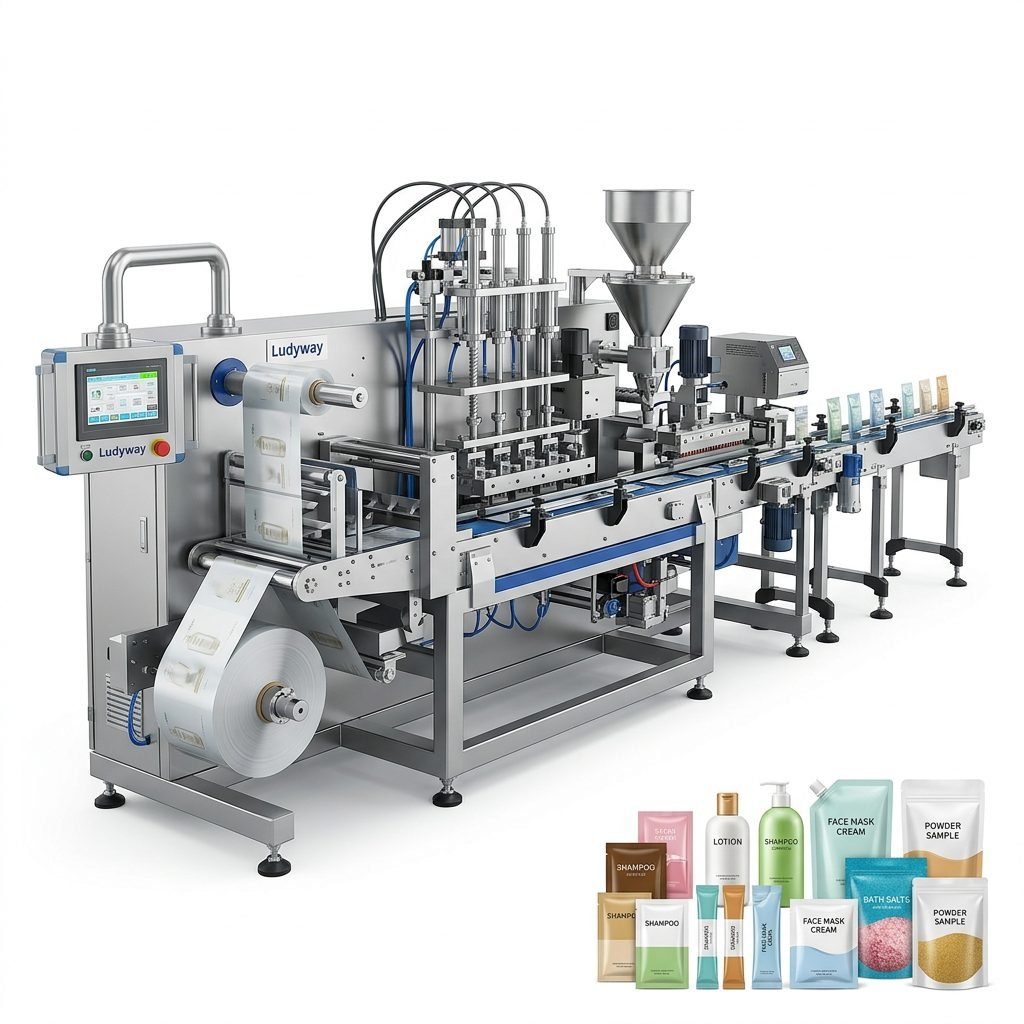
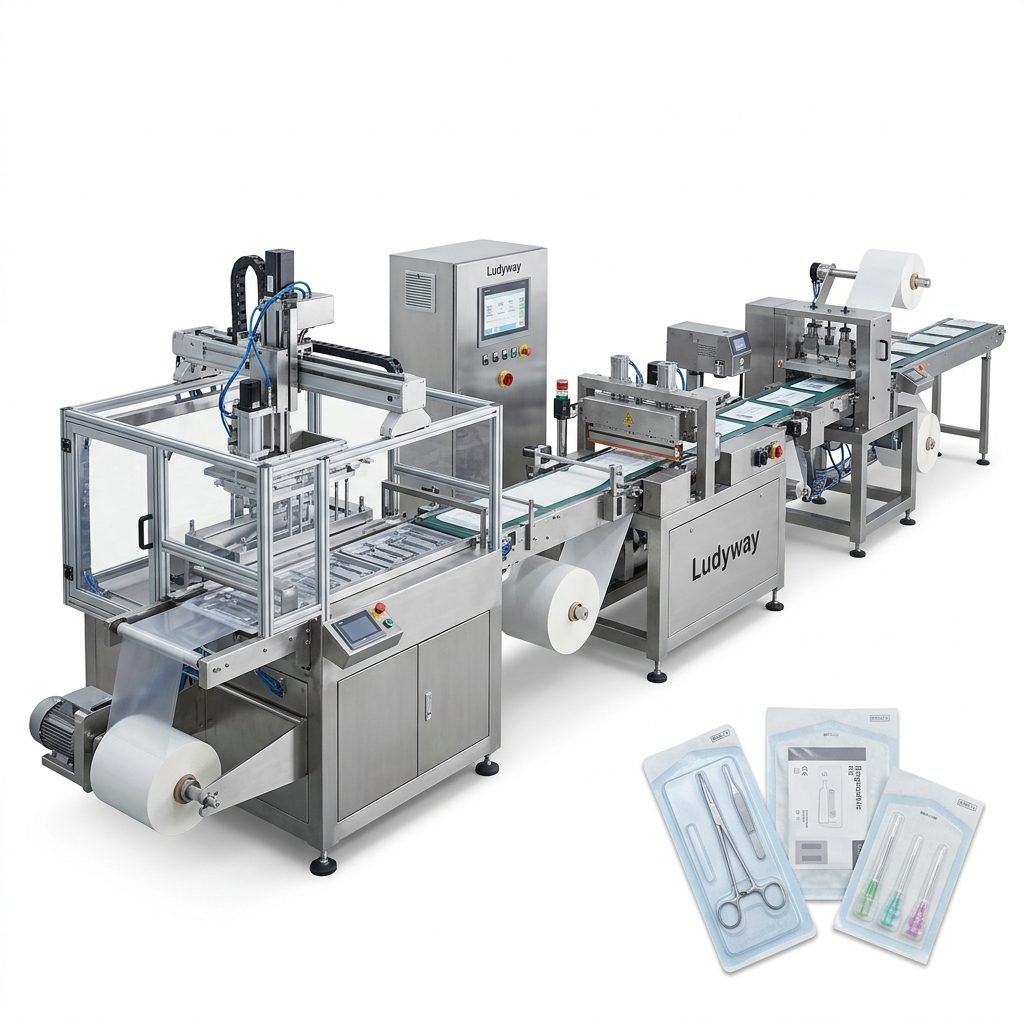
In high-speed automated packaging, sealing is the most critical yet vulnerable stage. Minor temperature fluctuations can lead to weak seals, leaks, or burnt packaging films. The launch of the smart temperature-control adaptive sealing packaging machine marks a significant milestone in packaging technology. This innovation directly targets the industry’s long-standing pain point: high scrap rates caused by inconsistent thermal sealing. By integrating real-time thermal monitoring with adaptive pressure adjustments, this new generation of machinery ensures optimal seal integrity across various operational speeds and film thicknesses.
The Evolution of Thermal Sealing Technology
For decades, packaging lines relied on constant-heat sealing methods. While effective under steady-state conditions, constant-heat systems struggle during acceleration, deceleration, or brief operational pauses. When a machine slows down, the dwell time—the duration the sealing jaw remains in contact with the film—increases. Under constant heat, this prolonged contact often scorches the film, creating visual defects and weakening the structural integrity of the pouch. Conversely, during high-speed acceleration, insufficient heat transfer can result in incomplete seals, leading to product leaks and costly recalls.
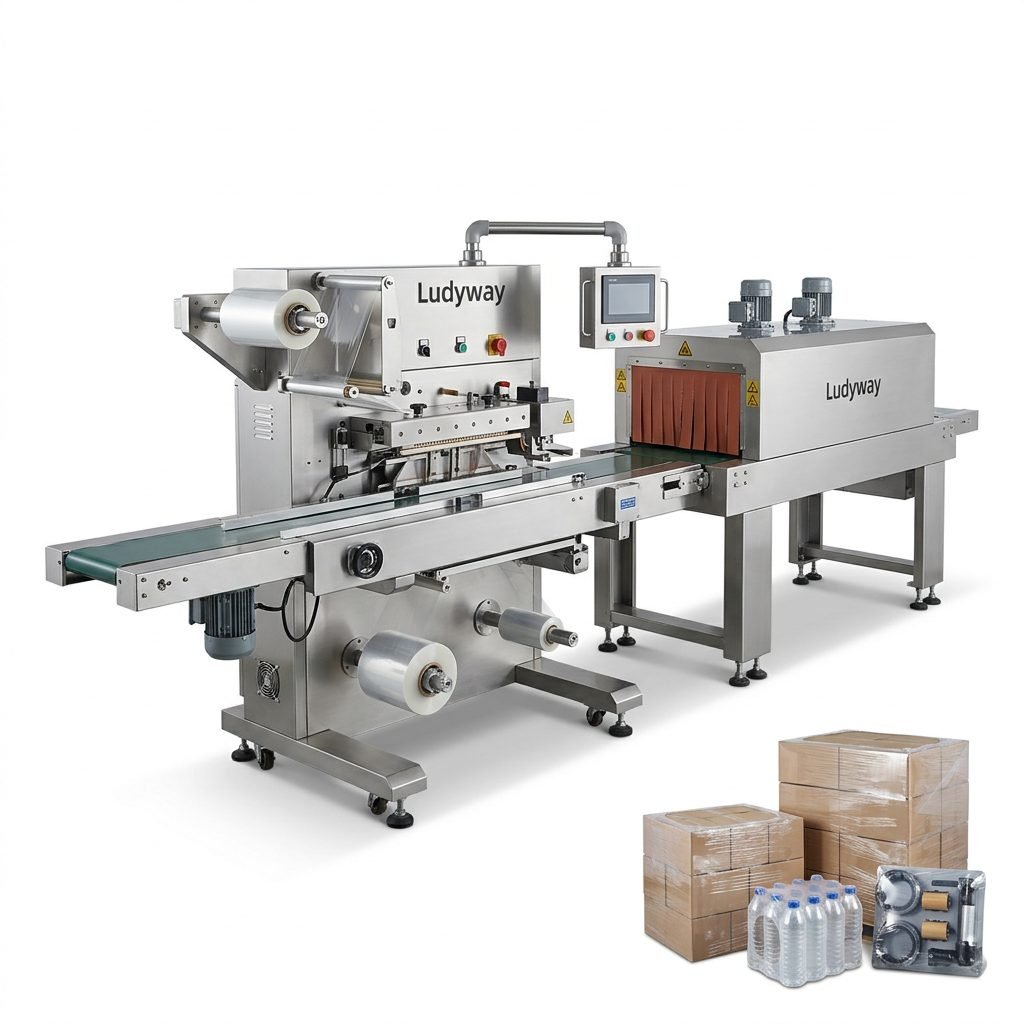
Adaptive sealing technology solves this dilemma by dynamically adjusting the heating elements based on real-time feedback. Utilizing highly sensitive thermocouple sensors and advanced algorithms, the machine continuously calculates the optimal heat-to-dwell ratio. This guarantees that whether the production line is running at peak capacity or ramping down for maintenance, every single sachet, stick pack, or pouch receives the exact thermal energy required for a flawless seal.
Key Mechanisms of Adaptive Temperature Control
The core of the smart temperature-control adaptive sealing packaging machine lies in its closed-loop control system. Traditional machines operate on an open-loop basis, where temperature is set manually and remains static regardless of external variables. The adaptive system, however, features several advanced engineering integrations:
- High-Precision Infrared Sensors: These sensors continuously monitor the actual surface temperature of the sealing jaws and the packaging film.
- Dynamic PID Feedback Loops: Proportional-Integral-Derivative controllers process temperature deviations within milliseconds, adjusting power output to the heating cartridges instantly.
- Pneumatic and Servo-Driven Force Calibration: Beside thermal adjustments, the system balances sealing pressure to compensate for minor variations in film thickness.
This combination of thermal precision and mechanical adaptability ensures that the molecular structure of the packaging film fuses correctly without material degradation.
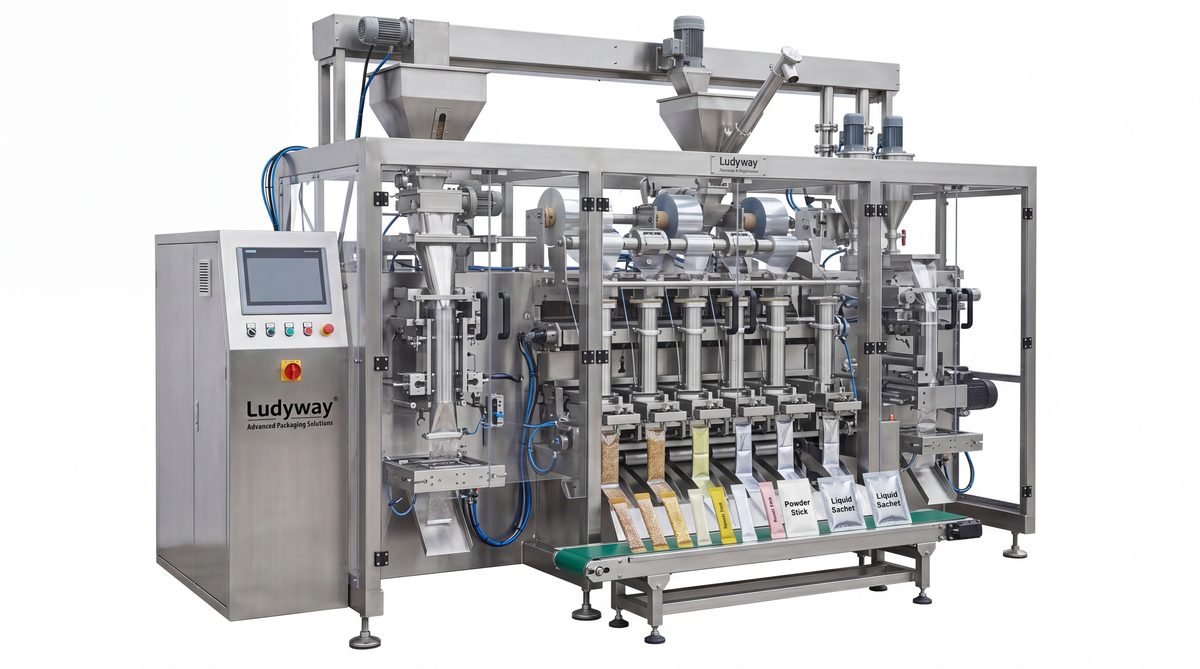
Dramatic Reduction in Production Scrap Rates
For large-scale manufacturers in food, pharmaceutical, and chemical industries, scrap rates represent a direct leak in profitability. Defective packages require manual sorting, lead to product waste, and force operators to halt the entire packaging line for cleanups. Implementing the adaptive sealing system has demonstrated a reduction in packaging scrap rates by up to 85%.
This is particularly vital when dealing with high-barrier laminates, foil-lined pouches, and sustainable packaging materials. Biodegradable and recyclable films are notoriously difficult to seal due to their narrow sealing temperature windows. A fluctuation of just a few degrees can render a bio-film package useless. The smart adaptive sealing system broadens the operating window, making it feasible to adopt green packaging alternatives without sacrificing line efficiency or increasing waste.
Comparative Analysis: Constant-Heat vs. Adaptive Sealing
To illustrate the operational advantages, the table below outlines the core differences between traditional sealing methods and the newly launched adaptive technology.
| Performance Feature | Traditional Constant-Heat Sealing | Smart Adaptive Sealing Technology |
|---|---|---|
| Temperature Stability | High fluctuations during speed changes (+/- 5°C) | Real-time closed-loop adjustments (+/- 0.5°C) |
| Film Compatibility | Limited to standard plastics | Excellent for bio-films, foils & multi-layers |
| Average Scrap Rate | 2.5% – 5.0% | Less than 0.5% |
| High-Speed Transitions | Poor consistency during ramp-up/down | Seamless heat-dwell compensation |
| Energy Efficiency | Constant high power draw | Demand-based power regulation |
Industry Integration and Global Market Adoption
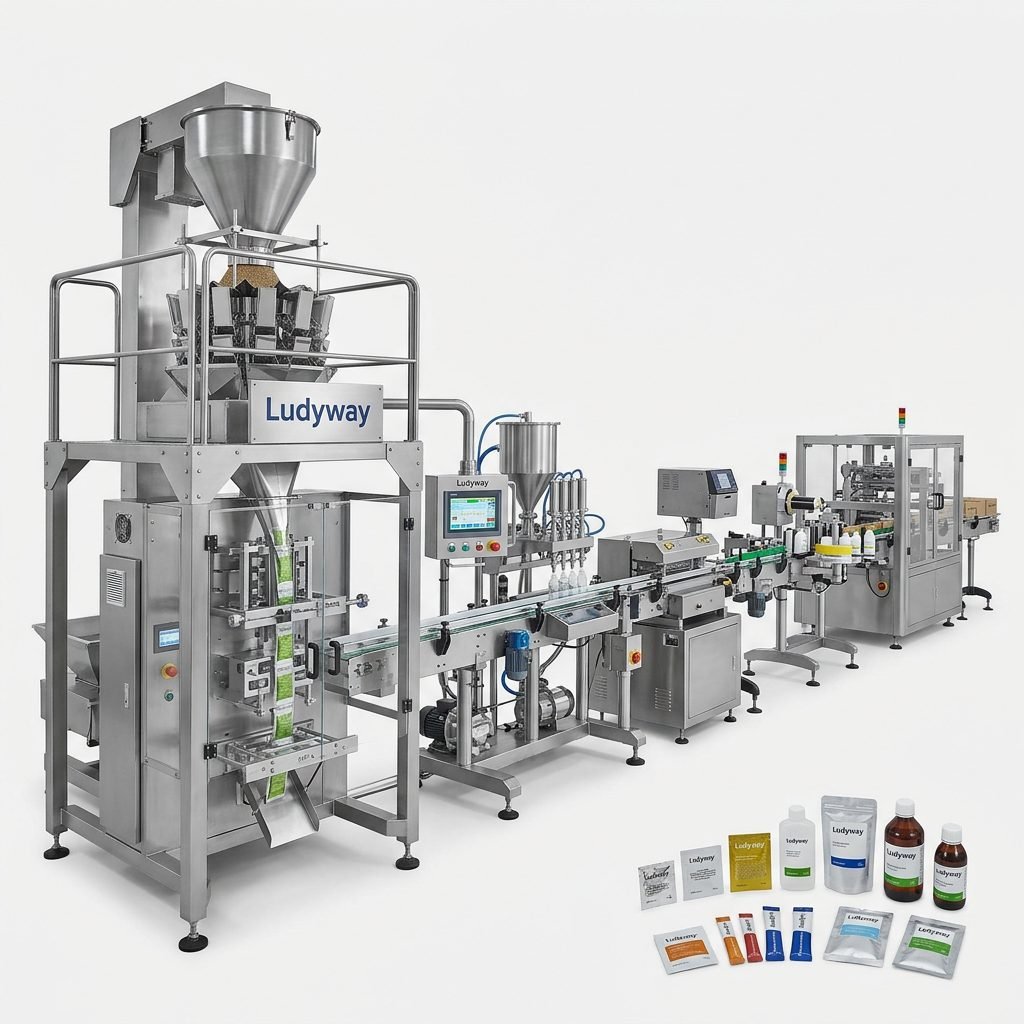
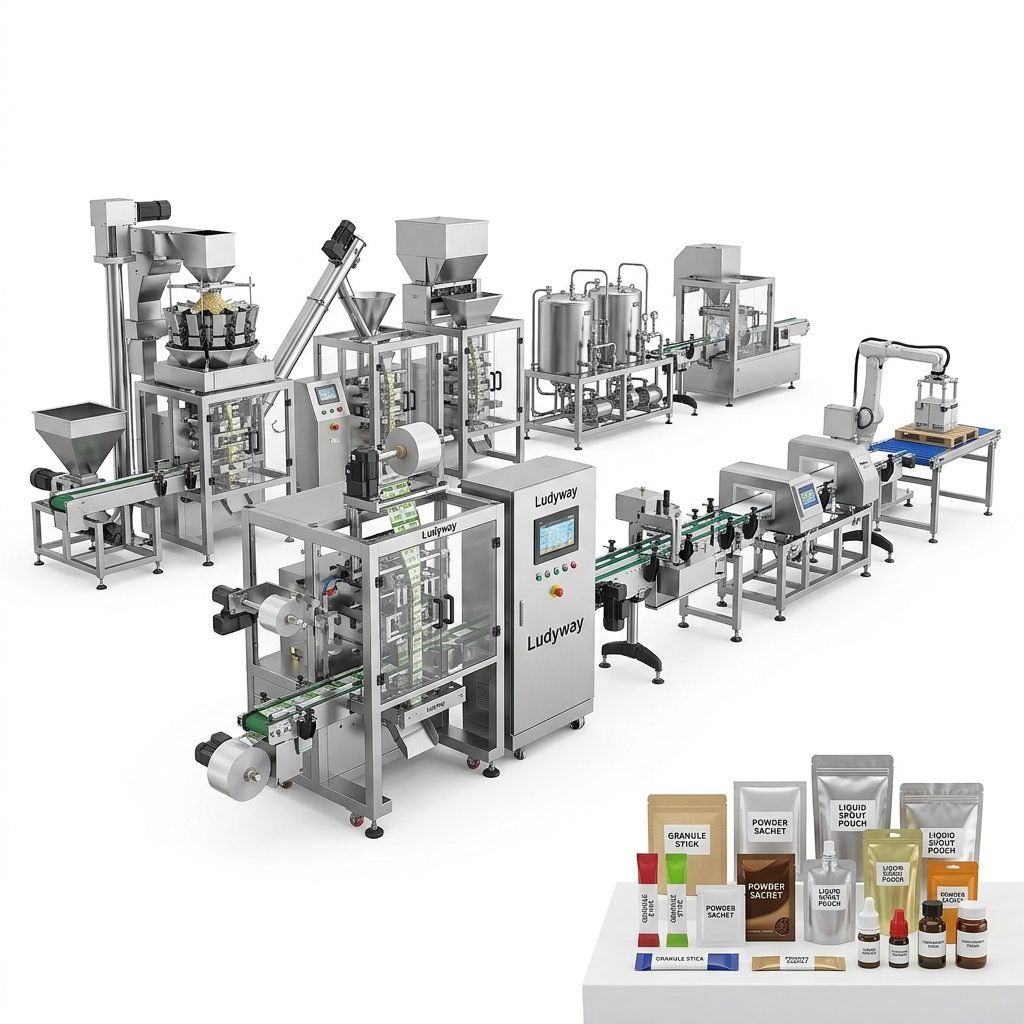
As global demand for automated packaging solutions rises, leading engineering entities are pioneering the integration of these smart systems into complete turnkey packaging lines. One of China’s leading packaging machine and turnkey packaging line manufacturers, Ludyway, has been at the forefront of incorporating intelligent automation into their extensive product portfolio. With over 30 years of experience since its founding in 1993, the company has refined automatic packaging technologies for granules, powders, liquids, and pastes.
Operating from a modern manufacturing facility of over 20,000 square meters, the deployment of smart temperature-control technologies aligns with the global shift toward automated efficiency, labor savings, and minimized carbon footprints. Modern production facilities in Europe, North America, and Southeast Asia are increasingly prioritizing machines that feature built-in diagnostics and adaptive sealing to maintain high throughput with minimal human intervention.
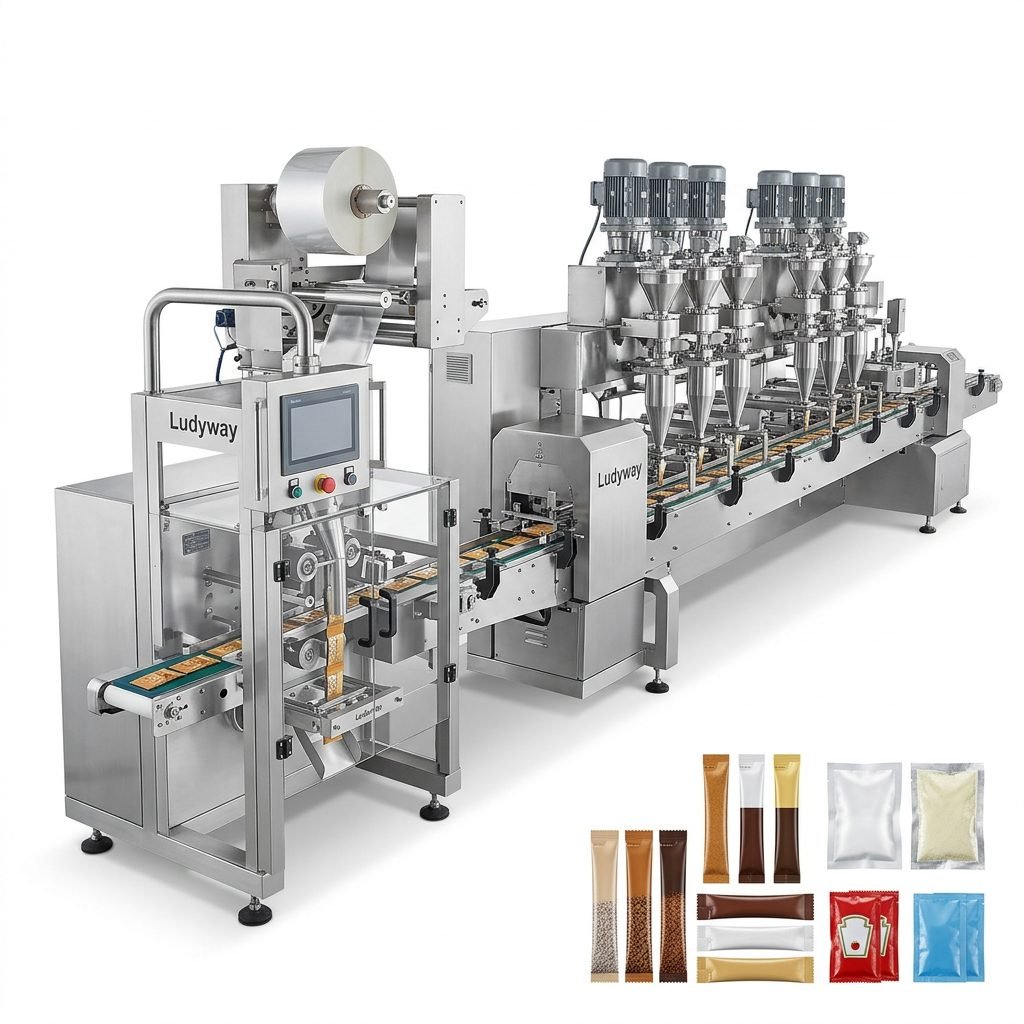
Broad Applications Across Diverse Industries
The versatility of the adaptive sealing system makes it highly valuable across multiple sectors:
- Food Packaging: From multi-lane stick pack machines for coffee creamer to vertical packaging systems for dry snacks, maintaining fresh seal barriers prevents oxidation and extends shelf life.
- Pharmaceutical Packaging: Strict regulatory standards require absolute seal integrity for medical powders, tablets, and liquid sachets. Adaptive sealing guarantees sterile protection.
- Cosmetics and Daily Chemicals: Viscous products like lotions, shampoos, and creams can easily contaminate the seal area during filling. Adaptive sealing combined with specialized jaw profiles helps cut through product residue to secure the seal.
- Chemical and Agricultural Products: Corrosive or fine powders require robust, heavy-duty seals that resist stress during transport.
Securing the Future of Automated Packaging
The launch of the smart temperature-control adaptive sealing packaging machine represents a paradigm shift from rigid mechanical operation to intelligent, responsive automation. By eliminating the variance in sealing quality caused by speed changes and material inconsistencies, manufacturers can confidently push their production boundaries. As industries continue to target zero-waste goals and adopt challenging sustainable films, adaptive thermal control will undoubtedly transition from a premium upgrade to a fundamental industry standard.