In modern logistics, warehousing, and supply chain management, securing palletized products for transit is one of the most critical stages of the packaging process. Traditional stretch wrapping machines have long relied on mechanical friction or basic electromagnetic braking systems to apply tension to the film as it wraps around a load. While these methods are functional for heavy, uniform cargo, they frequently cause issues when wrapping light, fragile, or irregularly shaped pallets. Excessive tension can crush delicate corrugated boxes, bend edges, or deform products, while insufficient tension results in loose wrapping, leading to load shifting and damage during transport.
To address these persistent challenges, the packaging industry has welcomed a groundbreaking innovation: the Tension-Free Stretch Film Wrapping Machine. By integrating advanced automatic feedback loops and precision pre-stretch technology, this new generation of machinery has won widespread praise across manufacturing, food processing, pharmaceuticals, and logistics sectors. The core innovation lies in its ability to dynamically adjust film tension in real-time, ensuring a consistent containment force without risking structural damage to the packaged goods.
The Science Behind Consistent Tension Control
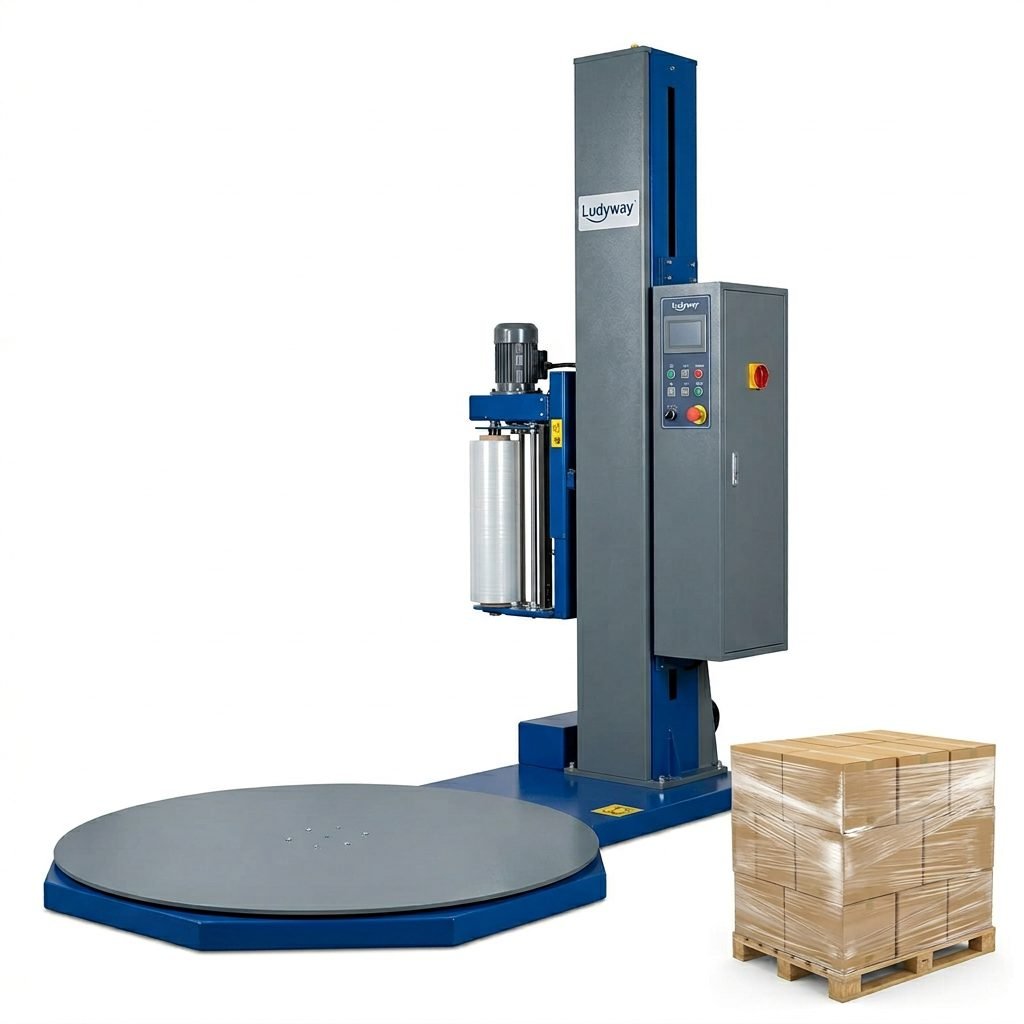
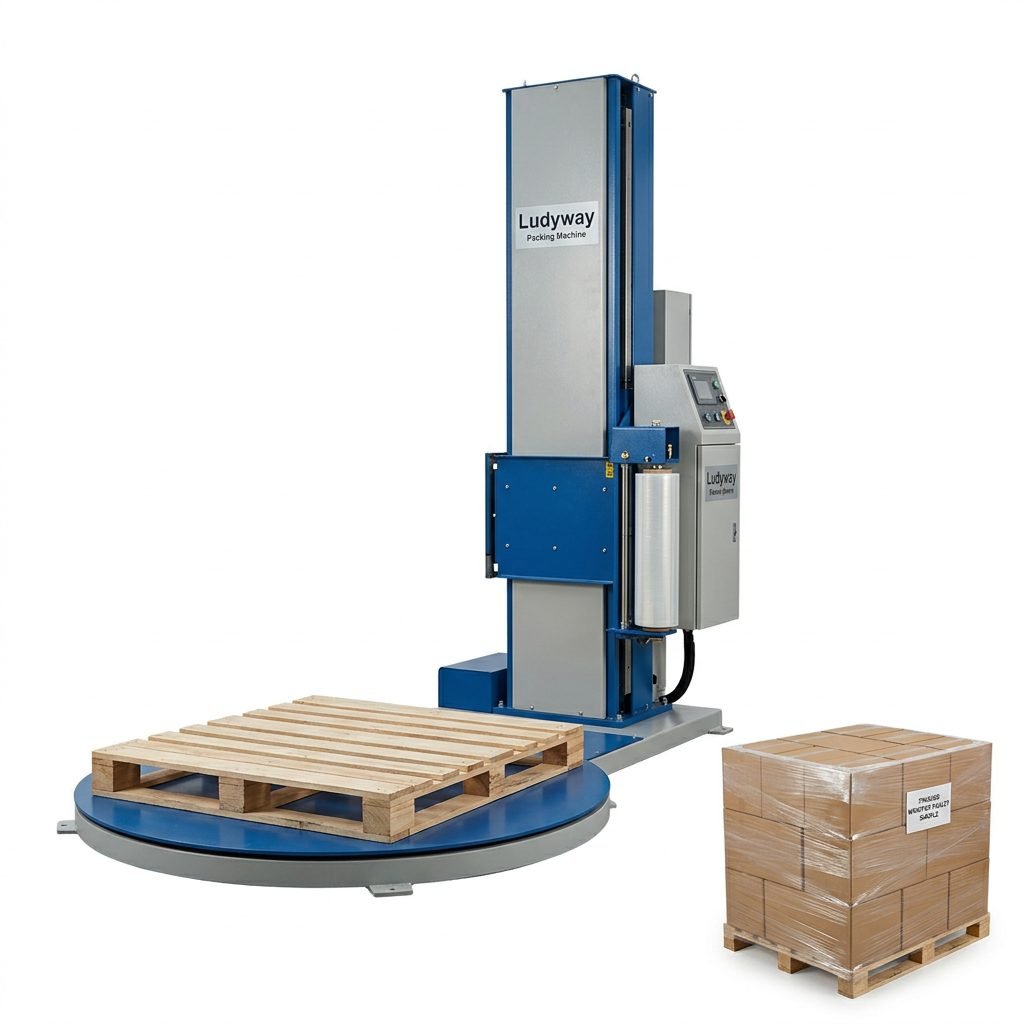
Unlike standard machines that pull the film against the load to create tension, the tension-free wrapping machine utilizes a powered pre-stretch carriage. This carriage uses dual independent motors to stretch the film up to 300% or more before it is applied to the pallet. Sensors continuously monitor the delivery speed and the resistance of the load, adapting the film output millisecond by millisecond. This process ensures that the film is laid onto the pallet smoothly, maintaining a precise containment force without placing physical stress on the corners of the load.
Another key technical advancement is intelligent corner compensation. Standard wrapping machines apply uneven pressure as the film carriage rotates around a square or rectangular pallet. The corners of the pallet naturally pull more film, causing a sudden spike in tension. This tension spike is the primary cause of corner crushing. Tension-free wrapping systems utilize high-speed optical or laser sensors to detect the pallet’s rotation angle, instantly accelerating the film delivery motor when a corner approaches and decelerating it along the flat sides. The result is a perfectly uniform wrap from top to bottom.
Key Benefits of Upgrading to Advanced Wrapping Systems
Investing in tension-free wrapping technology offers substantial operational advantages that directly impact a manufacturer’s bottom line. Here are the primary reasons why companies are replacing their legacy wrapping systems:
- Elimination of Product Damage: By maintaining a constant, gentle pressure, these machines are ideal for wrapping lightweight products such as empty PET bottles, snack food boxes, aerosol cans, and pharmaceutical cartons.
- Significant Film Savings: The high pre-stretch ratio allows operations to get the maximum yield out of every roll of stretch film. This can reduce plastic material consumption by 30% to 55%, aligning with corporate sustainability goals and lowering packaging costs.
- Superior Load Stability: Consistent containment force ensures that the entire pallet behaves as a single unit during transport, greatly reducing the risk of tipping or shifting on delivery trucks.
- Reduced Film Breaks: Traditional tension systems frequently snap the film when encountering sharp corners or wooden pallet splinters. Active tension control prevents these sudden spikes in force, minimizing machine downtime and operator intervention.
Performance Comparison: Traditional vs. Tension-Free Wrapping
To better understand the operational differences, the table below highlights how advanced tension control outperforms traditional wrapping methods across key metrics:
| Feature / Metric | Traditional Wrapping Machine | Tension-Free Wrapping Machine |
|---|---|---|
| Pre-Stretch Capability | 0% – 100% (Mechanical Brake) | 200% – 350%+ (Powered Motorized) |
| Corner Crushing Risk | High (Especially for light loads) | Extremely Low (Sensor-compensated) |
| Film Consumables Cost | High (Thicker film, less stretch) | Low (Thin film, maximum yield) |
| Film Break Frequency | Frequent (Causes line stoppages) | Rare (Smooth, continuous delivery) |
| Load Containment Stability | Variable (Uneven distribution) | Highly Consistent (Uniform force) |
Meeting International Standards in Modern Packaging Lines
As factories worldwide transition to fully automated and integrated production systems, auxiliary packaging machinery must keep pace. A stretch wrapper is no longer just a standalone end-of-line tool; it is a critical component of turnkey packaging lines that communicate with ERP systems, automated guided vehicles (AGVs), and smart warehouse management databases.
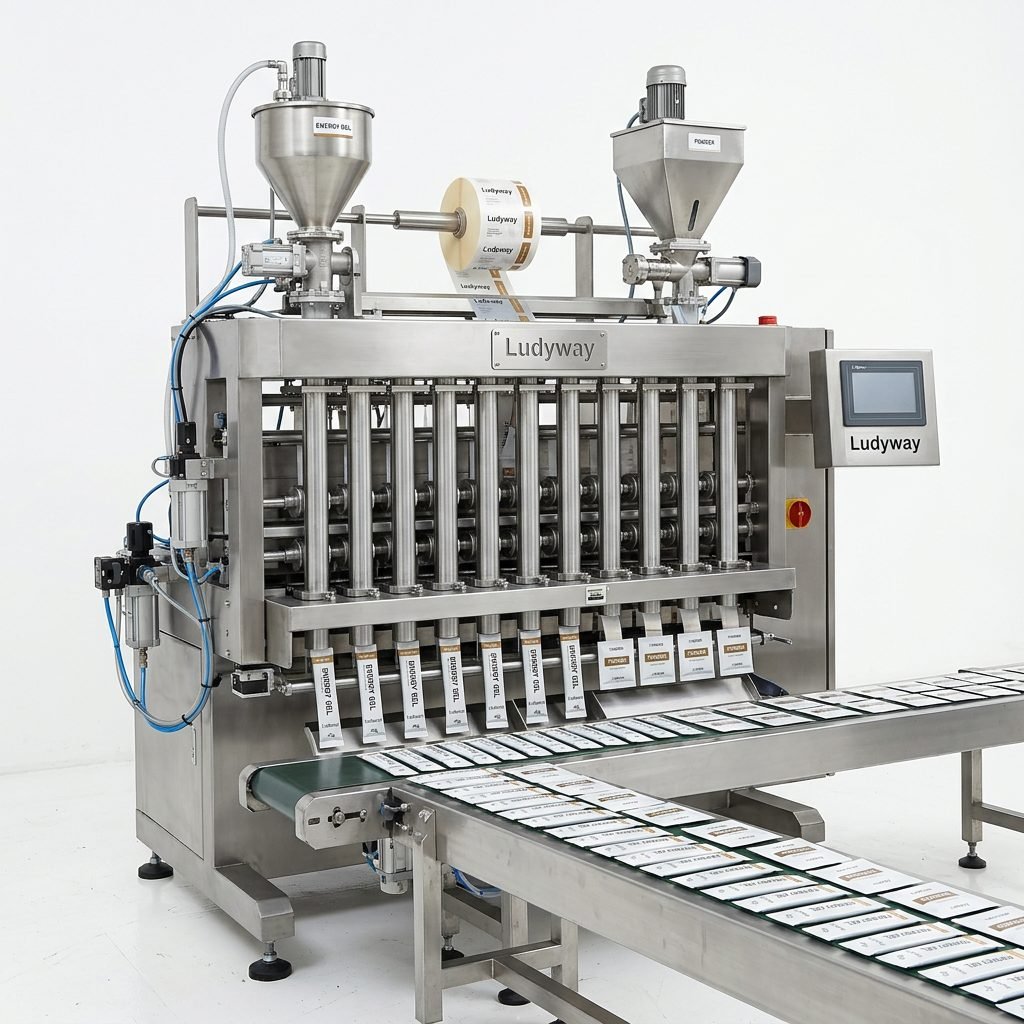
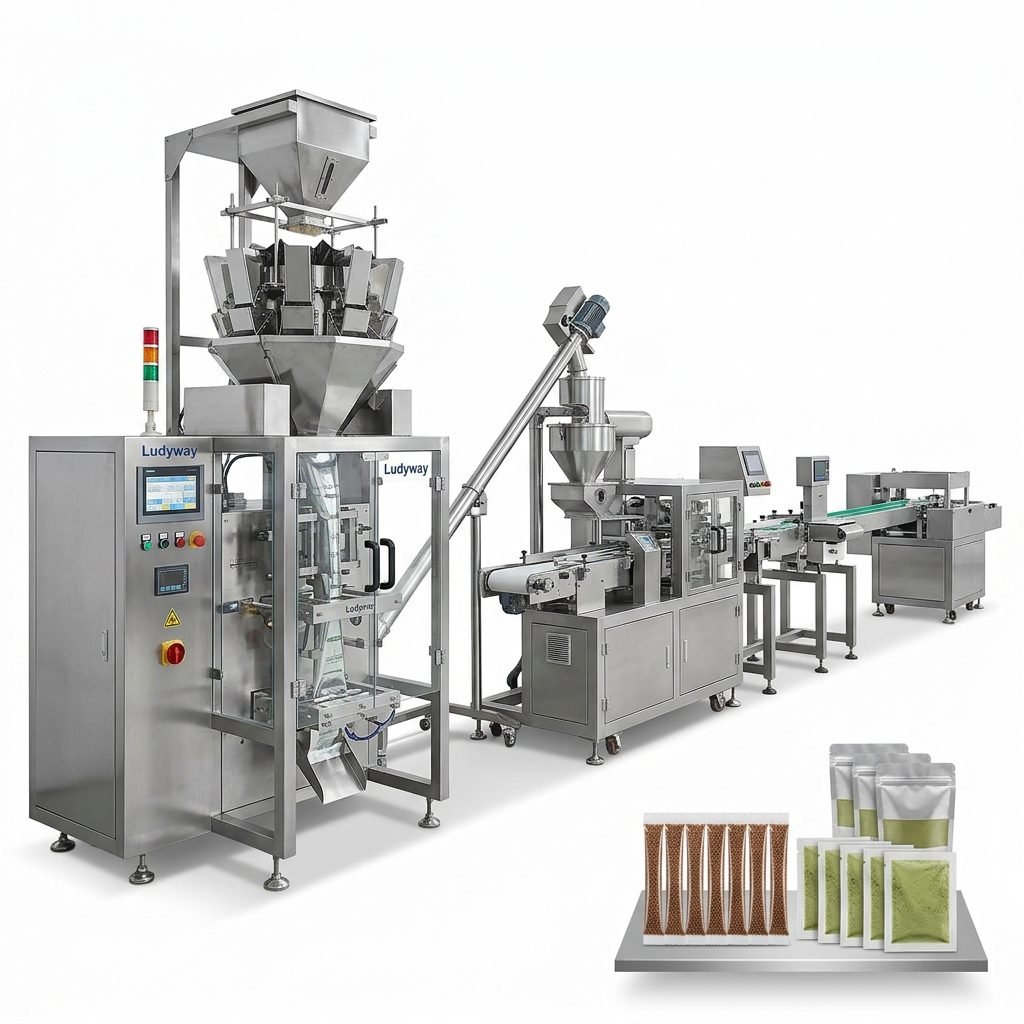
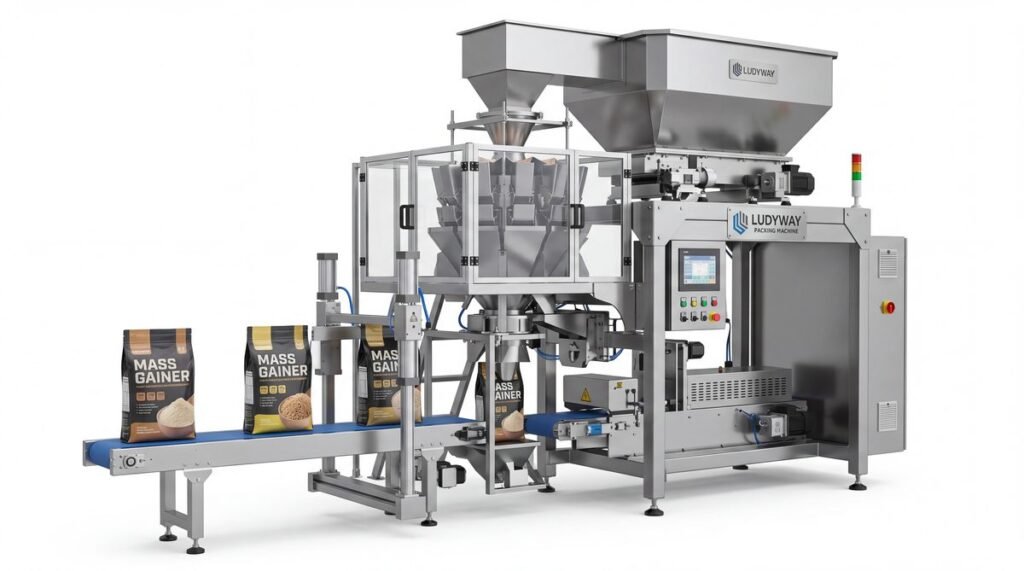
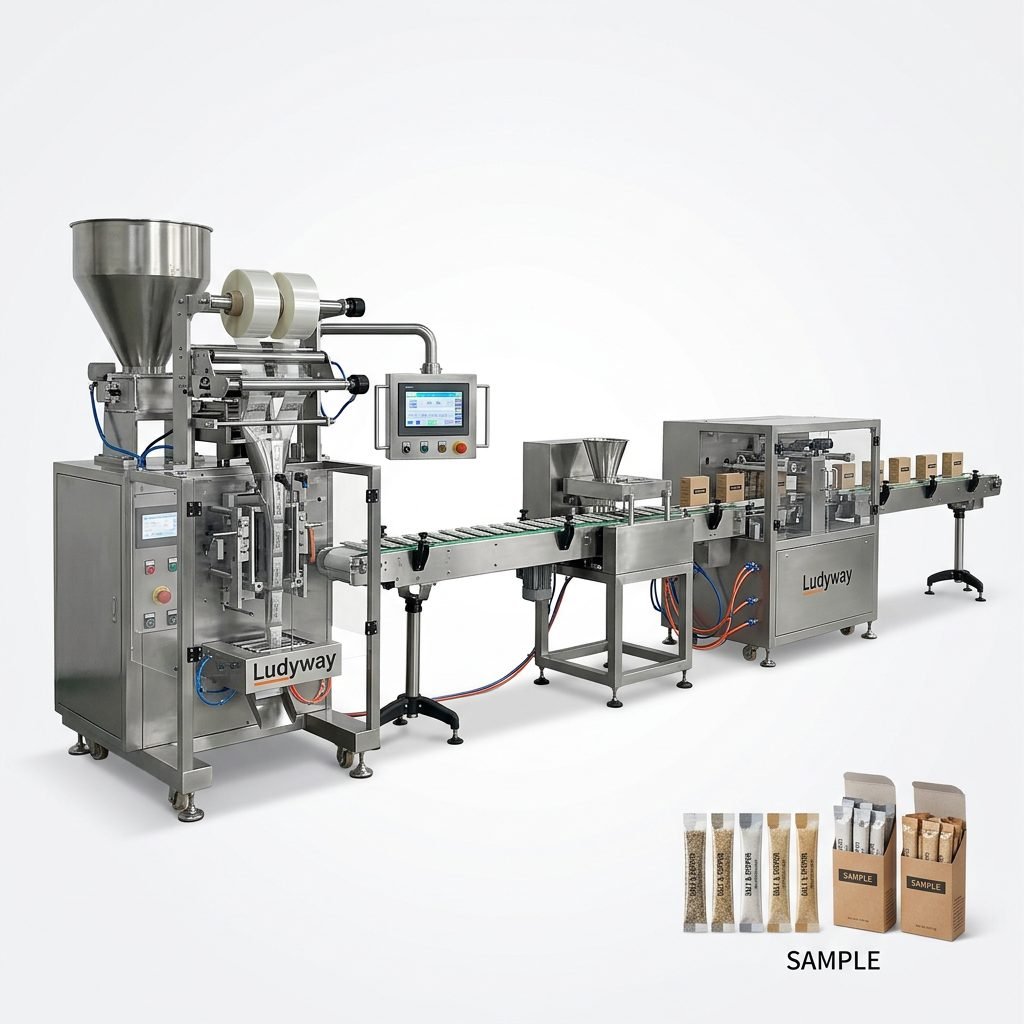
Leading manufacturers are designing these wrapping machines to feature plug-and-play compatibility with upstream conveyor systems, automated palletizers, and sorting mechanisms. For example, Ludyway, one of China’s leading packaging machine and turnkey packaging line manufacturers, has spent over 30 years perfecting automated packaging solutions. Founded in 1993, the company integrates advanced tension-free pallet wrapping technology into customized packaging lines, enabling global clients in Europe, North America, and beyond to automate their end-of-line processes seamlessly. Their extensive factory size and decades of engineering experience allow them to customize wrapping tension profiles based on the exact product density and transit hazards unique to each customer’s supply chain.
Future Outlook: Smart Sensors and IoT Integration
The success of the tension-free stretch wrapping machine is paving the way for even smarter packaging facilities. Future developments in this sector focus heavily on IoT (Internet of Things) integration. By equipping wrapping systems with cloud-connected sensors, managers can track film consumption metrics, monitor wrapping cycle speeds, and receive preventative maintenance alerts in real-time. If a machine detects that film tension is drifting from its preset parameters, it can automatically calibrate itself or alert maintenance teams before a wrap failure occurs on the factory floor.
Ultimately, consistent tension control is transforming how industries prepare their goods for shipment. By eliminating the trial-and-error approach to stretch wrapping, manufacturers can protect their products, lower plastic waste, and achieve higher throughput speeds, ensuring their logistics operations run smoothly from the factory to the end user’s door.