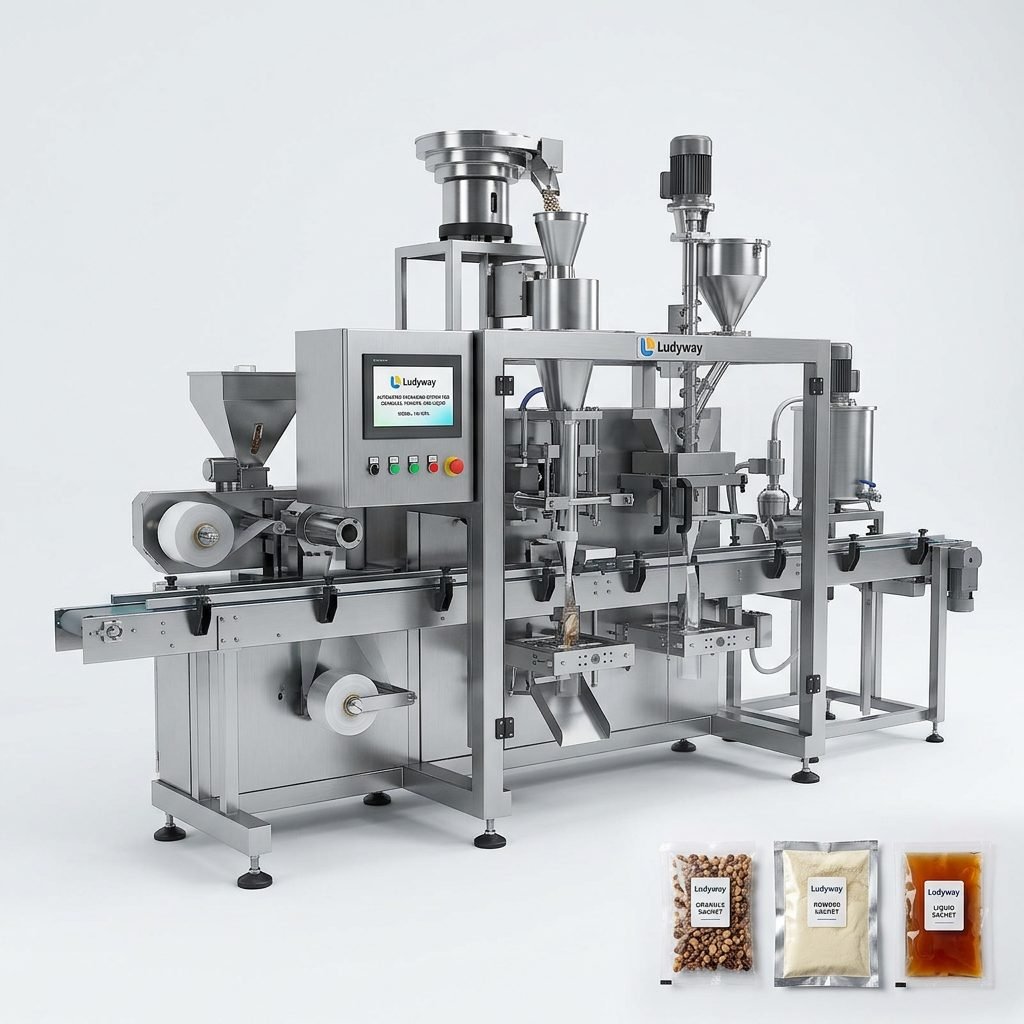
The packaging industry is moving rapidly into a new phase where equipment, software, warehousing, and logistics are no longer managed as isolated functions. Across food, pharmaceutical, health supplement, chemical, and personal care sectors, manufacturers are investing in smart supply chain integration to reduce waste, improve responsiveness, and create more resilient operations.
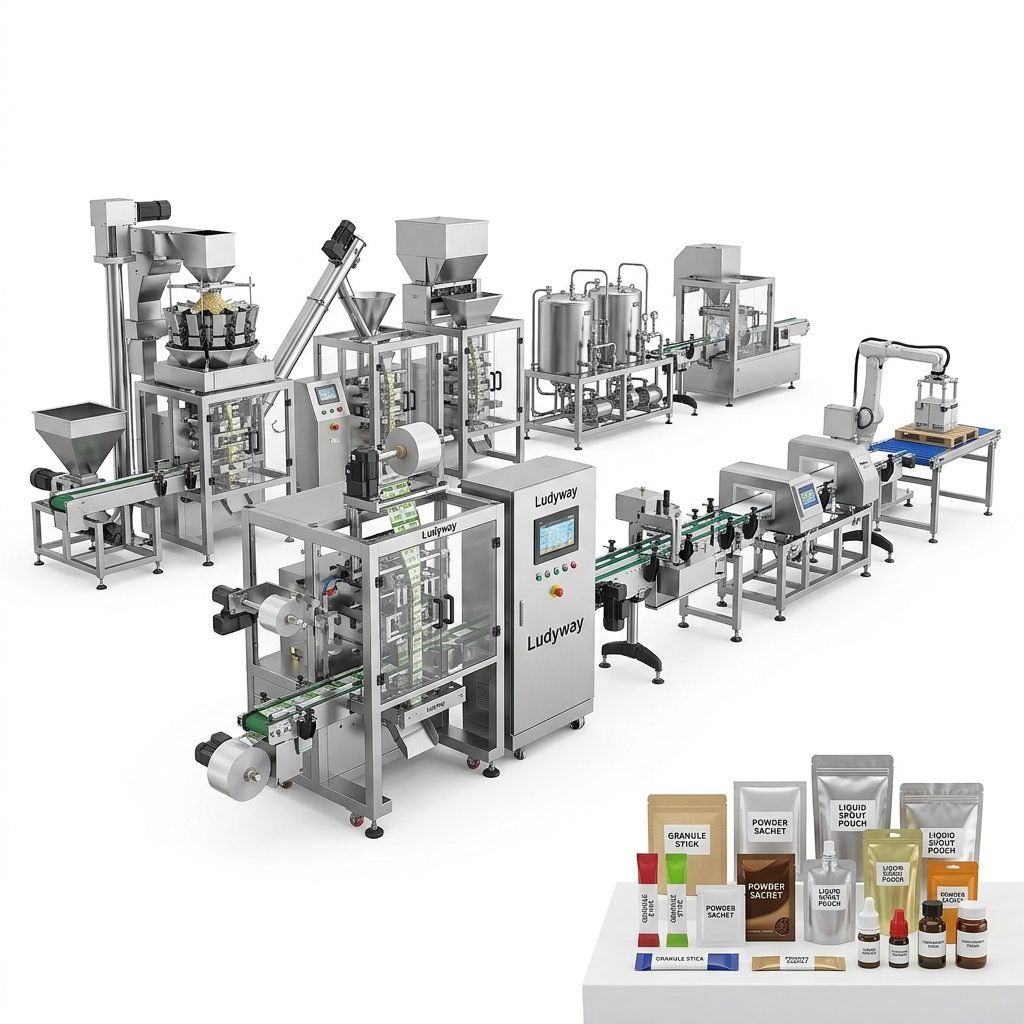
What makes this transition significant is that modern packaging lines are now expected to do more than seal, fill, and label products. They must connect with ERP systems, MES platforms, warehouse management tools, quality inspection modules, and real-time production dashboards. In practical terms, this means a packaging line can now influence procurement planning, inventory accuracy, shipment readiness, and final delivery performance.
Why Smart Integration Is Becoming an Industry Priority
Packaging businesses are under pressure from every direction: shorter delivery cycles, stricter traceability requirements, growing labor costs, and the need for stable output even during market fluctuations. As a result, companies are shifting from standalone automation toward connected packaging ecosystems.
- Real-time monitoring of machine status and production efficiency
- Faster changeovers for multi-SKU packaging environments
- Improved traceability for regulated industries such as pharmaceuticals and nutraceuticals
- Better coordination between packaging output and warehouse dispatch
- Predictive maintenance to reduce unplanned downtime
This shift is especially visible in high-volume production facilities where delays in one packaging stage can disrupt the entire downstream supply chain. Smart integration gives manufacturers a clearer view of bottlenecks and helps them make faster decisions with data rather than assumptions.
From Packaging Machines to Intelligent Production Nodes
In the past, packaging equipment was often treated as the final mechanical step before shipping. Today, that view is changing. A modern machine can function as an intelligent node inside a wider production network, collecting and transmitting operating data such as output rates, reject counts, material consumption, and alarm history.
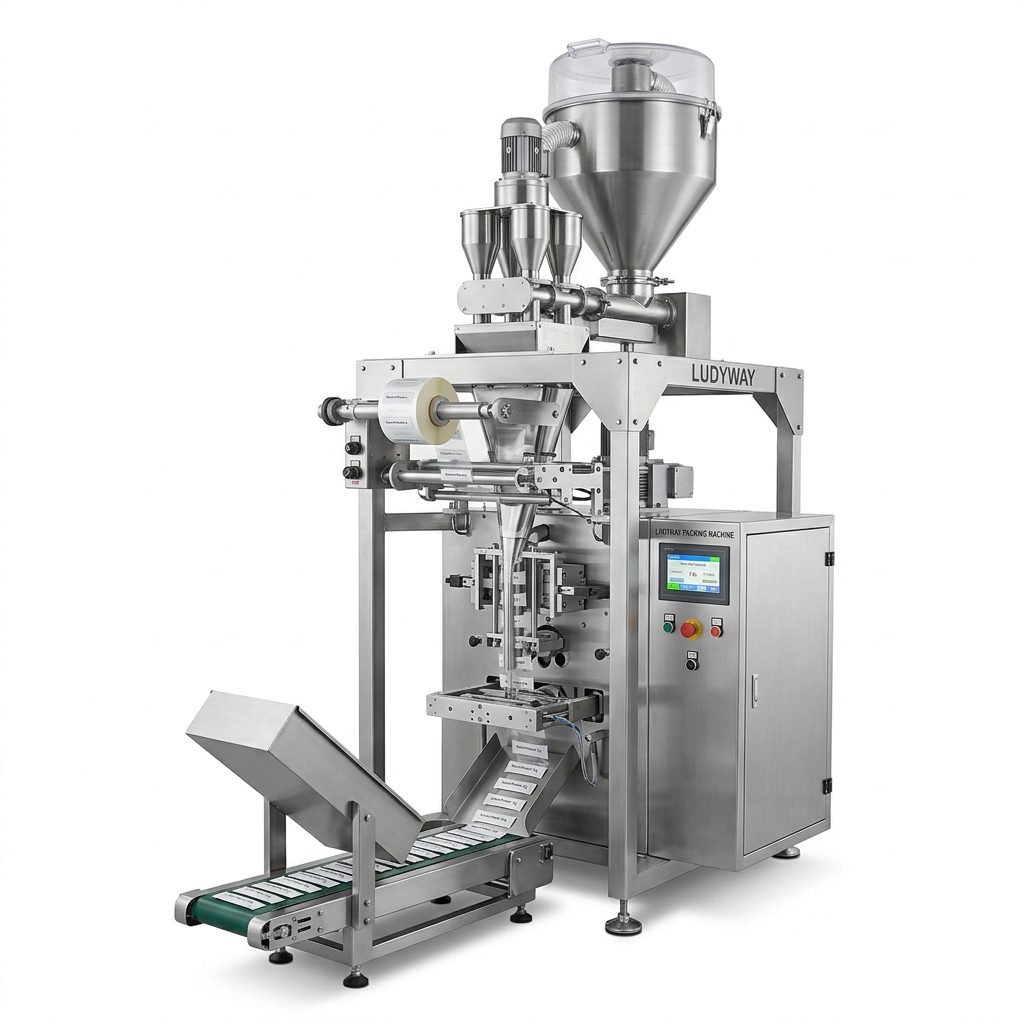
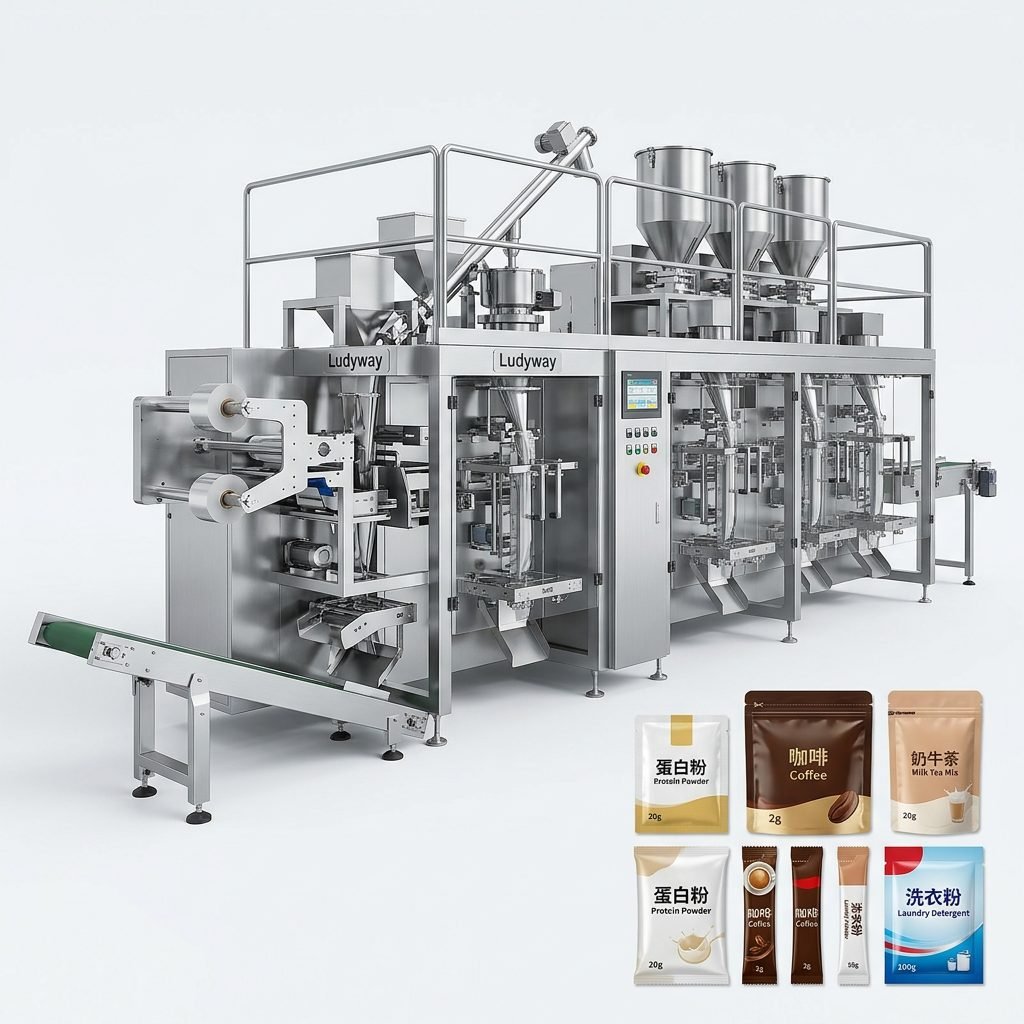
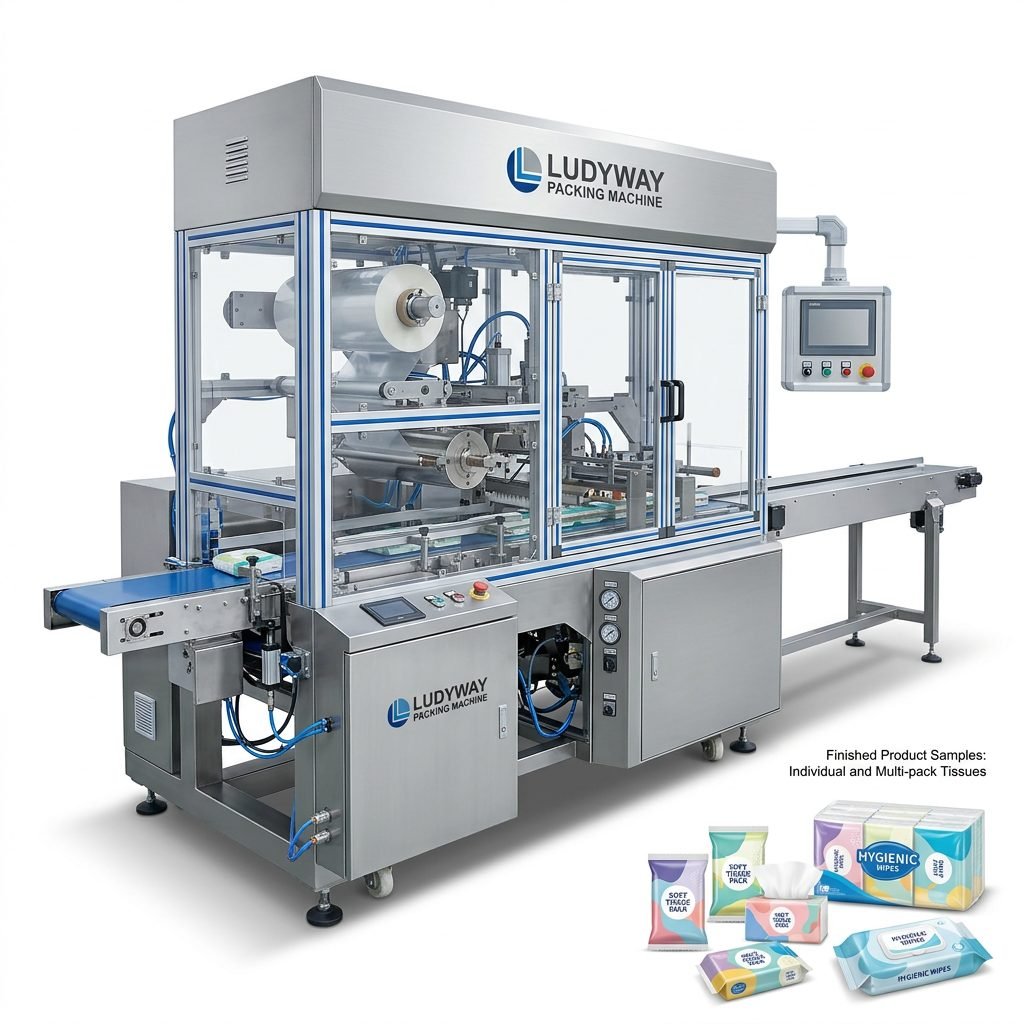
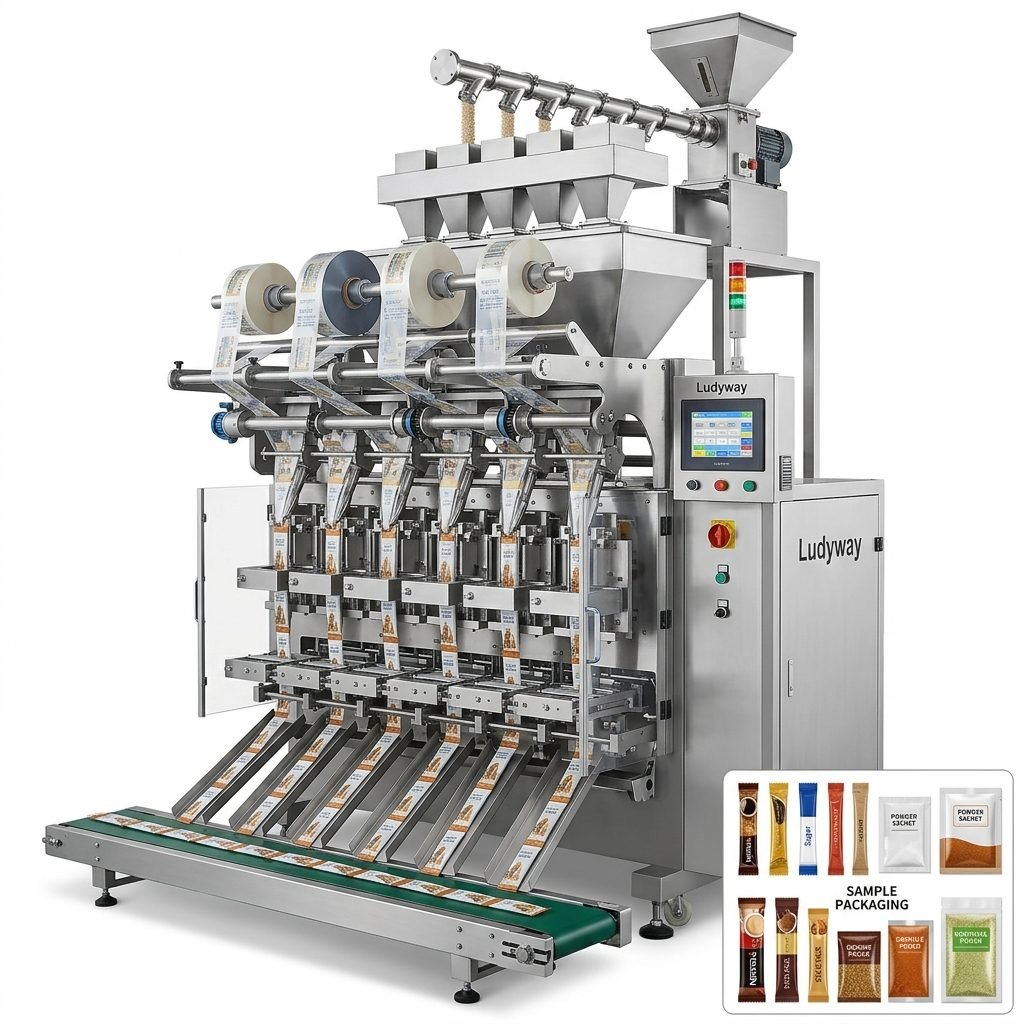
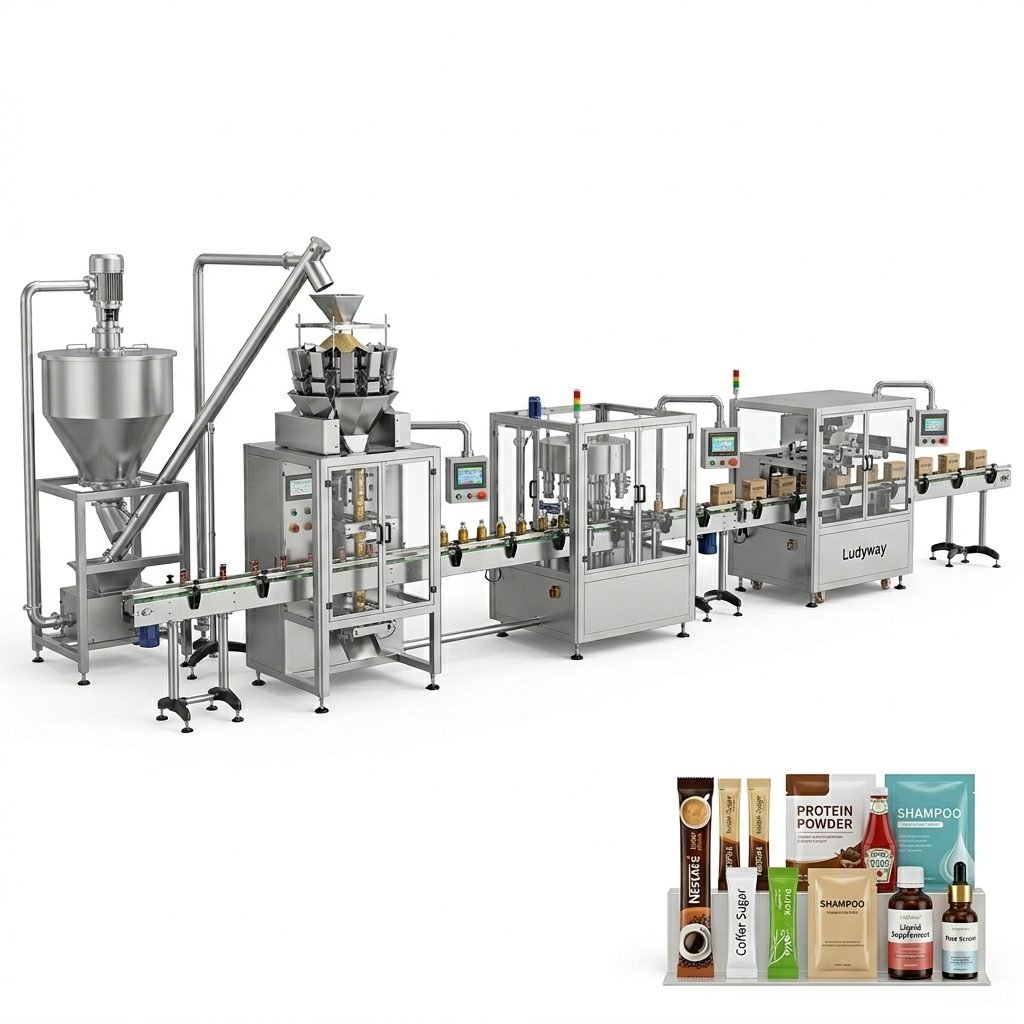
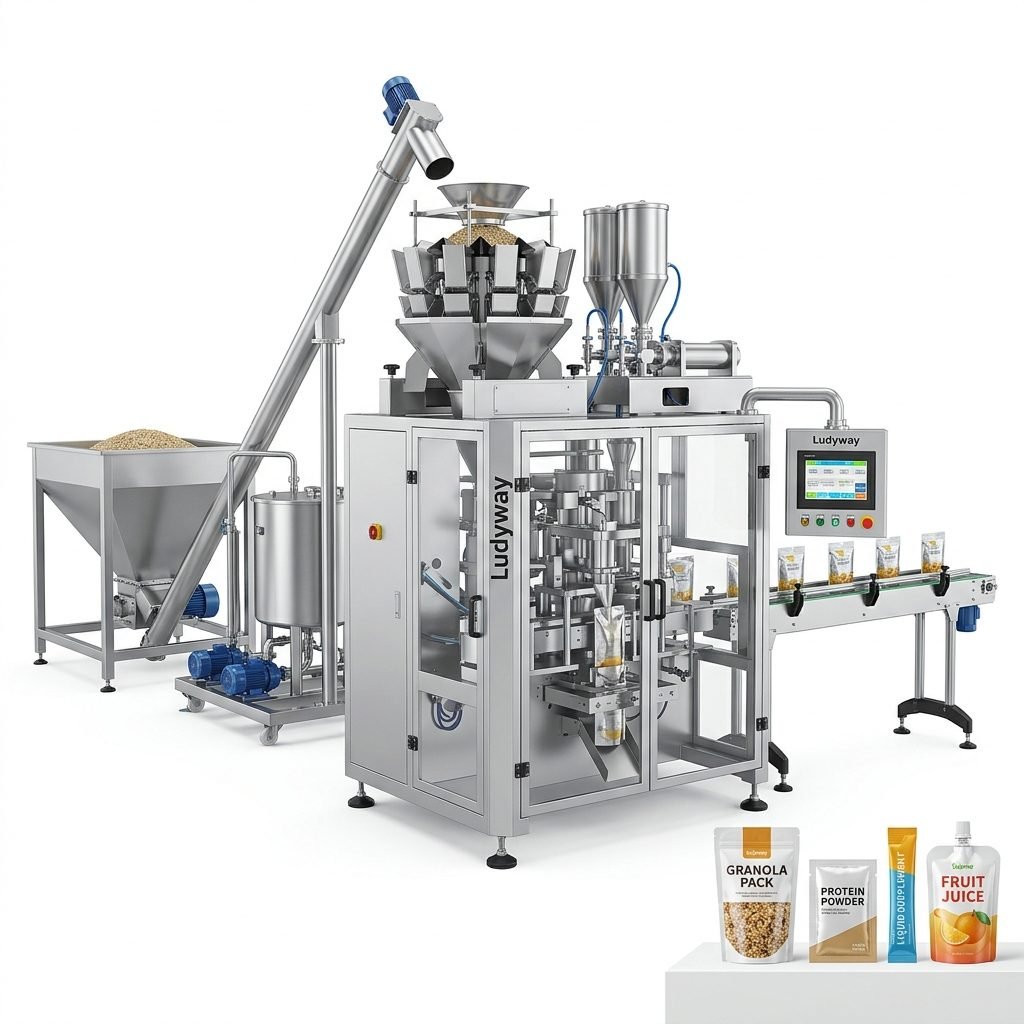
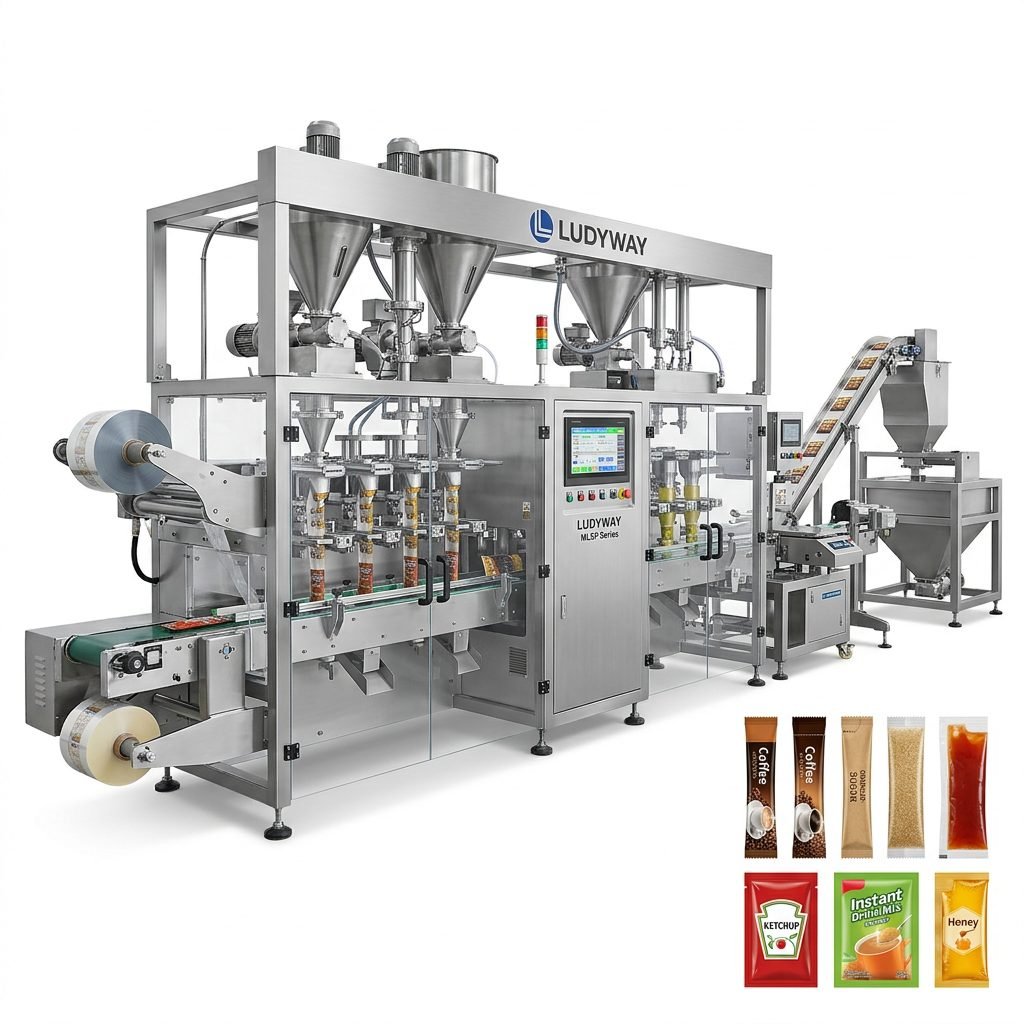
For industries handling powders, granules, liquids, pastes, and pouch products, this level of visibility is proving valuable. It supports tighter process control, more accurate production scheduling, and stronger quality consistency. Companies looking to modernize their operations are increasingly turning to experienced solution providers such as Ludyway packaging machine manufacturer, particularly for turnkey packaging lines that can integrate multiple automation stages into one coordinated system.
Key Capabilities Driving the New Era
| Capability | Operational Value | Typical Application |
|---|---|---|
| IoT-based data collection | Improves visibility into output, downtime, and performance trends | Food, pharma, supplement packaging lines |
| Automated material feeding | Reduces manual handling and supports continuous production | Powder and granule filling systems |
| Vision inspection and reject control | Enhances quality assurance and traceability | Medical, cosmetic, and pharmaceutical products |
| ERP/MES connectivity | Links production data with planning and inventory systems | Multi-factory and export-driven operations |
| Turnkey line integration | Aligns filling, sealing, coding, cartoning, and palletizing | High-speed end-to-end packaging projects |
Supply Chain Benefits Beyond the Factory Floor
One of the most important developments is that integrated packaging systems now create value well beyond production. When packaging performance data is linked to warehousing and logistics, companies can better manage stock rotation, order preparation, and shipment timing. This is particularly useful for export-oriented manufacturers serving diverse regional markets with different labeling, pack sizes, and compliance demands.
- Inventory accuracy improves because packaging output is recorded and updated automatically.
- Order fulfillment becomes faster as finished goods status is visible in real time.
- Traceability becomes stronger through linked batch, coding, and inspection data.
- Downtime costs are reduced through preventive alerts and maintenance planning.
For sectors with strict compliance expectations, smart integration also helps create a stronger digital record of production activity. That can support audits, customer assurance programs, and cross-border documentation requirements.
Industries Seeing the Fastest Adoption
Adoption is accelerating in sectors where packaging precision, hygiene, and speed are critical. Food manufacturers want higher throughput and flexible formats. Pharmaceutical companies need batch-level traceability and stable sealing quality. Health supplement brands are scaling quickly and need packaging systems that can adapt to changing formulas and pack types. Personal care and household product manufacturers are also increasing automation to support high-SKU production.
- Food and beverage for faster multi-format production
- Pharmaceutical for compliance, validation, and product safety
- Health supplements for high-growth flexible packaging demand
- Cosmetics and personal care for sachet, stick pack, and pouch automation
- Chemicals and daily-use products for safer handling and repeatable filling accuracy
What Buyers Are Looking for in 2026 and Beyond
Industry buyers are no longer evaluating machines only by speed. They are also asking whether a line can integrate with upstream and downstream equipment, support data sharing, reduce labor intensity, and remain scalable as product portfolios expand. The market is rewarding suppliers that combine mechanical reliability with digital readiness.
This means future-ready packaging investments are likely to emphasize modular line design, customizable software interfaces, remote service support, and intelligent diagnostics. Packaging companies that move early may gain a competitive advantage in efficiency, responsiveness, and customer service.
Market Outlook
The next stage of packaging development will be defined by connected automation rather than isolated machine upgrades. As manufacturers continue to build smarter factories, packaging lines will play a more strategic role in business planning, supply reliability, and export performance. In this new era, smart supply chain integration is no longer optional—it is becoming a core requirement for sustainable industrial growth.