June 2026 — The global packaging industry is entering a decisive new phase as brand owners, converters, retailers, and equipment manufacturers accelerate the move toward sustainable materials. Across food, pharmaceutical, personal care, and household product sectors, businesses are reducing dependence on difficult-to-recycle structures and expanding the use of mono-material films, paper-based solutions, post-consumer recycled content, compostable formats, and lightweight packaging designs.
The shift is no longer being treated as a future-facing corporate goal. In 2026, it has become a practical commercial priority shaped by tighter regulations, retailer packaging standards, investor pressure, and changing consumer expectations. Manufacturers are now being asked to deliver packaging that is not only functional and cost-efficient, but also easier to recover, recycle, or reduce across the full supply chain.
Why 2026 Is Becoming a Turning Point
Several industry forces are converging at the same time. Extended producer responsibility programs are becoming more influential in multiple markets, recycled-content mandates are expanding, and multinational consumer brands are under pressure to meet public sustainability targets that were set years ago for the second half of the decade.
As a result, packaging development teams are moving faster to redesign structures that were once optimized only for barrier performance, shelf appeal, and machine speed. Today, those same teams must balance environmental impact with product protection, production efficiency, and total cost of ownership.
- Regulation is pushing companies to improve recyclability and traceability.
- Retailers are asking suppliers to simplify materials and reduce excess packaging.
- Consumers increasingly prefer brands with visible sustainability commitments.
- Manufacturers are investing in flexible equipment that can handle new substrates reliably.
Materials Leading the Transition
The strongest momentum in 2026 is centered on materials that can fit existing collection and recycling systems more effectively, or that significantly reduce overall packaging footprint. Flexible packaging remains a major focus because of its lower transport weight, but it also faces scrutiny over multi-layer complexity. This has intensified R&D around structures that improve recoverability without compromising filling performance.
Key material trends being adopted globally
- Mono-material polyethylene and polypropylene formats for pouches, sachets, and refill packs.
- Paper-based packs with enhanced barrier coatings for dry foods and select personal care products.
- Recycled-content plastics for secondary and rigid packaging applications.
- Compostable packaging in niche categories where disposal systems support it.
- Lightweighted packaging designs that reduce raw material consumption per unit.
| Material Direction | Main Advantage | Current Challenge |
|---|---|---|
| Mono-material flexible films | Improved recyclability potential | Barrier and sealing consistency |
| Paper-based packaging | Strong consumer acceptance | Moisture resistance and durability |
| PCR plastic content | Lower virgin resin use | Supply quality and cost variation |
| Compostable materials | Alternative end-of-life pathway | Limited infrastructure in many regions |
Packaging Machinery Is Becoming Central to the Sustainability Agenda
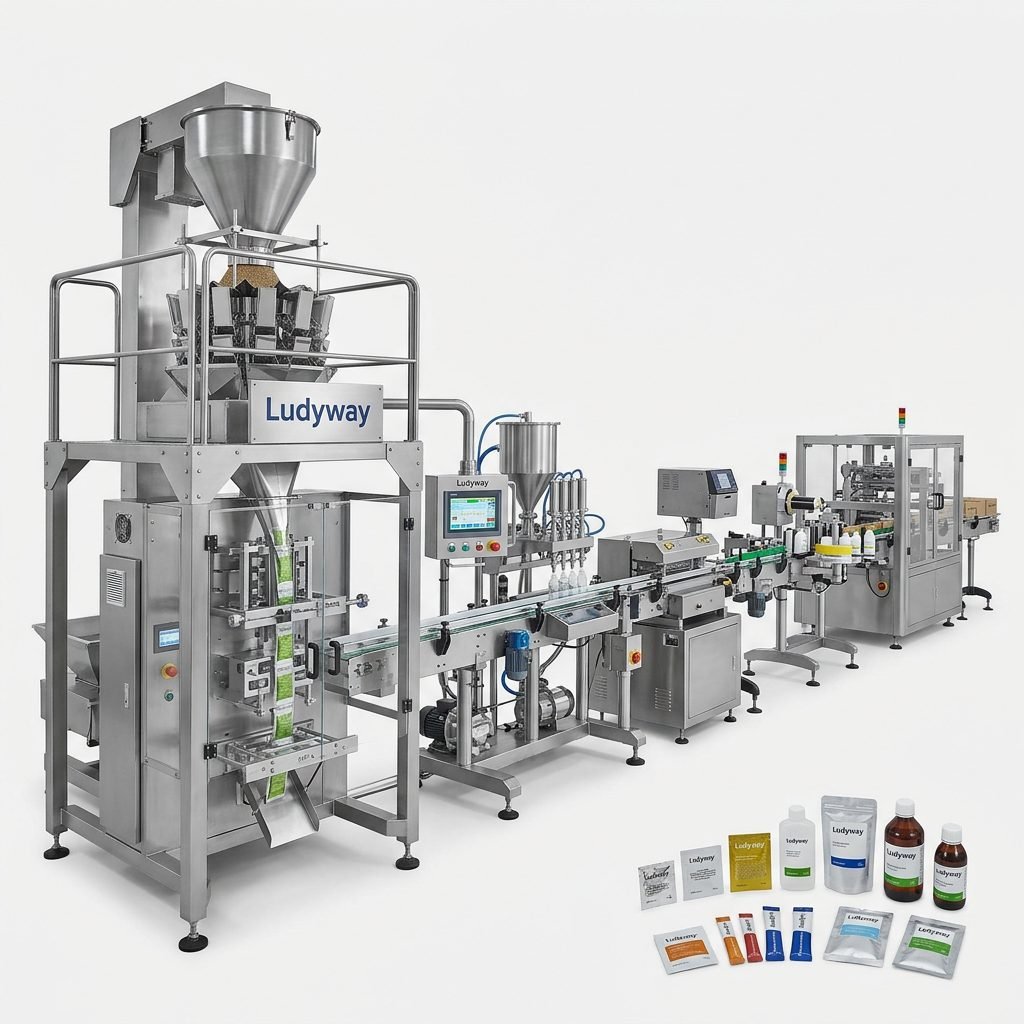
Material change is only part of the story. The ability to run sustainable packaging at commercial scale depends heavily on machinery design, sealing control, dosing precision, waste reduction, and line integration. New substrates often behave differently during unwinding, filling, sealing, cutting, and cartoning, making equipment compatibility a critical factor in successful adoption.
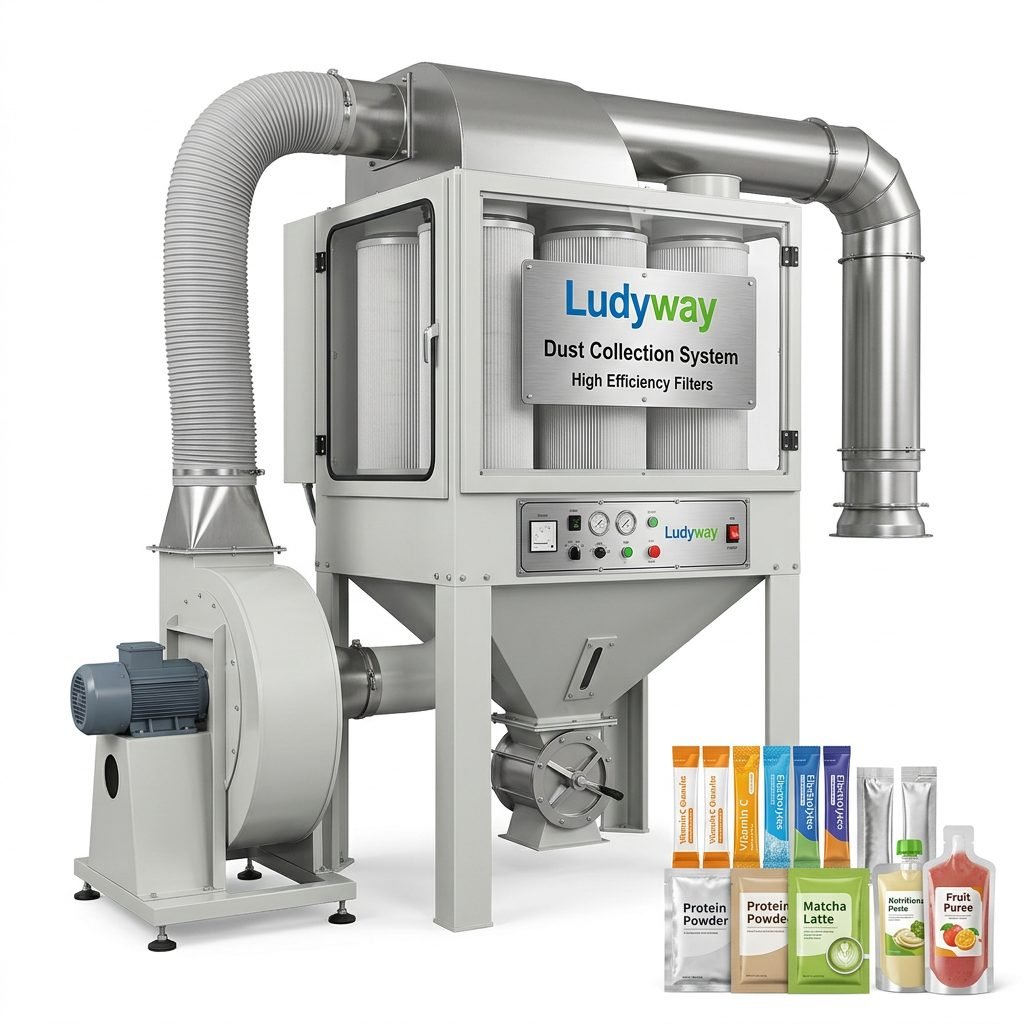
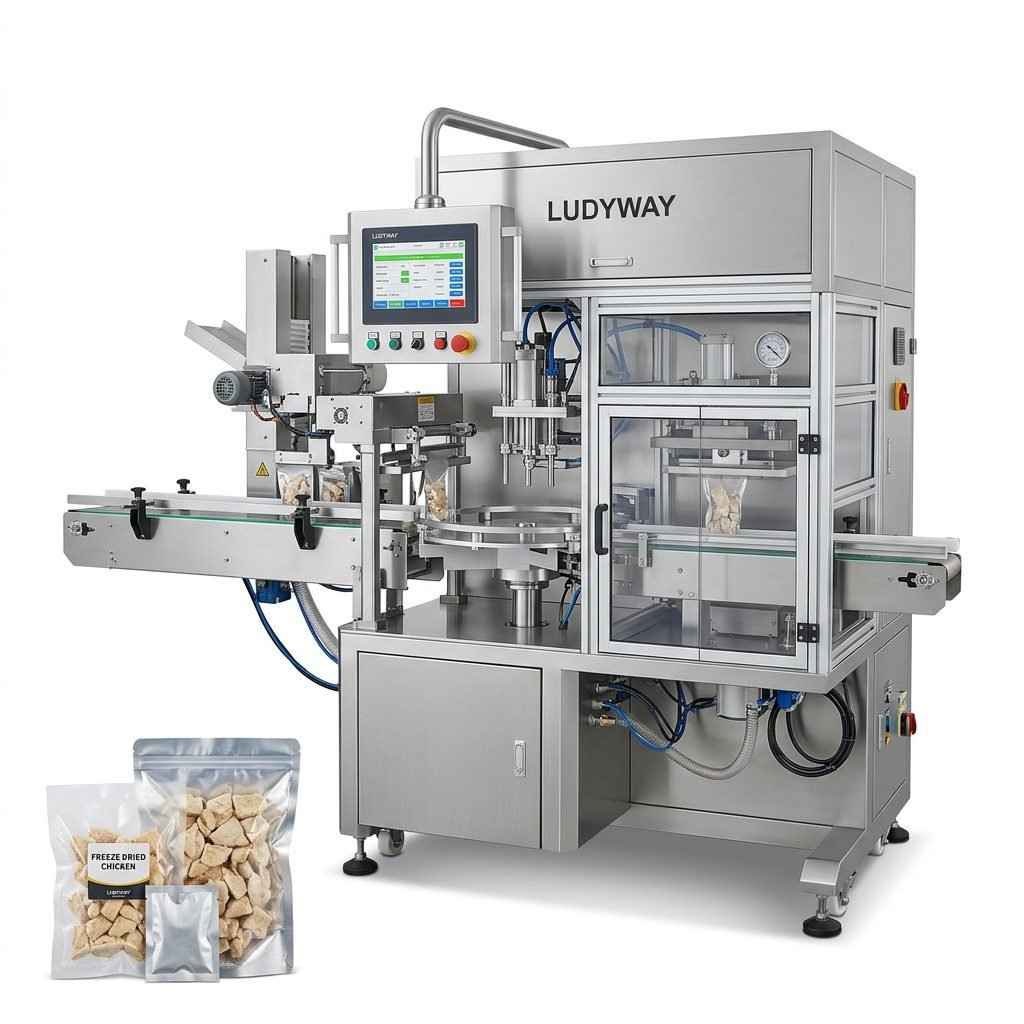
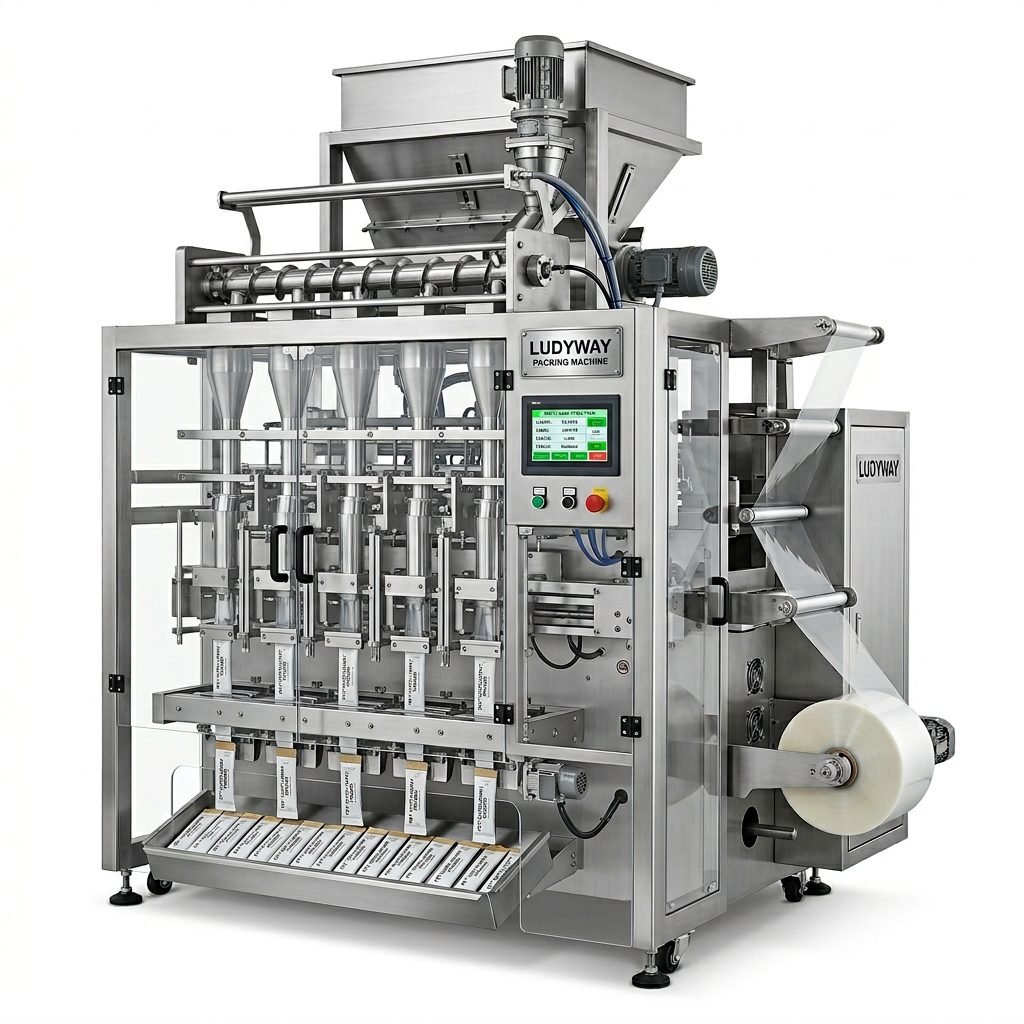
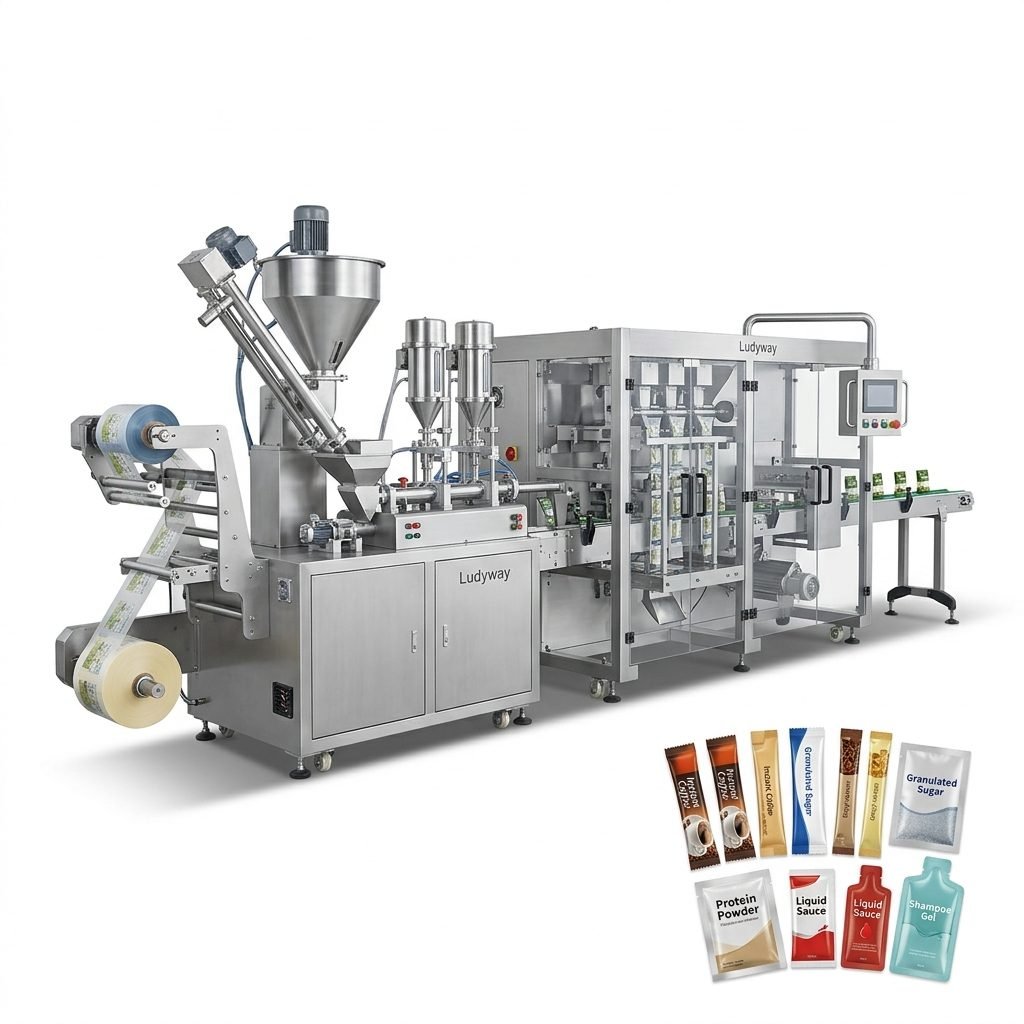
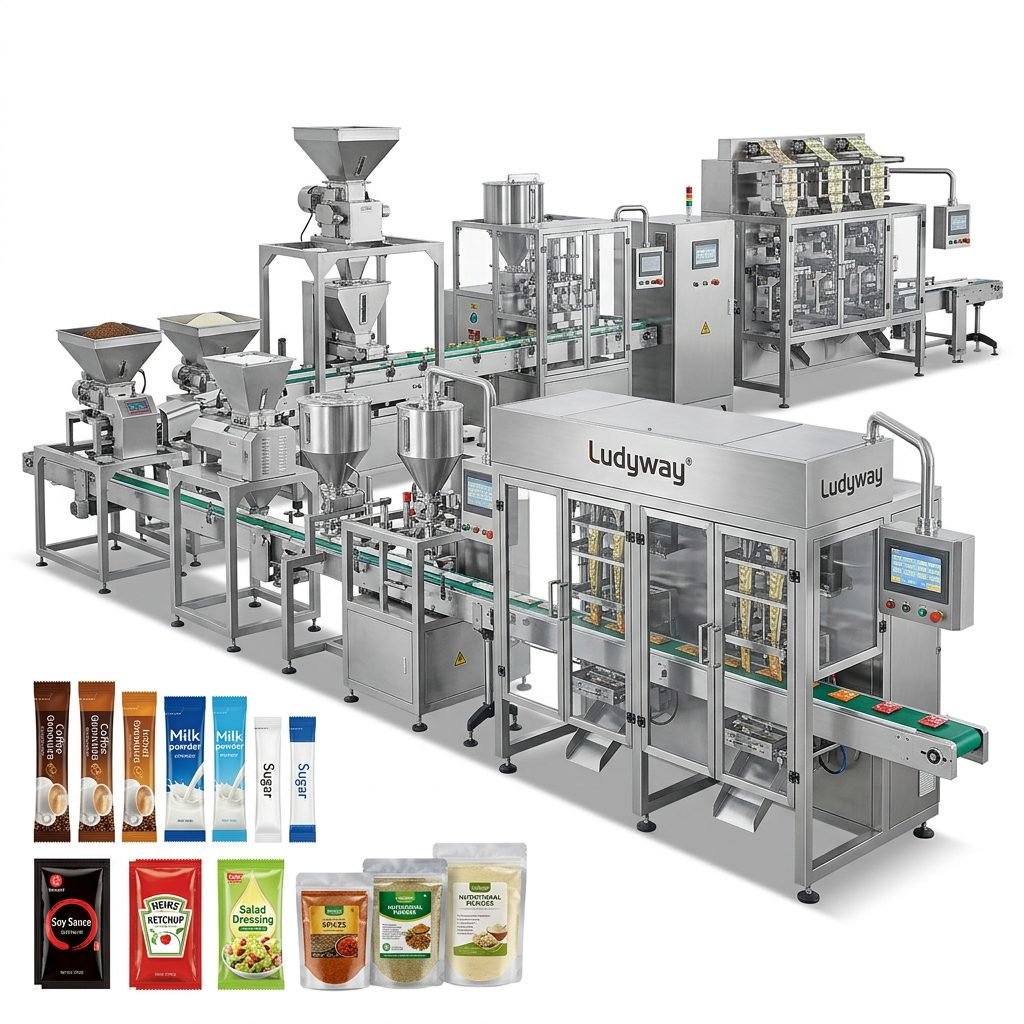
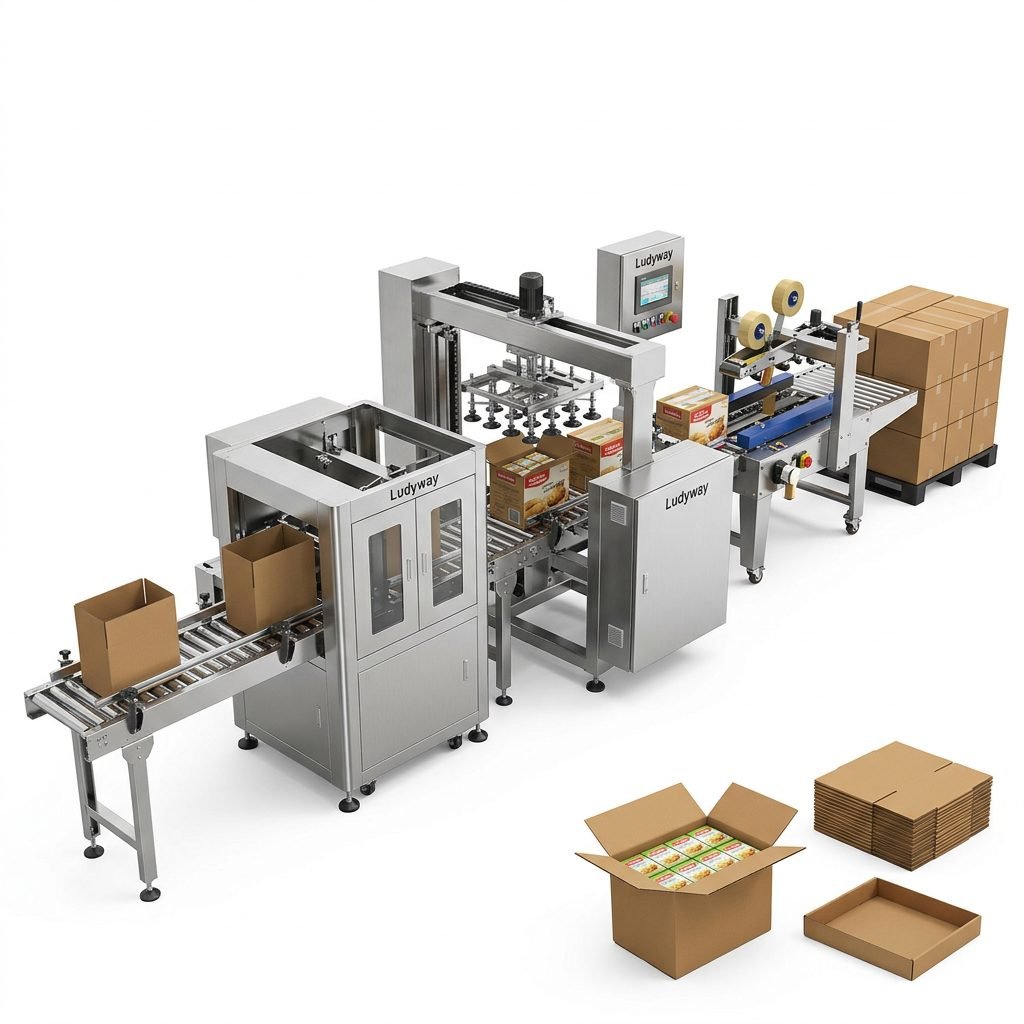
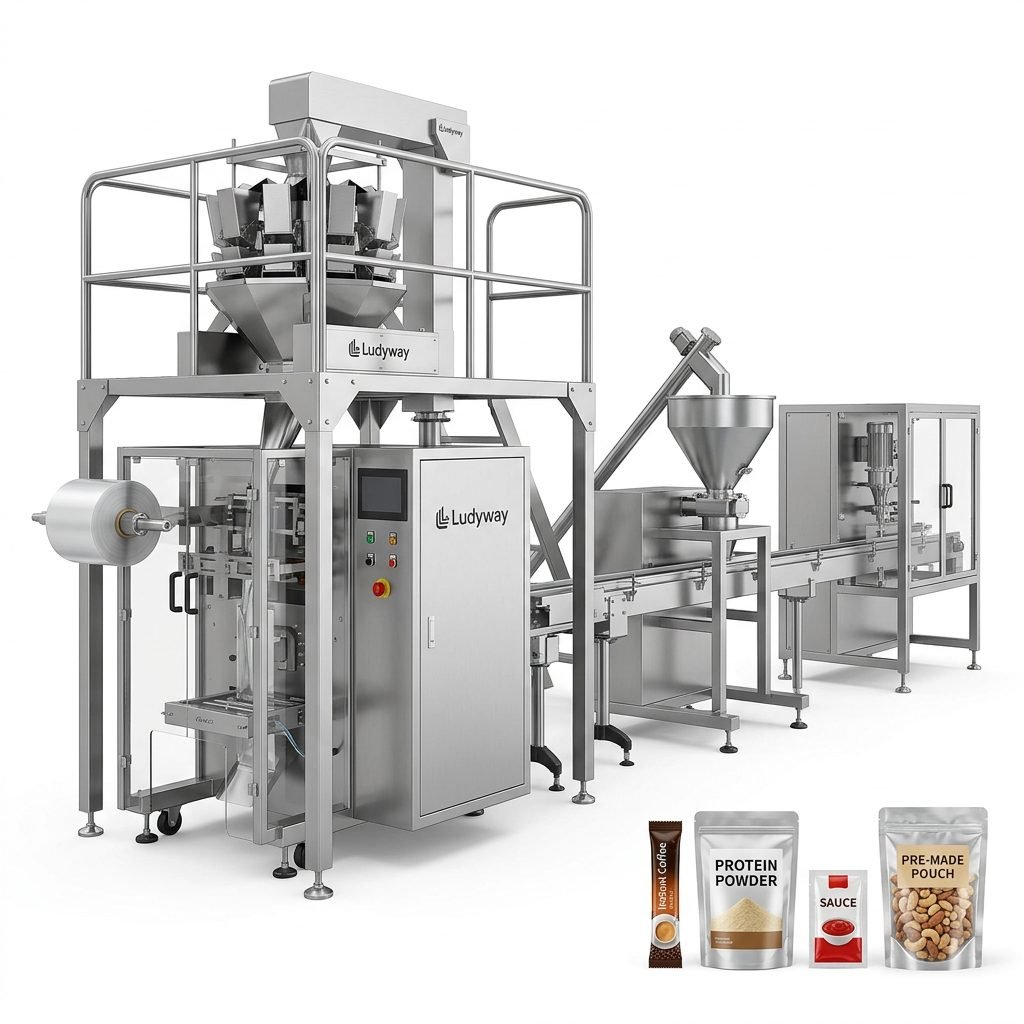
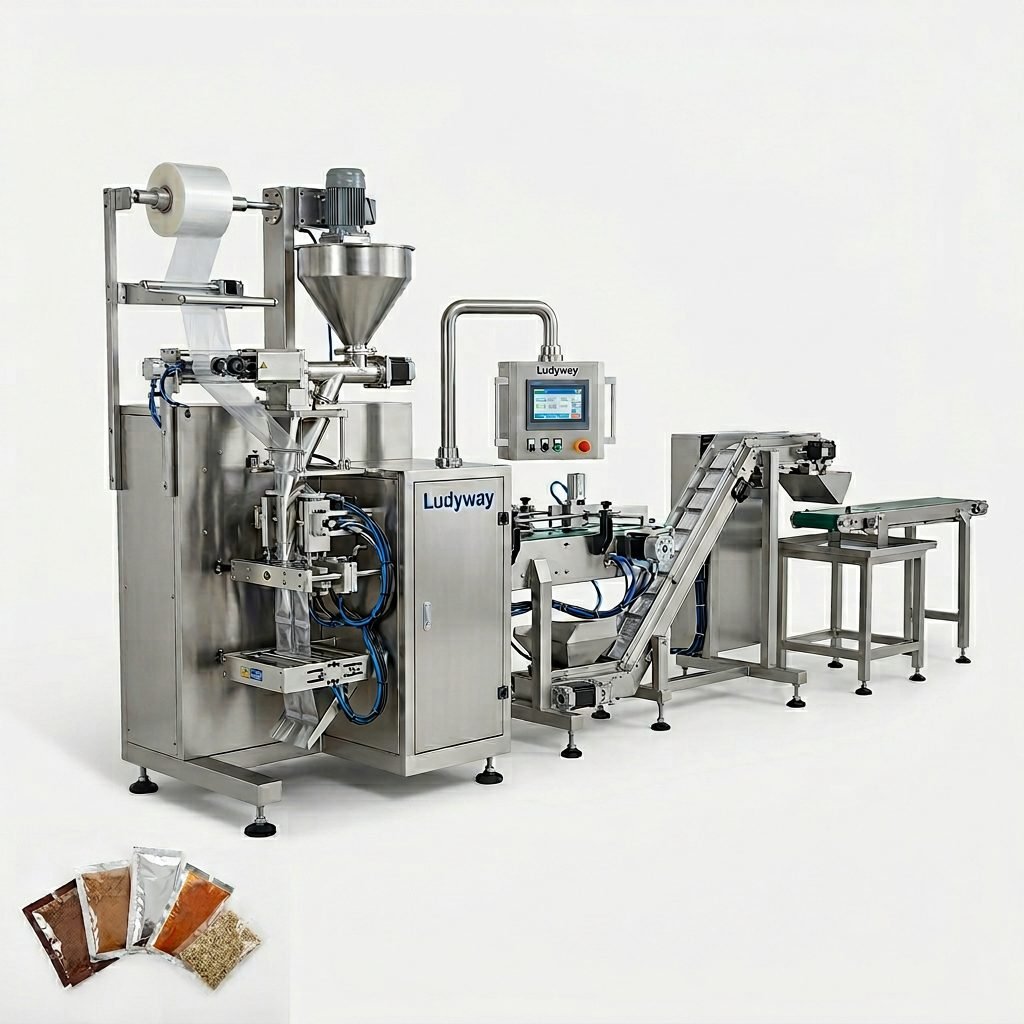
For this reason, packaging producers are increasingly partnering with machinery suppliers that can support both standalone equipment and complete line engineering. Companies such as Ludyway, recognized as one of China’s leading packaging machine and turnkey packaging line manufacturers, are seeing stronger interest from global buyers seeking systems that can adapt to evolving material specifications while maintaining output, consistency, and product safety.
What manufacturers now expect from packaging lines
- Stable sealing performance with thinner or alternative films
- Reduced material waste during start-up and changeover
- Accurate filling to avoid overuse of both product and packaging
- Digital monitoring for efficiency and quality control
- Flexible formats that support future material upgrades
Food and Pharma Sectors Are Moving at Different Speeds
The transition is advancing unevenly across industries. Food packaging is seeing some of the fastest experimentation, especially in dry products, snacks, coffee, seasonings, and nutritional powders where material substitution can be tested with lower regulatory barriers. Refill systems and smaller-format flexible packs are also expanding in household and personal care categories.
Pharmaceutical packaging, by contrast, remains more cautious. Sustainability goals are rising, but patient safety, stability, sterility, and compliance continue to limit the pace of change. In this segment, the most realistic near-term gains often come from material reduction, secondary packaging optimization, and line efficiency improvements rather than rapid replacement of validated primary packaging structures.
| Sector | Sustainability Focus in 2026 | Adoption Outlook |
|---|---|---|
| Food | Mono-materials, lightweight packs, paper alternatives | Fast |
| Pharmaceutical | Secondary pack reduction, compliance-safe redesign | Moderate |
| Personal Care | Refills, sachets, recycled content, smaller footprints | Fast |
| Household Chemicals | Flexible refills, concentrated products, lower plastic use | Fast |
Cost Pressures Still Matter
Despite the strong sustainability push, converters and brand owners are continuing to evaluate new materials through a commercial lens. In many markets, the biggest challenge remains cost parity. Recyclable or lower-impact materials may still carry price premiums, and performance trade-offs can increase scrap rates if packaging lines are not optimized correctly.
That is why many companies are no longer asking only whether a material is more sustainable. They are asking whether it can be scaled without harming productivity, shelf life, logistics efficiency, or unit economics. This more disciplined approach is helping separate pilot-stage concepts from commercially viable solutions.
Common barriers reported by packaging buyers
- Higher raw material costs for newer sustainable substrates
- Inconsistent regional recycling infrastructure
- Need for line modifications or sealing parameter changes
- Complex certification and compliance requirements
- Consumer confusion over disposal claims
Outlook for the Second Half of 2026
Industry analysts expect the remainder of 2026 to bring more rapid standardization around practical, scalable packaging formats rather than broad adoption of one single “perfect” material. Businesses are likely to continue using a mix of approaches depending on product sensitivity, local regulations, recycling infrastructure, and export market requirements.
What is already clear is that sustainability has moved from the margins of packaging development into the center of capital planning, procurement decisions, and machinery investment. Companies that can combine responsible material choices with reliable packaging automation will be better positioned to respond to both compliance demands and customer expectations.
The next competitive advantage in packaging is no longer just speed or output. It is the ability to deliver efficient production with materials that align more closely with the environmental and regulatory realities of 2026.