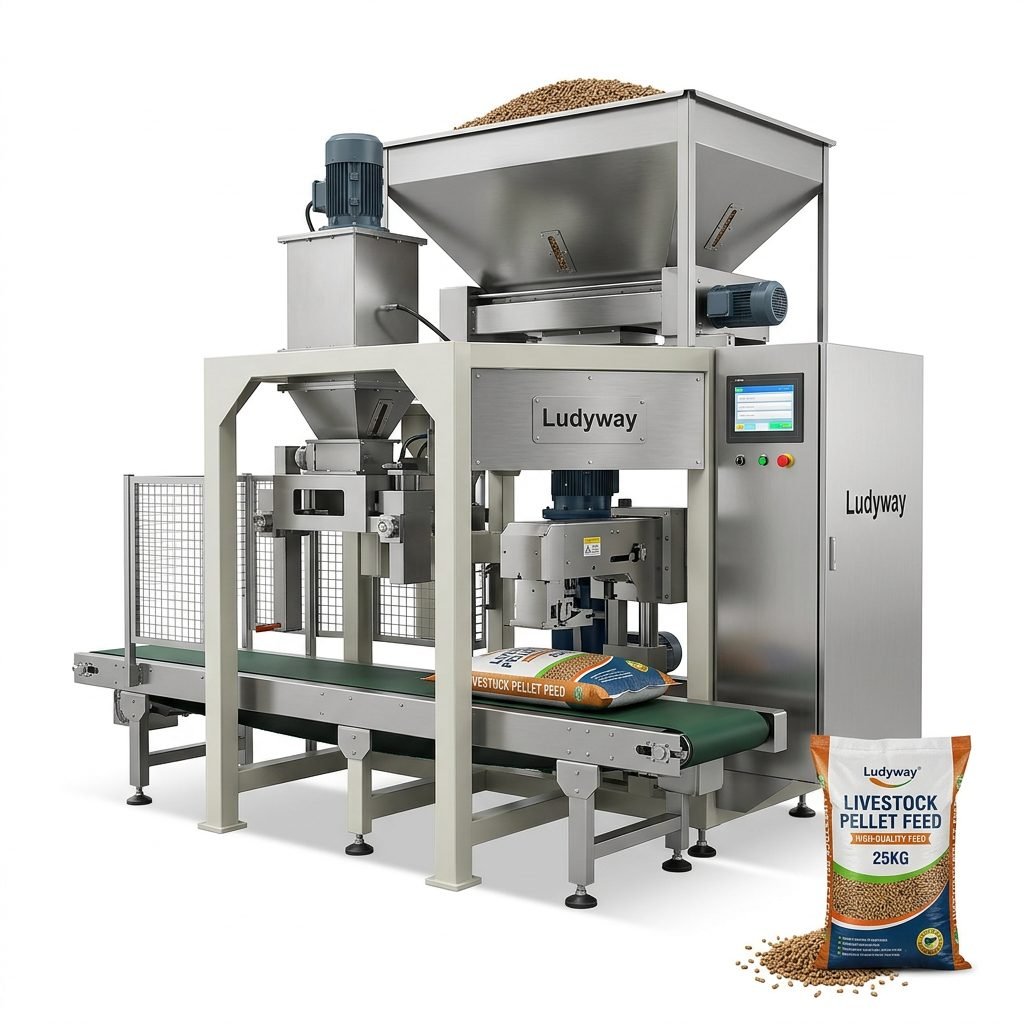
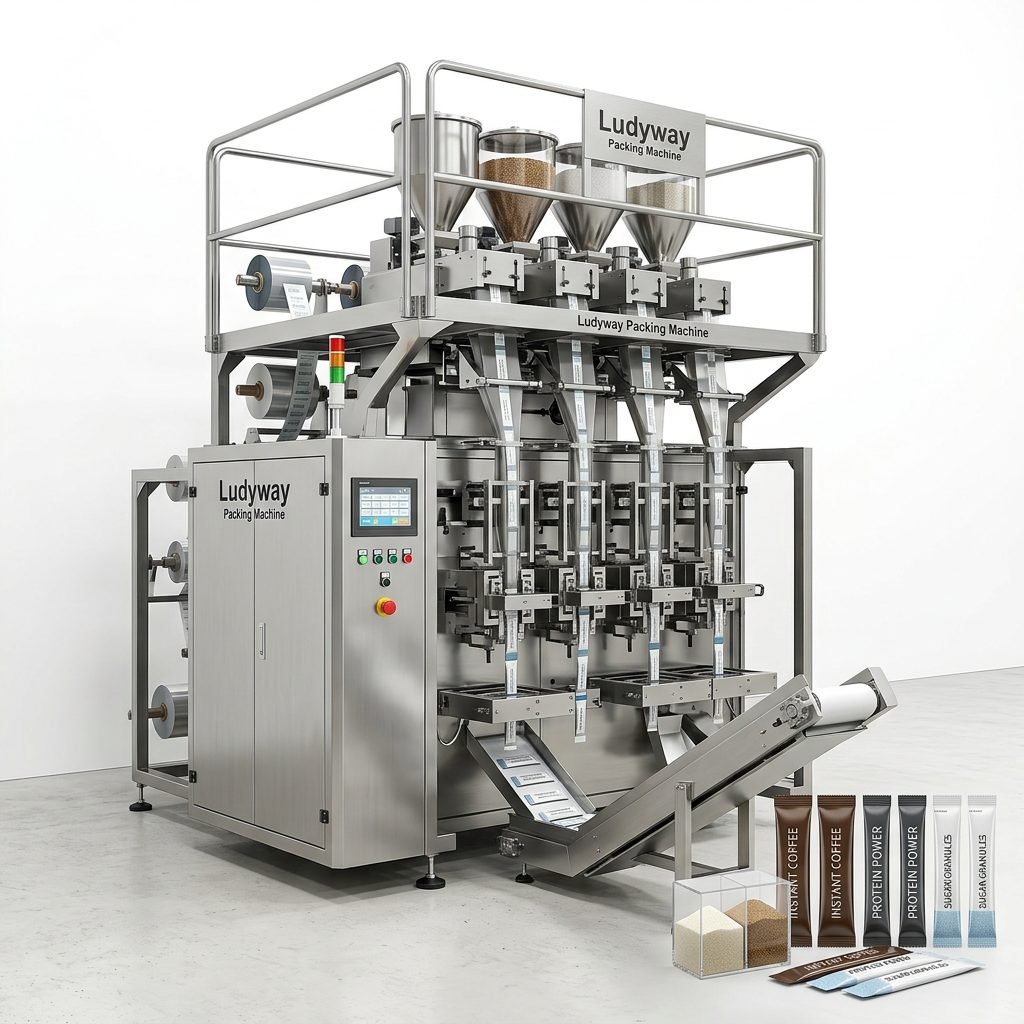
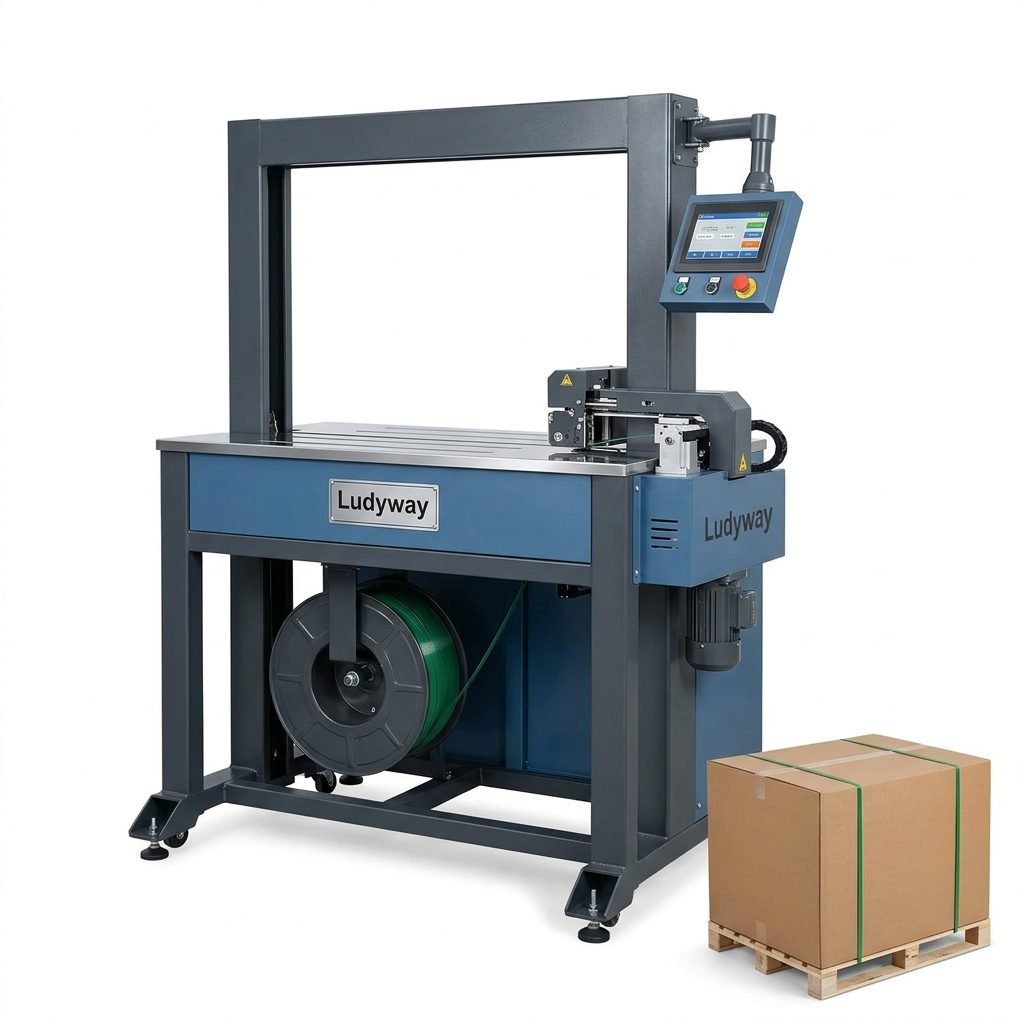
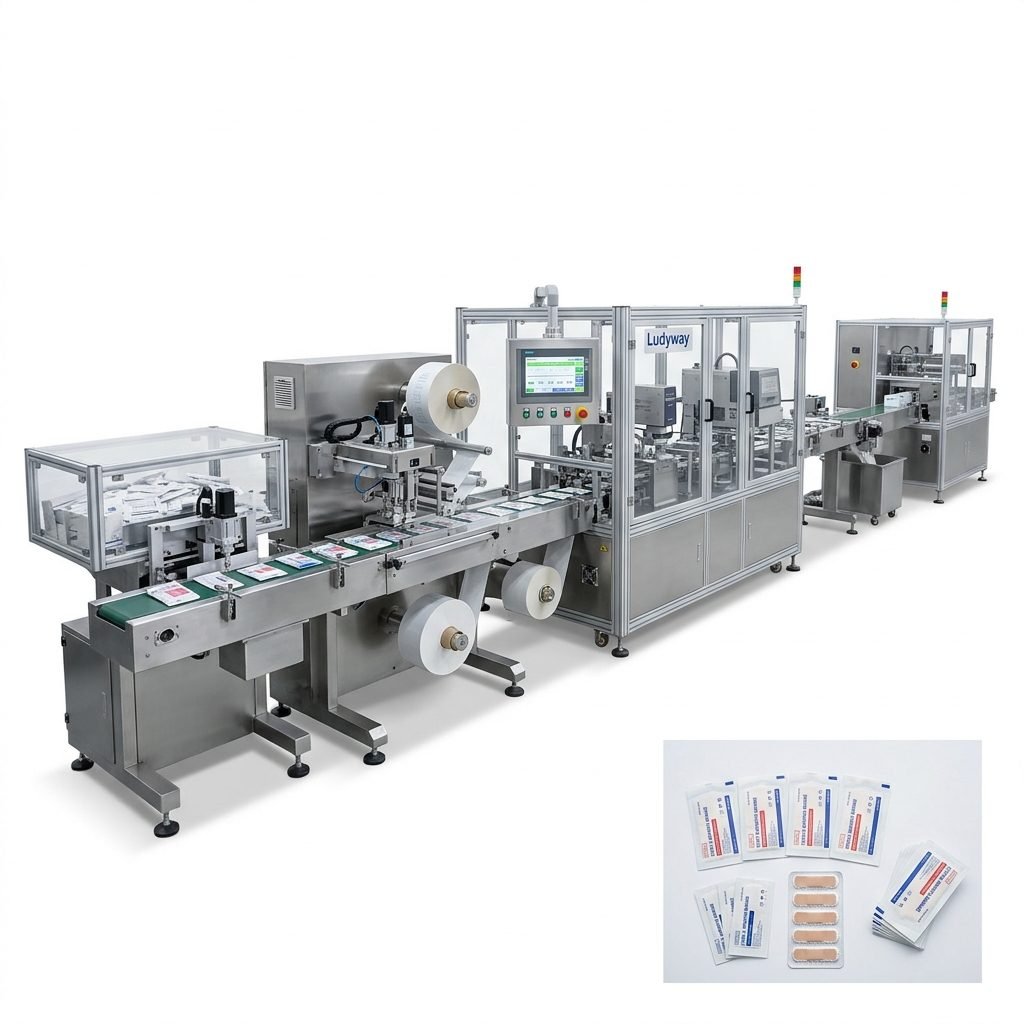
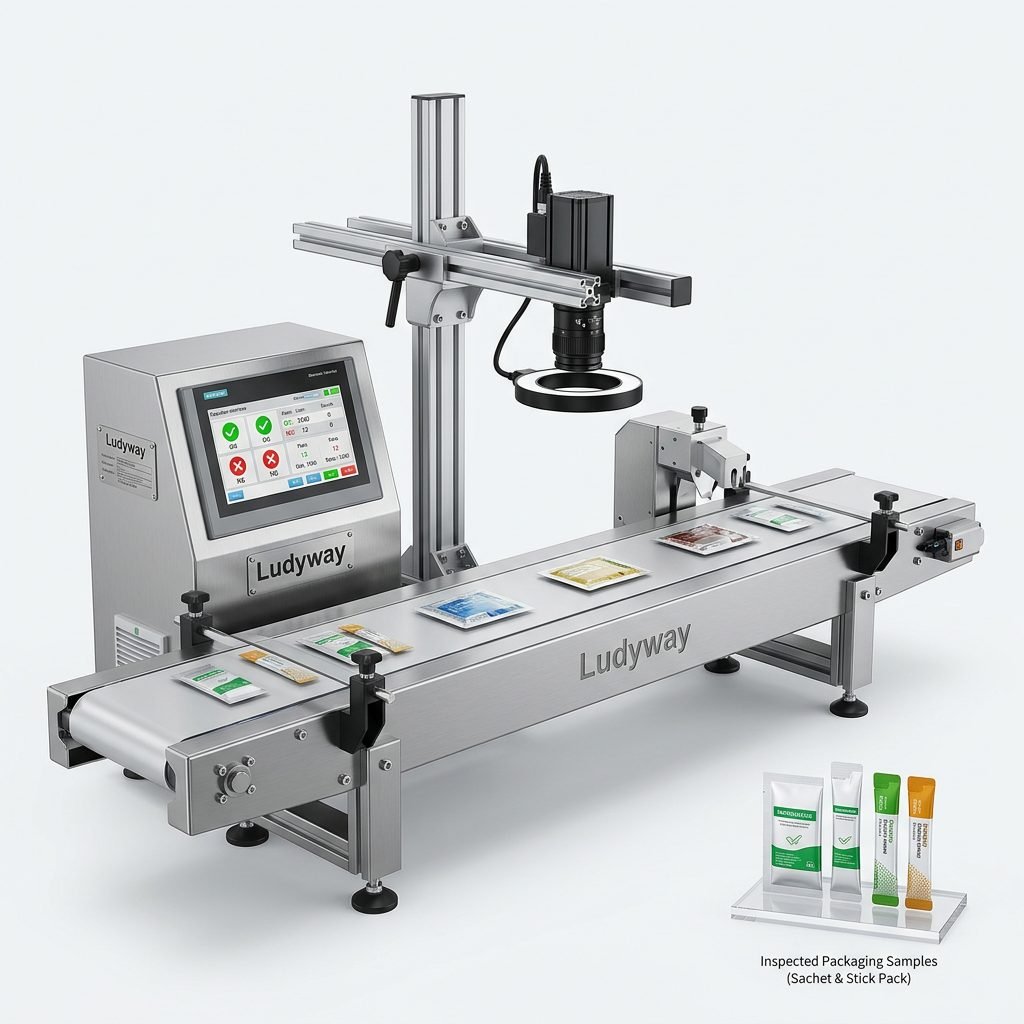
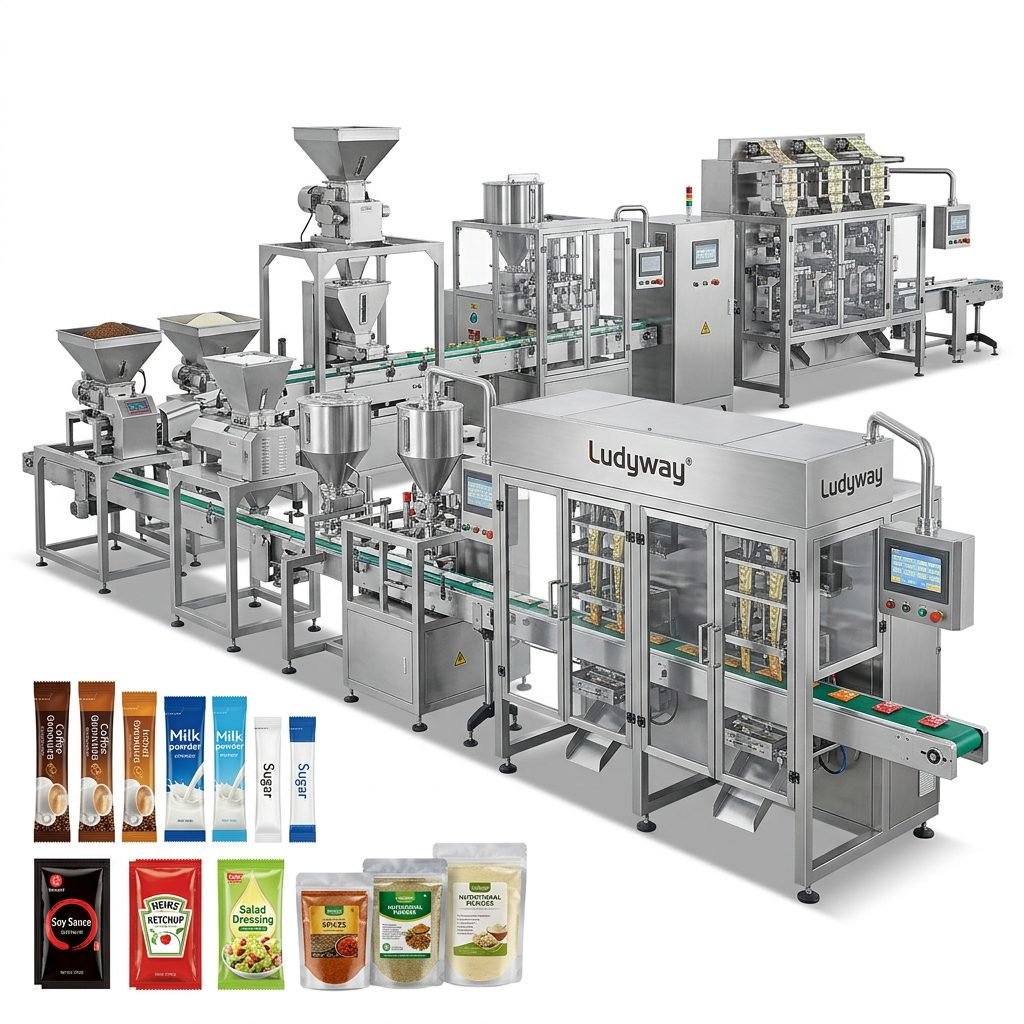
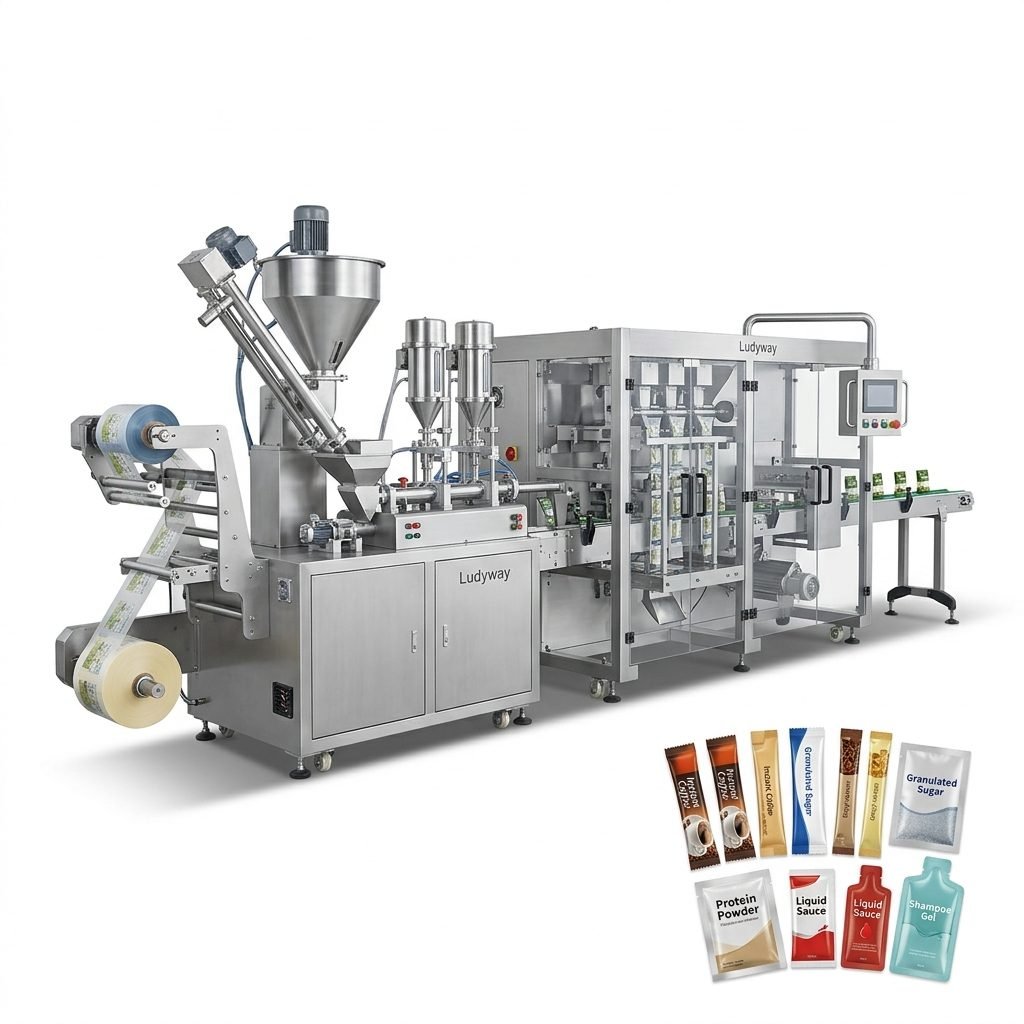
The global packaging sector is undergoing a profound transformation driven by the rising demand for higher production speeds, strict safety standards, and sustainable materials. Traditional thermal sealing, while a staple of the industry for decades, is increasingly being challenged by advanced methods that offer greater precision and reduced energy waste. The debut of the ultrasonic welded plastic bag packaging machine represents a major leap forward, delivering seamless, airtight sealing that addresses the core challenges of modern manufacturing. By utilizing high-frequency acoustic vibrations instead of constant heat, this technology ensures a robust seal that protects product integrity across various industries.
Unlike conventional hot-bar sealing systems that rely on external thermal conduction to melt plastic layers, ultrasonic welding generates heat directly at the molecular level. This localized friction melts the plastic film only at the contact point, allowing for an instantaneous bond once the vibration ceases. This process eliminates warm-up times, drastically reduces energy consumption, and prevents heat damage to both the packaging material and the product inside. As factories aim for higher automation and zero-defect quality control, integrating ultrasonic technology is becoming a key differentiator for competitive operations.
The Science Behind Ultrasonic Sealing
To understand the benefits of this technology, it is essential to look at how ultrasonic energy interacts with thermoplastic films. The machine utilizes a power supply to convert standard electrical frequency into high-frequency electrical energy. This energy is then directed to a transducer, which converts it into mechanical vibrations. These micro-vibrations are transmitted through a custom-engineered horn (or sonotrode) directly to the film layers under a specific amount of pressure.
As the waves pass through the plastic, they create rapid friction at the joint interface. The temperature at this interface rises rapidly to the melting point of the polymer, causing the two layers to fuse. Because the energy is applied precisely and only for a fraction of a second, the surrounding film remains cool and unaffected. This precise control allows manufacturers to work with a wider range of film thicknesses and compositions, including challenging eco-friendly mono-materials and bio-plastics.

Key Advantages of Ultrasonic Welded Packaging
The introduction of ultrasonic welding to flexible bag packaging brings several distinct advantages over traditional thermal sealing methods:
- Sealing Through Contamination: One of the greatest challenges in powder, liquid, and paste packaging is product residue contaminating the seal area. Traditional heat sealers often fail when particles get trapped in the seam, leading to micro-leaks. Ultrasonic vibrations naturally push product residue, dust, and moisture out of the weld zone, ensuring a hermetic seal every time.
- Significant Energy Savings: Traditional sealing bars must be kept continuously hot, consuming power even during standby periods. Ultrasonic tools only draw energy during the actual millisecond weld cycle, reducing overall utility costs and carbon footprints on the production floor.
- Reduced Seal Width: Because the energy is highly focused, the width of the seal can be reduced by up to 50% compared to thermal seals. This reduction translates directly to material savings, allowing companies to use less plastic film per package without compromising structural strength.
- Protection of Heat-Sensitive Fills: For products like chocolate, cheese, pharmaceuticals, and active probiotics, residual heat from packaging lines can degrade product quality. Ultrasonic sealing generates negligible radiant heat, protecting sensitive ingredients from damage.
Comparative Analysis: Ultrasonic vs. Heat Sealing
To highlight the operational improvements of this new technology, the table below compares the critical parameters of ultrasonic welding against standard thermal heat sealing methods:
| Performance Indicator | Traditional Thermal Sealing | Ultrasonic Welding |
|---|---|---|
| Energy Consumption | High (Continuous heating required) | Very Low (Active only during weld cycle) |
| Seal Tightness (Contaminated area) | Prone to leaks if powder or oil is present | Highly secure (Vibrations displace particles) |
| Warm-Up Time Needed | 15 to 30 minutes | Instantaneous startup |
| Material Thermal Stress | High (Risk of shrinking or burning) | Minimal (Localized molecular melting) |
| Standard Seal Width | 8mm to 15mm | 2mm to 5mm (Saves film material) |
Target Industrial Applications
The versatility of the ultrasonic welded plastic bag packaging machine makes it highly sought after across several demanding manufacturing sectors:
1. Food Processing & Dairy: Airtight freshness is critical for dairy powders, coffee, spices, and pet food. Because ultrasonic sealing functions efficiently despite dust and fat particles in the seal area, food waste and package failure rates drop drastically. Additionally, it preserves the aroma and flavor profiles of organic products by preventing heat transfers during packaging.
2. Pharmaceutical & Bio-medical: In sterile pouch packaging for medical supplies, diagnostic kits, and prescription powders, the barrier must be absolutely flawless. The cold-welding dynamic of ultrasonic technology ensures zero chemical changes to active pharmaceutical ingredients and prevents structural degradation of delicate barrier films.
3. Chemicals and Daily Consumables: Fine chemicals, liquid detergents, agrochemical powders, and personal care gels often present challenges during automated filling. The high-speed sealing action ensures that high-barrier laminated pouches are hermetically sealed, preventing chemical leaks during global shipping and handling.
Driving Efficiency with Turnkey Automation
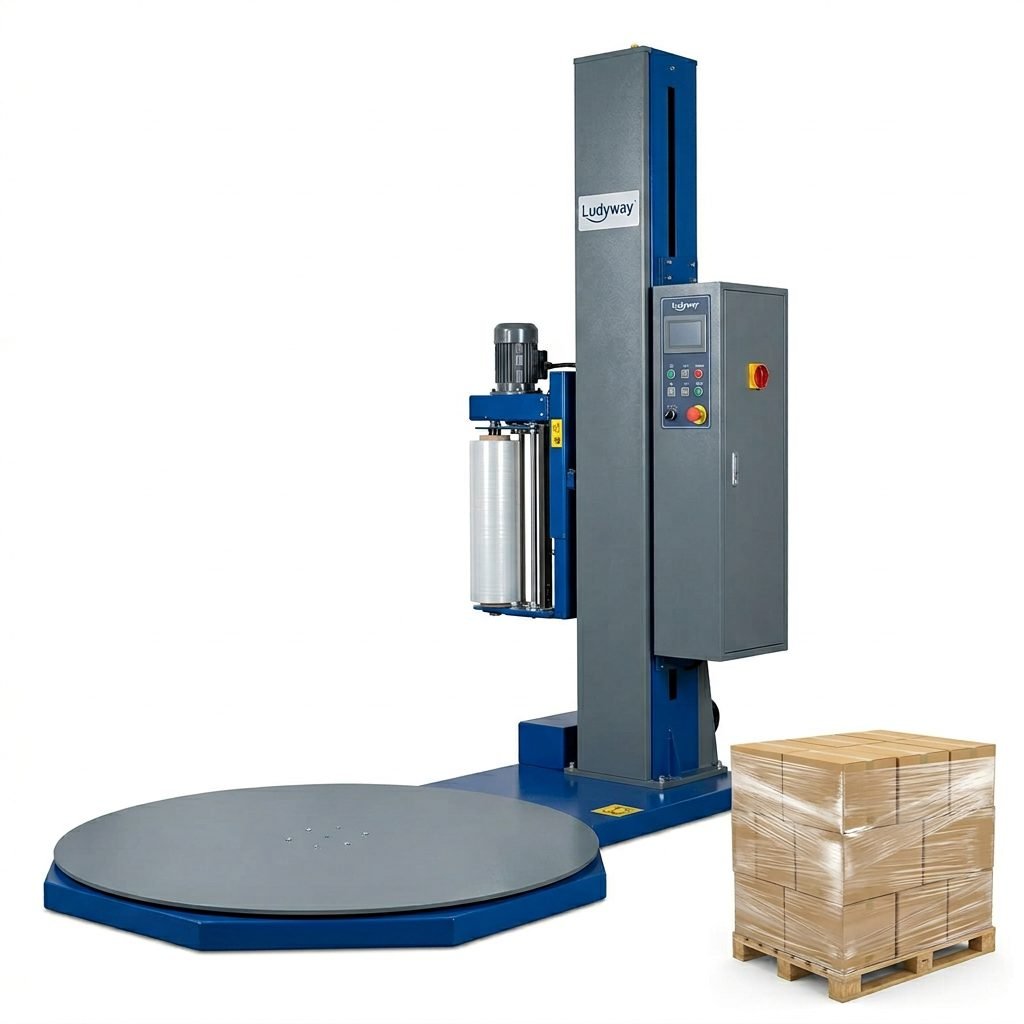
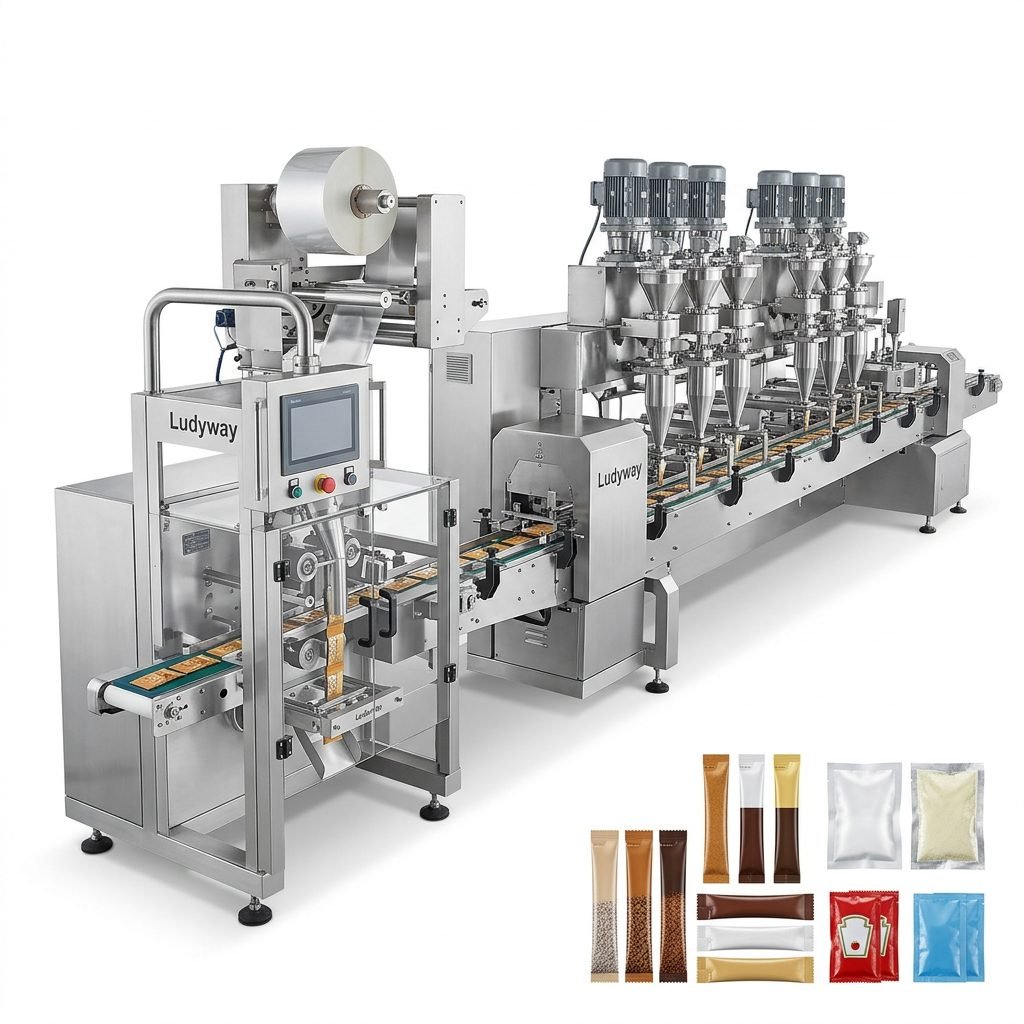
Implementing ultrasonic welding technology requires deep engineering expertise and robust machinery integration to match the speeds of modern production lines. Global buyers seeking to upgrade their operations look for manufacturers that can supply both stable machine performance and complete line integration. This is where Ludyway, one of China’s leading packaging machine and turnkey packaging line manufacturers, excels. Established in 1993 and boasting over 30 years of manufacturing experience, the company designs advanced automatic systems configured for granules, powders, liquids, and sachet products, helping international clients achieve reliable automation, material savings, and superior seal quality.
Future Outlook
As retail brands push for thinner films, recyclable mono-materials, and bio-degradable polymer alternatives, traditional heat sealers are struggling to adapt to narrower operational windows. High-precision ultrasonic welding systems present a reliable solution to these challenges, making them essential components for future-ready packaging facilities. The launch of the ultrasonic welded plastic bag packaging machine marks a significant step forward, offering global industries a cleaner, faster, and more sustainable way to pack products securely.