The European Union’s 2026 packaging rules are accelerating one of the biggest material transitions the packaging industry has seen in years. Across Europe, brand owners, converters, retailers, and machinery suppliers are preparing for a market where recyclability, design-for-recycling, and reduced packaging waste are no longer optional brand claims, but practical business requirements.
For European consumers, sustainability has moved beyond awareness into purchasing behavior. Shoppers in Germany, France, Italy, the Netherlands, Spain, and the Nordic region are increasingly comparing packs not only on price and convenience, but also on whether the material looks easy to sort, contains less plastic, or fits local recycling systems. That consumer pressure is now matching regulatory pressure, creating a strong push for packaging redesign throughout the supply chain.
Why the EU 2026 Shift Matters Now
The upcoming regulatory environment is forcing packaging decisions much earlier in product development. Businesses can no longer wait until the final stage to choose a film, pouch, bottle, or carton. They now need to evaluate whether the chosen structure can be collected, sorted, and recycled at scale within European waste systems.
This affects a wide range of sectors, including food, pharmaceuticals, nutraceuticals, personal care, household products, and industrial chemicals. Flexible packaging is under especially close scrutiny because many traditional multi-material laminates offer strong barrier performance but remain difficult to recycle in existing streams.
Key market signals driving the upgrade
- Growing retailer demands for recyclable-ready packaging formats
- Stronger producer responsibility and compliance expectations
- Pressure to reduce excessive packaging and improve material efficiency
- Rapid innovation in mono-material films, paper-based solutions, and recyclable barrier structures
- Consumer preference for clearly labeled, easy-to-recycle packs
Which Materials Are Gaining Momentum
The transition is not about replacing every material with a single alternative. Instead, the market is moving toward application-specific recyclable formats. What works for dry powders may not work for oily sauces, medical products, or moisture-sensitive supplements.
| Material Direction | Main Advantage | Common Challenge |
|---|---|---|
| Mono-material PE films | Better compatibility with recycling streams | Barrier and sealing adjustments may be required |
| Mono-material PP structures | Useful for selected food and dry product formats | Machinability and stiffness need optimization |
| Paper-based recyclable packs | Strong shelf appeal and lower-plastic image | Limited fit for high-moisture or high-barrier products |
| Lightweighted rigid plastics | Material reduction without major pack redesign | Still depends on local collection and recycling performance |
| Recyclable barrier laminates | Supports more demanding product protection needs | Higher qualification and validation costs |
Impact on European Brands and Manufacturers
For European packaging buyers, the challenge is not simply finding a recyclable film. The harder task is ensuring that the new material still runs smoothly on existing equipment, maintains product protection, and meets shelf-life expectations. This is where many packaging upgrades become operational projects rather than just procurement decisions.
Manufacturers are now reassessing:
- Seal temperature windows
- Film tension behavior
- Forming stability in high-speed runs
- Printing and coding compatibility
- Leak rate and package integrity after switching materials
In countries with mature waste sorting culture such as Germany and the Netherlands, consumers are more likely to notice whether packaging follows recognizable recycling logic. In Southern European markets, convenience and value still matter strongly, but sustainability communication is becoming more influential, especially among younger urban households. Across the EU, transparency is turning into a commercial advantage.
What industries are moving fastest
- Food and beverage: dry mixes, coffee, sauces, snacks, seasonings
- Health supplements: powders, granules, single-dose sachets
- Pharmaceuticals: selected secondary and flexible formats under strict validation
- Home care: detergents, cleaners, refill packs
- Beauty and personal care: sample sachets and travel-size packs
Machinery Compatibility Becomes a Strategic Issue
A recyclable package is only commercially viable if it can be produced efficiently. That is why machinery flexibility is becoming a major talking point in 2026 packaging investment plans. Companies want systems that can handle both current and next-generation materials with minimal downtime and fast changeover.
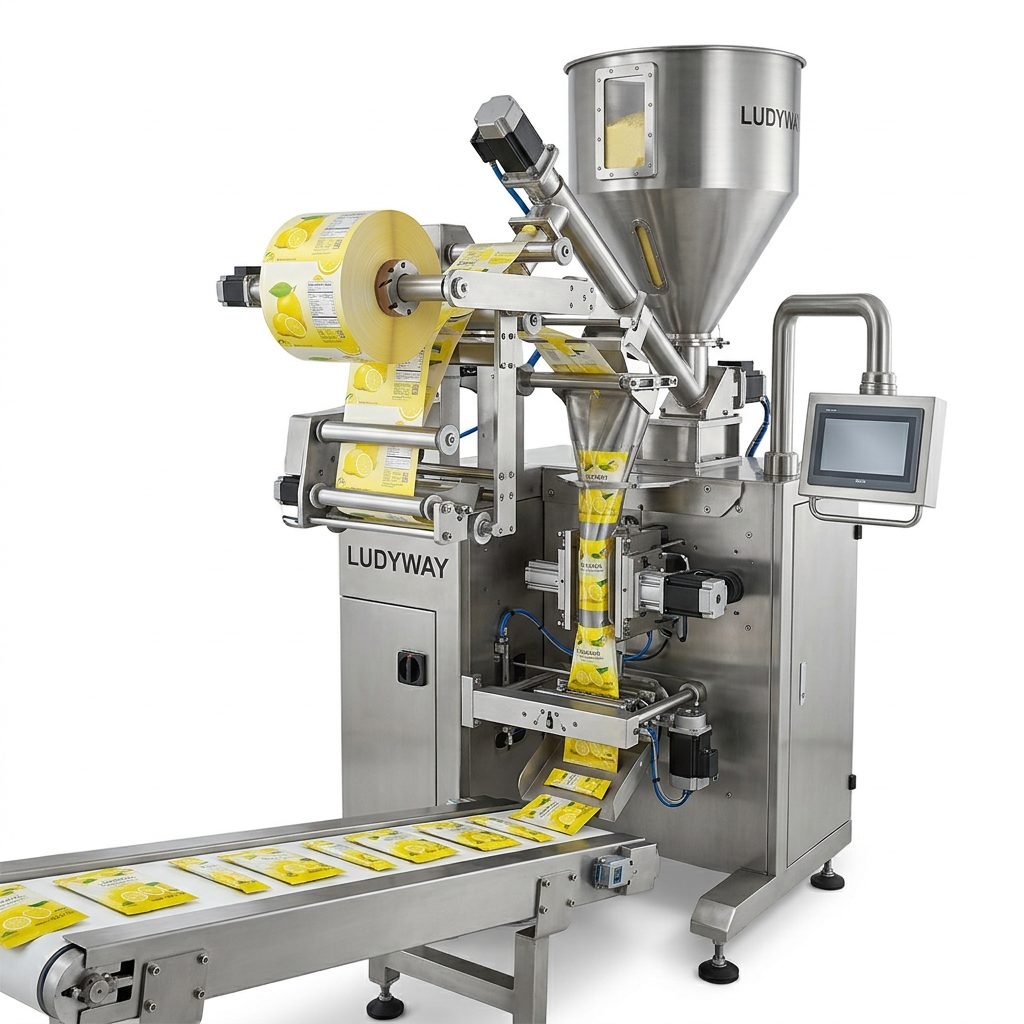
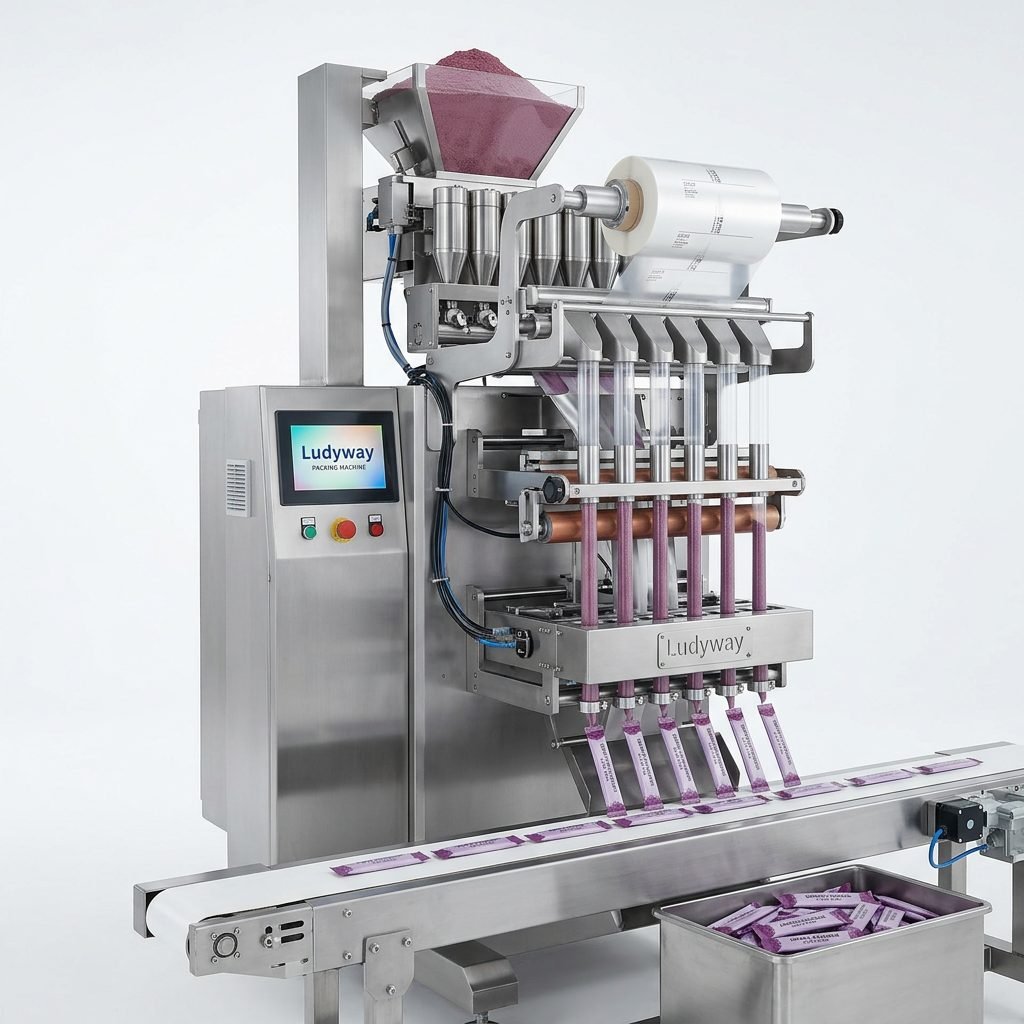
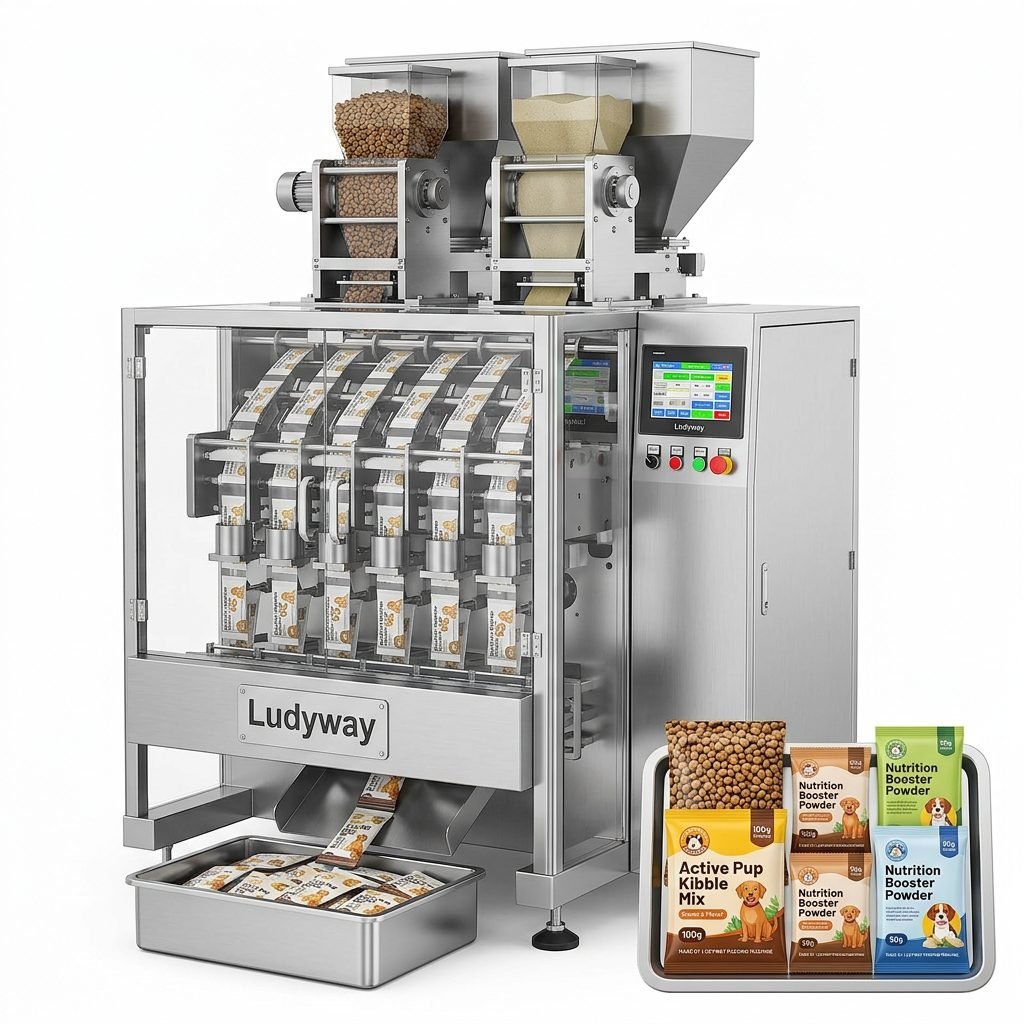
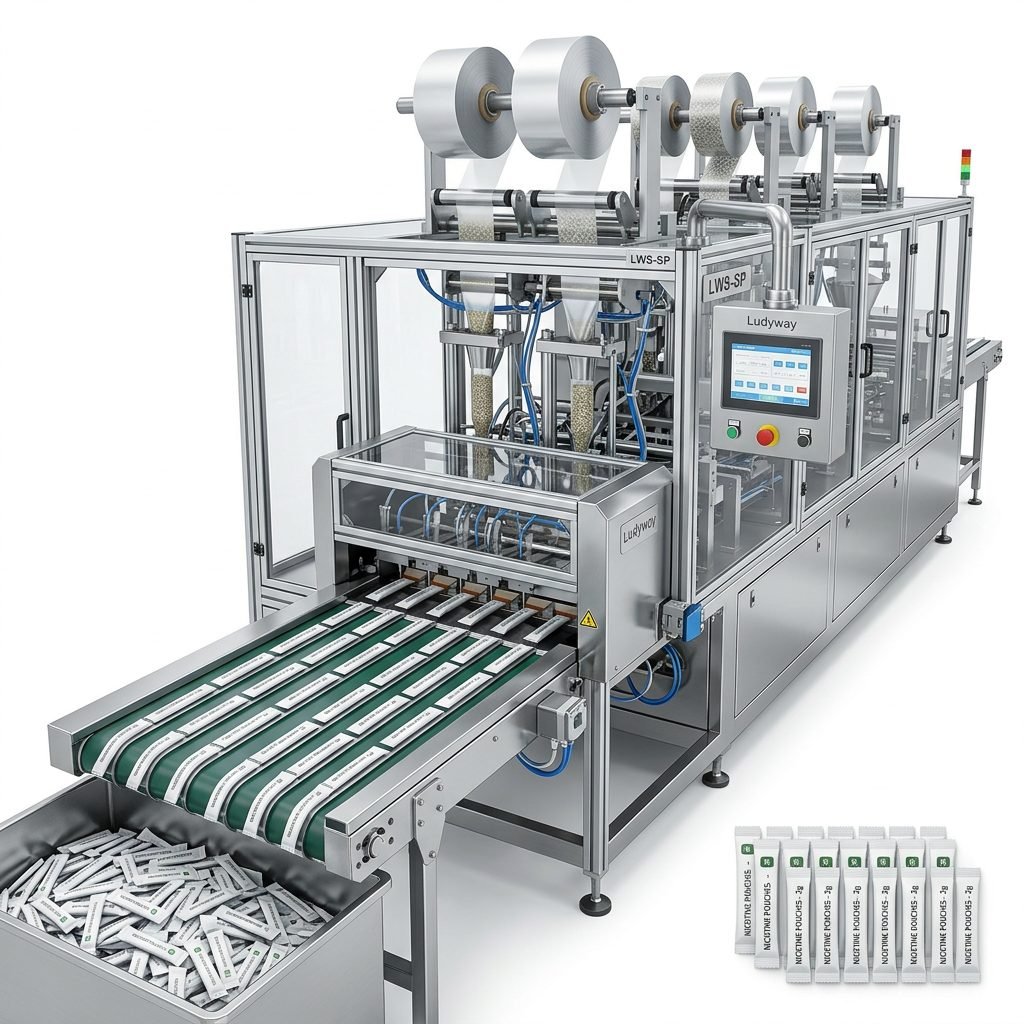
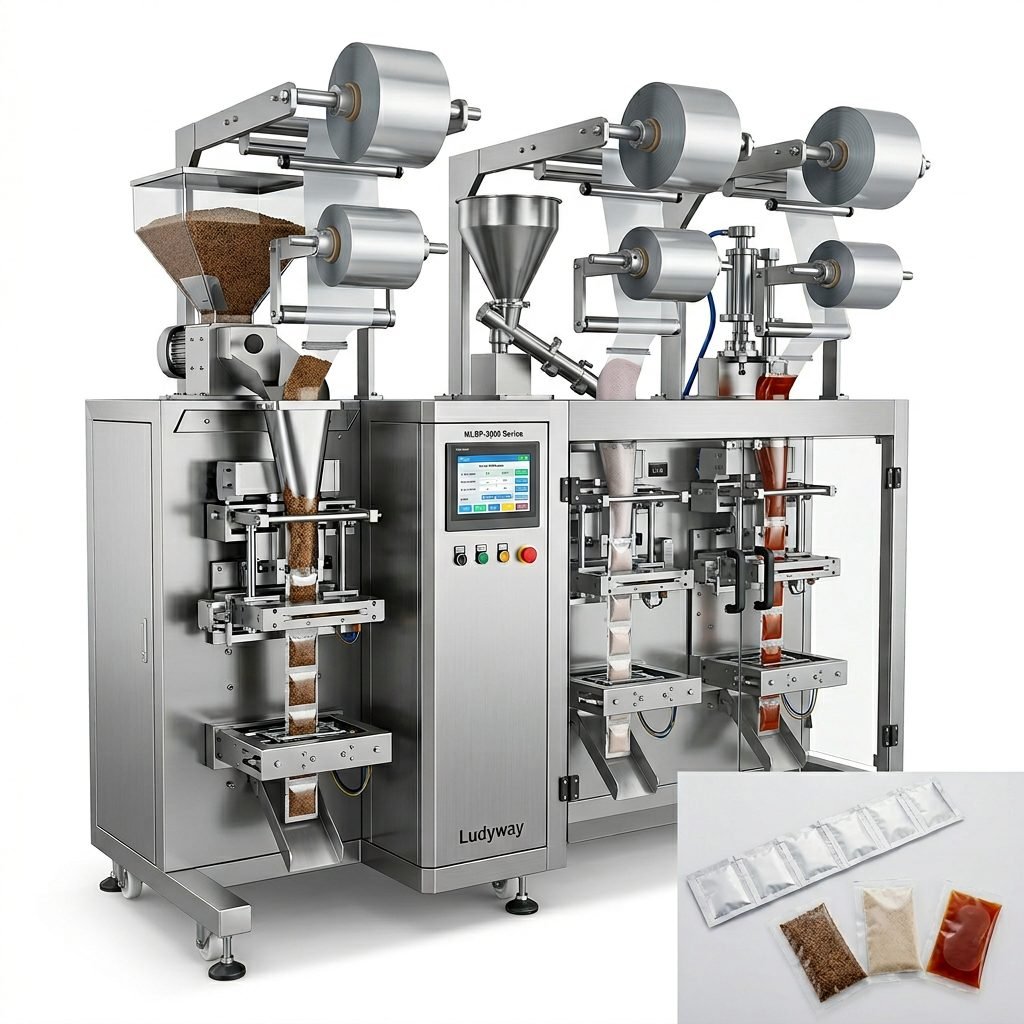
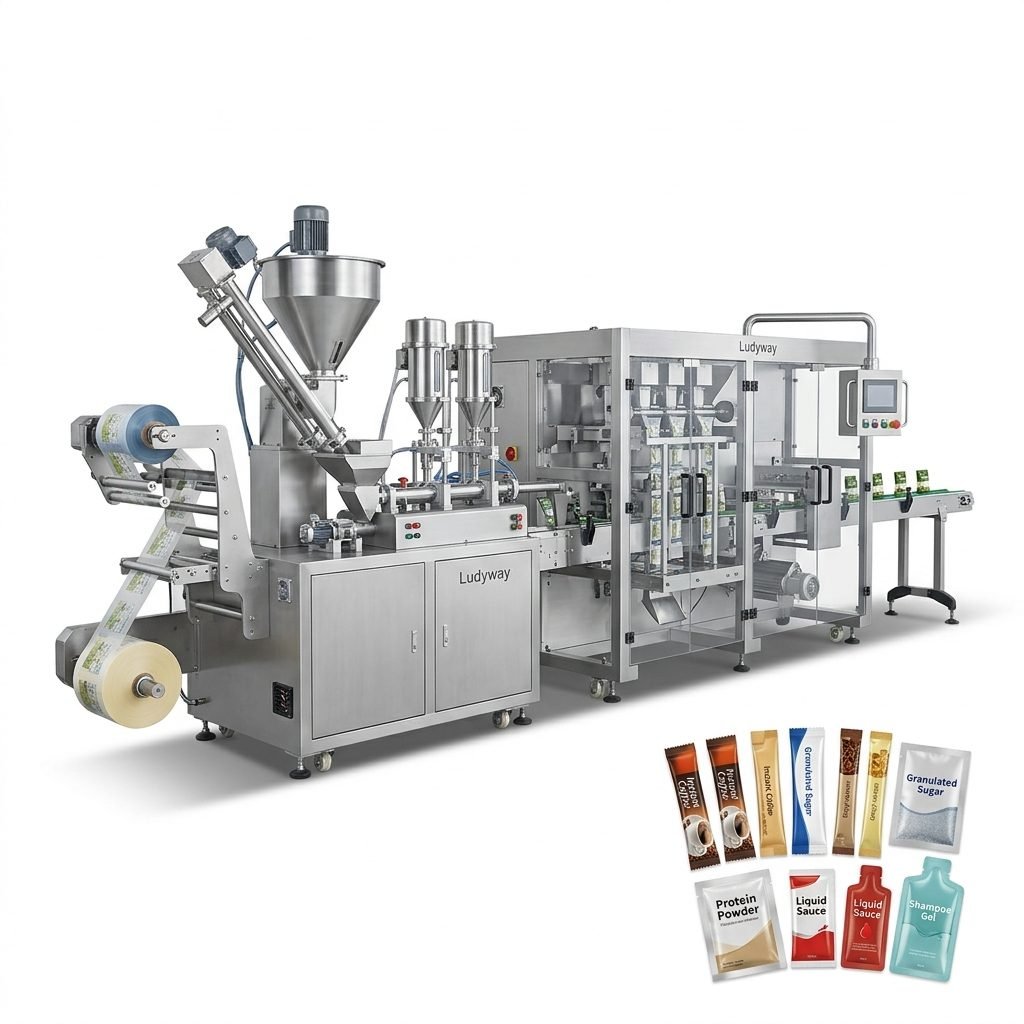
This is particularly important for sachet, stick pack, pouch, and vertical packaging applications, where thin films and sealing precision directly affect throughput and waste levels. Equipment suppliers with experience in customized automation are gaining attention as European buyers seek to reduce risk during material transition.
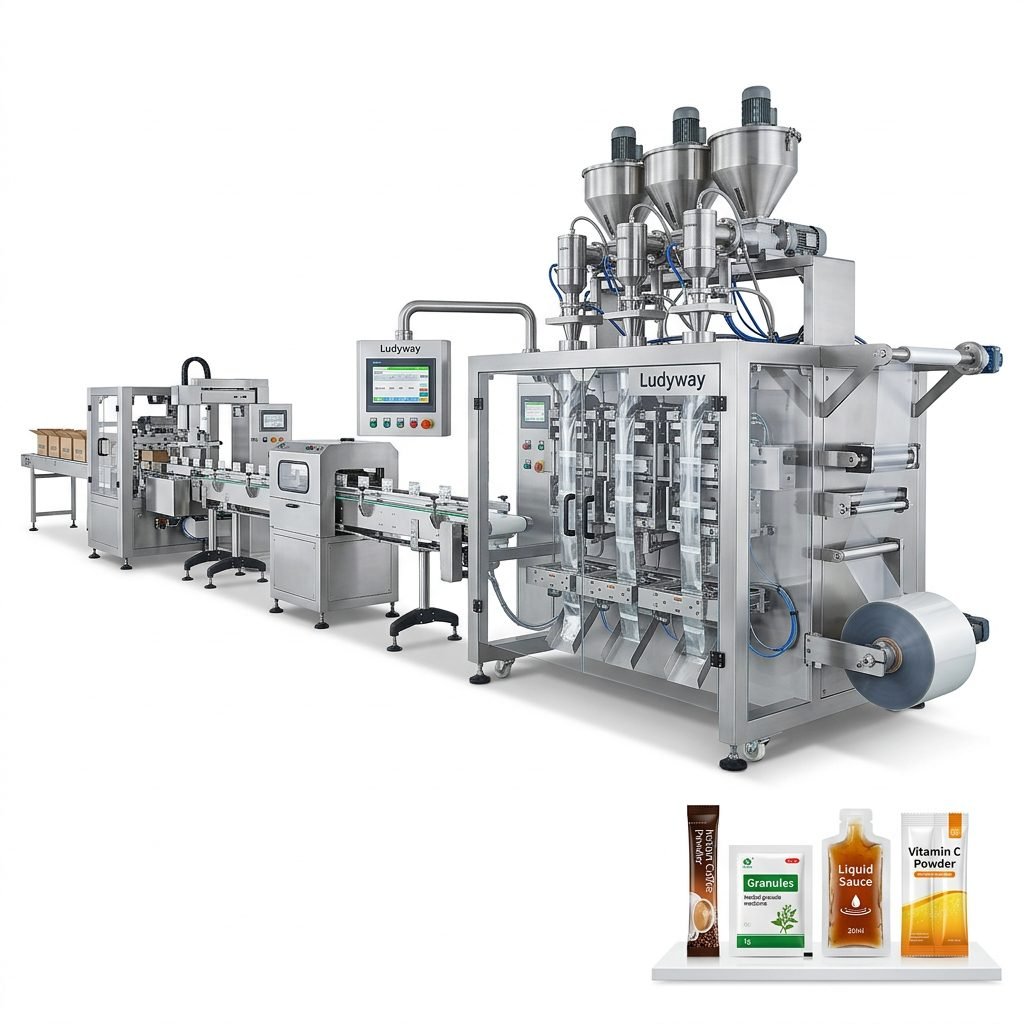
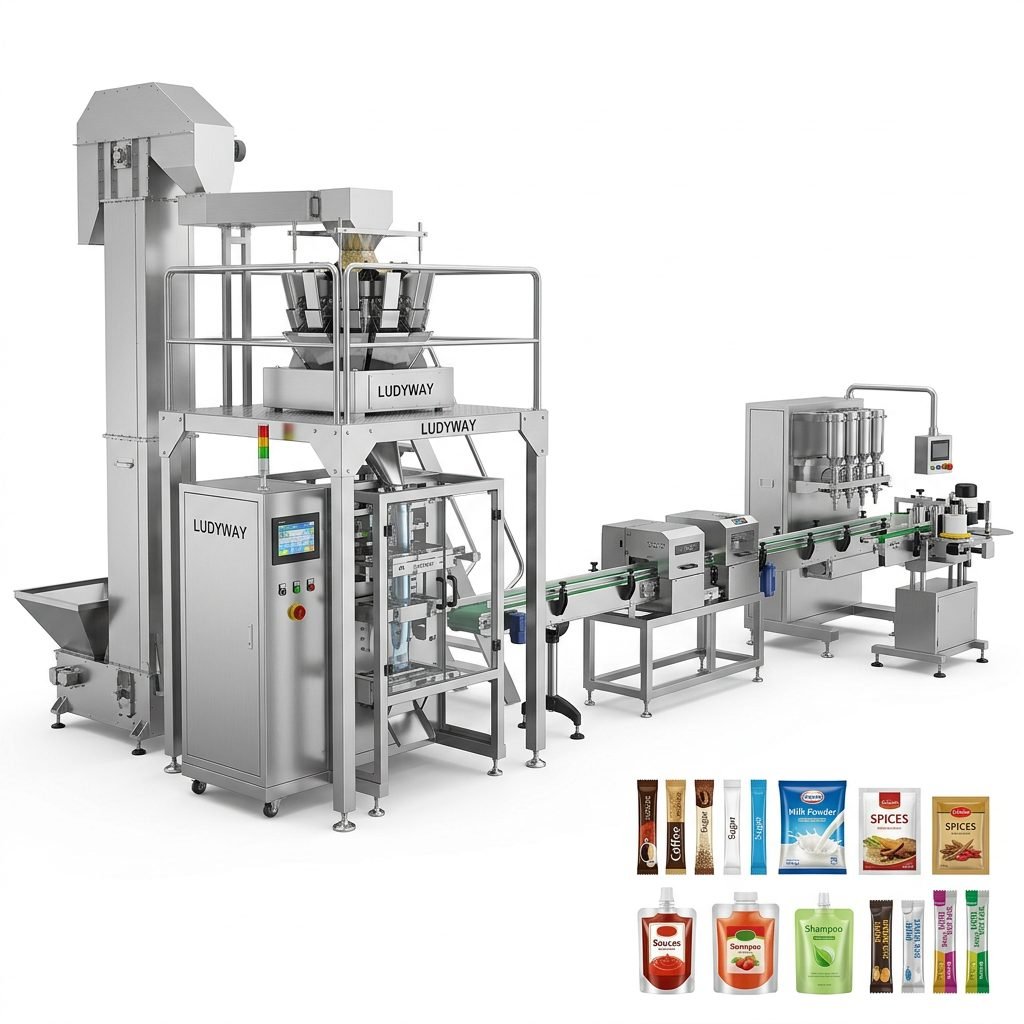
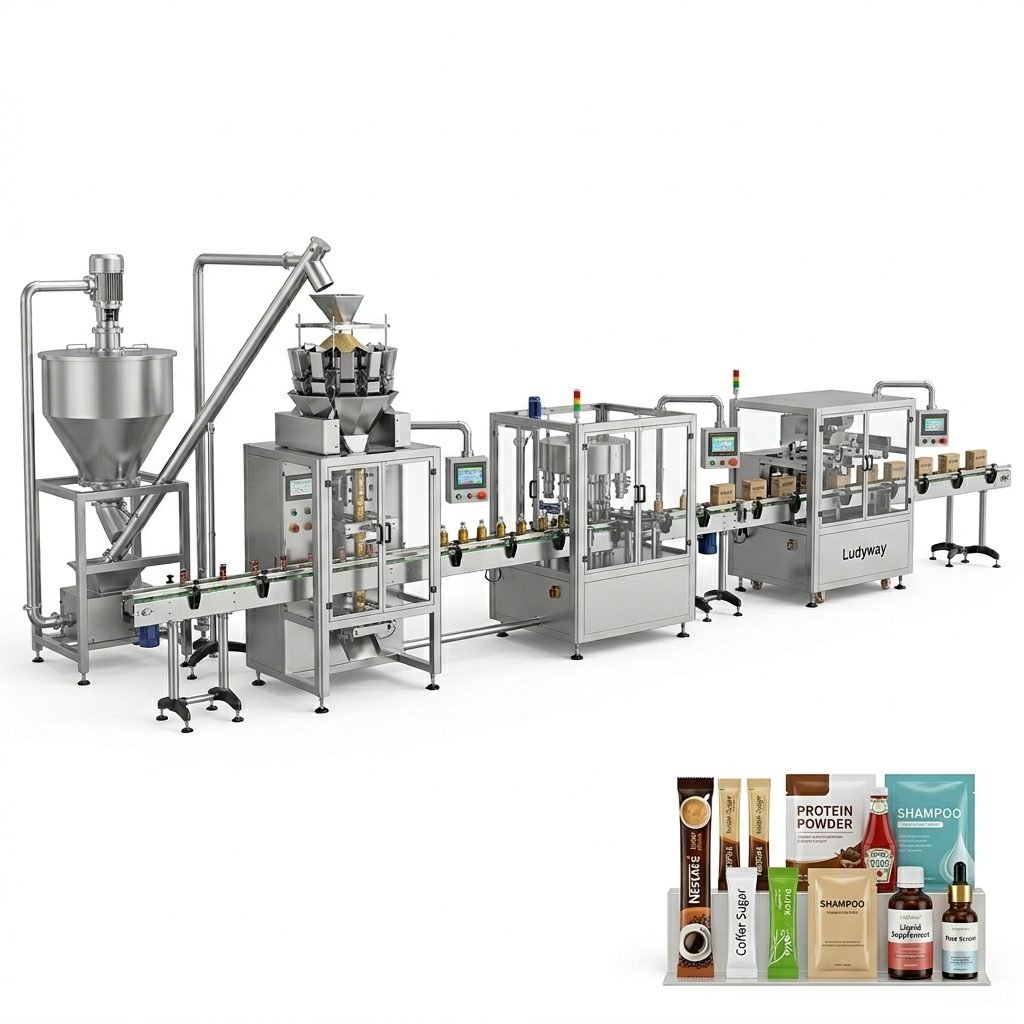
One company frequently considered for flexible production upgrades is Ludyway packaging machine solutions, especially for manufacturers looking at scalable lines for powders, granules, liquids, and pouch-based products.
| Packaging Upgrade Area | Operational Focus | Expected Benefit |
|---|---|---|
| Material testing | Sealability, barrier, drop and leak validation | Lower transition risk |
| Machine retrofit | Jaw design, tension control, dosing synchronization | Better performance with new films |
| Line automation | Integrated conveying, coding, checkweighing, cartoning | Higher consistency and labor savings |
| Format rationalization | Reducing unnecessary SKU pack complexity | Simpler compliance and faster purchasing decisions |
What Buyers Should Watch in 2026
The most successful companies will be those that treat packaging compliance as part of product strategy, not just a legal update. In the EU market, recyclable packaging is increasingly linked to retailer acceptance, private-label opportunities, and long-term brand credibility.
Priority questions for packaging decision-makers
- Is the chosen pack structure aligned with actual European recycling pathways?
- Can current lines run the new material without major speed loss?
- Will the package still protect product quality through shelf life?
- Does the design reduce unnecessary layers, components, or pack weight?
- Can suppliers provide technical support during validation and scale-up?
The 2026 packaging transition is not a short-term compliance wave. It is reshaping how products are designed, filled, sealed, transported, and presented to European consumers. For businesses serving the EU, recyclable materials are no longer a trend—they are becoming the foundation of market access and competitive packaging performance.