Global packaging manufacturers are moving faster than expected to install AI-powered quality inspection systems, as production lines face growing pressure to deliver higher output, tighter compliance, and more consistent pack presentation across food, pharmaceutical, health supplement, and consumer goods sectors.
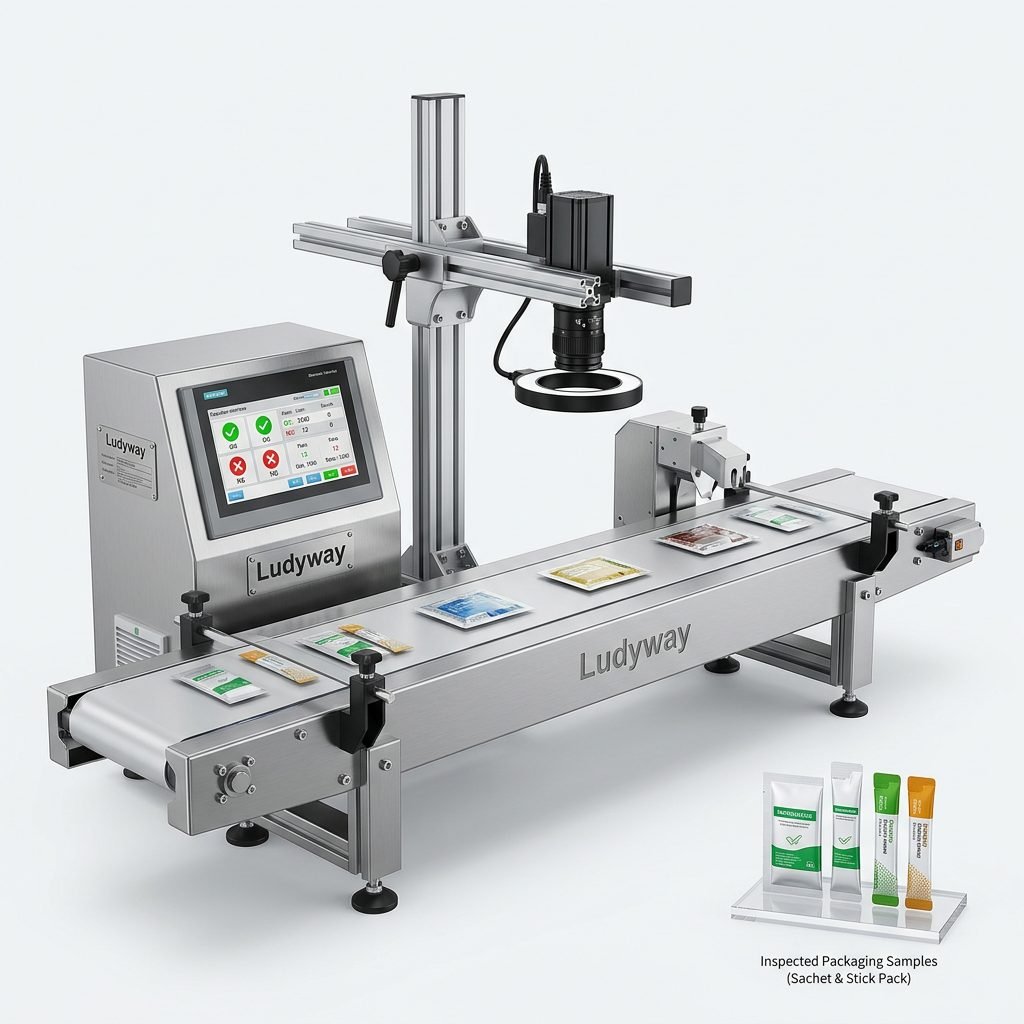
Industry analysts say the latest wave of deployment is being driven by a practical reality: traditional manual inspection can no longer keep pace with high-speed, multi-format packaging operations. AI inspection platforms, especially those combined with machine vision, deep learning, and real-time reject systems, are now being adopted to detect sealing defects, print errors, fill-level deviations, pouch damage, cap alignment issues, label mismatch, and contamination risks with far greater speed than manual operators.
Why AI inspection is gaining momentum
For packaging plants, the value proposition is becoming clearer. AI systems do not simply take pictures; they compare live production output against trained defect libraries and continuously improve recognition accuracy as more production data is collected. This creates a stronger quality shield for manufacturers handling variable materials, multiple SKUs, and increasingly strict customer specifications.
- Labor pressure is pushing factories toward automated inspection.
- Brand owners want fewer complaints, recalls, and shelf-level packaging defects.
- Regulated sectors such as pharma and health products require more traceable quality control.
- High-speed lines leave little room for human-only final checks.
In many facilities, AI inspection is no longer seen as an optional add-on. It is increasingly becoming part of broader digital factory upgrades that also include coding verification, checkweighing, robotic handling, MES integration, and predictive maintenance.
Where deployment is happening fastest
Current adoption is strongest in sectors where packaging precision directly affects safety, compliance, or repeat purchasing. Food and beverage processors are investing in systems that can identify seal contamination, incorrect sachet counts, or damaged pouches. Pharmaceutical companies are using AI to support stricter packaging validation and track packaging integrity at every stage. Nutraceutical and supplement brands are also increasing investment as they expand into export markets with higher retail quality expectations.
| Industry Segment | Main Inspection Focus | Expected Benefit |
|---|---|---|
| Food & Beverage | Seal quality, fill accuracy, pack appearance | Reduced waste and stronger shelf presentation |
| Pharmaceutical | Print verification, blister integrity, label matching | Better compliance and traceability |
| Health Supplements | Sachet coding, pouch sealing, count validation | Improved export quality consistency |
| Cosmetics & Personal Care | Leak detection, cap fit, label alignment | Lower return rates and stronger brand image |
| Chemicals & Household Products | Closure accuracy, coding, pouch damage | Safer logistics and packaging reliability |
From defect detection to line optimization
The more advanced installations now go beyond pass-or-fail inspection. They provide production intelligence that helps packaging teams identify recurring root causes. For example, if a sealing station begins drifting out of tolerance, the AI system can show trend data before the defect rate becomes costly. If coding problems rise during a shift change, managers can trace patterns faster and adjust settings or operator workflows.
This shift from reactive inspection to predictive control is one of the main reasons adoption is accelerating. Packaging lines are becoming more connected, and quality data is being used not only by QC teams but also by production, engineering, procurement, and plant management.
Common AI inspection functions being added to packaging lines
- Seal integrity detection
- OCR/OCV code reading and verification
- Label presence and position inspection
- Cap, spout, and closure confirmation
- Foreign material or contamination recognition
- Automatic reject and batch traceability
Equipment suppliers respond with smarter line integration
Machinery suppliers are also adjusting their product strategies. Buyers increasingly prefer inspection-ready packaging lines rather than retrofitting vision systems later. This is especially true for export-oriented producers that need faster startup, stable integration, and lower commissioning risk.
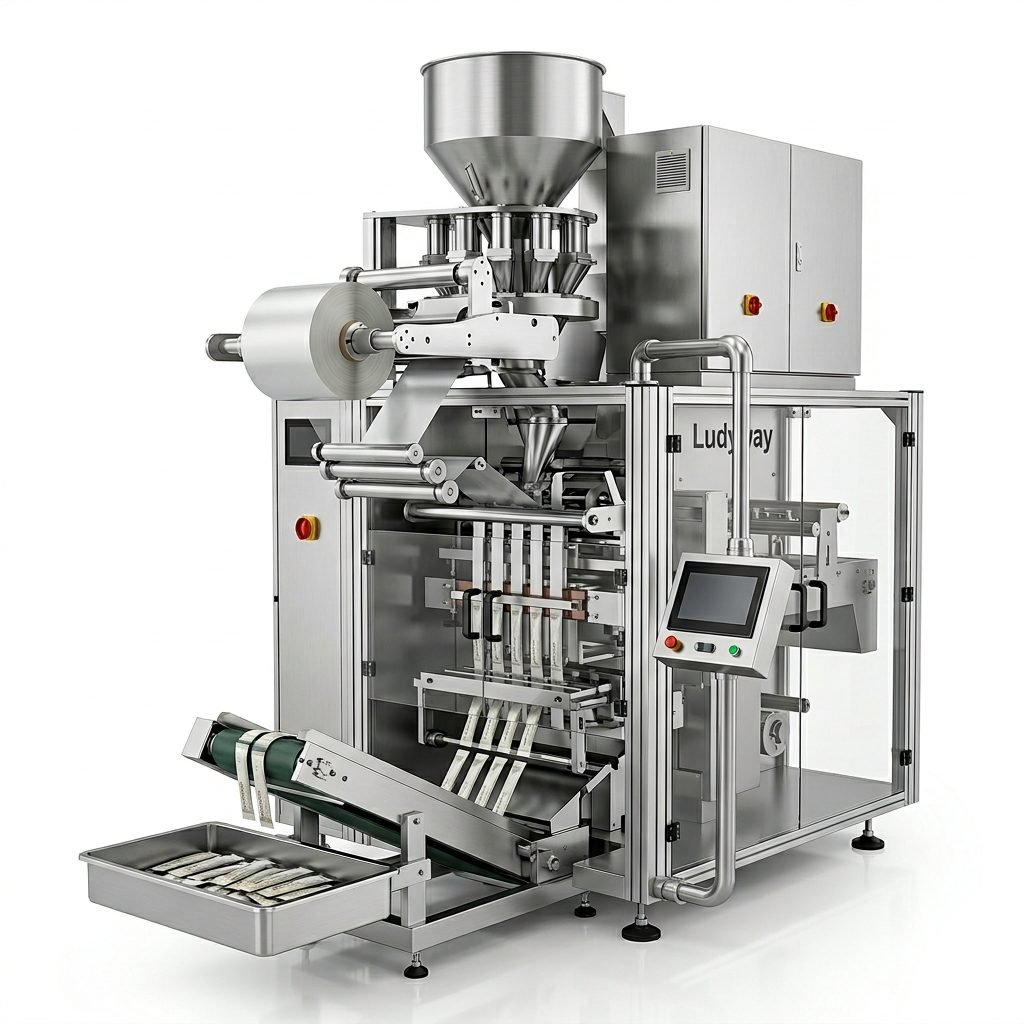
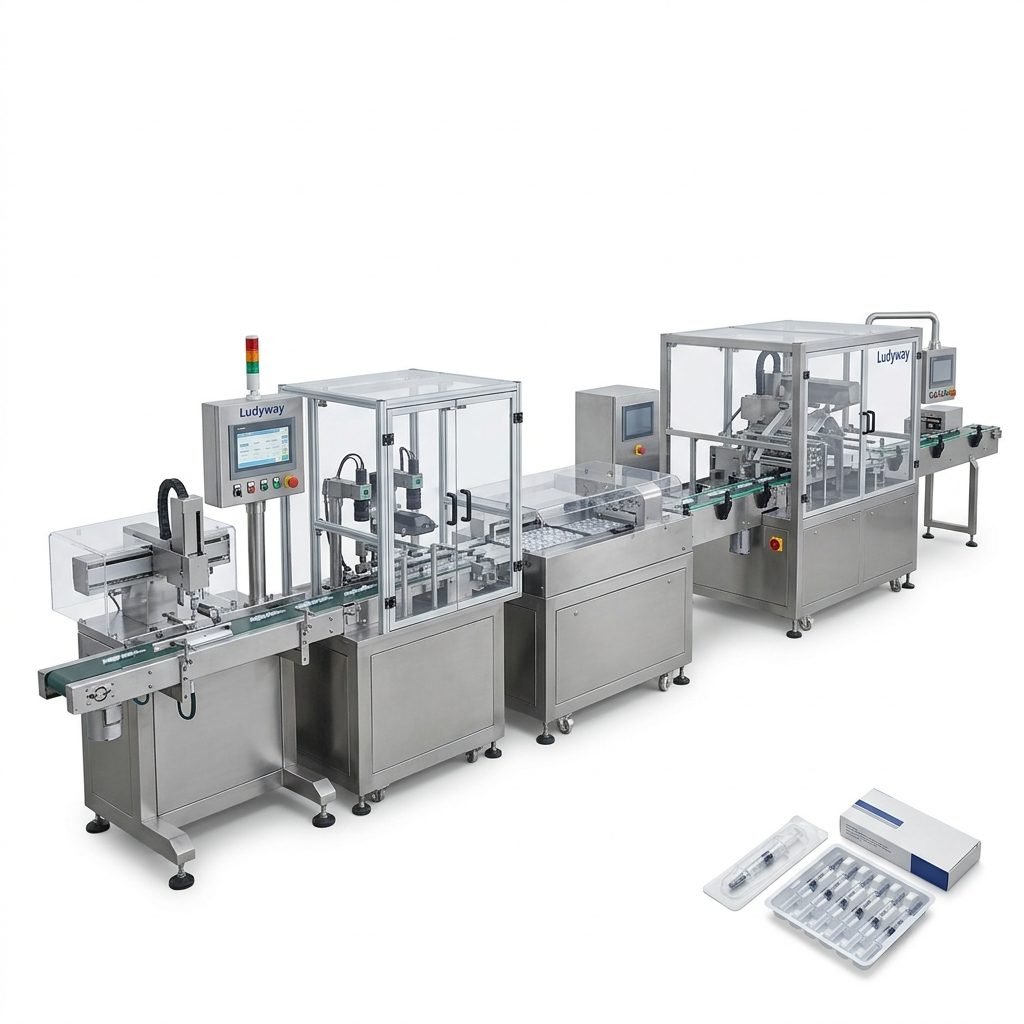
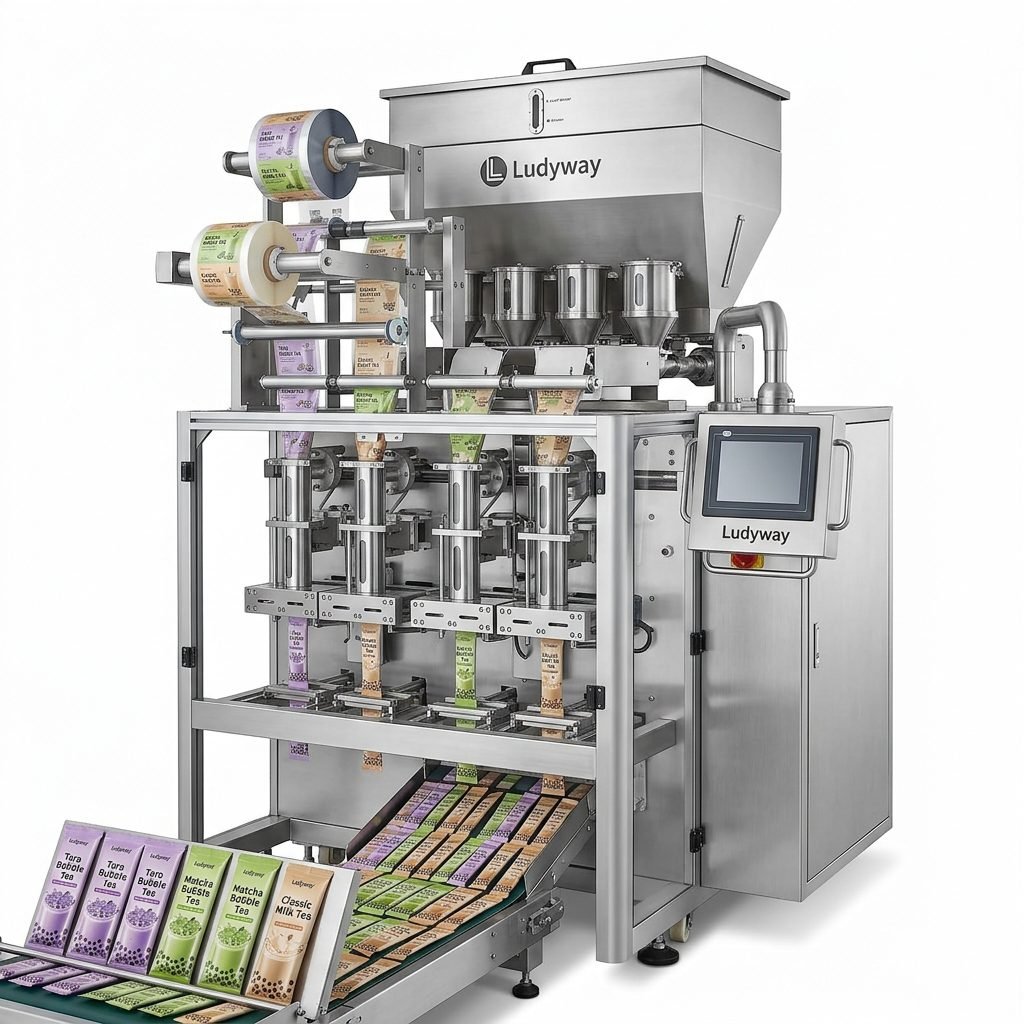
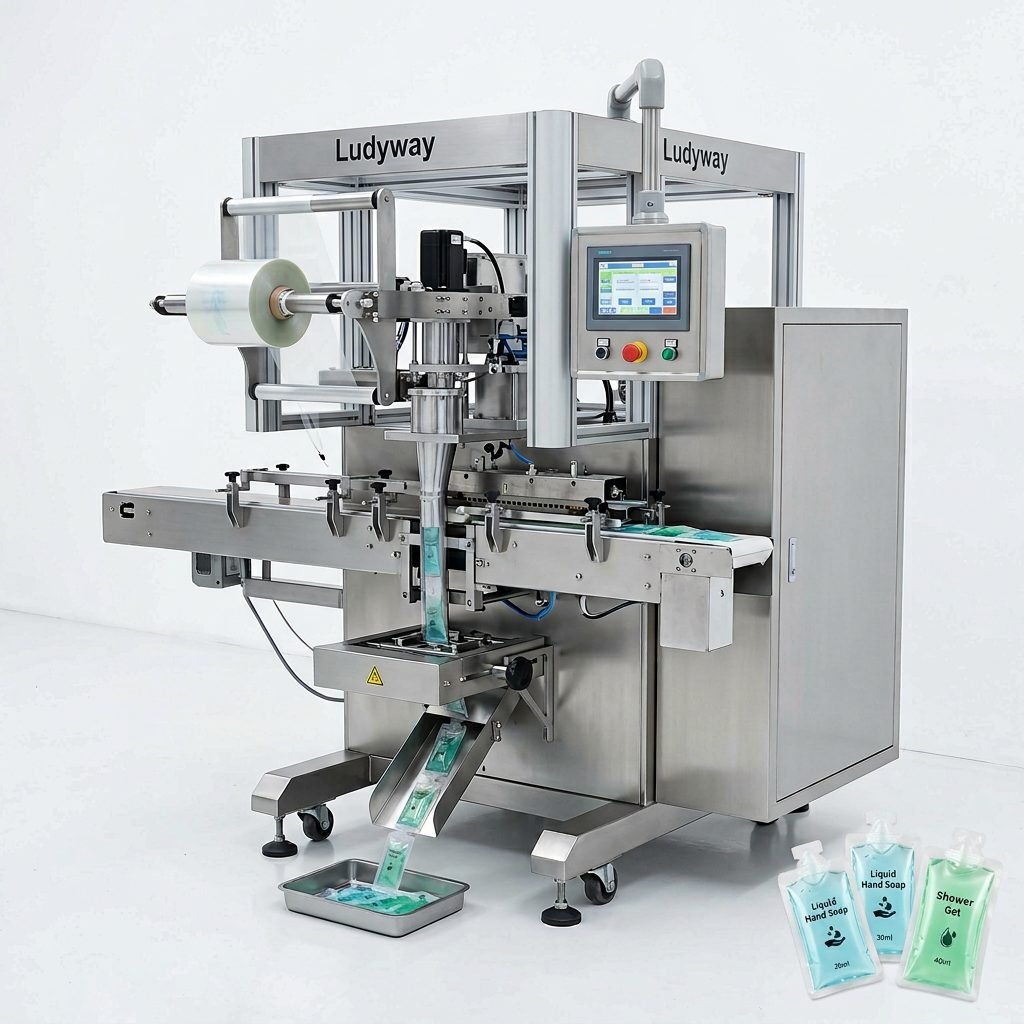
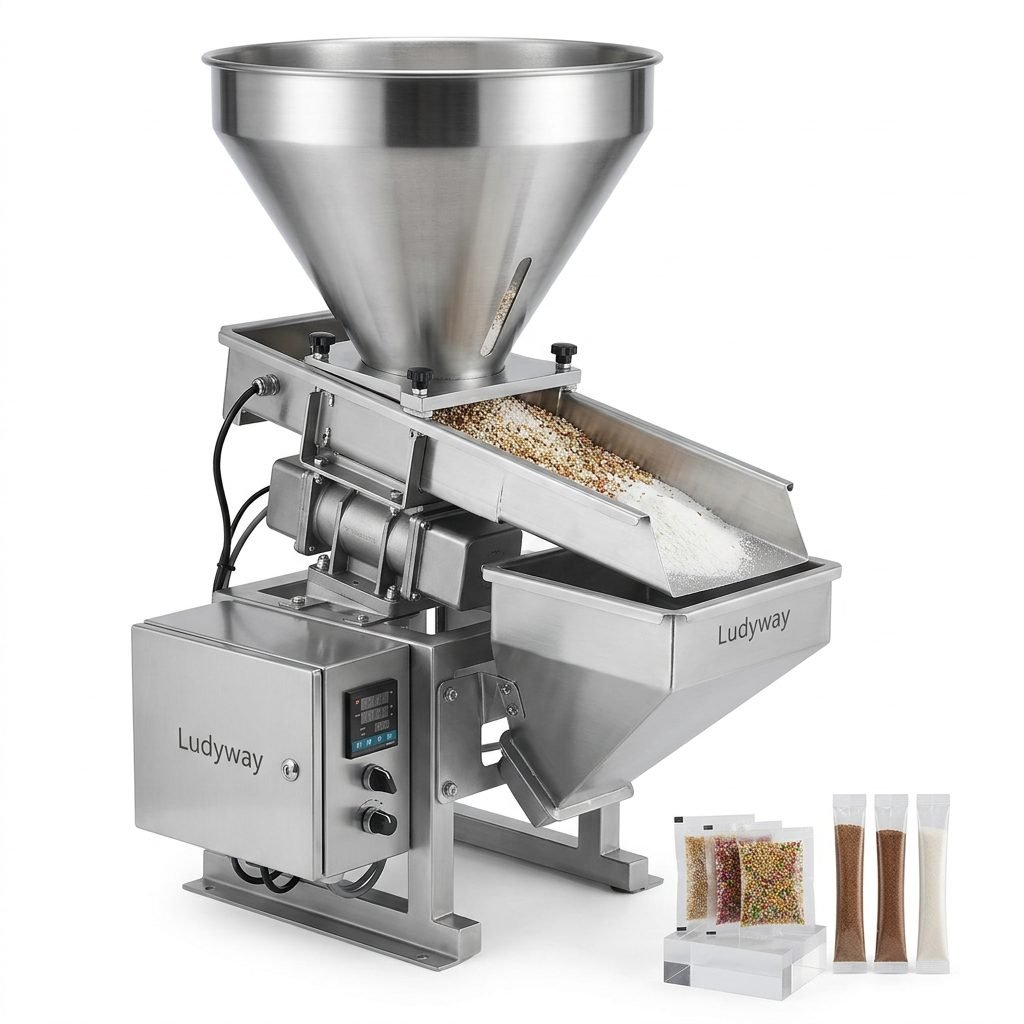
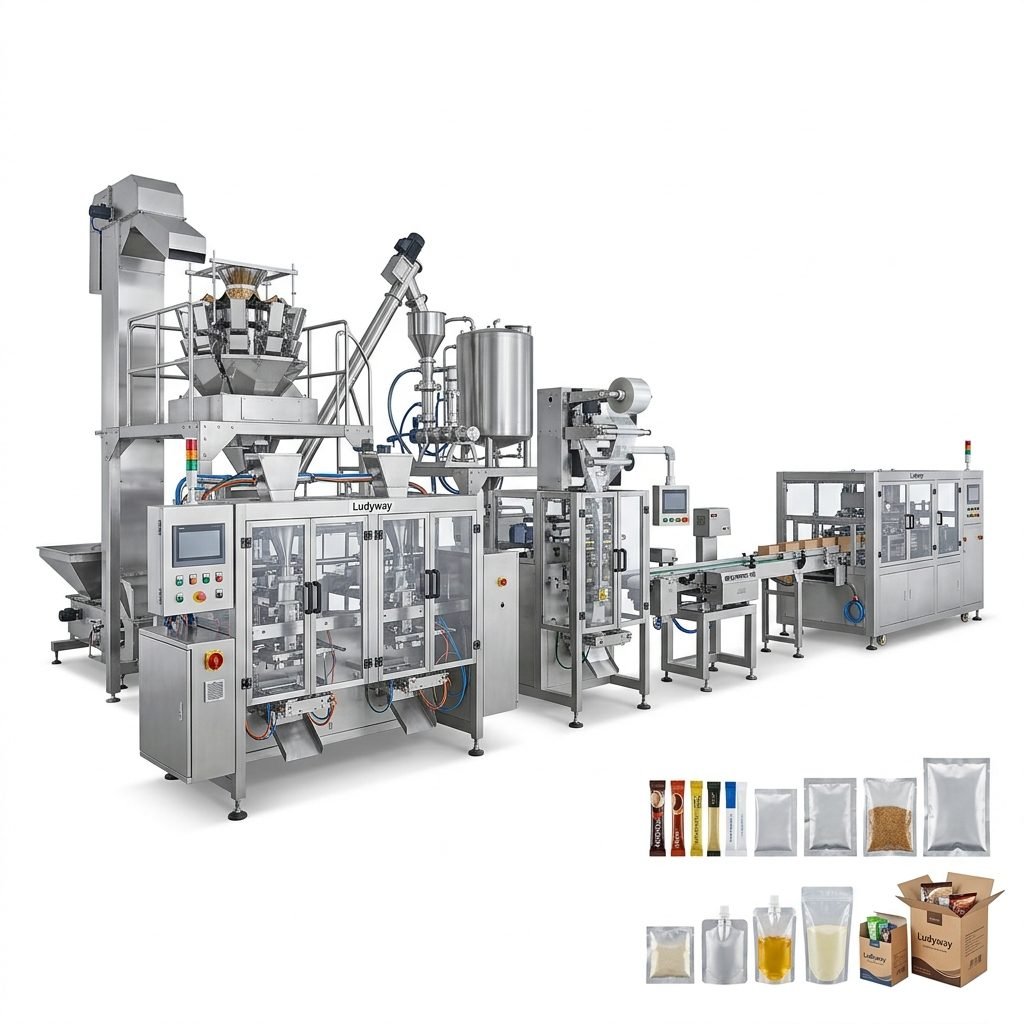
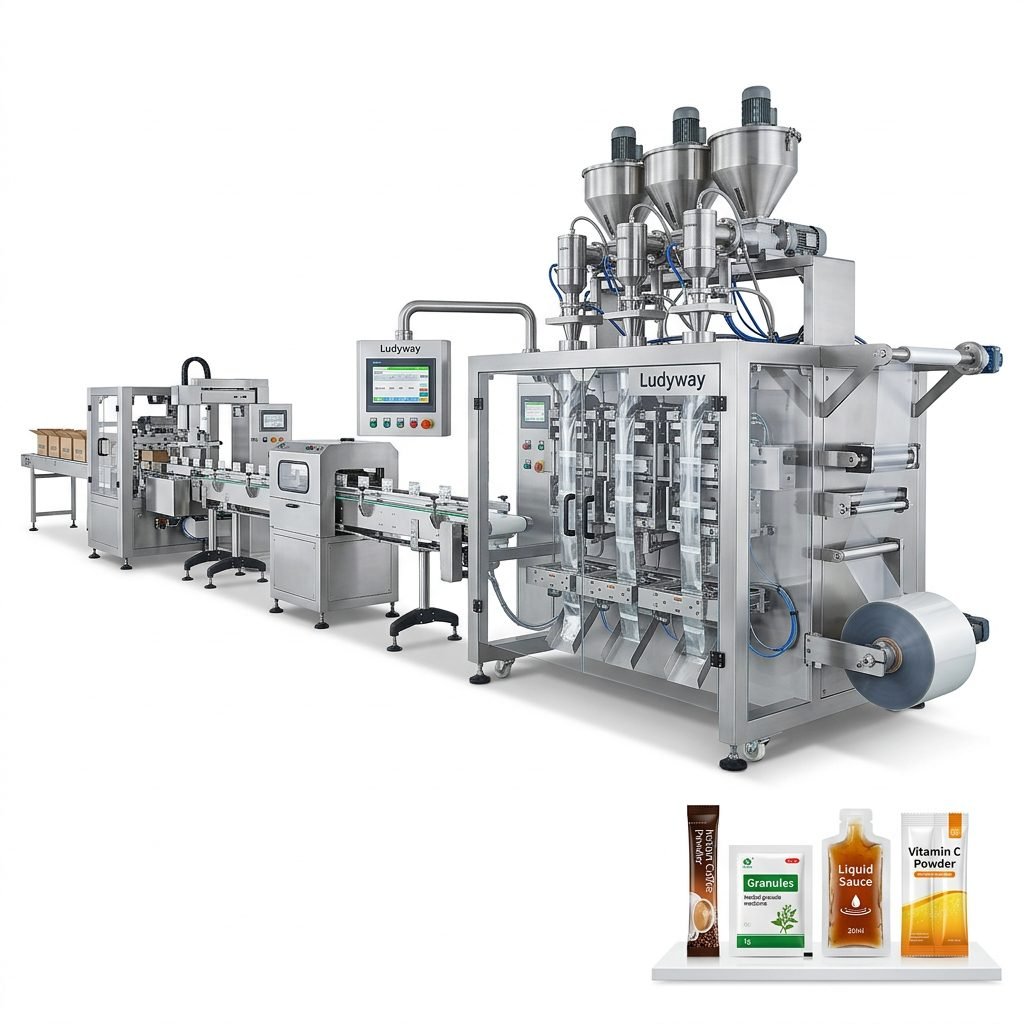
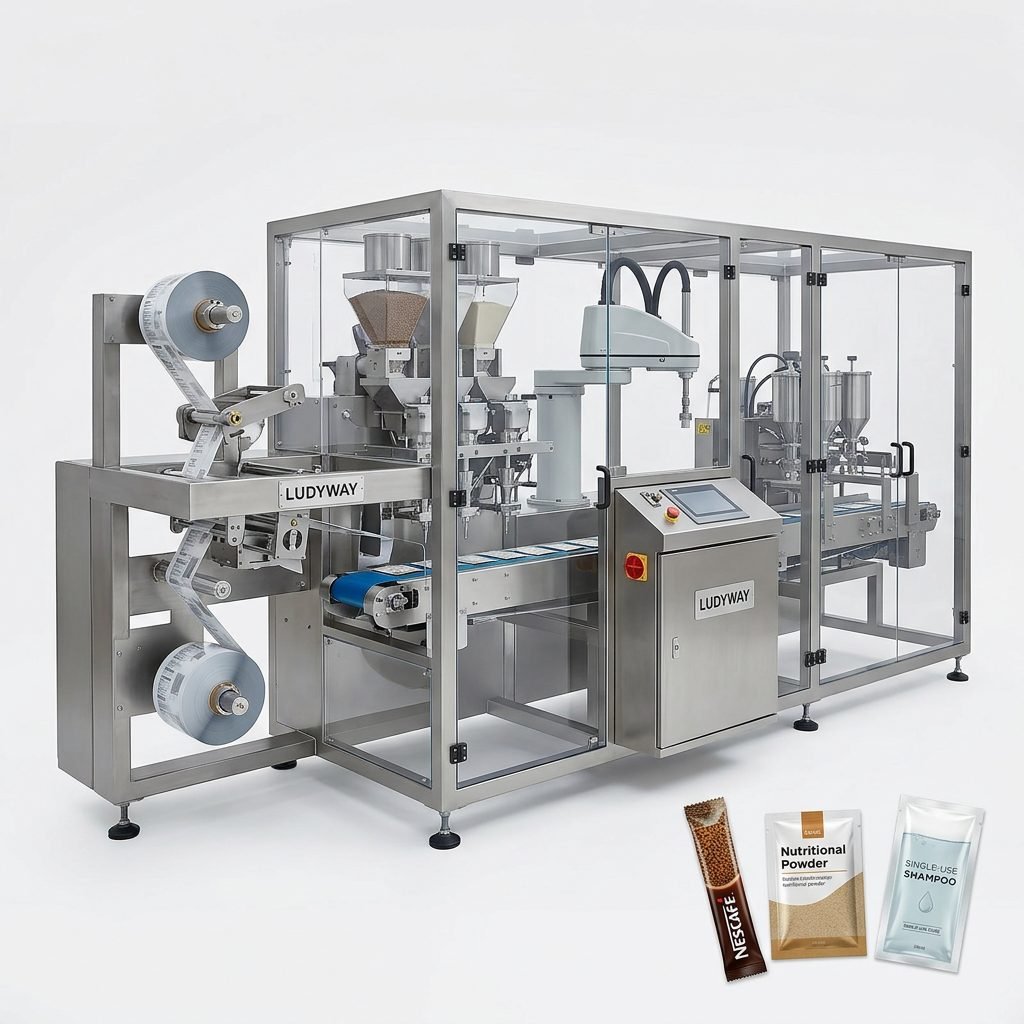
As a result, major equipment manufacturers are expanding turnkey capabilities that combine filling, forming, sealing, conveying, coding, checkweighing, and inspection into a unified system. One company active in this direction is Ludyway packaging machine manufacturer, which serves food, pharmaceutical, health supplement, and related industries with automated packaging machinery and turnkey line solutions for global markets.
Investment barriers are falling
Although AI inspection was once considered expensive and complex, market conditions are changing. Hardware costs are becoming more manageable, software training is improving, and suppliers are offering more modular systems for both new lines and upgrades. Manufacturers are also finding that the return on investment can be justified through a mix of lower product giveaway, fewer rejected shipments, reduced rework, and stronger customer confidence.
| Key Deployment Driver | Operational Impact |
|---|---|
| Higher line speed | Manual inspection becomes less reliable at scale |
| SKU expansion | AI helps manage visual variability across formats |
| Export quality standards | Improves consistency for international buyers |
| Recall prevention | Early defect capture reduces downstream risk |
| Digital transformation goals | Quality data becomes part of smart factory reporting |
Outlook for the global packaging industry
The next phase of competition in packaging will not depend only on machine speed. It will increasingly depend on how intelligently a line can monitor itself. AI inspection systems are expected to become standard in more packaging categories, particularly where small defects create major commercial consequences.
For manufacturers planning capacity expansion in 2026 and beyond, the question is shifting from whether to use AI quality inspection to how deeply it should be integrated into the line architecture. Companies that move early are likely to benefit from better data visibility, stronger product consistency, and more resilient packaging operations in an increasingly demanding market.
Industry takeaway
AI quality inspection is rapidly becoming a core requirement for modern packaging lines, not only to detect defects, but to improve efficiency, support compliance, and strengthen long-term manufacturing competitiveness worldwide.