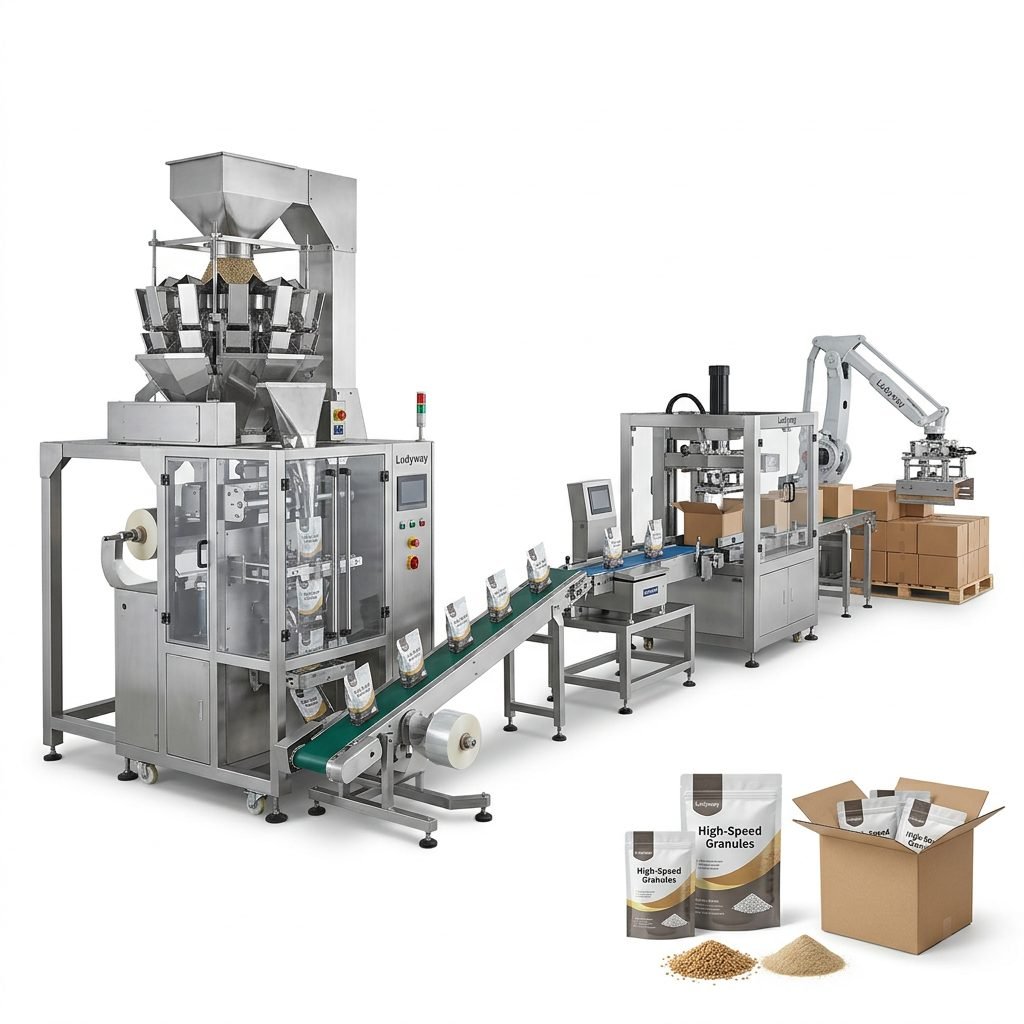
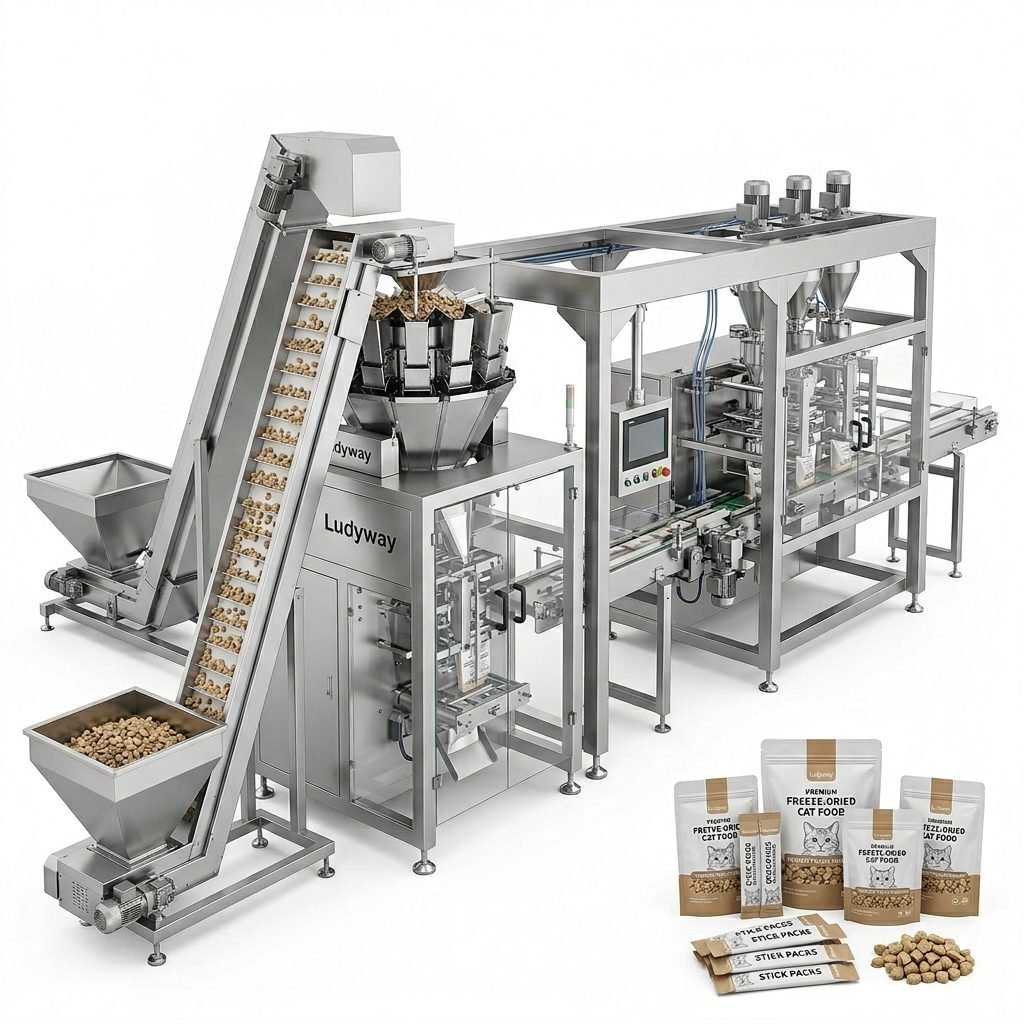
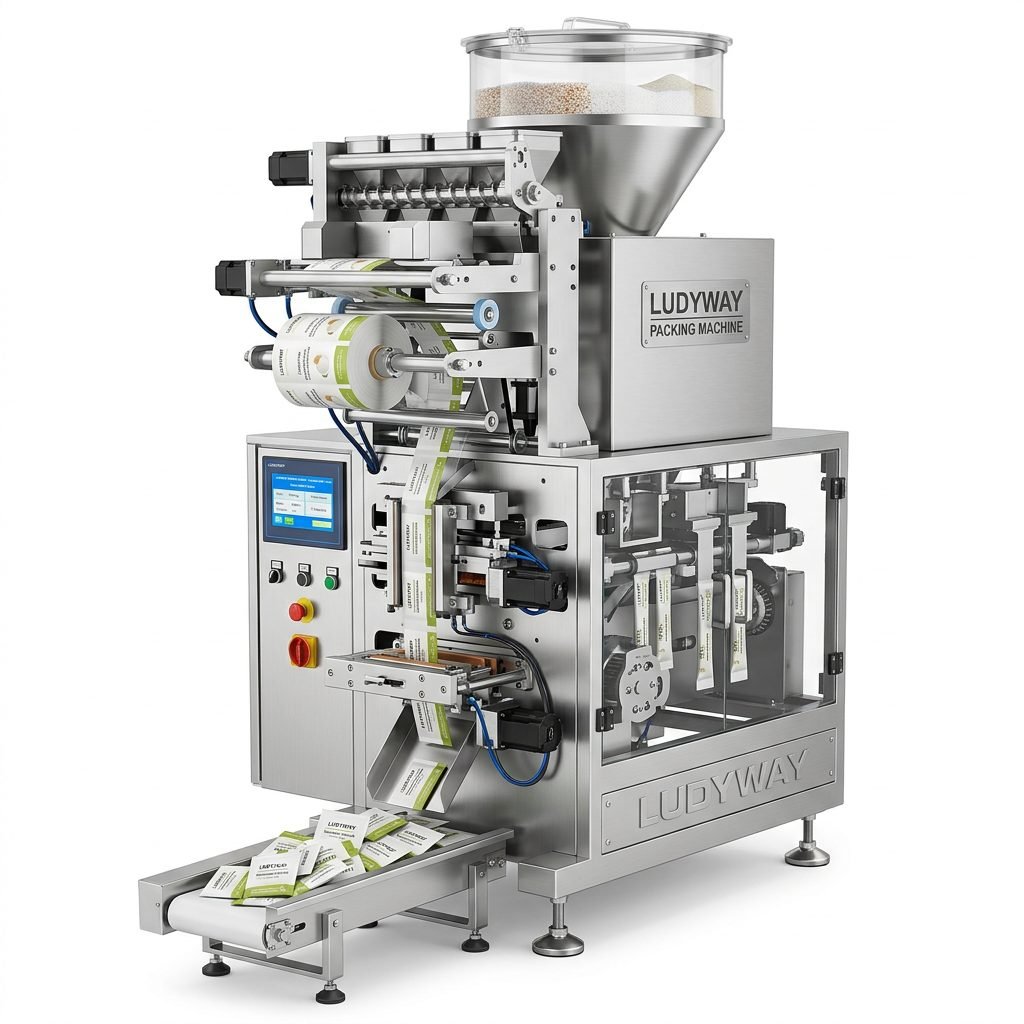
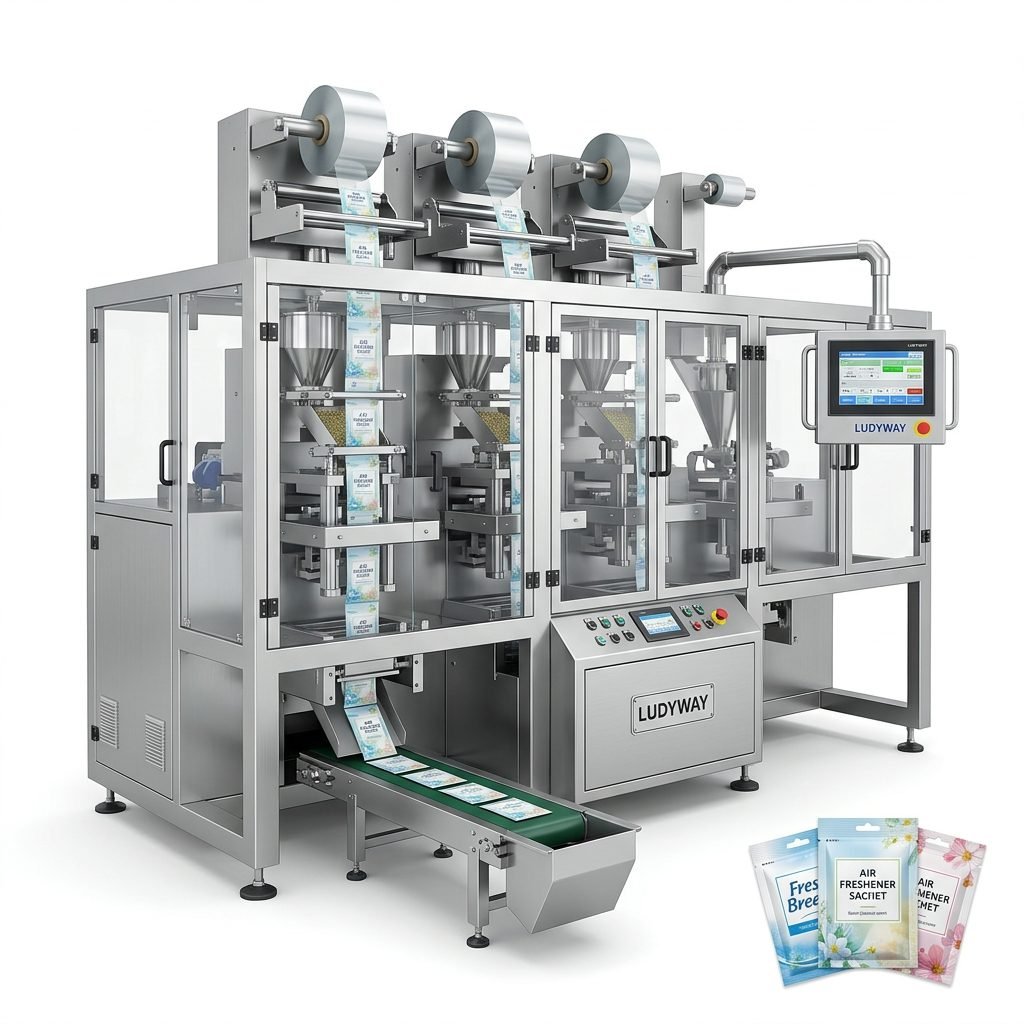
Selecting the right chocolate bar packaging machine is one of the most critical equipment decisions for confectionery manufacturers. With global chocolate confectionery sales projected to continue their steady growth, production efficiency, packaging consistency, and shelf-life protection have become competitive necessities. The wrong machine choice can lead to product damage, oxygen exposure, sealing failures, and costly downtime. This guide walks you through the essential factors to evaluate—from machine type and speed to material compatibility and supplier capability—so you can invest with confidence.
The chocolate packaging machinery market has evolved significantly in recent years. According to PMMI packaging industry intelligence, manufacturers are increasingly seeking automated, flexible systems that can handle multiple bar sizes, formats, and packaging materials without extensive changeover time. Understanding these market dynamics will help you align your investment with both current needs and future growth.
1. Understand Your Chocolate Product and Packaging Format First
Before evaluating specific machines, define your product requirements precisely. The physical characteristics of your chocolate bar—and the packaging format you intend to use—directly determine which machine category is suitable.
Key Product Variables to Document
- Bar dimensions – Length, width, and thickness range (including tolerance for slight variations)
- Bar shape – Flat rectangular, square, round, or irregular molded shapes
- Product fragility – Solid chocolate, filled bars, or bars with inclusions that may require gentle handling
- Packaging material structure – Single-layer film, multilayer laminate, foil-based, or paper-based wrappers
- Seal type – Cold seal, heat seal, fin seal, or lap seal
- Secondary packaging requirements – Whether bars feed into cartoning, case packing, or display box systems
Chocolate is particularly sensitive to heat, so any packaging machine specification must account for temperature control during the sealing process. Excessive heat can cause blooming, deformation, or melting, especially in thin bars or those with high cocoa butter content. This makes cold-seal technology a common preference in chocolate packaging applications.

2. Compare Chocolate Bar Packaging Machine Types
Different machine configurations suit different production environments. The table below summarizes the most common chocolate bar packaging machine categories and their typical applications.
| Machine Type | Best For | Typical Speed (Bars/Min) | Key Consideration |
|---|---|---|---|
| Flow Wrapper (Horizontal) | Flat rectangular bars, single-piece wrap | 80 – 800+ | Most common choice; highly automated |
| Fold Wrapper | Premium bars with aluminum foil/paper | 60 – 300 | Excellent for traditional folding styles |
| Pillow Pack Machine | Smaller bars, snack packs | 100 – 500 | Simple bag format; cost-effective |
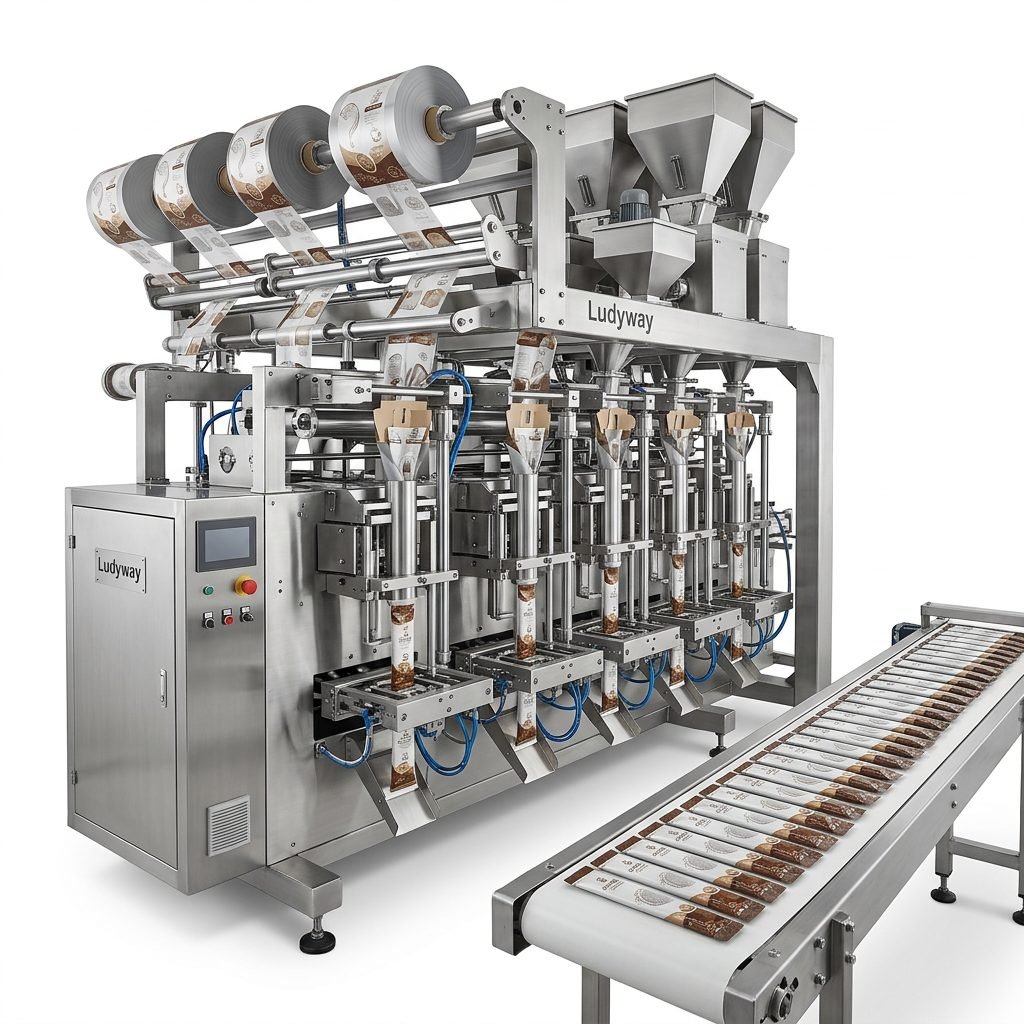
| Multi-Lane Stick Pack Machine | Mini bars, chocolate pieces, single-serve | 400 – 1,200+ (combined lanes) | High output for small formats |
| Overwrapping Machine | Boxed bars or trays with outer film | 30 – 150 | Adds protective outer layer |
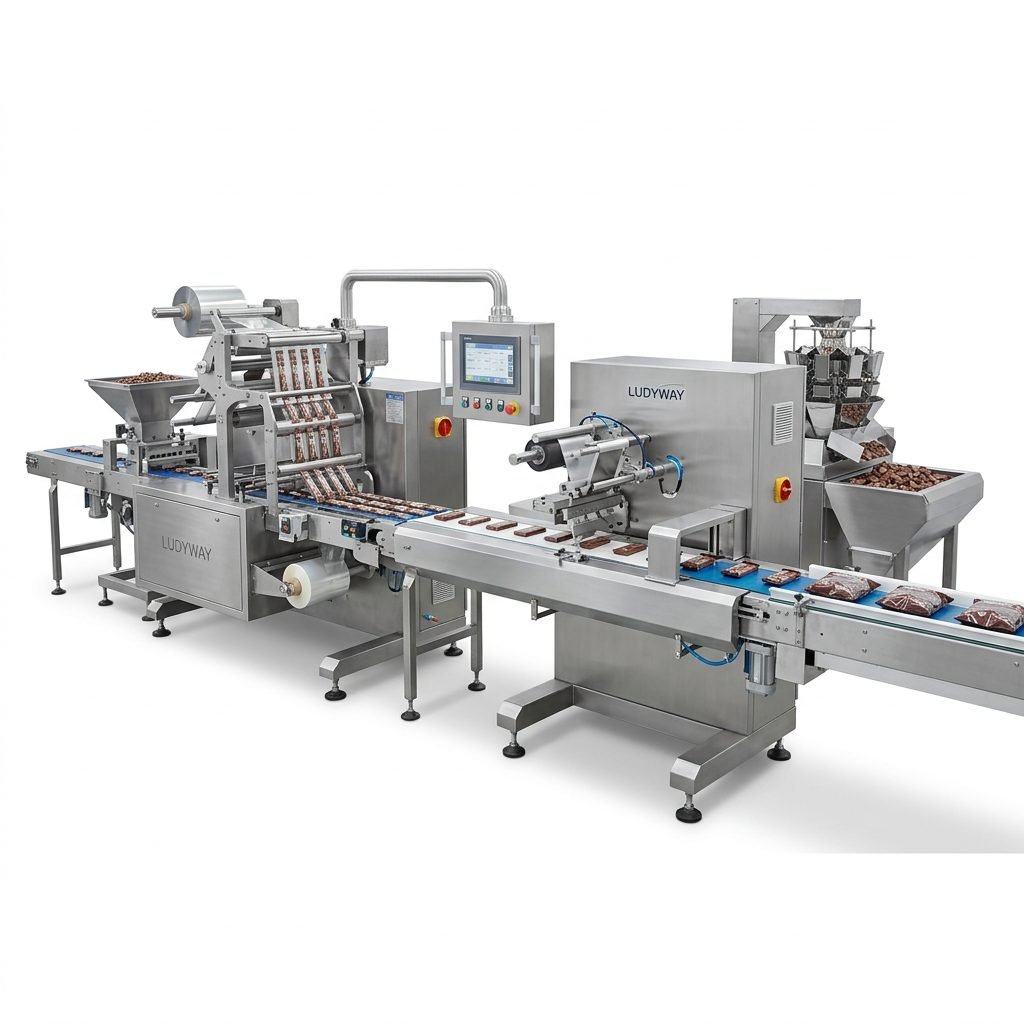
Flow wrappers represent the dominant technology in chocolate bar packaging for good reason. Their continuous motion design delivers high throughput while maintaining consistent seal quality. Modern flow wrapping systems can be configured with gas flushing for extended shelf life, date coding integration, and automatic reject stations linked to checkweighers or metal detectors.
3. Evaluate Critical Technical Specifications
Once you have identified the machine category, you need to examine detailed technical specifications against your production requirements. Overlooking this step is one of the most frequent causes of underperforming packaging lines.
Speed and Throughput
Machine speed should be evaluated in the context of your actual production demand, not theoretical maximums. A machine rated at 300 bars per minute may realistically operate at 220–260 bars per minute under production conditions when accounting for film splices, product gaps, and minor stoppages. Consider your peak season demand and determine whether you need a single high-speed line or multiple medium-speed lines that offer redundancy.
Changeover and Flexibility
If you produce multiple bar sizes or packaging formats, changeover time becomes a significant factor in overall equipment effectiveness (OEE). Look for machines with tool-less changeover features, servo-driven adjustments, and recipe-based settings that can be recalled from a control panel. A machine that takes 45 minutes to change over between formats versus one that takes 15 minutes can mean hundreds of hours of lost production capacity over a year.
Film Handling and Seal Integrity
Chocolate packaging demands precise control over film tension, sealing temperature, and dwell time. For cold-seal applications, the machine must apply even pressure without heat buildup that could affect the product. For heat-seal applications, accurate temperature control across the entire sealing jaw length is essential to avoid weak seals or burnt film. The Flexible Packaging Association provides extensive guidance on material-machine compatibility that is worth reviewing during your specification process.

4. Consider Integration with Upstream and Downstream Equipment
A chocolate bar packaging machine rarely operates in isolation. Its performance is directly connected to the equipment feeding it product and the systems handling finished packages downstream.
Upstream Integration Points
- Feeding systems – Vibratory, belt, or robotic infeeds that align bars before wrapping
- Cooling tunnels – Critical for chocolate exiting enrobing or molding lines at the correct temperature
- Buffer accumulation – Systems that handle product flow variations between processes
Downstream Integration Points
- Checkweighers and metal detectors – Quality control devices positioned immediately after wrapping
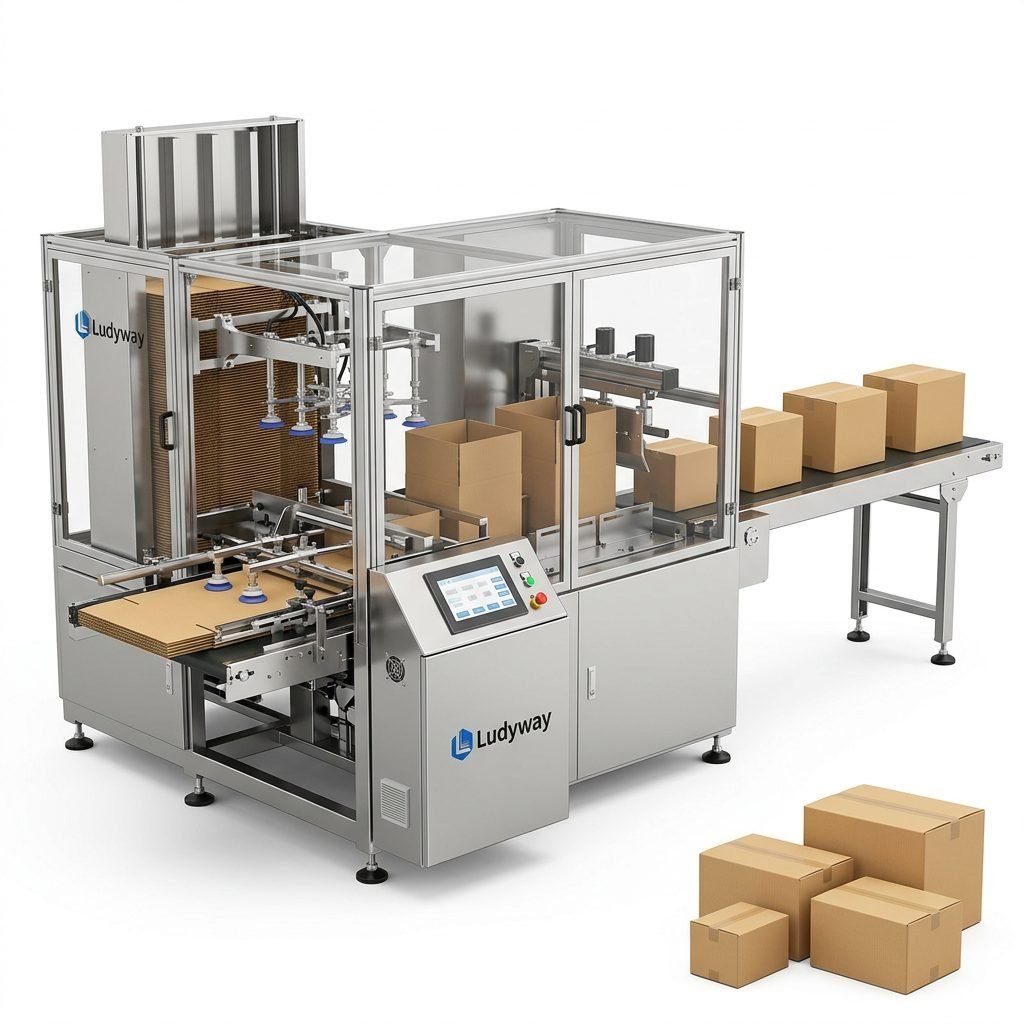
- Cartoning machines – Automated case packing or display box loading
- Palletizing systems – End-of-line automation for warehouse distribution
When all components are designed to work together, the result is a packaging line with higher efficiency, fewer transfer points, lower product damage, and simpler operator management. Leading packaging machinery manufacturers that offer turnkey integration can provide a single point of accountability for equipment selection, system design, installation, and commissioning. For example, Ludyway Machinery combines packaging machine manufacturing with integrated system engineering, helping customers coordinate multi-stage packaging processes through a single partner.
5. Assess Build Quality, Hygiene, and Compliance
Chocolate production environments demand specific machine characteristics related to hygiene, cleanability, and regulatory compliance.
| Requirement Area | What to Look For | Why It Matters |
|---|---|---|
| Frame and Construction | Stainless steel contact parts, robust welded frame | Resists corrosion, supports high-speed operation |
| Cleanability | Sloped surfaces, minimal crevices, quick-release guards | Reduces sanitation downtime and contamination risk |
| Safety Standards | CE certification, interlocked guards, emergency stops | Operator safety and regulatory compliance |
| Food Contact Compliance | Materials meeting FDA food contact or EU regulations | Market access and consumer safety |
| Controls Architecture | PLC-based with servo drives, user-friendly HMI | Precision, diagnostics, and ease of operation |
Machines built with these characteristics tend to deliver more consistent performance and longer service life, reducing total cost of ownership over time. Pay attention to the component brands used, as established pneumatic, electrical, and automation suppliers generally offer better reliability and global spare parts availability.
6. Calculate Total Cost of Ownership, Not Just Purchase Price
Focusing solely on the initial purchase price of a chocolate bar packaging machine is one of the most expensive mistakes a buyer can make. A lower upfront cost often translates into higher expenses over the machine’s lifetime through increased downtime, maintenance, film waste, and shorter service intervals.
TCO Components to Evaluate
- Purchase price – The machine, included tooling, and installation
- Installation and commissioning – Site preparation, utility connections, and training
- Film consumption and waste – A machine with 3% film waste versus 7% represents significant annual savings
- Maintenance costs – Spare parts pricing, service contract terms, technician availability
- Energy consumption – Power usage for the machine itself and any ancillary heating or cooling
- Downtime impact – Lost production value during repairs or changeovers
A machine with a slightly higher purchase price but superior reliability, lower film waste, and faster changeovers often pays for itself within 12–24 months compared to a less capable alternative. Request reference visits to see similar machines operating in production environments comparable to yours.

7. Evaluate Supplier Experience and After-Sales Support
The relationship with your packaging machine supplier extends far beyond the initial sale. Technical support, spare parts availability, and application expertise directly affect your production uptime and long-term satisfaction. When evaluating potential suppliers, investigate these areas thoroughly.
Supplier Evaluation Checklist
- Industry experience – How many chocolate packaging installations has the supplier completed? Can they provide case studies or references specific to confectionery applications?
- Engineering capability – Does the supplier design and manufacture their own machines, or do they resell equipment from other sources? In-house engineering generally translates to better customization and faster problem-solving.
- Service network – Where are service technicians located? What are the typical response times for on-site support and remote diagnostics?
- Spare parts strategy – Does the supplier maintain an accessible spare parts inventory? Can critical components be shipped quickly to your location?
- Training programs – What operator and maintenance training is included? Is ongoing training available as your team changes?
Established manufacturers with global experience and a track record of supporting international markets generally offer more reliable long-term partnerships. The PMMI association and related industry networks maintain directories and standards that can help in your supplier research. Additionally, certifications and compliance documentation aligned with ISO packaging standards provide an objective benchmark for supplier quality systems.
8. Plan for Testing and Validation Before Final Commitment
No amount of specification review replaces actual testing with your product and packaging materials. Reputable packaging machinery manufacturers will offer factory acceptance testing (FAT) as part of the procurement process.
Prepare representative product samples across your bar range—including any variations in size, shape, or formulation—and send them along with your actual packaging film to the supplier for testing. Observe the test either in person or via video feed, paying close attention to seal quality, film registration accuracy, product handling at speed, and any visual defects in the finished package.
Document your observations systematically. A machine that wraps one bar size perfectly may struggle with another if the size difference exceeds the machine’s adjustment range or if the packaging material behaves differently under the same sealing conditions.
Selecting the right chocolate bar packaging machine involves balancing multiple technical, operational, and commercial factors. By defining your product requirements clearly, understanding the available machine technologies, evaluating detailed specifications, and partnering with an experienced supplier, you can invest in packaging equipment that delivers reliable performance, protects your product, and supports your production goals over the long term.