Choosing the right box packing tape machine is not only about sealing cartons faster. It is about improving end-of-line efficiency, reducing labor costs, lowering tape waste, and ensuring every shipping box leaves your facility securely sealed and ready for transport. Whether you run a food factory, pharmaceutical plant, cosmetics workshop, e-commerce fulfillment center, or a general industrial packaging line, the right automatic carton sealing solution can make a measurable difference in output and consistency.
Modern production lines require stable carton handling, repeatable sealing quality, and compatibility with different box sizes. That is why many manufacturers are upgrading from manual tape dispensers or semi-automatic sealers to more advanced automatic systems that can integrate with conveyors, case erectors, labeling stations, weighing systems, and palletizing equipment.
Why an Automatic Carton Sealing Machine Matters
Manual carton sealing may appear low-cost at first, but it often creates hidden inefficiencies:
- Inconsistent tape application
- Slower packing speed during peak production
- Higher operator fatigue
- Excess tape consumption
- More carton rework and shipping damage risks
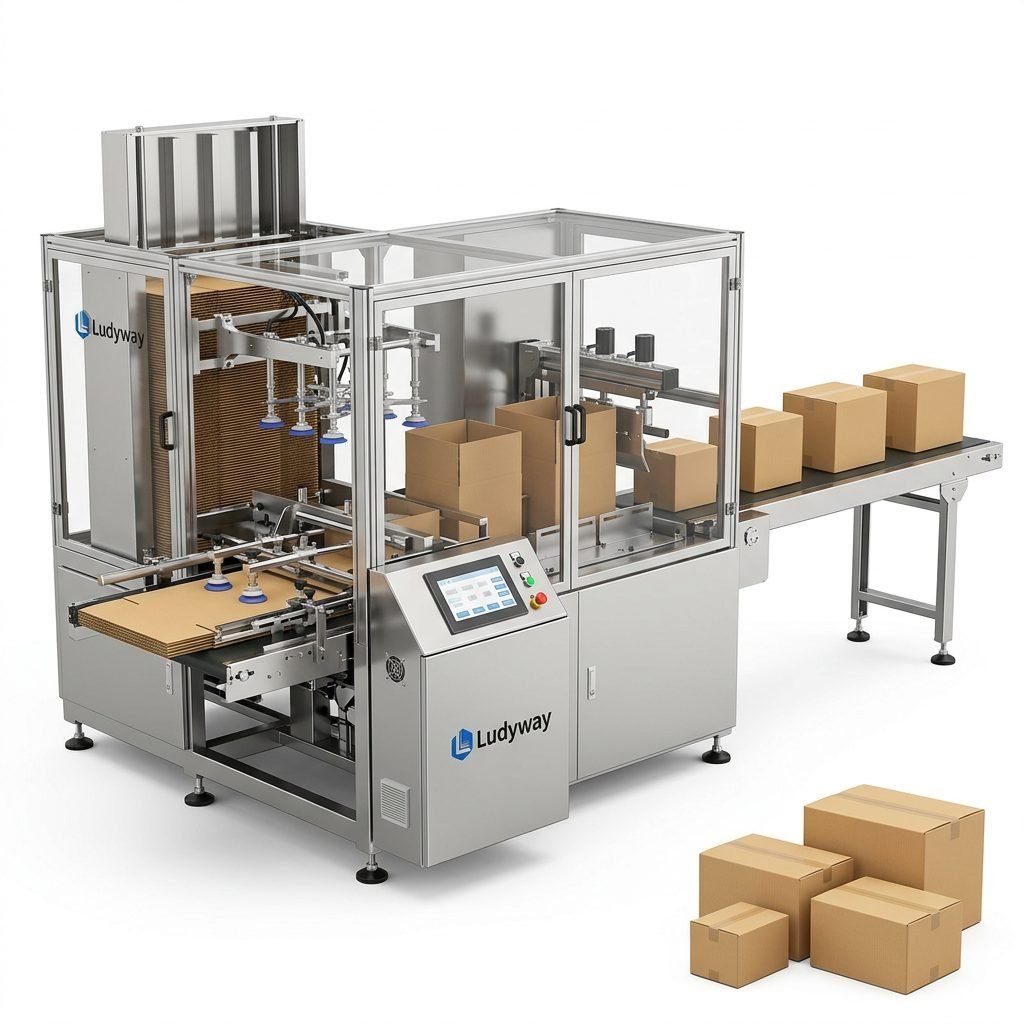
An automatic carton sealer helps standardize the final packaging step. Boxes are guided, closed, and taped with consistent pressure and alignment. This improves presentation, protects products during handling, and supports more stable downstream logistics.
Main Types of Box Packing Tape Machines
Understanding machine categories is the first step in selecting the best model for your line.
| Machine Type | Best For | Key Features |
|---|---|---|
| Semi-automatic carton sealer | Small to medium production | Operator folds flaps manually, machine applies tape |
| Automatic flap folding carton sealer | Medium to high-speed lines | Automatically folds top flaps and seals top and bottom |
| Random carton sealer | Mixed box size operations | Auto-adjusts to varying carton dimensions |
| Side belt drive sealer | Narrow, tall, or light cartons | Stable movement with side-driven transport |
| Top and bottom belt drive sealer | Heavy or more rigid cartons | Balanced conveying and reliable sealing pressure |
How to Choose the Best Automatic Carton Sealing Solution
1. Match the Machine to Your Carton Size Range
Not all factories pack the same box size every day. Some lines run one carton specification for long periods, while others frequently change box dimensions. If your operation uses fixed-size cartons, a standard automatic carton sealer may be the most cost-effective choice. If you handle multiple SKUs and box formats, a random carton sealer can save setup time and reduce operator intervention.
Before selecting a model, confirm:
- Minimum and maximum carton length, width, and height
- Weight of filled cartons
- Whether cartons are regular slotted containers or special designs
- How frequently box sizes change in daily production
2. Consider Your Required Throughput
Sealing speed should match the pace of the upstream packaging process. If your carton sealer is slower than the case packing or cartoning stage, it becomes a bottleneck. If it is too fast but poorly synchronized, it may create unstable box flow.
Ask these practical questions:
- How many cartons per minute or per hour do you process?
- Is production continuous, batch-based, or shift-dependent?
- Do you expect future capacity expansion?
A good solution should cover current demand while leaving room for growth.
3. Check Integration with the Full Packaging Line
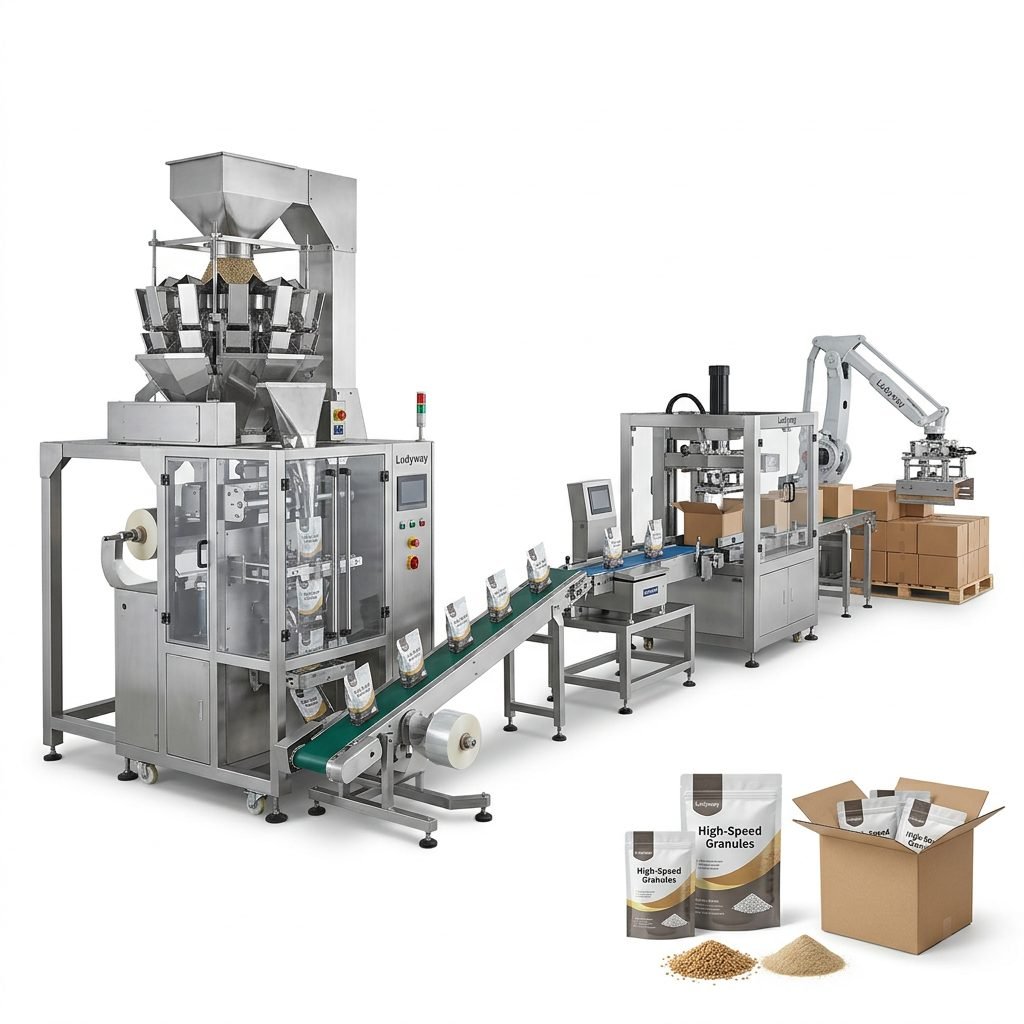
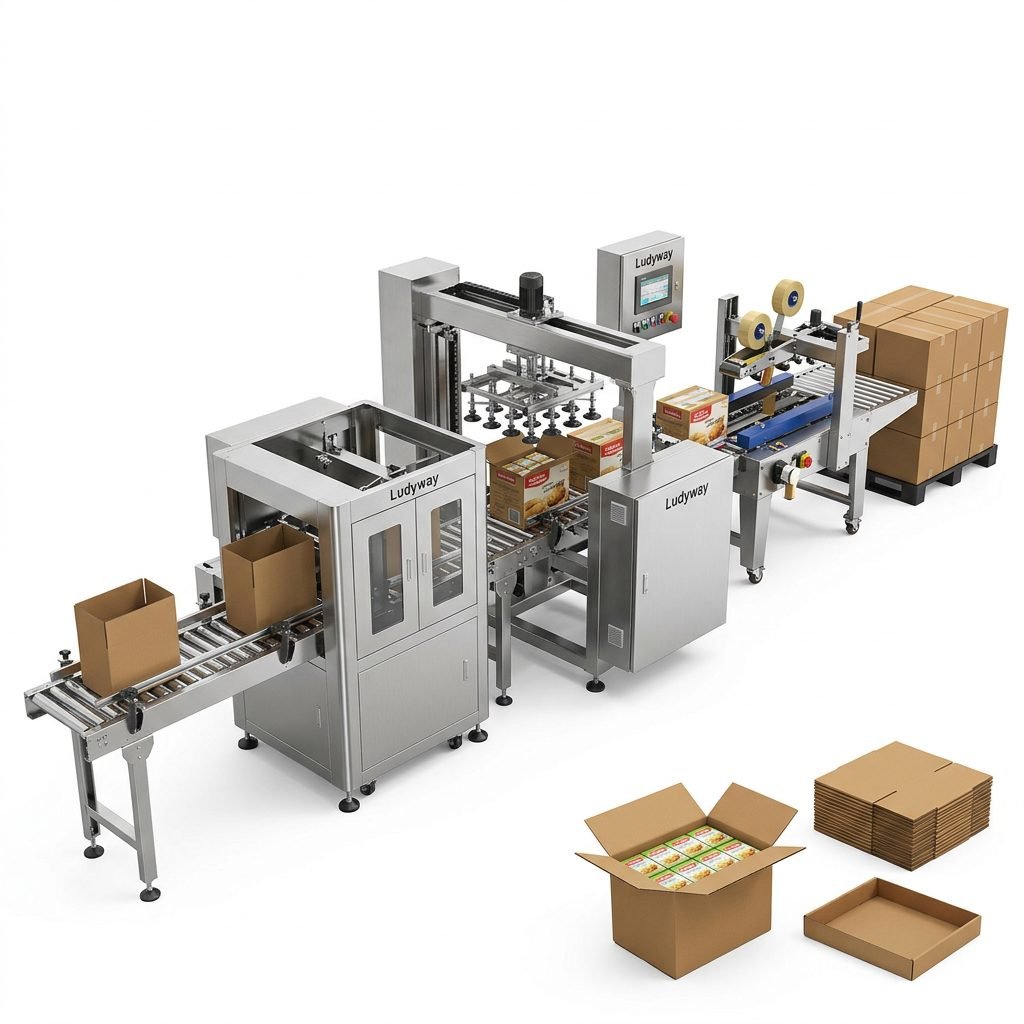
A carton sealer should never be evaluated as a standalone unit only. In many factories, it is one part of a complete end-of-line system that may include:
- Carton erectors
- Case packers
- Inkjet coders
- Labeling machines
- Checkweighers
- Strapping machines
- Palletizers
- Stretch wrappers
The best automatic carton sealing solution should support conveyor synchronization, signal communication, height alignment, and stable carton transfer. For businesses planning complete automation, working with an experienced supplier of turnkey packaging lines is often a smarter long-term investment.
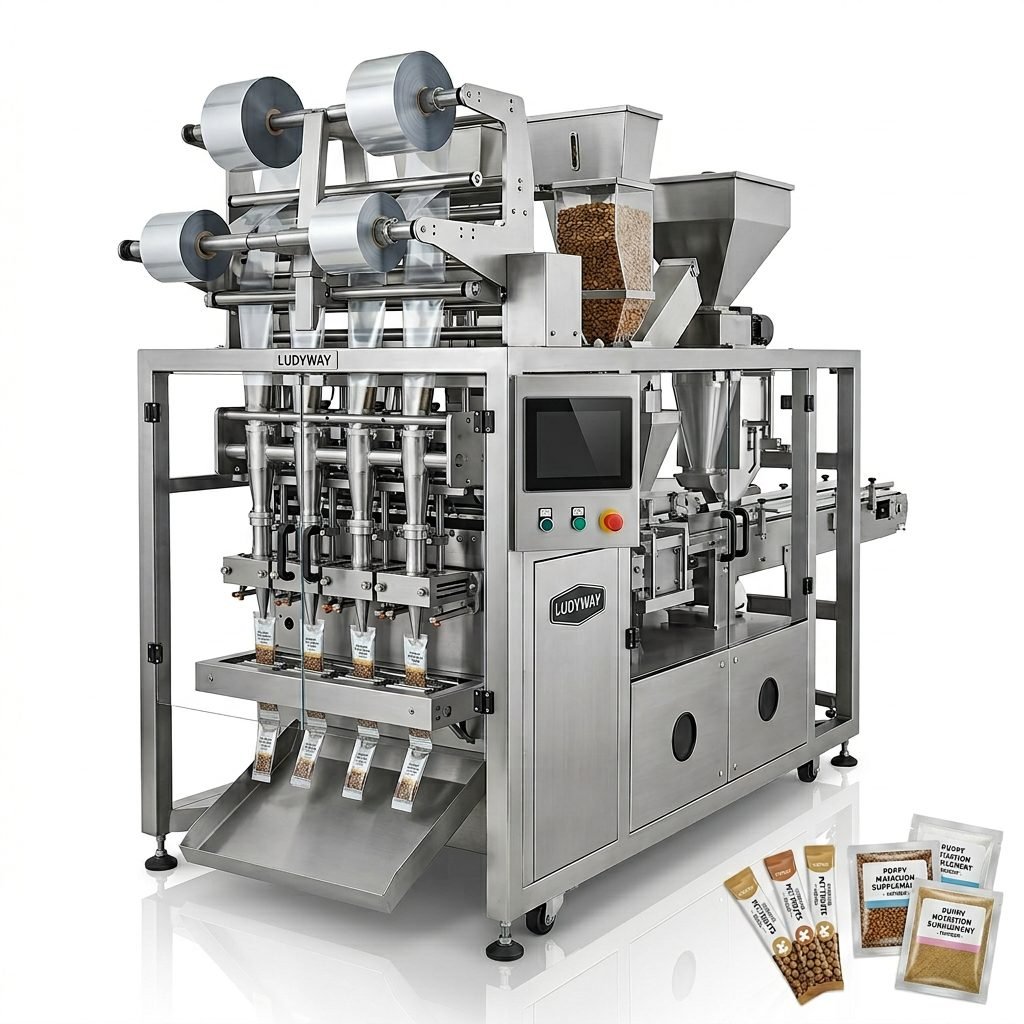
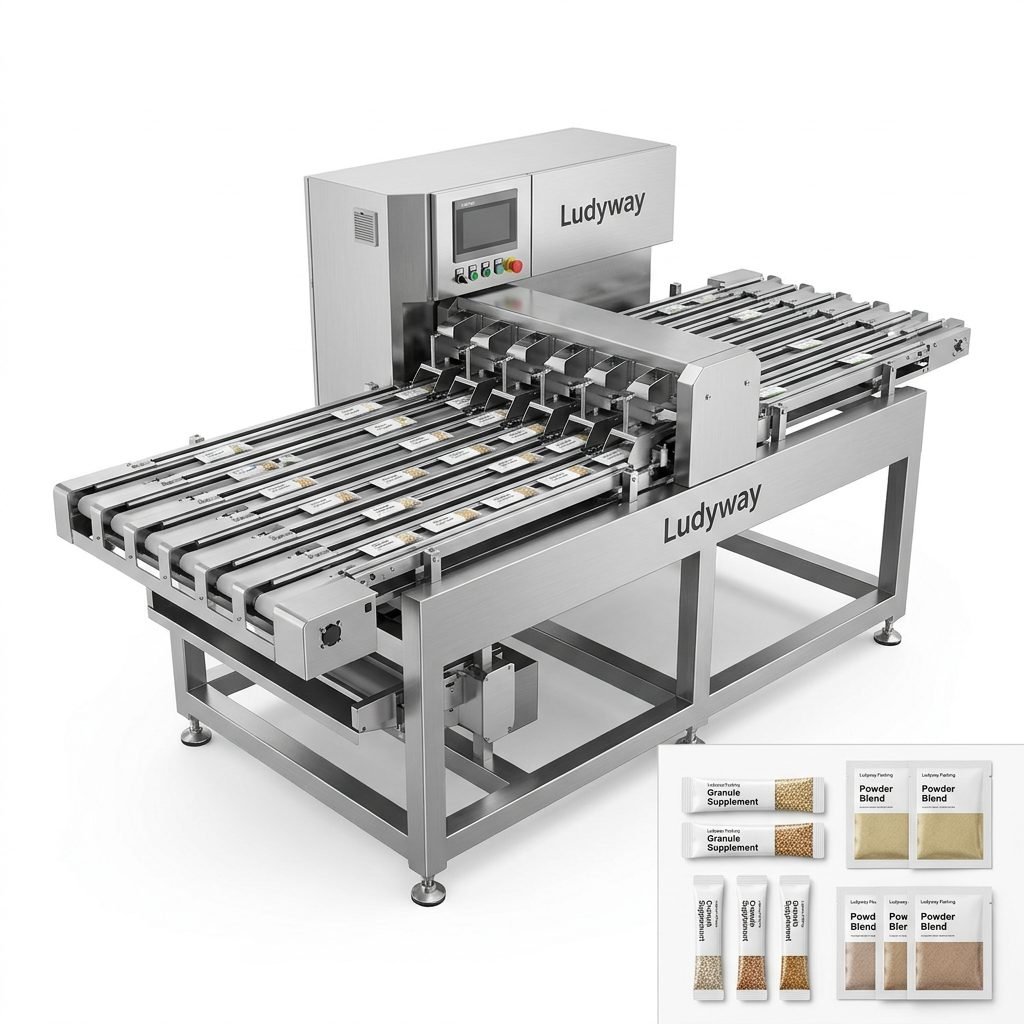
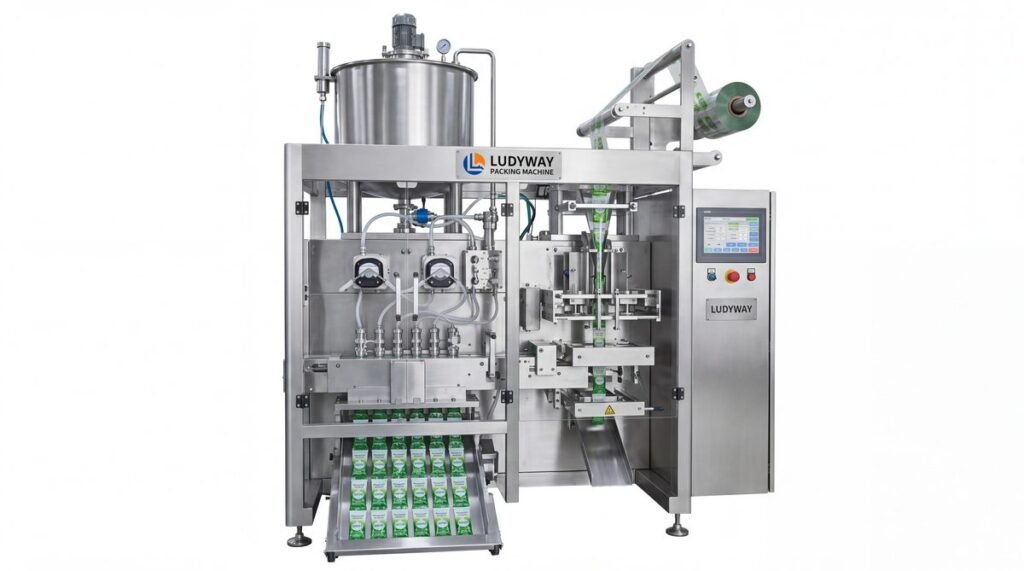
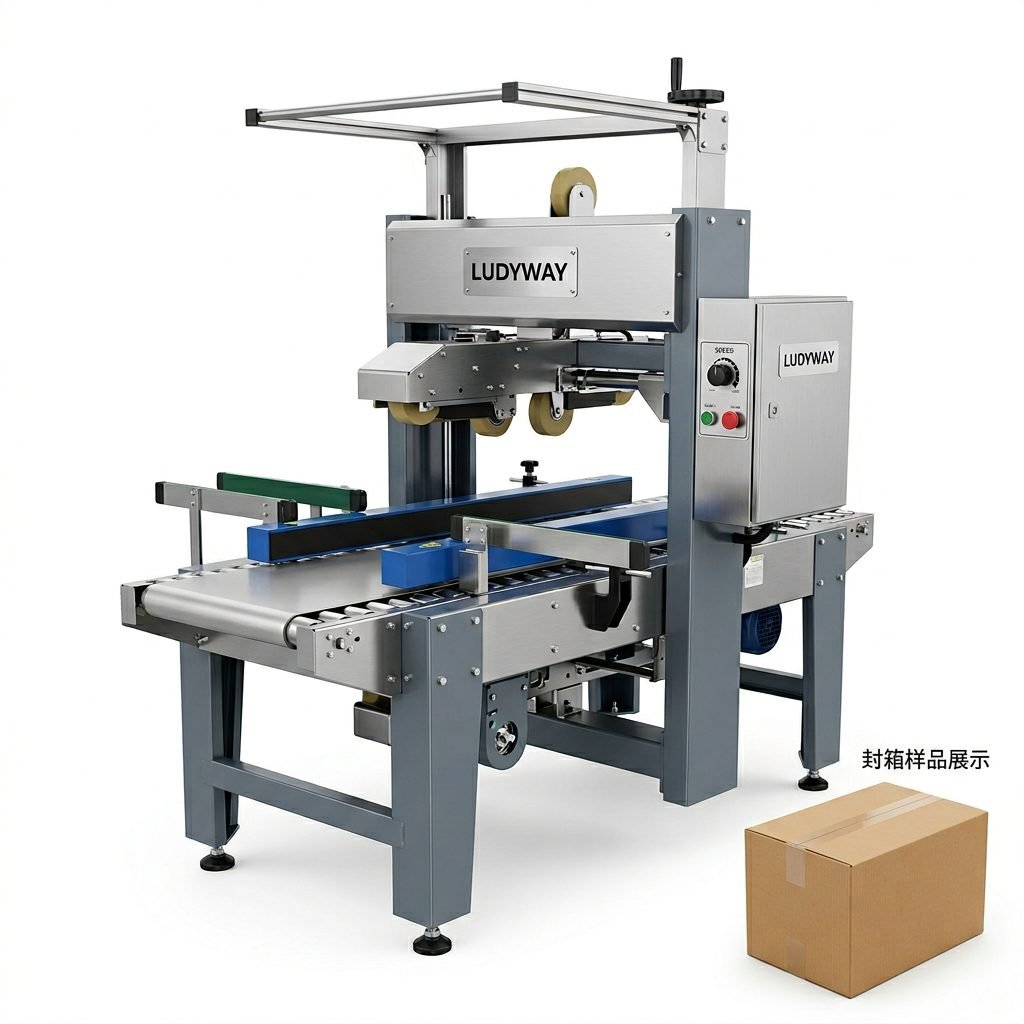
For example, Ludyway packaging machine solutions are often considered by buyers looking for scalable packaging equipment and integrated line planning across food, pharmaceutical, health supplement, and related industries.
4. Evaluate Tape Application Quality
A high-quality tape sealing result depends on more than speed. The machine should apply tape straight, firmly, and consistently. Poor tape placement can cause open flaps, ugly presentation, and transport damage.
Look for:
- Stable tape head performance
- Easy tape roll replacement
- Consistent tape tension
- Clean cut-off action
- Compatibility with common BOPP tape specifications
5. Think About Carton Stability and Product Type
Some cartons are lightweight, tall, or filled with fragile products. Others are heavy and require stronger transport support. The drive configuration matters here. Side belt drive models are often preferred for unstable or narrow cartons, while top and bottom belt systems may perform better for heavier or more uniform box loads.
Industries that often benefit from carefully selected sealing systems include:
- Food and beverage
- Pharmaceuticals
- Cosmetics and personal care
- Daily chemicals
- Nutraceuticals and health supplements
- E-commerce and logistics
6. Prioritize Easy Changeover and Maintenance
Downtime reduces the value of automation. A practical machine should be easy for operators to adjust, clean, inspect, and maintain. If your production changes often, quick adjustment mechanisms become especially important.
| Selection Point | Why It Matters |
|---|---|
| Tool-free adjustment | Faster size changeover and lower setup errors |
| Accessible tape head | Simplifies tape replacement and cleaning |
| Standard spare parts | Improves long-term serviceability |
| Reliable electrical components | Reduces fault frequency and supports stable operation |
| Operator-friendly controls | Shortens training time and improves usability |
Common Buying Mistakes to Avoid
- Choosing by price alone without considering downtime, tape waste, or mismatch with box sizes
- Ignoring future automation plans
- Overlooking conveyor height and line compatibility
- Buying a fixed-size sealer for a high-mix product environment
- Not confirming after-sales support and spare parts availability
Who Needs a Fully Automatic Carton Sealer?
A fully automatic solution is especially suitable when:
- You run medium or high-volume production
- You want to reduce labor dependency at the end of the line
- You need uniform carton appearance for export or retail shipments
- You are connecting the sealer with upstream and downstream automation
- You need more predictable packaging output during peak periods
Key Questions to Ask Before Buying
Before finalizing your supplier and machine model, prepare a shortlist of technical and commercial questions:
- What carton size range can the machine handle?
- How many cartons per minute can it seal under actual production conditions?
- Does it support automatic flap folding?
- Can it integrate with carton erectors, case packers, and palletizers?
- What tape widths and roll sizes are supported?
- How long does changeover take?
- What spare parts and technical support are available?
- Can the system be customized for special cartons or layout restrictions?
Best Solution by Application Scenario
For Standard Cartons and Stable Production
Choose a fixed-size automatic carton sealer with high sealing consistency, stable conveyors, and easy maintenance.
For Multi-SKU Operations
Choose a random carton sealer that adjusts automatically to varying box sizes and reduces manual setup.
For Fragile or Lightweight Products
Select a system with stable carton guiding, smooth transfer, and a drive structure suited for light loads.
For End-of-Line Automation Projects
Choose a carton sealing machine designed for full line integration with conveyors, coding, labeling, palletizing, and centralized controls.
Final Selection Checklist
- Carton dimensions confirmed
- Product weight and carton stability evaluated
- Line speed requirement defined
- Automation level clarified
- Tape specification checked
- Integration requirements listed
- Maintenance and spare part support reviewed
- Future expansion considered
The best automatic carton sealing solution is the one that fits your real packaging workflow, not just the machine with the highest speed or lowest upfront price. When carton size range, sealing consistency, automation compatibility, and service support are all aligned, a box packing tape machine becomes a high-value asset that improves efficiency across your entire packaging operation.