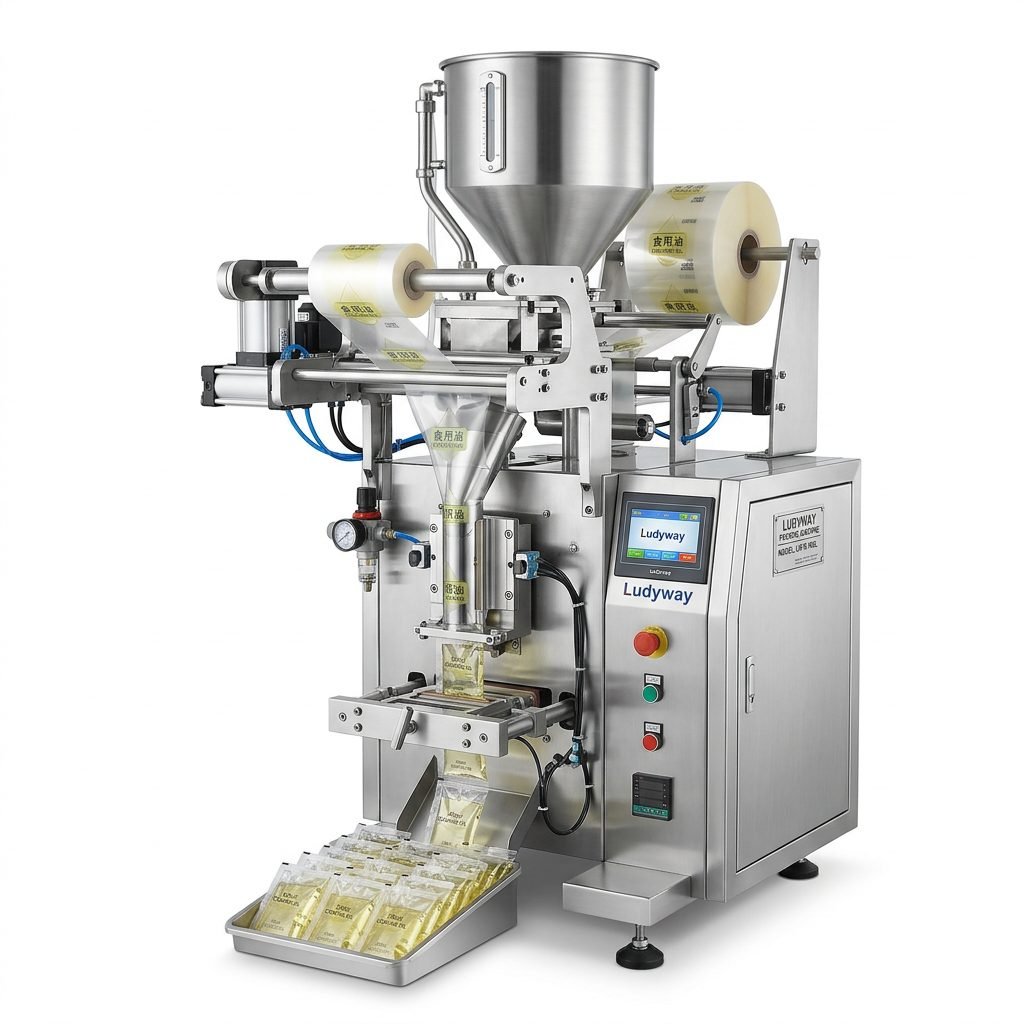
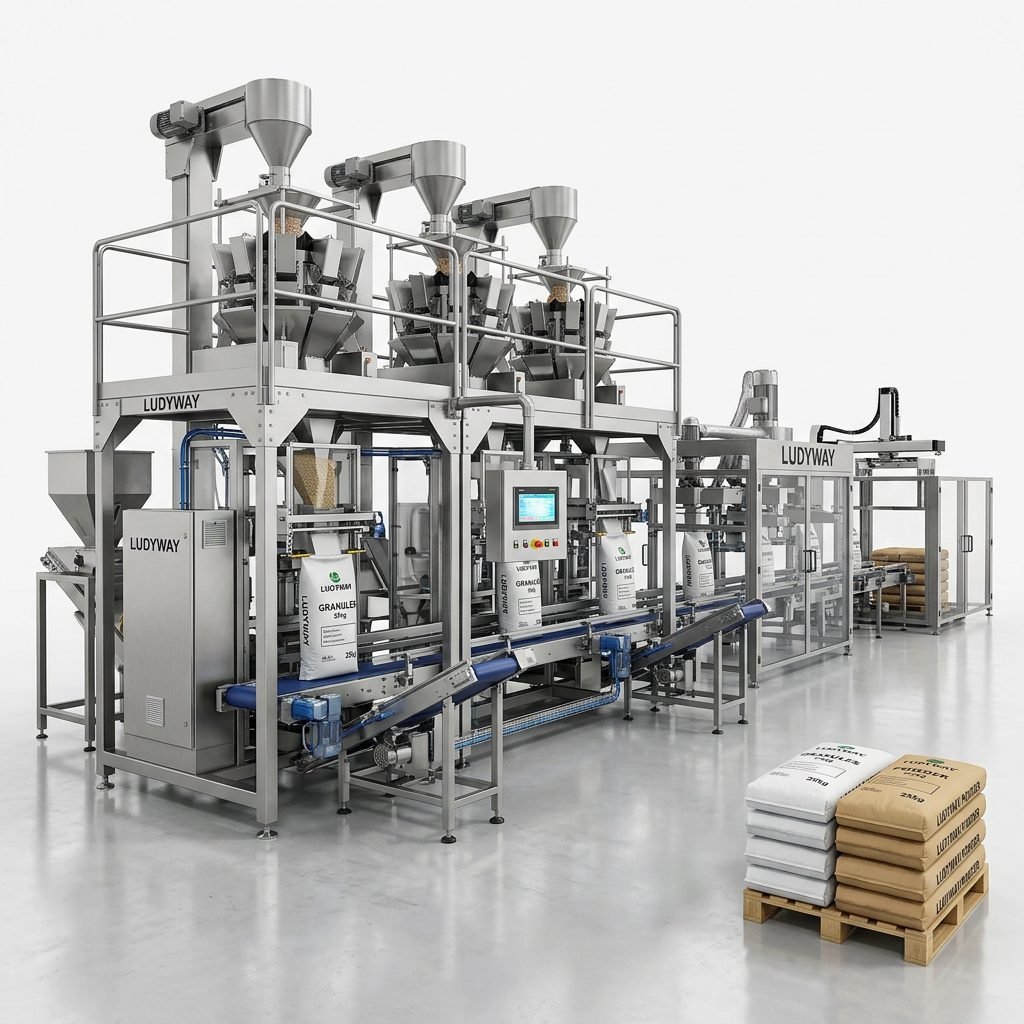
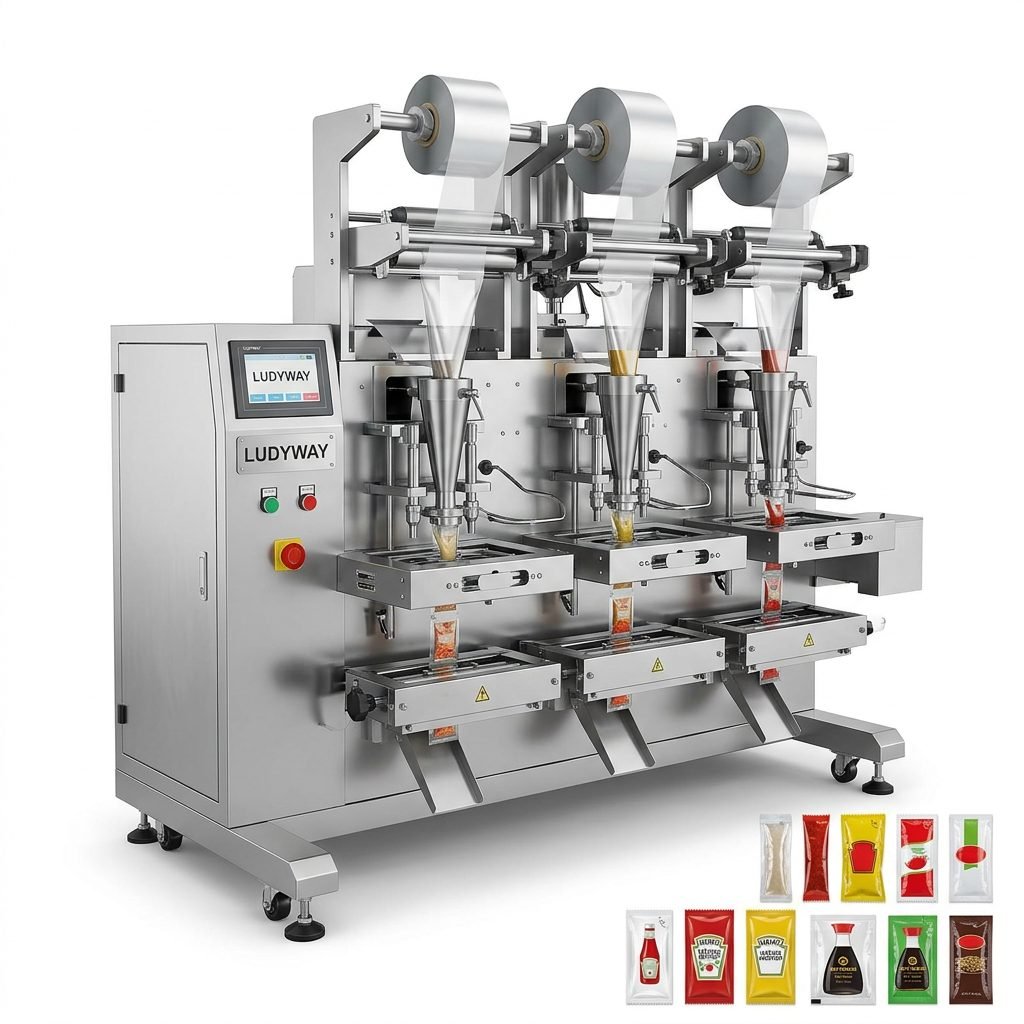
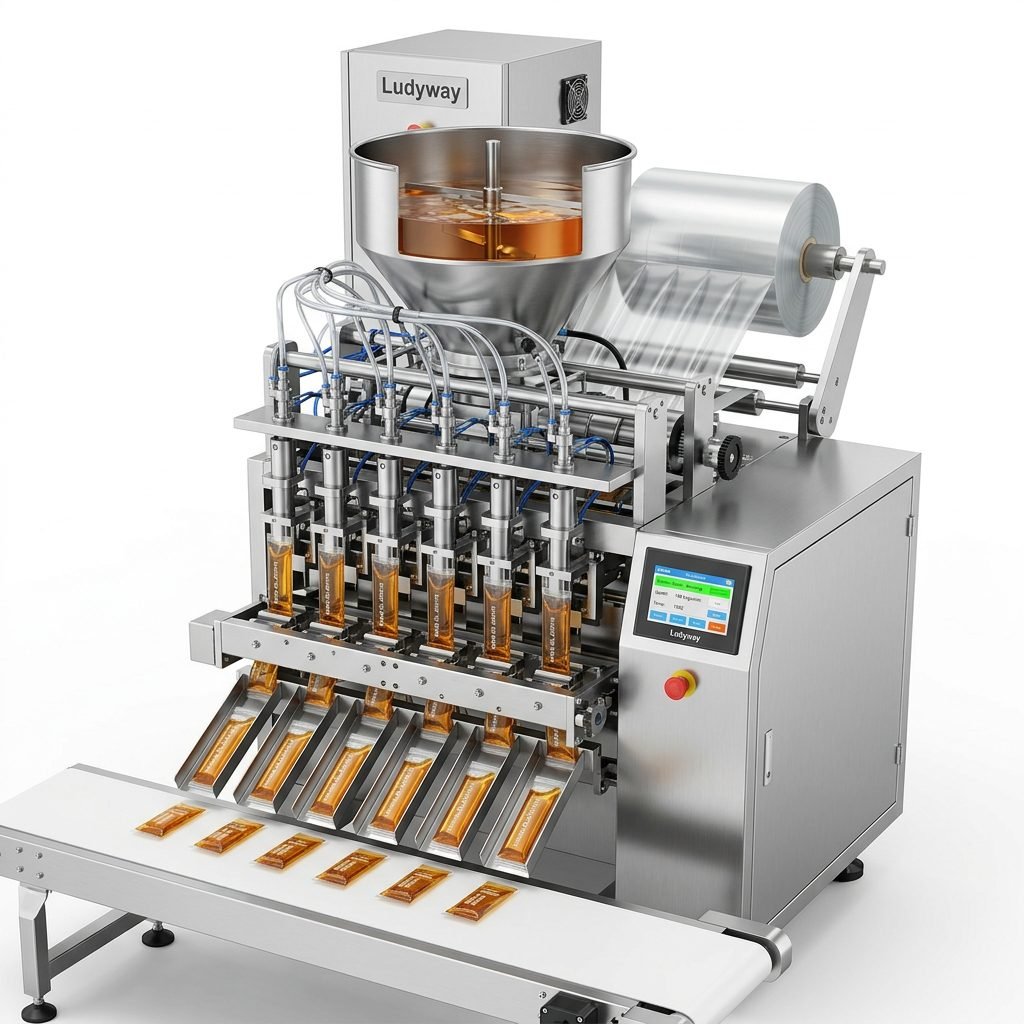
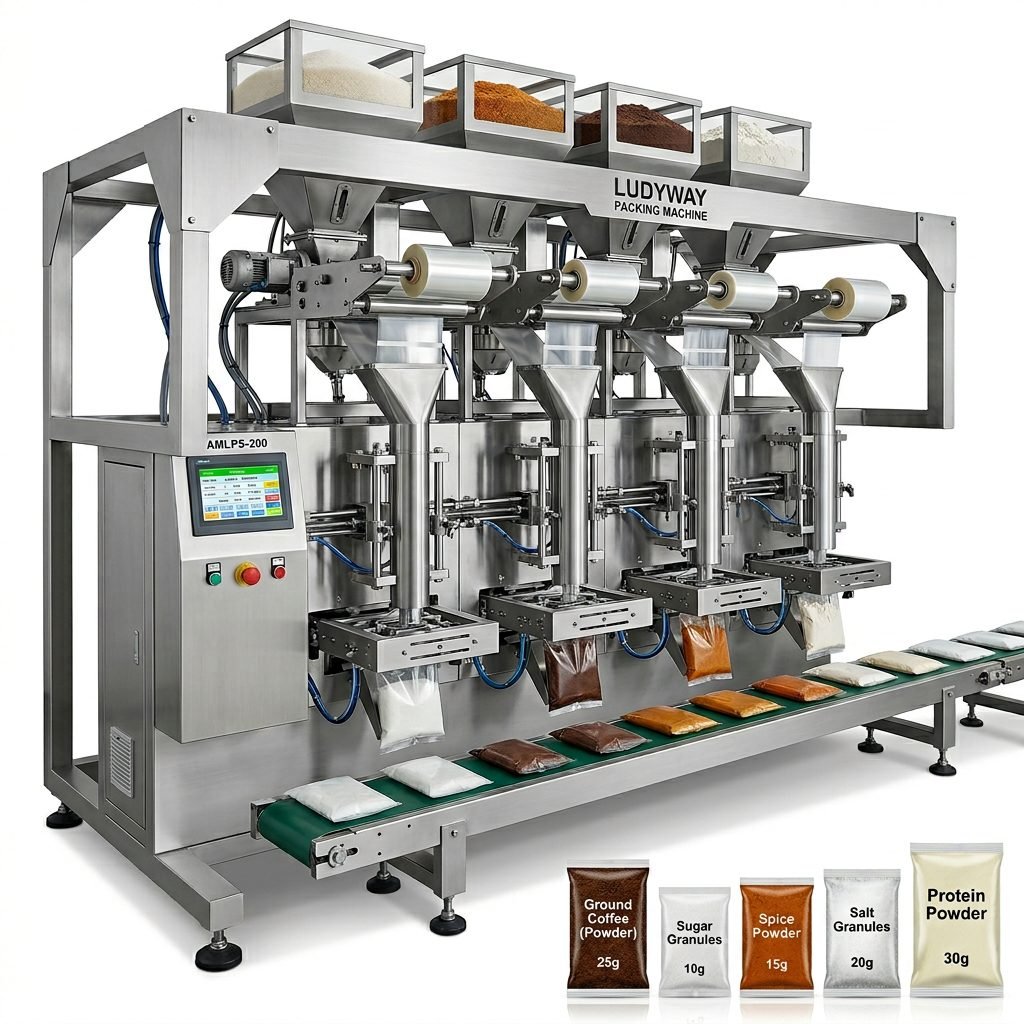
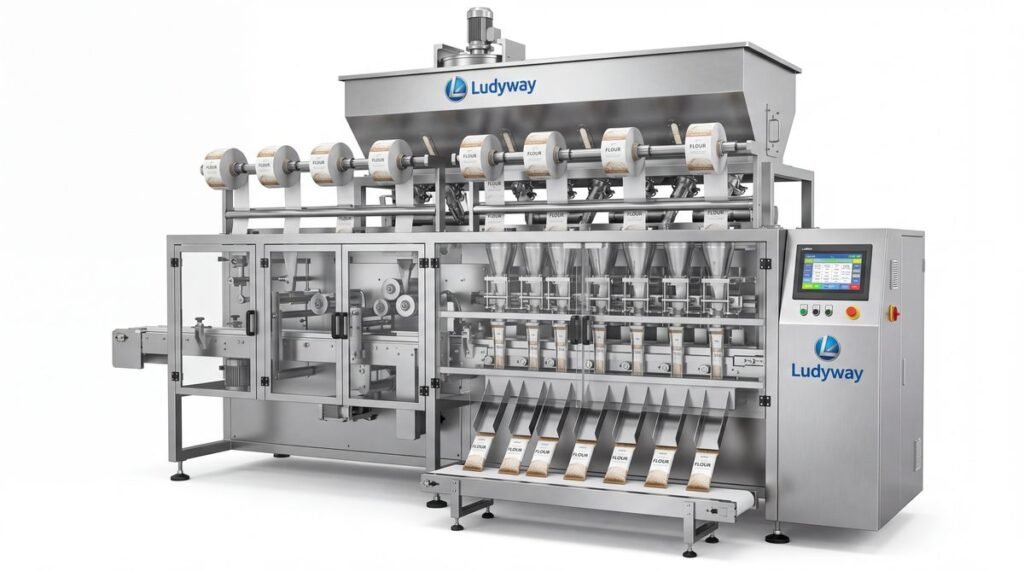
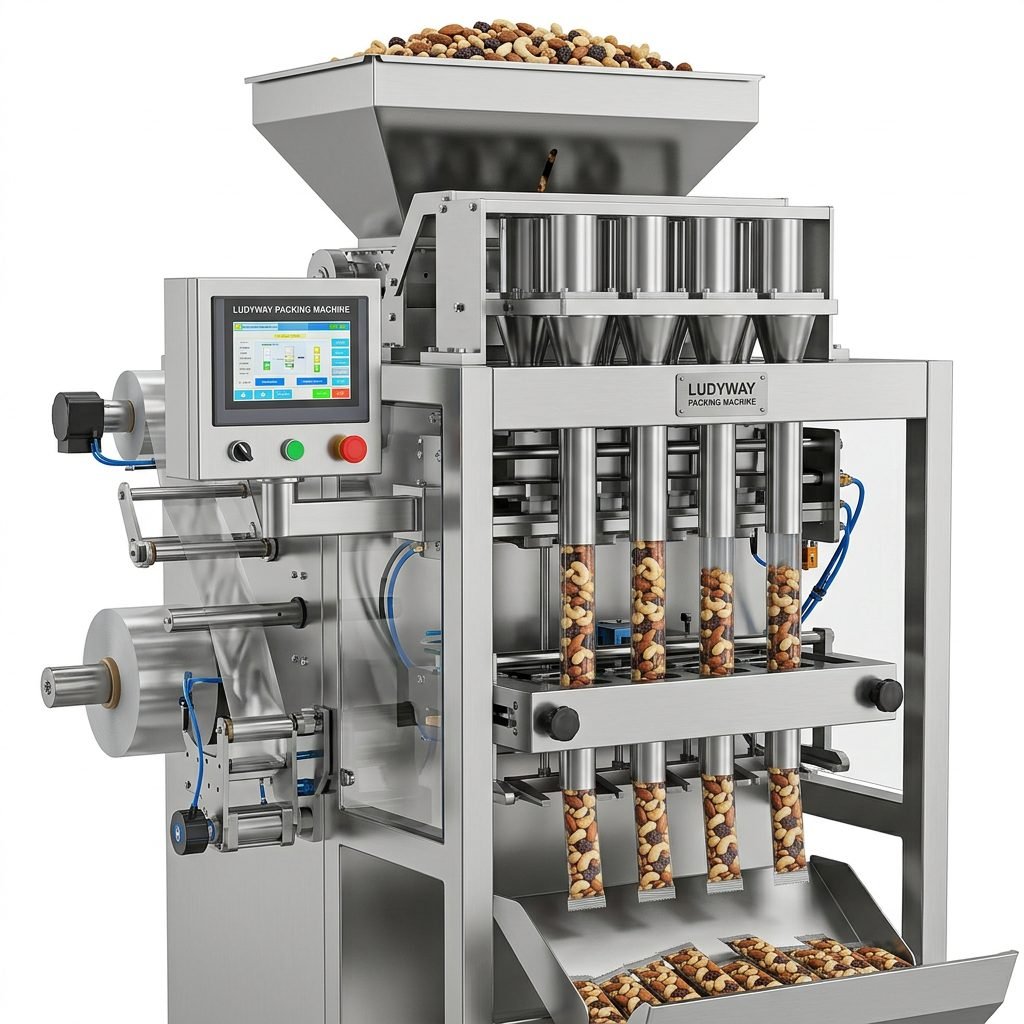
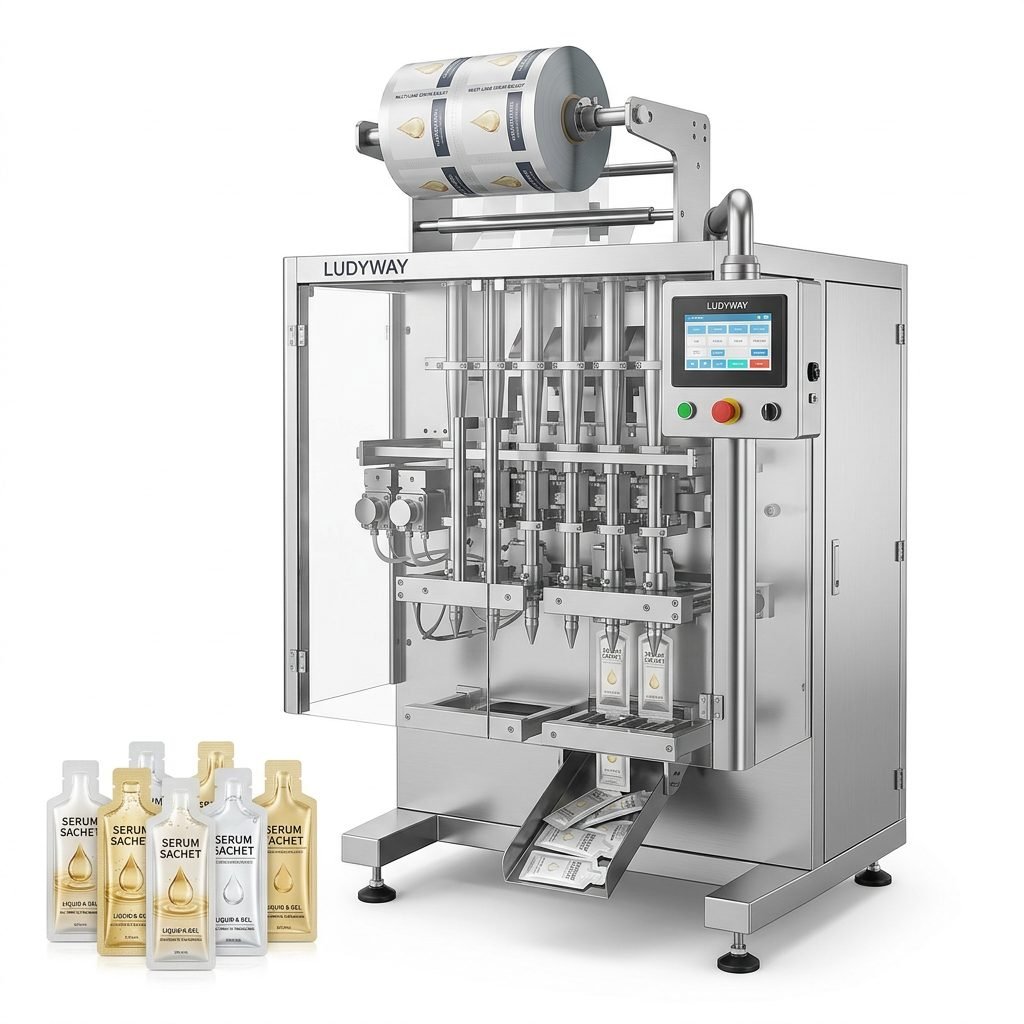
Investing in a food vacuum packaging machine is one of the most impactful decisions a food manufacturer can make. Whether you are processing fresh meat, cheese, ready-to-eat meals, or freeze-dried seafood, the right vacuum packaging equipment directly influences product shelf life, operational efficiency, and food safety compliance. However, with so many machine types, chamber configurations, and automation levels available, selecting the correct model requires a structured, well-informed approach. This guide walks you through every critical factor—from packaging formats and production speed to material compatibility and regulatory standards—so you can choose with confidence.
Understanding Vacuum Packaging for Food Applications
Vacuum packaging removes air from the package prior to sealing, creating an oxygen-depleted environment that slows down oxidation, microbial growth, and enzymatic spoilage. In the food industry, this translates to extended shelf life, preserved flavor profiles, and reduced food waste. According to the PMMI packaging industry association, vacuum packaging continues to be one of the fastest-growing segments in food packaging machinery, driven by demand for convenience foods and clean-label products.
Modern vacuum packaging systems go far beyond simple air removal. They can be configured for modified atmosphere packaging (MAP), nitrogen flushing, skin packaging, and high-speed automated operations that integrate seamlessly into existing production lines. Understanding which capabilities matter for your specific product is the first step toward making the right investment.

Key Types of Food Vacuum Packaging Machines
Not all vacuum sealers are created equal. The type of machine you choose depends heavily on your production volume, product characteristics, and packaging format requirements. Below is a comparative overview of the most common machine categories used in food processing environments.
| Machine Type | Best Suited For | Typical Production Volume | Key Advantage |
|---|---|---|---|
| Single-Chamber Vacuum Sealer | Small-scale meat processing, deli items, artisan cheese | Low to moderate | Affordable, flexible operation, easy to maintain |
| Double-Chamber Vacuum Sealer | Medium-volume meat, poultry, seafood, prepared foods | Moderate to high | Continuous operation, higher throughput, reduced downtime |
| Automatic Belt Vacuum Sealer | High-speed production lines, industrial food processing | High to very high | Automated in-line operation, consistent seal quality, high output |
| Thermoforming Vacuum Packaging Machine | Ready meals, sliced meats, MAP applications, cheese blocks | High | Forms packages from film rolls, ideal for MAP, excellent product presentation |
| Rotary Vacuum Packaging System | Ultra-high-speed operations, snack foods, coffee, powdered products | Very high | Maximum throughput, fully automated, minimal labor requirements |
Chamber vs. External Vacuum Sealers: What to Choose
For commercial food operations, chamber vacuum sealers are almost always the preferred choice over external clamp-style machines. Chamber machines pull a complete vacuum inside the chamber, ensuring uniform pressure around the package and preventing liquid from being drawn out during sealing. This is especially critical for moist, liquid-rich, or marinated food products where seal integrity directly impacts shelf life and safety.
Critical Factors to Evaluate Before Purchasing
Selecting a food vacuum packaging machine involves more than comparing specifications. Here are the most important evaluation criteria that food manufacturers and packaging engineers should prioritize during the decision-making process.
- Product Characteristics: Evaluate moisture content, oil levels, sharp edges (such as bone-in cuts), temperature during packaging, and whether the product releases gases. These factors dictate vacuum pump capacity, seal bar configuration, and chamber design requirements. Products with high liquid content benefit from machines with dual-seal bars and controlled vacuum ramping.
- Production Speed & Throughput: Calculate the number of packages per minute needed to meet your production targets. Single-chamber machines typically handle 2–4 cycles per minute, while automatic belt and thermoforming systems can process 8–20+ cycles per minute. Always factor in future growth when sizing your equipment.
- Packaging Material Compatibility: The machine must be compatible with your chosen film or pouch material. Most vacuum packaging films require heat-sealable layers. Verify that the seal bar temperature range and pressure settings align with the flexible packaging materials you intend to use.
- Vacuum Pump Type & Capacity: Oil-lubricated rotary vane pumps offer higher vacuum levels and durability for continuous operation. Dry pumps require less maintenance but may deliver lower ultimate vacuum. For food applications requiring extended shelf life and oxygen levels below 1%, oil-lubricated pumps with high flow rates are generally recommended.
- Cleaning & Sanitation Requirements: Food processing environments demand equipment that can withstand rigorous washdown procedures. Look for stainless steel construction, IP65 or higher ingress protection, sloped surfaces for drainage, and designs that minimize crevices where food particles can accumulate. Compliance with FDA food packaging regulations is essential.
- Automation & Integration Capabilities: Consider whether the machine needs to integrate with upstream filling systems and downstream labeling, coding, or cartoning equipment. Advanced systems support PLC-controlled automation, recipe management, and remote monitoring for predictive maintenance.
- Energy Efficiency & Operating Costs: Evaluate power consumption of the vacuum pump, seal bar heating elements, and auxiliary systems. More efficient machines may carry a higher upfront cost but deliver lower total cost of ownership over the equipment lifecycle.

Matching Equipment to Food Product Categories
Different food categories place unique demands on vacuum packaging equipment. Understanding these distinctions helps narrow down the appropriate machine configuration.
Fresh Meat & Poultry
Fresh proteins require high vacuum levels, robust seal integrity, and compatibility with shrink bags or thermoformed packs. Bone-in products demand reinforced film and seal bars designed to handle punctures. Many meat processors opt for double-chamber or automatic belt machines with wide seal bars for large primal cuts. The flexible packaging industry continues to innovate with high-barrier materials that extend fresh meat shelf life significantly.
Dairy & Cheese Products
Cheese and dairy items often require modified atmosphere packaging (MAP) capabilities, where a controlled gas mixture replaces the removed air. This prevents crushing of soft cheeses while still inhibiting mold growth. Thermoforming machines with MAP gas flushing are widely used in this segment. Block cheese packaging often uses high-barrier shrink bags with excellent oxygen and moisture barrier properties.
Ready-to-Eat & Prepared Meals
The convenience food sector demands attractive product presentation alongside functional barrier performance. Thermoformed vacuum skin packaging is increasingly popular for ready meals, providing a tight, transparent seal that extends shelf life while showcasing the product. These systems require precise temperature control and consistent film handling across production shifts.
Freeze-Dried & Dehydrated Foods
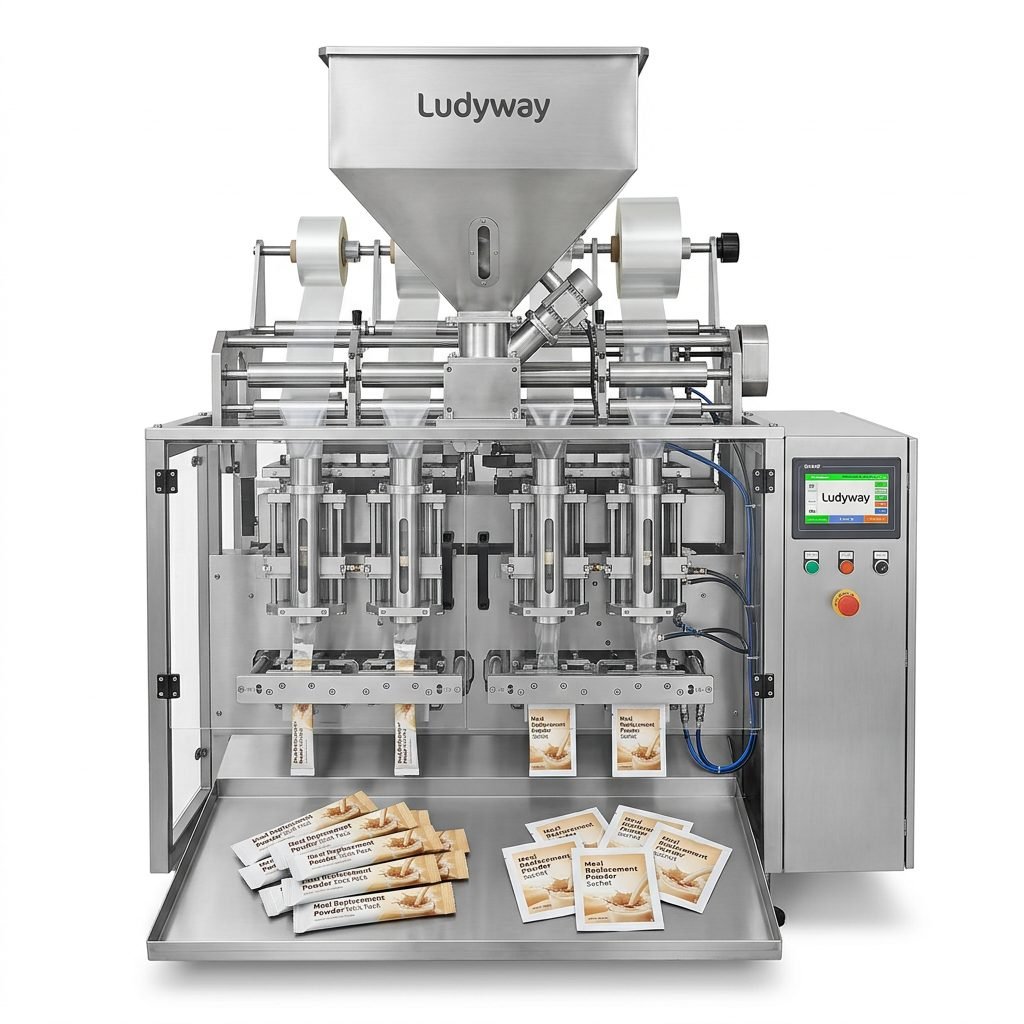
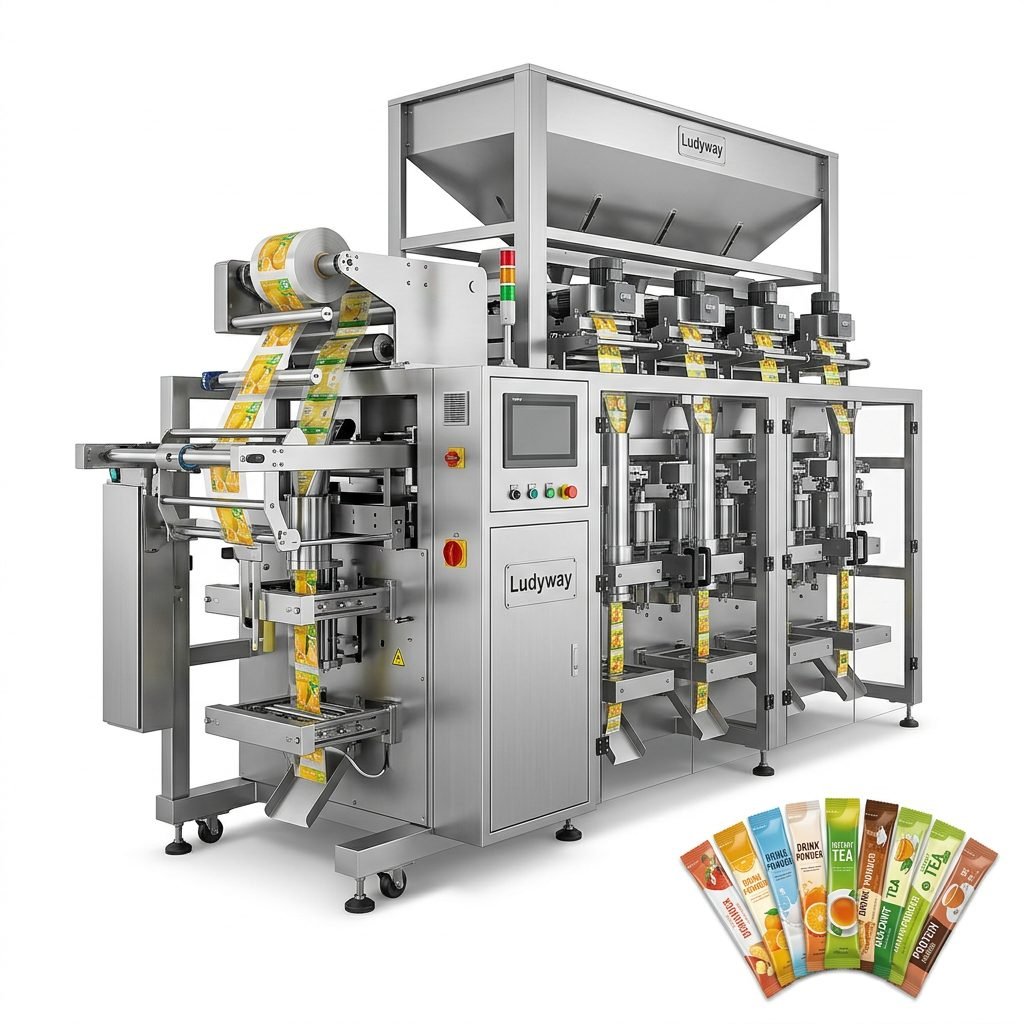
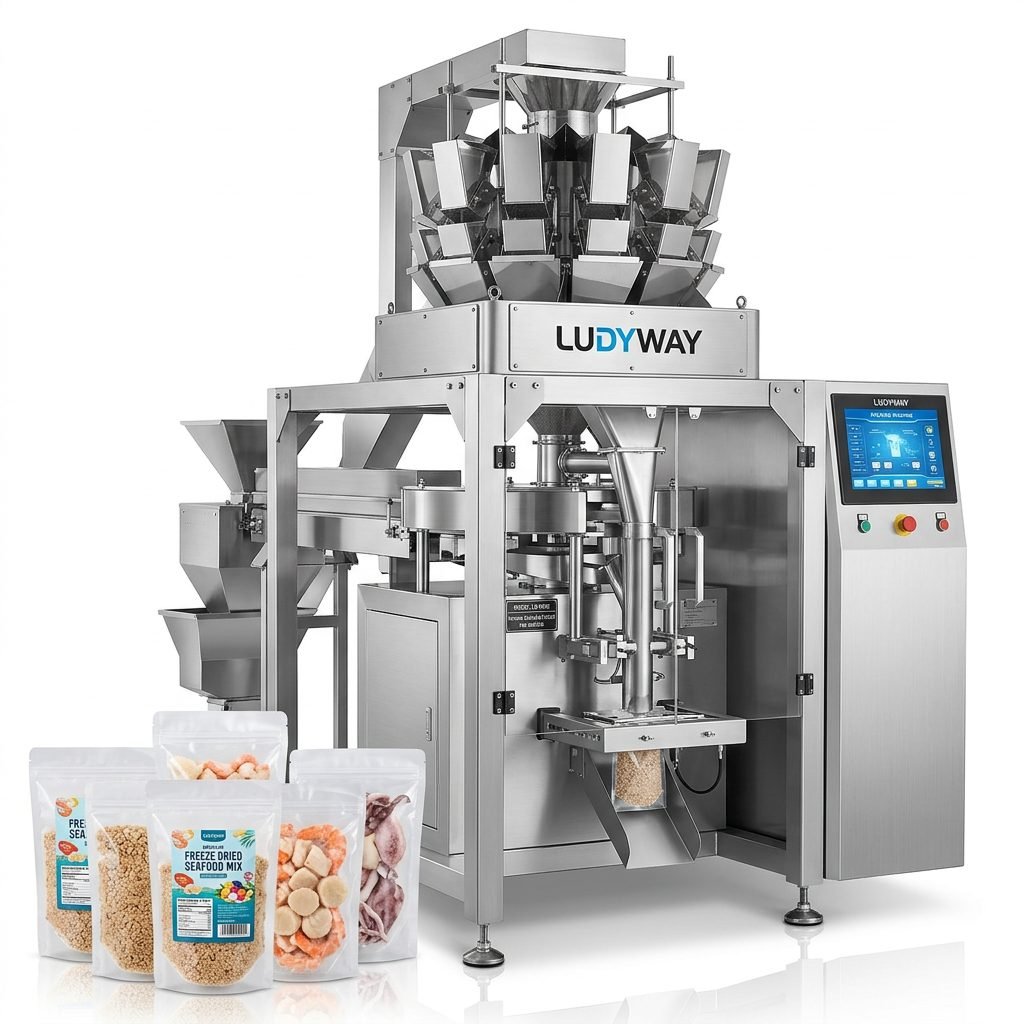
Freeze-dried fruits, vegetables, and meat products are highly sensitive to moisture and oxygen. Even minimal residual oxygen can cause rapid quality degradation. These applications benefit from high-vacuum systems with nitrogen back-flushing capabilities. Multi-lane stick-pack and sachet packaging machines configured with vacuum sealing modules are commonly used for single-serve freeze-dried products.
Quality Standards, Certifications & Regulatory Compliance
Food packaging equipment must comply with stringent safety and quality standards that vary by target market. Manufacturers exporting products to multiple regions need to verify that their chosen machinery can meet all applicable requirements.
| Standard/Certification | Relevant Region | Key Requirements |
|---|---|---|
| FDA 21 CFR | United States | Food contact materials, hygienic design, GMP compliance |
| EU Regulations (EC) 1935/2004 | European Union | Materials and articles intended to come into contact with food |
| ISO 22000 / HACCP | International | Food safety management systems, hazard analysis, critical control points |
| ISO Packaging Standards | International | Packaging performance, material testing, dimensional specifications |
| CE Marking | European Economic Area | Machinery safety, electromagnetic compatibility, electrical safety |
When evaluating a food vacuum packaging machine, always request documentation demonstrating compliance with relevant standards. Reputable manufacturers provide certification packages and can guide you through the regulatory requirements for your target markets. For deeper insights on industry trends and compliance updates, the PMMI business intelligence library offers comprehensive resources on packaging machinery standards and market data.

The Role of Automation in Modern Vacuum Packaging
Automation is transforming food packaging operations worldwide. Manufacturers that invest in automated vacuum packaging systems consistently report higher throughput, reduced labor costs, and improved package consistency compared to manual or semi-automated operations. Key automation features to consider include programmable recipe selection, automated film feeding and cutting, in-line weighing and checkweighing, gas analysis systems for MAP verification, and integration with upstream and downstream equipment.
For large-scale food processors, integrated packaging lines that combine vacuum sealing with filling, labeling, coding, metal detection, and cartoning provide significant efficiency gains. These turnkey systems reduce handling steps and minimize contamination risks. Companies like Ludyway Machinery, a China-based packaging machinery manufacturer with over 30 years of industry experience, specialize in configuring customized automated packaging solutions that match specific food product requirements and production goals.
Maintenance, Service & Total Cost of Ownership
The purchase price is only one component of the total cost of ownership (TCO). Smart buyers evaluate maintenance requirements, spare parts availability, expected service intervals, and energy consumption before committing to a machine. Oil-lubricated vacuum pumps require regular oil changes; seal bars and Teflon tapes wear over time and need periodic replacement; and control system upgrades may be needed to keep pace with evolving automation standards.
- Preventive Maintenance Schedule: Establish a documented maintenance routine based on the manufacturer’s recommendations. Regular pump oil changes, seal bar inspection, chamber gasket replacement, and sensor calibration should all be part of the plan.
- Spare Parts Availability: Confirm that critical spare parts—seal bars, heating elements, vacuum pump rebuild kits, gaskets, and electronic components—are readily available from the supplier, including for international shipments if needed.
- Technical Support & Training: Comprehensive operator training and accessible technical support minimize downtime and ensure consistent packaging quality. Remote diagnostic capabilities are increasingly valuable for troubleshooting and performance optimization across global operations.
- Warranty & After-Sales Coverage: Review warranty terms carefully and understand what is covered, for how long, and under what conditions. Extended service agreements may be worth considering for high-throughput, mission-critical production lines.

Questions to Ask Potential Equipment Suppliers
Before finalizing a purchase, engage potential suppliers with specific questions that reveal their expertise, responsiveness, and commitment to after-sales service. This due diligence step can prevent costly mistakes and ensure a strong long-term partnership.
- Can you provide references from food companies with similar product applications and production volumes?
- What is the typical lead time from order to delivery, installation, and full commissioning?
- Do you offer on-site installation, operator training, and production ramp-up support?
- How do you handle emergency technical support and what are your guaranteed response times?
- Are upgrade paths available if our production requirements change over time?
Sustainability Considerations in Vacuum Packaging
Sustainability is no longer optional in food packaging. Consumers, retailers, and regulators increasingly demand reduced material usage, recyclable packaging formats, and lower carbon footprints. The European Commission’s packaging and packaging waste regulations and similar initiatives in other regions are driving changes in packaging material selection and equipment design. When selecting a vacuum packaging machine, consider its compatibility with thinner films, mono-material structures, and bio-based or compostable flexible packaging. Equipment that can handle a range of sustainable materials without compromising seal integrity or production speed provides a significant competitive advantage.
Making the Final Decision
Choosing the right food vacuum packaging machine requires balancing multiple factors: product compatibility, production volume, packaging format, automation level, regulatory compliance, and total cost of ownership. Start by clearly defining your current requirements and anticipated future needs. Engage multiple suppliers and request detailed proposals that include machine specifications, performance guarantees, service agreements, and total project costs. Whenever possible, arrange to visit reference installations or conduct product trials using your actual food products and packaging materials. The PACK EXPO International and similar industry events also provide excellent opportunities to compare equipment from multiple manufacturers in person.
A well-chosen vacuum packaging machine is a long-term strategic asset that can improve product quality, extend market reach, reduce waste, and strengthen your brand’s reputation for freshness and food safety. Investing time in thorough evaluation upfront pays dividends in reliable performance and operational peace of mind for years to come.