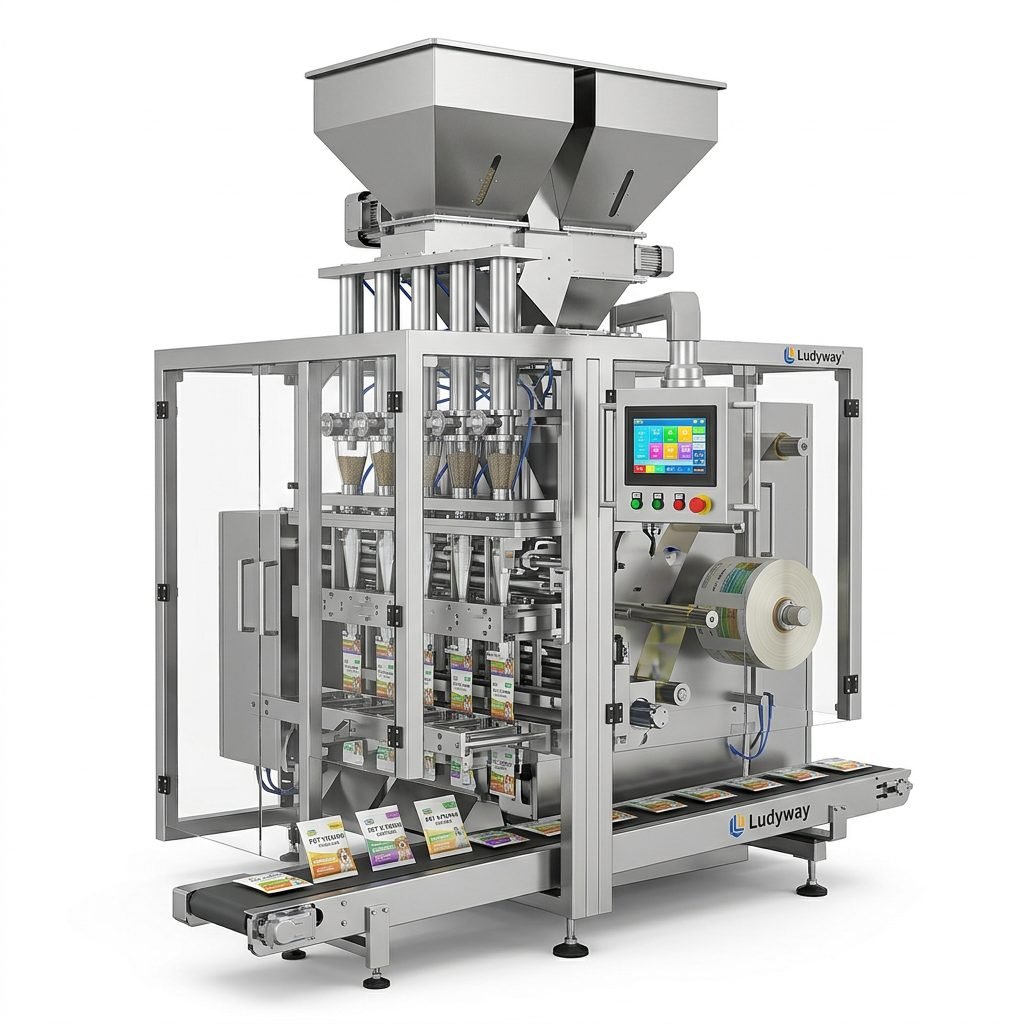
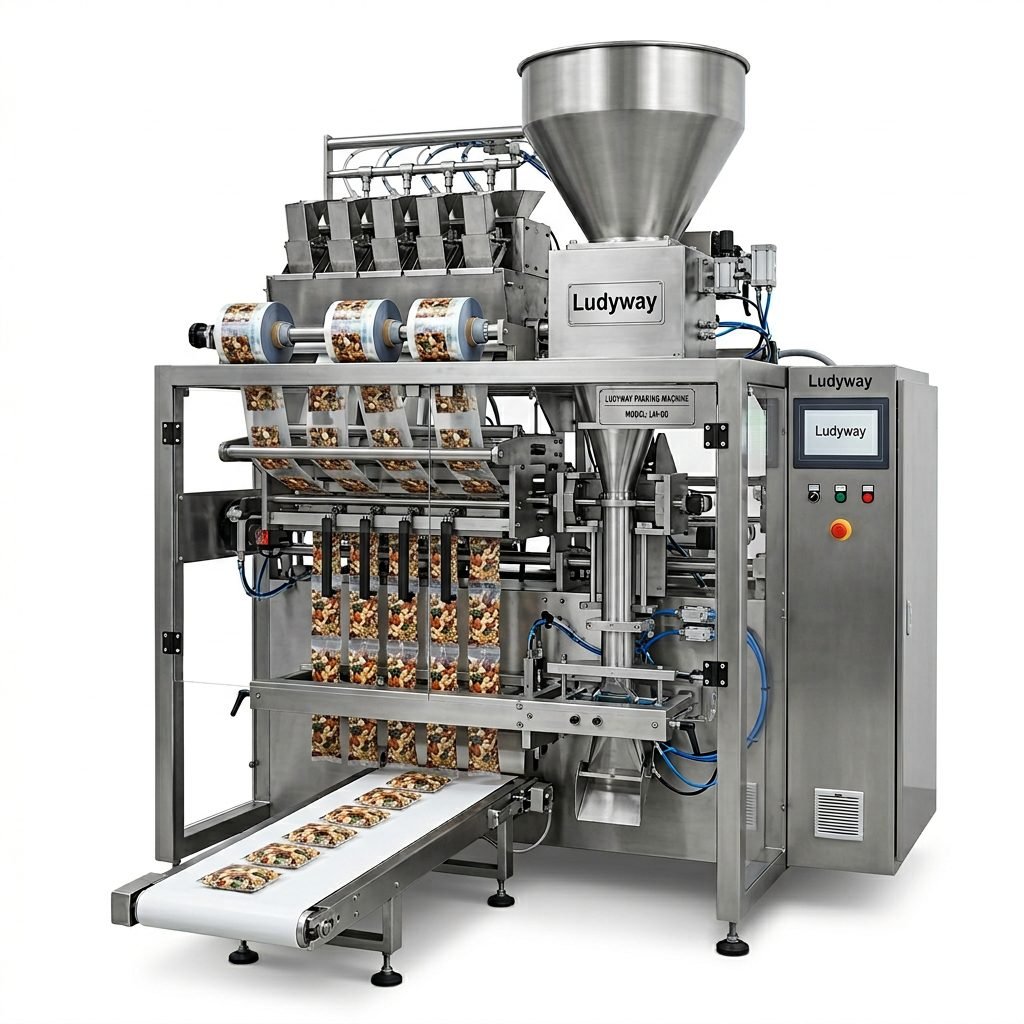
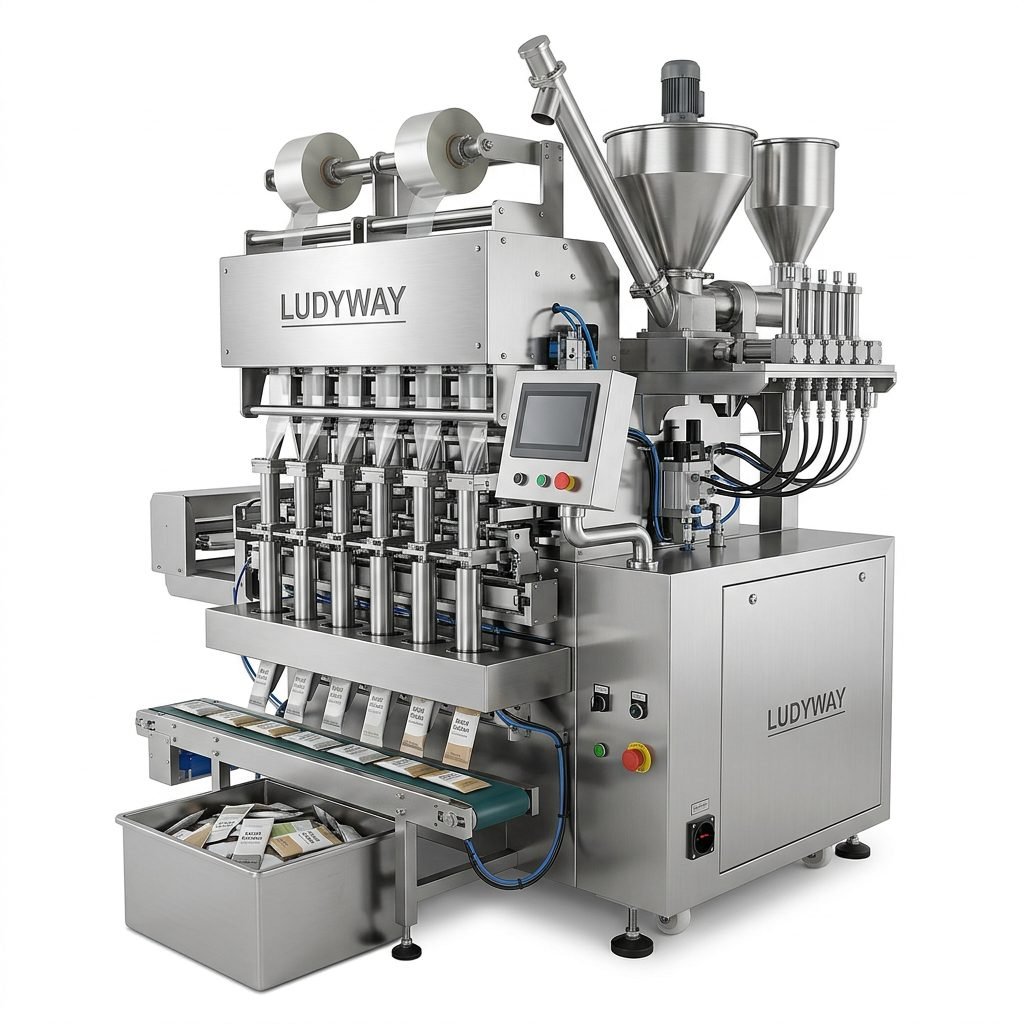
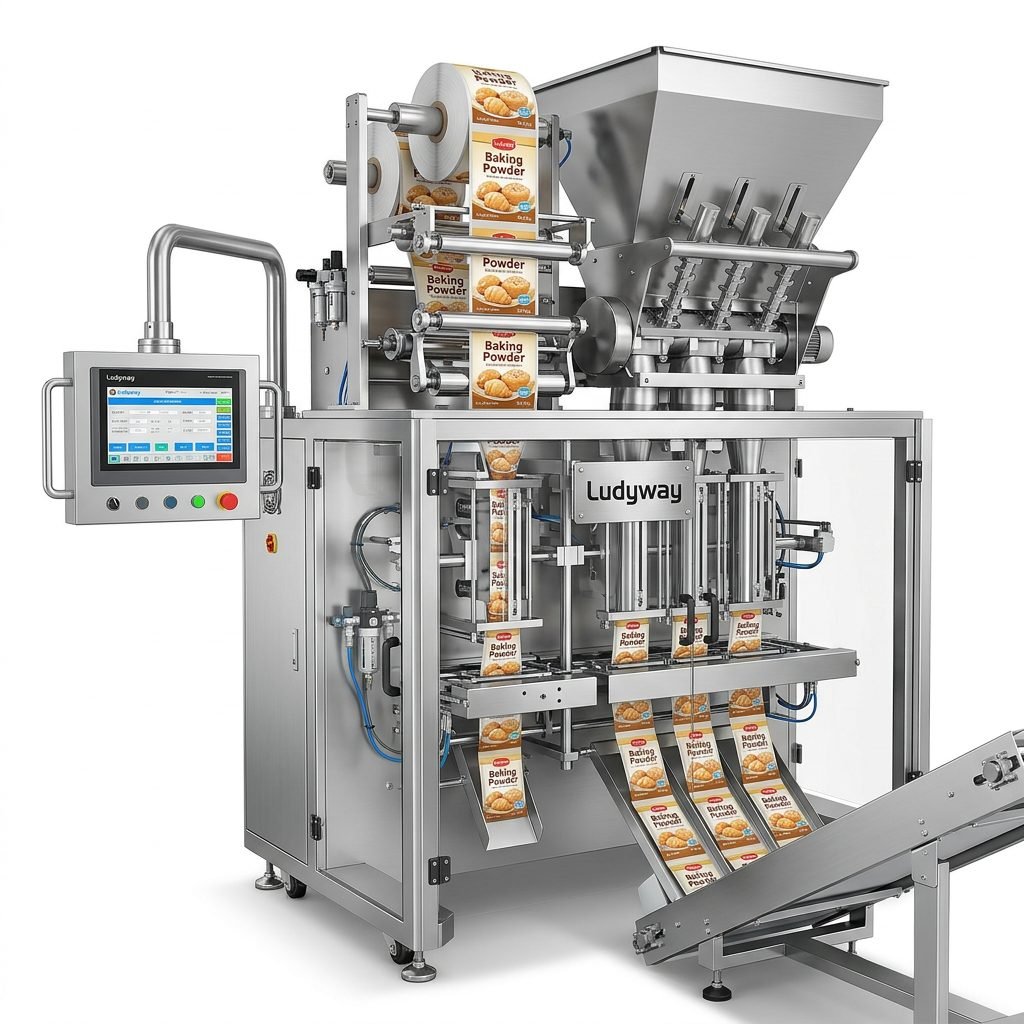
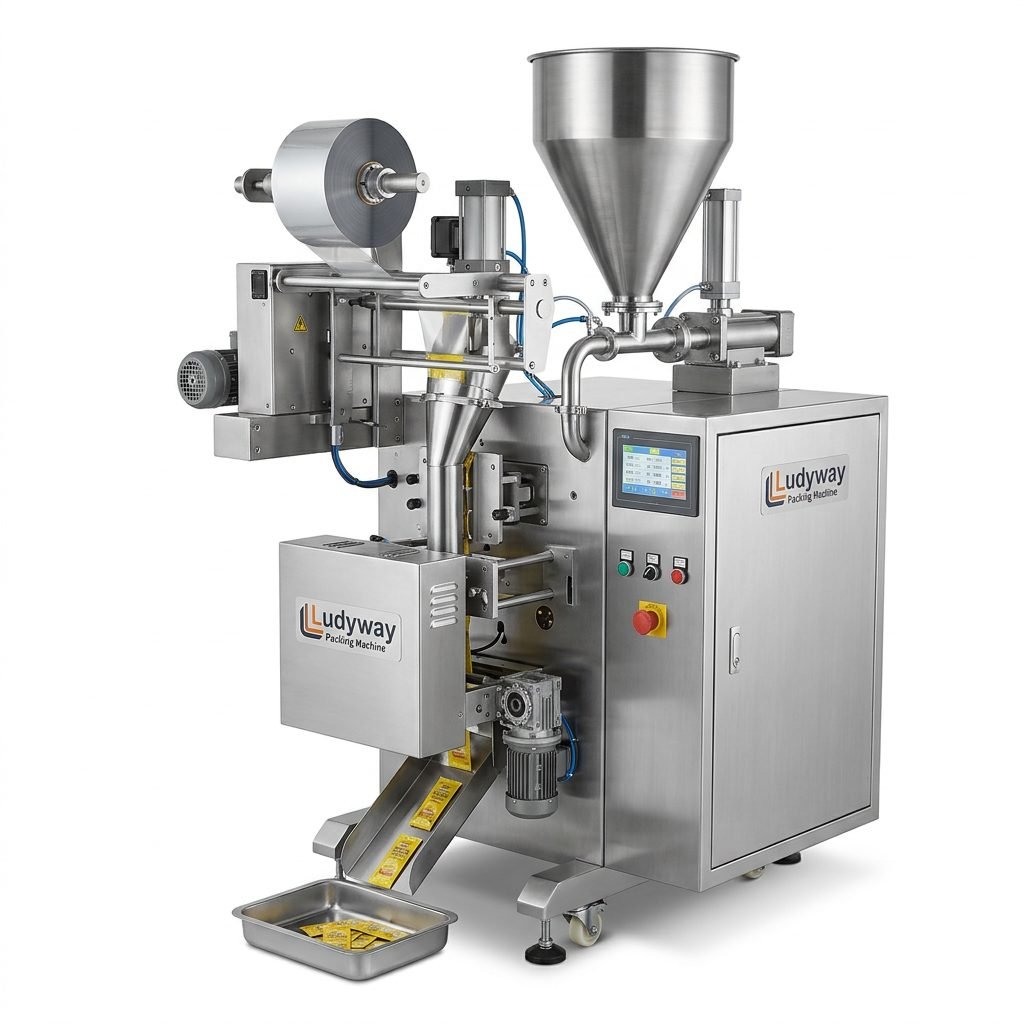
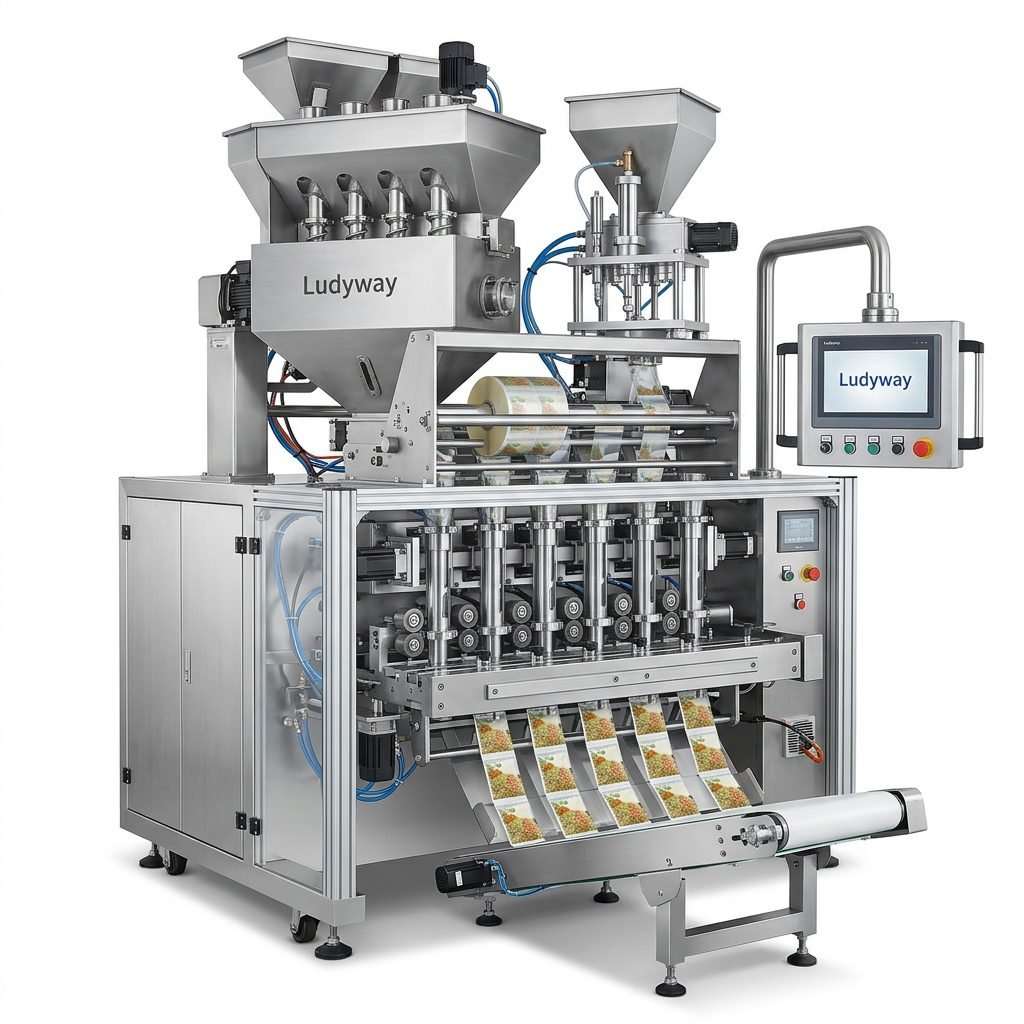
Selecting the right packaging machinery supplier is a critical decision that impacts your production efficiency, product quality, and overall operational costs. With numerous suppliers in the market, identifying a reliable partner requires careful evaluation across several key areas. This guide provides a comprehensive framework to help you choose equipment that aligns with your specific production line needs and ensures long-term reliability.
Core Evaluation Criteria
Before engaging with any supplier, establish a clear checklist based on your operational requirements. Focus on these fundamental aspects:
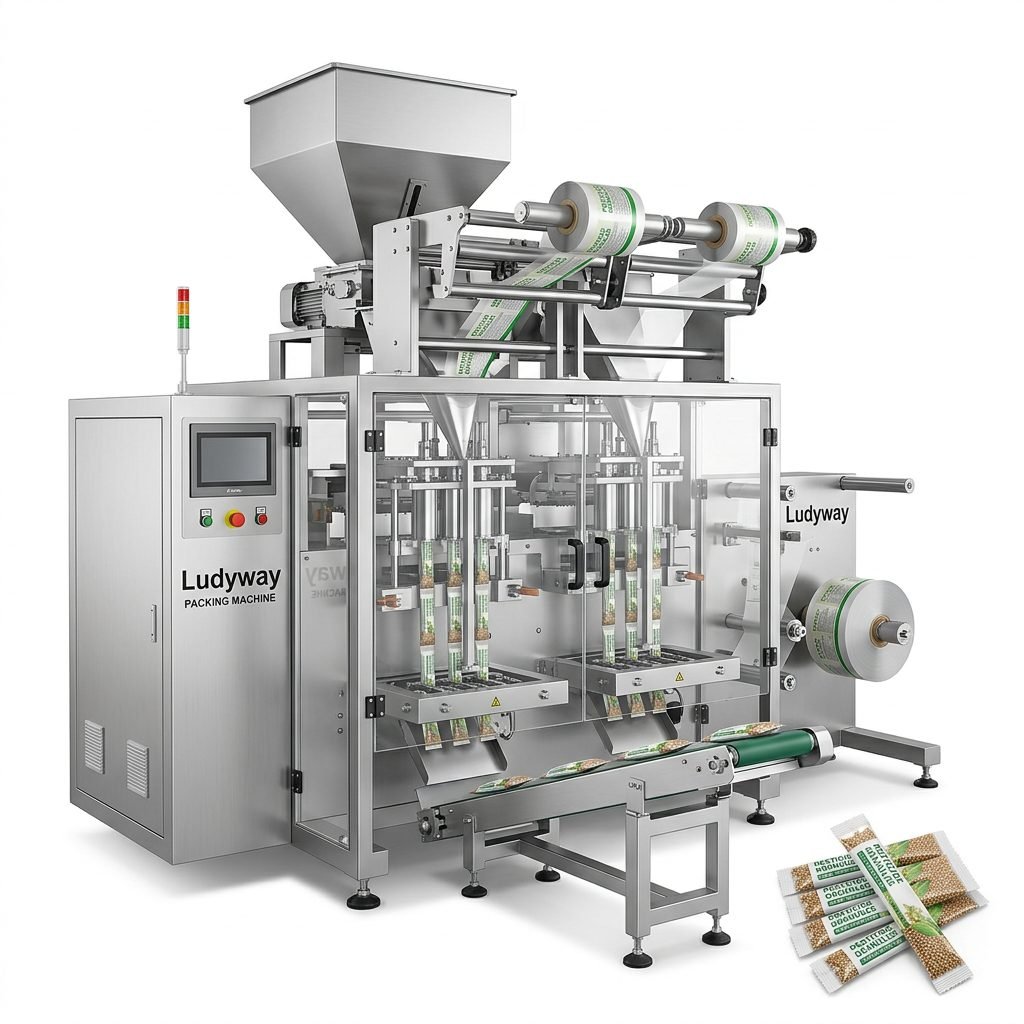
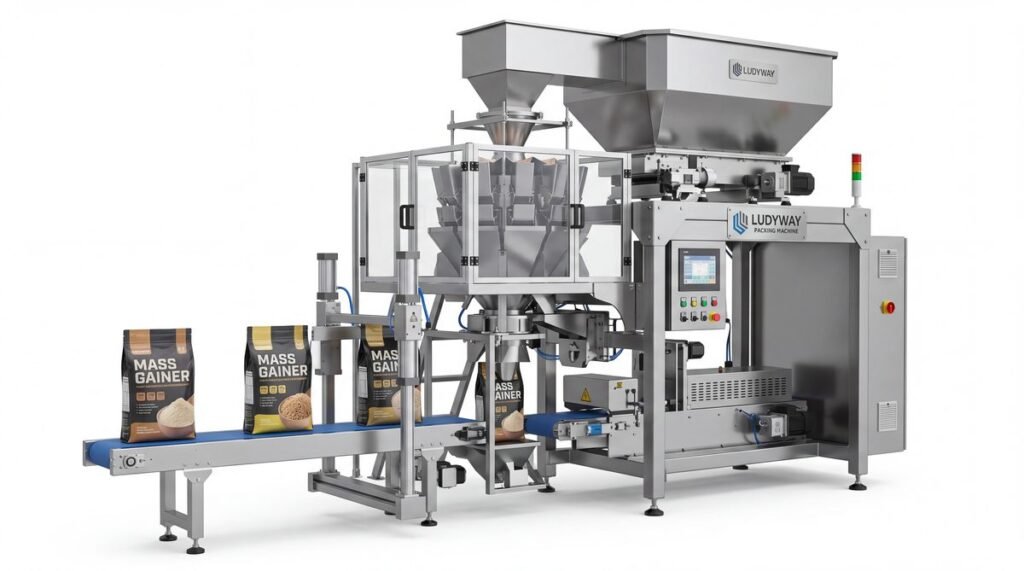
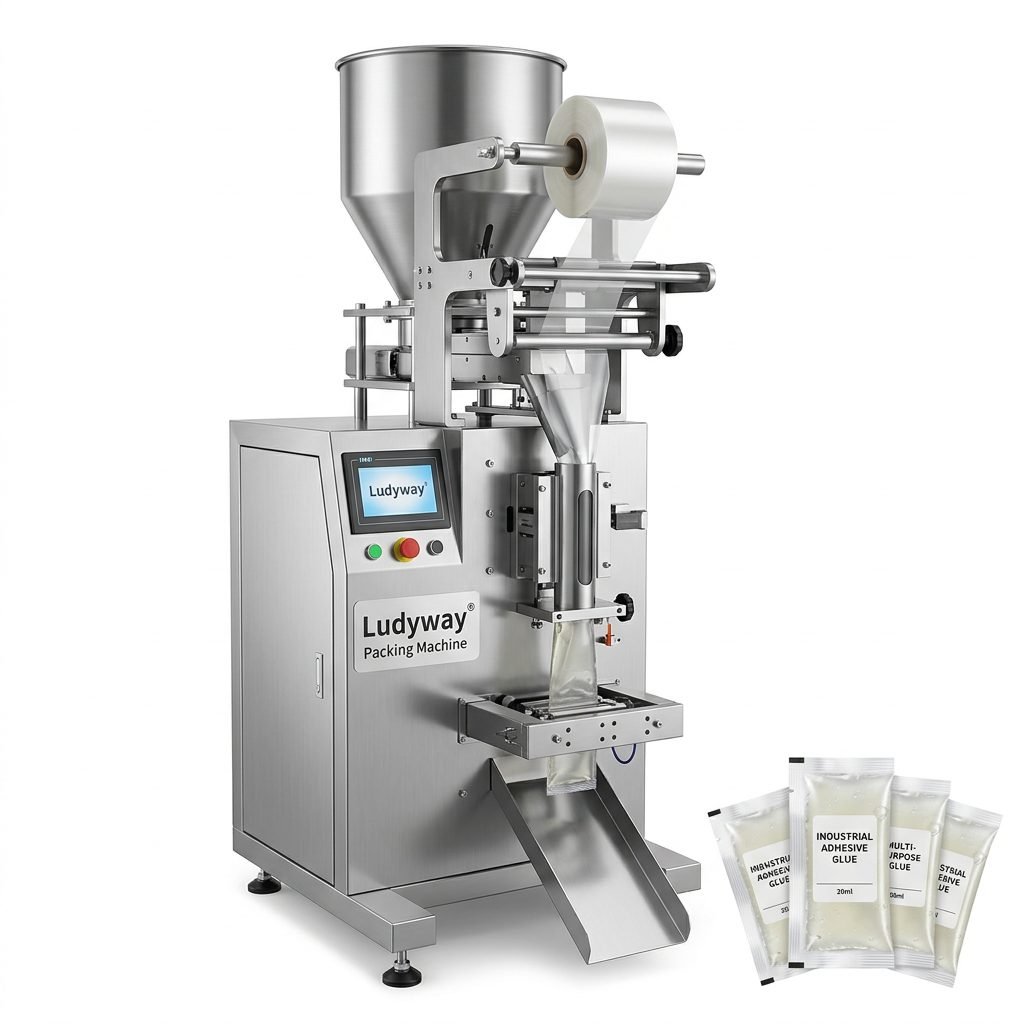
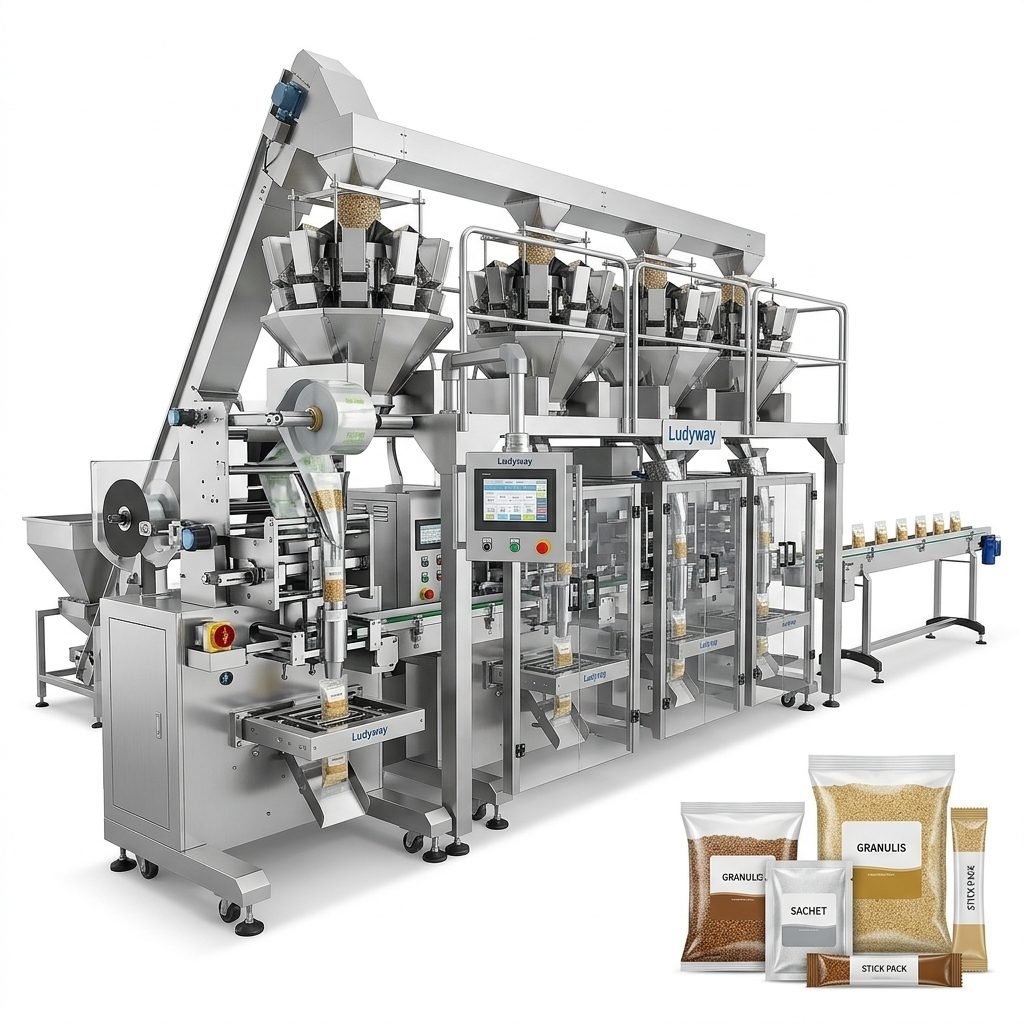
- Technical Capability & Product Range: Does the supplier offer machinery that matches your packaging format (e.g., sachets, stick packs, bottles)? Assess their expertise in handling your specific product type—be it granules, powders, liquids, or pastes.
- Production Capacity & Scalability: Evaluate the machine’s speed (packages per minute) and its ability to integrate with your existing or future line. Consider modular designs that allow for upgrades.
- Build Quality & Durability: Inquire about the construction materials, core components (like servos and PLCs), and the overall engineering philosophy. Robust machinery minimizes downtime.
- Compliance & Safety Standards: Ensure the equipment meets relevant international standards (e.g., CE, FDA for food contact parts, GMP for pharmaceuticals) for your target markets.
Deep Dive into Supplier Reliability
Beyond the basic specs, the supplier’s company profile and operational history are telling indicators of their reliability and long-term partnership potential.
Assessing Industry Experience and Track Record
A supplier with substantial industry experience, such as Ludyway Packing Machine which brings over 30 years of expertise, typically possesses deeper problem-solving knowledge. Look for a proven track record in your specific sector—food, pharmaceutical, or health products. Case studies and client references from similar industries are invaluable. A history of navigating regulatory changes and technological shifts demonstrates adaptability and resilience.
Evaluating Manufacturing and Support Infrastructure
The supplier’s own manufacturing capabilities are crucial. A company with a significant modern production facility, for instance a 20,000㎡ plant, often indicates better control over quality, supply chain, and production timelines. In-house engineering teams allow for better customization and faster technical support. Verify their after-sales service structure: availability of spare parts, on-site technician support, and remote diagnostic capabilities. A global service network is essential for international operations.
⚠️ Key Red Flags to Avoid
Be cautious of suppliers who:
- Are evasive about providing detailed machine specifications or client references.
- Offer prices significantly below market average without clear justification, often indicating compromised quality.
- Lack clear documentation for operation, maintenance, and safety protocols.
- Have no physical address for their main manufacturing or service center.
- Cannot articulate a coherent plan for installation, training, and ongoing support.
The Selection Process: From Inquiry to Installation
A structured selection process mitigates risk and ensures you gather comparable data from potential suppliers.
Step 1: Define Your Requirements Document (RFQ)
Create a detailed Request for Quotation. Include exact product specs, desired output speed, packaging materials, factory utilities (power, air), available floor space, and any required certifications. This ensures all suppliers bid on the same scope.
Step 2: Technical Review & Factory Audit
Shortlist 2-3 suppliers for in-depth review. Request a live or recorded video test using your product samples. If feasible, conduct a factory audit to inspect build quality, production processes, and quality control measures firsthand. Observing their workshop organization can reveal much about their operational discipline.
Step 3: Total Cost of Ownership (TCO) Analysis
Look beyond the initial purchase price. Calculate the TCO by factoring in energy consumption, maintenance costs, expected lifespan, potential downtime costs, and cost of spare parts. A slightly higher initial investment in robust, energy-efficient machinery from a professional packaging expert often yields a lower TCO.
Step 4: Finalizing the Partnership
Negotiate a clear contract covering delivery timelines, performance guarantees (e.g., speed, accuracy), warranty terms, training provisions, and service level agreements (SLAs) for support. Ensure all verbal promises are documented.
Leveraging a Partner for Long-Term Success
The ideal supplier relationship evolves into a strategic partnership. A partner invested in your growth will offer insights into packaging trends, material innovations, and efficiency improvements. They will proactively suggest upgrades and help you optimize your line. For example, a supplier with a broad portfolio of intelligent packaging machine models can provide scalable solutions as your business expands into new products or markets. This collaborative approach turns your equipment supplier into a valuable asset for continuous improvement.
📋 Final Checklist Before Signing
- Technical Fit: Machine validated with your product sample.
- Commercial Clarity: TCO calculated, contract terms clear.
- Support Verified: Service network, spare parts availability confirmed.
- Compliance Assured: All necessary certifications documented.
- Future-Proofing: Discussed potential for line expansion or integration.
Frequently Asked Questions (FAQs)
1. What is the most important factor when choosing packaging machinery?
While technical specifications are vital, the reliability and support capability of the supplier are often the most critical long-term factors. A well-built machine from a partner with excellent after-sales service will ensure higher overall equipment effectiveness (OEE) and lower lifetime costs than a slightly more advanced machine from an unreliable source.
2. How can I verify a supplier’s claims about their experience?
Request detailed case studies with contactable references from clients in your industry. Ask for videos of machines in operation at client sites. Check for third-party certifications and, if possible, visit their manufacturing facility to see their production scale and quality controls in person.
3. Is it better to buy a standard machine or a customized solution?
This depends on your product’s uniqueness and volume. Standard machines are cost-effective and have faster delivery for common applications. For unique shapes, delicate products, or highly specialized processes, a customized or heavily modified solution from a supplier with strong engineering capabilities is necessary to achieve the desired quality and efficiency.
4. What should be included in the warranty and service agreement?
A comprehensive warranty should cover parts and labor for a defined period (e.g., 12-24 months). The service agreement (SLA) should specify response times for remote and on-site support, guaranteed spare parts availability, and terms for preventive maintenance services. Clear escalation paths for unresolved issues are essential.
5. How do I future-proof my packaging machinery investment?
Choose machinery with a modular design that allows for easy upgrades in speed or functionality. Select a supplier with a wide range of compatible equipment to facilitate future line expansion. Ensure the machine’s control system is based on open, widely-used industrial standards to simplify future integration with other line equipment or factory management systems.