Selecting the right cooking oil packaging machine is one of the most important investment decisions for edible oil producers, contract packagers, and food manufacturers. With growing demand for single-serve sachets, stick packs, and flexible pouches in both retail and food service channels, the performance of your packaging equipment directly affects production efficiency, fill accuracy, product shelf life, and overall profitability.
A poorly specified machine can lead to inconsistent fill volumes, sealing defects, oil leakage, excessive downtime, and compliance issues — all of which erode margins and damage brand reputation. According to industry data from the PMMI packaging association, liquid packaging machinery represents one of the fastest-growing segments in the global packaging equipment market, driven by rising consumption of edible oils in portion-controlled formats.
This guide walks you through the essential criteria for evaluating cooking oil packaging machines, helping you make an informed purchasing decision that aligns with your production goals, product characteristics, and operational requirements.
Understanding Cooking Oil Packaging Machine Types
Before diving into specifications, it is essential to understand the primary categories of cooking oil packaging equipment available on the market. Each type serves different production scales, packaging formats, and automation levels.
Sachet and Stick Pack Machines
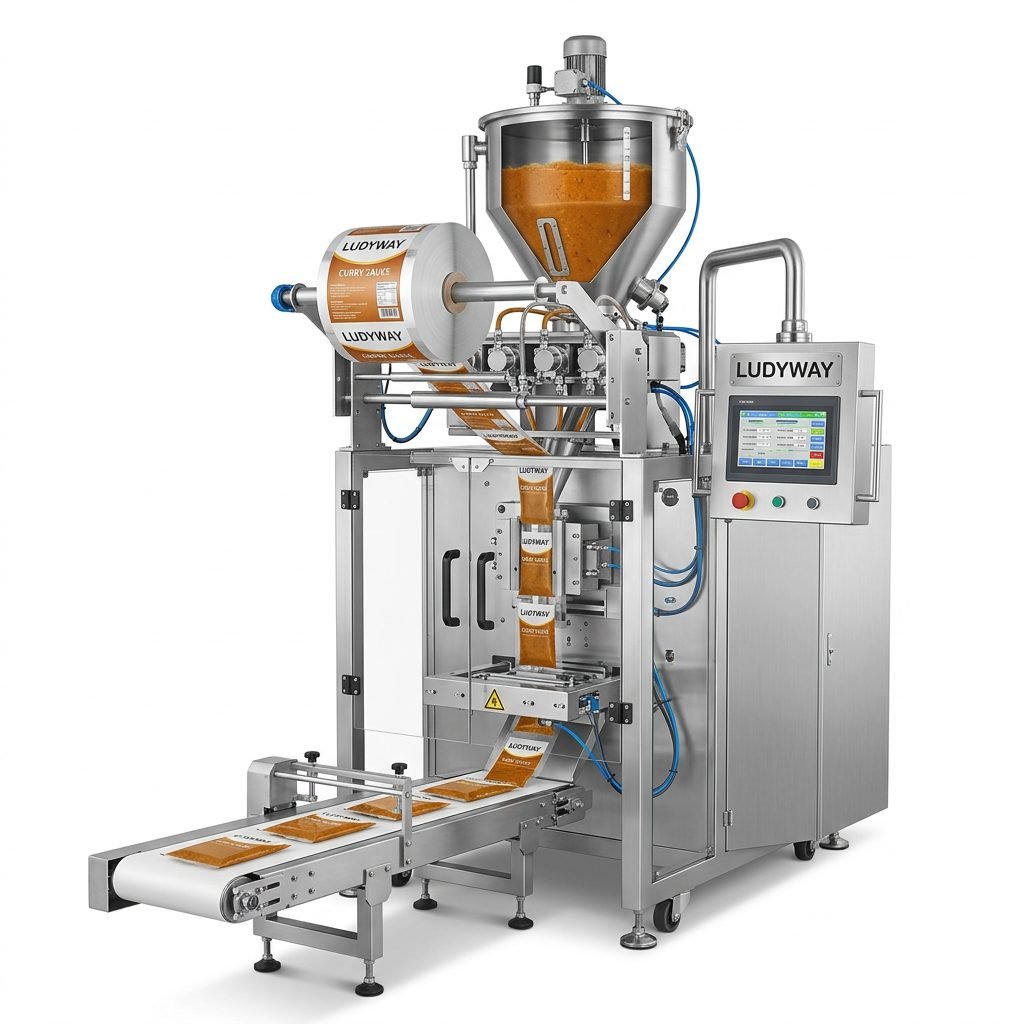
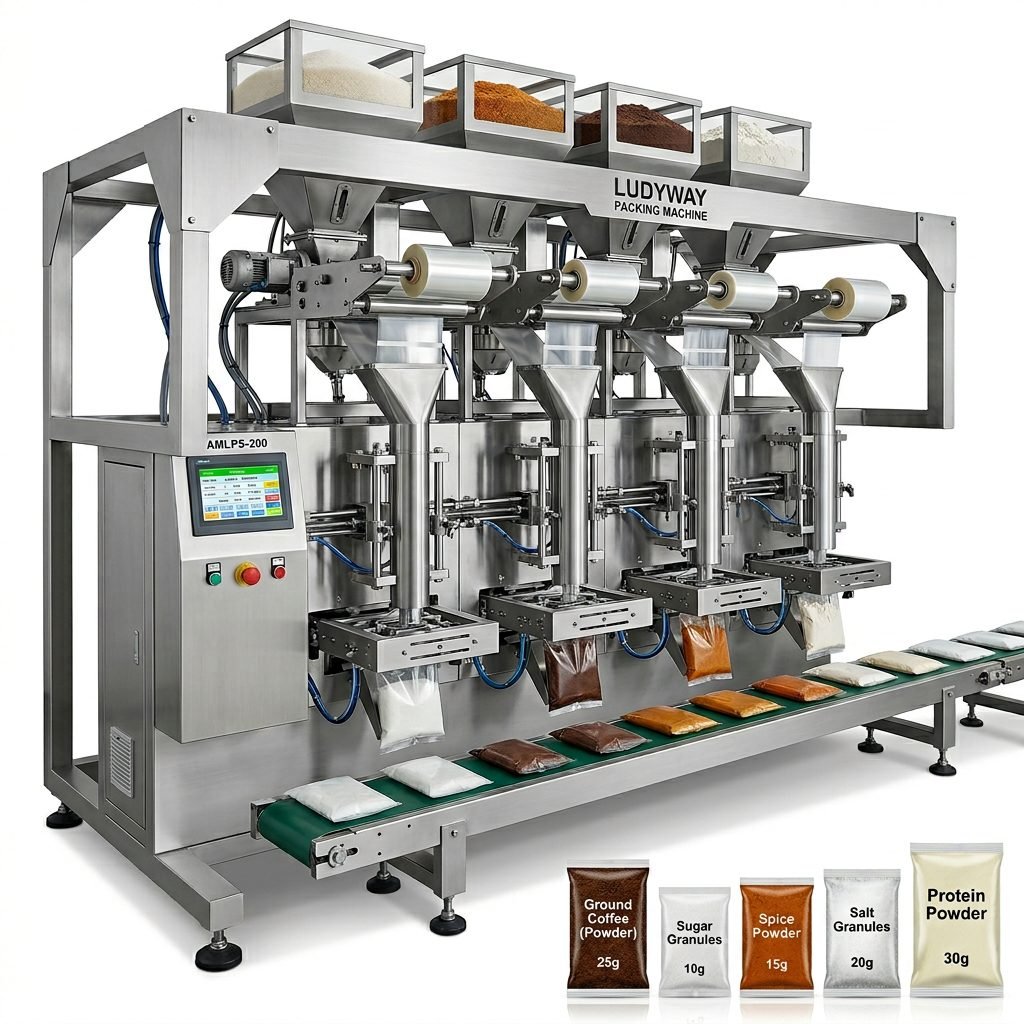
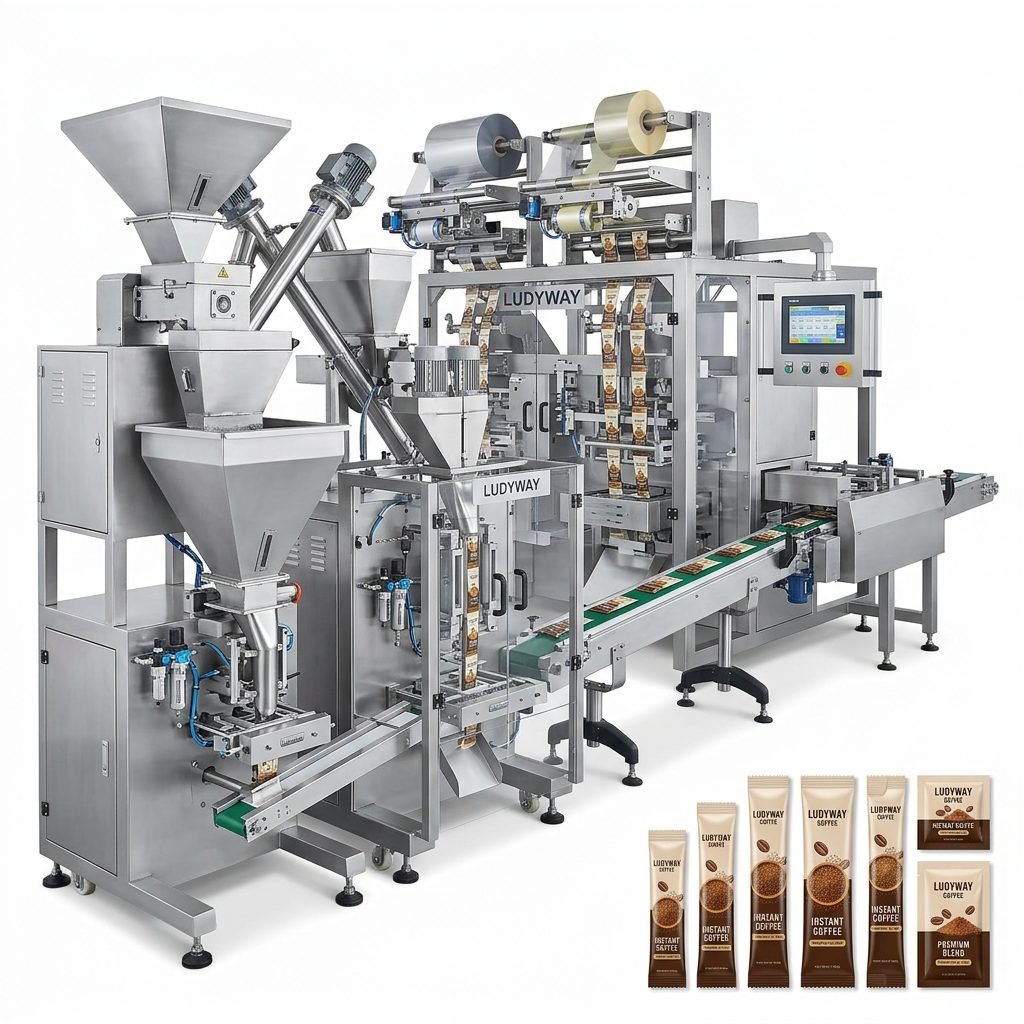
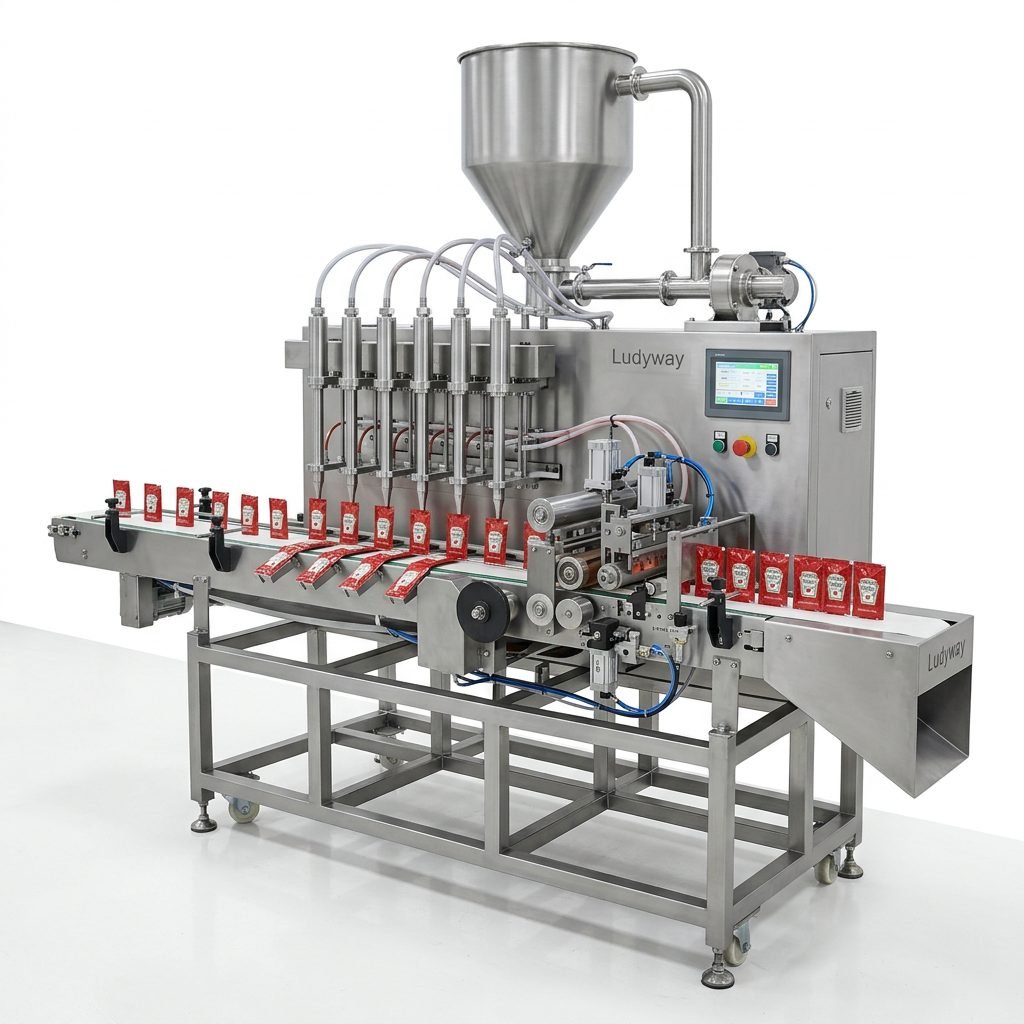
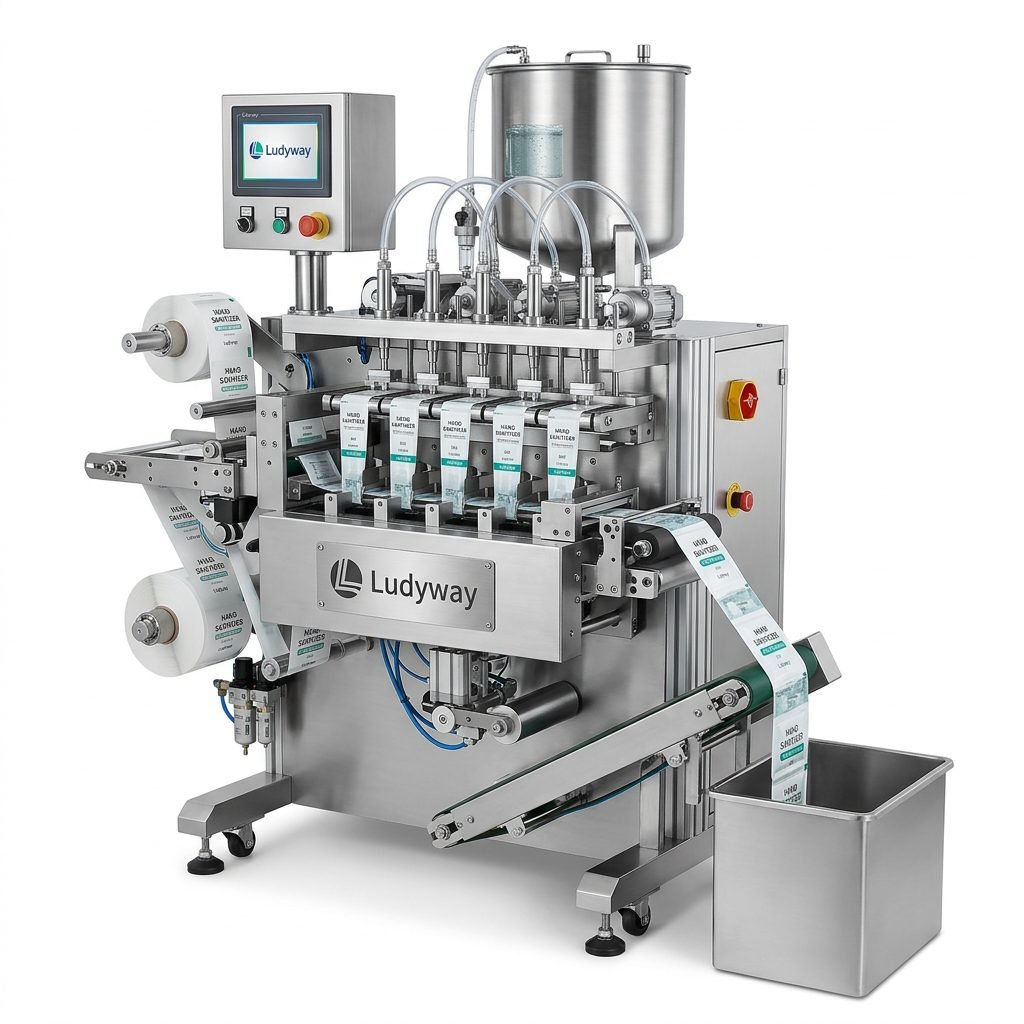
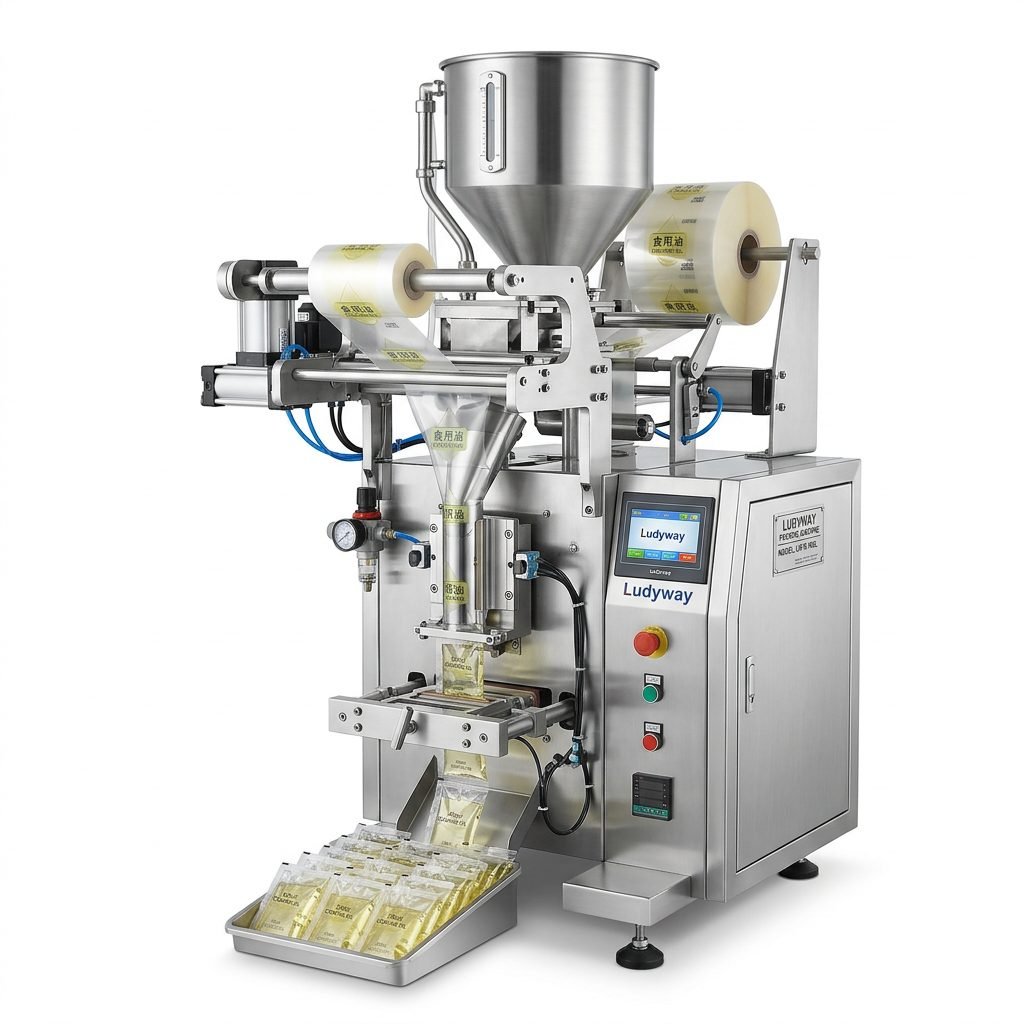
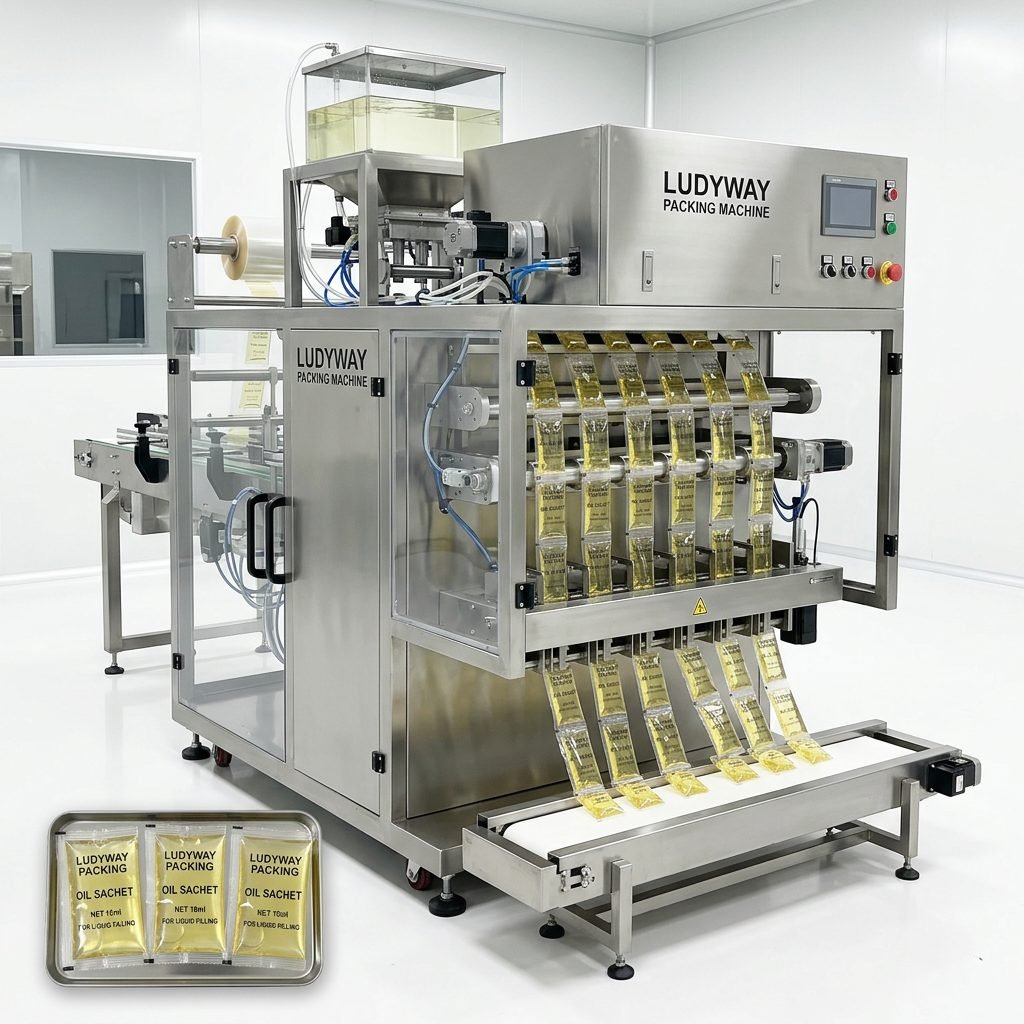
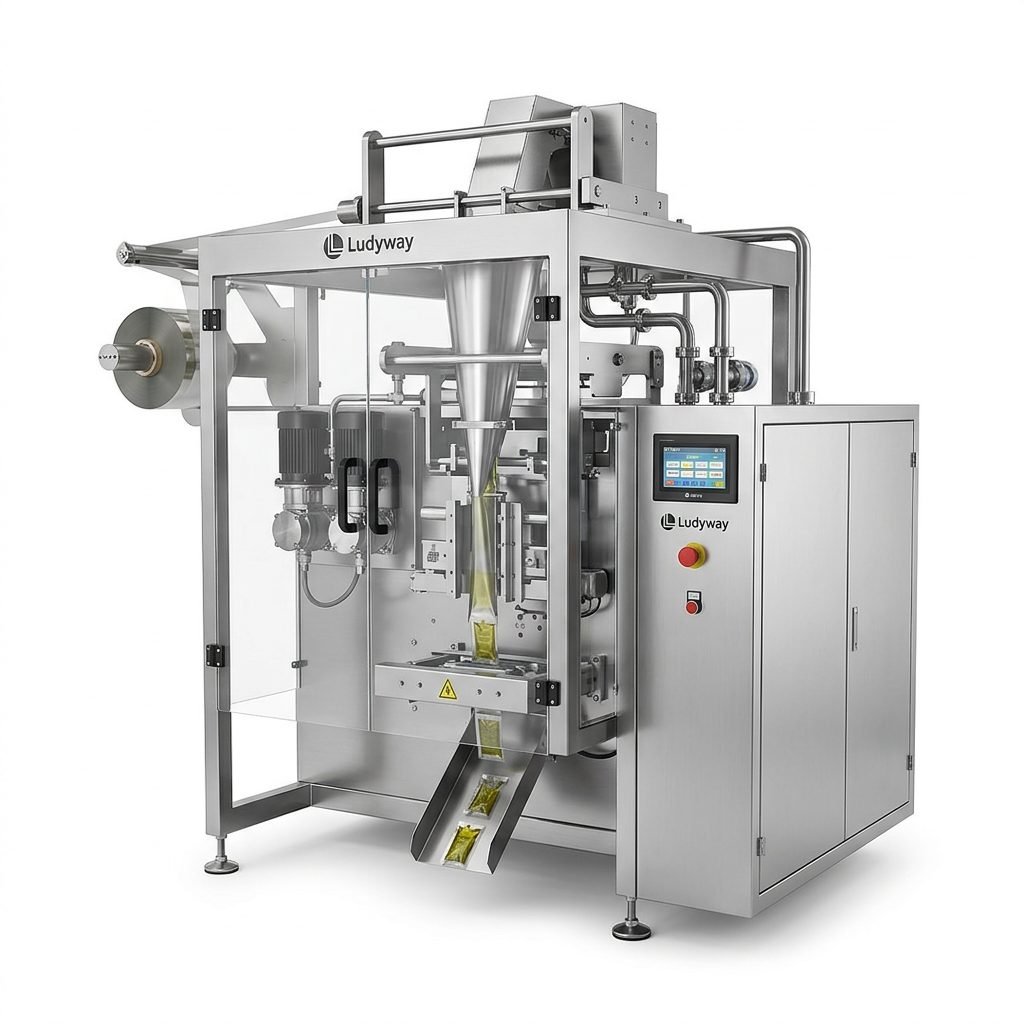
These are the most common machines for single-serve cooking oil packaging. They produce pillow-style sachets or narrow stick packs, typically ranging from 3 ml to 50 ml, making them ideal for food service, travel packs, and promotional samples. Multi-lane configurations can significantly boost throughput, with some high-speed models producing 400 to 800 packs per minute depending on lane count and fill volume.
Pouch Filling and Sealing Machines
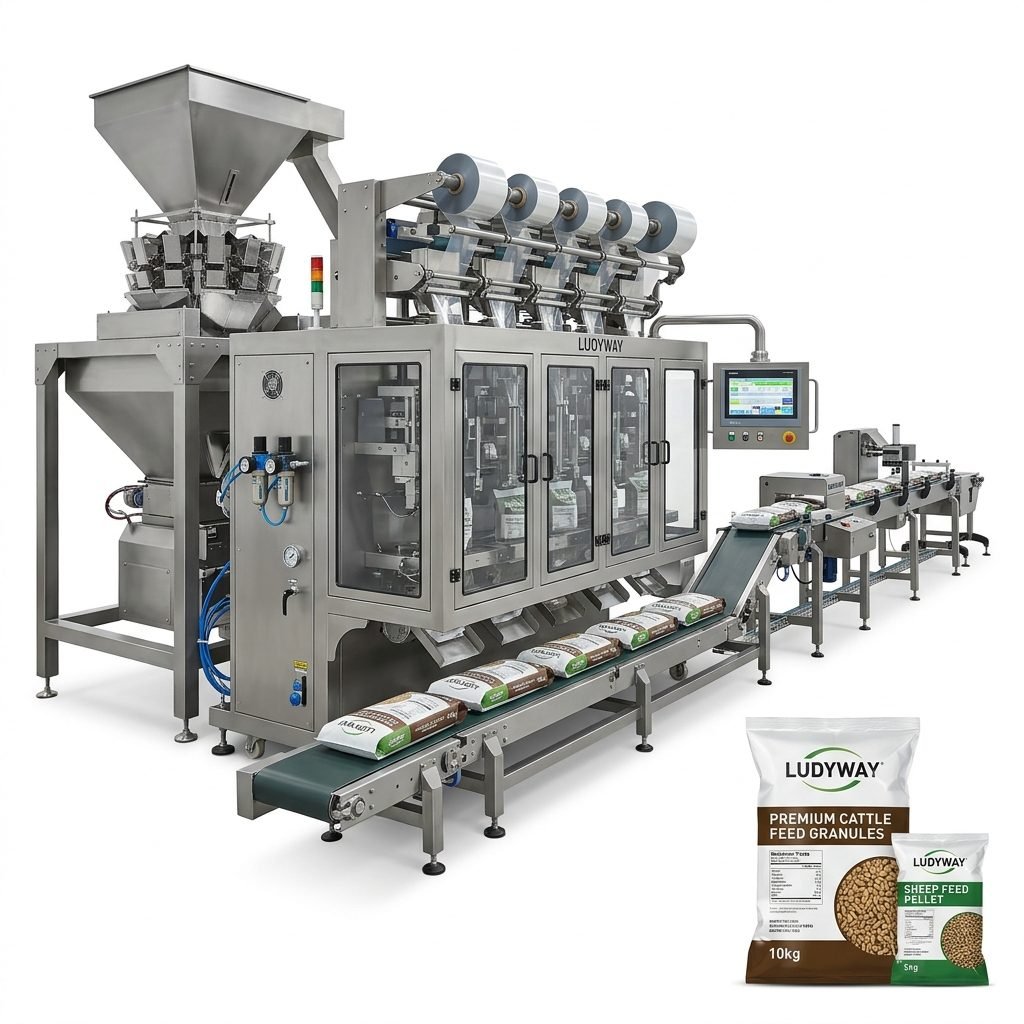
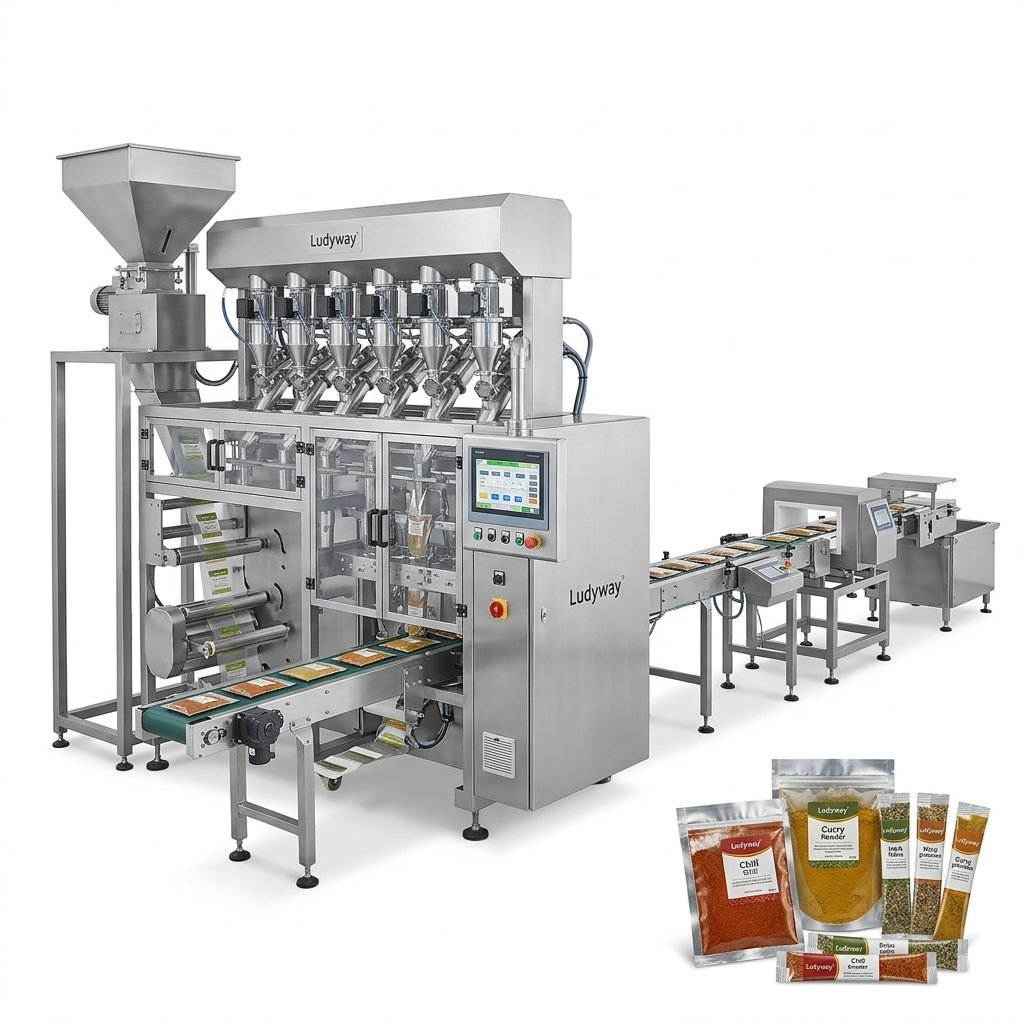
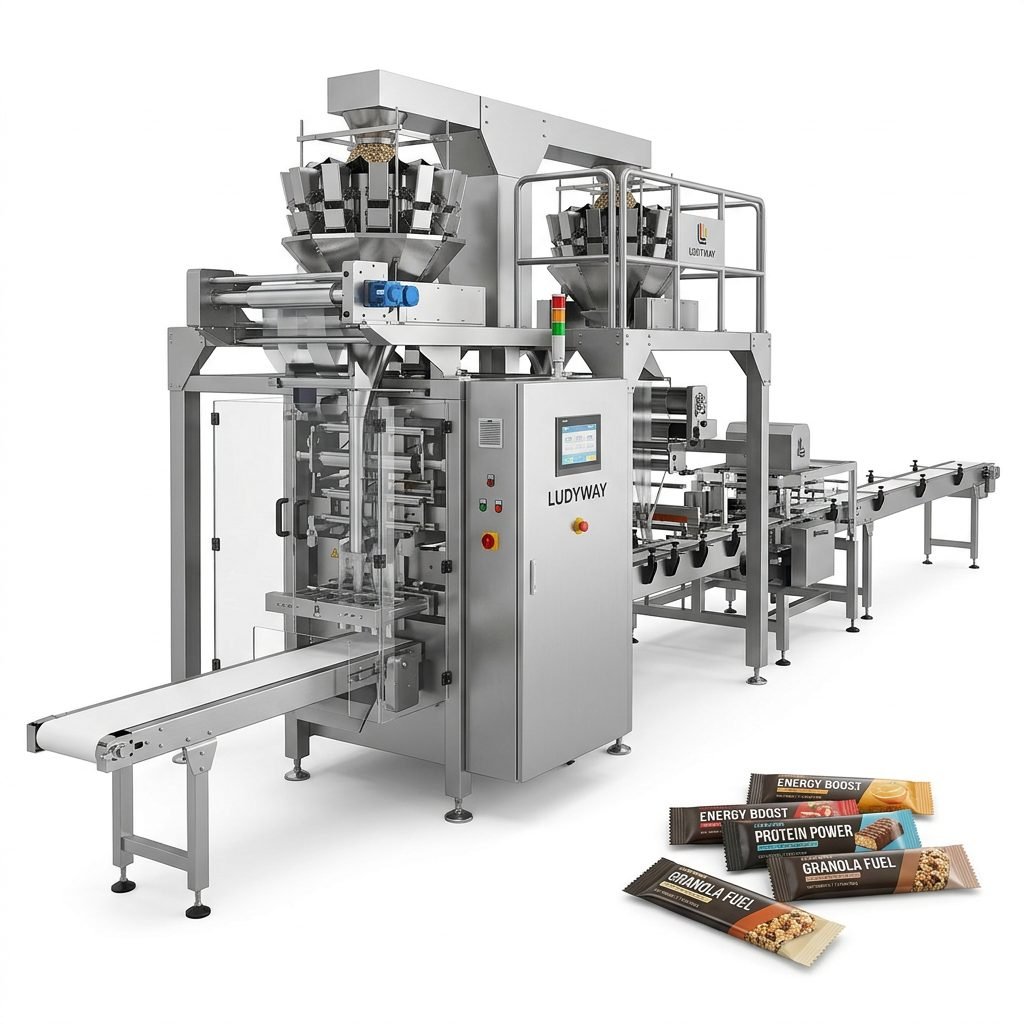
For larger cooking oil formats — such as 100 ml, 250 ml, 500 ml, and 1-liter pouches — premade pouch filling machines or vertical form-fill-seal (VFFS) systems are preferred. These machines handle higher fill volumes and often integrate with flexible packaging materials that provide barrier protection against oxygen and light, which is critical for preserving cooking oil quality.
Bottle Filling and Capping Lines
For retail-ready bottled cooking oil, complete filling and capping lines are used. These systems typically include bottle unscramblers, liquid fillers (volumetric, piston, or flow meter-based), capping machines, labeling systems, and shrink-wrapping or cartoning modules. While these lines require a larger capital investment, they deliver high throughput and precise fill accuracy for branded consumer products.
Key Factors to Evaluate When Choosing a Cooking Oil Packaging Machine
1. Product Viscosity and Temperature Requirements
Cooking oils vary significantly in viscosity depending on the type (sunflower, palm, olive, coconut, soybean, canola, etc.) and processing temperature. Some oils, such as palm oil, are semi-solid at room temperature and require heated filling systems to maintain flowability. The machine’s dosing and filling mechanism must be compatible with your oil’s viscosity range at the packaging temperature. Piston fillers, gear pumps, and mass flow meters are commonly used for different viscosity profiles.
2. Fill Volume Accuracy Requirements
Precision in fill volume is critical for regulatory compliance and cost control. Overfilling by even 1 ml per sachet across millions of units annually can result in substantial product giveaway. Modern cooking oil packaging machines equipped with servo-driven dosing systems and electronic feedback controls can achieve fill accuracy of ±0.5% or better, depending on the filling technology and product characteristics.
3. Packaging Material Compatibility
Cooking oil packaging requires film structures with excellent grease resistance and oxygen barrier properties. Common materials include PET/Aluminum/PE laminates, BOPP/PE, and other multi-layer films. The machine’s sealing system — whether heat sealing, ultrasonic sealing, or impulse sealing — must be optimized for the specific film structure. The Flexible Packaging Association provides extensive resources on material selection for oil-based products.
4. Production Speed and Lane Configuration
Production speed requirements directly influence the choice between single-lane and multi-lane machines. Below is a general comparison:
| Machine Type | Typical Lane Count | Output (Packs/Min) | Best For |
|---|---|---|---|
| Single-Lane Sachet Machine | 1 | 40–120 | Small batches, startups, R&D |
| Multi-Lane Stick Pack Machine | 4–12 | 200–600 | Medium to high-volume production |
| High-Speed Multi-Lane System | 12–20+ | 600–1,200+ | Large-scale contract packaging |
| Pouch Filling Line (Premade) | 1–4 | 30–120 | Larger format pouches, retail packs |
| Bottle Filling & Capping Line | 1–2 | 40–200 | Branded consumer products |
5. Automation and Integration Capabilities
The level of automation you choose affects labor requirements, operational consistency, and long-term total cost of ownership. Key automation features to evaluate include:
- Automatic film splicing — reduces downtime for roll changes on high-speed lines
- Servo-driven filling and sealing — enables precise parameter control and quick changeovers
- Vision inspection systems — detect seal defects, fill level inconsistencies, and foreign objects
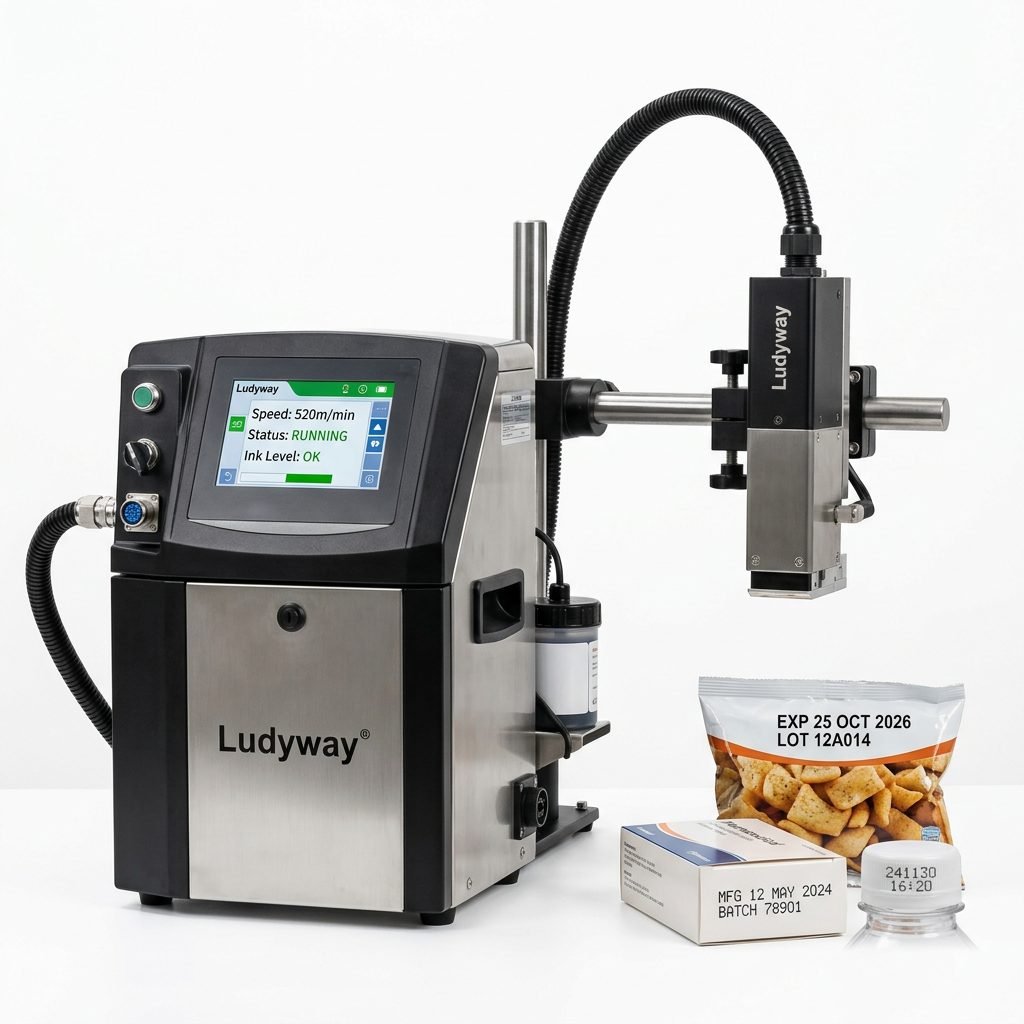
- Integrated coding and marking — prints batch numbers, dates, and QR codes in-line
- Cartoning and case packing modules — extends automation to secondary packaging
- Conveyor and material handling integration — connects filling, inspection, and packing stations
6. Cleaning, Hygiene, and Compliance Standards
Cooking oil packaging machines intended for food applications must meet food-grade hygiene requirements. Stainless steel construction (typically SUS304 or SUS316L) for all product-contact parts is essential. Machines should be designed for easy disassembly and cleaning, with minimal dead zones where product residue can accumulate. Depending on your target markets, relevant certifications may include FDA compliance for U.S. markets, EU food contact material regulations, and ISO 22000 for food safety management.
Comparing Dosing Technologies for Cooking Oil Filling
The filling mechanism is the heart of any cooking oil packaging machine. The choice of dosing technology affects accuracy, speed, maintenance requirements, and compatibility with different oil types.
| Dosing Technology | Accuracy | Viscosity Range | Maintenance | Best Application |
|---|---|---|---|---|
| Piston Filler | ±0.5–1% | Low to medium | Moderate | Precise dosing, small to medium volumes |
| Gear Pump Filler | ±1–2% | Low to high | Low | High-viscosity oils, continuous flow |
| Mass Flow Meter | ±0.2–0.5% | Low to medium | Very low | High-precision, large volumes |
| Volumetric Cup Filler | ±1–3% | Low | Low | Budget-friendly, lower accuracy needs |
| Peristaltic Pump | ±0.5–1% | Low to medium | Low (tubing replacement) | Hygienic applications, small batches |
Sealing Technology Considerations for Oil Packaging
Seal integrity is absolutely critical for cooking oil packaging. A compromised seal leads to leakage, contamination, product spoilage, and costly returns. When evaluating machines, assess the following:
- Sealing temperature control — precise, multi-zone temperature regulation prevents under-sealing (weak seals) and over-sealing (film damage or burn-through)
- Sealing pressure uniformity — consistent pressure across the entire seal area ensures integrity, especially for multi-lane machines where seal bars span multiple lanes
- Dwell time adjustment — the ability to fine-tune sealing dwell time accommodates different film thicknesses and laminate structures
- Oil-resistant sealing design — some machines incorporate specialized seal jaw coatings or patterns to maintain seal quality even when微量 oil is present in the seal area
- Gas flushing capability — nitrogen flushing extends shelf life by displacing oxygen in the headspace before sealing
Evaluating Total Cost of Ownership
The purchase price of a cooking oil packaging machine represents only a portion of its lifetime cost. A comprehensive TCO analysis should account for:
- Initial capital expenditure — machine cost, installation, and commissioning
- Consumables and spare parts — sealing elements, cutting blades, filters, gaskets, and wear components
- Packaging material waste — machines with poor film registration or sealing consistency generate higher material waste
- Product giveaway — even small overfill percentages compound significantly at high production volumes
- Downtime and maintenance — unplanned downtime costs include lost production, labor, and missed delivery deadlines
- Energy consumption — heating elements, servo motors, and compressed air systems contribute to ongoing operational costs
- Operator training and labor requirements — more automated systems reduce dependency on skilled operators
Questions to Ask Before Purchasing
Before engaging with equipment suppliers, clarify the following points internally and discuss them during the evaluation process:
- What is your current and projected production volume? This determines the required lane count, speed, and automation level.
- What packaging formats do you need now and in the future? Sachets, stick packs, pouches, or bottles — flexibility to handle multiple formats can future-proof your investment.
- What are the physical characteristics of your cooking oil? Viscosity, temperature sensitivity, particulate content, and foaming tendency all influence machine configuration.
- What are your target markets and regulatory requirements? Different regions have specific standards for food contact materials, labeling, and fill accuracy.
- What level of technical support is available locally? Access to timely service, spare parts, and technical assistance minimizes downtime risk.
- What is your available factory floor space and utility infrastructure? Machine dimensions, power requirements, and compressed air needs must align with your facility.
Working with the Right Packaging Machinery Partner
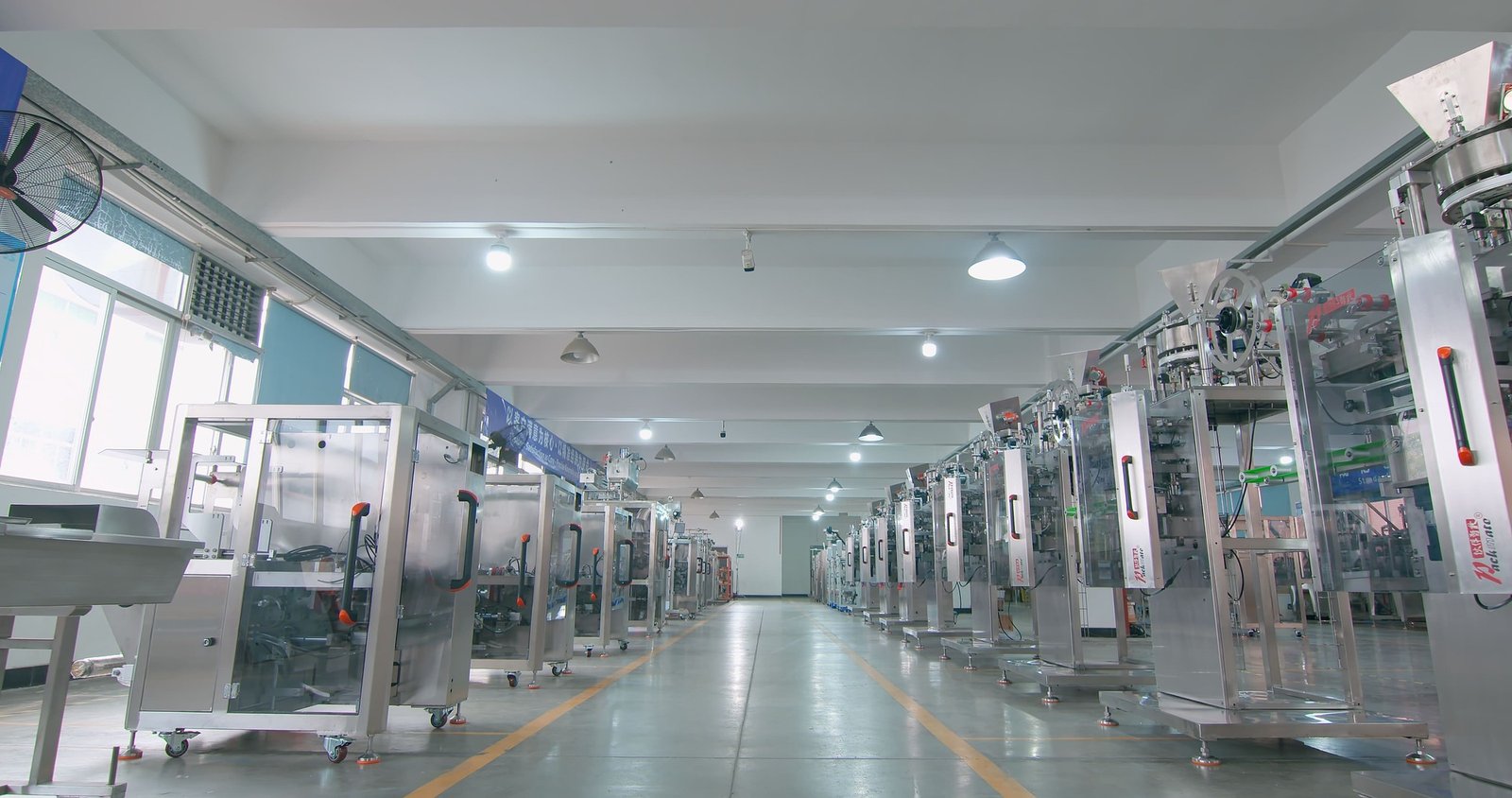
Choosing the right cooking oil packaging machine is as much about the equipment as it is about the manufacturer behind it. A capable packaging machinery partner should offer more than just machines — they should provide application engineering support, customization options, turnkey integration, and reliable after-sales service. Ludyway Machinery, with over 30 years of experience and a 20,000-square-meter manufacturing facility, is one such China-based packaging machinery manufacturer that provides comprehensive solutions spanning sachet, stick pack, pouch, and multi-lane liquid filling systems for edible oil producers worldwide. The company’s engineering team works with customers to configure machines according to specific oil types, packaging formats, and production requirements, helping manufacturers achieve efficient and consistent packaging operations across diverse international markets.
Key Industry Resources and Standards
Staying informed about industry standards and regulations is essential when investing in cooking oil packaging equipment. The following resources provide valuable guidance:
- PMMI Business Intelligence Library — packaging machinery market data and trend reports
- Flexible Packaging Association Industry Resources — material specifications and regulatory updates
- FDA Packaging and Food Contact Substances — compliance requirements for U.S. markets
- ISO Packaging Standards — international standards for packaging machinery and materials
- PACK EXPO International — leading packaging industry trade show for equipment evaluation
Final Thoughts
Investing in the right cooking oil packaging machine requires a methodical evaluation of your product characteristics, production targets, packaging formats, regulatory environment, and budget. By focusing on fill accuracy, seal integrity, material compatibility, automation level, and total cost of ownership — and by partnering with an experienced equipment manufacturer that offers engineering support and customization — you can build a packaging operation that delivers consistent quality, high throughput, and reliable long-term performance.
Taking the time to thoroughly assess your needs and evaluate equipment options before purchasing will pay dividends in reduced downtime, lower waste, and greater customer satisfaction for years to come.