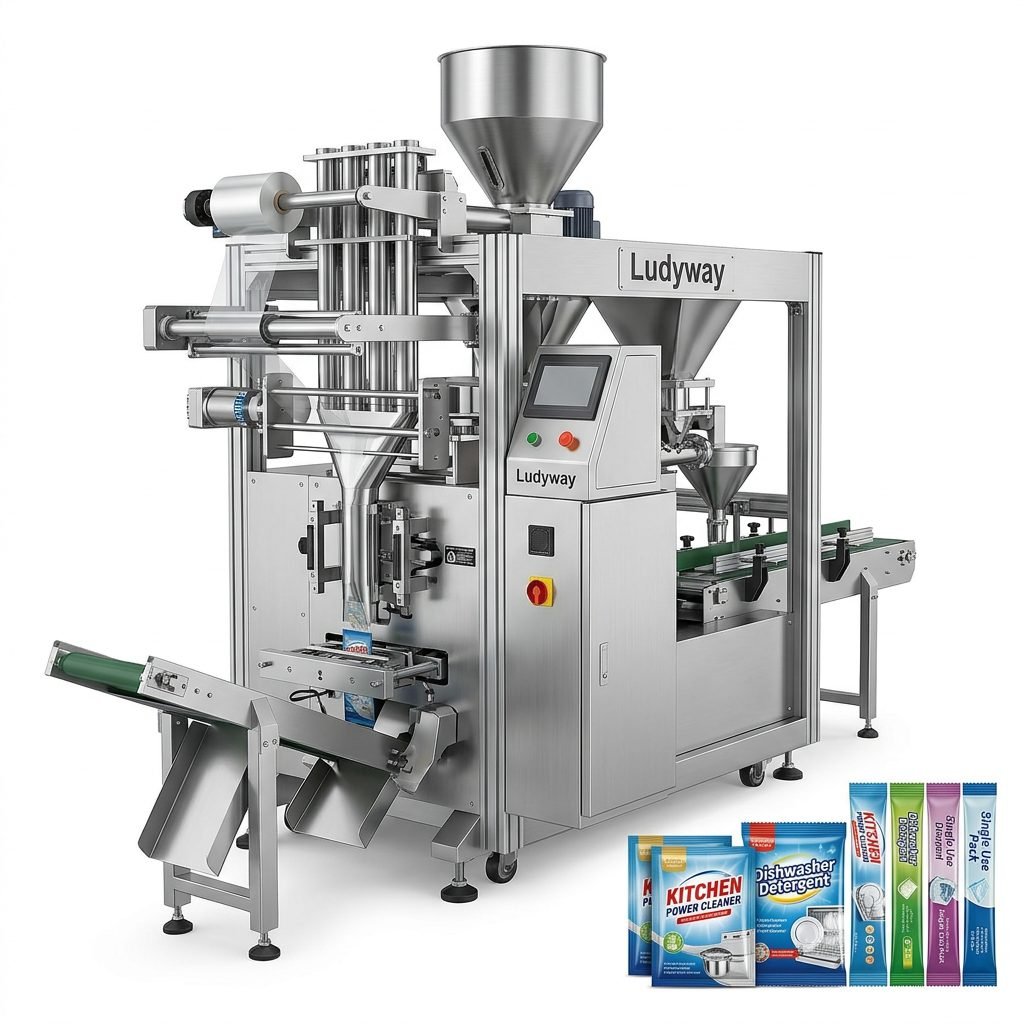
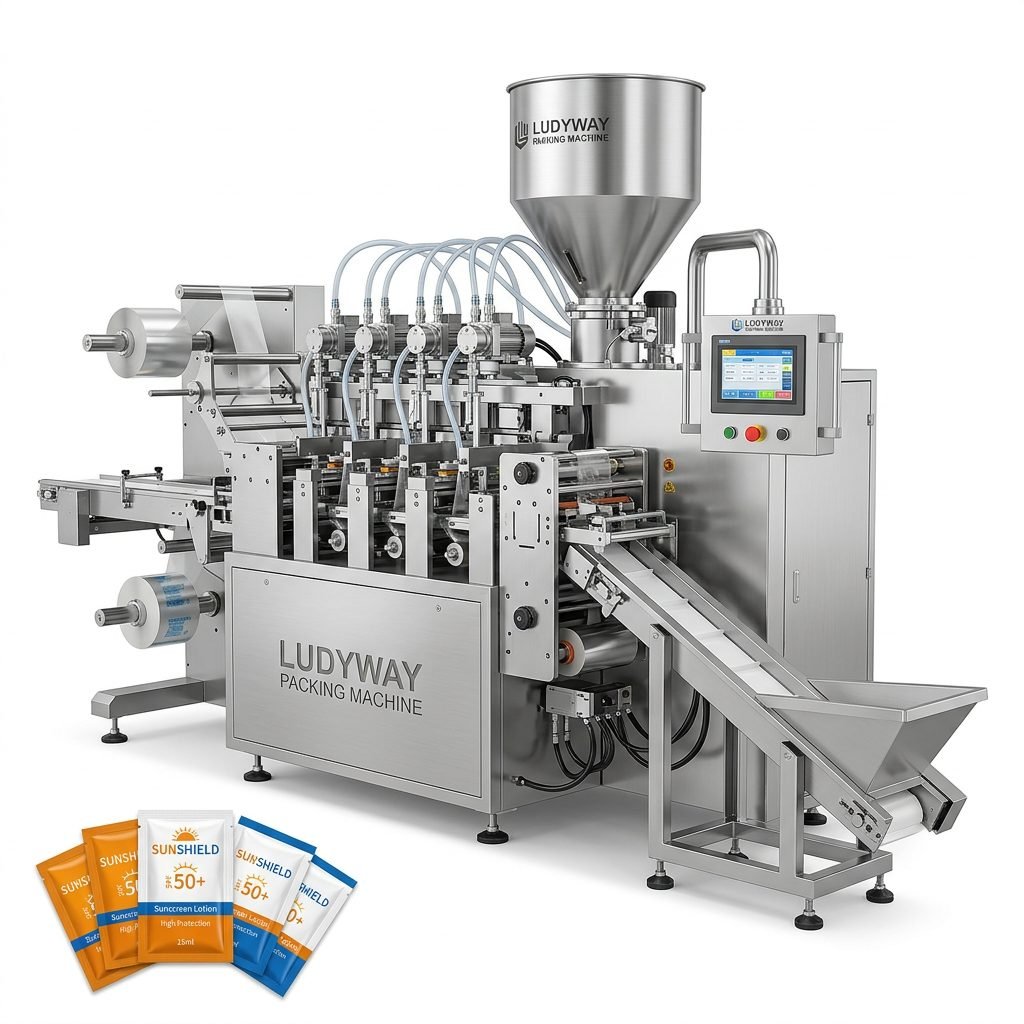
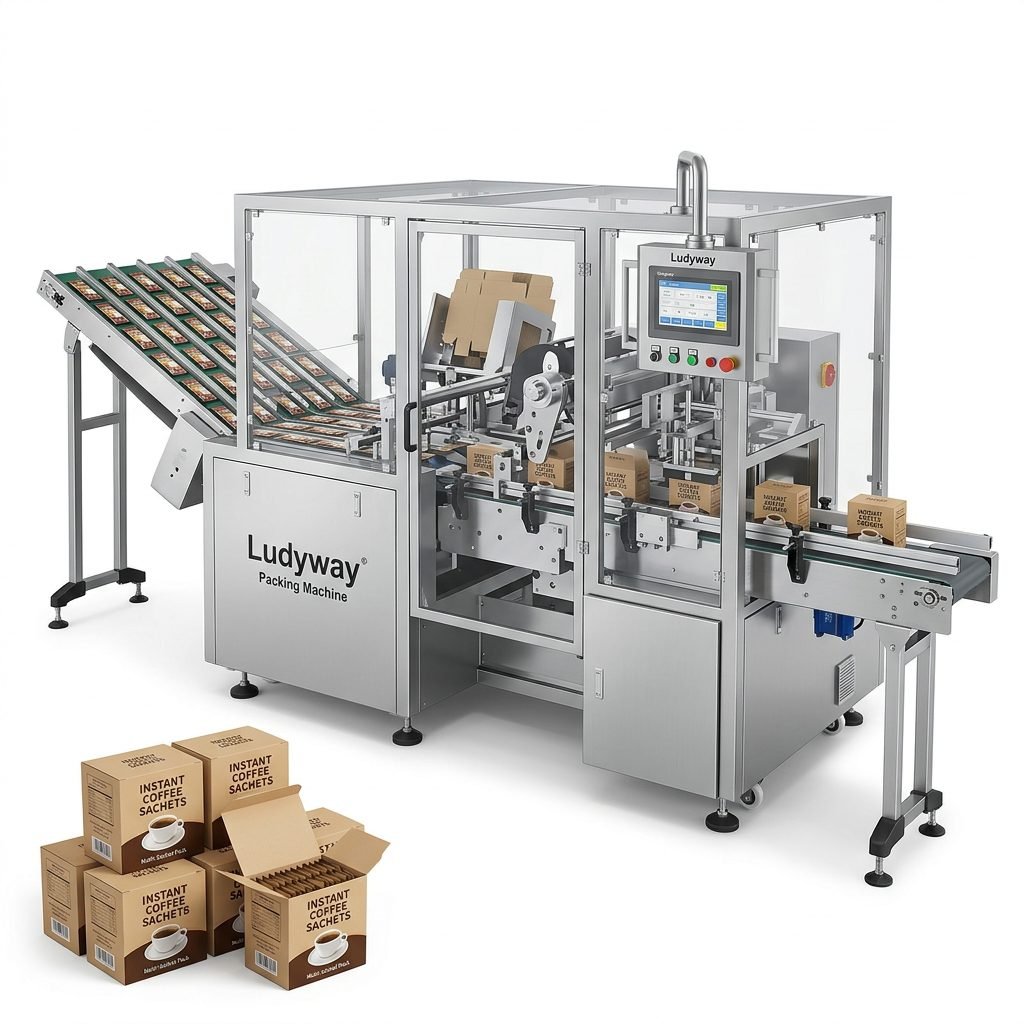
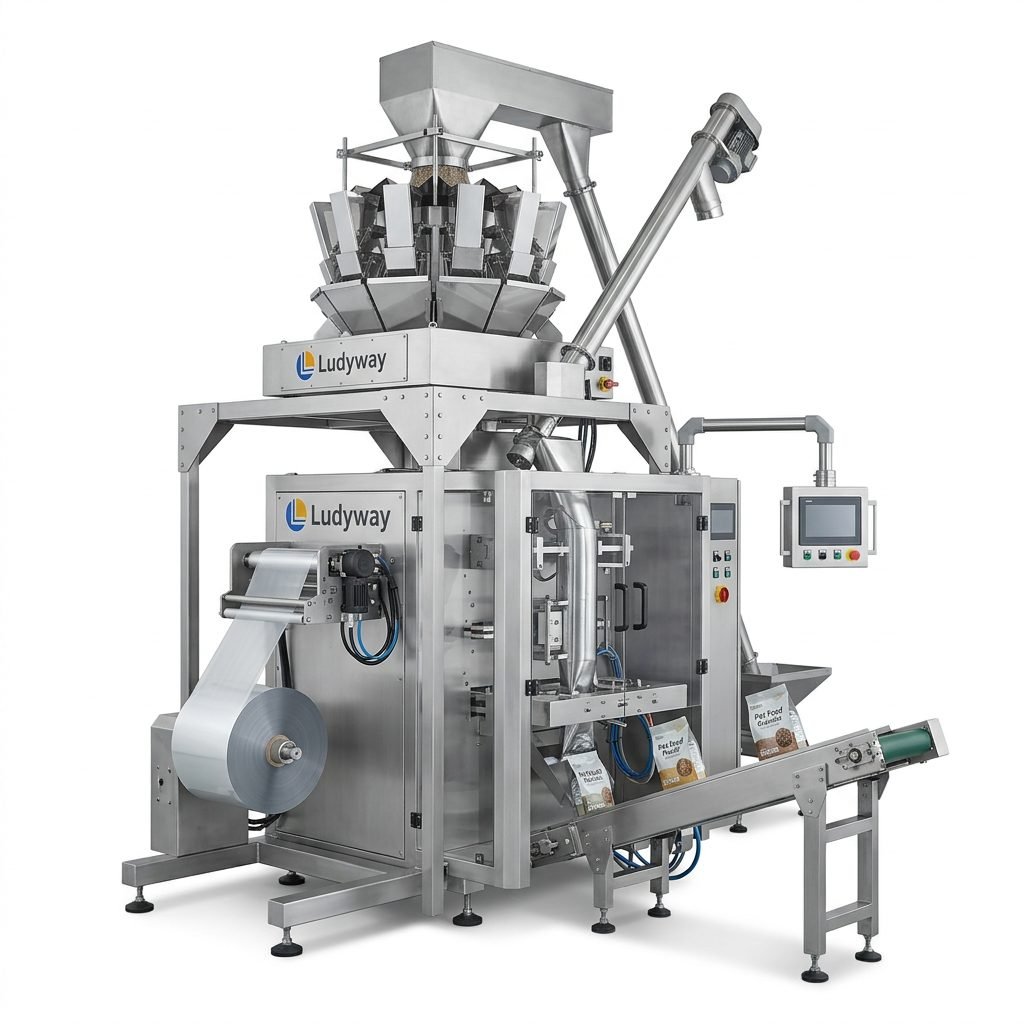
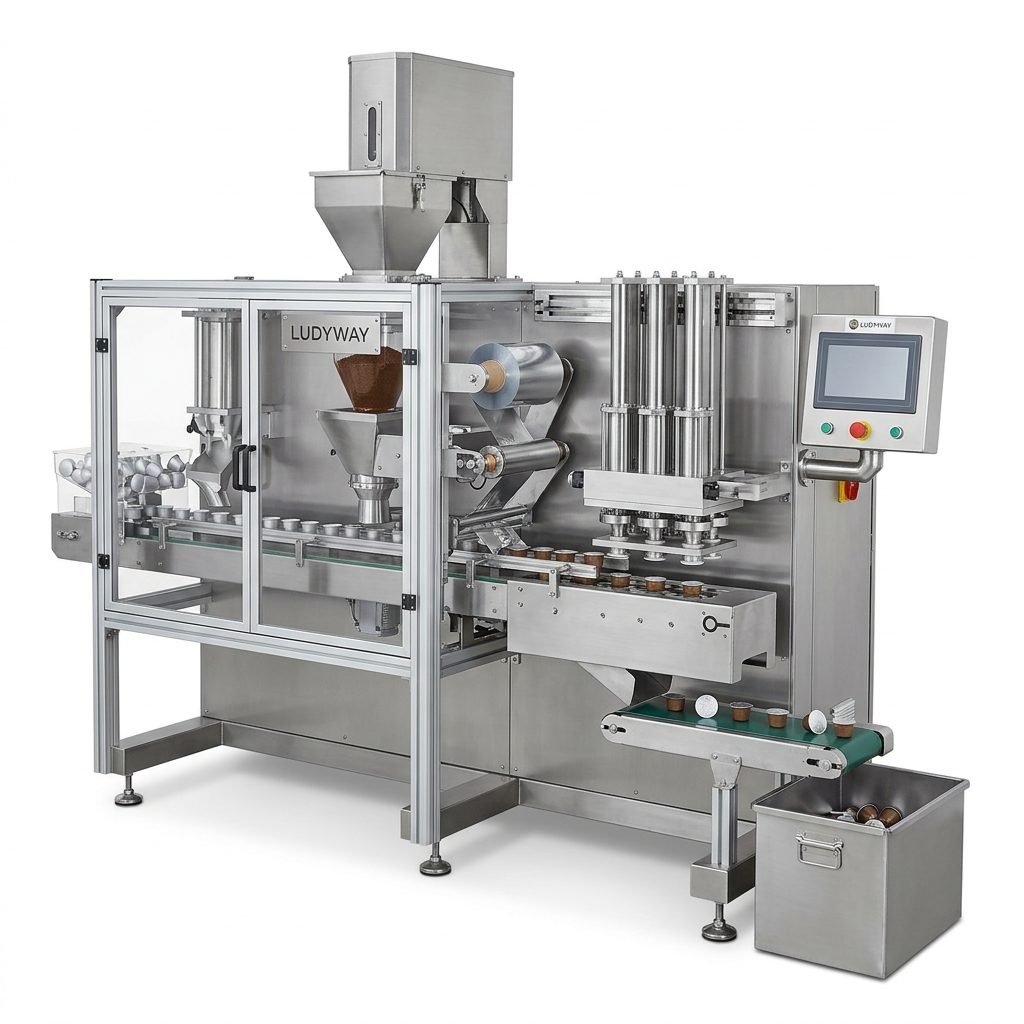
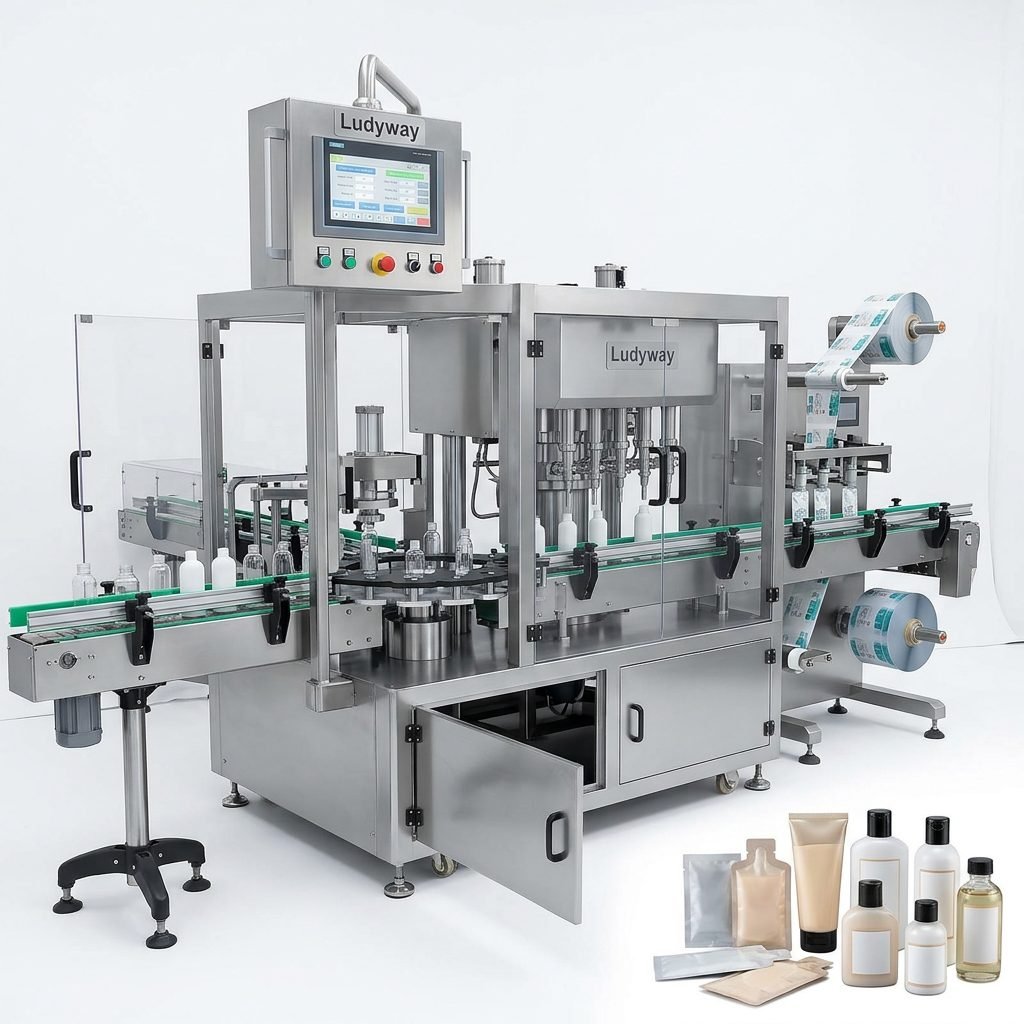
Investing in a cupcake packaging machine is a critical decision for any bakery or food manufacturer scaling up production. The right equipment not only preserves the delicate frosting and texture of your cupcakes but also enhances shelf appeal and operational efficiency. With a wide variety of automated packaging solutions available, navigating the specifications can be overwhelming. This comprehensive buyer’s guide breaks down the essential factors you need to evaluate before purchasing a cupcake packaging system, from automation levels to sealing technology and material compatibility.
Understanding Your Production Volume and Speed Requirements
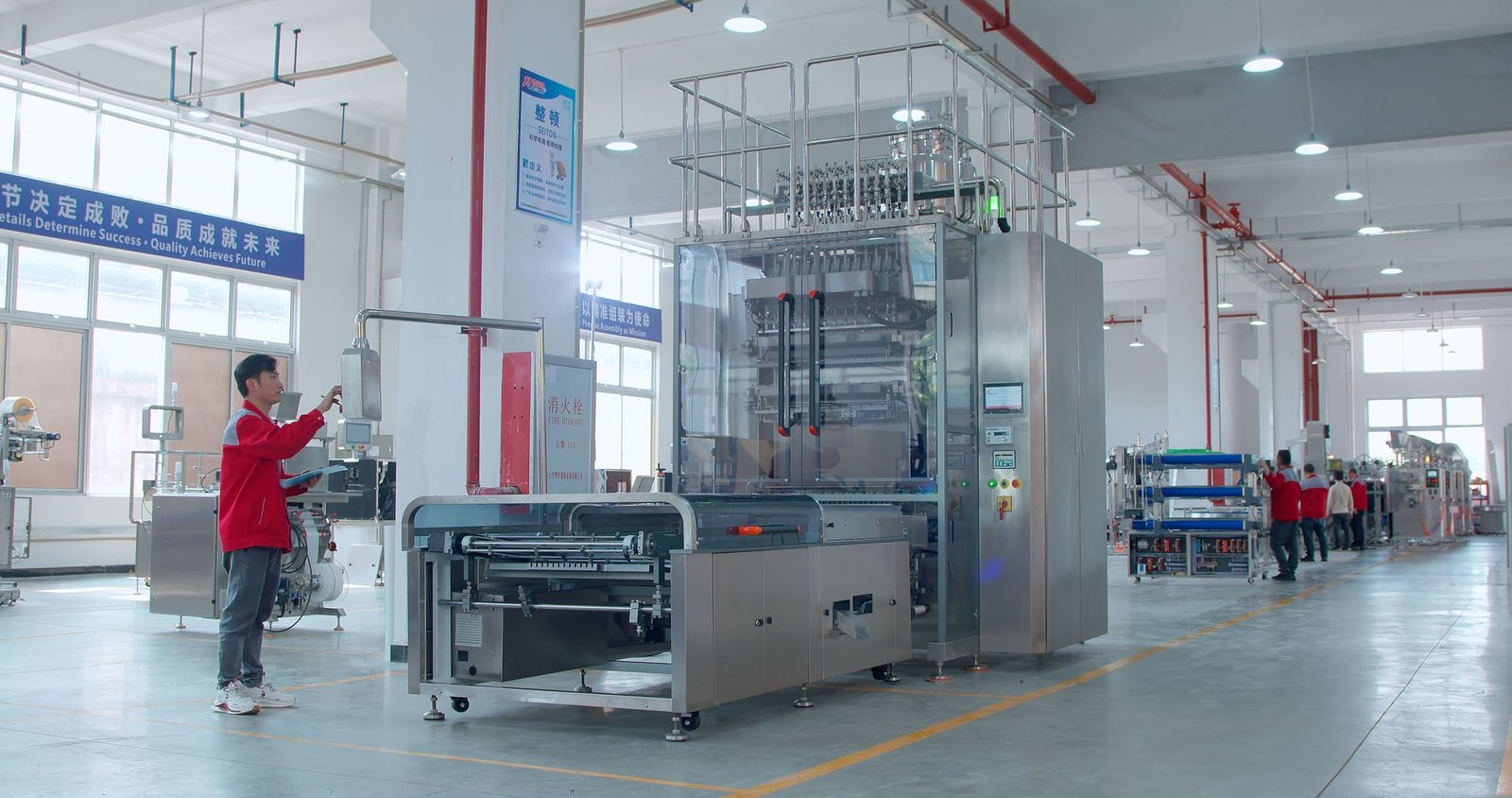
The first step in selecting a cupcake packaging machine is accurately assessing your current and future production capacity. Are you a small artisan bakery producing a few hundred units daily, or a large industrial operation requiring thousands of packaged cupcakes per hour? Machines are generally categorized by their throughput speed, typically measured in packages per minute (PPM). For small to medium enterprises, a semi-automatic machine might suffice, while high-speed, multi-lane systems are better suited for large-scale manufacturers. According to market data from PMMI’s Business Intelligence, the demand for flexible, high-speed packaging machinery has been steadily increasing as consumer preferences shift toward single-serve and convenience formats. Aligning your machine’s speed with your production goals ensures you avoid bottlenecks during peak demand seasons.
Key Machine Configurations: Manual, Semi-Automatic, and Fully Automatic
The level of automation directly impacts your labor costs and consistency. Below is a breakdown of the typical configurations available for cupcake packaging:
- Manual Systems: Ideal for startups with very low volume. Operators manually place cupcakes and film, offering low initial investment but high labor dependency.
- Semi-Automatic Machines: Operators place the tray or cupcake, and the machine automatically seals the film. This balances cost with efficiency for growing businesses.
- Fully Automatic Inline Systems: These systems automate product feeding, film unwinding, sealing, and cutting. They are designed for high-volume 24/7 operations and often integrate with upstream cooling tunnels and downstream cartoning equipment.

Choosing the Right Packaging Format and Material
Cupcakes are fragile, which makes the choice of packaging format crucial. The most common configurations include flow wrapping, shrink wrapping, and rigid tray sealing. Your machine must be compatible with the packaging material you intend to use, whether it’s polypropylene (PP), polyethylene (PE), or sustainable bioplastics.
Flow Wrapping for High-Volume Bakeries
Flow wrapping is a popular horizontal packaging method where a continuous film is wrapped around a single cupcake or a tray. This provides a tight, hermetic seal that maximizes shelf life. Look for machines with adjustable forming boxes and precise temperature controllers for the sealing jaws. Accurate temperature regulation ensures strong seals without burning the film or damaging the frosting.
Rigid Tray Sealing and MAP Options
For premium presentation and structural protection, rigid trays sealed with a top film are often preferred. This format is compatible with flexible packaging innovations that meet FDA standards for food contact substances. If extended shelf life is a priority, consider machines capable of Modified Atmosphere Packaging (MAP), which flushes the package with inert gas to preserve freshness without preservatives. The FDA provides guidelines on packaging materials and gas flushing to ensure food safety compliance.
Critical Technical Specifications to Evaluate
Beyond speed and format, the mechanical integrity of the machine determines your total cost of ownership. Use the following specifications as a checklist during your vendor evaluation:
| Specification | Why It Matters |
|---|---|
| Sealing Jaw Design | Rotary or box-motion jaws impact dwell time and seal integrity, critical for crumb-proof seals. |
| Film Registration | Precision registration ensures printed film designs align perfectly with the product, reducing waste. |
| Stainless Steel Construction | Essential for food safety and washdown environments, preventing corrosion and bacterial growth. |
| Servo-Driven Motors | Offers superior precision and repeatability compared to pneumatic systems, reducing maintenance energy costs. |
Customization and Future-Proofing Your Investment
Consumer trends in the bakery sector shift rapidly. Your cupcake packaging machine should be adaptable. Modular designs allow for the addition of auto-feeders, labelers, or code daters later. For instance, a machine initially configured for a single cupcake might need an upgrade kit to accommodate multi-packs. Rather than relying solely on standardized off-the-shelf models, partnering with a manufacturer that offers customized engineering solutions ensures your equipment aligns with your specific factory layout and production goals. This approach is particularly valuable when integrating the machine into an existing line with conveyors and checkweighers.
Evaluating Manufacturer Support and Global Standards
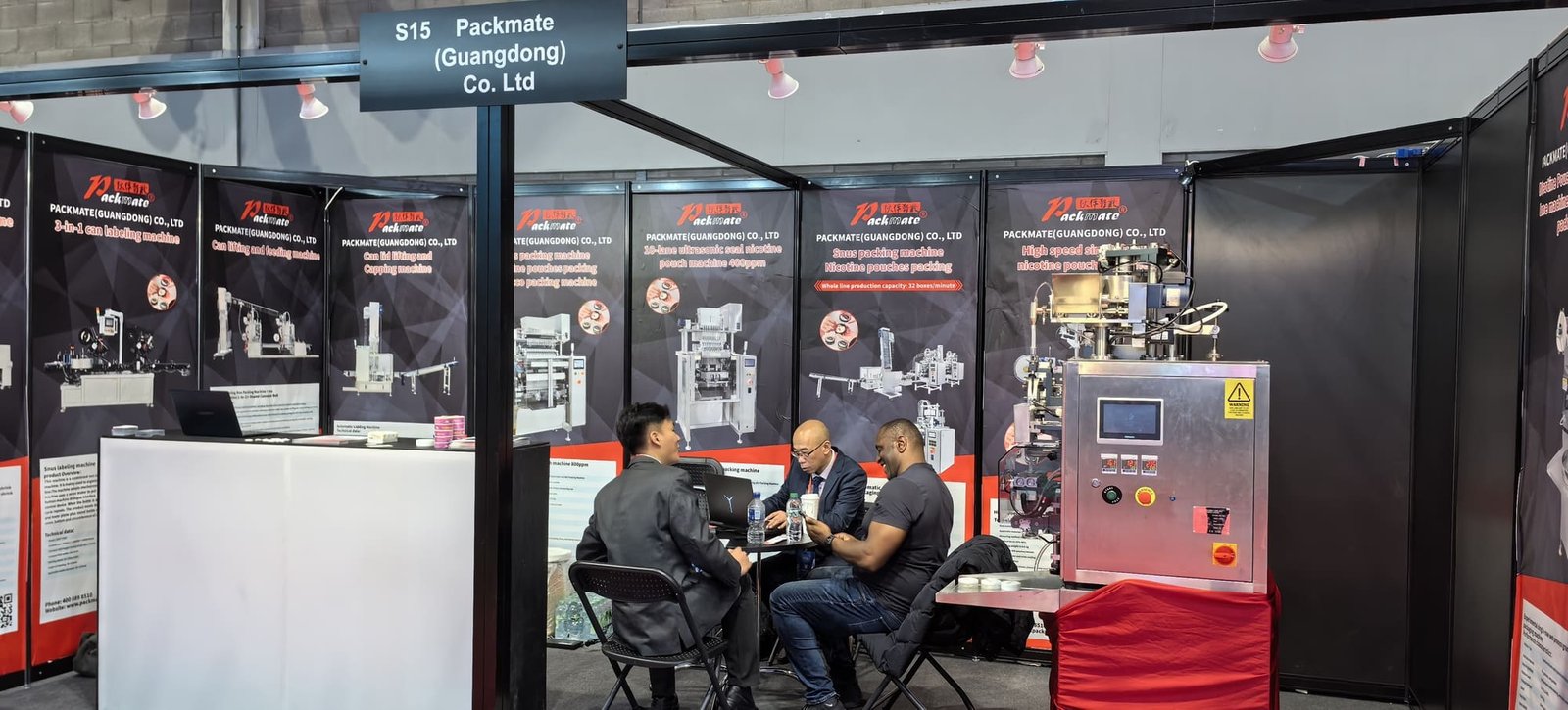
The machine’s long-term performance relies heavily on the manufacturer’s engineering capability and after-sales support. A reliable packaging machinery manufacturer should combine in-house manufacturing expertise with robust automation technology. During your vendor vetting, explore their track record. For example, Ludyway Machinery, with over 30 years of experience and a 20,000-square-meter facility, configures equipment to meet international standards and provides lifecycle support including installation, commissioning, and operator training. Ensuring the machinery complies with ISO packaging standards is non-negotiable for safety and liability protection, especially for perishable goods like cupcakes.
Calculating Total Cost of Ownership (TCO)
The purchase price is just the starting point. A smart buyer calculates TCO over a 5 to 10-year period. This includes energy consumption, spare parts availability, film waste rates, and labor requirements. A cheaper machine might waste significantly more film, especially during startups and stoppages. Furthermore, consider the machine’s changeover time. If you frequently switch between standard, mini, and jumbo cupcake sizes, a machine with tool-less quick-change parts will save hours of labor per week. Reducing downtime and material waste often provides a higher return on investment than simply choosing the lowest bid.
Steps to Making Your Final Decision
To summarize the buying process, follow these actionable steps to mitigate risk:
- Test Your Product: Never buy a machine without running your actual cupcakes and chosen film through it. The density, frosting height, and container shape can drastically affect the seal.
- Verify Cleanability: Cupcake crumbs and frosting inevitably build up. The machine should feature easy-open guards and minimal crevices for rapid sanitation between batches.
- Assess Connectivity: Check if the system supports Industry 4.0 data protocols for performance monitoring and predictive maintenance, a feature increasingly highlighted in 2026 State of the Industry reports.
- Secure Technical Documentation: Ensure the supplier provides comprehensive operational manuals, electrical schematics, and a clear warranty on wear parts.
Selecting the right cupcake packaging machine is a strategic partnership between your bakery and the equipment manufacturer. By focusing on automation requirements, versatile format handling, and long-term service support, you lay the foundation for consistent product quality and scalable growth in the competitive food market.