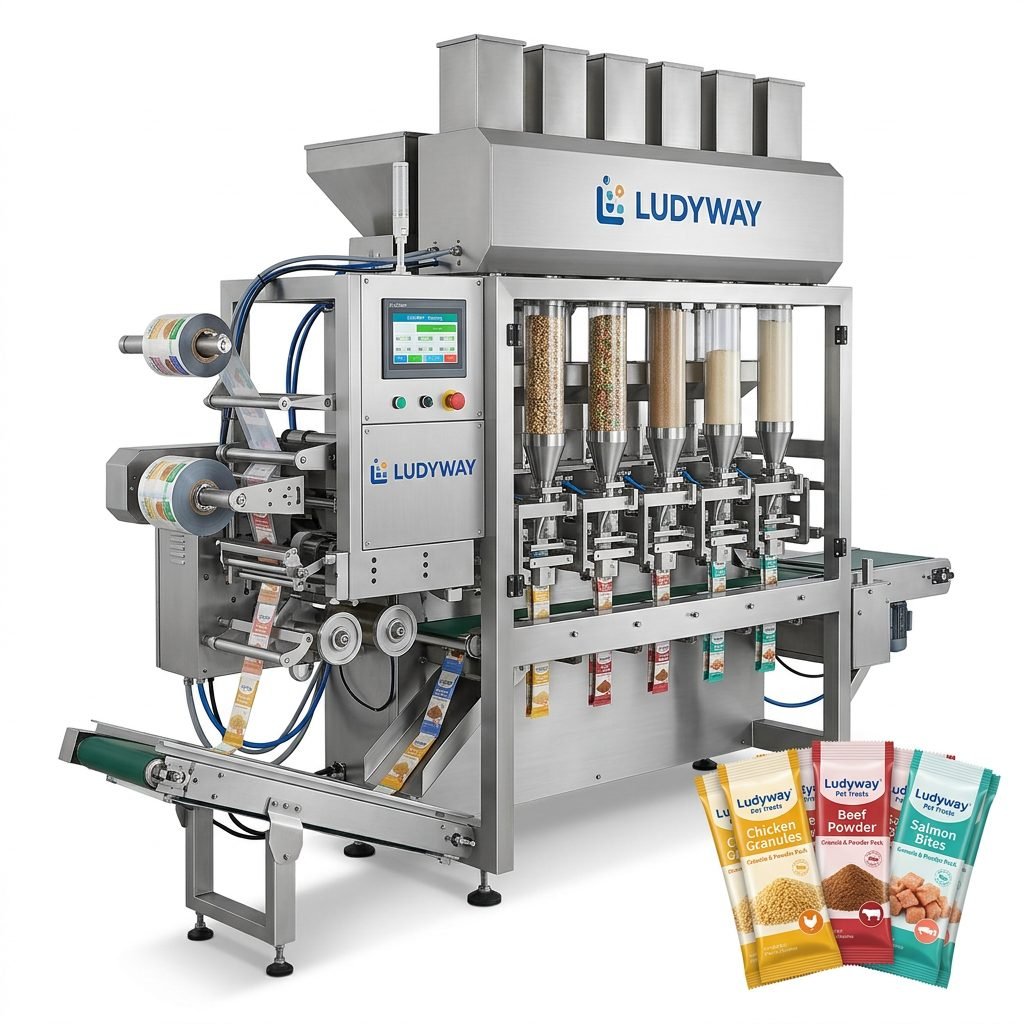
Investing in a fruit packaging machine is a significant decision for any fresh produce business, food processing facility, or distribution center. The right equipment directly impacts product shelf life, operational efficiency, and brand presentation. With numerous technologies available—from vertical form fill seal (VFFS) systems to modified atmosphere packaging (MAP) and multi-head weighers—selecting the optimal solution requires a clear understanding of your product characteristics, production goals, and market requirements.
This guide walks you through the critical factors to evaluate, helping you make an informed purchasing decision that aligns with both your current operations and future growth plans.
Understanding Your Product and Production Requirements
Before comparing machine specifications, you must define your operational parameters clearly. Fruit products vary enormously in their physical properties, and packaging equipment must be matched to these characteristics precisely.
Start by answering these fundamental questions:
- What is the physical form of your fruit product? Fresh whole fruit, cut fruit pieces, dried fruit, fruit powders, fruit juices, purees, or concentrates each demand different feeding, filling, and sealing technologies.
- What packaging format do you need? Pillow pouches, stand-up pouches (doypack), sachets, stick packs, gusseted bags, or pre-made pouches each serve different market segments and retail channels.
- What is your target production speed? Machines are rated in bags or packs per minute. Determine your daily, weekly, or seasonal output requirements to select equipment with appropriate throughput capacity.
- What are your fill weight targets? Whether packing 25g snack portions or 5kg bulk bags, the dosing and weighing system must deliver accurate, consistent fills.
- Do you require modified atmosphere packaging (MAP)? For fresh-cut fruit or products requiring extended shelf life, gas flushing capability may be essential.
Key Types of Fruit Packaging Machines
Different fruit products and packaging formats correspond to specific machine categories. Understanding these distinctions helps narrow your search effectively.
| Machine Type | Best Suited For | Packaging Formats | Typical Speed Range |
|---|---|---|---|
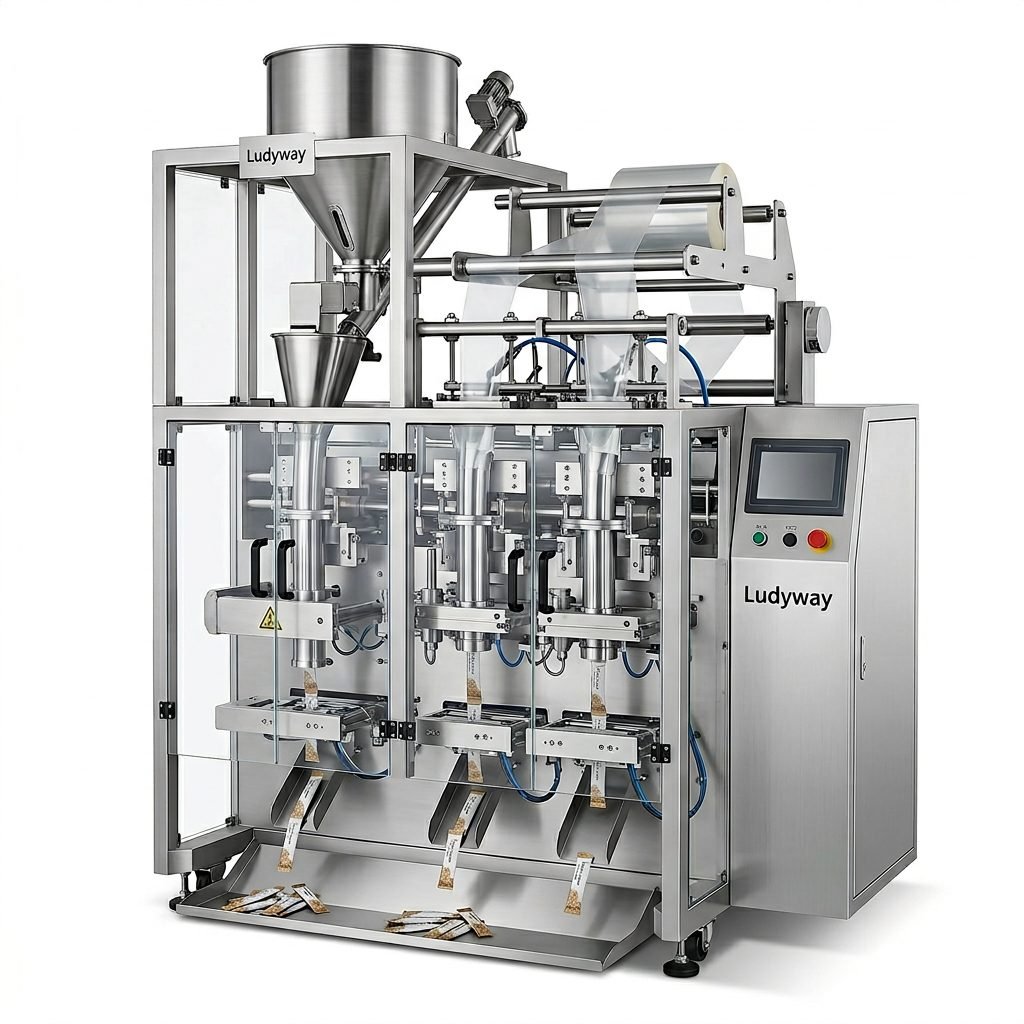
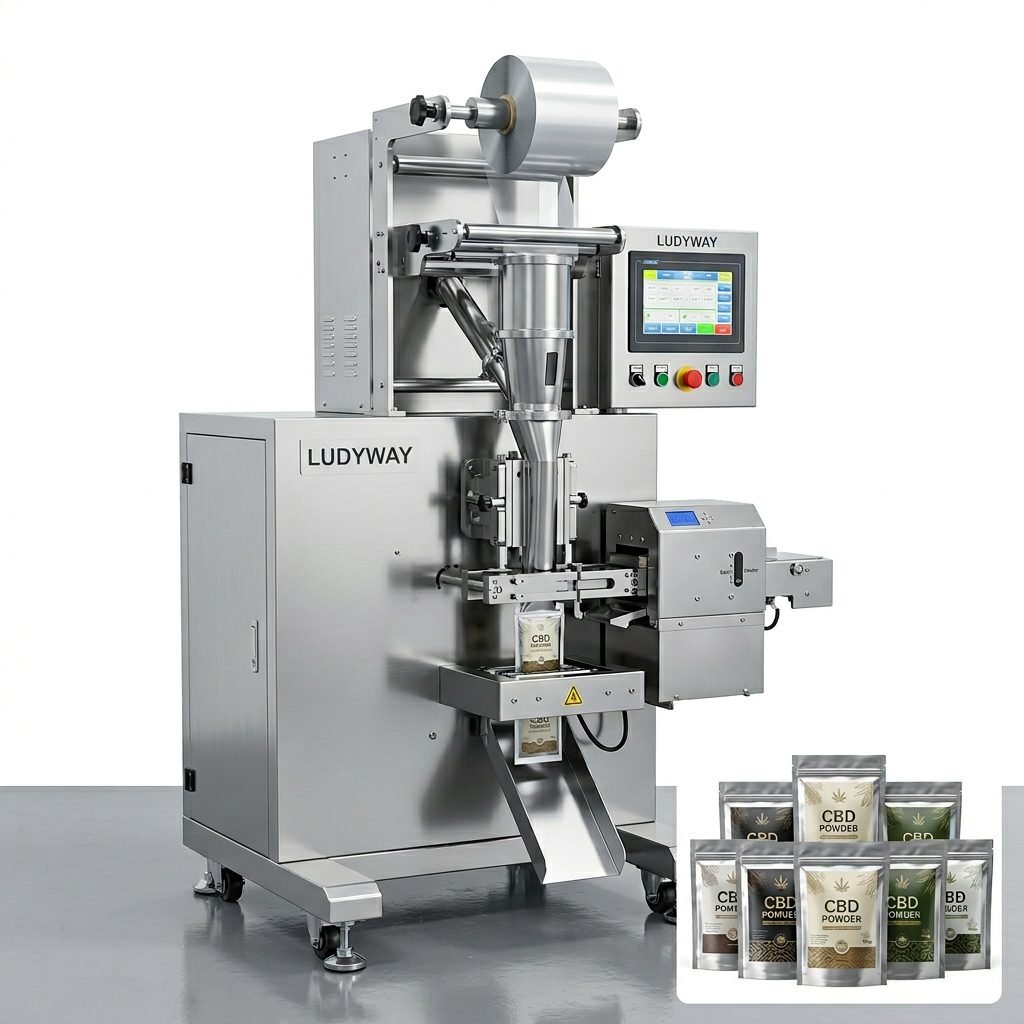
| Vertical Form Fill Seal (VFFS) | Dried fruit, fruit powders, granola with fruit, frozen fruit | Pillow pouches, gusseted bags, quad-seal bags | 30–120 packs/min |
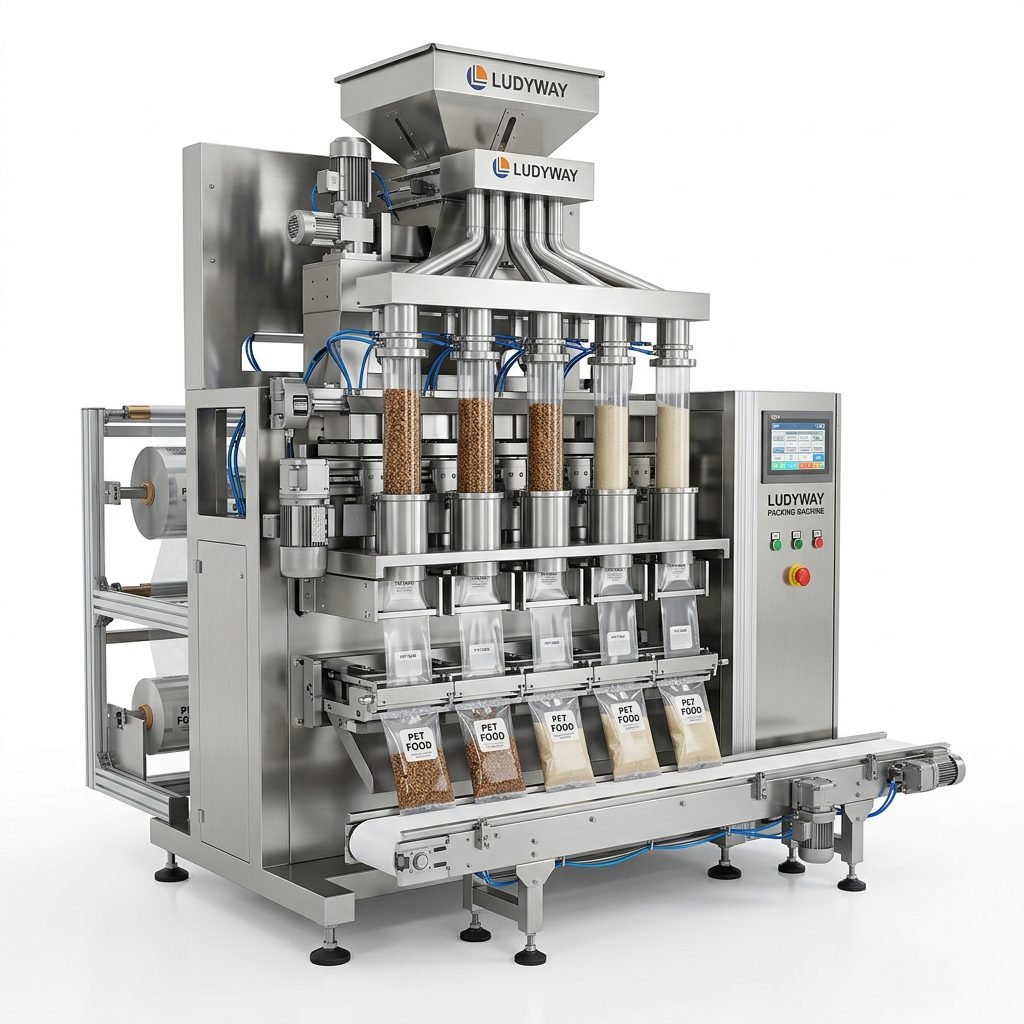
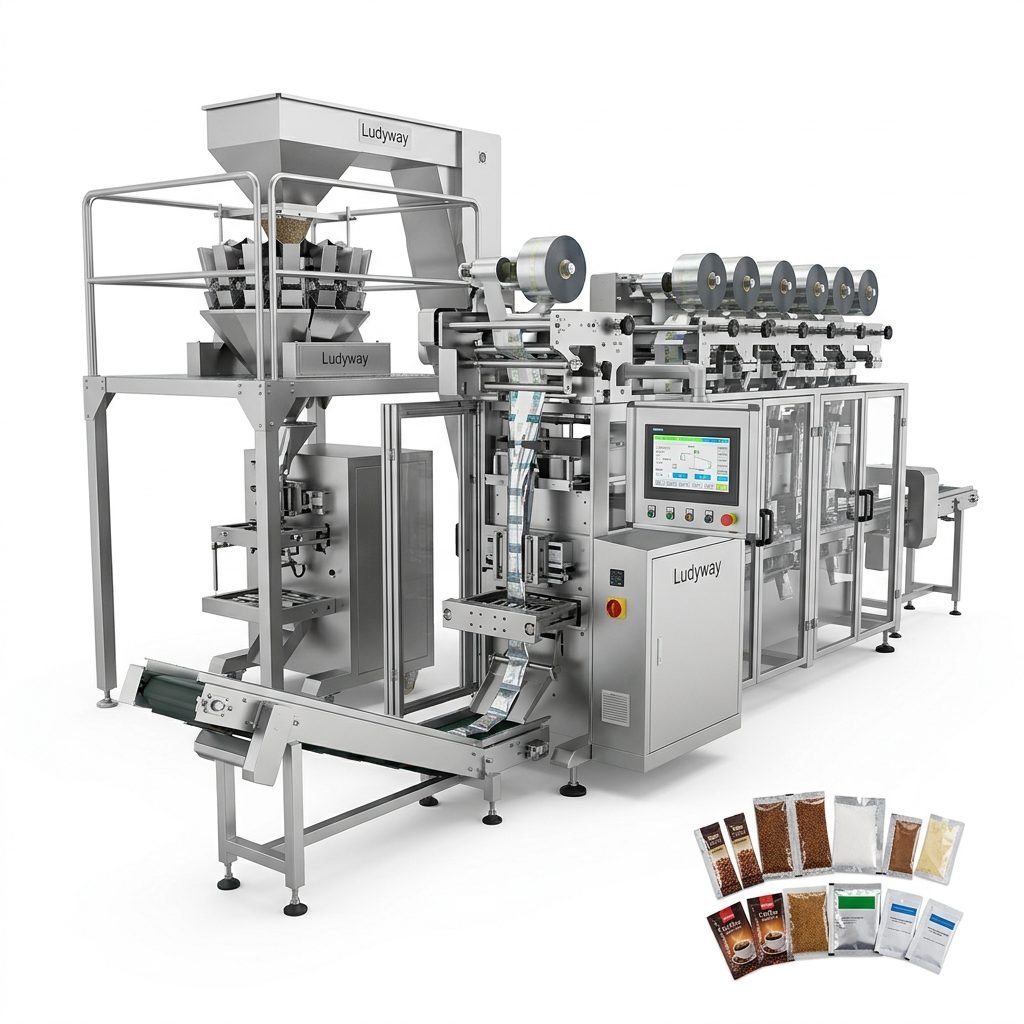
| Multi-Head Weigher + VFFS | Mixed fruit snacks, trail mix, dried fruit blends | Pillow pouches, stand-up pouches | 40–100 packs/min |
| Pre-Made Pouch Rotary Machine | Fresh-cut fruit, dried fruit in premium packaging | Stand-up pouches, zipper pouches, spouted pouches | 25–60 packs/min |
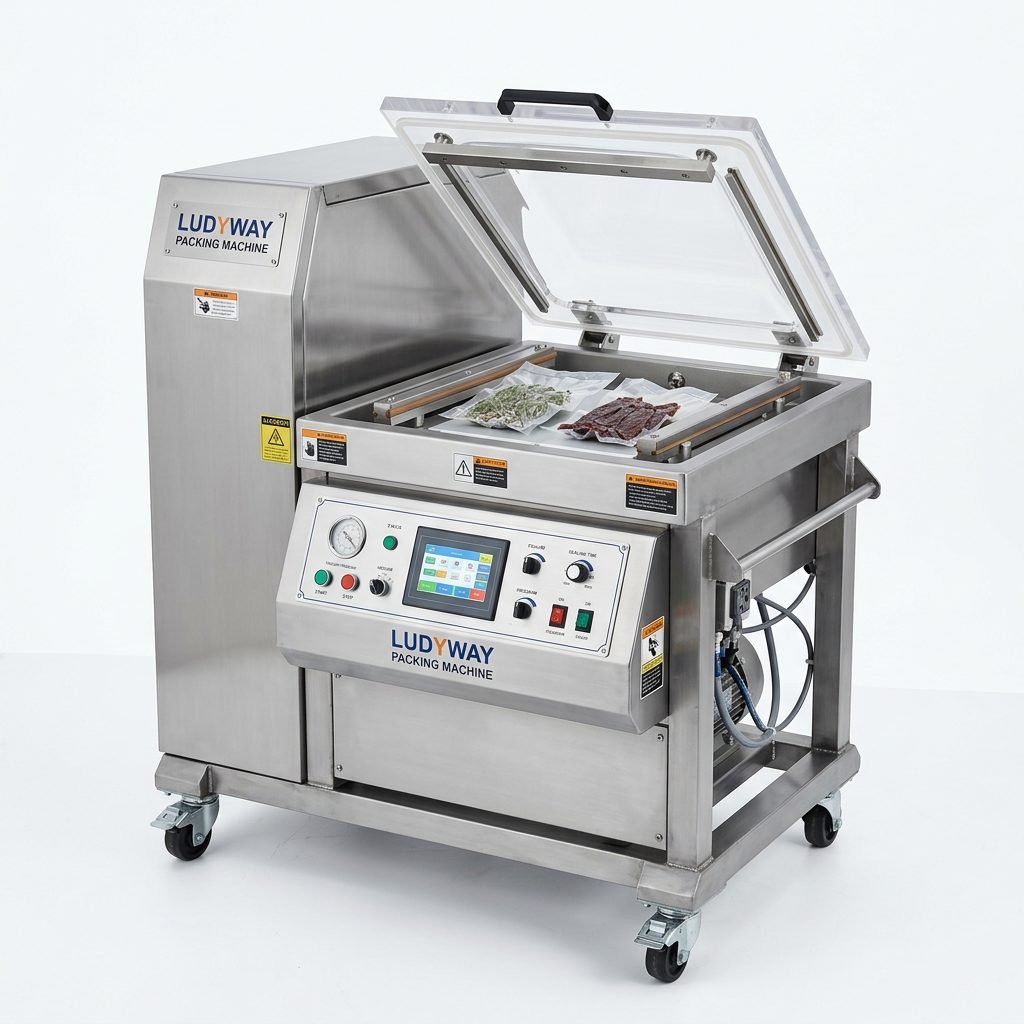
| MAP Tray Sealing Machine | Fresh fruit salads, cut fruit portions, berries | Sealed trays with modified atmosphere | 30–80 trays/min |
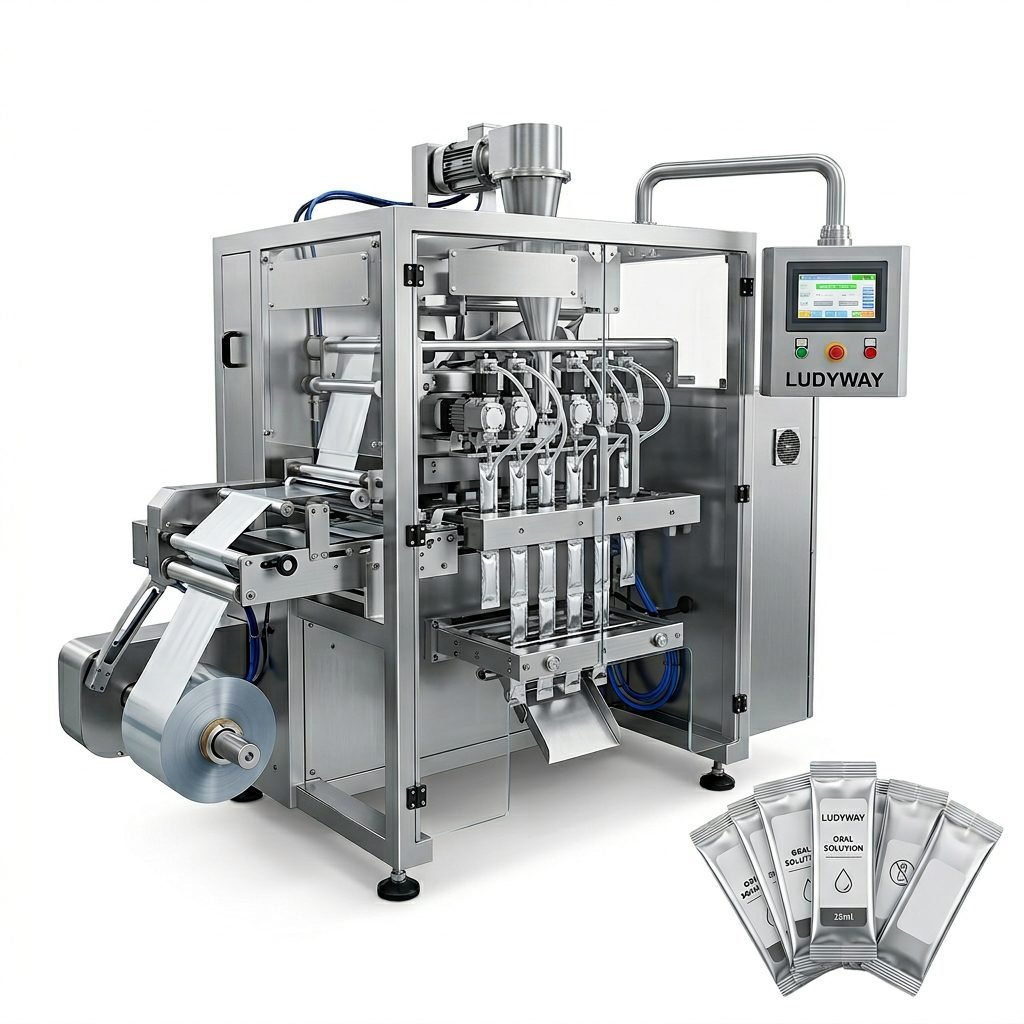
| Liquid Pouch Filling Machine | Fruit juices, purees, concentrates, smoothies | Sachets, stick packs, spouted pouches | 40–200 packs/min |
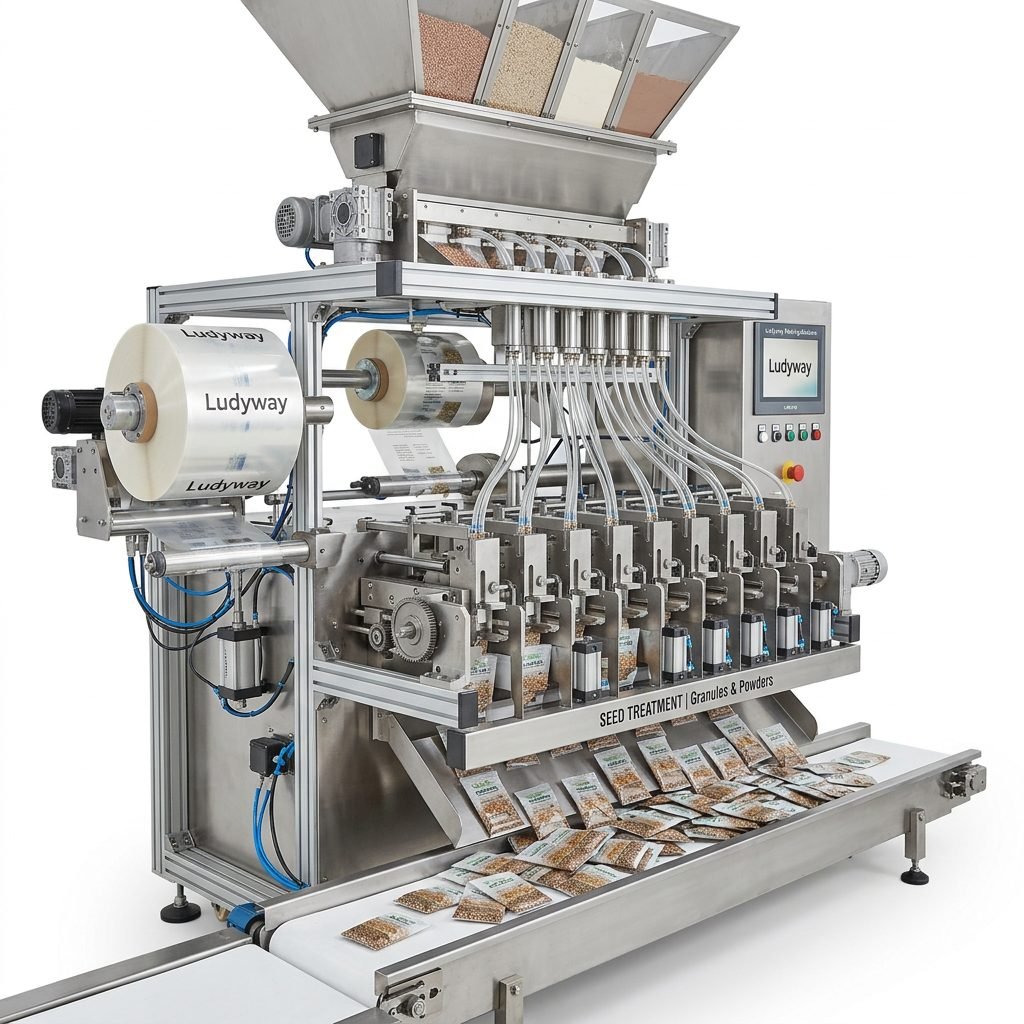
| Stick Pack Machine | Fruit powder supplements, single-serve juice powders | Stick packs, narrow sachets | 150–600 packs/min (multi-lane) |
Critical Technical Specifications to Evaluate
Once you have identified the appropriate machine category, delve into the technical specifications that determine performance, reliability, and long-term value. Ignoring these details can lead to costly mismatches between your requirements and the equipment’s capabilities.
Filling and Weighing Accuracy
For fruit products, precise portion control directly affects profitability and regulatory compliance. Overfilling erodes margins, while underfilling risks non-compliance with net content laws. Look for machines equipped with:
- Multi-head weighers for high-speed, high-accuracy weighing of irregular fruit pieces and mixes.
- Auger fillers for fruit powders where volumetric accuracy and minimal dust are priorities.
- Piston fillers or flow meters for fruit juices, purees, and liquid concentrates.
- Checkweigher integration for inline weight verification and automatic feedback adjustment.
Packaging Material Compatibility
Fruit products often require specific barrier properties to maintain freshness. Ensure the machine handles your chosen film structure—whether metallized PET, aluminum foil laminate, biodegradable films, or high-barrier coextruded materials. Machine parameters like seal temperature, dwell time, and jaw pressure must be adjustable to accommodate different material thicknesses and sealing characteristics.
Hygiene and Cleanability
Fresh fruit and food-grade fruit products demand strict sanitary standards. Evaluate machines for:
- Stainless steel construction (at minimum for all product contact surfaces).
- Tool-free disassembly for rapid cleaning and changeover.
- IP65 or higher washdown ratings for wet cleaning environments.
- Sloped surfaces to prevent liquid pooling and bacterial growth.
- Compliance with FDA food contact substance regulations and applicable GMP standards.
Automation Level and Line Integration
The degree of automation you require depends on your labor availability, production volume, and quality control needs. Modern fruit packaging lines can range from semi-automatic solutions to fully integrated turnkey systems.
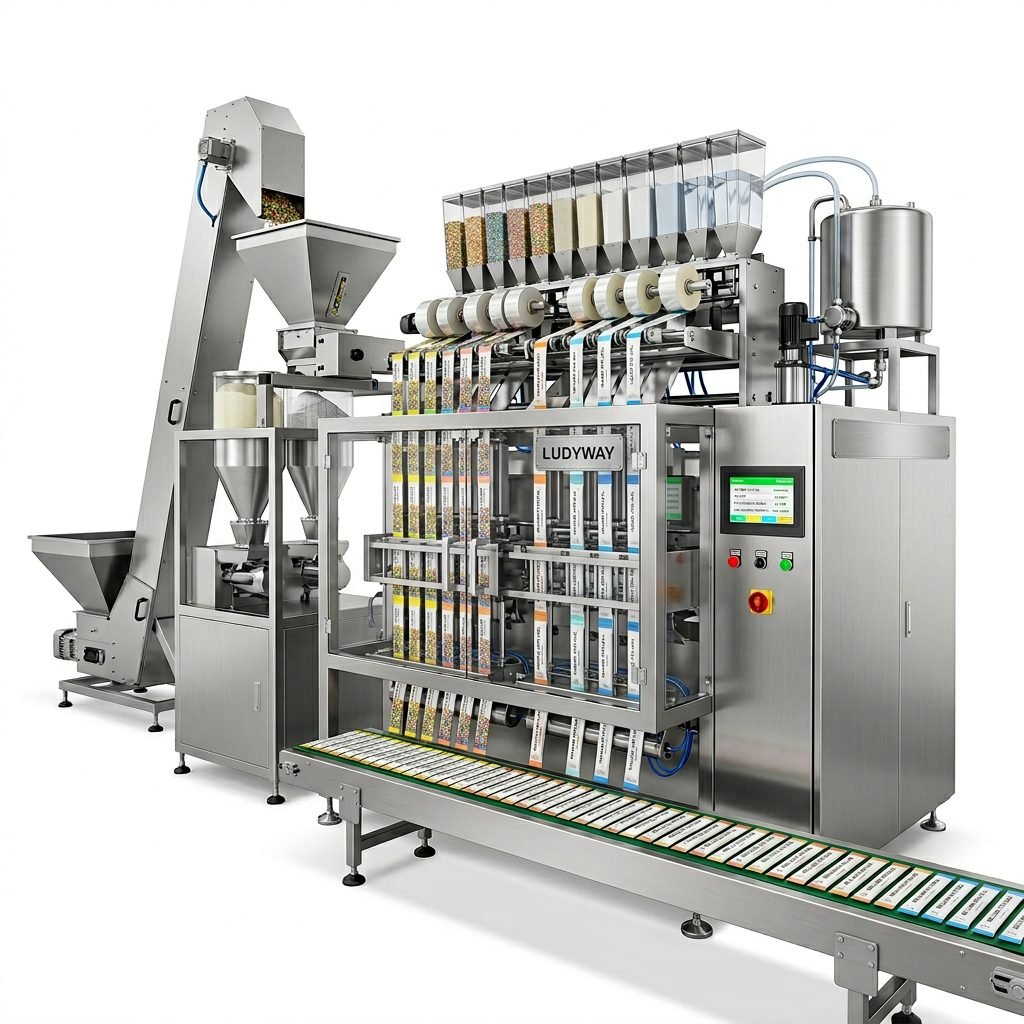
A fully automated fruit packaging line typically integrates:
- Automatic feeding systems: Vibratory feeders, bucket elevators, or inclined conveyors that deliver product to the weigher.
- Primary packaging machine: The core VFFS, pre-made pouch, tray sealing, or liquid filling system.
- Inline inspection: Vision systems, metal detectors, and checkweighers for quality assurance.
- Coding and marking: Inkjet or laser coders for batch numbers, date codes, and traceability data.
- Secondary packaging: Cartoning, case packing, and palletizing systems for downstream handling.
Sustainability and Flexible Packaging Trends
The fruit packaging industry is rapidly evolving toward more sustainable solutions. When selecting equipment, consider the machine’s ability to process:
- Recyclable mono-material films (PE or PP-based structures).
- Compostable and biodegradable packaging materials.
- Source-reduced and thinner gauge films.
- Paper-based flexible packaging with functional barriers.
According to the Flexible Packaging Association, the demand for recyclable and sustainable flexible packaging continues to grow, driving innovation in both materials and machine sealing technologies capable of handling these new substrates.
Supplier Evaluation: What to Look For
Choosing the right packaging machinery partner is as important as selecting the right machine. A supplier should demonstrate:
Industry Experience and Application Knowledge
Look for manufacturers with proven experience in fruit and food packaging specifically. They should understand the unique challenges of handling sticky dried fruit, moisture-sensitive powders, delicate fresh-cut pieces, and acidic liquids. Ask potential suppliers for case studies or references from similar applications.
Customization and Engineering Capability
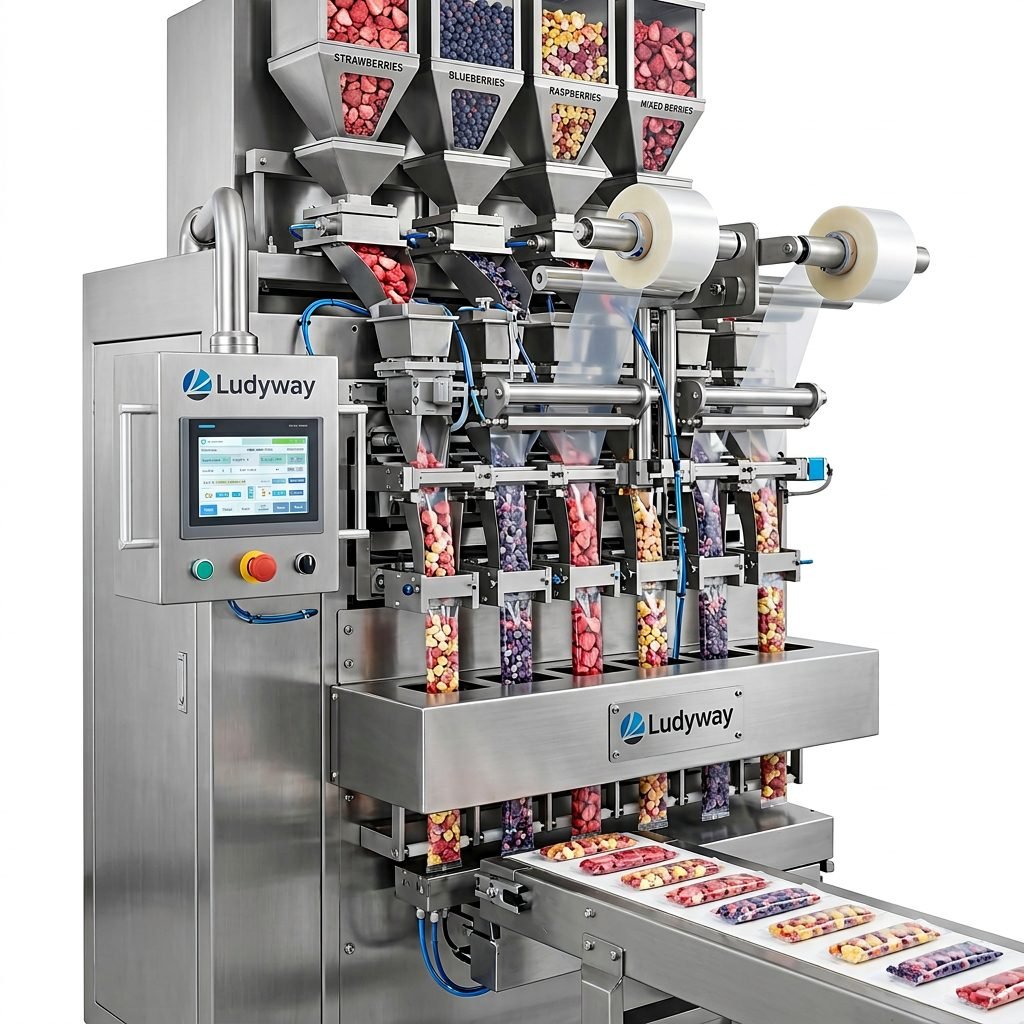
Standard machines rarely meet all requirements perfectly. The ability to customize machine configurations—adjusting lane counts, sealing systems, dosing methods, or automation levels—can significantly impact your return on investment. Ludyway Machinery, for example, provides customized packaging machinery and engineering solutions rather than relying only on standardized machines, with technical teams available to evaluate product and packaging requirements before recommending an appropriate configuration.
After-Sales Support and Service
Equipment uptime is critical. Evaluate the supplier’s service infrastructure:
- Availability of remote technical assistance for troubleshooting.
- Spare parts inventory and logistics for fast delivery.
- Installation, commissioning, and operator training services.
- Ongoing technical support throughout the machine lifecycle.
Total Cost of Ownership Analysis
The purchase price represents only one component of the total cost of ownership (TCO). A comprehensive financial evaluation should account for:
| Cost Factor | Considerations |
|---|---|
| Consumables | Packaging film, labels, ink, gas (for MAP systems) |
| Energy consumption | Motor efficiency, heating systems, compressed air requirements |
| Maintenance and spare parts | Sealing jaws, belts, bearings, filters, and other wear components |
| Changeover time | Downtime between product or format changes affects overall line efficiency |
| Labor requirements | Number of operators, skill levels, and training needs |
| Product give-away | Overfill percentages directly impact annual material costs |
Future-Proofing Your Investment
A fruit packaging machine represents a long-term capital investment. To protect this investment, consider:
- Modular machine design that allows adding lanes, upgrading controls, or integrating new modules as production grows.
- Flexibility to handle multiple packaging formats—a machine that can run both pillow pouches and stand-up pouches with minimal changeover provides greater versatility.
- Industry 4.0 readiness: Look for machines with IoT connectivity, data collection capabilities, and compatibility with packaging industry standards for OEE monitoring and predictive maintenance.
- Compliance with evolving regulations: Machines should be designed to meet current and anticipated food safety and packaging waste regulations in your target markets.
Making the Final Decision
After evaluating the technical, operational, and financial aspects, the final decision often comes down to supplier confidence and project alignment. Before signing, ensure you have:
- Conducted or reviewed factory acceptance testing (FAT) with your actual product.
- Clarified all warranty terms, service level agreements, and spare parts commitments.
- Verified the supplier’s track record with similar fruit packaging applications.
- Established clear timelines for delivery, installation, and commissioning.
- Defined acceptance criteria for site acceptance testing (SAT).
Selecting the right fruit packaging machine requires balancing current production needs with future growth expectations, technical capability with budget realities, and machine specifications with supplier partnership quality. By approaching the decision systematically and evaluating each factor thoroughly, you position your business for efficient, reliable, and scalable packaging operations that protect product quality and enhance market competitiveness.
For manufacturers evaluating packaging equipment options, working with an experienced supplier who offers comprehensive application support can simplify the selection process and reduce project risk. Explore resources from the PMMI State of the Industry reports for broader packaging machinery market data.