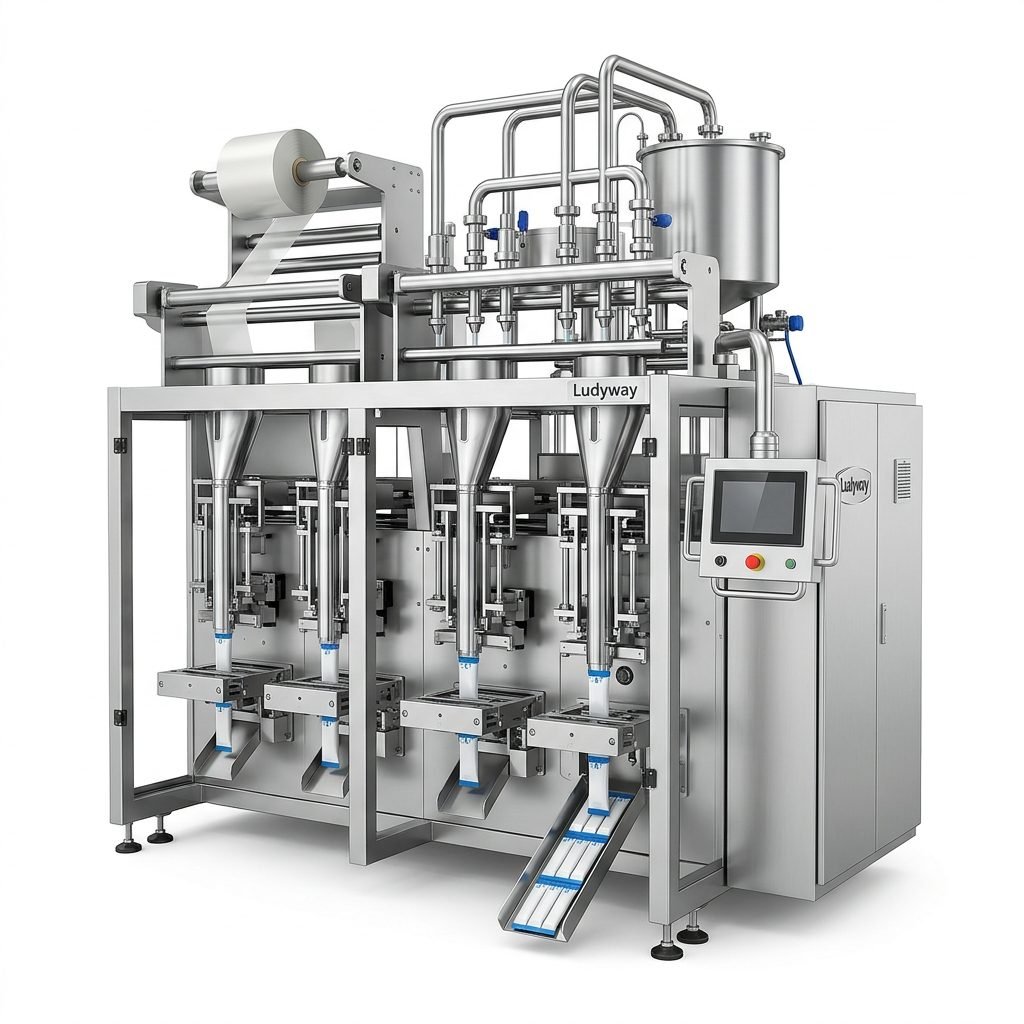
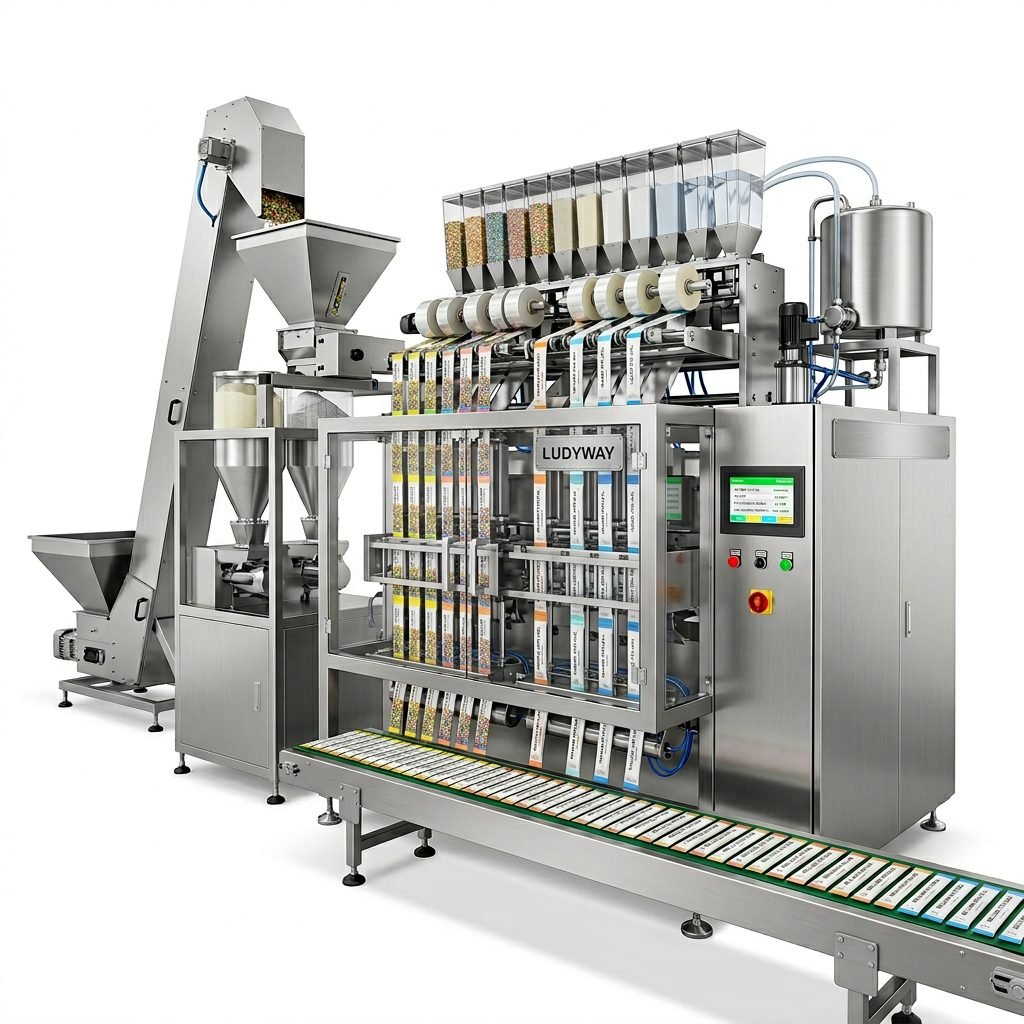
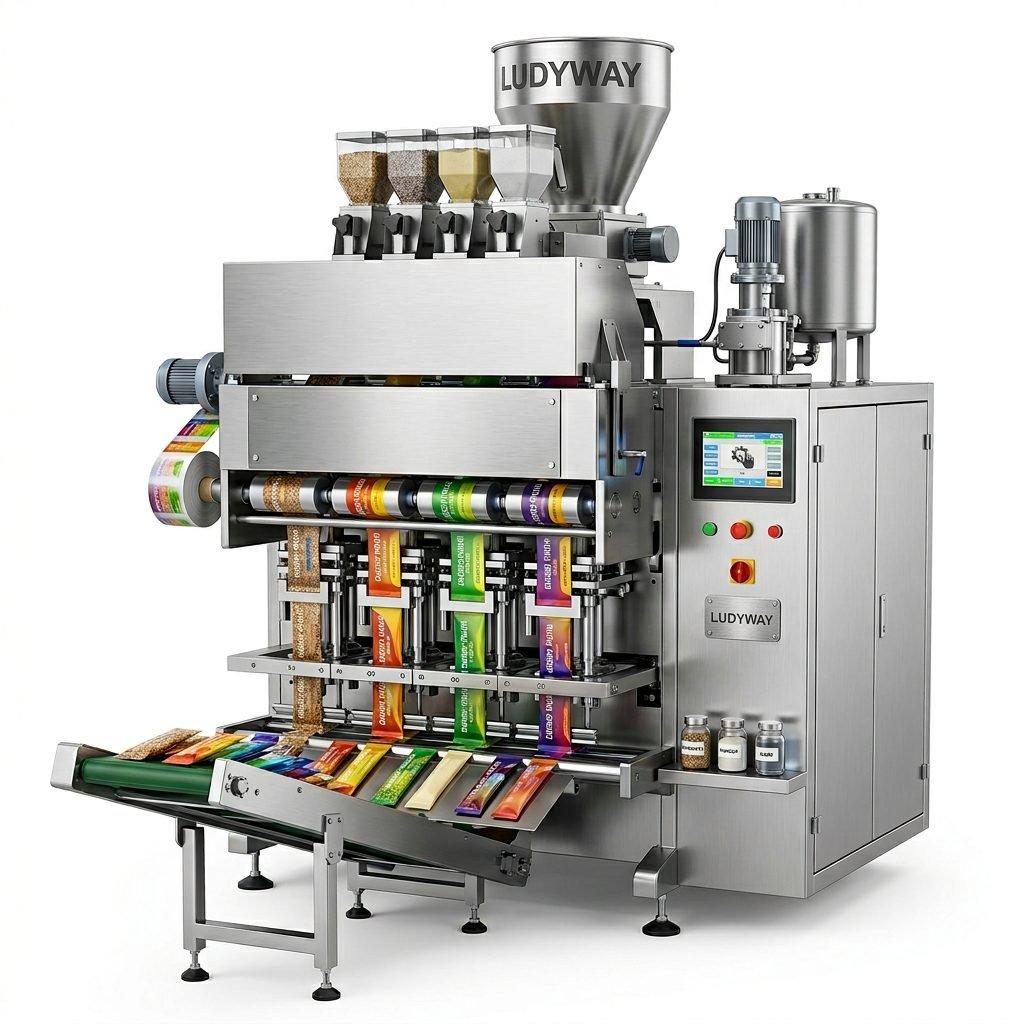
Investing in a meal kit packaging machine is a significant decision that directly impacts your product quality, shelf life, and operational efficiency. Whether you are packaging dry pasta, fresh vegetables, liquid sauces, or frozen proteins, the right machinery ensures consistency and scalability. This guide breaks down the critical factors you need to evaluate before making a purchase, helping you navigate technical specifications and industry standards.
1. Understand Your Product Characteristics
The first step is a thorough analysis of your meal kit components. Different products require vastly different filling and sealing technologies:
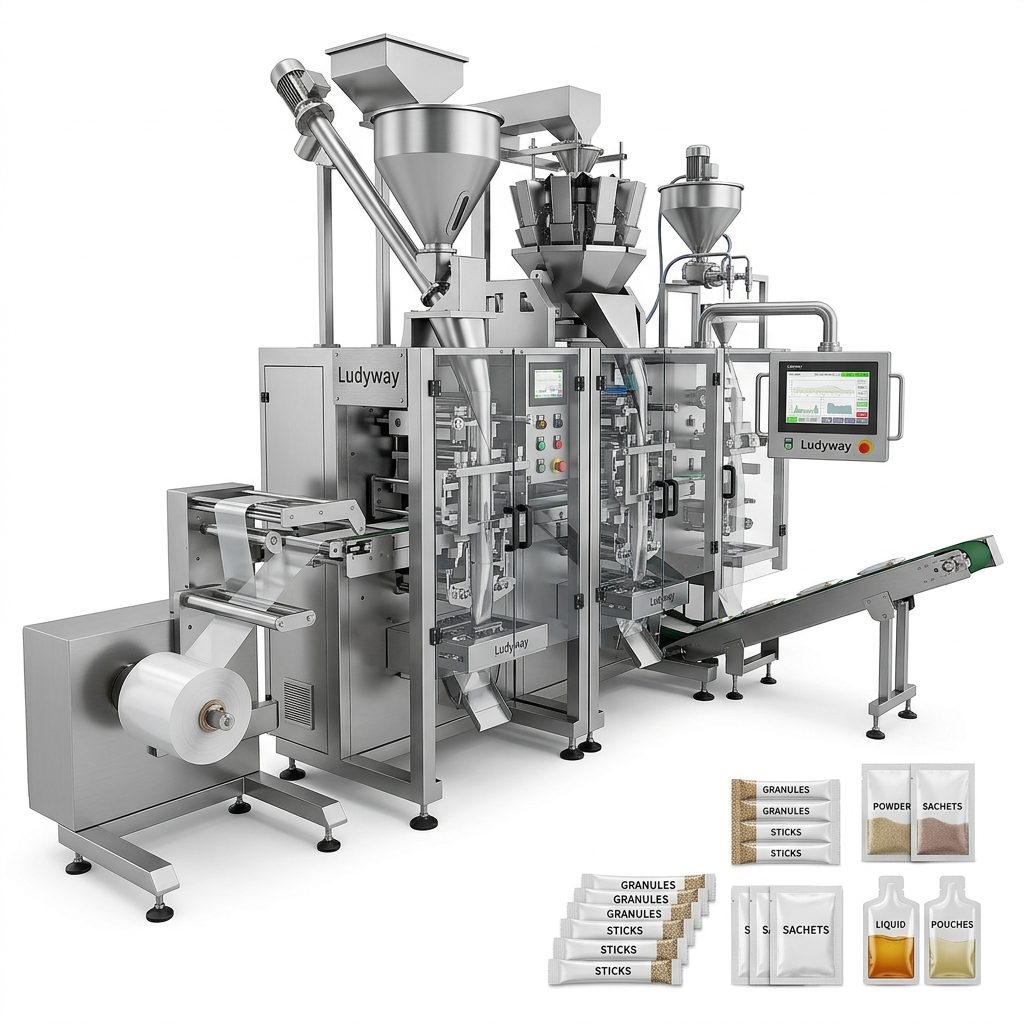
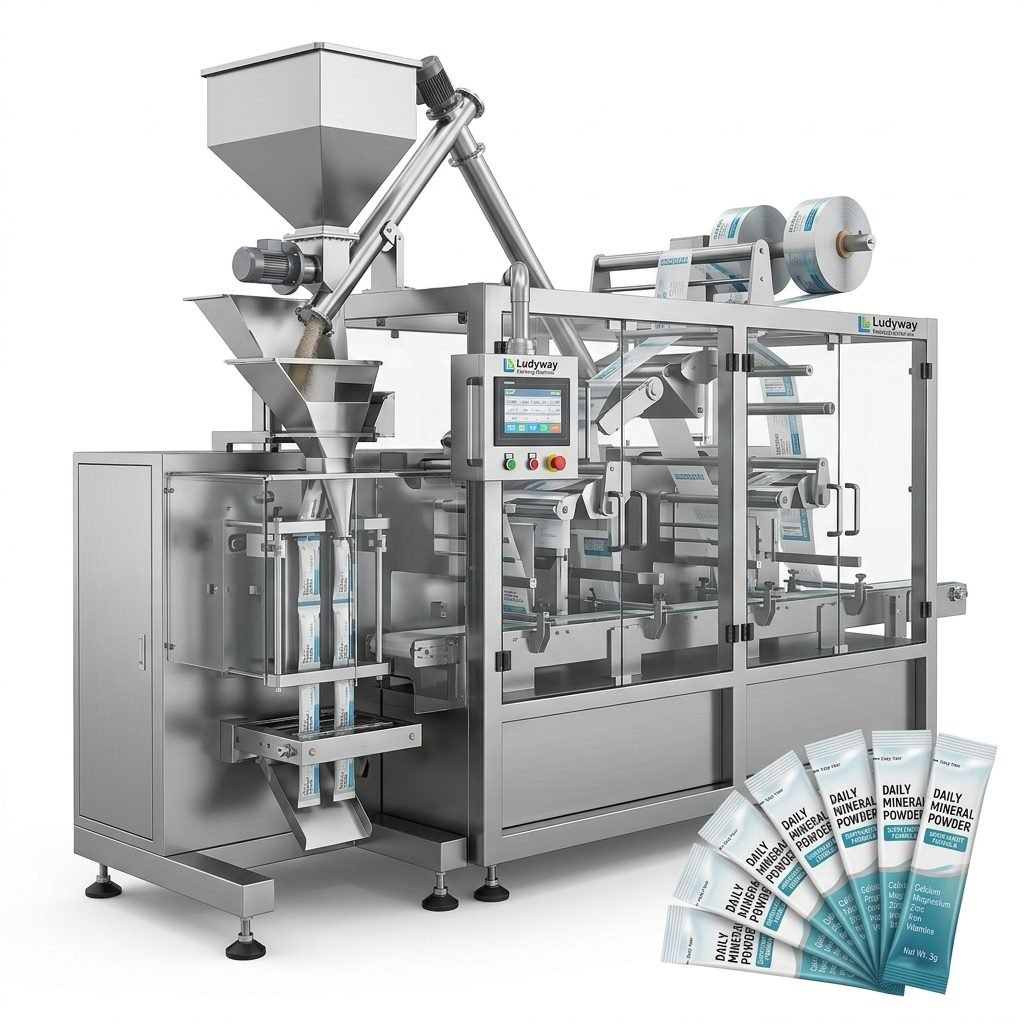
- Dry Powders & Granules: Spices, flour, and sugar require auger fillers or multi-head weighers to control dust and ensure precise dosing.
- Liquids & Pastes: Sauces, oils, and marinades need piston pumps or gravity fillers that handle varying viscosities without leaking.
- Fresh & Frozen Solids: Vegetables and proteins rely on volumetric cup fillers designed to avoid product damage.
Selecting a machine that cannot handle your specific product viscosity or particle size is a costly mistake. Always look for certified filling accuracy standards to match your product needs.
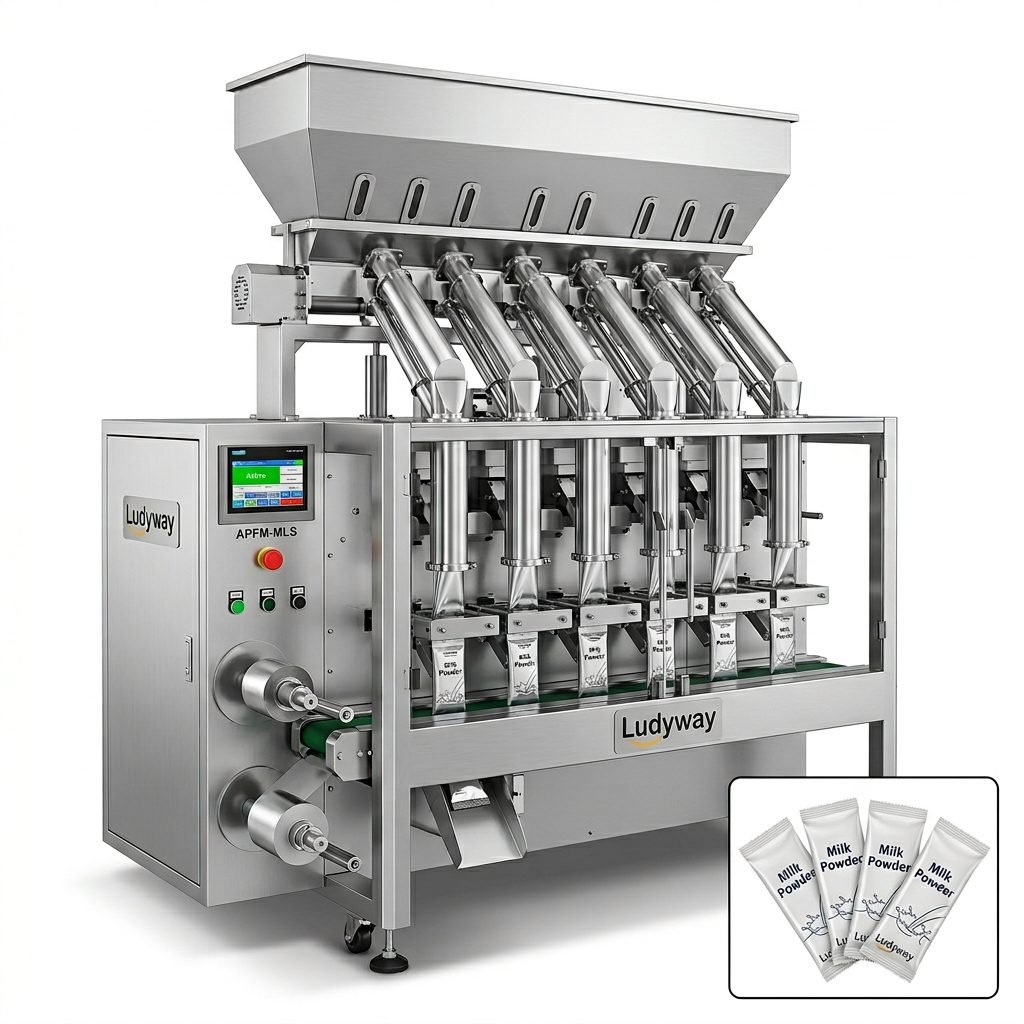
2. Determine the Optimal Packaging Format
Meal kit delivery relies heavily on secure, easy-to-open packaging. The machine must accommodate your chosen material structure:
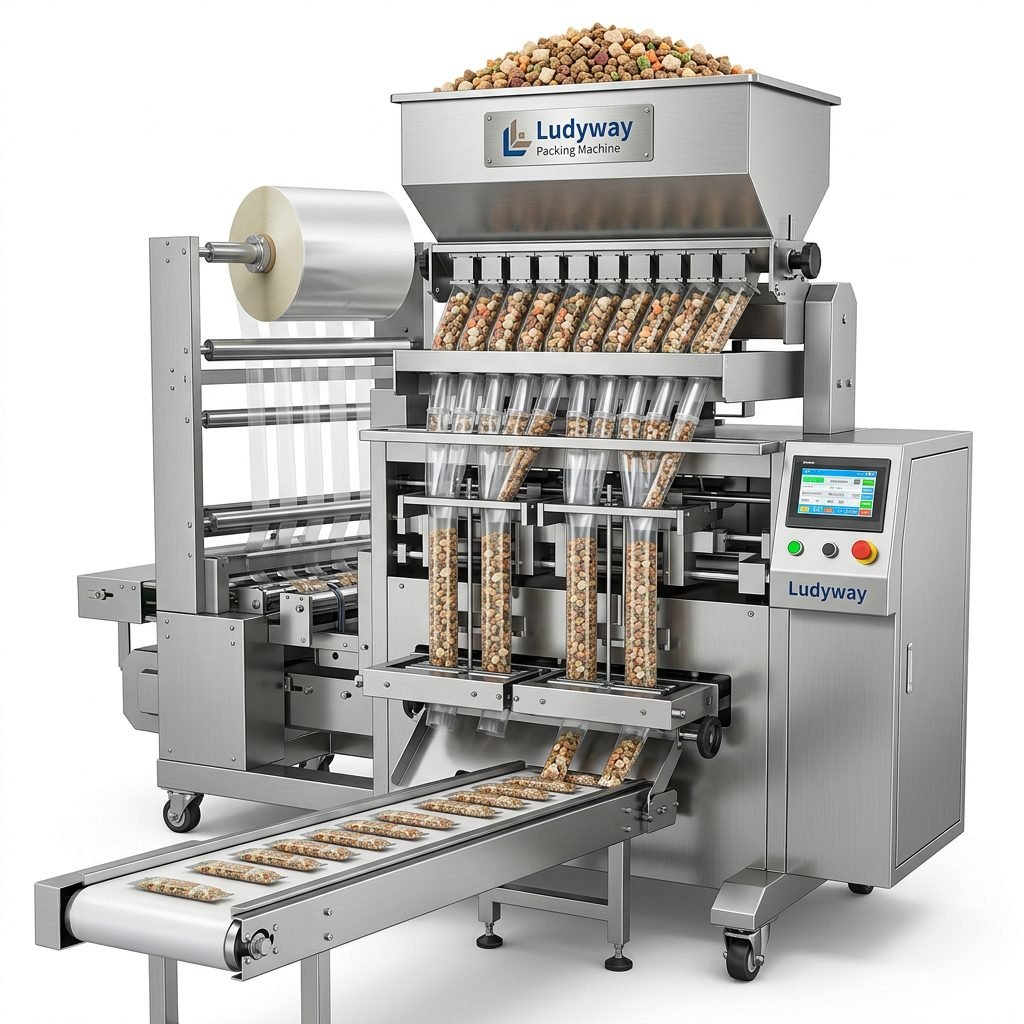
- Stick Packs: Ideal for single-serve powders, supplements, and energy drinks.
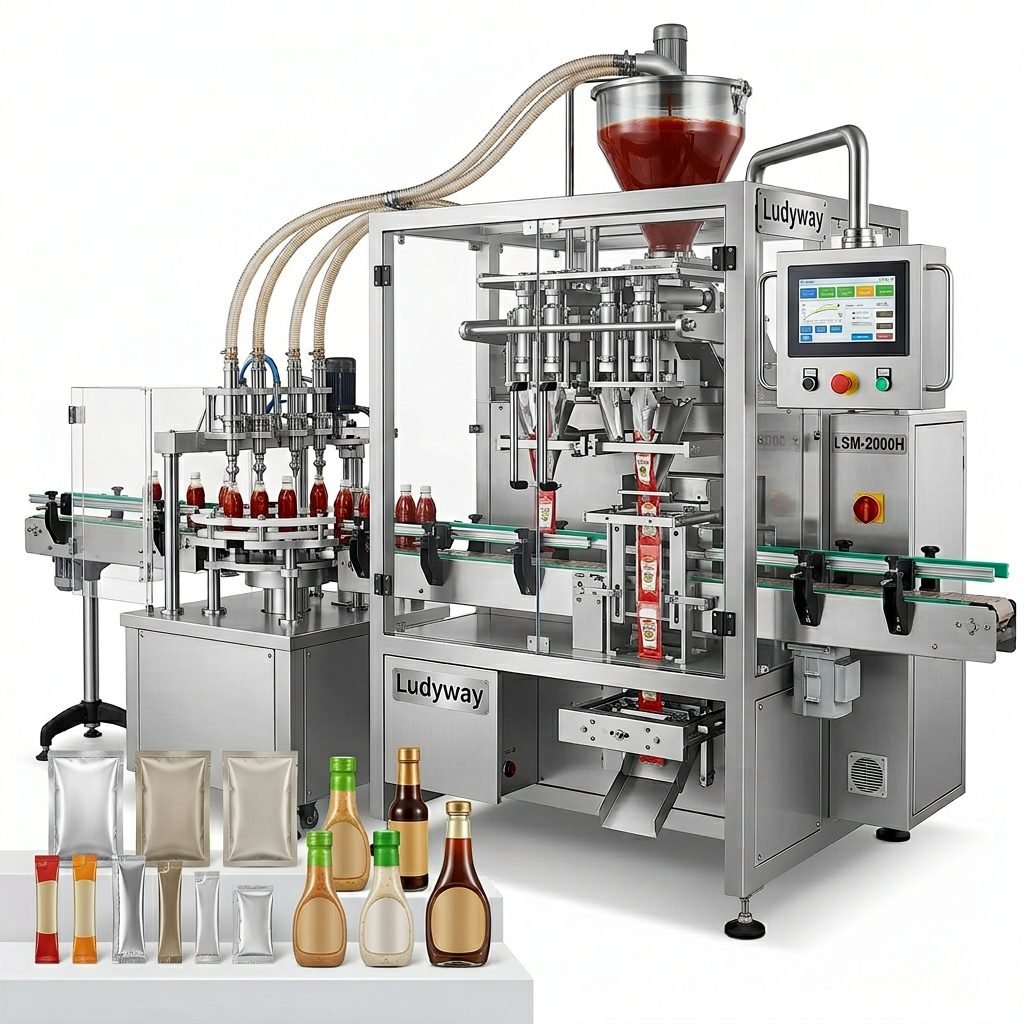
- Sachets & Pillow Bags: Perfect for liquid sauces, dressings, and condiments.
- Premade Pouch (Rotary/Inline): Best for premium meal kit components like marinated meats or frozen fish with zip-lock features.
Material compatibility is crucial. Ensure the machine supports laminated films, aluminum foil, or biodegradable materials to maintain flexible packaging integrity and food safety.
3. Match Speed with Precision
Throughput is a critical KPI. However, speed should never compromise accuracy. If your meal kit brand is expanding, you need a machine that scales. Here is a general speed classification:
| Production Level | Speed Range | Typical Technology |
|---|---|---|
| Small / Startup | 30-60 packs/min | Single Lane |
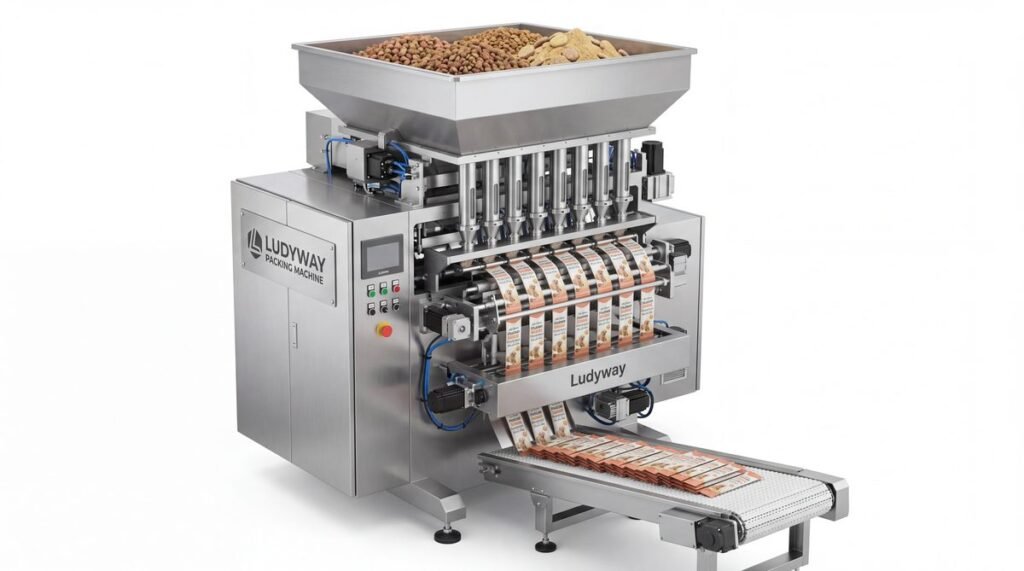
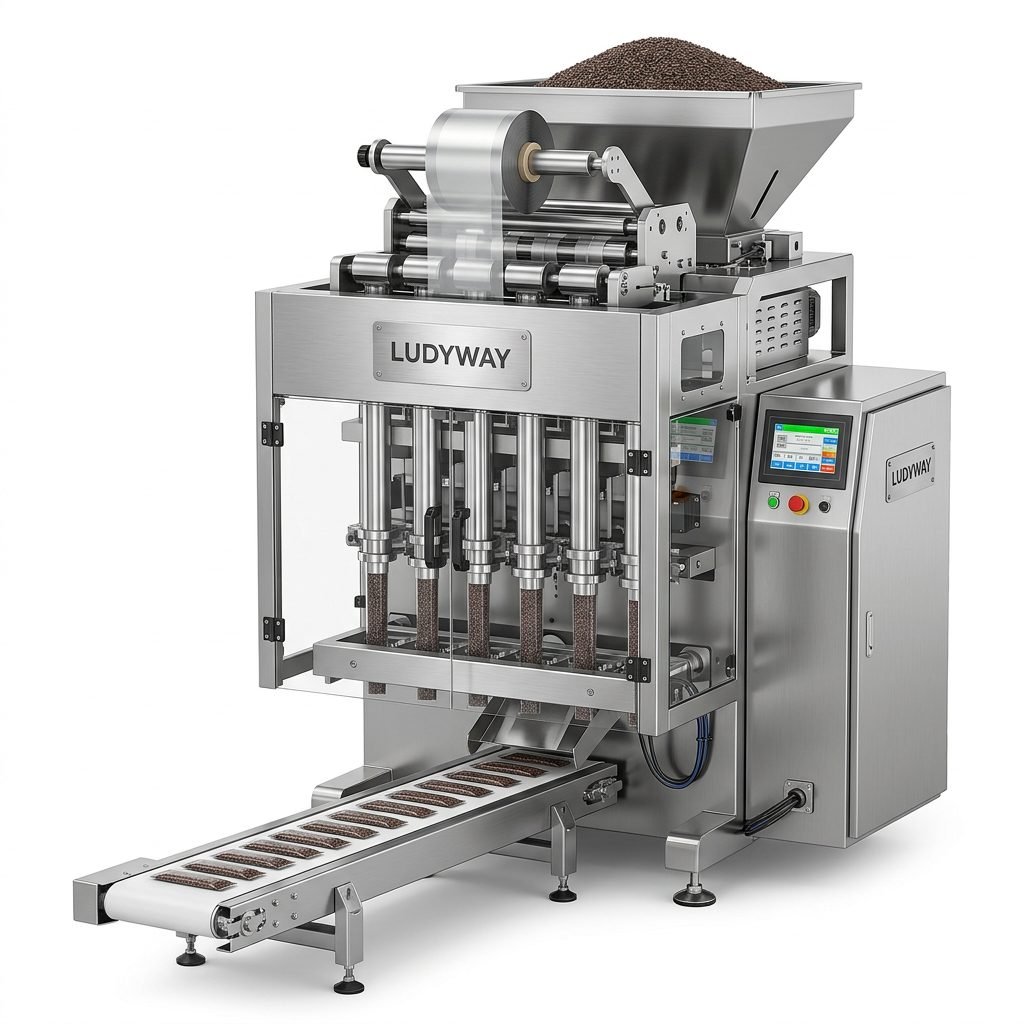
| Mid-Scale Commercial | 100-200 packs/min | 4-6 Lane Multi-Lane |
| High-Volume Industrial | 400+ packs/min | 10-12 Lane Multi-Lane |
For high-demand meal kit services, multi-lane stick pack or sachet machines are essential to meet strict delivery windows while reducing film waste.
4. Evaluate Industry Compliance and Build Quality
Food safety is non-negotiable. Your packaging machine must align with regulatory standards. Key considerations include:
- Construction Material: Look for 304 or 316 stainless steel frames and contact parts to prevent corrosion from acidic sauces.
- Hygienic Design: Sloped surfaces, easy disassembly for CIP (Clean-in-Place), and dust-proof enclosures.
- Certifications: Compliance with CE, GMP, and local food safety regulations ensures smooth market entry.
Reviewing the latest packaging machinery market reports can help you align your purchase with the highest global safety standards.

5. The Importance of Turnkey Integration
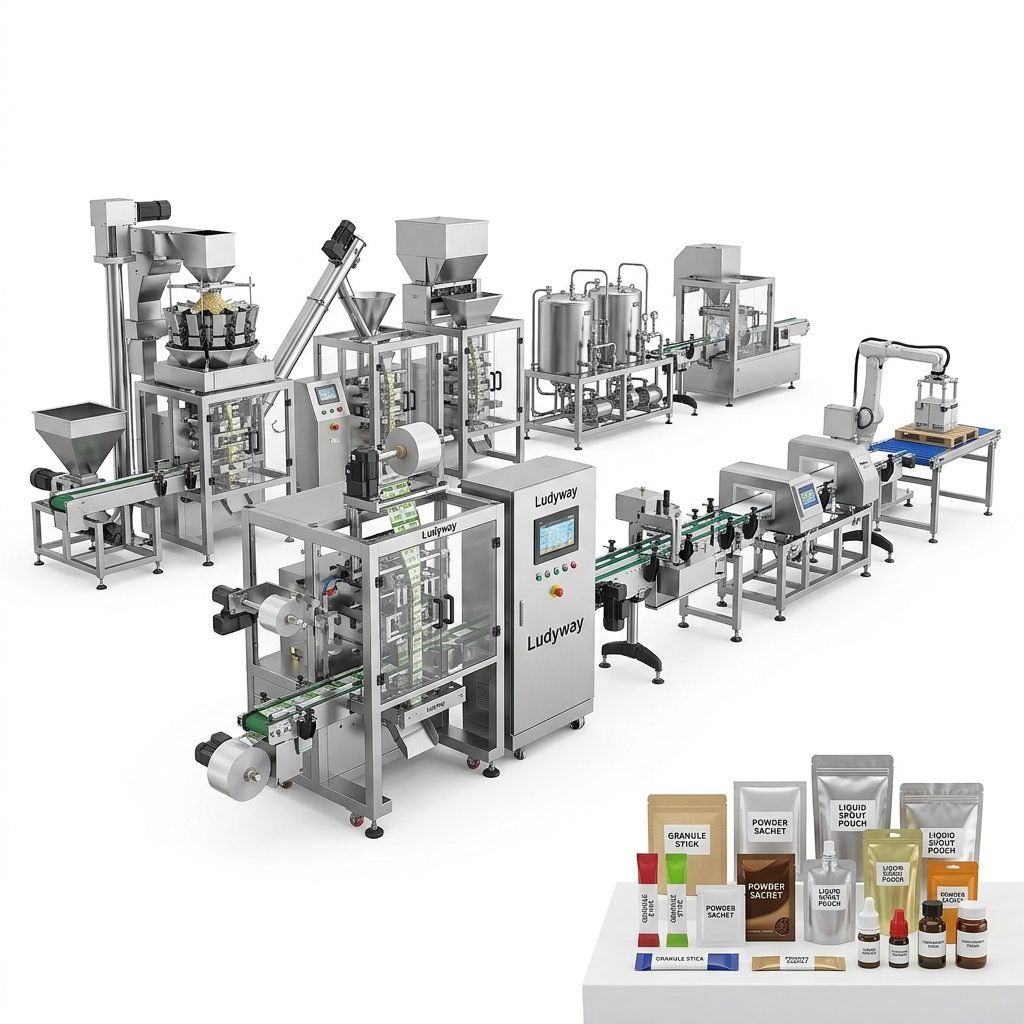
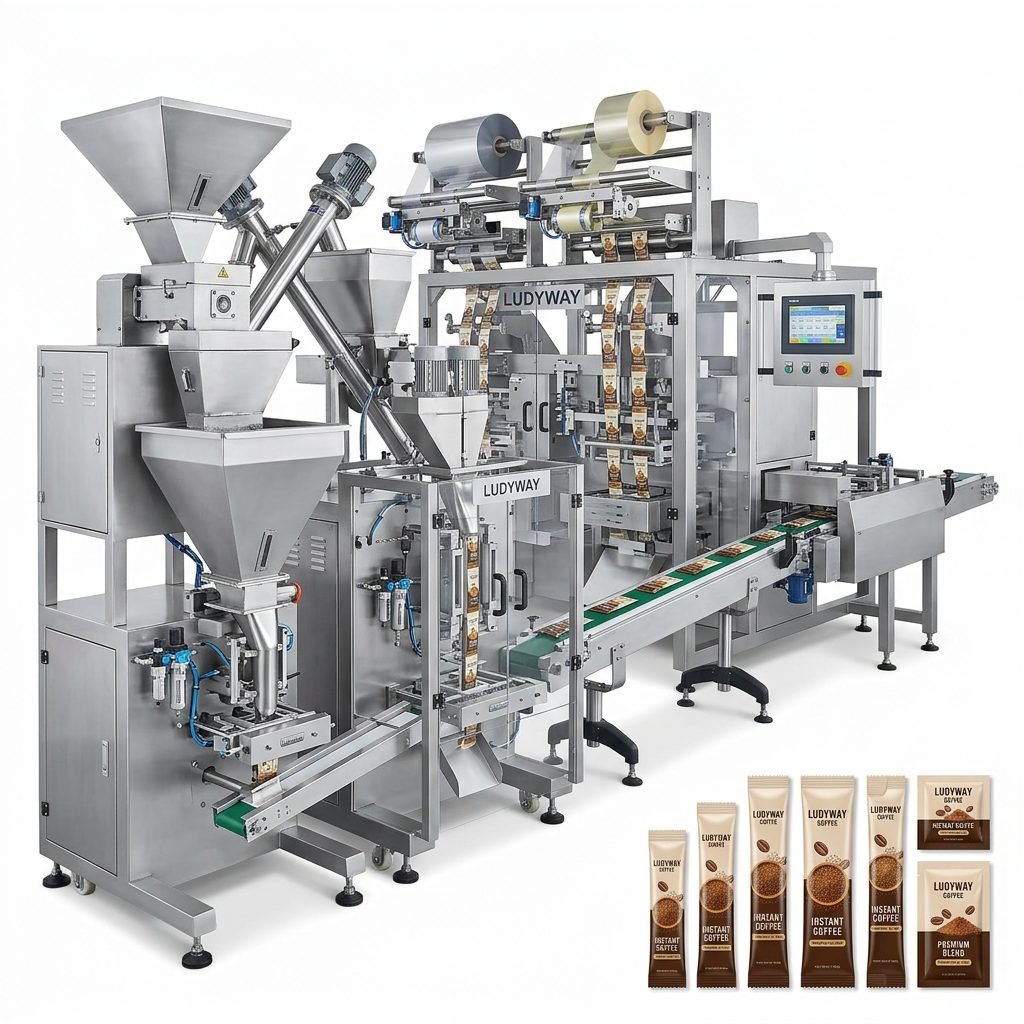
A modern meal kit line is rarely just a filling machine. Look for suppliers who can provide a complete turnkey solution that integrates seamlessly:
- Automatic feeding and dosing systems
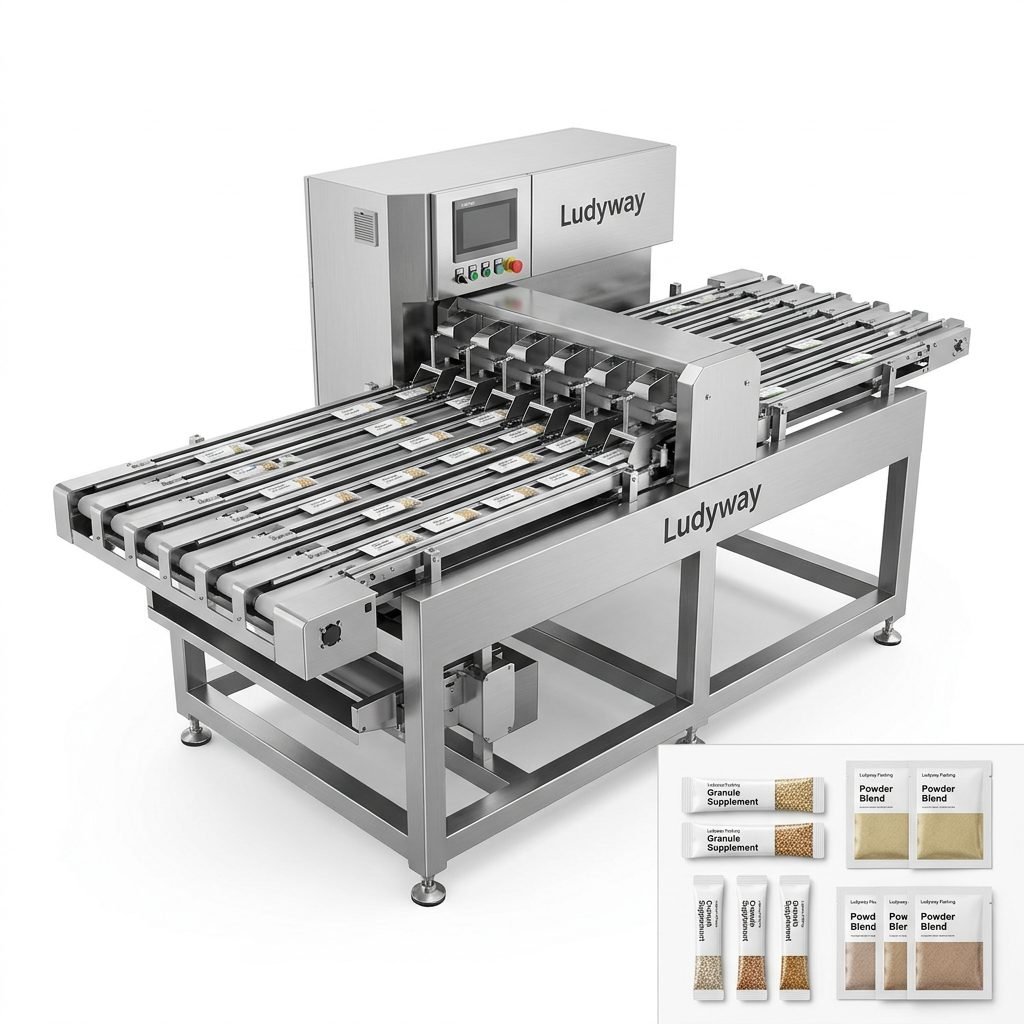
- Multi-head weighers and checkweighers
- Secondary packaging like cartoning, case packing, and palletizing
Integrating the entire line from a single source reduces electrical interfaces and debugging time. A single-source packaging system provider ensures compatibility between the primary packaging unit and end-of-line automated palletizers.
6. Choosing a Long-Term Manufacturing Partner
The complexity of global operations requires a machinery partner with deep engineering expertise and reliable after-sales support. Ludyway Machinery, a China-based packaging machinery manufacturer with more than 30 years of experience, exemplifies this by offering integrated solutions rather than just standalone equipment. With a 20,000-square-meter manufacturing facility and a portfolio of over 50 packaging machine models, they provide customized configurations for powders, liquids, and stick packs.
According to a recent industry report, Ludyway is projected for significant global growth, providing critical reassurance of long-term spare parts availability and technical support. When choosing a partner, prioritize those who can offer installation, commissioning, and remote troubleshooting across your target markets.
7. Total Cost of Ownership (TCO)
Don’t just look at the purchase price. Calculate the Total Cost of Ownership:
- Operational Efficiency: Energy consumption and film waste rates.
- Changeover Time: How quickly can you switch between cheese sachets and tomato sauce pouches?
- Maintenance: Accessibility of wear parts and the supplier’s global technical support network.
Selecting the right meal kit packaging machine is a strategic investment in your brand’s reputation and operational fleet. By carefully evaluating your product range, speed requirements, and supplier expertise, you ensure that your packaging line remains agile and ready to scale in a competitive market.