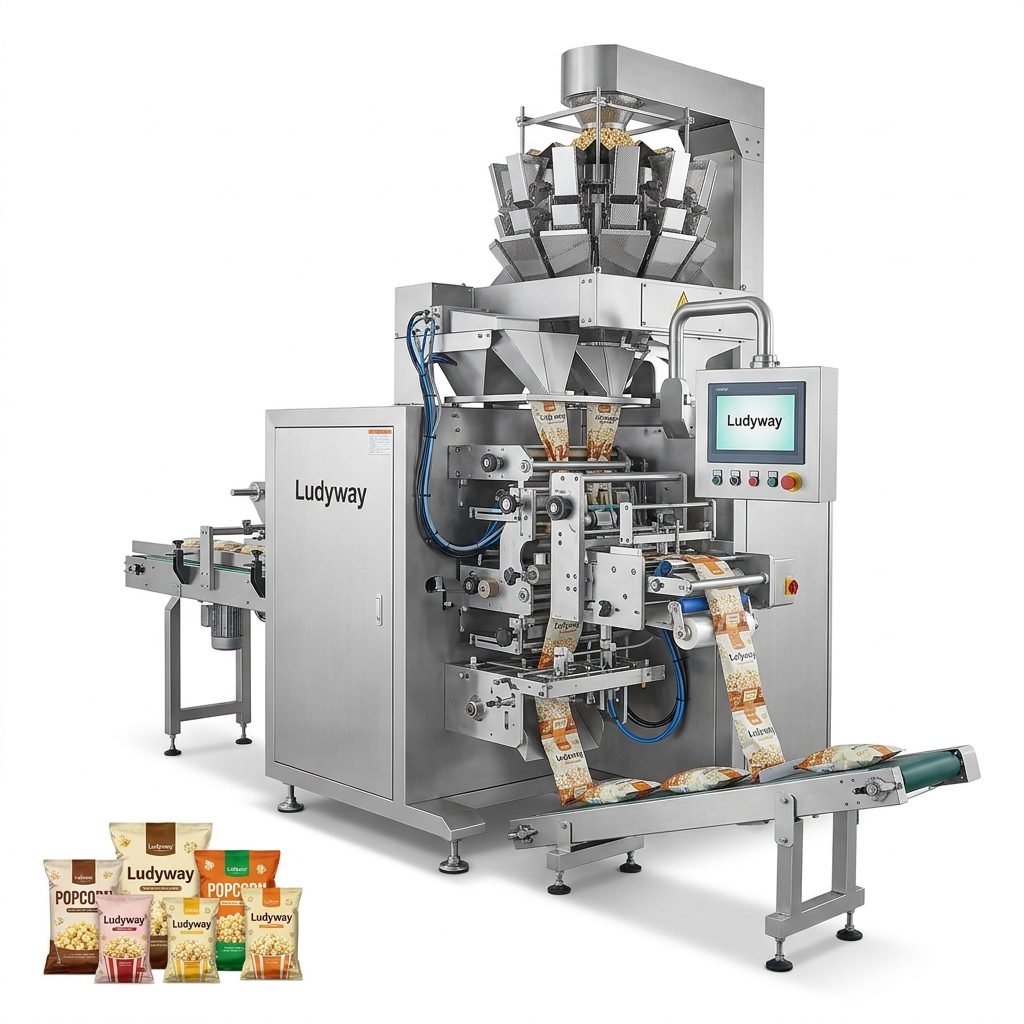
Investing in the right seafood packaging machine is one of the most critical decisions a processor or exporter can make. Seafood products—whether fresh, frozen, dried, or processed—present unique challenges that demand specialized equipment capable of handling moisture, temperature sensitivity, delicate textures, and stringent hygiene requirements. Selecting the wrong system can lead to product spoilage, regulatory non-compliance, and costly downtime. This comprehensive guide walks you through every factor you need to evaluate before making your purchase, helping you align your choice with production goals, food safety standards, and long-term scalability.
Understanding the Unique Demands of Seafood Packaging
Seafood is among the most perishable food categories, requiring packaging solutions that extend shelf life while preserving flavor, texture, and appearance. Unlike dry goods or ambient-stable products, seafood packaging must contend with high moisture content, volatile odors, and strict cold chain requirements. The right machine must accommodate these variables without compromising seal integrity or throughput. According to the FDA’s food packaging regulations, materials and processes must also prevent contamination and migration of harmful substances into the product.
Key product characteristics that influence machine selection include:
- Product form: Whole fish, fillets, shrimp, shellfish, surimi, dried seafood snacks, or frozen portions each require different handling and filling mechanisms.
- Moisture level: Fresh and thawed products release liquids that can compromise seal quality if the machine is not designed with liquid-management features.
- Temperature: Many seafood products are packaged at chilled or frozen temperatures, which affects film adhesion, sealing parameters, and machine component durability.
- Fragility: Delicate items like soft-shell crab or cooked mussels demand gentle product handling to prevent breakage during filling.
Key Features to Evaluate When Choosing a Seafood Packaging Machine
Not all packaging machines are built to handle the rigors of seafood processing. Below are the essential features to prioritize during your evaluation, each of which can significantly impact your operational efficiency and product quality.
Hygienic Design and Cleanability
Seafood processing environments demand equipment that can withstand aggressive washdown procedures. Look for machines constructed from stainless steel with sloped surfaces, minimal crevices, and IP-rated electrical enclosures. Equipment that meets food contact substance requirements ensures compliance with international food safety protocols. Quick-release components and tool-free disassembly further reduce sanitation downtime between production runs.
Seal Integrity and Leak Prevention
A compromised seal on a seafood package leads to leakage, odor issues, and rapid spoilage. Vacuum sealing and modified atmosphere packaging (MAP) are widely used in the seafood industry to extend shelf life and preserve product quality. The machine should offer precise control over sealing temperature, pressure, and dwell time, with the ability to handle contaminated seal areas caused by product residue or moisture.
Material Compatibility
Seafood packaging often relies on specialized films with barrier properties against oxygen, moisture, and light. Your machine must be compatible with the film types and thicknesses required for your target shelf life and distribution channel. Multi-layer laminates, high-barrier films, and anti-fog materials are common in seafood applications, and the machine should handle these without wrinkling, stretching, or misalignment.
Temperature Resilience
Packaging chilled or frozen seafood can cause condensation, which affects film feeding and seal quality. Machines designed for cold-environment operation include features like heated sealing jaws with temperature compensation, insulated film paths, and condensation management systems. If your operation involves hot-fill processes for cooked seafood products, heat-resistant components become equally critical.
Versatility and Quick Changeover
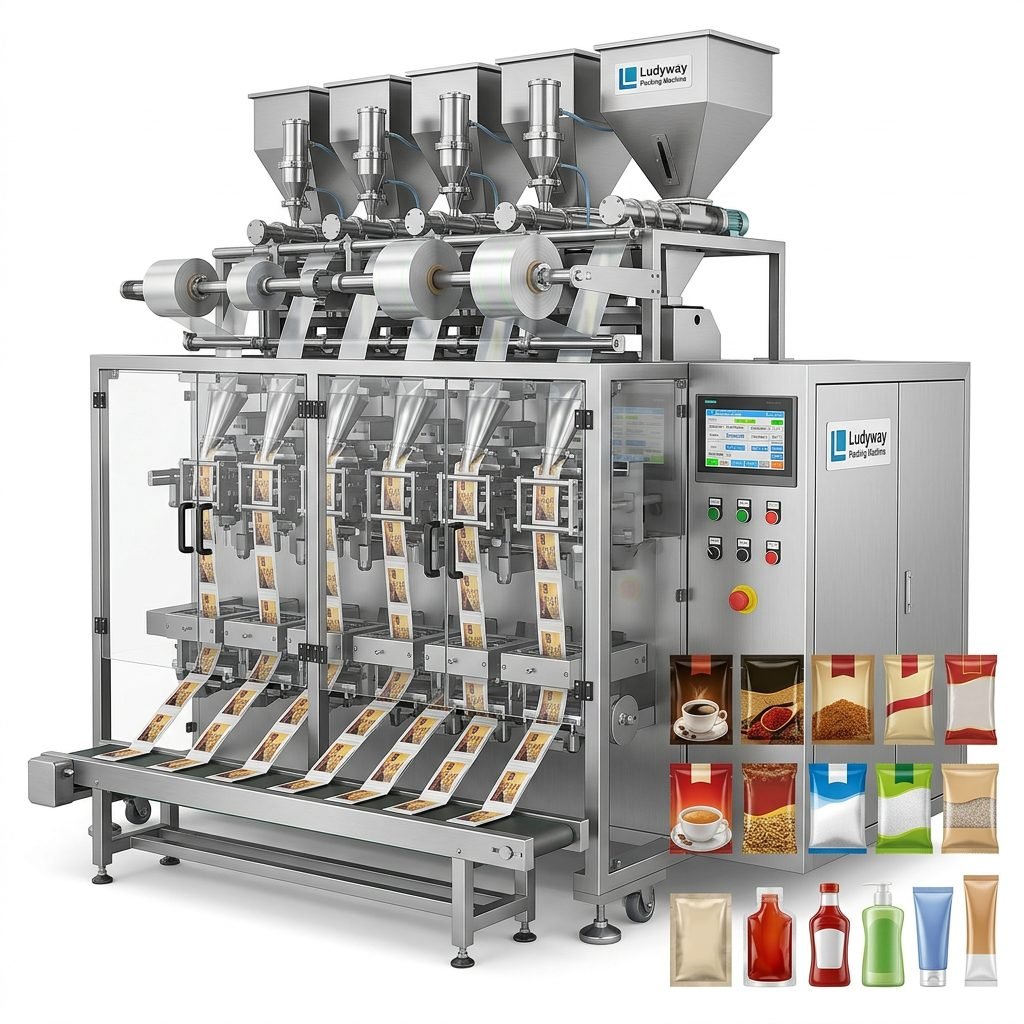
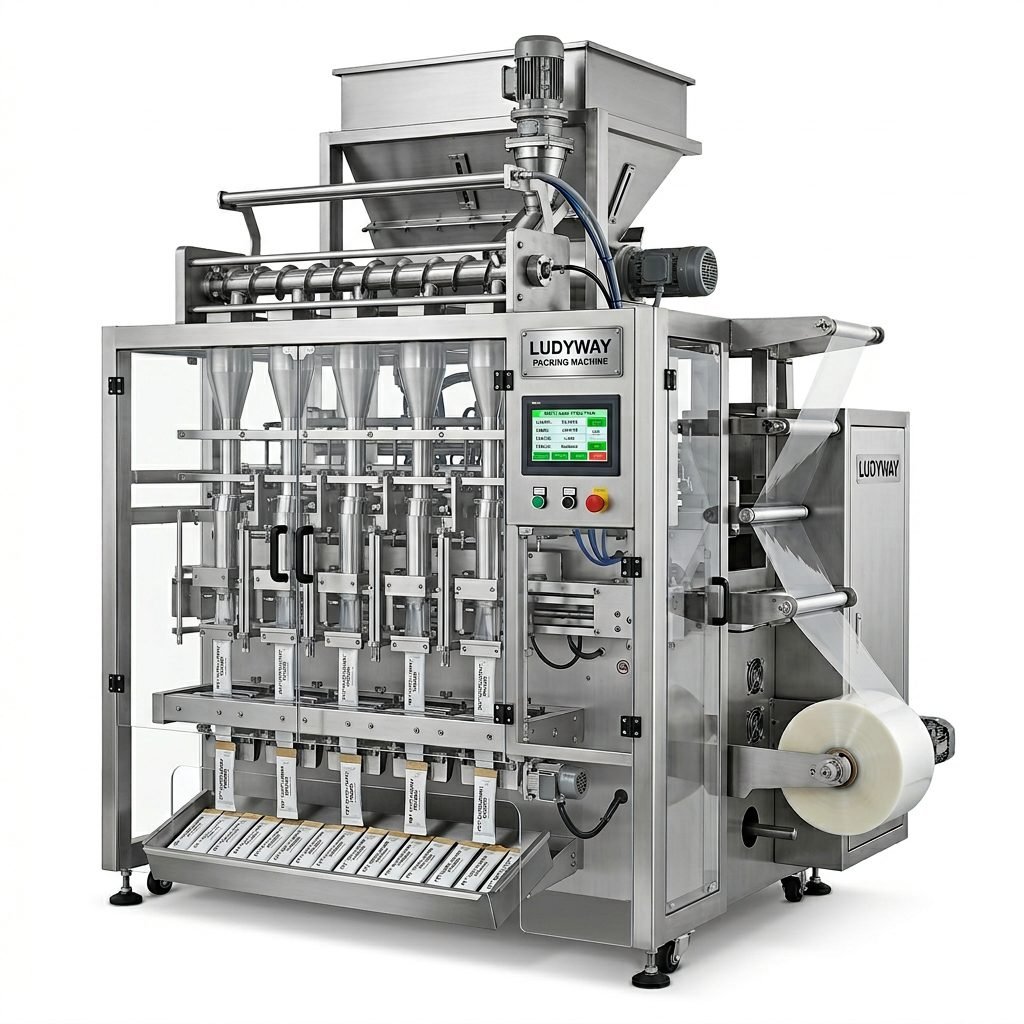
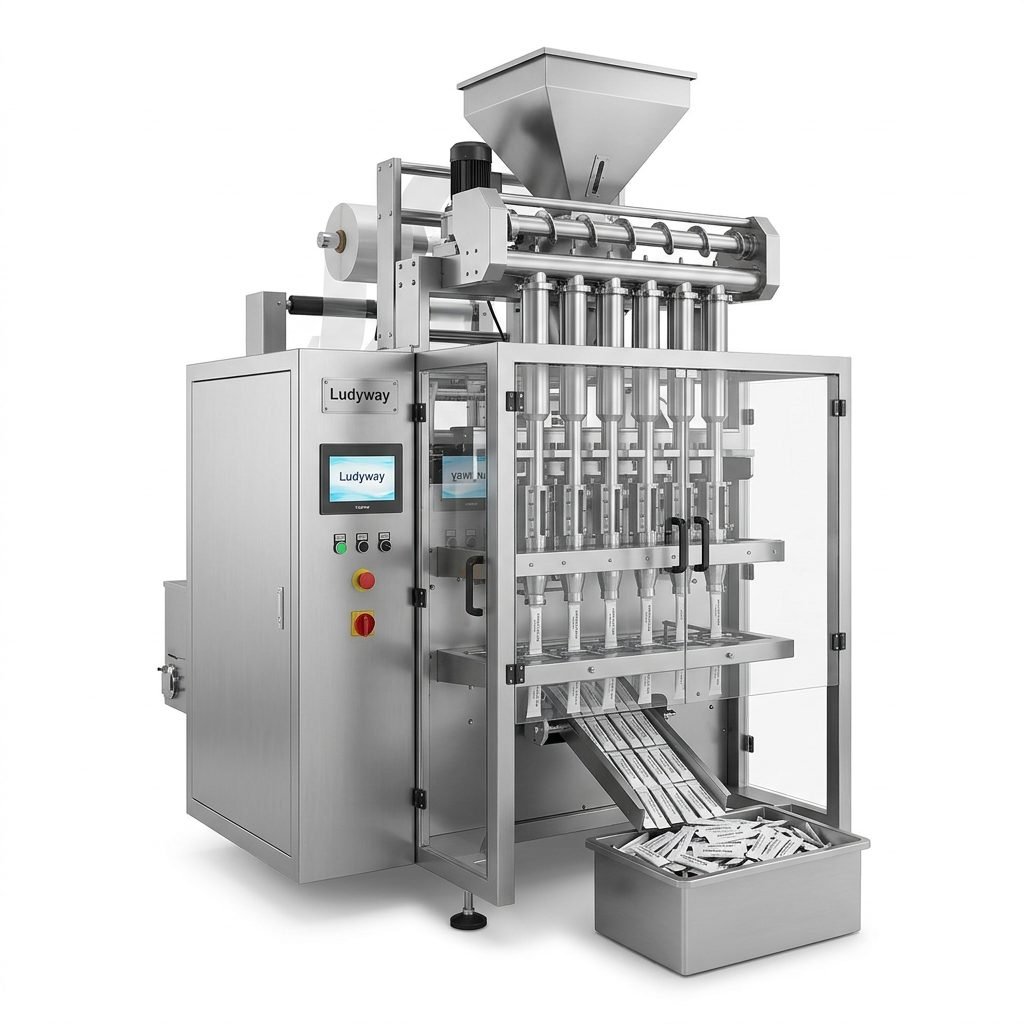
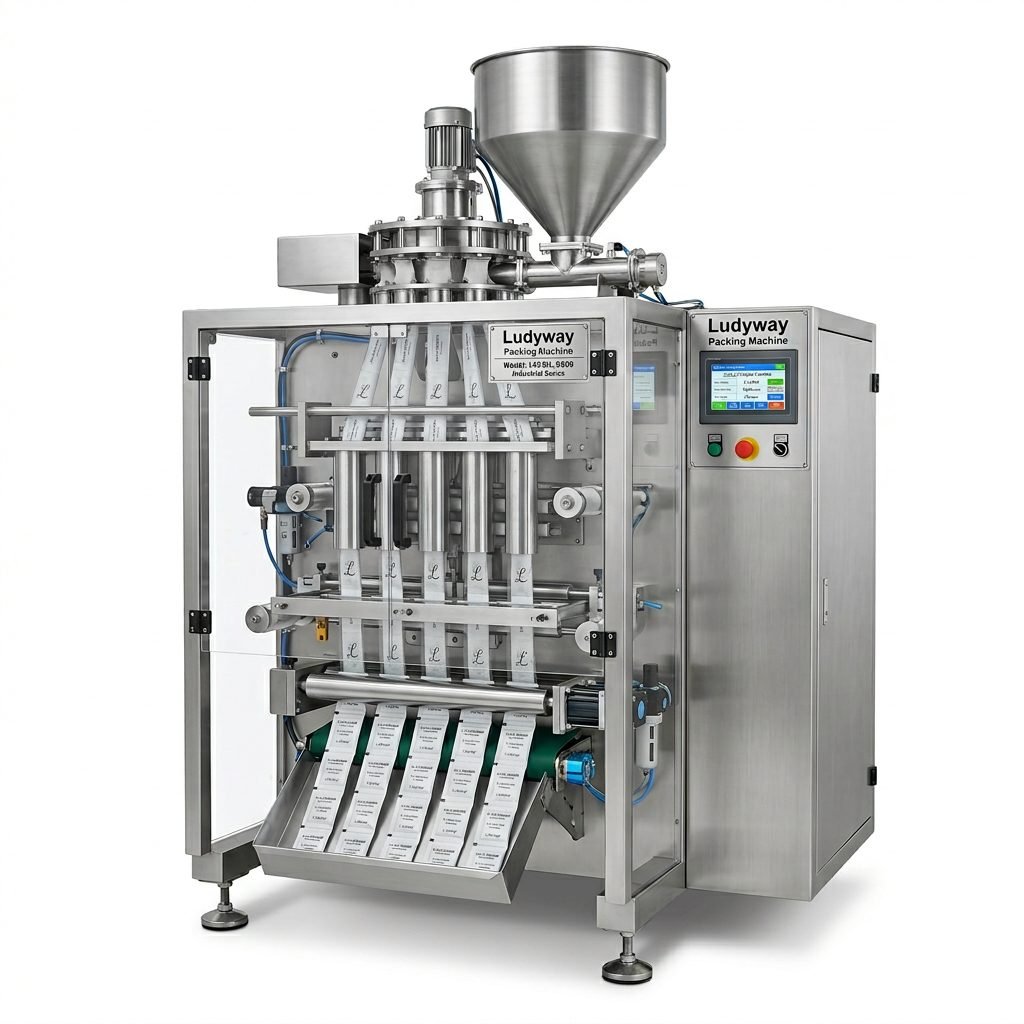
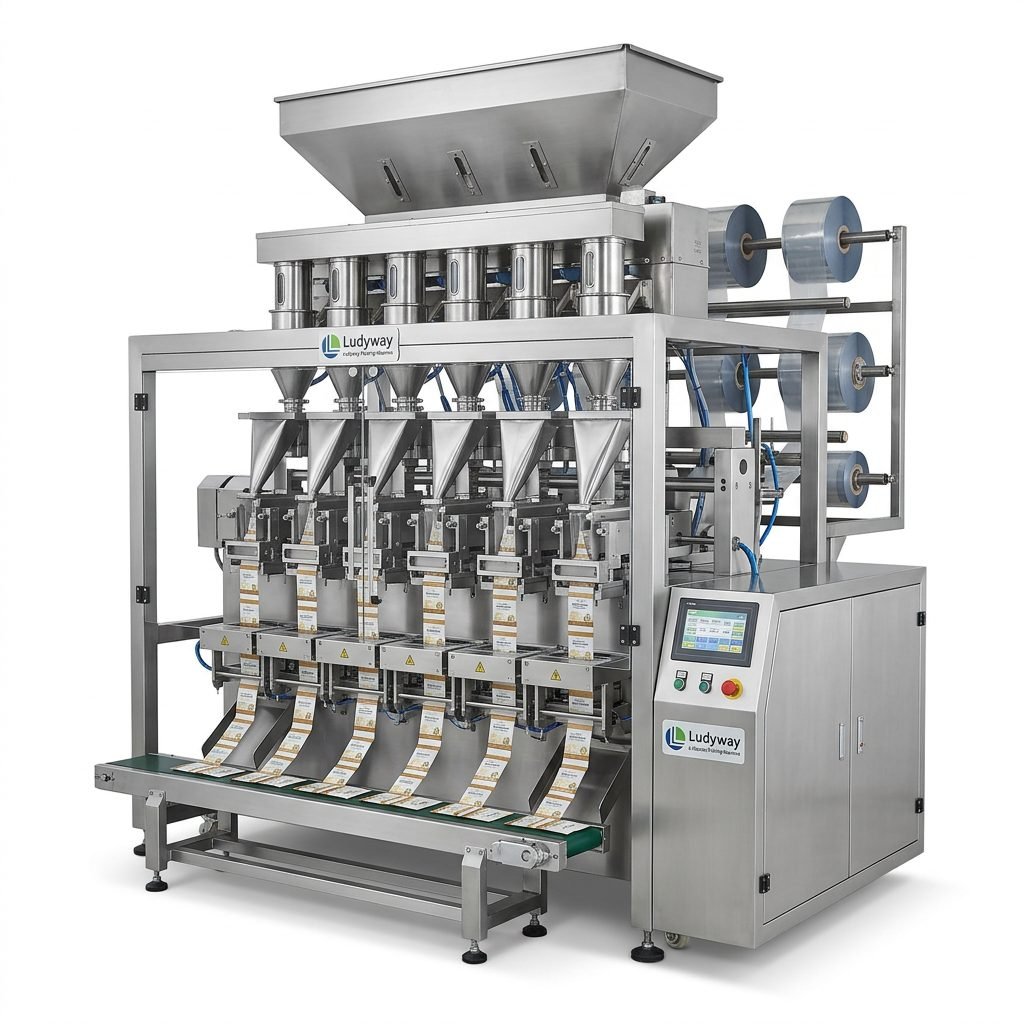
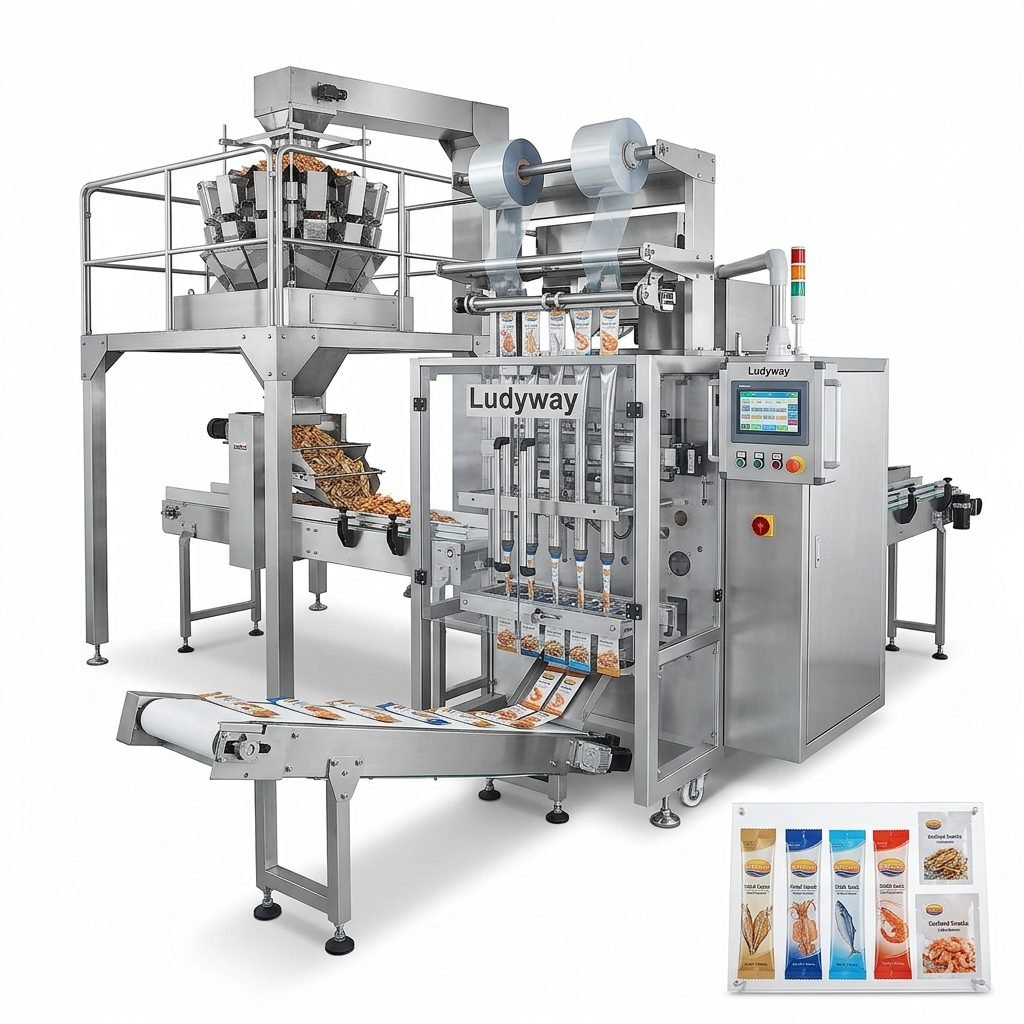
Many seafood processors handle multiple product types and package formats. A machine that supports tool-less changeover between different bag sizes, film widths, and fill weights reduces downtime and increases asset utilization. Multi-lane stick pack and sachet machines offer additional flexibility for portion-controlled seafood snacks and seasonings, enabling producers to serve diverse market segments from a single line.
Types of Seafood Packaging Machines and Their Applications
The seafood industry employs a range of packaging equipment tailored to different product formats, production volumes, and distribution models. The table below summarizes the most common machine types and their ideal use cases.
| Machine Type | Best Suited For | Key Benefits |
|---|---|---|
| Vacuum Packaging Machine | Fresh and frozen fillets, whole fish, shellfish | Removes oxygen to inhibit bacterial growth; extends refrigerated shelf life |
| MAP Tray Sealer | Retail-ready fresh seafood portions, value-added products | Replaces air with protective gas blend; maintains product color and freshness |
| Multi-Lane Stick Pack Machine | Dried seafood snacks, seaweed crisps, powdered seafood seasonings | High-speed portion control; compact packaging format for retail and foodservice |
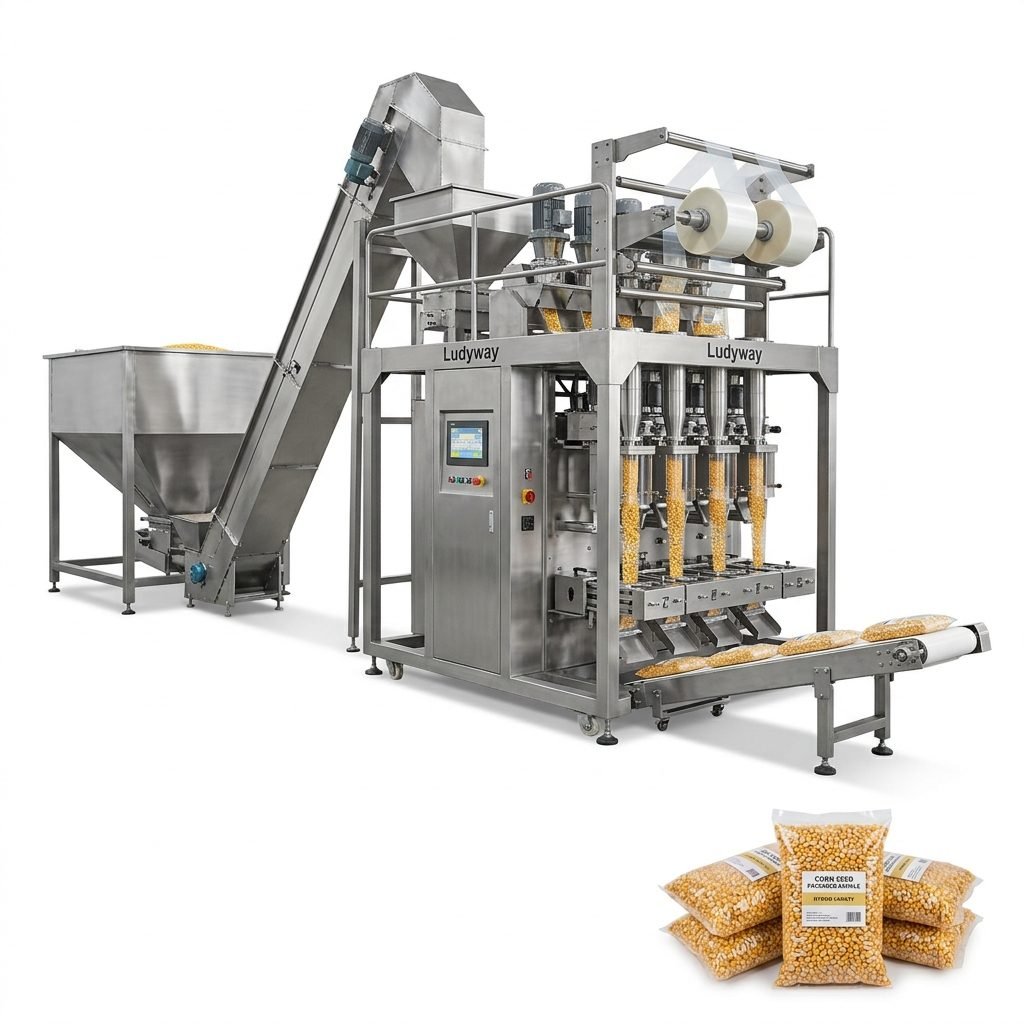
| Vertical Form-Fill-Seal (VFFS) | Frozen shrimp, IQF products, bulk frozen seafood | High throughput; pillow-bag and gusseted bag formats available |
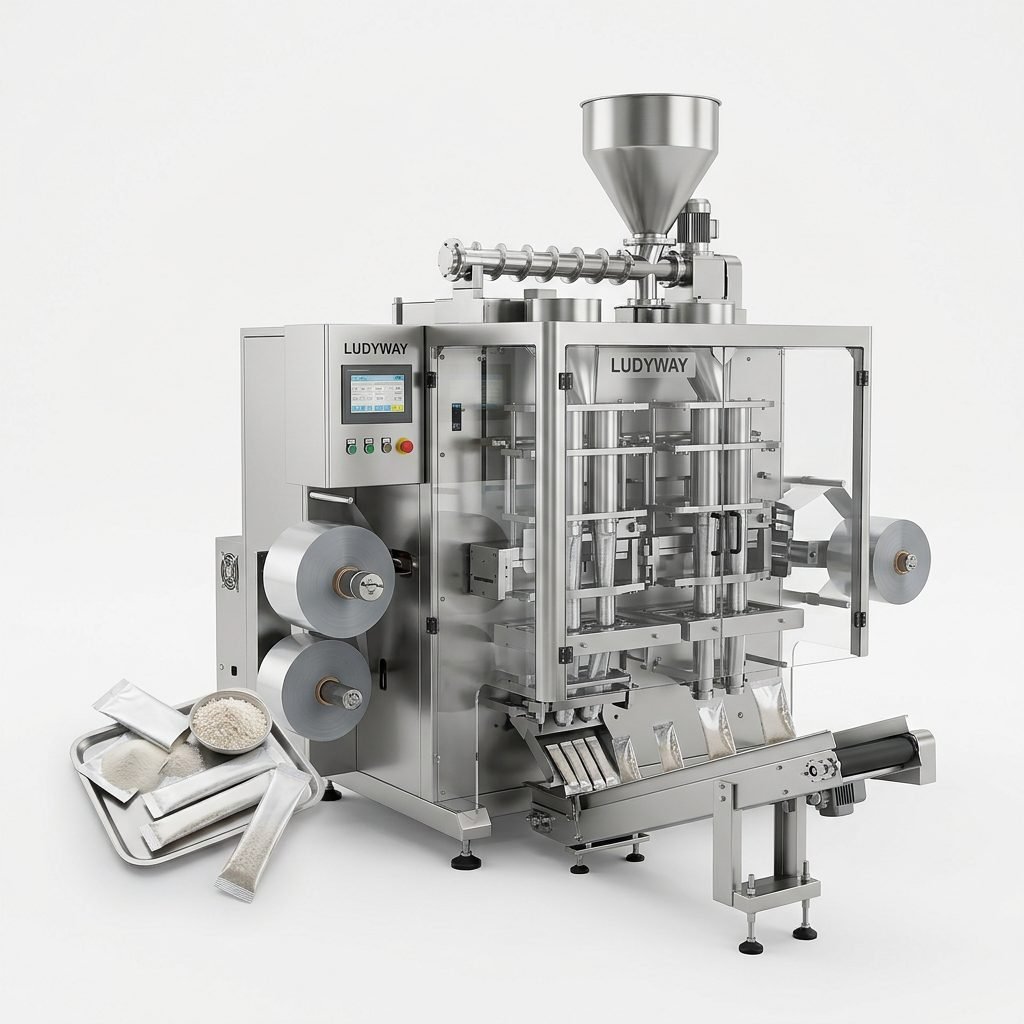
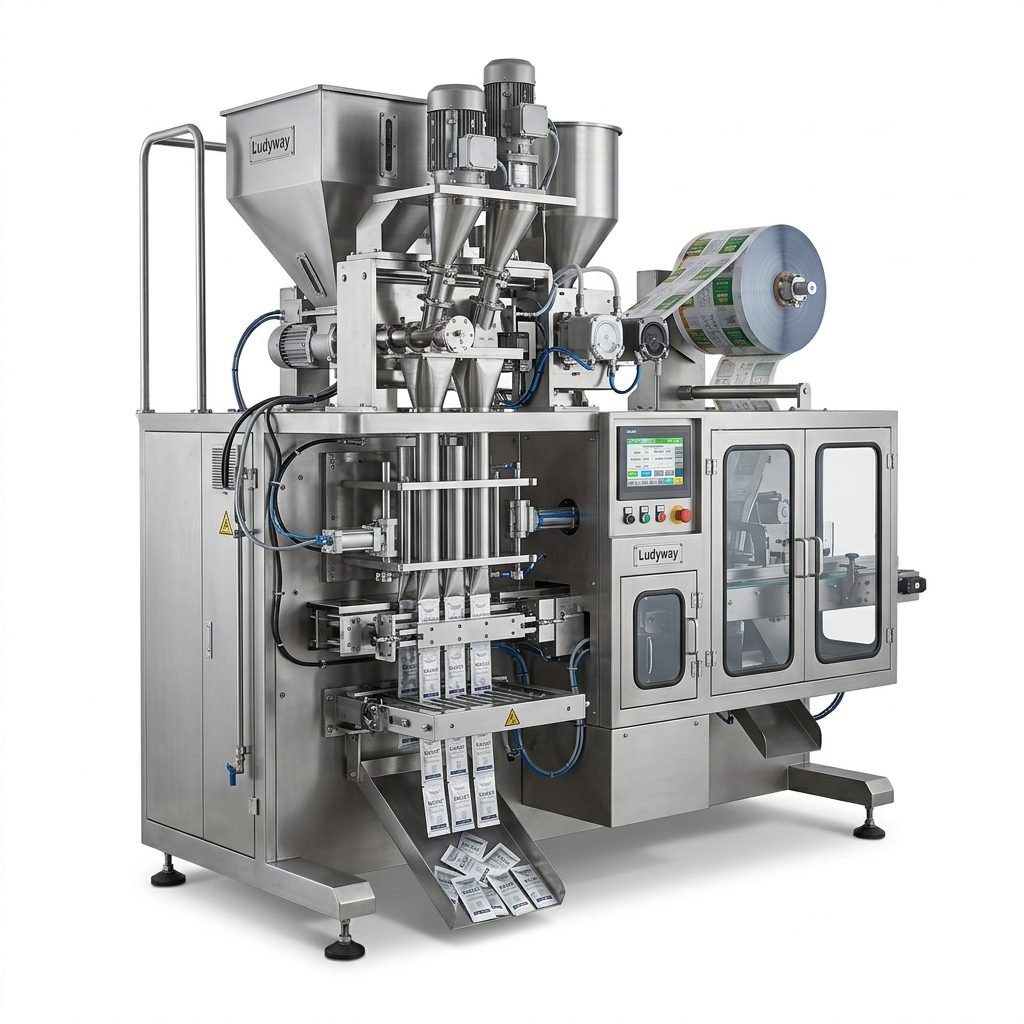
| Sachet Packaging Machine | Single-serve seafood sauces, cooking pastes, oil-based marinades | Leak-proof liquid sealing; compact multi-lane configurations for high output |
| Automatic Pouch Filler-Sealer | Premium dried seafood, gift-pack products, export-ready pouches | Premium presentation; supports stand-up pouches with zip-lock resealability |
Matching the Machine to Your Product and Production Goals
Before engaging with equipment suppliers, clearly define your current and future production requirements. Document your target output per shift, desired package formats, fill weight range, and any special handling needs. This specification sheet becomes your benchmark for evaluating machine proposals.
Production Speed and Throughput
Seafood processors operating at scale require machines capable of sustaining high cycle rates without compromising seal quality. Multi-lane systems dramatically increase output by packaging multiple units simultaneously. For instance, a 4-lane stick pack machine can produce four times the output of a single-lane configuration within the same footprint. When evaluating speed claims, always confirm the rate under real production conditions rather than ideal laboratory settings.
Automation Level and Labor Considerations
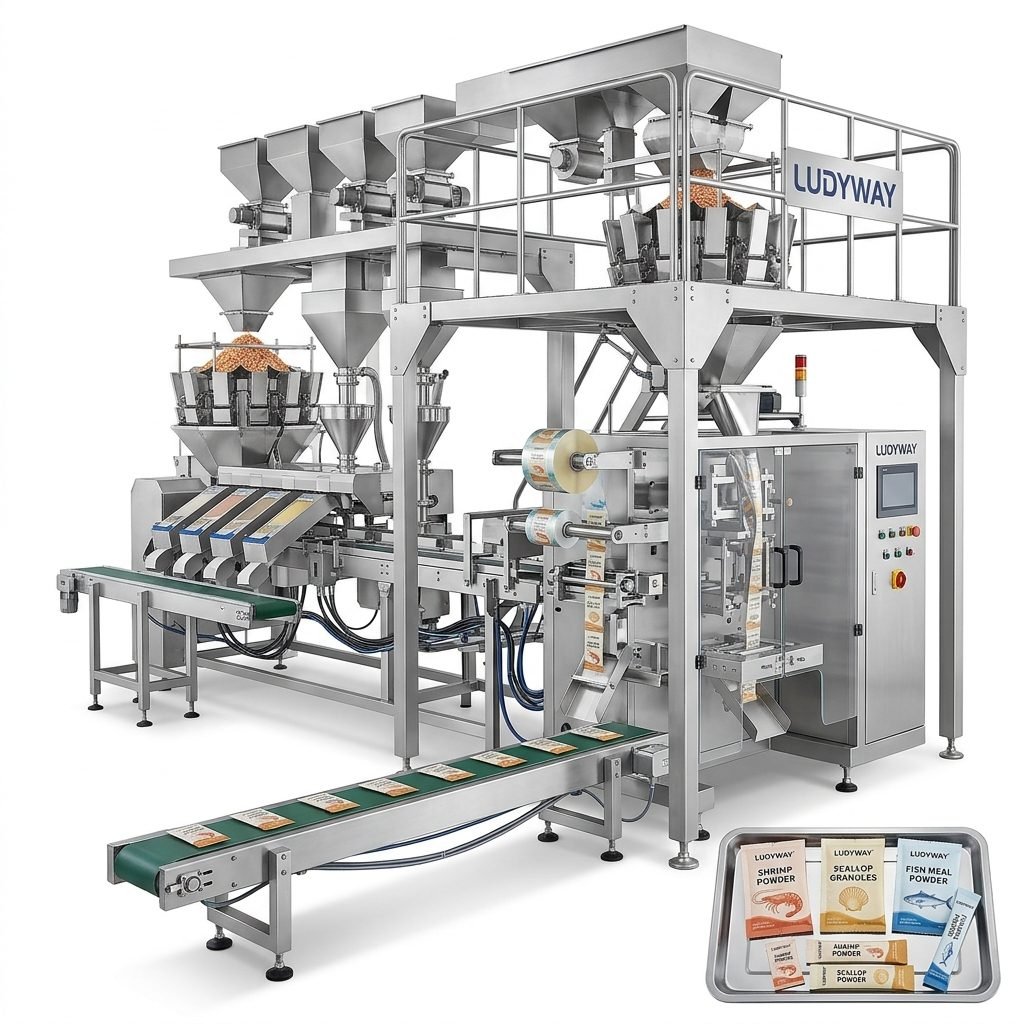
The degree of automation you choose affects both initial investment and long-term operating costs. Semi-automatic machines require operators to load product manually but automate the sealing process, making them suitable for medium-volume operations with affordable labor. Fully automatic lines integrate product feeding, filling, sealing, coding, and inspection, reducing labor dependency and human error. Companies looking to scale production while maintaining consistent quality often benefit from turnkey packaging solutions that include upstream and downstream integration.
Footprint and Facility Integration
Measure your available floor space carefully and account for operator access, maintenance clearance, and material handling paths. Some machines feature compact vertical designs that minimize floor usage, while horizontal systems may require additional conveyor lengths for product infeed and outfeed. Discuss electrical requirements, compressed air specifications, and any facility modifications needed before the machine arrives.
Compliance, Certifications, and International Standards
Seafood exported across borders must meet the regulatory requirements of destination markets. Your packaging machine should support compliance with relevant standards, including those outlined by the ISO packaging standards and national food safety authorities. Key considerations include:
- FDA compliance for equipment destined for the U.S. market, particularly regarding food contact materials and sanitary design.
- EU regulations under the European Packaging and Packaging Waste Directive, which governs material use and recyclability.
- HACCP compatibility: The machine should support critical control point monitoring, including metal detection, seal inspection, and traceability coding.
- CE marking and other regional certifications that verify conformity with health, safety, and environmental protection standards.

Evaluating Suppliers and Long-Term Support
The relationship with your equipment supplier extends far beyond the initial purchase. After-sales support, spare parts availability, and technical expertise directly influence your machine’s uptime and total cost of ownership. When comparing suppliers, investigate their track record in the seafood industry specifically, as general-purpose packaging manufacturers may lack the application knowledge required for optimal machine configuration.
Customization and Engineering Capability
Standard machines rarely address every requirement of a seafood processing operation. Look for manufacturers that offer customized engineering solutions tailored to your product characteristics, packaging materials, factory layout, and automation goals. A supplier with in-house design and manufacturing capabilities can modify filling systems, sealing mechanisms, and control software to match your exact specifications. For example, Ludyway, a packaging machinery manufacturer with over three decades of experience, provides customized packaging systems that can be configured for different production speeds, filling volumes, and packaging formats including multi-lane stick pack and sachet applications for dried seafood products.
Spare Parts, Training, and Remote Support
Confirm that the supplier maintains adequate spare parts inventory and can ship critical components quickly to your location. Comprehensive operator training—covering machine setup, daily operation, troubleshooting, and sanitation procedures—reduces the learning curve and prevents avoidable errors. With remote technical assistance now a standard offering, suppliers who provide video diagnostics and real-time support can resolve many issues without an on-site visit, minimizing production interruptions.
Making the Final Decision: A Step-by-Step Checklist
After gathering technical proposals and visiting supplier facilities or reviewing case studies, use the following checklist to compare your options objectively:
- Product fit: Has the supplier tested your actual product on the proposed machine? Request video evidence or arrange a live demonstration.
- Speed verification: Does the quoted output match your production targets with acceptable reject rates?
- Hygiene validation: Can the machine be fully cleaned within your allotted sanitation window? Are all food-contact surfaces accessible?
- Film and material testing: Has seal integrity been validated with your chosen packaging materials under production temperature conditions?
- Integration plan: Does the supplier provide a clear timeline for installation, commissioning, and ramp-up to full production?
- Total cost of ownership: Beyond the purchase price, factor in energy consumption, film waste rates, maintenance labor, and expected spare parts usage over five years.
- References and site visits: Speak with existing customers packaging similar seafood products. Their operational experience often reveals insights not captured in sales presentations.

Future-Proofing Your Investment
The seafood packaging landscape continues to evolve, driven by consumer demand for sustainable packaging, convenience formats, and transparency in sourcing. When selecting a machine, consider its adaptability to emerging trends such as recyclable mono-material films, compostable packaging structures, and digital traceability features including QR-code-enabled supply chain visibility. A modular machine platform that accommodates future upgrades—whether additional lanes, new filling technologies, or advanced inspection systems—protects your investment against obsolescence. According to the Flexible Packaging Association’s industry resources, flexible packaging continues to gain market share in seafood and protein applications, making machine flexibility a strategic priority for long-term competitiveness.
Choosing the right seafood packaging machine is a decision that shapes your operational efficiency, product quality, and market access for years to come. By thoroughly evaluating your product requirements, hygiene standards, automation goals, and supplier capabilities, you position your business to meet growing demand while maintaining the freshness and safety that seafood consumers expect. Take the time to test, compare, and validate before committing, and prioritize suppliers who demonstrate deep industry knowledge and a genuine commitment to your long-term success.