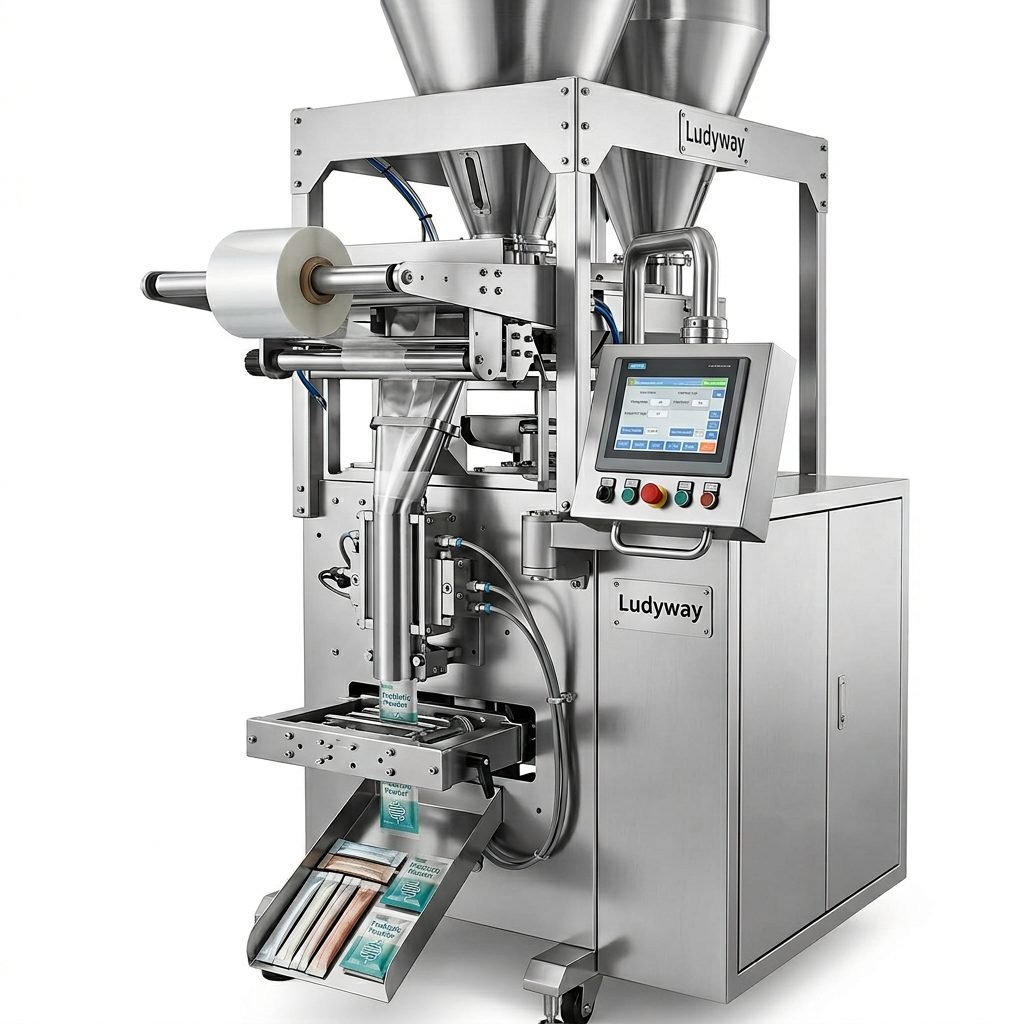
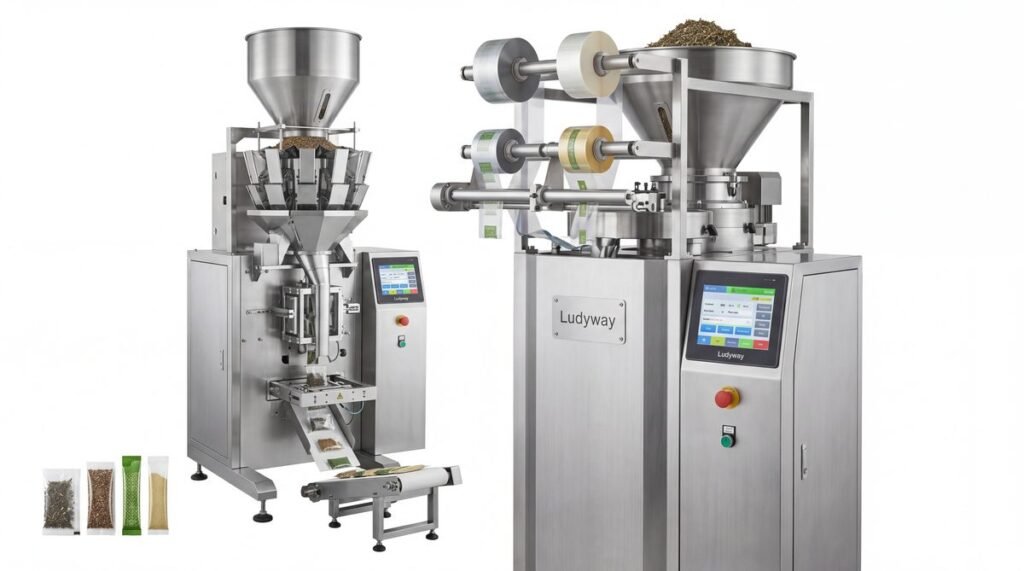
Selecting the right baby food packaging machine is one of the most critical decisions a manufacturer can make. The equipment you choose directly impacts product safety, shelf life, production efficiency, and ultimately, consumer trust. With numerous configurations, technologies, and suppliers available, the selection process can feel overwhelming. This guide breaks down the essential factors to consider, helping you evaluate your options and invest in a solution that aligns with your production goals and regulatory obligations.
Understanding Your Baby Food Product Characteristics
Before comparing machine specifications, you must thoroughly analyze the physical properties of your product. Baby food comes in various forms, and each demands a specific handling and filling approach. The FDA’s guidelines on food packaging and food contact substances further emphasize the importance of matching equipment to product sensitivity.
- Powders and Granules: Infant formula, cereal powders, and dried fruit granules require precision dosing systems to maintain nutritional consistency. Dust control and minimal product degradation are key priorities.
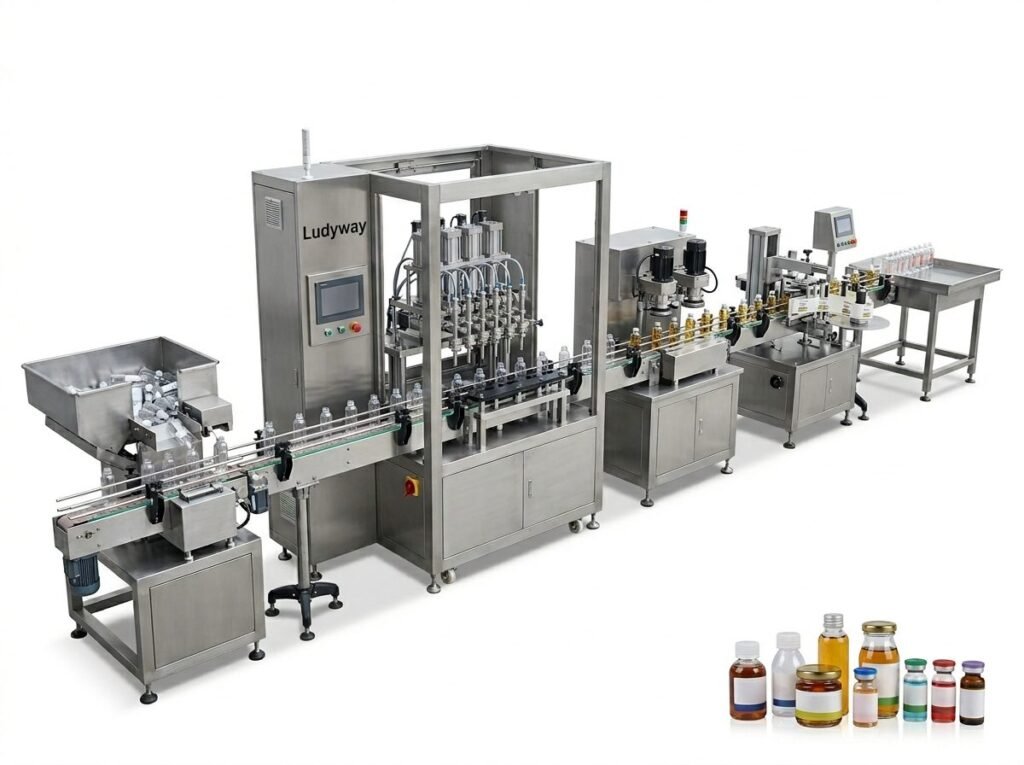
- Liquids and Purees: Ready-to-feed pouches and bottled purees need hygienic liquid filling systems, often with sterilization capabilities integrated into the packaging line.
- Sticky or High-Fat Products: Certain nutritional supplements can adhere to machine surfaces, requiring specialized non-stick contact parts and precise temperature controls during sealing.
The flow characteristics, bulk density, and particle size distribution of your powder or granule will determine the optimal dosing mechanism, whether it’s an auger filler, volumetric cup filler, or multi-head weigher.
Critical Packaging Formats and Material Compatibility
Your choice of packaging format heavily influences the machine type. Modern baby food brands rely on several popular configurations, each with unique advantages for portability, shelf life, and dispensing. The Flexible Packaging Association provides extensive industry data confirming the continued growth of stick packs and sachets in the food sector due to material efficiency and consumer convenience.
| Packaging Format | Key Machine Requirement | Best Suited For |
|---|---|---|
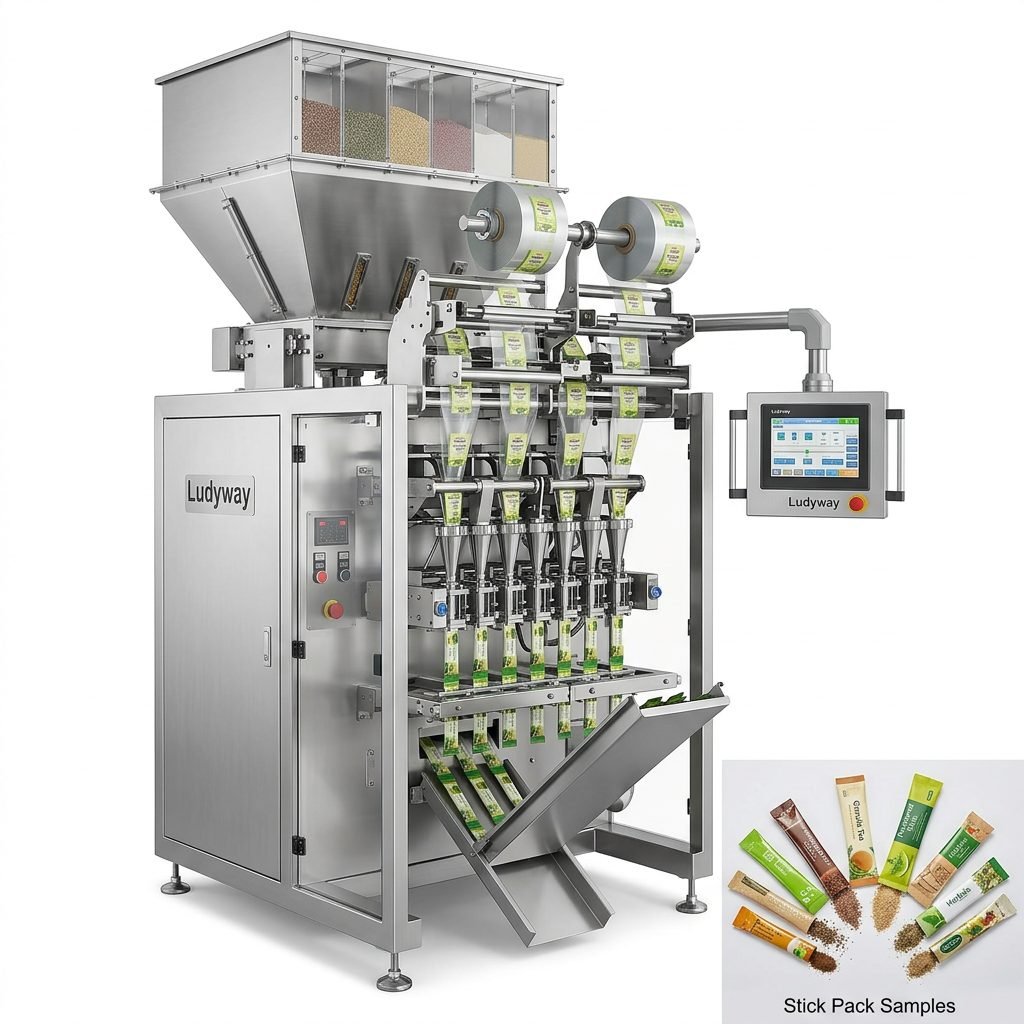
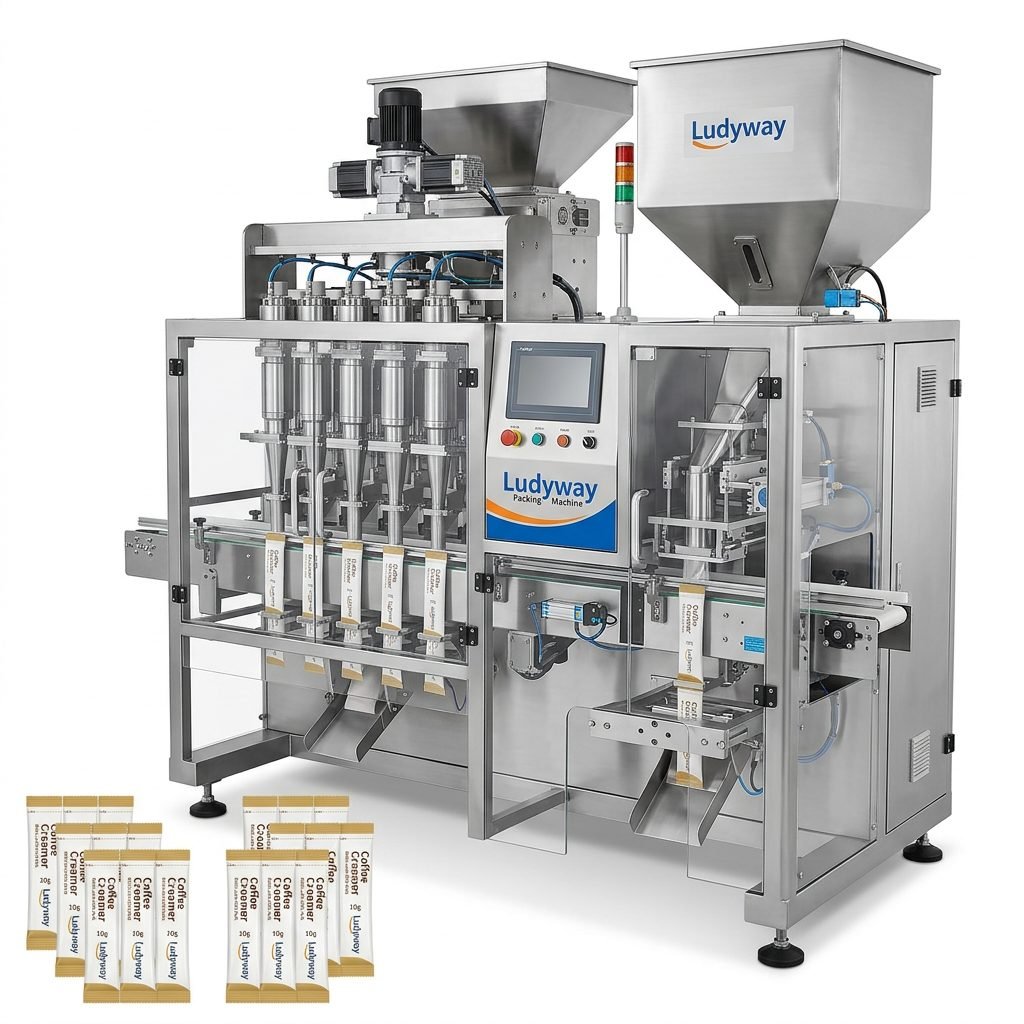
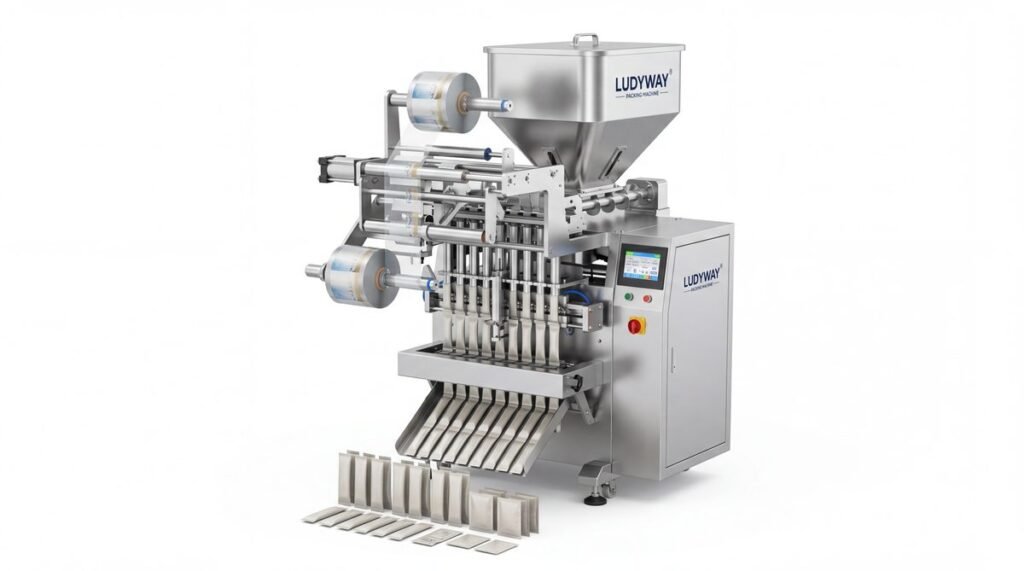
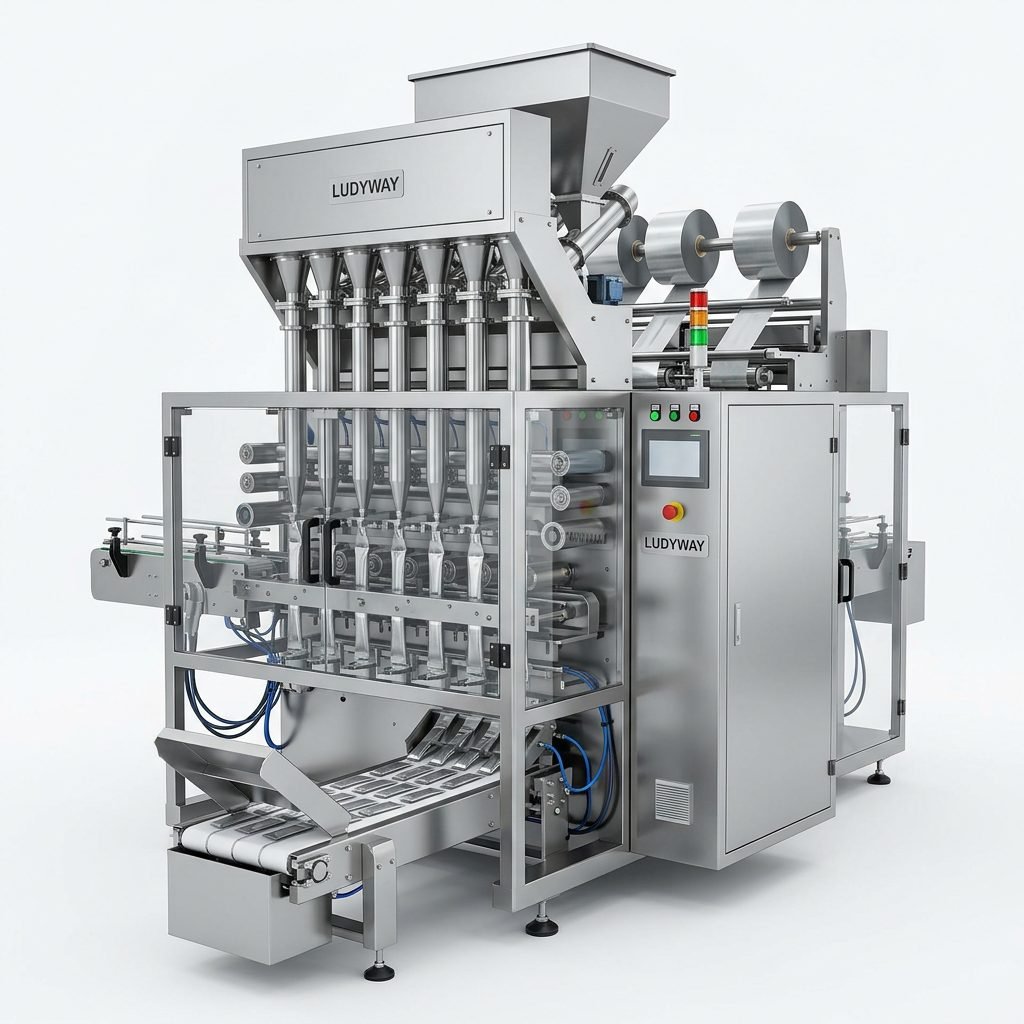
| Stick Packs | Multi-lane vertical form fill seal (VFFS) with long-dwell sealing | Single-serve powders, portable puree portions |
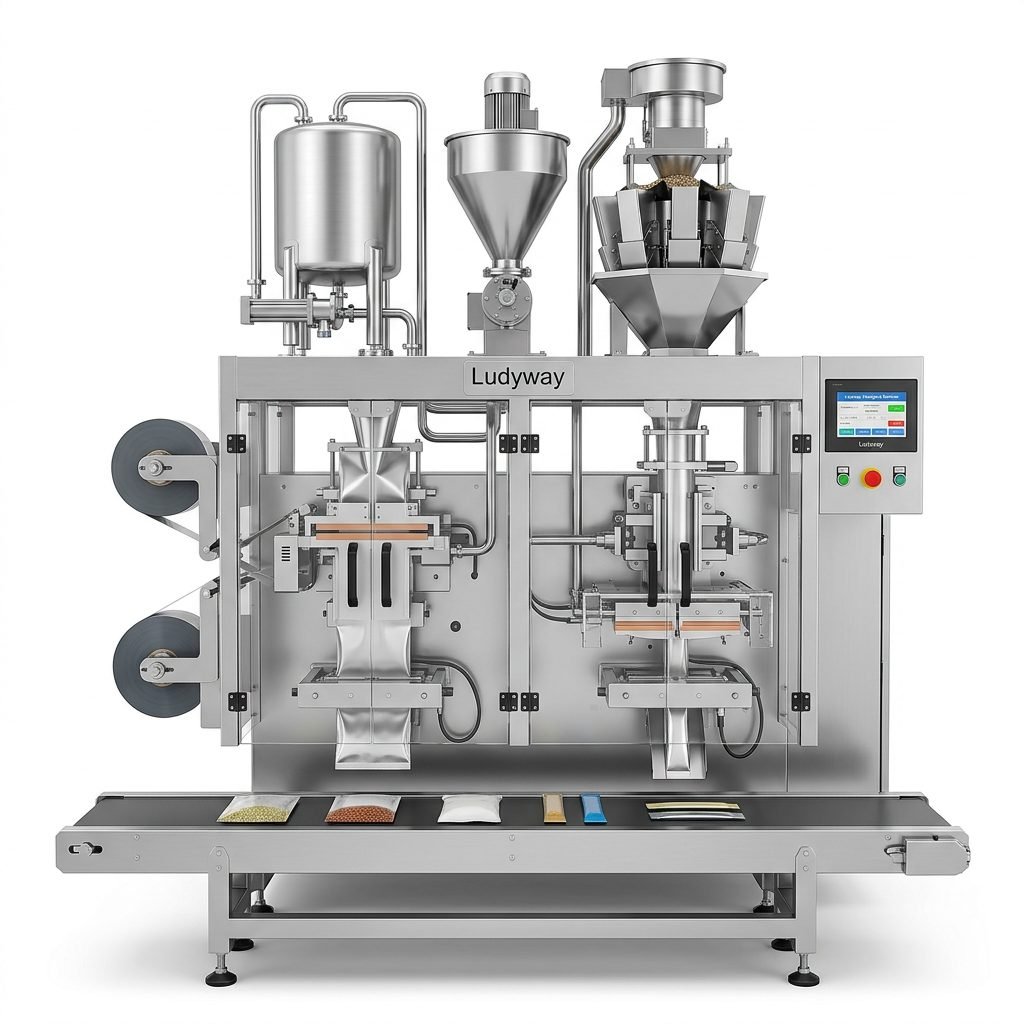
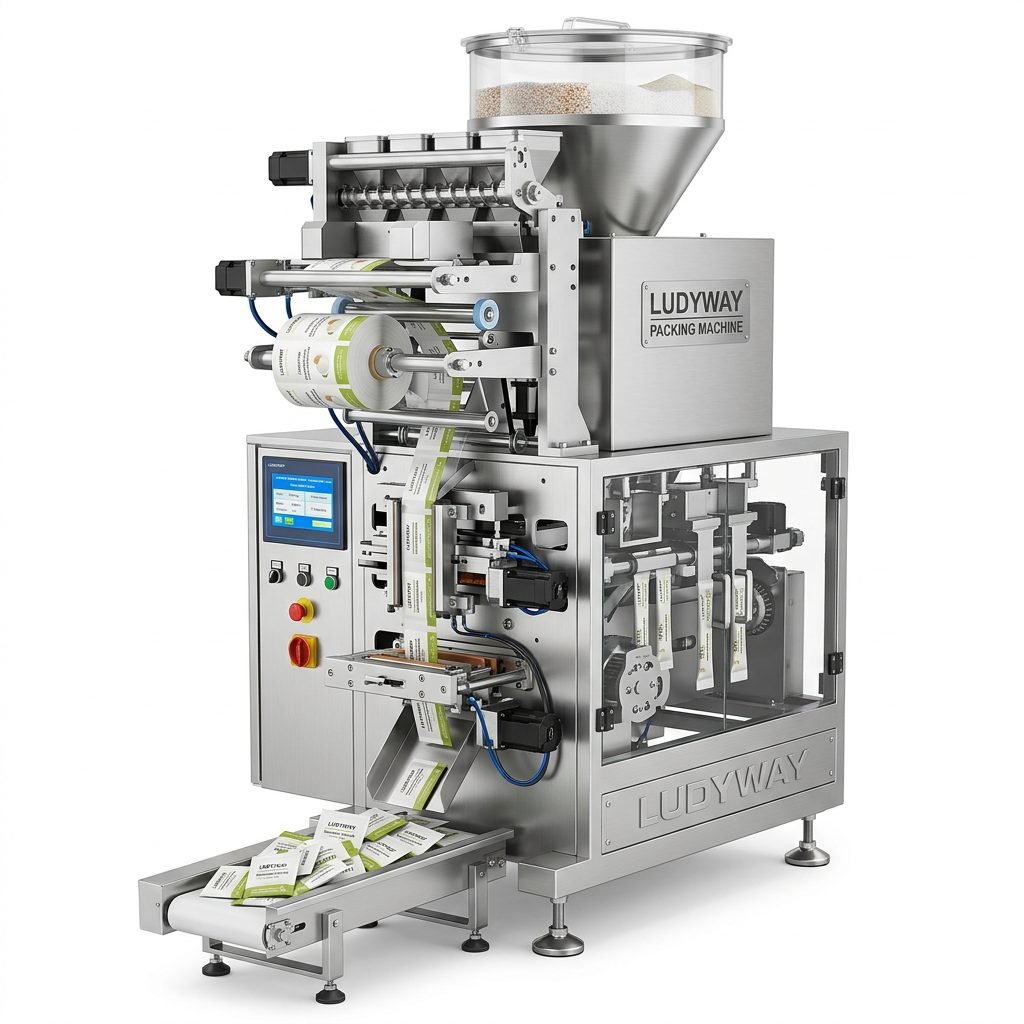
| Sachets | Flexible horizontal or vertical sachet machines with tear-notch capability | Larger multi-use servings, sample packs |
| Stand-Up Pouches | Rotary or inline pouch filling and sealing machines with zipper applicators | High-value organic blends, resealable formats |
Laminate structures featuring aluminum foil, PET, and food-grade PE layers are standard for baby food to ensure oxygen and moisture barrier properties. Your machine must deliver consistent seal integrity across these materials without compromising the barrier layer, which is essential for extended shelf life without preservatives.
Hygiene, Automation, and Cleanability Standards
Baby food lines operate under some of the strictest hygiene protocols in the food industry. Equipment design must minimize contamination risks and facilitate thorough sanitation across multiple shifts. According to PMMI’s packaging machinery market research, automation in hygiene-critical zones is accelerating to reduce human intervention and elevate food safety profiles.
Key design features to evaluate include stainless steel construction (preferably 304 or 316L for product contact parts), sloped surfaces to prevent liquid pooling, tool-free disassembly for quick product changeover, and fully washdown-capable electrical enclosures rated to IP65 or IP66. Machines should integrate with Clean-in-Place (CIP) systems where applicable, allowing validated cleaning cycles without dismantling the entire line.

Sealing Integrity and Gas Flushing
Oxygen is the primary enemy of preserved baby food. Modified Atmosphere Packaging (MAP) through nitrogen flushing is critical. Your machine should offer precise gas injection control, accurate residual oxygen monitoring, and leak detection systems that reject compromised packages. Consistent seal strength across the entire width, with no wrinkles or product entrapment in the seal area, is non-negotiable.
Evaluating Production Speed and Scalability
Projected throughput must match current demand while leaving room for growth. It is equally important to confirm that the machine’s rated speed is achievable under real-world conditions with your specific materials and product. The 2026 State of the Industry report from PMMI highlights that flexible production scalability is a top investment criterion for food packaging operations facing fluctuating retail demand.
- Single-lane vs. Multi-lane: A single-lane high-speed machine can produce up to 120 packs per minute, whereas a multi-lane stick pack machine can deliver 400 to over 1,000 packs per minute by processing multiple lanes simultaneously.
- Quick changeover capability: Modern machines incorporate servo-driven adjustments that allow lane configuration, fill volume, and bag length changes stored in recipe menus, reducing downtime between product runs to under 15 minutes.
- Modular design: Look for machines that permit lane additions or speed upgrades without replacing the core platform, protecting your capital investment as market share grows.
Integration with Auxiliary Equipment and Smart Factory Readiness
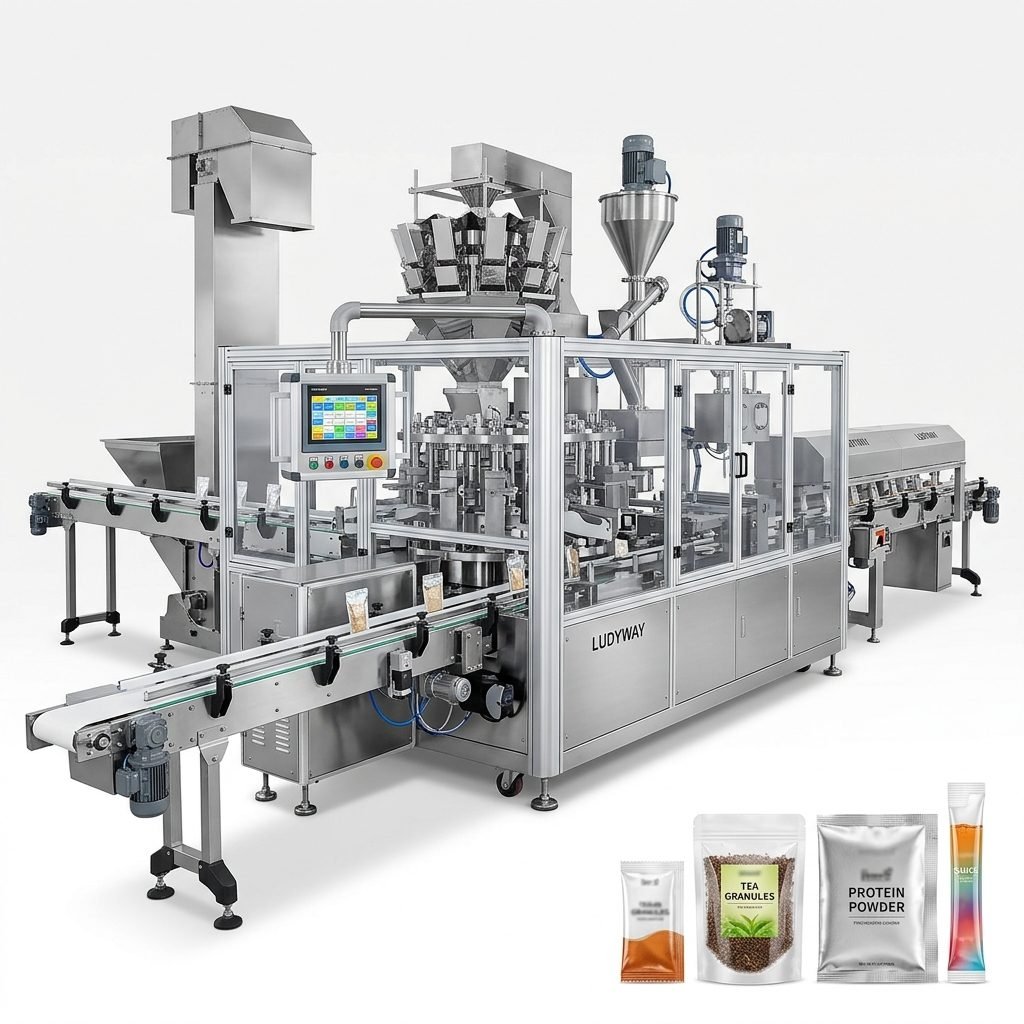
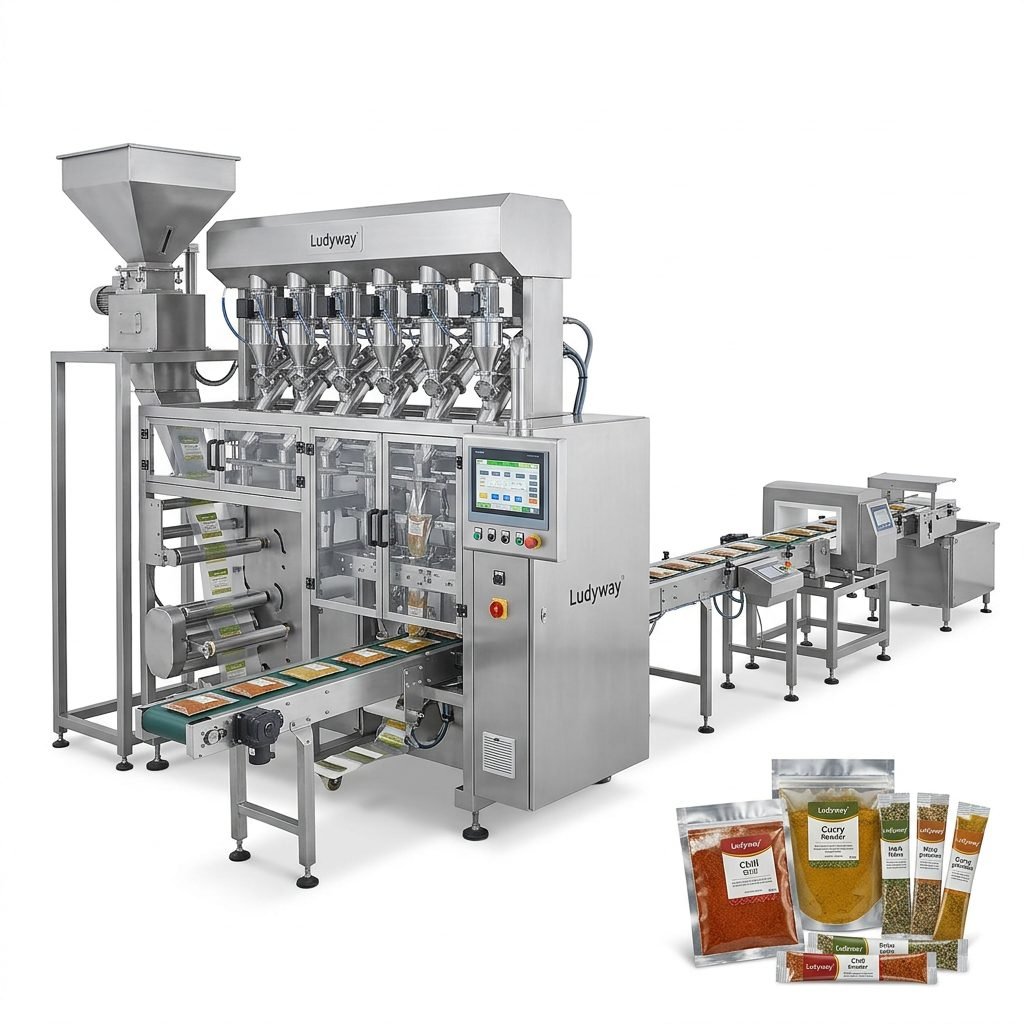
Your baby food packaging machine should function as a central node in a connected production ecosystem. This typically involves seamless integration with upstream processing equipment, intermediate bulk handling, and downstream cartoning and palletizing systems. For a complete baby food packaging line, you may also need to integrate checkweighers, X-ray inspection systems, and serialization printers for traceability from batch to individual pouch.
ISO packaging standards and evolving European Commission regulations on packaging and packaging waste are pushing manufacturers toward equipment that supports sustainable materials and generates detailed production data. A machine built on a PLC platform with OPC-UA communication protocols will allow you to collect real-time OEE data, monitor energy consumption, and align with Industry 4.0 initiatives.
Certifications, Compliance, and Documentation
When exporting baby food or packaging in regulated markets, the machine itself must support your compliance strategy. Suppliers should provide comprehensive documentation packages that include validation protocols (IQ/OQ), material certificates, and 3-A sanitary design certifications where applicable. The equipment must also be designed to handle packaging materials that comply with relevant food contact regulations, as outlined by the FDA’s food contact substances guidance.
Total Cost of Ownership and After-Sales Support
The purchase price is only the beginning. A thorough Total Cost of Ownership (TCO) analysis should factor in energy consumption per thousand packs, expected lifespan of wear components such as sealing jaws and dosing parts, availability and cost of spare parts, and the manufacturer’s technical support responsiveness in your region.
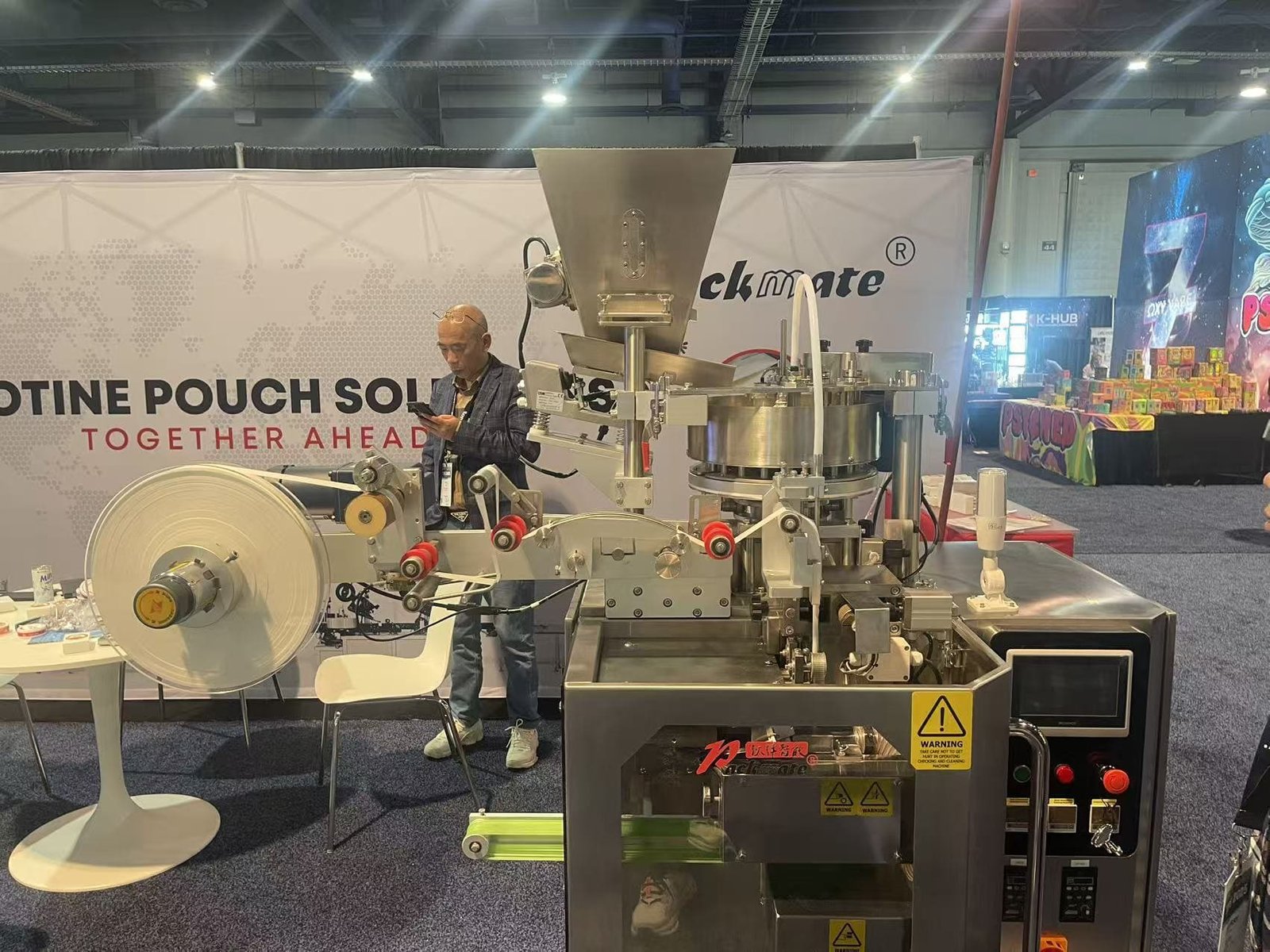
Manufacturers like Ludyway Machinery, a China-based packaging machinery specialist, combine in-house engineering and manufacturing across a 20,000-square-meter facility to deliver customized packaging solutions. With more than 30 years of industry experience, over 130 professionals, and export revenue projected to exceed RMB 500 million (approximately US$69 million) in 2025, they represent the kind of integrated partner that provides not just individual machines but comprehensive turnkey packaging lines. Their approach covers machine selection, system integration, commissioning, and long-term technical support in over 100 countries, ensuring that manufacturers have a reliable partner throughout the equipment lifecycle.
Key Questions to Ask Potential Suppliers
Before finalizing your investment, go beyond the technical specification sheet and ask these strategic questions to uncover the supplier’s true experience and support capability.
- Can you provide third-party validation testing reports for OEE with our actual product formulation?
- What is the MTBF (Mean Time Between Failures) and MTTR (Mean Time To Repair) for your installed base?
- How do you handle remote diagnostics and troubleshooting for urgent production stoppages?
- Do you offer operator training programs and ongoing technical skill development?
- Can the machine be retrofitted or upgraded for future packaging formats without full replacement?
Investing in the right baby food packaging machine is an investment in product safety, brand reputation, and operational excellence. Prioritize hygienic design, precision dosing, and a supplier committed to your long-term growth.