Selecting the right condiment packaging machine is one of the most important equipment decisions a food manufacturer can make. Whether you are filling ketchup, mayonnaise, soy sauce, barbecue sauce, chili paste, salad dressing, or mustard, the packaging system you choose directly affects production efficiency, fill accuracy, product integrity, and long-term operating costs. A machine that works well for thin vinegar may not handle thick tomato paste, and a system designed for single-serve sachets may not scale to multi-lane stick pack production. This guide walks through the key factors to evaluate when choosing condiment packaging equipment, helping you match machine capabilities to your product characteristics, packaging format, and production goals.
Understanding Your Condiment Product Characteristics
Not all condiments behave the same way during filling. The physical properties of your product determine which packaging machinery technology is appropriate. Before evaluating specific machine models, define your product parameters:
- Viscosity range – Thin liquids like soy sauce and vinegar flow easily and suit gravity or volumetric piston fillers. Thick pastes like tomato ketchup, mayonnaise, and chili sauce may require positive-displacement piston fillers or gear pumps for consistent dosing.
- Particulate content – Condiments with seeds, spices, herb flakes, or vegetable pieces (such as chunky salsa or whole-grain mustard) need filling systems with larger nozzle diameters and gentle handling to prevent clogging.
- Temperature during filling – Hot-fill condiments (such as certain sauces and pastes) require machines built with heat-resistant seals and components rated for elevated temperatures.
- Foaming tendency – Some condiments aerate easily during filling. Bottom-up filling nozzles or vacuum-assisted systems help control foam and maintain accurate fill levels.
- Corrosiveness – Acidic condiments like vinegar-based sauces and citrus dressings require stainless steel contact parts (typically 304 or 316L) and acid-resistant seals to ensure food contact compliance and equipment longevity.
Packaging Format: Sachet, Stick Pack, Pouch, or Bottle
Condiment manufacturers serve different markets with different packaging formats, and your machine must be configured for the specific format you need. The table below compares common condiment packaging formats and their typical machine requirements:
| Packaging Format | Typical Volume Range | Common Condiment Applications | Machine Configuration |
|---|---|---|---|
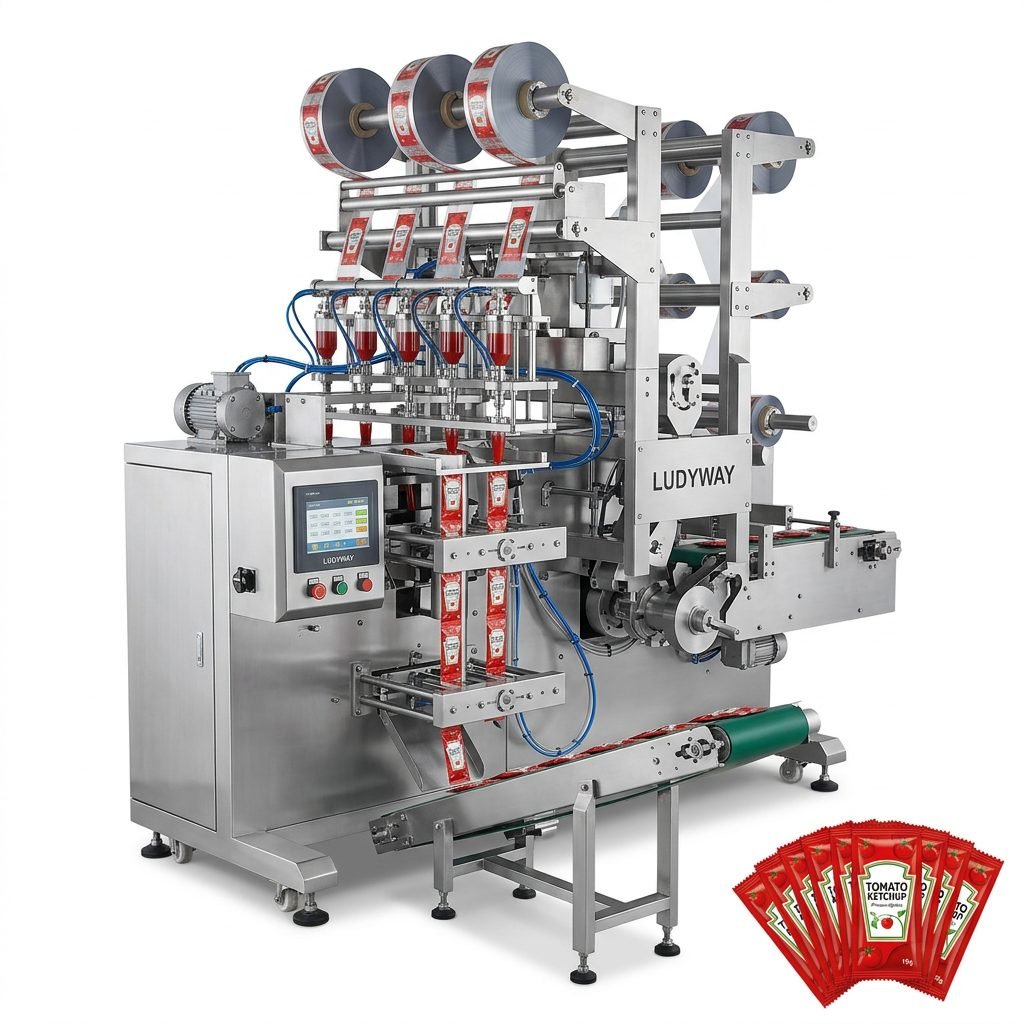
| Sachet (3-side / 4-side seal) | 3 ml – 50 ml | Ketchup, soy sauce, mayonnaise, mustard, salad dressing | Single-lane or multi-lane, flat or shaped sachet |
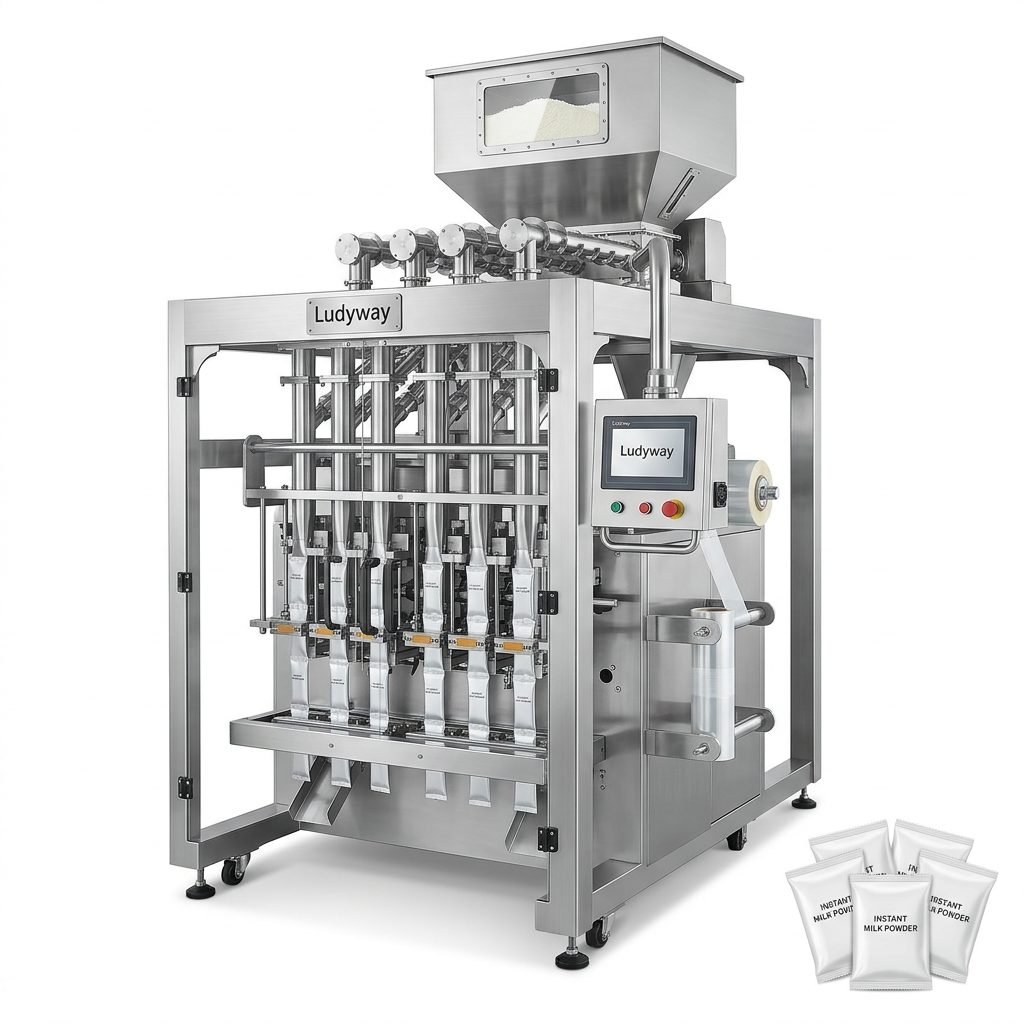
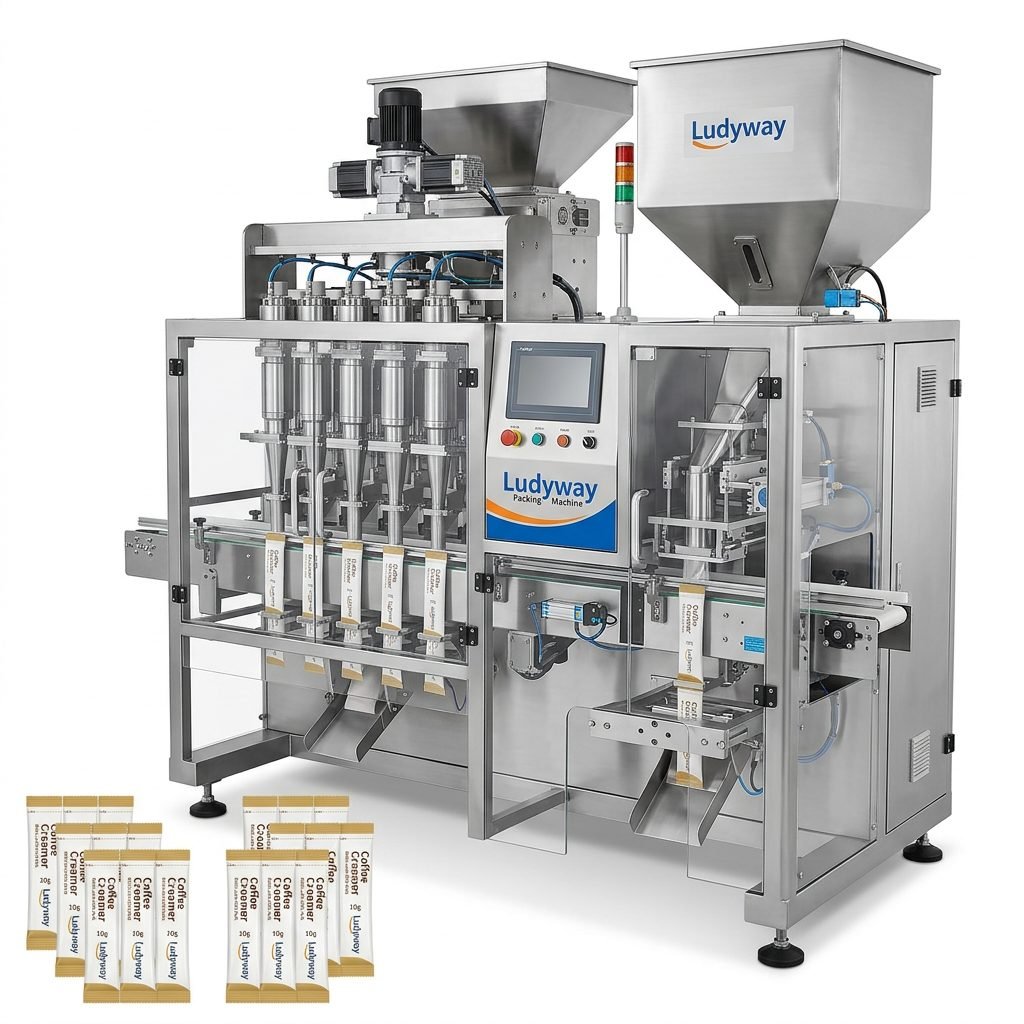
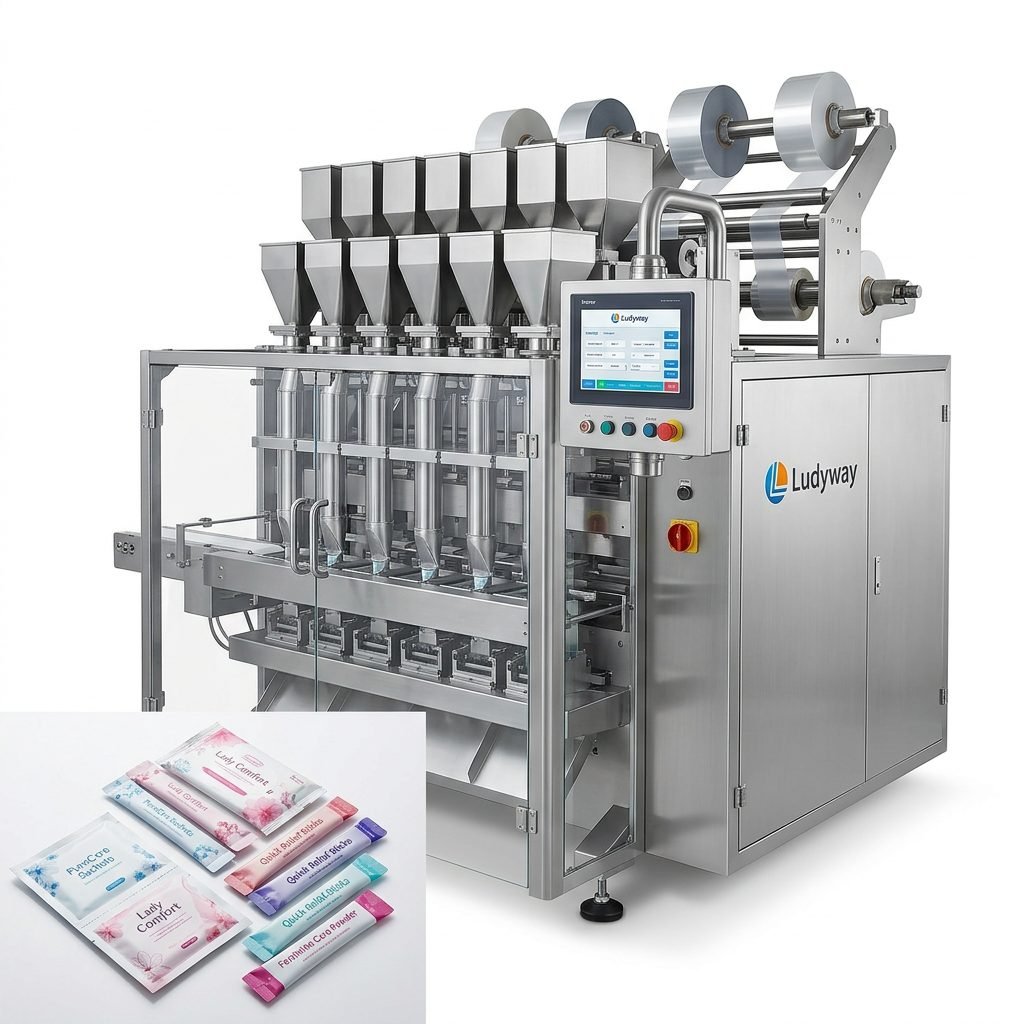
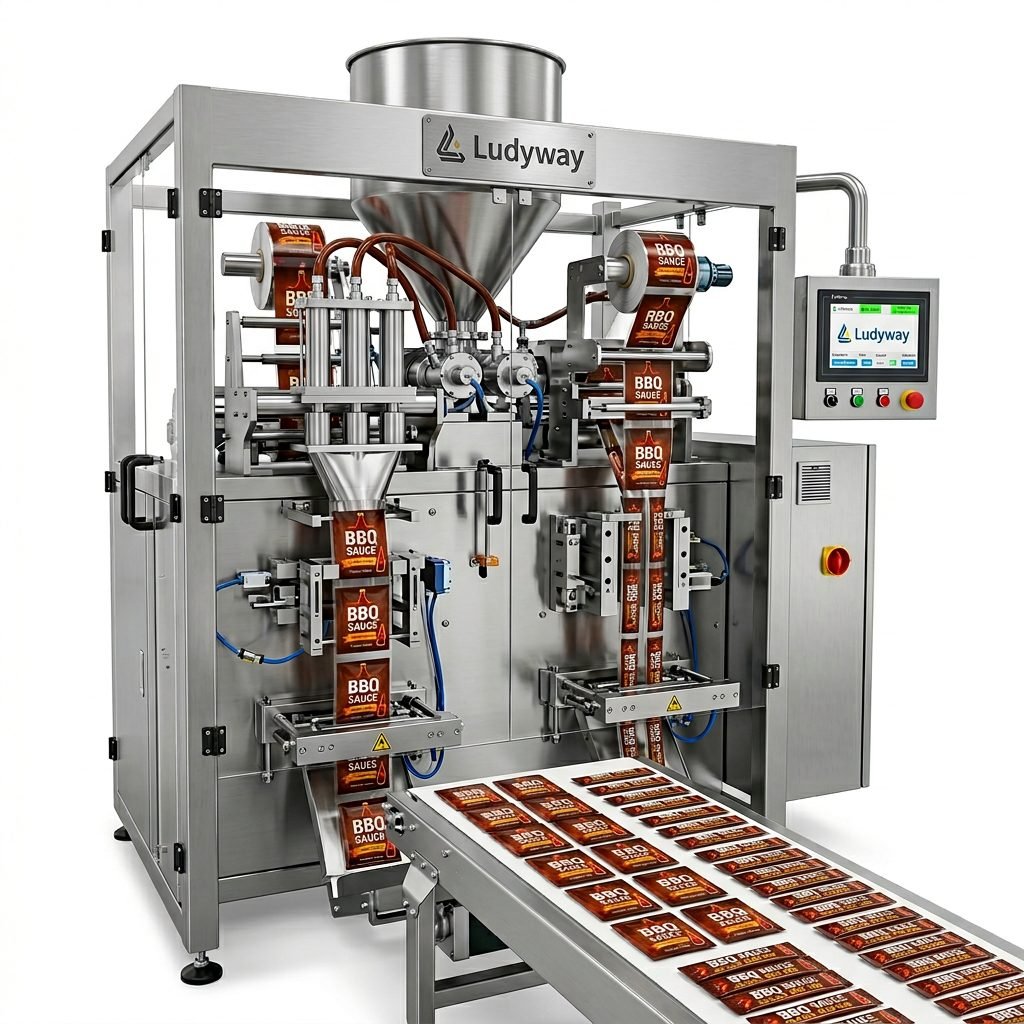
| Stick Pack | 2 ml – 30 ml | Honey, hot sauce, chili paste, BBQ sauce, olive oil | Multi-lane, high-speed, narrow seal width |
| Stand-up Pouch / Spouted Pouch | 50 ml – 500 ml | Cooking sauces, mayonnaise, ketchup, specialty condiments | Pre-made pouch rotary or inline filler-sealer |
| Bottle / Jar Filling | 100 ml – 1,000 ml+ | Table sauces, dressings, pastes, cooking oils | Volumetric piston, gravity, or pump filler with capping |
Filling Technology: Matching the System to Your Condiment
The filling mechanism is the heart of any condiment packaging machine. Different technologies suit different product viscosities and production requirements. The choice of filling technology has a direct impact on accuracy, speed, and waste reduction:
- Gravity Filling – Best for thin, free-flowing liquids like soy sauce and vinegar. Simple mechanism with timed flow control. Suitable for lower-viscosity condiments with minimal particulates.
- Piston Filling – Volumetric piston fillers handle a broad viscosity range from thin oils to thick pastes. Ideal for ketchup, mayonnaise, mustard, and creamy dressings. Offers high accuracy (±0.5% or better) with mechanical displacement.
- Gear Pump / Lobe Pump Filling – Handles thick, chunky condiments with suspended particles. Gentle product handling minimizes shear damage to delicate ingredients.
- Peristaltic Pump Filling – Suited for small-volume, high-value condiments where product contact surfaces must be minimized for easy cleaning and changeover.
- Bottom-Up / Submerged Nozzle Filling – Recommended for foaming condiments. The filling nozzle rises as the product fills, reducing air entrapment and splashing.
Single-Lane vs. Multi-Lane Machine Configuration
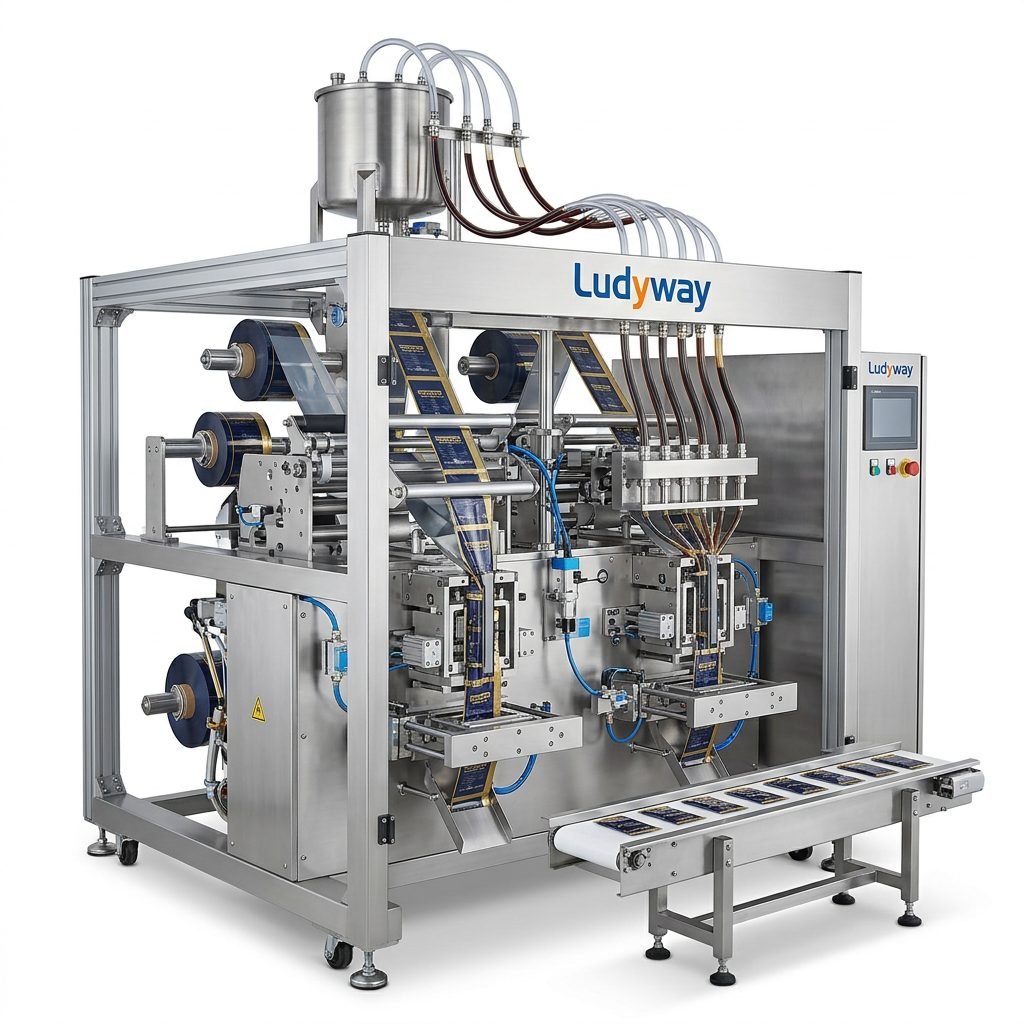
Your required production output determines whether a single-lane or multi-lane packaging system is appropriate. Single-lane machines suit lower-volume, artisanal, or startup production, while multi-lane configurations deliver the throughput needed for large-scale condiment manufacturing.
Key considerations when choosing lane configuration:
- Single-lane – Simpler operation and maintenance, lower initial investment, more flexibility for frequent product changeovers. Typical output: 30–80 sachets or stick packs per minute per lane.
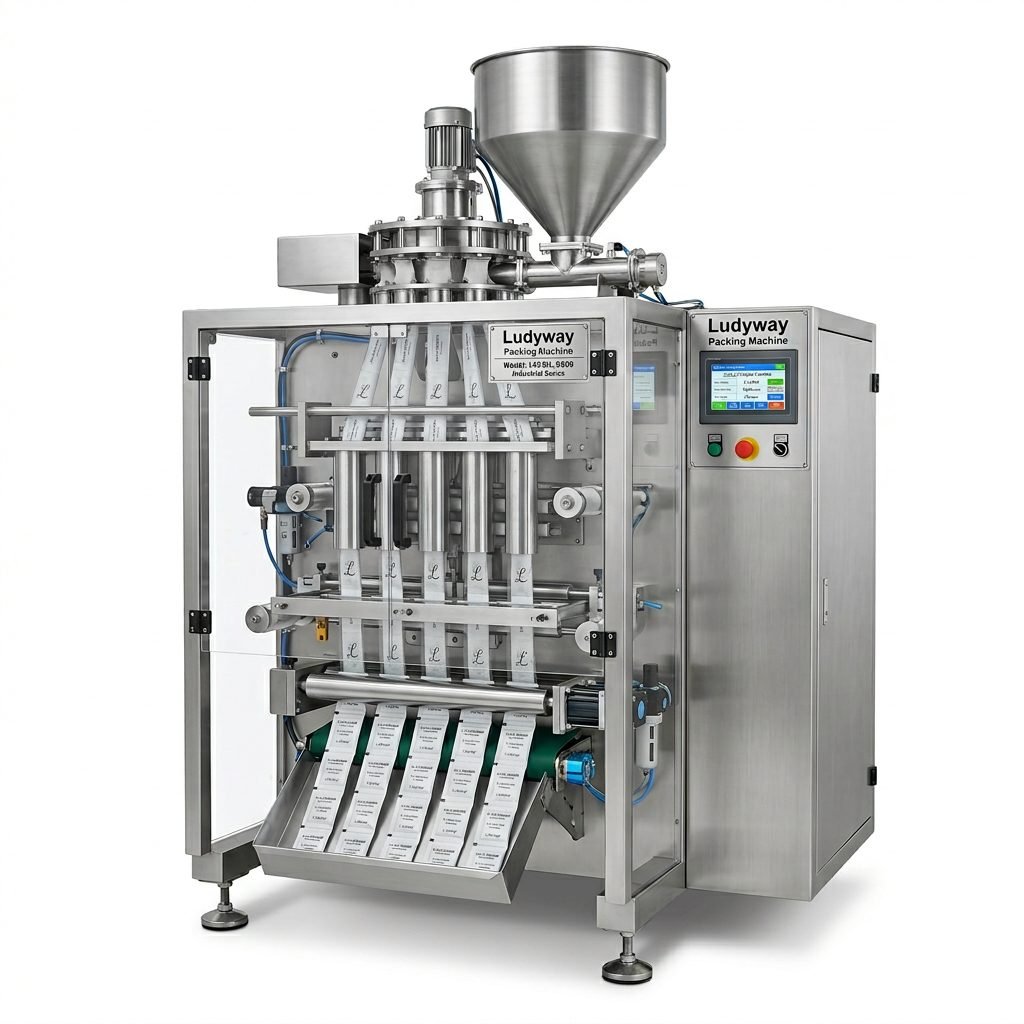
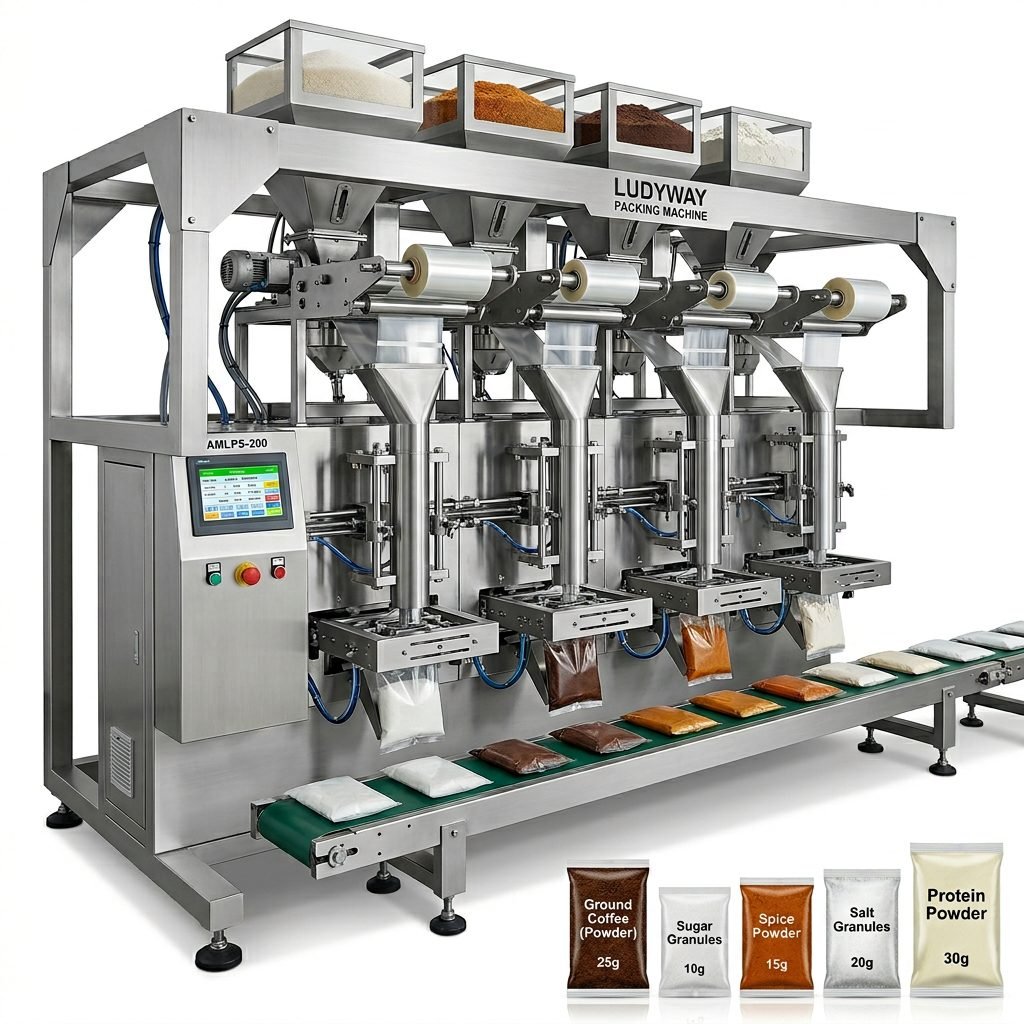
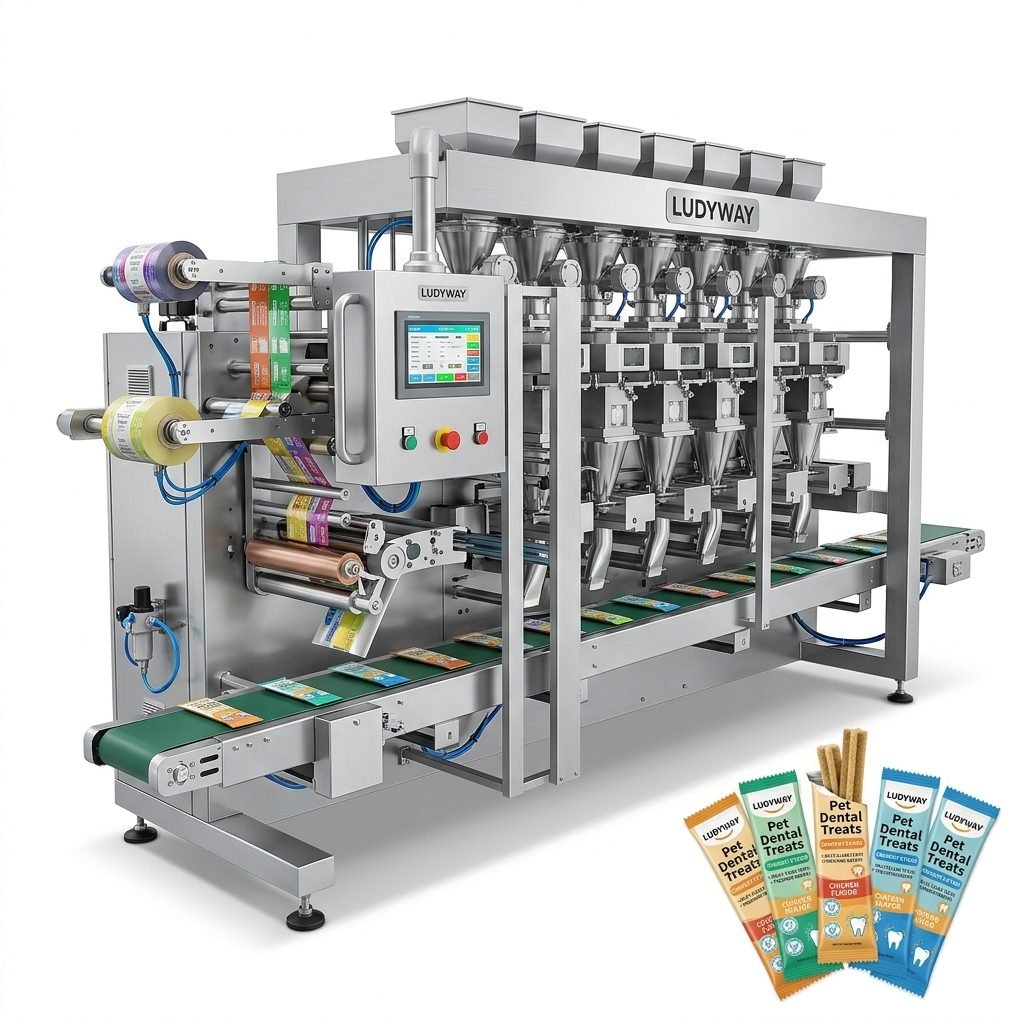
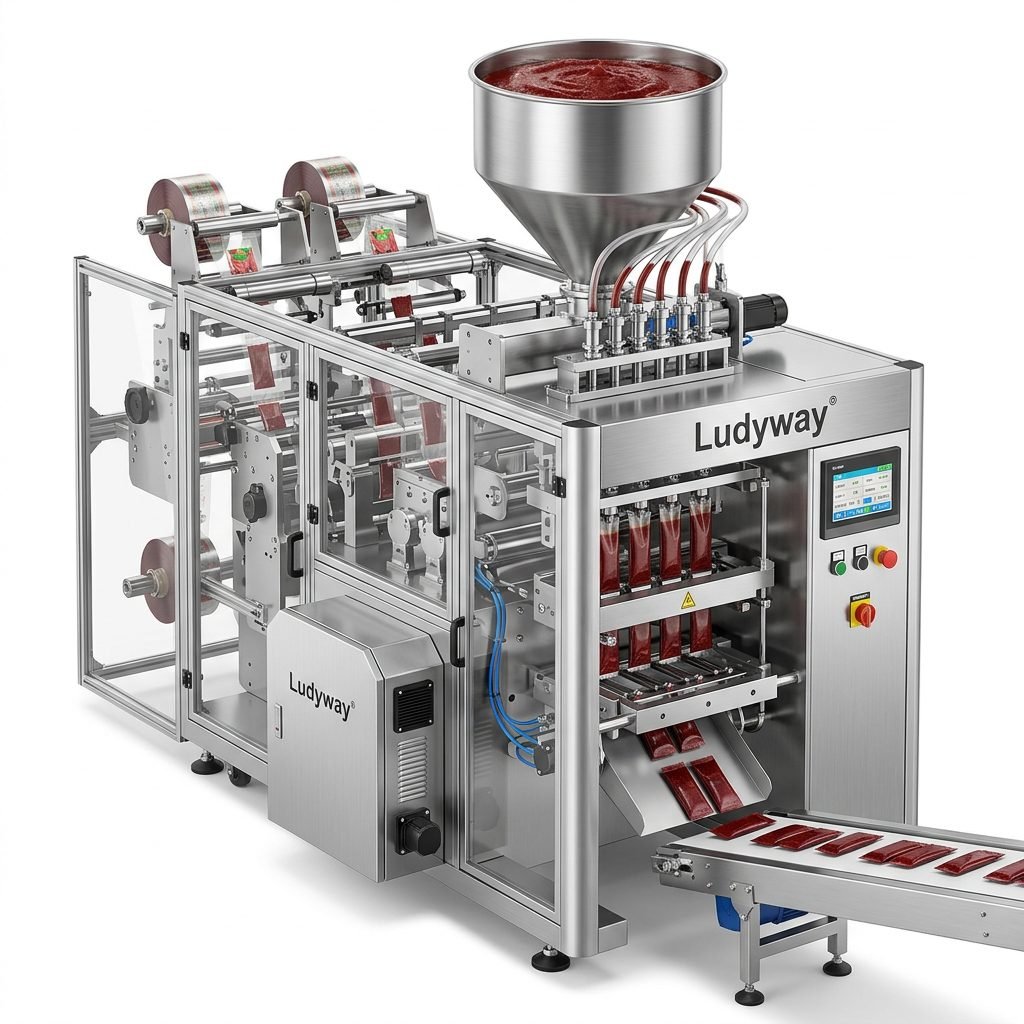
- Multi-lane (4–12 lanes) – Significantly higher output, reduced per-unit packaging cost, and improved return on investment for large production volumes. Typical output: 200–600+ packs per minute across all lanes.
- Scalability – Some modular machines allow adding lanes as production grows, protecting your initial investment.
Packaging Material Compatibility and Seal Integrity
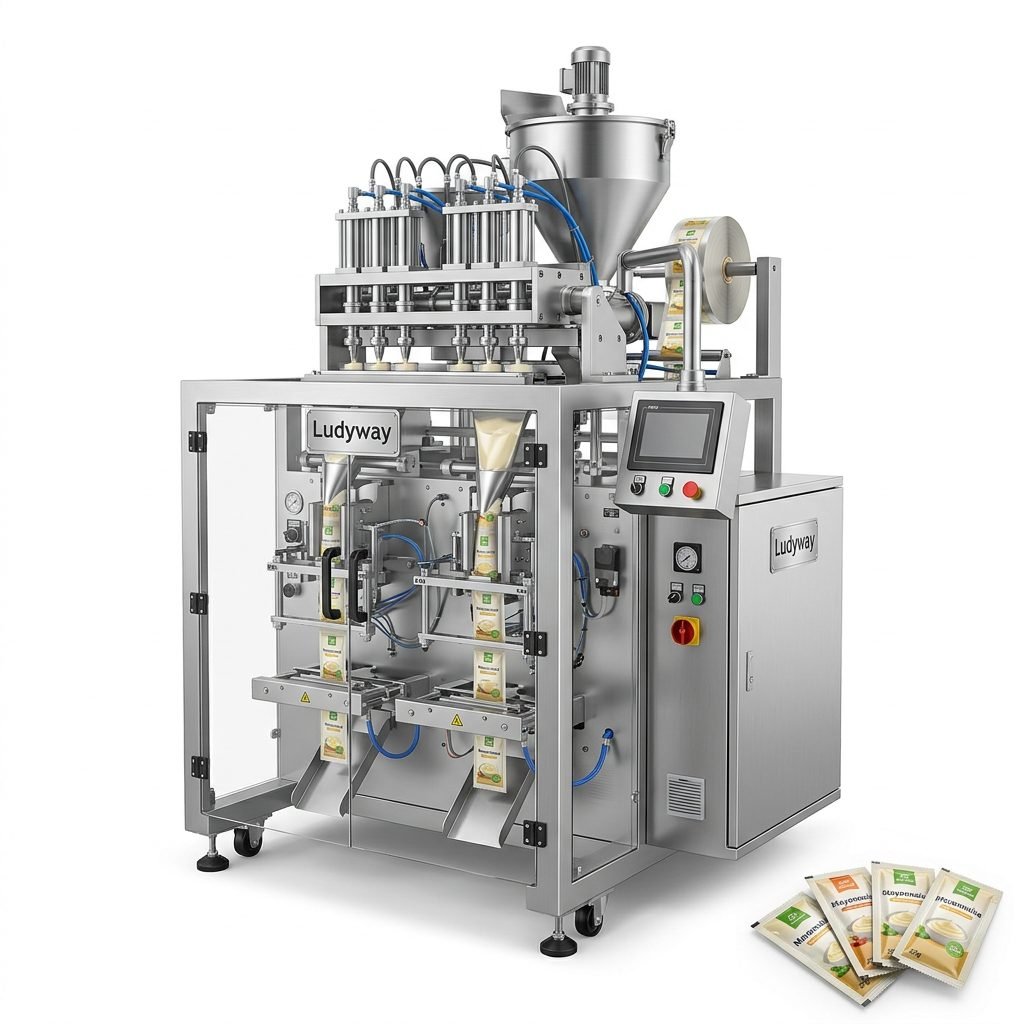
Condiment packaging must maintain seal integrity throughout the supply chain, especially for oily, acidic, or liquid products that can compromise weak seals. The packaging machine’s sealing system must be compatible with your chosen flexible packaging materials:
- Material structures – Common condiment packaging films include PET/AL/PE, PET/MPET/PE, PET/PE, and paper/PE/aluminum/PE laminates. Each requires specific heat-seal temperature, pressure, and dwell time settings.
- Sealing jaw design – Serrated, flat, or patterned sealing jaws affect seal strength and peelability. Condiments that may contaminate the seal area during filling require effective seal-area protection and cleaning mechanisms.
- Hot-tack strength – For vertical form-fill-seal machines, the film must maintain seal integrity immediately after sealing while still supporting the weight of the filled product.
- Barrier requirements – Oxygen-sensitive condiments need high-barrier laminates. Moisture-sensitive products require appropriate WVTR (water vapor transmission rate) protection.
Hygiene, Cleanability, and Food Safety Compliance
Condiment packaging equipment must meet stringent food safety and hygiene standards. Design features that facilitate cleaning, prevent contamination, and support regulatory compliance include:
- Stainless steel construction – All product contact surfaces should be 304 or 316L stainless steel with appropriate surface finish (Ra ≤ 0.8 μm for food contact).
- Tool-free disassembly – Filling heads, hoppers, and product pathways should be easily removable for cleaning and sanitization between production runs.
- CIP (Clean-in-Place) compatibility – Larger systems may integrate CIP functionality for automated cleaning cycles without disassembly.
- Enclosed filling zones – Protecting the filling area from environmental contamination with guarding or laminar airflow helps maintain hygienic conditions.
- Sloped surfaces and drainage – All surfaces should be sloped to prevent liquid pooling, and the machine frame should allow complete drainage during washdown.
Automation Level and Ancillary Equipment Integration
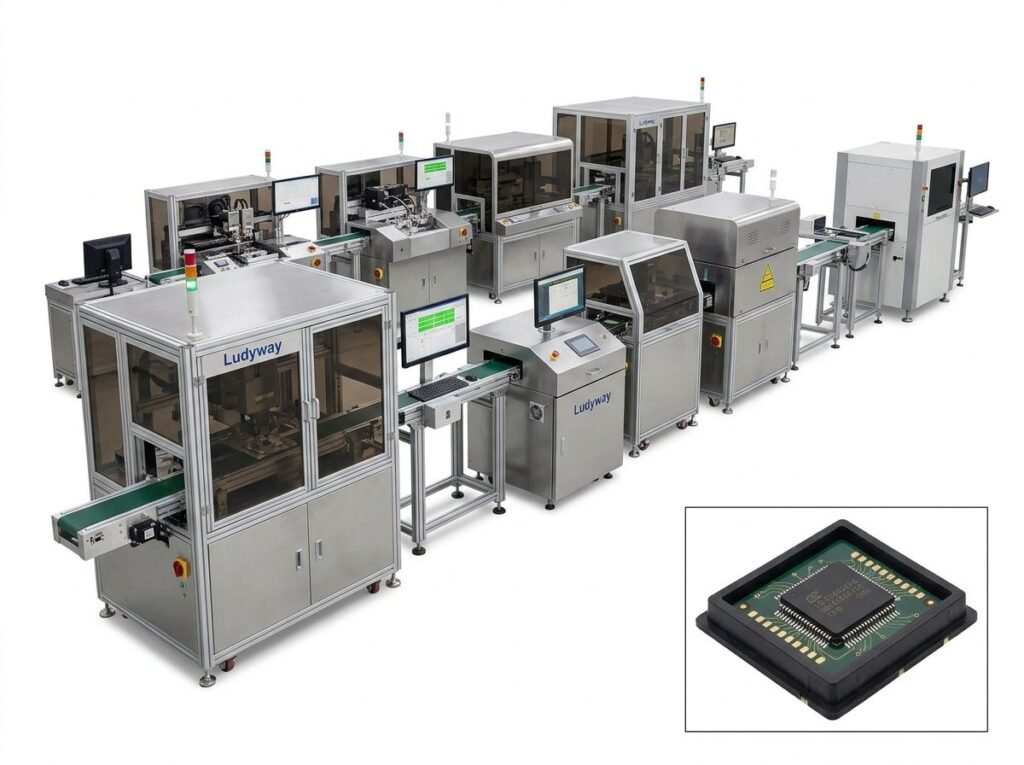
Modern condiment packaging lines are rarely standalone machines. Consider how the primary packaging unit integrates with upstream and downstream equipment for a complete, efficient production line:
- Product feeding – Hoppers, tank connections, inline mixers, or agitated holding tanks ensure consistent product supply to the filler.
- Primary packaging machine – The core filling and sealing unit configured for your condiment type and packaging format.
- Date coding / printing – Inkjet, thermal transfer, or laser coders for batch numbers, expiry dates, and traceability data on each pack.
- Checkweighing – Inline checkweighers verify fill weight compliance and reject underweight or overweight packs automatically.
- Metal detection / X-ray inspection – Critical for detecting foreign material contamination before products leave the facility.
- Cartoning / case packing – Automated systems that collate individual sachets or pouches into cartons or cases for distribution.
- Palletizing – Robotic or conventional palletizers for end-of-line unit load formation.
| Automation Feature | Manual / Semi-Auto | Fully Automatic | Turnkey Integrated Line |
|---|---|---|---|
| Operator involvement | Significant hands-on operation | Minimal supervision required | Fully automated with centralized control |
| Changeover speed | 30–60 minutes | 15–30 minutes | 5–15 minutes with recipe-driven setup |
| Data collection | Limited or manual | Built-in production counters and alarms | Full OEE tracking, remote monitoring, SCADA integration |
| Best suited for | Startups, small batches, R&D | Medium to high-volume production | Large-scale, multi-SKU, multi-shift operations |
Evaluating Speed, Throughput, and Real-World Efficiency
Manufacturers often quote maximum mechanical speed, but real-world throughput depends on multiple factors. When comparing machine specifications, look beyond headline speed numbers:
- Rated speed vs. sustained speed – A machine rated at 400 packs per minute may realistically deliver 320–360 ppm after accounting for film splicing, minor stoppages, and changeover time. Ask for OEE (Overall Equipment Effectiveness) benchmarks from existing installations.
- Film changeover time – Automatic film splicing systems reduce downtime compared to manual roll changes, especially important for high-speed multi-lane machines.
- Product changeover speed – If you produce multiple condiment varieties on the same line, quick-change filling systems and recipe-driven machine settings dramatically improve flexibility.
- Waste rates – Efficient machines minimize start-up waste, seal-reject waste, and film trim waste. Evaluate expected material yield percentages during normal operation.
Supplier Evaluation: Beyond the Machine Specification Sheet
Choosing the right condiment packaging machine also means choosing the right supplier. Key factors to evaluate when selecting a packaging machinery partner include:
- Industry experience – Does the supplier have proven installations in condiment or similar liquid-food packaging? Ask for references and case studies in comparable applications.
- Customization capability – Condiments often have unique handling requirements. A supplier with in-house engineering can tailor the filling system, sealing parameters, and machine configuration to your specific product rather than offering an off-the-shelf solution.
- After-sales support – Technical support availability, spare parts supply, and service response times directly affect your production uptime over the machine’s lifetime. Evaluate warranty terms, local service presence, and remote diagnostic capabilities.
- Compliance documentation – For regulated markets, ensure the supplier can provide CE certification, FDA compliance documentation, ISO certifications, and material traceability certificates as required for your target markets.
- Installation and training – Comprehensive installation support, commissioning, and operator training reduce the time from delivery to full production capacity.
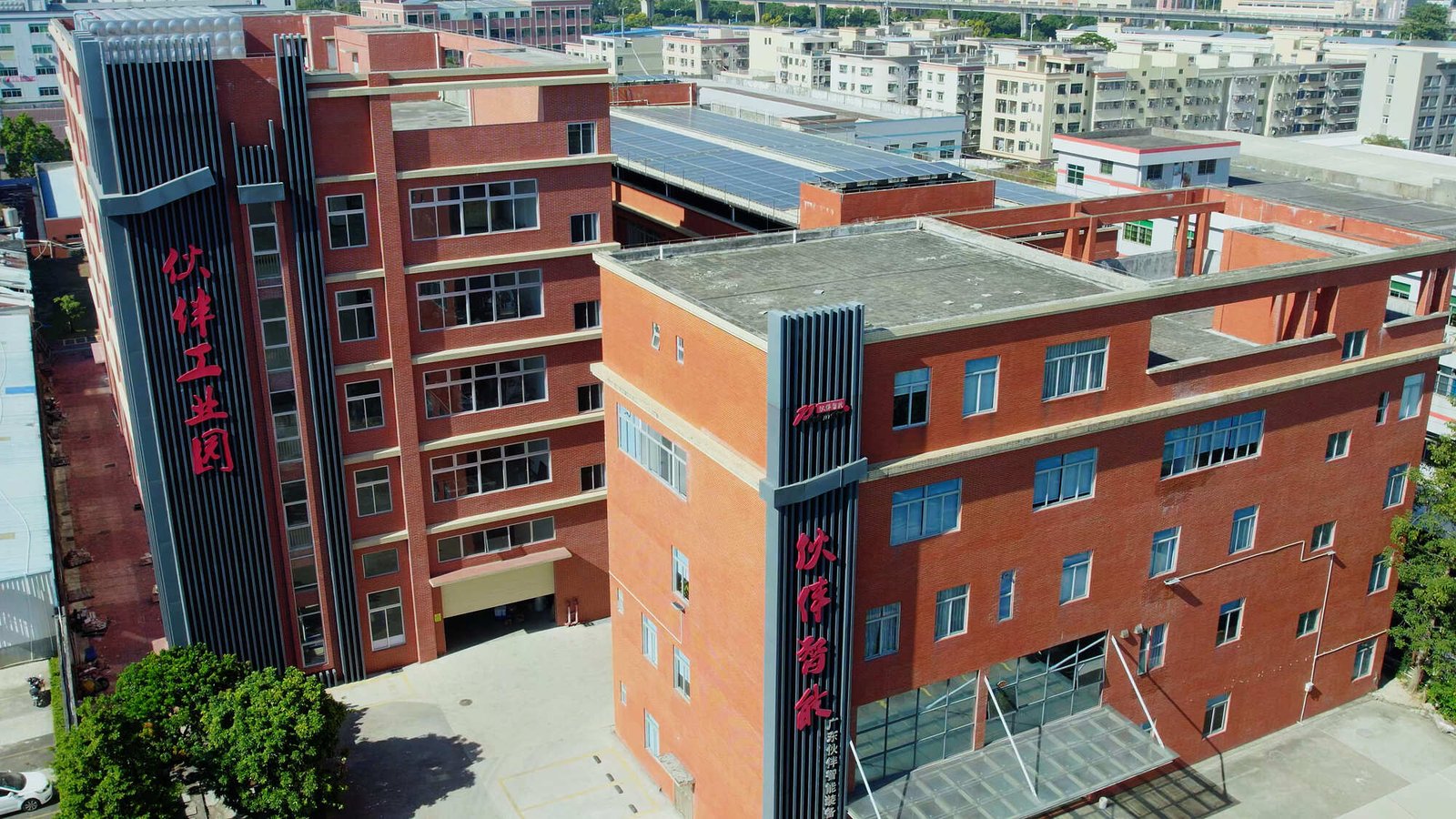
Experienced manufacturers work closely with customers throughout the equipment selection and packaging line integration process. For example, Ludyway Machinery, with more than 30 years in the packaging industry and a 20,000-square-meter manufacturing facility, provides customized condiment packaging solutions covering sachet, stick pack, pouch, and bottle formats, configured for different production speeds and filling technologies according to specific product characteristics.
Key Questions to Ask Before Making a Decision
Use the following checklist when evaluating condiment packaging machine options. Thorough answers to these questions help narrow the field and reduce the risk of selecting an unsuitable machine:
- What is the exact viscosity range of each condiment product at filling temperature?
- Does the product contain particulates, fibers, or chunks that require special filling nozzles or handling?
- What packaging formats and sizes do you need now, and what formats might you add in the next 3–5 years?
- What is your target production capacity in packs per minute or packs per shift?
- What packaging material structure will you use, and has it been validated on the machine under consideration?
- What cleanroom or hygiene classification must the machine meet, and does it support your cleaning protocols?
- What ancillary equipment (feeders, coders, checkweighers, cartoners) must integrate with the packaging machine?
- What regulatory certifications and documentation are required for your target markets?
- What is the supplier’s lead time, installation support, and after-sales service commitment?
- What is the total cost of ownership, including spare parts, maintenance contracts, film waste, and expected service life?
Total Cost of Ownership vs. Purchase Price
The initial purchase price of a condiment packaging machine is only one component of its long-term cost. A thorough total cost of ownership (TCO) analysis considers:
- Film and material waste – Machines with precise tension control, accurate seal temperature regulation, and optimized start-up sequences generate less waste per production run. A 1% reduction in film waste on a high-speed line translates to significant annual savings.
- Energy consumption – Heating elements, motors, and compressed air systems vary in efficiency across machine designs. Compare energy consumption ratings for machines with similar output specifications.
- Maintenance and spare parts – Machines built with standardized industrial components from recognized suppliers tend to have better spare parts availability and lower long-term maintenance costs.
- Labor requirements – Automated systems that reduce operator headcount per shift offer compounding labor savings. Compare operator-to-output ratios across machine options.
- Service life and depreciation – Well-built machines with robust frames, quality seals, and reliable control systems can operate productively for 10–15 years or more with proper maintenance.
Planning for Future Growth and Flexibility
The condiment market continues to evolve with new product categories, packaging innovations, and changing consumer preferences. When selecting a packaging machine, consider whether the system can accommodate:
- New product introductions – Can the machine handle a broader viscosity range or different packaging formats without major modifications?
- Packaging format shifts – If the market moves from sachets to stick packs or from single-serve to multi-serve pouches, can your equipment adapt?
- Sustainability initiatives – Thinner films, mono-material structures, and recyclable laminates often require different sealing parameters. Machines with flexible sealing controls adapt more easily to sustainable packaging materials.
- Digital integration – Industry 4.0 capabilities—such as remote monitoring, predictive maintenance alerts, and production data analytics—are increasingly valuable for competitive manufacturing operations.
Investing time in a structured evaluation process pays dividends in production reliability, product quality, and long-term operational efficiency. By carefully matching machine capabilities to your condiment product characteristics, packaging format requirements, production goals, and regulatory obligations, you position your operation for sustainable growth in the competitive condiment market.