Selecting the right honey packaging machine is one of the most critical decisions for producers looking to scale production, maintain product consistency, and meet market demands. Whether you are packaging pure honey, creamed honey, or honey-based blends, the viscosity and stickiness of the product introduce unique challenges that standard liquid fillers cannot always handle. This guide walks through the essential factors, machine types, and evaluation criteria to help you make an informed investment.
Understanding the Challenges of Honey Packaging
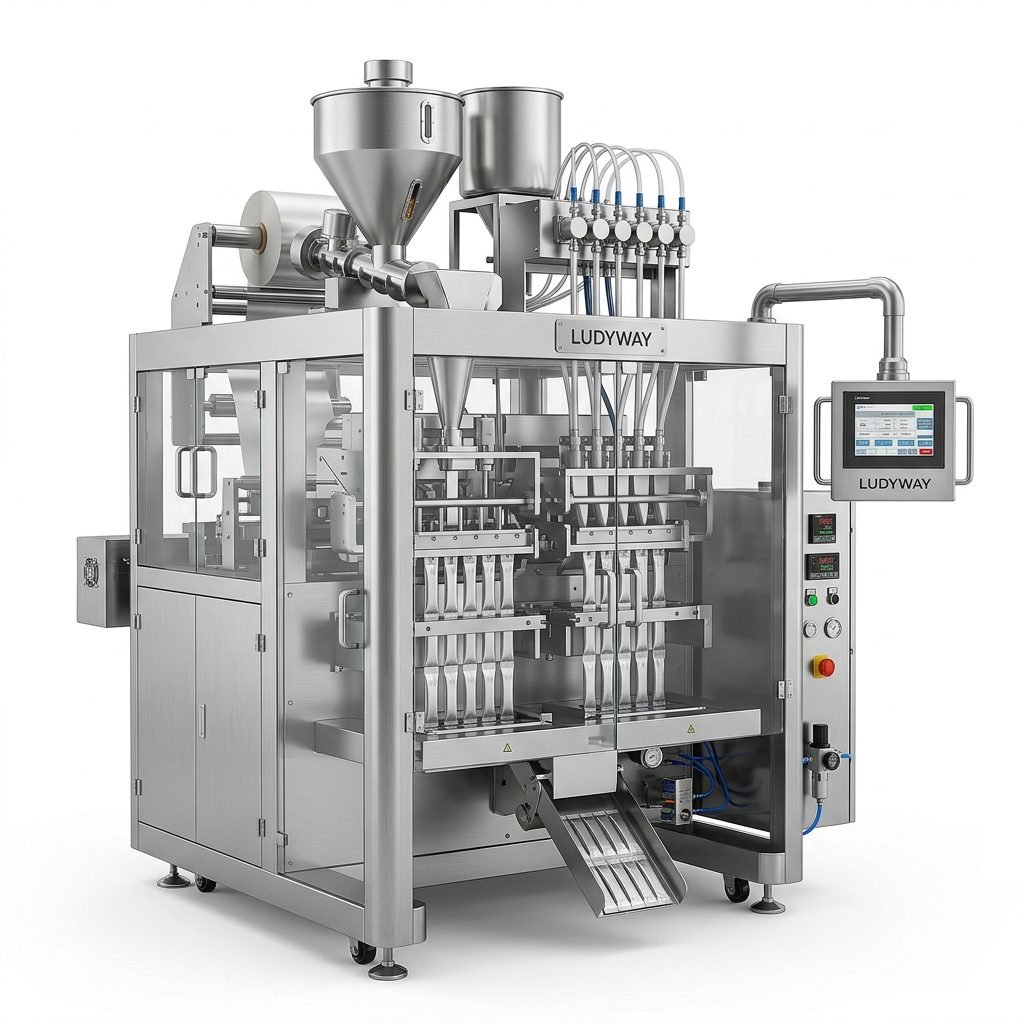
Honey is not a typical liquid. Its high viscosity, temperature-dependent flow behavior, and tendency to crystallize demand specialized dosing and filling technology. A poorly chosen machine can result in inaccurate fill volumes, slow production speeds, messy sealing, and excessive product waste. The right equipment must handle temperature control, drip-free filling, and compatible material contact surfaces while maintaining hygienic standards.
Key Types of Honey Packaging Machines
Different packaging formats require different machine configurations. Below are the most common types used in the honey industry today:
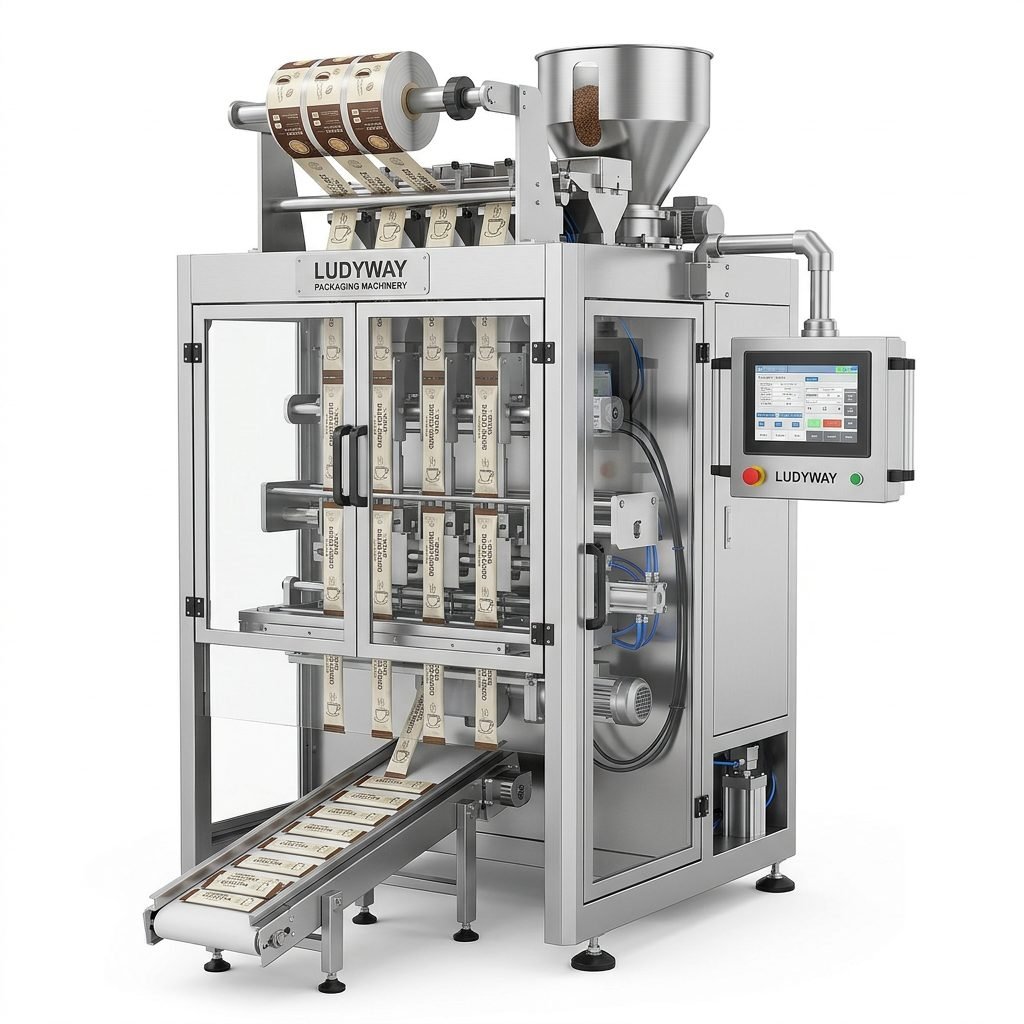
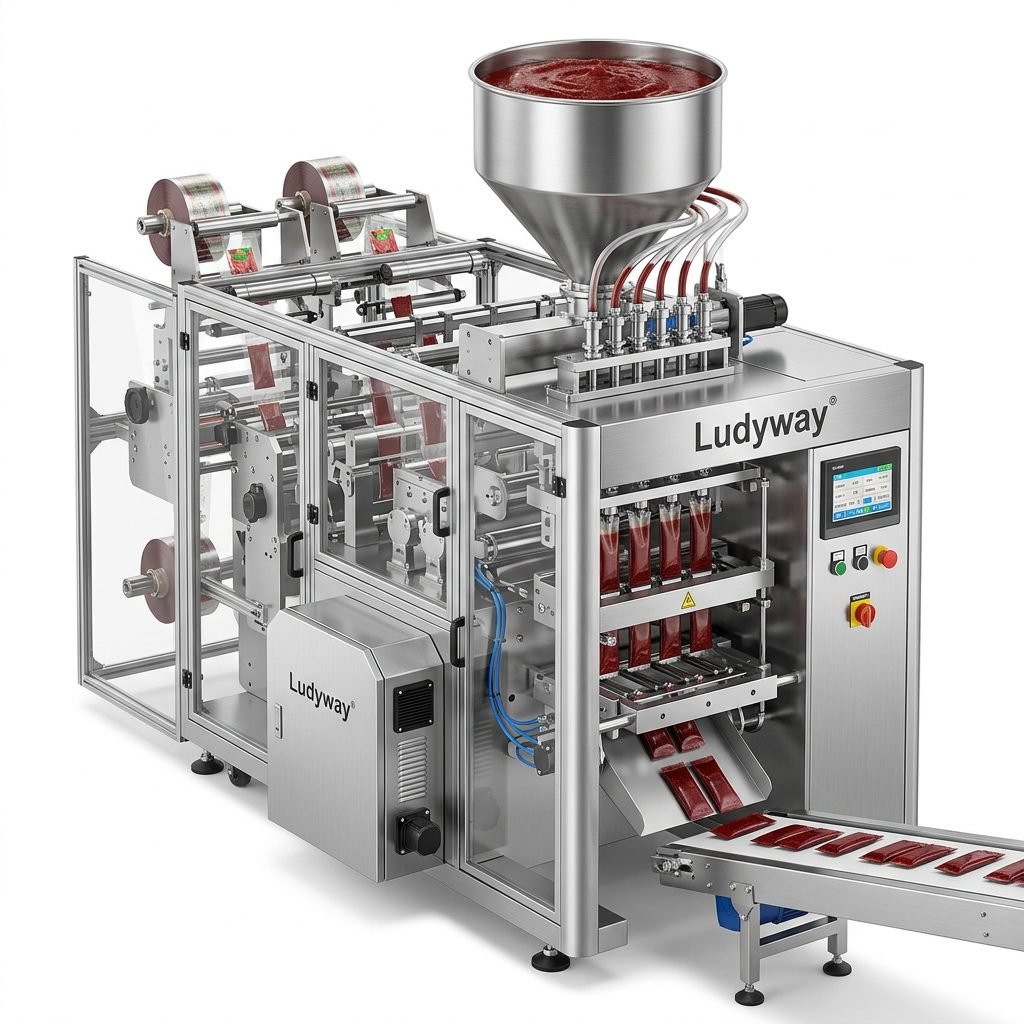
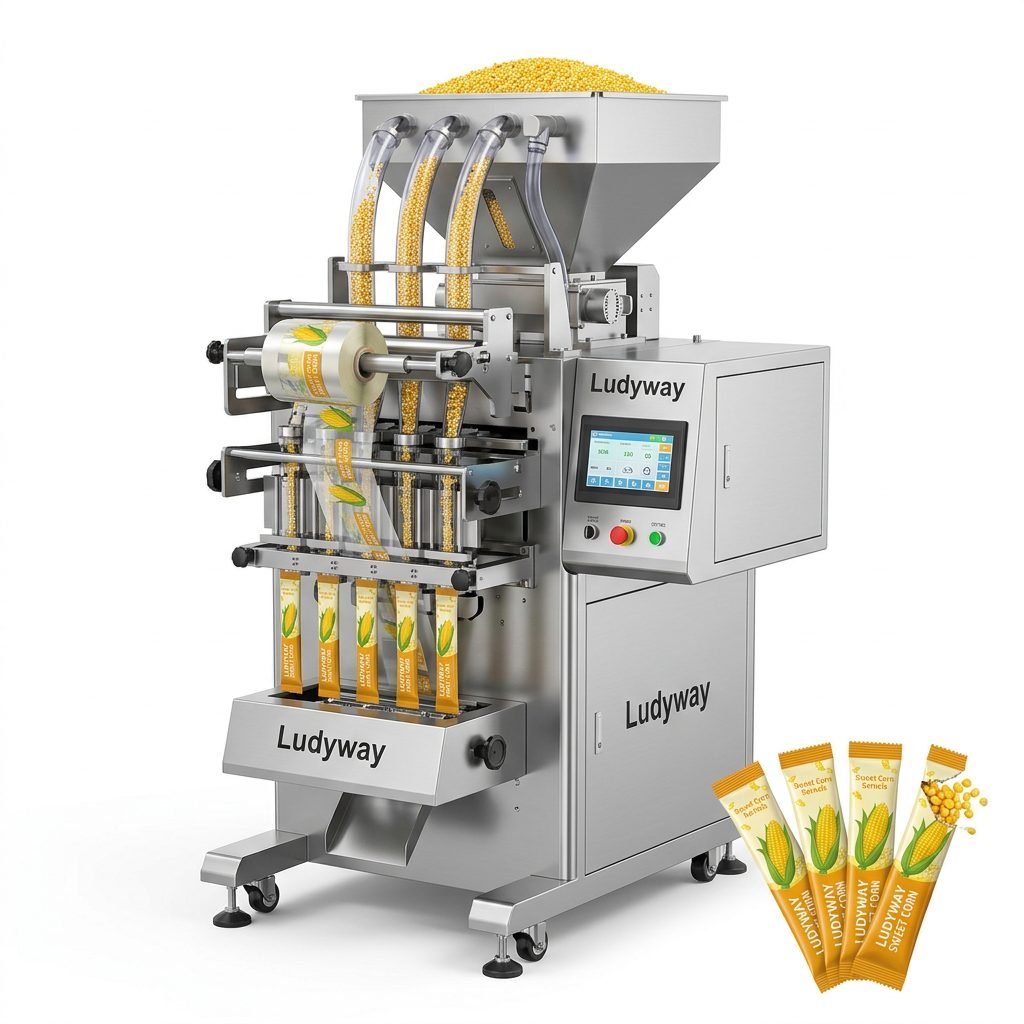
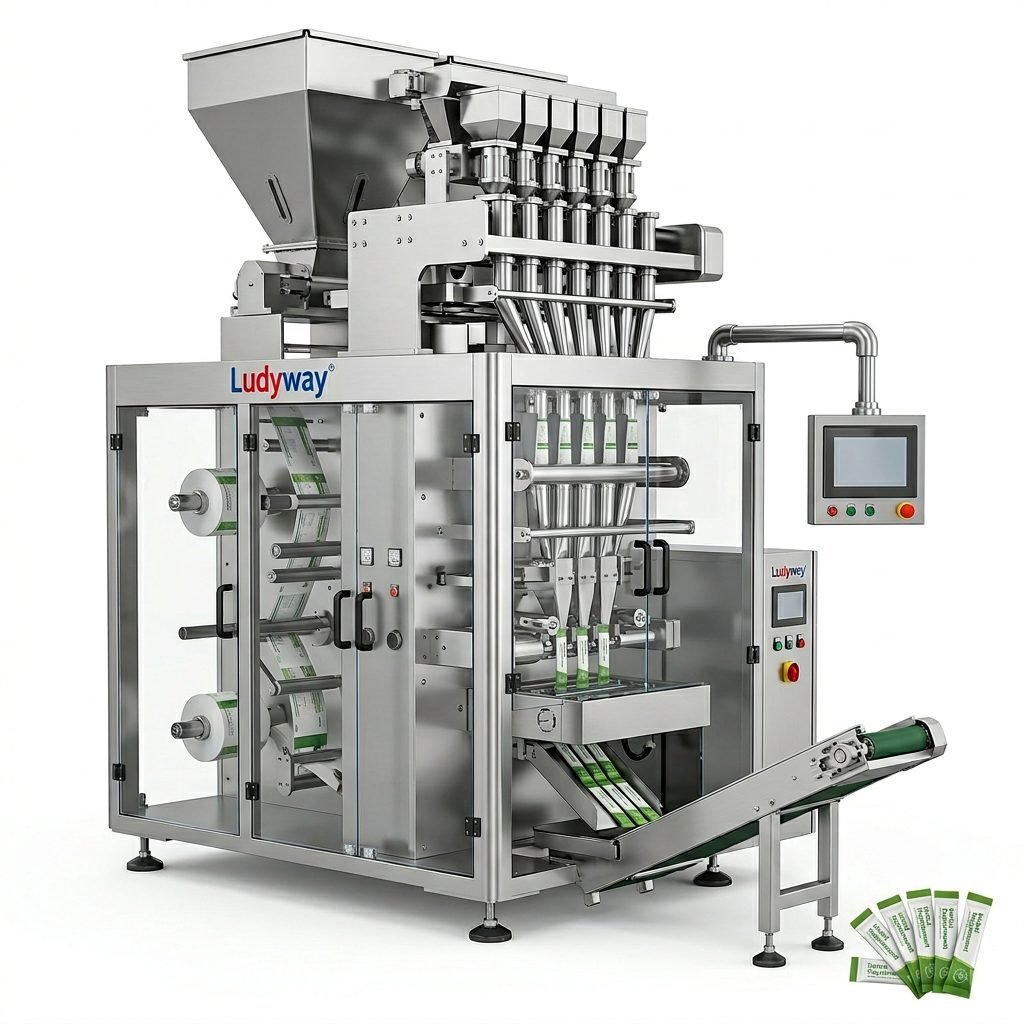
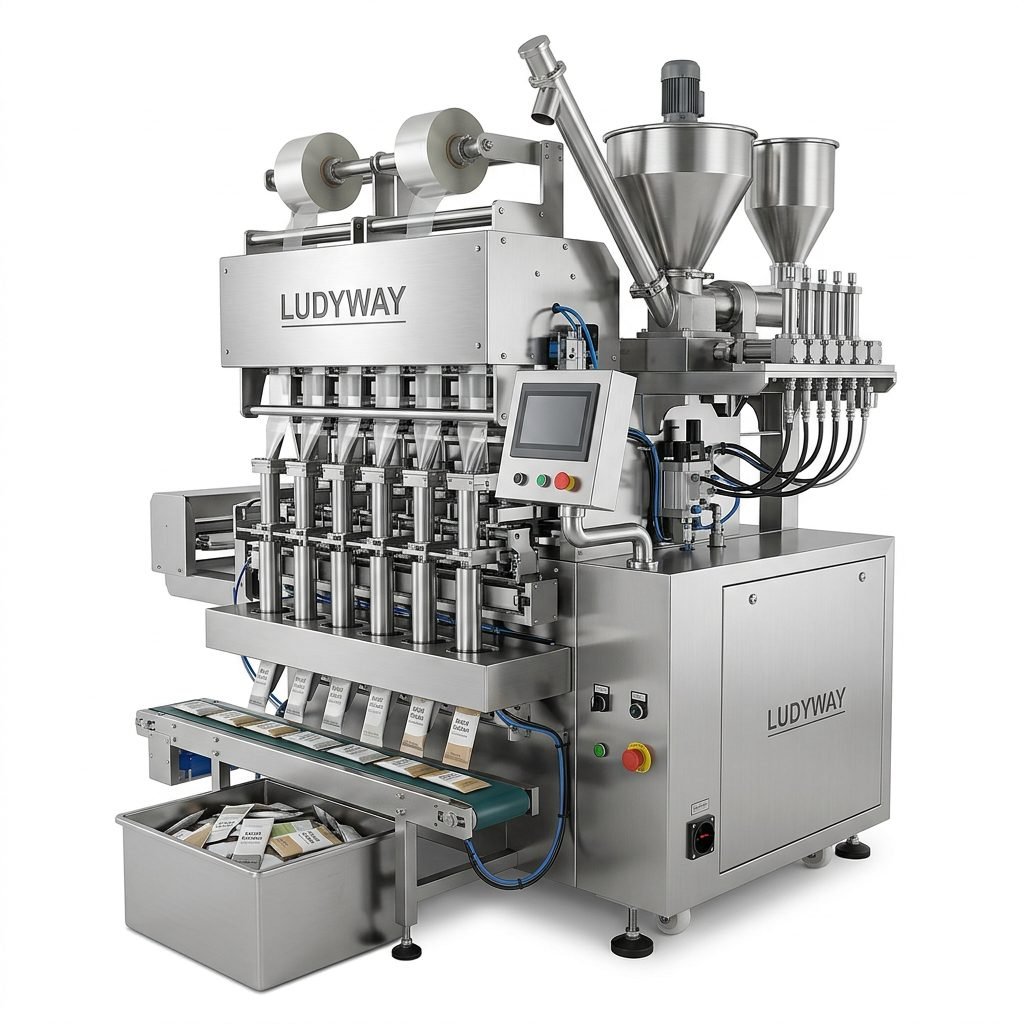
- Stick Pack Machines: Ideal for single-serve honey portions used in cafés, hotels, and retail. These machines form, fill, and seal narrow stick-shaped sachets at high speed.
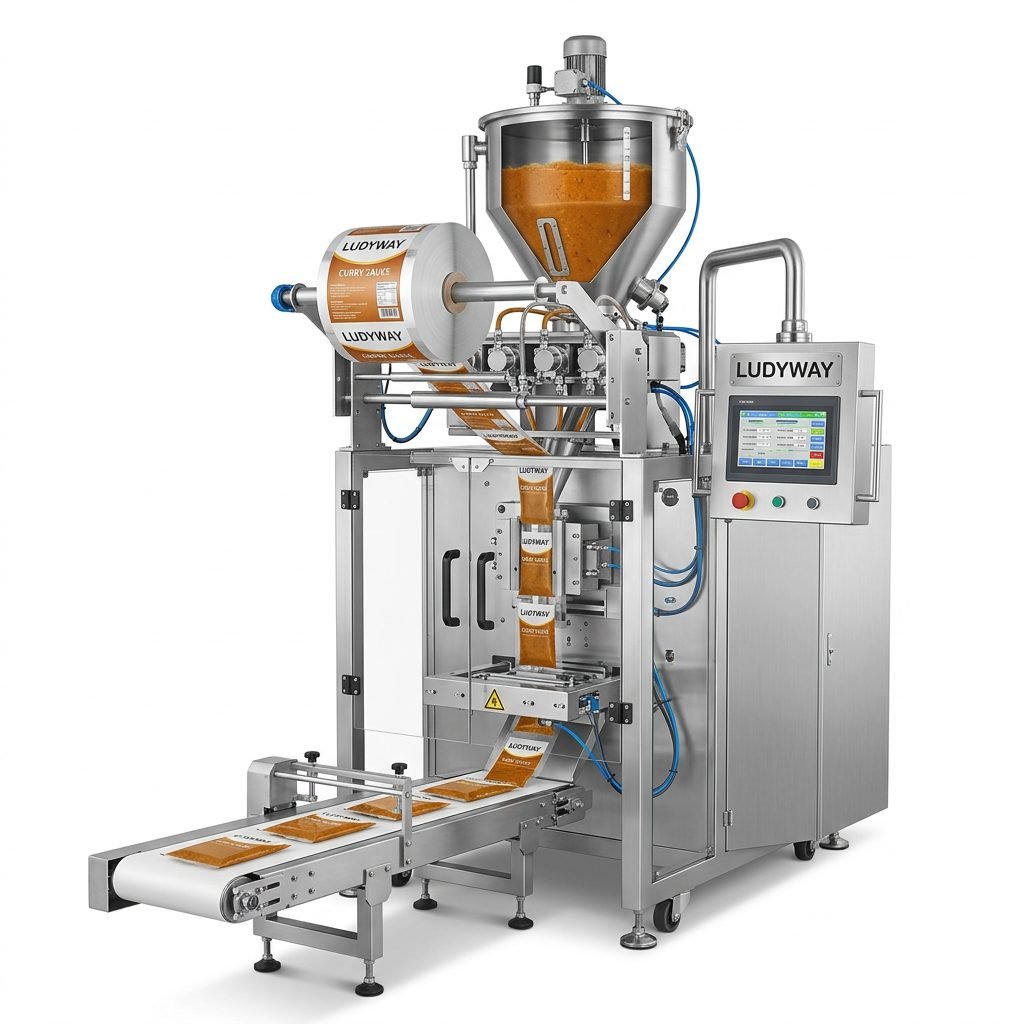
- Sachet Packaging Machines: Suitable for flat or pillow-style pouches ranging from 5g to 50g. Often used for sampling or travel-sized honey products.
- Jar and Bottle Filling Lines: Designed for glass or PET jars and squeeze bottles. These lines integrate filling, capping, labeling, and coding stations.
- Pouch Packaging Machines: For larger retail formats such as stand-up pouches with spouts, commonly used for honey sold in supermarkets.
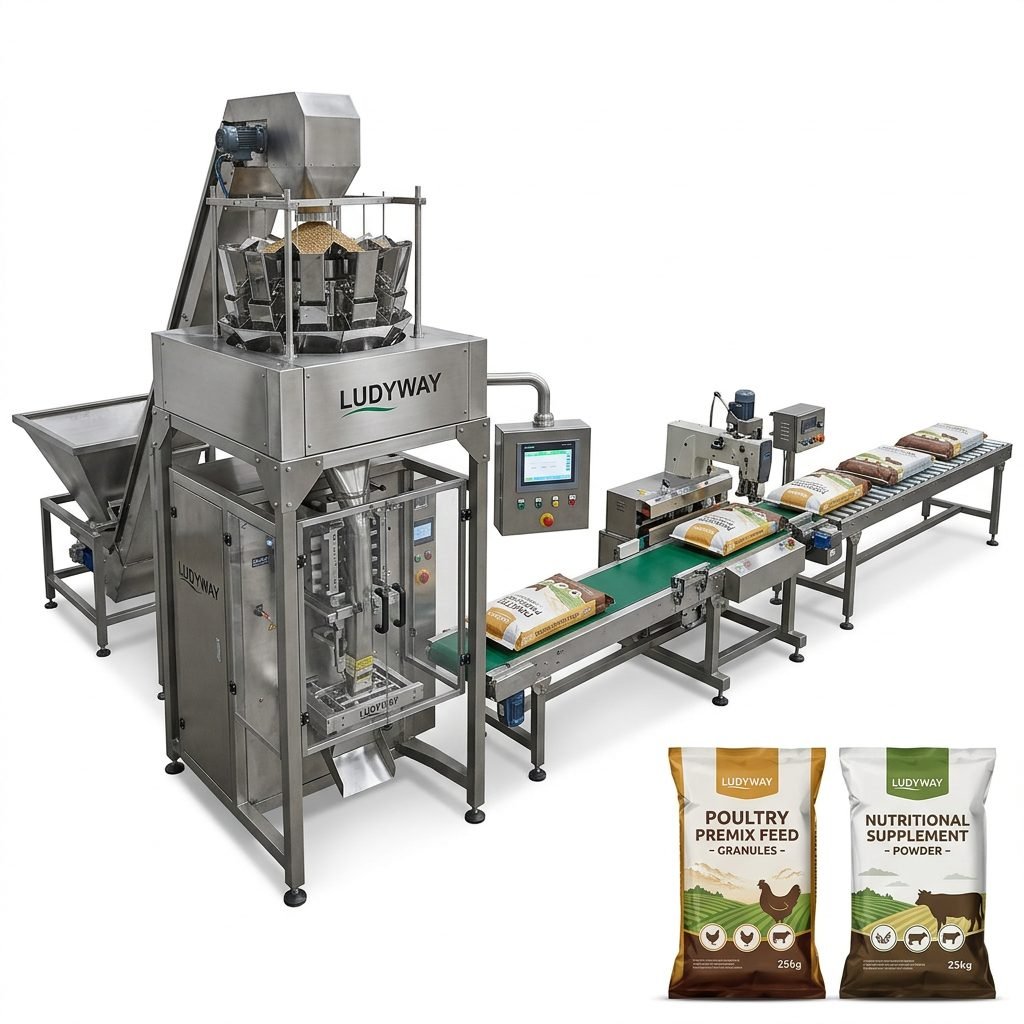
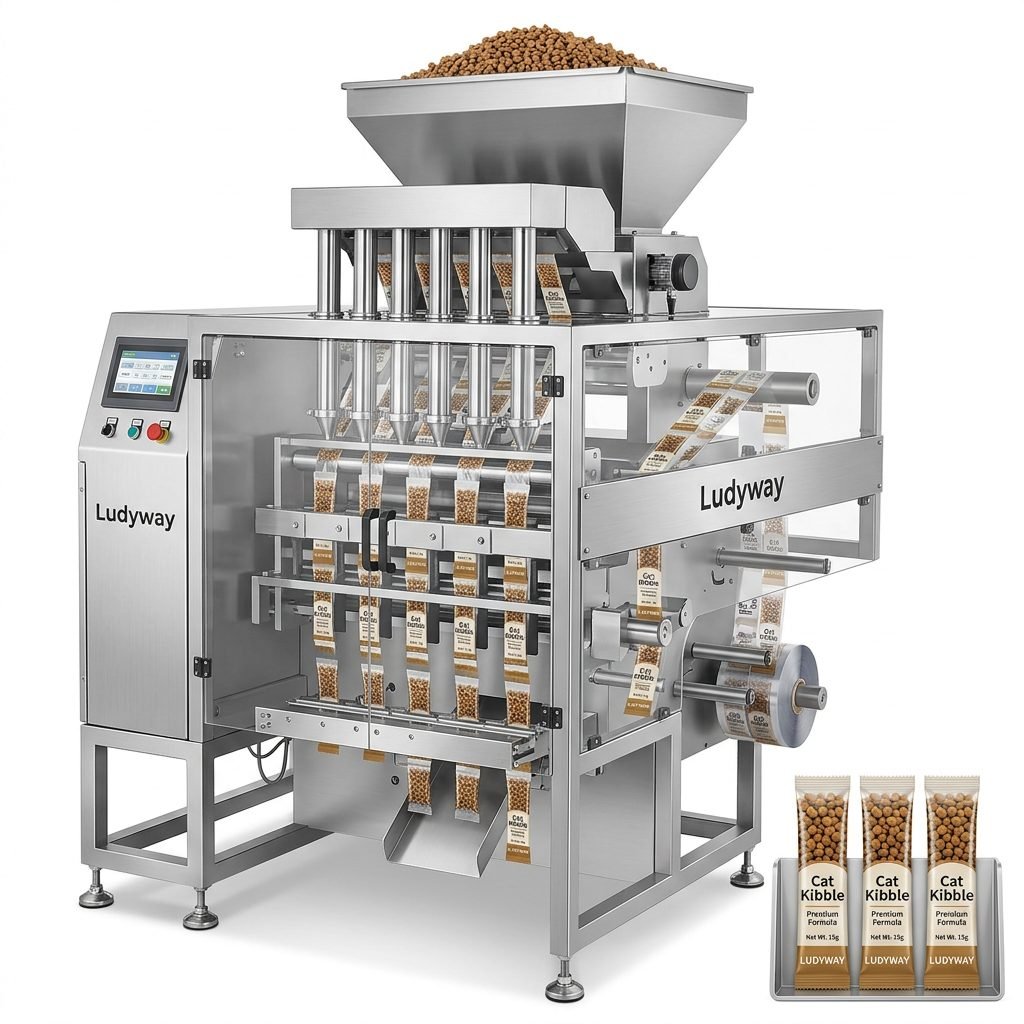
- Multi-Lane Stick Pack Systems: High-output configurations that run multiple lanes simultaneously, significantly increasing production capacity for manufacturers targeting export or wholesale markets.
Critical Factors to Evaluate Before Buying
When comparing different honey packaging solutions, focus on the following technical and operational criteria. The table below summarizes the key evaluation dimensions:
| Evaluation Factor | Why It Matters for Honey | What to Look For |
|---|---|---|
| Filling Accuracy | High-value product requires precise dosing to control costs. | Servo-driven piston fillers or mass flow meters with ±0.5% accuracy. |
| Temperature Control | Warm honey flows more consistently; cold honey crystallizes. | Jacketed hoppers, heated filling nozzles, and temperature-regulated tanks. |
| Drip Prevention | Sticky residue on seals causes machine jams and packaging defects. | Anti-drip nozzles with suck-back or blow-back features. |
| Material Compatibility | Honey is acidic and can react with certain metals. | Stainless steel 304 or 316L contact parts, food-grade seals. |
| Production Speed | Viscosity limits throughput; not all machines meet rated speeds with honey. | Verify real-world speed with honey, not just water tests. |
| Changeover Flexibility | Manufacturers offering multiple SKUs need quick format changes. | Tool-less change parts, recipe memory, and quick-release fittings. |

Packaging Material Considerations
The interaction between honey and packaging film is often overlooked. Selecting the wrong laminate can lead to leakage, delamination, or contamination. For sachet and stick pack applications, consider these material properties:
- Barrier performance: Honey absorbs moisture; high-barrier films (such as aluminum foil laminates) prevent quality degradation.
- Seal strength: Any honey residue in the seal area compromises integrity. Machines with vertical sealing technology and effective wipers are essential.
- Temperature resistance: If filling warm honey, the film must withstand elevated temperatures without shrinking.
- Food safety compliance: Materials should meet FDA or EU food contact regulations. For more information, refer to FDA guidelines on food packaging.
Automation Level and Production Integration
Honey packaging equipment ranges from semi-automatic tabletop units to fully integrated turnkey lines. The right choice depends on your current production volume, labor availability, and growth plans.
Semi-Automatic Machines
Best suited for small-scale producers and startups. Operators manually place containers or pouches, and the machine performs filling and sometimes sealing. Lower capital investment but higher per-unit labor cost.
Fully Automatic Systems
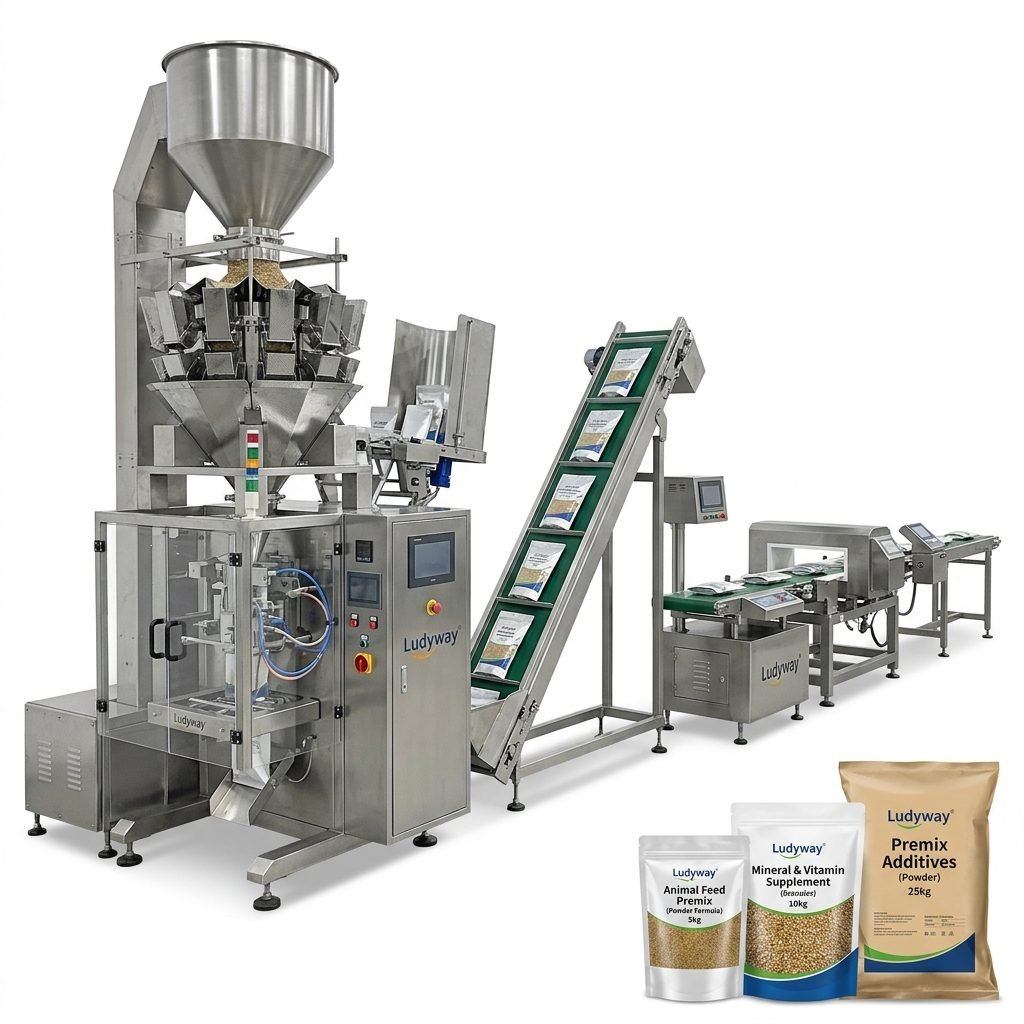
Designed for medium to large-scale production, these systems handle container feeding, filling, sealing, coding, and discharge without manual intervention. Multi-lane automatic packaging lines can produce hundreds of stick packs per minute, dramatically reducing unit costs.
Turnkey Packaging Solutions
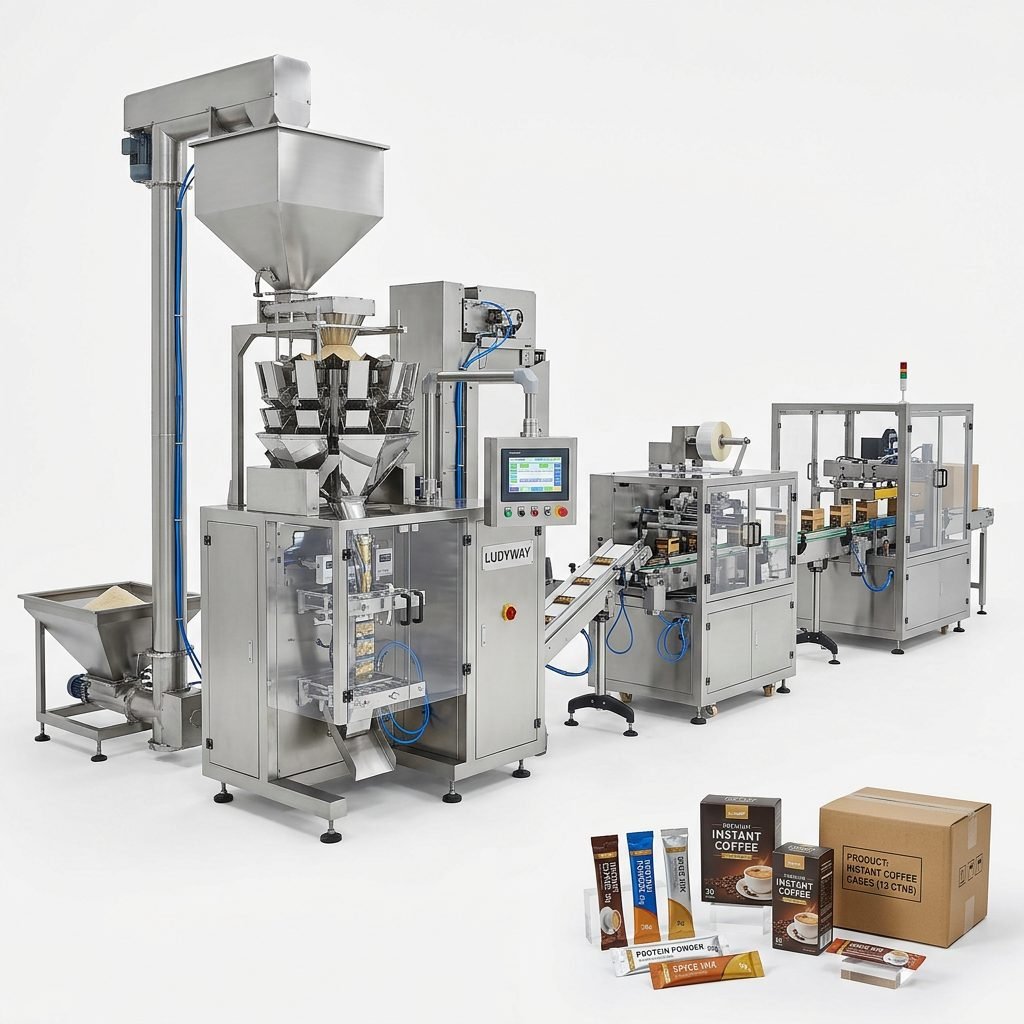
For manufacturers seeking a single-source supplier, integrating filling, capping, labeling, cartoning, and palletizing into one coordinated line minimizes compatibility issues. This approach is especially valuable when scaling from manual to automated operations. Industry resources such as PMMI business intelligence reports provide helpful benchmarks for automation trends.
Hygiene and Cleanability Requirements
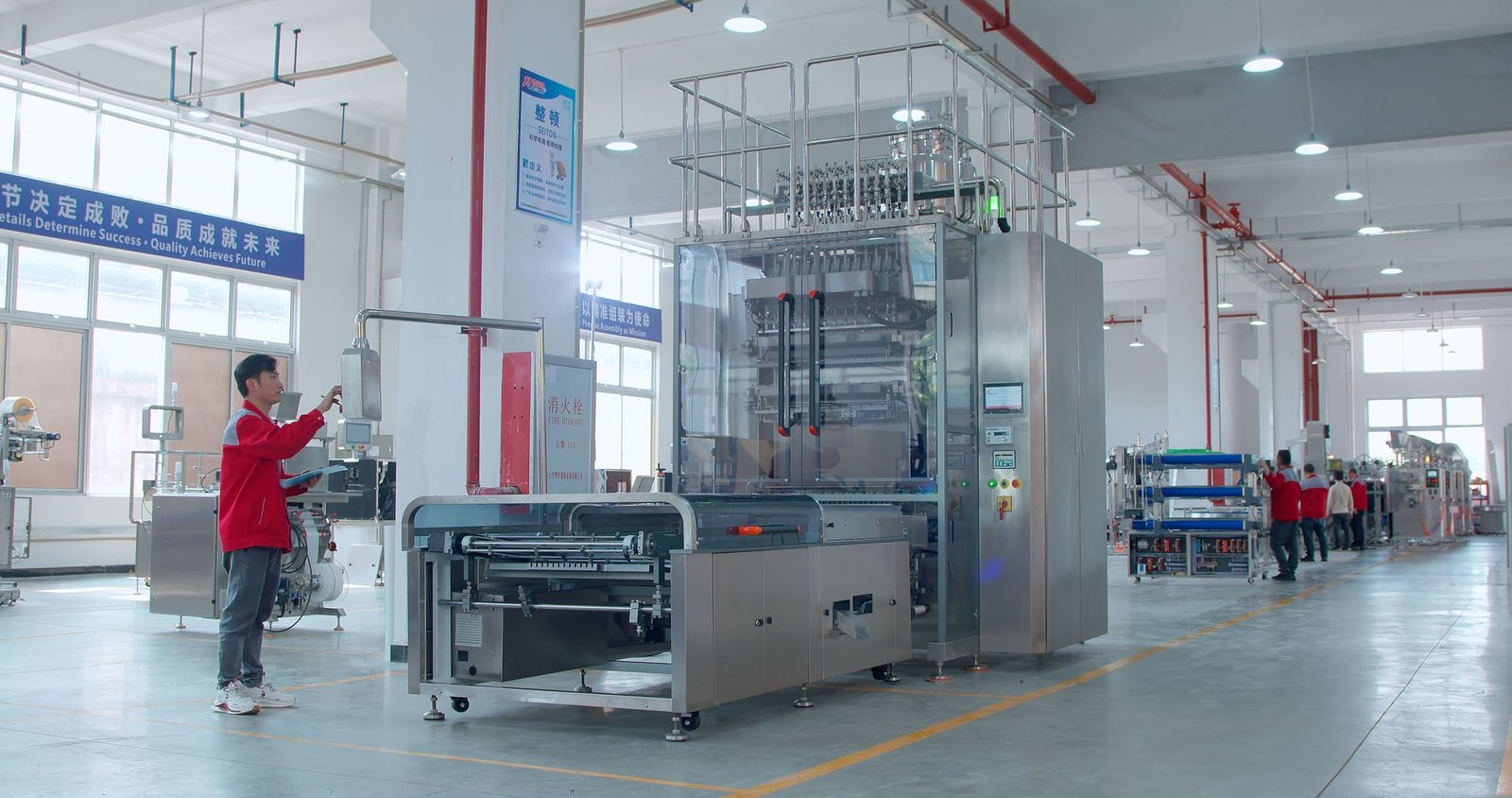
Honey production environments must meet strict sanitary standards. Equipment design should facilitate thorough cleaning to prevent cross-contamination and fermentation risks. Key design features to prioritize include:
- Quick-disassembly filling nozzles without tools
- CIP (Clean-in-Place) compatible product pathways
- Sloped surfaces to prevent product pooling
- Sealed electrical enclosures for washdown environments
- Smooth welds and crevice-free construction
Common Mistakes to Avoid When Purchasing
Many first-time buyers focus narrowly on price and overlook factors that significantly impact total cost of ownership. Avoid these common pitfalls:
- Testing with water only: Always request trials with real honey at your target temperature. Water-based demos do not replicate actual filling behavior.
- Ignoring after-sales support: A machine without reliable spare parts supply and technical service becomes a costly liability.
- Underestimating crystallization: If your honey crystallizes during processing, the machine must handle semi-solid phases without clogging.
- Not planning for growth: A machine sized exactly for current demand may limit expansion. Modular platforms offer upgrade paths.
Industry Standards and Compliance
Depending on your target markets, your packaging machinery may need to comply with various international standards. The ISO packaging standards provide comprehensive guidance on safety, quality, and performance requirements. For the U.S. market, PMMI packaging standards and regulations resources offer valuable reference points. European manufacturers should be aware of EU packaging waste regulations that increasingly impact material choices.
Working with an Experienced Packaging Machinery Partner
Selecting a honey packaging machine is not just about equipment specifications; it is about choosing a manufacturing partner who understands your product and process. Ludyway Machinery, a China-based packaging machinery manufacturer with more than 30 years of industry experience, provides a broad portfolio of automatic packaging equipment designed for different products, packaging formats, and production requirements. With a 20,000-square-meter manufacturing facility and over 50 packaging machine models, the company combines manufacturing expertise, engineering capabilities, and application experience to help customers improve packaging efficiency and production capacity. According to recent industry analysis, the global growth trend for Ludyway packaging machinery reflects increasing demand for automated solutions across multiple sectors.
Key Questions to Ask Potential Suppliers
Before finalizing your decision, ask suppliers the following questions to ensure you are comparing machines on a consistent basis:
- Can you provide video evidence of the machine running honey at my target speed and fill volume?
- What is the maximum fill temperature the machine can handle?
- How do you prevent dripping and stringing during the fill cycle?
- What is the standard lead time for critical spare parts?
- Do you offer on-site installation, commissioning, and operator training?
- Can the machine be integrated with existing upstream and downstream equipment?
- What is the warranty coverage, and what does it include?
Return on Investment Considerations
A well-chosen honey packaging machine should deliver measurable returns across multiple dimensions. When building your business case, consider the following value drivers:
- Reduced product waste: Accurate filling minimizes overfill and giveaway.
- Labor efficiency: Automation reduces headcount requirements per shift.
- Increased throughput: Higher speeds enable larger order fulfillment.
- Consistent quality: Uniform packaging builds brand trust and reduces returns.
- Market expansion: New formats such as stick pack honey portions open additional sales channels.
Final Recommendations
Choosing the right honey packaging machine requires balancing technical capability, production requirements, budget, and long-term support. Prioritize suppliers with proven experience in viscous product handling, not just general liquid filling. Request real-product demonstrations, check customer references, and ensure the machine design supports your hygiene and maintenance protocols. Investing time in thorough evaluation upfront pays dividends in reliable production performance and lower total cost of ownership. For additional industry data, the Flexible Packaging Association industry resources offer useful insights into packaging material and format trends.