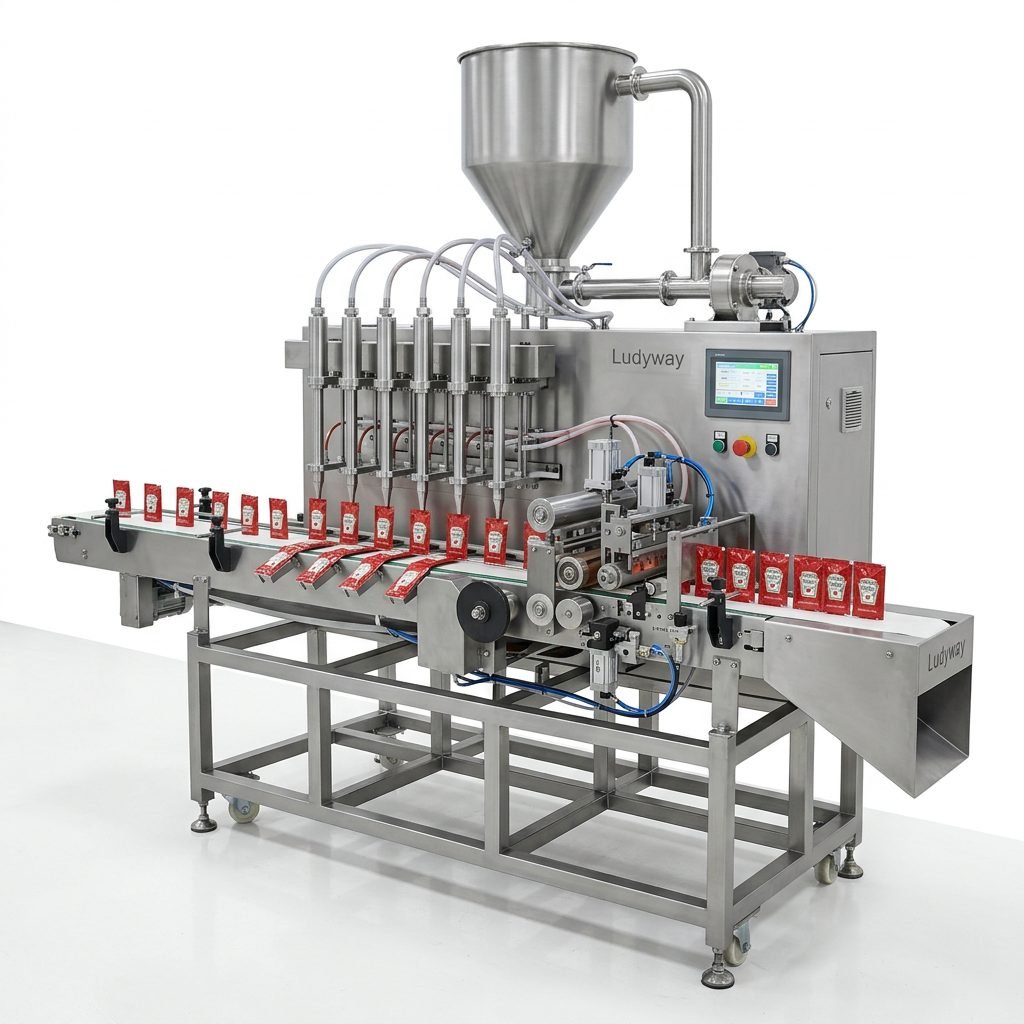
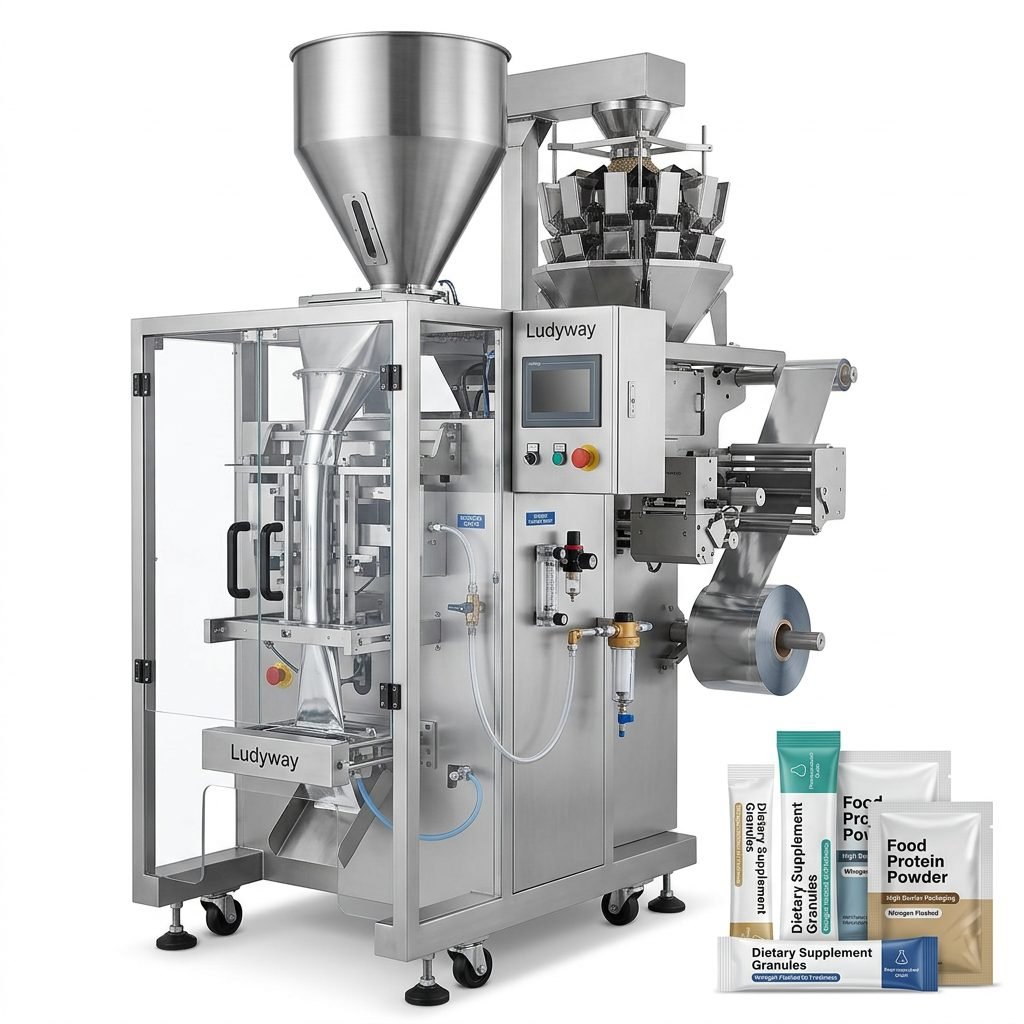
Choosing the right salt sachet packing machine is a critical decision that directly impacts your production efficiency, product quality, and long-term operational costs. Salt presents unique packaging challenges — from its corrosive nature to its tendency to absorb moisture — which means not every packaging machinery solution is suitable. This comprehensive guide walks you through the key factors, machine types, and evaluation criteria to help you make an informed investment.
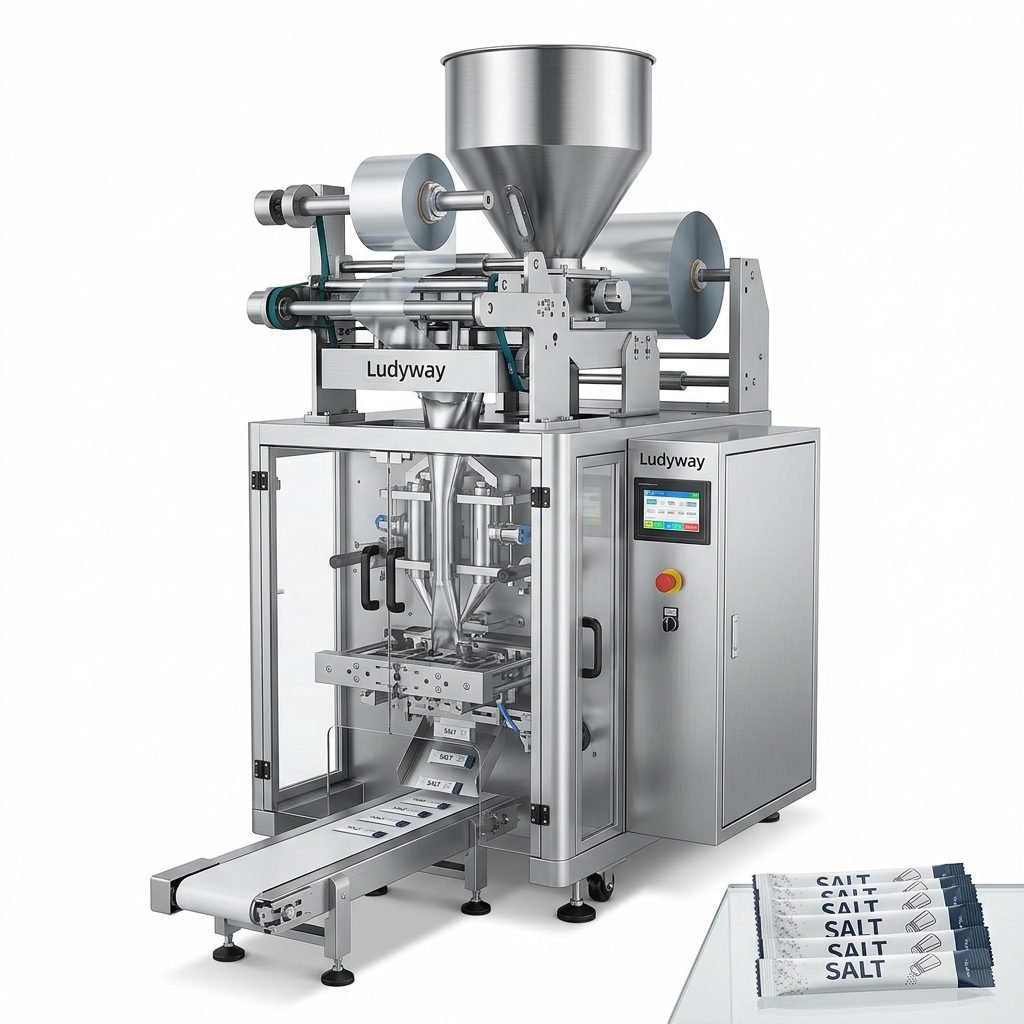
Understanding the Unique Challenges of Salt Packaging
Salt is not a straightforward product to package. Its physical and chemical properties create specific demands on equipment design and material selection. Before evaluating machine specifications, it is essential to understand what makes salt different from other granular products.
Corrosion Resistance Is Non-Negotiable
Salt is highly corrosive to metals, especially in the presence of moisture. Standard carbon steel components will degrade rapidly when exposed to salt particles over time. This means your salt sachet packing machine must be constructed with materials that can withstand constant contact with salt. ISO packaging standards provide guidance on material selection for food-grade equipment, but for salt specifically, stainless steel 304 or 316L is the industry benchmark for all product-contact surfaces.
Moisture Sensitivity and Flow Characteristics
Salt readily absorbs moisture from the air, which can cause clumping, bridging in hoppers, and inconsistent flow into the filling system. High humidity environments exacerbate this problem. Your packaging equipment should be designed to maintain consistent product flow, potentially incorporating features such as agitation systems, dehumidified hoppers, or controlled feeding mechanisms to ensure reliable dosing accuracy.
Hygiene and Food Safety Compliance
For food-grade salt, packaging equipment must meet stringent hygiene standards. Machines should feature easy-to-clean designs, tool-free disassembly for sanitation, and smooth surfaces that prevent product buildup. FDA food contact substance regulations apply to all materials that come into contact with food-grade salt, including sealing films and machine surfaces.
Key Factors to Consider When Selecting a Salt Sachet Packing Machine
Below is a detailed breakdown of the most important criteria to evaluate. Use this as a checklist when comparing different manufacturers and models.
| Factor | Why It Matters | What to Look For |
|---|---|---|
| Material Compatibility | Salt corrodes standard metals, leading to contamination and machine failure | SS304/SS316L construction, food-grade seals, corrosion-resistant coatings |
| Filling Accuracy | Inconsistent fills lead to product waste and regulatory non-compliance | Precision auger fillers, servo-driven dosing, ±1% accuracy or better |
| Production Speed | Speed must match your current and projected output requirements | Multi-lane configurations (4-12 lanes), output of 200-600 packs/min/lane |
| Bag Format Flexibility | Different markets require different sachet styles and sizes | Stick pack, pillow sachet, three-side seal, four-side seal options |
| Sealing Integrity | Poor seals cause leakage, contamination, and customer complaints | Temperature-controlled heat sealing, embossed or flat seal options |
| Automation Level | Labor costs and human error impact overall operational efficiency | Fully automatic feeding, filling, sealing, coding, and counting |
| Cleaning and Maintenance | Downtime for cleaning and maintenance affects production output | Tool-free disassembly, CIP-compatible designs, accessible components |
| Packaging Material Compatibility | Not all films work with every machine or provide adequate barrier properties | Support for laminated films, aluminum foil, moisture-barrier materials |
Types of Salt Sachet Packing Machines
Different machine configurations suit different production scales, bag formats, and operational requirements. Understanding the main types will help you narrow down your options.
Multi-Lane Stick Pack Machines
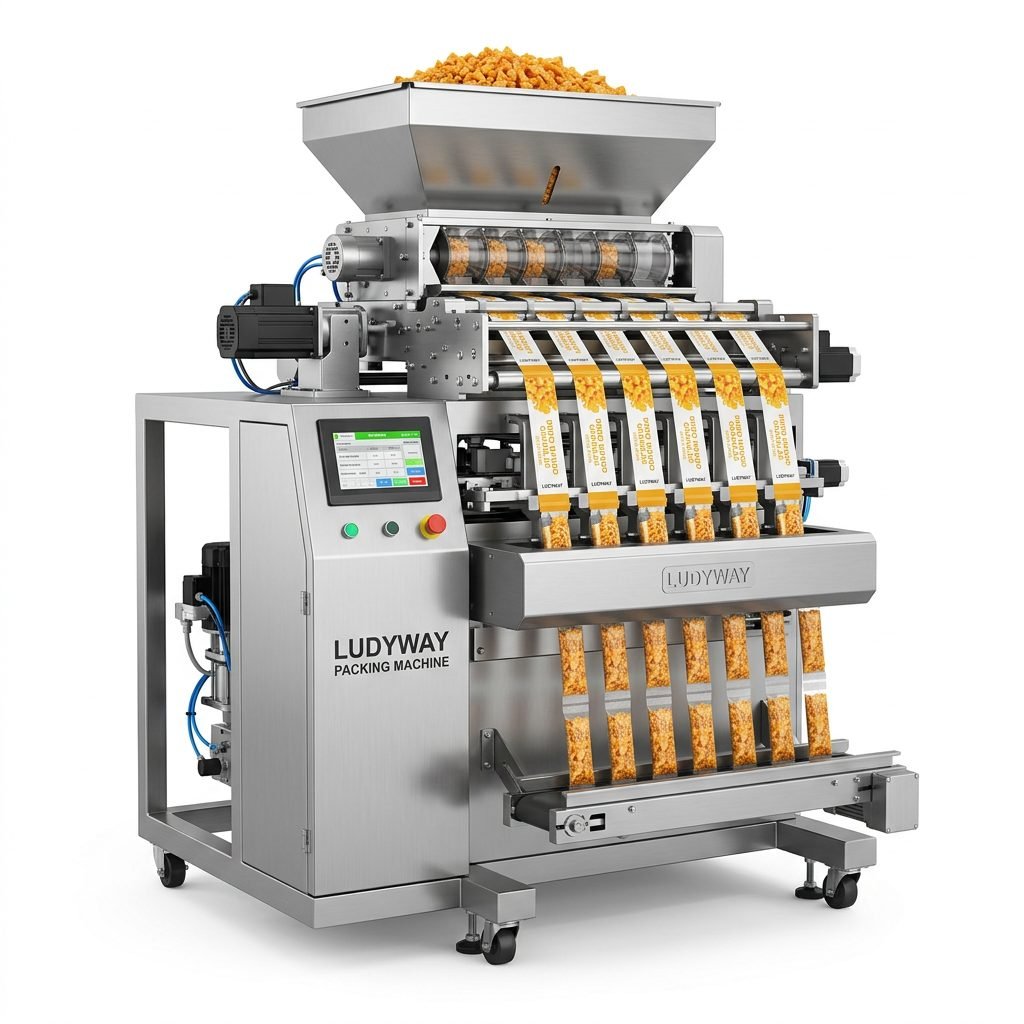
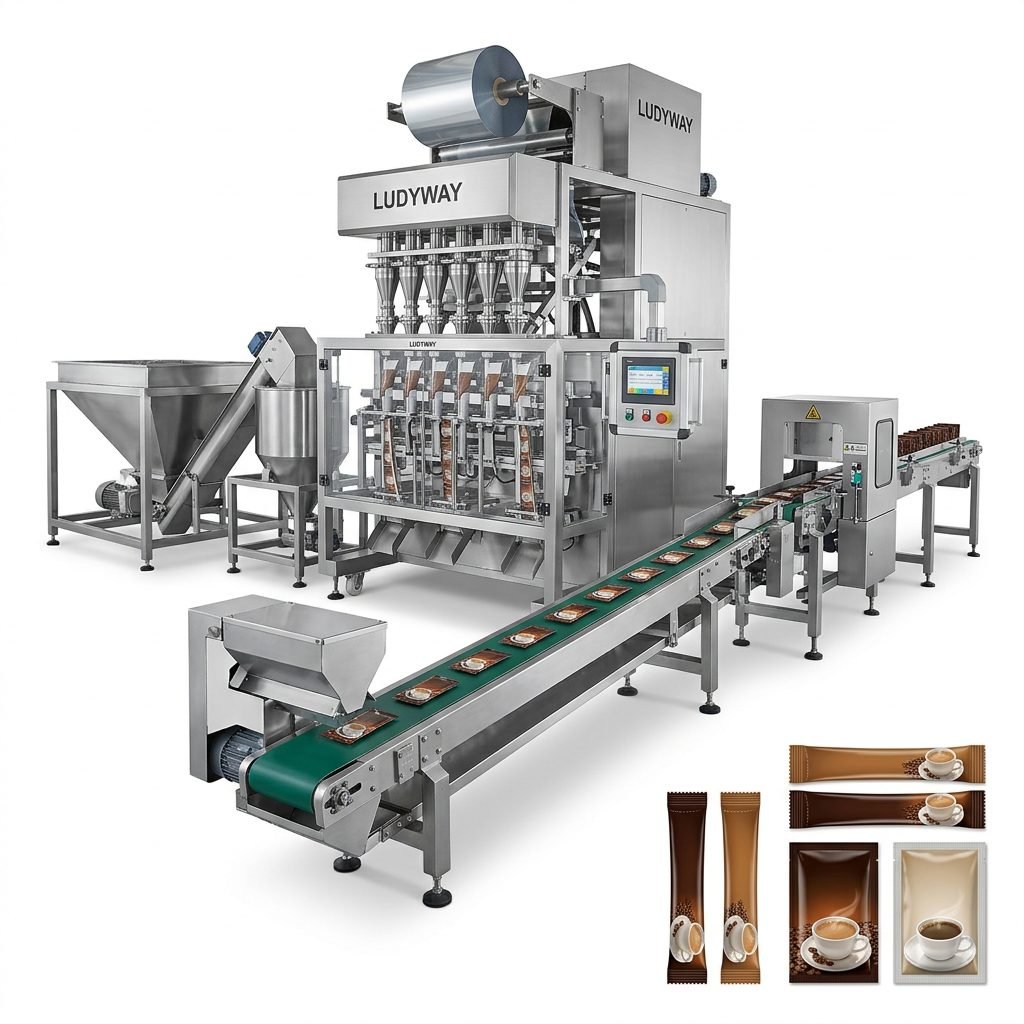
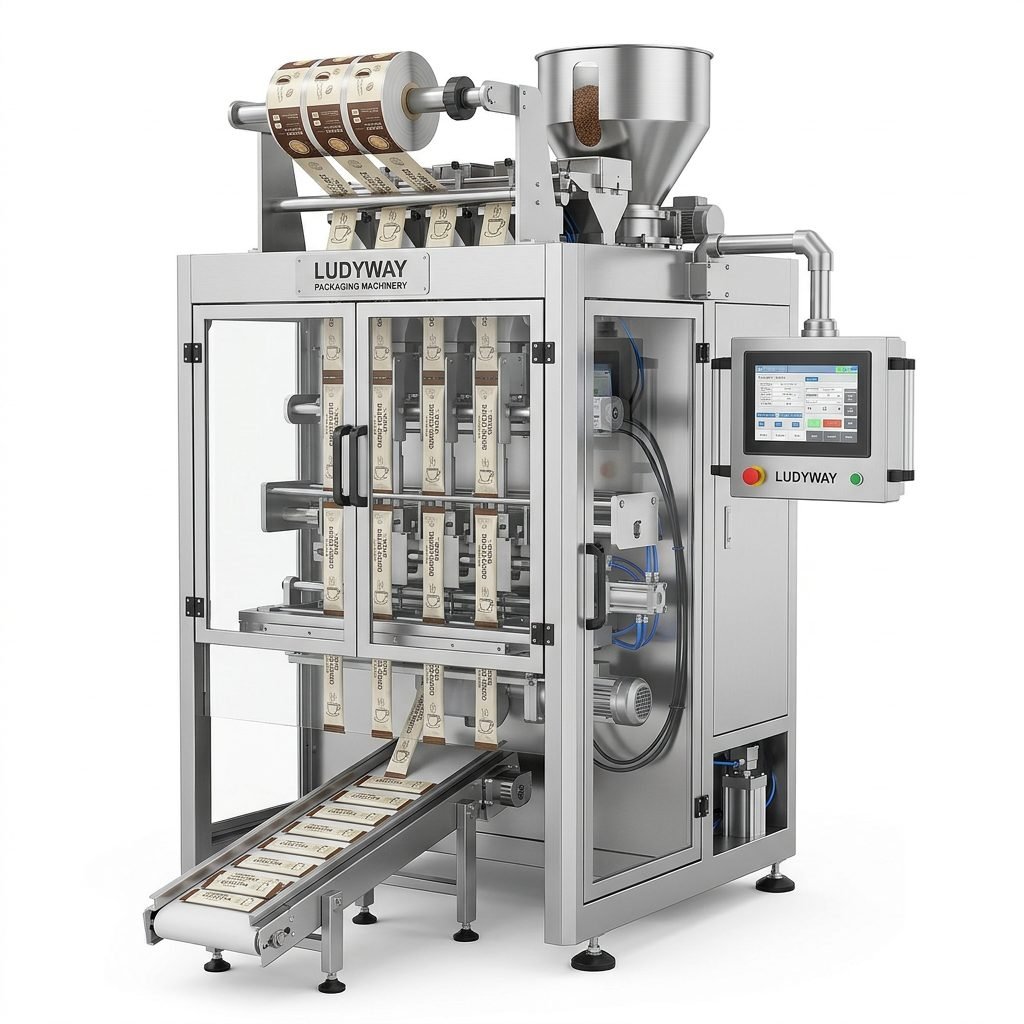
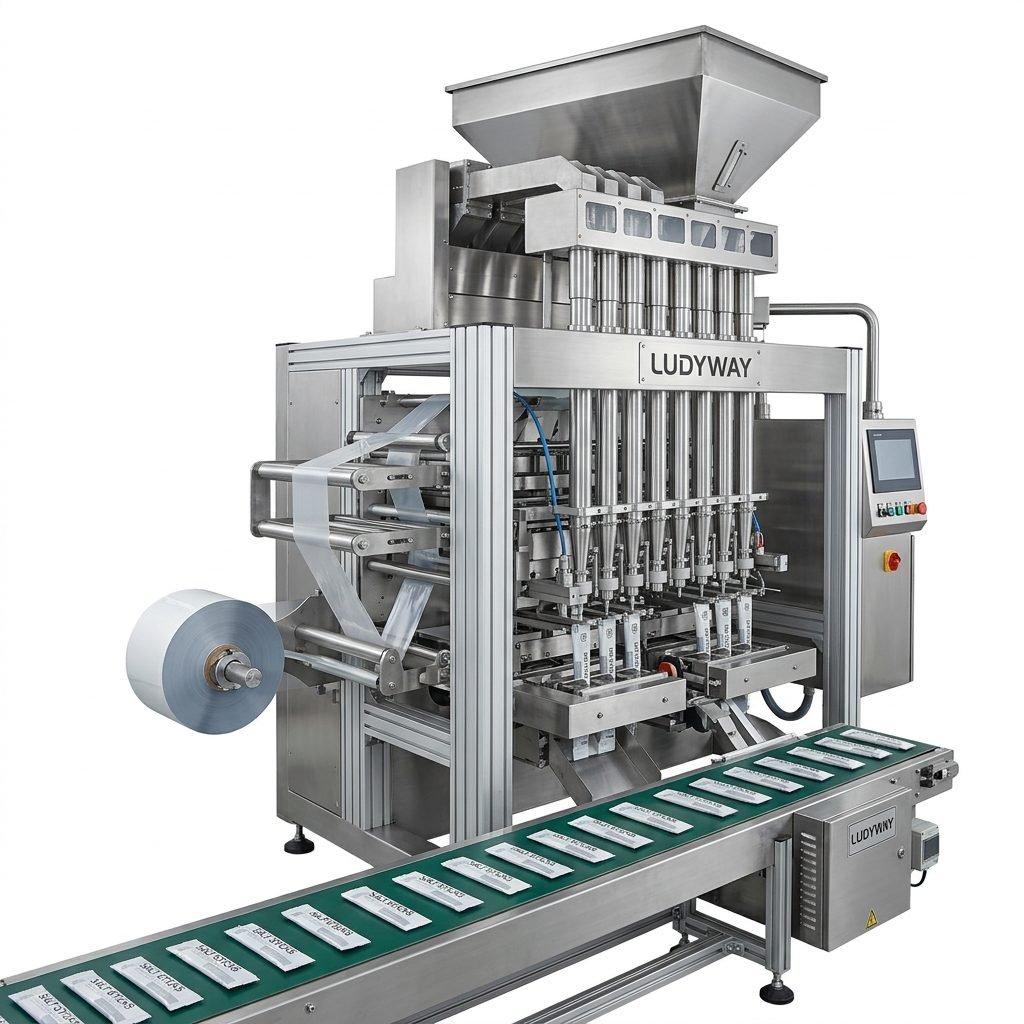
These are the most common choice for high-volume salt packaging, particularly for single-serve portions used in food service and travel applications. A multi-lane stick pack machine can run 4 to 12 lanes simultaneously, producing narrow, elongated sachets at high speed. Each lane operates independently, allowing production of up to 600 packs per minute per lane depending on the model. This configuration is ideal for businesses that need to package large quantities of salt in uniform, portion-controlled formats.
Vertical Form Fill Seal (VFFS) Sachet Machines
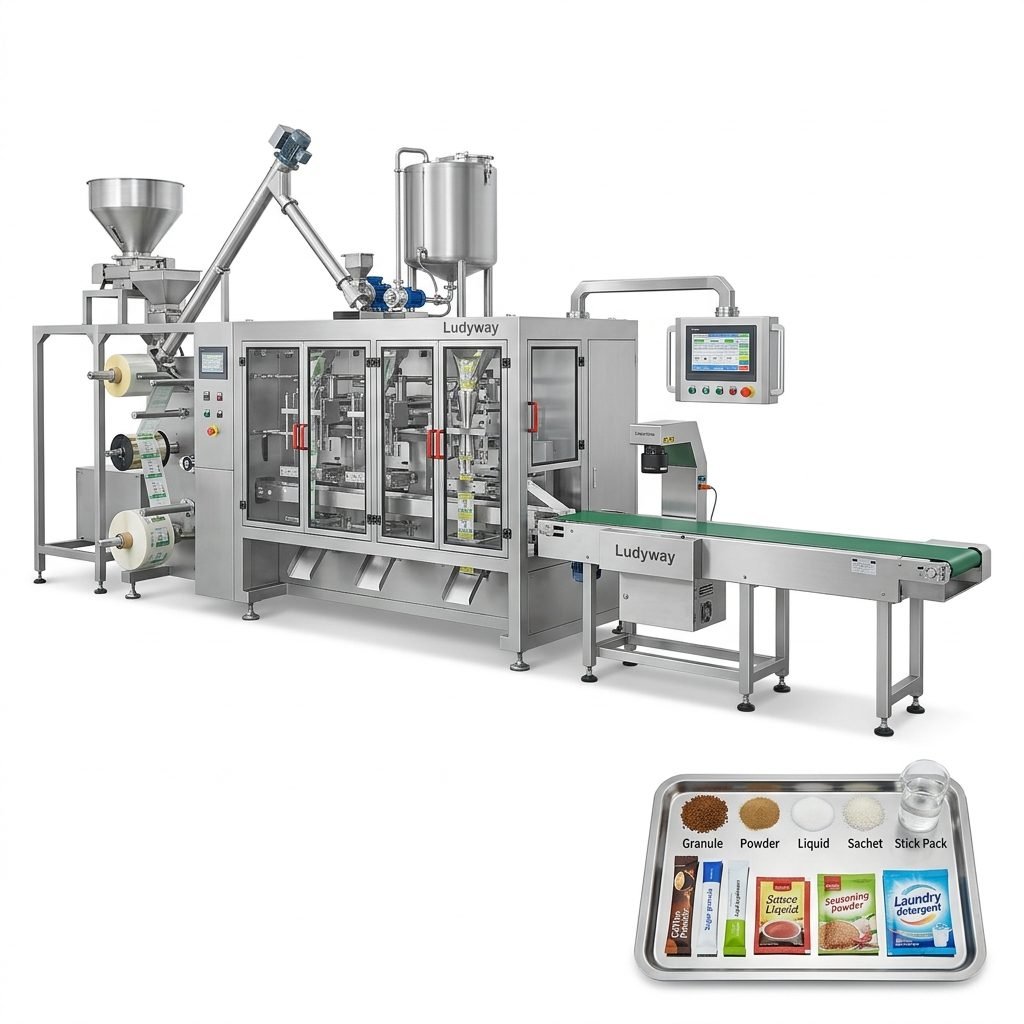
VFFS machines form a tube from flat roll film, fill it with salt, and seal it — all in a vertical orientation. These are versatile systems suitable for a range of sachet sizes and flexible packaging formats. They can produce pillow-style sachets, three-side seal pouches, and four-side seal packs. VFFS technology is well-established and offers a balance of speed, reliability, and format flexibility.
Single-Lane Sachet Machines
For smaller-scale operations, startups, or niche products, single-lane machines provide an accessible entry point. While output is lower than multi-lane systems, single-lane salt sachet packing machines are more affordable, easier to operate, and require less floor space. They are suitable for businesses producing 20 to 60 packs per minute.

Multi-Lane vs. Single-Lane: Making the Right Choice
The decision between multi-lane and single-lane configurations depends on several operational factors:
- Production volume: If you need to produce millions of sachets annually, multi-lane is essential. For lower volumes, single-lane may suffice.
- Floor space: Multi-lane machines have a larger footprint but deliver exponentially higher output per square meter.
- Budget: Multi-lane systems require higher initial investment but offer lower per-unit packaging costs over time.
- Product variety: If you package multiple salt varieties (sea salt, iodized salt, rock salt), a machine with quick-changeover capabilities is critical.
- Operator skill level: Multi-lane systems are more complex and may require trained operators, while single-lane machines are simpler to manage.
Essential Features to Look For
Beyond the basic machine type, specific features can significantly improve performance, reliability, and ease of use. Prioritize the following when evaluating different models:
Precision Dosing Systems
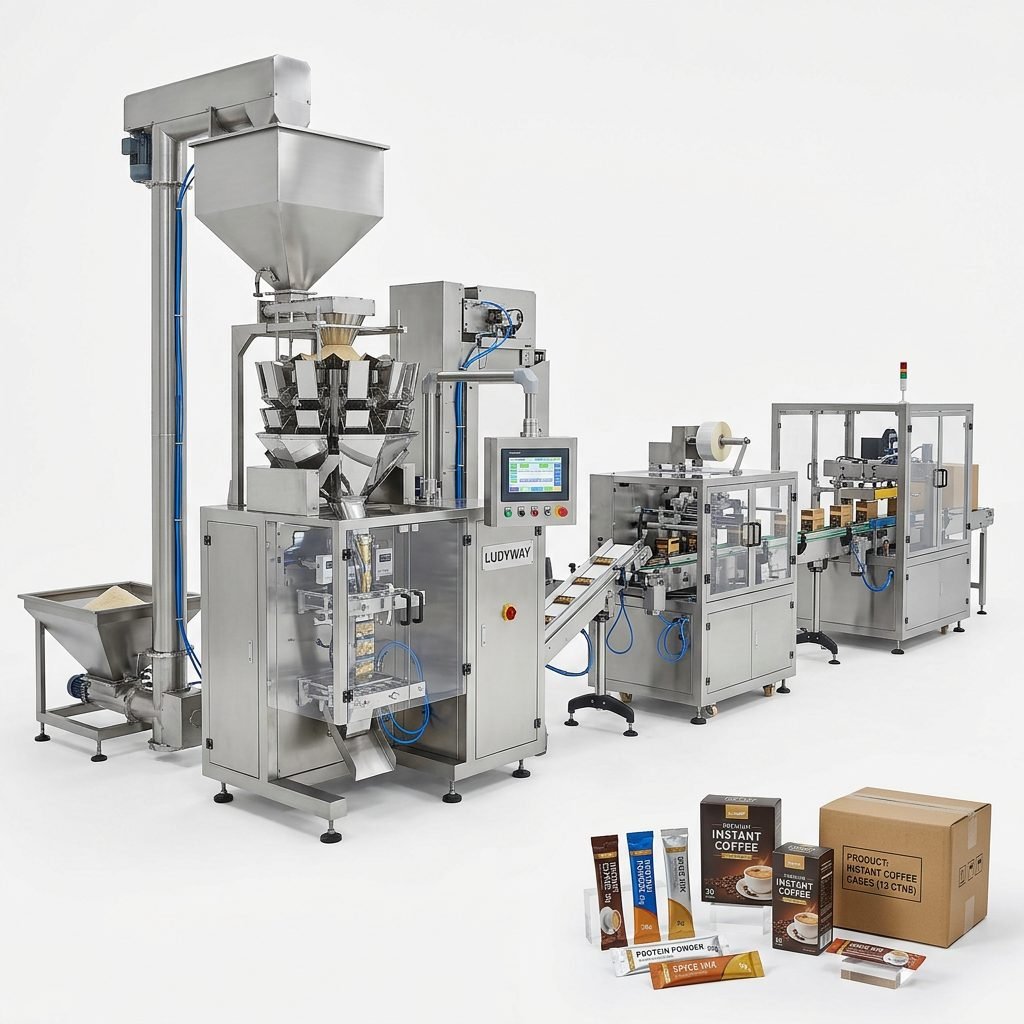
Salt filling accuracy depends heavily on the dosing mechanism. Servo-driven auger fillers offer the highest precision for granular products like salt, with typical accuracy within ±1% of target weight. Volumetric cup fillers are a more economical alternative but may be less precise with products that have variable density.
Automated Feeding and Conveying
Manual feeding introduces inconsistency and increases labor costs. Look for machines equipped with automatic feeding systems such as Z-type bucket elevators, vacuum feeders, or inclined conveyors that integrate seamlessly with the packaging line. These systems maintain consistent product flow and reduce operator intervention.
Integrated Quality Control
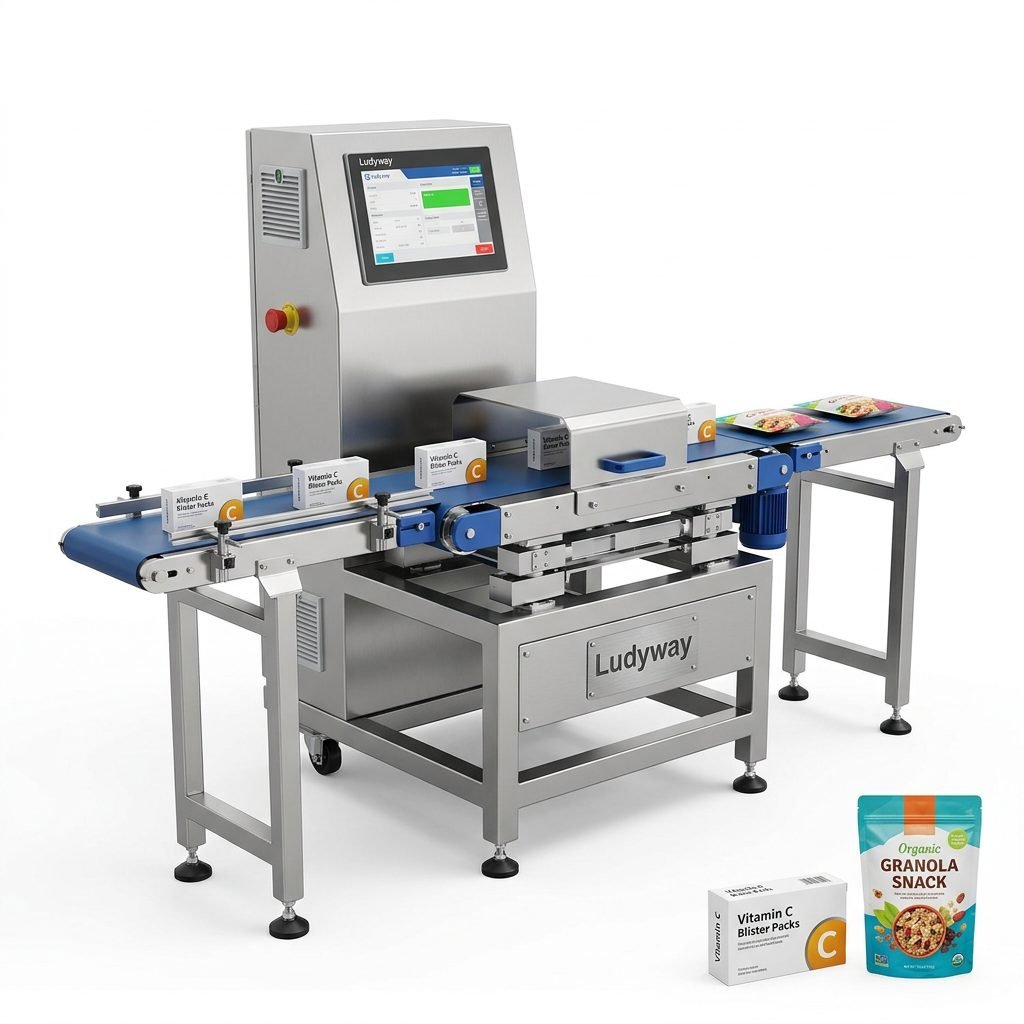
Modern packaging machinery increasingly incorporates inline quality control features. For salt packaging, consider machines with checkweighers, metal detectors, and seal integrity inspection. These systems detect and reject defective packs automatically, ensuring only properly filled and sealed sachets reach the market.
Nitrogen Flushing Capability
For salt products that require extended shelf life, nitrogen flushing displaces oxygen inside the sachet before sealing. This modified atmosphere packaging technique helps prevent moisture absorption and extends product freshness, which is particularly valuable for premium or specialty salts.
How to Evaluate a Packaging Machinery Supplier
Selecting the right equipment is only half the equation — choosing the right supplier is equally important. A reliable salt sachet packing machine supplier should offer more than just hardware; they should provide engineering expertise, customization capabilities, and ongoing technical support.
- Industry experience: Look for manufacturers with demonstrated experience in salt or similar granular product packaging. Years in the industry and a diverse portfolio indicate proven capabilities.
- Customization capability: Standard machines rarely fit every application perfectly. A supplier that offers custom engineering and configuration can tailor the machine to your specific product, packaging material, and production requirements.
- Manufacturing quality: Visit the factory if possible, or request detailed documentation on construction materials, component sourcing, and quality control processes.
- Technical support: Confirm the availability of installation, commissioning, operator training, troubleshooting, and spare parts support — both locally and remotely.
- Certifications: For food-grade applications, verify that the supplier can provide machines that comply with relevant international standards and certifications for your target markets.
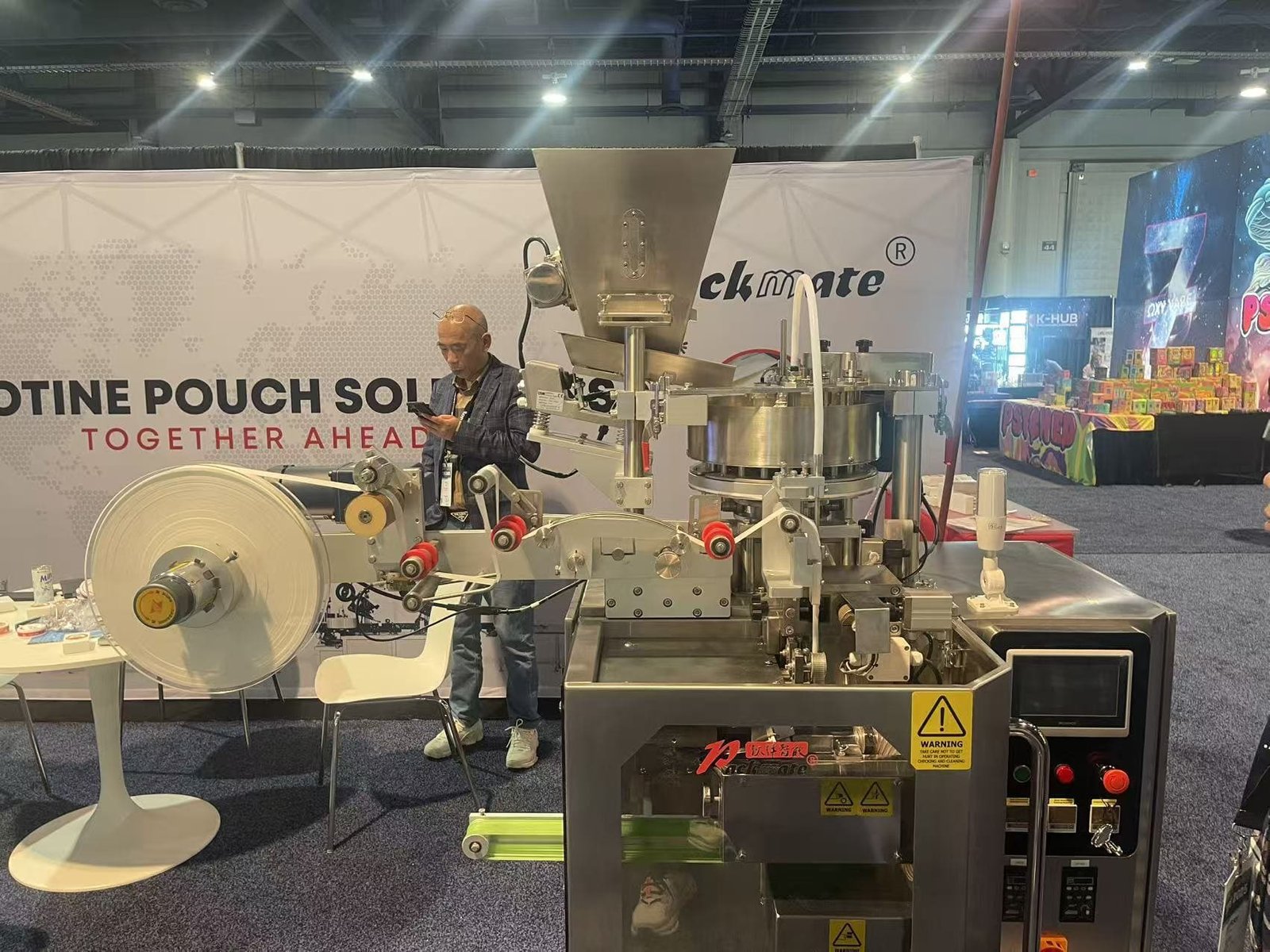
When evaluating potential suppliers, it is worth considering manufacturers with extensive experience and in-house engineering capabilities. Ludyway Machinery, a China-based packaging machinery manufacturer with over 30 years of industry experience, provides customized sachet packaging solutions for diverse industries including food, pharmaceuticals, and chemicals. Their multi-lane packaging systems are configured to meet specific production requirements, with options for different speeds, bag formats, and automation levels.
Cost Considerations Beyond the Purchase Price
The initial machine cost is just one component of the total investment. A comprehensive cost analysis should account for:
- Installation and commissioning: Professional setup ensures optimal performance from day one.
- Operator training: Well-trained operators maximize machine utilization and minimize errors.
- Spare parts inventory: Maintaining critical spares reduces downtime during maintenance.
- Packaging material costs: Different machines may have different material requirements and waste rates.
- Energy consumption: More efficient machines may cost more upfront but save significantly over their lifecycle.
- Maintenance contracts: Preventive maintenance agreements can extend machine life and reduce unexpected breakdowns.
Frequently Asked Questions
What is the typical output of a salt sachet packing machine?
Output varies significantly based on configuration. Single-lane machines typically produce 20-60 packs per minute, while multi-lane systems (4-12 lanes) can achieve 200-600 packs per minute per lane, resulting in total outputs of 800 to over 7,000 packs per minute for high-speed production lines.
Which packaging materials are compatible with salt sachet machines?
Most machines support laminated films, aluminum foil laminates, and multi-layer barrier films. For salt, moisture-barrier properties are particularly important. Common structures include PET/AL/PE, BOPP/AL/PE, and paper/AL/PE laminates.
How do I prevent salt corrosion in my packaging machine?
Specify machines with stainless steel construction (304 or 316L grade) for all product-contact surfaces. Regular cleaning to remove salt residue, protective coatings on external surfaces, and operating in a controlled-humidity environment all help extend machine life.
Can one machine handle different salt types and sachet sizes?
Yes, many modern machines feature quick-changeover designs that allow switching between different sachet sizes and product types with minimal downtime. Adjustable forming tubes, interchangeable dosing systems, and recipe-based control settings facilitate rapid changeovers.
What certifications should I look for in a salt packaging machine?
For food-grade applications, look for machines that can be certified to CE, GMP, or relevant regional food safety standards. The supplier should provide documentation demonstrating compliance with applicable regulations for your target markets. ISO 11607 is relevant for packaging validation in certain applications.
Making Your Final Decision
Choosing the right salt sachet packing machine requires balancing technical specifications, production requirements, budget constraints, and supplier capabilities. Start by clearly defining your current and projected production volumes, preferred sachet formats, and automation needs. Then evaluate machines and suppliers against the criteria outlined in this guide.
Prioritize build quality, corrosion resistance, and dosing accuracy as non-negotiable requirements for salt packaging. A machine that is not designed for salt’s specific challenges will lead to costly downtime, product waste, and potential food safety issues. Investing in purpose-built equipment from an experienced supplier ensures reliable, long-term performance and a faster return on investment.