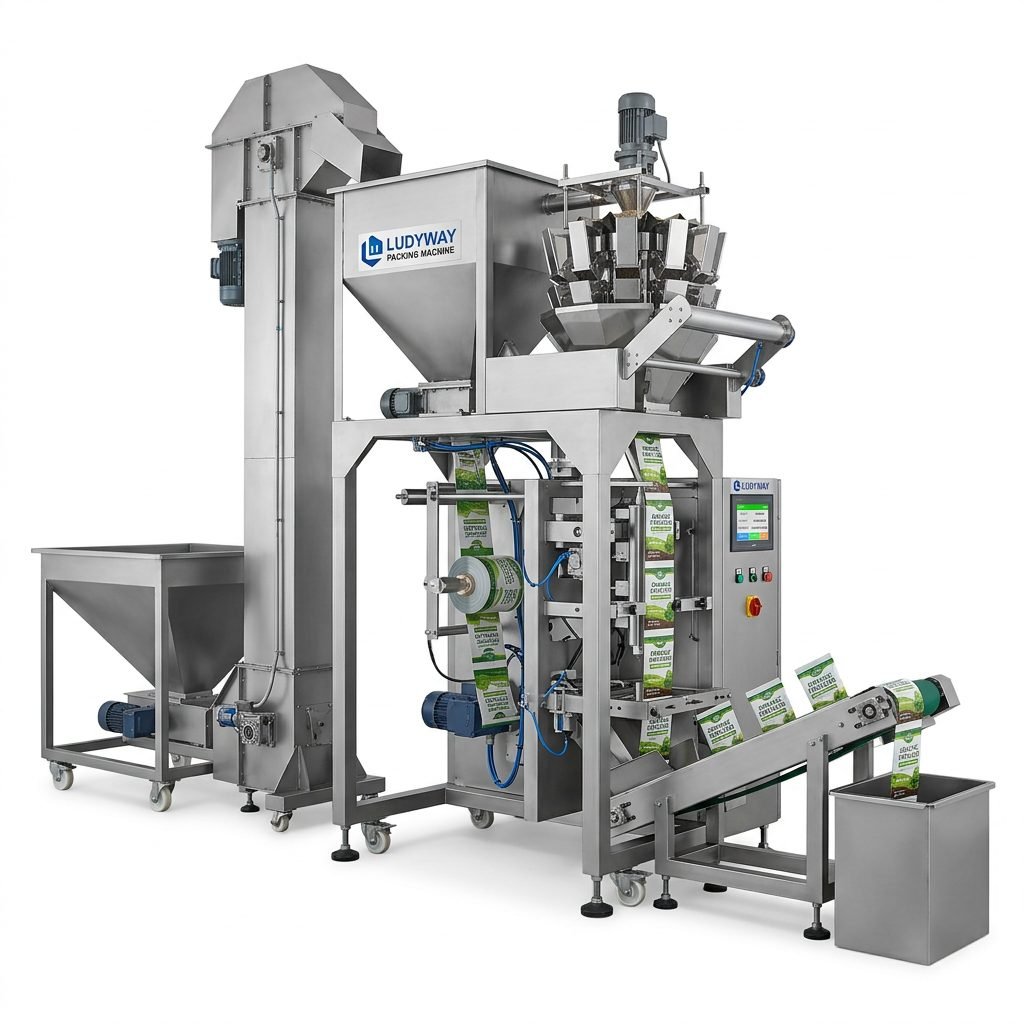
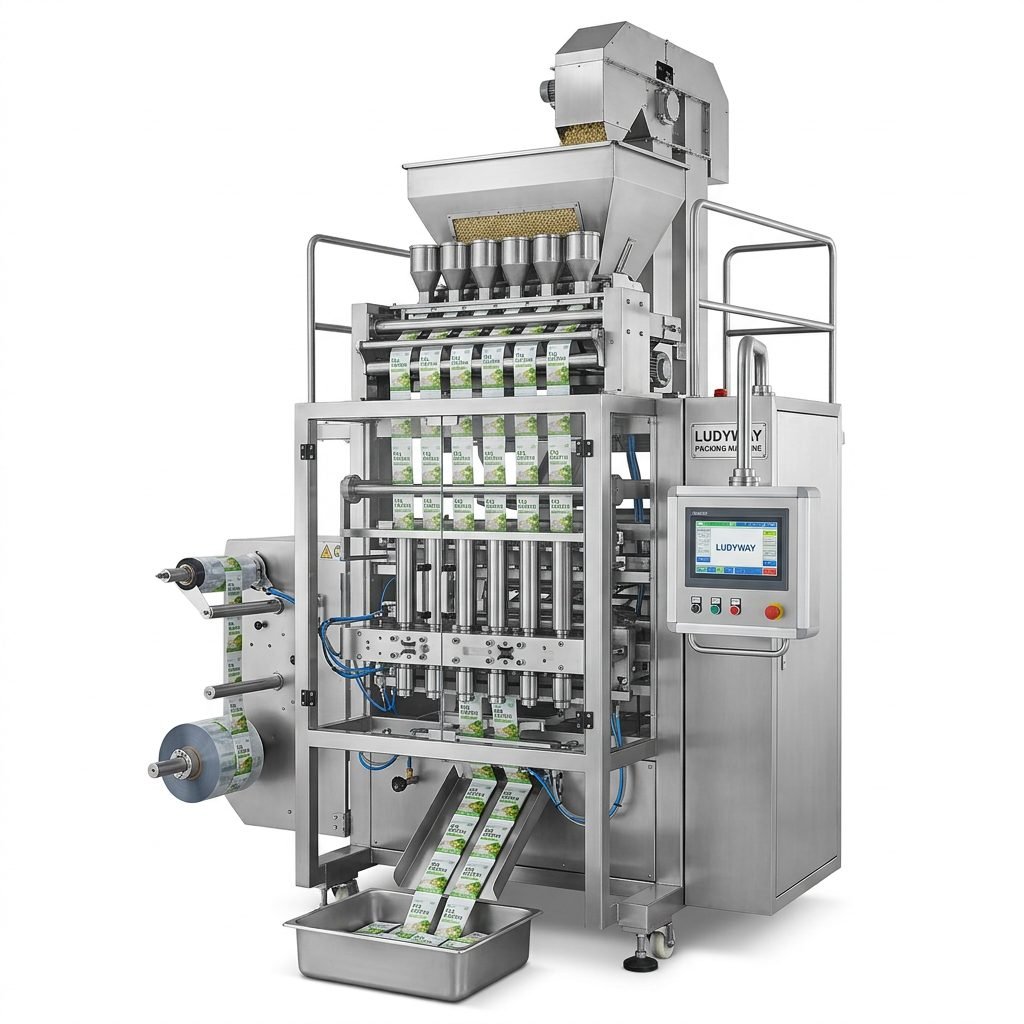
Selecting the right milk powder packaging machine is one of the most important investment decisions for dairy processors, infant formula manufacturers, and nutritional supplement producers. The right equipment directly impacts product shelf life, fill accuracy, production efficiency, and ultimately your bottom line. With dozens of machine configurations, automation levels, and packaging formats available, narrowing down the options can feel overwhelming. This guide walks you through the essential factors to evaluate, helping you make an informed purchasing decision tailored to your production needs.
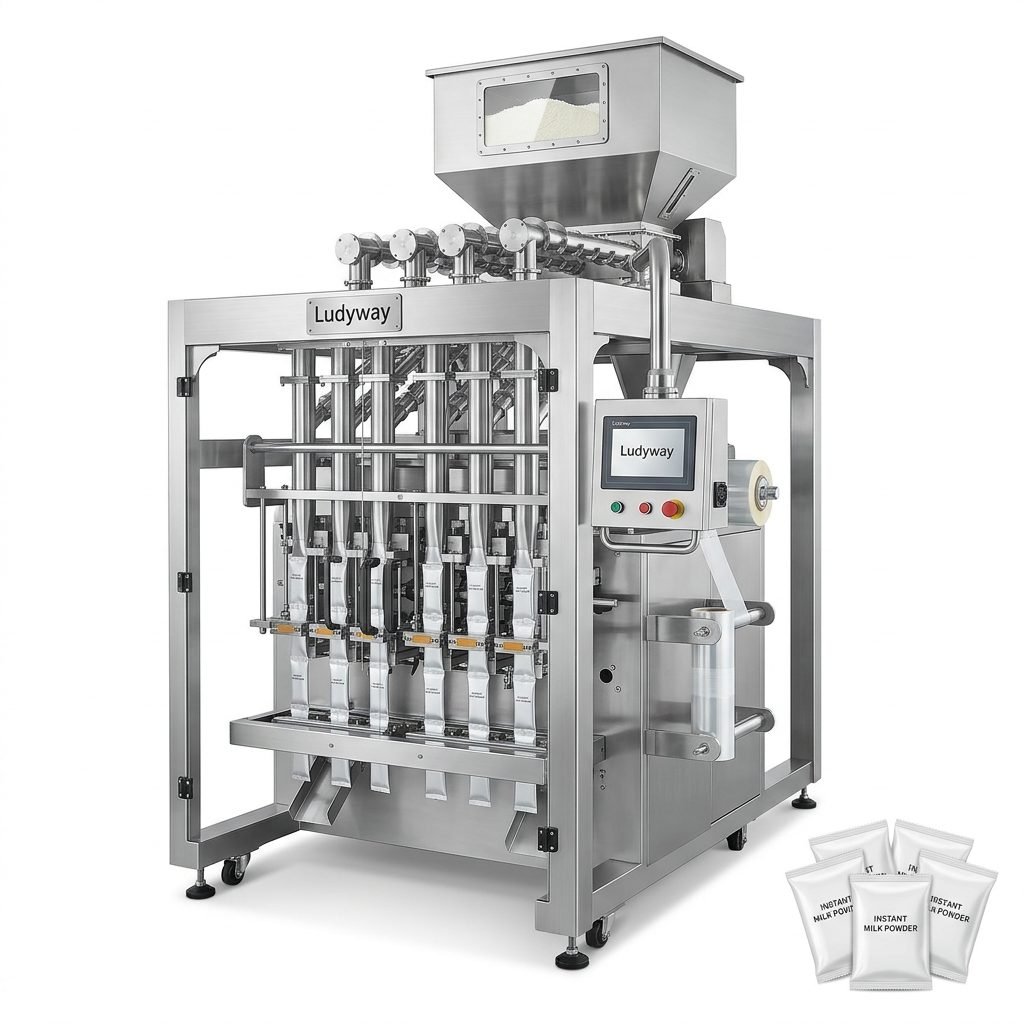
Understanding Your Milk Powder Packaging Requirements
Before comparing machine specifications, start by clearly defining your production goals. Milk powder is hygroscopic, sensitive to moisture, and prone to dusting, which places specific demands on packaging equipment. Ask yourself these foundational questions:
- What is your target output? Are you producing 30 sachets per minute or 300? Your required speed determines whether a single-lane or multi-lane packaging system is appropriate.
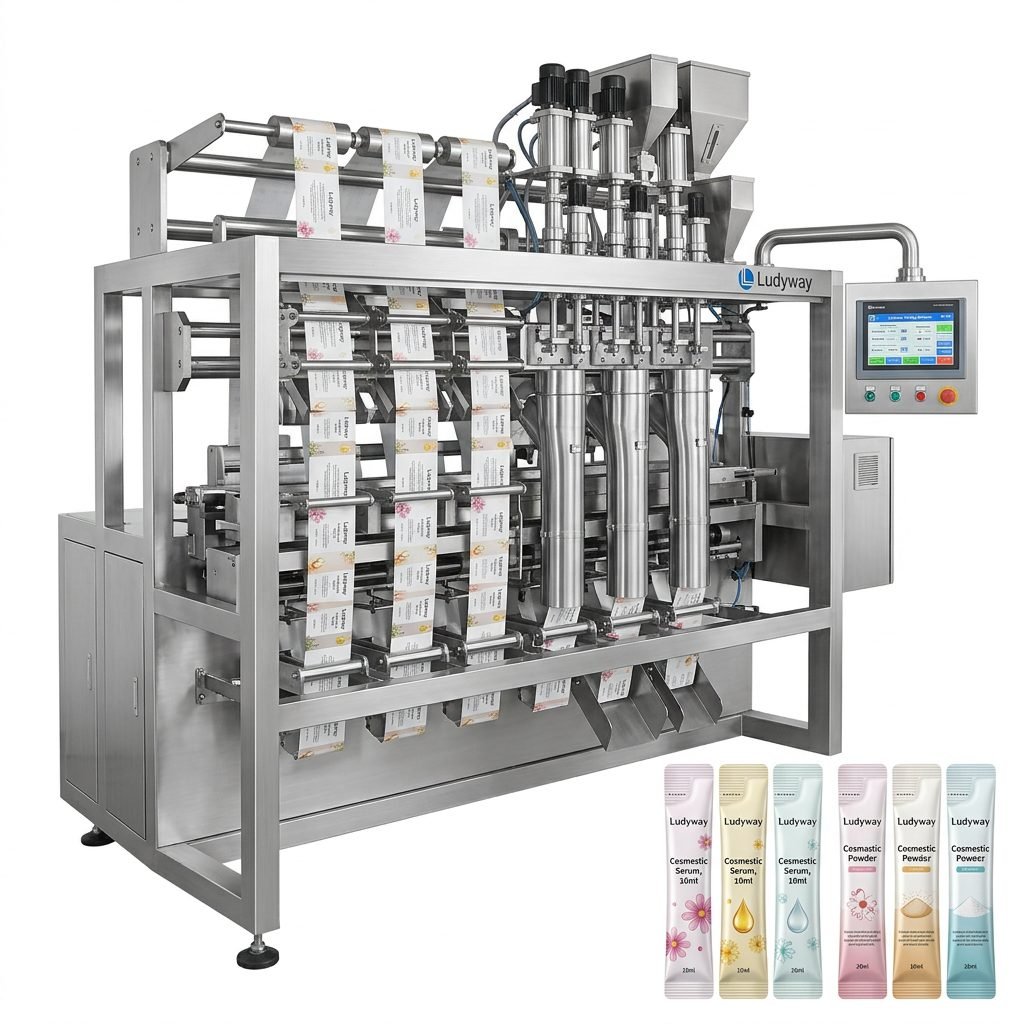
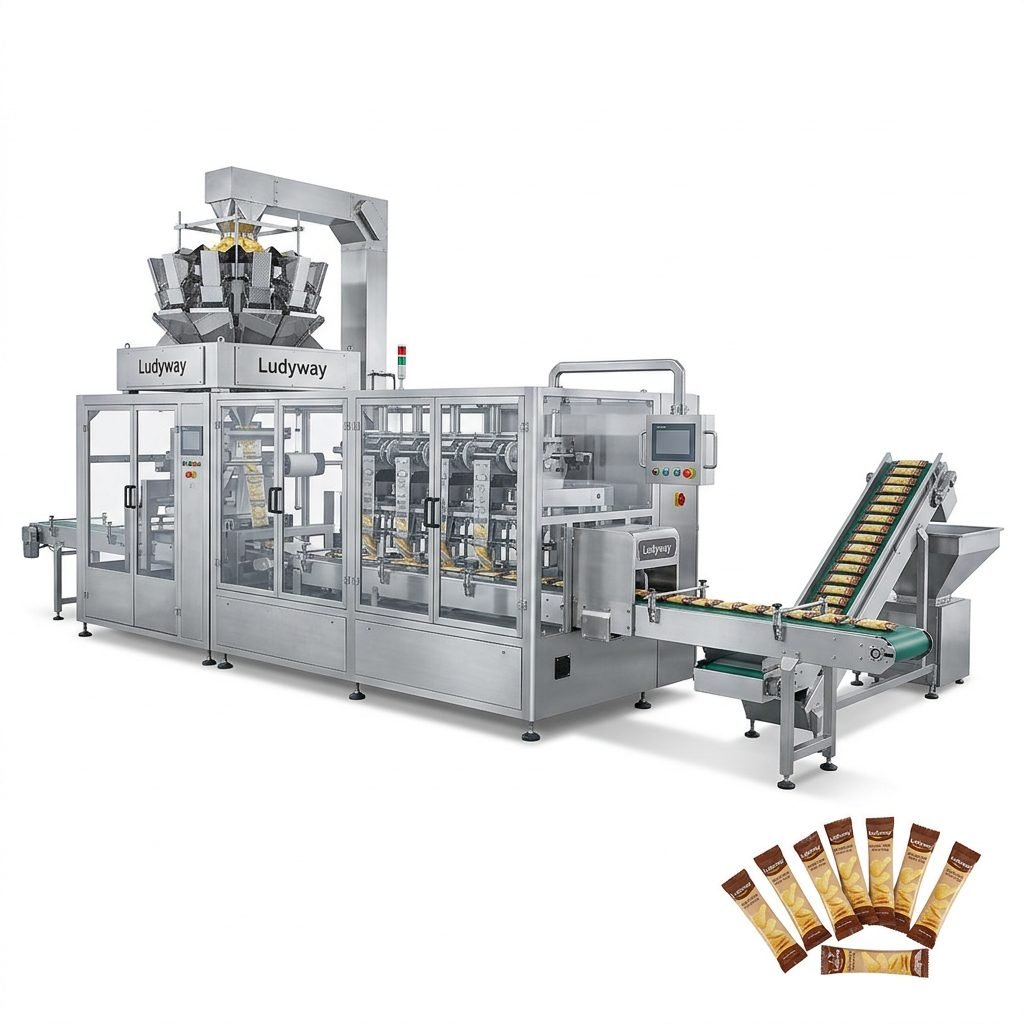
- Which packaging format do you need? Stick packs, flat sachets, gusseted pouches, or bulk bags all require different machine configurations and sealing technologies.
- What fill weight range are you targeting? Machines designed for 2-gram samples differ significantly from those handling 25-kilogram bulk bags.
- What are your facility constraints? Available floor space, ceiling height, and existing utility connections influence machine footprint and installation requirements.
- What level of automation makes sense? Manual, semi-automatic, or fully automatic systems each have different labor requirements and capital costs.
According to the latest PMMI State of the Industry 2026 report, the demand for automated powder packaging equipment continues to grow as manufacturers seek higher throughput and consistent fill accuracy across production shifts.
Types of Milk Powder Packaging Machines
Milk powder packaging machinery comes in several distinct configurations. Understanding the differences helps you match the right technology to your product and packaging format. The table below outlines the most common machine types used in dairy and nutritional powder applications:
| Machine Type | Packaging Format | Typical Speed Range | Best Suited For |
|---|---|---|---|
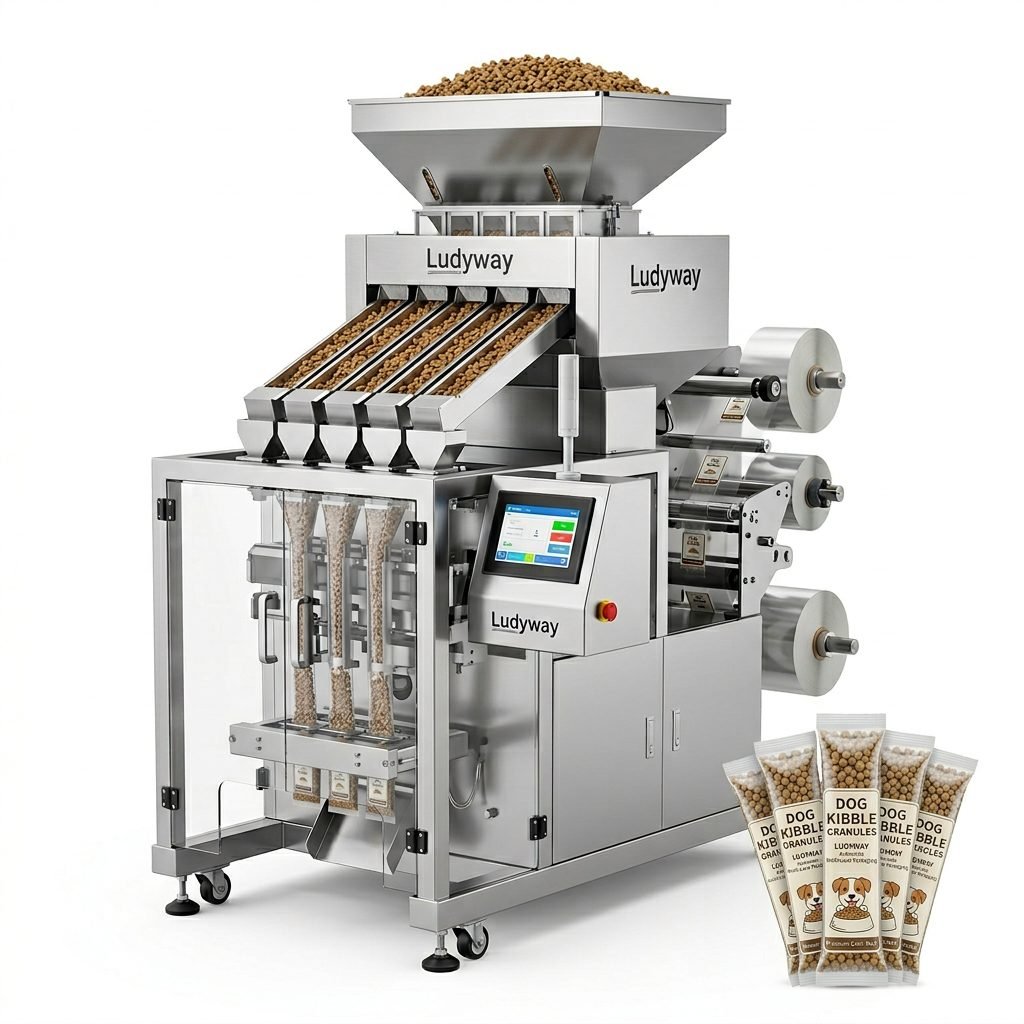
| Single-Lane Stick Pack Machine | Stick packs (1-15g) | 30-80 packs/min | Small to medium production, frequent changeovers |
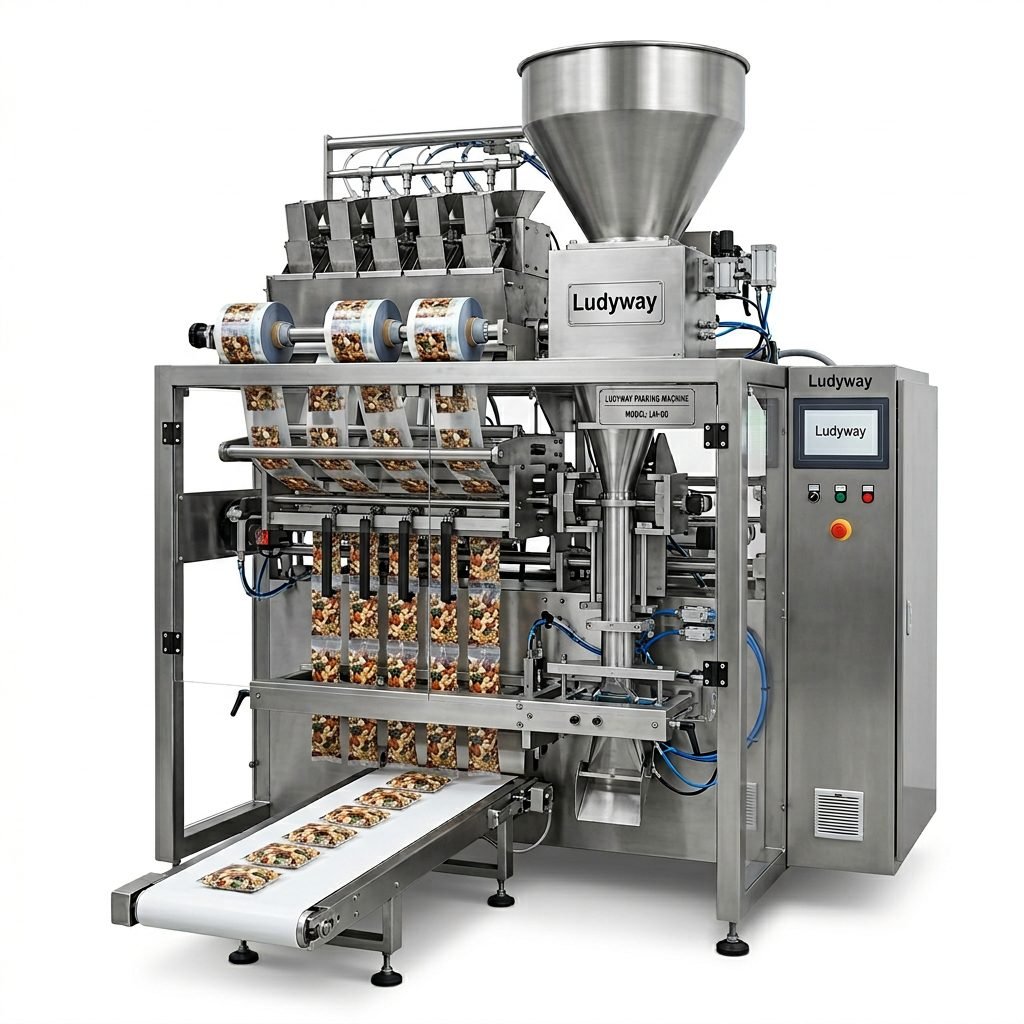
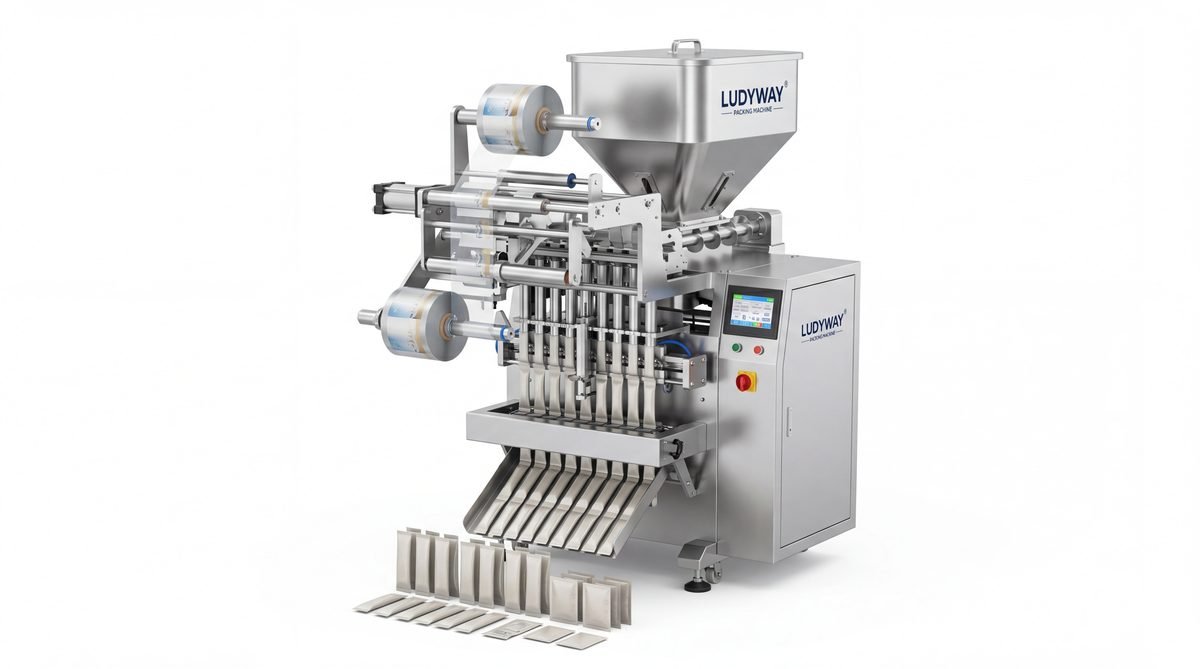
| Multi-Lane Stick Pack Machine | Stick packs (4-12 lanes) | 200-600+ packs/min | High-volume production, consistent SKU runs |
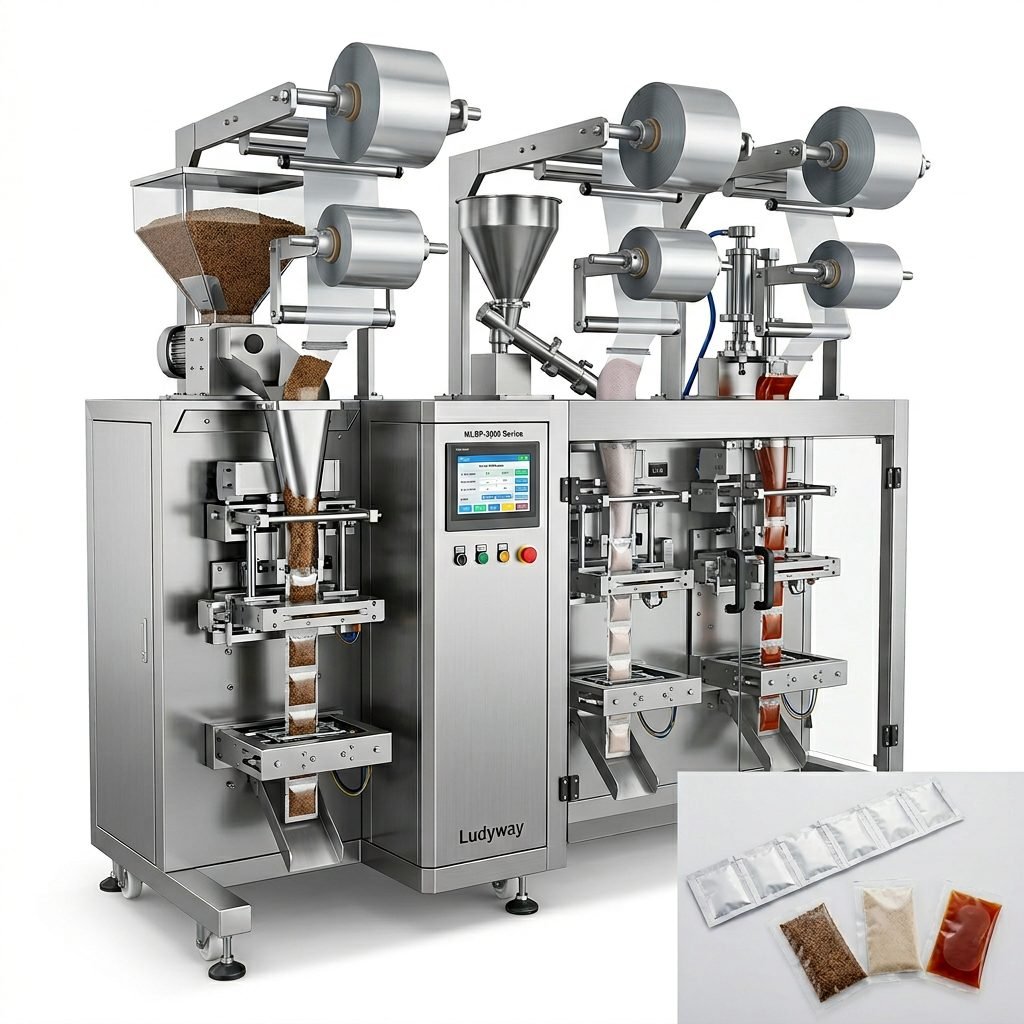
| Sachet / Flat Pouch Machine | 3-side or 4-side seal sachets | 40-400 packs/min | Single-use servings, sample packs, food service |
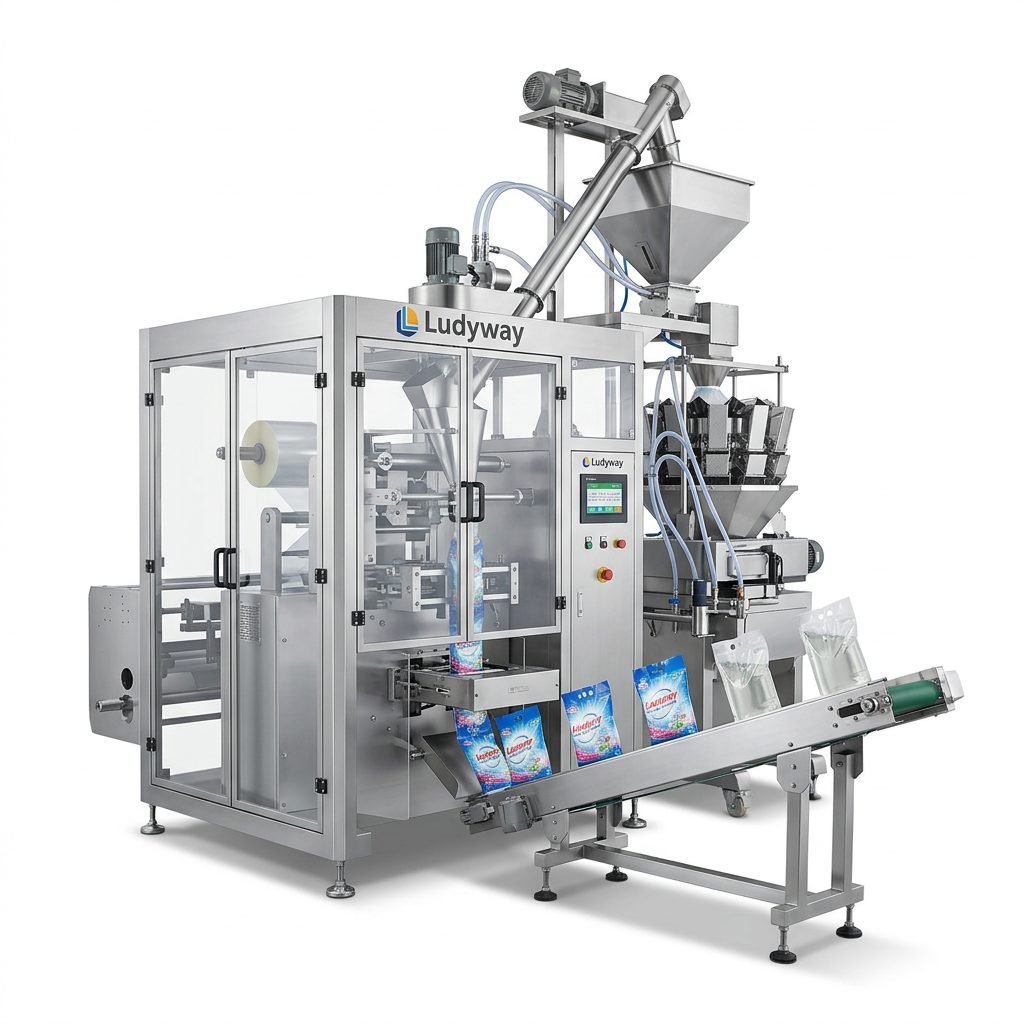
| Premade Pouch Filling Machine | Stand-up pouches, zipper pouches | 20-60 pouches/min | Premium branding, retail display, larger formats |
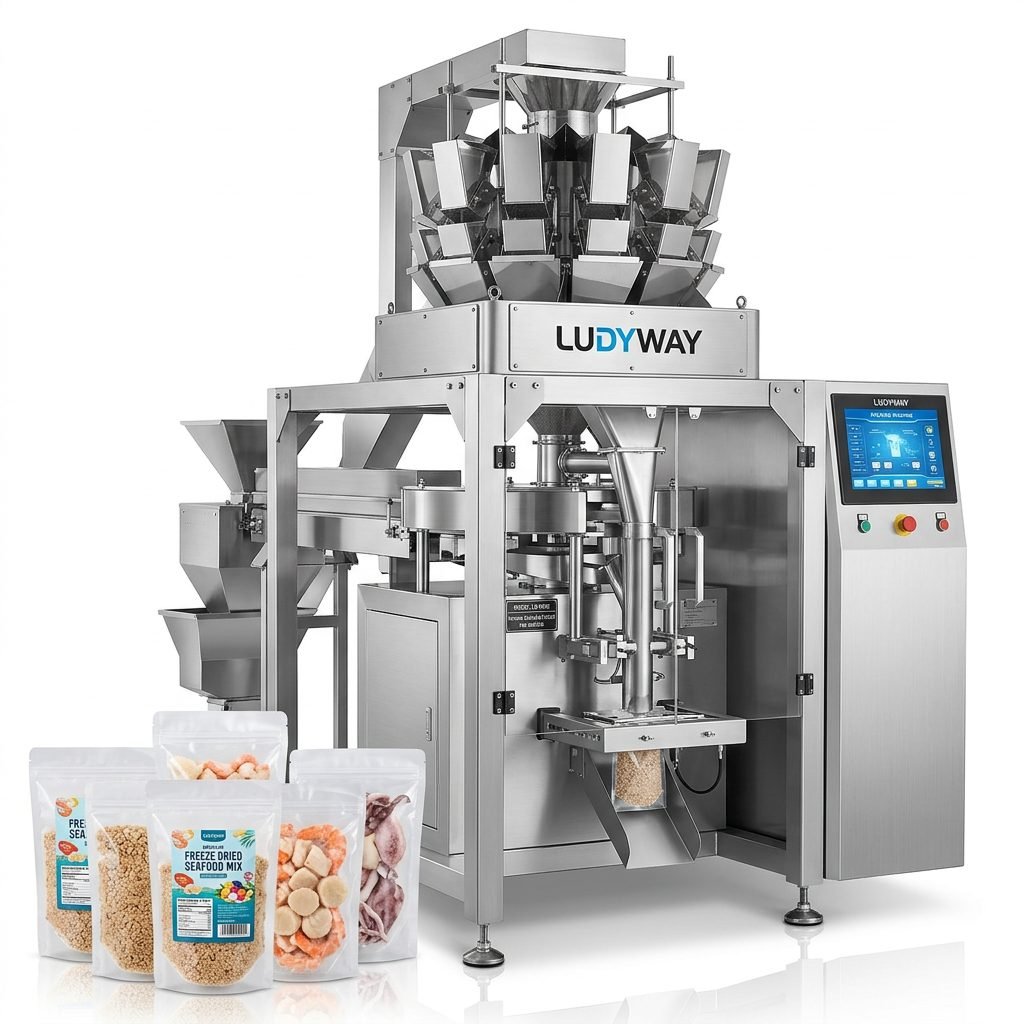
| Bulk Bag / Open-Mouth Bag Machine | 5kg-25kg bags | 4-12 bags/min | B2B supply, ingredients, industrial use |
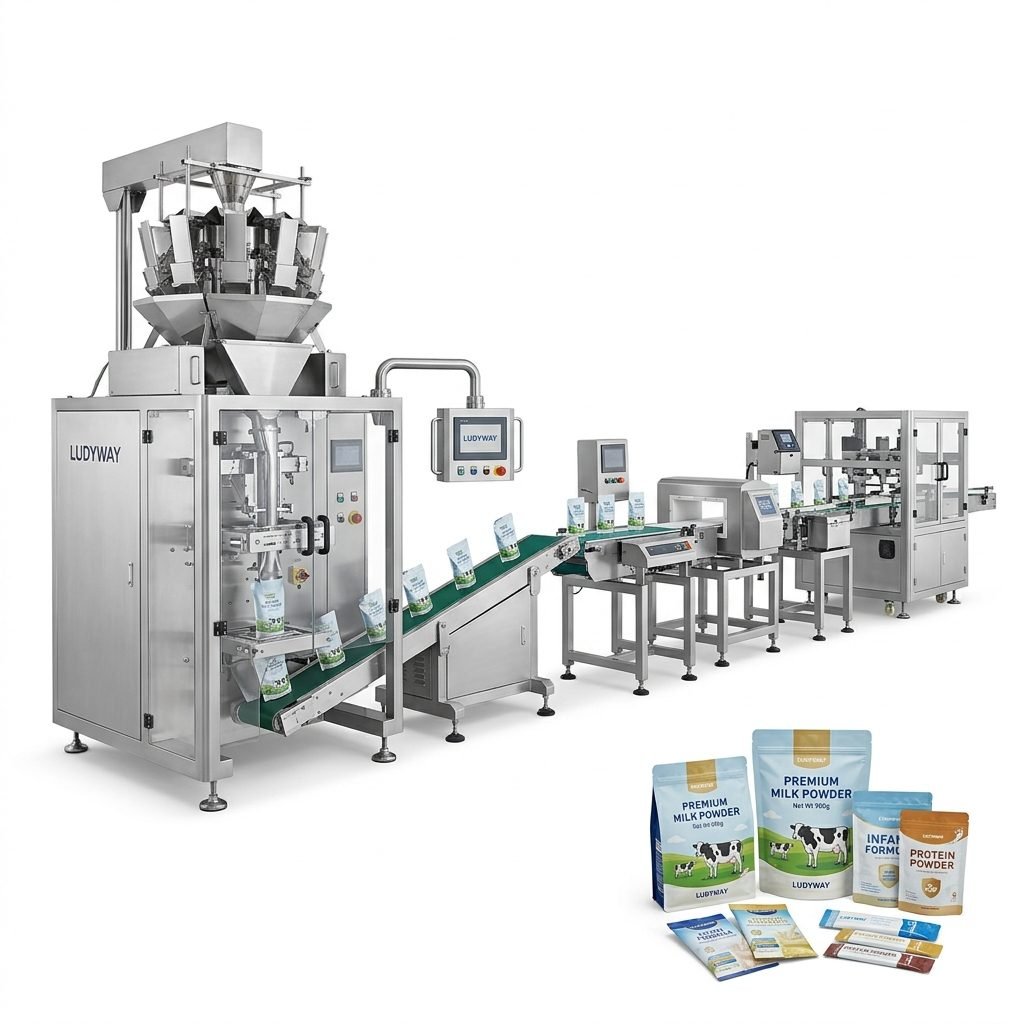
| Turnkey Integrated Packaging Line | Multiple formats connected | Custom configured | Full-scale operations needing feeding, filling, sealing, coding, and palletizing |
For milk powder products that are particularly sensitive to moisture and oxidation, stick pack and sachet machines with nitrogen flushing capability are often preferred. The Flexible Packaging Association notes that single-serve formats continue to dominate the dairy powder segment due to portion control and extended freshness benefits.
Key Factors to Consider When Choosing a Machine
Beyond machine type, several technical and operational factors significantly influence long-term performance and total cost of ownership. Evaluate each carefully before making your final decision:
Filling Accuracy and Dosing Technology
Milk powder requires precision dosing to meet label claims and regulatory requirements. Auger fillers are the most common choice for powder applications, offering consistent volumetric filling. For higher accuracy, multi-head weigher systems combined with auger fillers provide gravimetric control that minimizes product giveaway. When evaluating machines, ask for documented fill accuracy data at your target speeds and fill weights. Reputable manufacturers should provide real-world performance metrics, not just theoretical maximums.
Sealing Integrity and Barrier Protection
The seal is the critical barrier between your milk powder and the external environment. Poor sealing leads to moisture ingress, clumping, and shortened shelf life. Look for machines with precision temperature-controlled sealing jaws and the ability to handle multi-layer barrier films. Machines equipped with gas flushing or vacuum-sealing capability provide additional protection by reducing residual oxygen inside the package. All sealing parameters should be digitally controllable and repeatable across production runs.
Material Compatibility and Changeover Efficiency
Your packaging machine must handle the specific film structures you plan to use, including metallized PET, aluminum foil laminates, and EVOH barrier films. If your production involves multiple SKUs or frequent product changeovers, evaluate tool-less changeover features, recipe storage capabilities, and the time required to switch between different film types and fill weights. Shorter changeover times directly improve overall equipment effectiveness (OEE).
Hygiene and Regulatory Compliance
Milk powder packaging falls under strict food safety regulations in most markets. The FDA’s food contact substance regulations and analogous international standards dictate material requirements for all product-contact surfaces. When selecting a machine, confirm the following:
- Food-grade stainless steel construction (typically SUS304 or SUS316L) for all product-contact parts
- CIP (Clean-in-Place) compatibility or easy disassembly for manual cleaning and sanitation
- Dust management systems including enclosed filling zones and dust extraction to maintain a clean production environment
- Compliance documentation including material certifications, surface finish reports, and design qualifications
- Validation support for IQ/OQ/PQ protocols if operating in pharmaceutical or infant formula segments
International standards such as ISO packaging standards provide additional frameworks for ensuring equipment meets global market requirements. Confirm that your chosen machine can be configured to comply with the specific regulations in your target markets.
Automation Levels and Production Capacity
Determining the right automation level requires balancing capital investment against labor savings and throughput gains. Modern milk powder packaging lines can incorporate automated feeding systems, inline checkweighers, metal detectors, coding and marking equipment, and robotic case packing. The key is matching automation to your actual production volumes:
- Entry-level automation: Semi-automatic machines requiring manual film loading and product feeding, suitable for startups and pilot production
- Mid-range automation: Fully automatic VFFS (Vertical Form Fill Seal) or multi-lane stick pack machines with automatic feeding, ideal for established brands scaling production
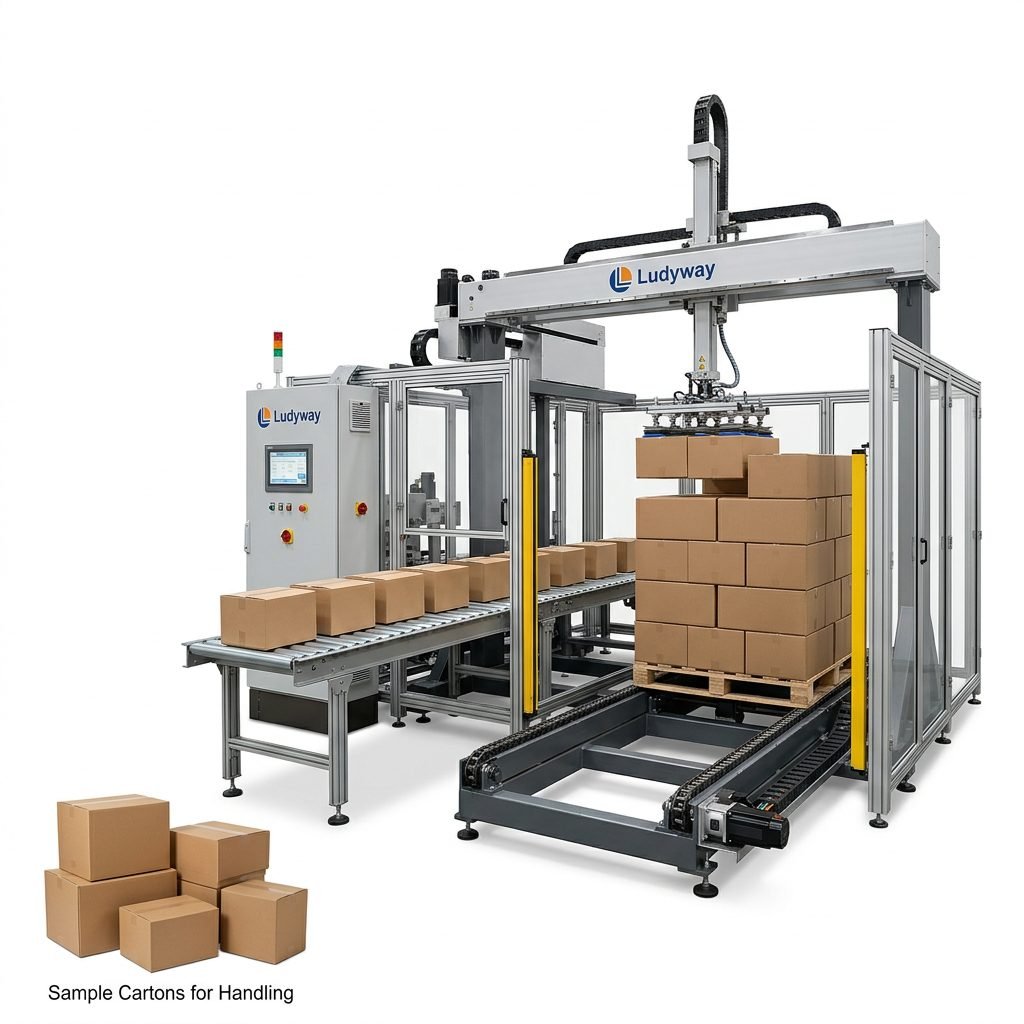
- Full-line integration: Complete turnkey packaging lines connecting powder feeding, dosing, filling, sealing, coding, inspection, cartoning, and palletizing
Ludyway Machinery, a China-based packaging machinery manufacturer with over 30 years of experience, is one of the companies offering integrated packaging solutions that connect multiple stages of the powder packaging process. According to their recent growth report, demand for automated powder packaging systems has accelerated significantly across dairy and nutritional markets.
Cost Considerations and ROI Analysis
The purchase price of a milk powder packaging machine is just one component of total cost of ownership. A thorough ROI analysis should account for these factors over a 5-7 year equipment lifecycle:
- Initial capital cost: Machine price, shipping, installation, and commissioning
- Operational costs: Labor requirements, energy consumption, compressed air usage
- Consumables: Packaging film waste rates, spare parts, and preventive maintenance schedules
- Product loss: Fill accuracy directly impacts product giveaway; even a 0.5-gram improvement per sachet translates to significant savings at high volumes
- Downtime costs: Machine reliability and local service support availability affect production uptime
Choosing the Right Packaging Machinery Partner
Your equipment supplier is as important as the machine itself. Beyond technical specifications, evaluate potential partners on these criteria:
- Industry experience: Do they have proven installations in dairy or powder applications specifically?
- Customization capability: Can they adapt equipment to your unique product characteristics and packaging requirements?
- Technical support: What is their response time for troubleshooting, and do they offer remote assistance?
- Spare parts availability: Are critical components stocked locally or readily shippable to your region?
- Training and documentation: Comprehensive operator training and clear technical documentation reduce the learning curve after installation
Request references from current customers in similar applications, and whenever possible, conduct a factory acceptance test (FAT) with your actual product before finalizing any purchase agreement. A supplier with manufacturing depth and engineering capability can provide better long-term support as your packaging needs evolve.
Conclusion
Choosing the right milk powder packaging machine requires balancing technical specifications, production requirements, regulatory compliance, and total cost of ownership. By systematically evaluating your packaging format needs, throughput targets, hygiene standards, and automation goals, you can narrow the field to equipment that delivers reliable performance over years of operation. Take the time to test machines with your actual product, visit existing installations when possible, and select a manufacturing partner with the experience and support infrastructure to help your operation succeed in the long term.