Investing in a small vacuum packaging machine can transform your production line, extending product shelf life, preserving freshness, and reducing waste. Whether you operate a food processing facility, a pharmaceutical lab, or a cosmetics workshop, the right equipment makes all the difference. This guide walks you through every essential factor so you can choose with confidence.
Understanding Small Vacuum Packaging Machines
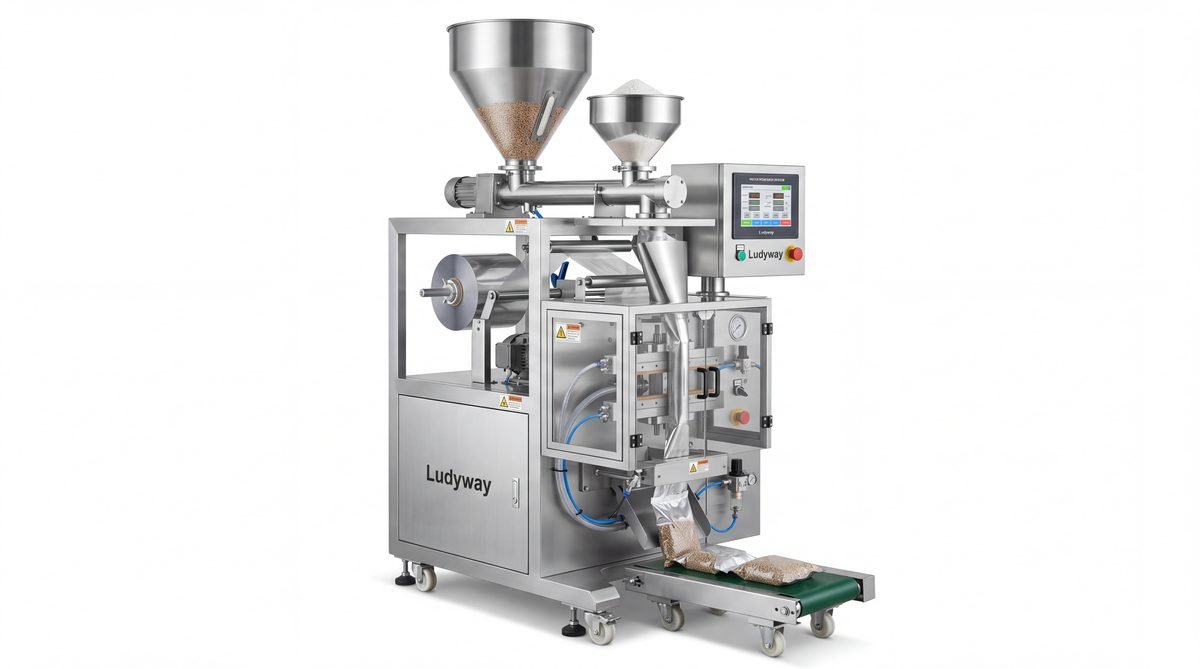
A small vacuum packaging machine removes air from a package prior to sealing. By creating an oxygen-depleted environment, it slows down the growth of aerobic bacteria and molds, significantly extending the product’s usable life. These compact systems are ideal for operations with limited floor space, lower throughput requirements, or those entering the vacuum packaging segment for the first time.
Modern machines go far beyond simple air extraction. Many now incorporate gas flushing (modified atmosphere packaging), precision sealing controls, and digital interfaces that make them accessible even to operators with minimal technical training. Understanding these capabilities is the first step toward selecting a model that fits your actual production reality.
Key Factors to Consider When Choosing
Not all vacuum packaging equipment is created equal. Your specific product characteristics, production volume, and facility constraints should drive the decision-making process. The table below summarizes the most critical evaluation parameters.
| Evaluation Factor | Why It Matters | What to Look For |
|---|---|---|
| Product Type | Liquids, powders, granules, and solid items each require different vacuum and sealing approaches. | Adjustable vacuum strength, liquid-friendly sealing bars, or gas flush compatibility. |
| Production Volume | A machine that is too slow creates bottlenecks; one that is too fast may be unnecessarily expensive. | Cycles per minute, sealing length, and chamber or nozzle configuration. |
| Bag Dimensions | The machine must accommodate the width and length of your packaging materials without compromise. | Maximum sealing bar length and chamber depth specifications. |
| Material Compatibility | Different films require different heat-sealing temperatures and vacuum levels. | Adjustable temperature controls and compatibility with PA/PE, PET/PE, and aluminum laminates. |
| Maintenance Accessibility | Downtime directly impacts output. Easy access to wear parts reduces service costs. | Modular design, easily replaceable sealing bars, and clear maintenance documentation. |
Types of Vacuum Packaging Systems
The term small vacuum packaging machine covers several distinct technologies. Selecting the wrong type can lead to poor performance or unnecessary capital expenditure. Here is a breakdown of the most common variants:
- Single Chamber Machines: The product and bag are placed inside a chamber. Air is evacuated from the entire chamber before sealing. Ideal for solid products, meats, cheeses, and medical devices. Offers the most consistent vacuum levels.
- Double Chamber Machines: Two chambers operate alternately for higher throughput. While one chamber is under vacuum, the other can be loaded or unloaded. A sensible upgrade for growing operations.
- Nozzle Vacuum Machines: A nozzle is inserted into the bag opening to extract air. These are typically used for larger bags or heat-sensitive products. They are generally more affordable but offer less consistent oxygen removal than chamber types.
- External Vacuum Sealers: Compact, entry-level devices suitable for very low-volume or retail settings. They are not designed for continuous industrial or commercial use.
- Rotary Vacuum Systems: For higher-speed operations, rotary configurations provide continuous motion packaging with vacuum and sealing stations arranged around a rotating drum.
Essential Features to Look For
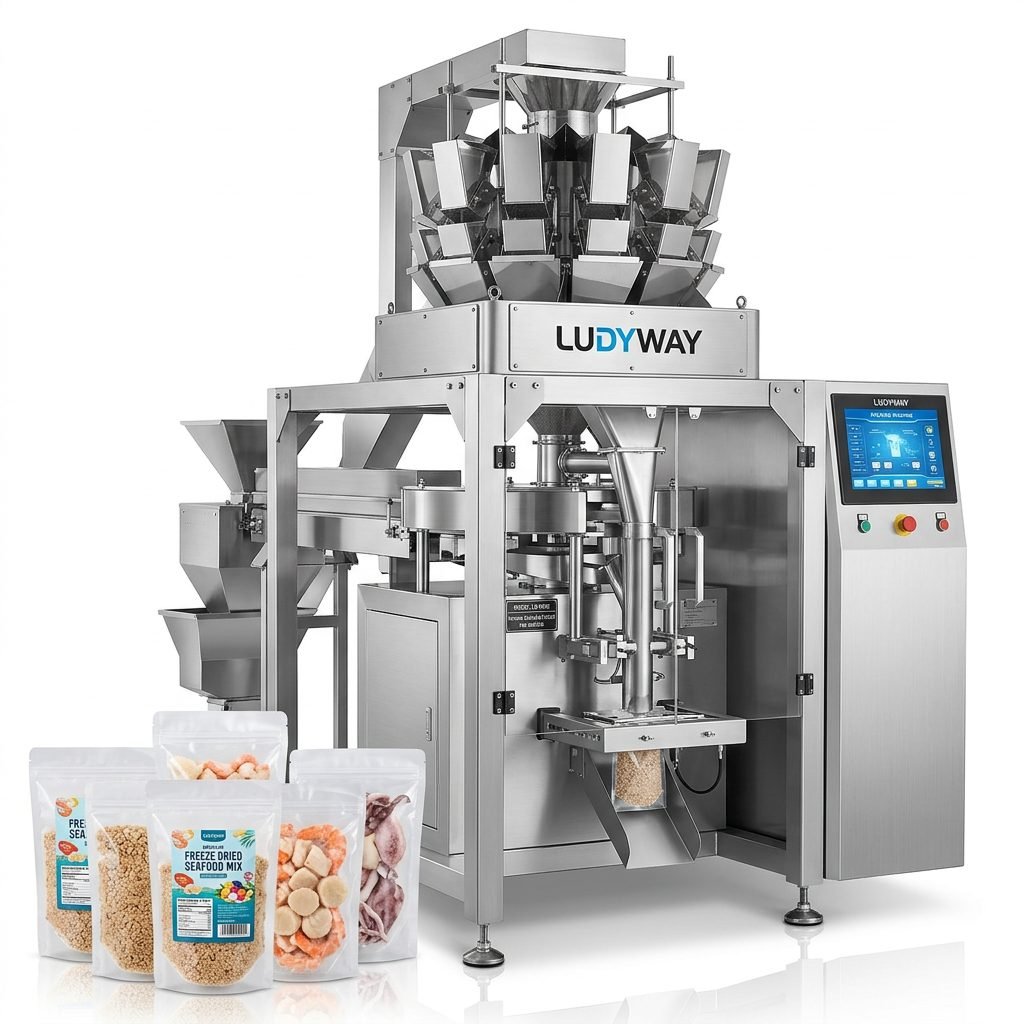
Beyond the basic vacuum pump, several features can make or break your daily operation. Prioritize these when comparing models on the market:
- Precision Vacuum Control: The ability to set exact vacuum levels prevents damage to delicate products and ensures repeatable results batch after batch.
- Gas Flush Functionality: Also known as modified atmosphere packaging (MAP), this feature injects an inert gas such as nitrogen or CO₂ after vacuuming. It is critical for fragile items like chips, baked goods, or certain pharmaceutical products that would be crushed in a full vacuum.
- Soft-Start Evacuation: For powders and fine granules, a gradual evacuation prevents product from being drawn into the vacuum pump or disrupting the seal area.
- Sealing Bar Configuration: Wider sealing bars and dual-seal options provide stronger, more reliable seals, especially on thicker or textured films.
- Digital Interface and Programmability: Storing recipes for different products reduces setup time, minimizes operator error, and increases overall equipment effectiveness (OEE).
- Stainless Steel Construction: For food, pharmaceutical, or cleanroom applications, stainless steel housings and contact surfaces facilitate sanitation and resist corrosion.
Applications Across Industries
A small vacuum packaging machine is not limited to food processing. The technology is widely used in sectors where product protection, freshness, and sterility are paramount:
- Food and Beverage: Meats, cheeses, seafood, coffee, dried fruits, snacks, and ready-to-eat meals all benefit from extended shelf life and preserved flavor profiles.
- Pharmaceuticals and Nutraceuticals: Powders, capsules, diagnostic kits, and medical devices require moisture and oxygen barriers to maintain efficacy and sterility.
- Cosmetics and Personal Care: Sheet masks, serums, and treatment ampoules are increasingly packaged under vacuum to protect active ingredients from oxidation.
- Electronics and Industrial Components: Sensitive PCBs, connectors, and small parts are vacuum-sealed to prevent corrosion, static discharge, and contamination during shipping and storage.
- Agriculture and Horticulture: Seeds, fertilizers, and specialty plant nutrients are packaged under vacuum or MAP conditions to preserve viability and prevent clumping.
Maintenance and Longevity
Even the best vacuum packaging equipment requires regular attention to deliver consistent performance over its lifespan. The vacuum pump is the heart of the system and demands the most care. Oil-sealed rotary vane pumps require periodic oil changes and filter replacements. Dry pumps, while lower in routine maintenance, may have higher initial acquisition costs.
Sealing bars and gaskets are wearable items that should be inspected weekly in high-usage environments. A machine designed with quick-change components can significantly reduce mean time to repair. When evaluating suppliers, ask about spare parts availability, technical support responsiveness, and whether comprehensive service documentation is provided in your local language.
Making the Final Decision
With so many options available, narrowing down the field requires a structured approach. Start by defining your non-negotiable requirements: product characteristics, minimum throughput, available floor space, and budget. From there, evaluate each candidate against the factors outlined above.
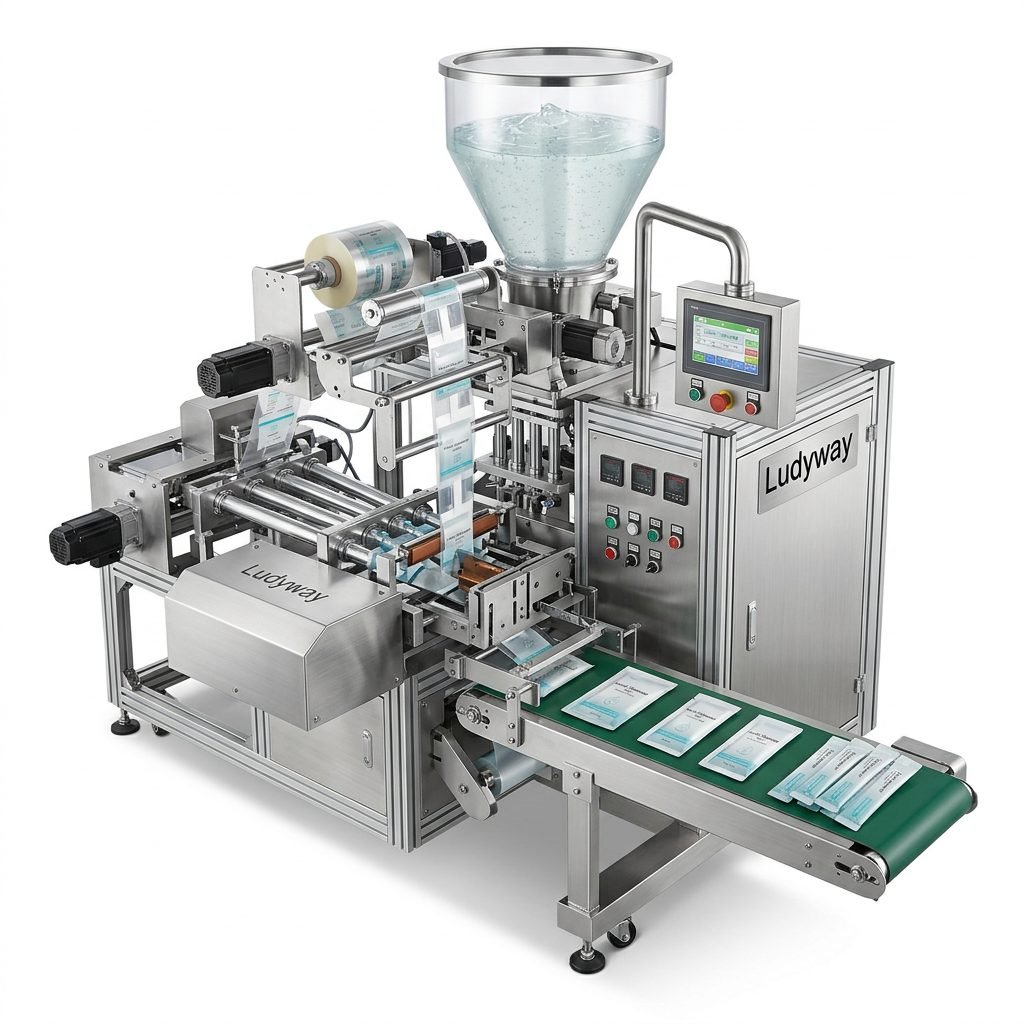
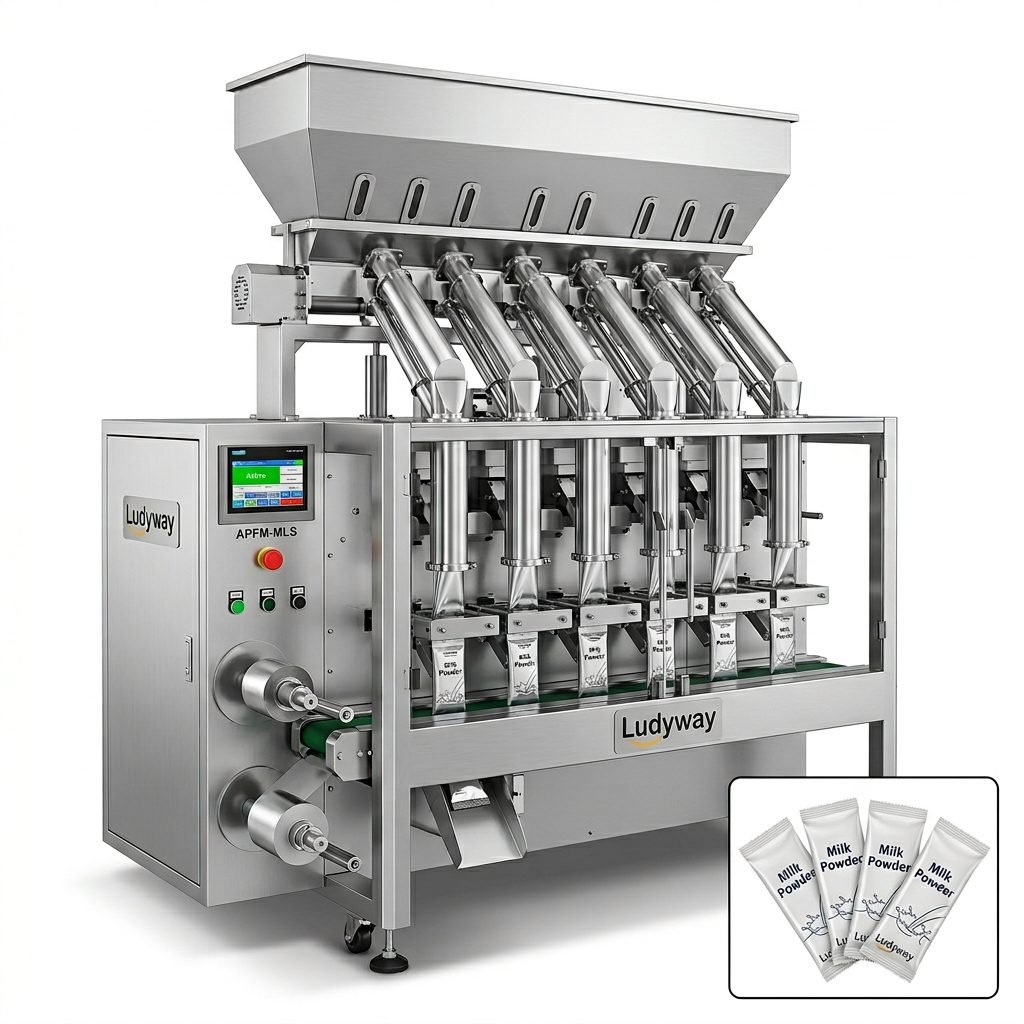
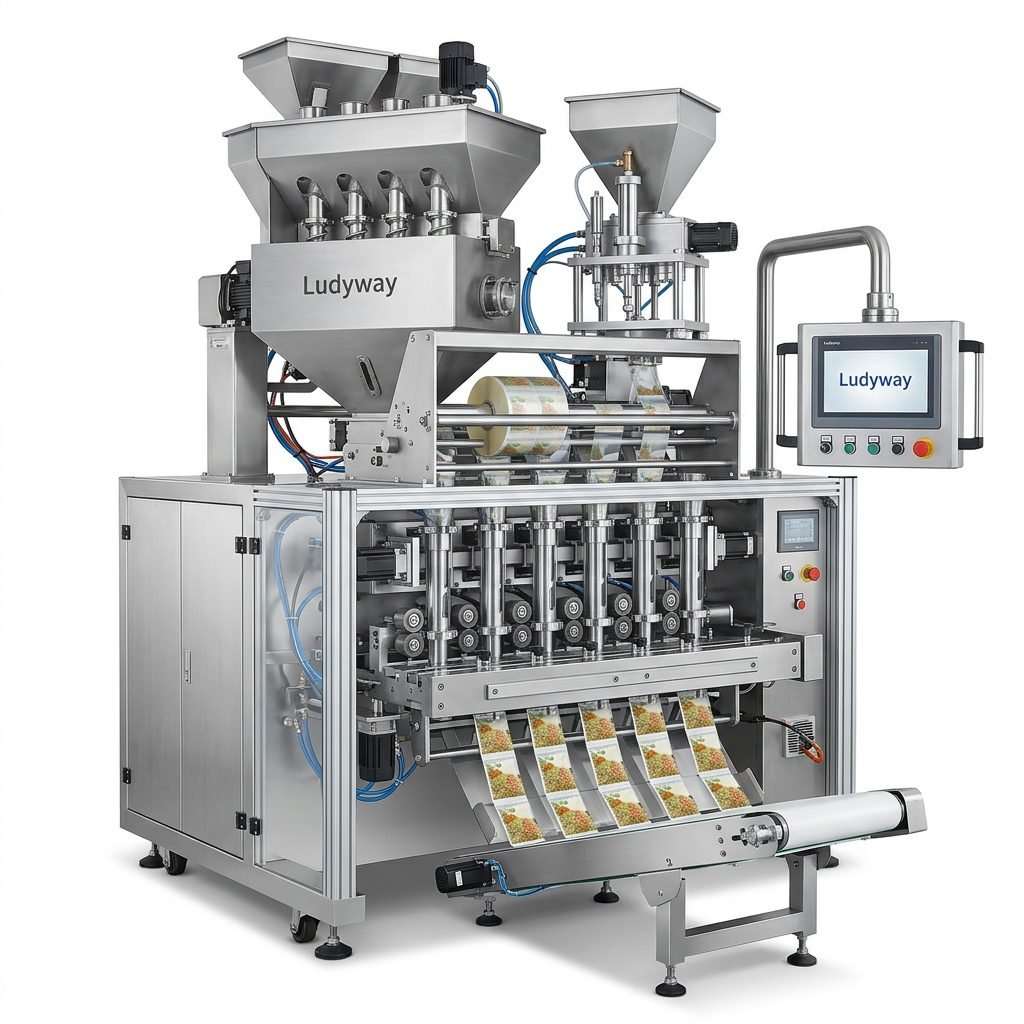
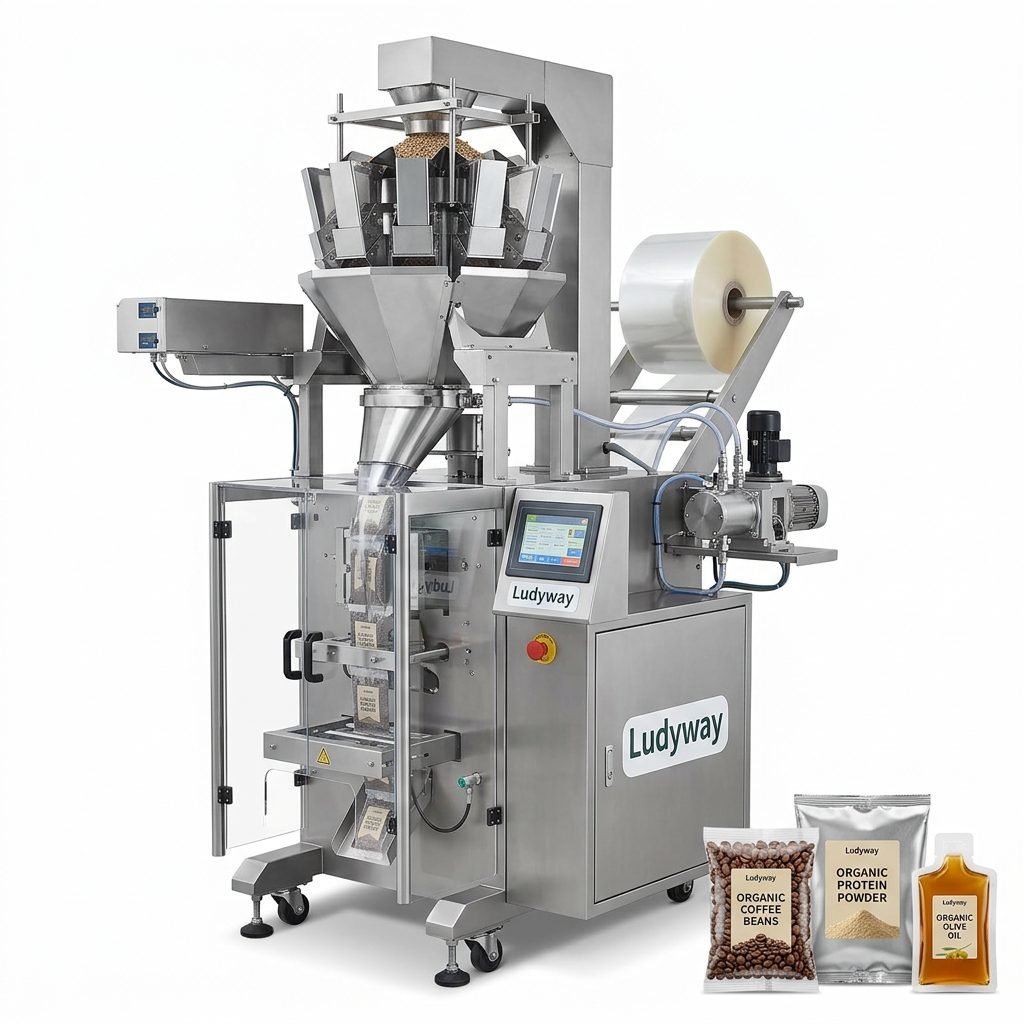
It is also worth considering the long-term partnership aspect. A supplier that offers turnkey packaging solutions can support your growth as production demands increase. For instance, Ludyway Machinery combines over 30 years of manufacturing expertise with customized engineering support, helping manufacturers scale from single machines to fully integrated packaging lines across more than 100 countries. Working with a single partner for equipment selection, system integration, and after-sales service simplifies the entire process and reduces project risk.
Further Reading and Industry Resources
Staying current with packaging industry trends and standards helps ensure your investment remains aligned with market requirements. Explore the following authoritative resources: