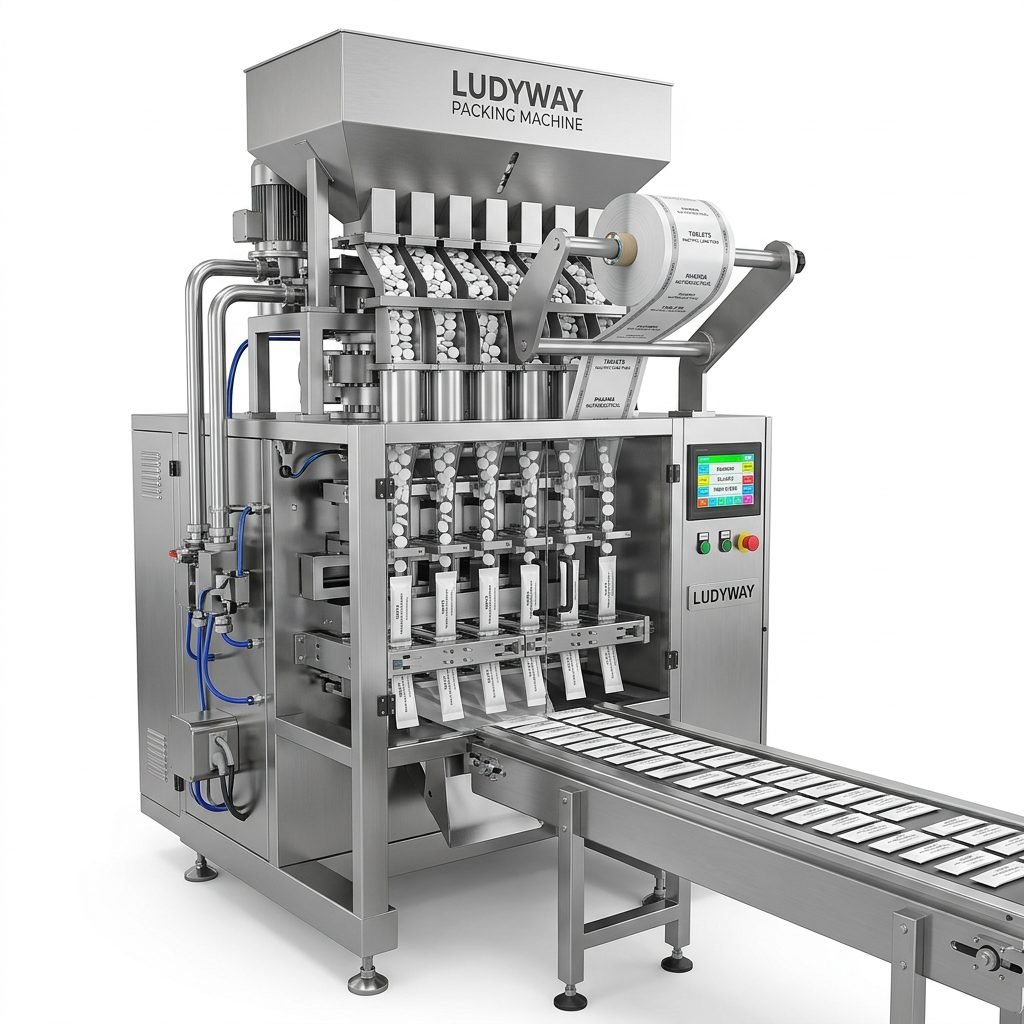
Understanding Your Cookie Packaging Requirements
Selecting the right cookies packaging machine begins with a detailed assessment of your product and production goals. Cookies vary widely in shape, size, texture, and fragility. A machine suited for hard biscuits may crush delicate shortbread, while one configured for single-serve packs may not accommodate family-size trays. This guide outlines the critical technical, operational, and financial factors to evaluate before committing to a packaging solution.
Key parameters to document before starting your search include target output speed (packs per minute), packaging format (flow wrap, tray seal, vertical form fill seal, or pillow pack), film material compatibility, and available factory floor area. Manufacturers working with multiple cookie varieties should also assess changeover time and the feasibility of quick tool-free adjustments between product runs.
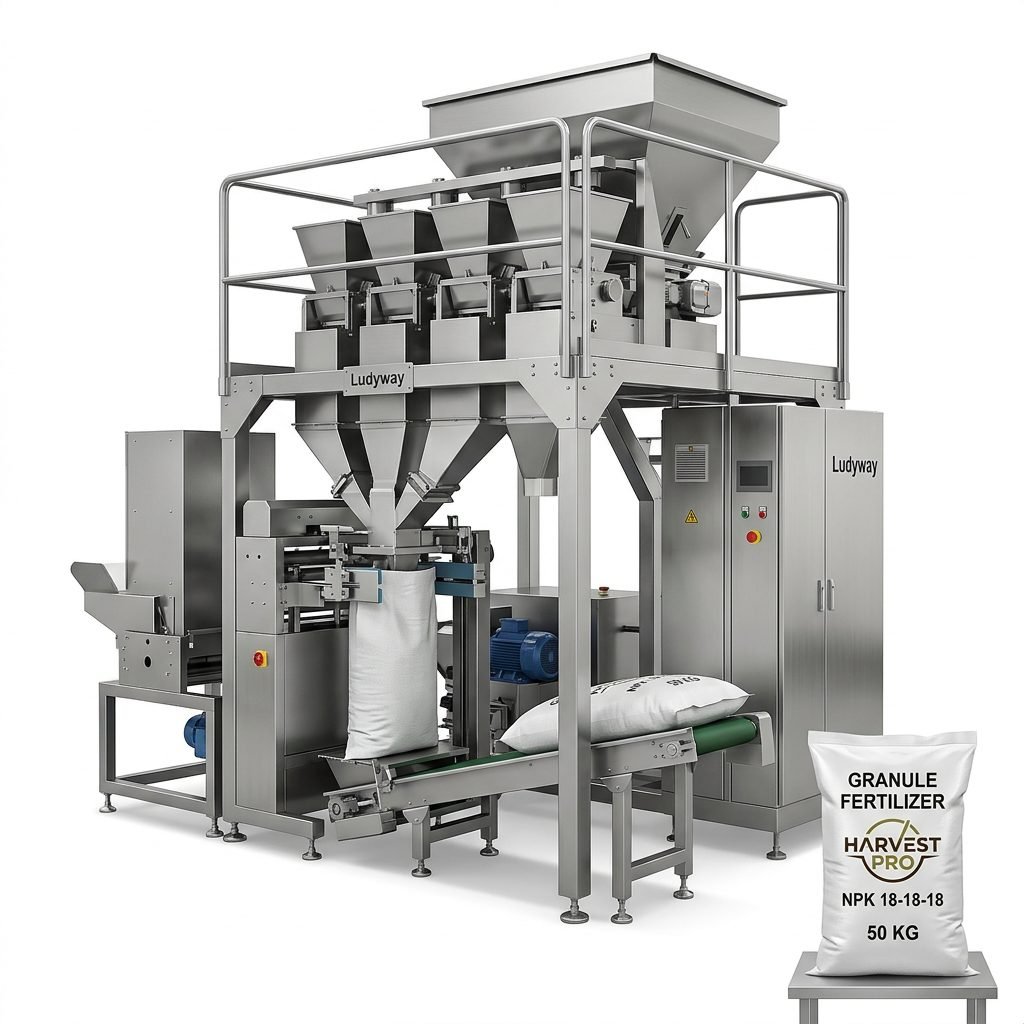
Core Machine Configurations for Cookie Packaging
Cookies are typically packaged using one of four main machine categories. Understanding the distinctions ensures you match the machine to your product fragility, film type, and desired pack presentation.
- Horizontal Flow Wrappers (HFFS): The most common choice for cookies and biscuits. Product is fed horizontally, wrapped in a continuous film tube, and sealed on three sides with a fin or lap seal. Ideal for stacks, slugs, or single-layer arrangements at high speeds.
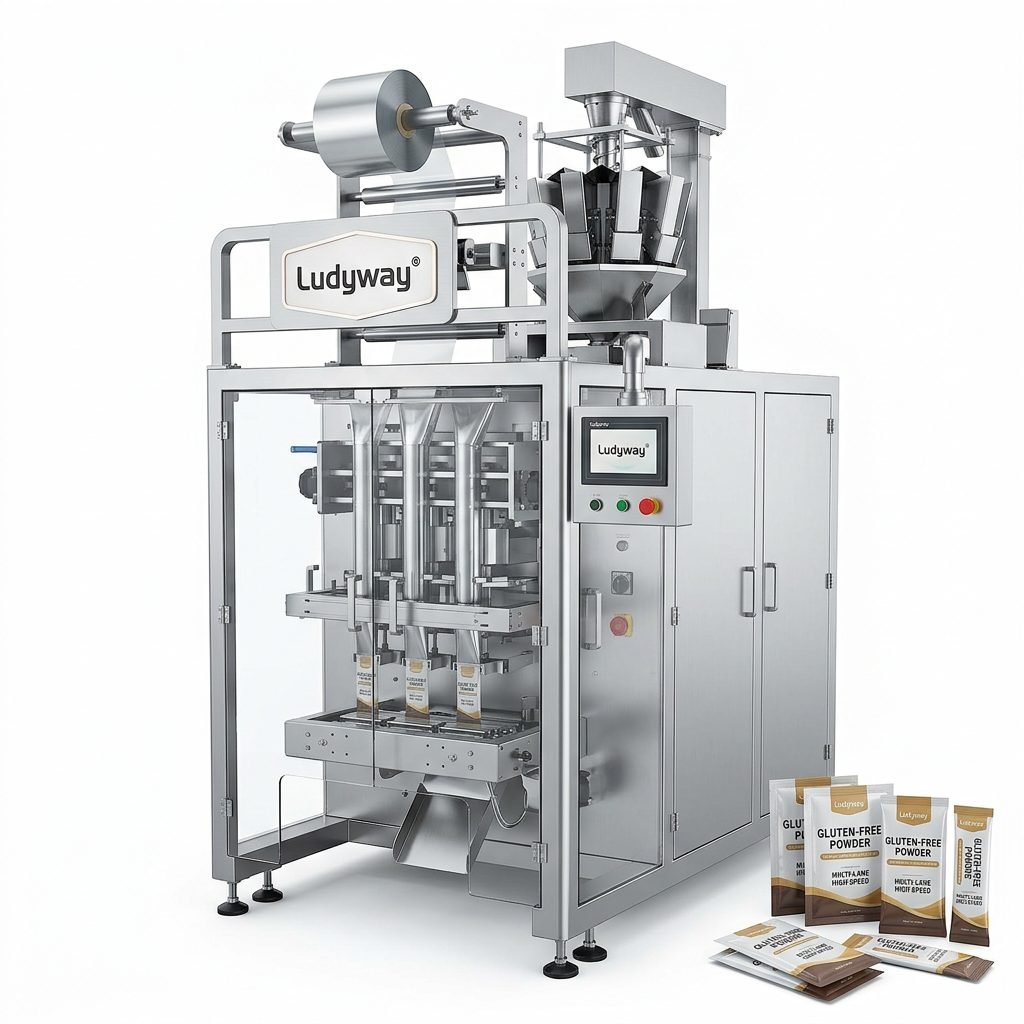
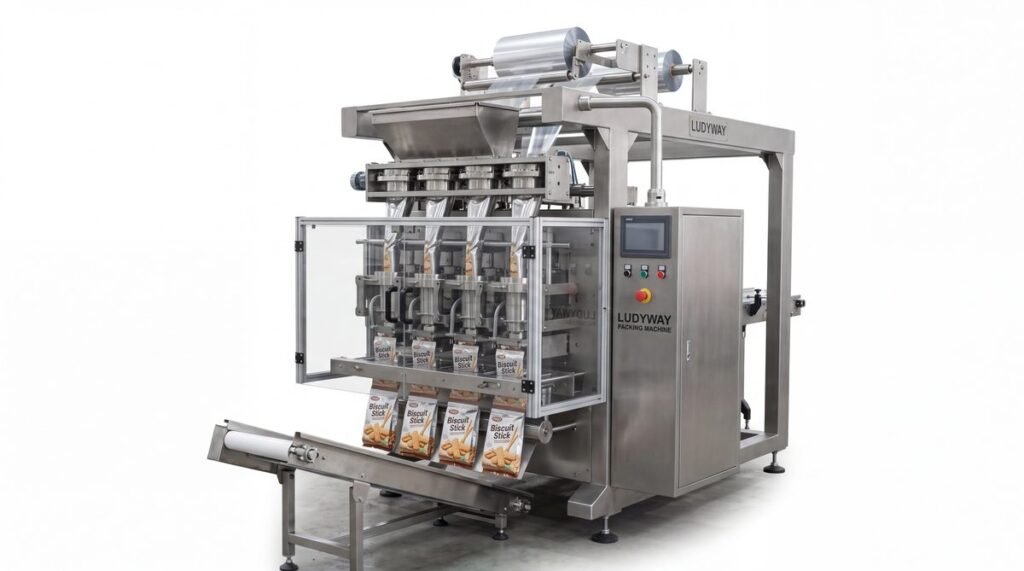
- Vertical Form Fill Seal (VFFS) Machines: Suitable for individual cookies or small counts dropped into a vertically formed bag. Often used for mini cookies, crackers, or loose-fill formats where product orientation is not critical.
- Tray Sealers / Shrink Wrapping: Used for catering packs, multi-pack cookies, or delicate products requiring a rigid base. Film is applied over a pre-formed tray and sealed, offering excellent product visibility and protection.
- Pouch Machines (Premade Pouch): For stand-up pouches, zipper bags, or quad-seal bags. Cookies are loaded manually or automatically into pre-formed pouches, which are then sealed. Common for premium or resealable packaging.
Critical Machine Features to Evaluate
Not all flow wrappers or VFFS machines are designed for the specific demands of cookie handling. Below are the essential features to verify when comparing specifications from different packaging machinery manufacturer options.
1. Sealing Jaw Design and Temperature Control
Precise, adjustable temperature control is non-negotiable. Excessive heat distorts film and slows production; insufficient heat creates weak seals prone to opening during distribution. Look for servo-driven sealing jaws with independent temperature zones and automatic jam detection that prevents product burning during line stops.
2. Infeed System and Product Handling
Cookies demand gentle handling. Inclined conveyors with flighted belts, lugged chains, or robotic pick-and-place systems must be configurable for your product dimensions. For fragile items, low-inertia servo-driven infeed belts with synchronized speed matching minimize product damage and misalignment before the film wrapping station.
3. Film Registration and Splice Systems
Continuous operation depends on reliable film handling. Machines should include automatic splicing tables for registered printed film, ideal for extended unmanned production runs. Proper tension control and edge guiding prevent film wandering, ensuring consistent seal overlap and print registration.
4. Gas Flushing and Modified Atmosphere Packaging (MAP)
For extended shelf life, many bakeries require gas flushing. Verify the machine’s integration with on-board or external gas mixing panels, oxygen sensors, and residual oxygen monitoring systems. The sealing area must maintain isolation from ambient air to achieve target gas levels below 1% residual oxygen.
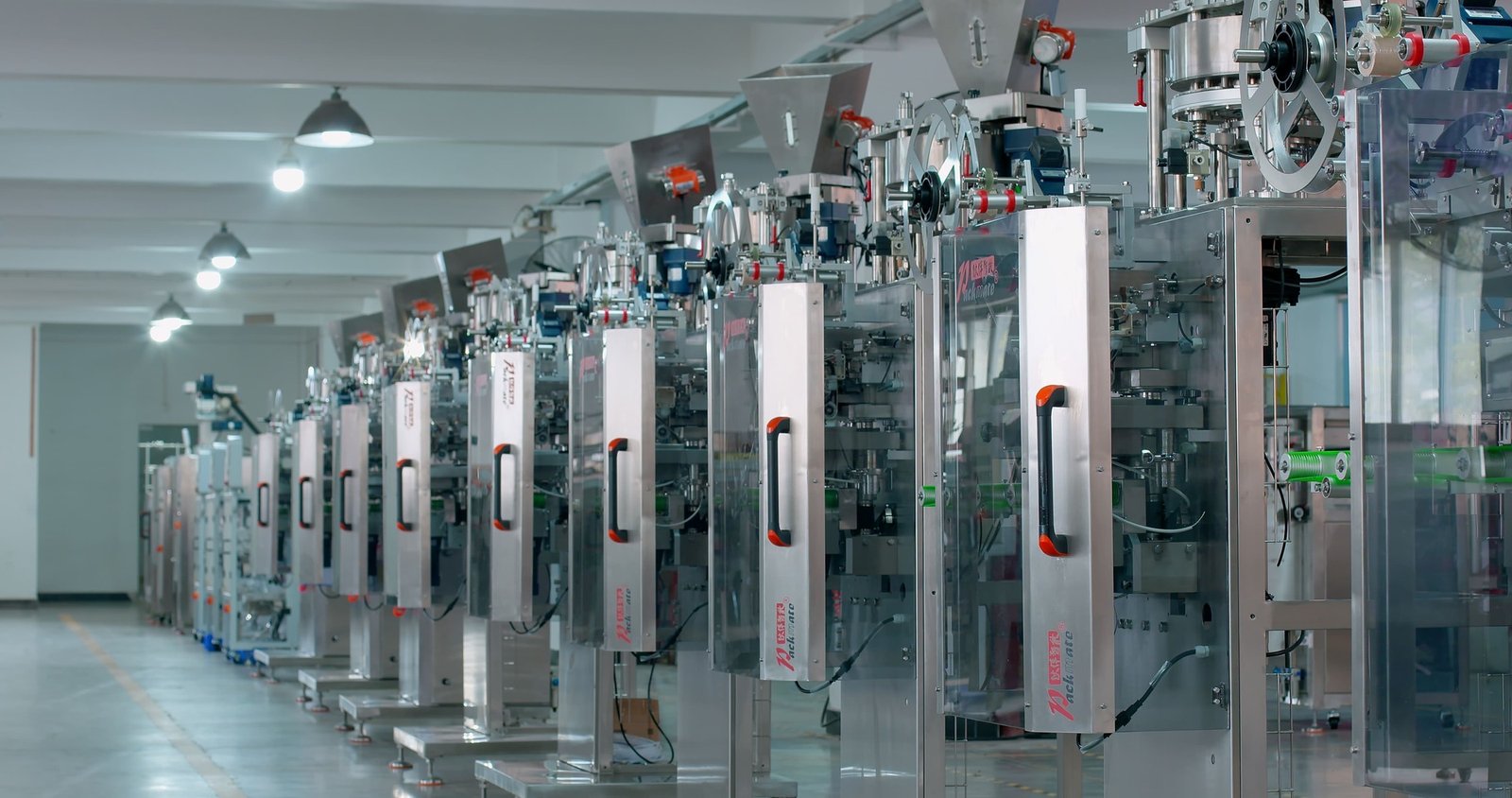
Comparing Manual, Semi-Automatic, and Fully Automatic Options
Production volume directly influences the automation level required. The table below summarizes the practical differences and suitability for typical baking operations.
| Automation Level | Typical Speed Range | Best Suited For | Operator Involvement |
|---|---|---|---|
| Manual Sealing / Tabletop | 5–15 packs/min | Startups, test batches, farmers markets | High — hand-feed product and film |
| Semi-Automatic Flow Wrapper | 20–50 packs/min | Growing bakeries, co-packers, mixed SKUs | Moderate — manual product placement |
| Fully Automatic Servo Wrapper | 80–200+ packs/min | High-volume lines, dedicated SKU runs | Minimal — automated infeed and splicing |
Packaging Materials and Sustainability Factors
Cookies packaging machinery must be compatible with the structure and properties of your chosen film. Sustainability trends are driving increased use of mono-material films, paper-based laminates, and thinner gauges — each with distinct challenges for sealability, stiffness for product protection, and barrier properties.
Confirm the machine’s specification includes adjustable seal pressure and dwell time curves for the exact film chemistry you intend to use. Laminated films (PET/PE, OPP/CPP) perform reliably, but mono-PE and recyclable paper require tighter temperature control and may need longer dwell times. Verify field references for the film type you plan to run.
Integrated Line Design and Ancillary Equipment
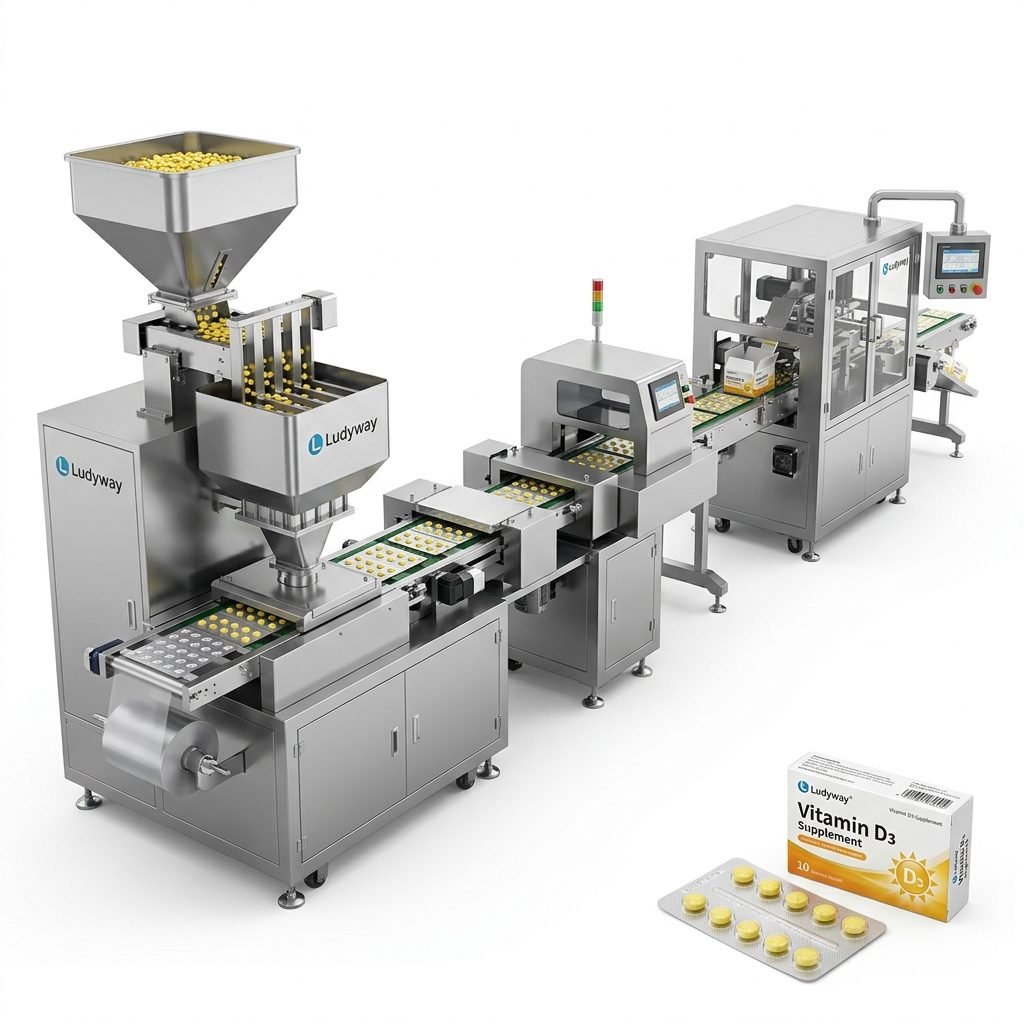
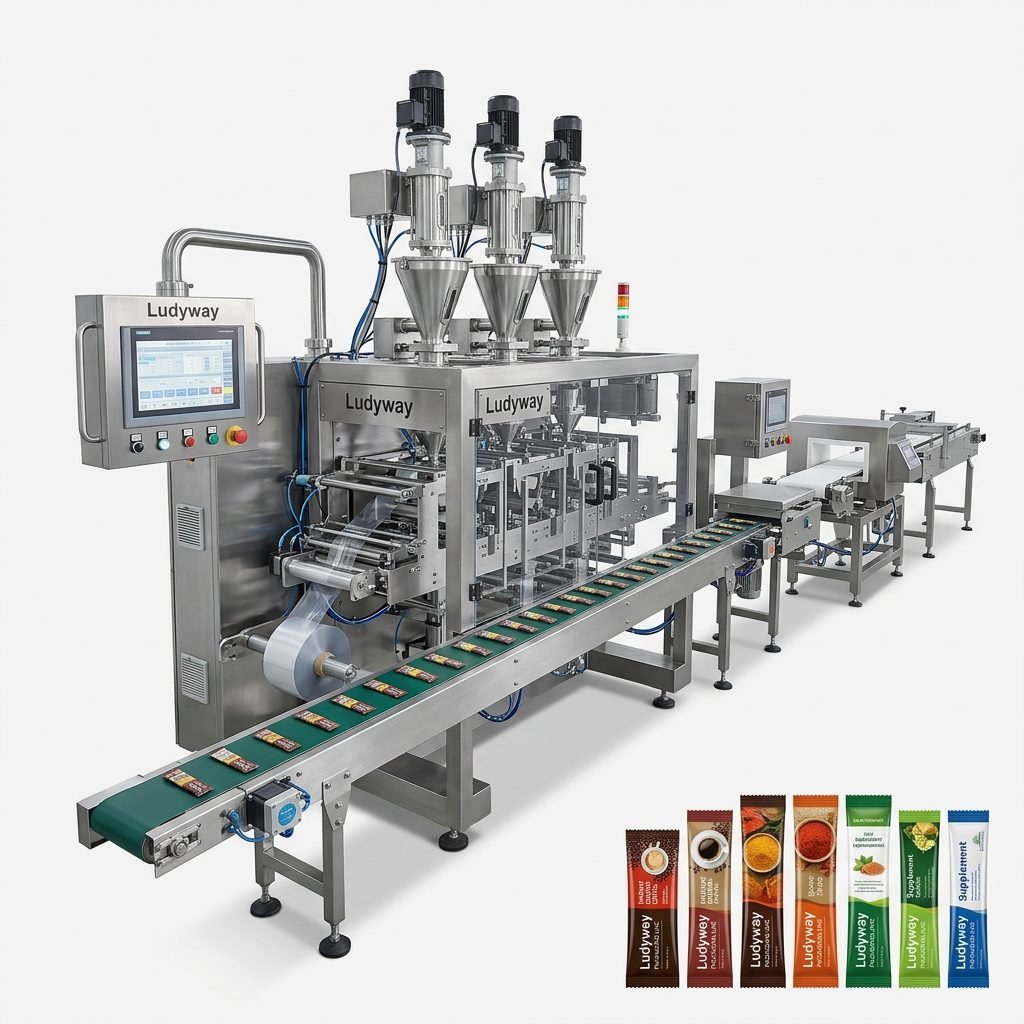
A packaging machine does not operate in isolation. The most efficient installations integrate upstream and downstream equipment into a synchronized system. Consider the complete line: cookie cooling conveyors that reduce product temperature before wrapping, automatic feeders that arrange cookies into the correct orientation and grouping, and checkweighers with reject stations to remove off-weight packs.
End-of-line equipment may include automatic cartoners that collate individual packs into shelf-ready boxes, case packers, and palletizing systems. A well-engineered packaging system from a single integration partner reduces interface risks and streamlines commissioning and technical support.

Evaluating Machine Build Quality and Hygiene Standards
Cookie packaging environments, especially those handling products with coatings, fillings, or chocolate, require robust construction and cleanability. Prioritize machines built with stainless steel product contact surfaces (typically AISI 304 or 316L), sloped surfaces to prevent crumb accumulation, and tool-free access to the sealing and cutting areas for sanitation and maintenance.
IP ratings (Ingress Protection) matter. In washdown environments or facilities with high flour dust, look for IP65 or higher on electrical enclosures and servo motors. Dust-collection ports integrated into the in-feed or cutting stations improve safety and reduce cleaning downtime. Compliance with ISO packaging standards and relevant food safety regulations should be documented.
Changeover Flexibility and Recipe Management
Producers running multiple cookie varieties, pack sizes, or film types on the same line benefit significantly from quick changeover capability. Modern servo-driven machines offer recipe-based control systems that recall pre-set parameters for bag length, seal temperature, pressure, and infeed speed with a single selection on the HMI. Tool-free change parts and rapid splice systems further reduce downtime between product runs.
When evaluating changeover claims, ask manufacturers for actual video demonstrations of a complete changeover performed by a single operator, including cleaning. Verify the time required from last good pack of one product to first good pack of the next.
Data Connectivity, Controls, and Industry 4.0 Readiness
Packaging machinery is increasingly connected to plant networks for performance monitoring and predictive maintenance. Evaluate whether the machine offers OEE (Overall Equipment Effectiveness) dashboards, remote diagnostics, Ethernet/IP or OPC UA communication protocols, and integration with your MES or ERP systems. Production data such as reject rates, downtime events, and film consumption help drive continuous improvement.
A clear, intuitive touchscreen HMI with multi-language support simplifies operator training and reduces human error. Look for systems that log alarm histories, maintenance reminders, and consumable part life status.
Supplier Support, Spare Parts, and After-Sales Service
Machine availability depends on responsive technical support. When vetting potential suppliers, ask specific questions about spare parts inventory locations, typical response times for remote support, and the availability of on-site technicians in your region. A supplier with established global service infrastructure and documented uptime guarantees provides confidence for long-term production planning.
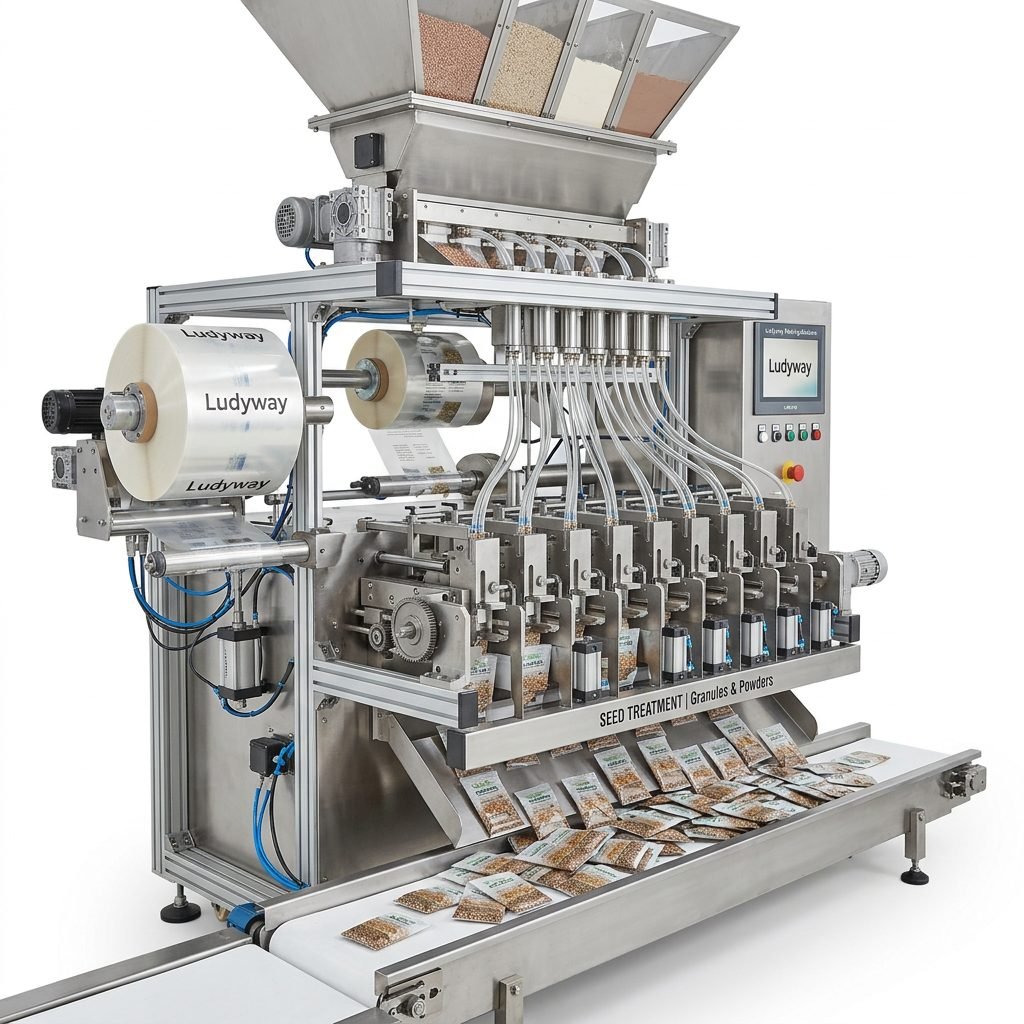
Recent industry data points to growing demand for automated packaging solutions worldwide. Companies like Ludyway Machinery, with over three decades of experience and a portfolio of more than 50 packaging machine models, have demonstrated consistent growth by providing turnkey packaging systems that integrate equipment selection, customization, commissioning, and global after-sales support. Selecting a partner with this level of comprehensive capability can simplify procurement and ensure system-wide compatibility.
Return on Investment and Total Cost of Ownership
Capital cost is only one component. Calculate the total cost of ownership (TCO) over an expected machine life of 10–15 years. Include estimated film waste percentages (a well-tuned servo machine achieves <1% film waste during splices and size changes), energy consumption per 1,000 packs, annual preventive maintenance costs, and typical spare parts replacement intervals. A higher initial investment often yields lower long-term costs through reduced waste, higher uptime, and faster changeovers.
Questions to Ask Before You Buy
- What is the guaranteed output speed for my exact product and film combination — not the machine’s theoretical maximum?
- Can the machine handle the thickness, stiffness, and sealant layer of my preferred film, including recyclable mono-materials?
- What is the quickest achievable full changeover time between product SKUs with a single operator?
- Are all product contact parts accessible without tools for sanitation, and what are the IP ratings for critical components?
- What remote diagnostic capability is included, and what is the response-time guarantee for on-site service?
- Can the supplier provide reference sites in my industry running similar cookie products and packaging formats?
For further guidance on packaging machinery standards and industry trends, resources from the Association for Packaging and Processing Technologies (PMMI) and the Flexible Packaging Association offer valuable technical and market intelligence.
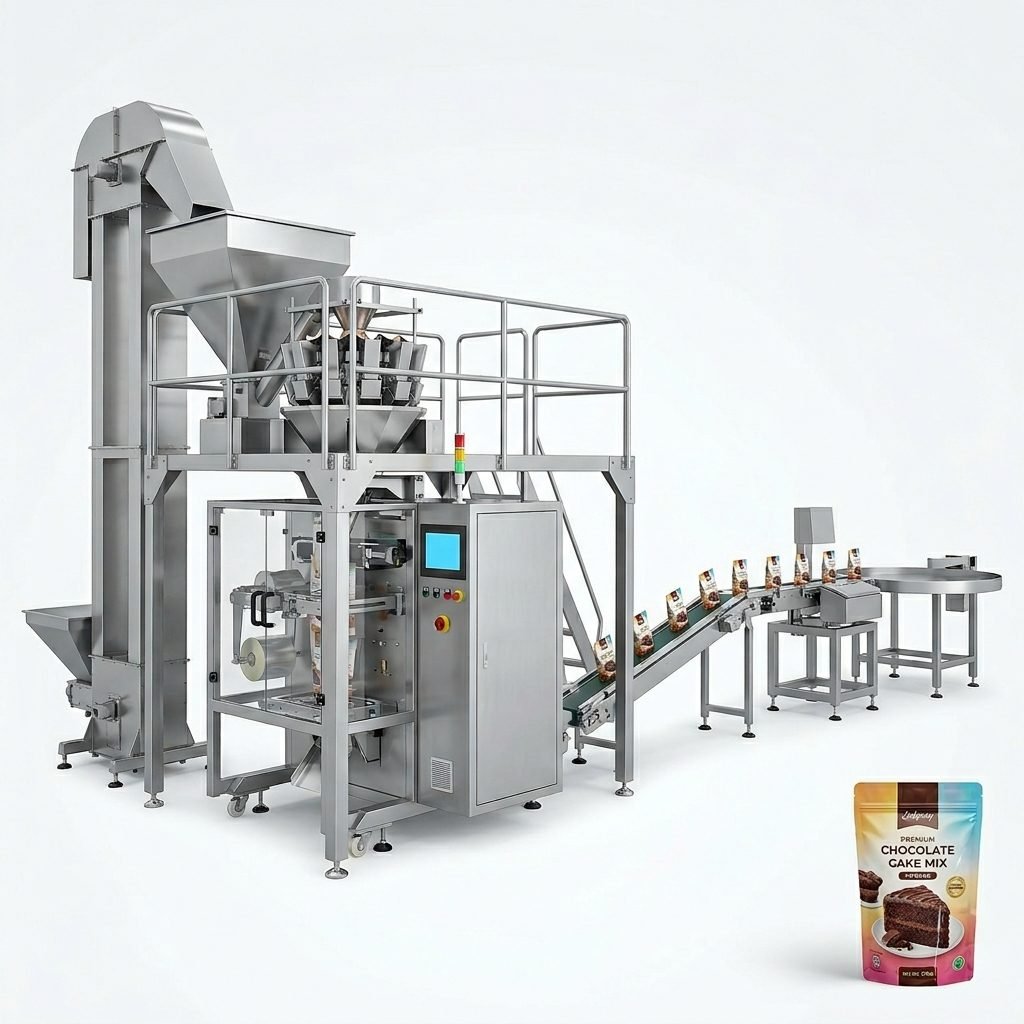
Making the Final Decision
Selecting the right cookies packaging machine is a strategic decision that affects product quality, production efficiency, and shelf presence for years to come. The process should be driven by documented product specifications, validated machine trials using your actual product and film, and a clear understanding of after-sales support infrastructure. Investing time in thorough evaluation before the purchase ensures the machine meets both current requirements and future growth expectations.