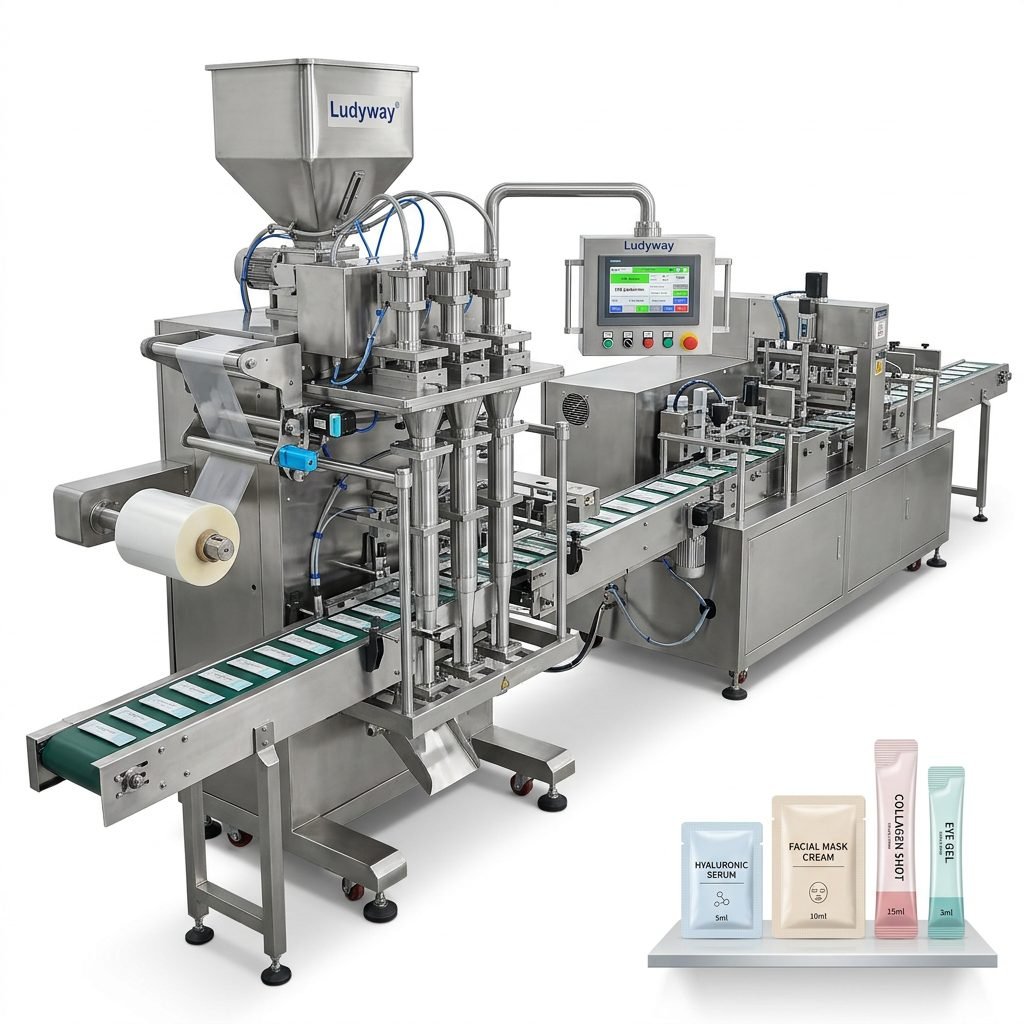
Investing in a fish packaging machine is a critical decision for seafood processors, aquaculture operations, and food manufacturers. The right equipment can significantly impact product shelf life, operational efficiency, and compliance with food safety regulations. Whether you are packaging fresh fillets, frozen fish, dried seafood snacks, or fish feed pellets, selecting a machine that matches your specific production requirements is essential. This comprehensive buyer’s guide walks you through the key considerations, machine types, and evaluation criteria to help you make an informed purchasing decision.
Understanding Fish Packaging Machine Types
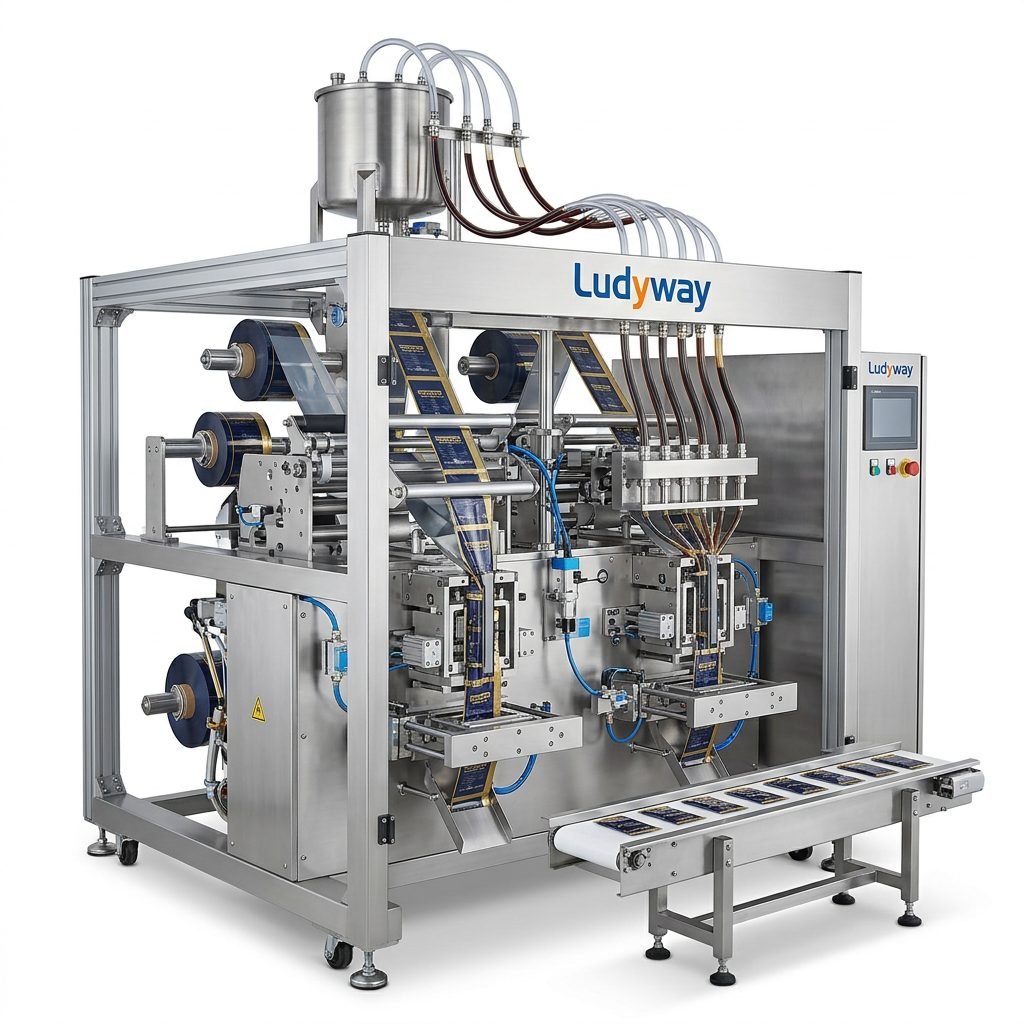
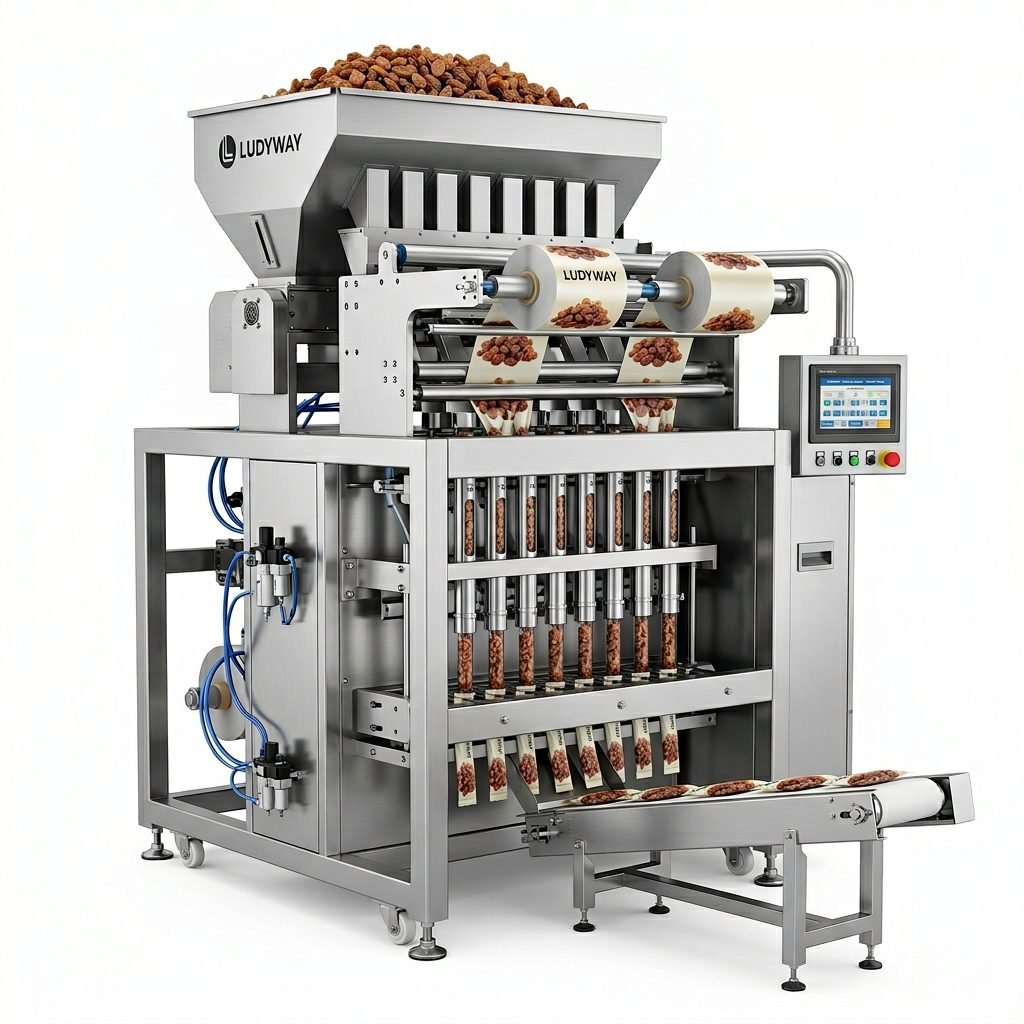
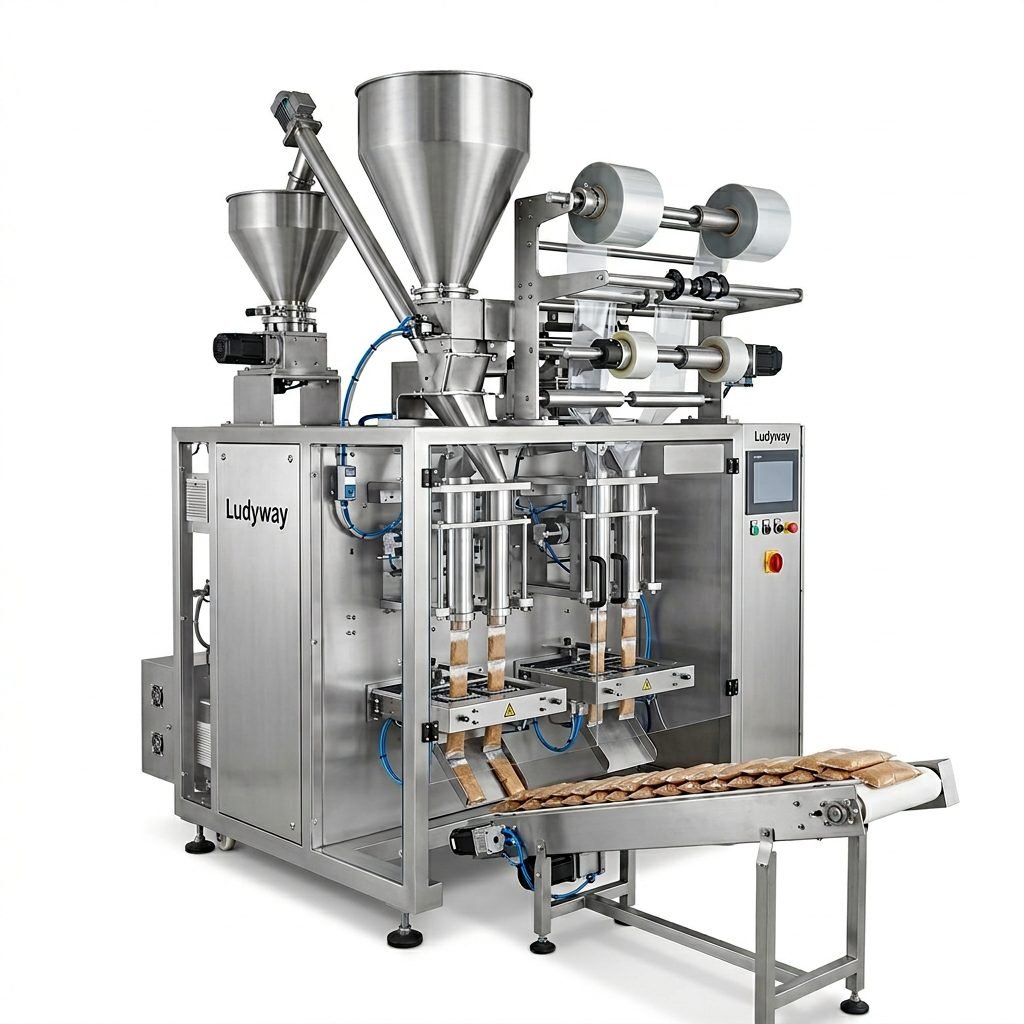
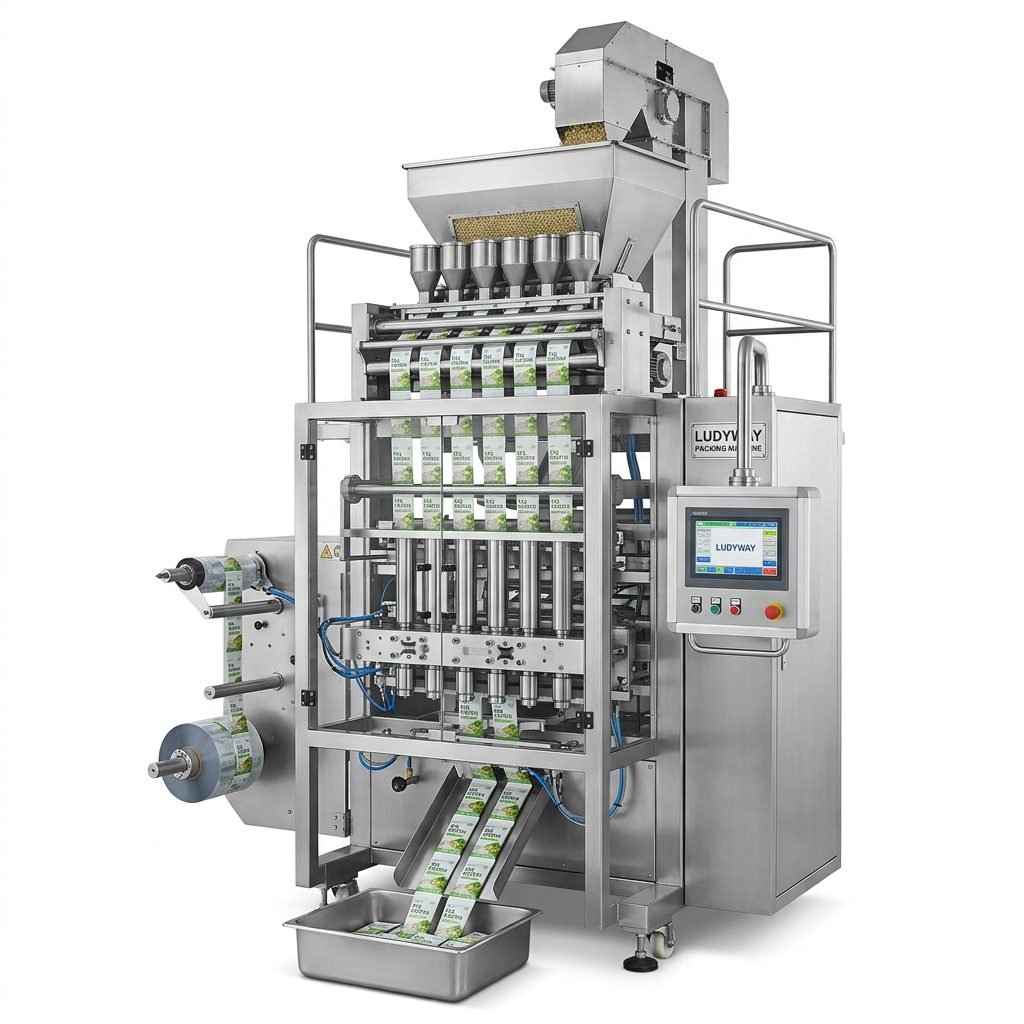
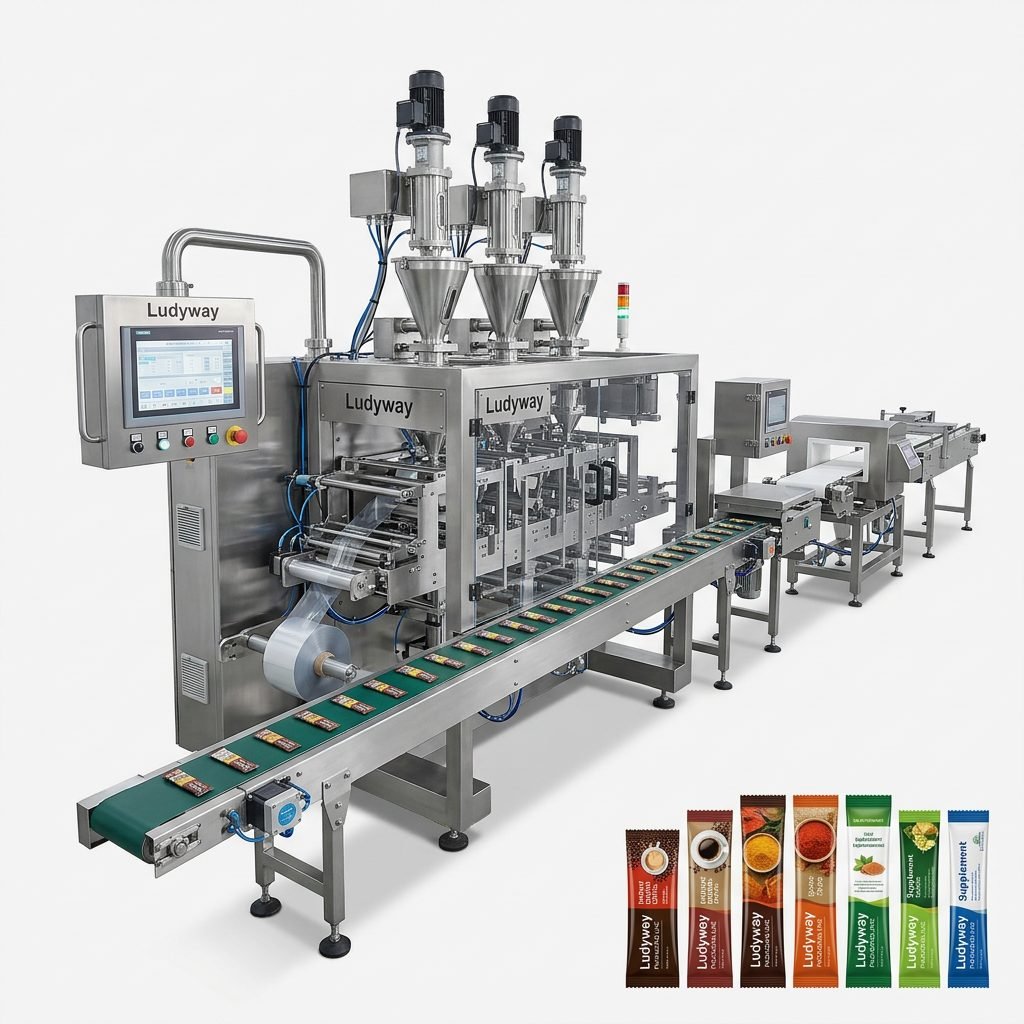
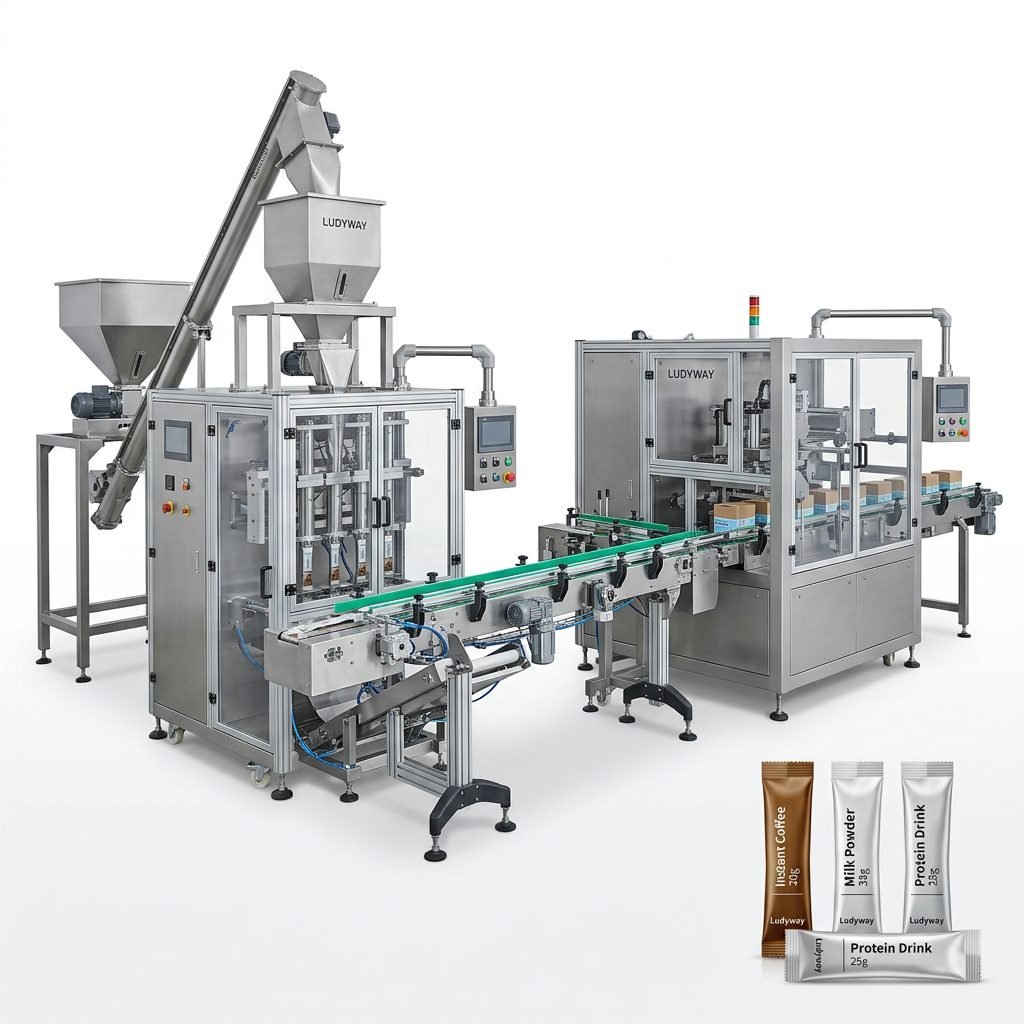
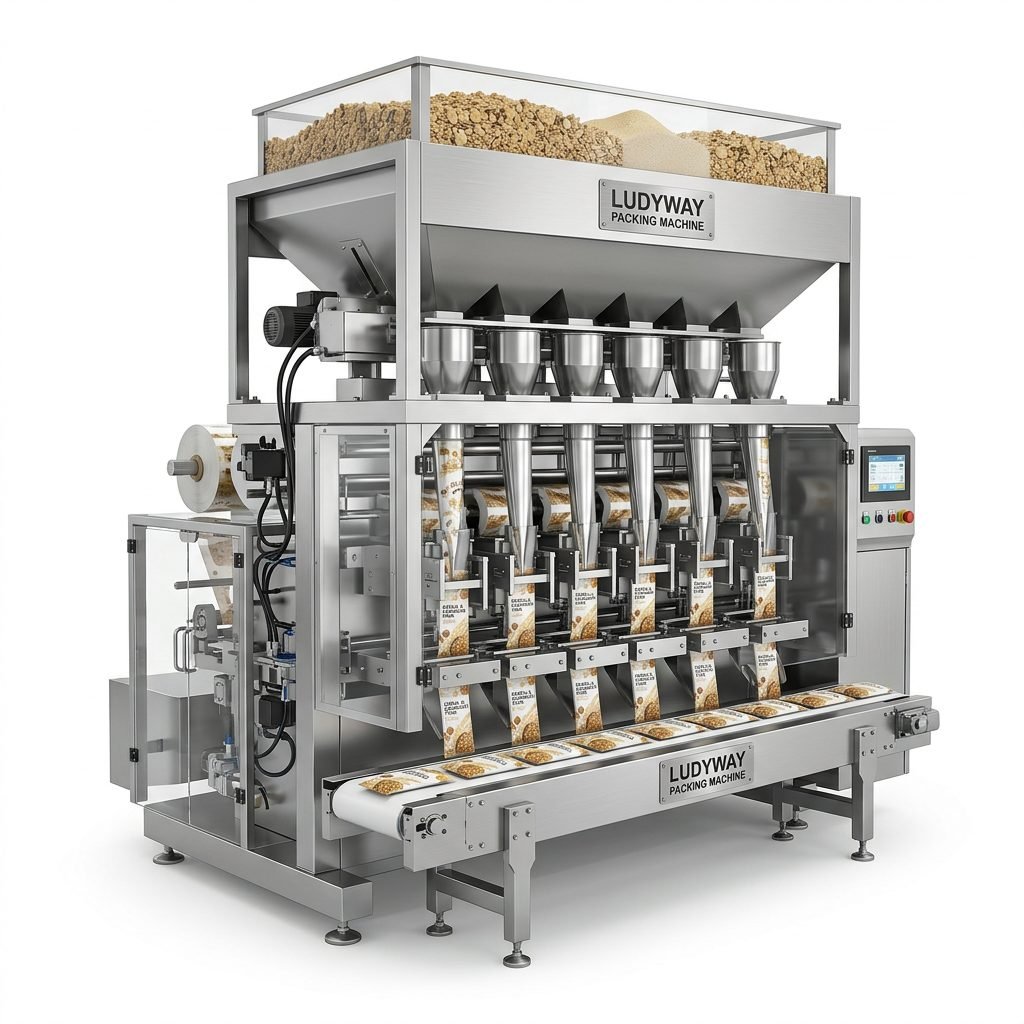
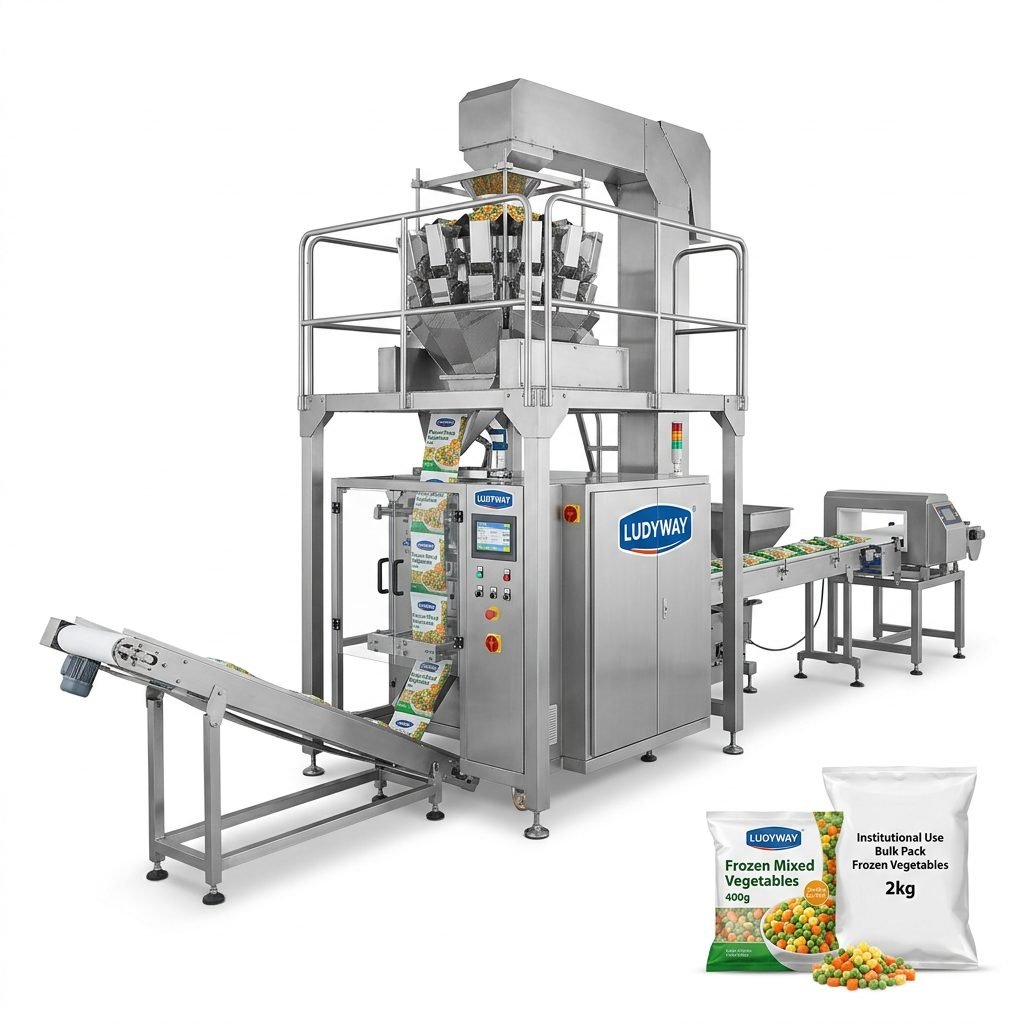
Fish packaging machines come in various configurations, each designed for specific product forms and packaging formats. The most common types include vacuum packaging machines for fresh and frozen fish, Modified Atmosphere Packaging (MAP) systems for extended shelf life, form-fill-seal (FFS) machines for fish snacks and dried products, and tray sealing machines for retail-ready portions. For fish feed and aquaculture applications, multi-lane stick pack and sachet machines are widely used for packaging granules, pellets, and powders. Understanding your product characteristics is the first step toward selecting the appropriate technology. Industry data from the PMMI Business Intelligence Library shows that flexible packaging formats continue to gain market share in the food sector, driven by consumer demand for convenience and portion control.
Key Factors to Consider When Choosing a Fish Packaging Machine
Product Characteristics
The physical properties of your fish product directly determine which packaging machine is suitable. Consider the following product attributes:
- Product form: Fresh whole fish, fillets, frozen blocks, dried fish snacks, fish feed pellets, or fish powder
- Moisture content: Wet, semi-dry, or dry products require different sealing and handling mechanisms
- Temperature requirements: Fresh fish may require cold-chain compatible packaging at 0-4°C, while frozen products need equipment rated for sub-zero environments
- Product dimensions and weight: The machine must accommodate your target package sizes and filling weights
- Stickiness and fragility: Fresh fish can be delicate and sticky, requiring specialized handling and gentle conveying systems
Packaging Format and Bag Style
Different market segments require different packaging formats. Common options include vacuum bags, pillow pouches, gusseted bags, stand-up pouches, stick packs, sachets, and tray-sealed packs. For fish feed and pet food applications, multi-lane stick pack machines offer high-speed production with precise portion control. The Flexible Packaging Association provides extensive resources on material innovations and format trends that can guide your packaging decisions. Your target retail channel — whether supermarkets, convenience stores, or e-commerce — will influence the ideal packaging format. Additionally, consider whether you need resealable features, easy-open mechanisms, or modified atmosphere capabilities to extend product shelf life.
Production Speed Requirements
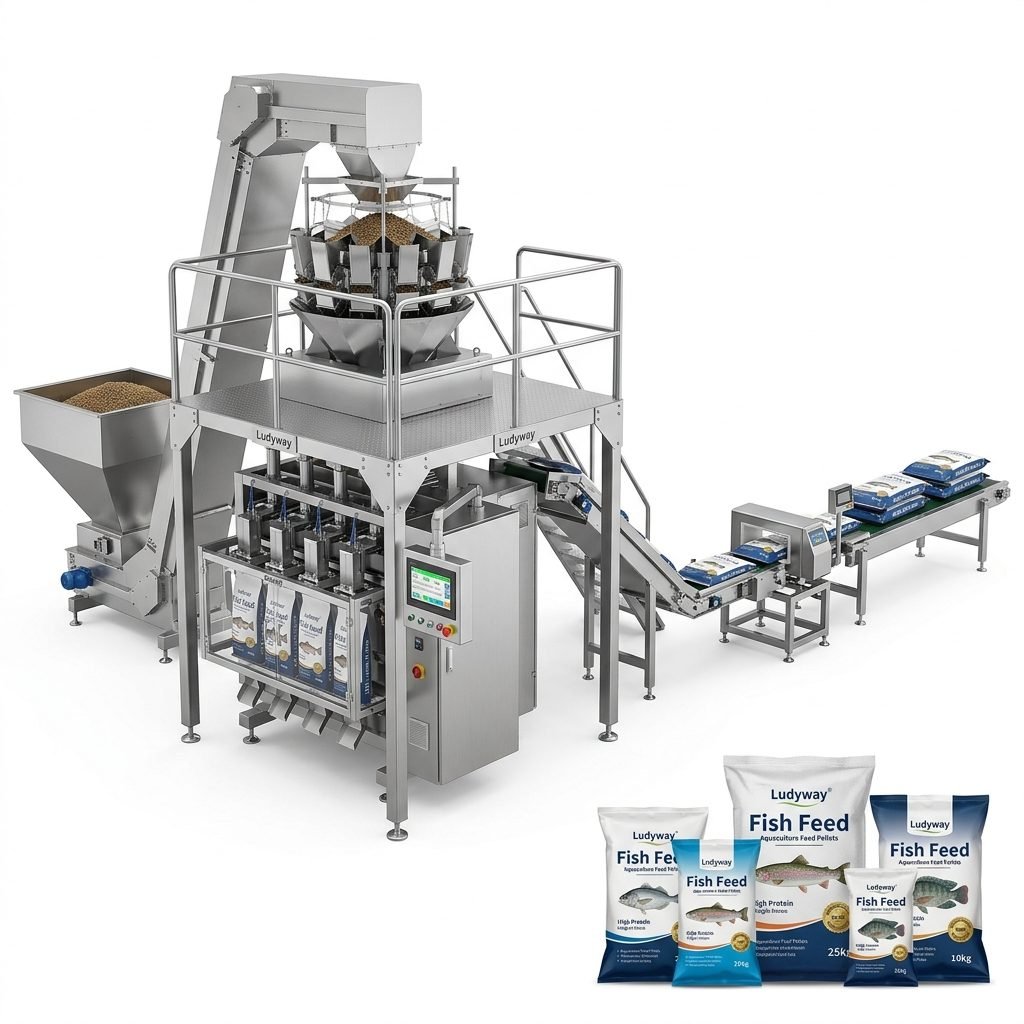
Packaging speed is measured in packages per minute (ppm) and varies widely across machine types. Small-scale operations may only need 20-40 ppm, while large industrial processors may require high-speed systems capable of 200-400 ppm or more. When evaluating speed, consider not just your current output but also your growth projections for the next 3-5 years. A machine that runs at 70% of its maximum capacity today provides room for scaling up without requiring a new capital investment. Multi-lane configurations can dramatically increase throughput — a 4-lane stick pack machine, for example, effectively quadruples output compared to a single-lane system with the same footprint.
Hygiene and Material Compatibility
Food safety regulations require fish packaging equipment to meet strict hygiene standards. Key considerations include:
- Material construction: Stainless steel (304 or 316 grade) is essential for food contact surfaces
- Clean-in-place (CIP) compatibility: Easy-to-clean designs with minimal crevices reduce contamination risks
- IP rating: Washdown-ready machines with IP65 or higher ratings are recommended for wet processing environments
- Packaging material compatibility: The machine must handle your chosen film type — whether it’s PE, PP, PET/PE laminates, or biodegradable materials
Refer to FDA food packaging regulations for guidance on food contact substance requirements and compliance documentation. For international markets, ISO packaging standards provide a framework for ensuring quality and safety across the supply chain.
Comparing Different Fish Packaging Solutions
The table below summarizes the key characteristics of common fish packaging machine types to help you narrow down your options:
| Machine Type | Best For | Typical Speed | Key Advantage |
|---|---|---|---|
| Vacuum Packaging Machine | Fresh fillets, frozen fish, smoked fish | 10-60 ppm | Extended shelf life, product protection |
| MAP Tray Sealer | Retail-ready fresh fish portions | 15-80 ppm | Premium presentation, gas flushing |
| VFFS Machine | Frozen fish, fish snacks, fish feed | 40-200 ppm | Versatile bag formats, high speed |
| Multi-Lane Stick Pack | Fish powder, fish feed, supplements | 200-800 ppm | Very high output, precise dosing |
| Pre-made Pouch Machine | Premium dried fish, pet treats | 20-60 ppm | Flexible formats, quick changeover |
| Flow Wrapper | Frozen fish portions, fish sticks | 60-300 ppm | Compact design, continuous operation |
Automation Levels and Integration
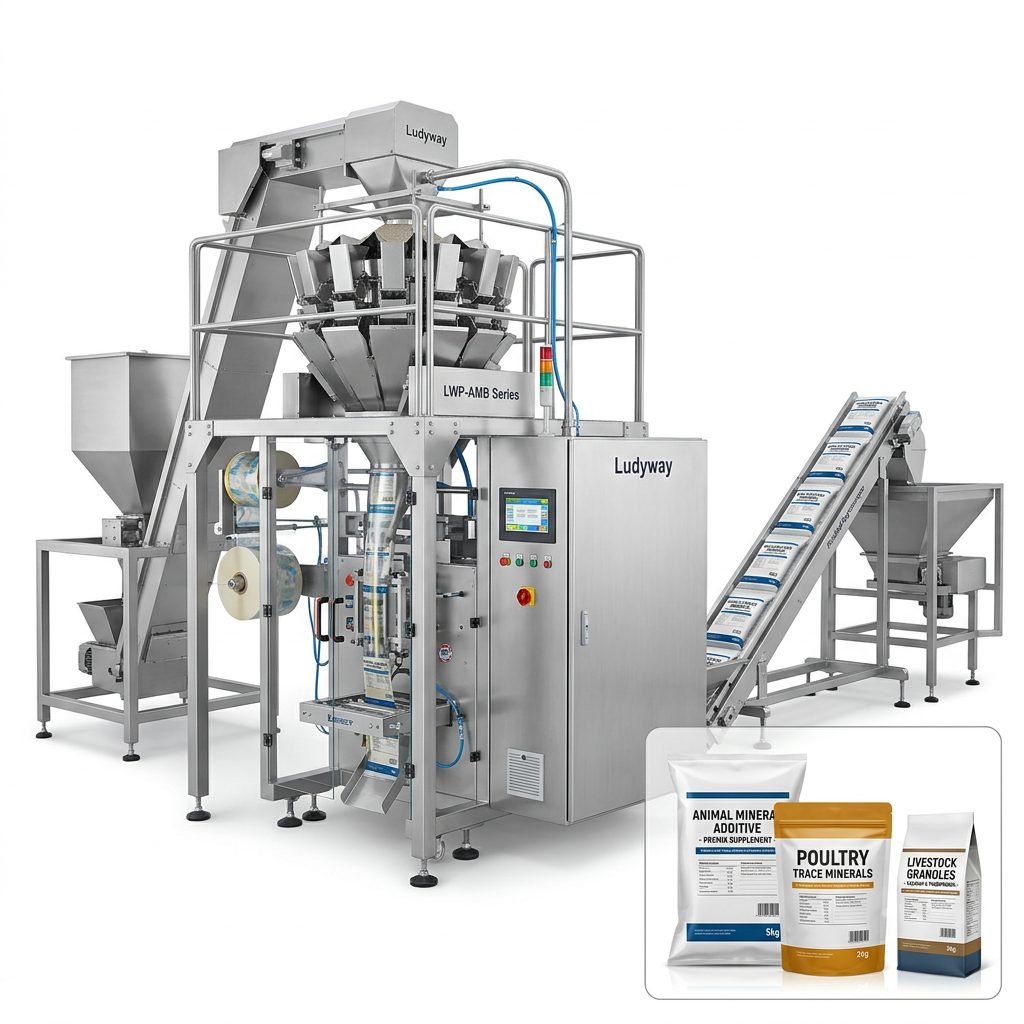
Modern fish packaging lines can range from semi-automatic systems requiring manual product loading to fully automated turnkey lines that integrate weighing, filling, sealing, coding, inspection, and cartoning. Higher automation levels reduce labor costs and improve consistency but require a larger capital investment. When evaluating automation, consider:
- Available labor: Regions with high labor costs benefit more from automation
- Production consistency: Automated systems eliminate human variability in filling and sealing
- Integration with upstream processes: Can the packaging machine connect directly to your filleting, freezing, or processing line?
- Smart features: IoT connectivity, remote monitoring, and data analytics are increasingly available on modern packaging equipment
Industry Standards and Compliance
Fish packaging operations must comply with various regulations depending on the target market. Key standards include HACCP principles for food safety, FDA 21 CFR for the U.S. market, EU Regulation (EC) No 1935/2004 for food contact materials in Europe, and ISO 22000 for food safety management systems. Additionally, if you export to multiple regions, your packaging equipment should be configurable to meet different labeling, coding, and traceability requirements. The PMMI packaging machinery standards and regulations resource provides updated guidance on compliance across global markets. Many manufacturers also seek CE certification or equivalent marks to demonstrate conformity with international safety and quality standards.
Evaluating Suppliers and After-Sales Support
Choosing the right machine supplier is as important as choosing the right machine. Evaluate potential suppliers based on their industry experience, technical expertise, manufacturing capabilities, and after-sales service network. Key questions to ask include: How many installations do they have in the seafood or fish processing industry? What is their typical lead time for machines and spare parts? Do they offer installation, commissioning, and operator training? What technical support channels are available — remote assistance, on-site service, or both? A supplier with more than 30 years of packaging machinery experience, a dedicated manufacturing facility, and a global service presence can provide long-term reliability and support. Ludyway Machinery, for instance, serves customers in more than 100 countries with customized packaging solutions and comprehensive after-sales technical support tailored to specific product and production requirements.

Conclusion
Selecting the right fish packaging machine requires a thorough assessment of your product characteristics, packaging format needs, production volume, hygiene requirements, and budget. Whether you are packaging fresh fish for retail, frozen seafood for export, or fish feed for aquaculture, matching the machine to your specific application is the key to long-term operational success. Take time to evaluate multiple suppliers, request product trials or sample runs, and consider total cost of ownership — not just the initial purchase price. A well-chosen packaging machine will deliver consistent product quality, regulatory compliance, and operational efficiency for years to come. For manufacturers seeking customized packaging solutions, working with an experienced machinery partner that offers engineering capabilities, system integration, and ongoing technical support can make the difference between a standard installation and a truly optimized packaging operation.