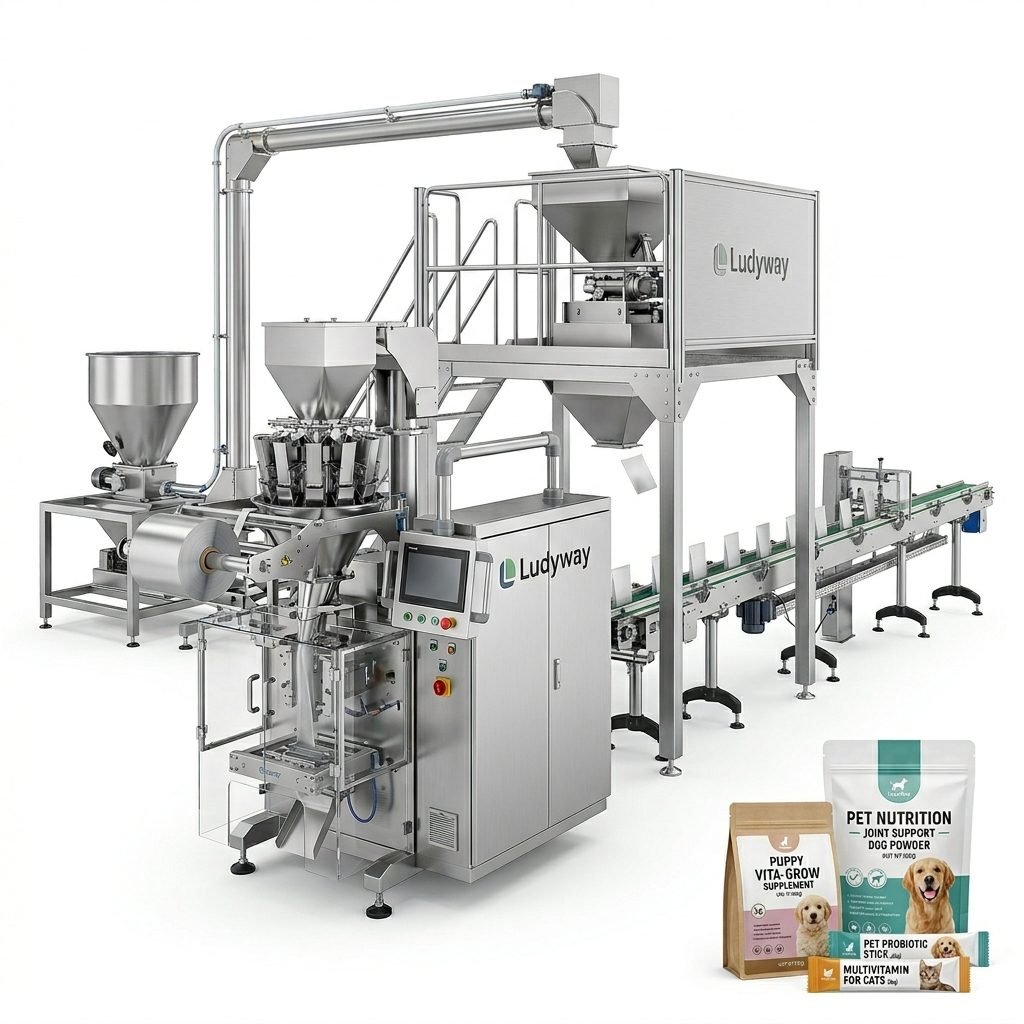
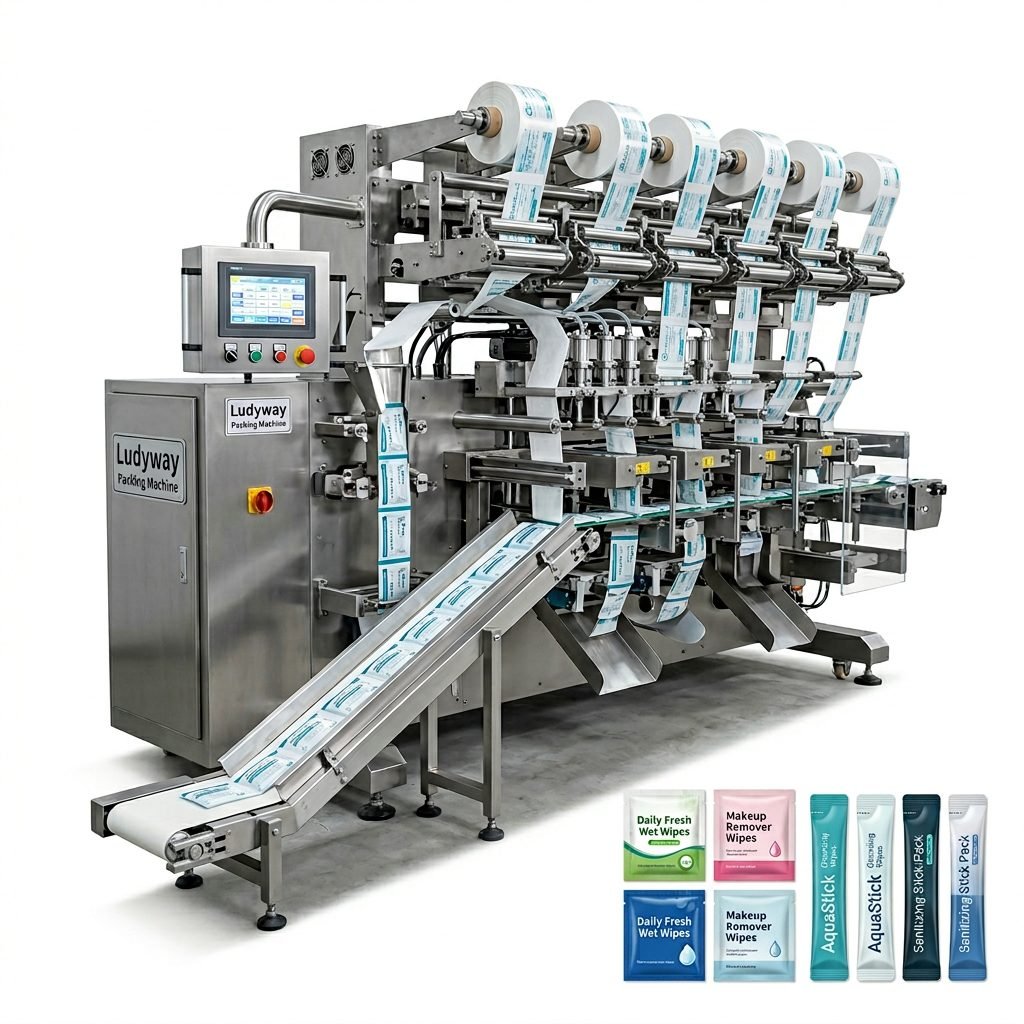
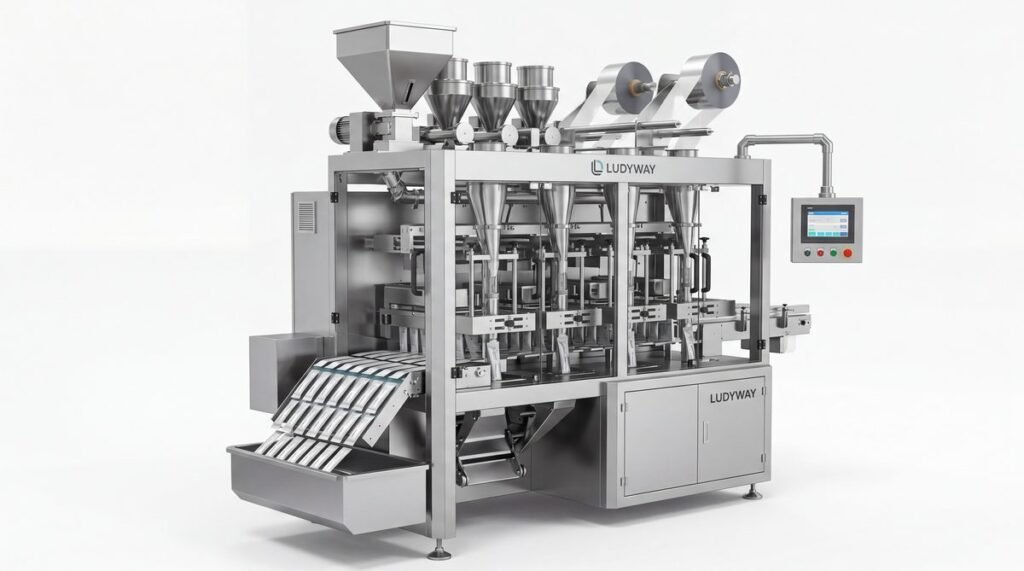
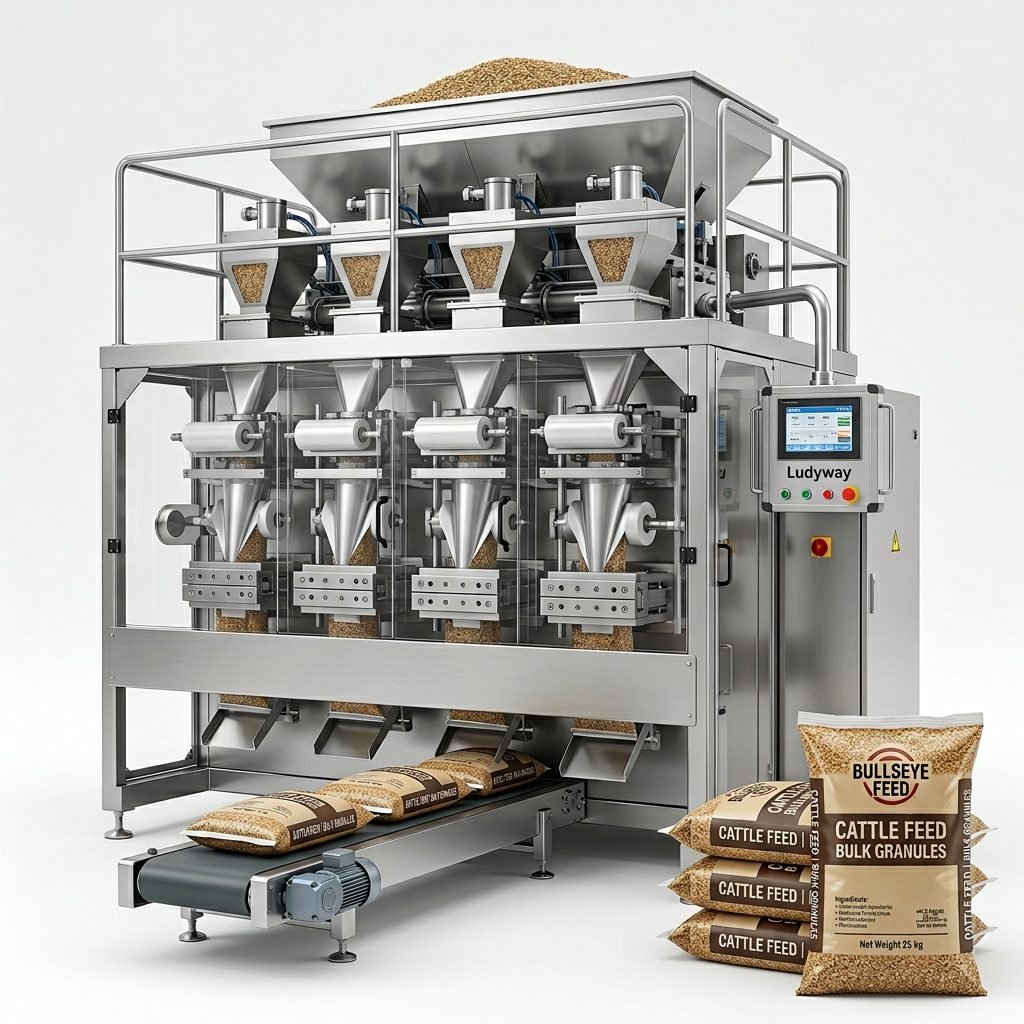
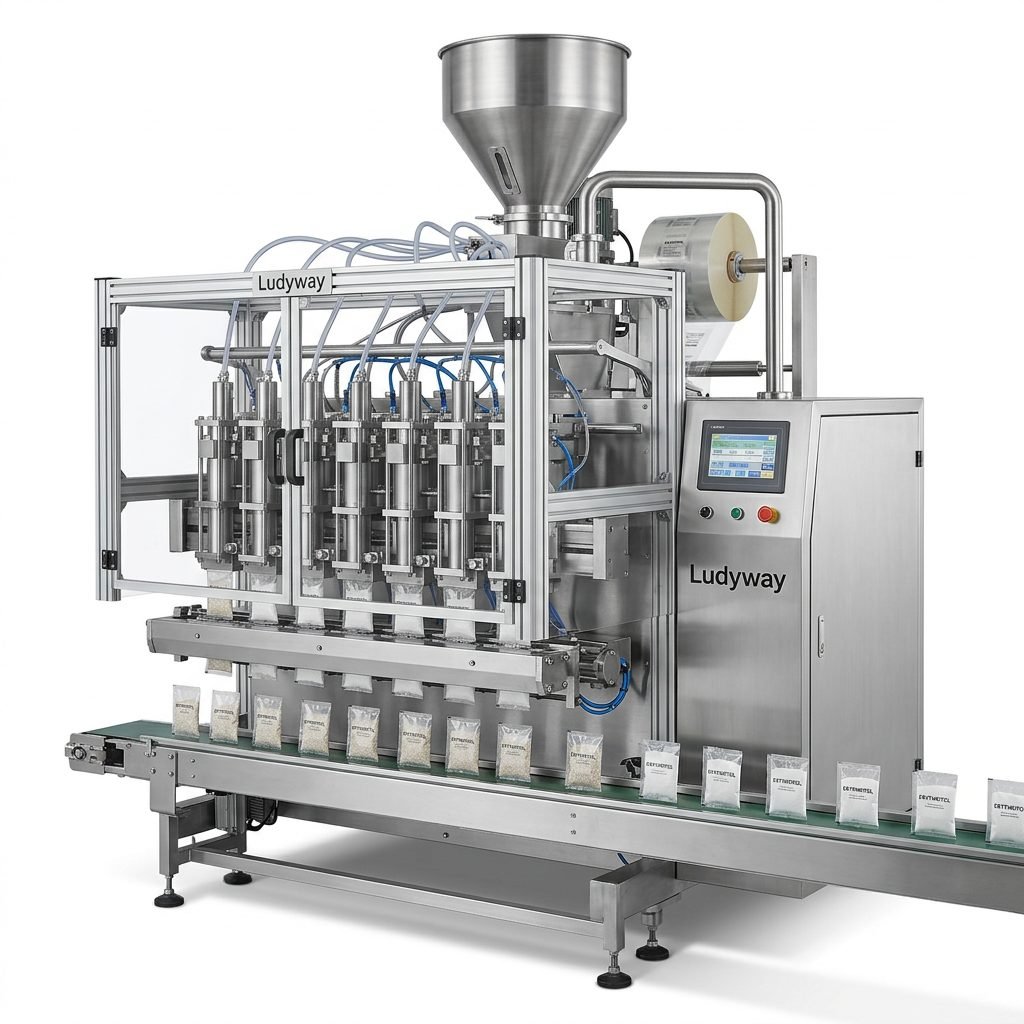
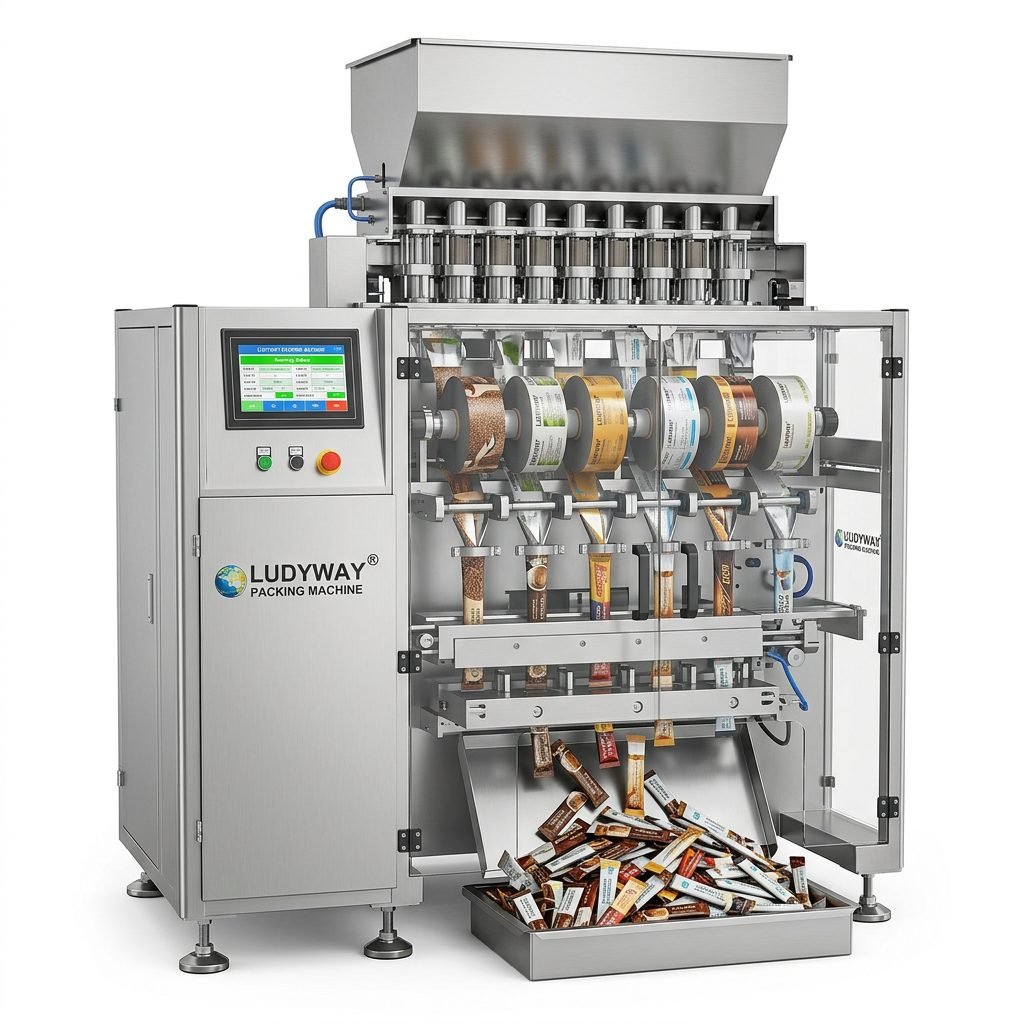
Investing in a bag packaging machine is a critical decision that directly impacts your production efficiency, product quality, and bottom line. Whether you are packaging powders, granules, liquids, or solid products, selecting the right equipment requires a thorough understanding of your operational needs, material characteristics, and long-term business goals. A well-chosen automatic packaging machine can streamline your entire production line, reduce labor costs, and ensure consistent packaging quality across every unit.
With hundreds of machine configurations available on the market — from simple single-lane sachet packers to high-speed multi-lane stick pack systems — the selection process can feel overwhelming. This comprehensive buyer’s guide walks you through the essential factors to consider, helping you make an informed purchasing decision that aligns with your production requirements and future growth plans. According to PMMI’s packaging industry research, global demand for flexible packaging machinery continues to rise, driven by consumer preference for convenient, portion-controlled formats.
Understanding Your Product and Packaging Requirements
Before evaluating specific bag packaging machine models, you must clearly define what you are packaging and how you want it packaged. The physical and chemical properties of your product directly determine the appropriate dosing system, filling mechanism, and sealing technology. Key product characteristics to assess include:
- Product form: Is your material a free-flowing powder, sticky granule, viscous liquid, paste, or solid piece? Each form requires a specific feeding and dosing approach.
- Flowability and density: Products with poor flow characteristics, such as hygroscopic powders or cohesive granules, may need agitated hoppers, vibratory feeders, or auger filling systems.
- Particle size distribution: Fine powders behave differently from coarse granules during filling. Dust generation can affect seal integrity and machine cleanliness.
- Sensitivity to heat, moisture, or oxygen: Products requiring extended shelf life may benefit from modified atmosphere packaging (MAP) or nitrogen flushing capabilities.
- Hygiene and regulatory requirements: Food-grade, pharmaceutical, and cosmetic applications demand machines built with stainless steel contact parts and compliant with FDA food contact substance regulations or relevant ISO packaging standards.
Bag format and size are equally important. Determine whether you need sachets, stick packs, three-side-seal pouches, four-side-seal pouches, gusseted bags, or stand-up pouches. Each format serves different market segments and consumer preferences. The Flexible Packaging Association reports that stick packs and single-serve sachets are among the fastest-growing formats globally, particularly in the food, pharmaceutical, and personal care sectors.
Types of Bag Packaging Machines
Understanding the different categories of bag packaging machinery available helps narrow your options significantly. Each type is engineered for specific production volumes, packaging formats, and product characteristics. The table below compares the most common machine configurations:
| Machine Type | Best Suited For | Typical Speed Range | Key Advantage |
|---|---|---|---|
| Single-Lane Sachet Machine | Small to medium production runs; powder, granule, liquid | 30–80 packs/min | Lower initial investment, easy changeover |
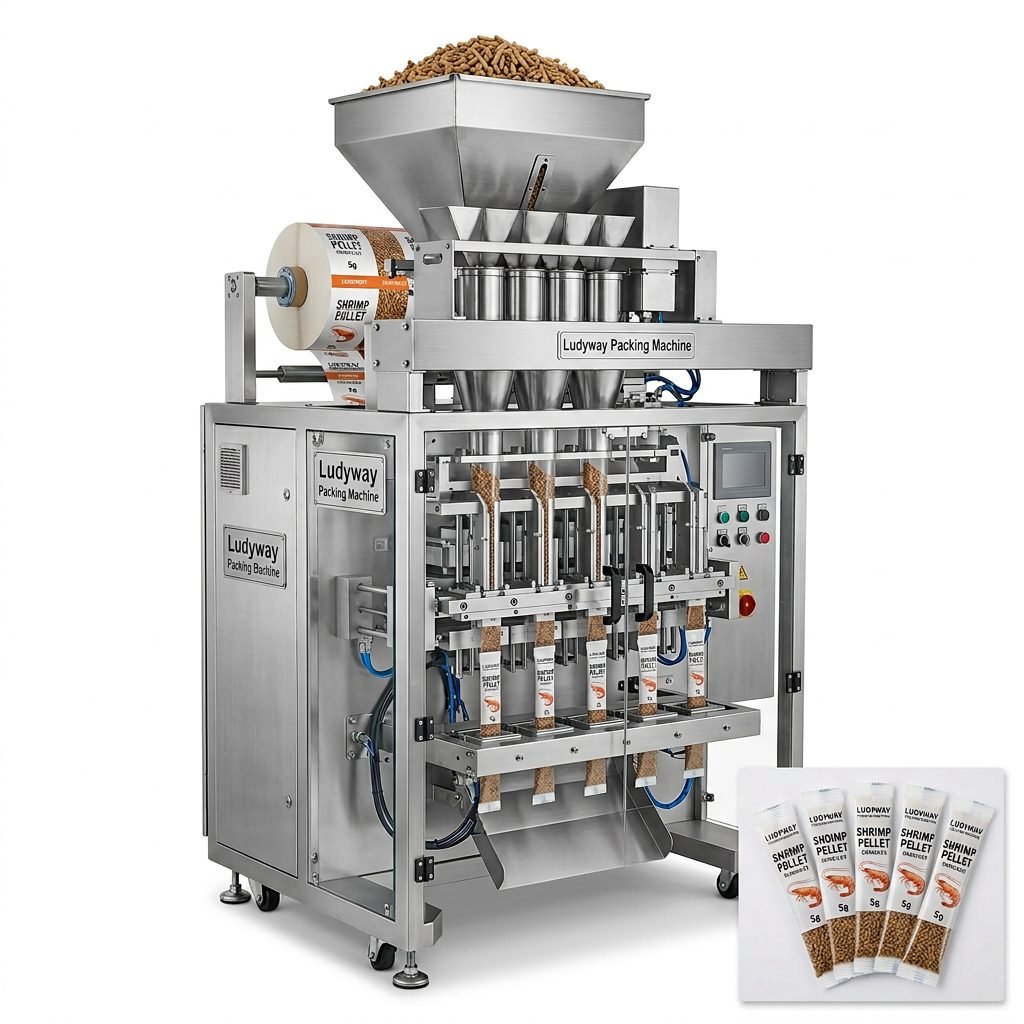
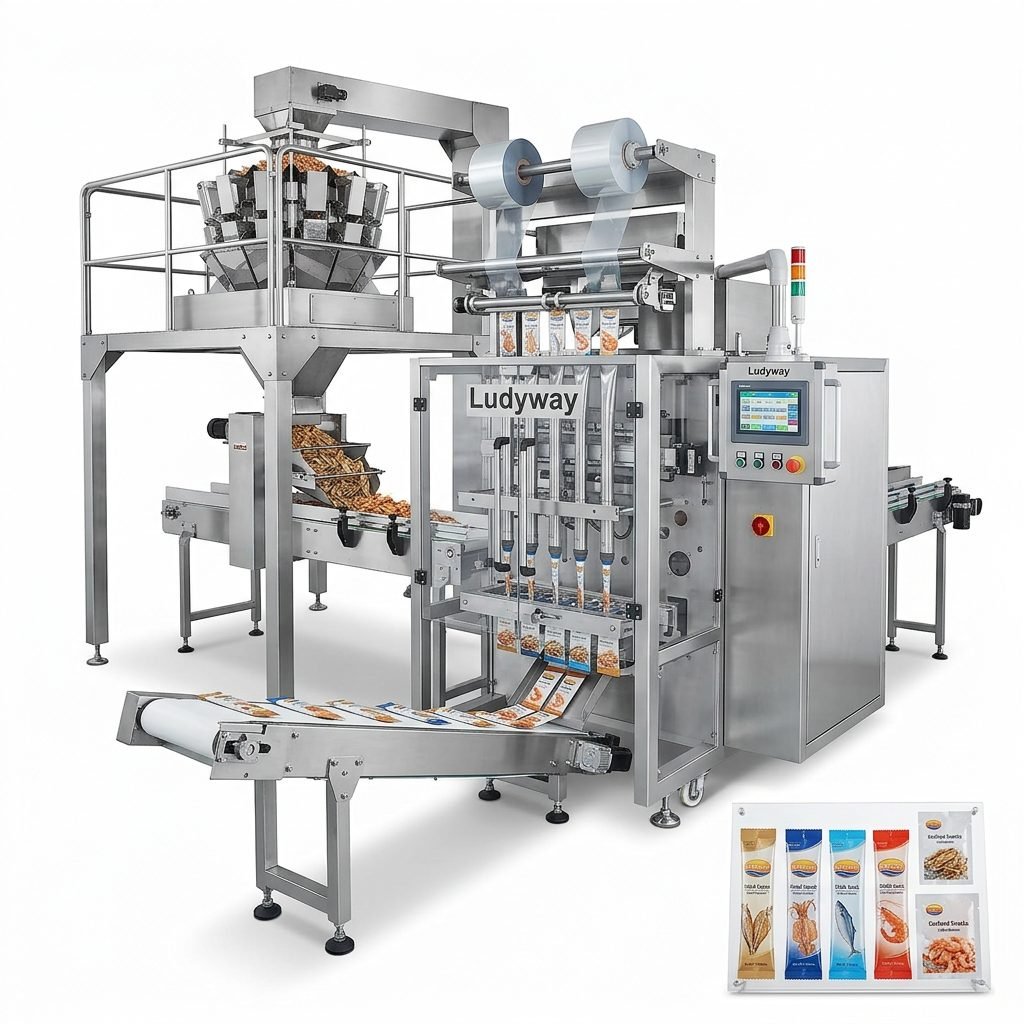
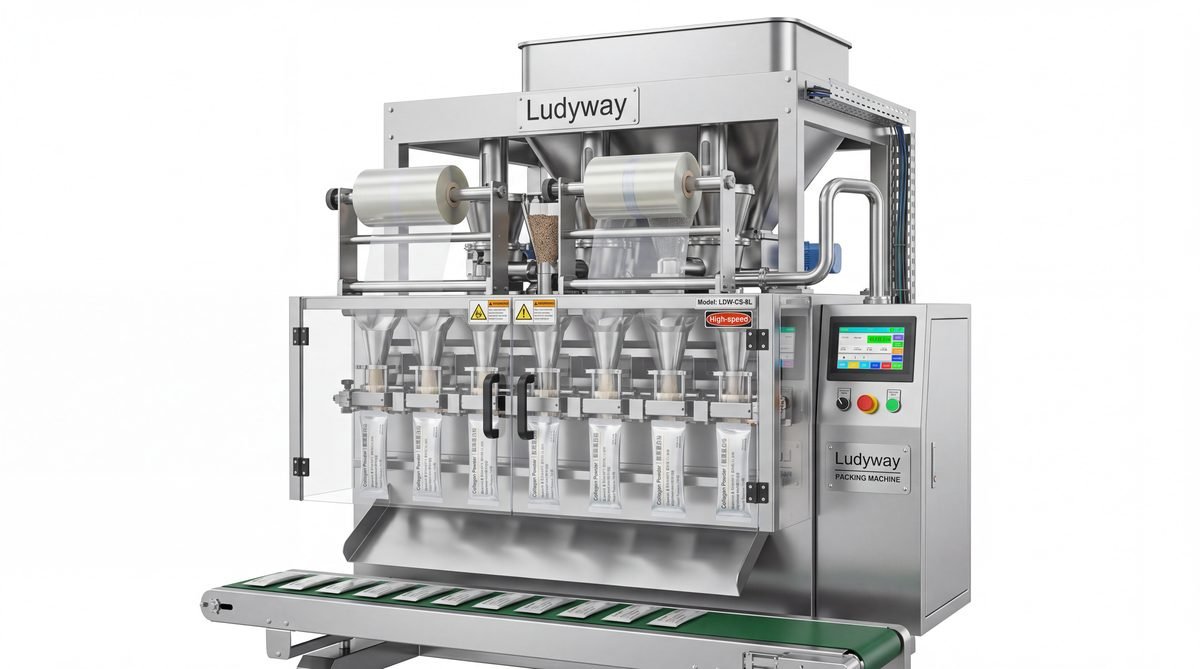
| Multi-Lane Stick Pack Machine | High-volume powder and granule products; supplements, coffee, sugar | 200–600+ packs/min | Maximum throughput per square foot of floor space |
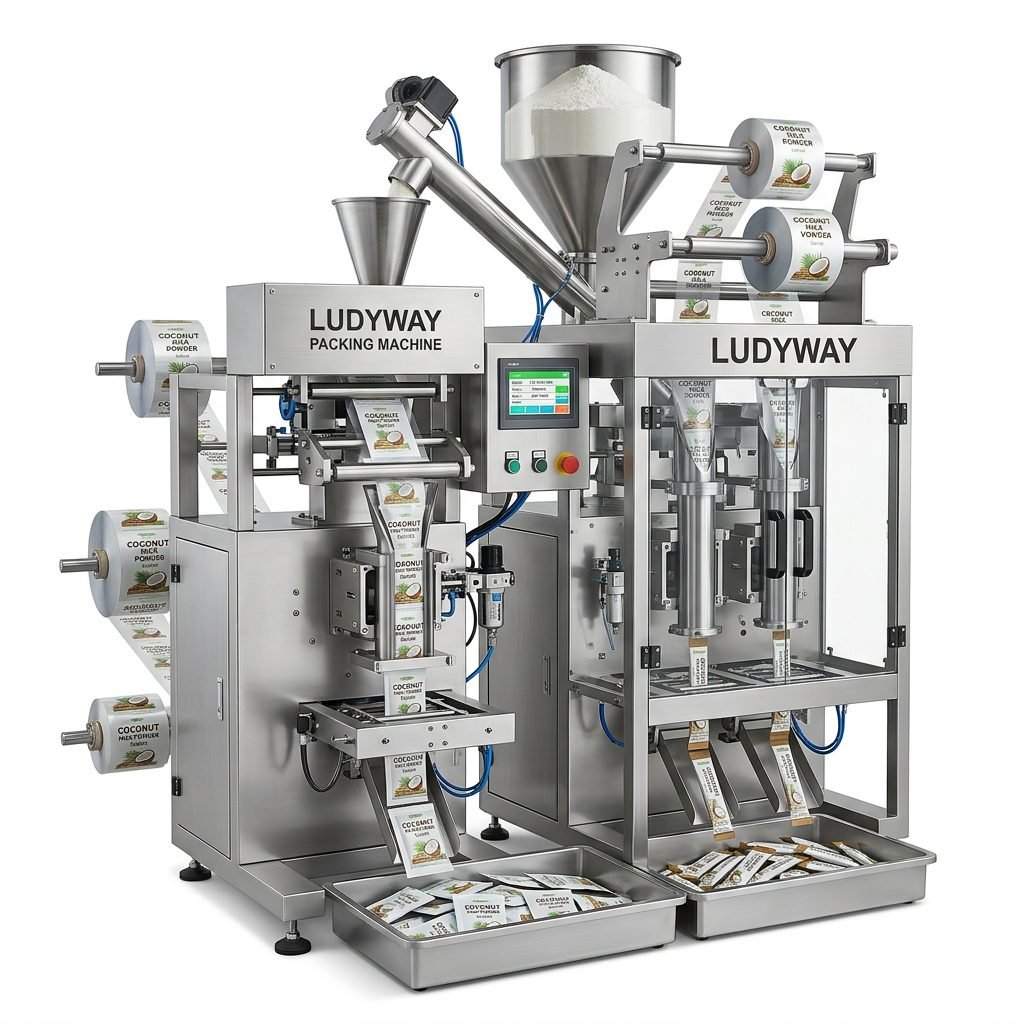
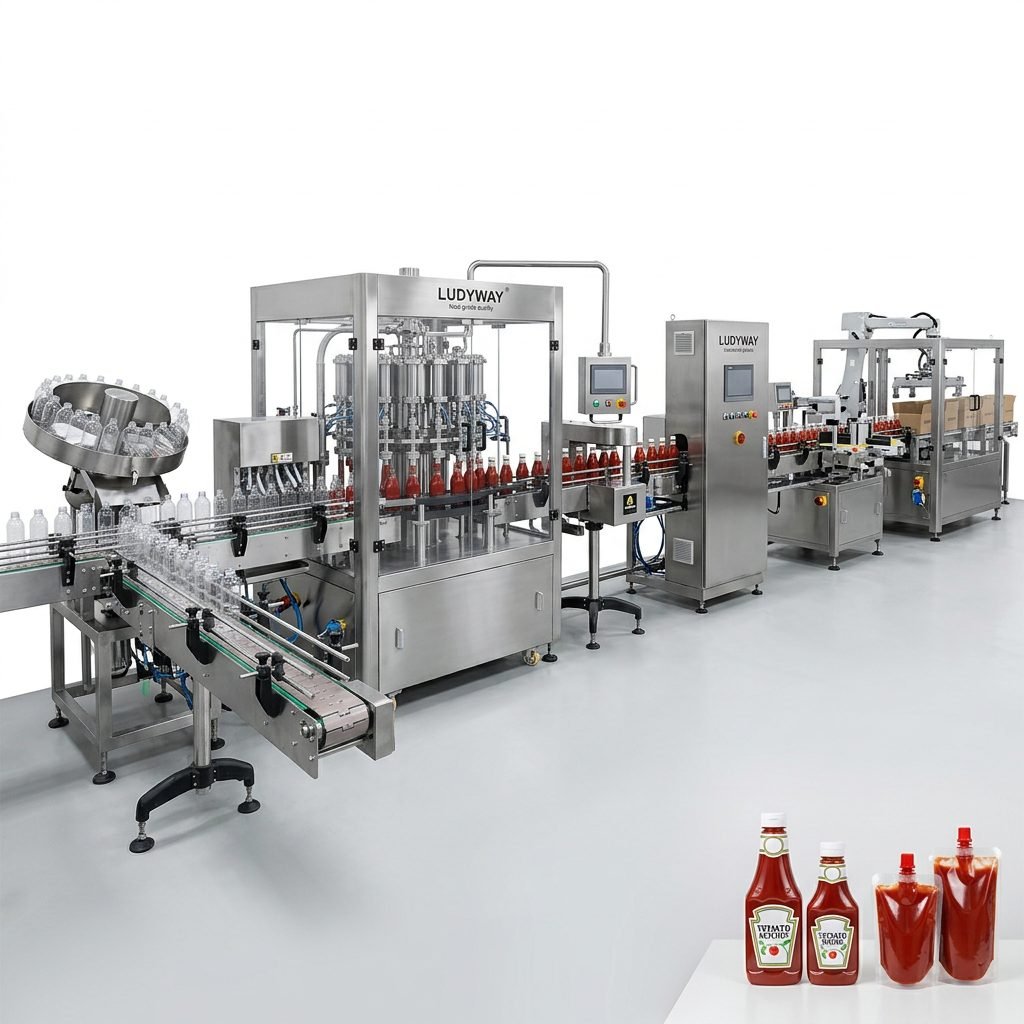
| Multi-Lane Sachet Machine | Liquid, cream, and gel products; cosmetics, condiments, sanitizers | 150–400 packs/min | Versatile format range; excellent for liquids |
| Premade Pouch Machine | Stand-up pouches, zipper bags, spouted pouches | 20–60 pouches/min | Premium packaging appearance; flexible formats |
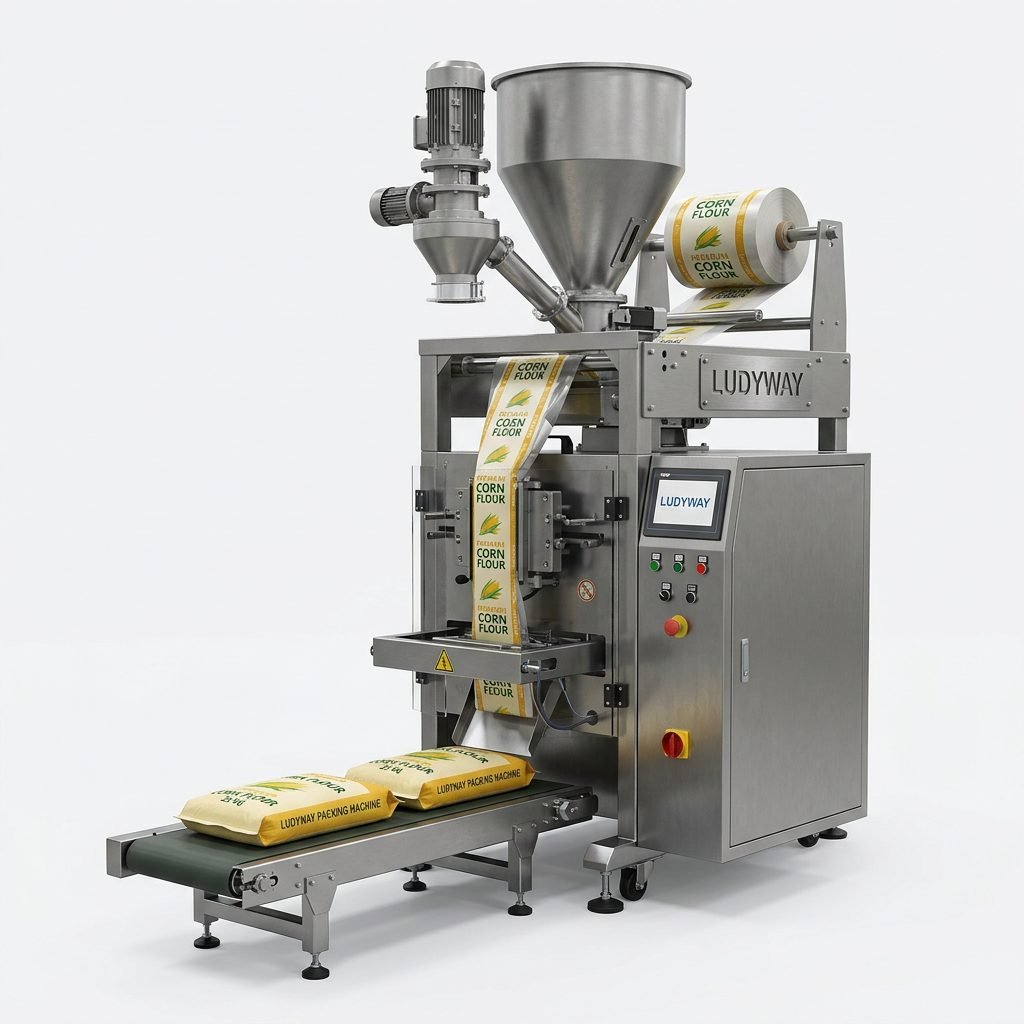
| Vertical Form Fill Seal (VFFS) | Bulk bags, pillow bags; snacks, grains, pet food | 40–120 bags/min | Handles larger bag sizes; robust construction |
Critical Machine Features to Evaluate
When comparing bag packaging machine specifications, look beyond the basic speed and filling volume numbers. Several critical features determine long-term reliability, ease of operation, and overall equipment effectiveness:
- Filling accuracy and consistency: Look for machines with servo-driven dosing systems that deliver ±0.5% to ±1% filling accuracy for powders and granules. Inconsistent fills lead to product giveaway, customer complaints, and regulatory issues.
- Sealing integrity: The quality of heat seals directly affects product shelf life and protection. Evaluate temperature control precision, dwell time adjustment, and pressure distribution across the sealing jaws.
- Changeover efficiency: If you package multiple products or formats, tool-less changeover features can dramatically reduce downtime between production runs.
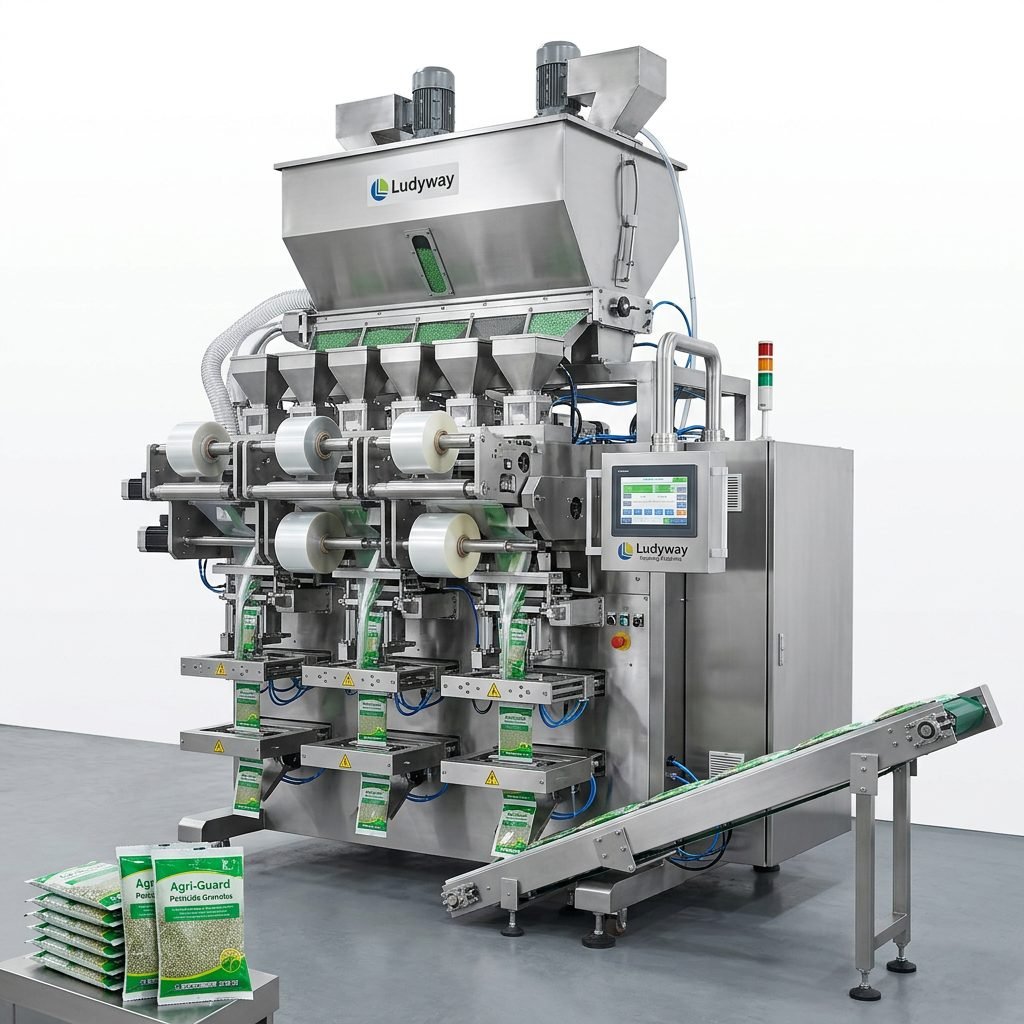
- Automation and control systems: Modern automatic packaging machines equipped with PLC controllers and HMI touchscreens enable recipe storage, production data logging, and integration with upstream and downstream equipment.
- Material compatibility: Verify that the machine can run your preferred packaging films — including compostable, recyclable, or multi-layer barrier materials — without compromising speed or seal quality.
- Cleanability and maintenance access: Machines designed with tool-free access to product contact areas, sloped surfaces, and washdown compatibility reduce sanitation time and cross-contamination risks.
- Safety certifications: Confirm that the equipment meets relevant safety standards for your target markets, including CE marking, UL certification, or other regional requirements specified by PMMI packaging machinery standards.
Calculating Your Budget and ROI
The purchase price of a bag packaging machine is only one component of the total cost of ownership. A comprehensive financial analysis should account for installation, operator training, ongoing maintenance, spare parts inventory, and energy consumption over the machine’s expected service life of 10 to 15 years or more.
Higher upfront investment in a well-engineered automatic packaging machine often translates to lower long-term operating costs through reduced labor requirements, minimal product waste, fewer rejects, and higher throughput. When evaluating ROI, consider these factors:
- Labor savings: A single multi-lane machine can often replace multiple manual or semi-automatic packaging stations, reducing direct labor costs by 50% to 80%.
- Material efficiency: Precision filling reduces product giveaway, while optimized film tension control minimizes packaging material waste.
- Production uptime: Machines built with industrial-grade components and supported by readily available spare parts deliver higher overall equipment effectiveness (OEE).
- Scalability: Selecting a machine platform that can be upgraded with additional lanes, dosing units, or automation modules protects your investment as production volumes grow.
Evaluating Suppliers and Manufacturers
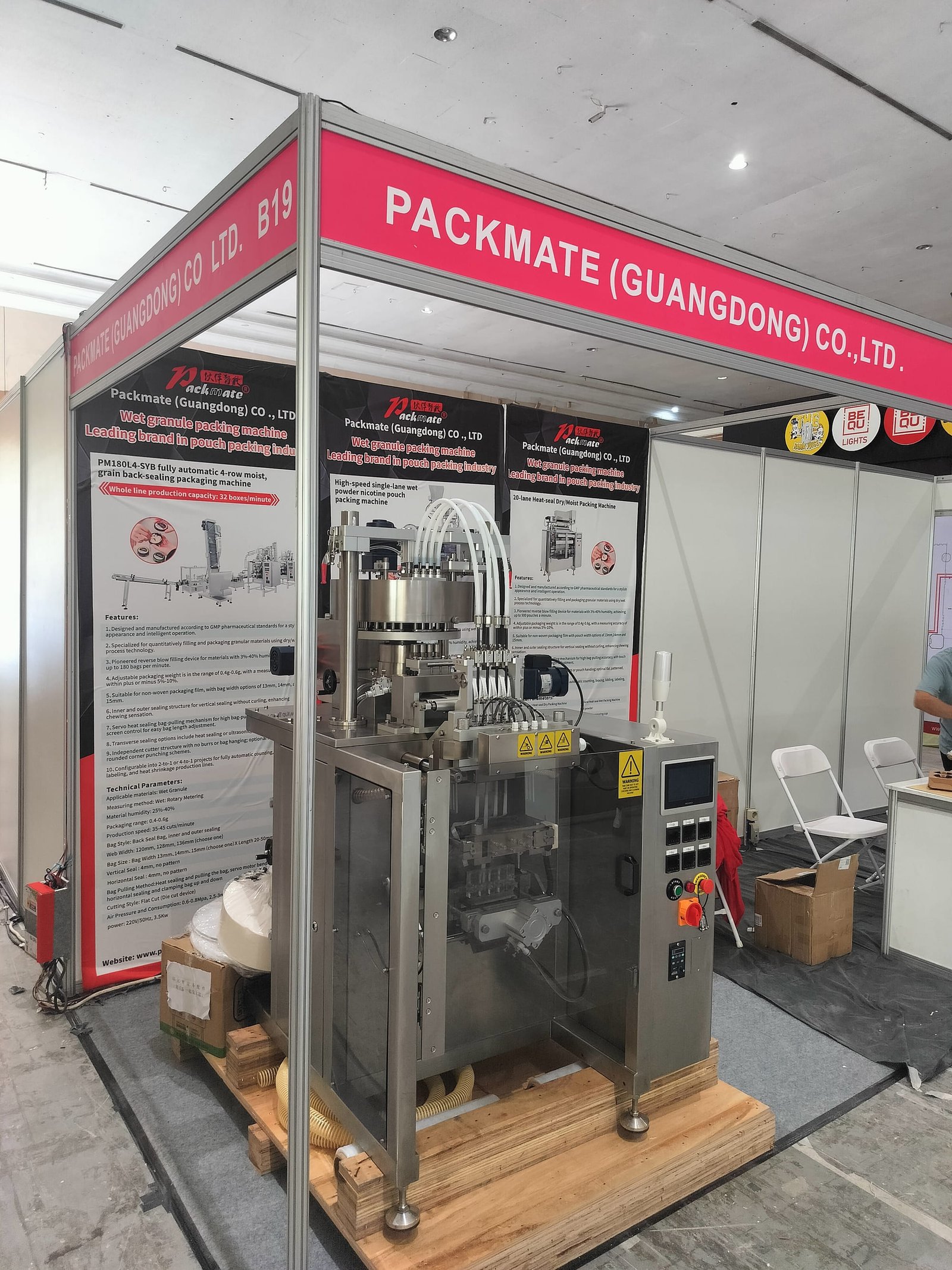
Choosing the right equipment partner is as important as choosing the right machine. Look for manufacturers with a proven track record, in-house engineering capabilities, and the ability to provide customized solutions rather than just standard catalog machines. A capable supplier should be able to evaluate your product samples, recommend appropriate configurations, and demonstrate machine performance through factory acceptance testing.
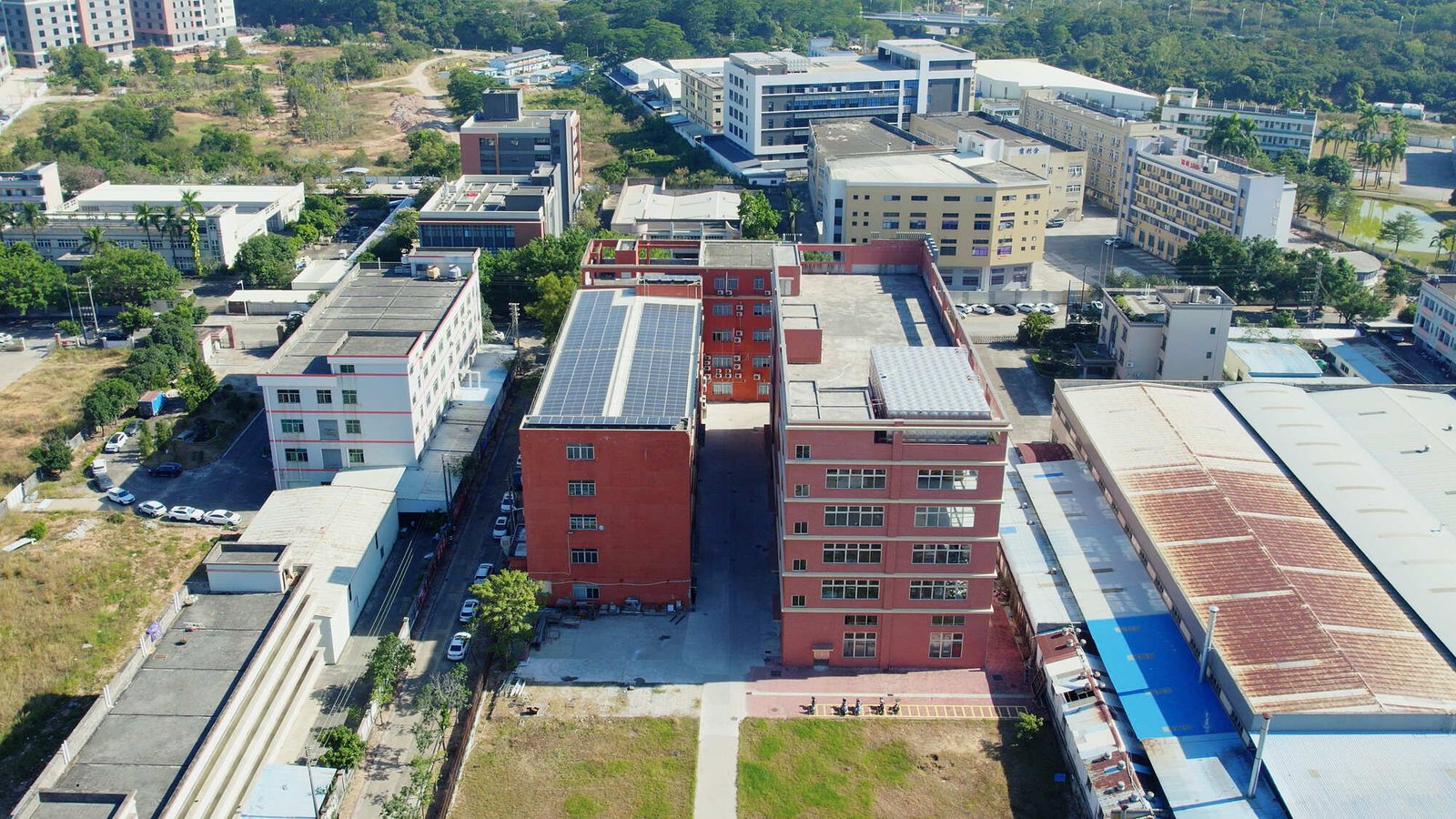
For manufacturers seeking a comprehensive packaging machinery partner, Ludyway Machinery — a China-based manufacturer with over 30 years of experience and a 20,000-square-meter production facility — offers more than 50 packaging machine models spanning powder, granule, liquid, stick pack, sachet, and pouch applications. Their approach integrates machine selection, system customization, installation, commissioning, and global after-sales support, serving customers in more than 100 countries. As reported by industry news coverage, the company’s export growth trajectory reflects increasing global demand for reliable, customizable packaging solutions.
After-Sales Support and Service Infrastructure
A bag packaging machine represents a significant capital investment, and ongoing technical support is essential for maintaining peak performance. Before finalizing your purchase, verify the supplier’s after-sales infrastructure:
- Installation and commissioning: Does the supplier provide on-site installation, machine setup, and production start-up assistance?
- Operator training: Comprehensive training programs ensure your team can operate, clean, and perform routine maintenance on the equipment safely and efficiently.
- Remote technical support: Many issues can be diagnosed and resolved remotely through video calls, remote machine access, or step-by-step troubleshooting guidance — reducing downtime without waiting for a service visit.
- Spare parts availability: Confirm that critical wear parts and consumables are stocked by the supplier and can be shipped quickly to your location. Delays in obtaining replacement parts can halt production for extended periods.
- Warranty terms: Review warranty coverage, duration, and any exclusions carefully. A standard warranty of 12 to 24 months on major components is typical for industrial packaging machinery.
Industry Trends and Future-Proofing Your Investment
The packaging industry continues to evolve rapidly, driven by sustainability mandates, smart factory integration, and changing consumer preferences. According to the 2026 State of the Industry report from PMMI, packaging machinery purchasers increasingly prioritize equipment that supports recyclable and compostable film materials, enables data-driven production monitoring, and integrates seamlessly with factory-wide automation systems.
When selecting your bag packaging machine, consider whether the equipment platform supports future upgrades such as IoT connectivity, remote performance monitoring, automated quality inspection systems, and compatibility with emerging sustainable packaging materials. The European Commission’s packaging regulations and similar initiatives worldwide are reshaping packaging material choices — and your machinery should be adaptable enough to accommodate these changes without requiring complete replacement.
Making Your Final Decision
Selecting the right bag packaging machine requires balancing technical specifications, budget constraints, supplier capabilities, and long-term business objectives. Start by thoroughly documenting your product characteristics, target output rates, packaging formats, and quality requirements. Use this information to engage with multiple suppliers, request detailed proposals, and — whenever possible — conduct product trials using your actual materials on the proposed equipment.
The ideal machine should not only meet your current production needs but also provide the flexibility and scalability to support your growth over the next five to ten years. By following a structured evaluation process and partnering with an experienced packaging machinery manufacturer that offers comprehensive engineering, customization, and after-sales support, you can make a confident investment that delivers reliable performance, operational efficiency, and strong returns over the full equipment lifecycle.