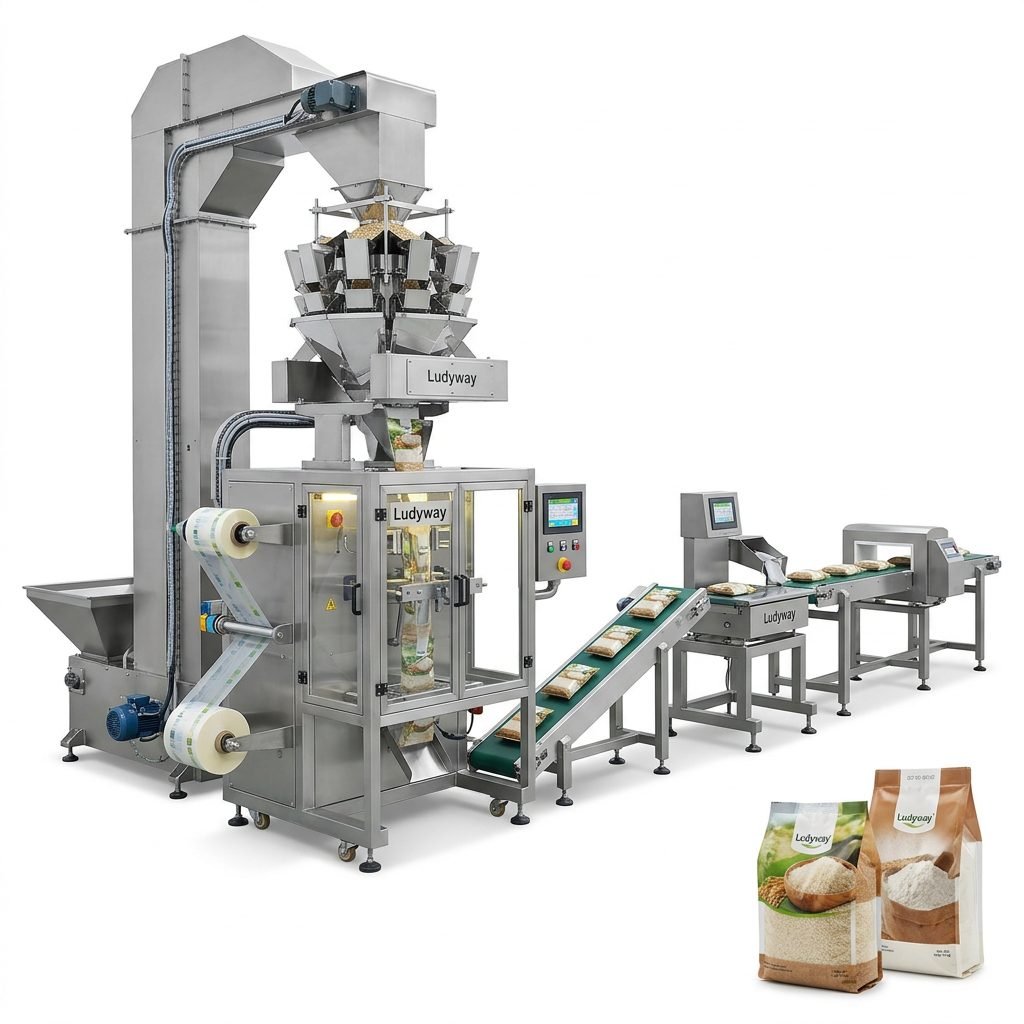
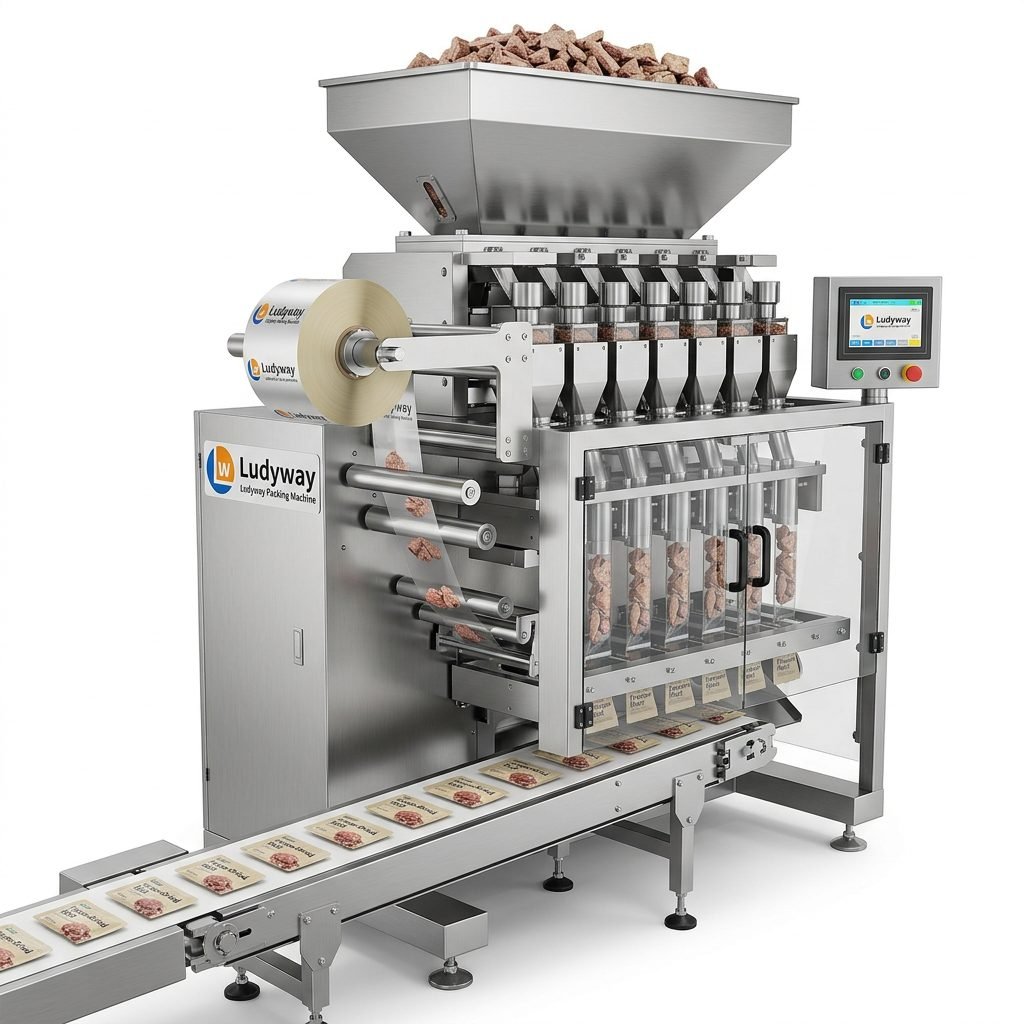
Investing in an automatic cartoning machine is a strategic decision that directly impacts your production line’s throughput, product safety, and long-term operational costs. Whether you are transitioning from manual labor or upgrading an aging system, the variety of configurations—horizontal, vertical, wrap-around, and top-load—can make the selection process feel overwhelming. This comprehensive buyer’s guide breaks down the critical factors you need to evaluate to ensure the equipment aligns perfectly with your packaging goals, factory layout, and budget.
Understanding Your Production Environment
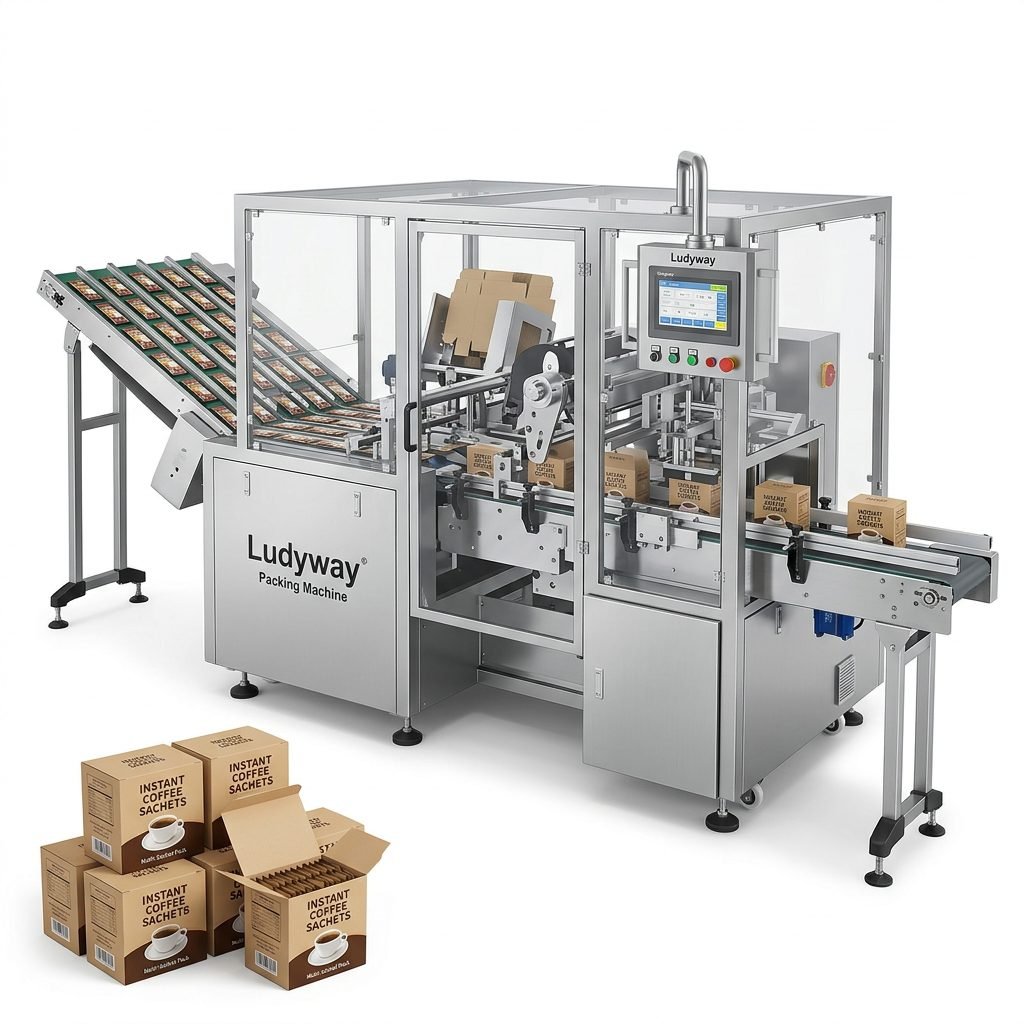
Before diving into mechanical specifications, you must define the operational context. The automatic cartoning machine you choose must integrate seamlessly with upstream and downstream equipment. Start by mapping out your current line constraints and future scalability needs. A common mistake is buying a machine that fits today’s volume but cannot accommodate growth projected over the next three to five years.
Evaluating Speed and Throughput
Speed is typically measured in cartons per minute (cpm). However, sustained speed matters more than theoretical maximum speed. A machine rated for 120 cpm might only run reliably at 80 cpm with certain materials. You need to assess the mechanical stability and the precision of the feeding system. PMMI industry standards provide benchmarks, but always request a video of the machine running your specific product sample.
Carton Style and Dimensions
Different carton styles require fundamentally different erecting and closing mechanisms. Here is a quick comparison of common formats:
- Reverse Tuck: Ideal for small consumer goods, offering a secure closure without glue.
- Straight Tuck: Similar to reverse tuck but with both flaps on the same side, often used for display purposes.
- Glue-Sealed: Provides a tamper-evident seal, common in pharmaceutical packaging and high-value items.
- Fifth Panel: Often used for products that need extra protection or a hang-tab for retail display.
Ensure the machine’s changeover system allows for quick adjustments between sizes if you run multiple SKUs. Toolless changeover is a significant advantage for reducing downtime.
Key Technical Specifications to Analyze
Beyond the basic envelope size, the mechanical and electrical engineering of the automatic cartoning machine determines its reliability. Pay close attention to the materials used for the frame and contact parts, as well as the control system architecture.
Machine Frame and Build Quality
A robust frame reduces vibration at high speeds. Look for heavy-gauge stainless steel or anodized aluminum frames. Cantilevered designs are preferable for easy cleaning and maintenance access, especially in industries subject to strict washdown requirements like FDA food packaging regulations.
Product Handling and Infeed Systems
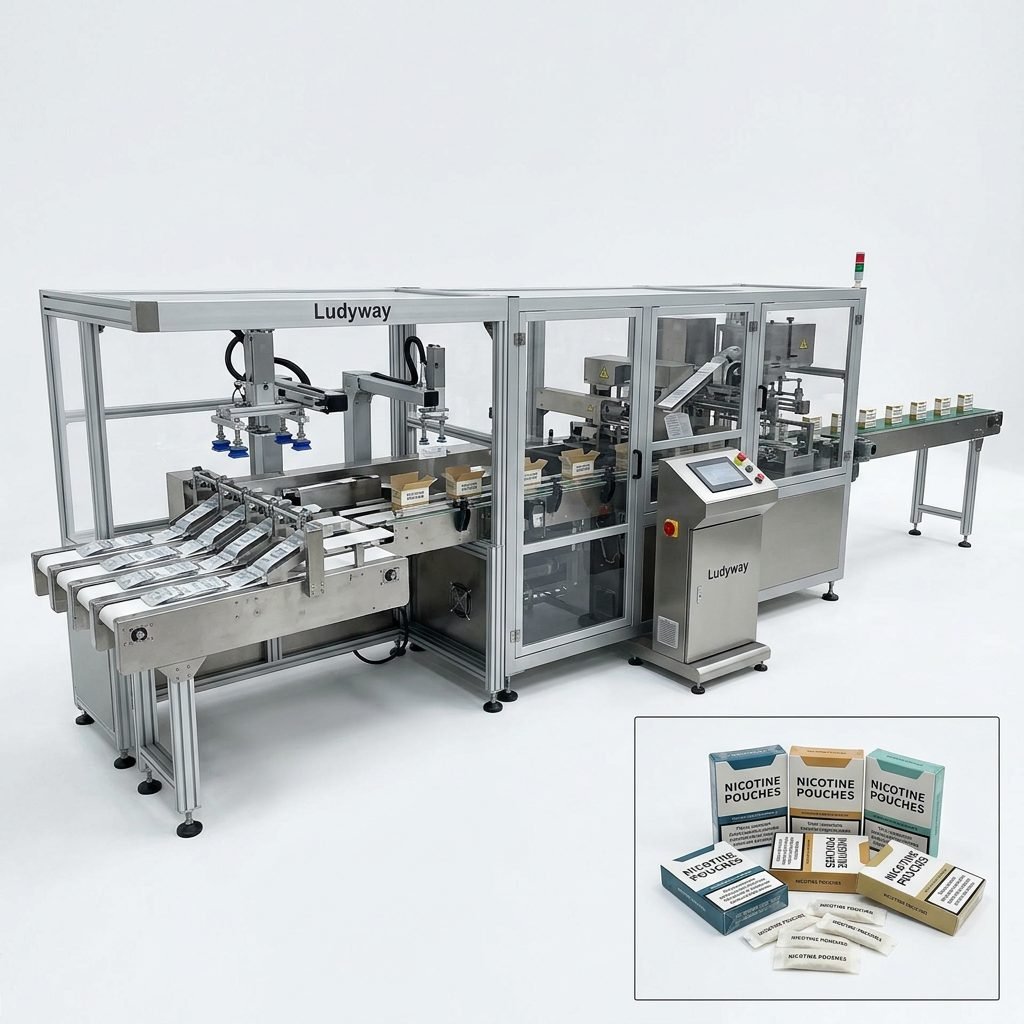
The synchronization between the product infeed and the carton transport is critical. Whether you are using a flighted chain, a servo-driven belt, or a robotic pick-and-place system, the machine must handle your product gently to prevent damage. For unstable products, barrel cam loaders or vision-guided robotics offer higher accuracy.
Integration and Line Layout
The physical footprint and the direction of flow (left-to-right or right-to-left) must be specified early. Your automatic cartoning machine must fit within the factory aisle width and hook up to existing filling and weighing equipment. A common configuration strategy includes:
| Integration Method | Best For | Key Benefit |
|---|---|---|
| Direct Mechanical Coupling | Stable, rigid containers | Precise timing without electronics |
| Servo Electronic Line Shafting | Flexible multi-SKU lines | Instant recipe change with digital recall |
| Robotic Pick-and-Place Cells | Random product orientation | Maximum flexibility and gentle handling |
Automation and Control Systems
Modern cartoning machines rely heavily on intelligent software. A user-friendly Human-Machine Interface (HMI) should allow operators to adjust settings without deep programming knowledge. You should look for Industry 4.0 readiness, including OEE tracking, remote diagnostics, and alarm logging. Compatibility with common industrial protocols like EtherNet/IP or Profinet ensures smooth data exchange with your plant’s SCADA system.
Maintenance and Spare Parts Accessibility
Downtime is the enemy of productivity. An often-overlooked aspect of choosing an automatic cartoning machine is the ease of maintenance. Mechanical assemblies should be reachable without removing large guarding panels. Pneumatic valves and vacuum generators should be mounted on easily replaceable manifolds. Always check how the manufacturer handles spare parts and whether critical wear items are standard off-the-shelf components or proprietary machined parts that could create lead-time bottlenecks.
Partnering with the Right Manufacturer
The technical specifications of the machine are only half the equation. The manufacturer’s engineering capability and after-sales support define the long-term value. You need a partner who understands the nuances of your specific industry, whether it is food, pharmaceuticals, or chemicals.
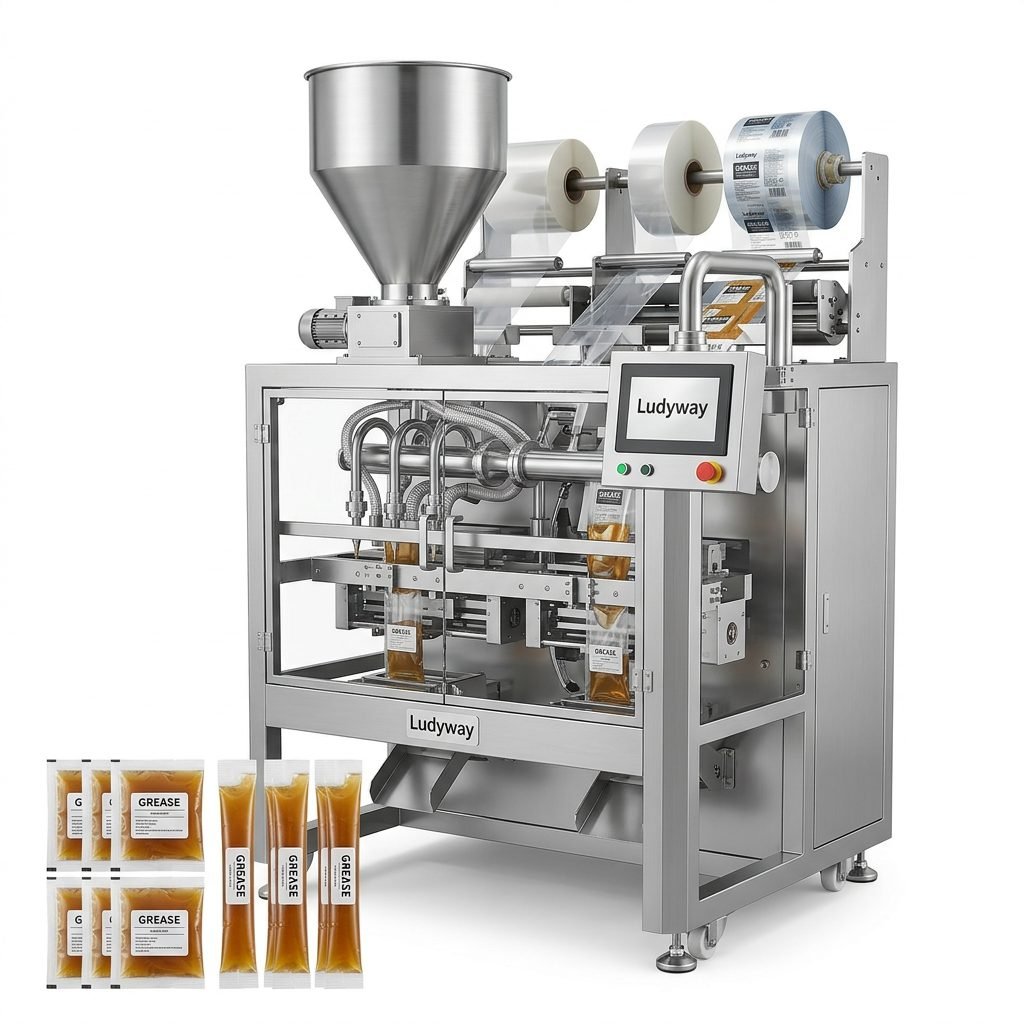
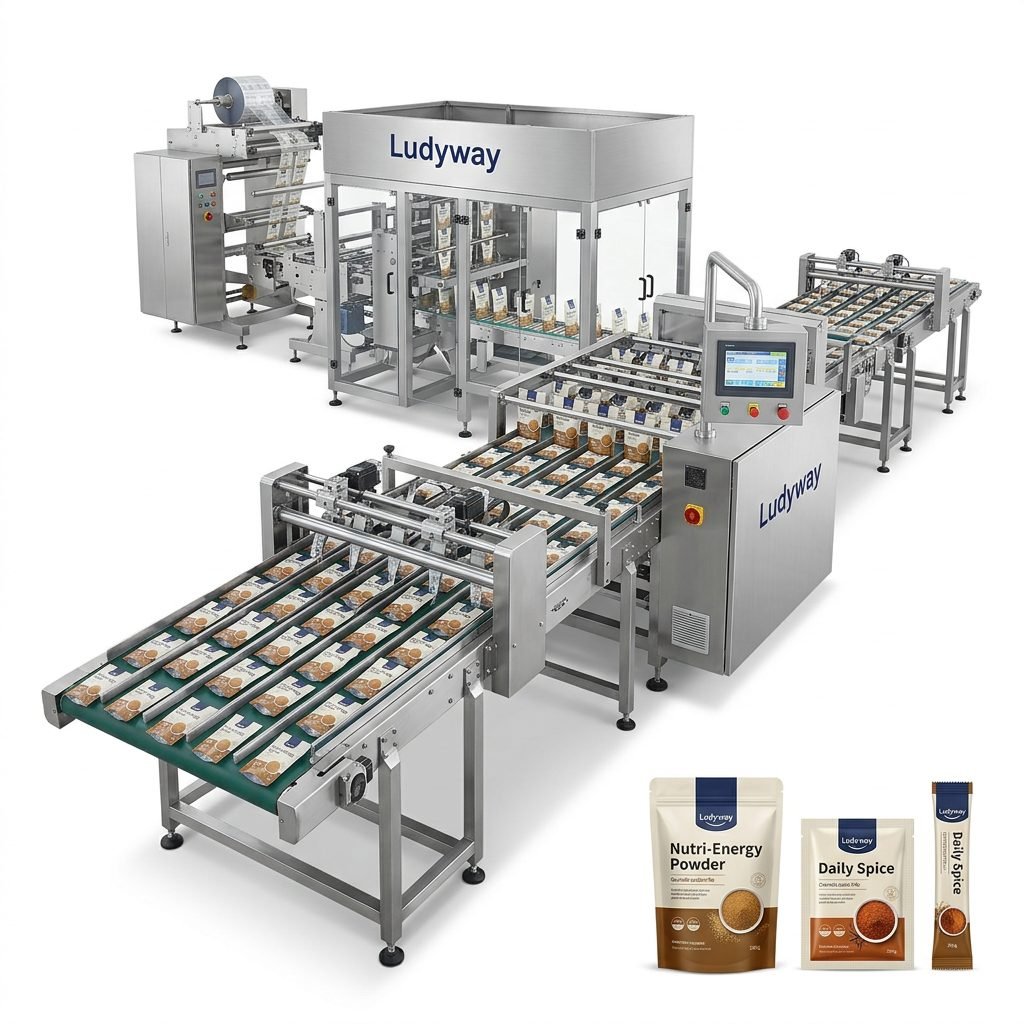
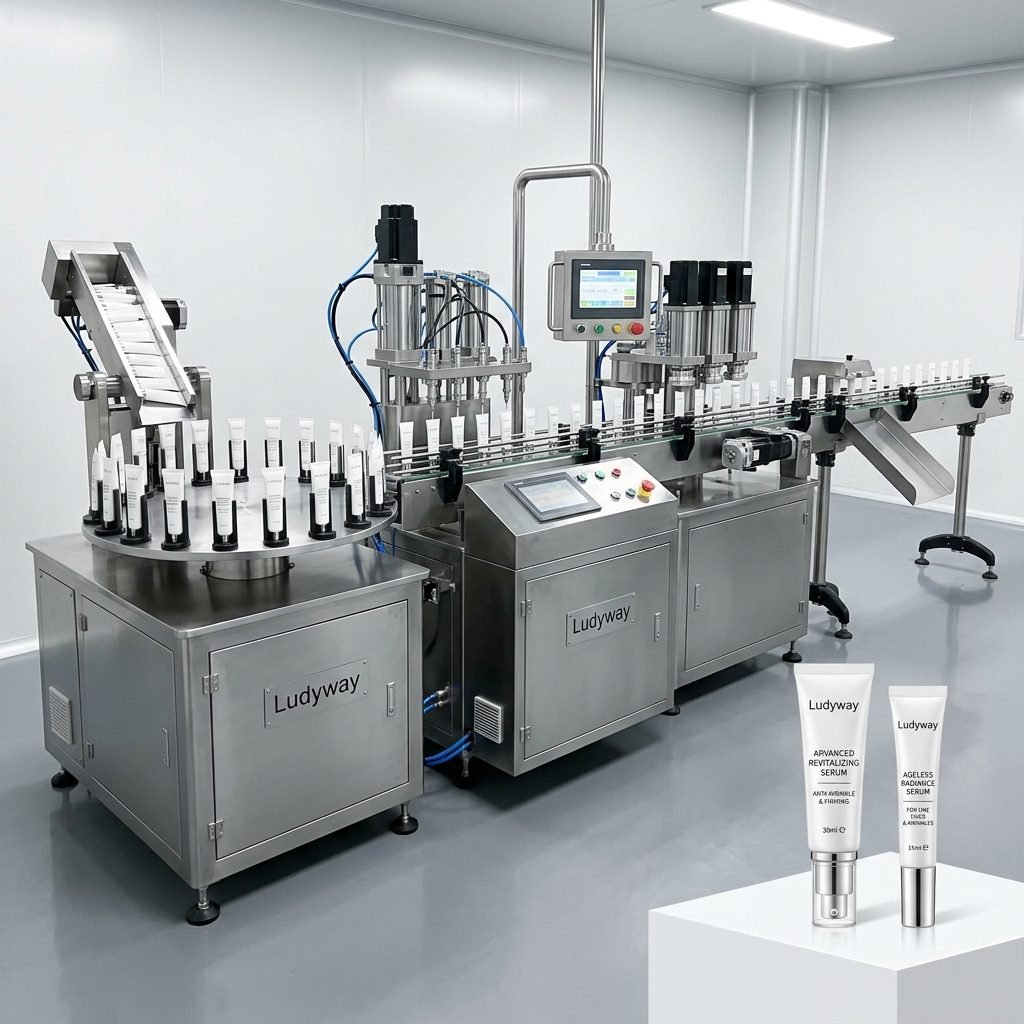
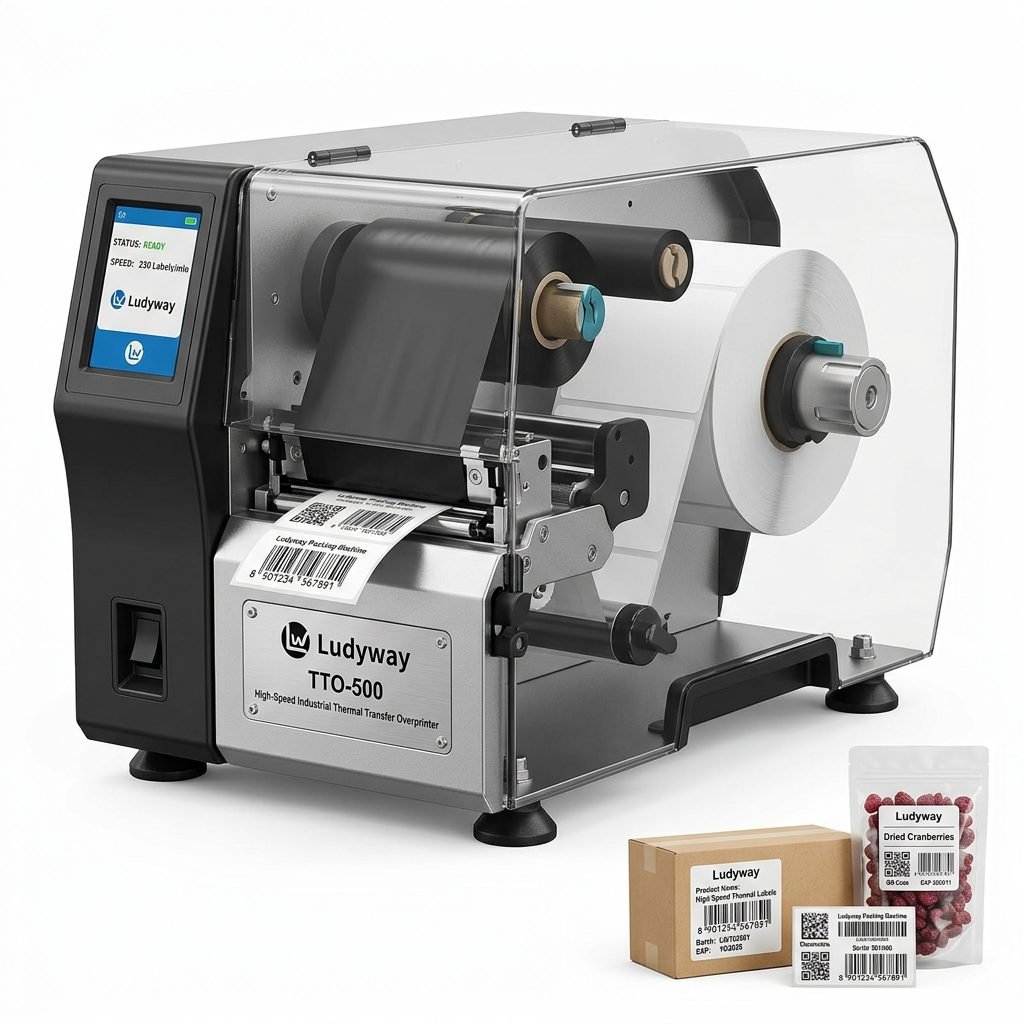
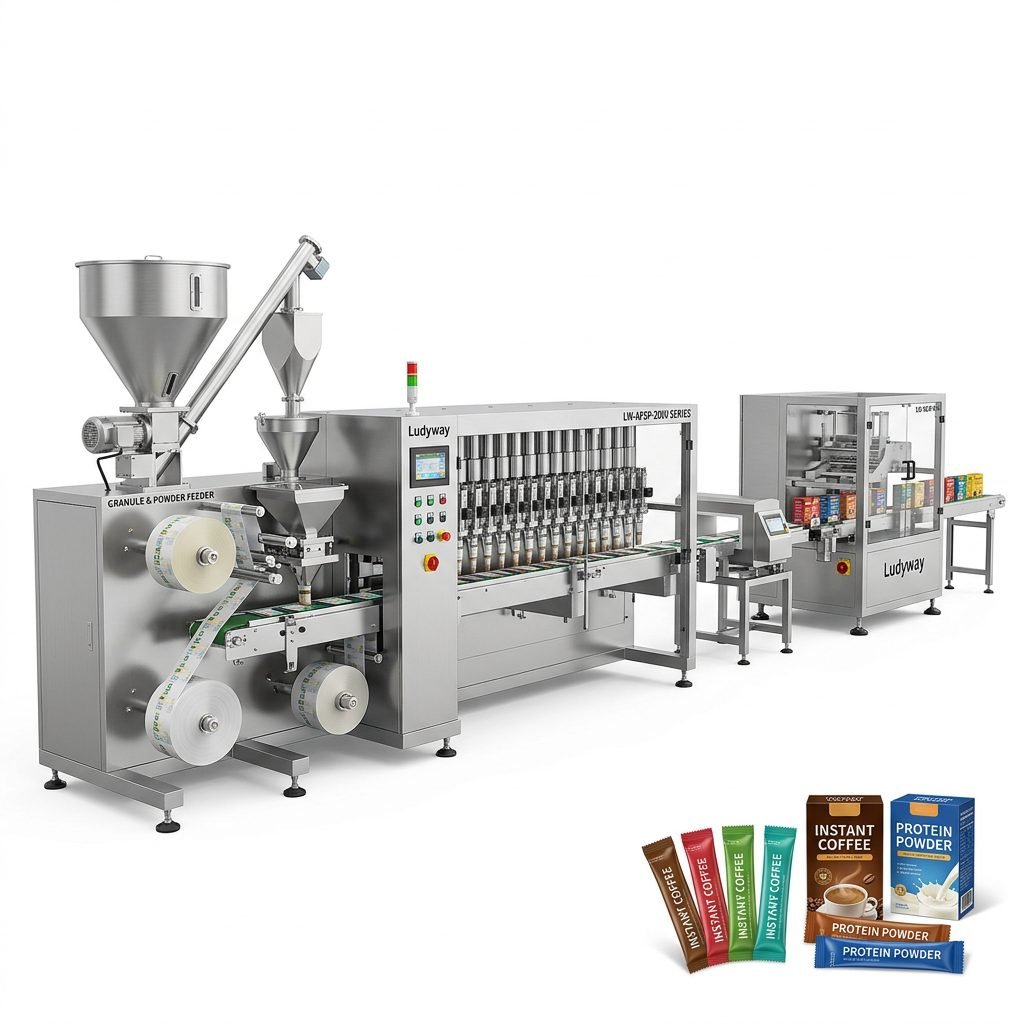
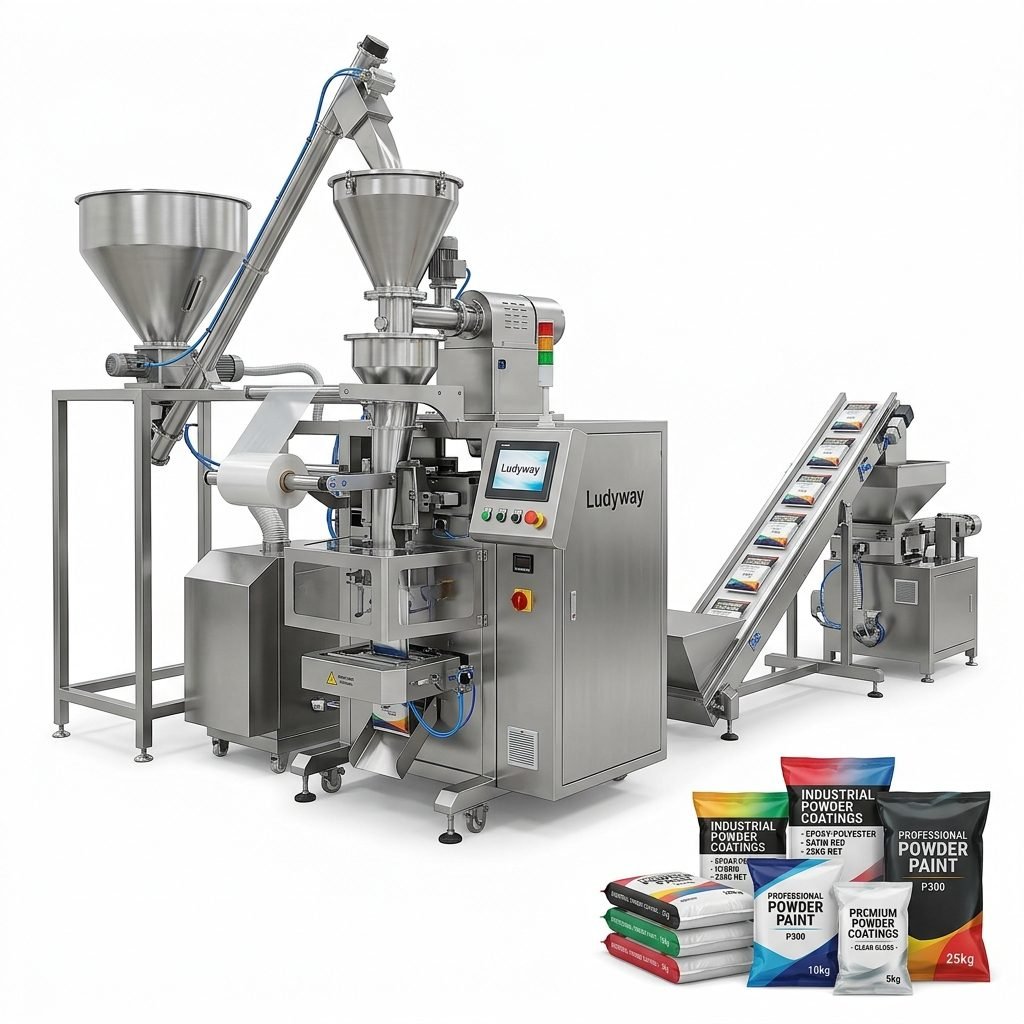
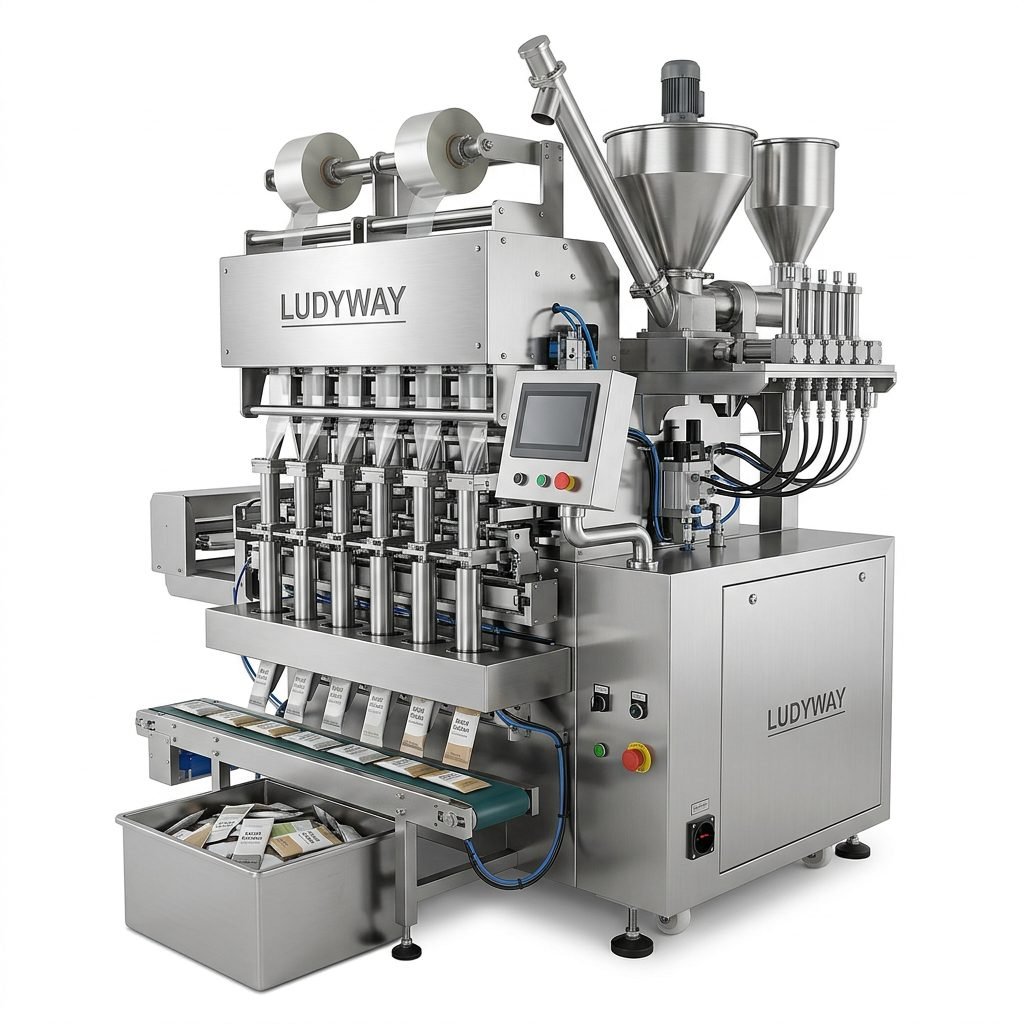
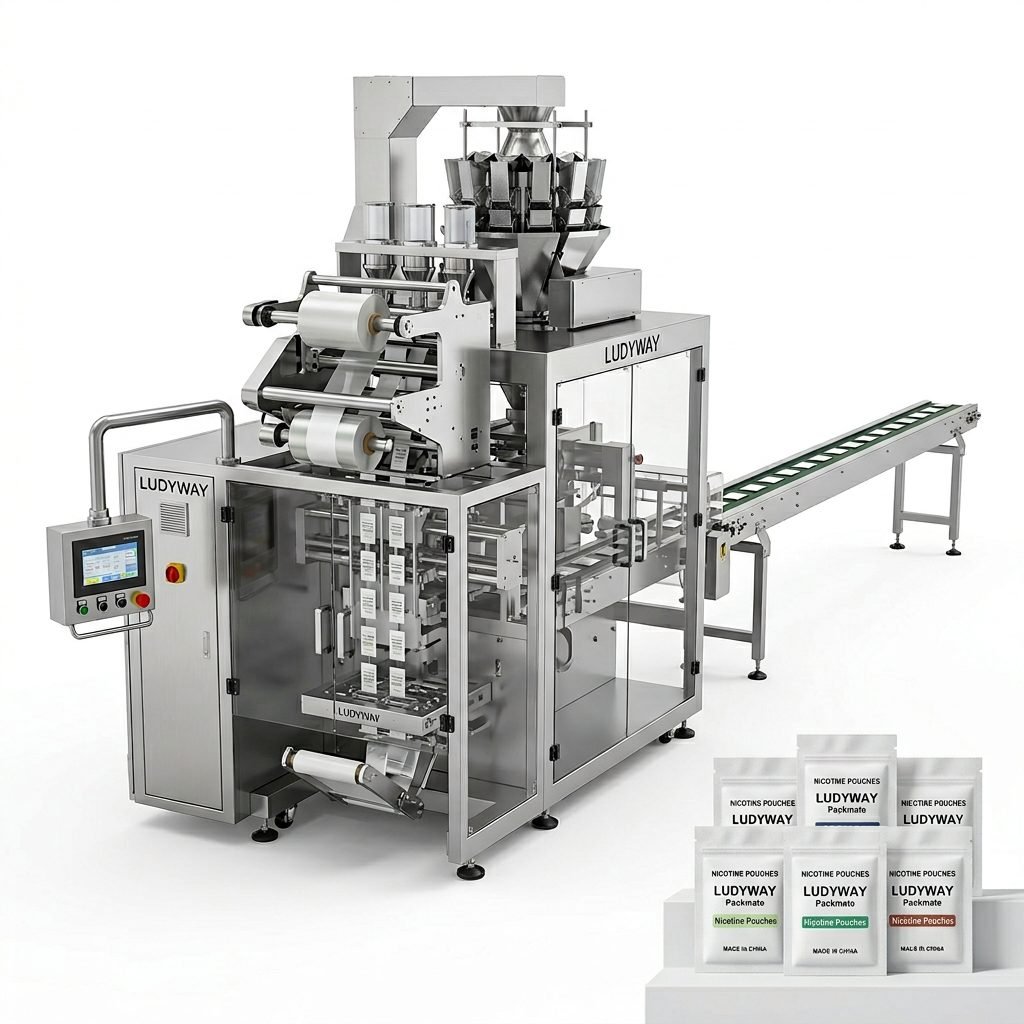
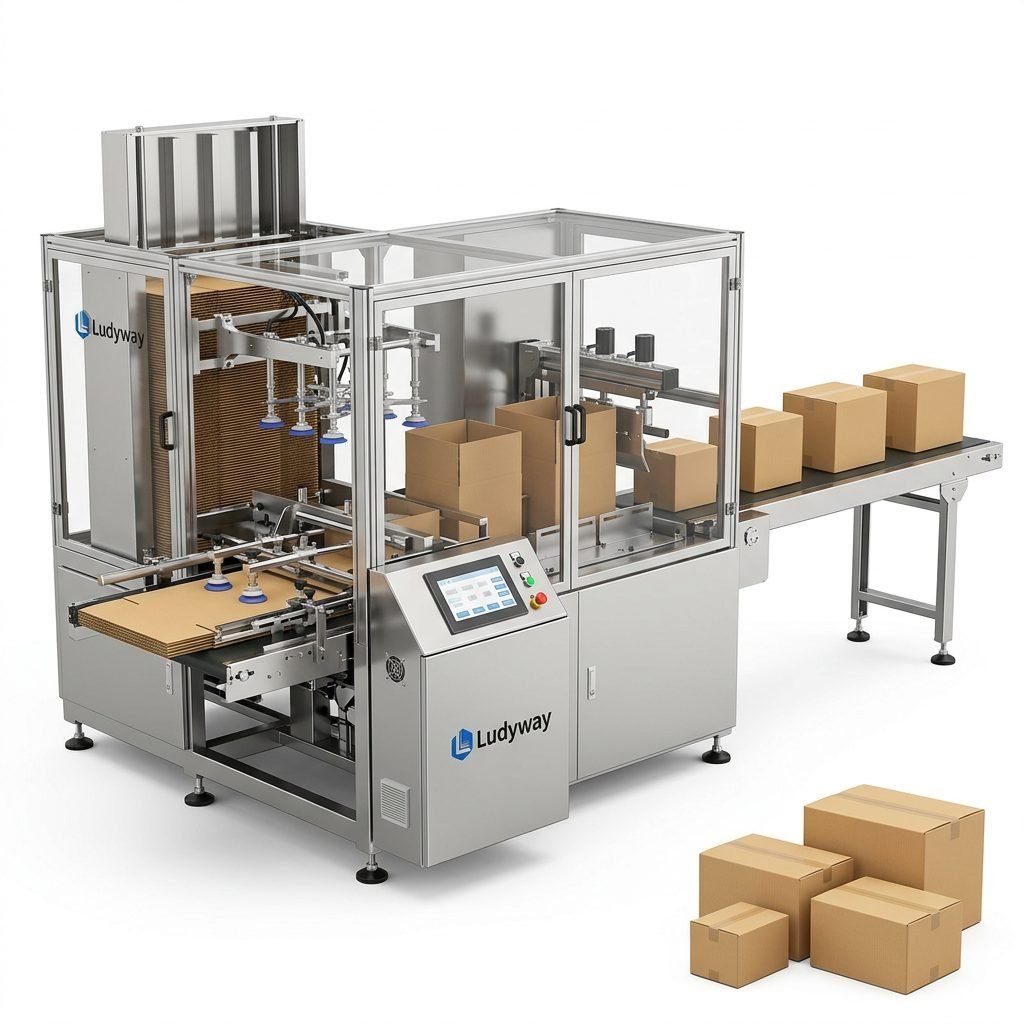
Ludyway Machinery exemplifies this integrated approach. As a China-based packaging machinery manufacturer and turnkey solution provider with over three decades of experience, Ludyway doesn’t just supply standardized automatic cartoning machines. Their team of over 130 professionals works within a 20,000-square-meter facility to configure equipment that handles complex products—from fragile medical devices to dense food granules. They focus on engineering customized solutions that connect seamlessly with filling, coding, and palletizing systems, effectively acting as a single-source partner for global manufacturers looking to automate and scale production efficiently.
Critical Questions to Ask Before Buying
- What is the actual demonstrated speed with my product? Never rely solely on the machine’s nameplate capacity.
- How quick is the size changeover? Ask for a live demonstration of a changeover, not just the theoretical time stated in the brochure.
- What format flexibility is truly available? Some machines advertise multi-format capability but require extensive tooling changes.
- How is the machine tested before shipment? A Factory Acceptance Test (FAT) using your actual materials is non-negotiable.
- What level of remote support is available? Post-installation, access to remote troubleshooting via VPN can save hours of downtime.
Future-Proofing Your Investment
Regulatory landscapes are shifting toward sustainability and serialization. Your automatic cartoning machine should be capable of handling recycled board or thinner materials without jamming. Additionally, if you operate in the pharmaceutical sector, consider systems pre-engineered for track-and-trace module integration to meet global regulatory standards. The ability to add a tamper-evident sealing module or a smart camera system later can extend the useful life of the machine by years.
By meticulously evaluating these areas—from carton style mechanics to the developer’s engineering pedigree—you can procure a solution that delivers reliable, high-speed cartoning well into the next decade.