Investing in a honey packing machine is a critical decision for beekeepers, food manufacturers, and co-packers looking to scale production while maintaining product integrity. Honey presents unique challenges—its high viscosity, temperature sensitivity, and tendency to crystallize mean that not all filling equipment is suitable. Selecting the wrong machine can lead to inaccurate fills, product waste, and costly downtime. This guide walks you through everything you need to know to make an informed purchase, from understanding your product’s behavior to evaluating machine specifications and supplier qualifications.
Understanding Honey’s Unique Packaging Challenges
Before comparing machine specifications, it is essential to recognize why honey requires specialized packaging equipment. Unlike water-thin liquids, honey’s viscosity varies dramatically based on floral source, moisture content, and temperature. Some varietals flow easily at room temperature, while others are thick and slow-moving even when warmed. Crystallization is another factor—honey naturally granulates over time, and this process can interfere with filling nozzles and dosing systems if the equipment is not designed to handle it.
Key product characteristics that influence machine selection include:
- Viscosity range — from runny acacia honey to thick manuka or crystallized varieties
- Temperature sensitivity — excessive heat degrades enzymes and aromatic compounds; gentle warming may be needed for flowability
- Aeration tendency — honey traps air bubbles during filling, which can affect fill accuracy and shelf appearance
- Stickiness and residue — product clings to surfaces, requiring easy-clean designs and drip-free nozzles
- Natural preservative properties — while honey resists spoilage, hygienic filling conditions are still regulated under food safety regulations
Types of Honey Packing Machines
The market offers several categories of honey packaging equipment, each suited to different production scales and packaging formats. Understanding the differences will help you narrow your options quickly.
Semi-Automatic Honey Fillers
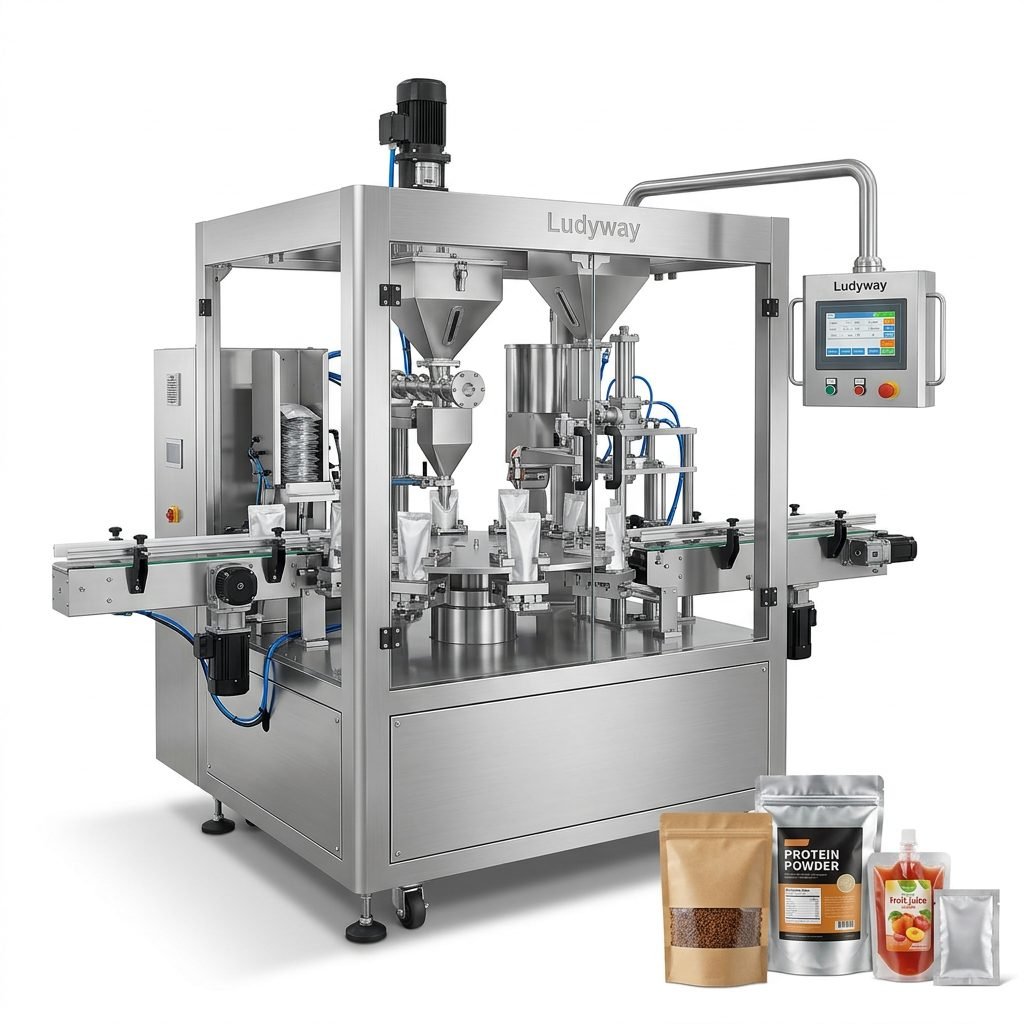
Semi-automatic machines require an operator to position containers and initiate the fill cycle. They are ideal for small to medium-scale producers who process dozens to a few hundred units per day. These machines typically use piston filling or gear pump mechanisms and offer excellent accuracy at a lower capital cost. However, throughput is limited by manual container handling.
Fully Automatic Liquid Filling Lines
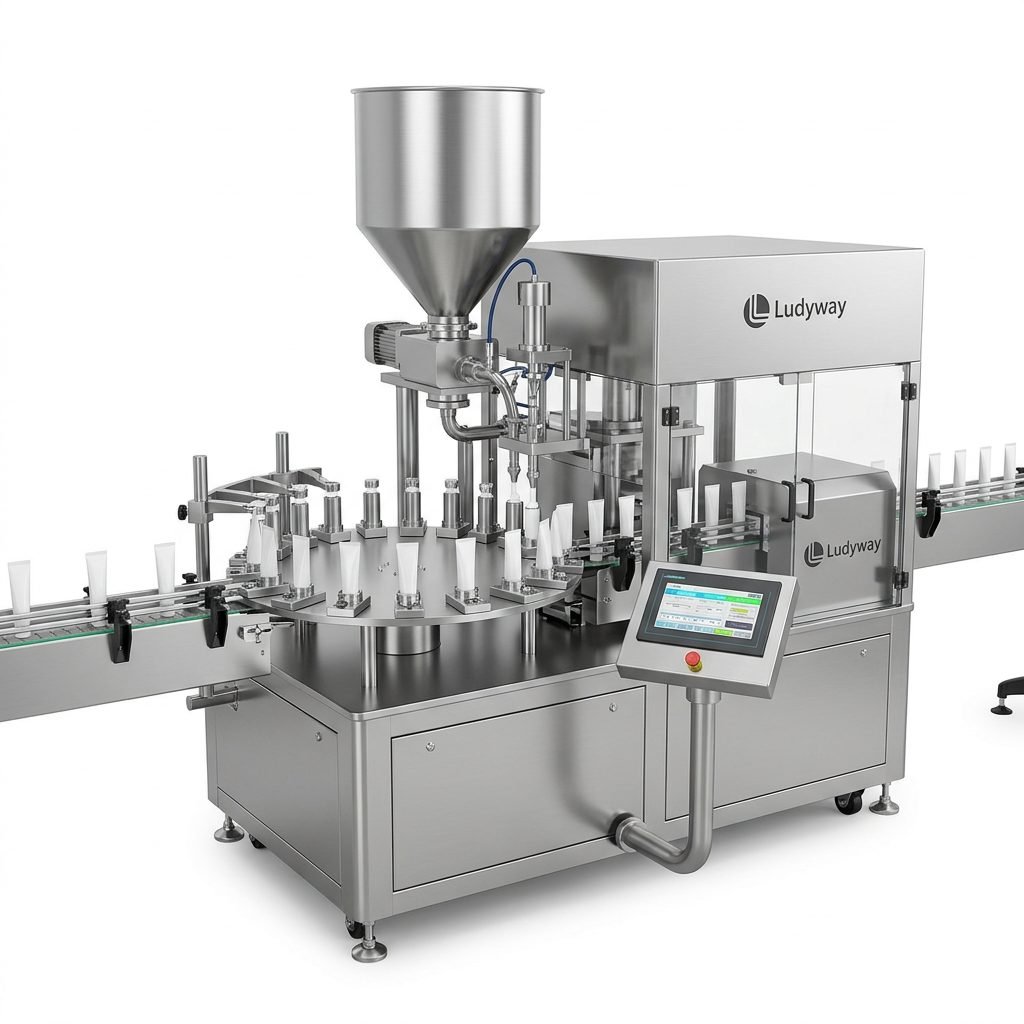
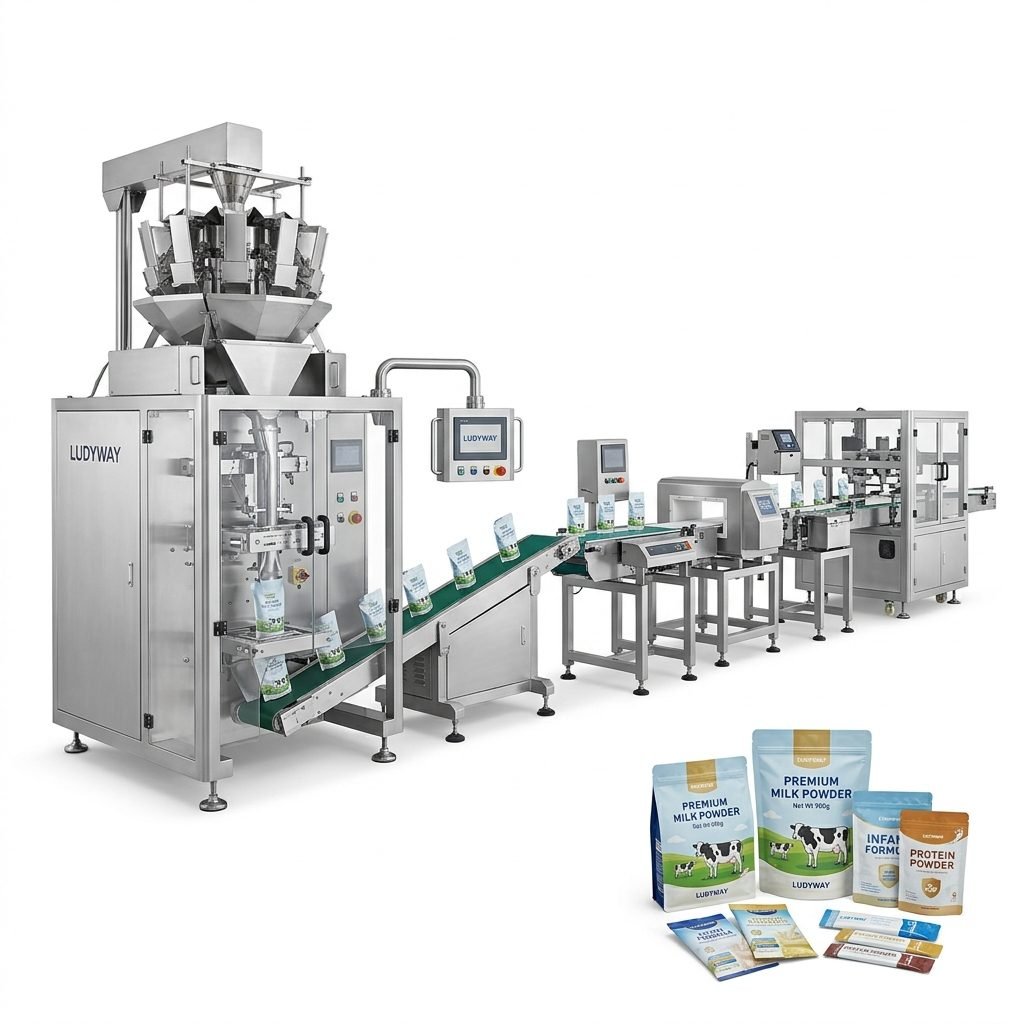
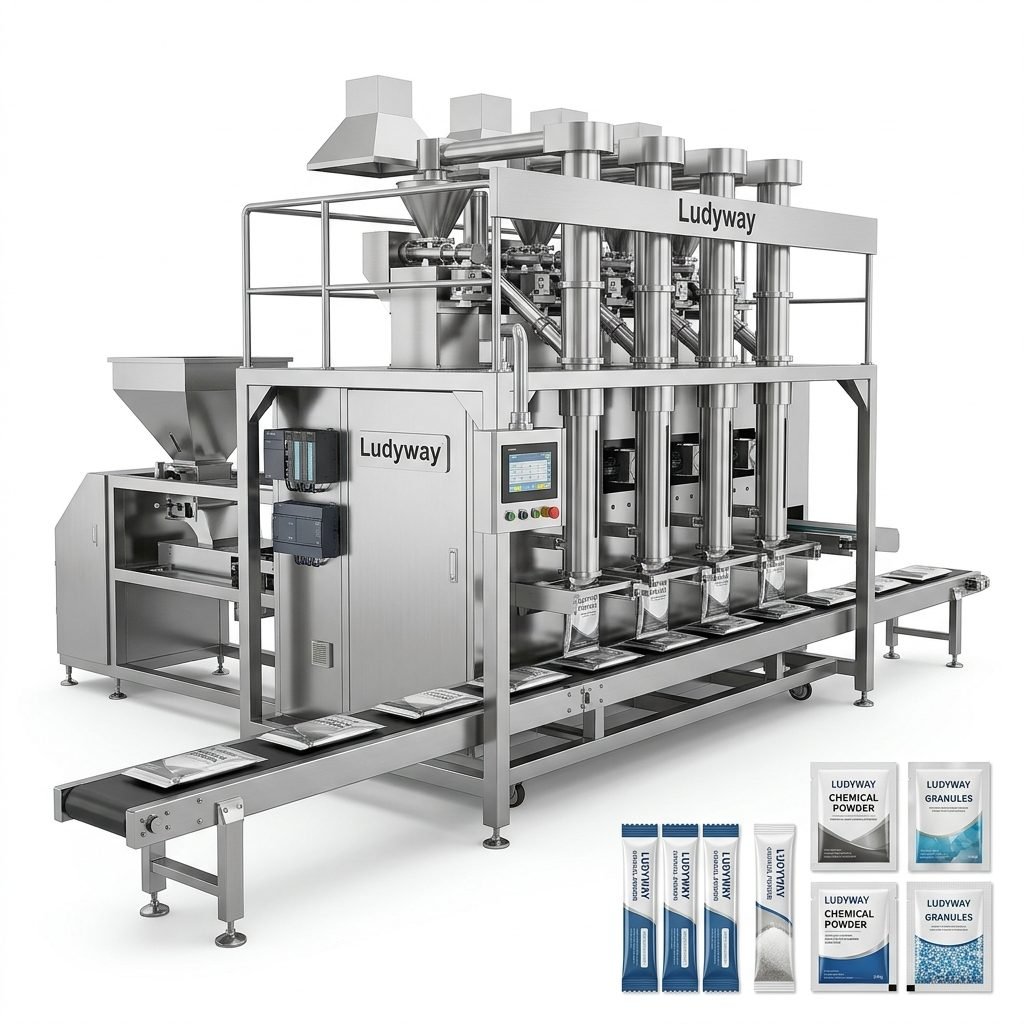
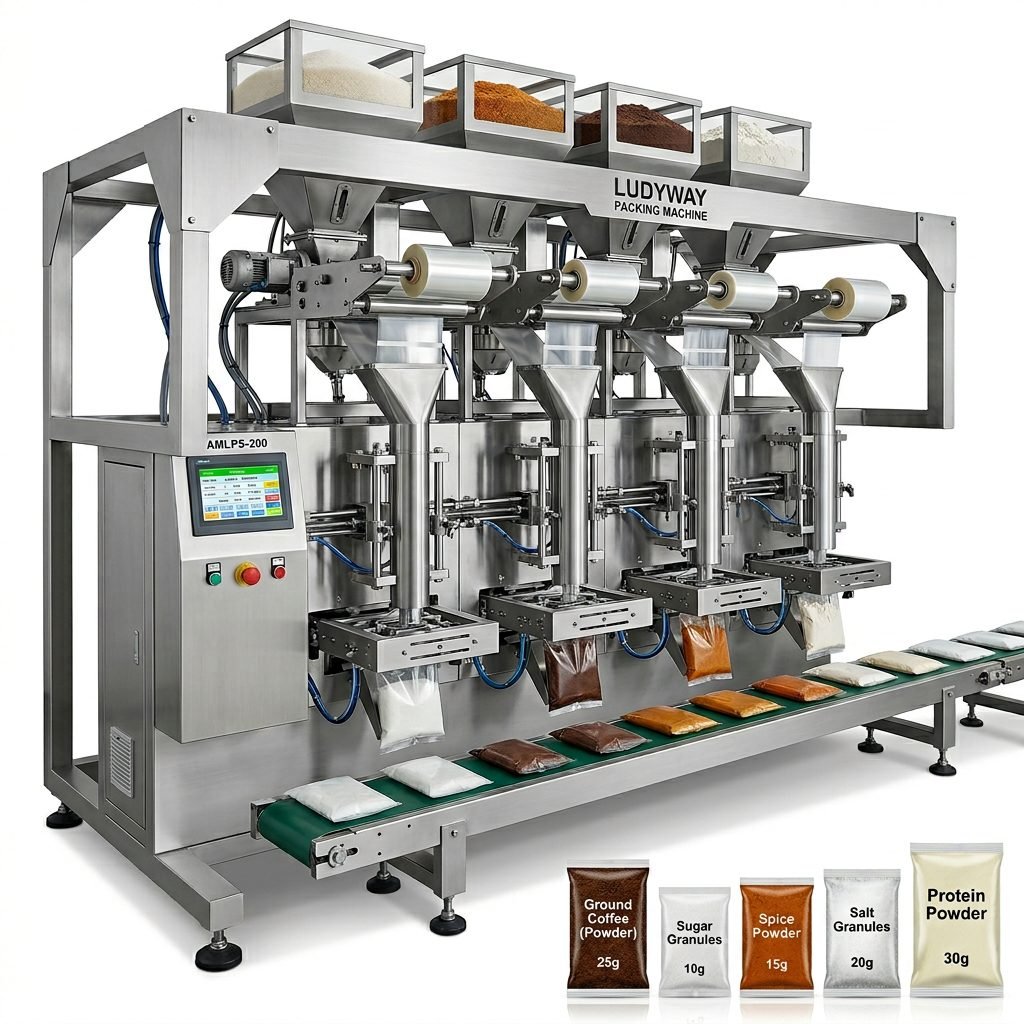
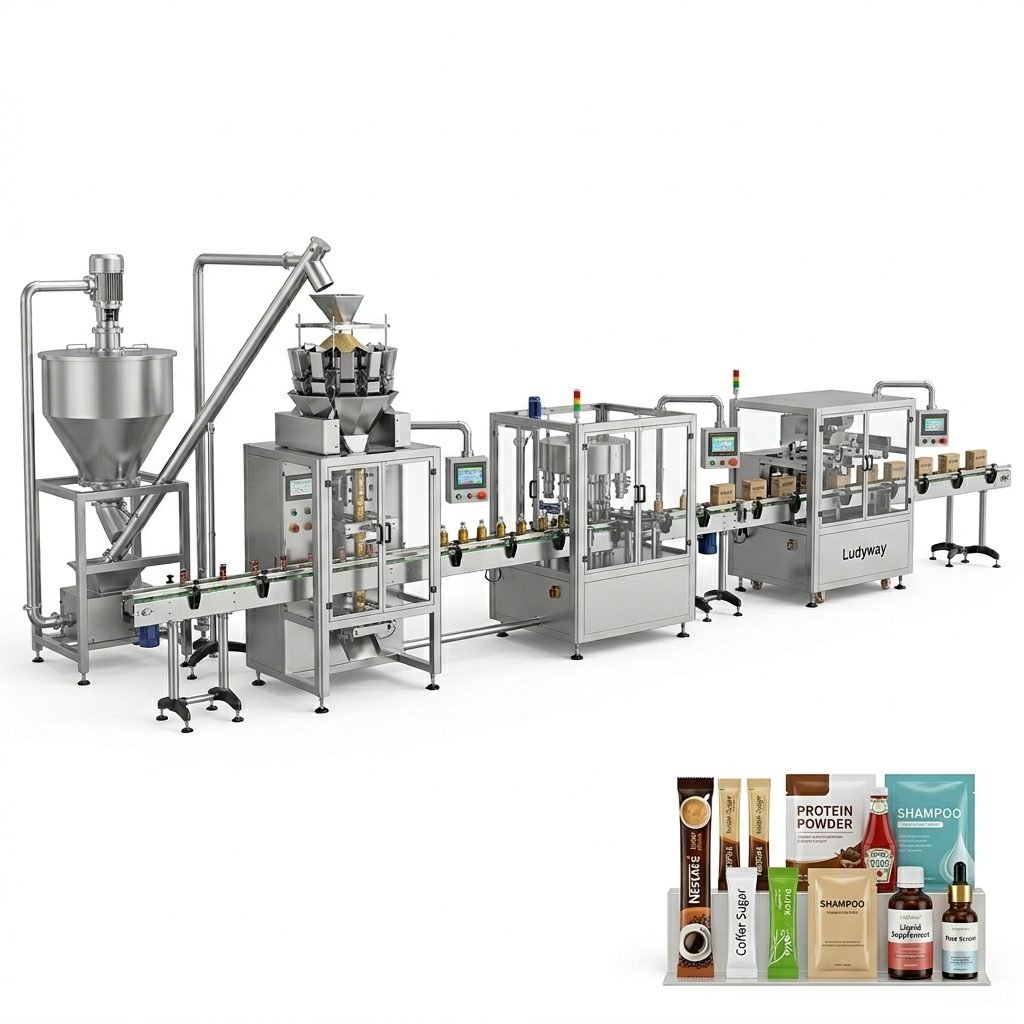
For operations producing thousands of units per shift, fully automatic packaging machinery lines integrate container feeding, filling, capping, labeling, and coding into a single automated sequence. Multi-nozzle configurations can fill several containers simultaneously, dramatically increasing throughput. These systems are commonly used for jars, bottles, and squeeze containers in retail-ready formats.
Stick Pack and Sachet Machines
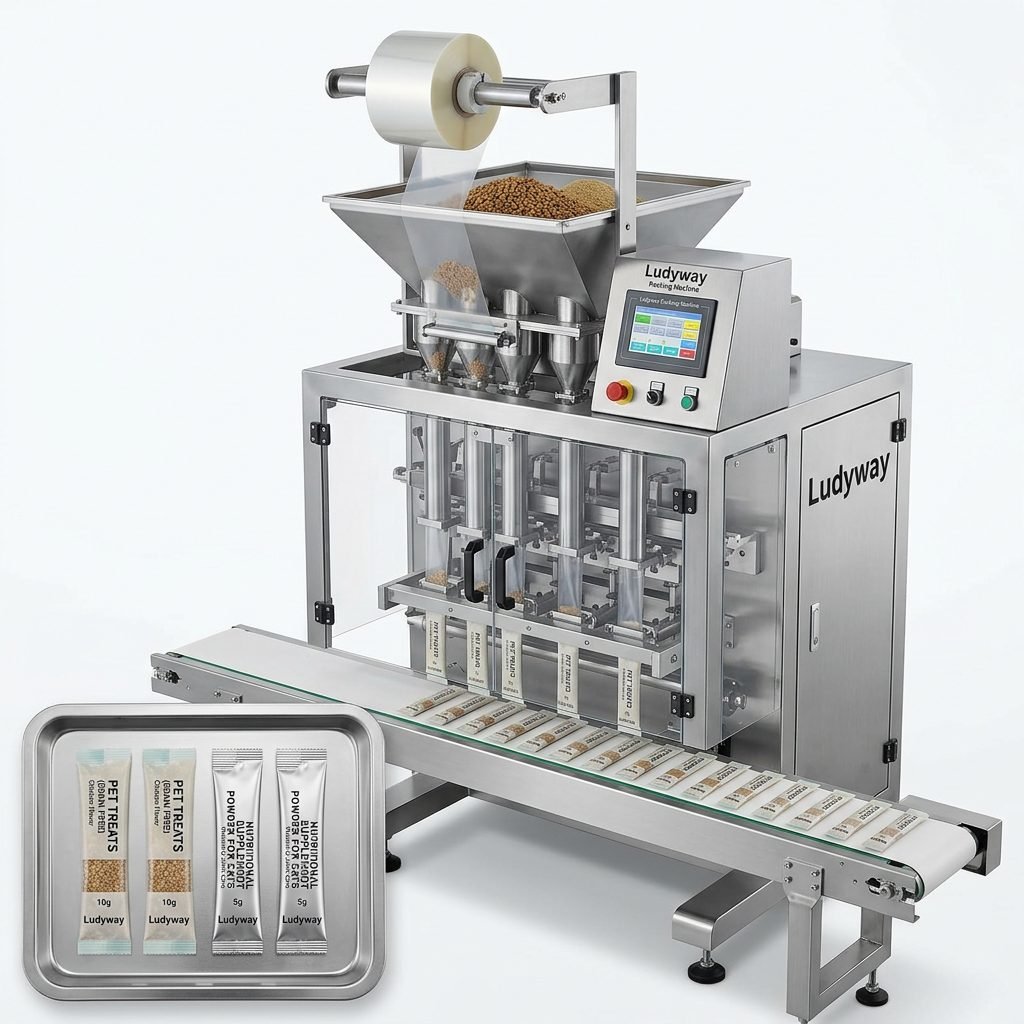
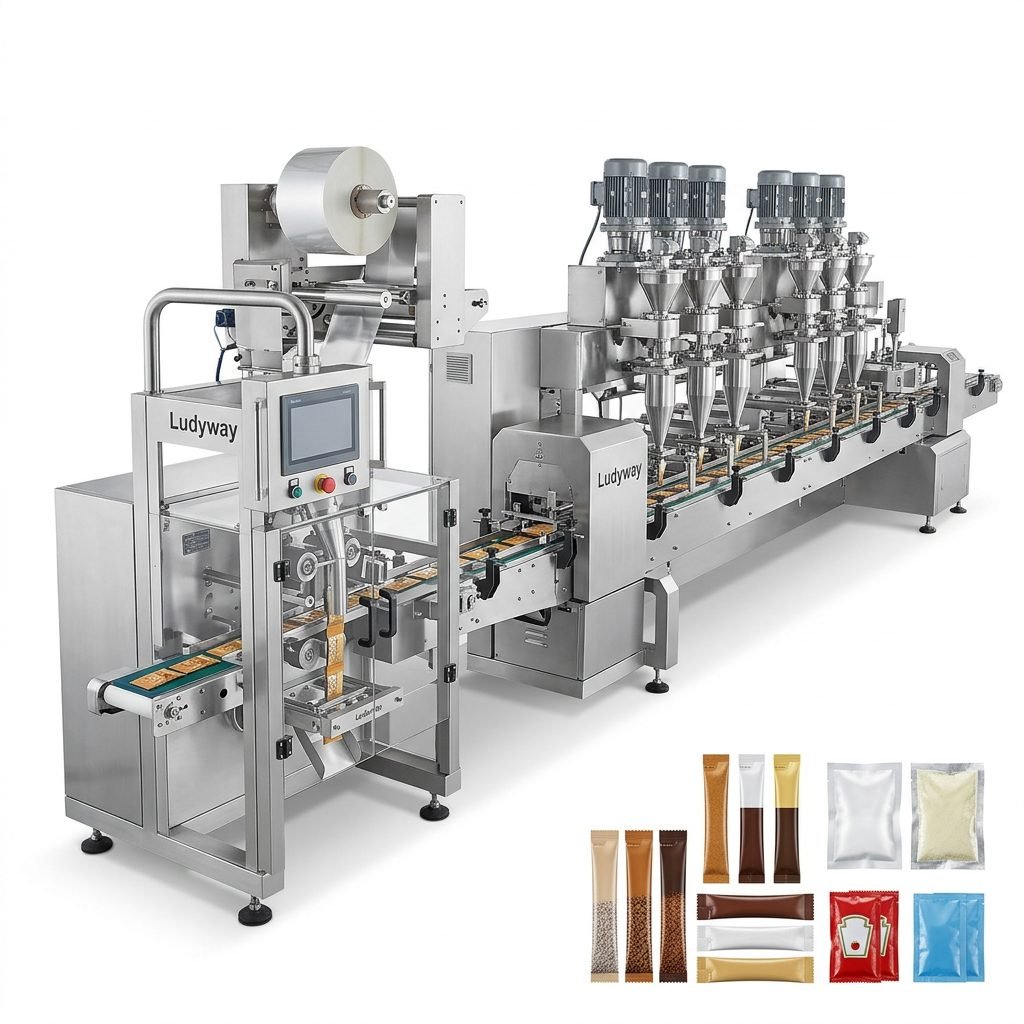
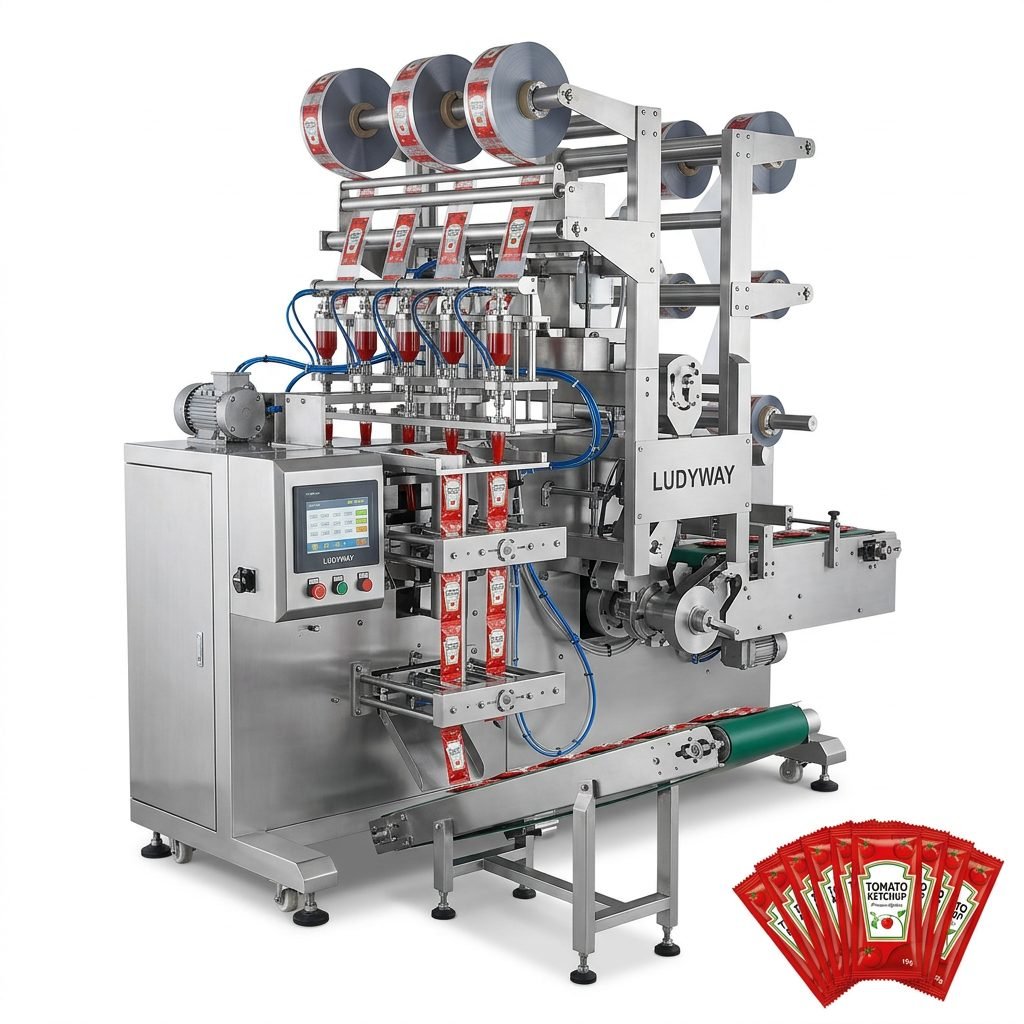
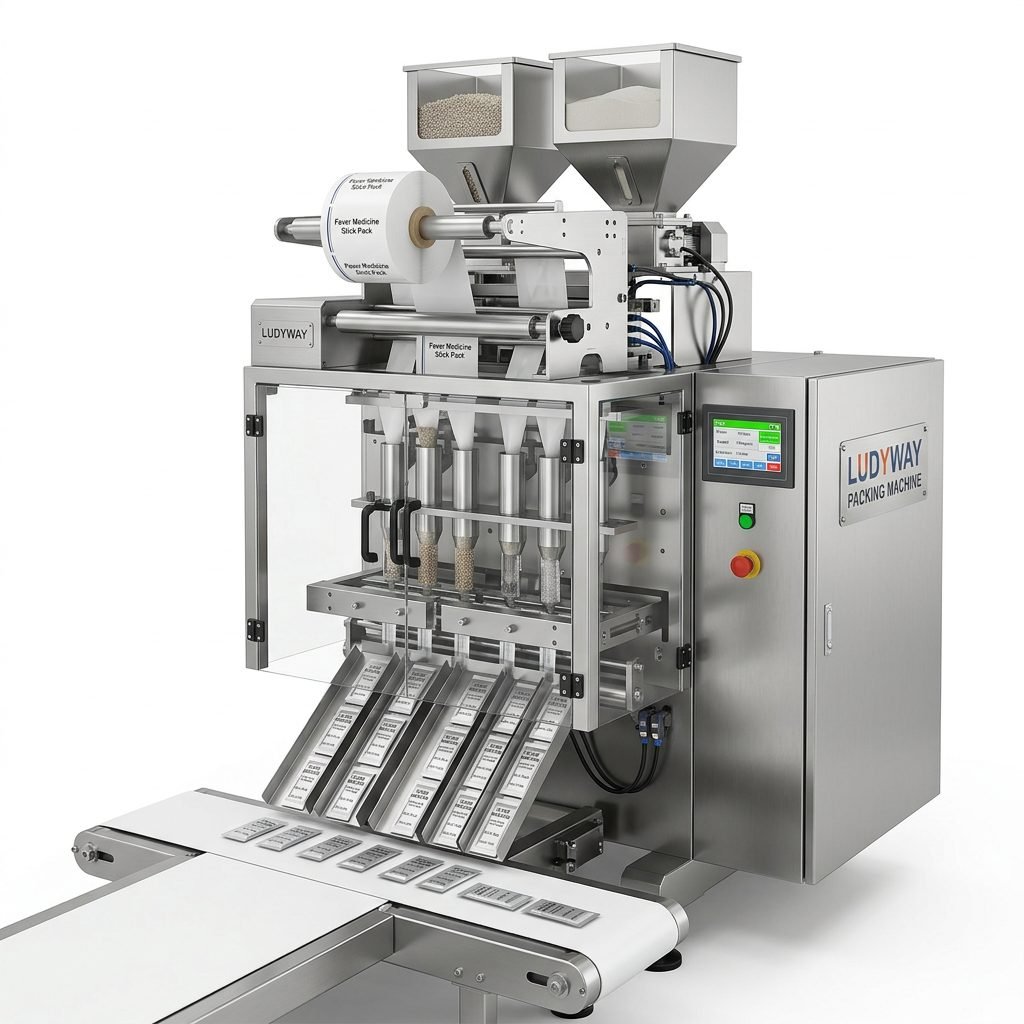
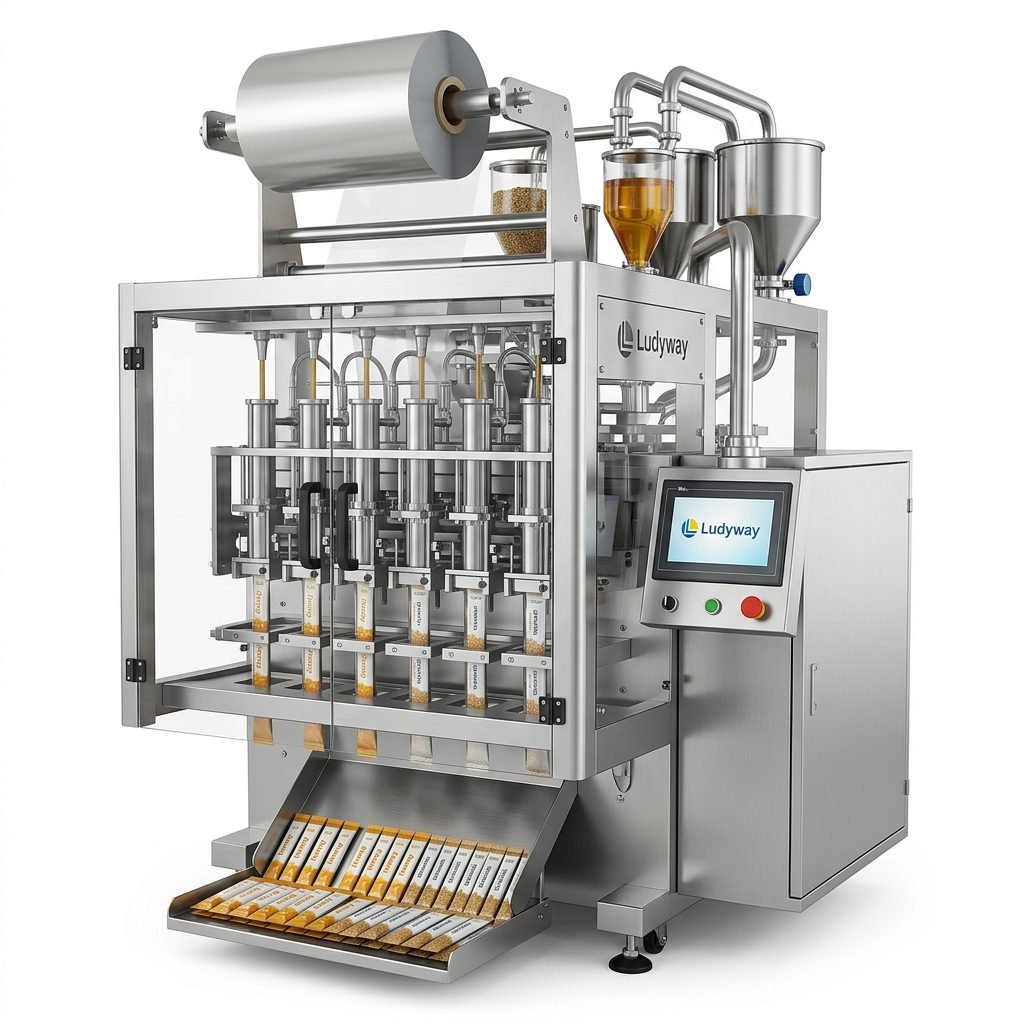
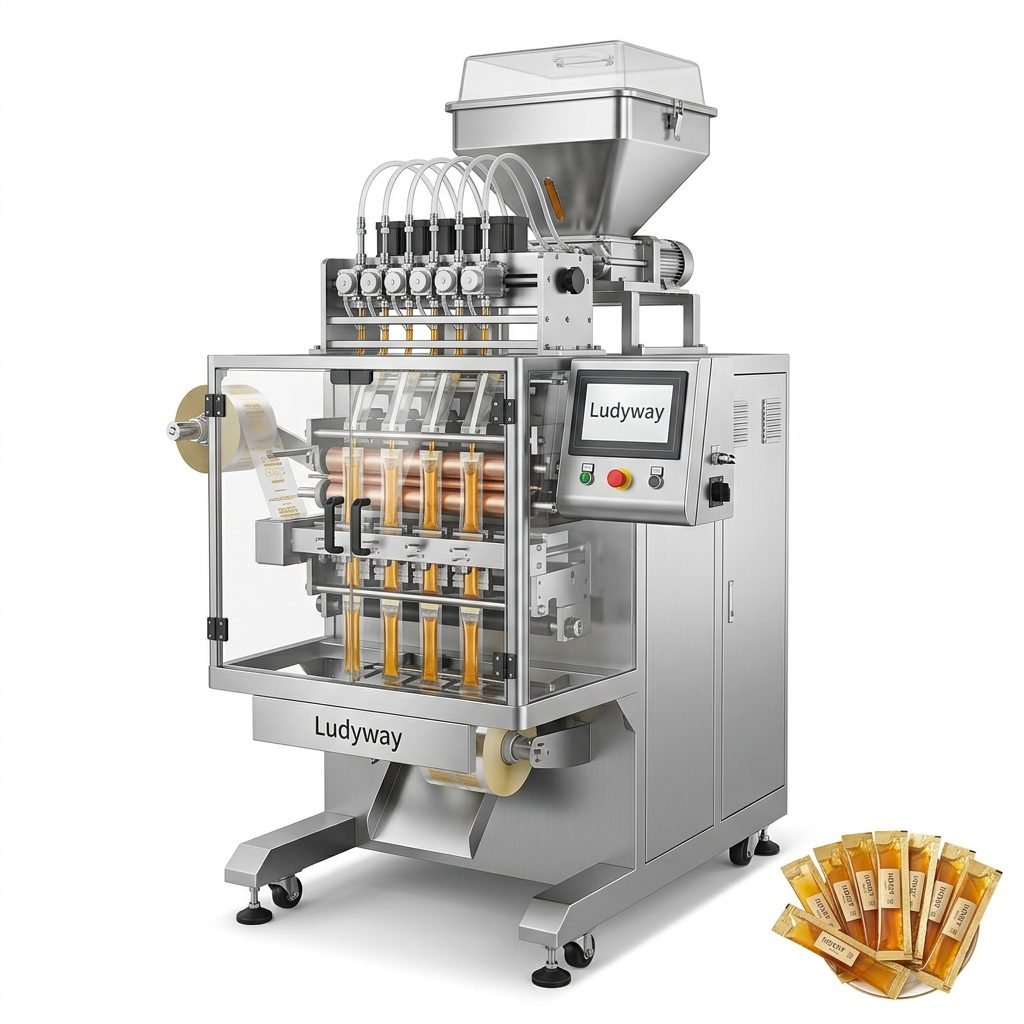
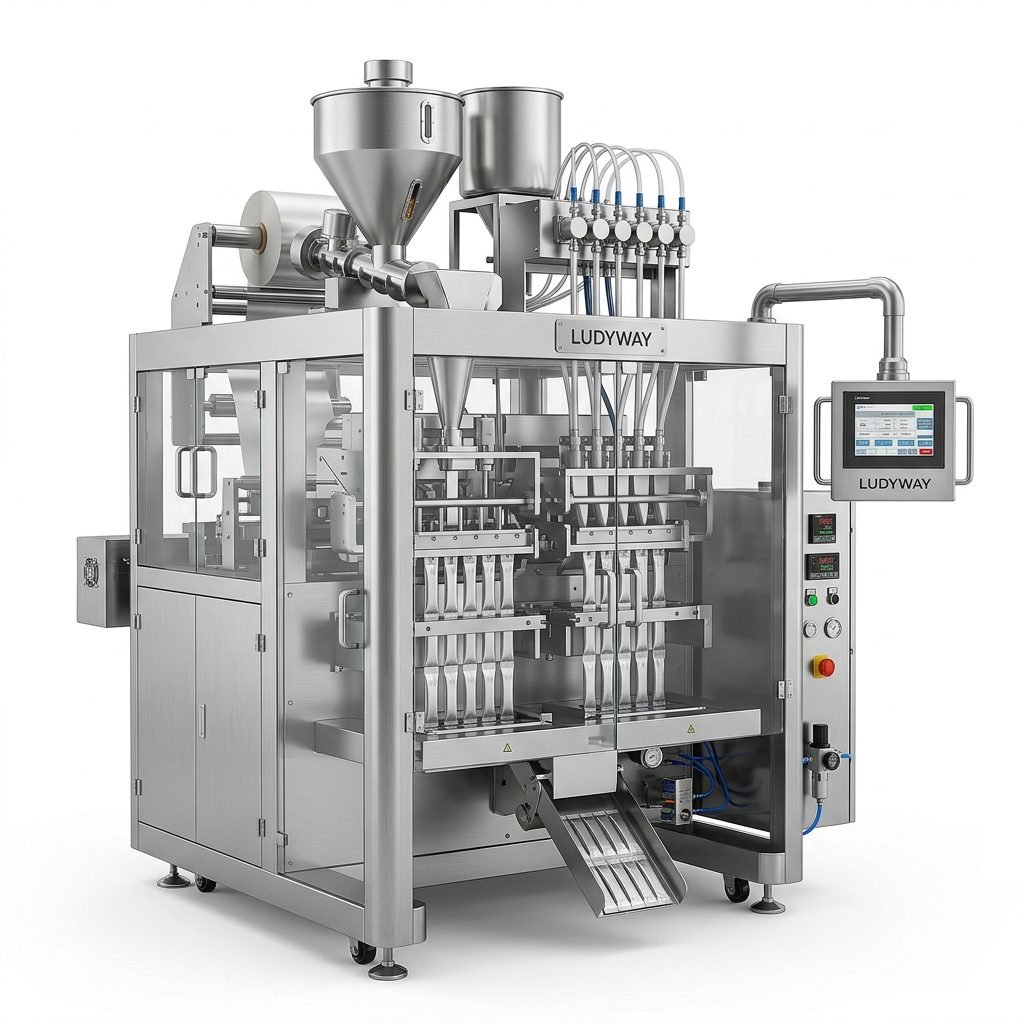
Single-serve honey portions have become increasingly popular in foodservice, travel, and retail channels. Stick pack machines and sachet fillers produce sealed, portion-controlled packets at high speeds, often using multi-lane configurations that can output hundreds of packs per minute. Flexible packaging in this format requires precise sealing parameters to prevent leaks, given honey’s sticky nature.
Key Factors to Evaluate When Choosing a Honey Packing Machine
Once you have identified the general machine category that fits your production goals, evaluate the following technical and operational factors in detail.
Filling Accuracy and Dosing Technology
Honey is sold by weight, and inaccurate fills directly impact profitability. Overfilling by even 3-5% across thousands of units results in significant product giveaway over time. The dosing mechanism is the heart of any filling machine, and three technologies dominate honey applications:
- Piston fillers — excellent for thick, viscous products; provide consistent volumetric fills and handle particulates if honey contains comb fragments or added ingredients
- Gear pump fillers — precise and suitable for continuous flow applications; work well with free-flowing honey but may struggle with crystallized product
- Mass flow meters — measure by weight rather than volume; ideal for products where density varies and accuracy requirements are stringent
Container Compatibility and Changeover Flexibility
Many honey producers package in multiple formats—glass jars, plastic squeeze bottles, portion cups, sticks, and sachets. A machine that handles one container type may limit future growth. Evaluate the changeover process: how quickly can the machine switch between jar sizes or packaging formats? Machines with tool-free adjustments and recipe-based settings stored in the PLC reduce downtime and operator error.
Production Speed and Throughput Requirements
Throughput needs should be assessed realistically, considering both current demand and projected growth over the next 3-5 years. A machine operating at maximum rated speed continuously may experience accelerated wear. It is generally advisable to select equipment rated for at least 20-30% above your current required output to allow for peak periods and future expansion without running the machine at its absolute limit.
| Production Scale | Daily Output Range | Recommended Machine Type | Typical Investment Level |
|---|---|---|---|
| Small / Artisanal | 100 – 1,000 units | Semi-automatic piston filler | Entry-level |
| Medium / Growing | 1,000 – 10,000 units | Automatic inline filler with multi-nozzle | Mid-range |
| Large / Industrial | 10,000 – 100,000+ units | Fully automated packaging line with integrated capping and labeling | High capital |
| Single-Serve / Portion | 50,000 – 500,000+ packs | Multi-lane stick pack or sachet machine | Mid to high capital |
Cleaning, Maintenance, and Hygiene Design
Honey residue is notorious for attracting dust, insects, and promoting microbial growth if not cleaned thoroughly. Equipment with sanitary design features—including stainless steel contact surfaces, quick-release components for disassembly without tools, and CIP (clean-in-place) capabilities—reduces sanitation labor and helps meet ISO packaging standards. Consider how long a full cleaning cycle takes and whether production must stop during sanitation.
Temperature Control and Product Conditioning
Honey’s flow characteristics are temperature-dependent. Many filling systems incorporate jacketed hoppers or in-line heaters that gently warm honey to an optimal filling temperature—typically between 30°C and 40°C (86°F-104°F)—without overheating. Temperature control should be precise and adjustable, as different honey varietals may require different settings. Overheated honey loses valuable enzymes and can develop off-flavors.
Sealing and Closure Systems
The fill is only part of the process. Sealing integrity is critical for honey, as leaks can damage secondary packaging and create sticky messes throughout the supply chain. For jar and bottle formats, induction sealing provides a tamper-evident, leak-proof closure that also extends shelf life. For flexible formats like stick packs and sachets, precise heat-sealing parameters—temperature, dwell time, and pressure—must be validated for the specific film structure used.
Evaluating Machine Build Quality and Component Sourcing
Not all packaging machines are built to the same standard. The longevity and reliability of your equipment depend heavily on the quality of components and the manufacturer’s engineering approach. Ask potential suppliers about:
- Frame and contact materials — 304 or 316 stainless steel is standard for food-grade equipment; verify material certifications
- Pneumatic and electrical components — brands like Festo, SMC, Siemens, and Schneider indicate a commitment to quality
- PLC and HMI systems — user-friendly interfaces with multi-language support and diagnostic capabilities reduce operator training time
- Spare parts availability — globally sourced standard components are easier to replace than proprietary custom parts
Supplier Selection and Due Diligence
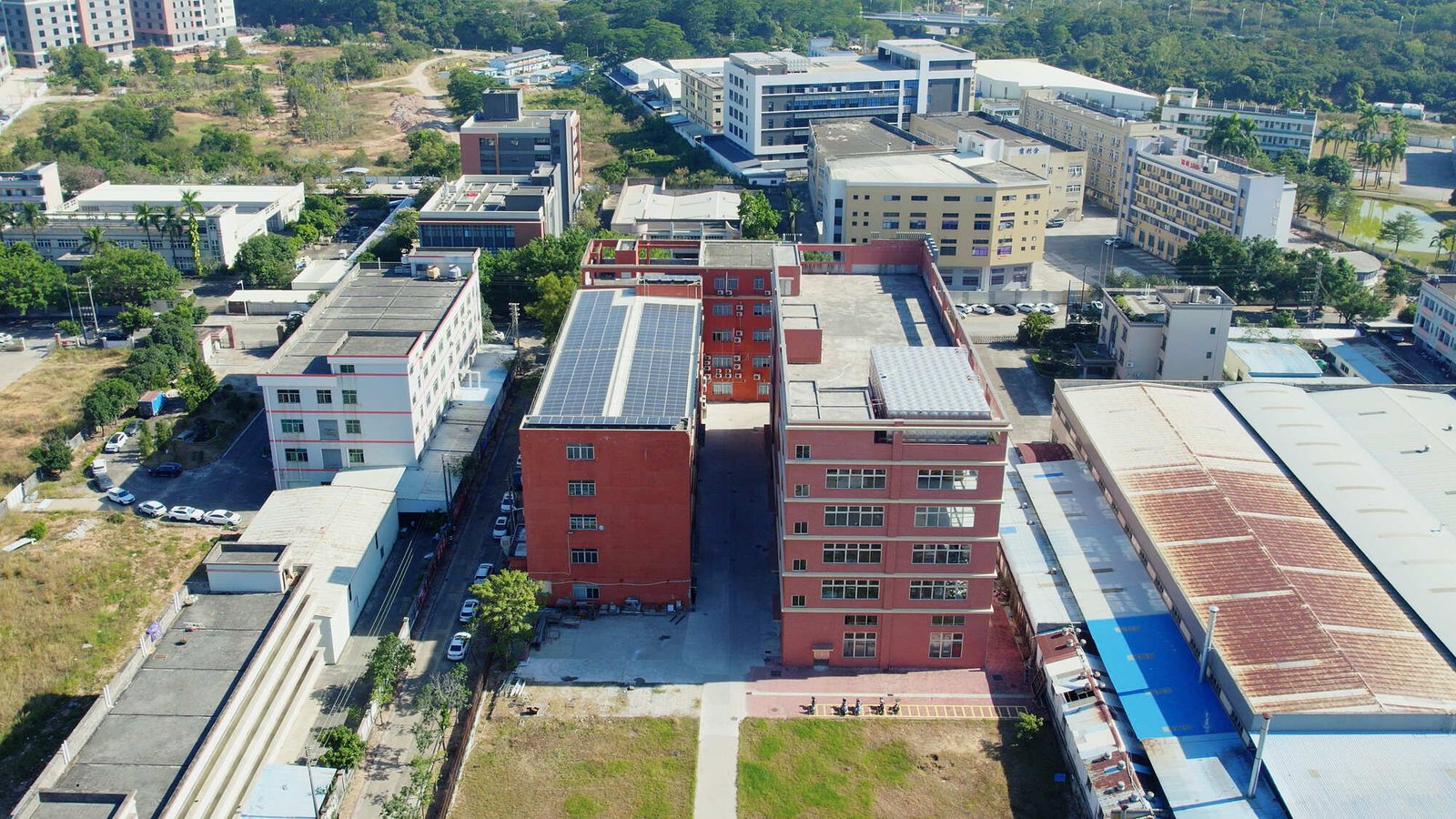
Purchasing a honey packing machine involves a long-term relationship with the equipment supplier. Beyond the machine itself, evaluate the manufacturer’s track record, service capabilities, and willingness to provide references. Manufacturers with experience across multiple industries—food, pharmaceutical, and personal care—often bring cross-sector expertise to their equipment design. For example, Ludyway Machinery, with over 30 years of experience and a 20,000-square-meter manufacturing facility, provides automated packaging solutions configured for different production speeds, filling volumes, and packaging materials, and supports customers through installation, commissioning, training, and after-sales service.
Key questions to ask suppliers include:
- Can you provide references from honey or similar viscous product applications?
- What is the lead time for the machine and for critical spare parts?
- Do you offer factory acceptance testing (FAT) before shipment?
- What technical support is available after installation—remote assistance, on-site service, or both?
- Is training included, and can it be conducted at our facility?
Total Cost of Ownership and ROI Considerations
The purchase price is only one component of the total cost of ownership. A lower upfront cost may be offset by higher maintenance expenses, reduced efficiency, or shorter service life. When calculating ROI, factor in:
- Labor savings — how many operators does the machine replace or redeploy?
- Product giveaway reduction — improved fill accuracy directly recovers product cost
- Throughput increase — higher output with the same or reduced labor
- Downtime costs — reliable equipment with accessible spare parts minimizes production interruptions
- Energy consumption — efficient motors, heating systems, and compressed air usage affect ongoing utility costs
Compliance and Certification Requirements
Depending on your target markets, your packaging equipment may need to meet specific regulatory requirements. Equipment destined for European packaging regulations or FDA food contact requirements must comply with applicable standards. Discuss certification needs—such as CE marking, UL compliance, or GMP design principles—with potential suppliers early in the evaluation process.
Future-Proofing Your Investment
The packaging industry continues to evolve, driven by packaging industry trends emphasizing automation, sustainability, and flexible manufacturing. When selecting a honey packing machine, consider whether the equipment can adapt to future needs:
- Modular design — can additional filling heads, lanes, or automation modules be added later?
- Software upgradability — does the control system support remote diagnostics and Industry 4.0 integration?
- Packaging material flexibility — can the machine run recyclable or compostable films as they become available?
- Format versatility — does the machine support multiple packaging formats to accommodate changing market demands?
For honey producers exporting to international markets, global packaging machinery trends indicate growing demand for automated, high-speed equipment that meets international quality and safety standards.
Practical Steps Before Making a Final Decision
- Conduct product testing — send samples of your honey (including crystallized and varietal types) to potential suppliers for filling trials; observe the results firsthand if possible
- Visit a reference site — seeing a similar machine in production provides insights no brochure can convey
- Compare at least three suppliers — evaluate technical proposals, not just price quotes; the lowest bid often excludes important features or support
- Prepare your facility — confirm that your plant has adequate power supply, compressed air capacity, floor space, and drainage for the new equipment
- Plan for installation and training — factor in time for commissioning, operator training, and initial production ramp-up in your project timeline
Conclusion
Choosing the right honey packing machine requires balancing technical specifications, production requirements, budget constraints, and long-term business goals. By thoroughly understanding your product’s behavior, evaluating machine configurations against objective criteria, and selecting a supplier with proven expertise and reliable support, you can make a confident investment that serves your operation for years to come. Take the time to test, compare, and validate before committing—the upfront diligence pays for itself many times over through efficient, trouble-free production.