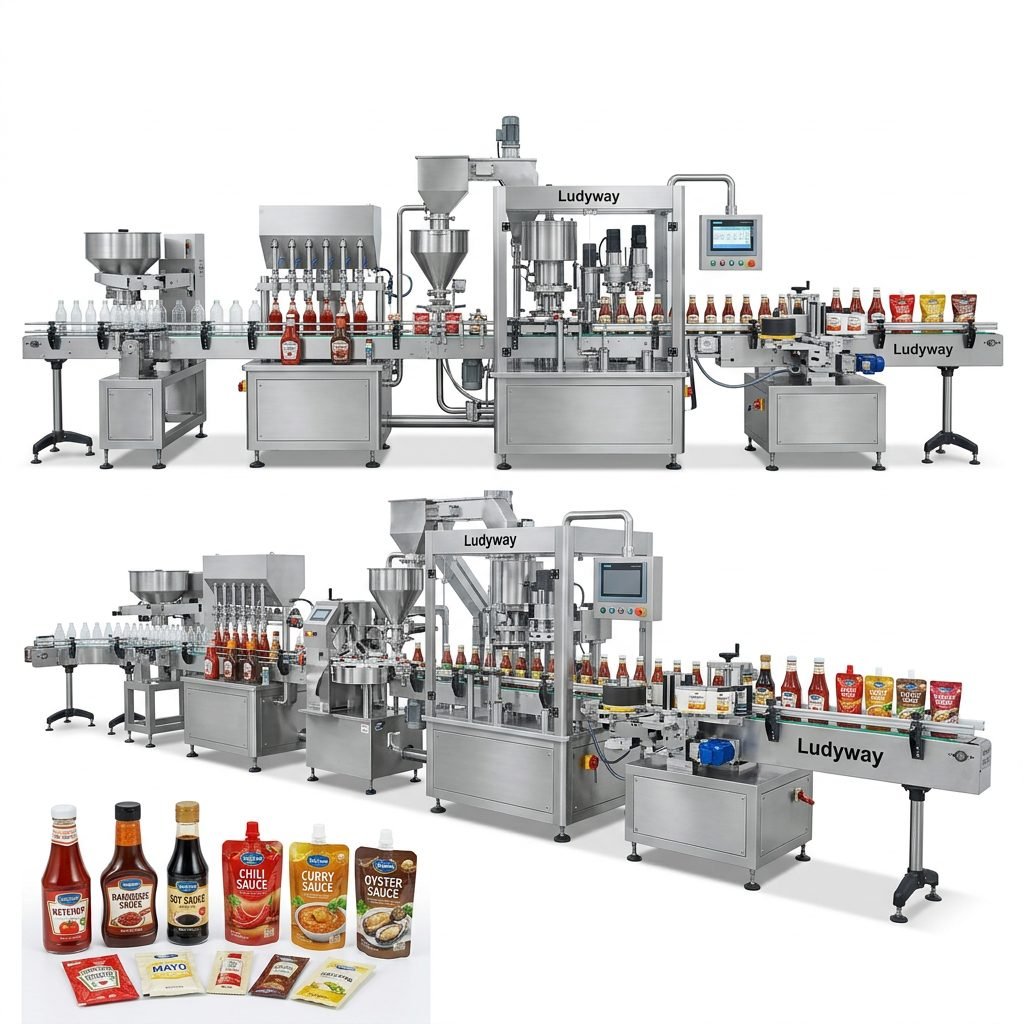
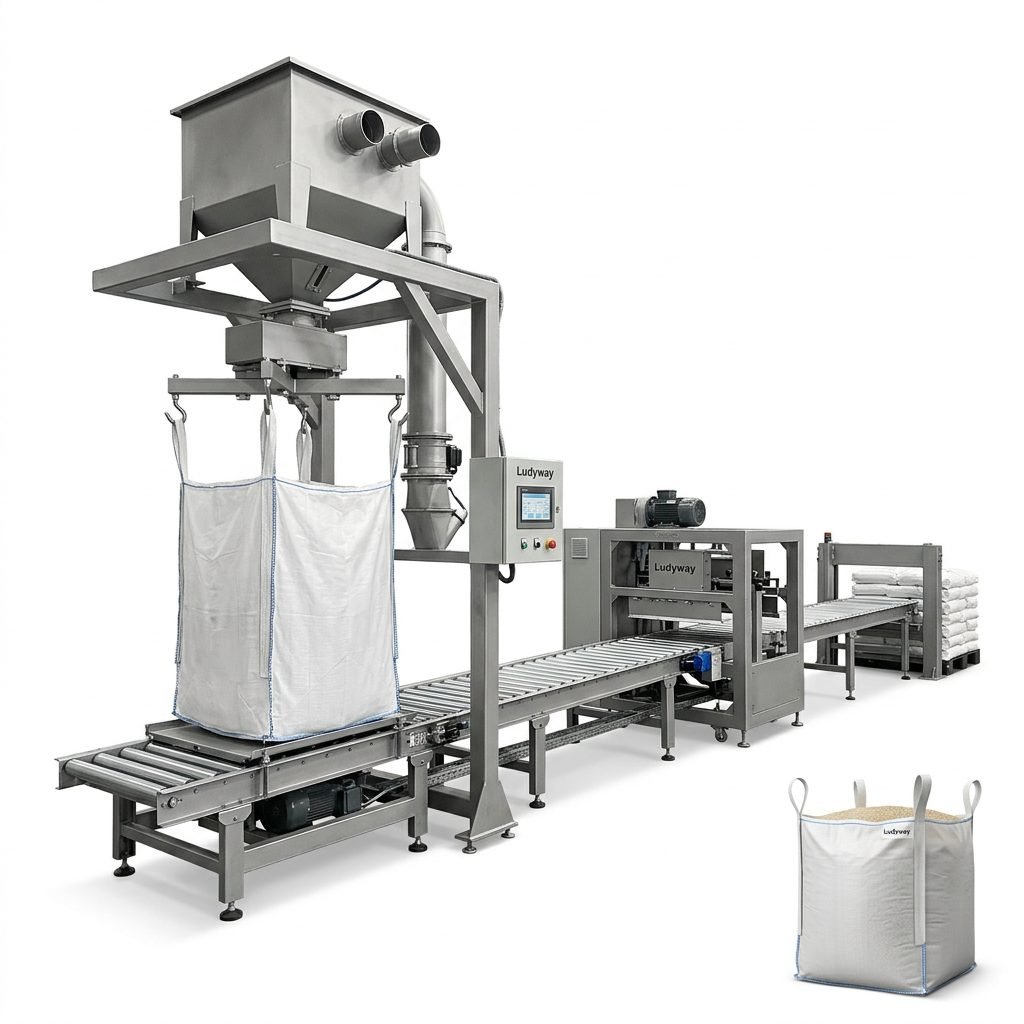
Selecting a semi-automatic packaging machine is a critical decision that directly impacts your production efficiency, product quality, and bottom line. Unlike fully automatic systems, semi-automatic equipment requires some level of operator intervention, making it an ideal bridge between manual labor and full automation. This guide walks you through the essential factors to consider before making your investment.
Understanding Semi-Automatic vs Automatic Packaging Equipment
Before diving into specifications, it’s crucial to understand where semi-automatic machines fit within the broader spectrum of packaging machinery. The global industry, tracked by organizations like the PMMI Association for Packaging and Processing Technologies, segments equipment based on automation levels.
A semi-automatic machine typically automates one or two core processes—such as filling or sealing—while an operator handles material feeding, container positioning, or product removal. A fully automatic packaging line, by contrast, integrates all stages with minimal human touchpoints.
| Feature | Semi-Automatic Machine | Fully Automatic Line |
|---|---|---|
| Operator Involvement | Required for key steps | Minimal supervision only |
| Initial Investment | Lower upfront cost | Higher capital expenditure |
| Flexibility | High adaptability for small batches | Optimized for long runs |
| Output Speed | Low to medium | Medium to very high |
| Ideal Application | Startups, co-packers, varied products | High-volume dedicated production |
When to Choose a Semi-Automatic Solution
- You are a small or medium-sized enterprise testing new products.
- Your packaging requirements change frequently, requiring fast changeovers.
- You need a specific function automated, such as liquid filling or pouch sealing, but can afford manual loading.
- Budget constraints make a full turnkey packaging solution impractical at the current stage.
Key Factors to Evaluate Before Buying
To match a machine to your operational reality, you must assess several product and process variables. The PMMI Business Intelligence Library regularly emphasizes that misalignment here is a leading cause of underperforming equipment.
1. Product Characteristics and Material Compatibility
Your product’s physical nature dictates the dosing and filling technology required. A semi-automatic powder filling machine uses an auger or volumetric filler, while a liquid unit uses a piston pump or peristaltic filling system. Granules, sticky pastes, and fragile solids each demand specific handling.
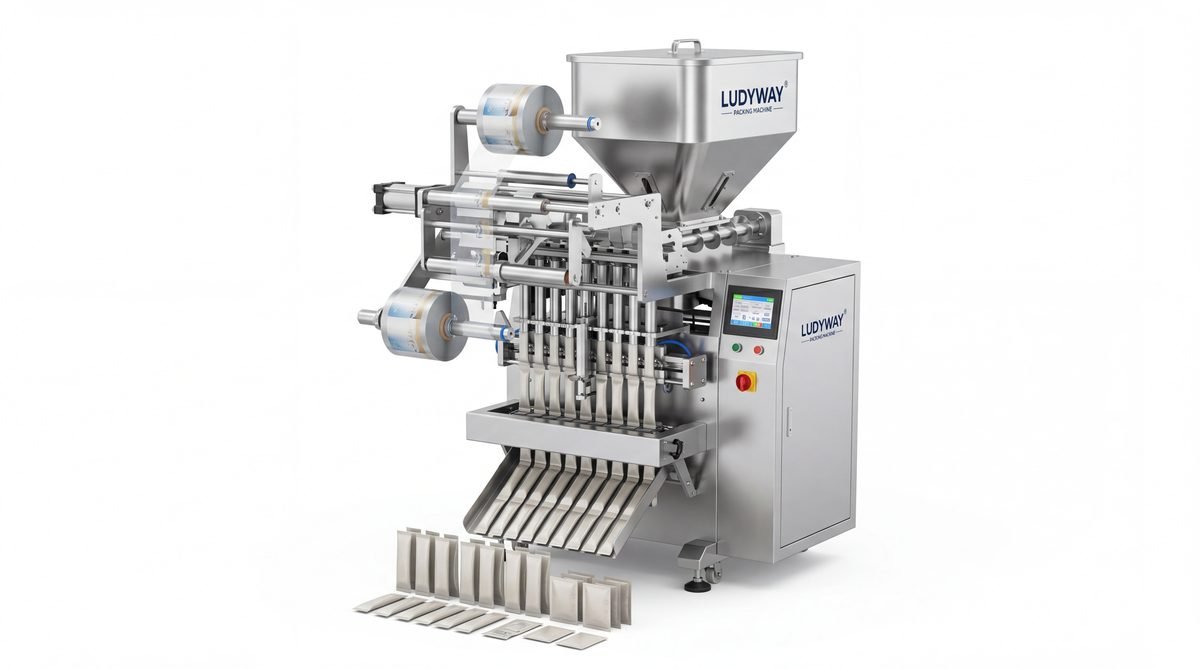
Critically evaluate the packaging material. Are you using laminated film, polyethylene, or stand-up pouches? The sealing temperature and jaw design must be compatible to avoid leaks or poor seal integrity. This is especially important in sectors monitored by the FDA food packaging and food contact substances division.
2. Production Speed and Capacity
Semi-automatic machines operate at a pace tied to the operator, typically ranging from 10 to 40 units per minute, depending on the fill volume and container type. You should project your required output over the next three years, not just today’s needs. For context on growth planning, the 2026 Packaging State of the Industry report offers valuable benchmarking data.
3. Flexibility and Changeover Time
One major advantage of semi-automatic packaging equipment is rapid changeover. A well-designed machine should allow format parts to be swapped in under 15 minutes without tools. If you handle multiple bag sizes or fill weights, prioritize features like digital recipe storage and quick-release components.
Essential Features of a Reliable Semi-Automatic Machine
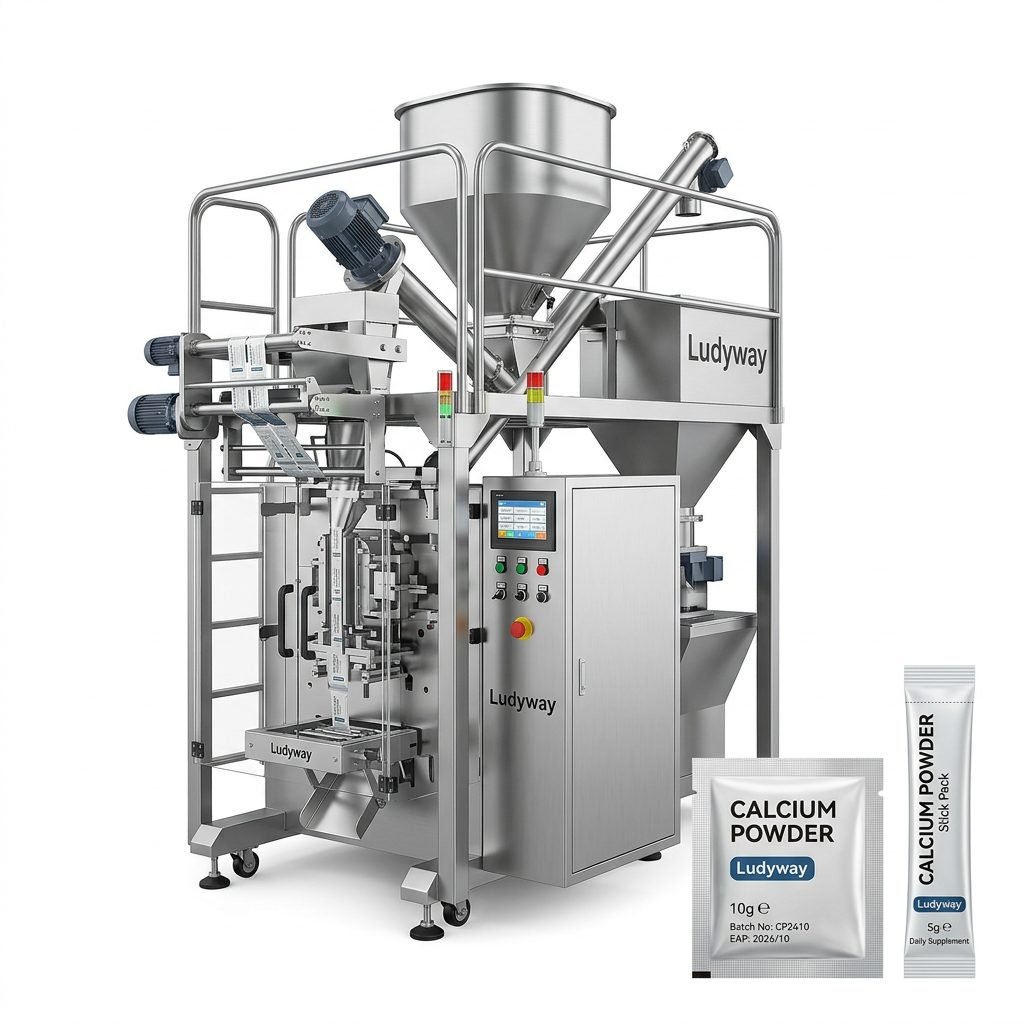
Not all machines are built to the same standard. Whether sourcing a single sachet packing machine or a vertical form fill seal unit, certain engineering aspects separate industrial-grade equipment from disposable alternatives.
Construction Quality and Compliance
The frame material—typically 304 or 316 stainless steel—is non-negotiable for food or pharmaceutical applications. Wipe-down surfaces, IP-rated electrical enclosures, and tool-free disassembly for cleaning are critical. The ISO packaging standards provide a framework for quality, and machines destined for international markets may need to demonstrate compliance with standards such as those referenced by the European Commission packaging regulations.
Dosing Accuracy
Accurate filling reduces product give-away and ensures regulatory compliance. Look for precision in the range of ±0.5% to ±1% for powders and granules. Liquid filling systems should handle varying viscosities without dripping.

Customization and Turnkey Options
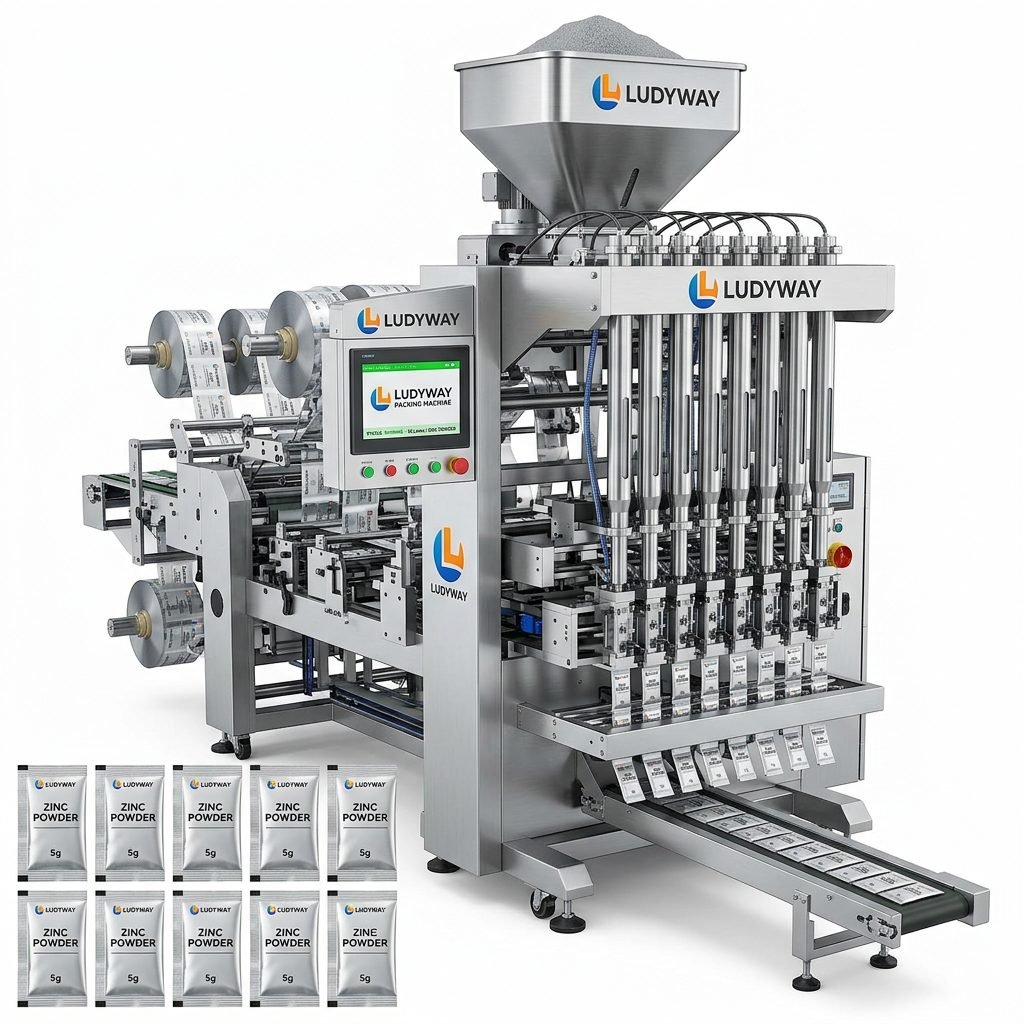
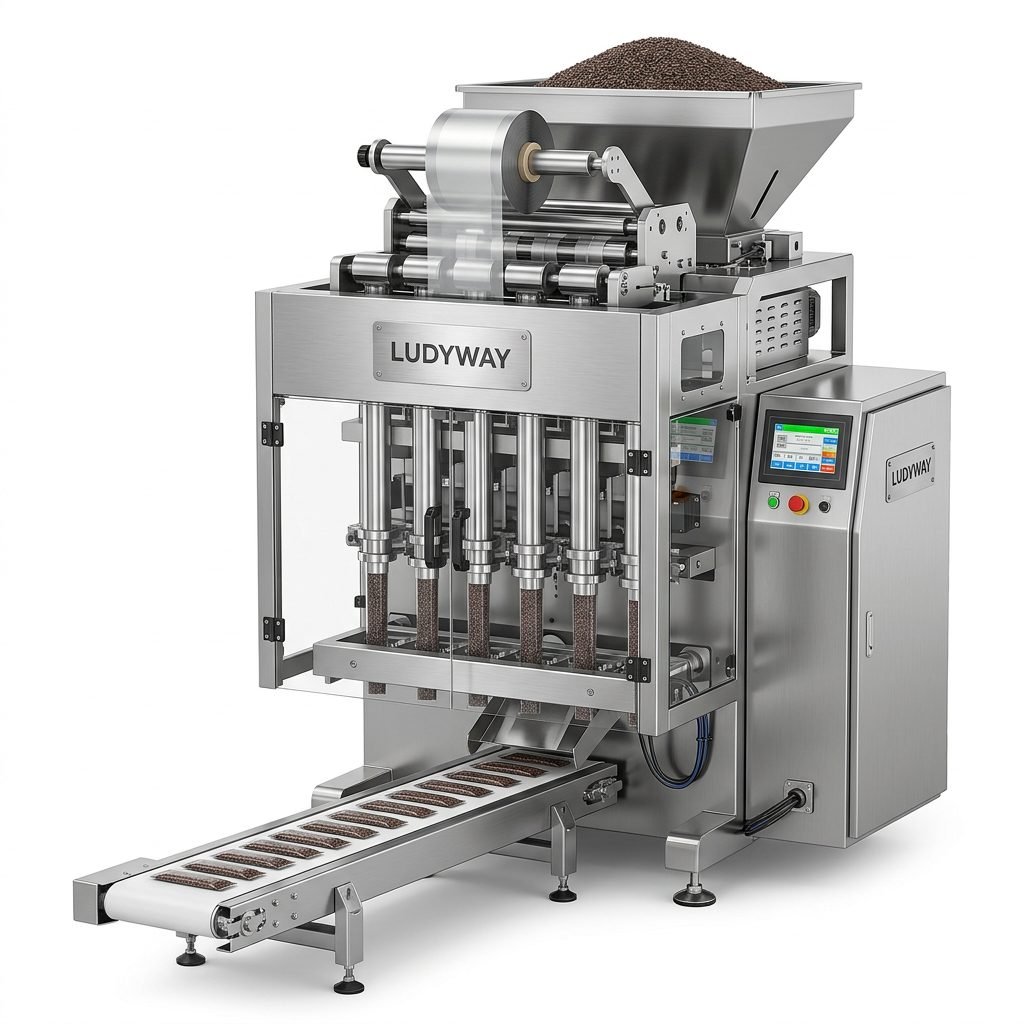
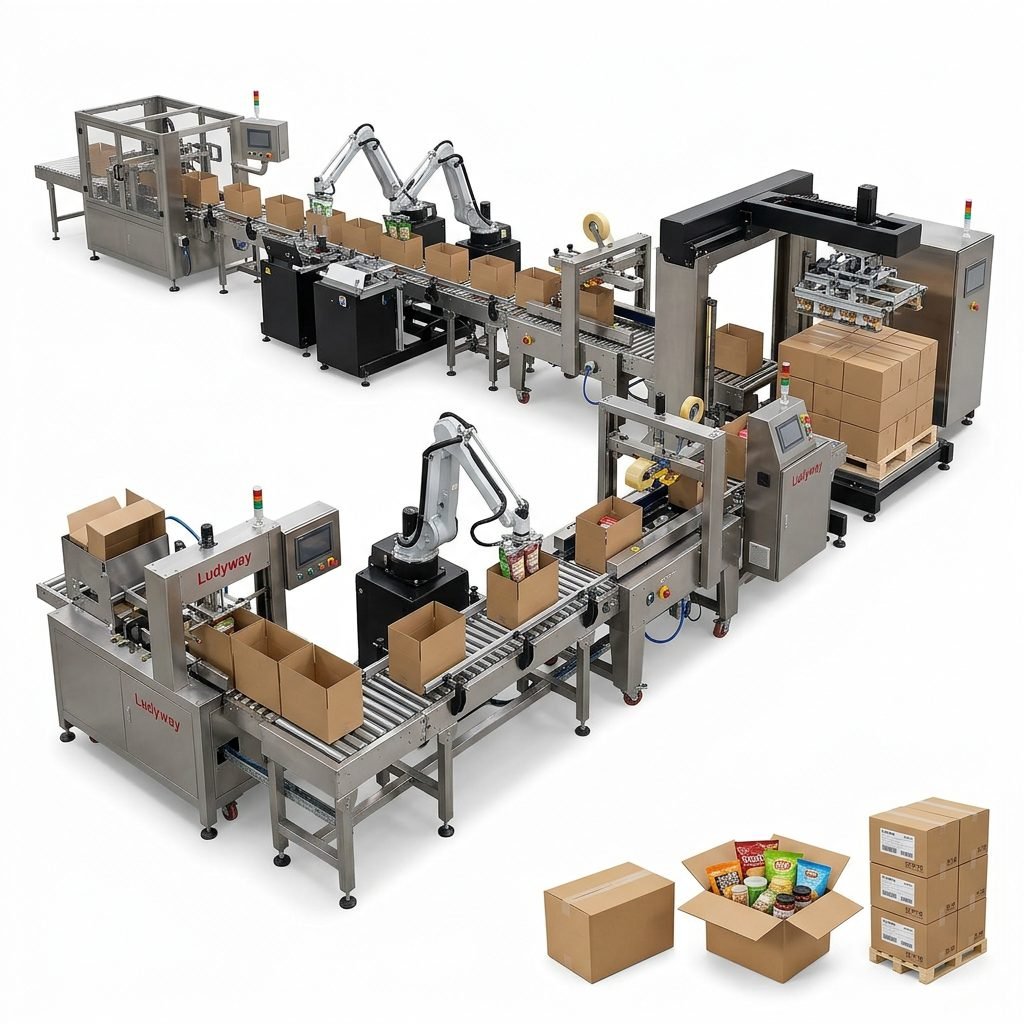
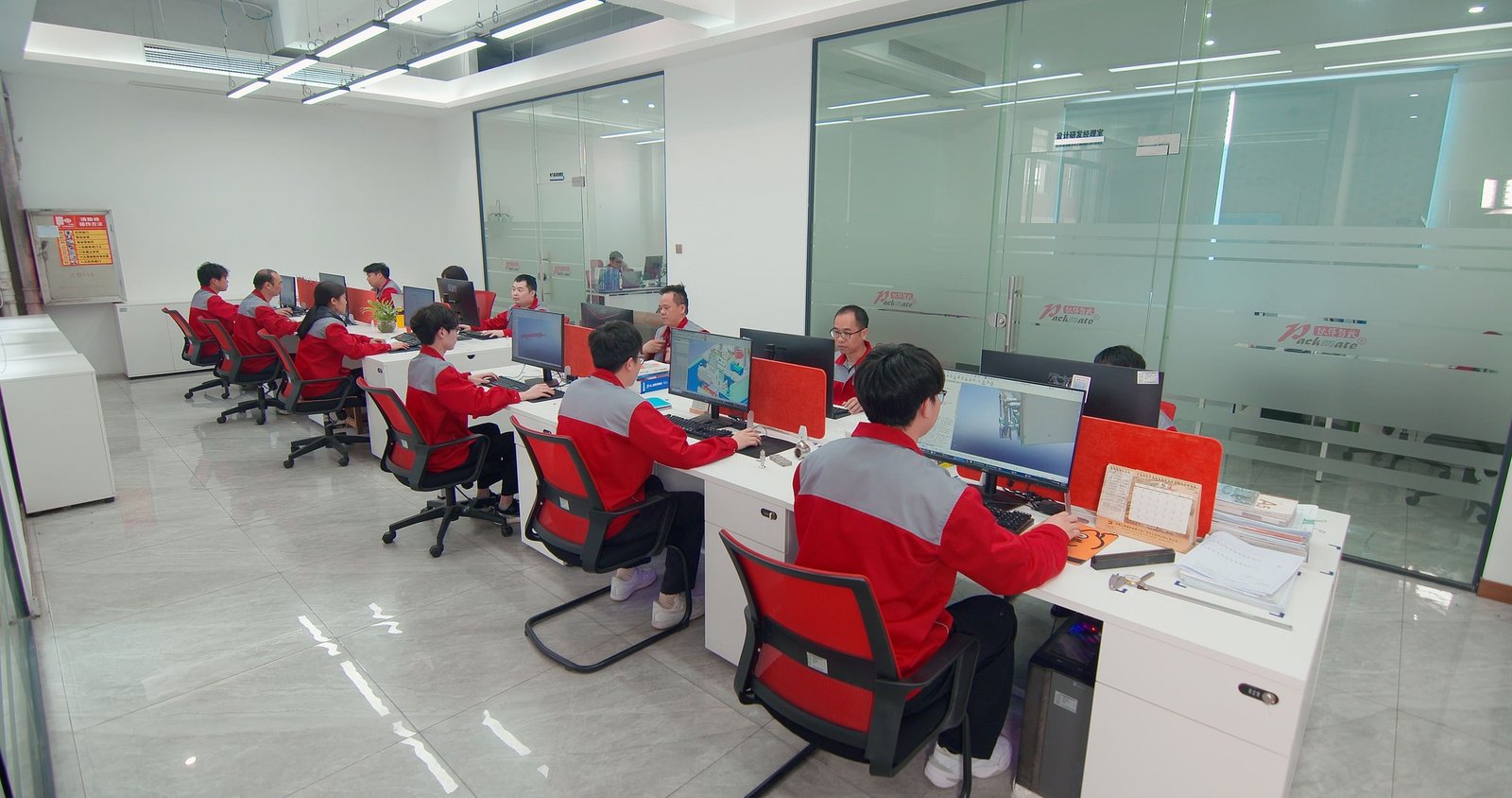
Packaging requirements vary significantly between manufacturers. Product characteristics, packaging materials, bag sizes, filling volumes, production speeds, factory layouts, and automation requirements can all affect the appropriate equipment configuration. For this reason, a customized packaging machinery approach, like that practiced by experienced manufacturers such as Ludyway Machinery, can be more effective than relying on standardized machines. A technical evaluation should cover your specific product and packaging requirements to recommend an appropriate machine configuration or complete packaging line.
This is valuable when you need to integrate optional modules like:
- Auger fillers with servo-driven precision
- Inline date coding systems using thermal inkjet or laser marking
- Counting systems for solid products
- Gas flushing for modified atmosphere packaging
- Conveyors adapting to existing factory layouts
Service, Support, and Lifecycle Costs
A semi-automatic packaging machine represents a long-term partnership. The initial purchase price is a fraction of the total cost of ownership. Technical support, spare parts availability, and operator training are vital. Evaluate the supplier’s service capabilities by checking the Flexible Packaging Association resources for industry best practices on vendor qualification.
A machine built with globally recognized components from established industrial automation suppliers offers easier maintenance and faster repair cycles. Remote diagnostics capability is an increasingly important feature for minimizing downtime.
Questions to Ask Potential Vendors
- Can the machine handle the full range of my product’s characteristics?
- What is the standard warranty and lead time for wearing parts?
- Is remote technical support available for troubleshooting?
- Can the machine be upgraded to a fully automatic system later?
- Are installation and operator training included?
Selecting the right machine involves balancing current needs with future ambitions. By focusing on product fit, build quality, and supplier capability, you secure a piece of equipment that serves your business reliably for years. For further insights into trends and innovations shaping the sector, the global packaging machinery growth trends offer useful perspective on where the industry is heading.