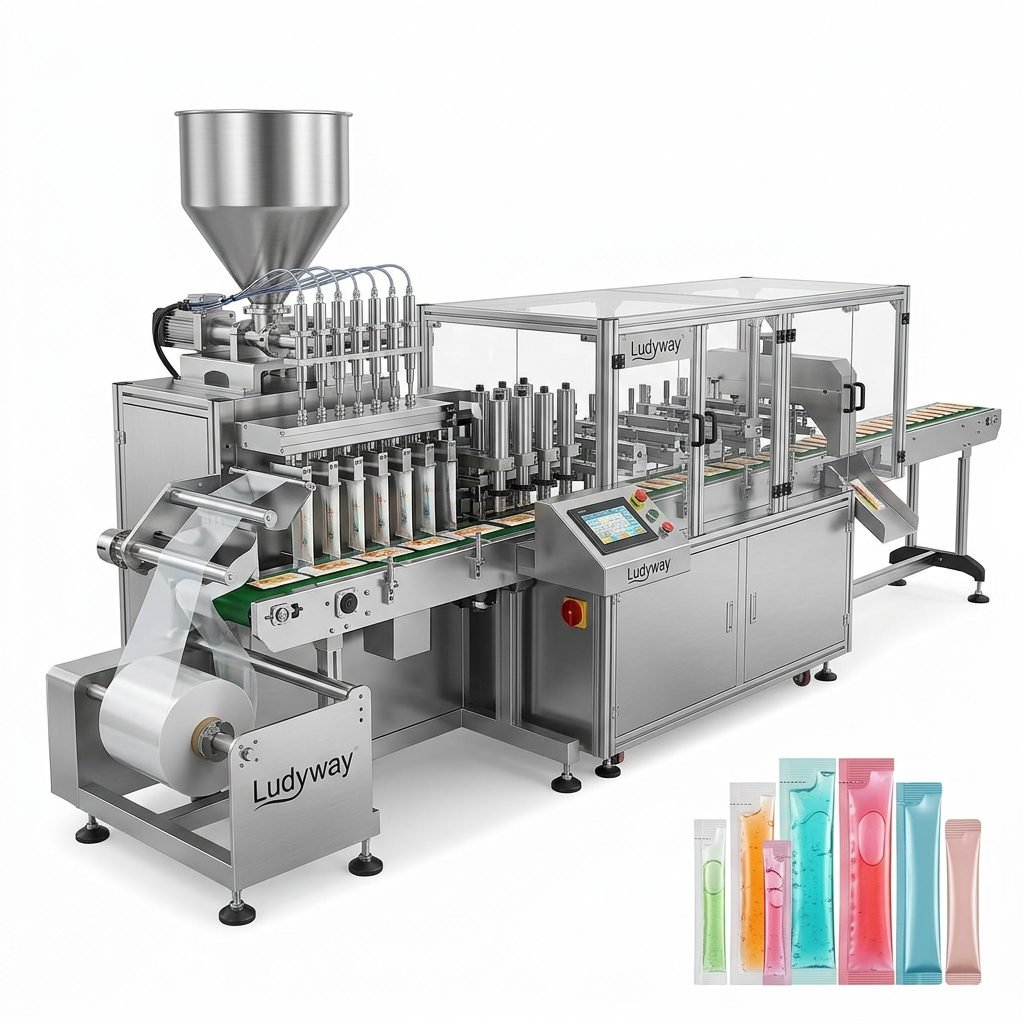
Investing in a bag filling and packaging machine is a critical decision that directly impacts your production efficiency, product quality, and long-term operational costs. Whether you are packaging powders, granules, liquids, or solid products, selecting the wrong equipment can lead to costly downtime, inconsistent fills, and packaging waste. This comprehensive buyer’s guide walks you through the essential factors to consider, helping you make an informed decision that aligns with your production goals.
1. Understanding Your Product Characteristics
Before evaluating any machinery, you must thoroughly analyze the physical and chemical properties of your product. The product’s nature determines the type of filling system, material handling, and machine configuration required.
1.1 Product Flowability and Density
Free-flowing granules like sugar or coffee beans behave very differently from cohesive powders like flour or protein supplements. Bulk density variations affect how the product settles in the bag and influence the choice between volumetric and gravimetric filling systems. Products with poor flowability may require mechanical agitation, auger fillers, or specialized hopper designs to ensure consistent dosing.
1.2 Product Sensitivity
Consider whether your product is hygroscopic, oxygen-sensitive, fragile, or dusty. Food and pharmaceutical products often require packaging under modified atmosphere conditions or with nitrogen flushing to extend shelf life. Fragile products like snack chips or freeze-dried items need gentle handling systems to prevent breakage during the filling process.
1.3 Product Form Comparison
| Product Type | Common Examples | Recommended Filling System | Key Consideration |
|---|---|---|---|
| Free-Flowing Granules | Sugar, rice, seeds, plastic pellets | Multi-head weigher, volumetric cup filler | High speed achievable; minimal product damage risk |
| Non-Free-Flowing Powders | Flour, milk powder, spices, talc | Auger filler, vacuum-based system | Dust control essential; may bridge or clump |
| Liquids and Pastes | Oil, sauce, shampoo, gel, cream | Piston filler, gear pump, mass flow meter | Viscosity affects filling speed; sanitary requirements |
| Fragile Solids | Snack chips, freeze-dried fruits, biscuits | Multi-head weigher with gentle handling | Minimizing drop height and product breakage |
| Irregular or Sticky Products | Dried fruits, gummy candies, fresh produce | Manual weigh filling or specialized weigher | Product adhesion to contact surfaces |
2. Defining Your Production Requirements
Your current and projected production volumes are fundamental to selecting the right machine. Underestimating capacity needs can create bottlenecks, while overestimating leads to unnecessary capital expenditure.
2.1 Target Production Speed
Bag filling machines range from semi-automatic models producing 10-20 bags per minute to fully automated multi-lane systems that can exceed 600 bags per minute. Calculate your required output by dividing your daily or weekly production target by available operating hours. Always factor in a capacity buffer—most manufacturers recommend operating at 70-80% of maximum rated speed for optimal reliability and consistent fill quality.
2.2 Bag Formats and Sizes
Identify all the bag formats you need to produce. Common formats include:
- Pillow bags/3-side seal bags: Economical and widely used for powders, granules, and small solid items
- Gusseted bags/4-side seal bags: Provide stand-up capability and higher fill volume
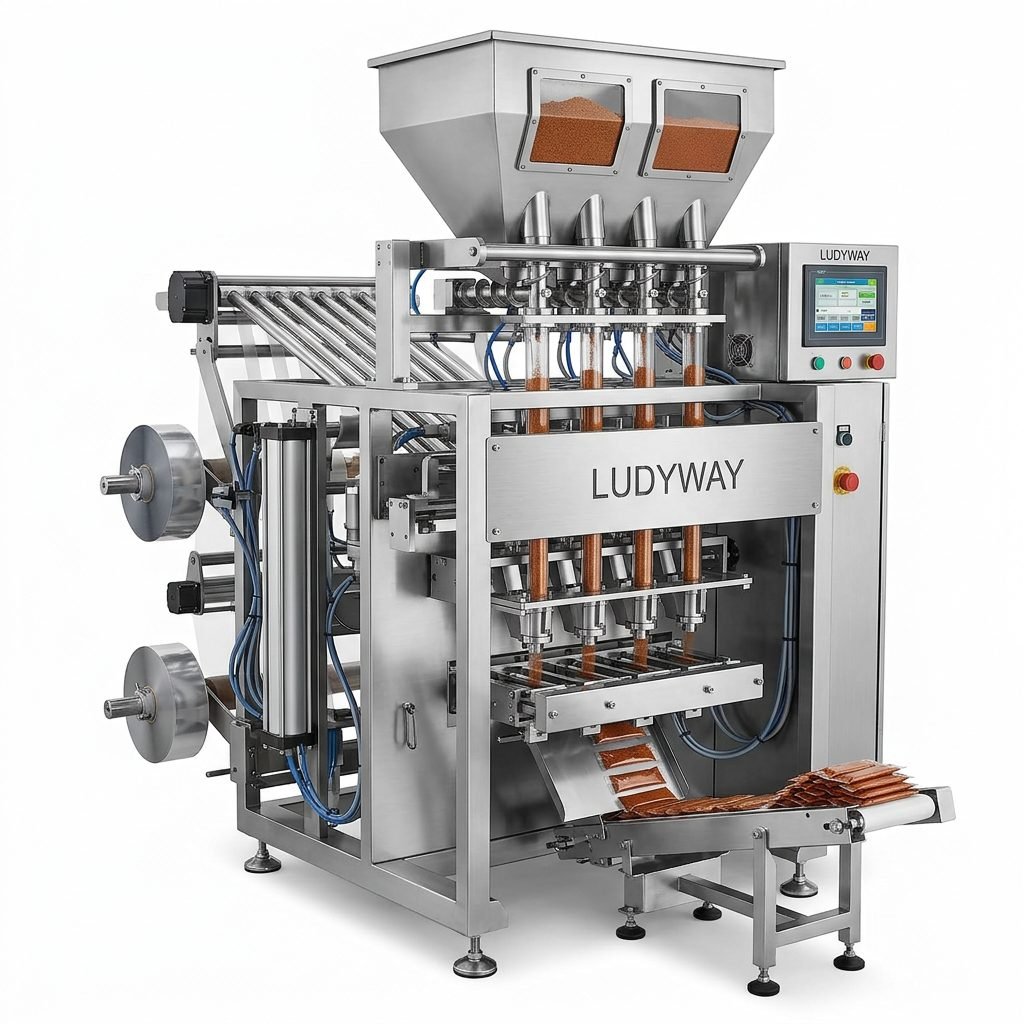
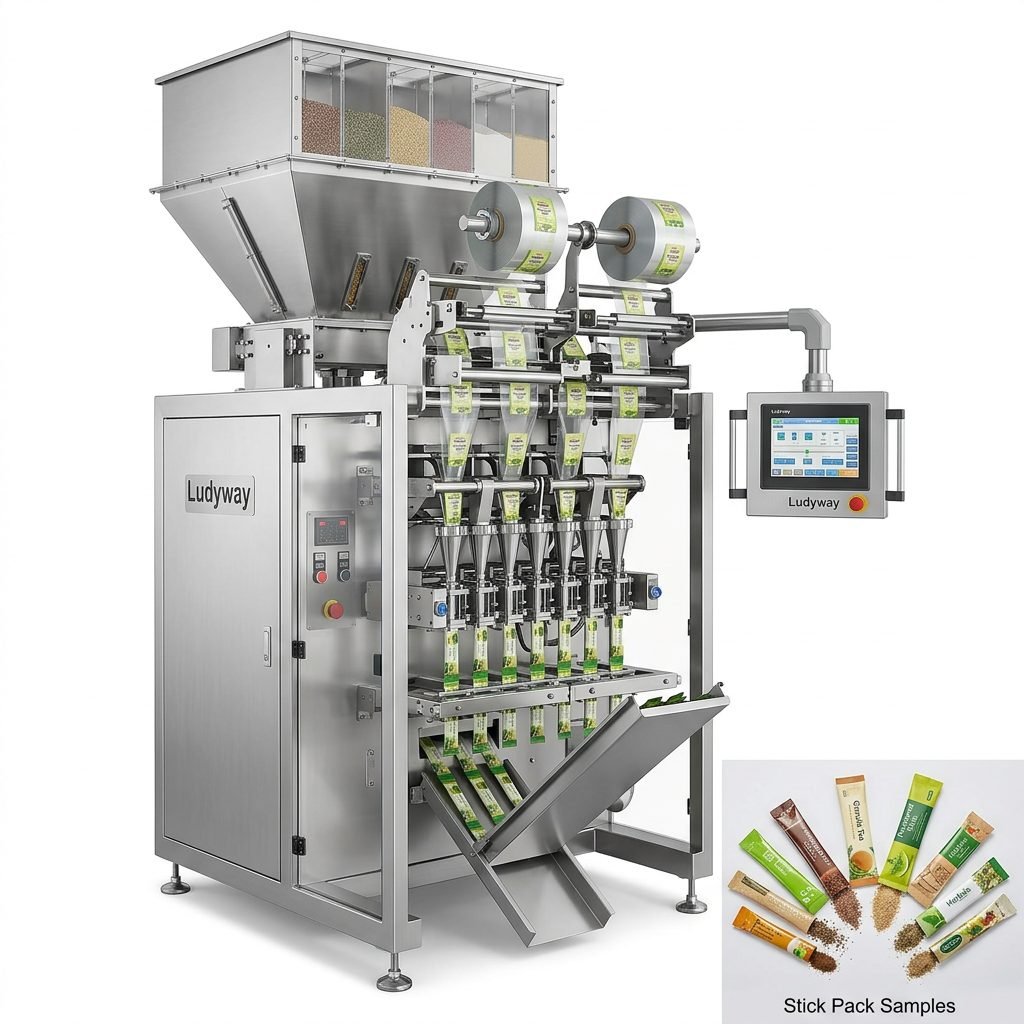
- Stick packs: Narrow, elongated format popular for single-serve coffee, sugar, supplements
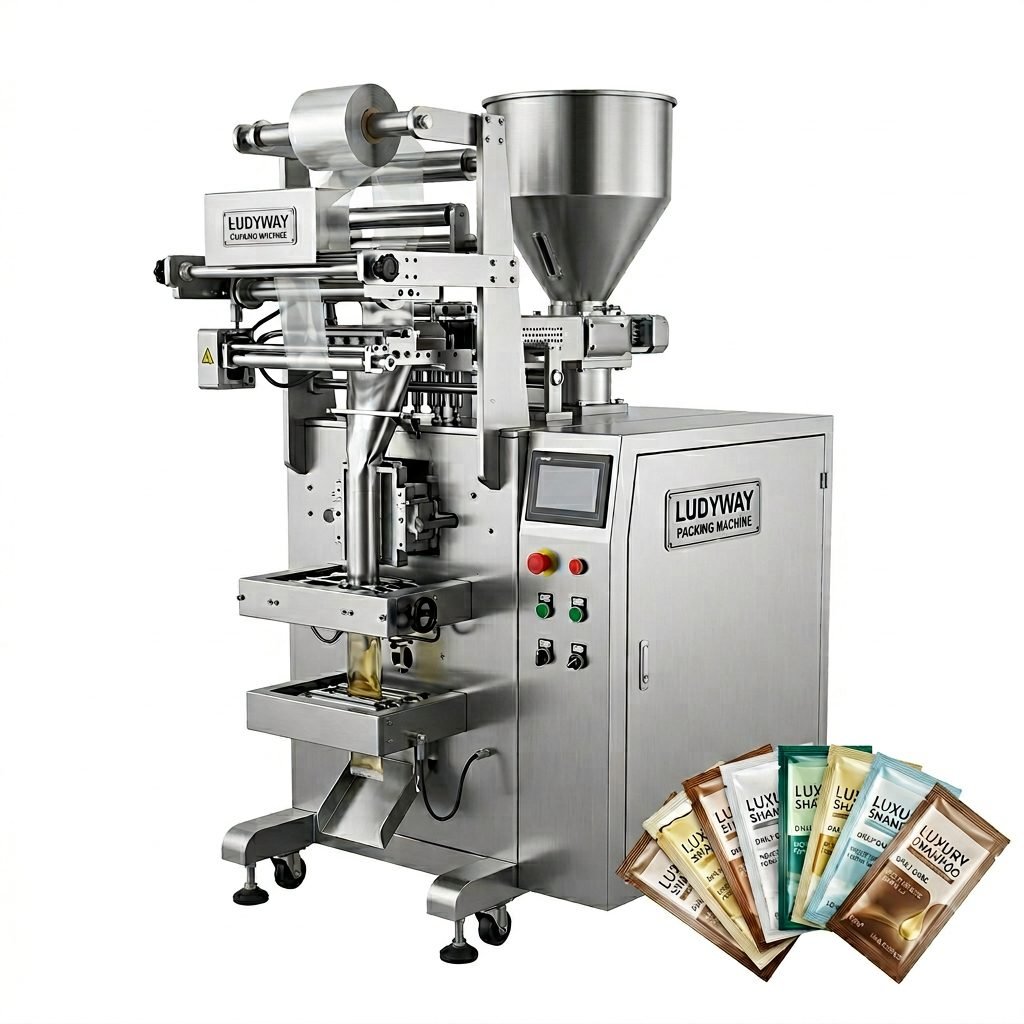
- Sachets: Small, single-use flat packs for samples, condiments, cosmetics
- Doypack/stand-up pouches: Premium format with zipper reclosure for shelf appeal
Confirm the minimum and maximum bag dimensions your application requires and ensure the machine can handle format changes efficiently with minimal downtime.
3. Key Machine Types and Configurations
Understanding the basic machine architectures helps narrow down your options. The packaging machinery industry offers several configurations tailored to different applications.
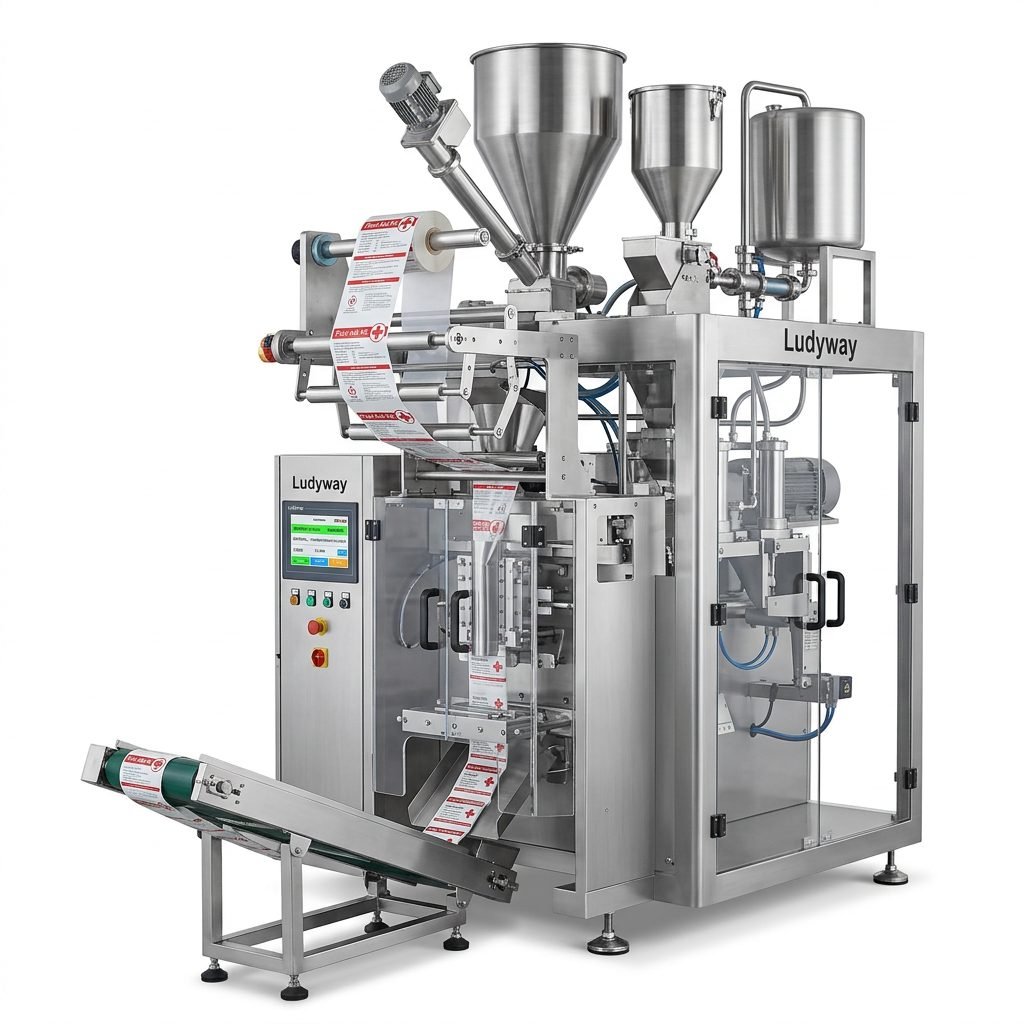
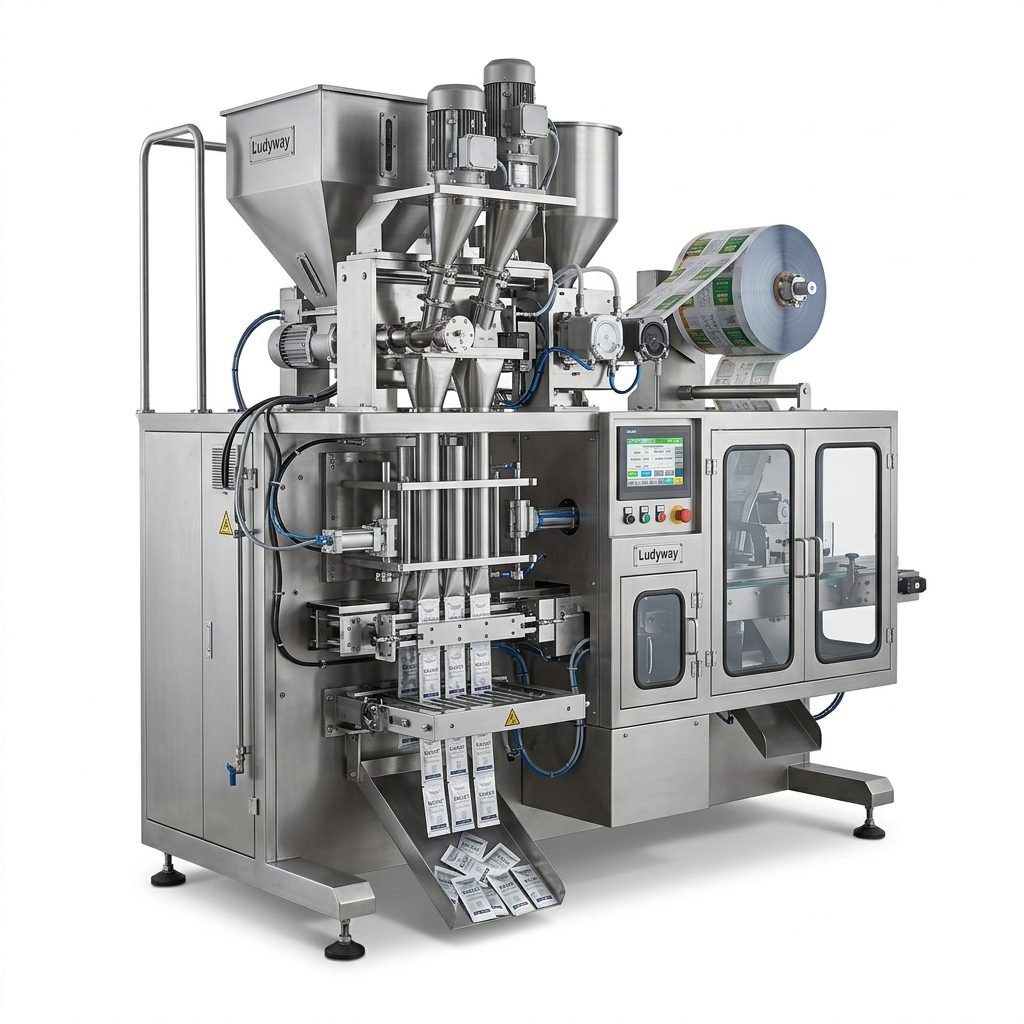
3.1 Vertical Form Fill Seal (VFFS) Machines
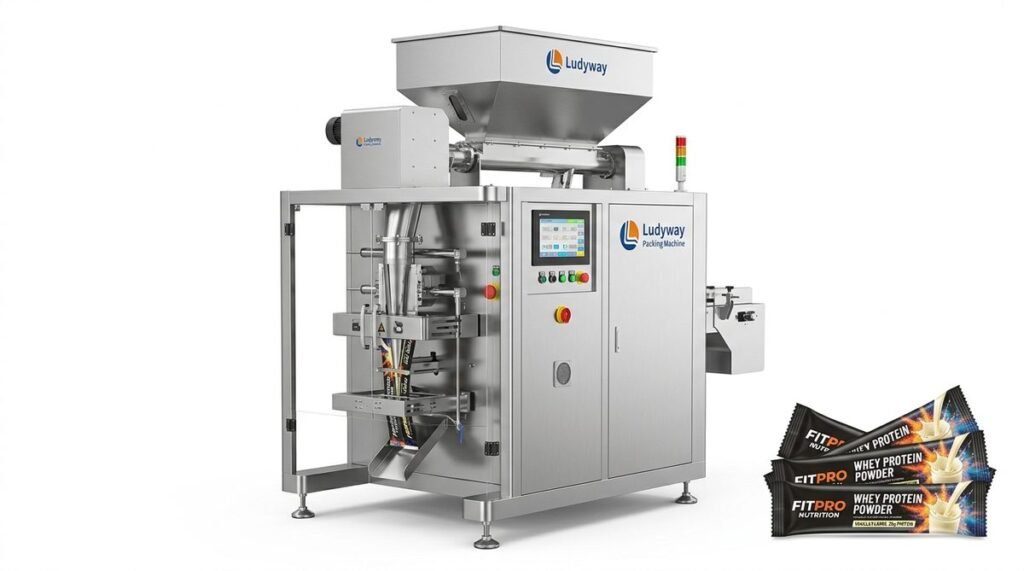
VFFS machines form a bag from a flat roll of film, fill it with product, and seal it in a continuous vertical motion. They are the most common configuration for granular and powdered products. According to data from the PMMI State of the Industry reports, VFFS equipment remains the dominant packaging machinery category globally. These machines are available in intermittent and continuous motion versions, with the latter offering higher speeds.
3.2 Pre-Made Pouch Filling and Sealing Machines
Rotary or inline systems designed to open, fill, and seal pre-formed pouches. These machines excel with stand-up pouches, zipper bags, and retort packaging. They often integrate with doypack formats and can handle a wider variety of bag styles compared to VFFS equipment, though they typically run at lower speeds.
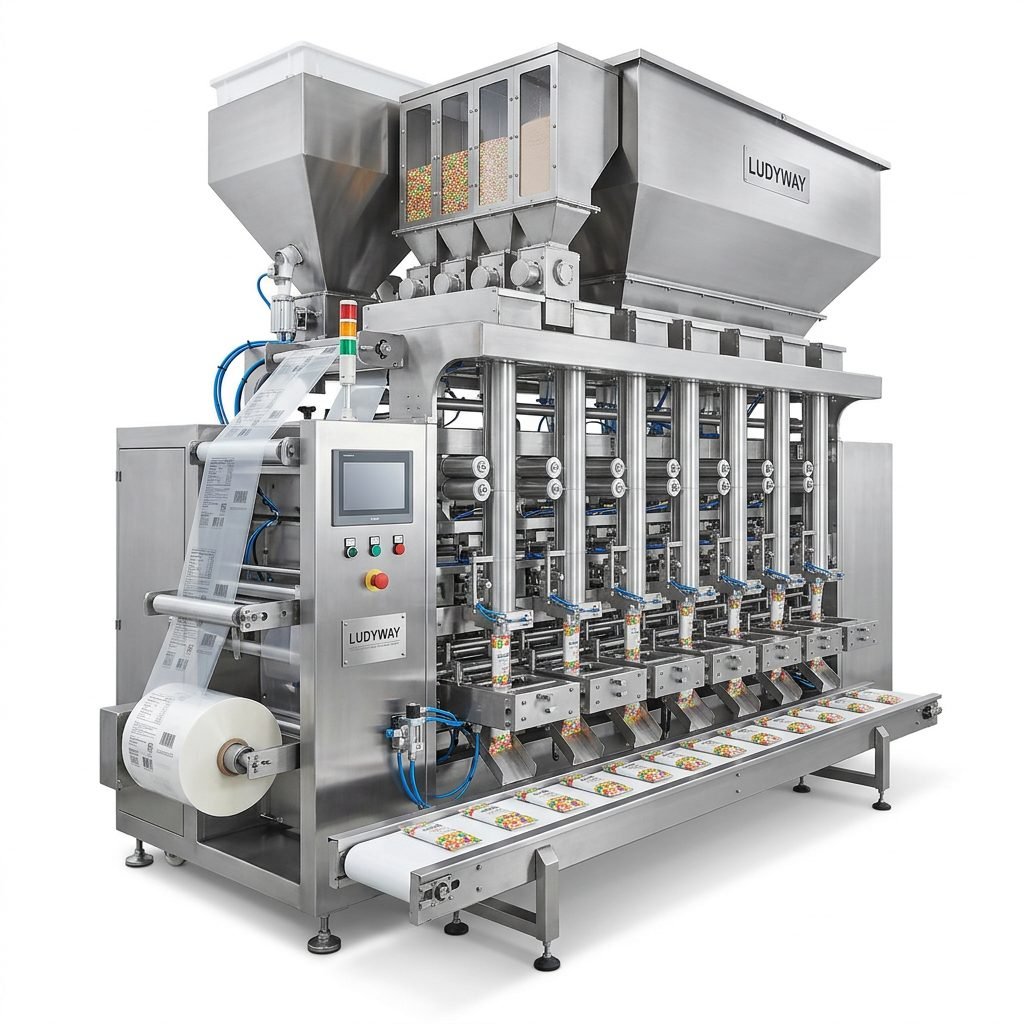
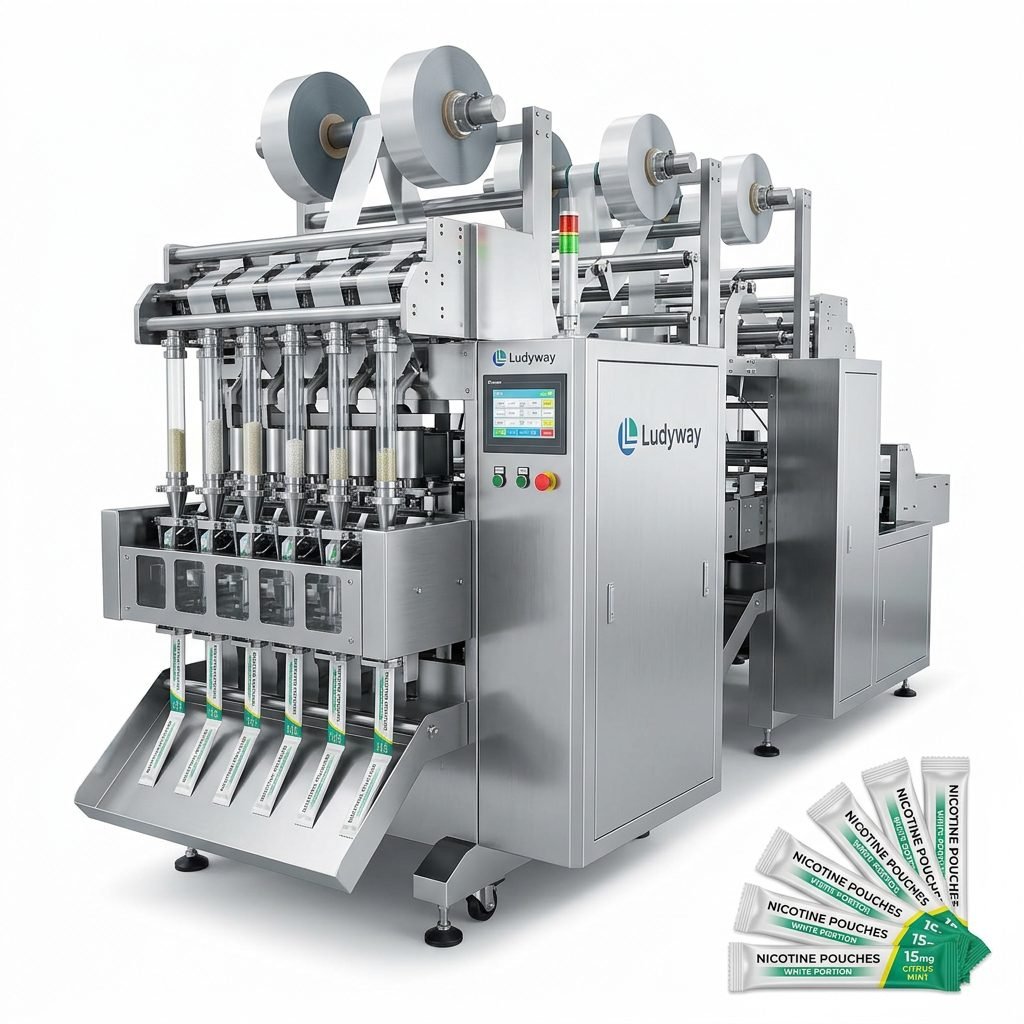
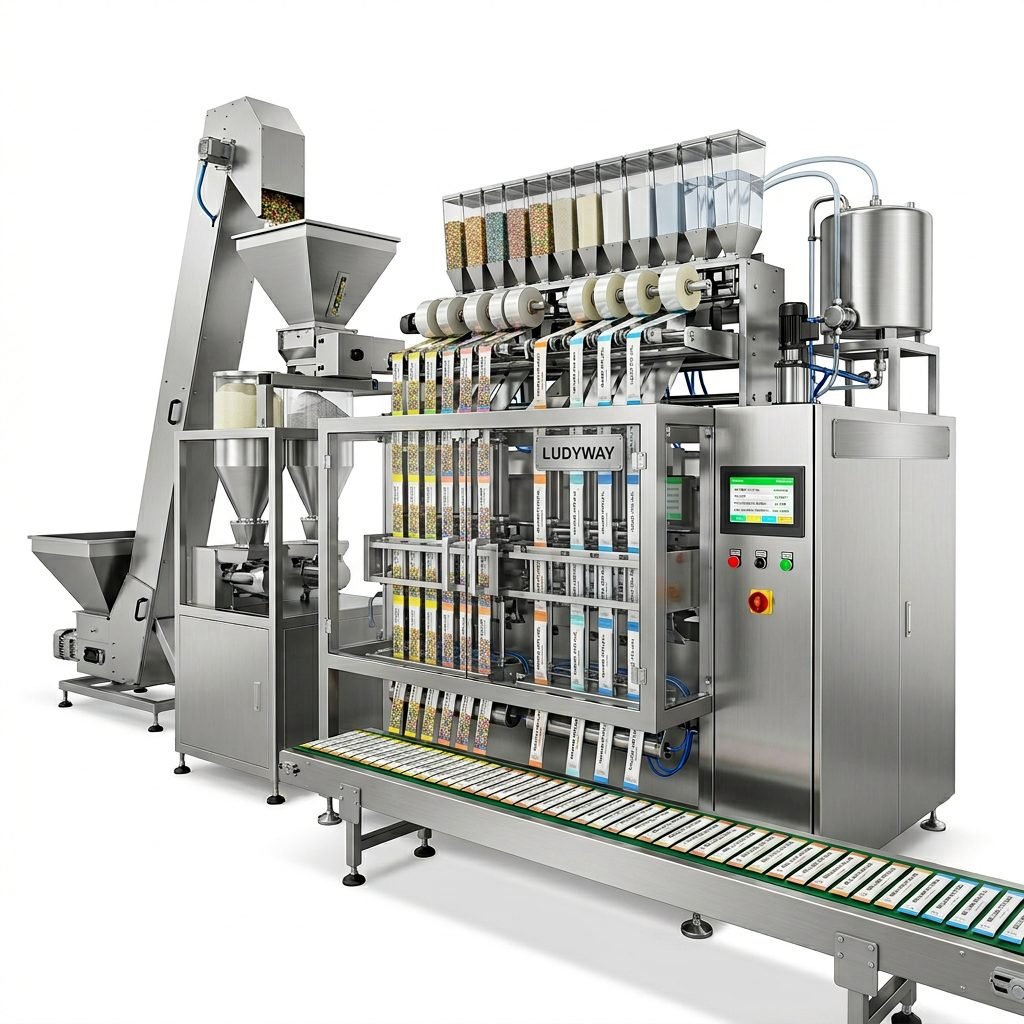
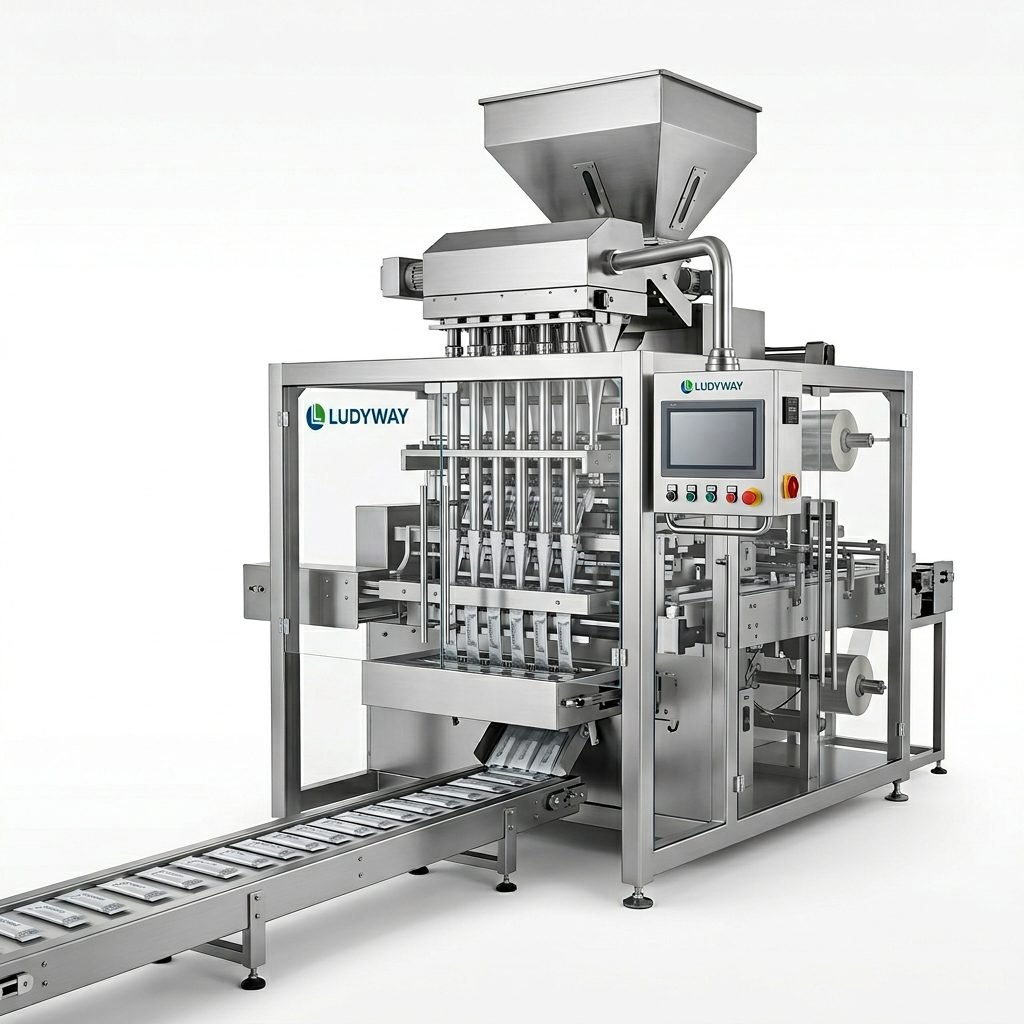
3.3 Multi-Lane Stick Pack and Sachet Machines
Multi-lane machines produce several strips of small pouches simultaneously, achieving extremely high output rates for single-serve applications. A 10-lane machine producing 50 cycles per minute yields 500 packs per minute. These systems are standard in the instant coffee, sugar, condiment, and pharmaceutical powder markets.
3.4 Machine Type Selection Guide
| Machine Type | Best For | Speed Range | Typical Bag Formats |
|---|---|---|---|
| VFFS (Intermittent) | Small to medium production; frequent changeovers | 30-80 bags/min | Pillow, gusseted, 3-side seal |
| VFFS (Continuous Motion) | High-volume powder/granule packaging | 80-200 bags/min | Pillow, gusseted, block bottom |
| Multi-Lane Sachet/Stick Pack | Single-serve products; very high output | 200-600+ packs/min | Stick packs, small sachets |
| Pre-Made Pouch Filler | Stand-up pouches, zipper bags, retort | 20-80 bags/min | Doypack, spouted pouches, flat pouches |
4. Filling and Dosing Technology
The accuracy of your filling system directly affects product giveaway, regulatory compliance, and profitability. Selecting the appropriate dosing technology is one of the most technically important decisions in machine specification.
4.1 Volumetric vs. Gravimetric Filling
Volumetric fillers dispense a set volume of product and are simpler and less costly, ideal for products with consistent density. Gravimetric (weigh-based) systems measure product by weight and provide higher accuracy, essential for expensive ingredients or products subject to regulatory net content requirements. Multi-head combination weighers represent the premium option for free-flowing products, delivering exceptional accuracy at high speeds by combining portions from multiple weigh buckets.
4.2 Specialized Filling Systems
For challenging applications, consider:
- Auger fillers: Best for non-free-flowing powders, providing consistent dosing through screw rotation
- Piston fillers: Suitable for liquids and pastes with a wide viscosity range
- Cup fillers: Simple volumetric system for free-flowing granules at moderate speeds
- Net weigh fillers: Product weighed before dropping into the bag, good for large bag weights
- Combination weighers: High-speed multi-head systems for snacks, confectionery, granules
5. Automation Level and Integration
Decide how automated your packaging line needs to be. This choice affects labor requirements, production consistency, and initial investment.
5.1 Manual, Semi-Automatic, and Fully Automatic
Manual bag filling relies on operators for product feeding, bag placement, and sealing—suitable for very low volumes or highly variable products. Semi-automatic machines automate the filling process while operators handle bag positioning and product supply. Fully automatic systems handle film unwinding, bag forming, filling, sealing, cutting, and often integrate with upstream feeding and downstream conveying, coding, and cartoning equipment.
5.2 Turnkey Packaging Line Considerations
If your project requires more than an individual machine, consider how the bag filler will integrate with:
- Product feeding systems (bucket elevators, vacuum conveyors, screw feeders)
- Checkweighers for in-line weight verification and feedback control
- Metal detectors and X-ray inspection for foreign body detection
- Inkjet or laser coders for date marking and batch information
- Cartoning machines, case packers, and palletizing systems
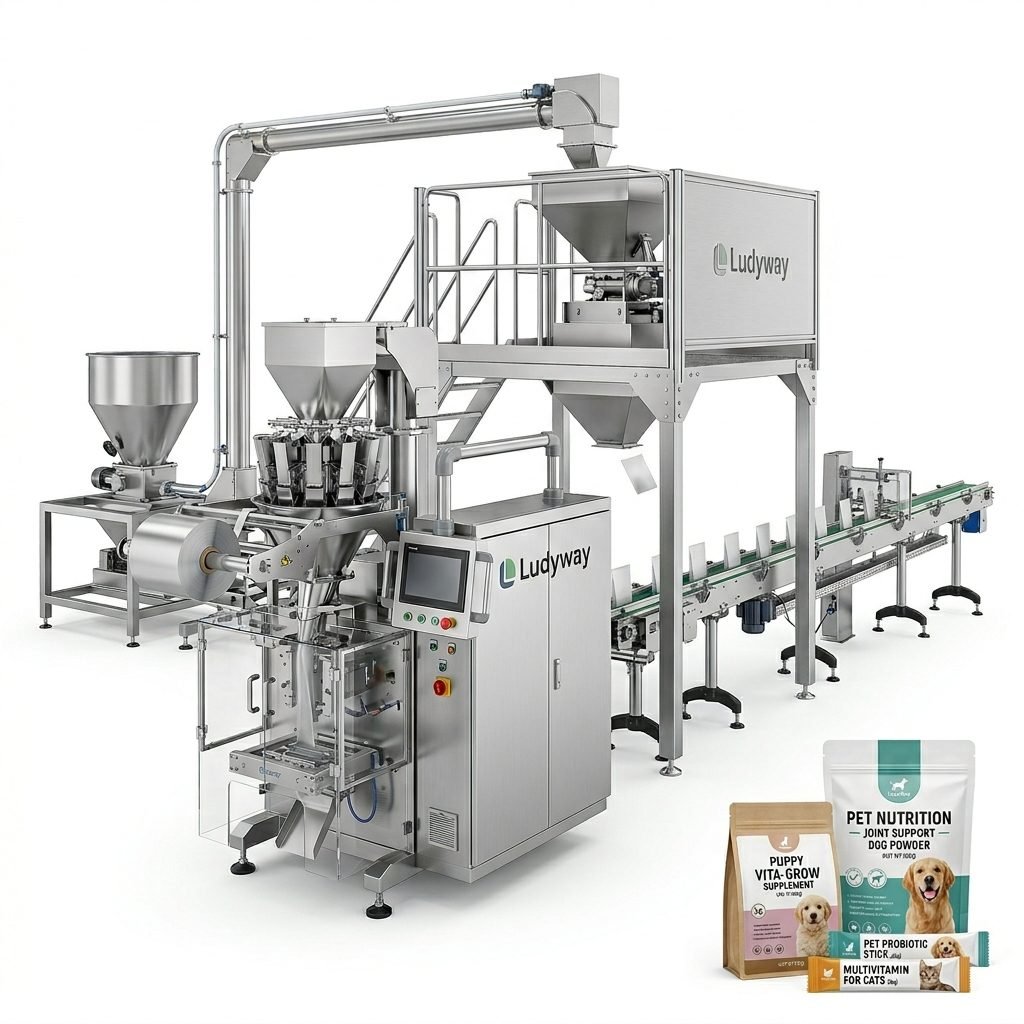
A single-source supplier that can provide integrated packaging solutions often reduces project complexity, commissioning time, and ongoing service coordination. For extensive production lines, working with an experienced machinery manufacturer simplifies system integration and ensures consistent performance across connected equipment. For example, Ludyway Machinery offers integrated packaging systems and turnkey production line solutions that connect multiple stages of the packaging process, enabling manufacturers to work with a single partner for equipment selection, system integration, and technical support.
6. Packaging Material Considerations
The machine must be compatible with your chosen packaging film or bag material, which is influenced by product requirements, shelf life targets, and sustainability objectives.
6.1 Film Compatibility
VFFS and multi-lane machines form bags from roll stock, so the sealing system must match the film structure. Common materials include polyethylene (PE), polypropylene (PP), laminates with aluminum foil barriers, paper-based materials, and bio-based films. Each material has different sealing temperature ranges, hot tack properties, and coefficient of friction characteristics that affect machine performance. The Flexible Packaging Association provides extensive resources on material selection and industry trends.
6.2 Sustainable Packaging Trends
The shift toward recyclable mono-material structures and paper-based packaging presents both opportunities and challenges. These materials often require precise temperature control and modified sealing jaw designs. If sustainability is important to your brand, verify that the machine can handle your target eco-friendly materials without compromising seal integrity or production speed.
7. Hygiene, Cleanability, and Regulatory Compliance
For food, pharmaceutical, and cosmetic applications, machine design must support hygiene requirements and applicable regulations.
7.1 Sanitary Design Features
Look for machines with stainless steel construction on product contact surfaces, sloped surfaces to prevent product accumulation, tool-free disassembly for cleaning, and IP65 or higher rated electrical enclosures. Machines designed to meet ISO packaging standards and FDA requirements for food contact materials help facilitate compliance in regulated markets.
7.2 Clean-in-Place (CIP) Capabilities
For liquid and paste products, CIP systems allow cleaning without machine disassembly, significantly reducing downtime between product changeovers. This is particularly valuable in dairy, beverage, and pharmaceutical production.

8. Machine Build Quality and Reliability
The long-term reliability and total cost of ownership depend heavily on the quality of components, engineering, and manufacturing standards.
8.1 Electrical and Pneumatic Components
Established component brands for PLCs, servo drives, pneumatic cylinders, and sensors contribute to machine reliability and global spare parts availability. Brands like Siemens, Allen-Bradley, Mitsubishi, Festo, and SMC are commonly specified in premium packaging machinery. Easy access to packaging industry technical resources can also help with ongoing maintenance planning.
8.2 Frame and Mechanical Construction
A robust machine frame machined on CNC equipment ensures vibration-free operation and long-term dimensional stability, which are critical for maintaining seal alignment and consistent bag quality over years of continuous operation. The quality of welding, surface finishing, and corrosion protection all affect machine longevity, especially in washdown environments.
9. Evaluating Total Cost of Ownership
Purchase price is only one component of the overall investment. Evaluate the complete cost picture:
- Initial capital cost: Machine, installation, commissioning, and training
- Operating costs: Labor, energy consumption, compressed air requirements
- Consumables: Packaging film waste rates and spare parts replacement intervals
- Maintenance costs: Preventive maintenance, wear parts, and technical support availability
- Downtime risk: Potential production losses during breakdowns and the availability of remote or on-site support
10. Supplier Selection and After-Sales Support
The machine manufacturer’s service capability is as important as the machine itself. Before placing an order, evaluate:
10.1 Technical Expertise and Customization
Does the supplier have experience with your specific product category and packaging format? Can they provide customized machine configurations rather than only standard models? A manufacturer that offers application-specific engineering can optimize the machine for your particular product characteristics and production environment.
10.2 Global Service and Spare Parts
For manufacturers in international markets, the availability of remote technical assistance, local service support, and efficient spare parts logistics is essential. Inquire about response times, service engineer availability, and whether the supplier provides installation, commissioning, and operator training.
10.3 References and Industry Experience
A supplier with decades of packaging machinery experience and a broad portfolio of machine models often brings deeper application knowledge and more mature engineering processes. Visit reference installations if possible, or request case studies and video demonstrations of similar applications.
Key Takeaway: Choosing the right bag filling and packaging machine requires a thorough evaluation of your product characteristics, production volume, packaging formats, automation needs, and the long-term partnership with the machine supplier. By systematically working through these decision points, you can select equipment that delivers reliable performance, accurate filling, and sustainable production efficiency for years to come.