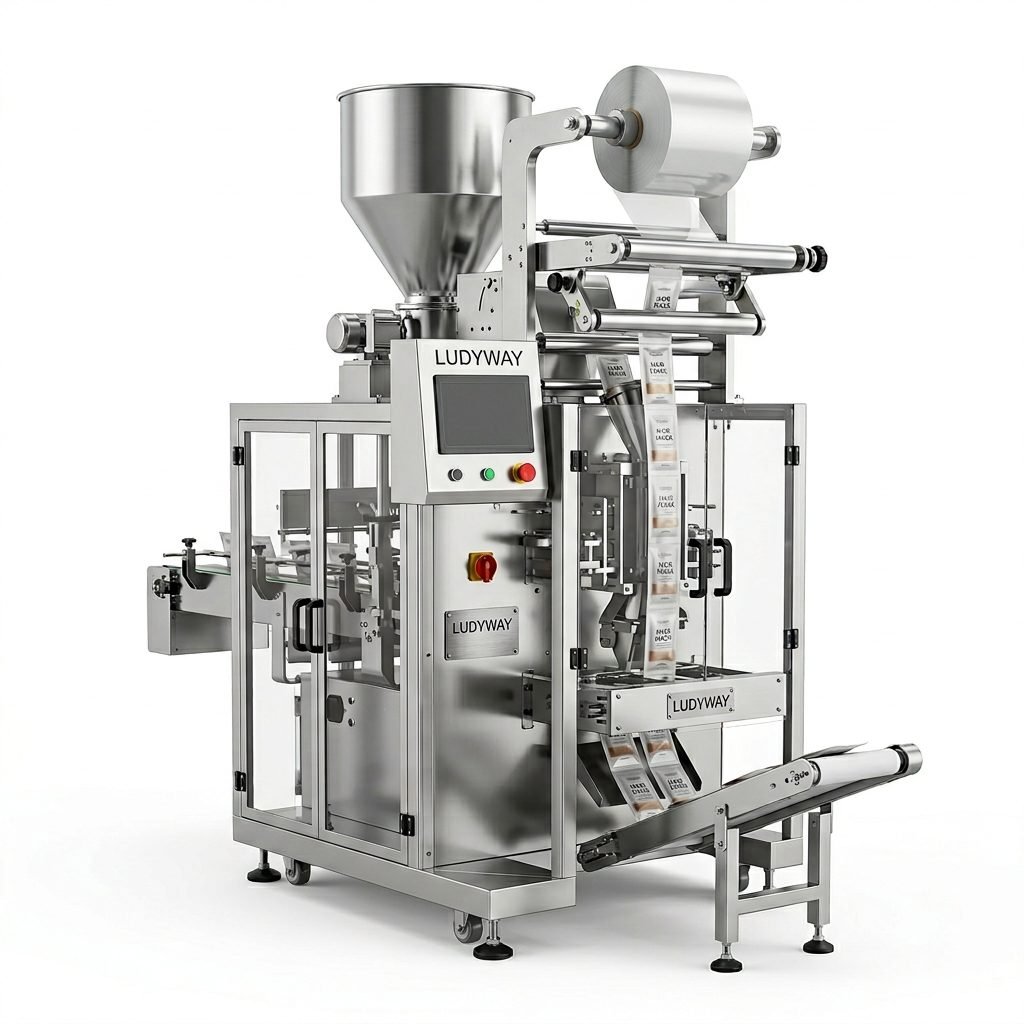
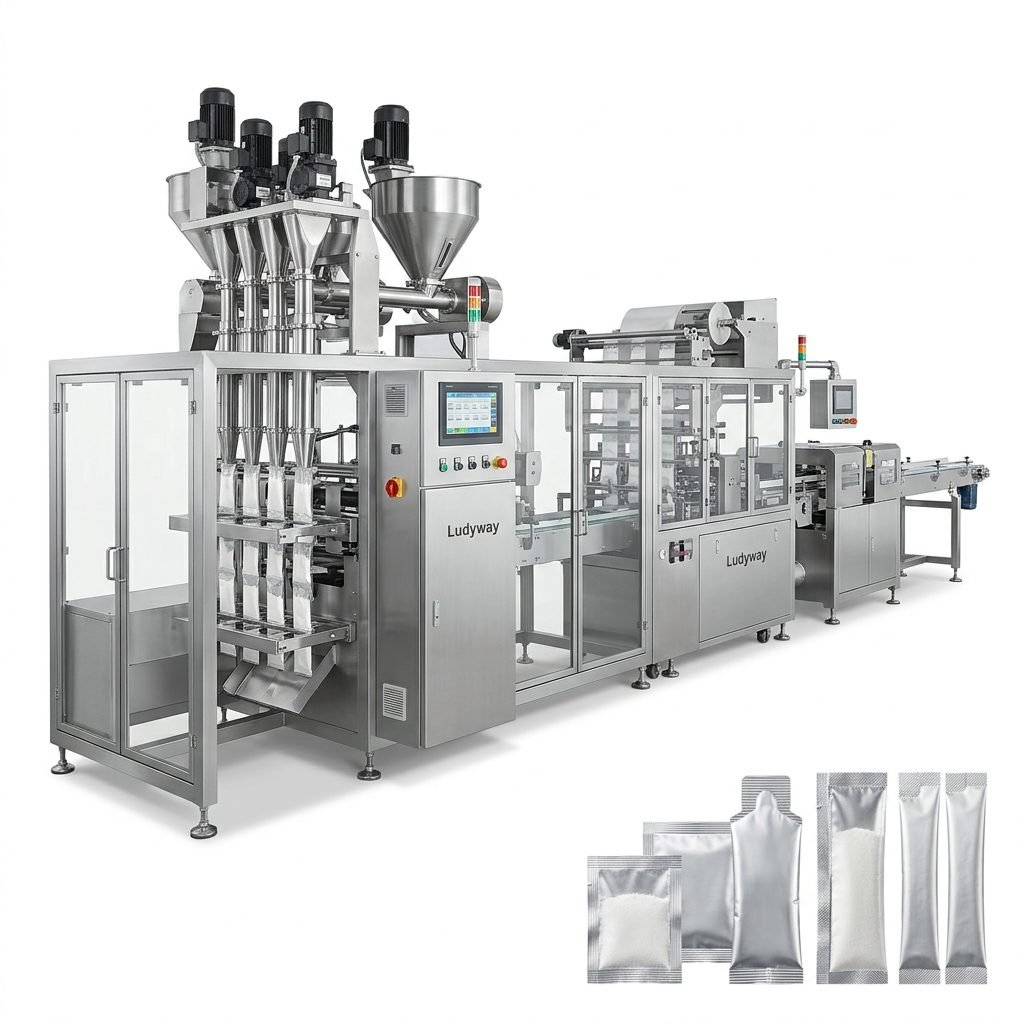
Investing in a sachet filling machine is a strategic decision that directly affects your production efficiency, product quality, and long-term operational costs. Whether you are packaging powders, granules, liquids, or pastes, choosing the right equipment requires a methodical evaluation of your product characteristics, production goals, and the technical capabilities of available machinery. A well-chosen machine delivers consistent fill accuracy, minimizes material waste, and adapts to your packaging format requirements — but the wrong choice can lead to costly downtime, inconsistent seals, and compromised product integrity.
This guide walks you through the essential criteria for selecting a sachet filling machine, helping you make an informed purchasing decision backed by practical considerations and industry knowledge.
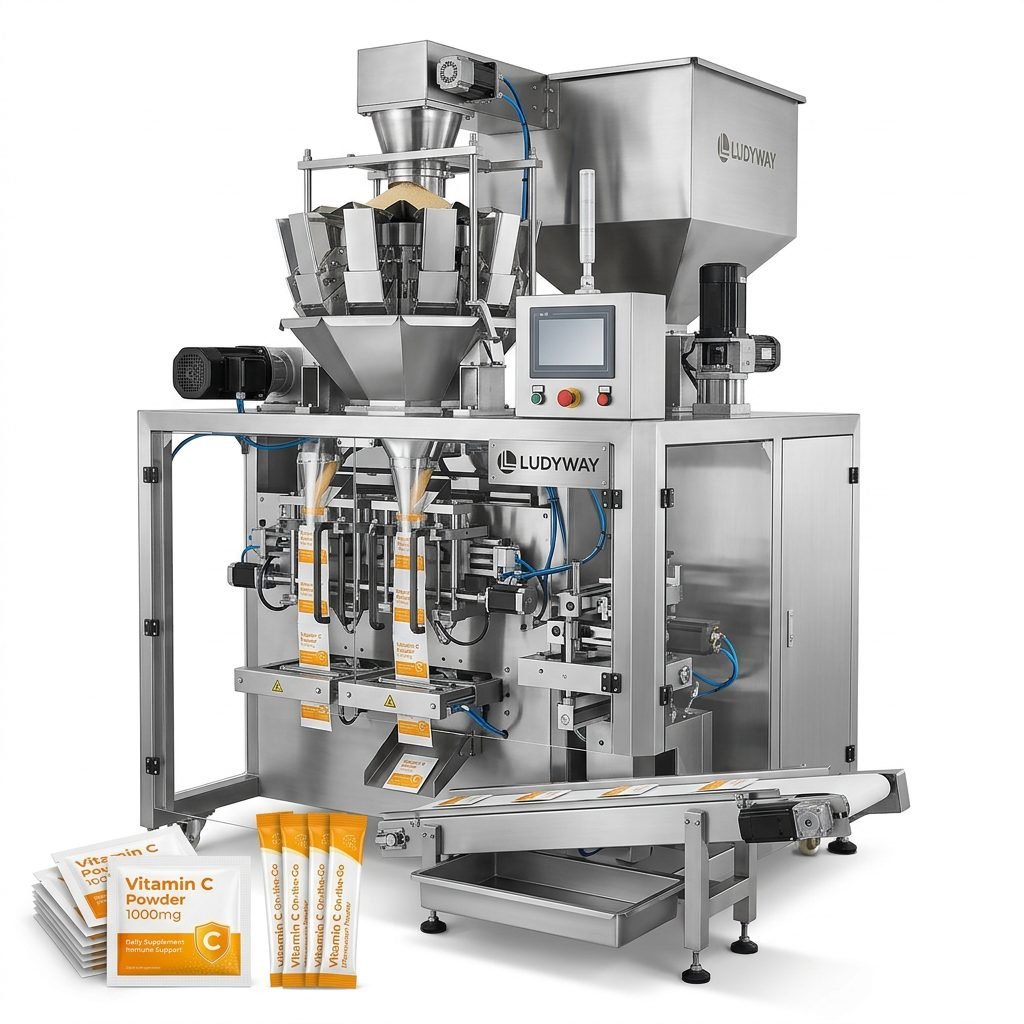
Understanding Your Product Requirements
Before comparing machine specifications, you must clearly define what you are packaging. The physical properties of your product determine the appropriate dosing system, filling mechanism, and overall machine configuration. Key product characteristics include:
- Flowability: Free-flowing powders behave differently from cohesive or sticky materials. Auger fillers work well for non-free-flowing powders, while volumetric cup fillers suit free-flowing granules.
- Particle size and uniformity: Granules, fine powders, and irregular particles each require specific feeding and dosing approaches to maintain accuracy.
- Viscosity: For liquid products, viscosity directly influences pump selection — low-viscosity liquids may use piston pumps, while thicker pastes require positive displacement or gear pumps.
- Hygroscopicity and sensitivity: Products that absorb moisture or are sensitive to oxygen may require machines with enhanced sealing capabilities or nitrogen flushing systems.
- Abrasiveness: Abrasive materials can wear down contact parts over time, making material selection for machine components a critical consideration.
Conducting a thorough product analysis early in the selection process helps you narrow down machine types and avoid expensive modifications later. For detailed guidance on packaging material compatibility, the Flexible Packaging Association offers extensive resources on film properties and material selection.
Defining Production Capacity and Speed
Your target output rate — measured in sachets per minute or packs per hour — is a primary driver of machine selection. Single-lane machines typically produce 30 to 80 sachets per minute, while multi-lane sachet machines can achieve 200 to 600+ sachets per minute depending on lane count and product type.
When evaluating speed requirements, consider:
- Current production demand versus projected growth over the next 3-5 years
- Shift patterns — a machine running 24/7 has different durability requirements than one operating 8 hours daily
- Changeover frequency — frequent product or format changes benefit from quick-change features and tool-less adjustments
- Integration with upstream and downstream equipment — your filling machine must synchronize with feeders, conveyors, checkweighers, and cartoning systems
It is advisable to select a machine with 20-30% capacity headroom above your current requirements. This provides flexibility for demand fluctuations without over-investing in unnecessary speed. According to PMMI packaging industry research, manufacturers increasingly prioritize scalable automation that can grow with their production needs.
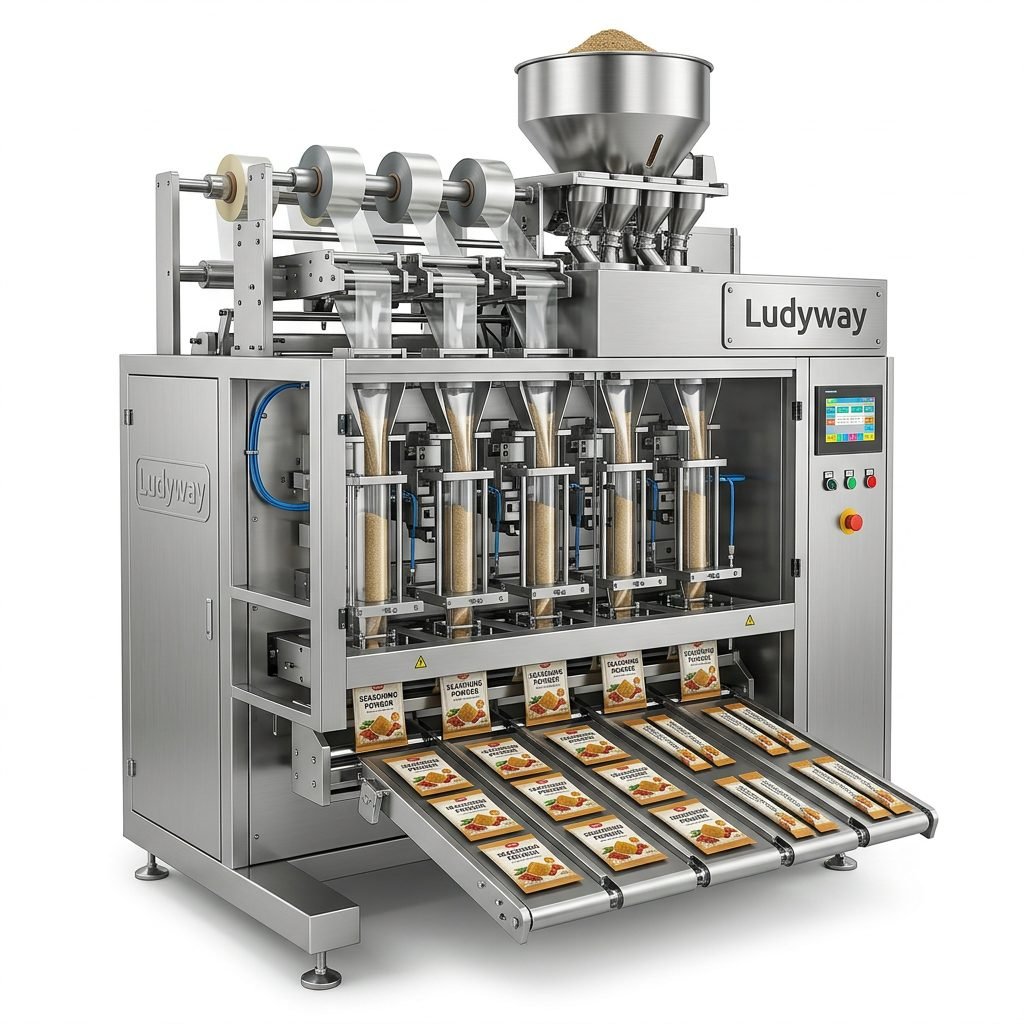
Packaging Material and Film Compatibility
Not every sachet filling machine handles all packaging films equally well. Your choice of packaging material — laminate structures, polyethylene, aluminum foil, paper-based films, or biodegradable materials — affects sealing parameters, machine speed, and finished pack quality.
Critical film-related considerations include:
- Sealing temperature range: Different films require precise temperature control. Machines with PID temperature controllers offer better consistency across film types.
- Film thickness and rigidity: Thinner or more flexible films may require specialized unwinding and tension control systems to prevent wrinkling or misalignment.
- Barrier properties: Products requiring high moisture or oxygen barriers often use multi-layer laminates, which demand precise heat-sealing parameters.
- Sustainability trends: The shift toward recyclable and compostable films is influencing machine design, as these materials often have narrower processing windows. The European Commission’s packaging waste regulations are driving significant changes in film development.
Always test your actual production film on any machine you are considering. Film trials reveal how the equipment handles your specific material under real operating conditions, exposing potential issues with sealing quality, film tracking, or registration accuracy.
Types of Sachet Filling Machines
Sachet filling machines come in various configurations, each suited to different product types and production scales. Understanding the key categories helps you focus your evaluation on the most relevant equipment:
| Machine Type | Best For | Typical Speed Range | Key Advantage |
|---|---|---|---|
| Single-Lane Vertical Sachet Machine | Small to medium production volumes; frequent product changes | 30-80 sachets/min | Lower investment; easy to operate and maintain |
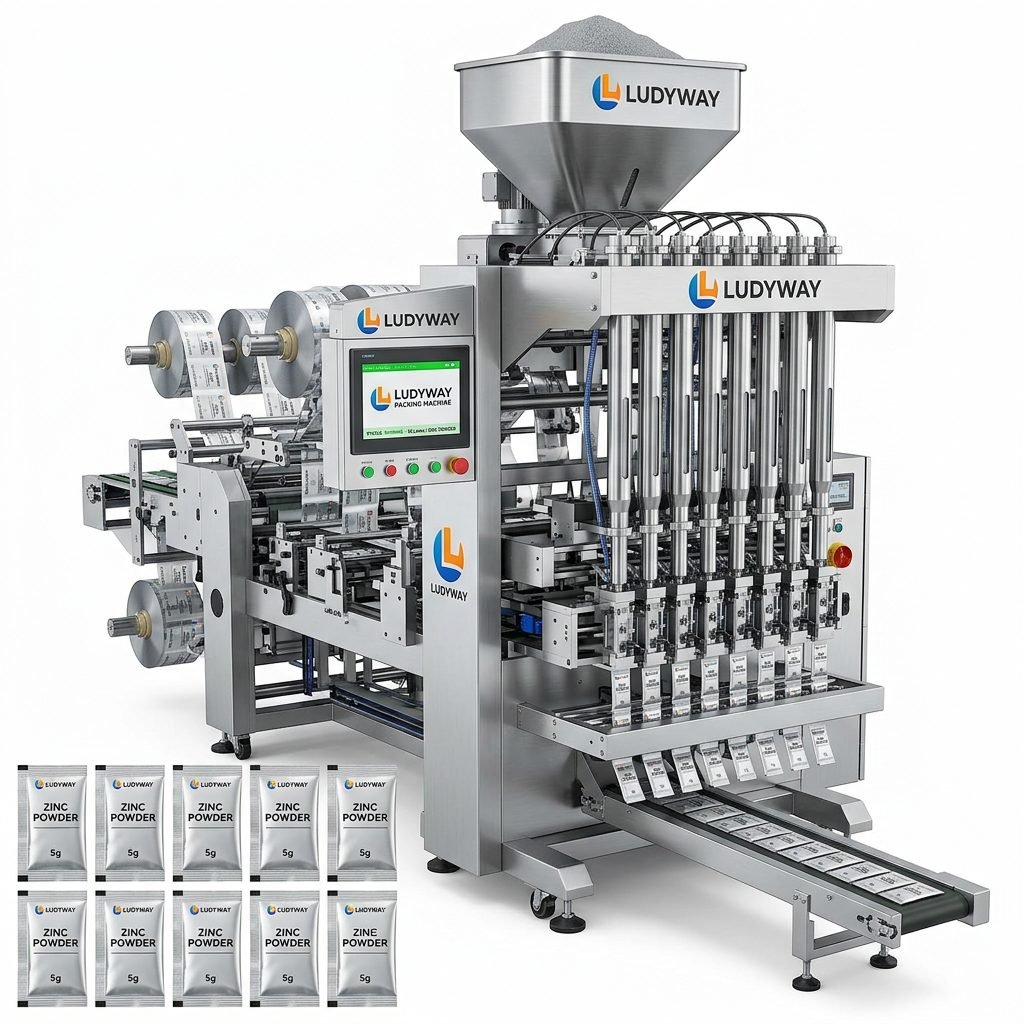
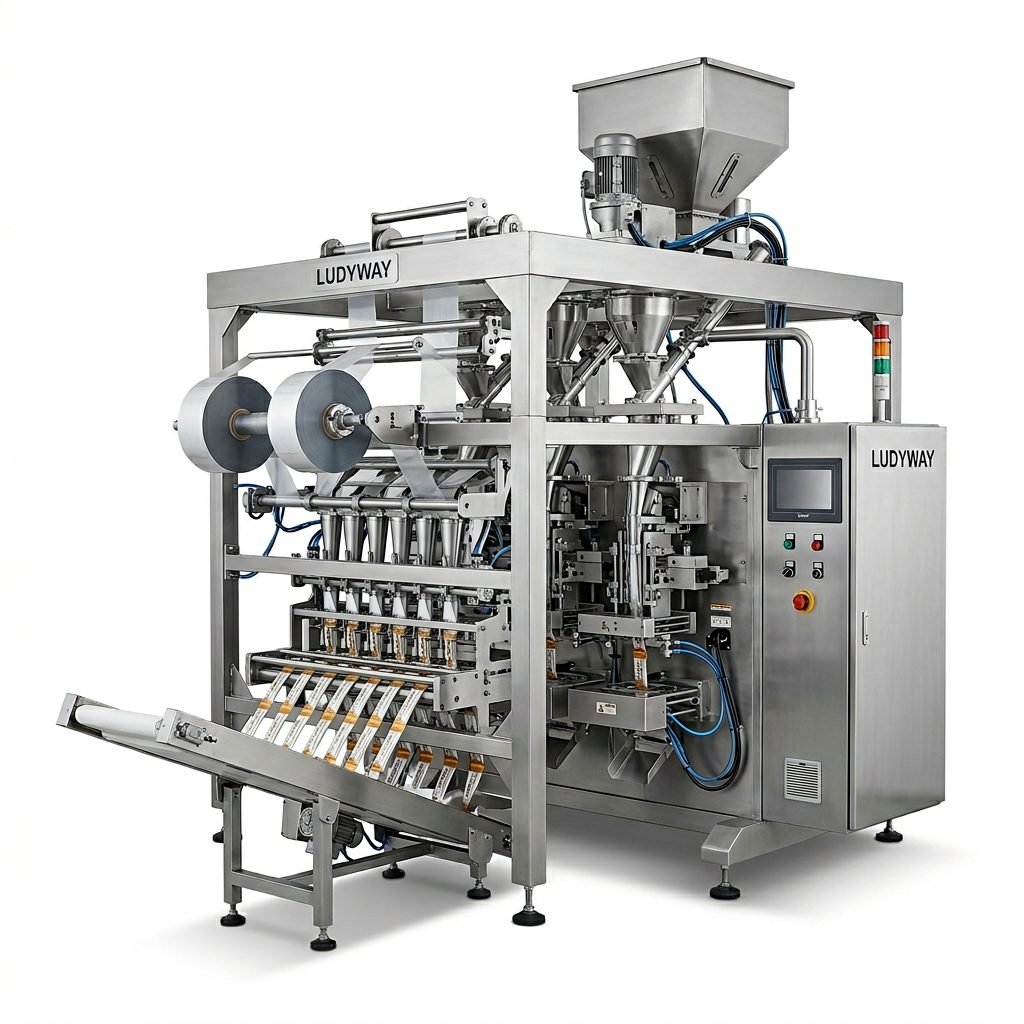
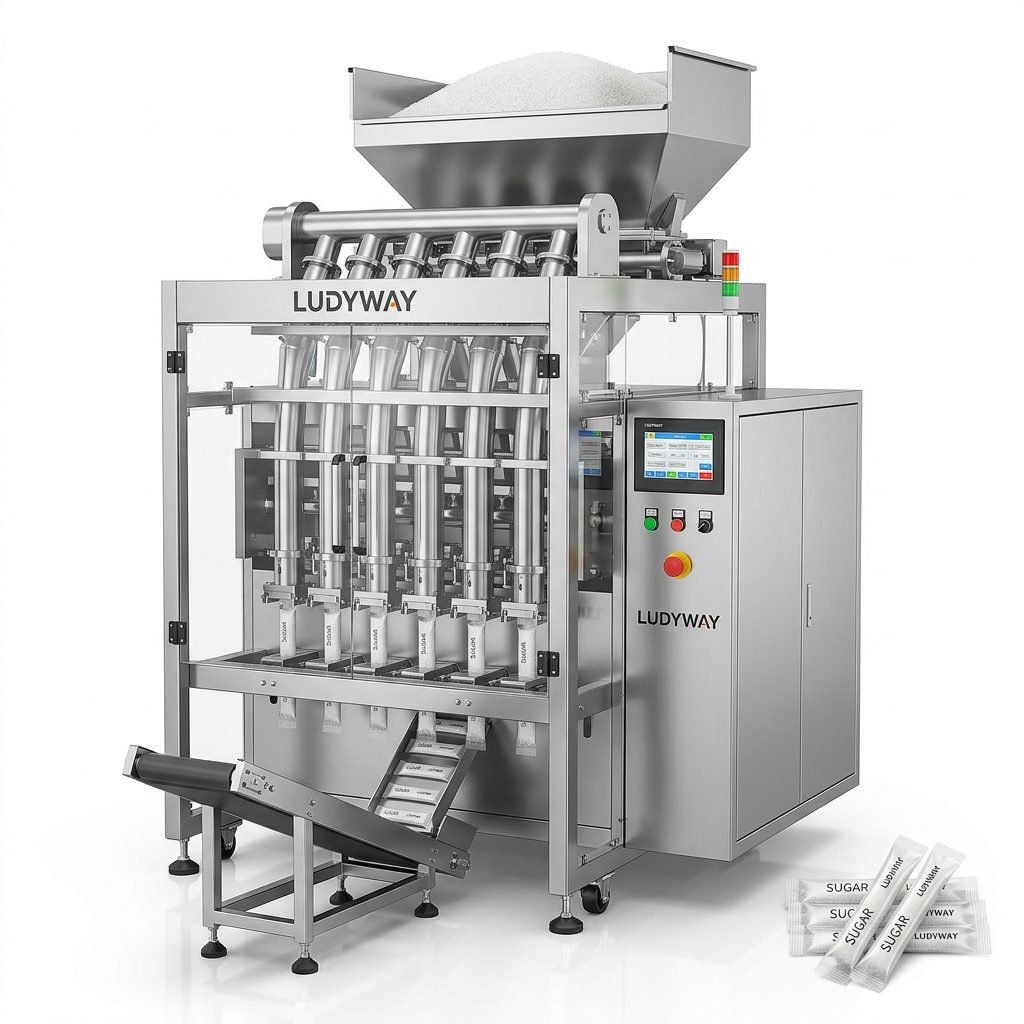
| Multi-Lane Sachet Machine | High-volume production; single product dedicated lines | 200-600+ sachets/min | Maximum output per square meter of floor space |
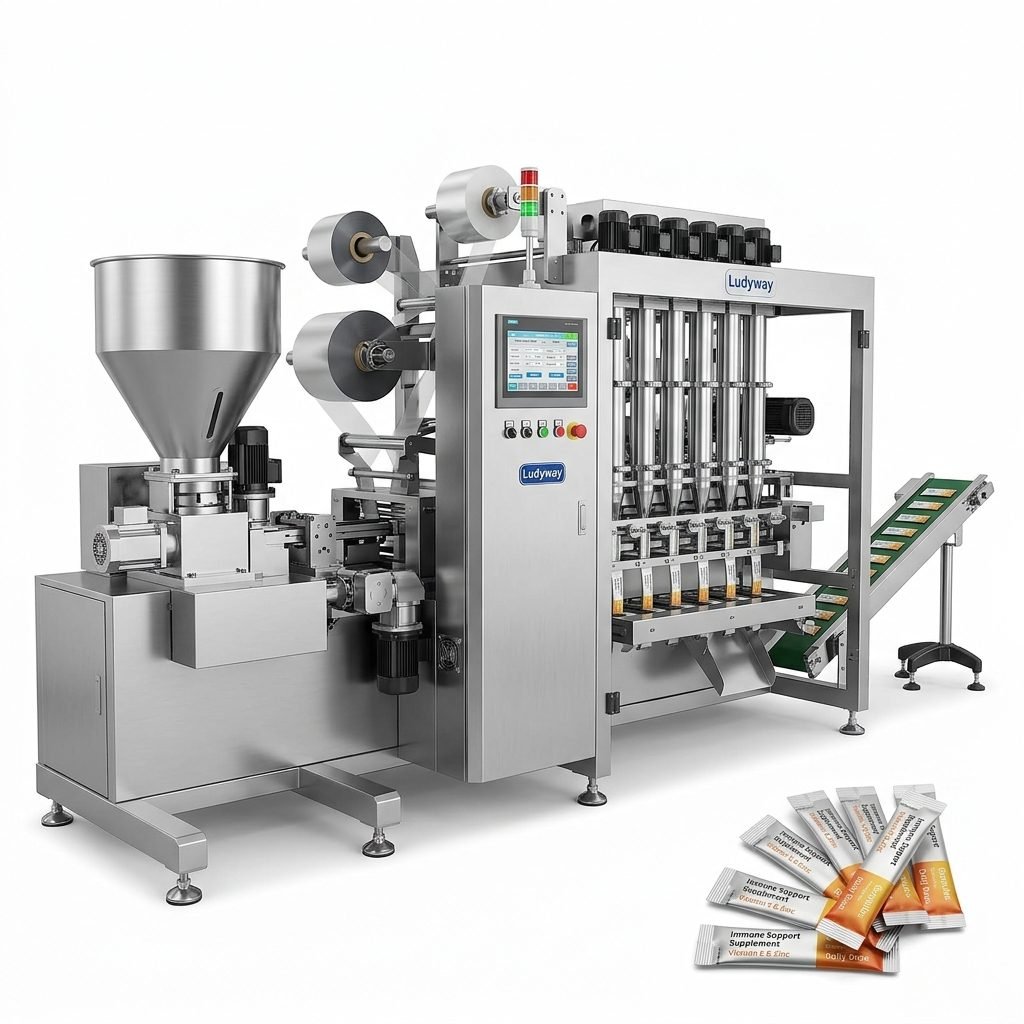
| Stick Pack Machine | Narrow, elongated sachets for powders and granules | 40-400+ sticks/min | Compact packaging format; popular in food and pharma |
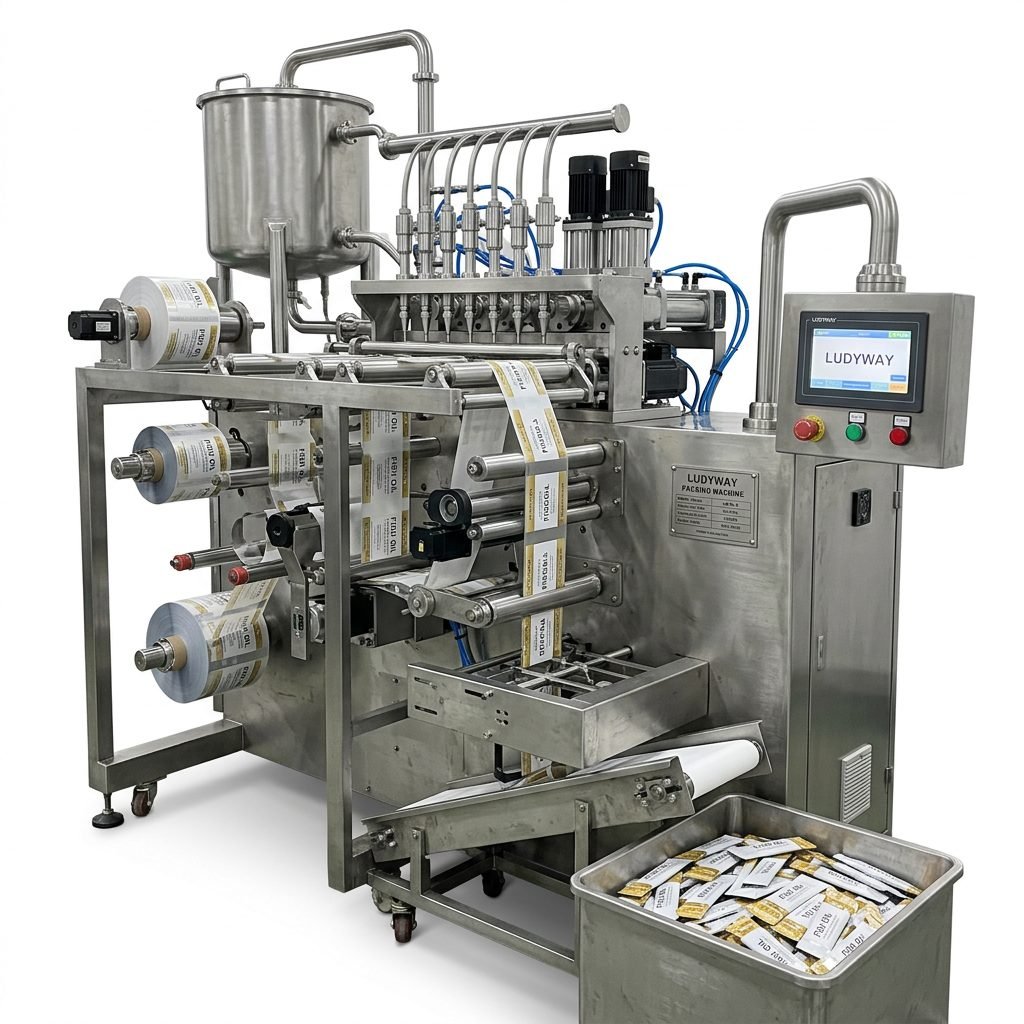
| Four-Side Seal Sachet Machine | Products requiring robust, flat sachets with excellent barrier properties | 40-200 sachets/min | Superior seal integrity; premium shelf appearance |
| Three-Side Seal Sachet Machine | General-purpose applications; cost-sensitive packaging | 40-300 sachets/min | Simpler film path; broad material compatibility |
| Pre-Made Pouch Filling Machine | Products requiring specialty pouch formats or zipper closures | 20-60 pouches/min | Flexibility for complex pouch designs and features |
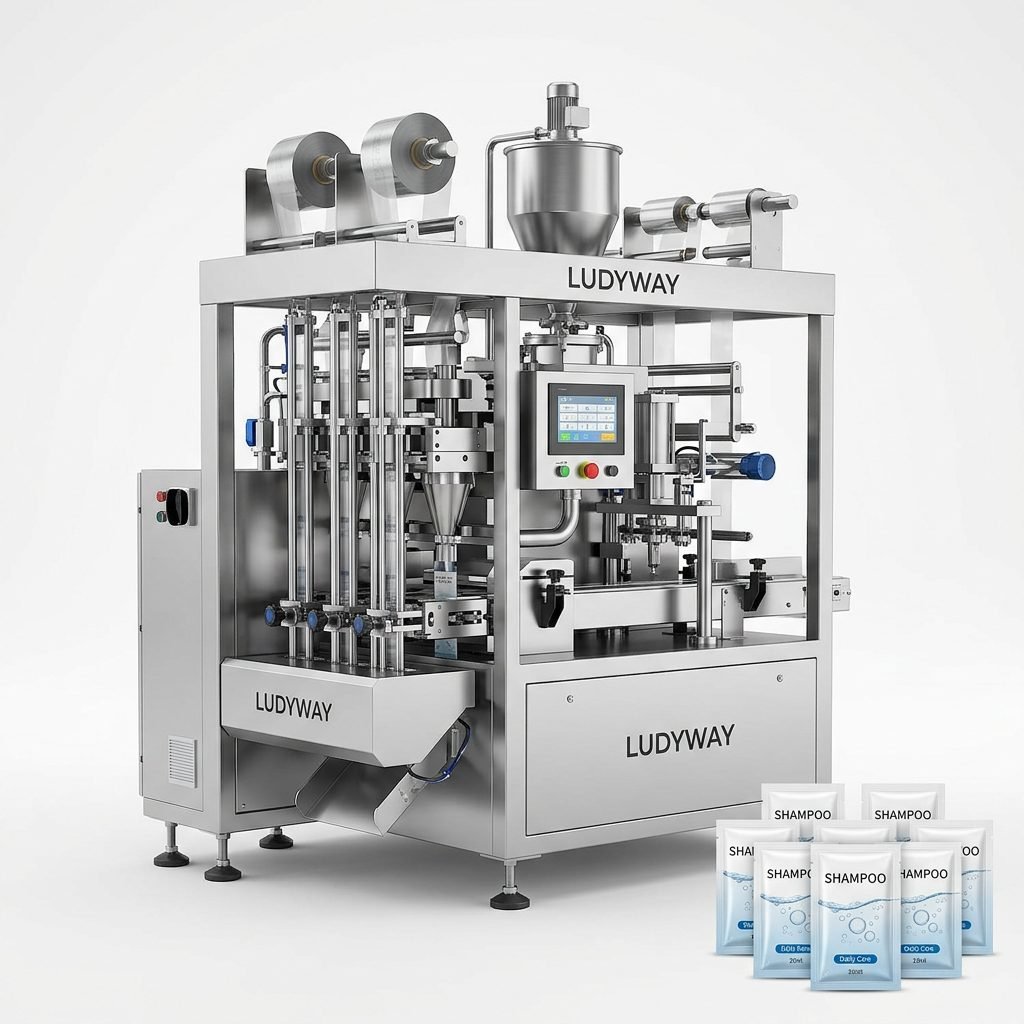
Multi-lane configurations are increasingly popular for high-demand products such as instant coffee, nutritional supplements, condiments, and personal care items. They deliver exceptional throughput while maintaining consistent fill accuracy across all lanes.
Dosing and Filling Accuracy
Fill accuracy directly impacts product give-away costs and regulatory compliance. Overfilling by even 1-2% can erode margins significantly in high-volume production. The appropriate dosing system depends on your product form:
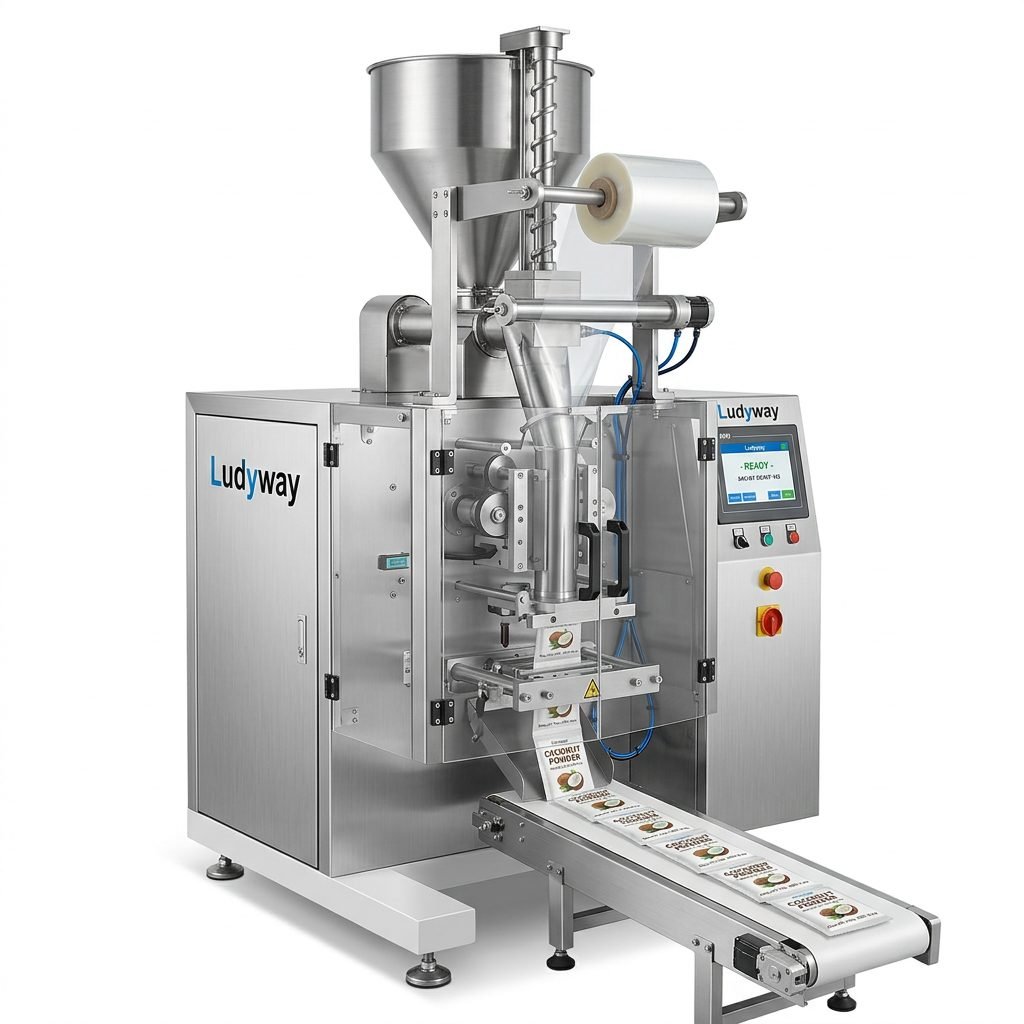
- Auger fillers: Ideal for powders; provide precise volumetric dosing with ±0.5-1% accuracy on most products.
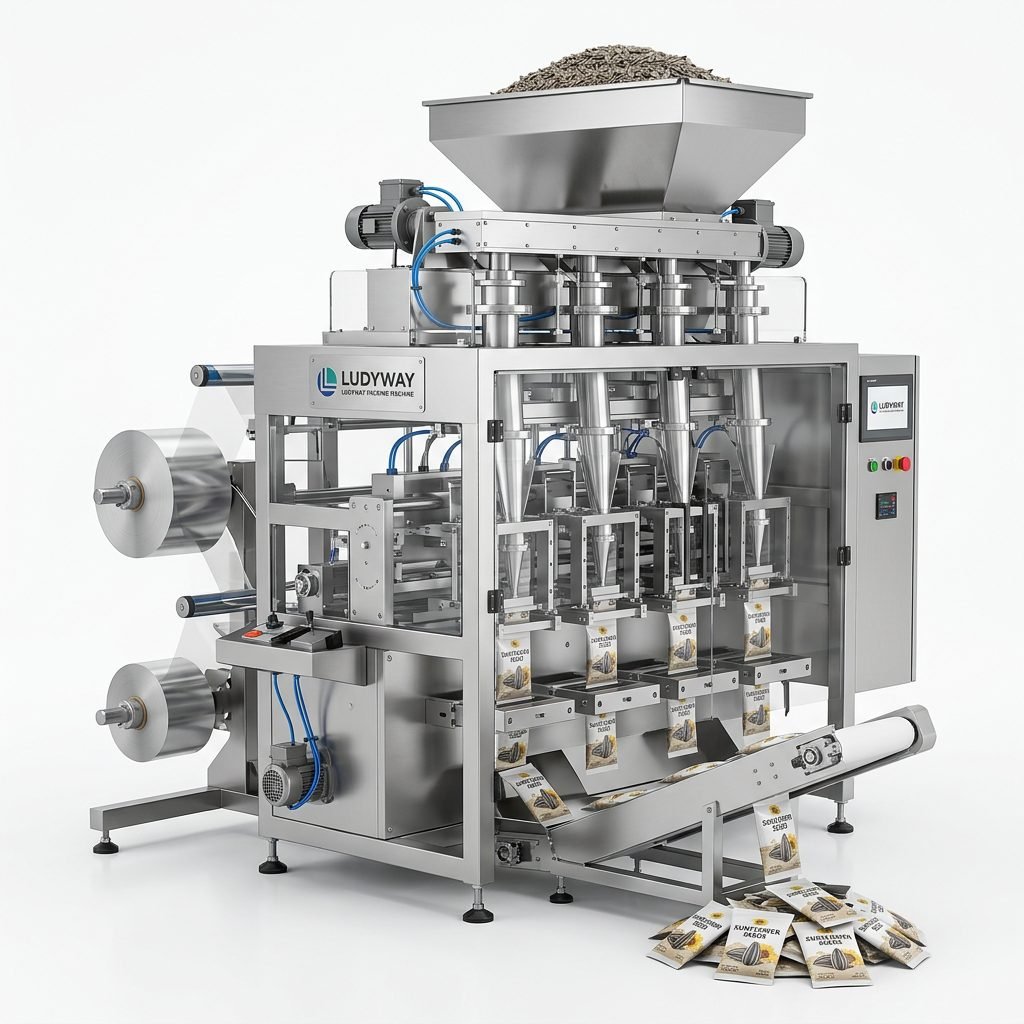
- Volumetric cup fillers: Cost-effective for free-flowing granules; accuracy typically ±1-2%.
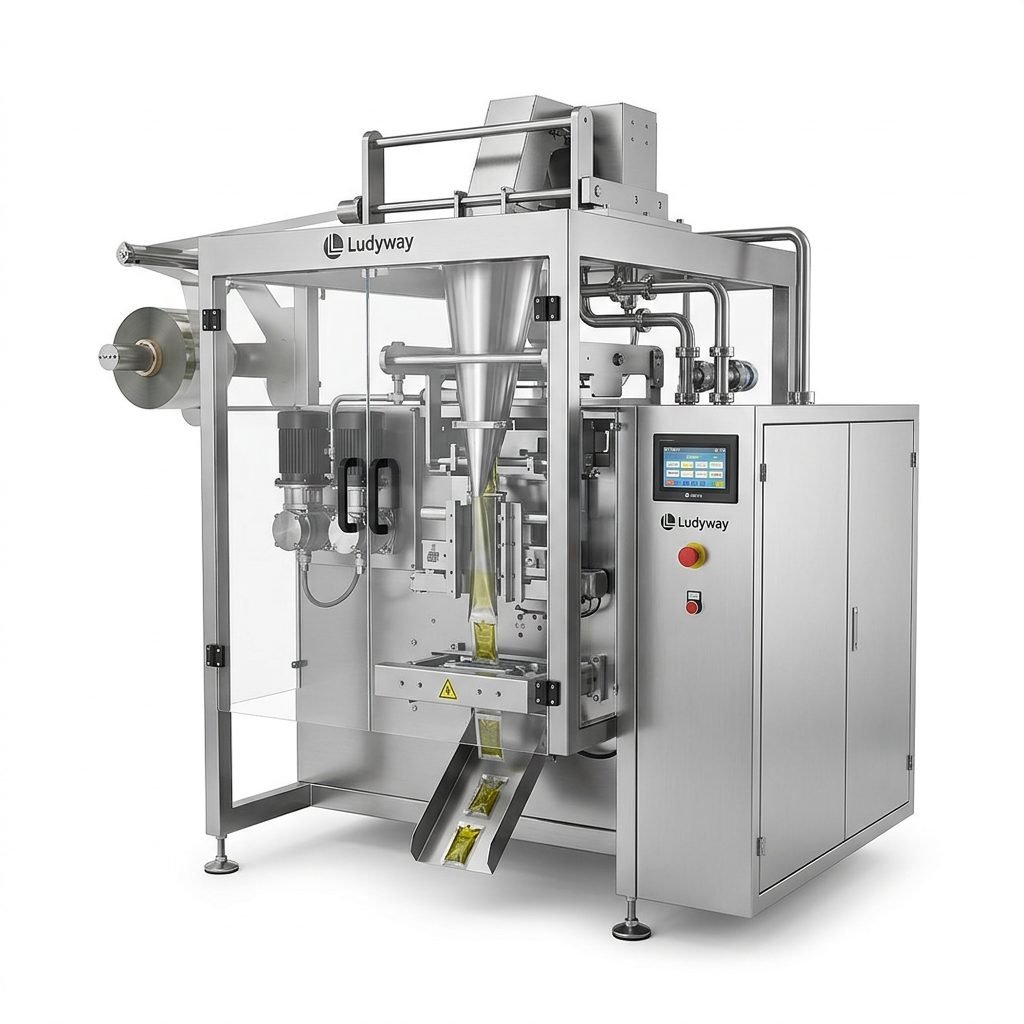
- Piston fillers: Suited for liquids and pastes; deliver high accuracy (±0.5%) across a wide viscosity range.
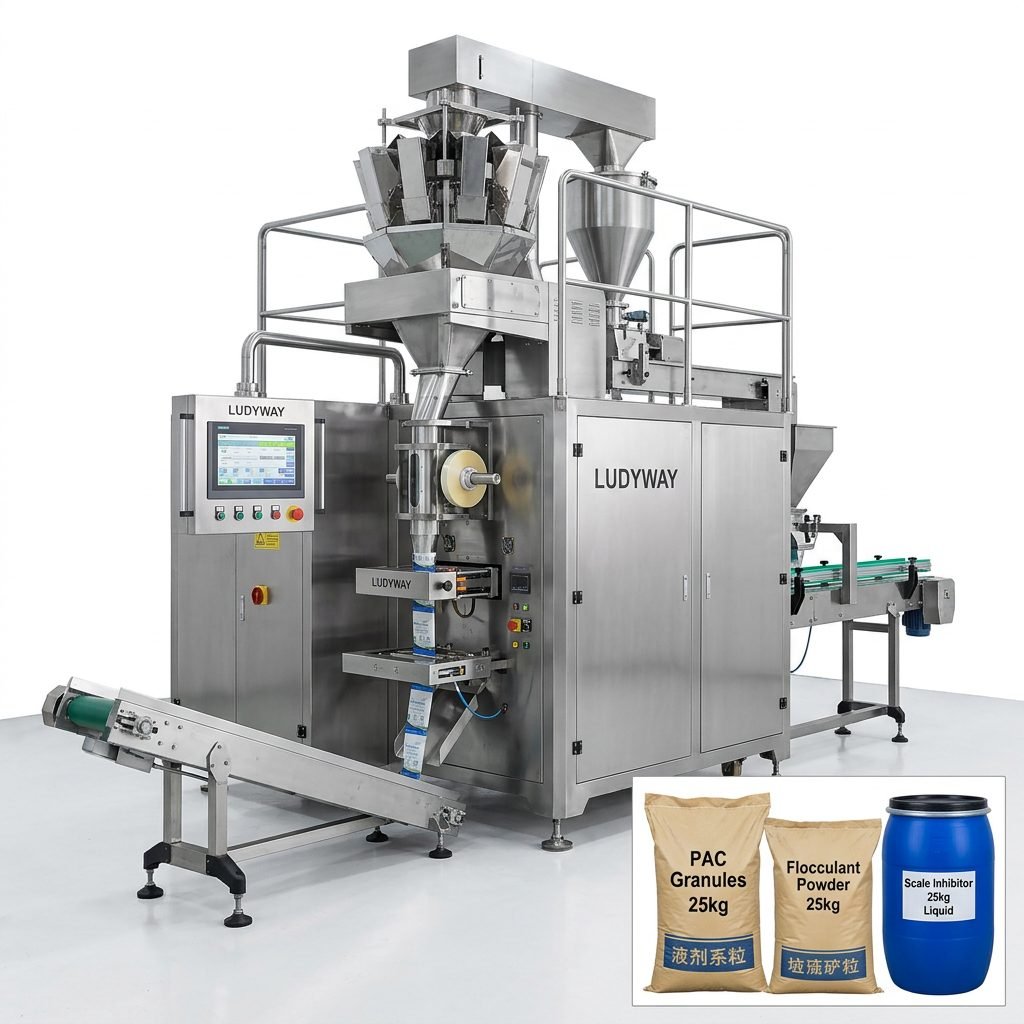
- Multi-head weighers: Gravimetric systems offering the highest accuracy (±0.1-0.5%) for granules and small-piece products; ideal for high-value items.
- Flow meters: Used for low-viscosity liquids; accuracy depends on meter type and product consistency.
For pharmaceutical and nutraceutical applications, dosing accuracy is particularly critical. The FDA’s packaging and food contact substances regulations set clear expectations for fill consistency and consumer safety. Similarly, ISO packaging standards provide internationally recognized frameworks for quality assurance.
Machine Construction and Component Quality
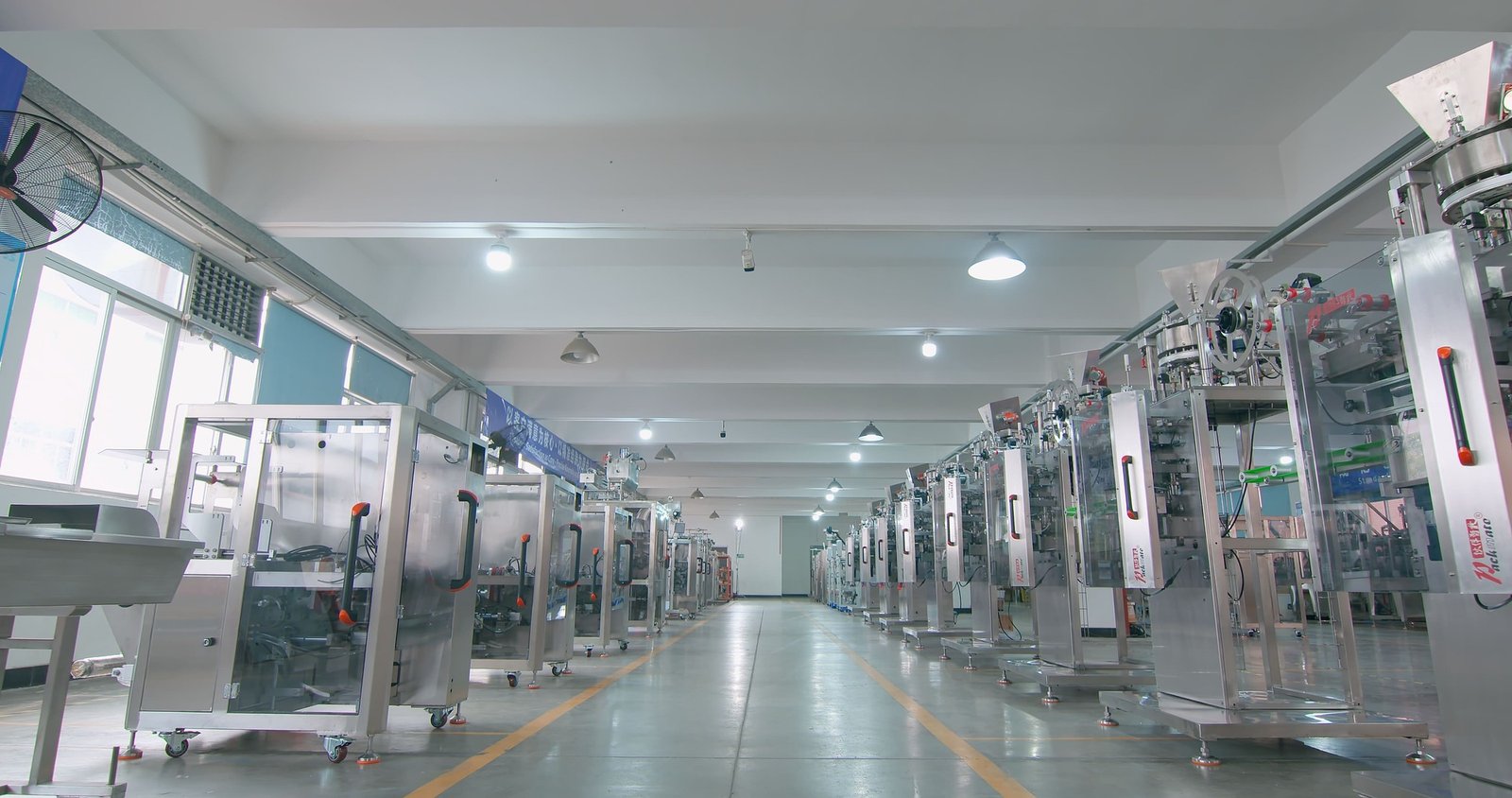
The build quality of a sachet filling machine determines its longevity, reliability, and maintenance requirements. When evaluating construction, pay attention to:
- Frame material: Stainless steel construction is standard for food and pharmaceutical applications, providing corrosion resistance and cleanability.
- Contact parts: Product-contact surfaces should be made from food-grade stainless steel (typically 304 or 316L) with appropriate surface finishes.
- Sealing jaws: Precision-machined sealing jaws with uniform heating ensure consistent seal integrity across all sachets.
- Control system: PLC-based controls with HMI touchscreen interfaces offer greater programmability, diagnostics, and parameter storage compared to basic relay controls.
- Pneumatic and electrical components: Branded components from established industrial automation suppliers generally provide better reliability and global spare parts availability.
Working with an experienced packaging machinery manufacturer such as Ludyway Machinery — which combines in-house manufacturing, engineering capabilities, and more than 30 years of industry experience — can provide access to customized machine configurations suited to specific product and production requirements.
Changeover Flexibility and Ease of Use
If your production involves multiple products or sachet sizes, changeover efficiency becomes a significant factor in overall equipment effectiveness. Machines designed for quick changeovers minimize downtime between production runs. Features to look for include:
- Tool-less changeover: Adjustments that can be made without specialized tools reduce changeover time and reliance on maintenance personnel.
- Recipe storage: PLC systems that store multiple product recipes allow operators to recall pre-set parameters for temperature, fill volume, and speed with a single command.
- Quick-release components: Forming tubes, filling nozzles, and sealing jaws that can be swapped rapidly support format changes.
- Intuitive HMI: A well-designed touchscreen interface with clear navigation reduces operator errors and training requirements.
Operators should be able to perform routine changeovers in under 30 minutes for similar product types. Machines requiring extended changeover times can become bottlenecks in flexible production environments.
Regulatory Compliance and Validation
Depending on your industry and target markets, your sachet filling machine may need to comply with specific regulatory standards. Key considerations include:
- GMP compliance: Pharmaceutical and dietary supplement manufacturers require machines designed for Good Manufacturing Practice environments, with features like tool-free disassembly for cleaning and validation-friendly documentation.
- CE marking: Required for machinery sold in the European Economic Area, indicating conformity with health, safety, and environmental protection standards.
- FDA 21 CFR Part 11: For pharmaceutical applications in the U.S., electronic records and signatures must meet specific requirements — relevant for machines with recipe management and audit trail capabilities.
- Food contact compliance: Materials in contact with food products must meet applicable regulations in your target markets. Refer to FDA packaging and food contact substances guidance for U.S. requirements.
- ATEX or explosion-proof requirements: Products generating combustible dust or vapors may require specialized machine configurations.
Total Cost of Ownership Evaluation
The purchase price of a sachet filling machine represents only part of the total investment. A comprehensive cost analysis should account for:
- Installation and commissioning: Including facility preparation, utility connections, and initial calibration.
- Operator training: Adequate training reduces startup issues and long-term operational errors.
- Spare parts inventory: Recommended spare parts lists and lead times for critical components.
- Preventive maintenance: Scheduled service requirements and associated labor and parts costs.
- Energy consumption: Electrical and compressed air usage, which can vary significantly between machine designs.
- Packaging material waste: Machines with precise film registration and tension control generate less waste during startups and changeovers.
- Product give-away: Fill accuracy directly determines how much product is given away over millions of sachets.
A machine with a higher initial price but lower operating costs often delivers superior long-term value. Calculate your estimated total cost over a 5-7 year period to make a valid comparison between equipment options.
After-Sales Support and Technical Service
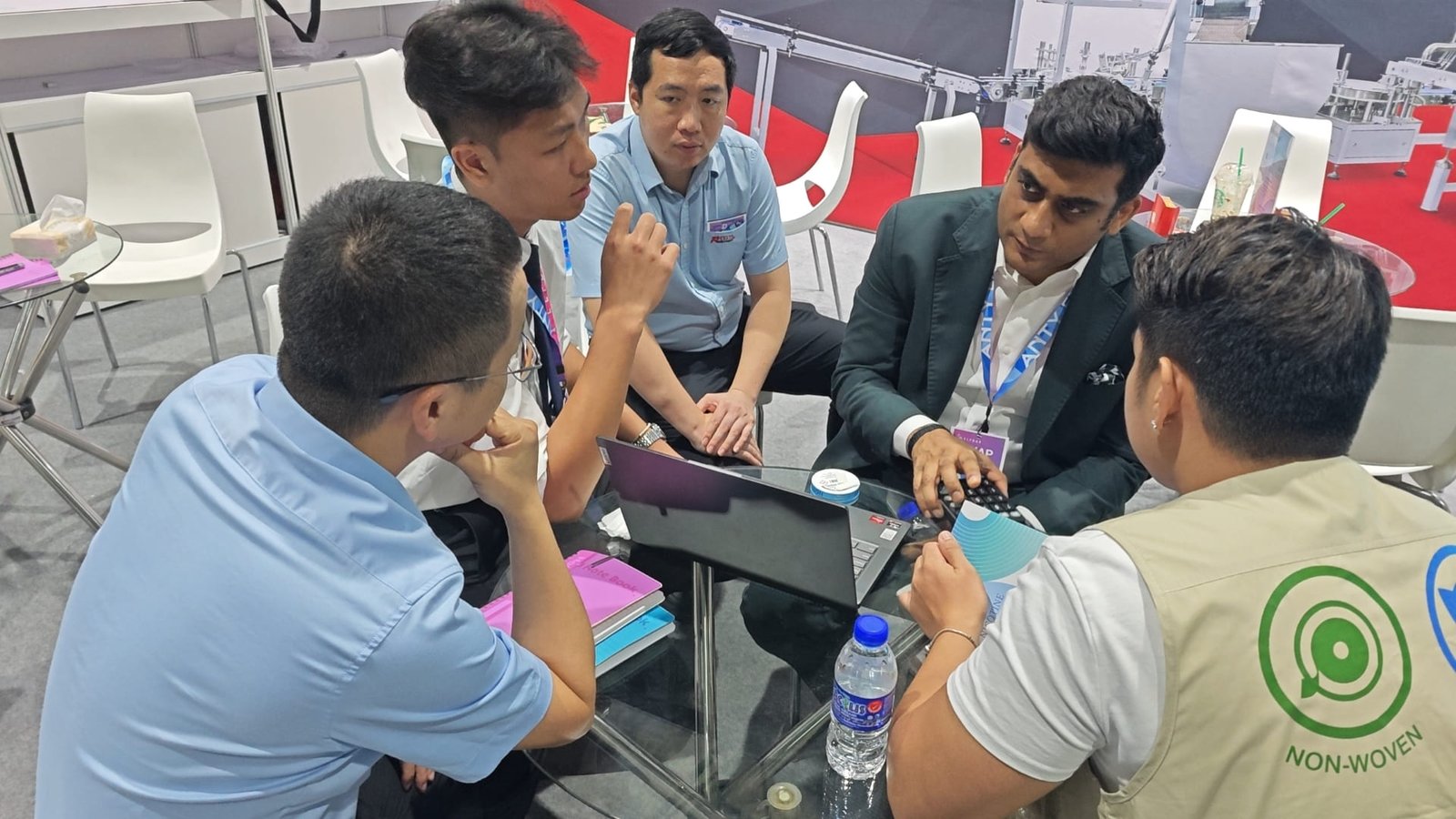
The availability and quality of after-sales support can make or break your experience with a sachet filling machine. Before committing to a supplier, evaluate:
- Technical support responsiveness: How quickly can you reach a knowledgeable technician when issues arise? Remote diagnostic capabilities are increasingly valuable.
- Spare parts availability: Are critical spare parts stocked regionally, or do they require extended international shipping?
- Installation and commissioning support: Does the supplier provide on-site technicians to ensure proper setup and calibration?
- Training programs: Comprehensive operator and maintenance training reduces the learning curve and prevents avoidable machine damage.
- Warranty terms: Understand what is covered, for how long, and under what conditions.
A supplier with global service capabilities and a track record of supporting customers across multiple regions provides greater confidence, especially for manufacturers operating in multiple locations or planning international expansion.
Key Questions to Ask Before Making Your Decision
To systematically evaluate sachet filling machine options, use the following checklist when engaging with potential suppliers:
- Can the machine handle my specific product at the required fill accuracy without modification?
- What are the standard and optional features, and which ones are genuinely necessary for my application?
- What is the demonstrated production speed with my product — not just the theoretical maximum?
- How long does a typical changeover take between different sachet sizes or products?
- What packaging films have been validated on this machine, and can I conduct a trial with my own film?
- What is included in the quotation — are installation, training, and startup support itemized separately?
- Can you provide references from customers running similar products and production volumes?
- What is the lead time for the machine and for commonly ordered spare parts?
- What preventive maintenance schedule is recommended, and what are the associated costs?
- Does the machine support future upgrades such as additional lanes, automation modules, or coding systems?
Taking the time to thoroughly evaluate these questions helps ensure that your selected machine aligns with both your immediate production needs and your long-term business objectives.
Making the Final Decision
Selecting the right sachet filling machine is ultimately about matching equipment capabilities to your specific product, production, and business requirements. A structured evaluation process — starting with product analysis, moving through technical specifications, and ending with a thorough supplier assessment — significantly reduces the risk of an unsuitable purchase.
Invest time in product trials using your actual materials. Visit supplier facilities or request detailed video demonstrations. Speak with existing customers about their real-world experiences. And always consider the total cost of ownership rather than focusing narrowly on the purchase price. For additional industry data and market insights, resources from Flexible Packaging Association and PMMI — The Association for Packaging and Processing Technologies provide valuable context for your investment decision.
The right sachet filling machine becomes a long-term production asset that supports quality, efficiency, and growth. The wrong one becomes an ongoing source of downtime, waste, and frustration. A careful, informed selection process is the best way to ensure you end up with the former.