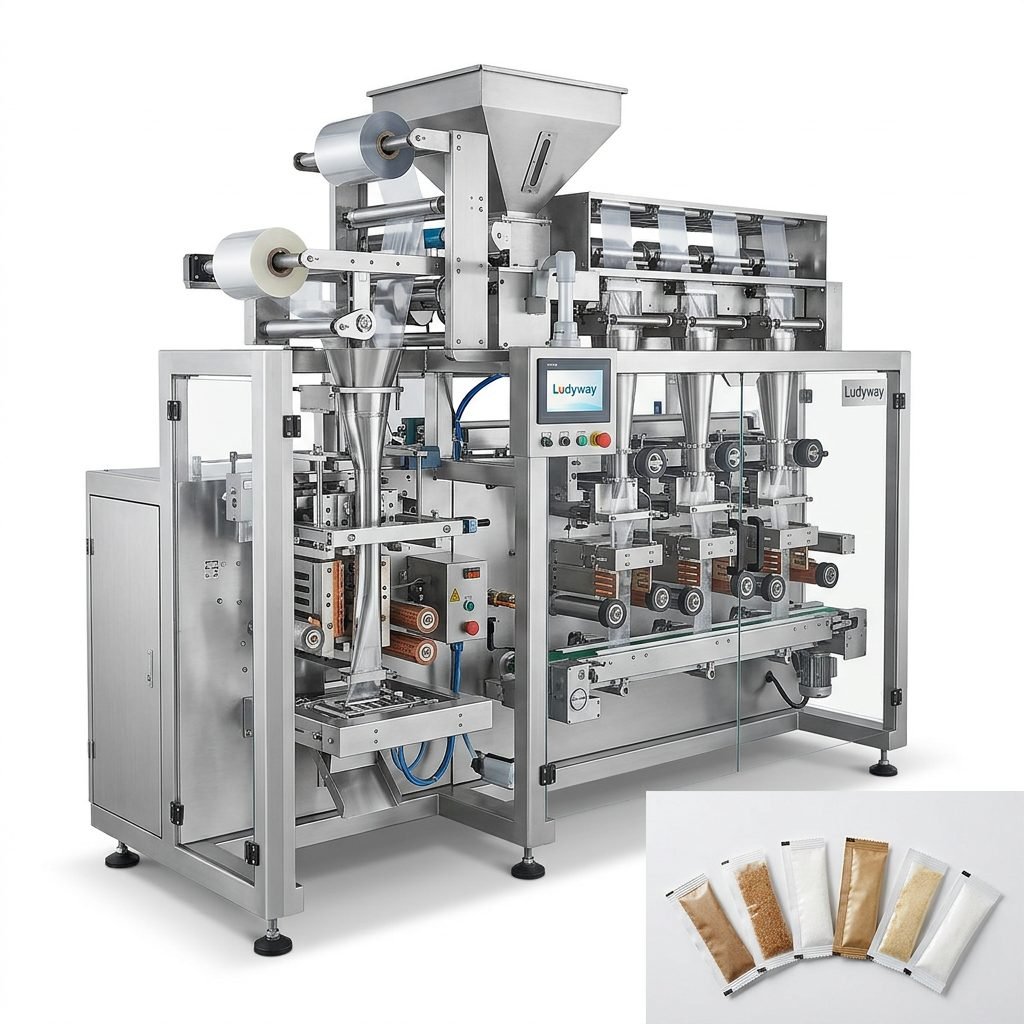
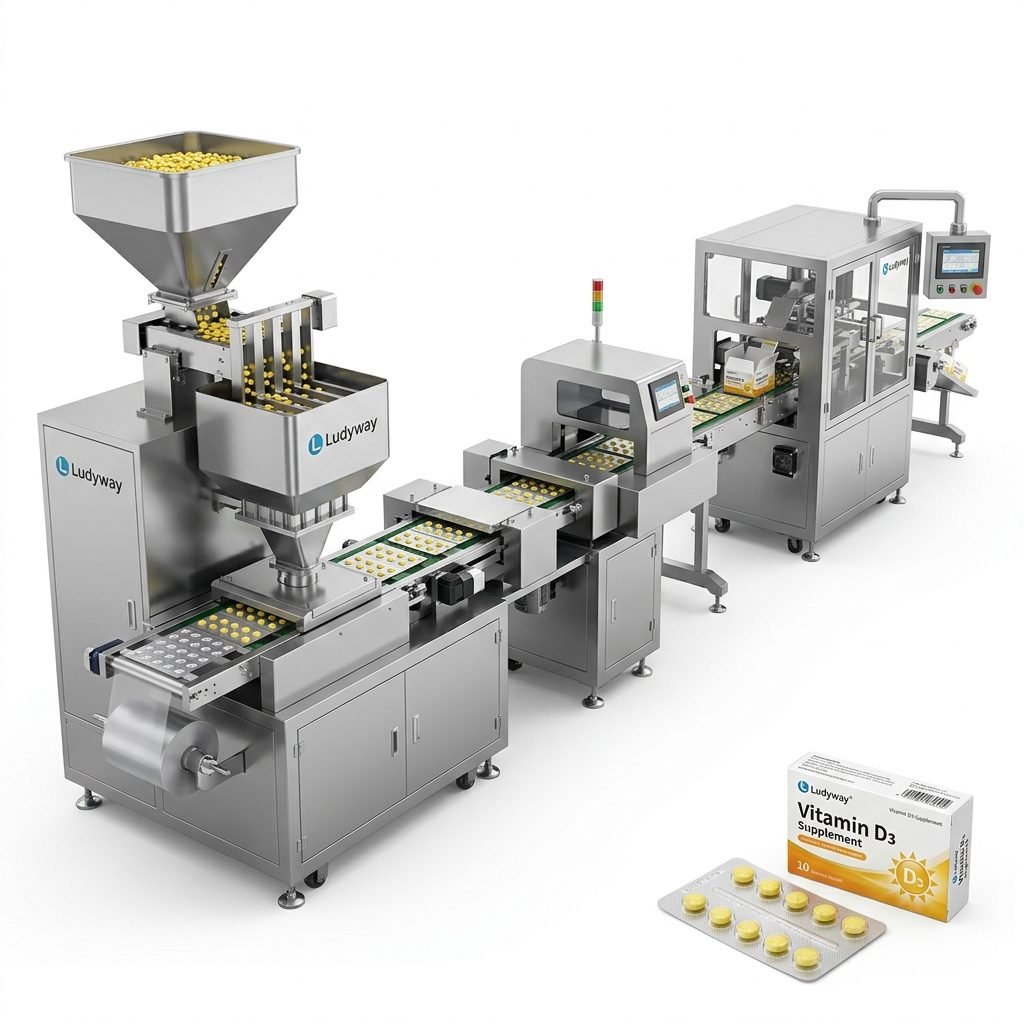
Investing in a packaging strap machine is a critical decision for manufacturers looking to improve load stability, reduce material waste, and streamline end-of-line operations. Whether you run a high-volume distribution center or a compact manufacturing facility, the right strapping equipment can dramatically impact your throughput and shipping costs. This guide breaks down the essential factors to consider before making a purchase, ensuring you select a system that aligns perfectly with your operational needs.
Understanding the Types of Strapping Machines
Before diving into specifications, it’s crucial to understand the fundamental categories of strapping machinery. The market generally segments these machines by their automation level and strap material compatibility.
- Manual Strapping Tools: Ideal for low-volume operations, these require an operator to tension, seal, and cut the strap.
- Semi-Automatic Strapping Machines: The operator places the package, and the machine automatically tensions and seals the strap. Perfect for medium-duty environments.
- Fully Automatic Strapping Machines: Integrated into conveyor systems, these machines detect the package, apply the strap, and seal it without human intervention. They are vital for high-speed production lines.
- Pallet Strapping Systems: Designed specifically for securing loads on pallets, often featuring a robust arch and higher tensioning force.
Key Factors to Evaluate Before Buying
Selecting the correct configuration requires a deep dive into your product characteristics and production environment. Here are the core performance variables you must analyze:
1. Strap Material and Size Compatibility
Not all machines handle every material. You need to decide between Polypropylene (PP) and Polyester (PET). PP straps are cost-effective and elastic, suitable for light to medium loads, while PET straps offer higher tension retention and break strength for heavy-duty shipping. Ensure the machine’s sealing mechanism—whether heat seal, friction weld, or ultrasonic—works efficiently with your chosen flexible packaging material.
2. Tensioning and Sealing Technology
The tensioning force directly correlates with load containment. Look for machines with adjustable tension controls to prevent crushing lightweight cartons while still delivering maximum tightness for heavy industrial boxes. For food-grade or clean environments, ultrasonic sealing might be preferred to avoid smoke or fumes associated with traditional heat sealing.
3. Speed and Throughput Requirements
Match the cycle rate to your peak production demands. A semi-automatic arch machine might deliver 15-20 straps per minute, while a fully automated in-line system can exceed 50 straps per minute. Over-specifying speed can waste capital, but under-specifying creates a bottleneck. For manufacturers dealing with complex integration, referencing a packaging machinery intelligence report can provide valuable benchmarks.
Customization and Integration Capabilities
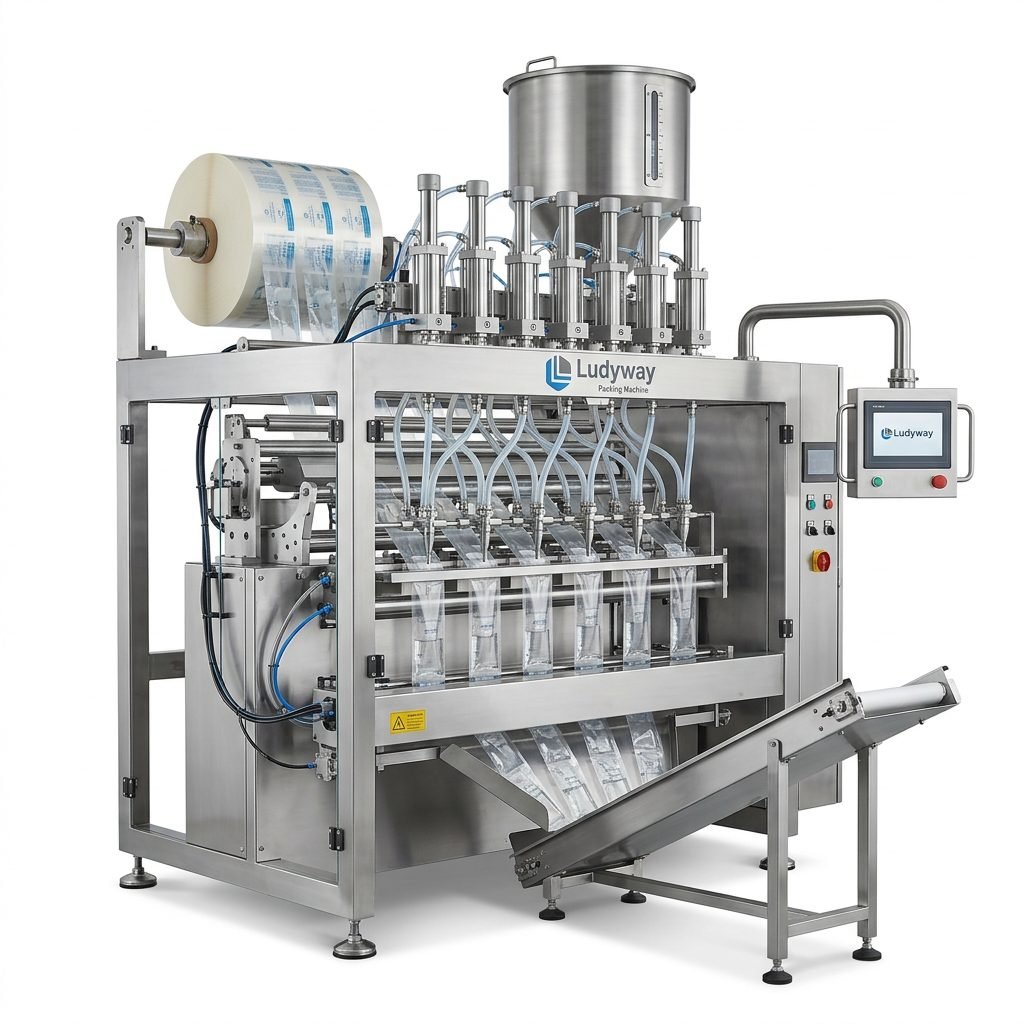
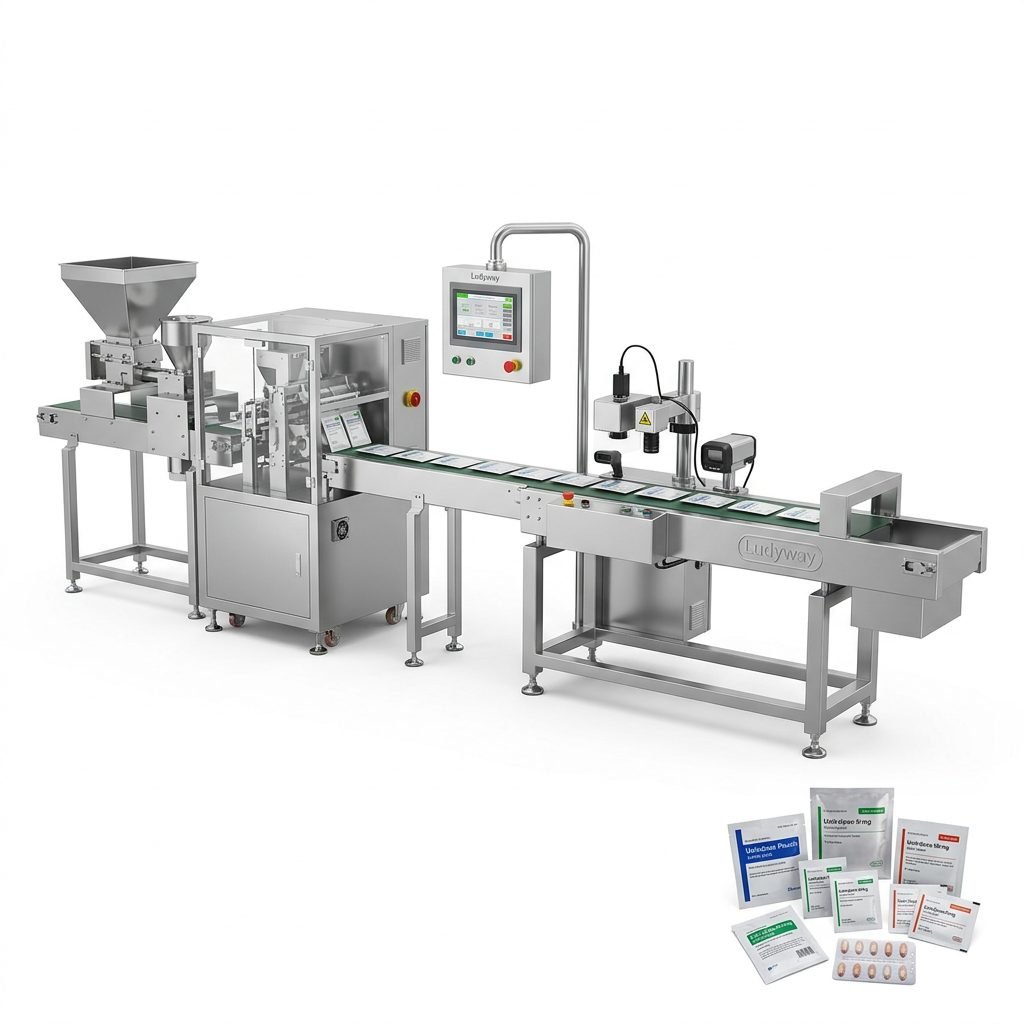
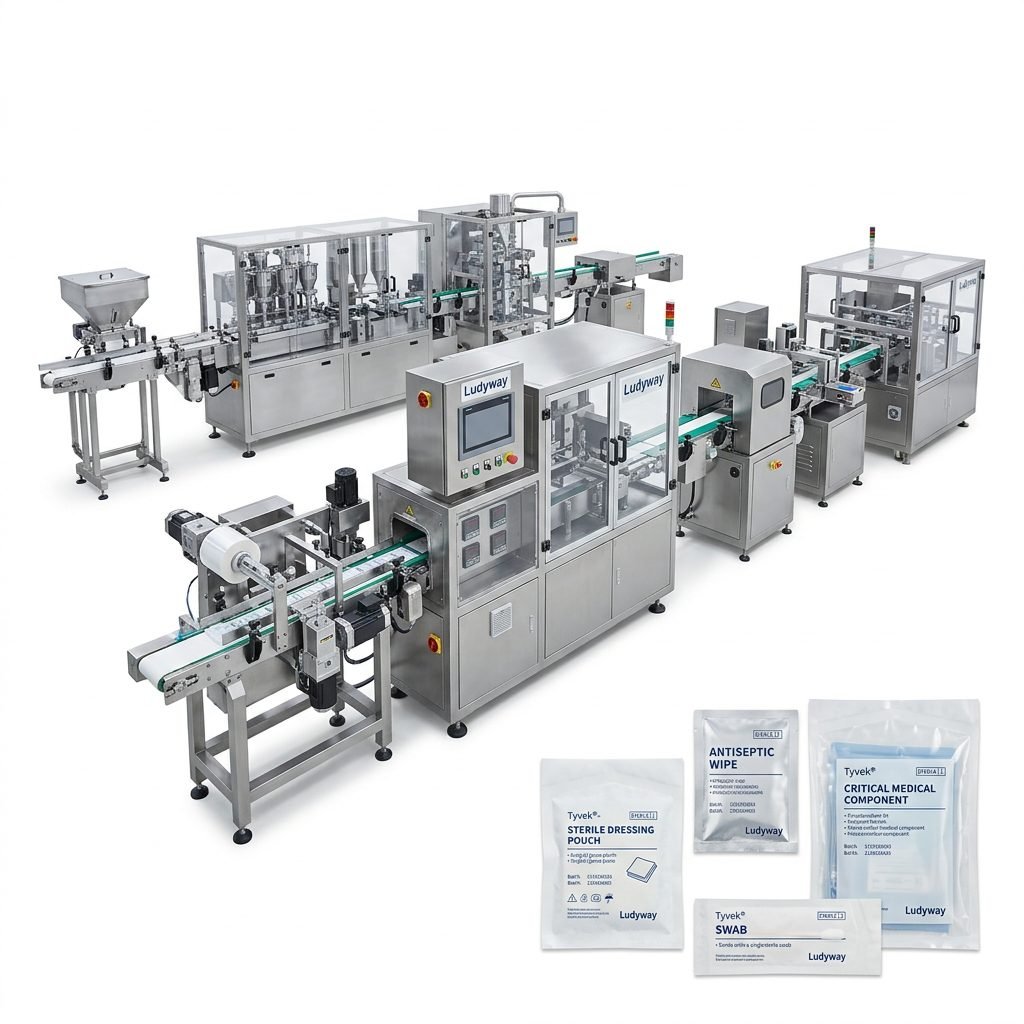
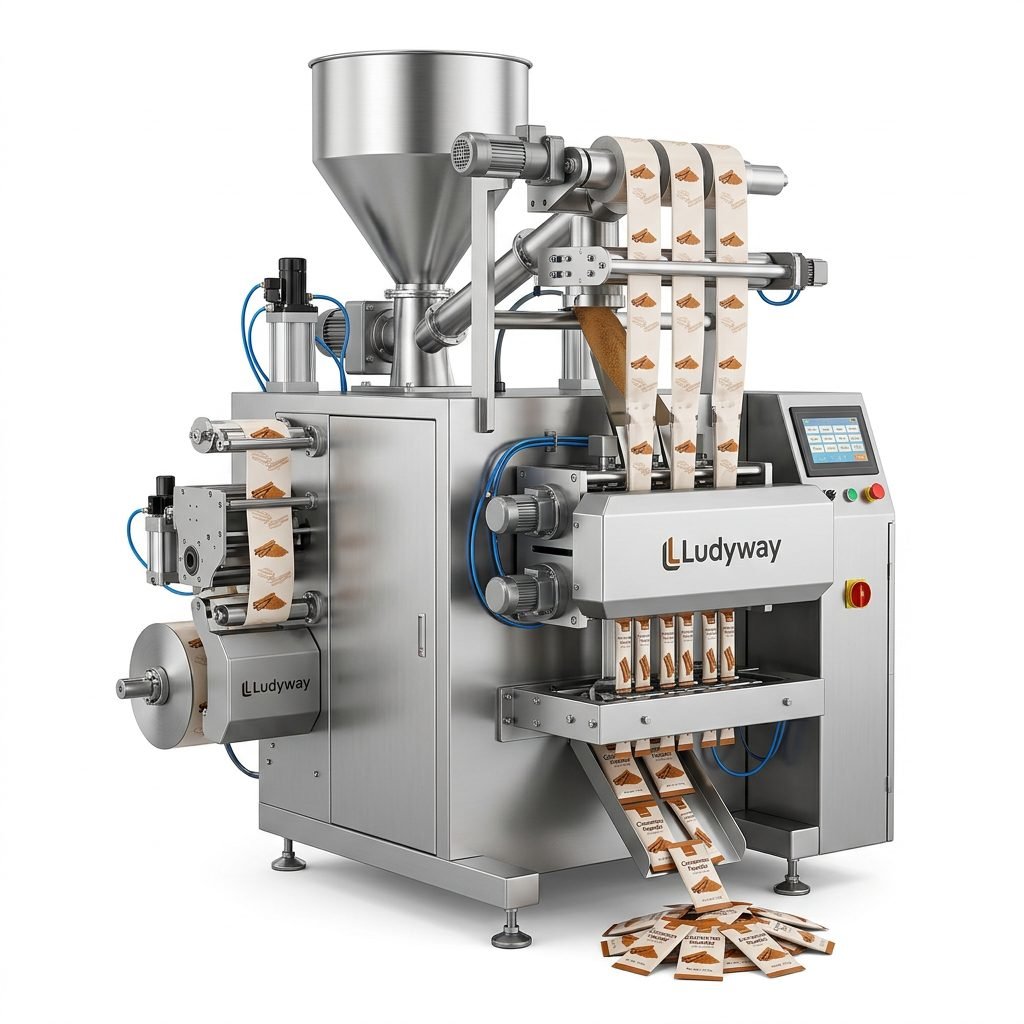
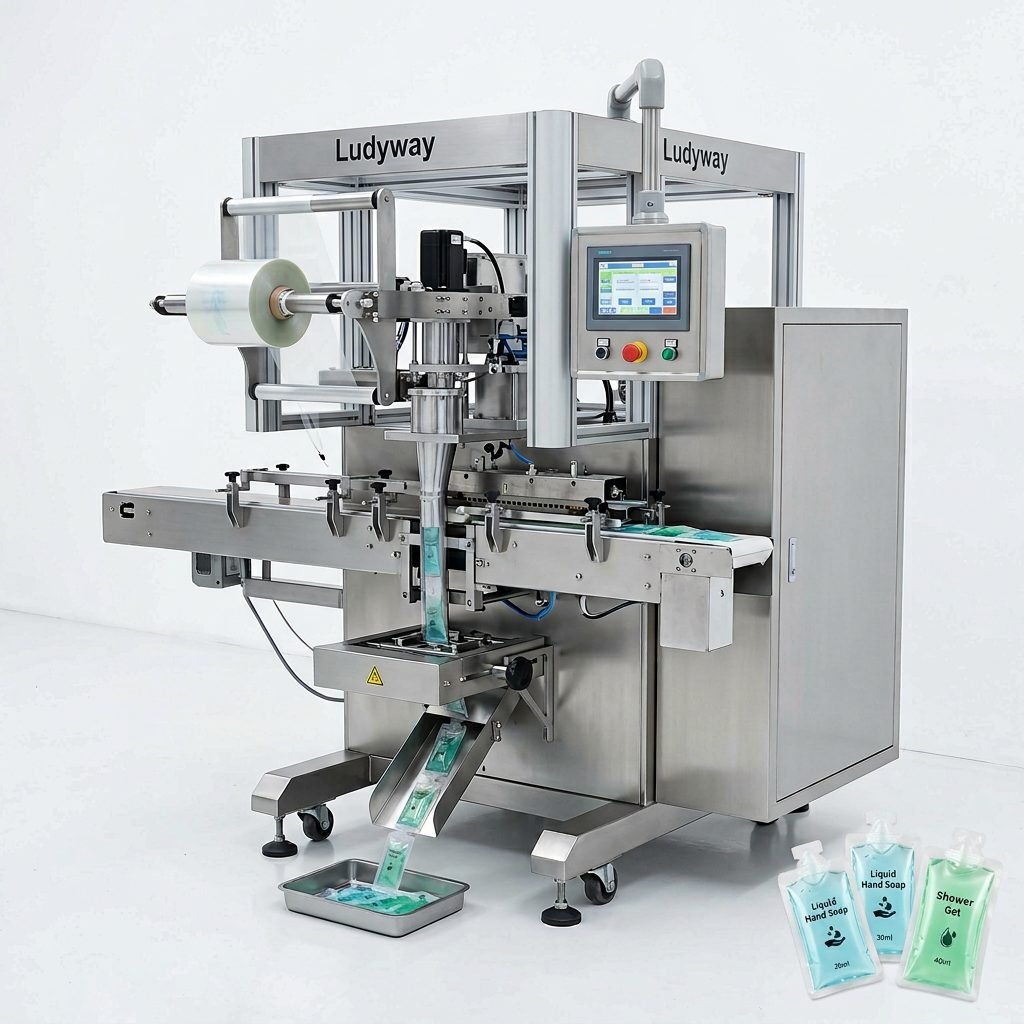
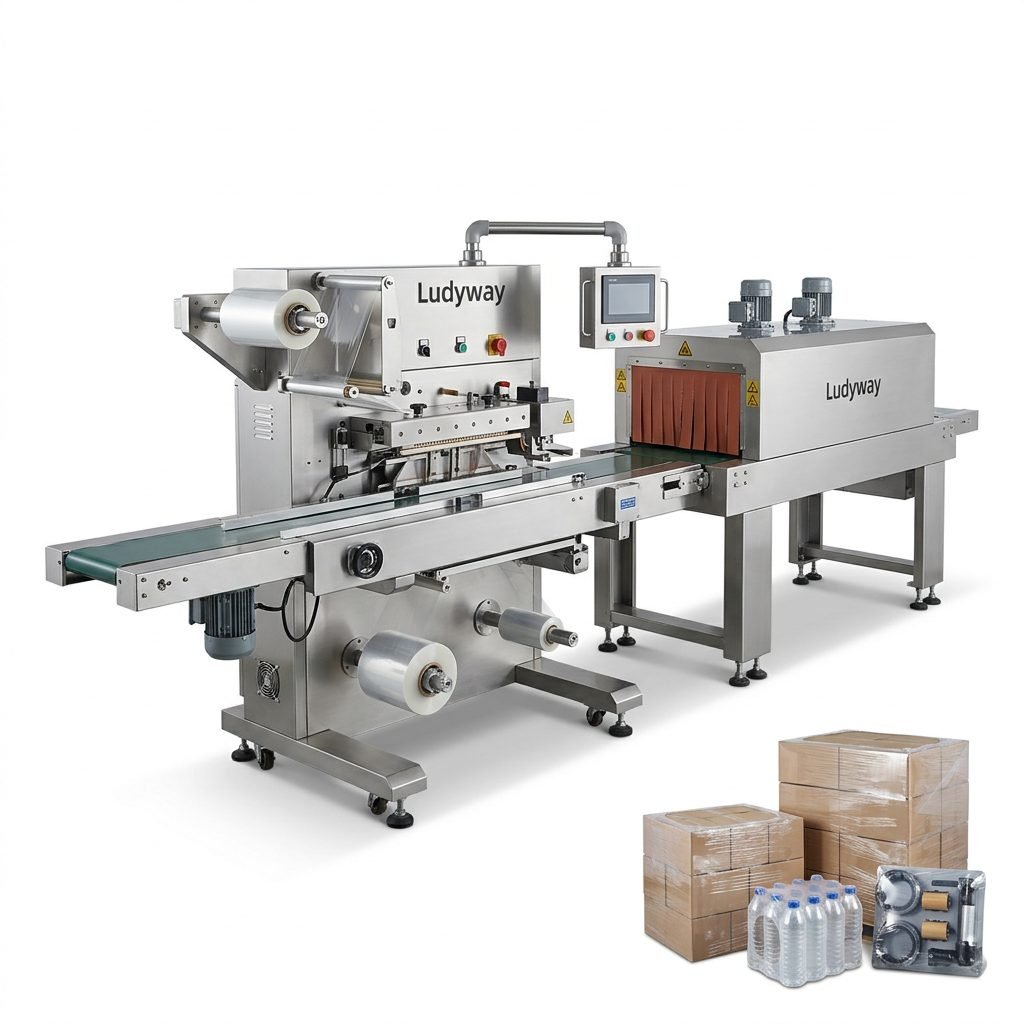
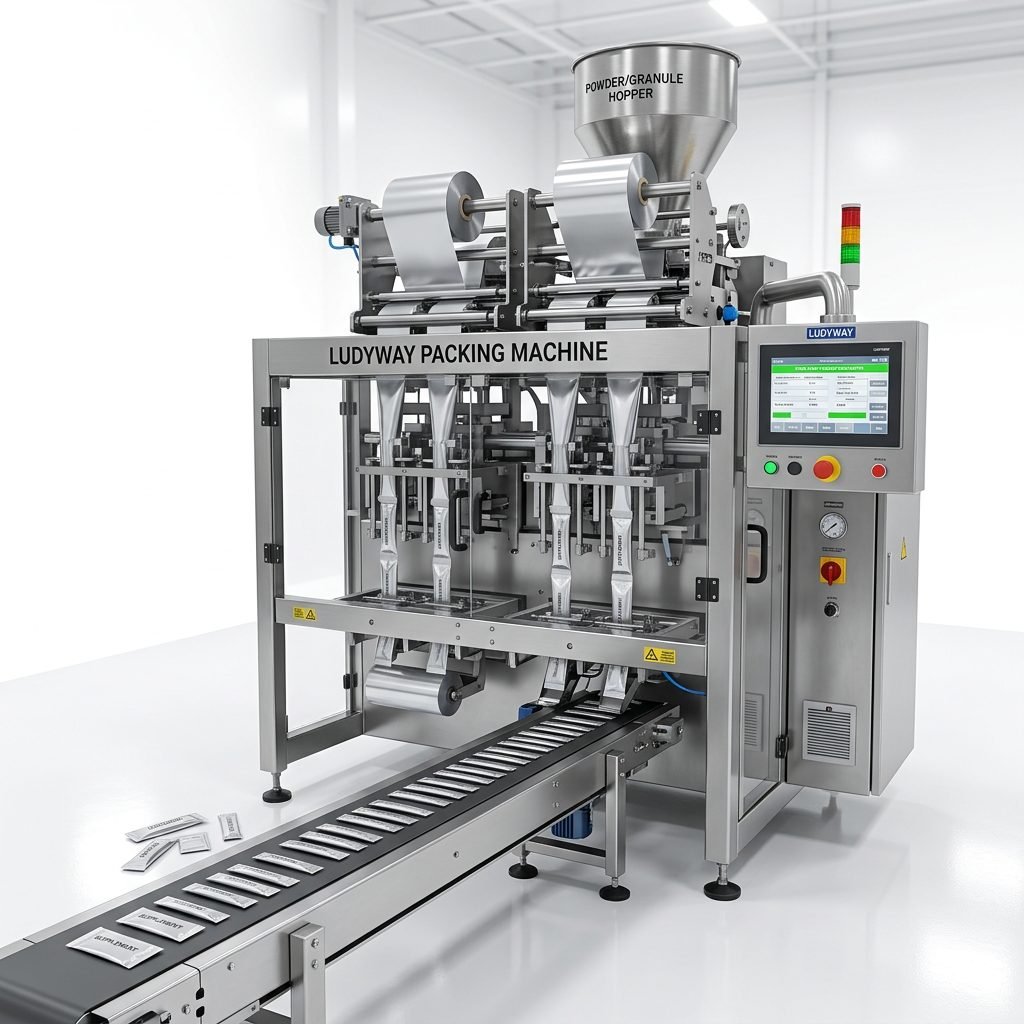
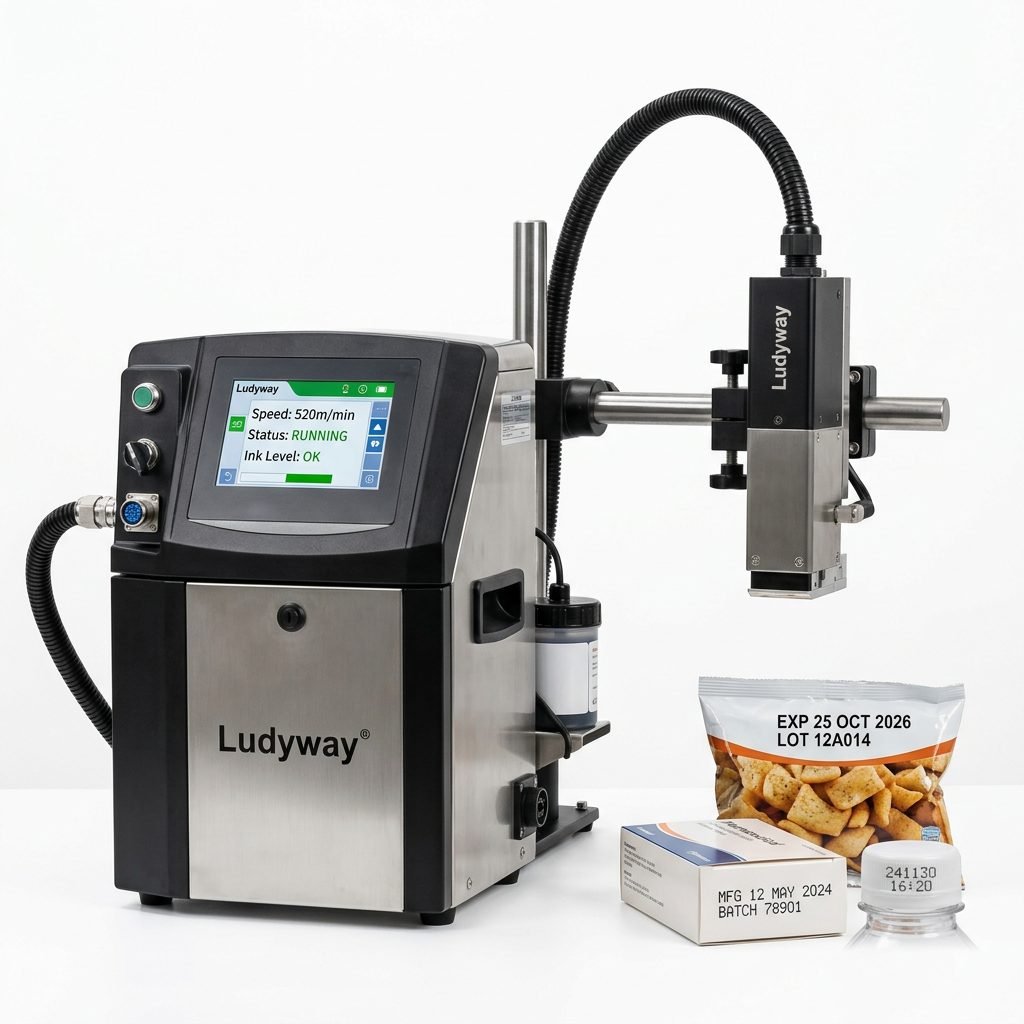
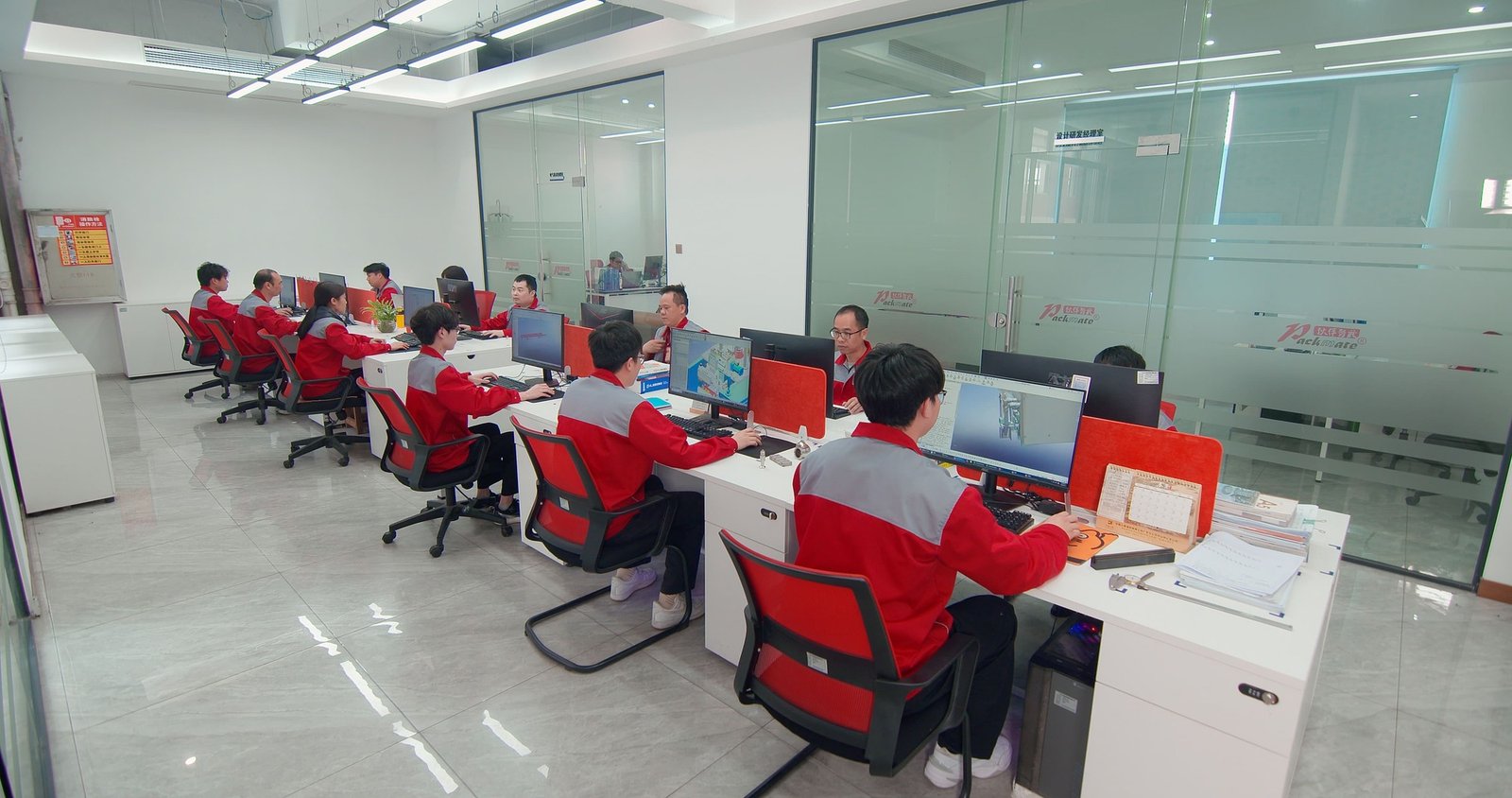
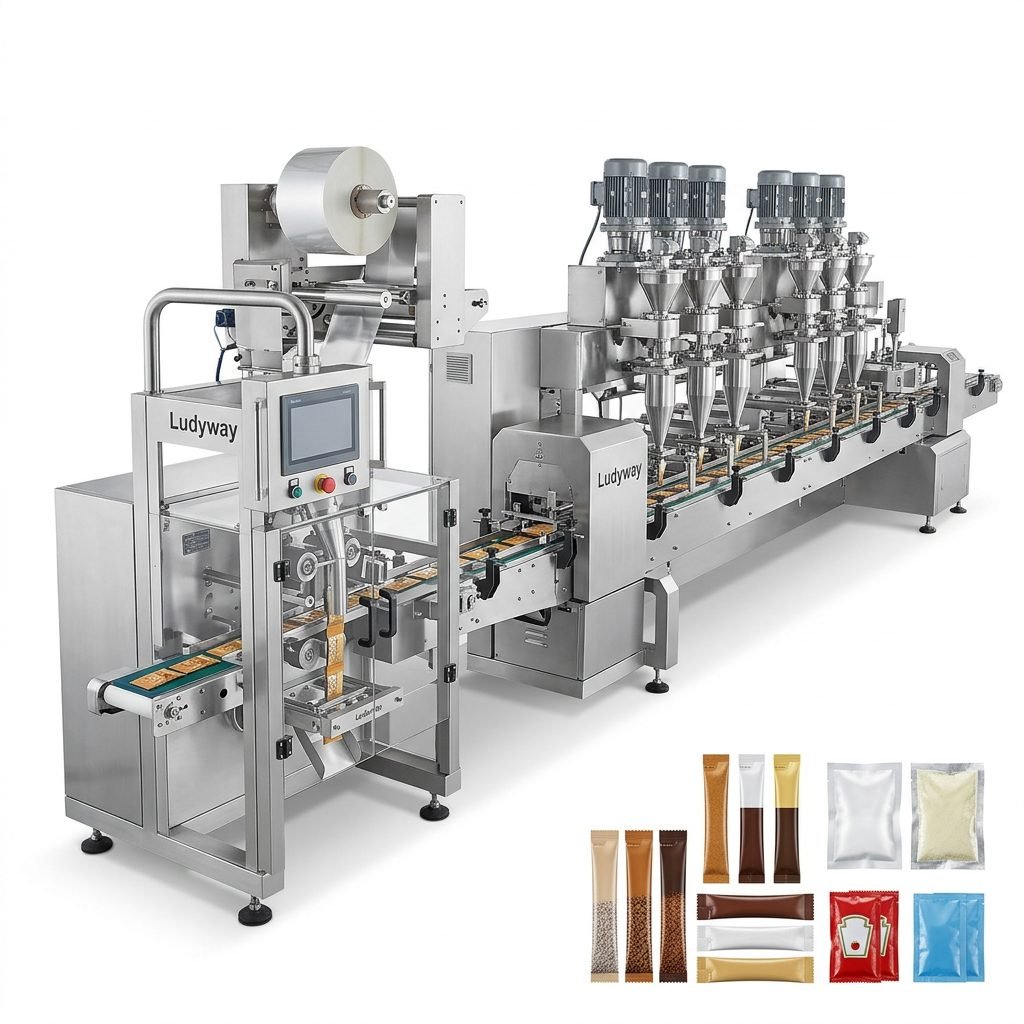
Often, a standard machine doesn’t fit unique production workflows. The ability to customize is paramount. This is where working with manufacturers that possess in-house engineering expertise becomes a distinct advantage. For instance, Ludyway Machinery, a China-based packaging machinery manufacturer with over 30 years of experience, provides integrated packaging systems and turnkey production line solutions that connect multiple stages of the packaging process. Their approach allows for machines to be configured with automated feeding, coding, and inspection systems depending on the application.
Comparing Machine Specifications
To make a data-driven decision, establish a comparison matrix focusing on mechanical durability and electrical efficiency. Below is a checklist of critical specifications to verify with your supplier:
| Specification | Why It Matters | Ideal Range/Note |
|---|---|---|
| Strap Width | Determines break strength | 5mm – 19mm |
| Arch Size (W x H) | Limits the max package size | Customizable to pallet dimensions |
| Tensioning Force | Crucial for load stability | 50 – 500 kg adjustable |
| Core Safety Features | Operator protection | CE certified, emergency stops |
| Air Supply | Operational readiness | Pneumatic vs. Electrical options |
Evaluating Durability and After-Sales Support
A machine’s lifecycle cost often outweighs its purchase price. Examine the build quality of the frame and the reputation of the electrical components used. Machines utilizing globally recognized automation components generally offer easier maintenance and spare parts availability. Furthermore, inquire about remote technical assistance and operator training programs. The ability to quickly troubleshoot issues via remote connectivity minimizes downtime in critical production windows.
Navigating International Standards and Compliance
If you are exporting goods, your packaging equipment must comply with international regulations. Machinery should be designed to meet relevant ISO packaging standards and safety certifications. Beyond machine safety, the strap application must “function” for your specific product. For example, food and pharmaceutical manufacturers must ensure that any direct contact packaging or strapping processes do not contaminate the product, aligning with stringent hygiene requirements.
The Total Cost of Ownership (TCO)
Don’t fixate solely on the initial capital expenditure. Calculate the Total Cost of Ownership by forecasting consumable costs over the machine’s lifespan. Some key calculations include:
- Consumable Efficiency: A poorly designed strapping head eats profits through inconsistent seals and wasted strap material.
- Energy Consumption: Modern servo-driven machines offer significant savings over older mechanical clutch systems.
- Maintenance Access: Machinery designed for easy access to the strapping head and feed mechanism drastically reduces service labor costs.
Future-Proofing Your Investment
A packaging strap machine should not just solve today’s problems but adapt to tomorrow’s. Consider whether the control system allows for integration with your broader MES or ERP systems for real-time data collection. With the packaging industry trending towards automation and smart factories, choosing a strapping machine with a flexible control architecture ensures you remain competitive as your production lines evolve. Look for partners who can offer a comprehensive evaluation of your product and packaging requirements to recommend an appropriate machine configuration or a complete inline solution, rather than simply offering a standardized model.
By meticulously analyzing these factors—from strap material and tensioning technology to safety compliance and lifecycle costs—you position your operations for superior efficiency and cargo protection. Always request a factory acceptance test (FAT) and ask for sample straps on your actual product before finalizing any agreement.