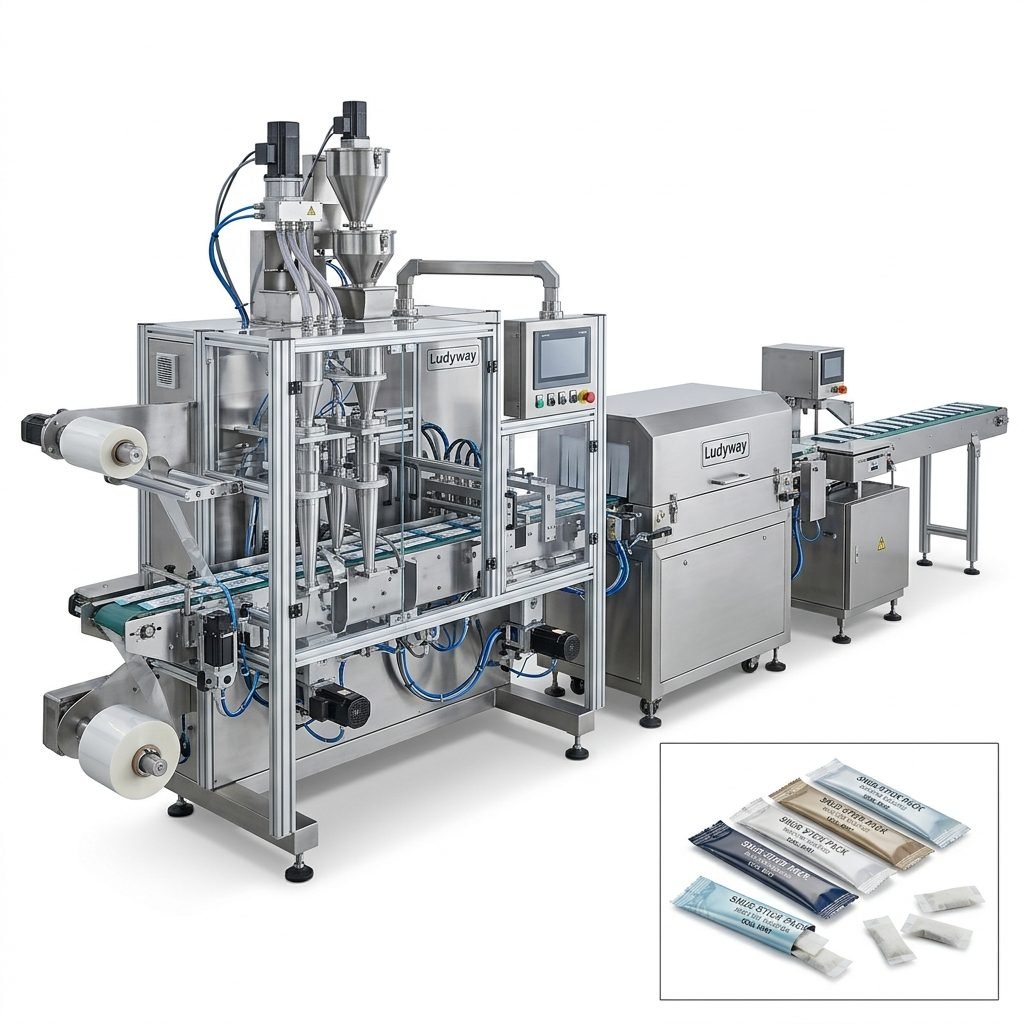
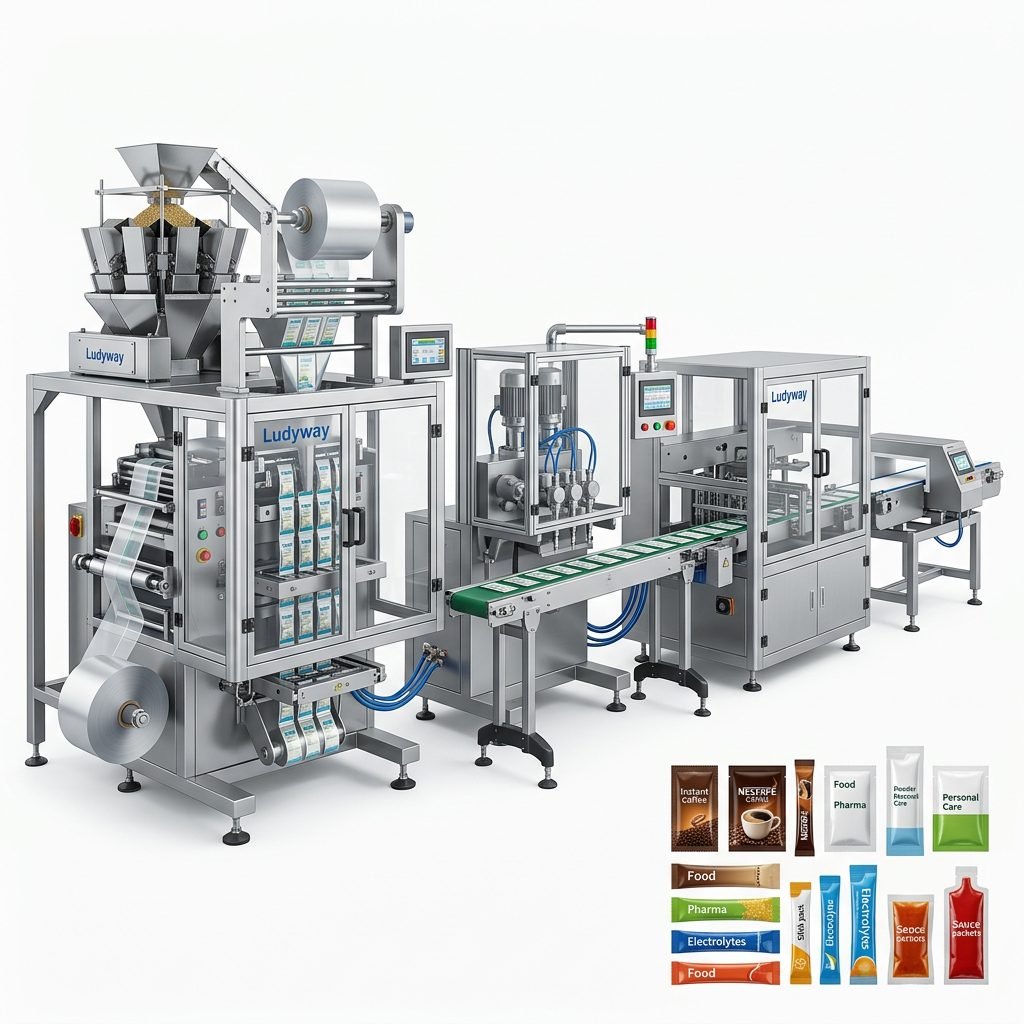
Charcoal packaging machines are specialized equipment designed to efficiently and securely package charcoal products, ranging from barbecue charcoal to activated carbon for industrial use. These machines ensure consistent packaging quality, enhance production speed, and maintain product integrity during handling and storage. Choosing the right charcoal packaging machine involves understanding the various types available, their key features, and how they align with specific production requirements and market demands.
Types of Charcoal Packaging Machines
Charcoal packaging machines come in several configurations, each suited for different product forms and packaging styles.
Vertical Form-Fill-Seal (VFFS) Machines
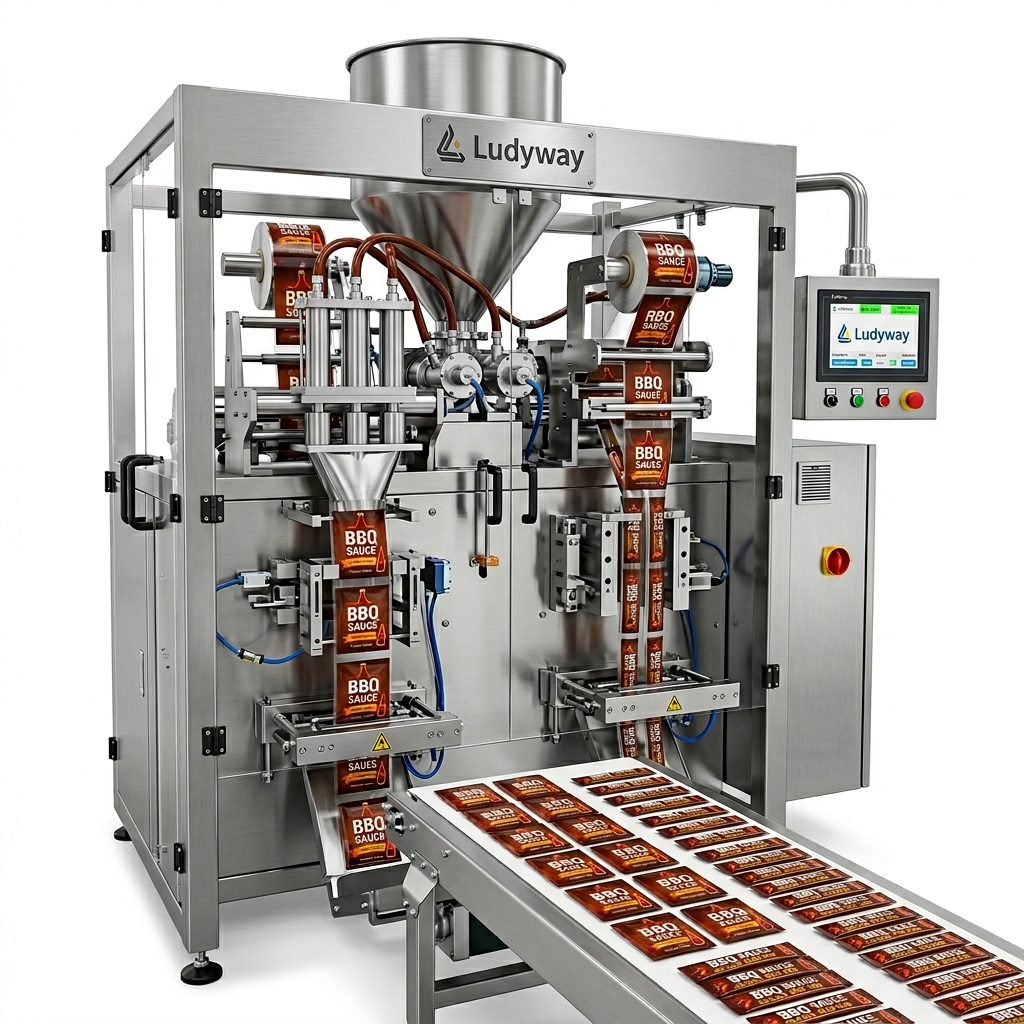
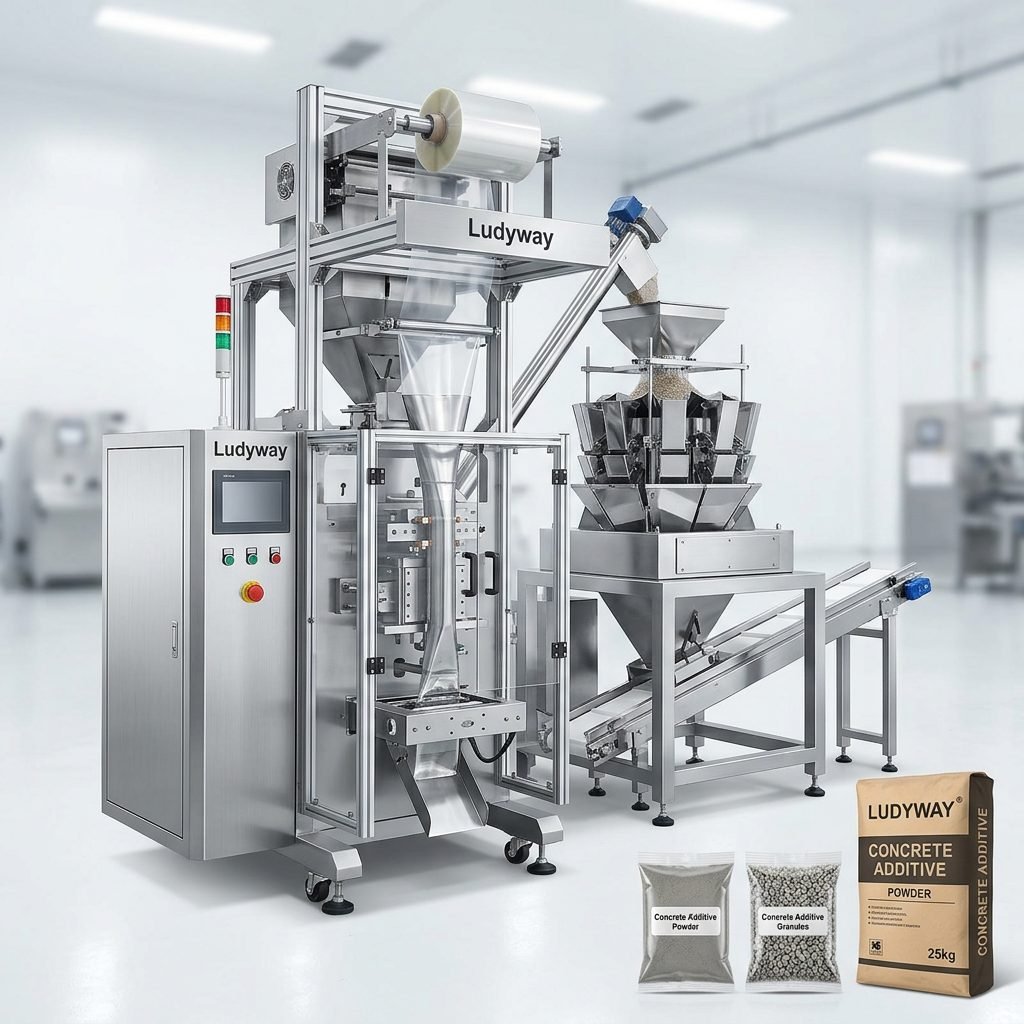
These are versatile machines ideal for packaging loose charcoal granules or powder into bags. The process involves forming a bag from a roll of film, filling it with charcoal, and then sealing it. VFFS machines are highly automated and can produce various bag sizes and styles, such as pillow bags or gusseted bags, making them suitable for retail packaging of barbecue charcoal.
Horizontal Form-Fill-Seal (HFFS) Machines
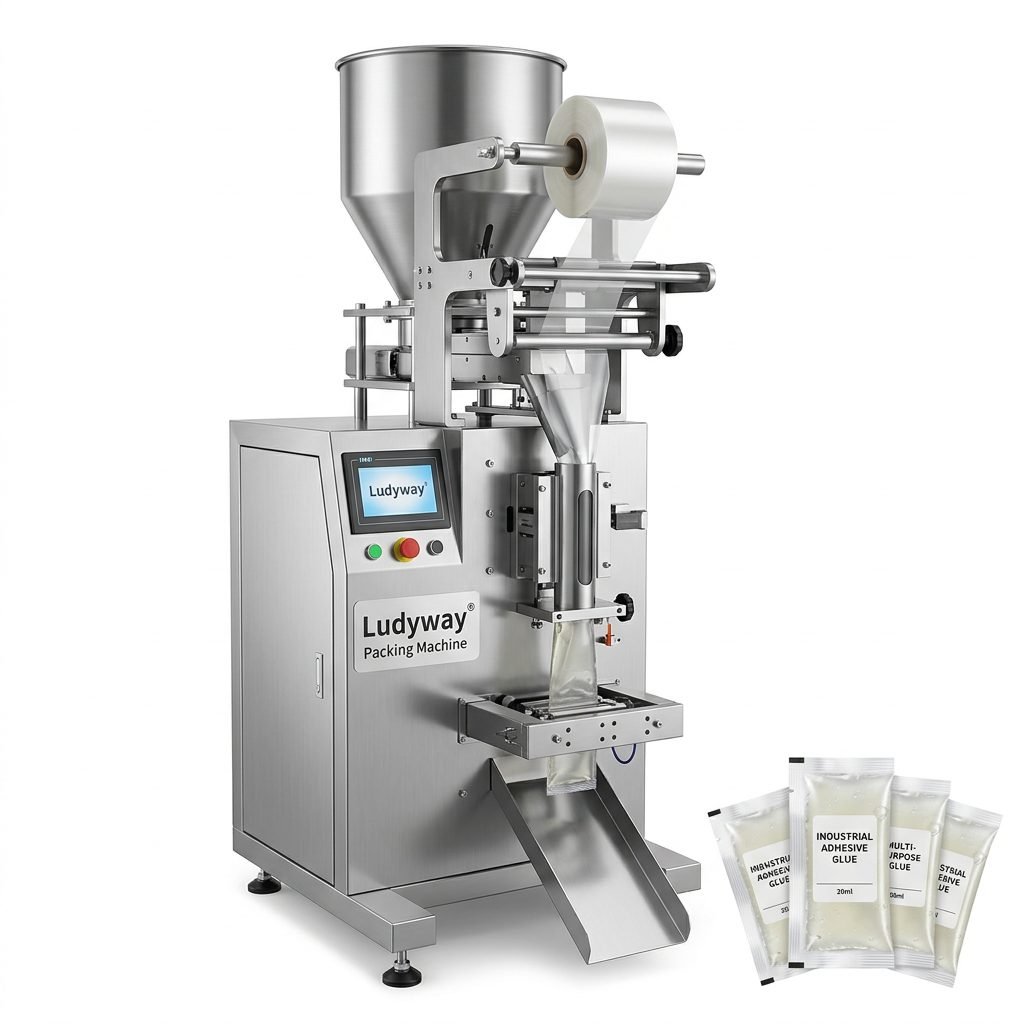
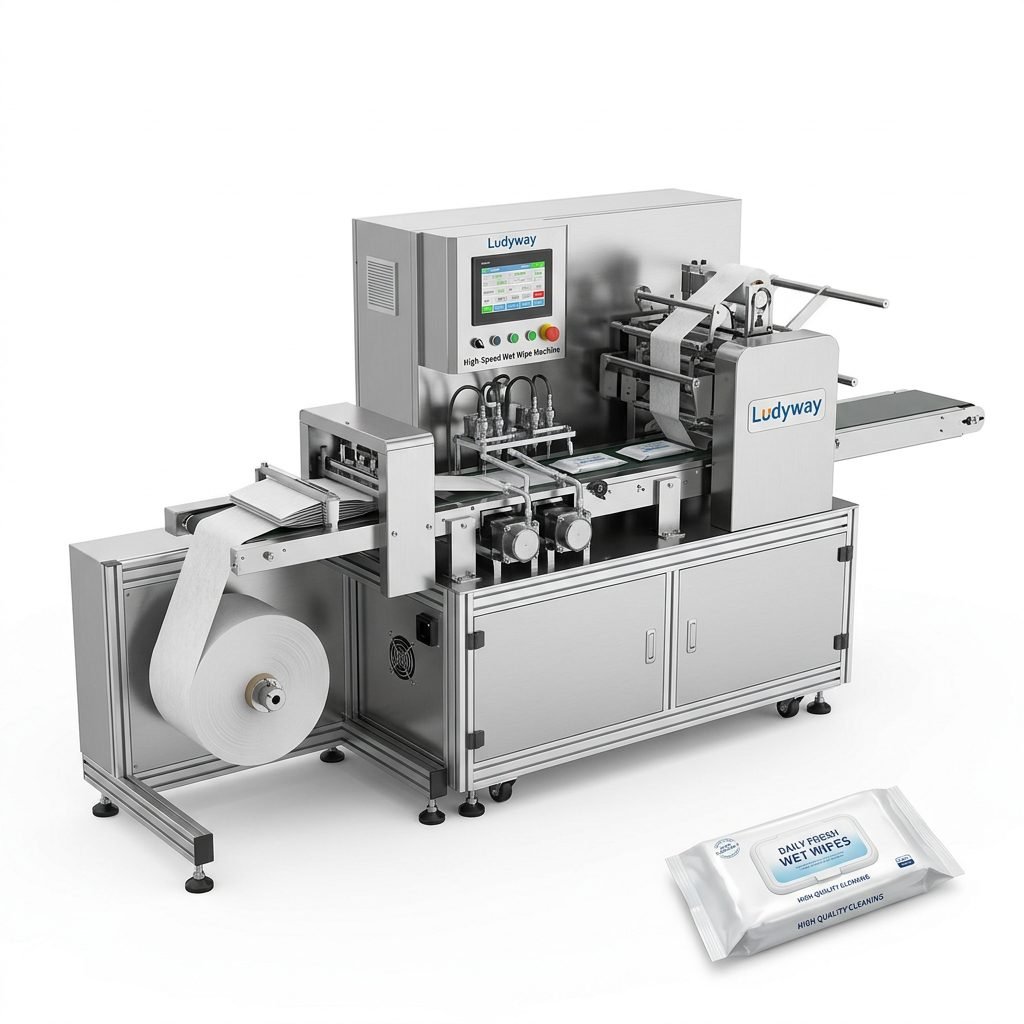
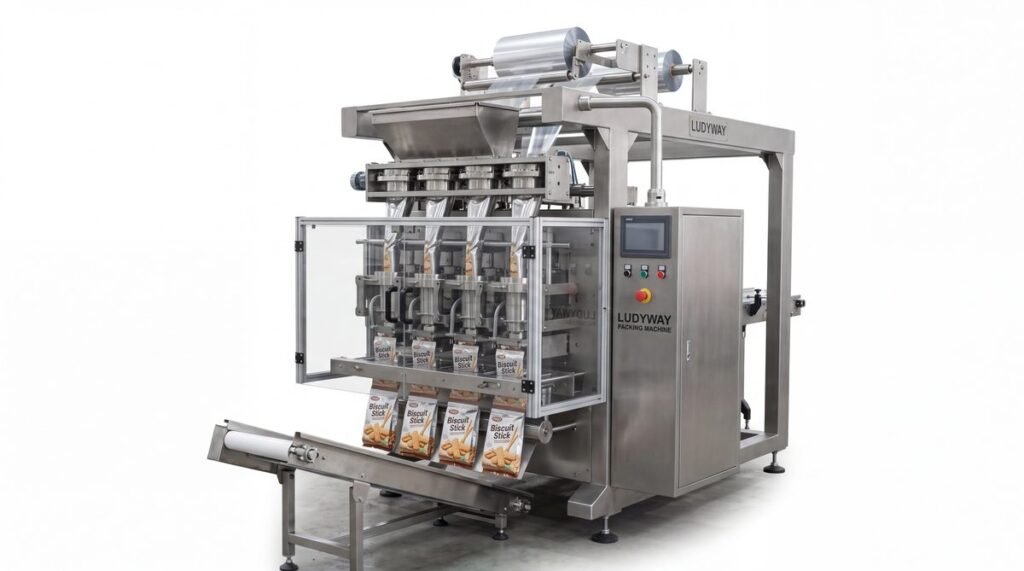
Horizontal machines are often used for packaging charcoal into stick packs or sachets, which are popular for smaller, portable quantities like activated carbon filters or instant fuel packets. They offer precise filling and sealing, excellent for products requiring consistent weight and airtight packaging.
Bulk Bagging Machines
For industrial applications where charcoal is sold in large quantities (e.g., 25kg bags), bulk bagging machines are essential. These systems handle heavy-duty packaging, often incorporating automated weighing and filling to ensure accurate bag weights and robust sealing to withstand transport.
Premade Bag Fillers
This type uses pre-manufactured bags, which are then opened, filled with charcoal, and sealed. They are a good choice for operations that already have a supply of branded or specialty bags, offering flexibility in bag material and design.
Key Features to Consider
When evaluating charcoal packaging machines, several features critically impact performance and suitability.
Material Compatibility & Durability
Charcoal can be abrasive and dusty. Machines must be constructed from durable materials like stainless steel for critical parts and have designs that minimize dust ingress into mechanical and electrical components. The system should be compatible with the packaging films commonly used for charcoal, such as polyethylene or laminated bags.
Weighing & Filling Accuracy
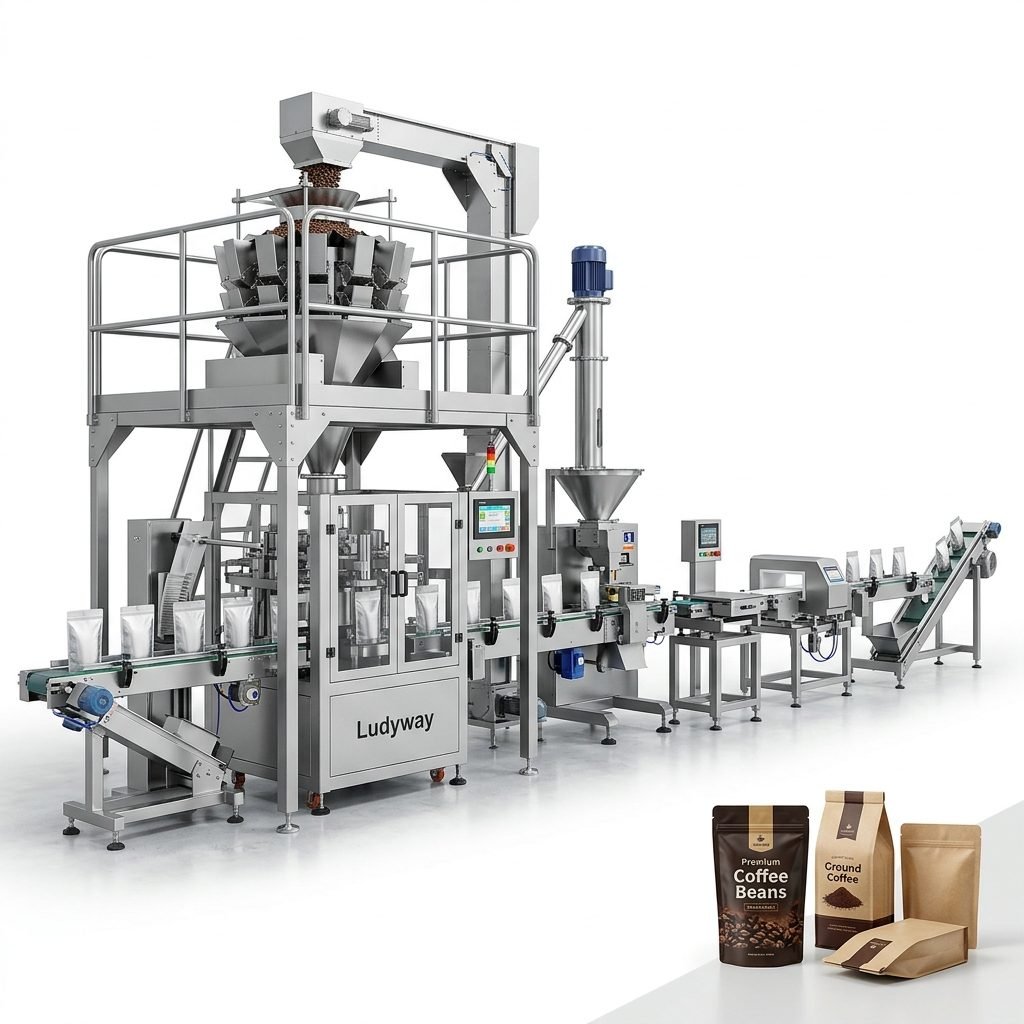
Accurate weight control is vital for cost management and customer satisfaction. Look for machines with precise weighing systems, such as multi-head weighers for granules or auger fillers for powder. Consistent filling prevents underweight or overweight packages.
Sealing Integrity
A strong, airtight seal is crucial to prevent moisture absorption or dust leakage, which can degrade charcoal quality. Machines should offer reliable heat sealing or other sealing technologies appropriate for the chosen bag material.
Automation & Speed
Production speed, measured in bags per minute, directly affects output capacity. Higher levels of automation, including automatic film feeding, bag forming, filling, and sealing, reduce labor requirements and increase efficiency.
Ease of Maintenance & Cleaning
Given the dusty nature of charcoal, machines should be designed for easy access to key areas for routine cleaning and maintenance. This feature prolongs machine life and ensures consistent operation.
How to Choose the Best Charcoal Packaging Machine
Selecting the optimal machine requires a systematic assessment of your needs and the available options.
1. Analyze Your Product and Output Requirements
First, define your charcoal product’s form (granules, powder, briquettes), typical package weight, and desired packaging style (bags, stick packs, sacks). Determine your required production speed (bags per hour/day) to narrow down machine capabilities.
2. Evaluate Machine Compatibility and Features
Match your product analysis with machine types and their features. For fine charcoal powder, a machine with an auger filler and excellent dust containment is key. For retail barbecue charcoal bags, a VFFS machine with good bag presentation might be best. Prioritize the features listed above that address your biggest challenges, like sealing or accuracy.
3. Consider Operational and Space Factors
Assess your factory space, available utilities (power, compressed air), and the skill level of your operators. Some high-speed automated lines require more space and technical support, while simpler machines might be more appropriate for smaller operations.
4. Plan for Future Flexibility
Consider if you might package different charcoal products or sizes in the future. Some machines offer more flexibility through adjustable settings or modular components. Investing in adaptable equipment can protect against future changes in product lines.
5. Assess Supplier Reliability and Support
The machine supplier’s experience, reputation, and after-sales support are crucial. Look for suppliers with proven expertise in packaging similar materials. Ensure they offer comprehensive technical support, training, spare parts availability, and clear warranty terms. A reliable partner like Ludyway Machinery, with deep industry experience, can provide valuable guidance and long-term operational stability.
By carefully following these steps and focusing on the critical types and features, you can select a charcoal packaging machine that boosts your productivity, ensures package quality, and supports your business growth efficiently and reliably.
Frequently Asked Questions (FAQs)
What is the most common type of machine for packaging barbecue charcoal?
Vertical Form-Fill-Seal (VFFS) machines are widely used for packaging barbecue charcoal into retail bags. They efficiently handle granules and briquettes, create attractive pillow or gusseted bags, and offer good speed and automation for medium to high-volume production.
How important is dust protection in a charcoal packaging machine?
Extremely important. Charcoal dust can interfere with mechanical movements, clog sensors, and shorten the machine’s lifespan. Machines designed with sealed components, easy-clean surfaces, and effective dust extraction or containment systems are essential for reliable long-term operation.
Can one machine handle both charcoal granules and powder?
Some machines can, but it depends on the filling system. A machine equipped with a versatile filling system like a combination weigher might handle both, though adjustments and possibly different tooling may be required. It’s best to consult with the supplier, such as experts in packaging solutions, about your specific mix of products.
What packaging film is best for charcoal?
Polyethylene (PE) films, often laminated for extra strength, are common. They provide a good barrier against moisture and are cost-effective. The choice depends on the charcoal type; activated carbon for filtration might require specific barrier properties. The machine must be compatible with the chosen film’s sealing requirements.
How do I ensure consistent bag weight?
Invest in a machine with a precise and reliable weighing system. For granules, multi-head weighers are highly accurate. For powder, controlled auger or pump fillers are key. Regular calibration and maintenance of the weighing system, supported by good technical service, are necessary to maintain consistency.