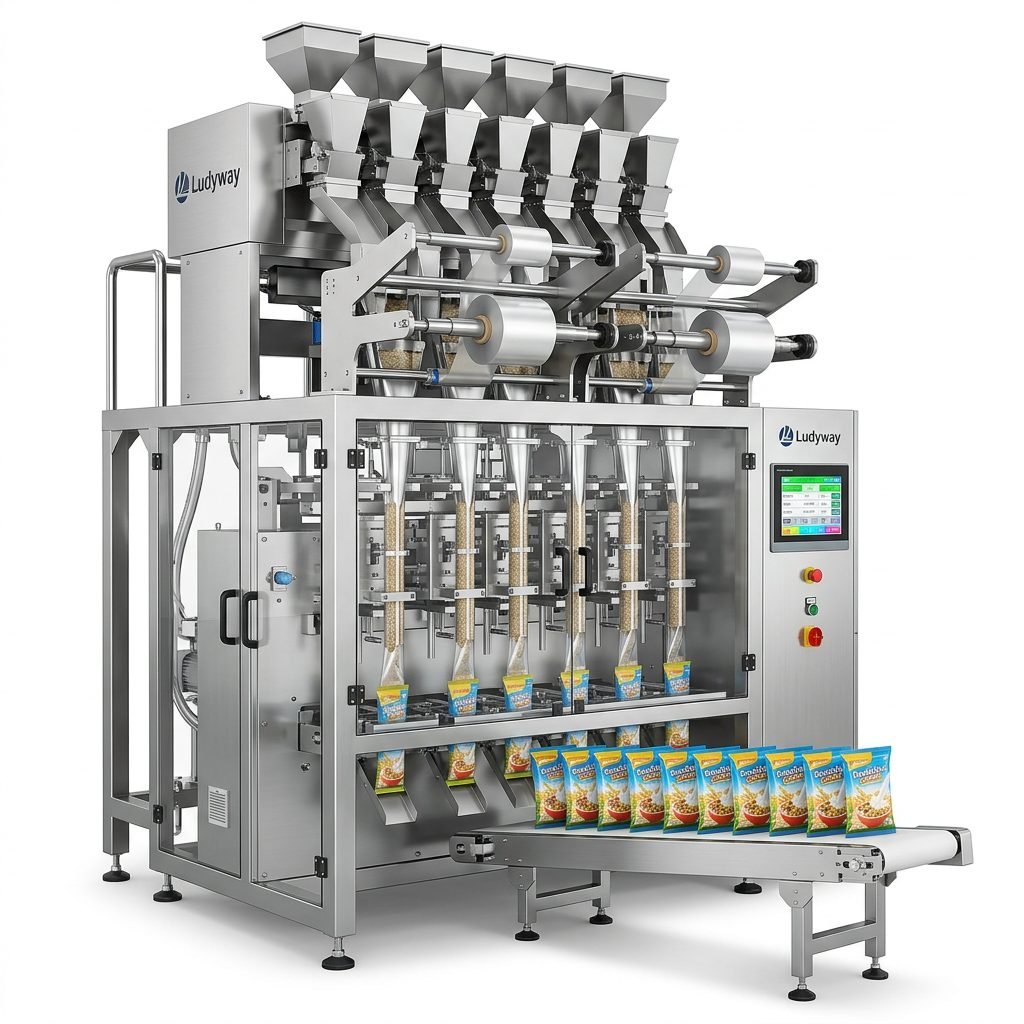
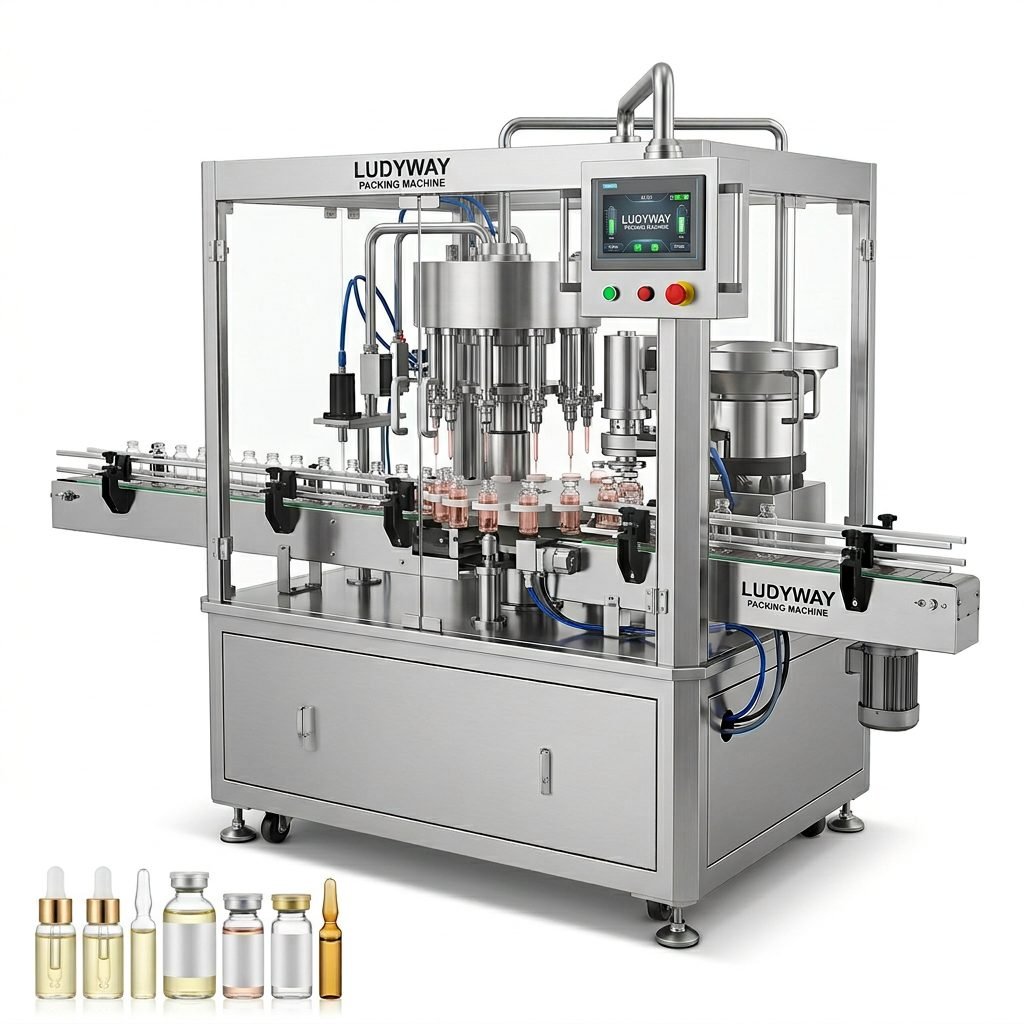
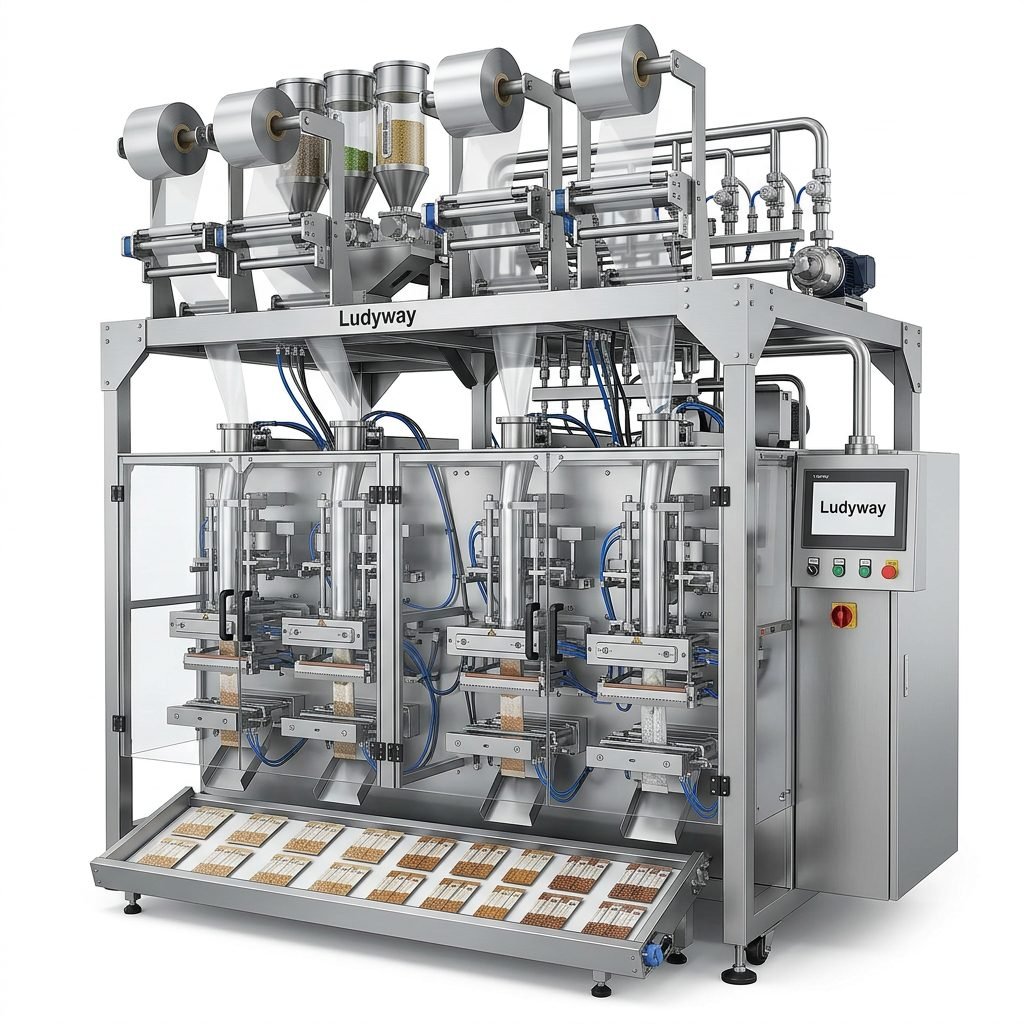
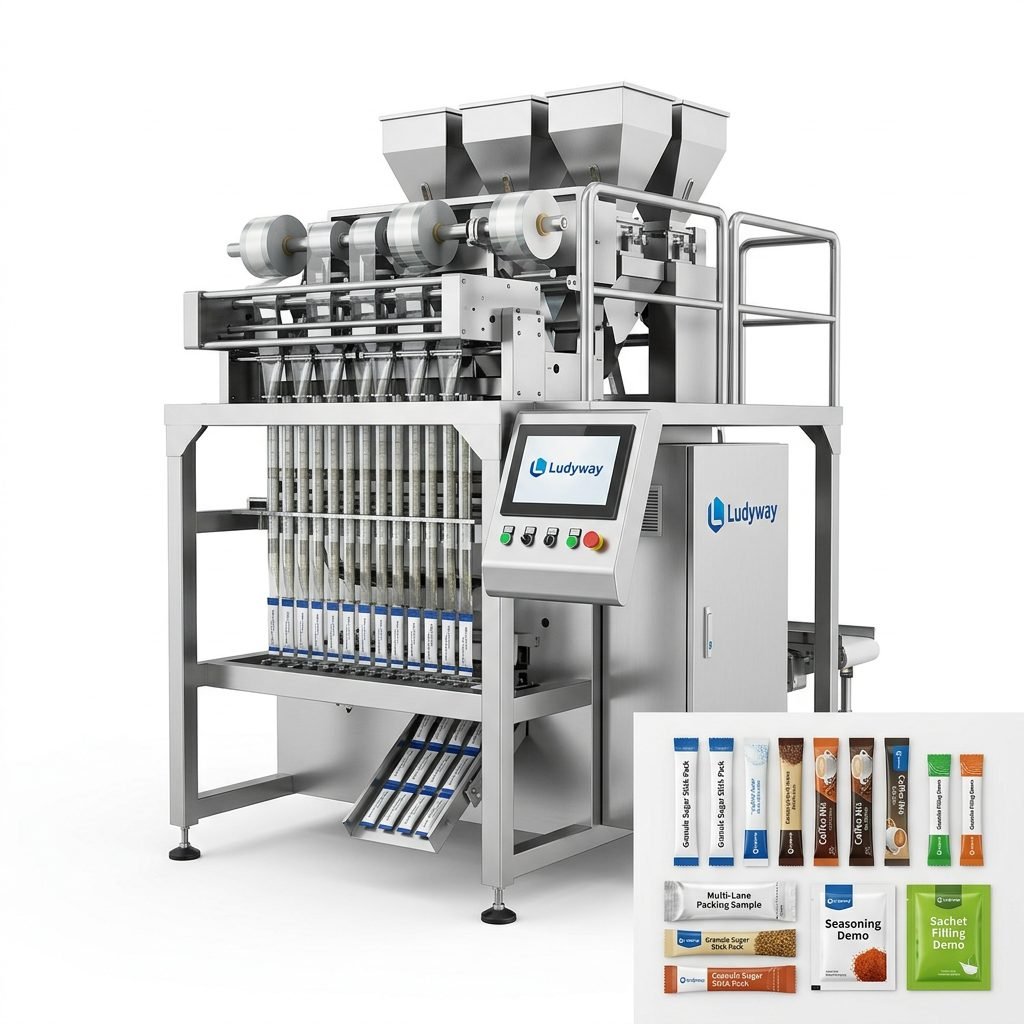
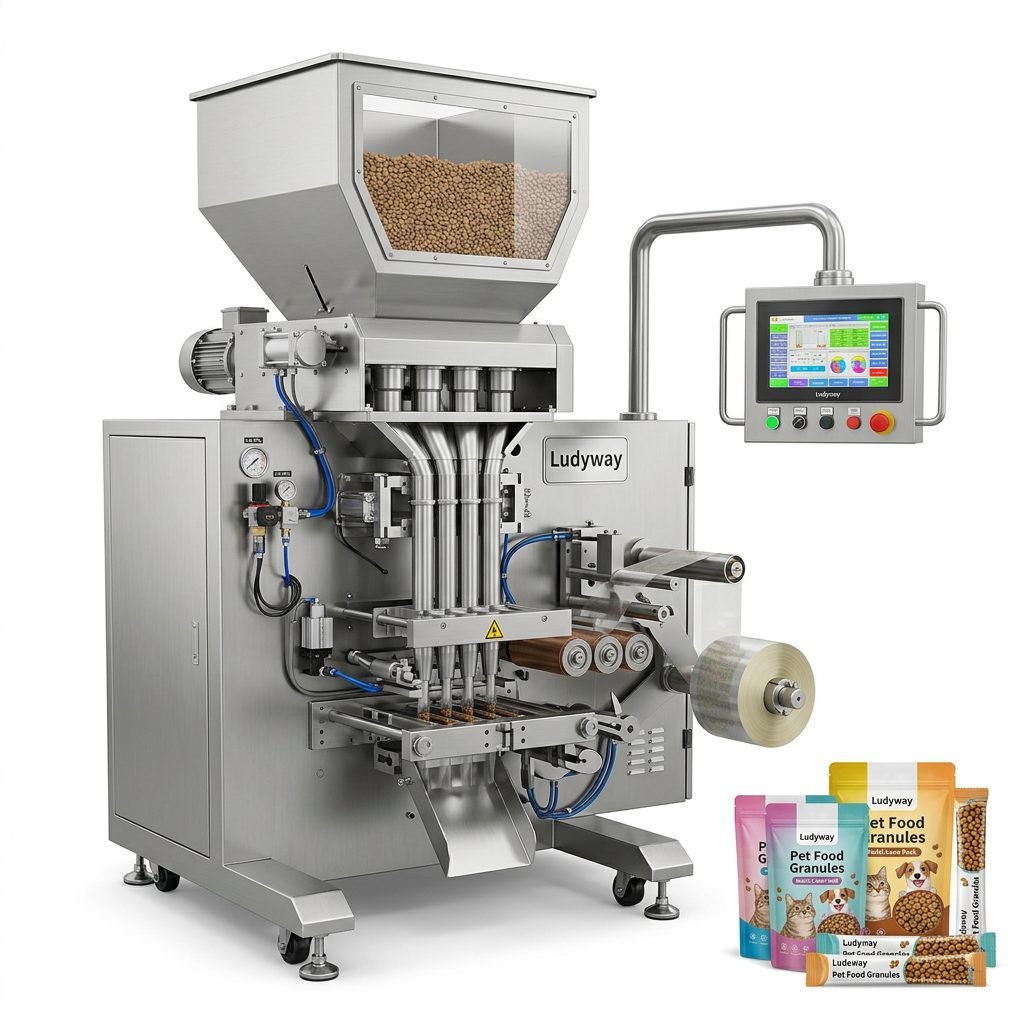
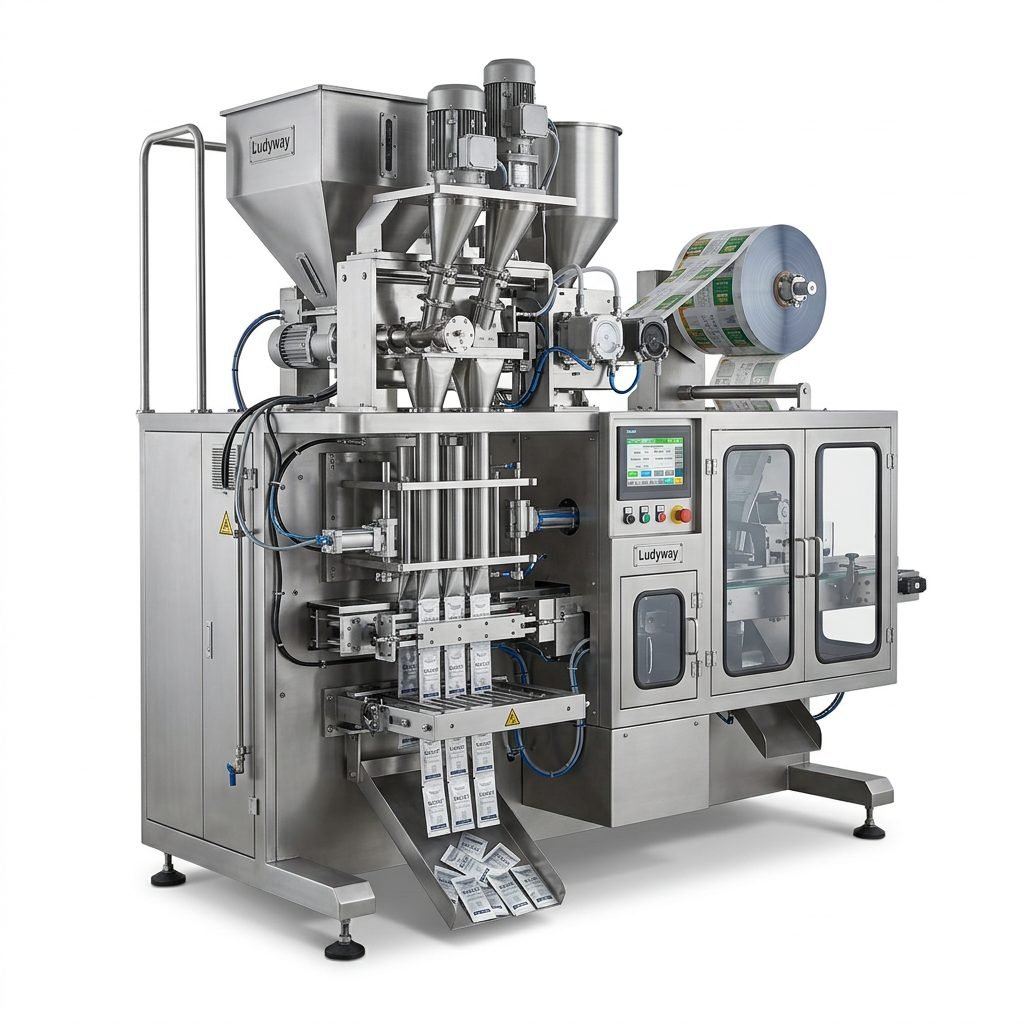
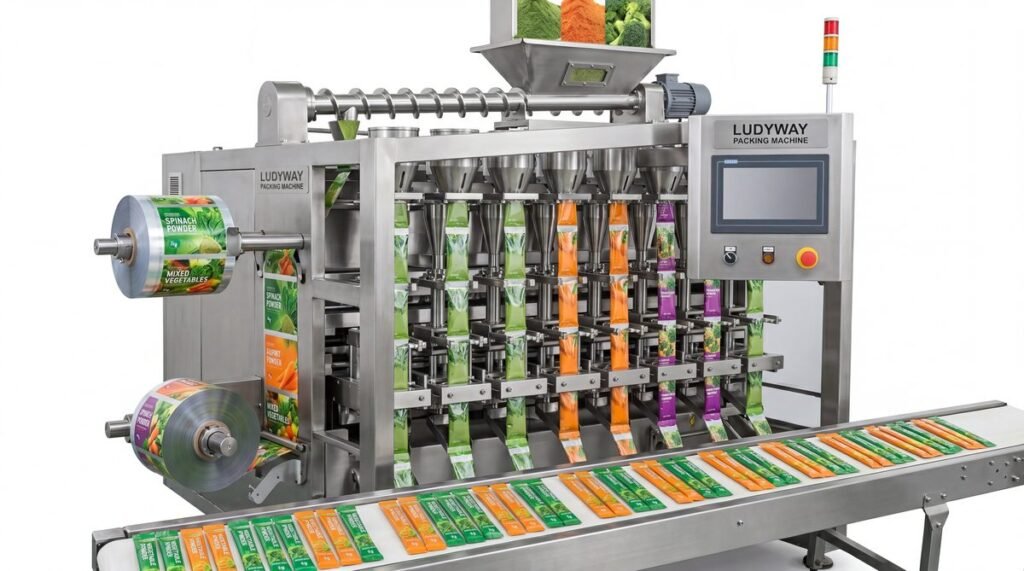
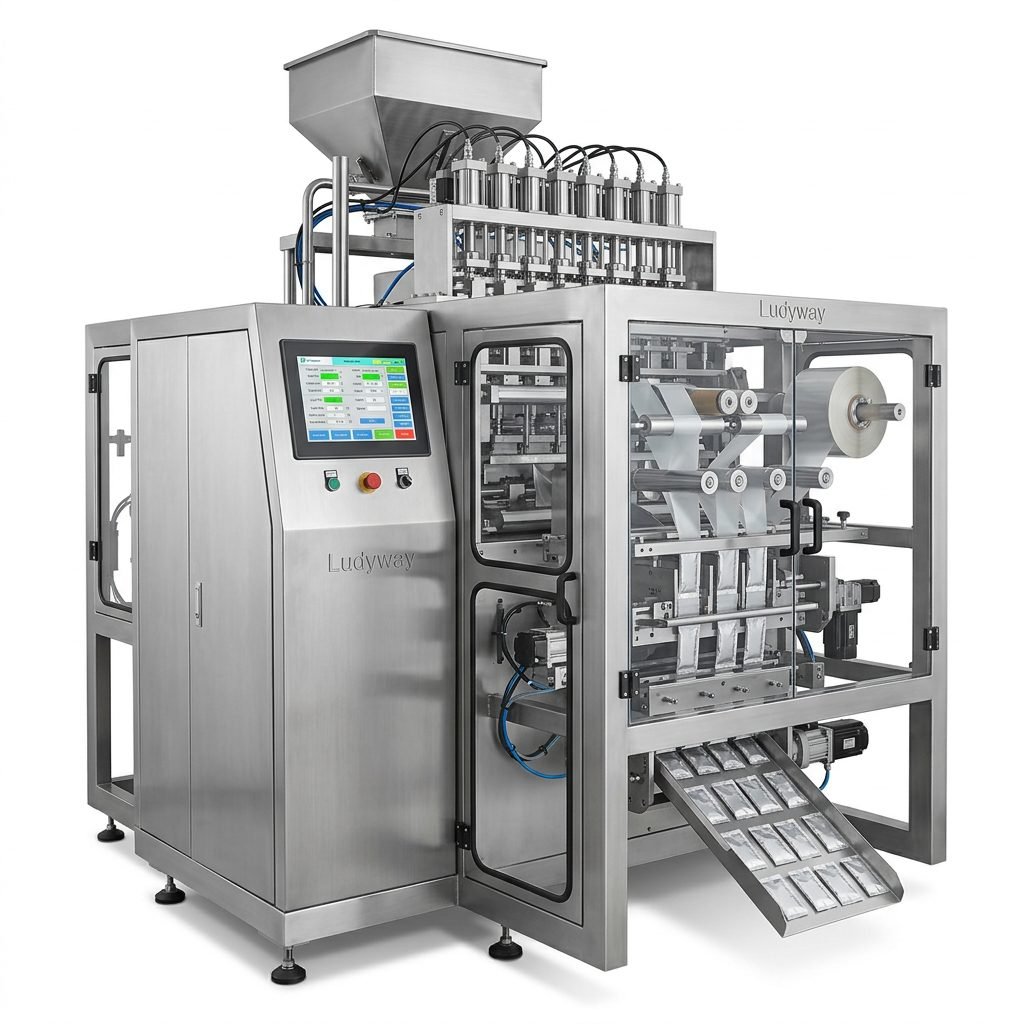
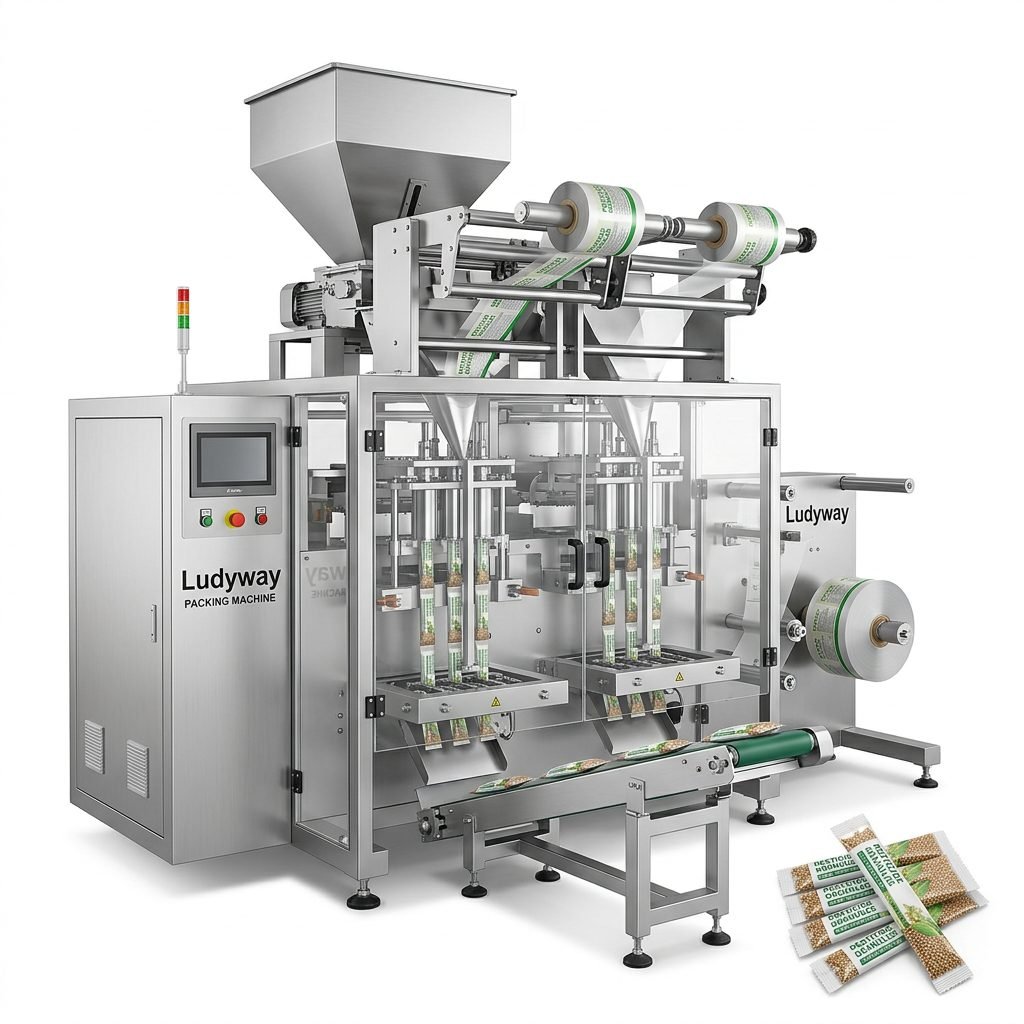
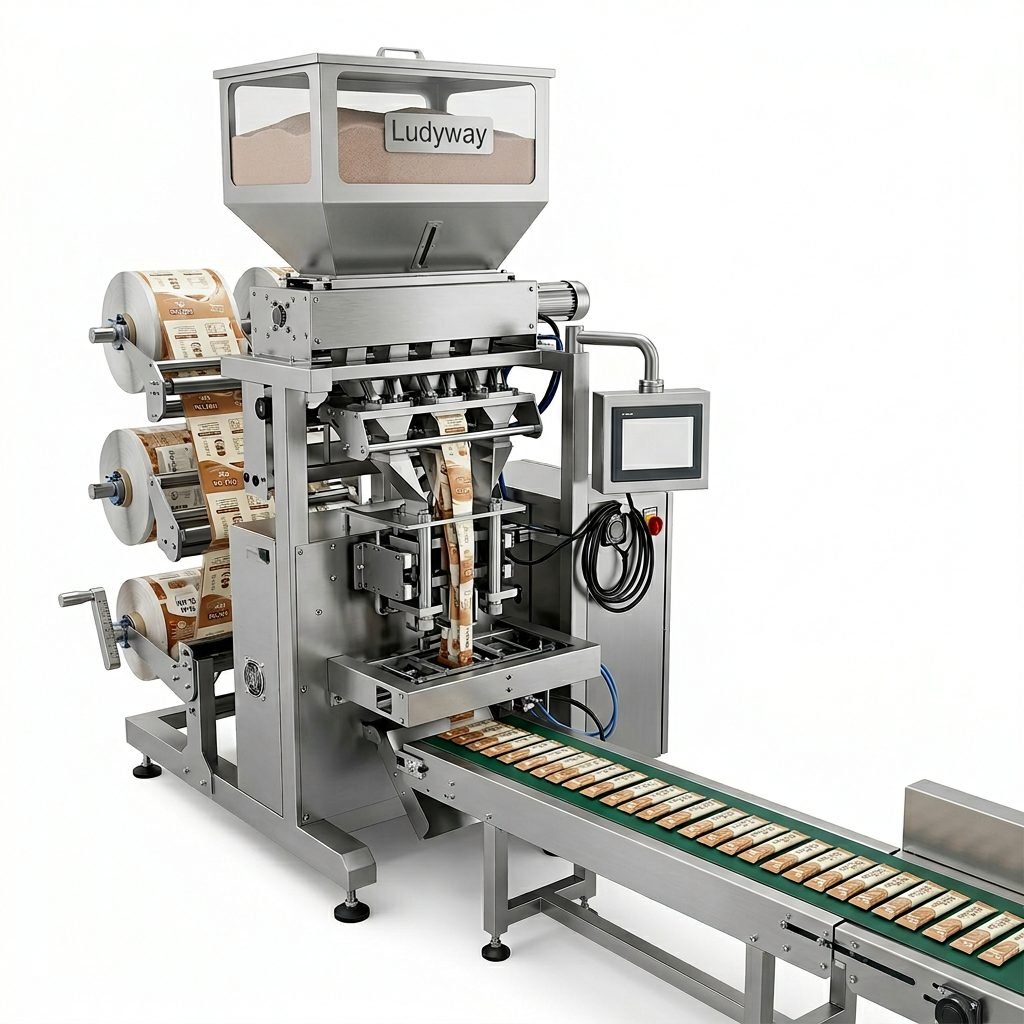
Investing in a premade pouch filling machine is a strategic decision that affects your entire production line. Whether you are upgrading from manual packaging machinery or starting a new operation, making the right choice ensures consistent output, minimal downtime, and long-term profitability. This guide covers everything you need to evaluate before purchasing a pouch filling system.
Understanding Premade Pouch Filling Machines
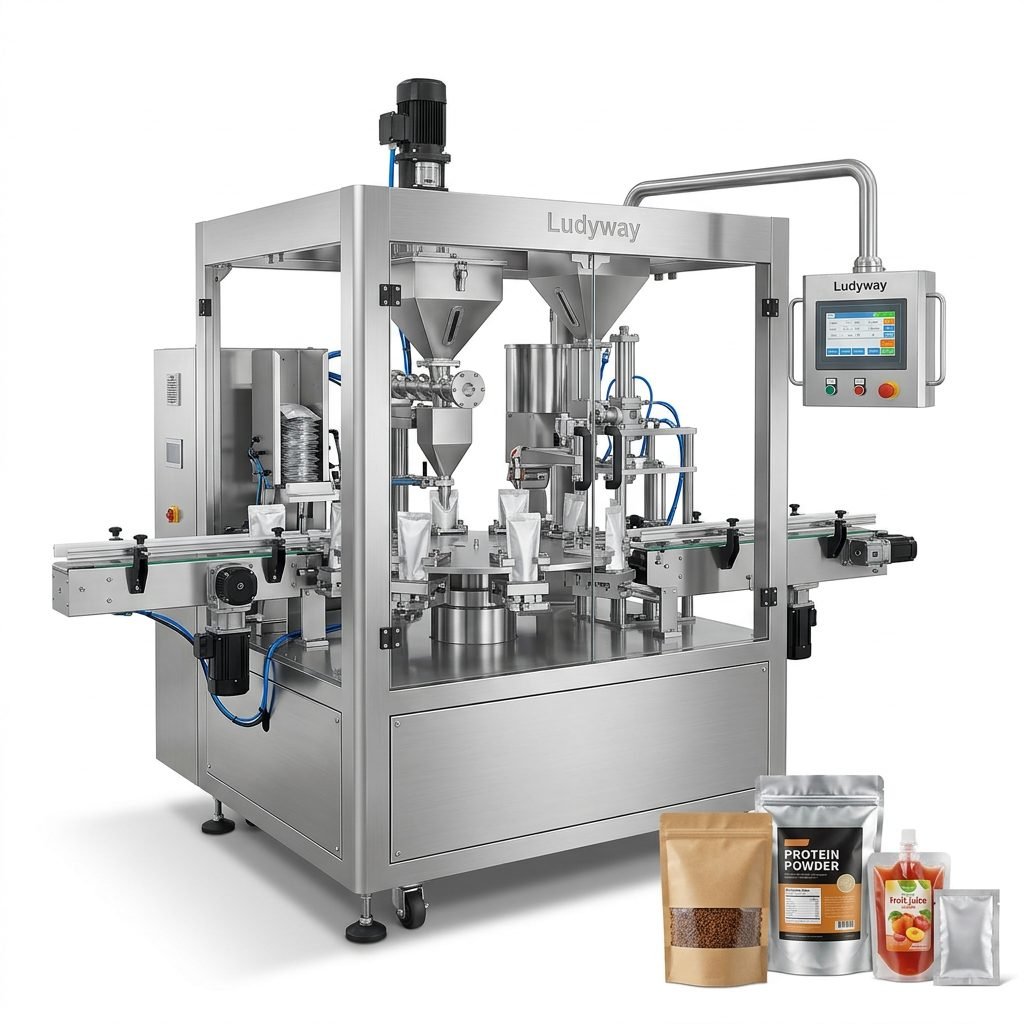
A premade pouch filling machine is designed to take ready-made pouches, open them, fill them with product, and then seal them. Unlike form-fill-seal machines that create pouches from roll stock, premade pouch systems work with pre-formed bags, making them ideal for manufacturers who value pouch quality, multi-format flexibility, or specialty packaging materials. These machines are widely used across food and beverage, pharmaceuticals, cosmetics, and chemical industries.
Choosing the right equipment goes beyond comparing technical specifications. You need to match the machine configuration to your product characteristics, packaging format, production volume, and operational environment. A well-chosen machine can serve your production line reliably for years, while a poorly matched one can lead to constant troubleshooting and lost output.
Key Factors to Consider When Choosing a Premade Pouch Filling Machine
Product Characteristics and Filling Requirements
Your product’s physical properties are the most critical factor in selecting the right filling system. Granules, powders, liquids, pastes, and solid pieces each require different dosing mechanisms. A free-flowing granule may work perfectly with a volumetric cup filler, while sticky powders may need an auger-based system. Liquids with varying viscosities call for piston fillers or pump-based metering. Always test your actual product on the target machine before finalizing your purchase.
Consider also whether your product is hygroscopic, abrasive, or temperature-sensitive. These characteristics influence material choices for contact parts, the need for nitrogen flushing, and whether climate-controlled dosing zones are necessary.
Pouch Types and Material Compatibility
Premade pouches come in various formats: stand-up pouches, flat pouches, zipper pouches, spouted pouches, side-gusset bags, and quad-seal pouches. Your machine must be compatible with your target pouch styles and sizes. The gripping, opening, filling, and sealing stations all need to accommodate your pouch dimensions and material structure. Multi-layer laminates, aluminum foil barriers, and recyclable mono-materials each behave differently during sealing, so machine settings must be adjustable.
If you plan to run multiple pouch sizes, look for machines with quick-changeover features such as tool-less adjustments, recipe-based settings, and servo-driven format parts. This reduces downtime when switching between products or pouch formats.
Production Speed and Output Requirements
Production speed should be evaluated in pouches per minute (ppm) under real-world conditions, not just theoretical maximums. Single-lane machines may handle 30-60 ppm, while multi-lane rotary systems can exceed 200 ppm. Your required output, including allowances for changeovers and maintenance, should drive speed specifications. Balance speed with accuracy, as over-specifying can lead to unnecessary capital expenditure.
Machine Configuration and Flexibility
A premade pouch filling machine can be configured as a rotary or inline system. Rotary machines excel at high-speed applications with simpler pouch formats, while inline systems offer greater flexibility for multi-format operations. Consider whether you need optional stations such as:
- Zipper opening and closing for resealable pouches
- Spout insertion and sealing for liquid packaging
- Gas flushing or vacuum for modified atmosphere packaging
- Date coding, labeling, or printing for traceability
- Weighing and checkweighing for fill accuracy verification
Types of Filling Systems for Premade Pouches
The filling system is the core of any pouch packaging machine. Selecting the appropriate dosing technology directly impacts fill accuracy, product waste, and overall equipment effectiveness. The table below summarizes the most common filling systems and their typical applications:
| Filling System | Best For | Accuracy Level | Typical Speed Range |
|---|---|---|---|
| Volumetric Cup Filler | Free-flowing granules, seeds, grains | ±1-2% | Up to 120 ppm |
| Auger Filler | Powders, fine granules, spices | ±0.5-1% | Up to 80 ppm |
| Piston Filler | Liquids, pastes, creams, sauces | ±0.5% | Up to 60 ppm |
| Multi-Head Weigher | Granules, snacks, mixed products | ±0.1-0.5% | Up to 150 ppm |
| Net Weight Filler | High-value products, irregular pieces | ±0.2-0.5% | Up to 40 ppm |
| Pump Filler | Low-to-medium viscosity liquids | ±0.5-1% | Up to 100 ppm |
Automation Levels and Integration Options
Modern premade pouch filling machines range from semi-automatic units suitable for small-batch production to fully automated systems with robotic pouch handling. Evaluate your current and future automation needs. A fully automatic machine with PLC control, servo-driven movements, and HMI touchscreen operation offers greater consistency and data collection capabilities. Integration with upstream feeding systems and downstream cartoning, case packing, and palletizing equipment can create a seamless packaging line.
According to the PMMI State of the Industry report, manufacturers are increasingly adopting automated packaging solutions to address labor challenges and improve overall equipment effectiveness. Investing in a machine with Industry 4.0 capabilities allows for remote monitoring, predictive maintenance, and production analytics.
Industry-Specific Considerations
Each industry has unique packaging requirements that influence machine selection. Food manufacturers need machines built with food-grade materials, easy cleaning access, and often FDA-compliant contact surfaces. Pharmaceutical producers require validated dosing accuracy, serialization capabilities, and cleanroom-compatible designs that meet ISO 11607 standards. Chemical and industrial product packagers often need corrosion-resistant components and explosion-proof configurations for flammable or hazardous materials.
The Flexible Packaging Association provides valuable industry data on pouch packaging trends and material innovations that may affect your equipment choices. Staying informed about industry developments helps future-proof your investment.
Quality, Compliance, and After-Sales Support
A premade pouch filling machine represents a significant capital investment, and its performance depends heavily on build quality and ongoing support. Look for manufacturers with a track record of engineering excellence, in-house manufacturing capabilities, and comprehensive after-sales service. Key considerations include:
- Machine frame and construction materials — stainless steel frames offer durability and hygiene
- Component sourcing — reputable brands for PLCs, pneumatics, and servo systems ensure reliability
- Certifications and compliance — CE, UL, or other regional certifications may be required
- Spare parts availability — a responsive supply chain minimizes downtime
- Technical support and training — remote assistance, on-site commissioning, and operator training
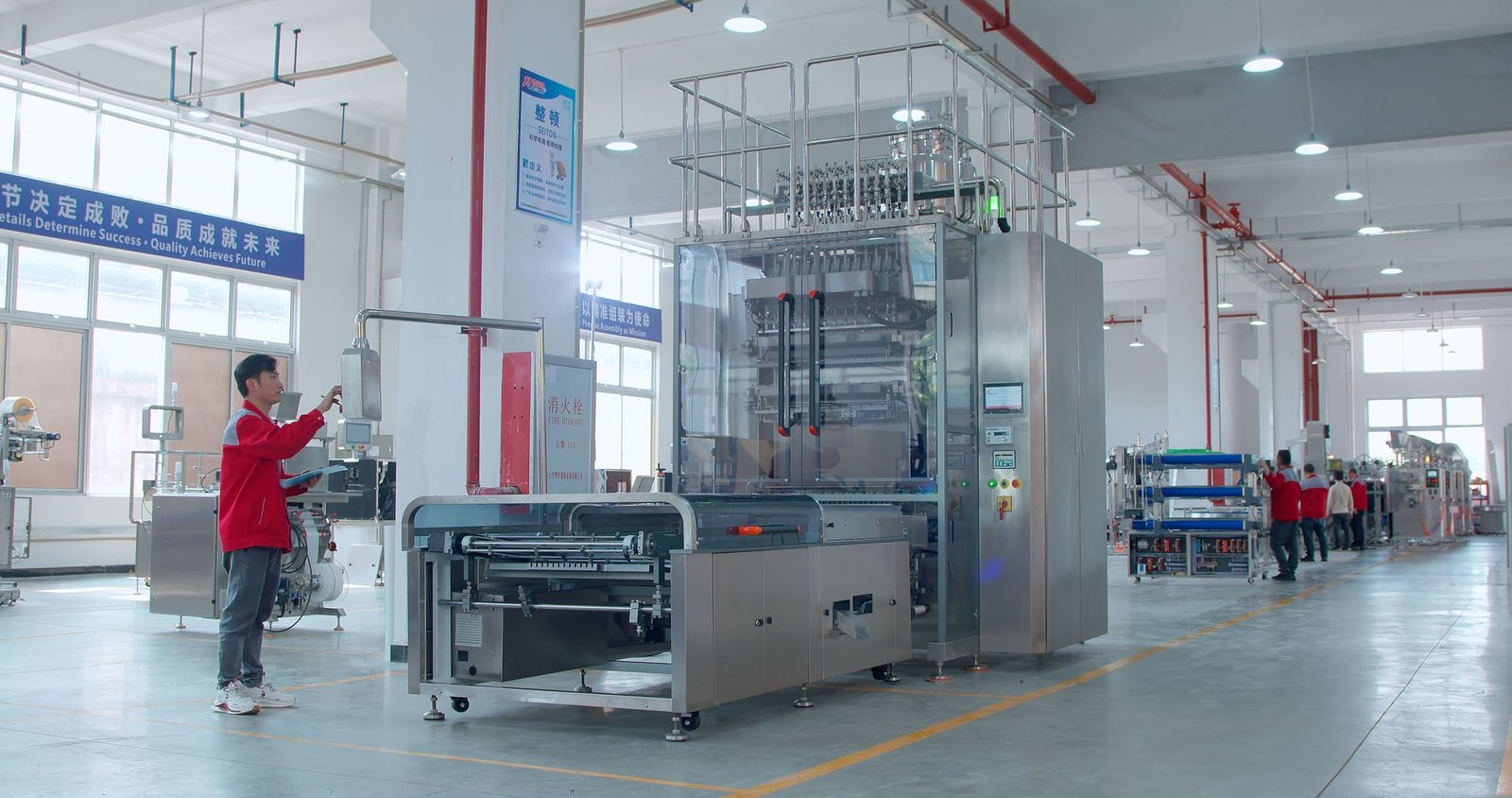
When evaluating suppliers, consider their experience serving your specific industry and their ability to provide customized solutions rather than only off-the-shelf machines. A supplier with a 20,000-square-meter manufacturing facility, over 130 professionals, and more than 50 packaging machine models — such as Ludyway Machinery — can offer the engineering depth needed for complex packaging challenges. The company provides integrated packaging systems and supports customers through equipment selection, customization, installation, commissioning, and ongoing technical support.
Evaluating Total Cost of Ownership
Purchase price is only one component of the total cost. A comprehensive evaluation should account for:
- Installation and commissioning costs
- Operator training requirements
- Energy consumption and utility costs
- Consumables such as spare parts and wear items
- Maintenance labor and downtime costs
- Expected machine lifespan and resale value
A machine with a higher upfront cost may deliver lower total cost of ownership through reduced waste, faster changeovers, higher uptime, and longer service life. Request detailed operating cost estimates and reference visits from existing customers to validate performance claims.
Why Work with an Experienced Packaging Machinery Partner
Choosing the right premade pouch filling machine involves navigating a complex landscape of technical specifications, application requirements, and supplier options. Working with an experienced packaging machinery manufacturer that offers in-house engineering, customization capabilities, and global service support ensures you receive not just a machine, but a complete packaging solution tailored to your production goals.
Look for partners who can evaluate your product and packaging requirements holistically, recommend appropriate machine configurations, and support you through installation, commissioning, training, and long-term maintenance. With proper evaluation and the right partnership, your pouch filling investment will deliver reliable, efficient production for years to come.