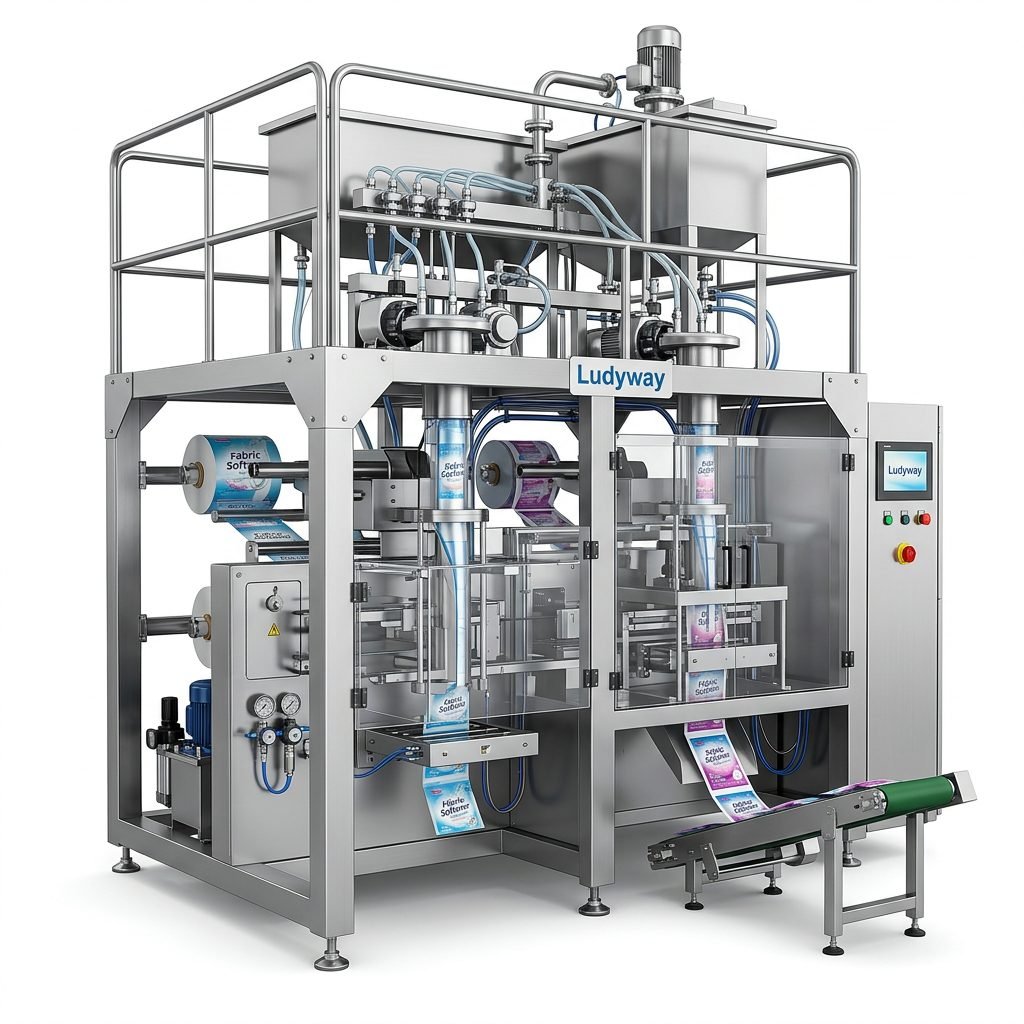
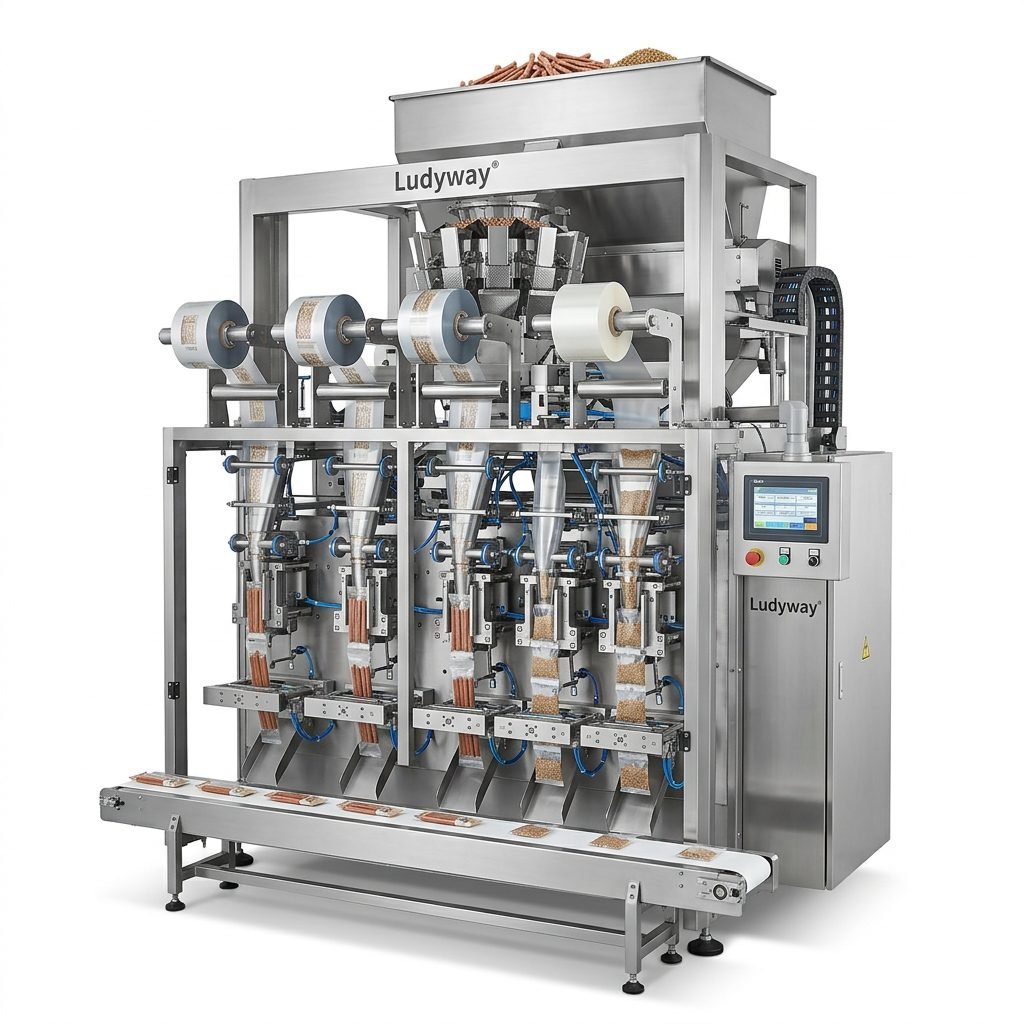
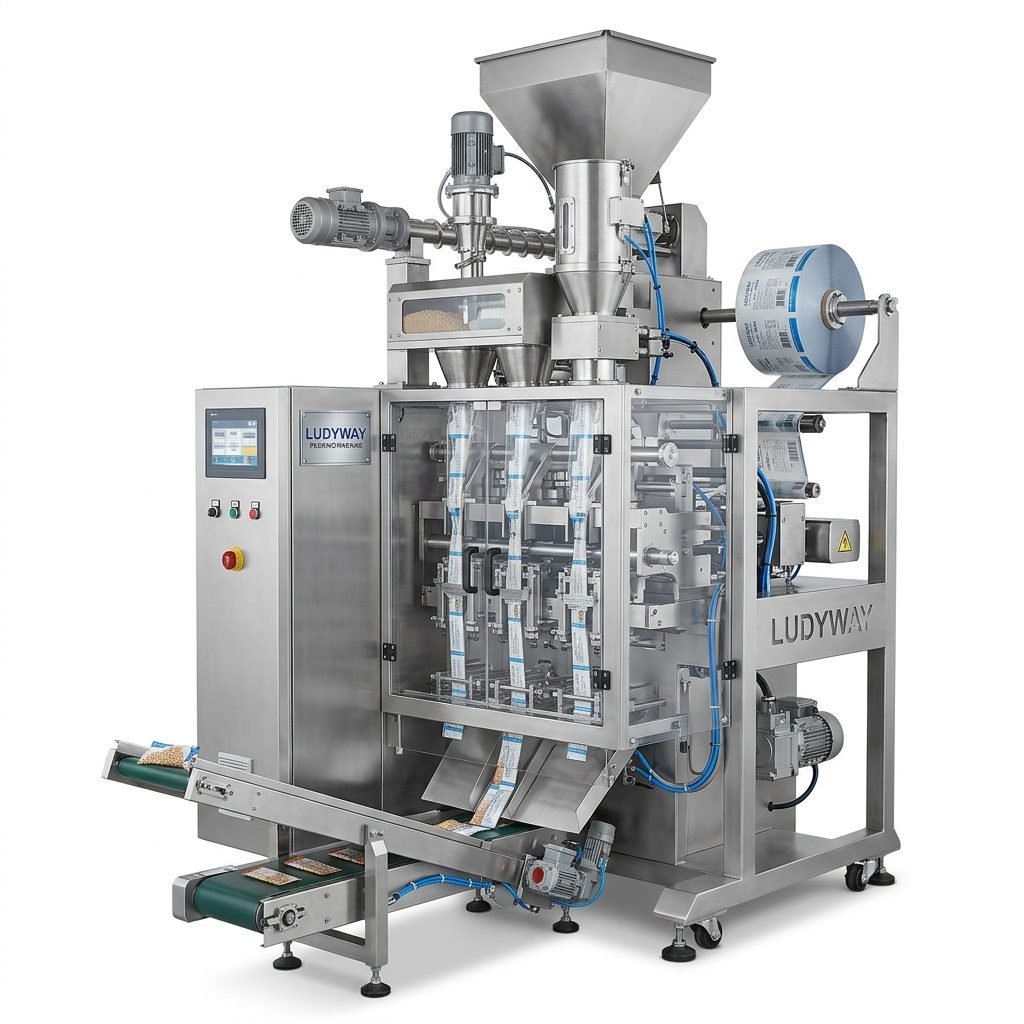
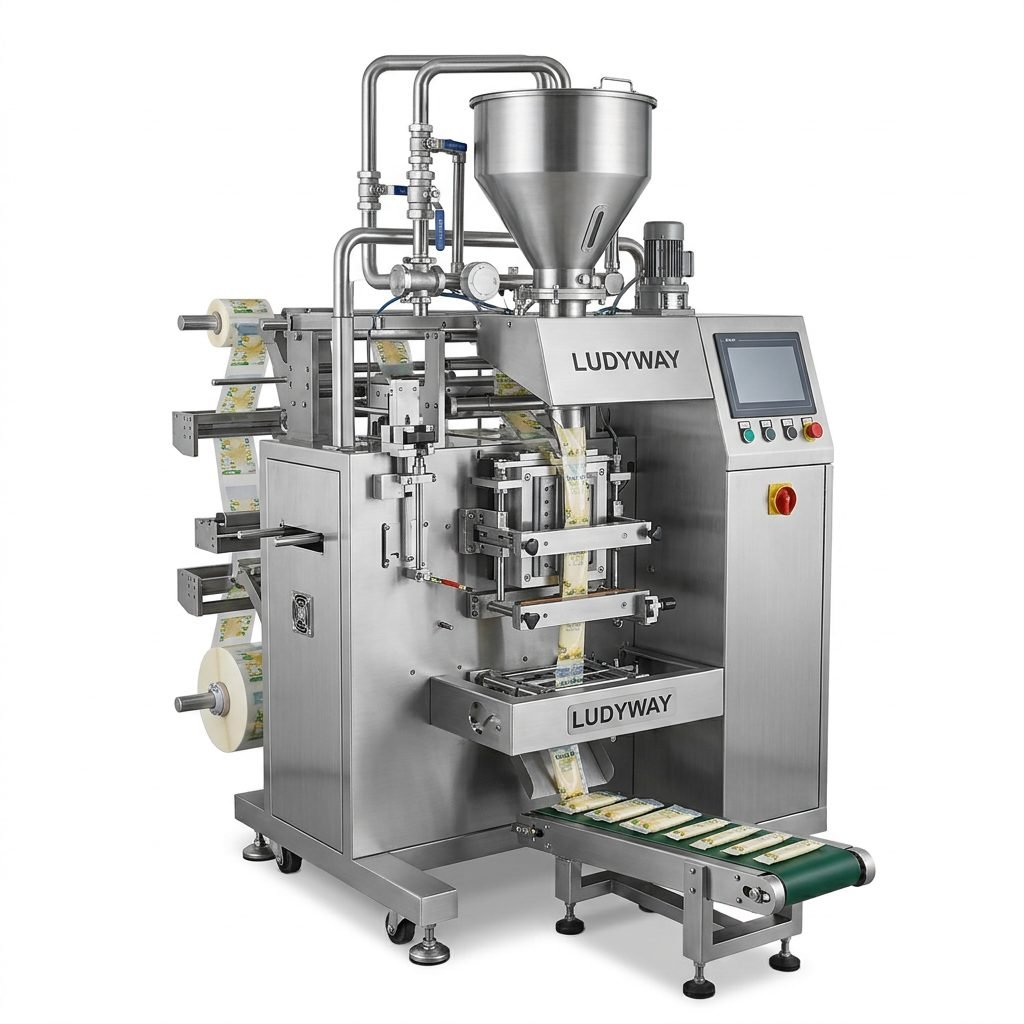
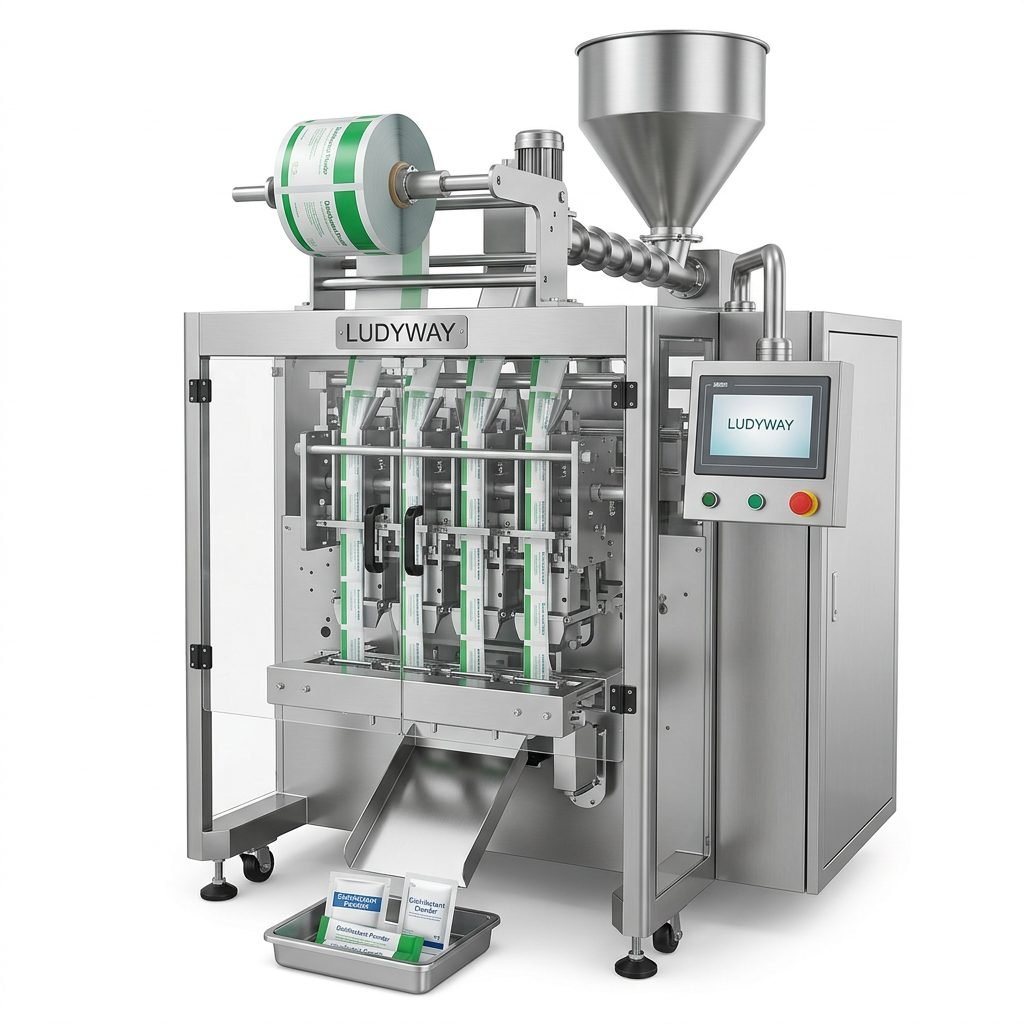
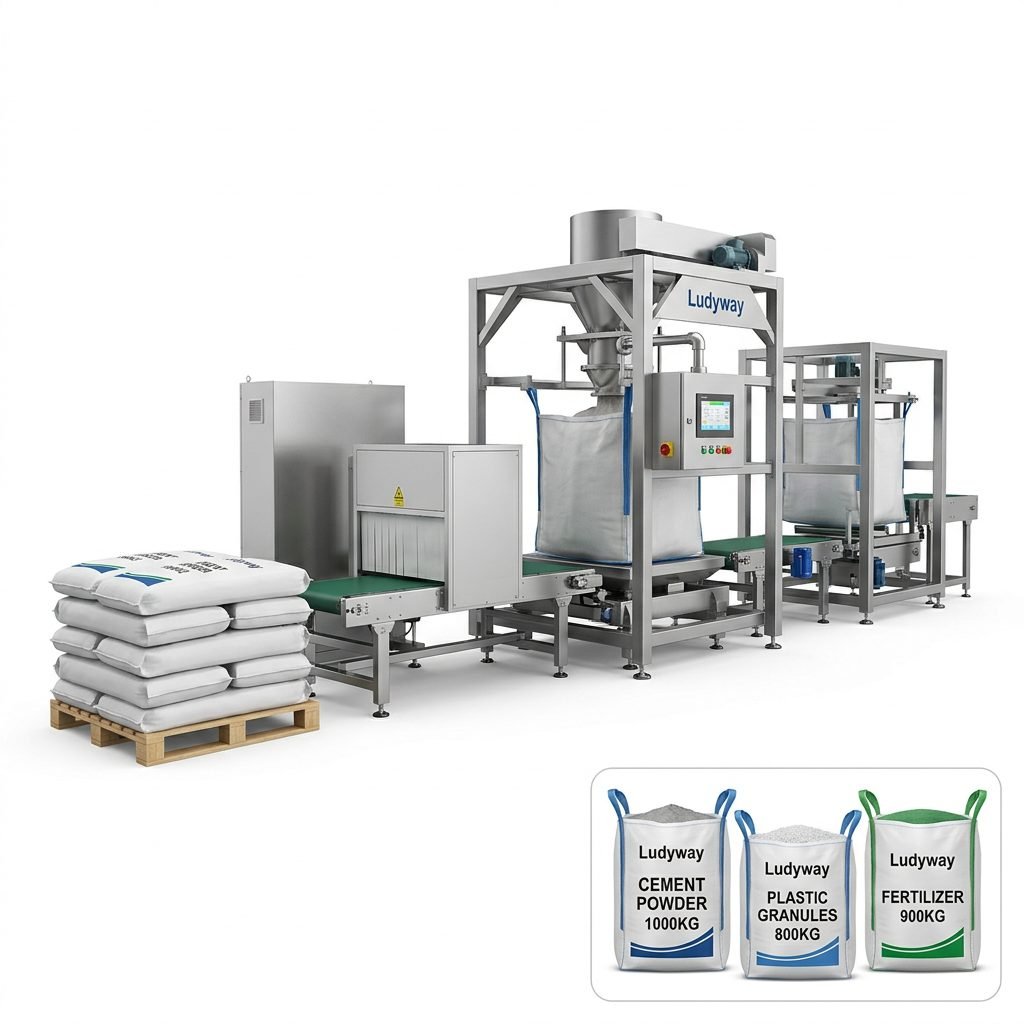
Investing in a bag filling and sealing machine is a significant decision for any manufacturer. The right equipment improves production speed, ensures product quality, and reduces long-term operational costs. The wrong machine, however, leads to downtime, inconsistent fills, and wasted packaging materials. This buyer’s guide walks you through every critical factor you need to evaluate, from product characteristics to after-sales support, so you can make an informed purchasing decision.
Understanding Your Product and Filling Requirements
Before comparing machine specifications, start with a thorough analysis of the product you are packaging. The physical properties of your material directly determine which filling system and machine configuration will work reliably.
Product State: Powder, Granule, Liquid, or Paste?
The state of your product is the most fundamental selection criterion. Different filling mechanisms are engineered for specific material behaviors:
- Powders: Fine powders like flour, protein powder, or pharmaceutical ingredients require auger fillers or vacuum-based dosing systems to control dust and ensure accuracy. Look for machines with dust extraction features and tight sealing tolerances.
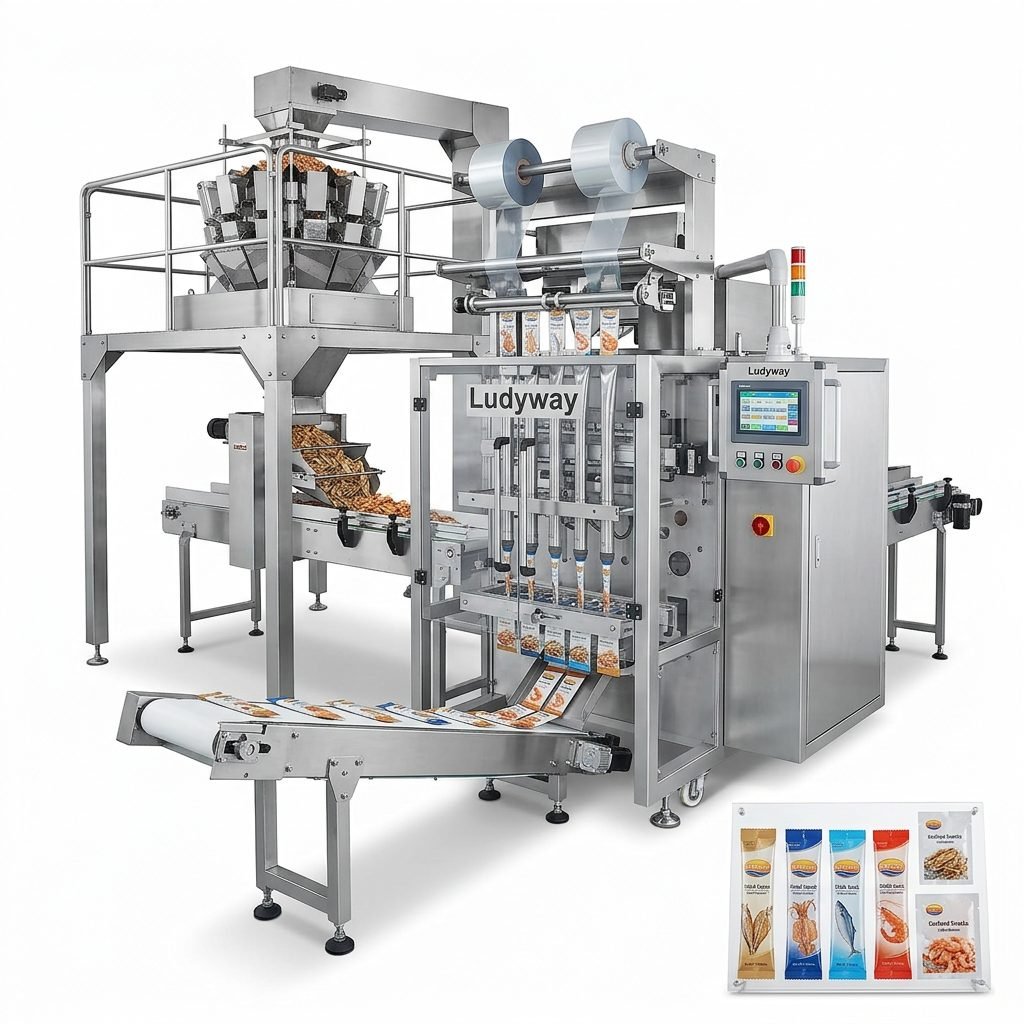
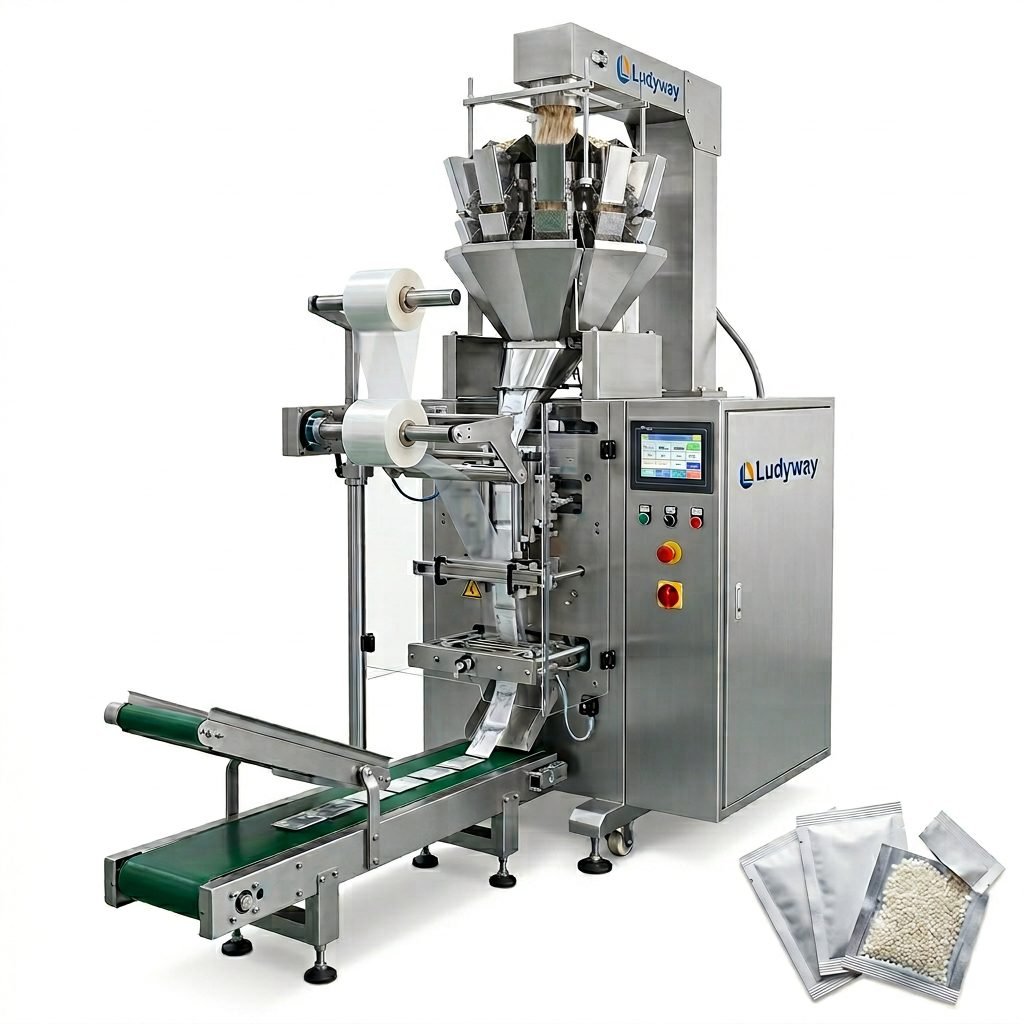
- Granules: Free-flowing granules such as sugar, salt, seeds, or fertilizer pellets work well with volumetric cup fillers, multi-head weighers, or linear weighers. Focus on speed and weight consistency.
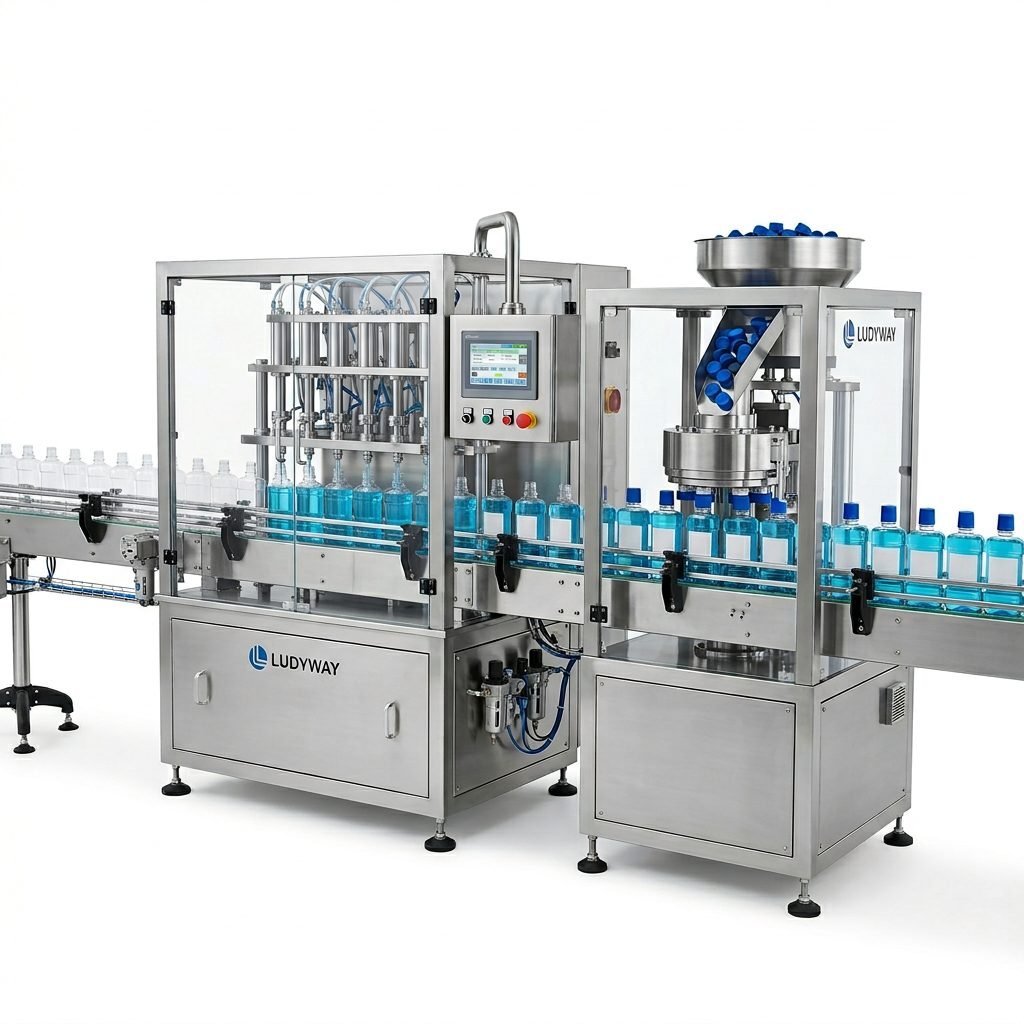
- Liquids: Water-thin liquids to viscous pastes need piston fillers, gear pumps, or gravity-based systems. Hygiene, clean-in-place (CIP) capability, and corrosion-resistant contact parts become essential for food and pharmaceutical applications.
- Pastes and Creams: High-viscosity products like cosmetic creams, sauces, or industrial greases demand positive displacement fillers with temperature control options.
According to industry data from the PMMI – The Association for Packaging and Processing Technologies, understanding product rheology is essential for selecting the correct dosing technology and avoiding costly retrofits later.
Product Sensitivity and Flow Characteristics
Beyond state, evaluate whether your product is hygroscopic (absorbs moisture), oxygen-sensitive, abrasive, or fragile. Products like milk powder require immediate sealing in a controlled atmosphere. Fragile granules like freeze-dried coffee need gentle handling to prevent breakage. Abrasive materials demand hardened contact parts. The Flexible Packaging Association provides extensive resources on material compatibility and barrier requirements that can inform your machine specification.
Bag Format and Packaging Material Considerations
Your choice of bag type and size range narrows the field of suitable machines significantly. Not every machine can run every bag format, and switching formats later may require extensive change parts.
Common Bag Styles and Their Applications
| Bag Format | Typical Applications | Key Machine Feature |
|---|---|---|
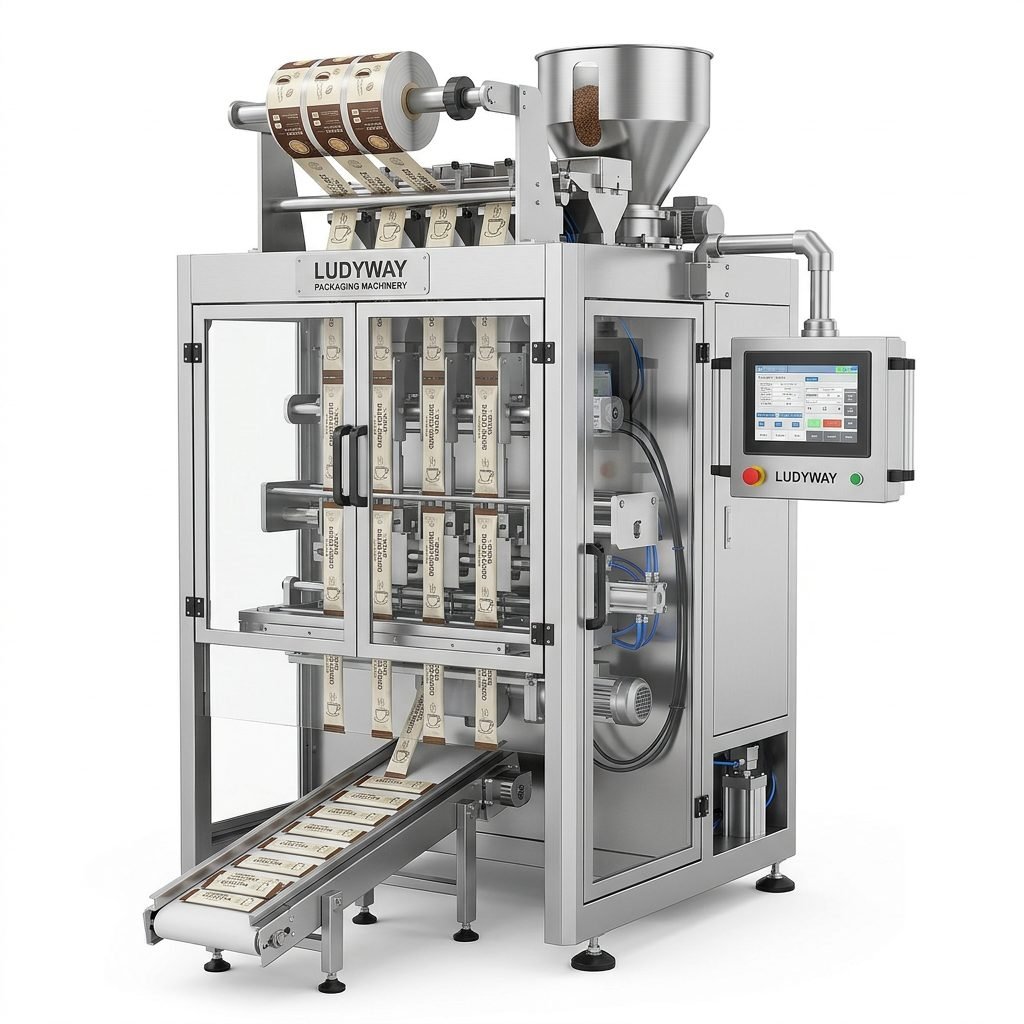
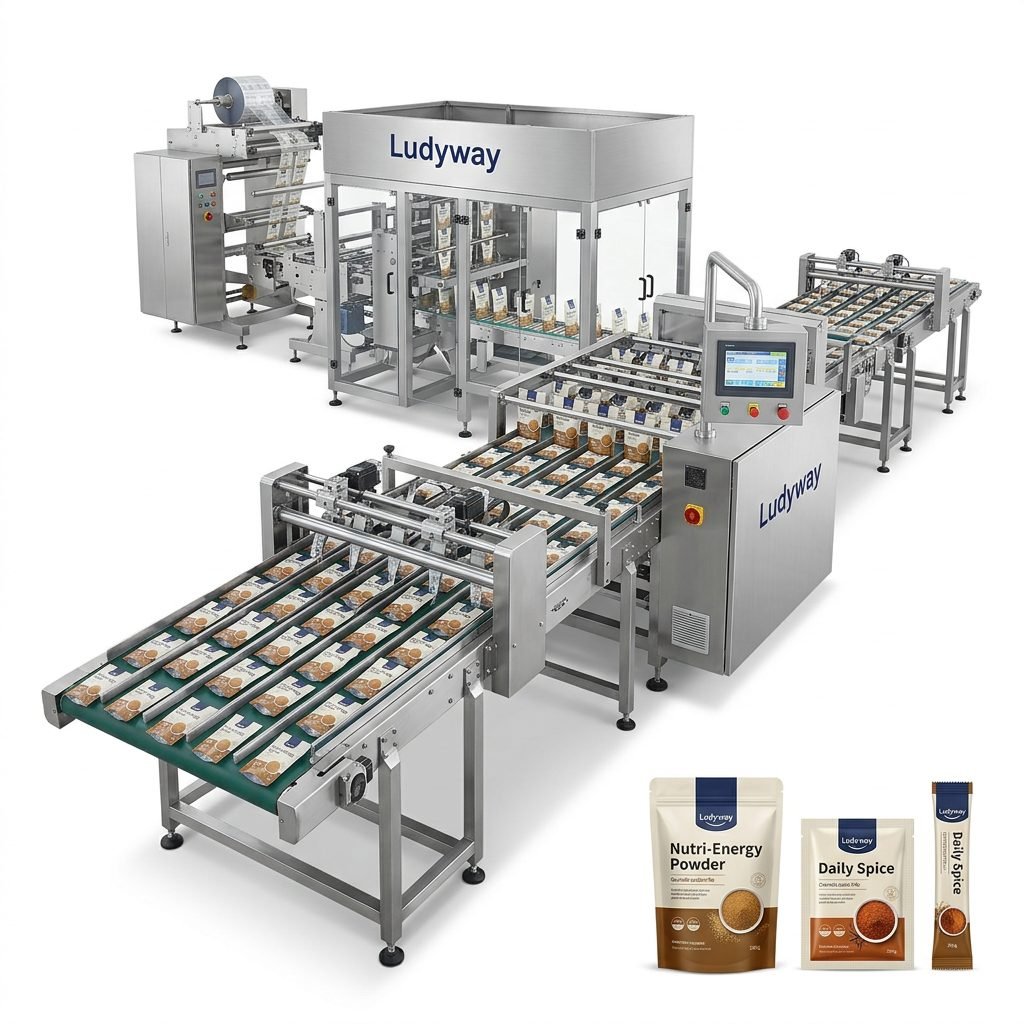
| Stick Packs | Single-serve powders, instant coffee, supplements | High-speed multi-lane configuration |
| Flat Sachets | Shampoo samples, condiments, pharmaceutical doses | Precise liquid filling and leak-proof sealing |
| Gusseted Bags | Coffee, snacks, granular food products | Forming plow and gusset creation |
| Premade Pouches | Wet pet food, liquids, premium products | Rotary or inline pouch opening and filling |
| Quad Seal Bags | Bulk powders, construction chemicals | Heavy-duty sealing and forming |
Confirm with potential suppliers the full range of bag widths, lengths, and film thicknesses the machine can handle without compromising seal integrity. The ISO packaging standards provide useful references for seal strength and quality testing protocols you should discuss during evaluation.
Production Speed and Automation Level
Speed requirements must align with your current and future production targets. However, maximum rated speed differs from sustainable running speed. Assess the machine’s practical output with your specific product and bag size.
Semi-Automatic vs. Fully Automatic Systems
Your choice between semi-automatic and fully automatic equipment depends on labor availability, production volume, and integration needs:
- Semi-Automatic Machines: Lower upfront investment. Suitable for startups, short runs, or products with frequent changeovers. Operators handle bag placement or foot-pedal activation.
- Fully Automatic Machines: Higher throughput with minimal operator intervention. Ideal for 24/7 production environments. These machines integrate forming, filling, sealing, coding, and even cartoning in a continuous workflow.
Sealing Technology and Package Integrity
The sealing system is the heart of any bag filling and sealing machine. A poor seal leads to product leakage, contamination, and costly recalls. Evaluate these sealing methods based on your packaging material and product requirements.
| Sealing Method | Best For | Considerations |
|---|---|---|
| Heat Sealing | Thermoplastic films (PE, PP, laminates) | Temperature, pressure, and dwell time must be precisely controlled |
| Ultrasonic Sealing | Heat-sensitive products, high-moisture environments | No heat generated in the product zone; suitable for explosive atmospheres |
| Impulse Sealing | Thicker films, intermittent motion machines | Energy-efficient as heat is generated only during the sealing cycle |
For medical device packaging, compliance with ISO 11607 for terminally sterilized medical devices is mandatory. Even in food packaging, GMP requirements increasingly demand validated seal integrity processes reminiscent of pharmaceutical standards.
Material Construction and Hygiene Standards
The machine’s build quality directly affects longevity, cleanability, and compliance. Food-grade and pharmaceutical applications typically require:
- Stainless Steel Construction: SS304 is common; SS316 offers superior corrosion resistance for acidic or saline products.
- Washdown Capability: IP65 or IP66 rated electrical enclosures protect against water ingress during cleaning.
- Sanitary Design: Sloped surfaces, minimal crevices, and quick-release contact parts reduce contamination risk. The FDA food packaging and food contact substances regulations provide the framework for hygienic design requirements.
Evaluating Total Cost of Ownership
The purchase price is only one component of the total cost. Calculate the total cost of ownership (TCO) over the expected machine lifespan, typically 10–15 years.
Key TCO Components
- Initial Capital Cost: Machine, installation, and commissioning.
- Change Parts: Costs for different bag sizes or formats.
- Consumables: Seal jaws, cutting blades, and filters.
- Energy Consumption: Compare power ratings and pneumatic air requirements.
- Maintenance: Scheduled service, spare parts availability, and technician rates.
- Downtime: Lost production value when the machine is offline.
Many buyers focus on the upfront price and underestimate the cost of consumable parts and unplanned downtime. A reliable machine from an experienced manufacturer often delivers lower TCO over a decade of operation.
Supplier Evaluation and After-Sales Support
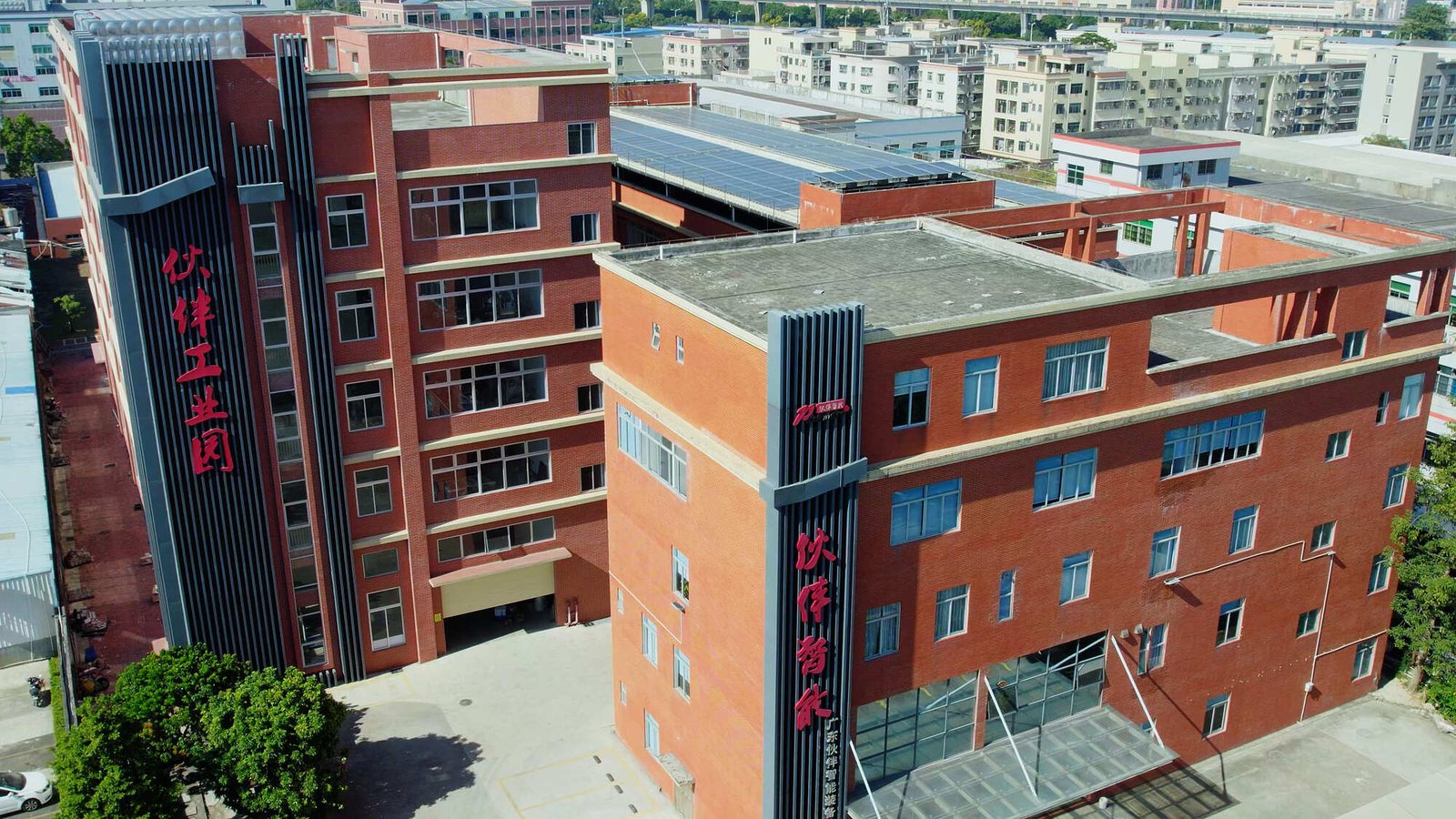
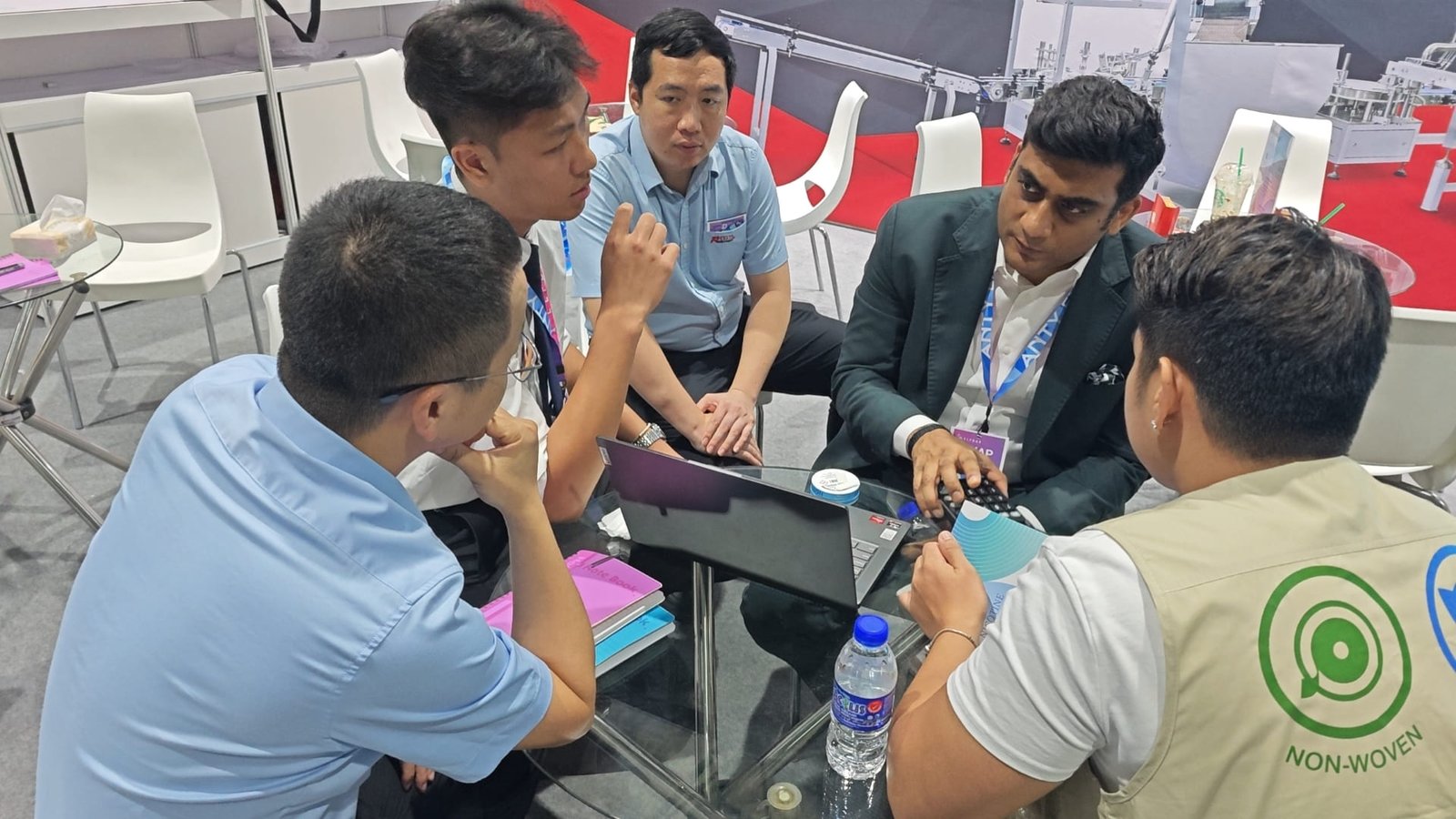
Your relationship with the machine manufacturer extends far beyond the initial purchase. Evaluate suppliers on their engineering capability, industry experience, and commitment to ongoing support. Ludyway Machinery, a China-based packaging machinery manufacturer with more than 30 years of experience, provides automated packaging equipment and turnkey solutions from its 20,000-square-meter manufacturing facility, combining engineering and automation expertise to help customers improve packaging efficiency and operational consistency across more than 100 countries.
Critical Questions to Ask Potential Suppliers
- Can you provide references from manufacturers packaging similar products?
- What is your standard lead time, and how do you handle installation and commissioning?
- Do you offer remote diagnostic support and how quickly can a technician be on-site?
- What is the availability and pricing of critical spare parts?
- Do you maintain engineering documentation and CE or equivalent certification for the relevant markets?
Integration with Existing Production Lines
A bag filling and sealing machine rarely operates in isolation. Consider how the new equipment will connect with upstream feeding systems and downstream equipment such as checkweighers, metal detectors, coding systems, and cartoning machines. Controls integration with your plant’s automation platform reduces installation complexity and enables data collection for production monitoring. The PMMI Business Intelligence Library offers reports on packaging line integration trends that can inform your planning.
Regulatory Compliance and Documentation
Depending on your market, your packaging machine may need to meet specific regulatory requirements. For pharmaceutical applications, machine qualification (IQ/OQ/PQ) documentation is essential. For food packaging, compliance with FDA 21 CFR Part 11 for electronic records may apply if the machine includes recipe management and data logging. The European Commission packaging and packaging waste regulations increasingly influence machinery design for sustainability requirements.
Making the Final Decision
Selecting the right bag filling and sealing machine requires balancing technical specifications, commercial considerations, and long-term partnership potential. Prioritize the factors that most critically affect your product quality and production reliability, and choose a supplier with the engineering depth and service commitment to support your operation for years to come.
Decision Checklist Summary
- Product state (powder, granule, liquid, or paste) and flow characteristics defined
- Target bag formats and size range confirmed
- Sustainable production speed requirements established
- Sealing technology matched to packaging material
- Material construction meets hygiene and regulatory standards
- Total cost of ownership calculated over 10+ year lifespan
- Supplier experience, references, and support infrastructure verified
- Integration plan for upstream and downstream equipment developed
- Documentation requirements for your target market confirmed
By methodically evaluating each of these criteria, you position your operation for a successful equipment investment that delivers consistent performance, product quality, and a strong return on investment over the machine’s operating life.