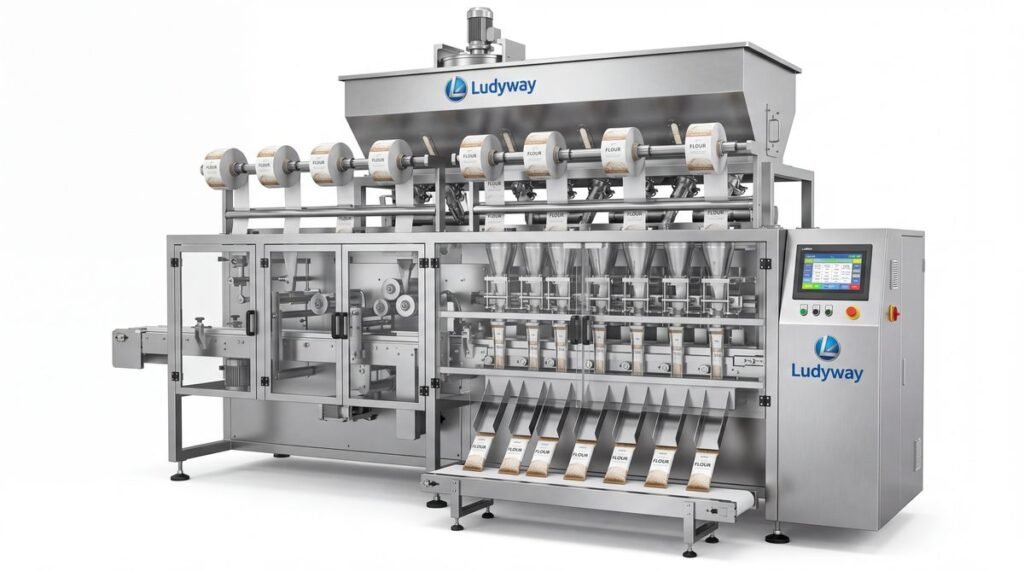
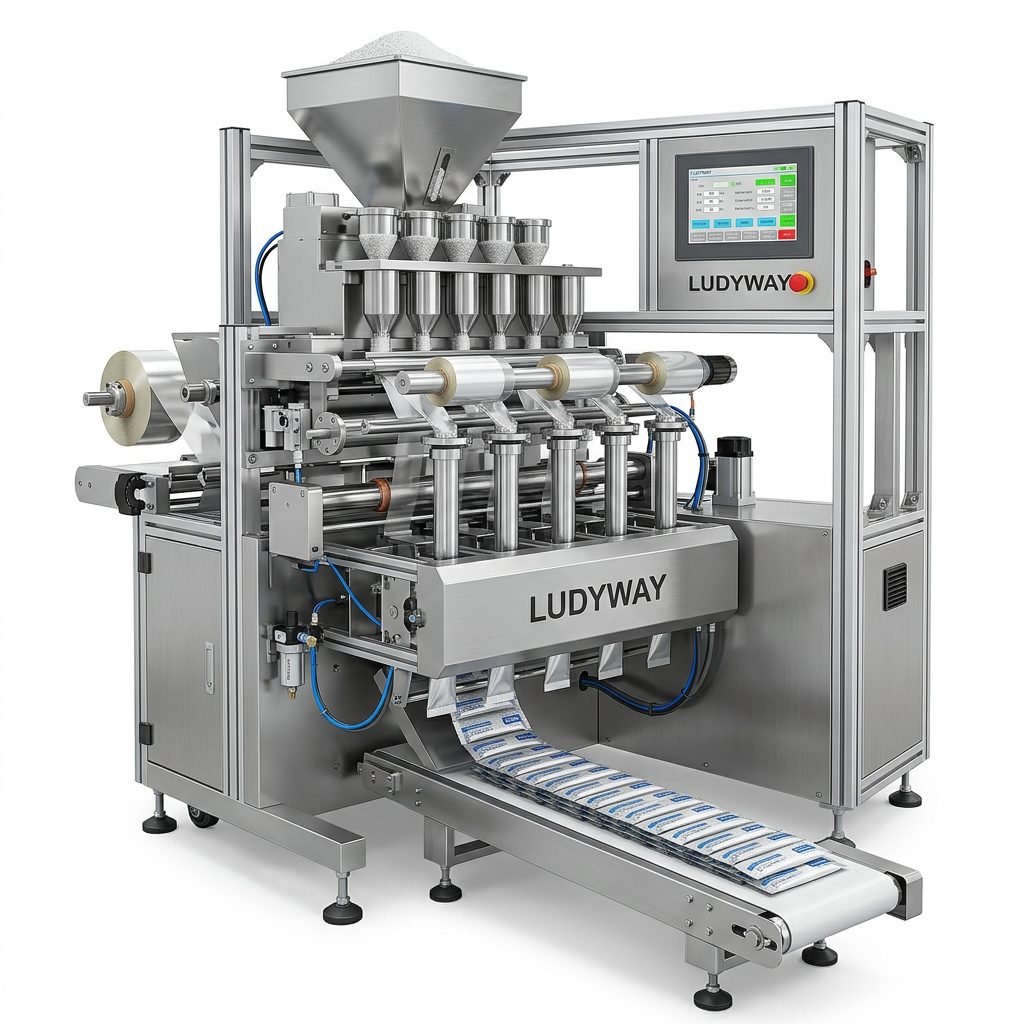
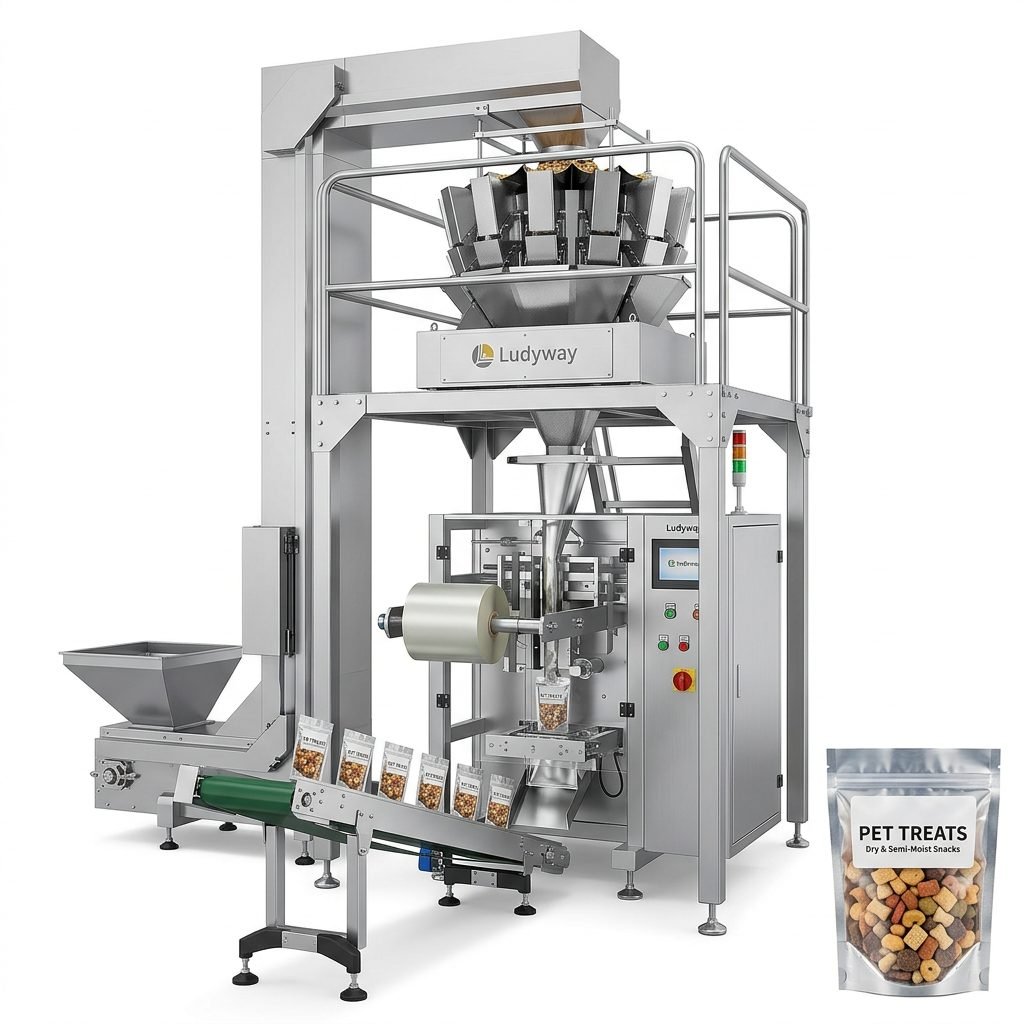
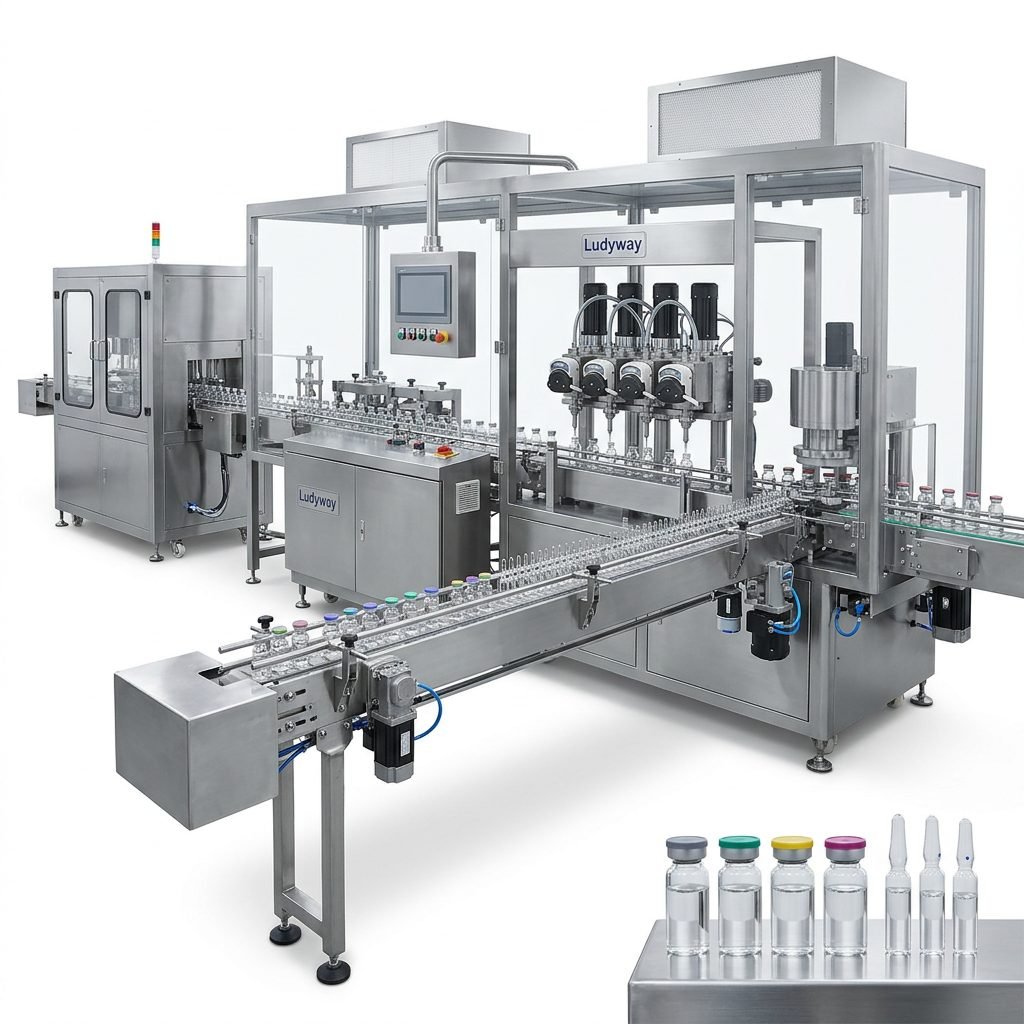
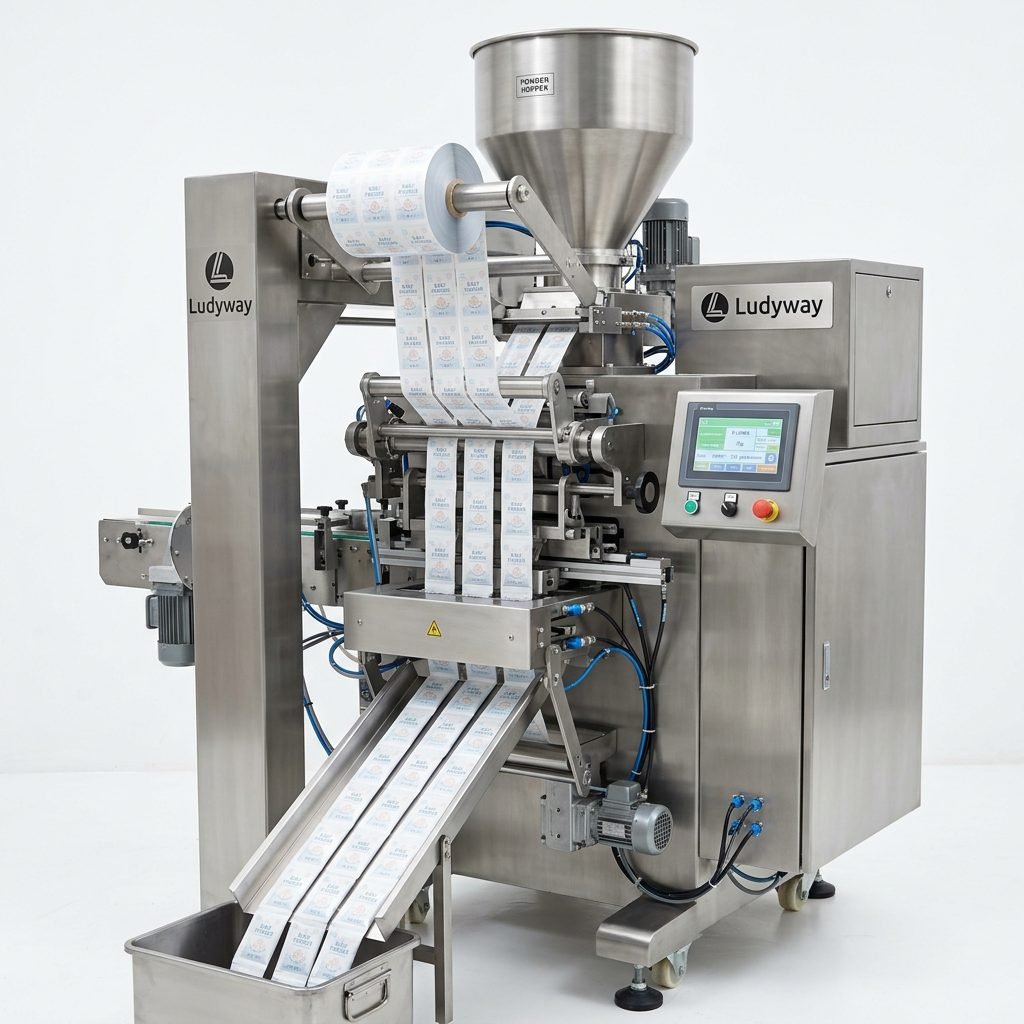
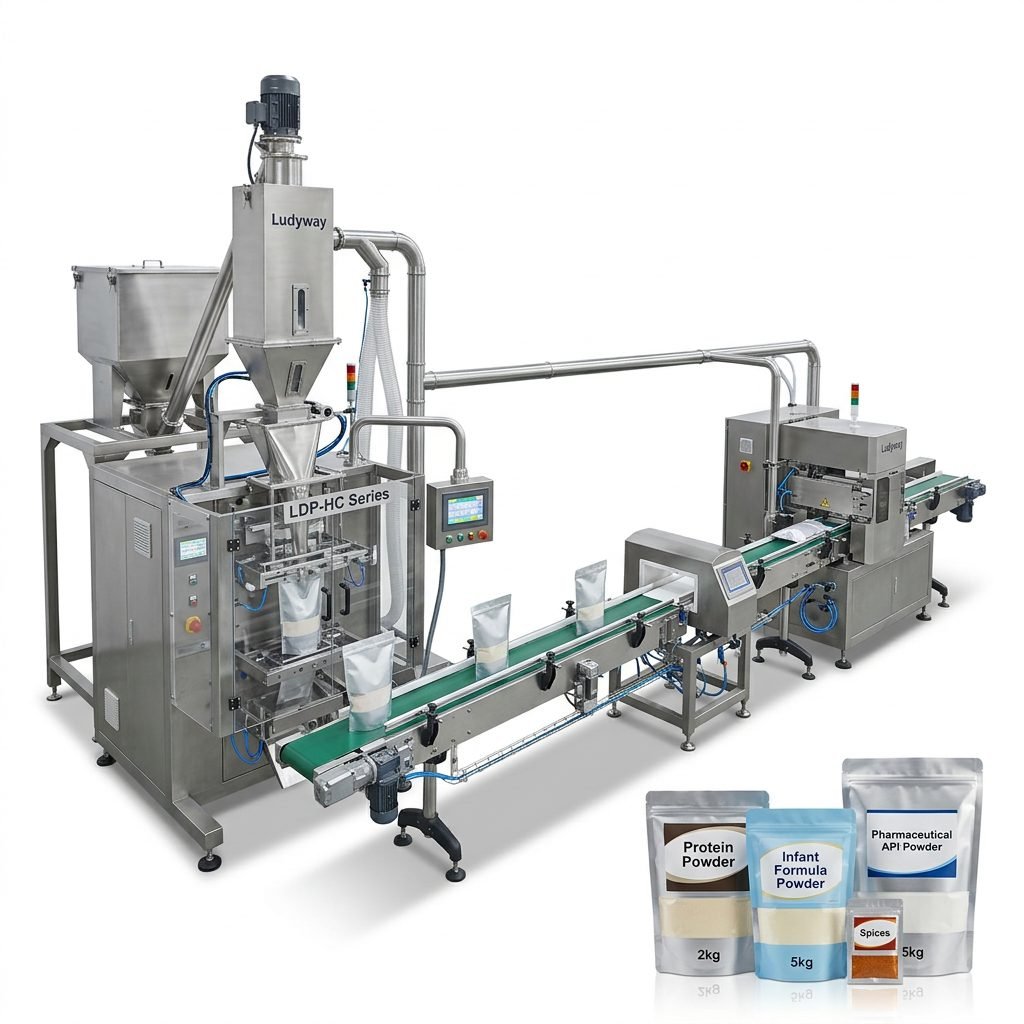
For businesses looking to upgrade or expand their production capabilities, purchasing used packaging machinery can be a highly strategic and cost-effective move. The auction market, in particular, offers a unique opportunity to acquire quality equipment at significantly reduced prices. However, navigating this landscape requires knowledge, preparation, and a keen eye for detail to avoid pitfalls and secure the best value.
Understanding the Packaging Machinery Auction Landscape
Auctions for industrial equipment, including packaging machines, occur through various channels. These include online specialized auction platforms, live industrial asset auctions, and private auctions conducted by machinery dealers or companies undergoing liquidation. Each type presents different advantages, from the convenience and breadth of online listings to the potential for hands-on inspection at live events.
Key Advantages of Buying Through Auctions
The primary draw of auctions is the potential for substantial cost savings. High-quality used machinery can often be purchased at 30% to 60% below the price of new equipment. This allows businesses to access higher-tier technology or increase their production capacity without the capital expenditure of a new purchase. Furthermore, auctions can be a source for finding rare or discontinued models that are perfectly suited to a specific, ongoing production line.
Crucial Pre-Auction Preparation Steps
Success in an auction begins long before the bidding starts. Thorough preparation is non-negotiable.
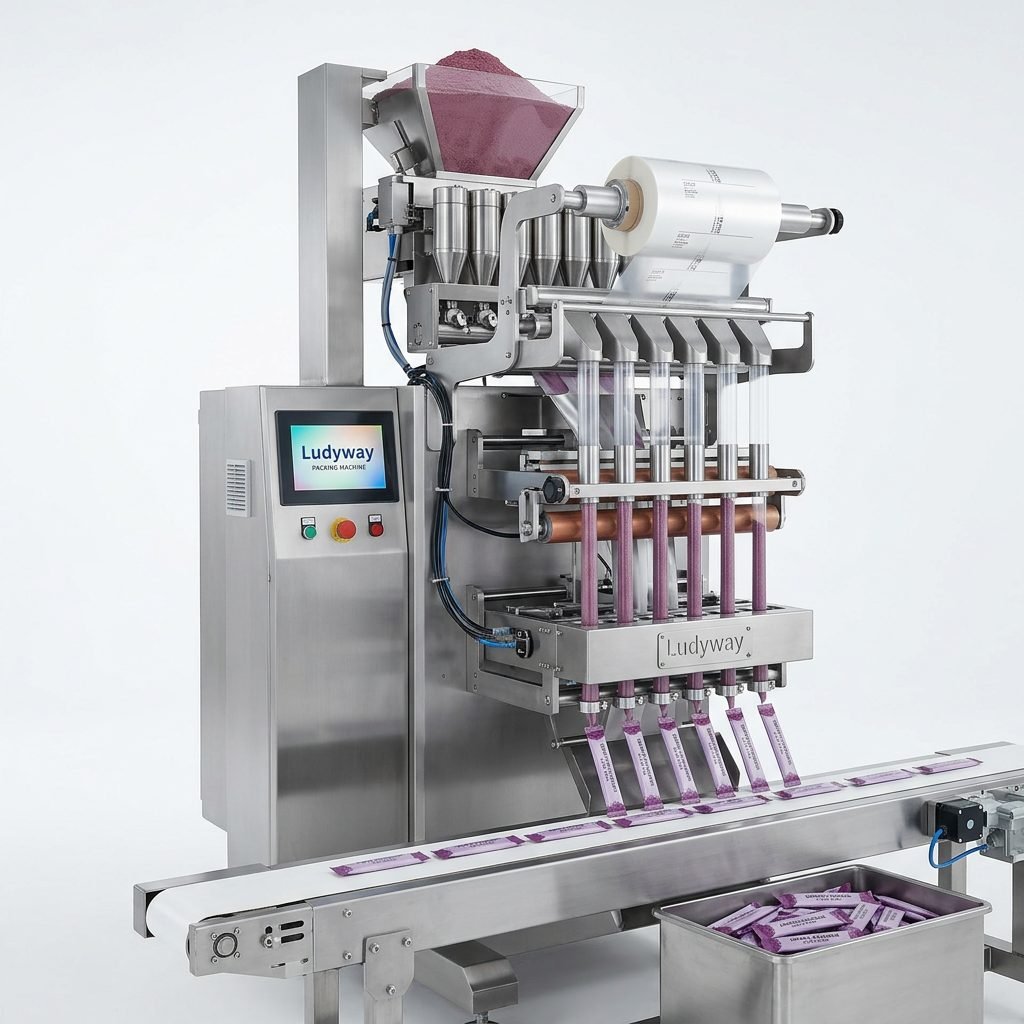
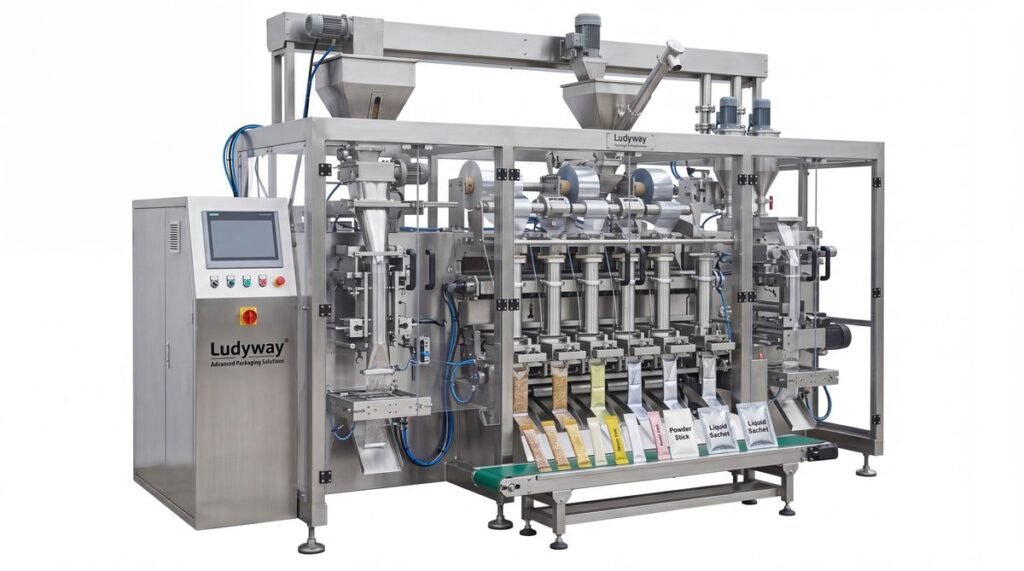
- Define Your Requirements: Clearly identify the machine type (e.g., sachet packer, stick pack machine, liquid filler), required speed, accuracy, and any specific features needed for your products.
- Research Market Prices: Investigate the typical price range for both new and used models of the equipment you seek. This establishes your maximum bid threshold.
- Inspect Documentation & History: Whenever possible, review the auction listing’s details on service history, maintenance records, and reason for sale. A machine from a well-maintained production environment is preferable.
Evaluating Equipment Quality Before Bidding
Assessing the condition of used machinery is the most critical step. Since auctions often offer limited inspection opportunities, you must maximize the information available.
Virtual Inspection Techniques
For online auctions, scrutinize every provided photo and video. Look for signs of wear on critical components, cleanliness (indicating care), and the overall state of the frame and electrical panels. Request additional documentation or a direct contact with the seller for clarifications.
The Importance of Mechanical & Electrical Checks
Key areas to evaluate, even remotely, include:
Drive systems and motors,
Control panels and PLCs,
and
Tooling and forming parts.
Understanding the machine’s age and estimated remaining operational life is vital.
Strategic Bidding for the Best Price
Entering the bidding process with a strategy prevents emotional overbidding and ensures you stay within your budget.
Setting Your Maximum Bid
Determine your absolute maximum bid based on your research, including the cost of potential refurbishment, transportation, and installation. This figure should be your hard limit.
Bidding Timing and Tactics
While some advocate for last-minute bids to avoid price driving, engaging earlier can sometimes establish seriousness. Monitor the auction pace and be prepared to execute your final bid calmly.
Post-Auction Logistics and Commissioning
Winning the bid is only the first part. Organize professional rigging and transportation for the heavy machinery. Upon arrival, plan for a thorough inspection by a qualified technician before powering it on. Factor in the costs and time for decommissioning at the seller’s site, shipping, re-installation, and any necessary re-calibration or part replacement into your total project budget.
Mitigating Risks and Ensuring Value
The auction market carries inherent risks, such as incomplete information or undisclosed faults. Mitigate these by:
- Prioritizing auctions from reputable platforms or known sellers.
- Considering an independent mechanical inspection if the value is high and access is possible.
- Verifying the availability of technical manuals and spare parts for the specific model.
- Accounting for compatibility with your existing line’s controls, voltage, and safety standards.
For businesses requiring high reliability, partnering with a specialized provider like Ludyway Machinery can offer an alternative path. They provide access to reconditioned and certified used equipment that comes with greater assurance, service history, and often warranty support, bridging the gap between pure auction buys and new machinery purchases.
Conclusion: A Path to Smart Capital Investment
Packaging machinery auctions represent a viable and financially astute channel for acquiring production assets. By combining diligent research, disciplined evaluation, and strategic bidding, manufacturers can secure robust equipment that enhances their operations at a fraction of the new cost. The process demands effort and caution, but the reward—accelerating growth while conserving capital—makes it a compelling option for savvy business owners.
Frequently Asked Questions (FAQs)
What are the most common types of packaging machinery found at auctions?
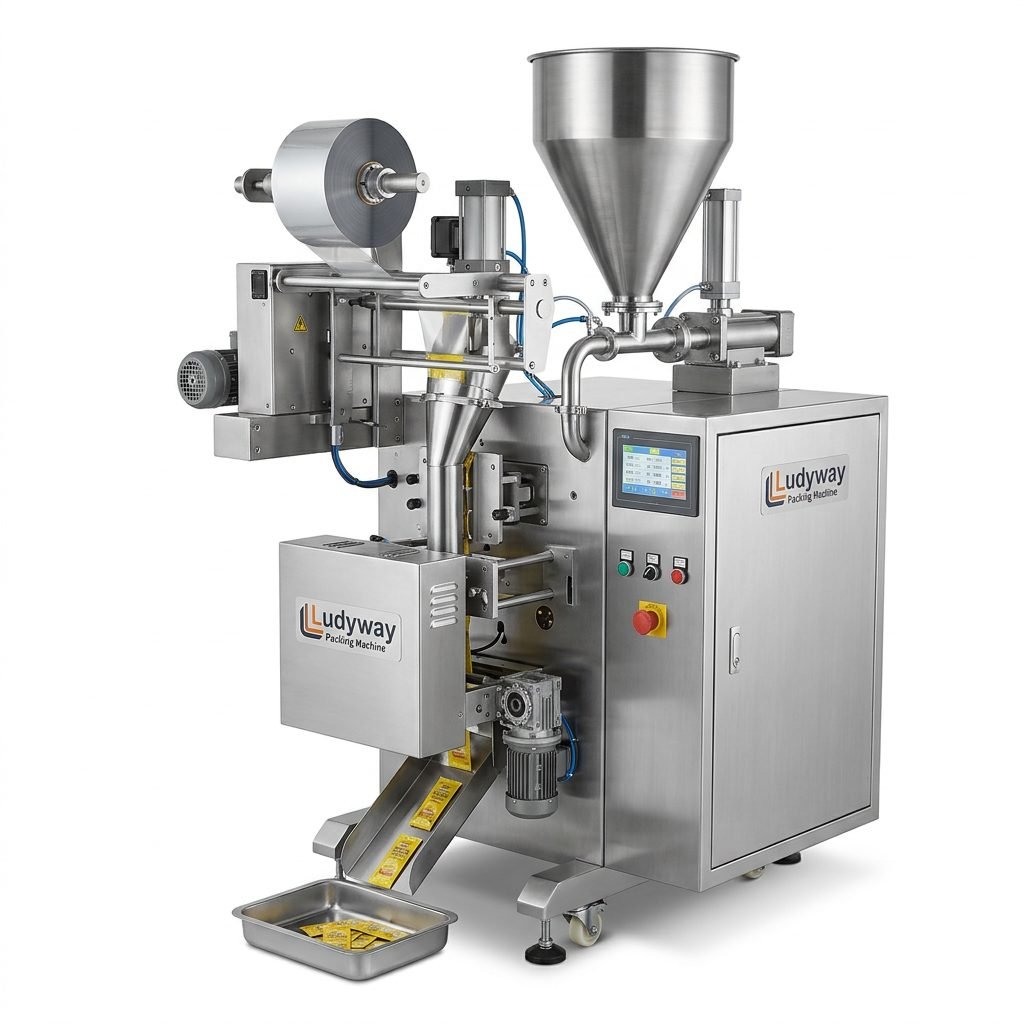
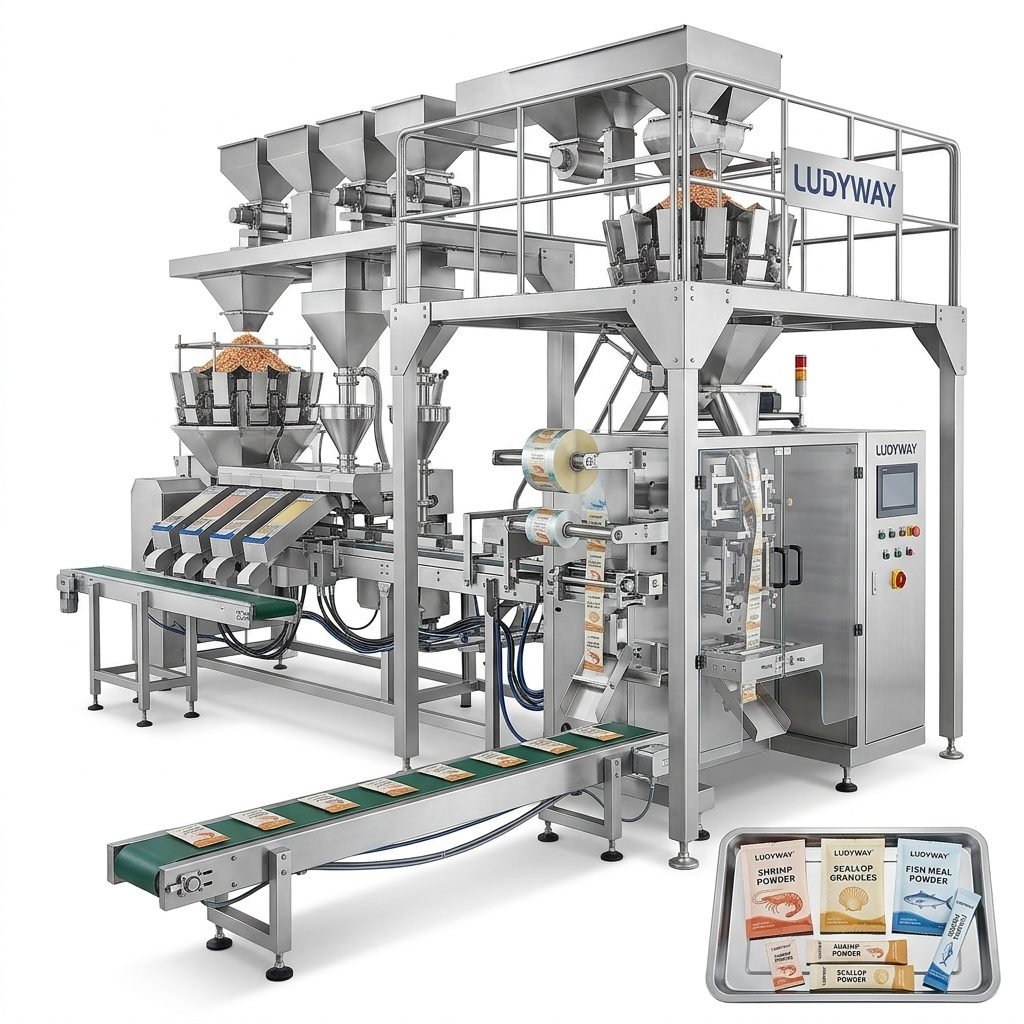
Vertical form-fill-seal (VFFS) machines for pouches and bags, horizontal cartoners, liquid filling and capping lines, powder and granule filling machines, and labeling equipment are frequently available. The specific mix depends on the industries represented in the auction.
How can I verify the operational condition of a machine in an online auction?
Request all available documentation: service logs, photos of internal components, and videos of the machine running. Ask specific questions about last operational date and known issues. For critical purchases, hire a local inspector if the auction location permits it.
Are spare parts readily available for older or discontinued auctioned models?
This is a key risk. Before bidding, research the original manufacturer and model to determine if spare parts are still produced or available through third-party specialists. This availability significantly impacts long-term viability and maintenance costs.
What hidden costs should I budget for after winning an auction?
Beyond the bid price, budget for: professional dismantling and loading, freight shipping (often international), customs fees, re-installation at your facility, potential electrical reconfiguration, calibration, and initial preventive maintenance or part replacement.
Is buying through an auction suitable for my first packaging machine?
For a first machine, where reliability and support are paramount, auctions carry higher risk. Consider starting with a reconditioned machine from a specialized supplier like Ludyway that offers more support. Auctions are better suited for companies with existing technical experience looking to add or replace a line.