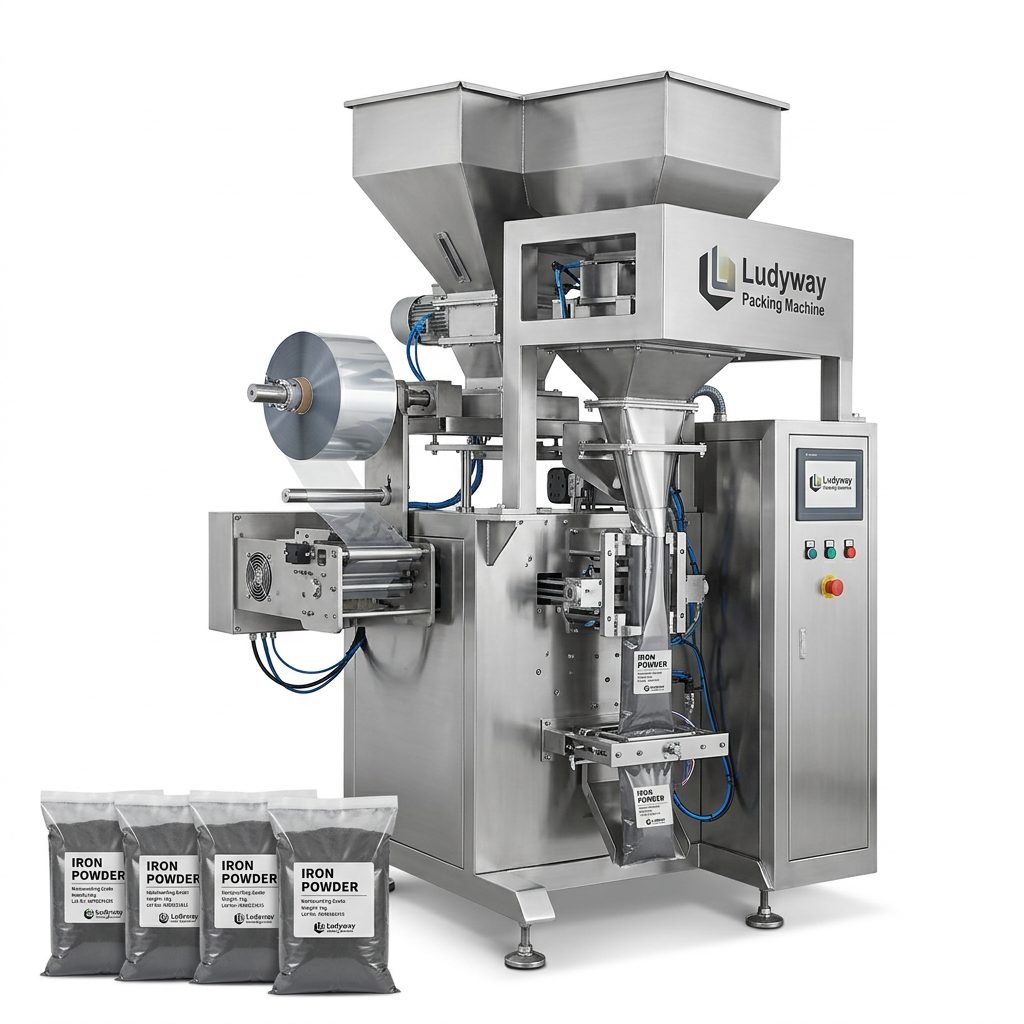
Selecting the right spice powder packing machine is one of the most important investment decisions for any spice processing business. Whether you are packaging turmeric, chili powder, cumin, garam masala, or custom spice blends, the machine you choose directly affects product quality, production efficiency, shelf life, and overall profitability. With dozens of machine types, configurations, and automation levels available on the market, making an informed choice requires a clear understanding of your product characteristics, production goals, and operational requirements.
Understanding Your Spice Powder Packaging Requirements
Before comparing machine specifications, start by thoroughly analyzing your product and production environment. Spice powders present unique packaging challenges that differ significantly from granules, liquids, or larger solid products. A machine that works perfectly for one type of spice may struggle with another, so understanding these nuances is critical.
Product Characteristics: Know Your Spice Powder
Spice powders vary widely in terms of particle size, flow behavior, moisture content, bulk density, and oil content. These physical properties directly influence which filling mechanism, hopper design, and sealing system will work best for your application.
Particle Size and Flow Properties
Fine powders like ground cinnamon or turmeric can become airborne during filling, creating dust issues and product loss. Coarser powders like granulated garlic or chili flakes flow more freely but may require different auger or volumetric filling configurations. Understanding your powder’s flowability is essential for selecting the right dosing system.
Moisture Content and Hygroscopic Behavior
Many spice powders are hygroscopic, meaning they absorb moisture from the air. This can cause clumping, bridging in hoppers, and inconsistent filling weights. If your spice powder is moisture-sensitive, you may need a machine with humidity-controlled filling zones, dehumidification options, or nitrogen flushing capabilities to maintain product integrity during packaging.
Bulk Density Considerations
Bulk density affects how much product fits into each package and influences the type of filling mechanism required. Spices with low bulk density may need vibratory compaction or settling systems to achieve consistent fill levels, while denser powders may require higher-torque auger drives.
Key Machine Types for Spice Powder Packaging
The packaging machinery market offers several primary machine categories suitable for spice powder applications. Each type has distinct advantages depending on your packaging format, speed requirements, and budget.
Vertical Form Fill Seal (VFFS) Machines
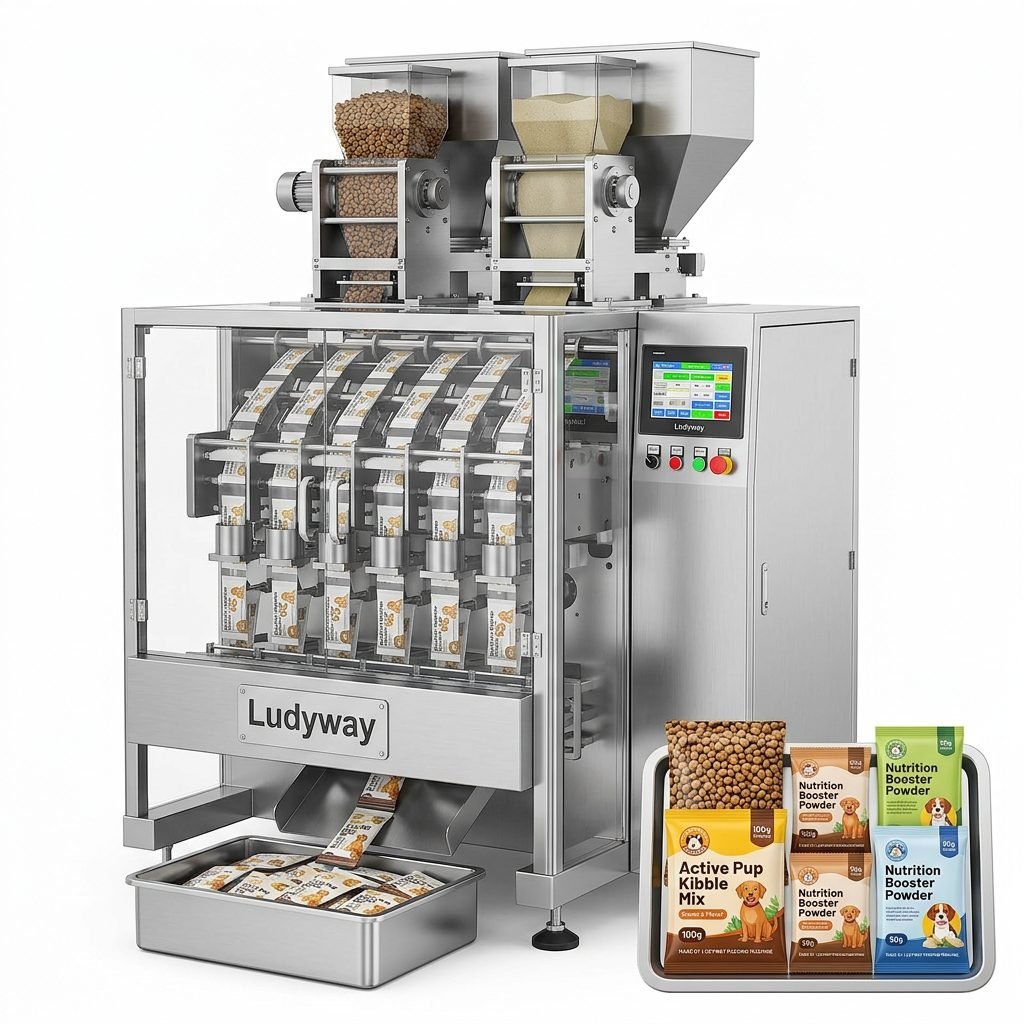
VFFS machines are among the most widely used for spice powder packaging. They form bags from a roll of film, fill them with product, and seal them in a continuous vertical motion. These machines are highly versatile, cost-effective, and capable of producing various bag styles including pillow pouches, gusseted bags, and quad-seal packs. For spice powders, VFFS machines equipped with auger fillers or volumetric cup fillers are common choices.
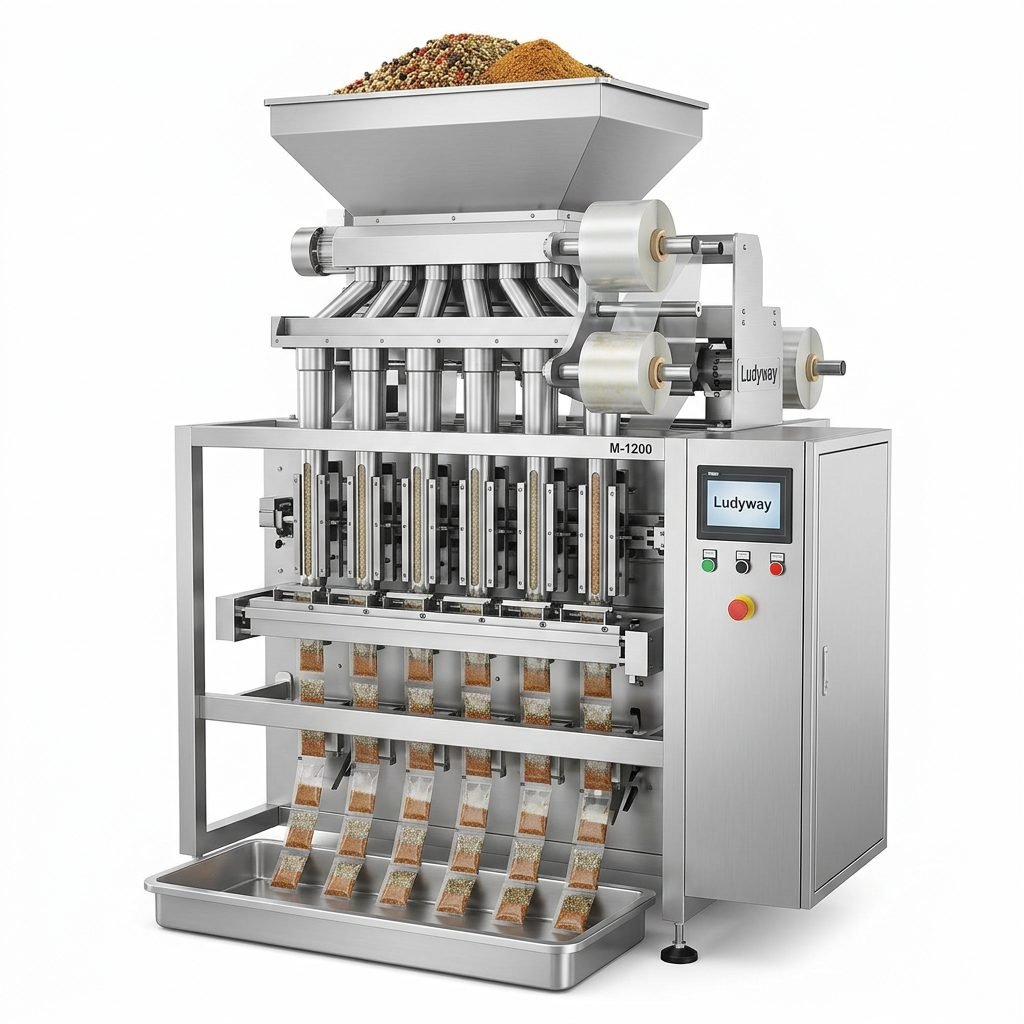
Multi-Lane Stick Pack Machines
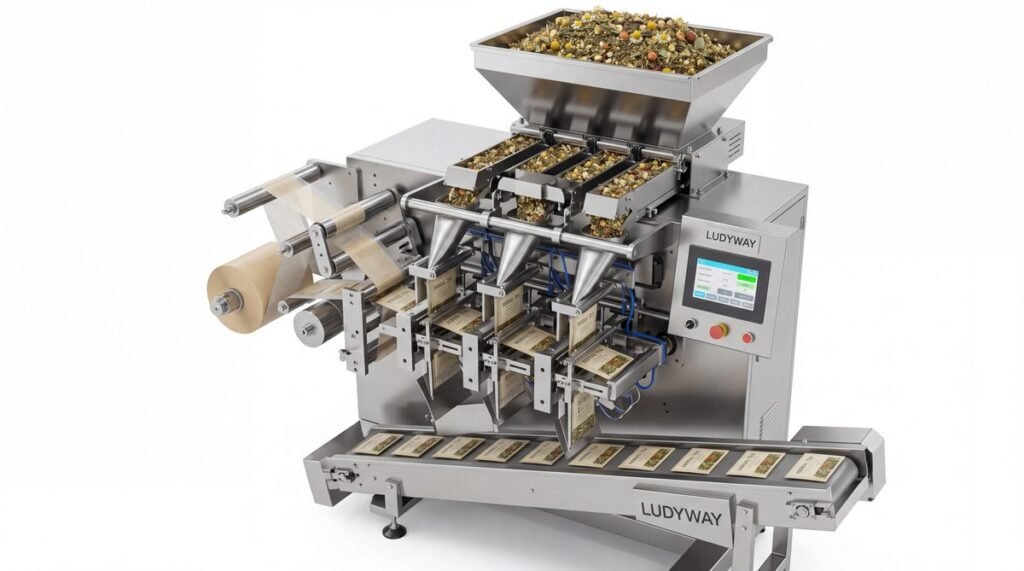
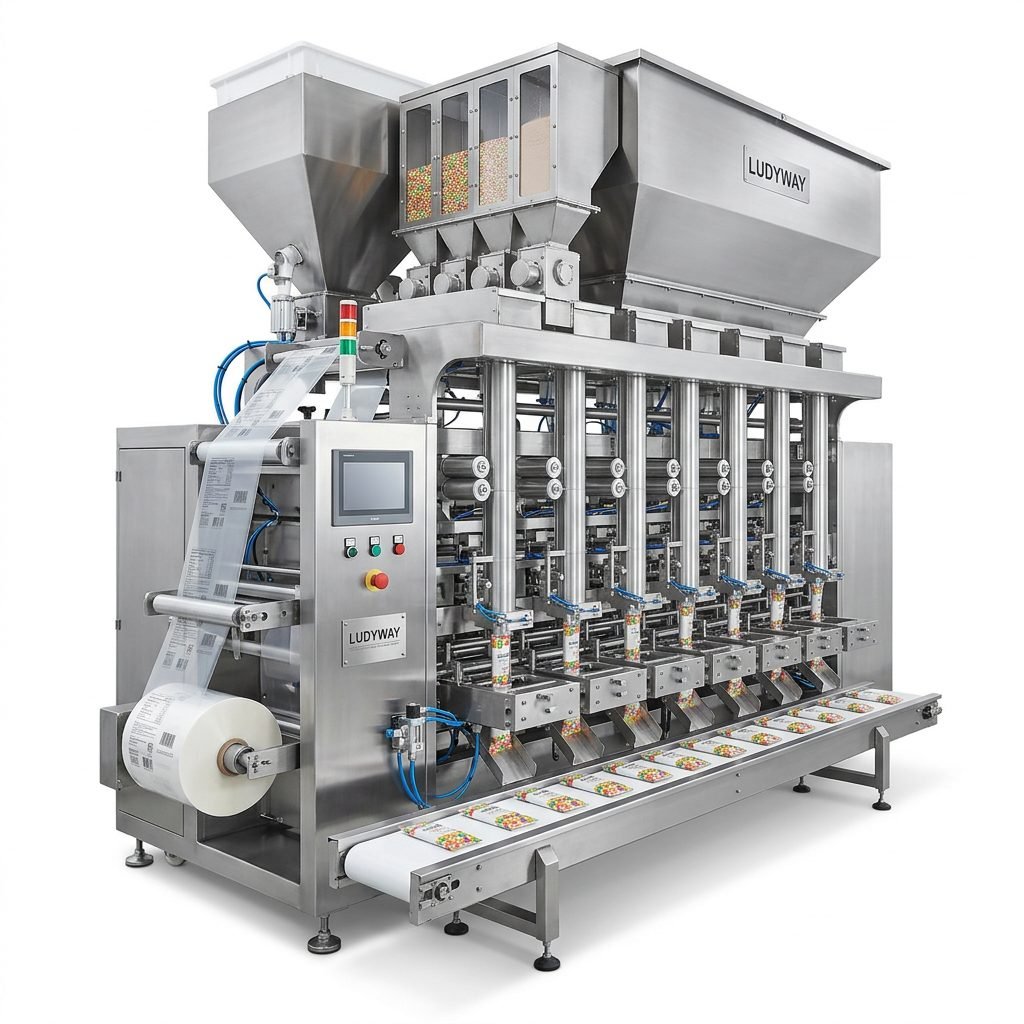
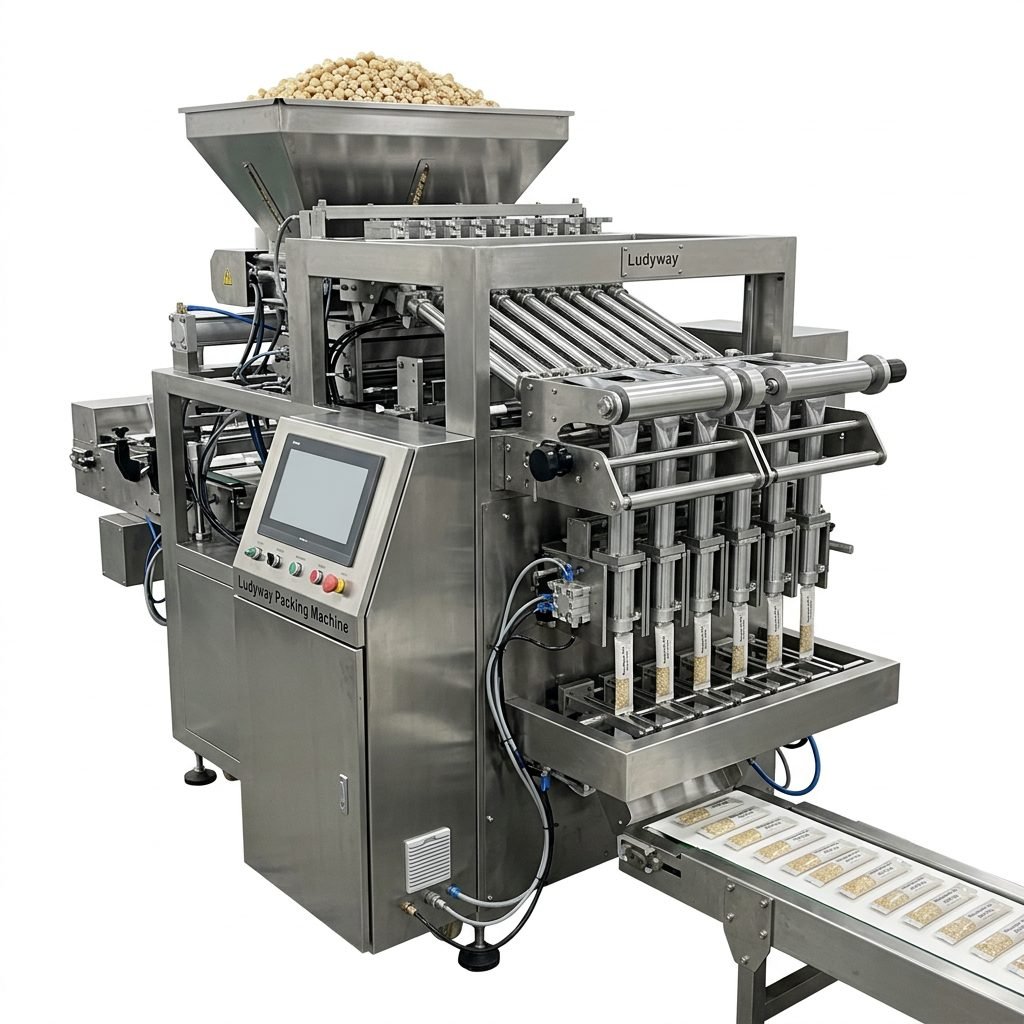
For high-volume production of single-serve spice sachets and stick packs, multi-lane machines offer exceptional throughput by running multiple lanes simultaneously. A 4-lane, 8-lane, or even 12-lane configuration can multiply your output without requiring proportionally more floor space. These machines are ideal for portion-controlled spice packaging used in food service, travel retail, and convenience markets.
Pre-Made Pouch Packaging Machines
Rotary or inline pre-made pouch machines work with ready-made pouches rather than forming them from roll stock. They are excellent for premium spice packaging using stand-up pouches, zipper bags, or shaped pouches that create stronger shelf appeal. These machines typically offer gentler product handling and are well-suited for spices packaged in larger retail formats.
Critical Features to Evaluate
When comparing spice powder packing machines, certain features can make a substantial difference in performance, reliability, and long-term operational costs. The table below summarizes key features to assess during your evaluation process.
| Feature | Why It Matters for Spice Powder | Recommended Specification |
|---|---|---|
| Filling System | Determines accuracy and consistency with fine powders | Auger filler or servo-driven volumetric system |
| Dust Control | Prevents product loss and cross-contamination | Integrated dust extraction and sealed filling zone |
| Sealing System | Ensures package integrity and prevents leakage | Temperature-controlled heat seal with dwell time adjustment |
| Hopper Design | Prevents bridging and ensures consistent product flow | Agitated hopper with level sensors |
| Material Contact Parts | Affects food safety and corrosion resistance | 304 or 316 stainless steel, food-grade certified |
| Changeover Time | Impacts production flexibility for multiple SKUs | Tool-free changeover, recipe memory for settings |
Production Capacity and Speed Requirements
Determining your required output is fundamental to machine selection. Consider both current production volumes and future growth projections. A machine that meets today’s demand may become a bottleneck within two years if your business is growing. Key metrics to calculate include:
- Packages per minute (PPM): The machine’s rated speed for your specific package size and product type
- Daily output target: Total packages needed per shift, accounting for changeovers and downtime
- Peak season capacity: Ability to handle demand spikes during holiday seasons or promotional periods
- OEE (Overall Equipment Effectiveness): A realistic assessment accounting for availability, performance, and quality rates
For small to medium spice producers, a single-lane VFFS machine producing 30-60 packages per minute may be sufficient. Large-scale operations serving retail chains or export markets may require multi-lane systems capable of 200-600 packages per minute or more.
Automation Level and Integration
Modern spice powder packing machines offer varying degrees of automation, from semi-automatic machines requiring significant operator involvement to fully automated packaging lines that integrate multiple processes. The right automation level depends on your labor costs, production scale, and quality consistency requirements.
Key automation considerations include:
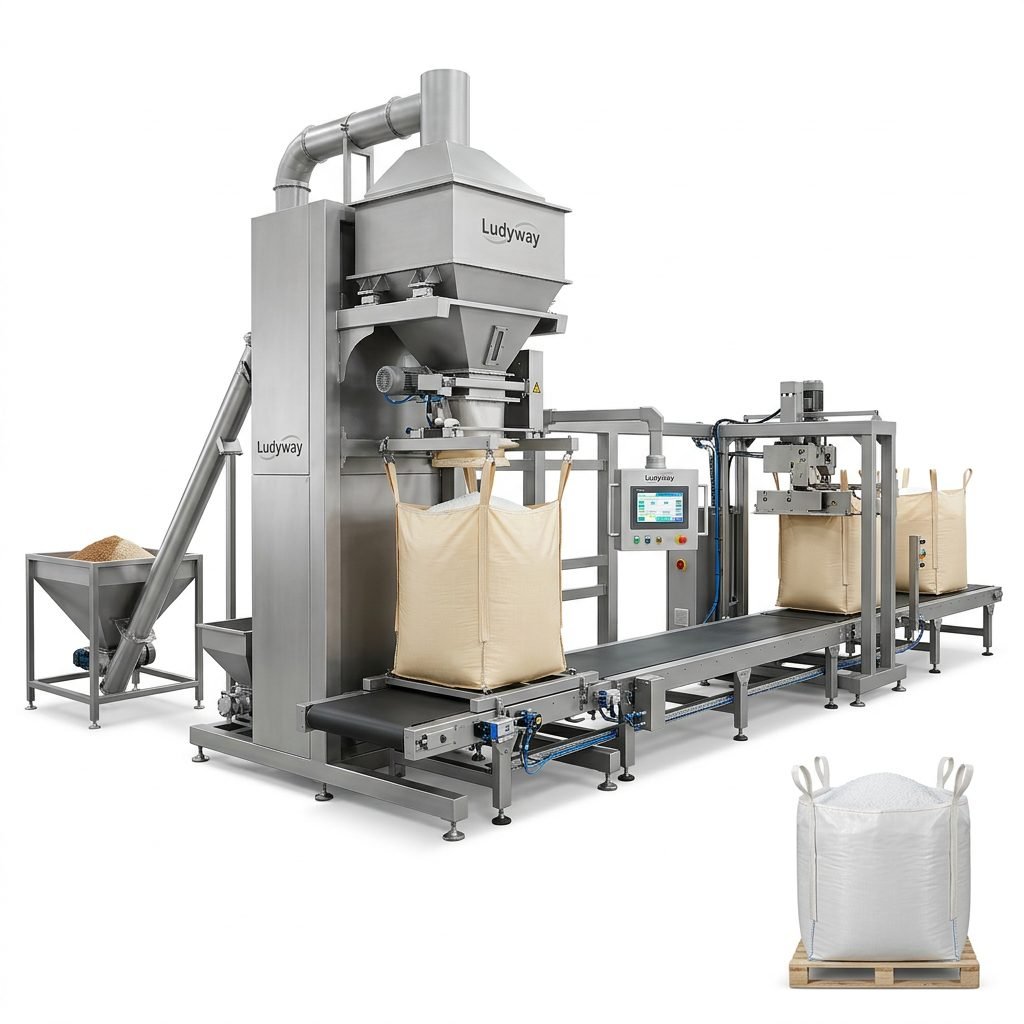
- Automatic feeding systems: Vibratory feeders, screw conveyors, or vacuum conveying systems that deliver powder to the machine hopper without manual intervention
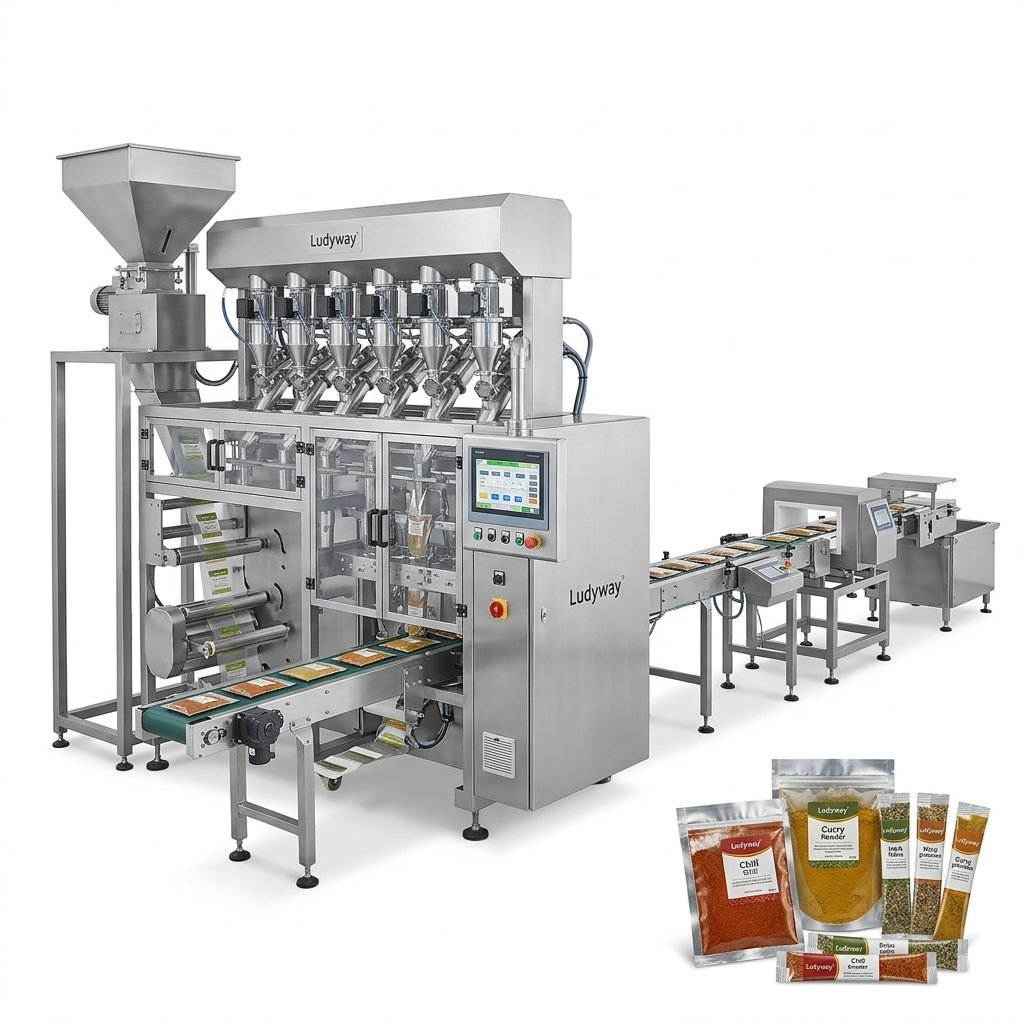
- Inline inspection: Checkweighers, metal detectors, and vision systems integrated into the packaging line for quality assurance
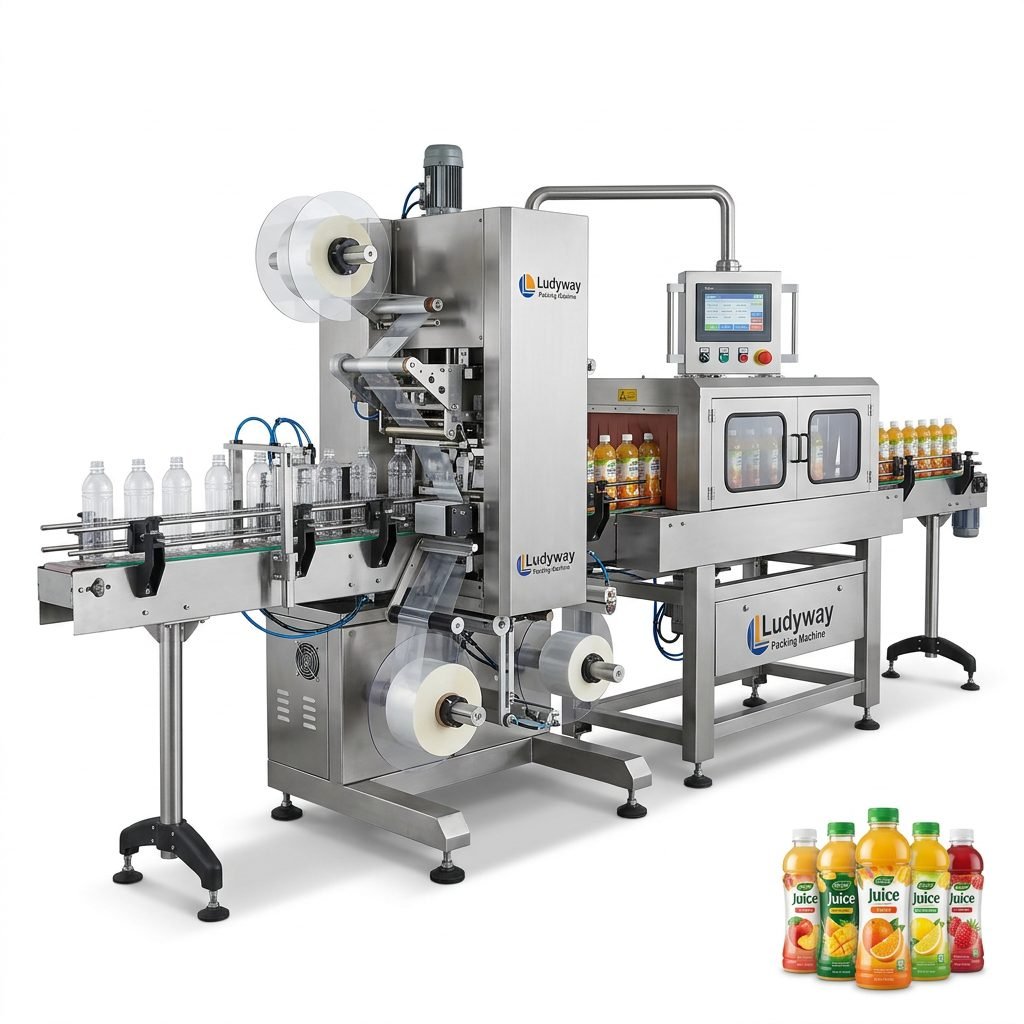
- Secondary packaging integration: Automatic cartoning, case packing, and palletizing systems that reduce manual handling after primary packaging
- Data connectivity: Machine controls that support data logging, remote monitoring, and integration with facility-wide manufacturing execution systems

Material Compatibility and Seal Integrity
The packaging film or material you use must be compatible with both your spice product and the machine’s sealing system. Spice powders, especially those with high oil content like paprika or curry blends, can interfere with heat sealing if residue deposits on seal jaws. Look for machines with:
- Easy-clean seal jaw designs that resist product buildup
- Adjustable sealing temperature, pressure, and dwell time parameters
- Compatibility with a range of film materials including metallized PET, aluminum foil laminates, and high-barrier structures that protect spice freshness
- Optional gas flushing or vacuum sealing for oxygen-sensitive spices
Compliance and Quality Standards
Spice packaging for food applications must comply with relevant food safety regulations and industry standards. Depending on your target markets, this may include FDA requirements, EU regulations, ISO standards, and GMP guidelines. When evaluating machines, verify that the equipment can be configured to meet applicable packaging industry standards and that the manufacturer can provide necessary compliance documentation and certifications for your target markets.
Budget and ROI Considerations
While purchase price is important, a comprehensive cost analysis should consider total cost of ownership (TCO) over the machine’s expected lifespan. Key financial factors include:
- Initial capital cost: Machine price including shipping, installation, and commissioning
- Operating costs: Energy consumption, consumables like film and spare parts, and labor requirements
- Maintenance costs: Preventive maintenance schedules, spare parts availability, and technical support
- Downtime costs: Lost production during repairs or maintenance
- Product giveaway: Overfilling due to inaccurate dosing, which can significantly impact margins over time

Choosing the Right Manufacturer
The manufacturer you select is as important as the machine itself. A reliable packaging machinery partner should offer application expertise, customization capabilities, responsive technical support, and a track record of successful installations in the food and spice industry. Evaluate potential manufacturers based on their experience with powder products specifically, their willingness to conduct product trials, and their after-sales service infrastructure in your region.
Questions to Ask Potential Suppliers
- Can you provide references from spice or powder packaging customers with similar applications?
- Do you offer product testing and trial runs with our specific spice formulations before purchase?
- What is your standard warranty period and what does it cover?
- How quickly can you supply spare parts to our location?
- Do you provide installation, commissioning, and operator training services?
- What remote diagnostic and technical support options are available?
For manufacturers seeking a comprehensive packaging solution rather than just a standalone machine, working with an experienced equipment provider that offers turnkey packaging line capabilities can simplify project management and ensure system-level compatibility. Ludyway Machinery, with over 30 years of industry experience and a 20,000-square-meter manufacturing facility, provides automated packaging equipment and integrated solutions for spice and powder applications across global markets.
Making the Final Decision
Choosing the right spice powder packing machine requires balancing technical requirements, production goals, budget constraints, and long-term business strategy. Start with a thorough analysis of your product characteristics and production needs, then systematically evaluate machine types, features, and manufacturers against your criteria. Consider visiting industry trade shows to see equipment in operation, request product trials with your actual spice formulations, and speak with multiple suppliers before making your final decision. The right machine, paired with a supportive manufacturing partner, can deliver consistent package quality, higher throughput, lower operational costs, and a strong return on investment for years to come.
For further reading on packaging industry developments, explore flexible packaging industry resources and global packaging machinery growth trends to stay informed about market innovations and equipment advancements that may influence your purchasing decision.