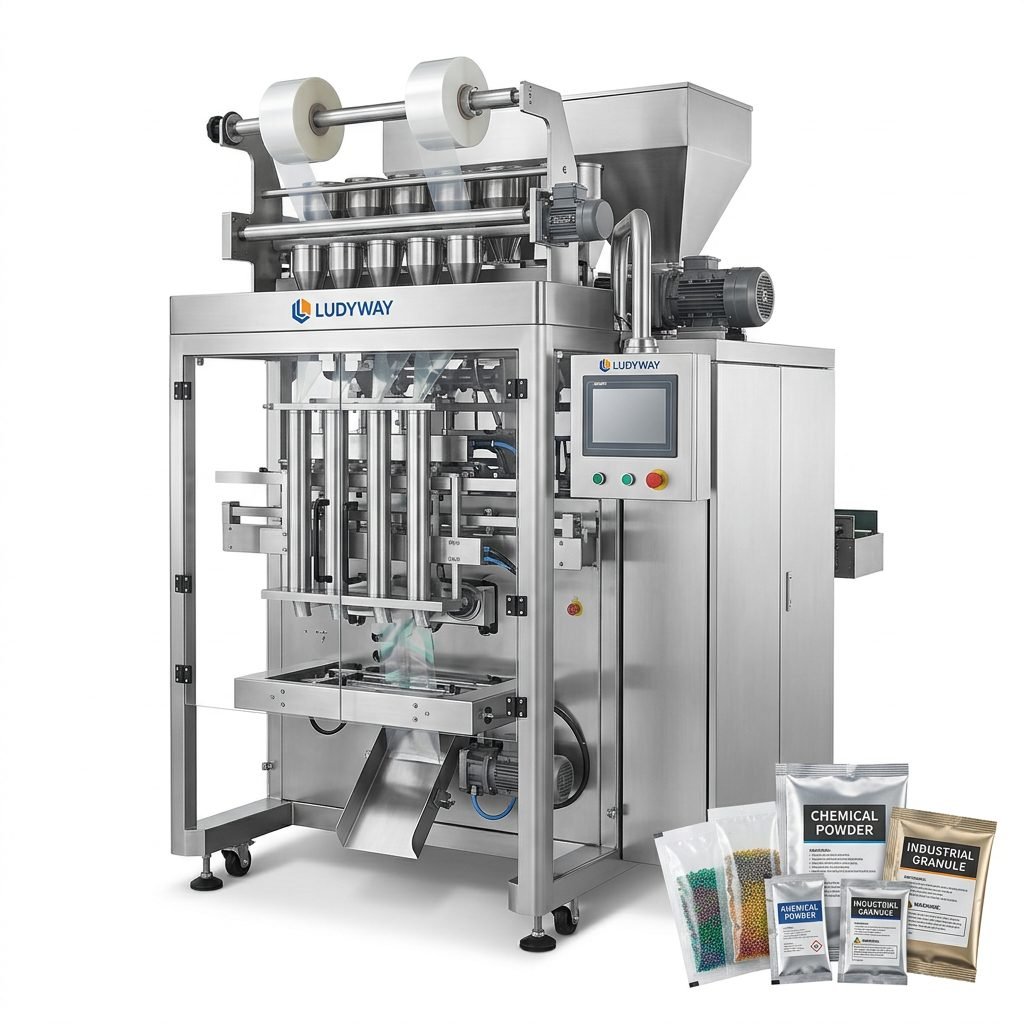
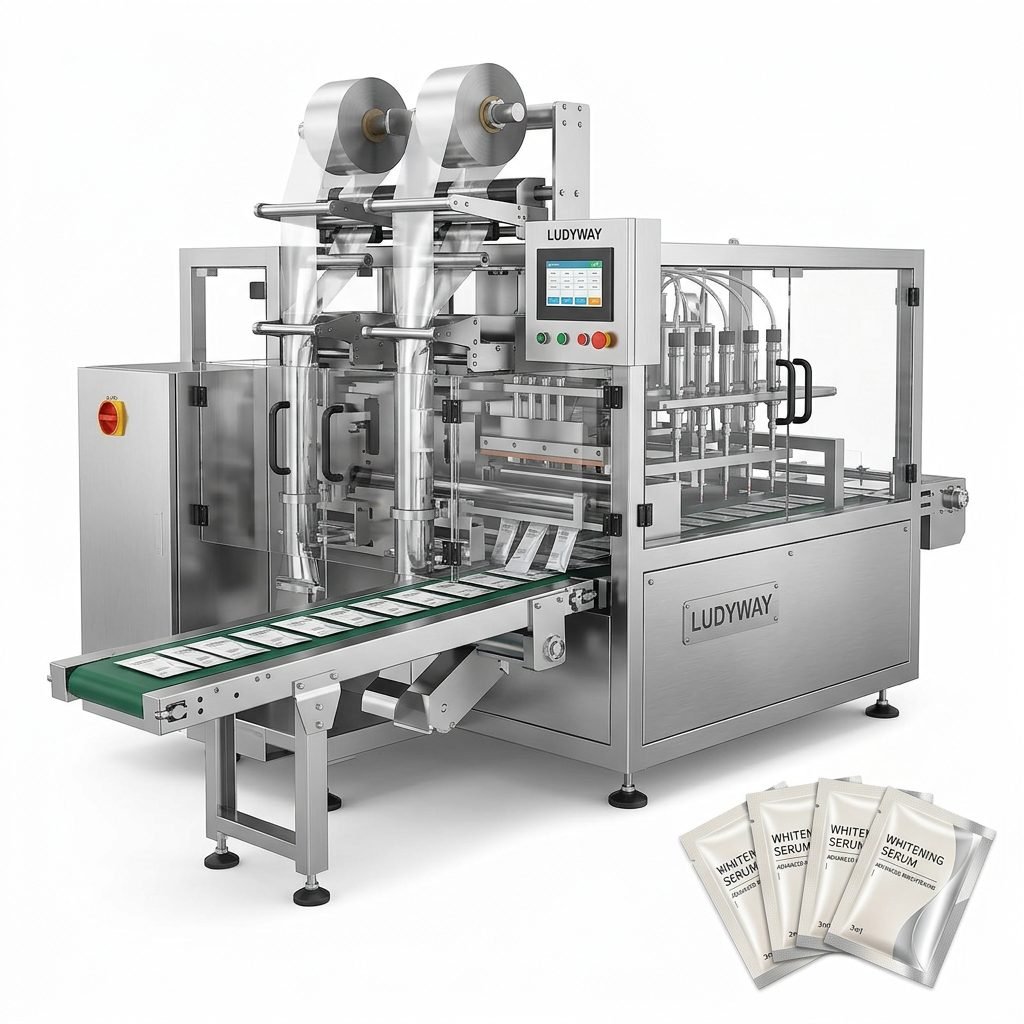
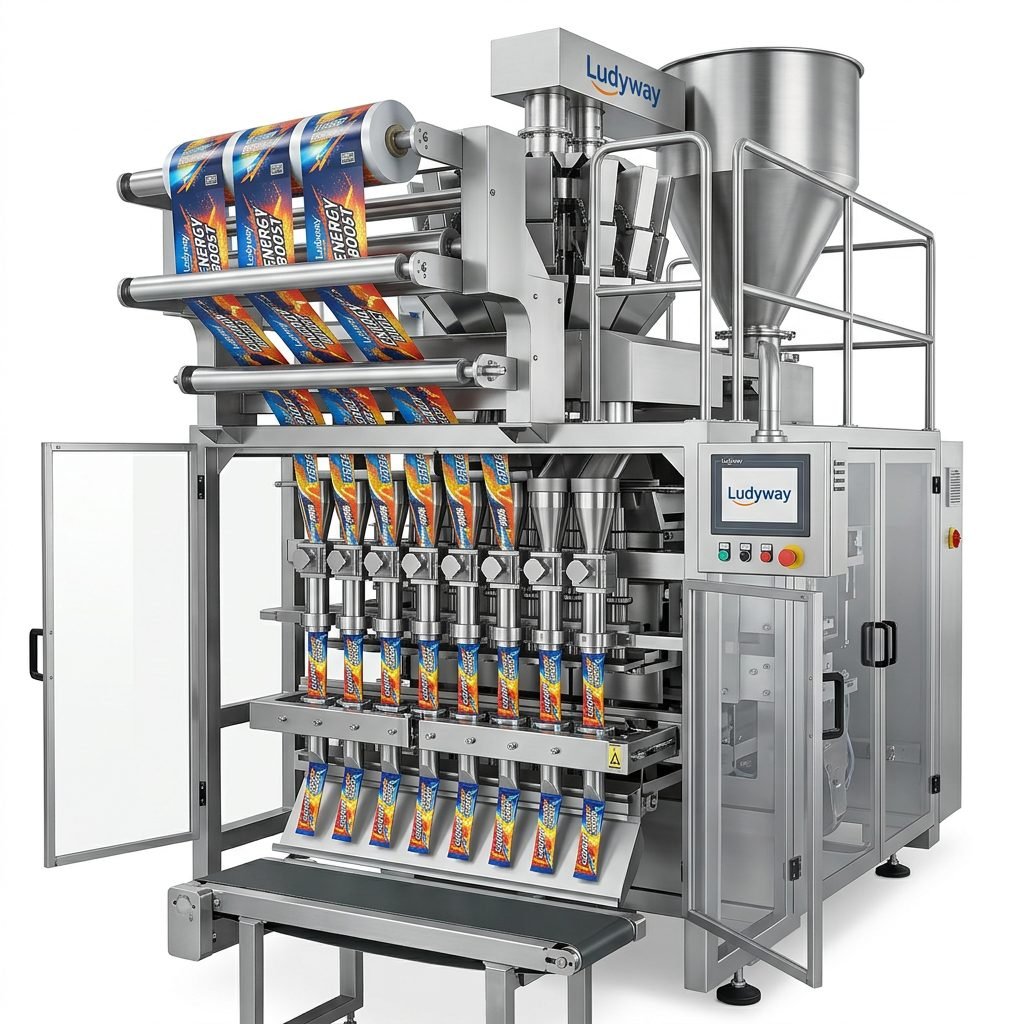
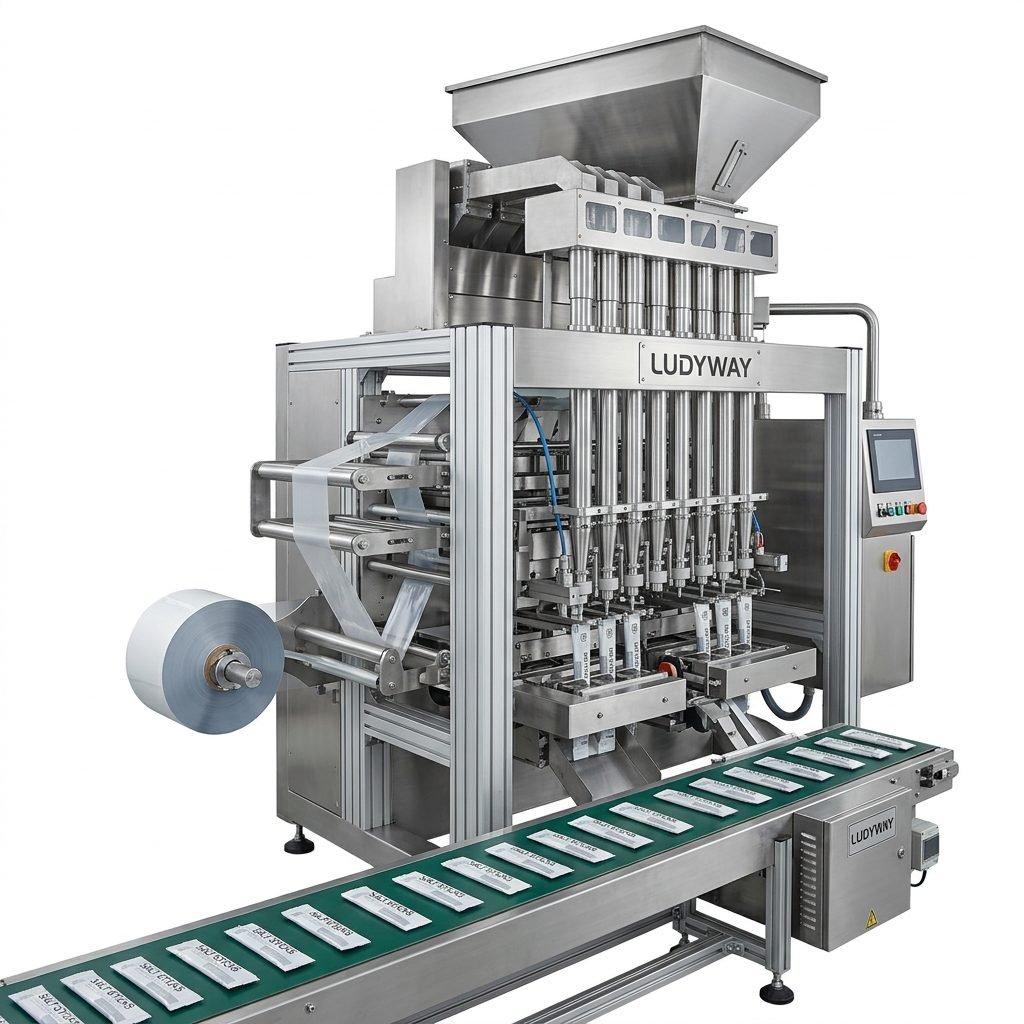
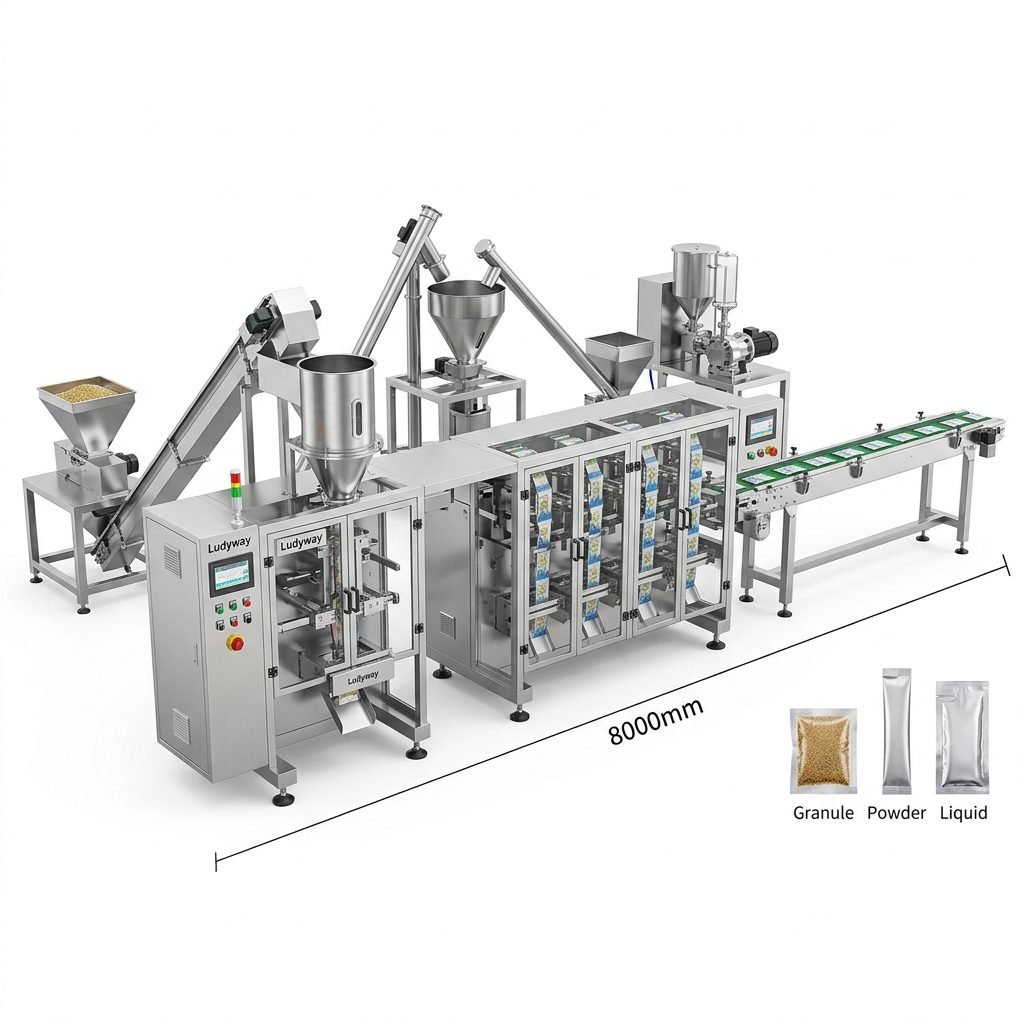
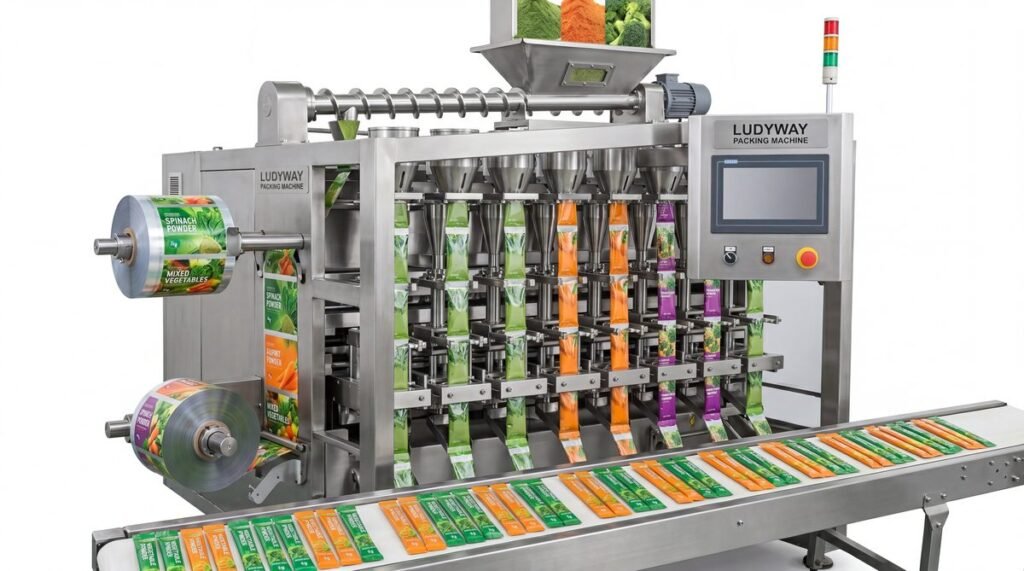
Investing in a food bag packaging machine is a strategic decision that impacts your production efficiency, product shelf life, and bottom line. With dozens of machine types, configurations, and technology levels available, narrowing down the right equipment can feel overwhelming. Whether you are packing powders, granules, liquids, or solid snacks, understanding the key selection criteria will help you avoid costly mistakes and secure a system that grows with your business.
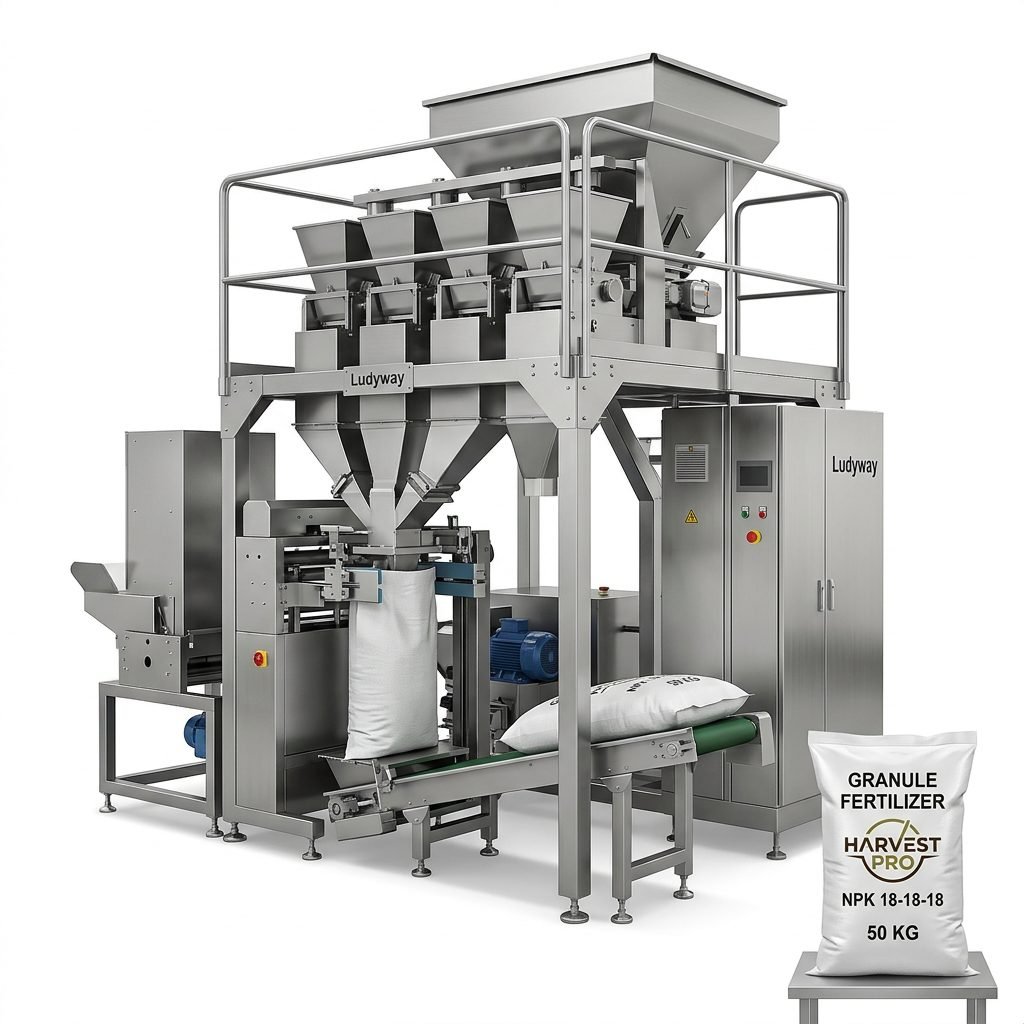
Step 1: Define Your Product Characteristics
Your product’s physical properties dictate the dosing mechanism and machine configuration. Before comparing models, document these variables:
- Flow behavior: Free-flowing granules (sugar, salt) require different handling than cohesive powders (flour, protein powder).
- Particle size and density: Fine powders demand specialized dust-control feeding systems, while irregular granules may need volumetric or multi-head weigher combinations.
- Moisture and oil content: Sticky or high-fat products require non-stick contact surfaces and specialized sealing technologies.
- Hygroscopic or sensitive products: Materials that absorb moisture may need nitrogen flushing or desiccant integration to maintain freshness.
Step 2: Determine Your Packaging Format
The bag style is not just a branding choice — it directly affects machine selection. Common food packaging formats supported by modern equipment include:
| Bag Type | Common Applications | Machine Consideration |
|---|---|---|
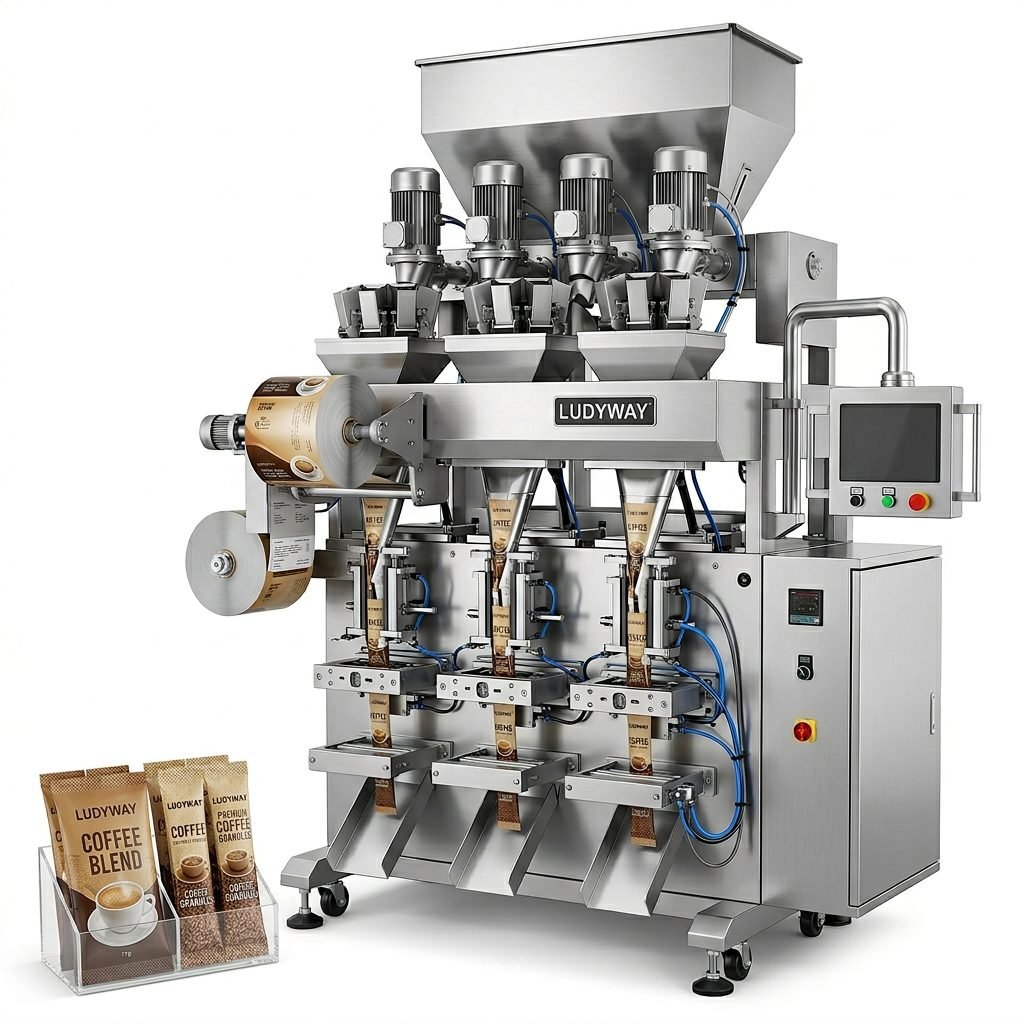
| Stick Pack | Instant coffee, sugar, protein powder, supplements | High-speed multi-lane capability, narrow seal integrity |
| Sachet / Flat Pouch | Sauces, seasonings, single-serve snacks, shampoo samples | Flexible size range, easy-open notch options |
| Stand-Up Pouch | Nuts, granola, frozen fruits, pet treats | Zipper closure integration, bottom gusset forming |
| Gusseted Bag | Coffee beans, dry pet food, bulk powders | Requires larger forming tube, heavier film handling |
Step 3: Calculate the Speed and Capacity You Really Need
It is tempting to ask for the highest speed machine available, but realistic capacity planning prevents overspending. Consider:
- Current daily output versus projected growth over the next 3 to 5 years.
- Film roll changeover time and how it impacts actual runtime.
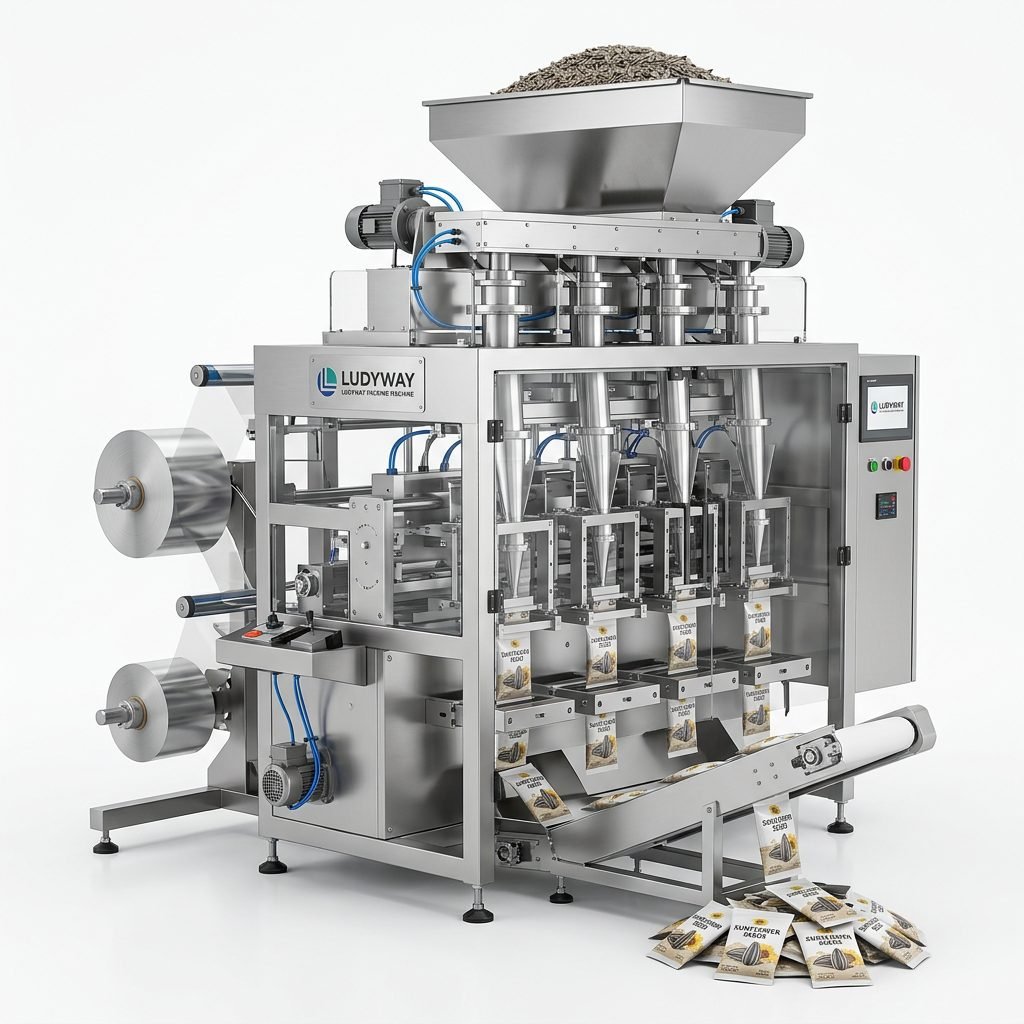
- Multi-lane configurations: A 4-lane or 6-lane stick pack machine can multiply output without requiring a larger footprint.
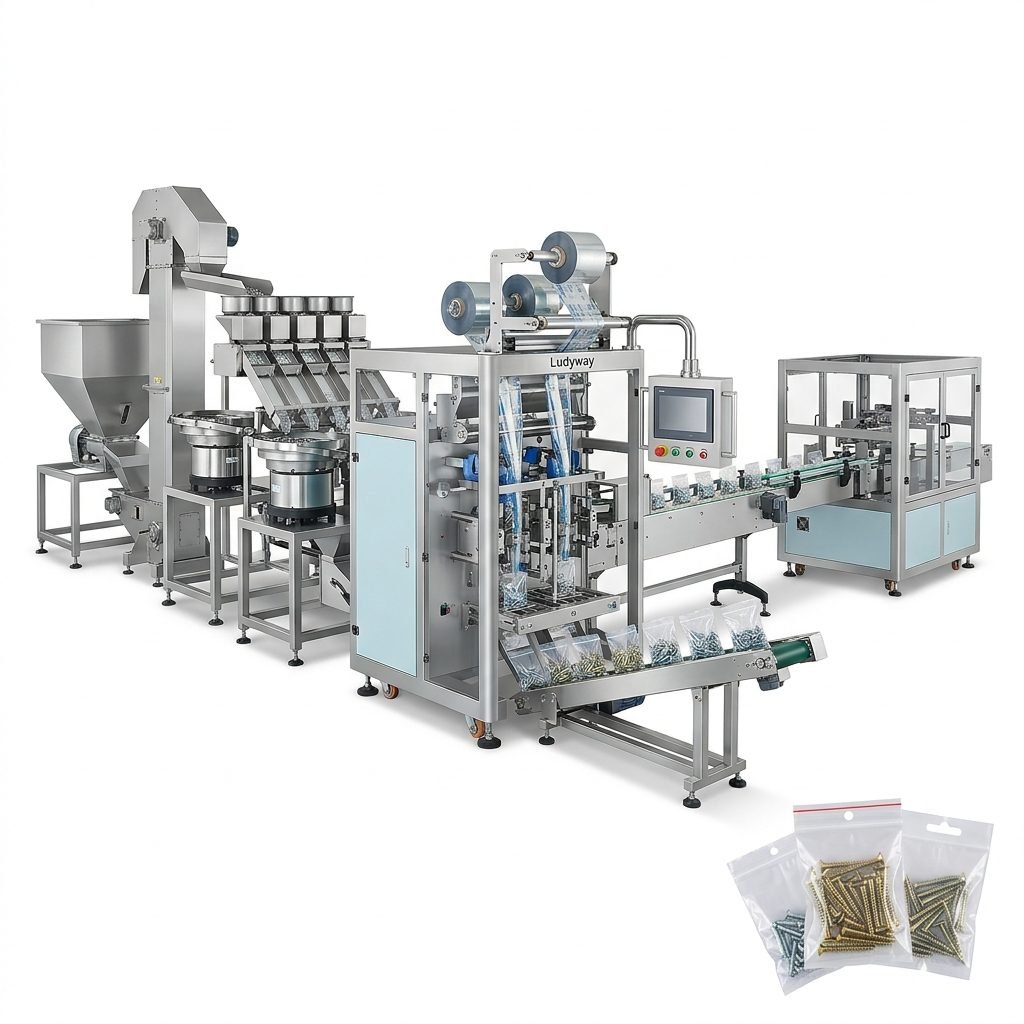
- Integration with upstream and downstream equipment, such as automatic feeding systems and case packing lines.
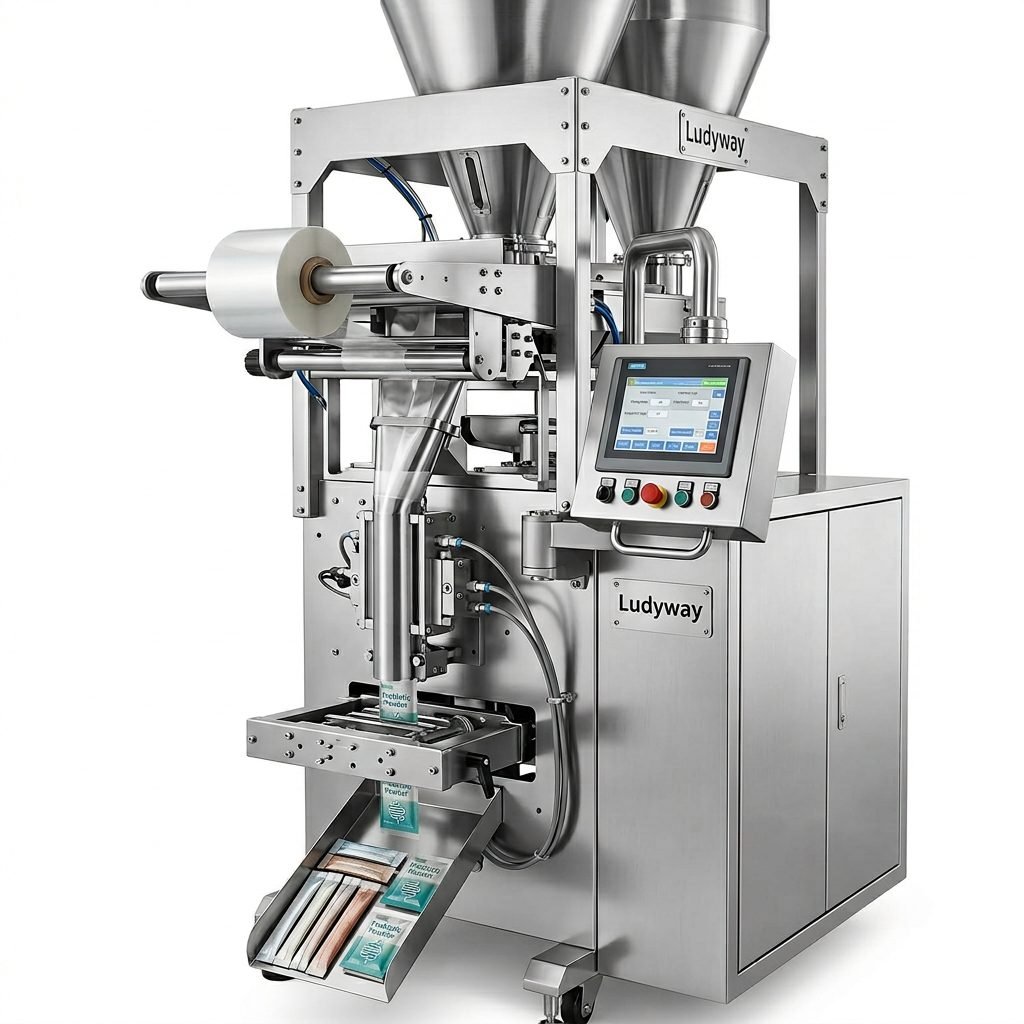
Step 4: Evaluate Filling and Dosing Accuracy
Inconsistent fills lead to product giveaway, regulatory non-compliance, or customer complaints. The right dosing system depends on your product form:
| Dosing Technology | Best For | Accuracy Level |
|---|---|---|
| Multi-Head Weigher | Granules, snacks, dried fruits, irregular pieces | ±0.2–0.5g per head |
| Auger Filler | Fine powders, spices, protein powders | ±1–2% depending on density |
| Piston Filler | Liquids, pastes, sauces, gels | ±0.5% for homogeneous liquids |
| Volumetric Cup Filler | Uniform free-flowing granules | ±1–3% based on density consistency |
Step 5: Check Film and Material Compatibility
Your packaging machine must handle the film structure required for your product’s barrier needs. Key questions to ask:
- Does the machine support heat-sealable, aluminum foil, or biodegradable film structures?
- What is the maximum film roll diameter and width the machine accepts?
- Can the sealing temperature and pressure be precisely adjusted for different layer thicknesses?
- Is there a gas flushing or vacuum capability for modified atmosphere packaging of sensitive foods?
Step 6: Prioritize Hygiene and Cleanability
Food safety standards demand equipment designed for quick sanitation and minimal cross-contamination risk. Look for:
- Stainless steel construction in product contact areas, ideally SUS304 or SUS316L for corrosive products.
- Tool-less disassembly of forming tubes, sealing jaws, and dosing units.
- Sloped surfaces and sealed bearings that prevent product accumulation.
- IP65 or higher rating for washdown environments in meat, dairy, or ready-to-eat processing.
Step 7: Consider Automation and Smart Features
Modern food bag packaging machines increasingly incorporate Industry 4.0 functionality to reduce labor, track performance, and support predictive maintenance:
- Servo-driven sealing jaws for precise control and longer seal life.
- Touchscreen HMI with recipe storage for fast product changeovers.
- Remote monitoring and fault alerts via Ethernet or cloud connectivity.
- Integration with vision inspection systems and checkweighers for real-time quality control.
Step 8: Evaluate Manufacturer Reputation and Support
A packaging machine is a long-term investment, and your relationship with the manufacturer matters as much as the equipment itself. Before committing, verify:
- Years of experience in food packaging specifically, not just general automation.
- Availability of after-sales technical support, spare parts inventory, and remote troubleshooting.
- Track record of installations in your region or industry.
- Capability to provide complete packaging line integration rather than standalone machines.
As one established machinery manufacturer, Ludyway Machinery operates a 20,000-square-meter production facility with more than 130 packaging professionals and offers over 50 machine models. The company provides turnkey packaging solutions — from individual automatic packaging machines to complete integrated lines — serving customers in more than 100 countries with equipment configuration, installation, commissioning, and ongoing technical support.
Step 9: Request a Factory Acceptance Test and Sample Runs
Before shipping, a Factory Acceptance Test with your actual product and packaging film confirms that the machine meets the agreed specifications. During the FAT:
- Run the machine at the target speed for an extended period to test stability.
- Verify seal integrity using burst tests or dye penetration methods.
- Confirm dosing accuracy across multiple lanes and product batches.
- Test the machine’s response to film splices, empty hoppers, and other typical interruptions.
Step 10: Plan for Total Cost of Ownership
The purchase price is only one component. A lower upfront cost can lead to higher expenses over time through downtime, film waste, and maintenance. Factor in these ongoing costs:
- Film material usage: Inefficient machines waste film during start-stop cycles and sealing errors.
- Spare parts consumption: Sealing elements, cutting blades, and belts wear over time.
- Energy consumption: Heating and pneumatic systems contribute significantly to operating costs.
- Operator training: Complex interfaces may require ongoing skilled labor.
Selecting the right food bag packaging machine requires balancing product compatibility, production volume, packaging format, and long-term operational efficiency. By systematically evaluating your needs against machine capabilities — and partnering with an experienced equipment manufacturer that provides customization, integration, and global support — you can build a packaging system that supports product quality, throughput goals, and business growth for years to come.
For further reading on packaging machinery standards and industry benchmarks, explore resources from the PMMI Business Intelligence Library, Flexible Packaging Association, and current FDA Food Packaging and Food Contact Substances guidelines.