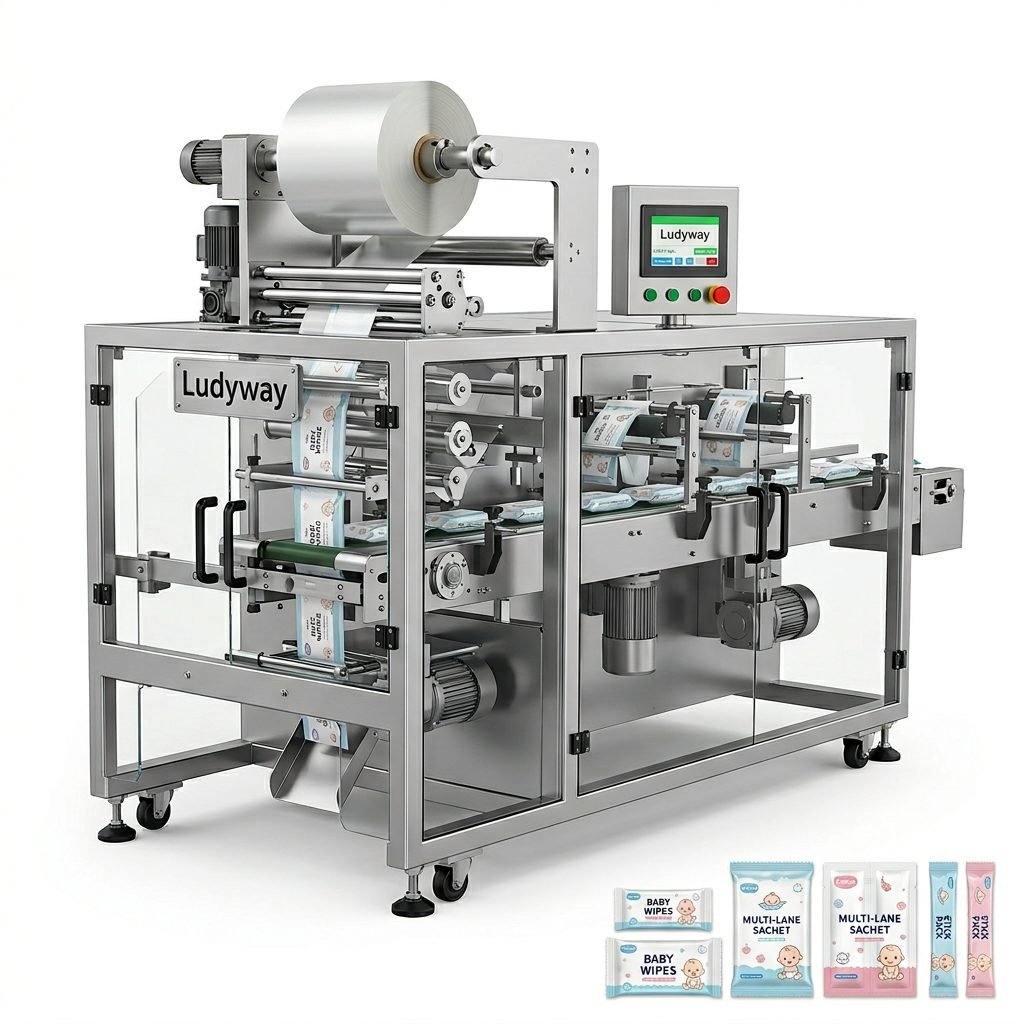
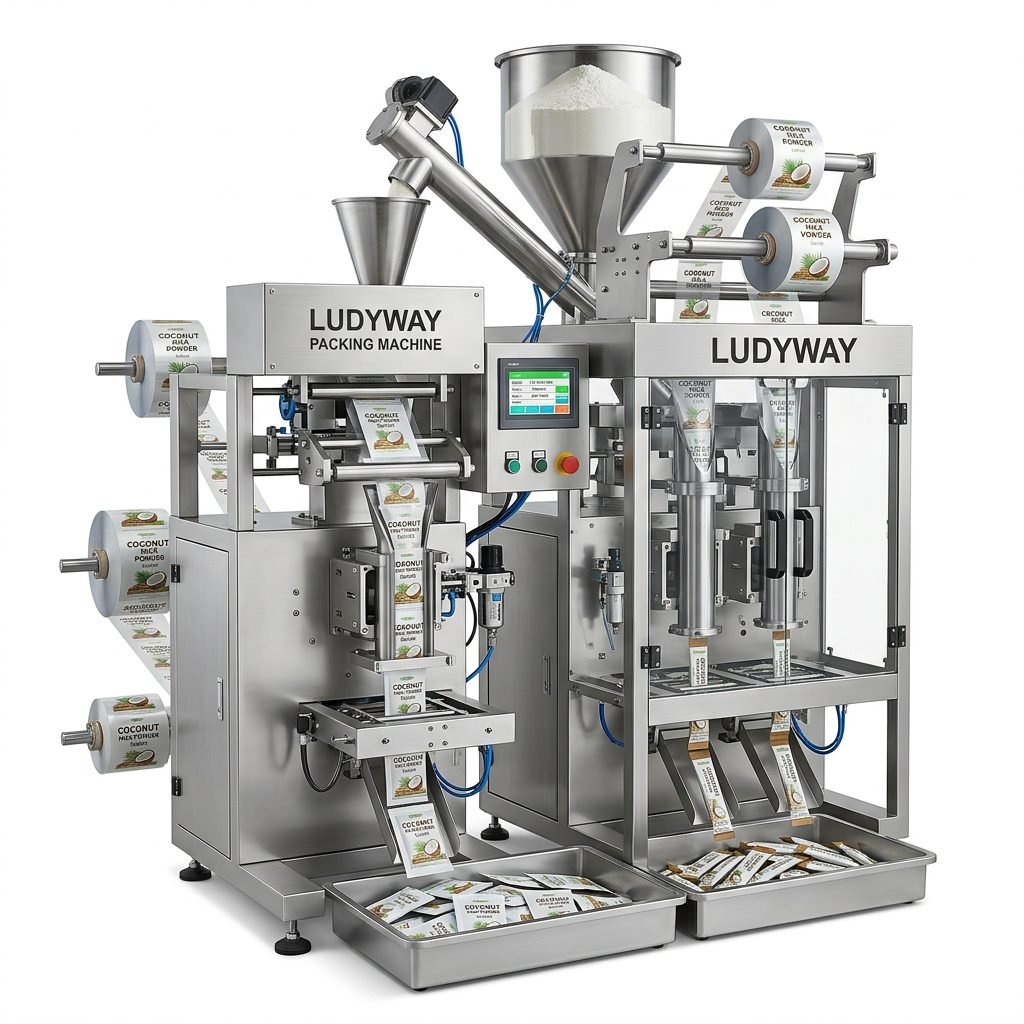
Investing in a sachet packaging machine is a significant decision that directly impacts your production efficiency, product quality, and bottom line. Whether you are packaging powders, granules, liquids, or pastes, selecting the right equipment requires a thorough understanding of your product characteristics, production goals, and the technical capabilities of available machinery. This guide walks you through the essential factors to evaluate before making a purchase.

Understanding Your Product and Packaging Requirements
Before comparing machine specifications, you must define your product’s physical properties. The flow characteristics, density, particle size, and moisture sensitivity of your material will determine the appropriate dosing system and machine configuration. For example, a powder packaging machine handling fine, dusty materials requires different filling technology than one designed for free-flowing granules.
Key product parameters to document include:
- Product type: Powder, granule, liquid, paste, or combination
- Bulk density and particle size distribution
- Flow properties: Free-flowing, cohesive, or bridging tendency
- Temperature sensitivity and hygiene requirements
- Target fill weight per sachet
Sachet Packaging Machine Types and Configurations
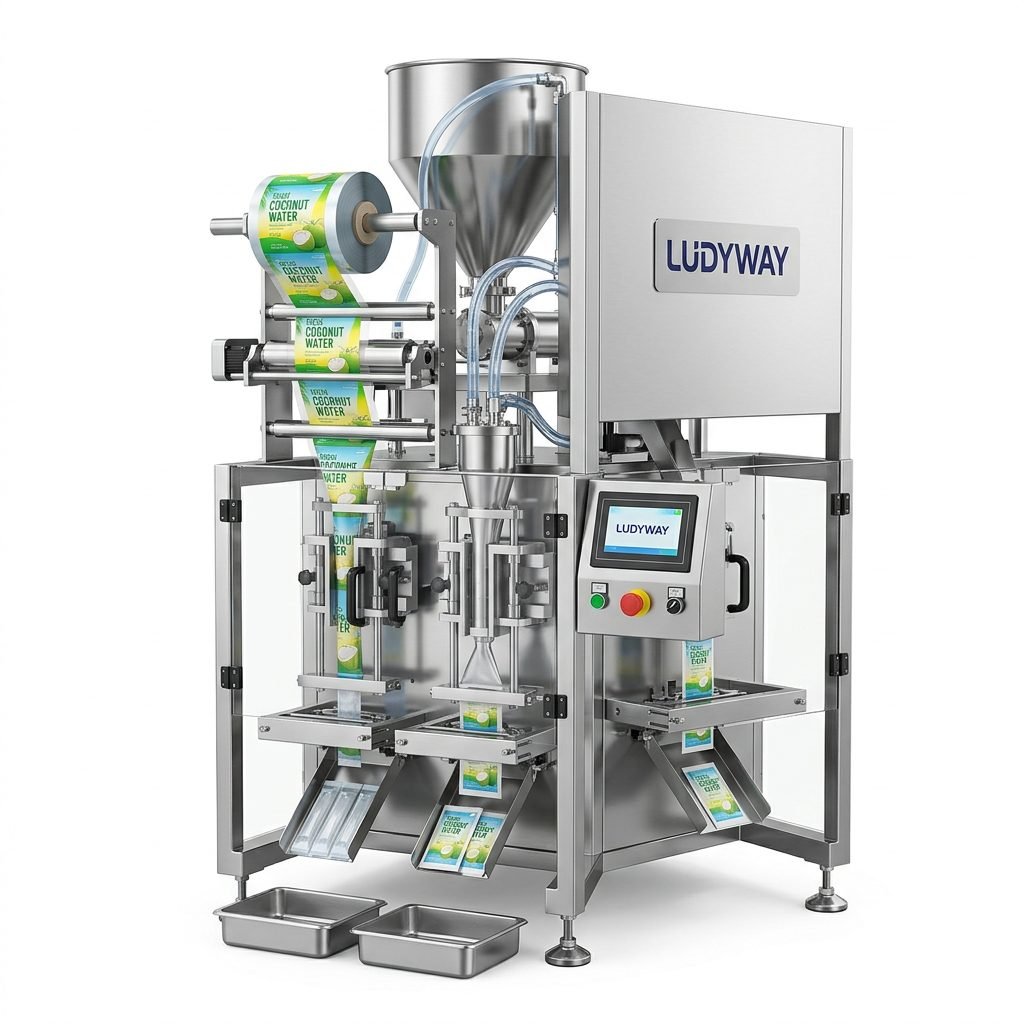
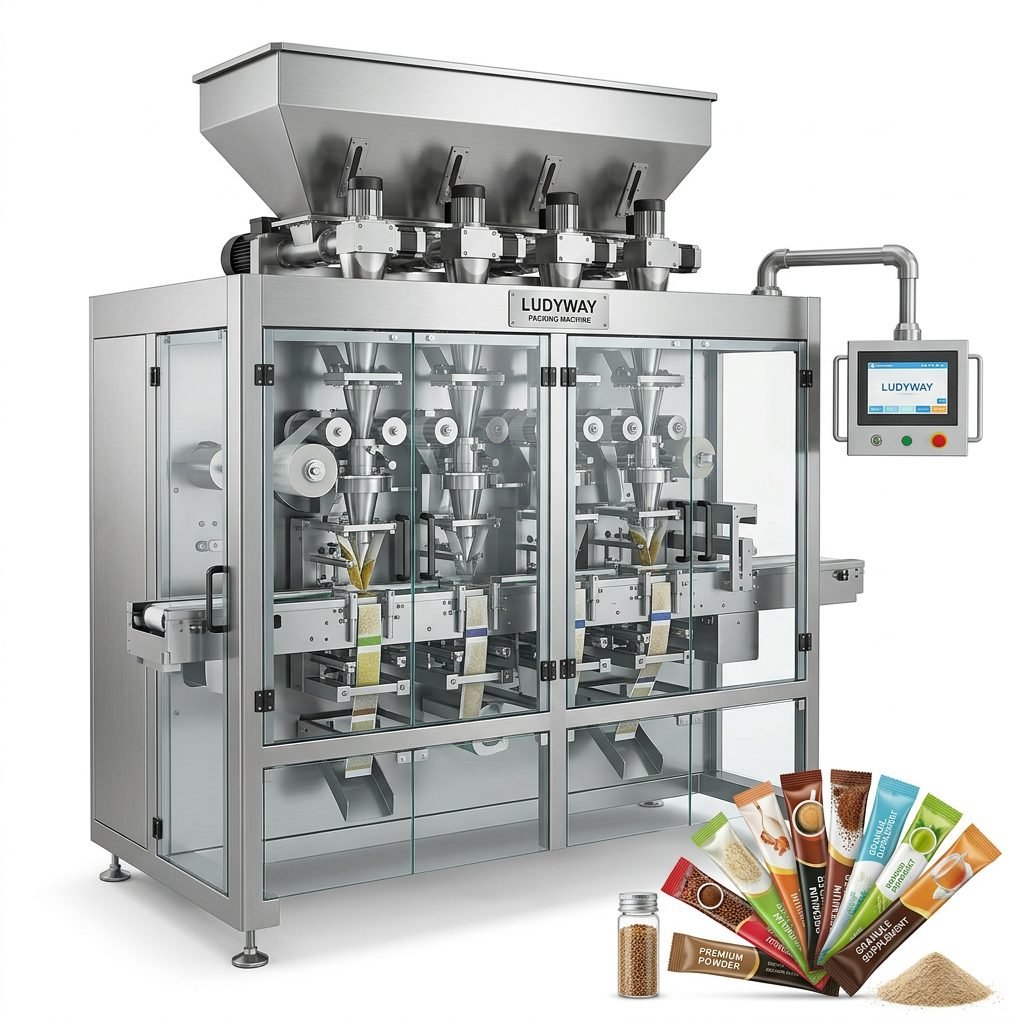
Understanding the different machine formats helps narrow your options. The most common configurations for sachet packaging machines include:
| Machine Type | Best For | Typical Speed Range |
|---|---|---|
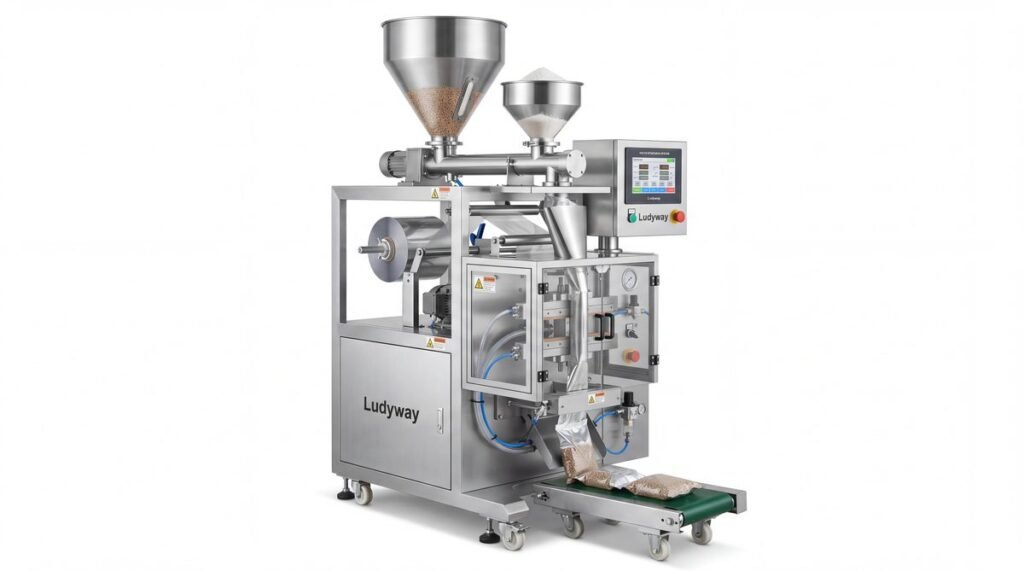
| Single-Lane Sachet Machine | Low to medium production volumes, frequent changeovers | 30-80 sachets/min |
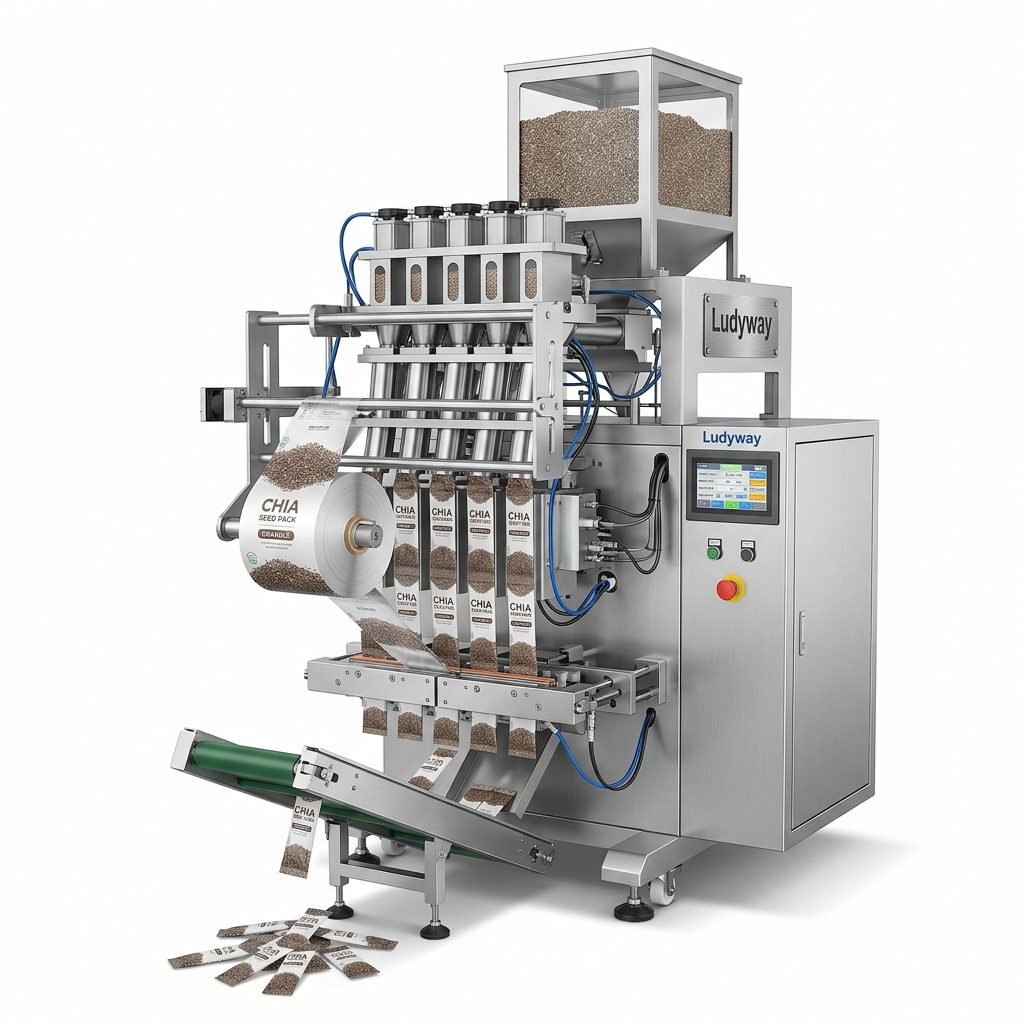
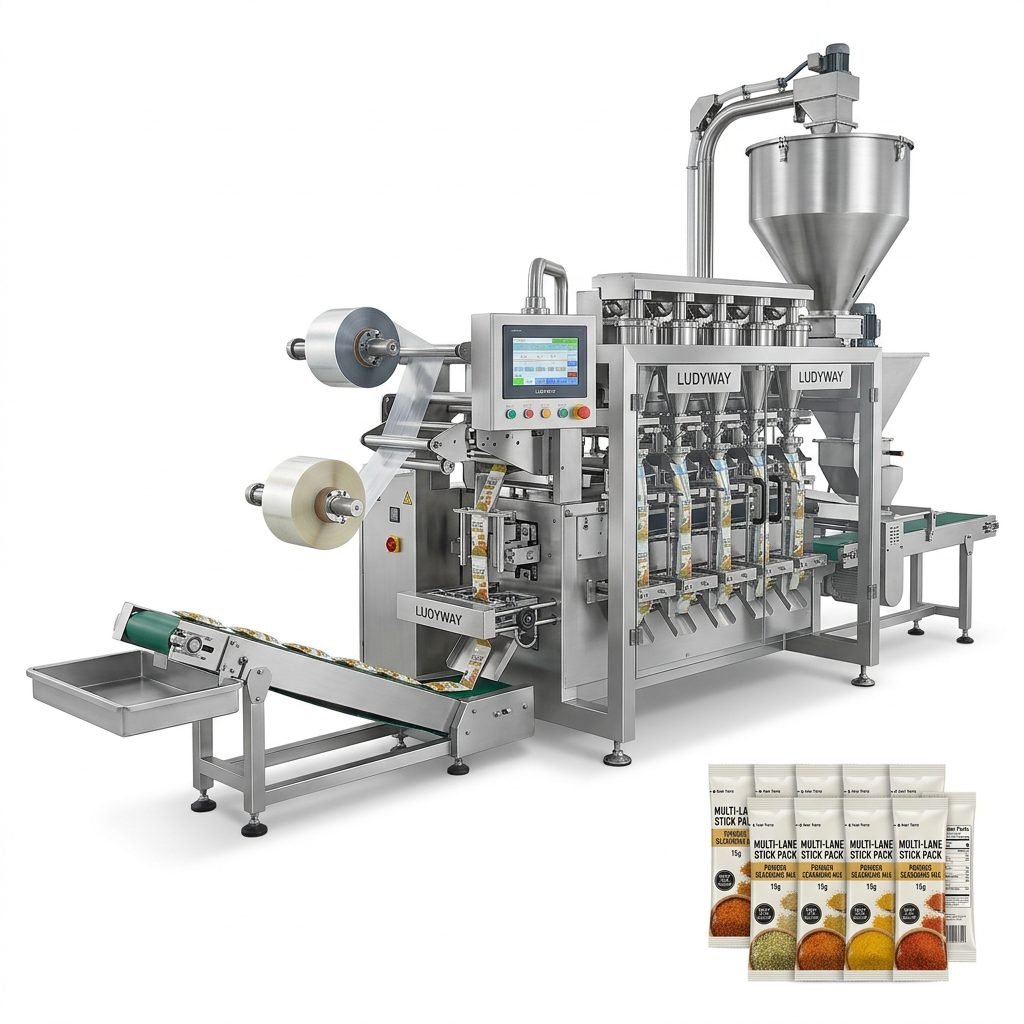
| Multi-Lane Stick Pack Machine | High-volume powder and granule products, stick formats | 200-800+ sachets/min |
| Multi-Lane Sachet Machine | Large-scale production of flat or four-side-seal sachets | 400-1000+ sachets/min |
| Continuous Motion VFFS | Flexible packaging with high-speed requirements | 60-200 packs/min |
Single-Lane vs. Multi-Lane: Making the Right Choice
Single-lane machines offer simplicity and easier changeover, making them suitable for contract packagers or manufacturers with diverse product lines. In contrast, multi-lane sachet packaging machines deliver significantly higher output per square meter of floor space. If your annual production volume exceeds a certain threshold, the efficiency gains from a stick pack packaging machine with 4 to 12 lanes can justify the higher initial investment through reduced labor costs and increased throughput.

Critical Technical Specifications to Evaluate
When comparing different sachet filling machines, several technical factors directly affect performance and long-term reliability:
Filling Accuracy and Dosing Technology
The dosing system is the heart of any packaging machine. For powders and granules, auger fillers, volumetric cup fillers, and multi-head weighers each offer distinct advantages. Auger systems provide excellent accuracy for fine powders, while multi-head weighers deliver speed and precision for free-flowing granules. Liquid products require piston fillers, peristaltic pumps, or flow meters depending on viscosity and fill volume.
Sealing Integrity and Quality
Sachet integrity depends on consistent heat sealing parameters — temperature, pressure, and dwell time. Look for machines with precise temperature control, adjustable sealing pressure, and the ability to handle your specific packaging film structure. Poor seal quality leads to product leakage, contamination, and costly recalls, especially in FDA-regulated food packaging and pharmaceutical applications.
Material Compatibility and Film Handling
Your chosen machine must handle the specific packaging film or laminate required for your product. Consider film thickness range, material type (polyethylene, polypropylene, aluminum foil laminates, paper-based), and whether the machine supports easy splice and web tracking systems. According to the Flexible Packaging Association, material compatibility directly influences machine efficiency and waste rates.
Automation Level and Integration Capabilities
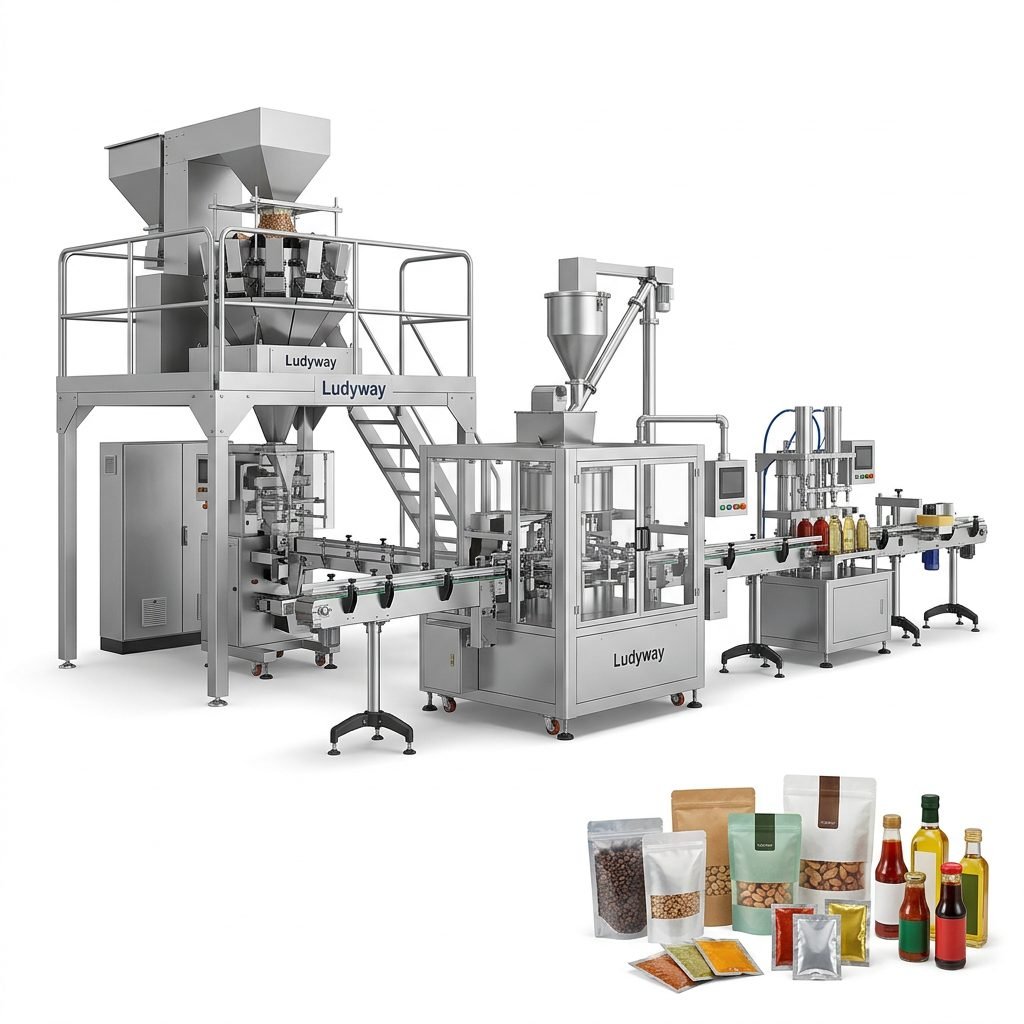
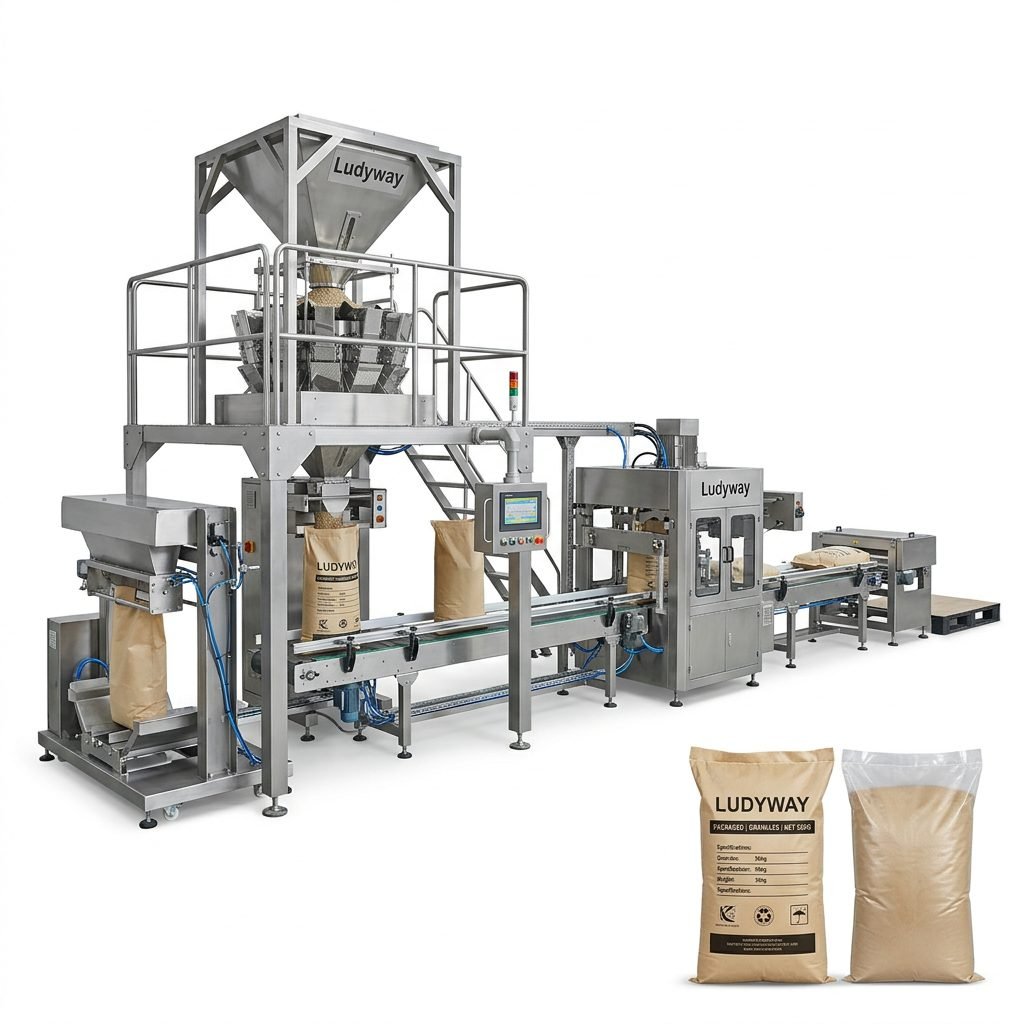
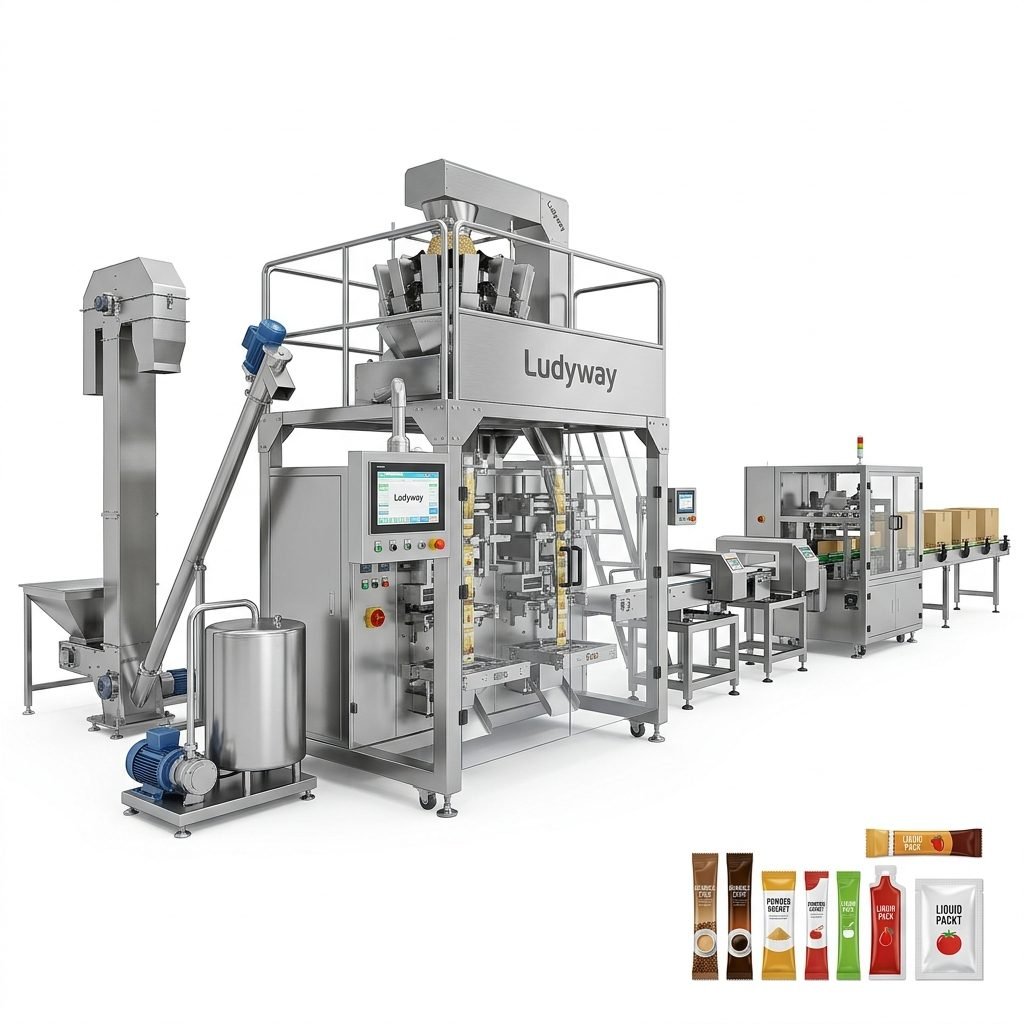
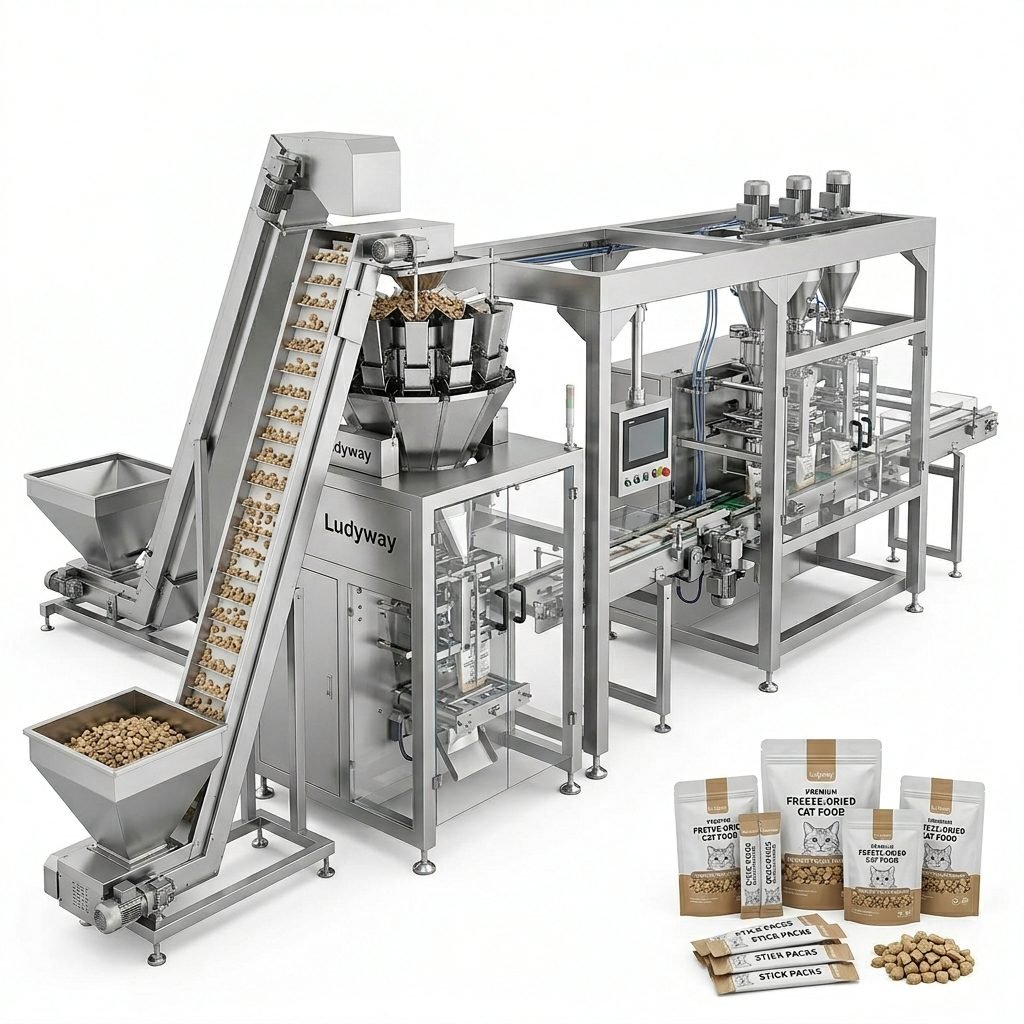
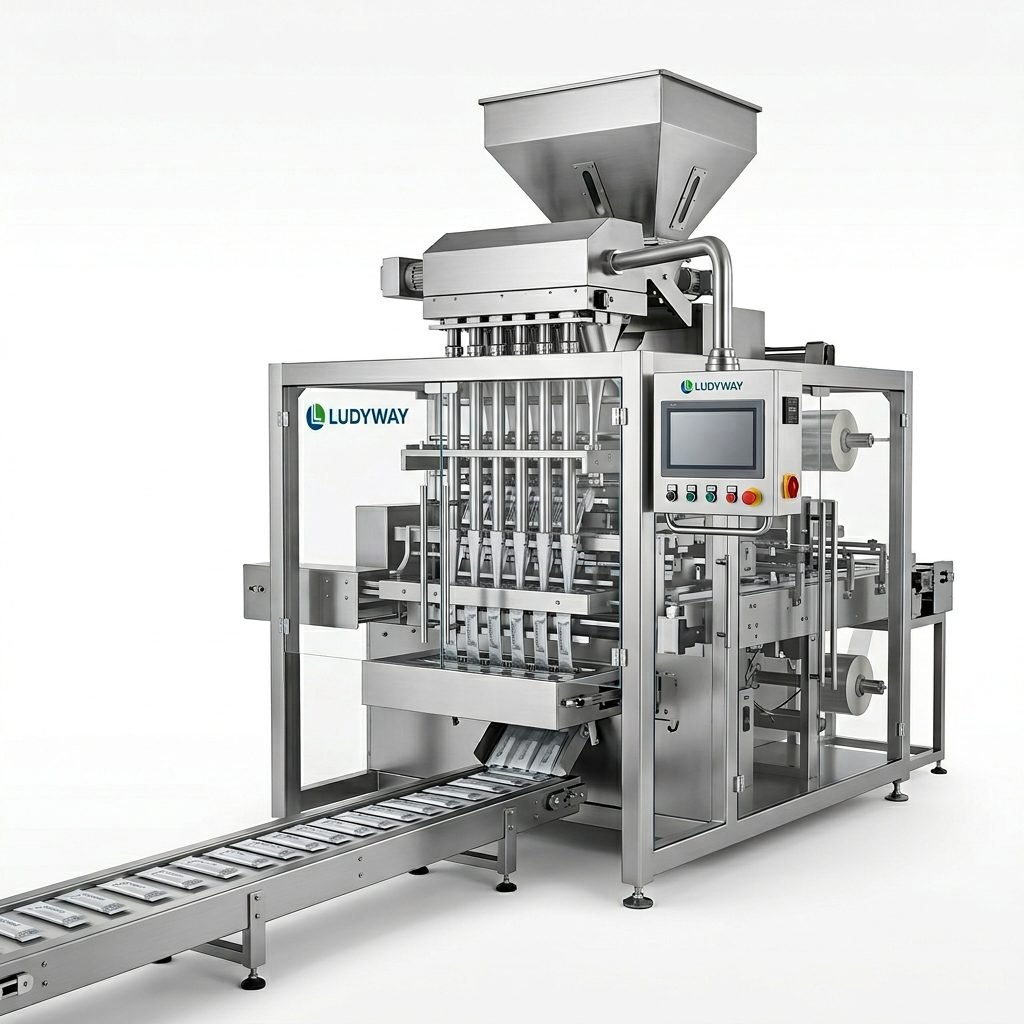
Modern automatic sachet packaging systems can integrate with upstream and downstream equipment to create complete turnkey packaging solutions. Evaluate whether you need standalone operation or full line integration including:
- Automatic feeding systems (vibratory feeders, belt conveyors, vacuum conveyors)
- Online printing and coding (thermal transfer, inkjet, laser marking)
- Inspection systems (checkweighers, metal detectors, vision systems)
- Cartoning and case packing equipment
- Palletizing and end-of-line automation
While increased automation raises initial costs, it reduces manual handling, minimizes human error, and improves overall equipment effectiveness (OEE) over the machine’s lifecycle.
Industry-Specific Compliance and Standards
Different industries impose varying regulatory requirements on packaging equipment. Pharmaceutical packaging must comply with ISO 11607 standards for terminally sterilized medical devices and 21 CFR Part 211 for current good manufacturing practice. Food packaging equipment should meet hygienic design principles with easy-to-clean surfaces, minimal crevices, and food-grade materials. Cosmetic and chemical applications may have less stringent requirements but still demand material compatibility and safety considerations.
Evaluating Supplier Capabilities and Support
Choosing the right sachet packaging machine manufacturer is as important as selecting the machine itself. Consider these factors when evaluating potential suppliers:
- Industry experience and track record — How long has the company been manufacturing packaging machinery?
- Manufacturing capabilities — Does the supplier have in-house engineering and production facilities?
- Customization expertise — Can they adapt machines to your specific product and packaging requirements?
- After-sales support — What training, installation, spare parts, and technical assistance do they provide?
- Global service reach — Do they support customers in your region with local service capabilities?
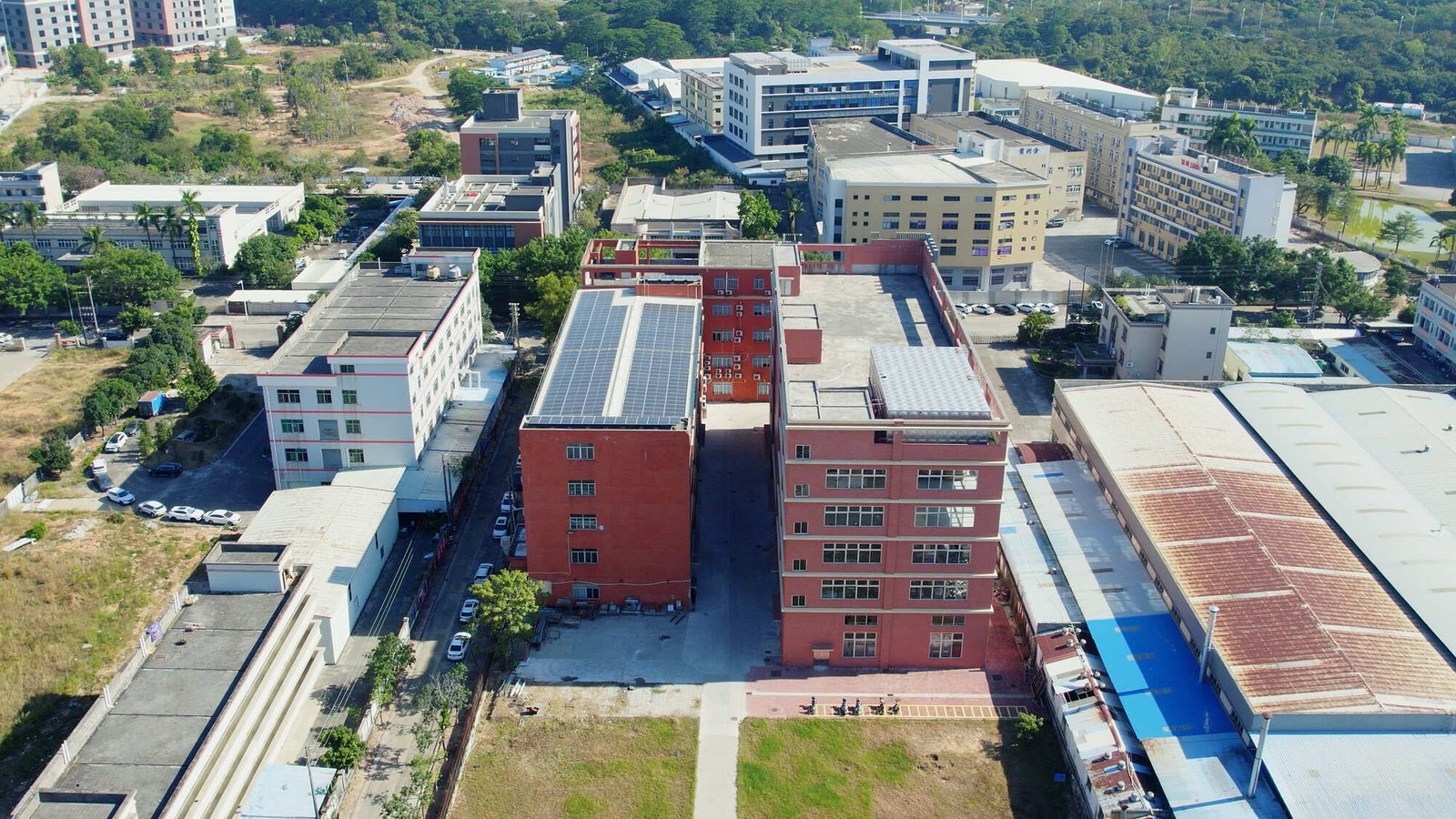
According to the PMMI Business Intelligence Library, suppliers with comprehensive engineering and service capabilities tend to deliver better long-term value than those focused solely on equipment sales. Ludyway Machinery, with over 30 years of experience in the packaging industry, a 20,000-square-meter manufacturing facility, and global service coverage across more than 100 countries, exemplifies the type of established partner that can support manufacturers throughout the equipment lifecycle.

Total Cost of Ownership Considerations
Beyond the initial purchase price, calculate the total cost of ownership (TCO) over the machine’s expected lifespan — typically 10 to 15 years for well-maintained equipment. Key cost factors include:
| Cost Category | Percentage of TCO (Approximate) | Considerations |
|---|---|---|
| Initial Equipment Purchase | 40-50% | Machine price plus installation and commissioning |
| Consumables and Spare Parts | 15-20% | Wear parts, seals, belts, filters, and film waste |
| Maintenance and Labor | 15-20% | Preventive maintenance and operator training |
| Energy and Utilities | 5-10% | Electricity, compressed air, and cooling water |
| Downtime and Productivity Loss | 5-10% | Unscheduled stoppages and changeover inefficiency |
Machines with higher reliability, faster changeover capabilities, and accessible spare parts may cost more initially but deliver significantly lower TCO over their operational life.
Key Questions to Ask Before Purchasing
Use this checklist when engaging with potential sachet packaging machine suppliers:
- Can the machine handle my specific product without modification or with minimal adjustment?
- What is the demonstrated sustained running speed (not just maximum mechanical speed) for my product?
- How quickly can format changes be performed, and does this require specialized tools or skills?
- What preventive maintenance schedule is recommended, and what are the critical spare parts?
- Does the supplier offer factory acceptance testing (FAT) and on-site commissioning support?
- What warranty terms and post-warranty service agreements are available?

Making Your Final Decision
Selecting the right sachet packaging machine balances multiple factors: product compatibility, production capacity, automation needs, regulatory compliance, supplier reliability, and total cost of ownership. Rushing into a purchase based solely on price often leads to inadequate performance, excessive downtime, and higher long-term costs. Instead, take a systematic approach — define your requirements clearly, evaluate multiple suppliers against objective criteria, and prioritize long-term value over short-term savings.
With careful evaluation and the right manufacturing partner, your packaging investment can deliver consistent product quality, improved operational efficiency, and sustainable production growth for years to come. Explore comprehensive packaging machinery solutions designed for your specific product and production environment.