Setting up a beverage packaging machine production line in the United States requires careful planning, regulatory adherence, and a deep understanding of the market. Whether you are launching a new brand or upgrading existing operations, this guide walks you through the essential steps to ensure a smooth, efficient, and compliant setup.
Step 1: Understand the U.S. Beverage Market Landscape
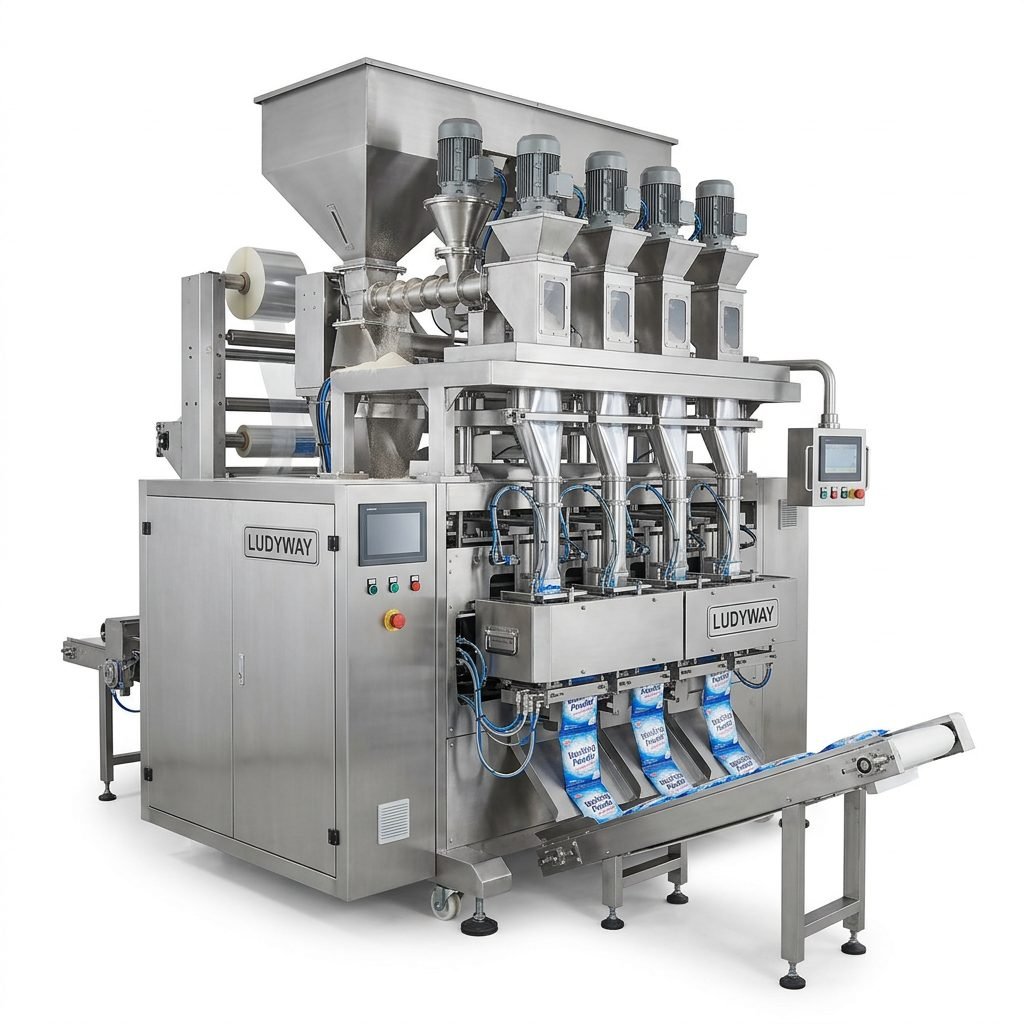
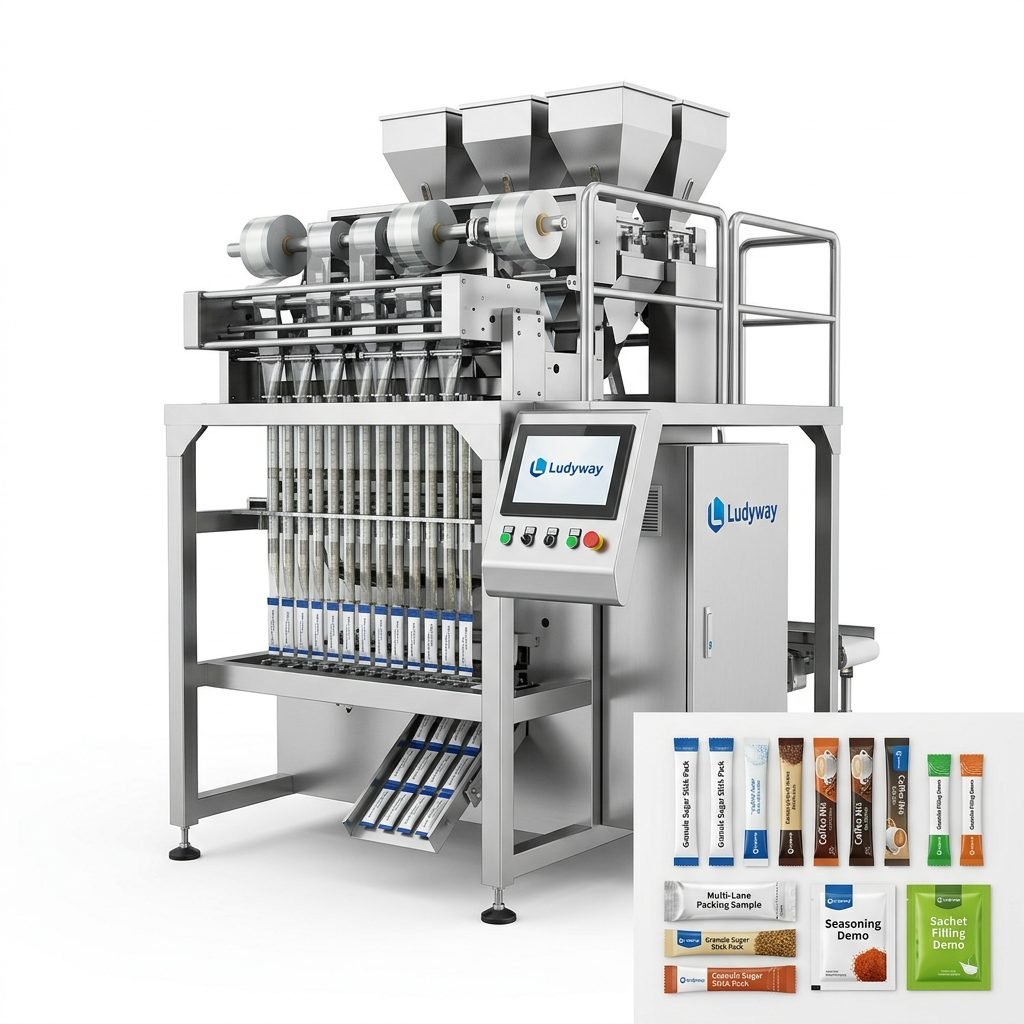
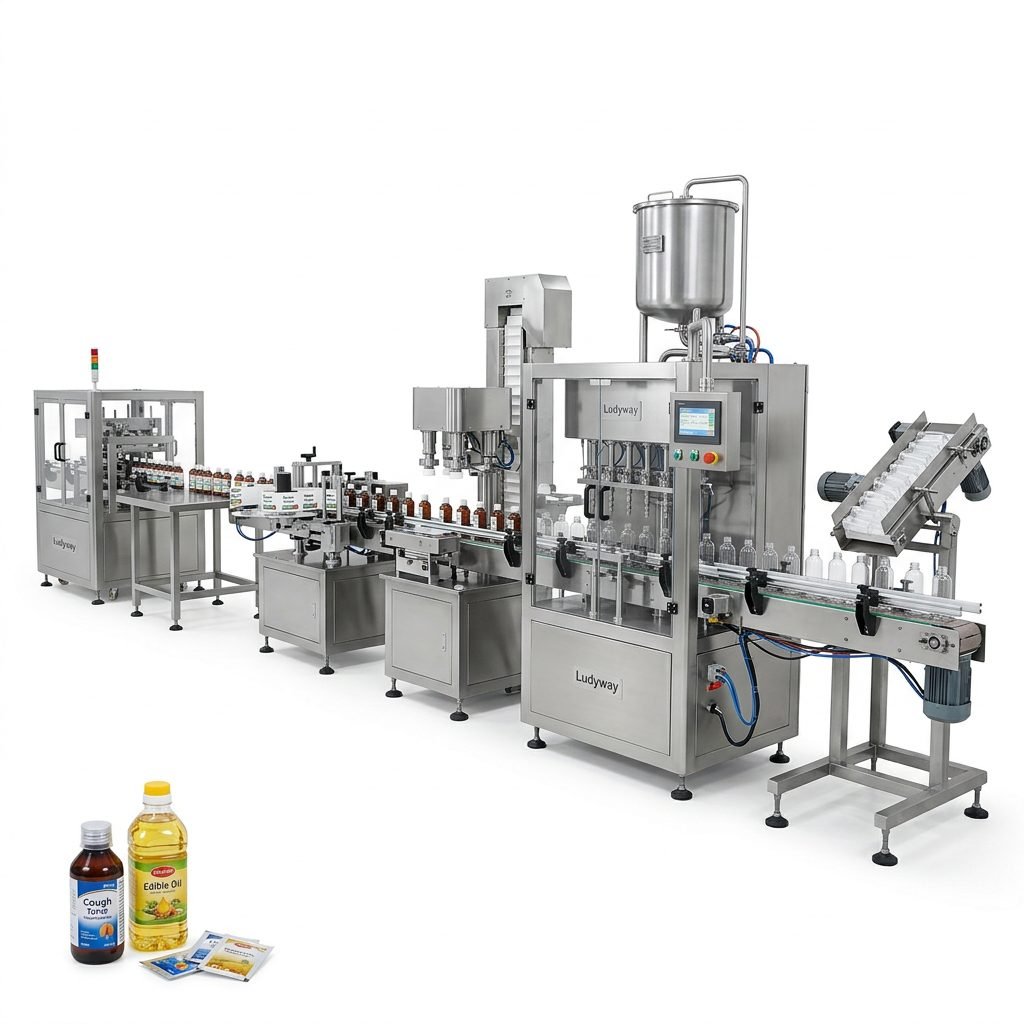
Before investing in equipment, analyze the specific segment you aim to serve. The U.S. market spans functional beverages, ready-to-drink teas, carbonated soft drinks, and powdered mixes. Each category demands specific packaging formats, from multi-lane stick packs for single-serve powders to liquid sachets for shots. Understanding consumer trends, such as the rise in demand for on-the-go hydration products, directly influences the type of packaging machinery market research you should conduct.
Step 2: Define Your Packaging Format and Material
The packaging format dictates the core machinery required. For beverages, common options include stick packs, sachets, pouches, and bottles. The choice of flexible packaging material is equally critical. It must comply with FDA food contact substance regulations while preserving product freshness. Selecting a format early streamlines the entire production line design, from filling to secondary cartoning.
Step 3: Calculate Production Capacity and Line Speed
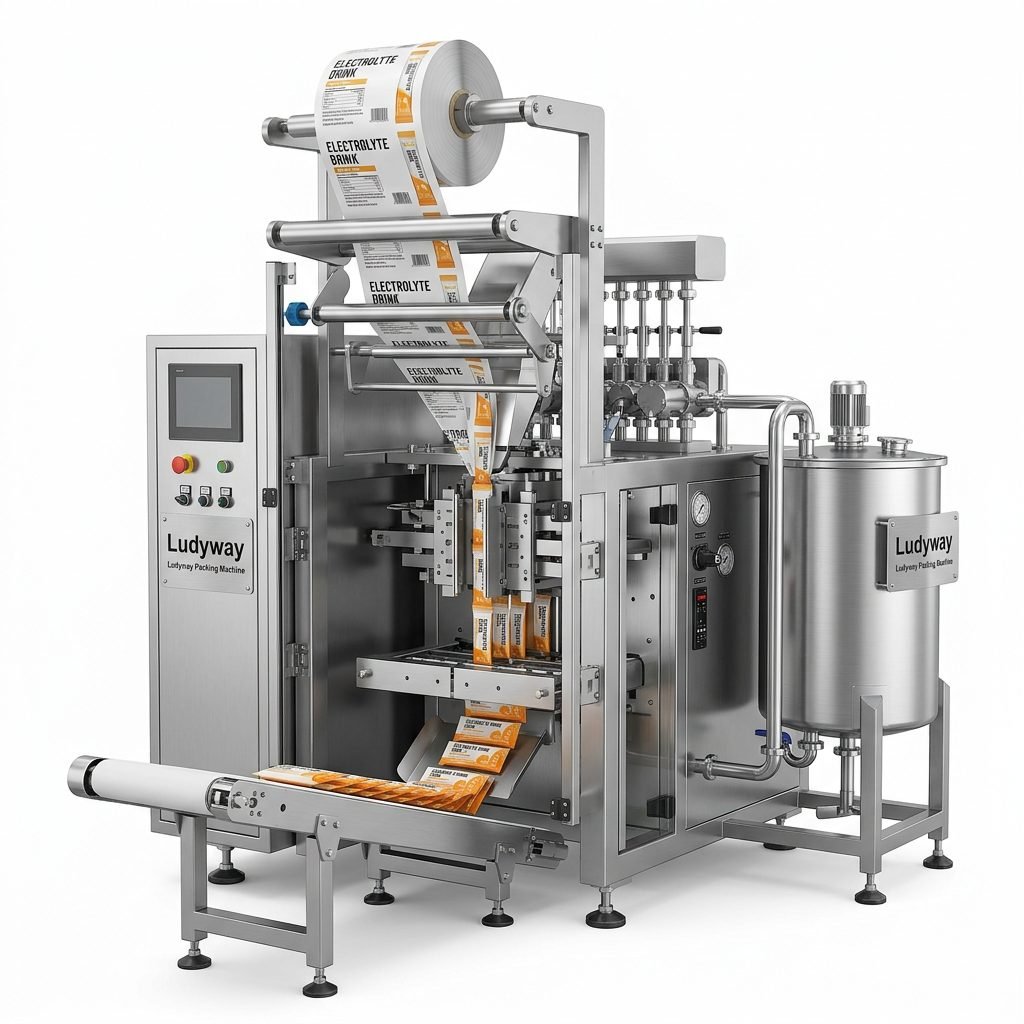
Accurately estimating your required output is vital. Production capacity is measured in packs per minute. A startup might operate at 40-80 packs per minute per lane, while a national brand may need a high-speed multi-lane system achieving hundreds of packs per minute. Factor in not just current demand but projected growth over three to five years to avoid immediately outgrowing your investment.
Key Capacity Considerations
- Current Monthly Orders: Base your minimum line speed on existing contracts.
- Seasonal Peaks: Beverage demand often spikes in summer; your line must handle surge capacity.
- Shift Structure: A line running 24/7 requires more robust industrial components than an 8-hour shift line.
Step 4: Navigate U.S. Regulatory and Safety Standards
Operating in the U.S. means strict adherence to regulatory standards. Your production line must meet FDA Current Good Manufacturing Practices (cGMP) for food safety. Equipment should be constructed from food-grade stainless steel and designed for easy sanitation. Electrical components must comply with UL standards, and the overall safety interface should follow OSHA guidelines. Refer to resources from the Association for Packaging and Processing Technologies for detailed safety criteria.
Step 5: Select Core Production Line Equipment
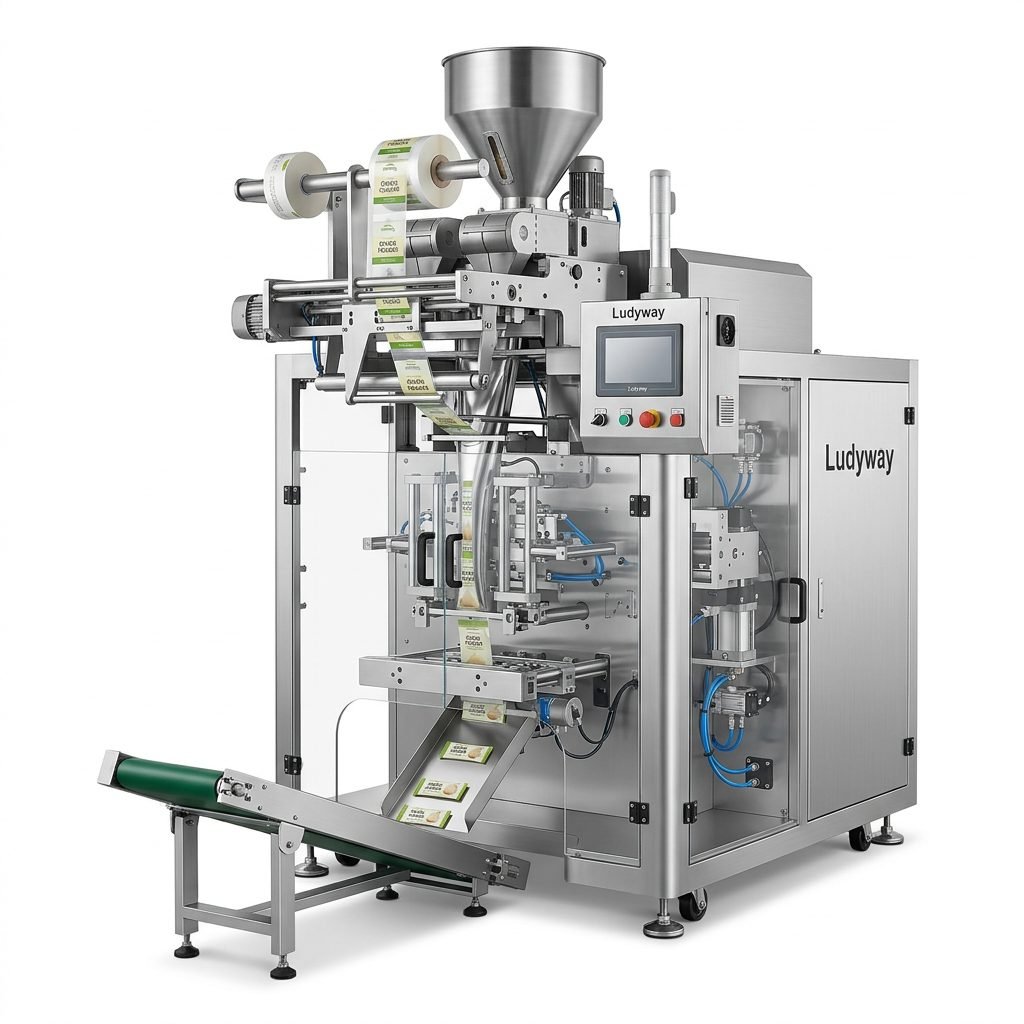
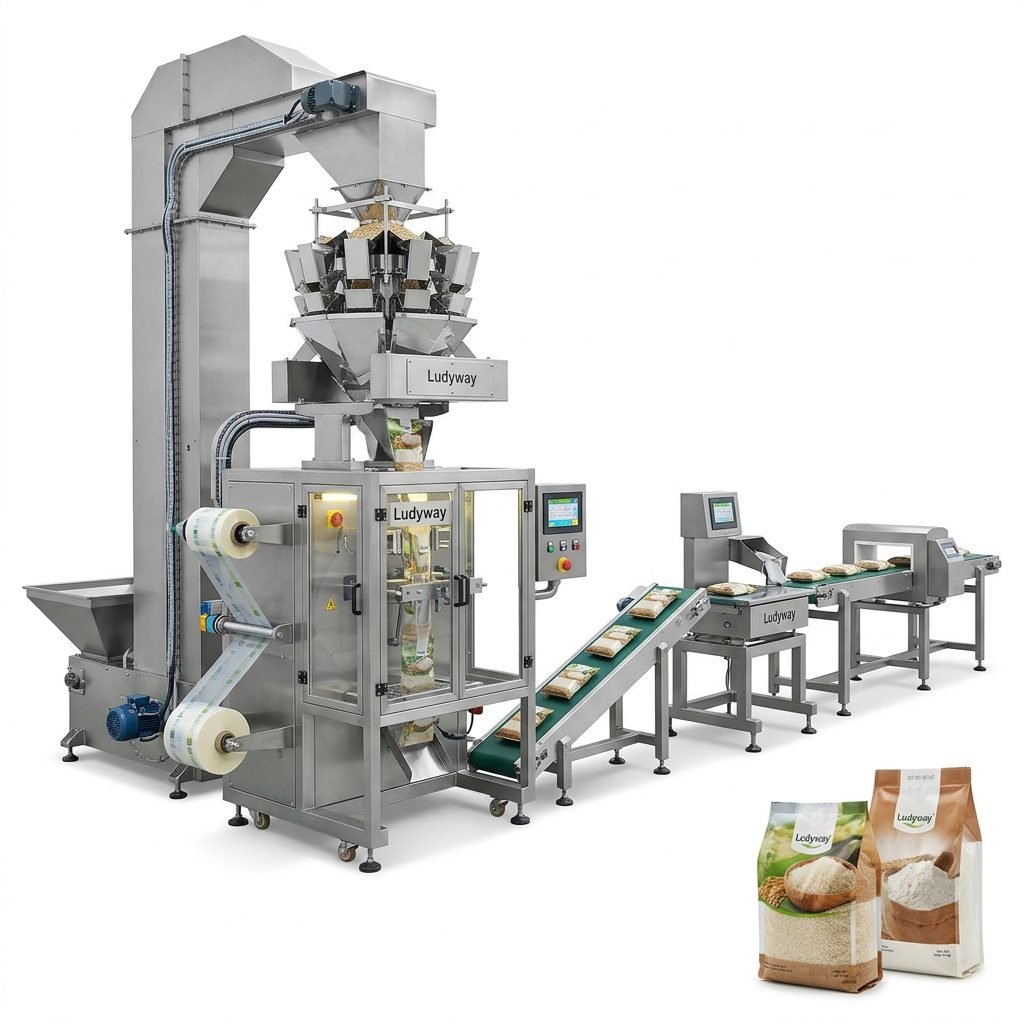
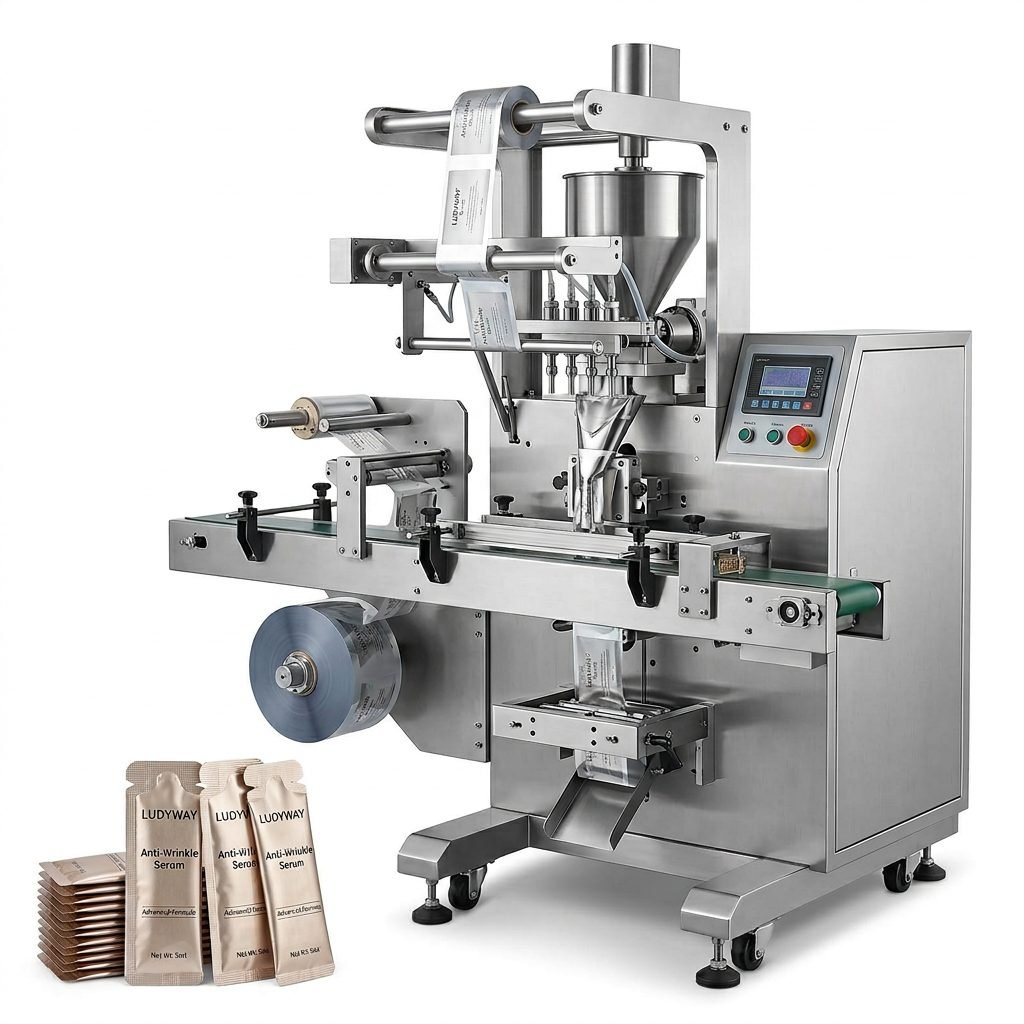
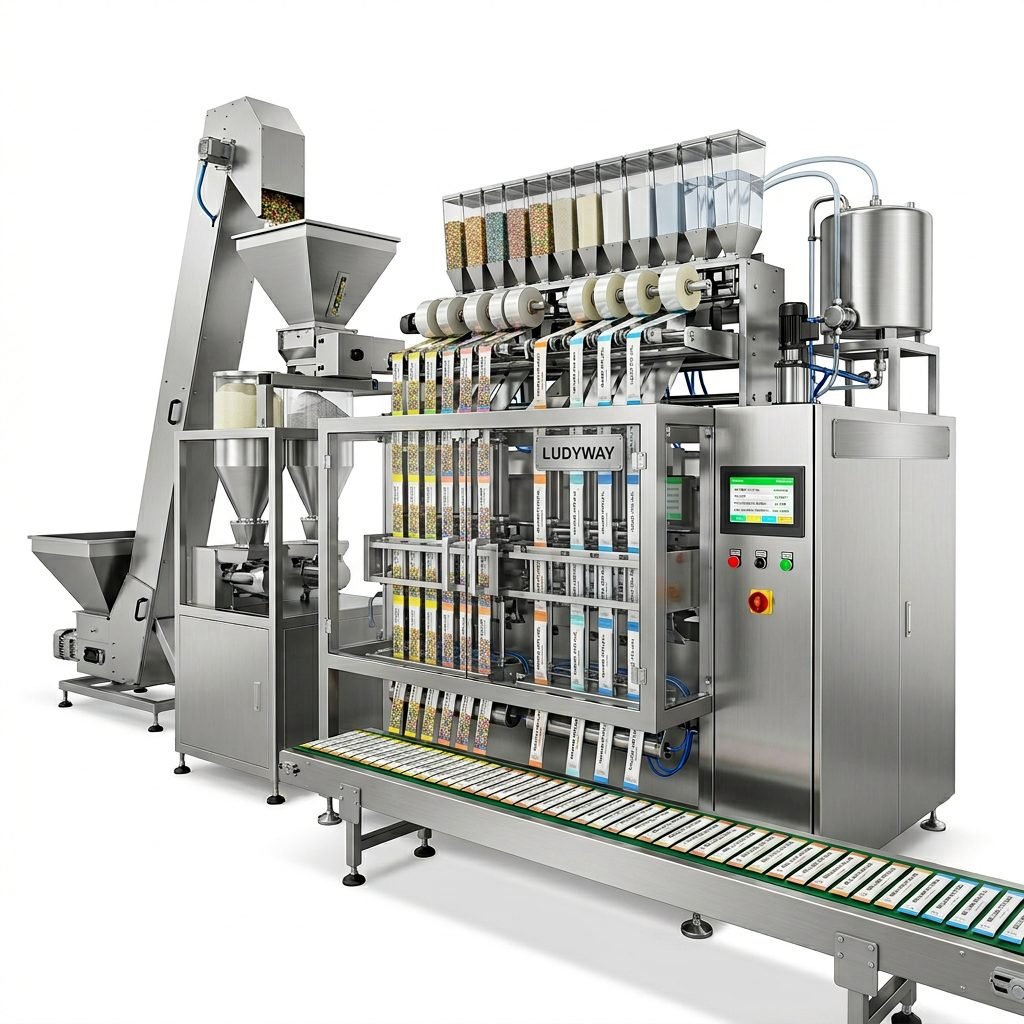
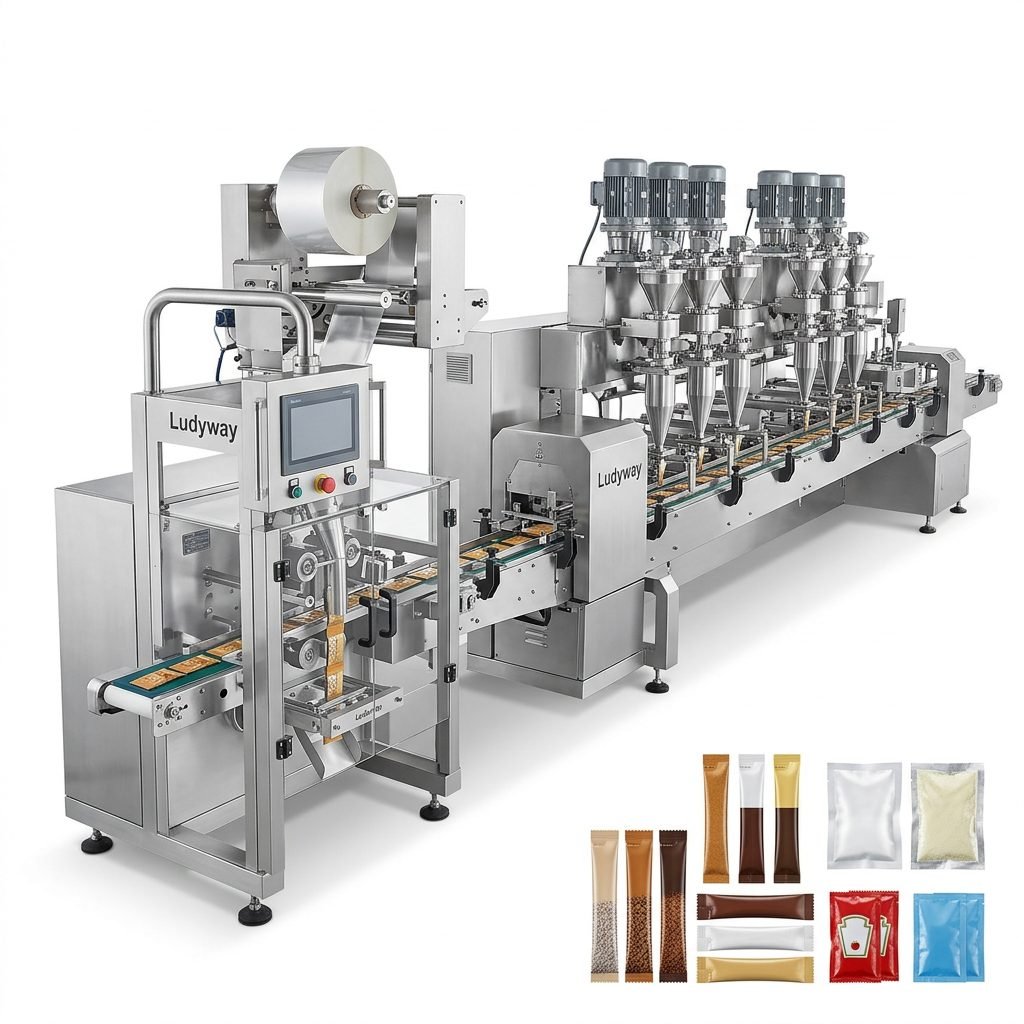
A full beverage packaging line is an integrated system. Here is a breakdown of the typical primary and auxiliary components needed for a flexible stick pack or sachet line:
| Equipment Module | Function | Selection Tip |
|---|---|---|
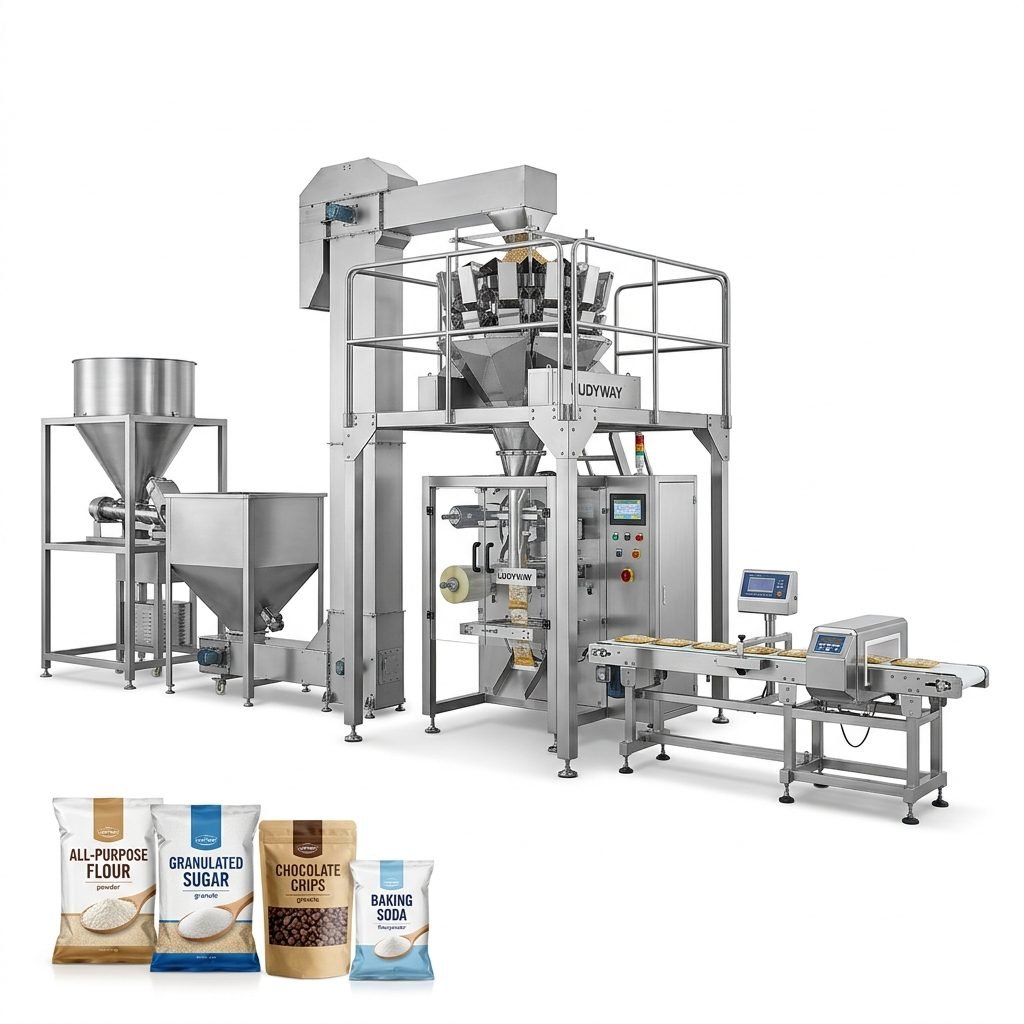
| Feeding System | Transfers bulk powder or liquid to the filler. | Choose a vacuum feeder for dust-free powder transfer. |
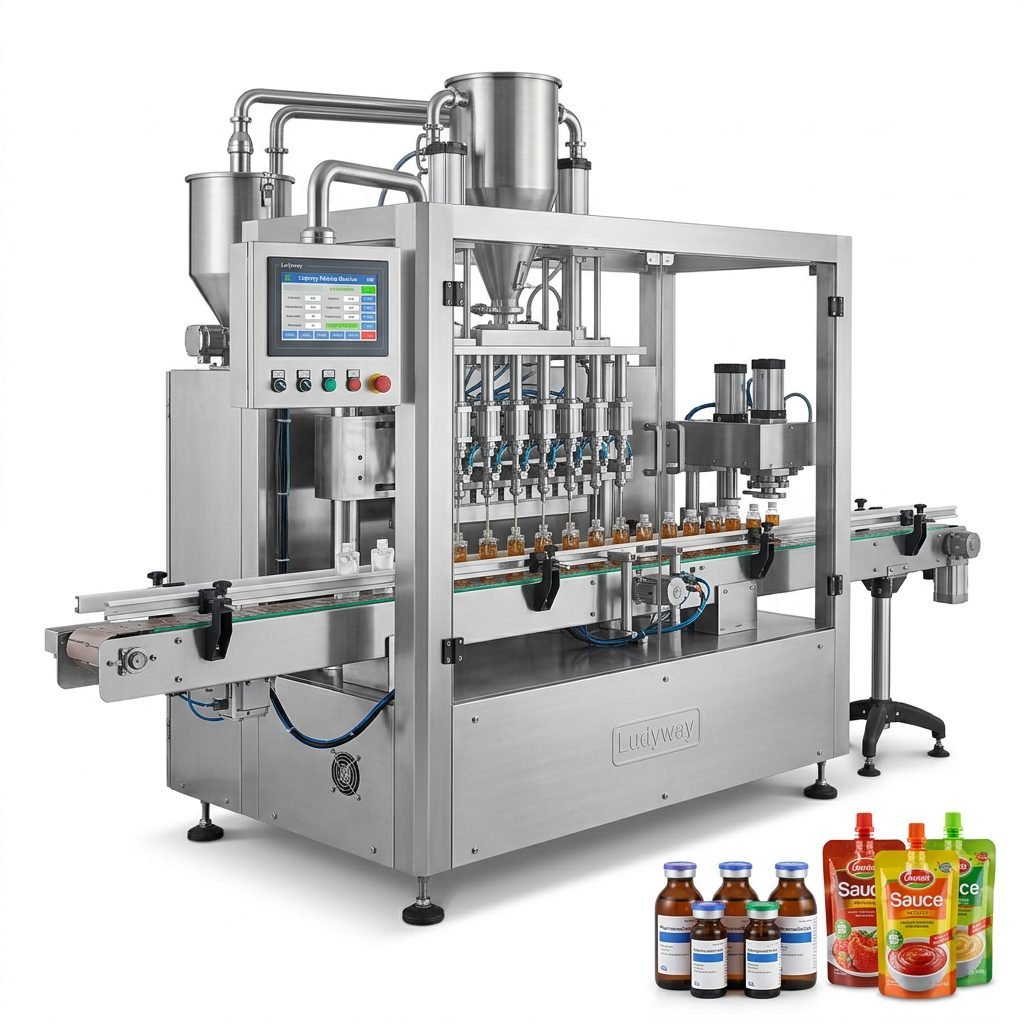
| Multi-Lane Filler | Precision dosing of liquid or powder into sachets. | Piston fillers for liquids; auger fillers for powders. |
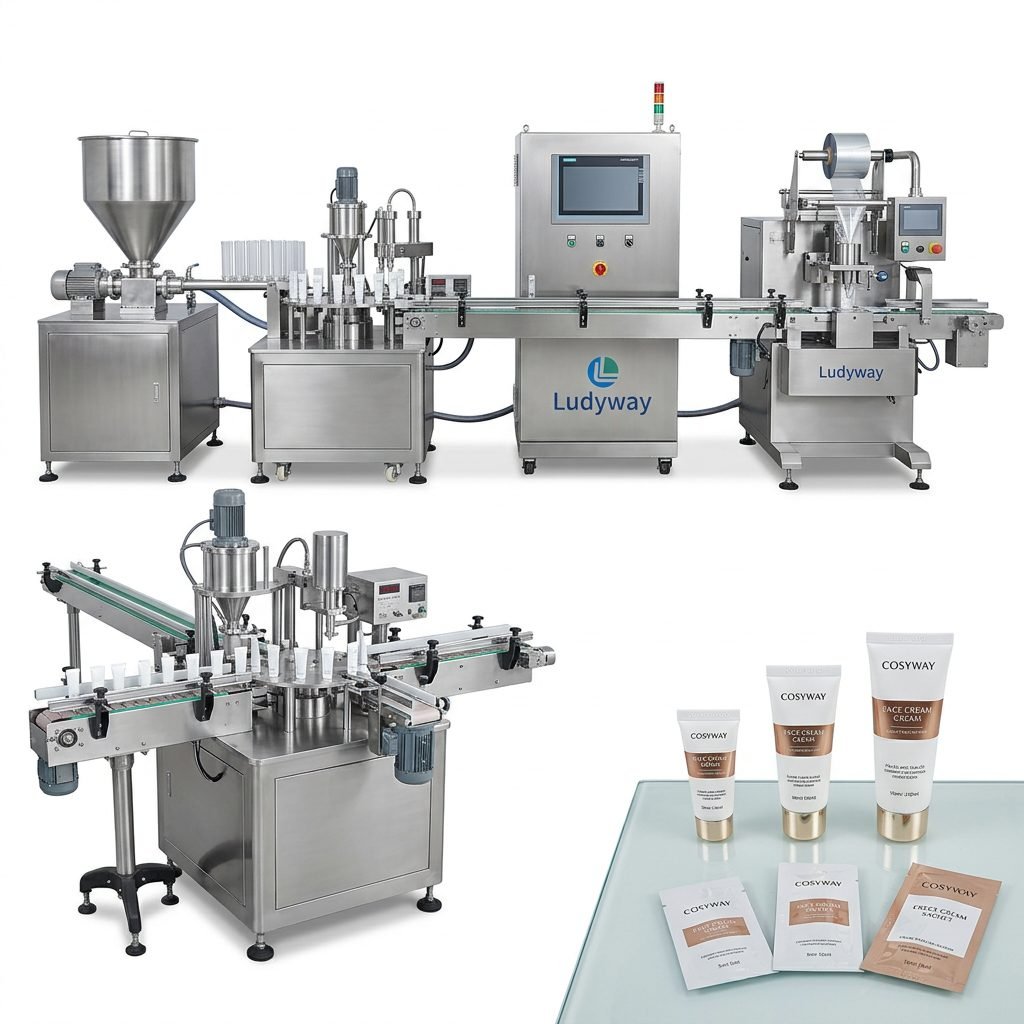
| Horizontal/Vertical Sealer | Forms the pack and seals the edges securely. | Ensure servo-driven sealing for consistent temperature control. |
| Checkweigher | Rejects under/overweight packs automatically. | Essential for regulatory compliance and cost savings. |
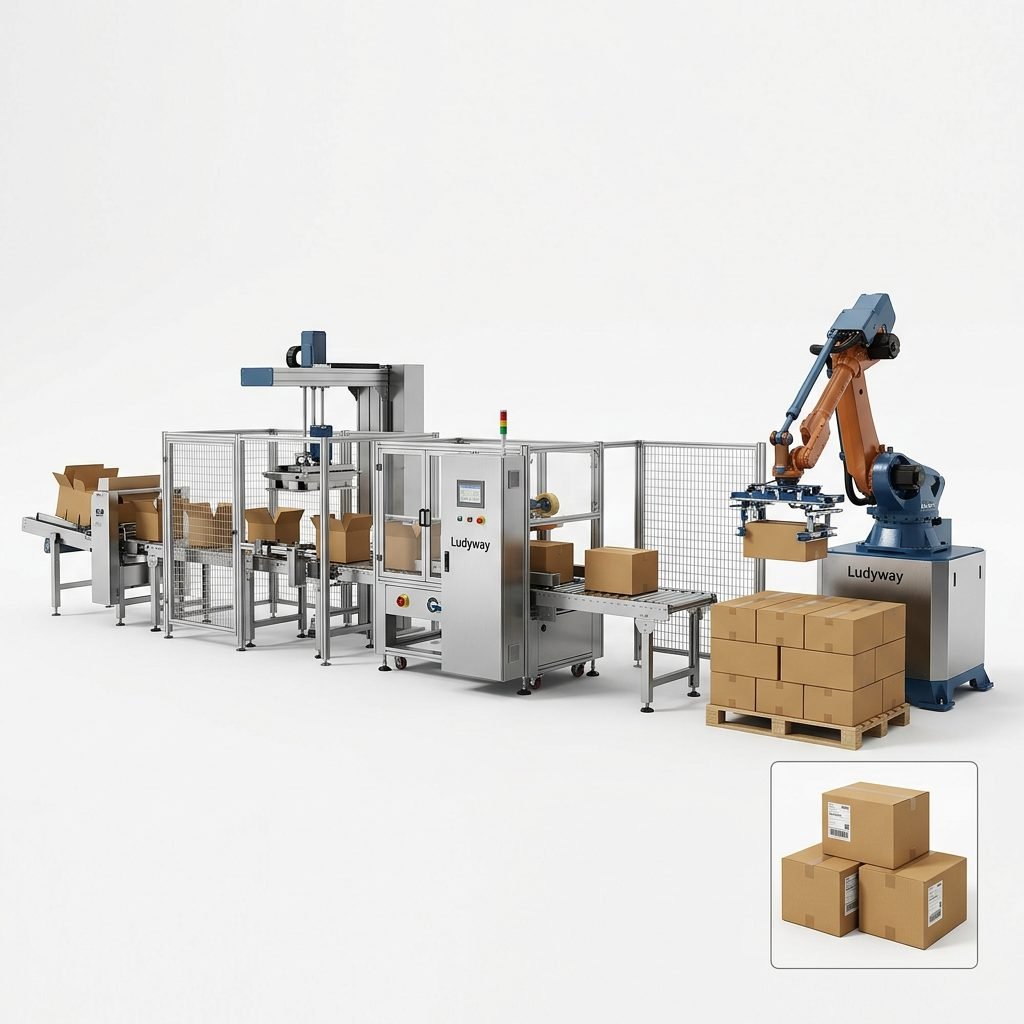
| Cartoning Machine | Packs finished sachets into cartons for retail. | Match the cartoner speed to the filler to avoid bottlenecks. |
Step 6: Plan for Integration and Automation
Modern U.S. production lines prioritize turnkey automation to reduce labor costs. An automated packaging line integrates filling, sealing, coding, and palletizing. Utilize an industrial inkjet coding system for batch numbers and expiration dates. A fully integrated line controlled by a central PLC ensures seamless communication between the powder dosing system and the carton erector, minimizing human error and maximizing Overall Equipment Effectiveness (OEE).
Step 7: Source from a Reliable Packaging Machine Manufacturer
Partnering with an experienced supplier is critical. Look for a manufacturer that offers comprehensive turnkey production solutions. Ludyway, with its 30+ years of industry experience and a 20,000㎡ modern production facility, provides over 50 intelligent packaging machine models designed for granule, powder, and liquid applications. A robust supplier should provide Factory Acceptance Testing (FAT) support and U.S.-compatible spare parts to ensure long-term operational stability.
Step 8: Installation and Commissioning
Proper installation is as vital as the equipment itself. Ensure your facility has adequate compressed air, electrical supply (typically 480V/3-phase in the U.S.), and humidity control, especially for powder packaging. During commissioning, run limited samples to validate the seal integrity and fill accuracy. Following the commissioning, conduct an IQ/OQ/PQ protocol (Installation Qualification, Operational Qualification, Performance Qualification) to satisfy FDA validation requirements.
Step 9: Operator Training and Safety
Invest in comprehensive training programs. Operators must understand the Human Machine Interface (HMI), basic troubleshooting, and strict cleaning protocols. Safety features like emergency stops and safety gates must never be bypassed. Refer to standards from ISO packaging standards for guided safety frameworks during operation.
Step 10: Maintenance and Future-Proofing
Establish a preventive maintenance schedule immediately. Use genuine spare parts to avoid unexpected downtime. As your brand grows, plan for future-proofing by selecting modular machinery. A modular custom flexible packaging line allows you to easily add more lanes or transition from a single-serve packet to a multi-compartment sachet without replacing the entire system. Continuous monitoring of industry reports, such as the State of the Industry report, helps you stay ahead of technological shifts.
Quick Checklist for Success
- Define your target product category and packaging format.
- Ensure FDA-compliant materials and machinery.
- Select a scalable, multi-lane filling solution.
- Budget for full line integration, including checkweighing and cartoning.
- Partner with a manufacturer offering strong after-sales technical support.
By following these steps, you can successfully establish a competitive beverage packaging operation in the United States that meets high demands for quality, safety, and efficiency.