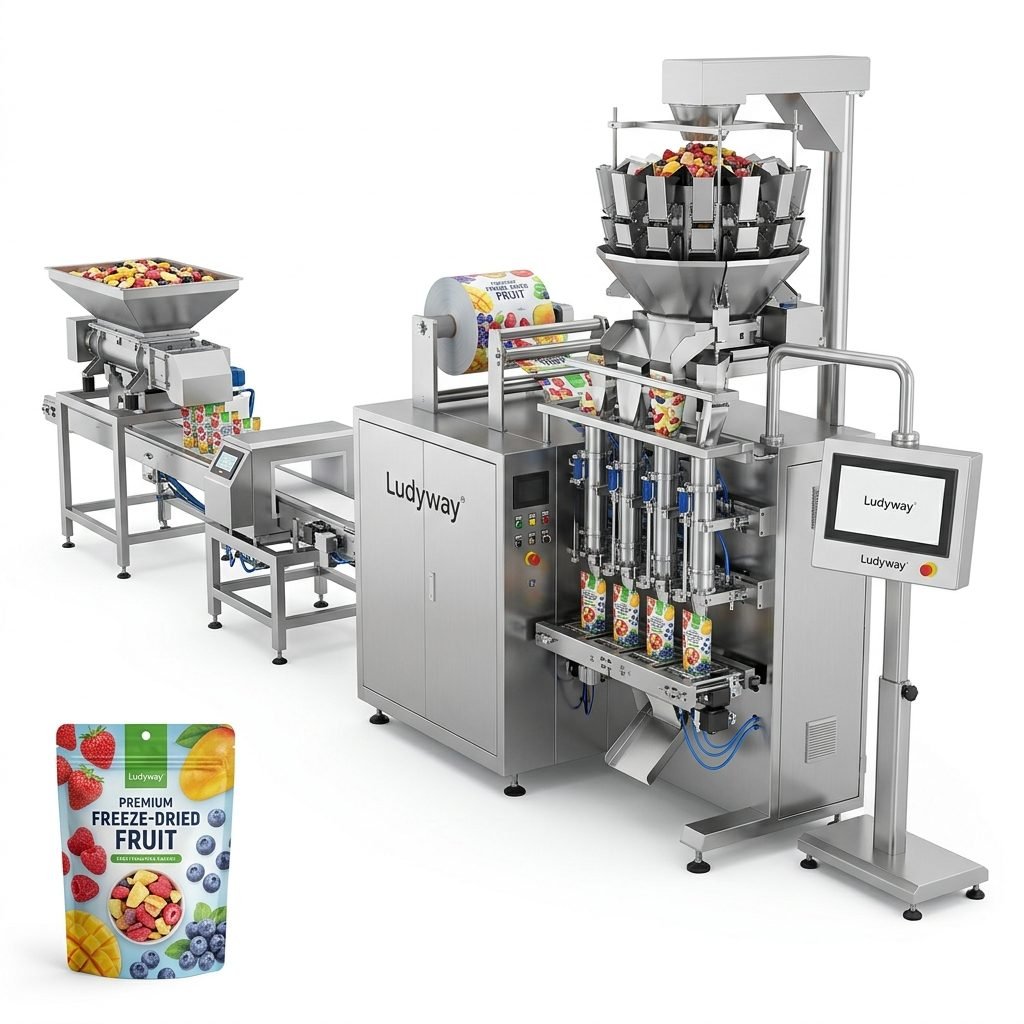
Selecting the right commercial vacuum packing machine is a critical decision that directly impacts product quality, shelf life, and operational efficiency. Whether you are packaging food products, pharmaceuticals, or industrial components, the right equipment can significantly reduce waste and improve your bottom line. This comprehensive guide walks you through the essential factors to evaluate before making your investment.
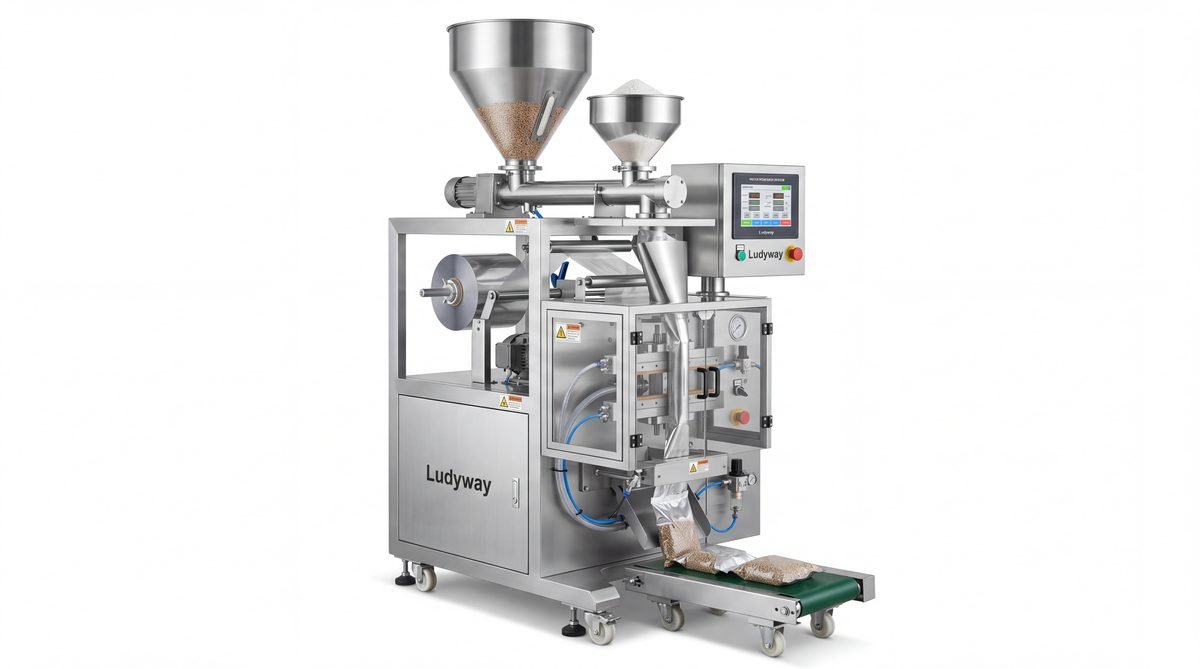
Understanding Commercial Vacuum Packing Machines
A commercial vacuum packing machine removes air from a package before sealing it, creating an oxygen-free environment that preserves product freshness and prevents contamination. Unlike small household units, industrial-grade vacuum packers are designed for continuous operation, higher throughput, and consistent sealing performance across thousands of cycles per day. Understanding the different configurations available is the first step in choosing the right system for your production line.
According to the PMMI State of the Industry report, the demand for advanced packaging machinery continues to grow as manufacturers seek automation solutions that improve consistency and reduce labor dependency. Vacuum packaging technology has evolved significantly, now offering features such as gas flushing, soft-air release, and programmable multi-stage cycles.
Key Factors to Consider When Choosing a Commercial Vacuum Packing Machine
Chamber Type vs. Nozzle Type
One of the most fundamental decisions is choosing between a chamber vacuum packing machine and a nozzle-type vacuum sealer. Each design serves different applications and production environments. The table below outlines the key differences:
| Feature | Chamber Vacuum Machine | Nozzle Vacuum Machine |
|---|---|---|
| Sealing Principle | Entire bag placed inside chamber; vacuum drawn from chamber | Nozzle inserted into bag opening; air extracted directly |
| Best For | Liquids, sauces, marinated products, wet foods | Dry powders, granules, solid items |
| Vacuum Level | Higher vacuum consistency; typically 99.8%+ air removal | Sufficient for most dry product applications |
| Cycle Speed | Moderate; suitable for small to medium batches | Faster per-unit cycle; ideal for high-volume lines |
| Maintenance | Low to moderate; sealed chamber design | Requires regular nozzle cleaning and seal bar checks |
Production Capacity and Speed
Your required production throughput should drive your equipment selection. Calculate how many packages per minute, hour, or shift you need to produce. A machine that cannot keep pace with your production demands will quickly become a bottleneck. Consider both current needs and future growth projections. Key specifications to evaluate include:
- Cycle time — the complete duration from loading to sealed package ejection
- Seal bar length — determines how many packages can be sealed simultaneously
- Multi-chamber configurations — allow continuous loading while other chambers are in cycle
- Automation level — from manual loading to fully automated conveyor-fed systems
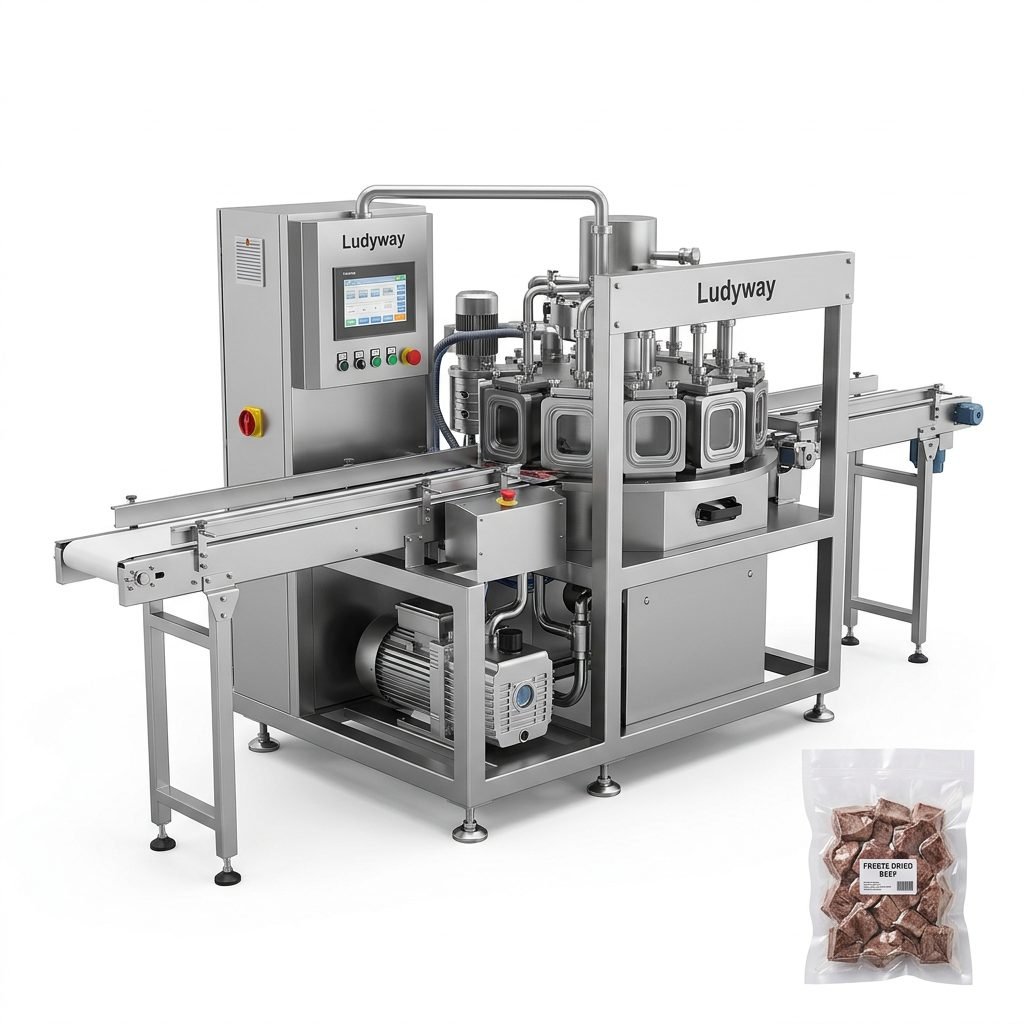
Vacuum Pump Quality
The vacuum pump is the heart of any commercial vacuum packing machine. Pump quality directly determines vacuum consistency, operational lifespan, and maintenance frequency. Industrial machines typically use one of three pump types. Oil-lubricated rotary vane pumps deliver the highest vacuum levels and are preferred for demanding food and pharmaceutical applications. Dry pumps eliminate oil maintenance but may have shorter service intervals. High-quality pumps from established manufacturers significantly reduce downtime and operational costs over the equipment’s lifetime.
Seal Bar Configuration
The sealing system directly affects package integrity. Look for machines with adjustable sealing temperature, consistent pressure distribution across the full seal bar length, and programmable sealing time. Double-seal bars provide an extra layer of security for critical applications. For facilities packaging different bag thicknesses, the ability to quickly adjust sealing parameters without tools is a valuable feature that reduces changeover time.
Packaging Material Compatibility
Not all vacuum packing machines work with every type of packaging material. Verify that your chosen machine is compatible with the bag materials and sizes you intend to use. Common materials include PA/PE (polyamide/polyethylene), EVOH barrier films, and aluminum-laminate pouches. Some machines also support Modified Atmosphere Packaging (MAP) with gas flushing capabilities, which is essential for products that require a protective atmosphere inside the package.
Industry-Specific Considerations
Different industries impose different requirements on vacuum packaging equipment. Food processors must comply with FDA food contact substance regulations, while pharmaceutical manufacturers may need to meet ISO 11607 standards for sterile barrier systems. Industrial applications often prioritize durability and the ability to handle heavy or abrasive products. Understanding your industry’s regulatory landscape before purchasing ensures compliance and avoids costly retrofitting later.

Essential Features That Enhance Efficiency
Modern commercial vacuum packing machines come equipped with advanced features that go beyond basic air removal. When evaluating equipment, consider whether the following capabilities align with your operational needs:
- Soft-Air Release — gently returns air to the chamber, preventing delicate products from being crushed
- Programmable Recipes — store multiple vacuum and sealing parameters for different products
- Gas Flushing (MAP) — replaces oxygen with nitrogen or CO₂ for extended shelf life
- Liquid Control Sensors — prevent liquid ingress into the pump during packaging of moist foods
- Hygienic Stainless Steel Construction — essential for food and pharmaceutical environments
- IoT Connectivity — enables remote monitoring, diagnostics, and data logging
Maintenance and After-Sales Support
A reliable after-sales support system is as important as the machine itself. Before committing to a purchase, evaluate the manufacturer’s or supplier’s track record in providing spare parts, technical assistance, and field service. Equipment downtime directly translates to lost production, so responsiveness matters. Working with a packaging machinery manufacturer that offers comprehensive technical support, operator training, and readily available spare parts can significantly reduce total cost of ownership over the equipment’s lifespan.
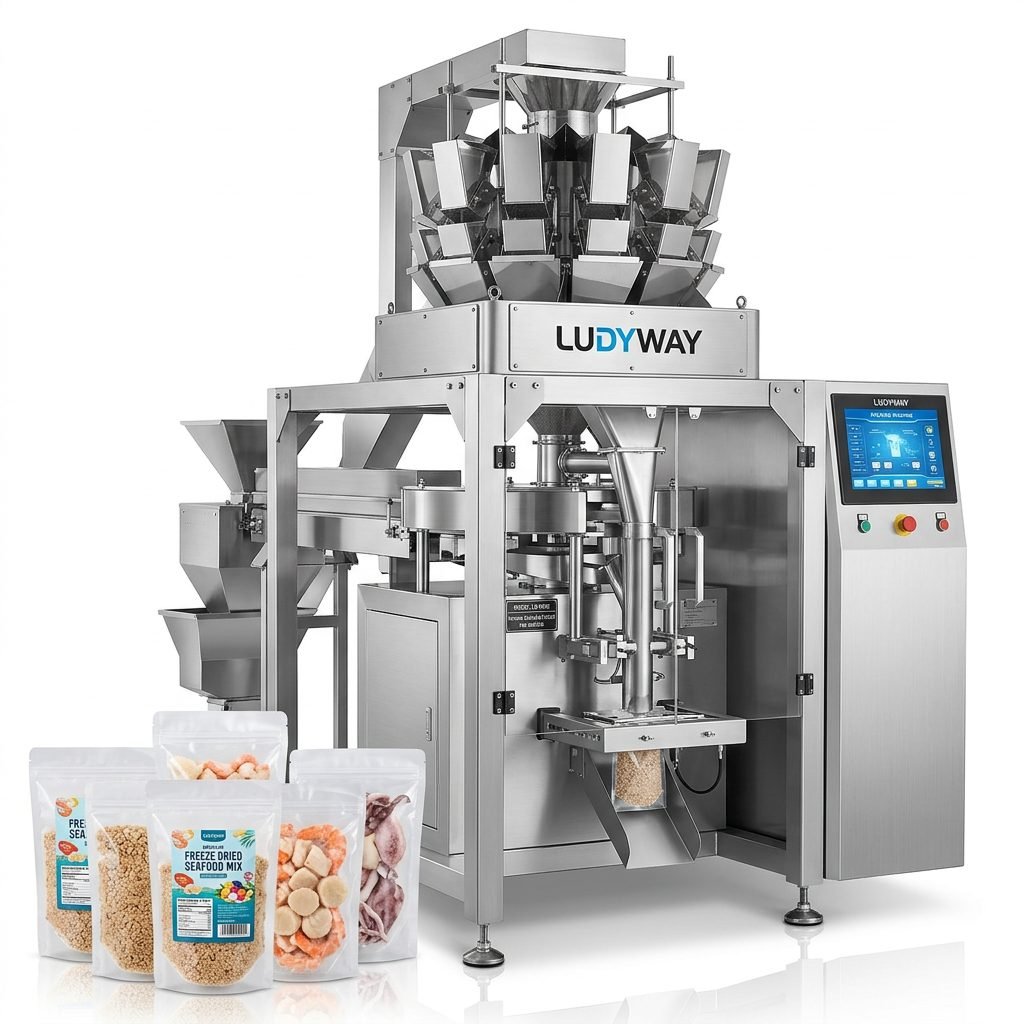
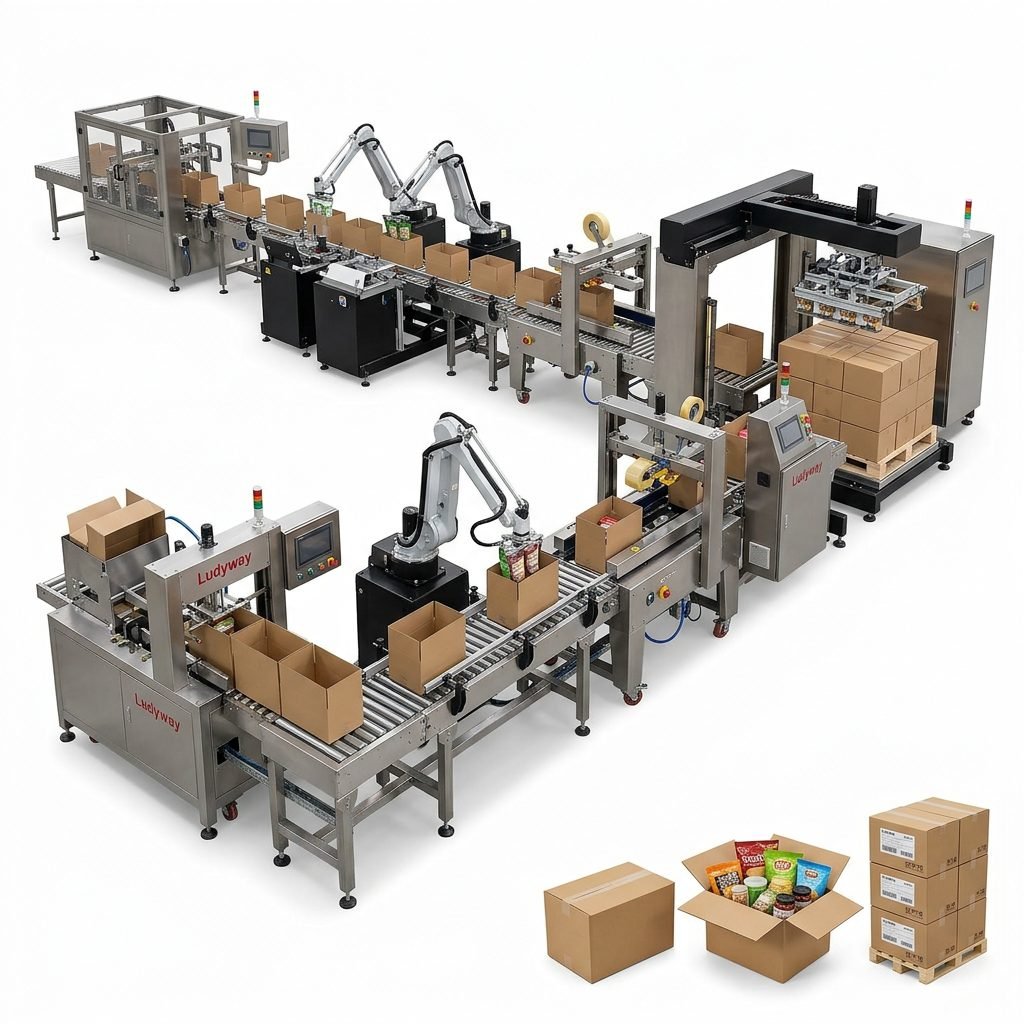
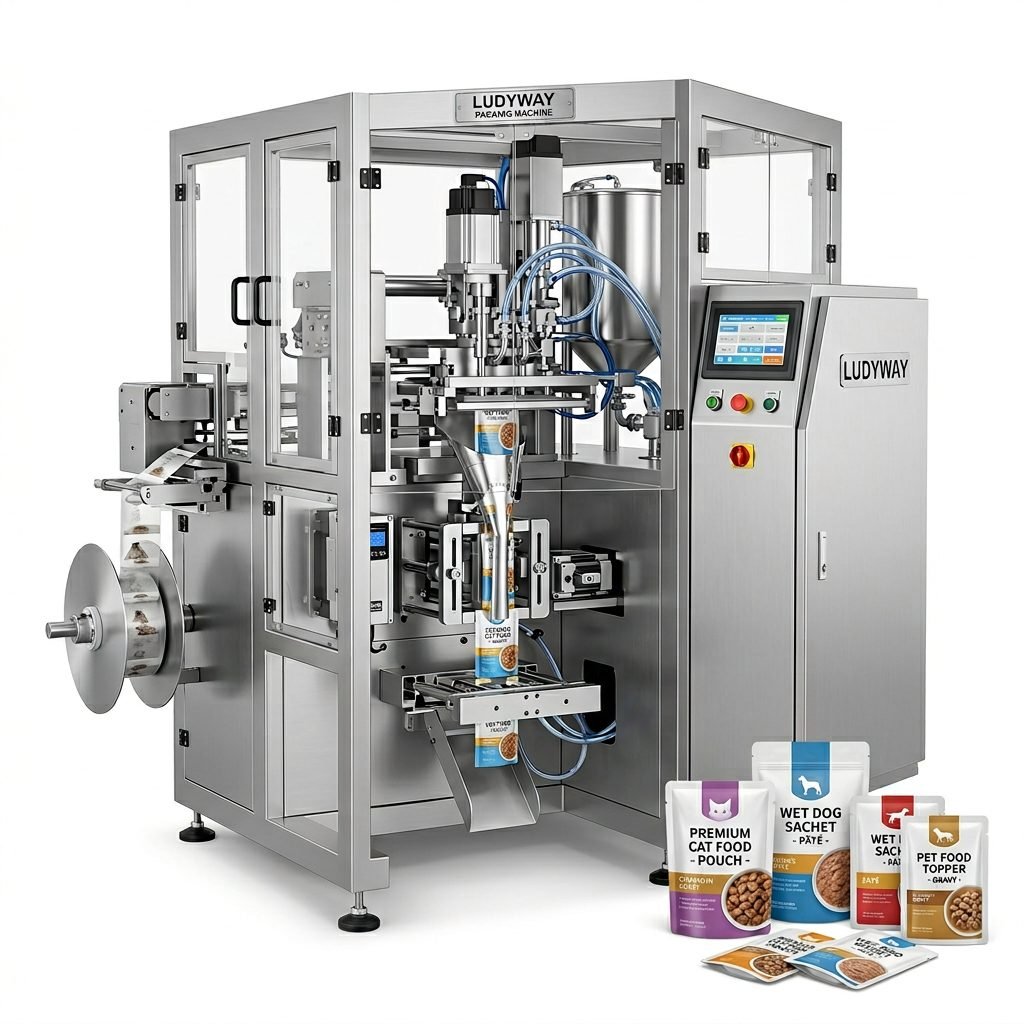
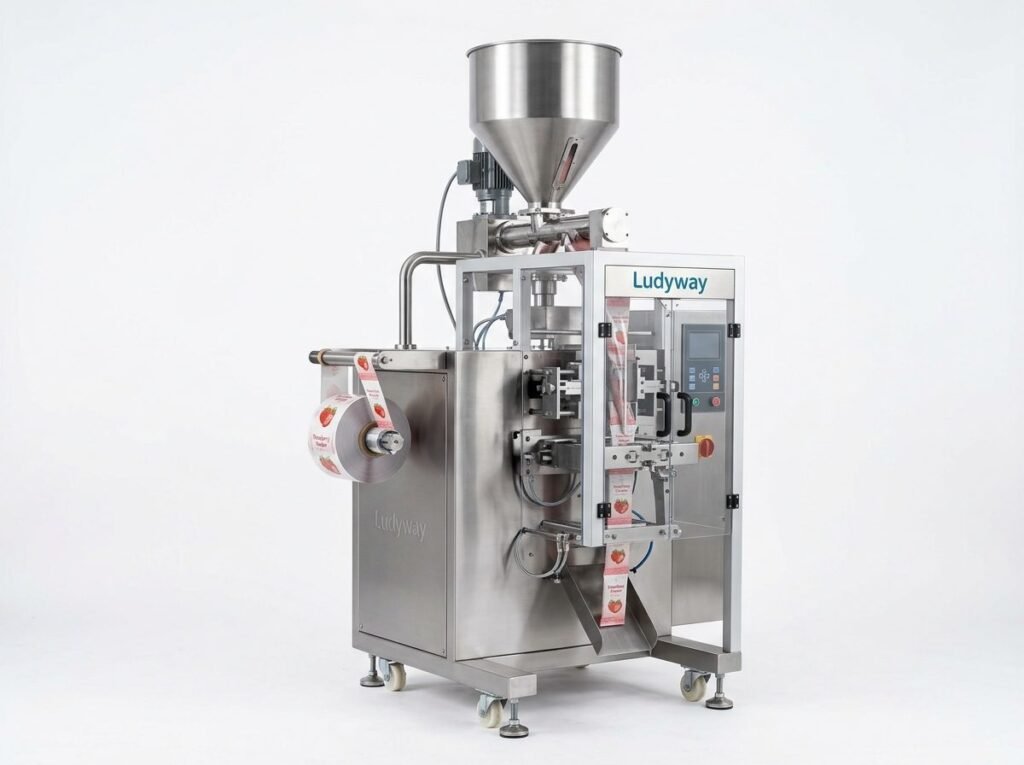
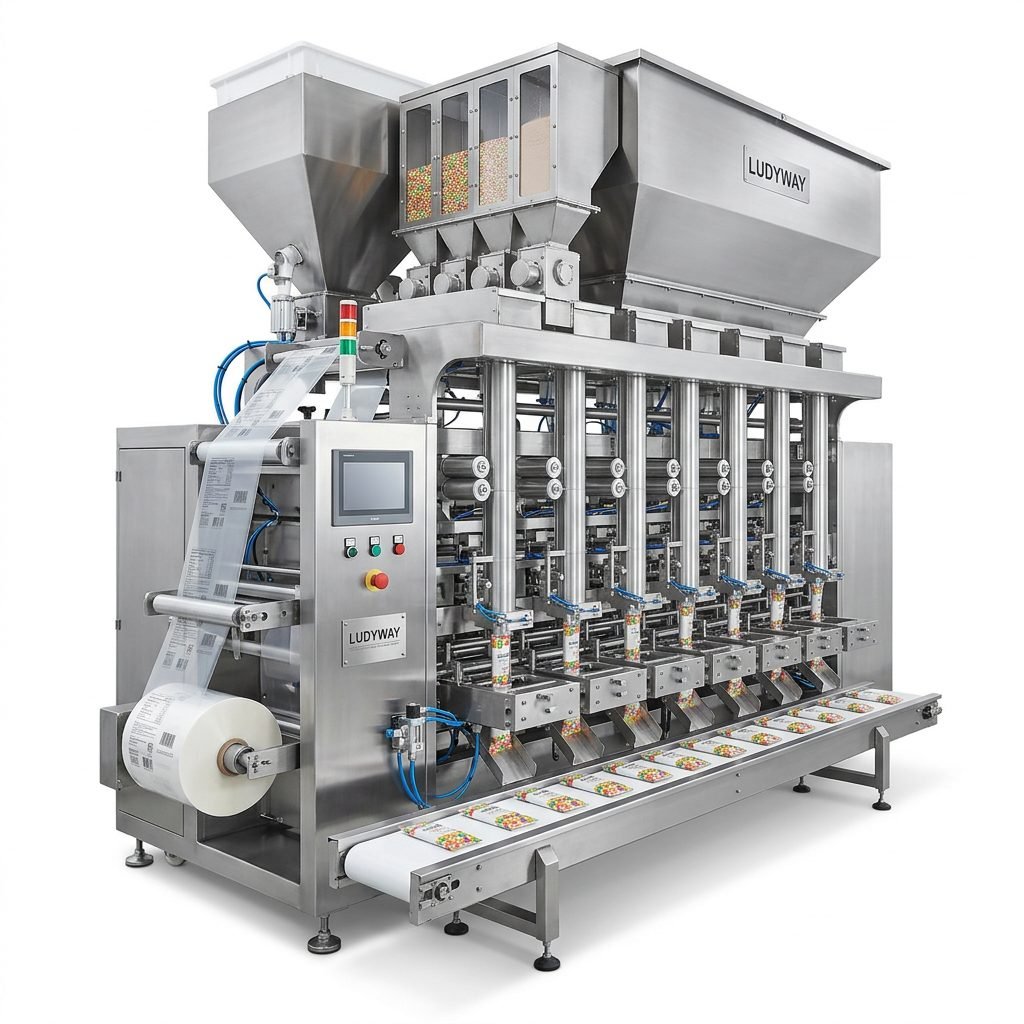
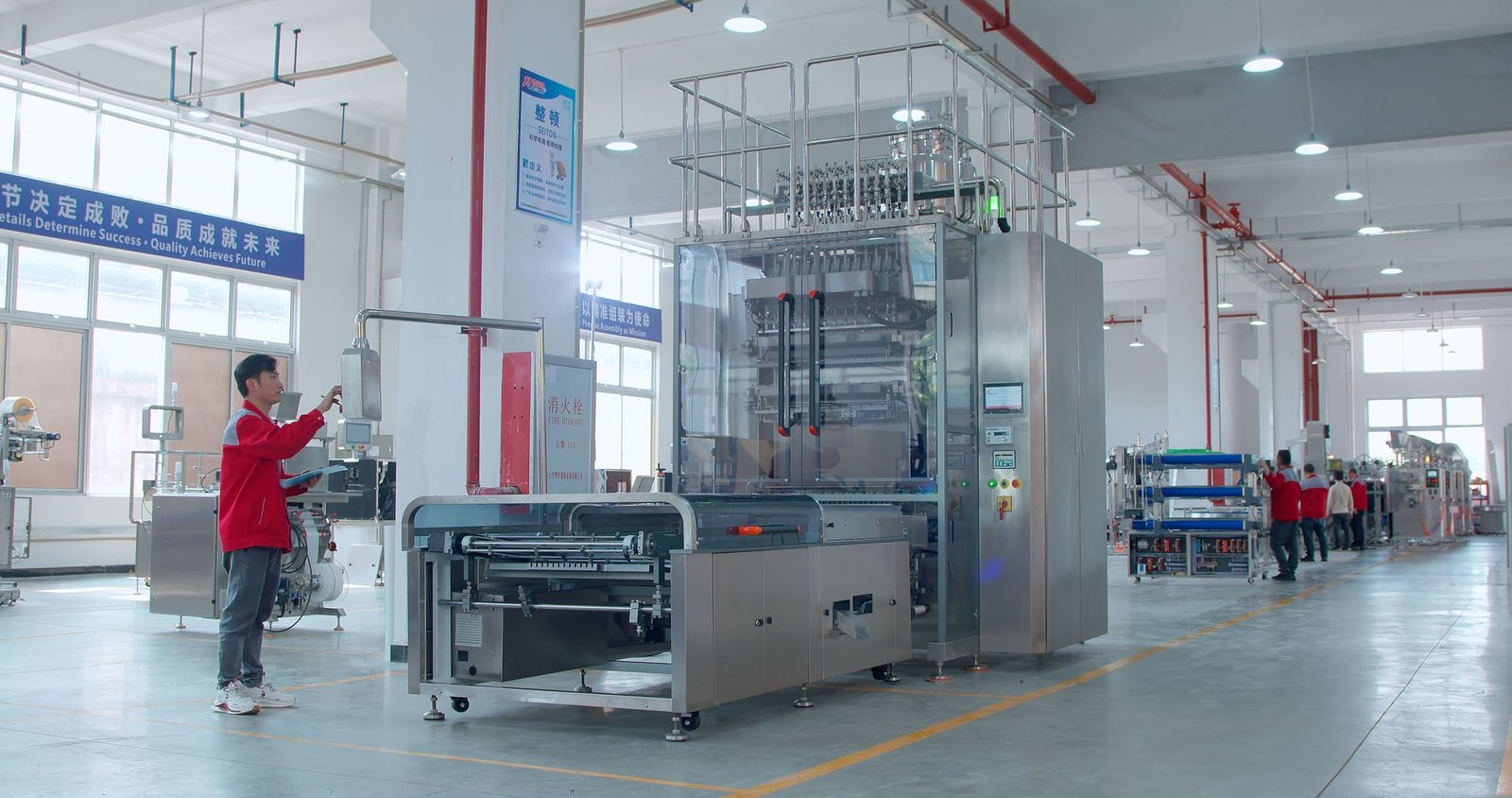
For instance, Ludyway Machinery — a China-based packaging machinery manufacturer with over 30 years of experience — provides comprehensive support throughout the project lifecycle, from machine selection and packaging solution design to installation, commissioning, operator training, and ongoing after-sales service. Their 20,000-square-meter manufacturing facility and team of more than 130 professionals enable them to deliver customized vacuum packing solutions for diverse industries across over 100 countries.
Cost Considerations and ROI Analysis
When evaluating the cost of a commercial vacuum packing machine, look beyond the initial purchase price. A comprehensive ROI analysis should account for:
- Energy consumption — more efficient pumps and motors reduce long-term operating costs
- Maintenance intervals — machines with longer service intervals reduce labor and parts expenses
- Film and bag waste rates — precise sealing reduces material waste from rejected packages
- Labor requirements — automated features can reduce the number of operators needed per shift
- Product shelf life extension — better vacuum performance means fewer returns and less spoilage
- Spare parts availability — readily available components minimize downtime costs
Comparing Single-Chamber, Double-Chamber, and Continuous Band Machines
| Machine Type | Ideal Application | Throughput Level | Typical Investment |
|---|---|---|---|
| Single-Chamber | Small to medium production runs; flexible product range | Low to Medium | Entry to mid-level |
| Double-Chamber | Medium to high volume; alternate loading and sealing | Medium to High | Mid to high-level |
| Continuous Band | High-volume production lines; automated feeding | Very High | Premium investment |
Making the Final Decision
Choosing the right commercial vacuum packing machine requires balancing multiple factors: your product characteristics, production volume, budget, available floor space, and future growth plans. Start by clearly defining your current and projected requirements, then evaluate machines that meet or exceed those specifications. Request product demonstrations or sample packaging tests whenever possible, as these provide valuable insight into real-world performance that specification sheets alone cannot convey.
Investing time in thorough research and supplier evaluation upfront pays dividends through years of reliable operation, reduced waste, and consistent product quality. The packaging industry continues to evolve, and selecting equipment that can adapt to changing market demands will position your operation for sustained success. For additional guidance on packaging machinery selection and relevant ISO packaging standards, consulting with experienced equipment suppliers and industry resources is strongly recommended.