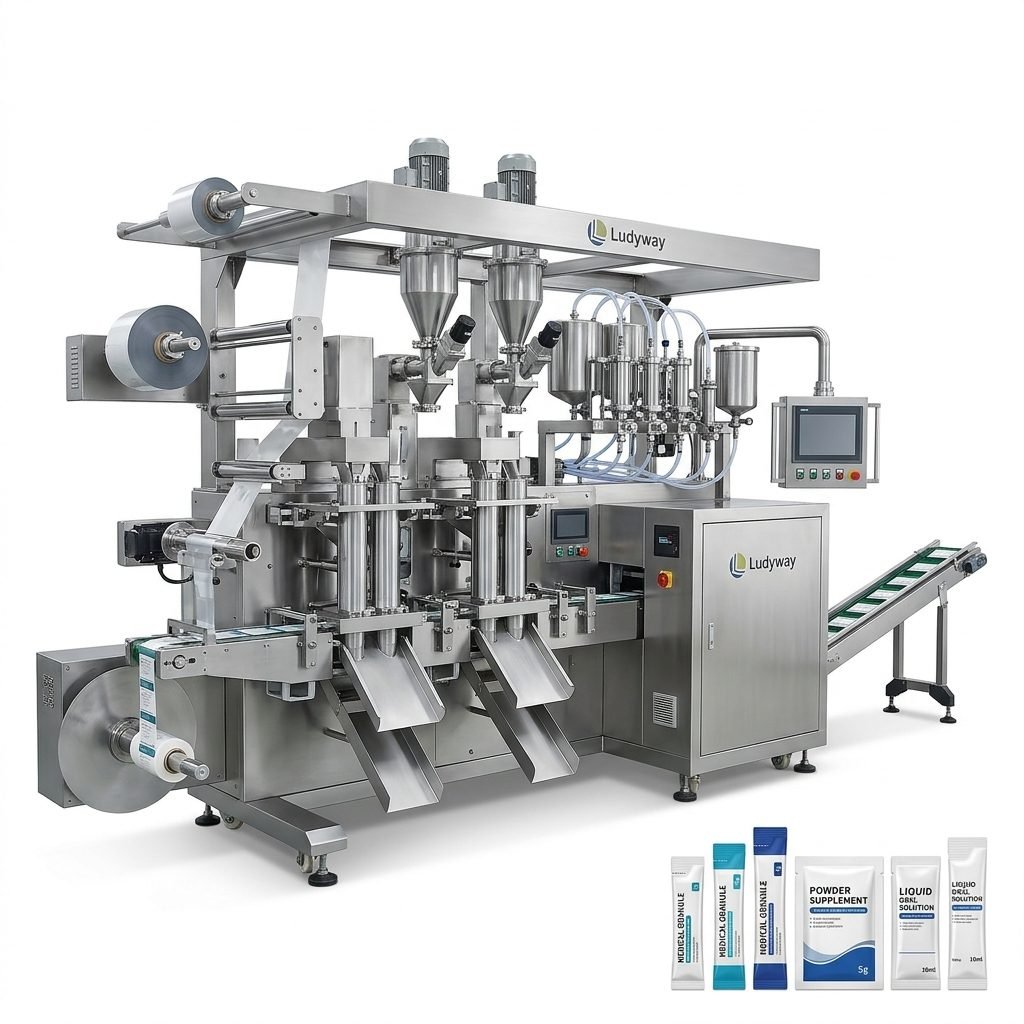
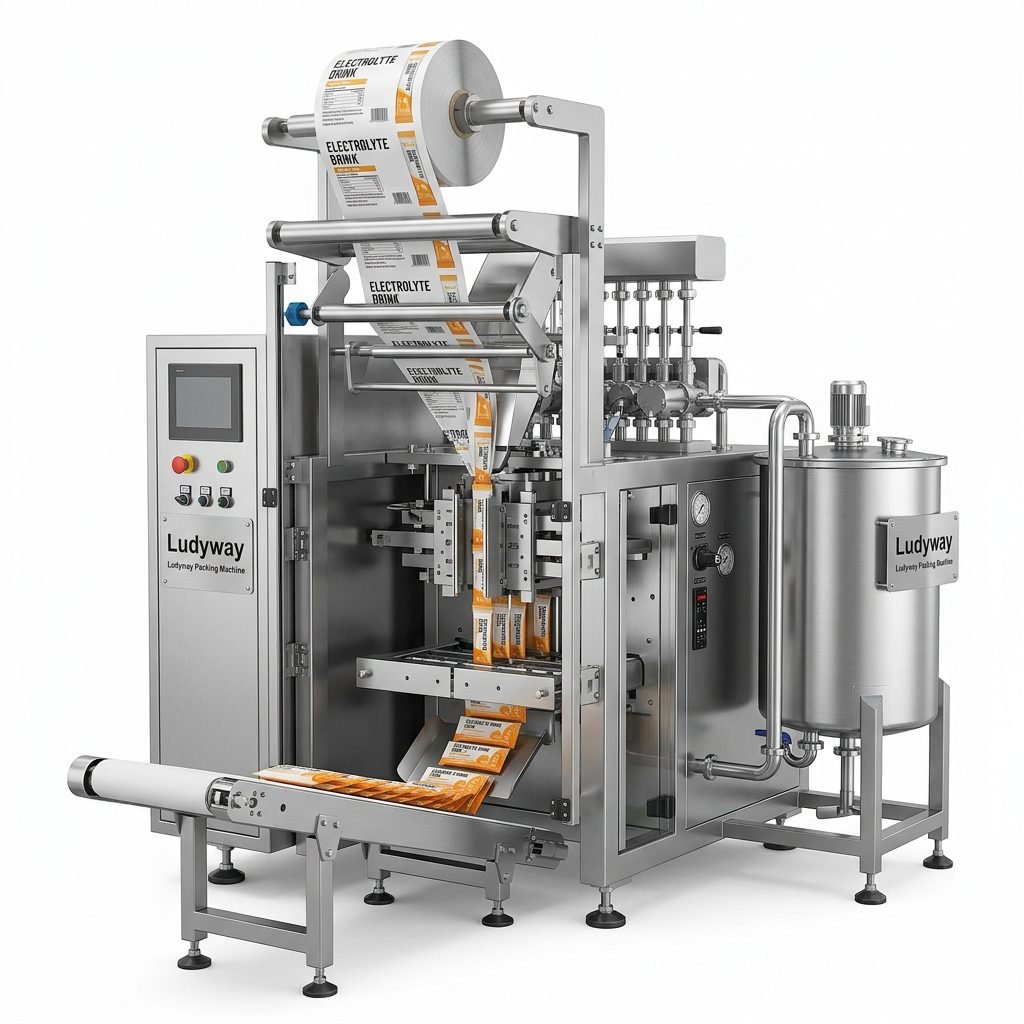
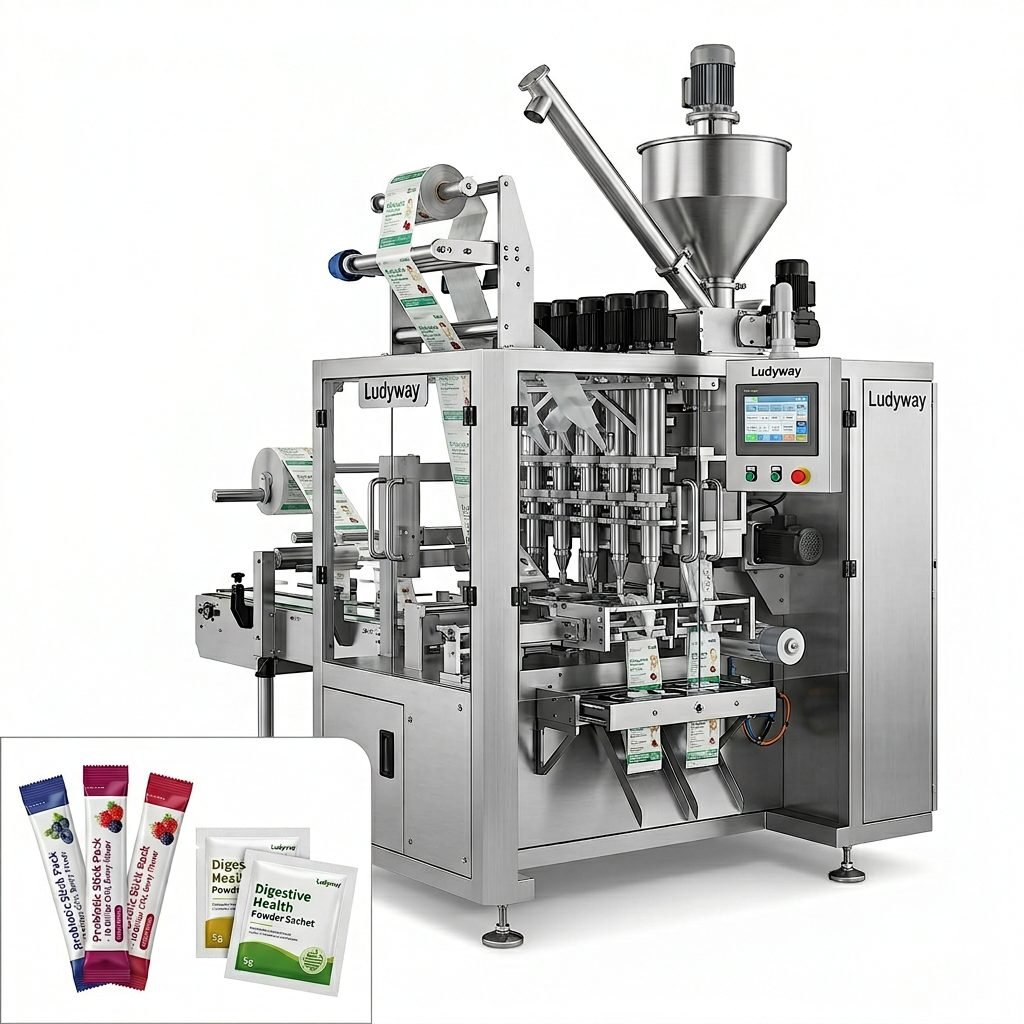
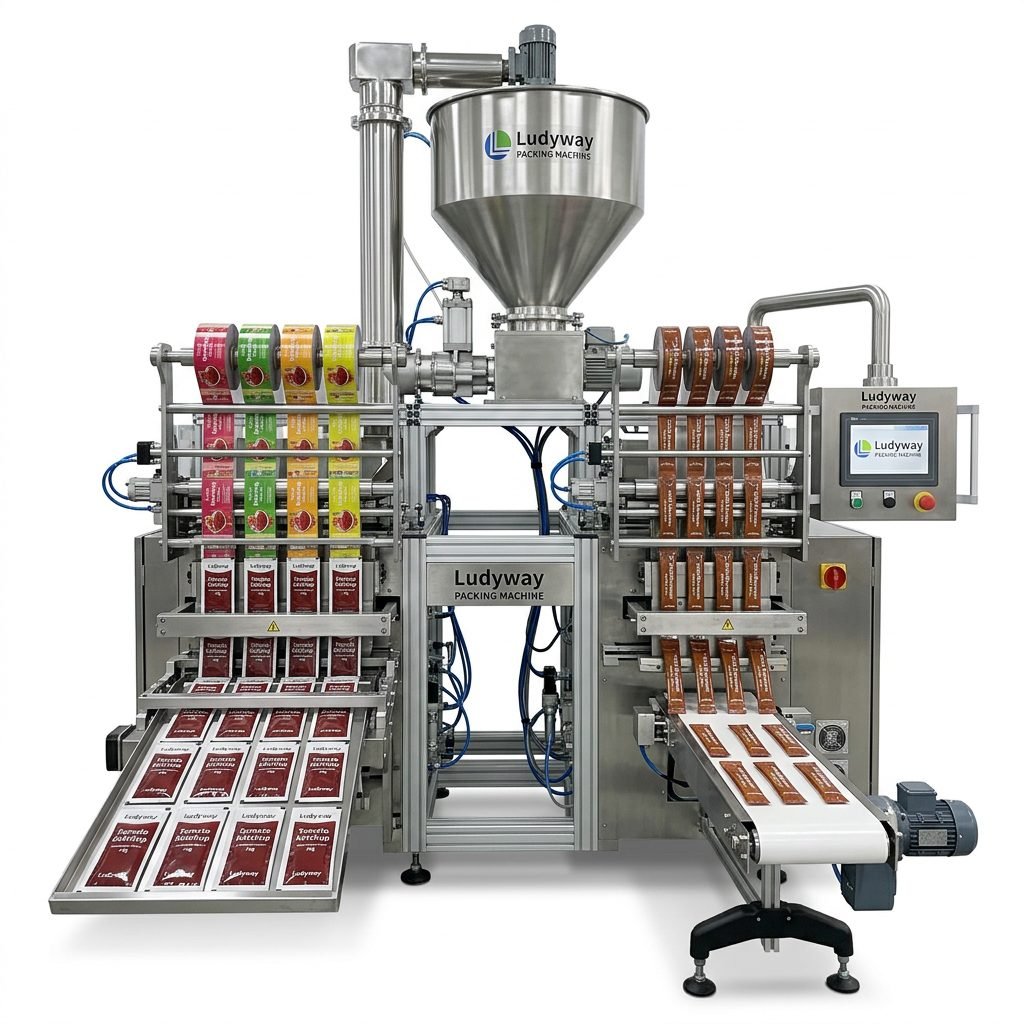
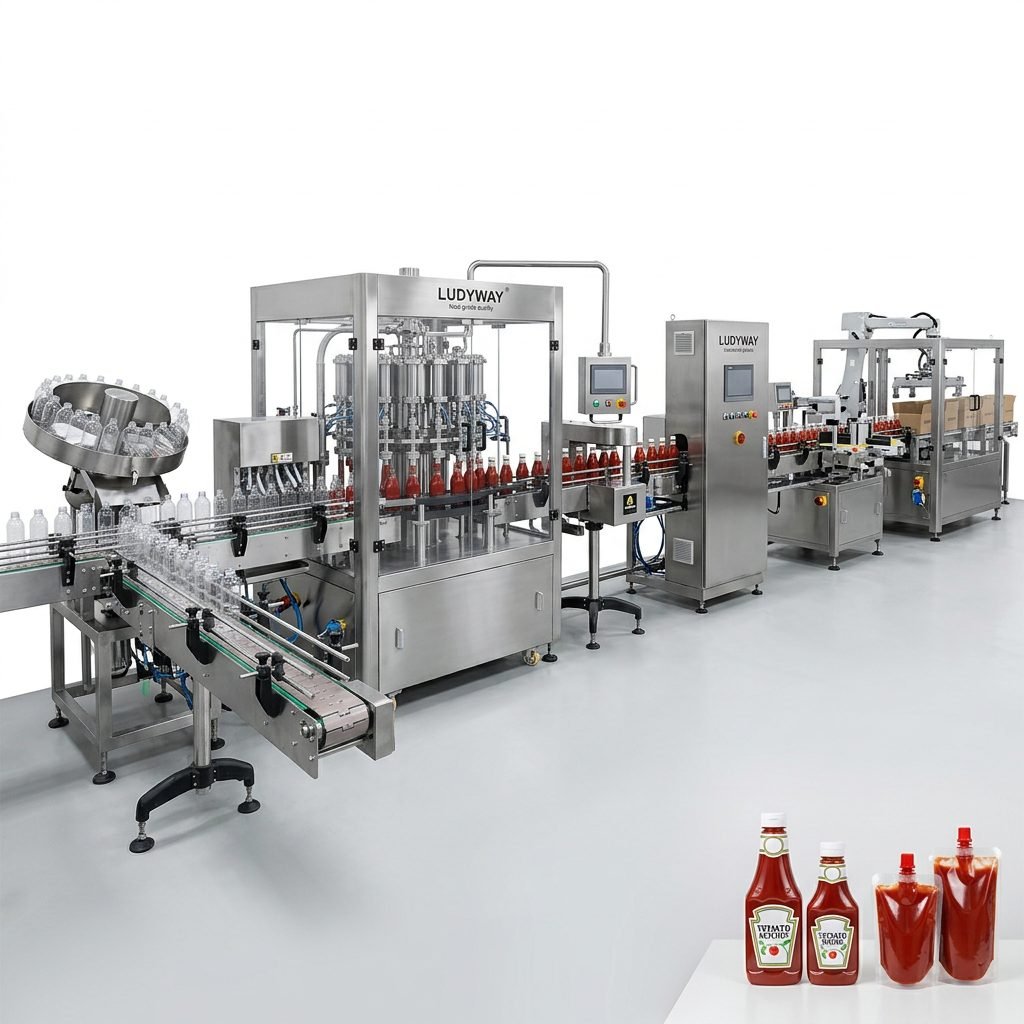
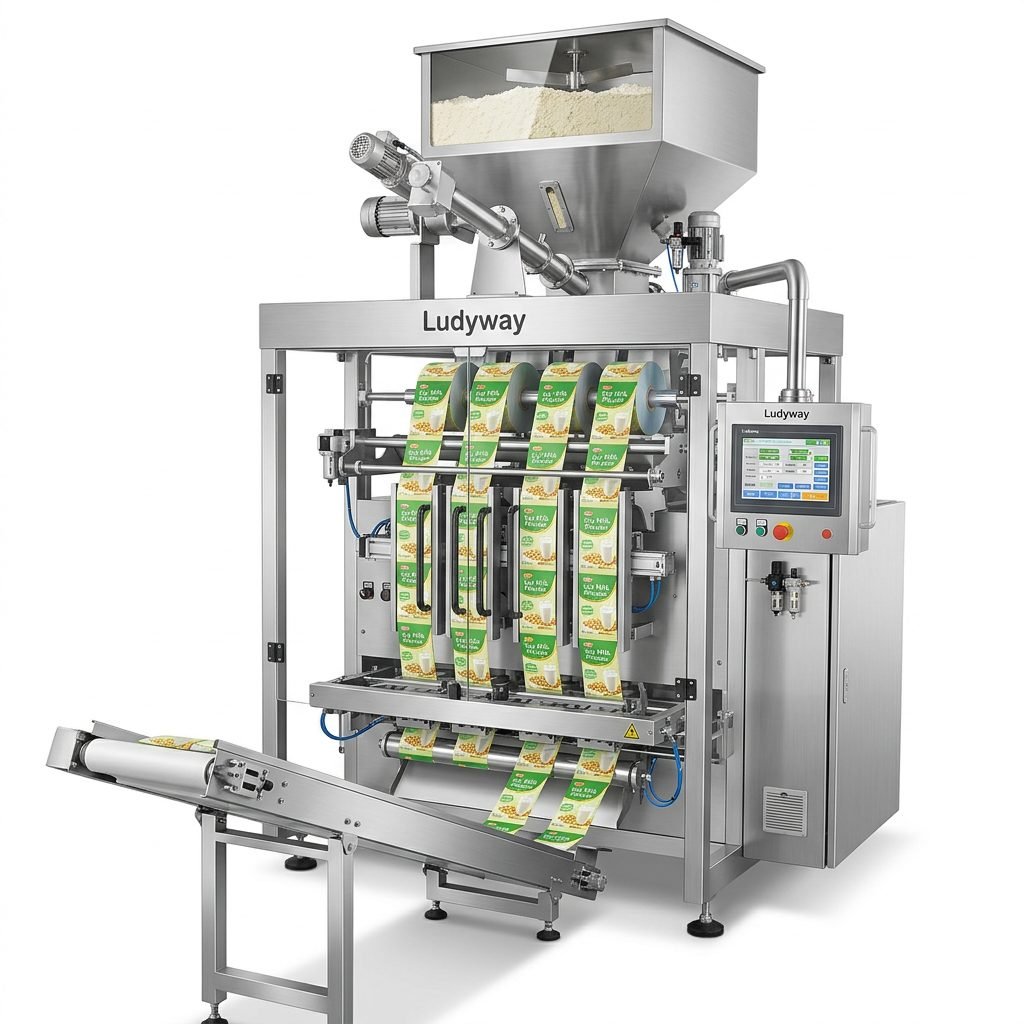
Selecting the right plastic packing machine is a critical decision that impacts production efficiency, product quality, and long-term operational costs. Whether you are packaging food items, pharmaceutical products, or industrial components, the machine you choose must align with your specific application needs. This buyer’s guide walks you through the key considerations to help you make an informed investment.
Understanding Types of Plastic Packing Machines
Plastic packing machines encompass a range of automation solutions designed to wrap, seal, and protect products using plastic-based materials. Before evaluating technical specifications, it is essential to understand the main categories available in the market.
| Machine Type | Primary Function | Best Suited For |
|---|---|---|
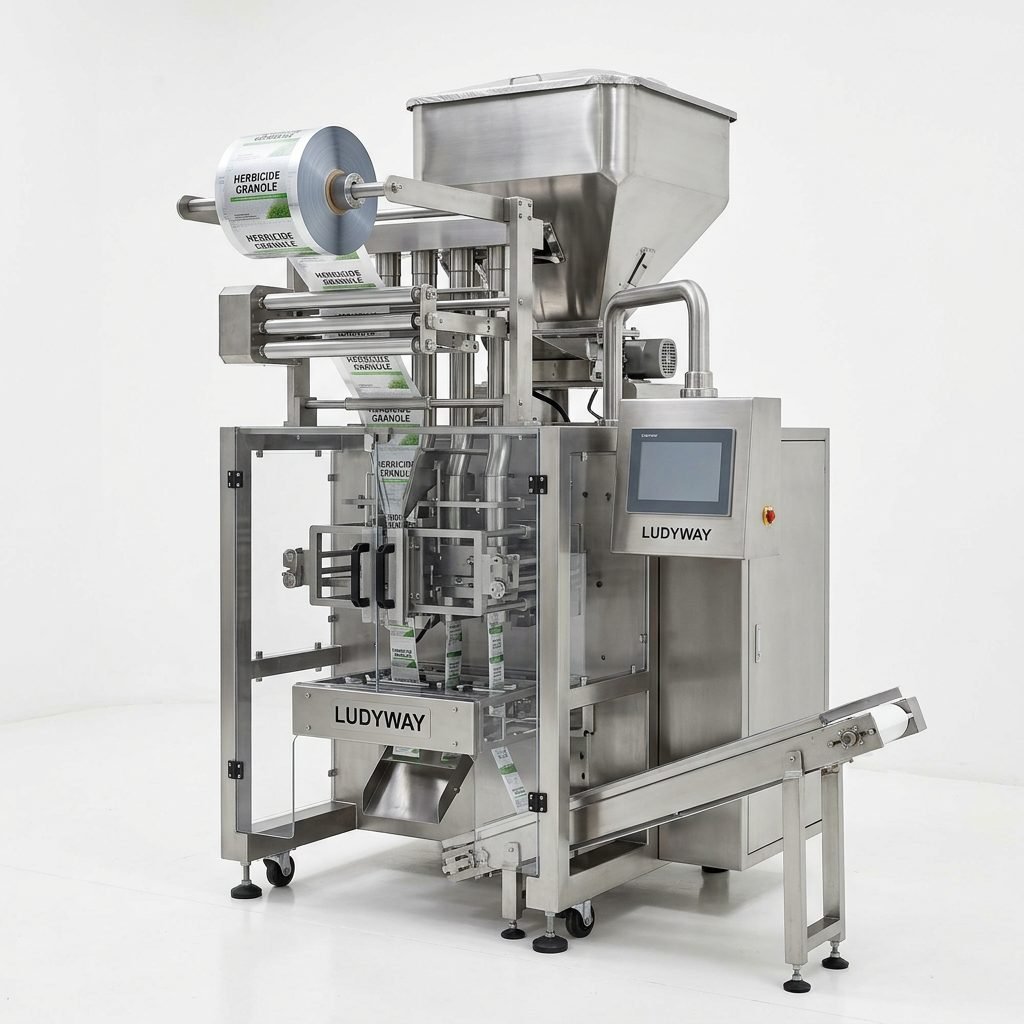
| Vertical Form Fill Seal (VFFS) | Forms plastic bags from roll stock, fills product, and seals | Powders, granules, snacks, liquids in flexible pouches |
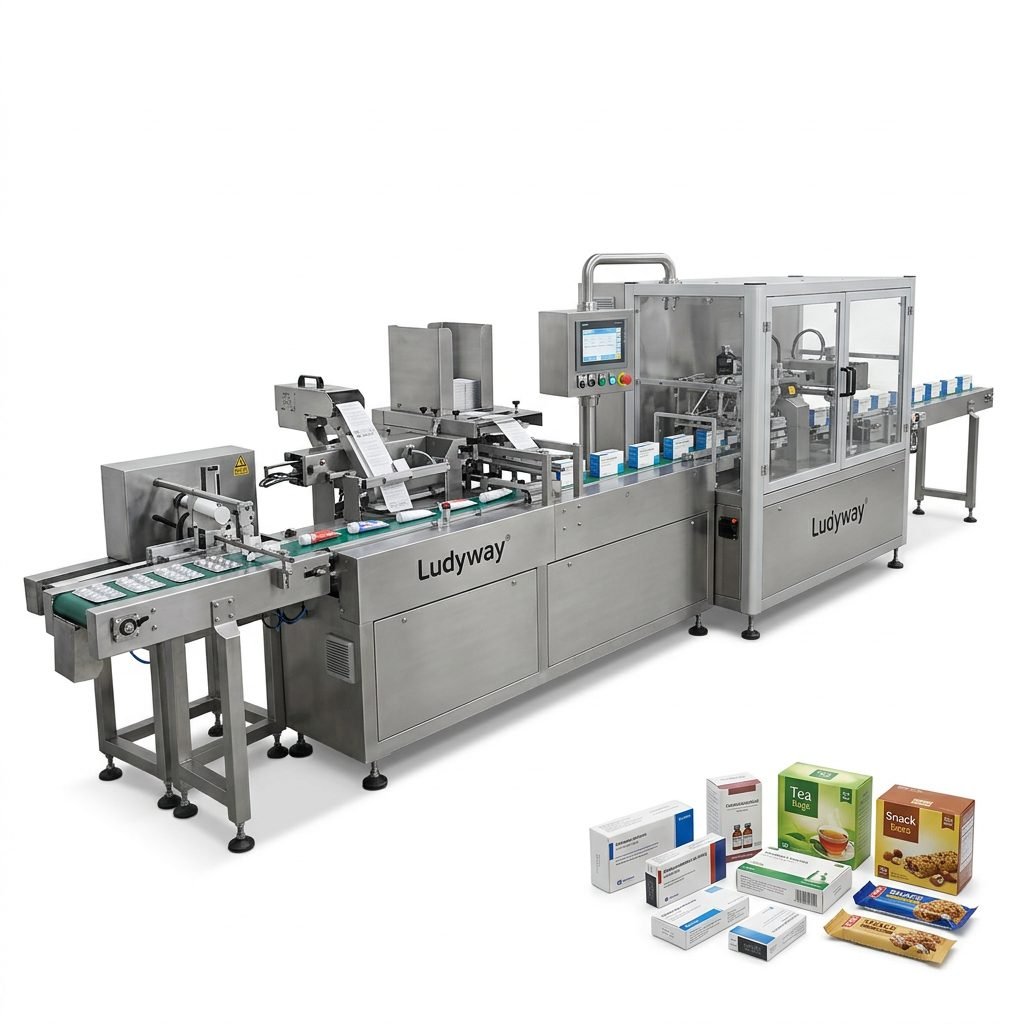
| Horizontal Form Fill Seal (HFFS) | Wraps solid products in plastic film horizontally | Bars, baked goods, medical devices, solid items |
| Shrink Wrapping Machines | Wraps products in plastic film and applies heat to shrink | Bottles, cans, multi-packs, consumer goods |
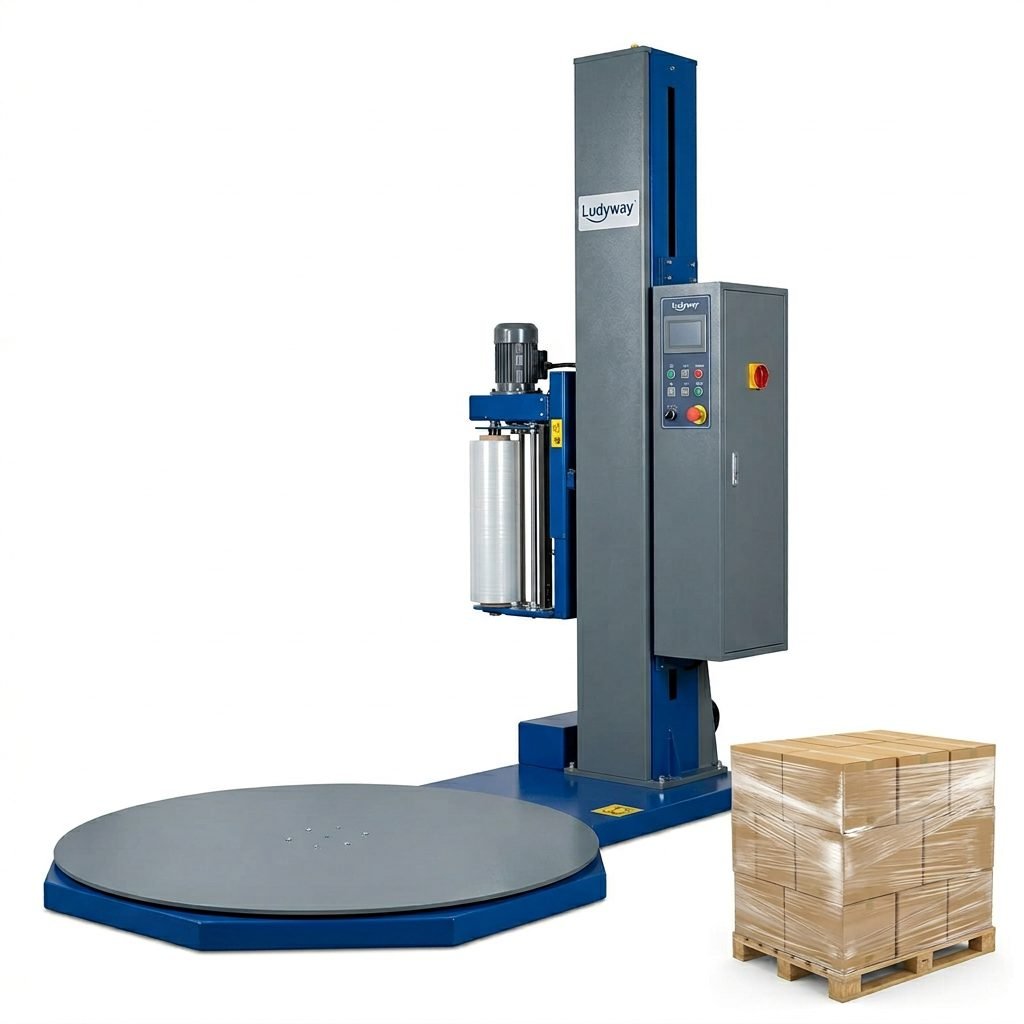
| Stretch Wrapping Machines | Wraps pallet loads with stretchable plastic film | Palletized shipments, warehouse logistics |
| Pre-Made Pouch Packing Machines | Fills and seals pre-formed plastic pouches | Liquids, gels, powders requiring premium packaging |
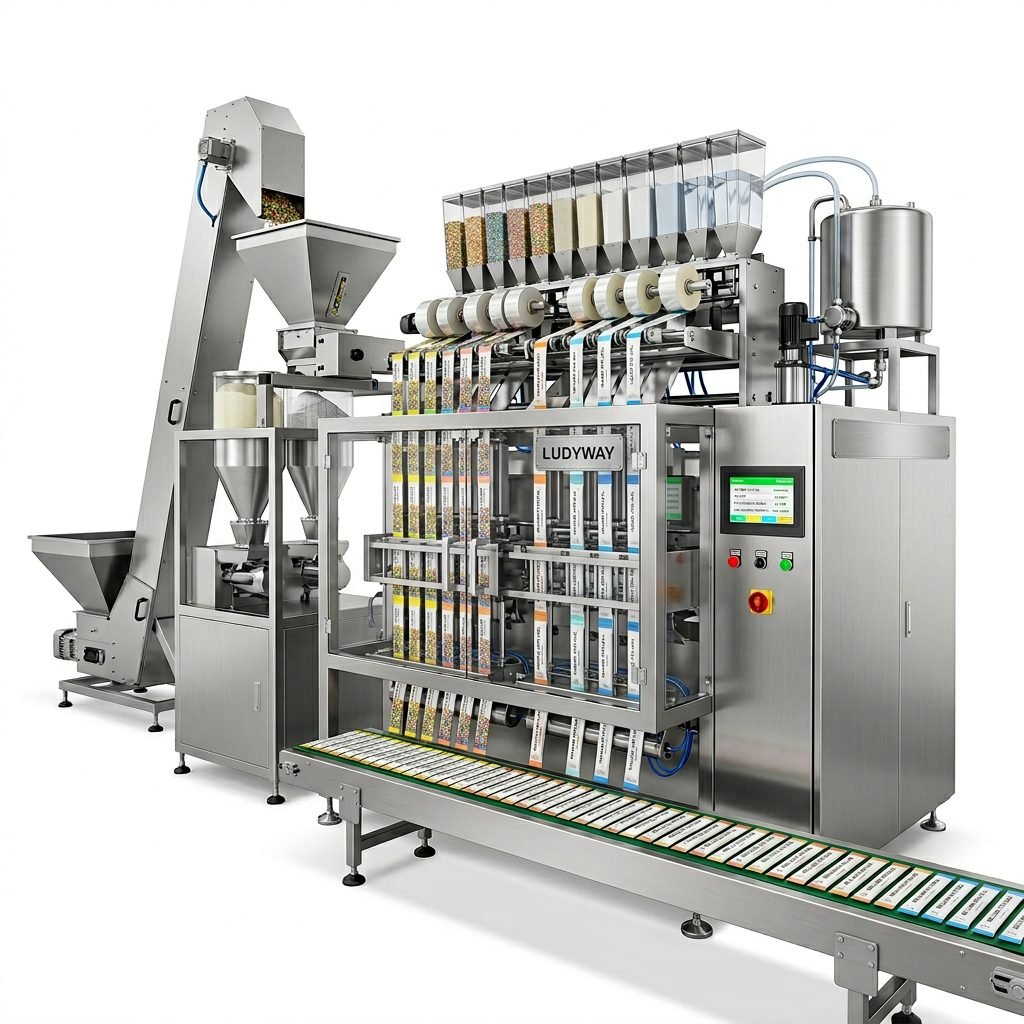
Key Factors to Evaluate When Choosing a Plastic Packing Machine
Investing in a plastic packing machine requires a detailed assessment of your production environment. The following factors should guide your evaluation:
- Product Characteristics: The physical properties of your product—such as size, shape, viscosity, and sensitivity—determine the feeding mechanism and sealing requirements. Machines configured for packaging machinery must handle your specific product without compromising quality.
- Packaging Material Compatibility: Ensure the machine supports the plastic films or laminates you plan to use. Flexible packaging materials vary in thickness, heat tolerance, and barrier properties.
- Production Speed and Output: Match the machine’s throughput with your current and projected demand. Overestimating or underestimating capacity can affect ROI.
- Automation Level: Decide between semi-automatic and fully automatic systems based on labor availability and integration with existing lines.
- Changeover Flexibility: If you produce multiple SKUs, quick-change tooling and adjustable parameters reduce downtime between runs.
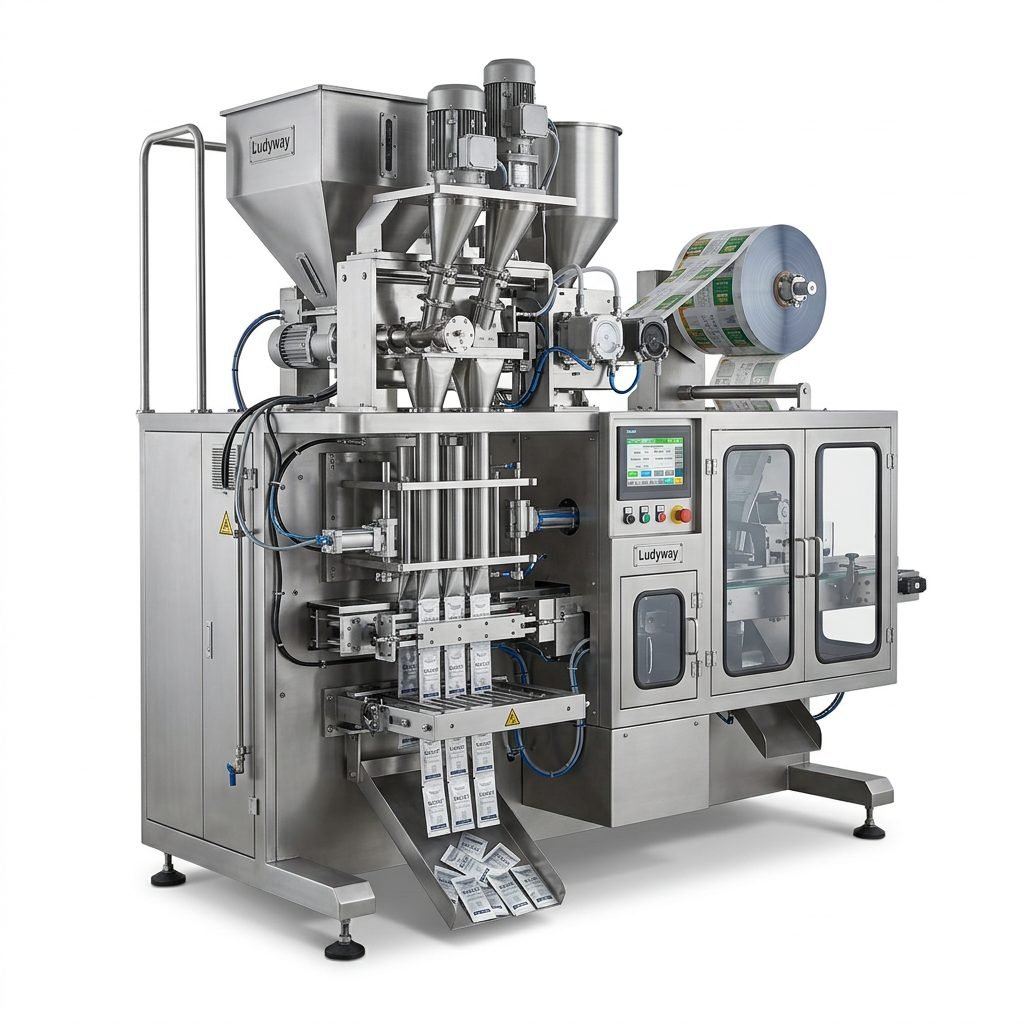
Machine Features That Improve Performance and Flexibility
Advanced plastic packing machines come with features that enhance reliability and adaptability. When comparing models, prioritize the following capabilities that align with packaging standards and regulatory requirements.
Servo-Driven Technology
Servo motors deliver precise control over film transport, filling, and sealing stages. This improves accuracy and reduces material waste, especially in multi-lane configurations.
Multi-Lane Capabilities
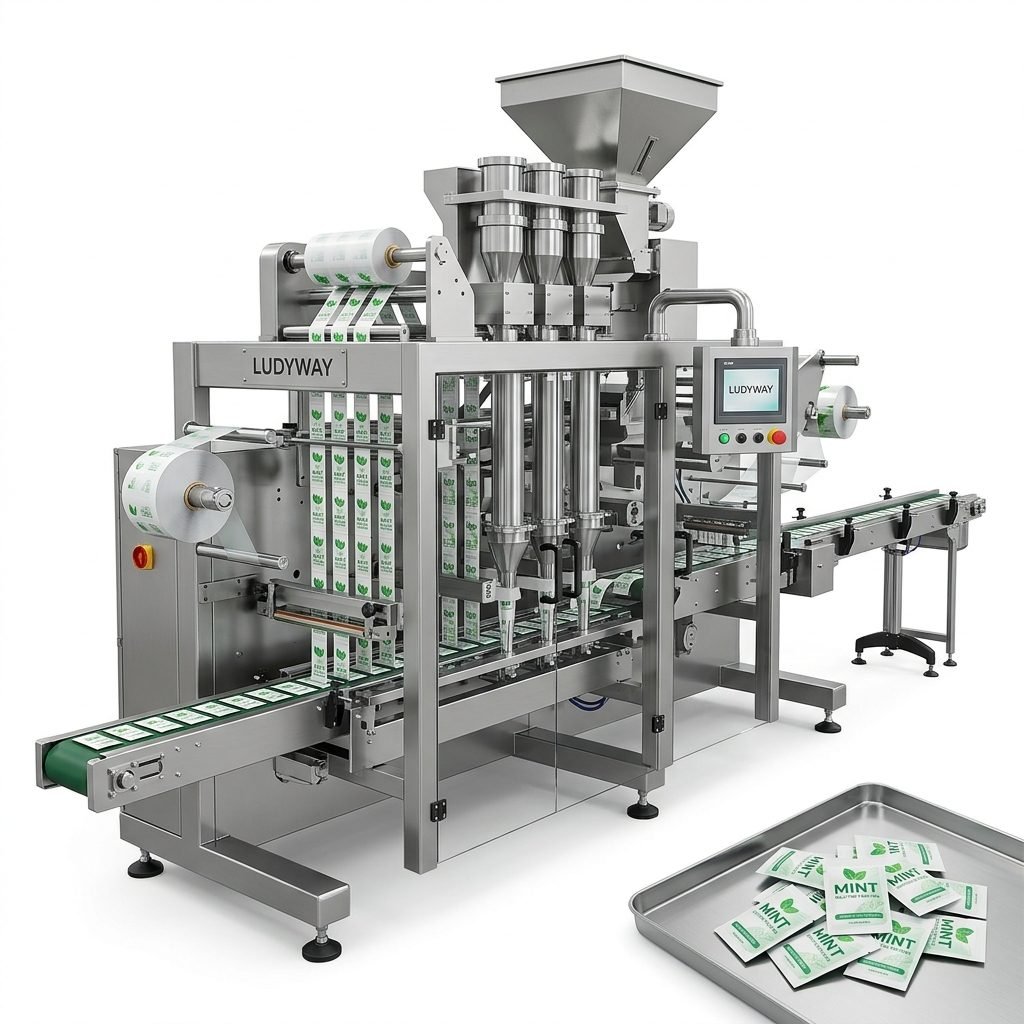
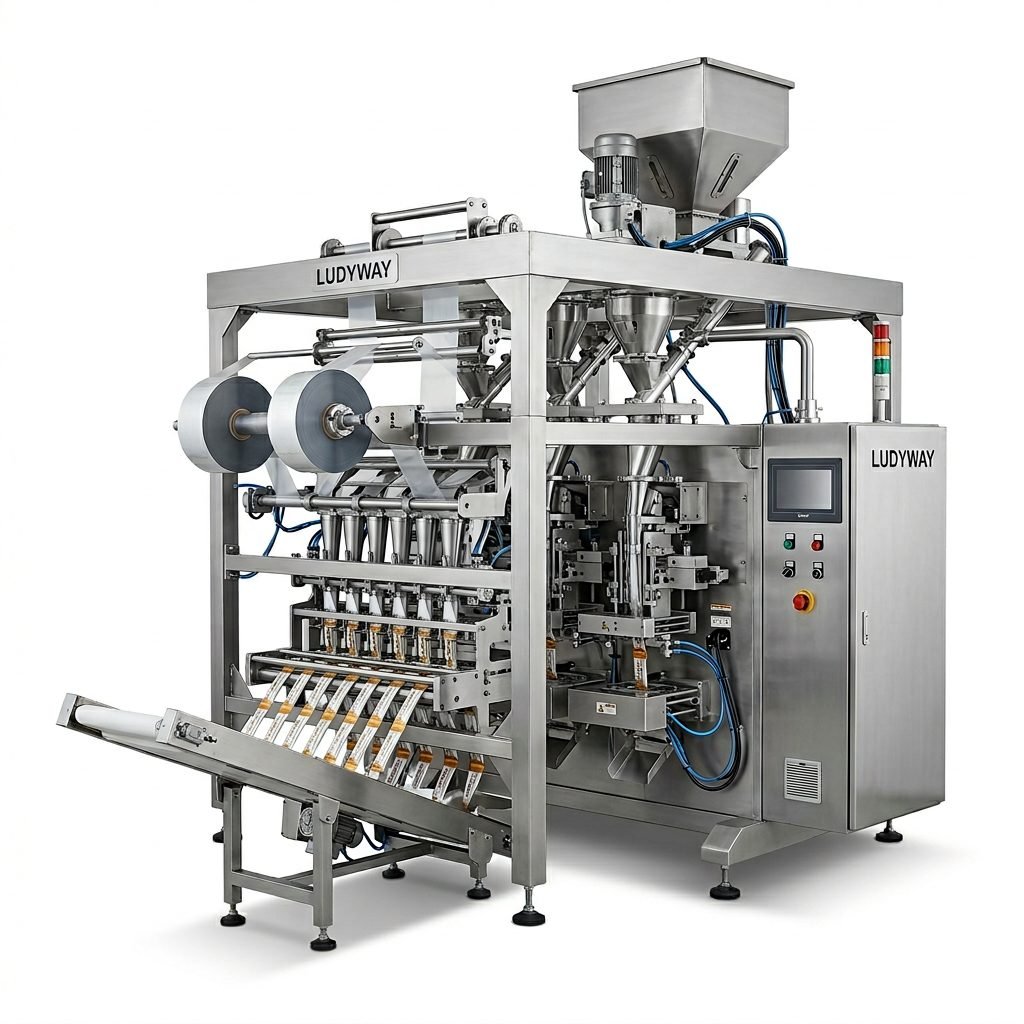
Multi-lane systems increase output by running several packaging tracks simultaneously. They are ideal for high-volume production of sachets, stick packs, and sample pouches.
Integrated Quality Inspection
Vision systems, checkweighers, and metal detectors can be integrated directly into the packaging line to ensure every pack meets safety and quality benchmarks.
User-Friendly Controls and Data Collection
Modern HMIs with data logging support production analytics and compliance with packaging regulations. Look for machines that offer remote diagnostics and reporting.
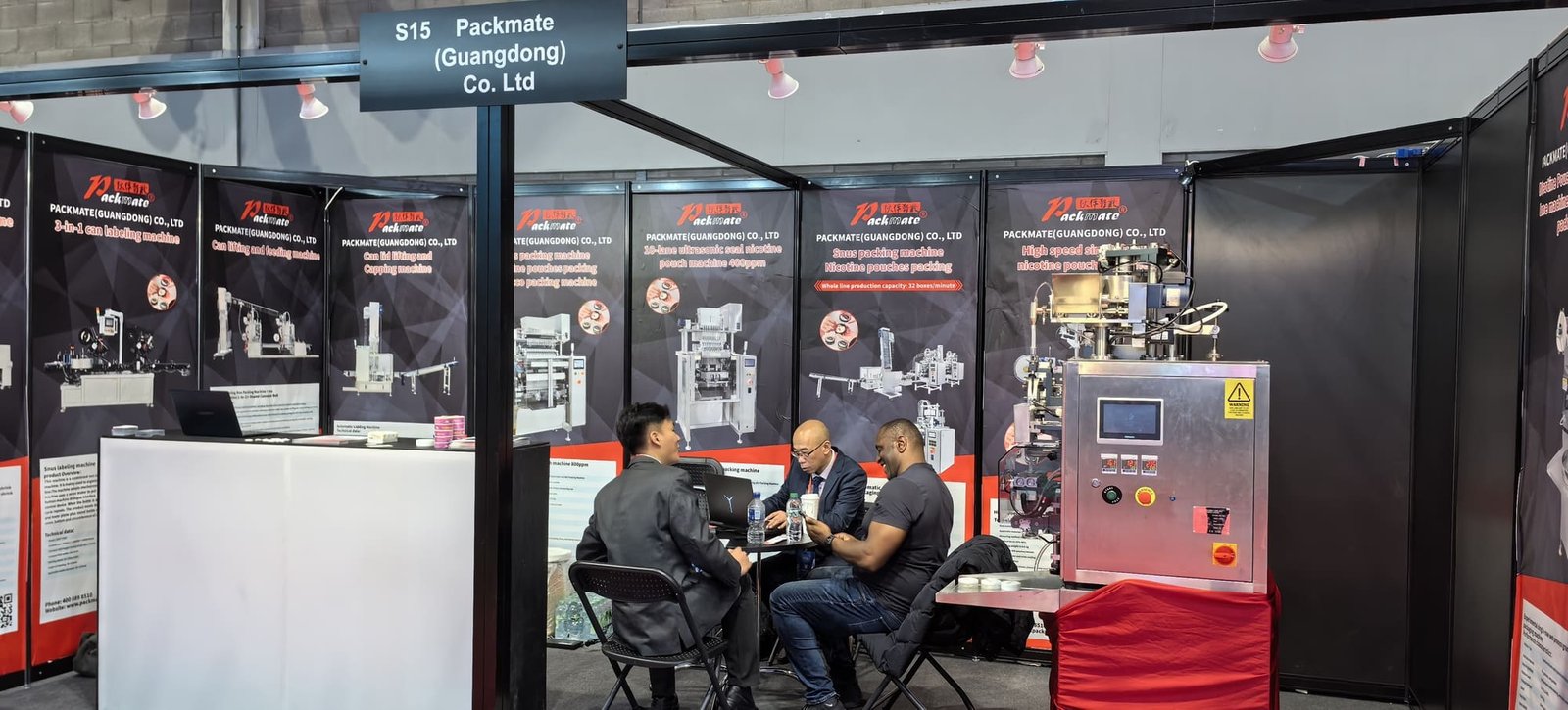
Evaluating the Right Supplier for Your Plastic Packing Machine
The equipment is only as good as the manufacturer behind it. A reliable partner provides more than just hardware—they offer engineering support, customization, and long-term service. For example, Ludyway Machinery combines decades of experience with a comprehensive portfolio of automatic packaging equipment, supporting manufacturers with turnkey solutions across industries. When vetting suppliers, consider these points:
- Industry Experience: How long has the supplier been serving your specific sector? Experience with similar products reduces deployment risk.
- Customization Capabilities: Can the supplier adapt the machine to your unique product characteristics, factory layout, and packaging format?
- After-Sales Support: Evaluate the availability of spare parts, remote technical assistance, and operator training programs.
- Certifications and Compliance: Verify that the equipment meets relevant international safety and quality standards.
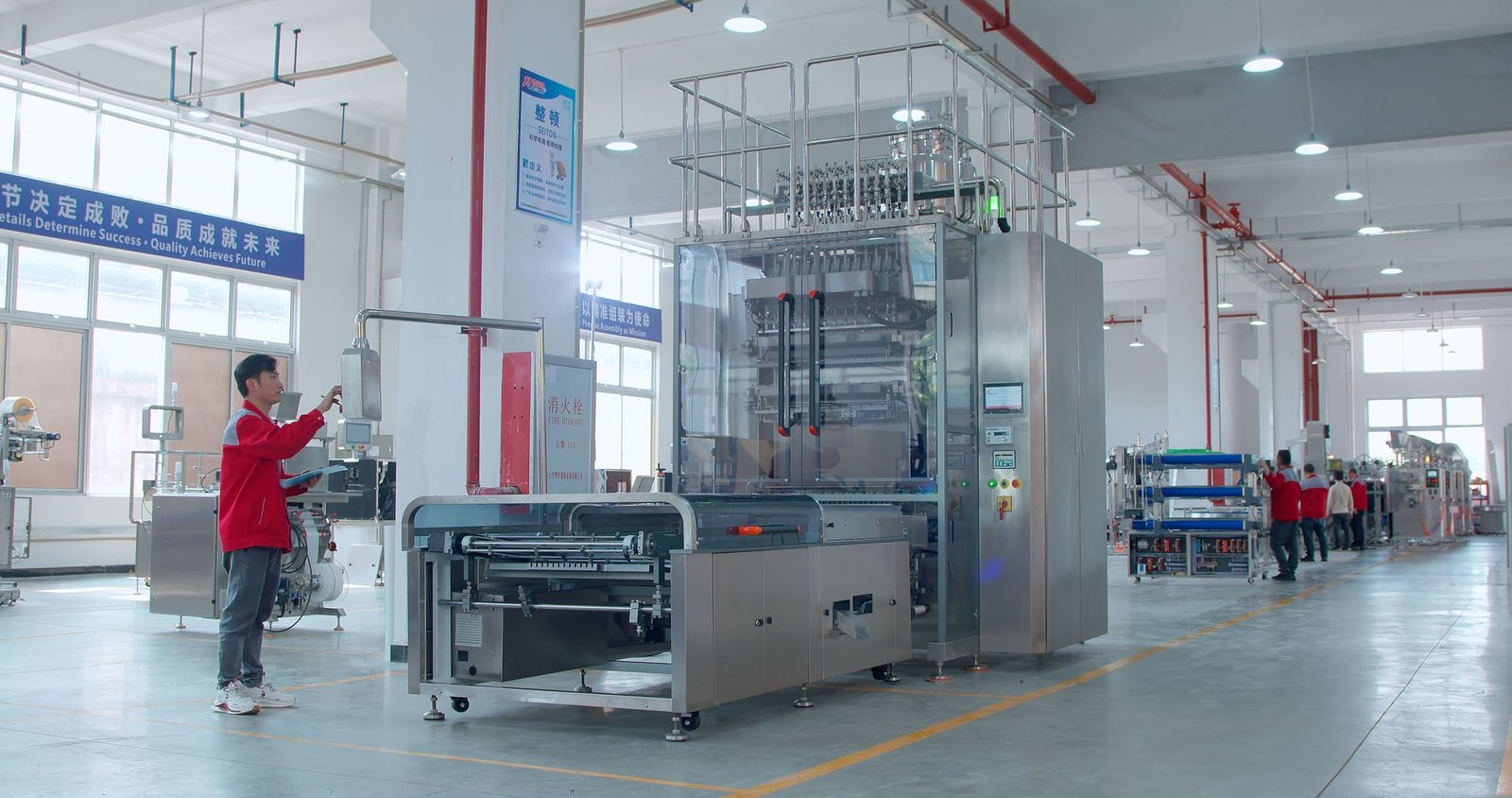
Budgeting and ROI Considerations
The initial purchase price of a plastic packing machine represents only one part of the total cost of ownership. A thorough financial analysis should include:
- Energy consumption and utility costs
- Consumables such as films, inks, and lubricants
- Maintenance schedules and spare parts expenses
- Labor savings from automation
- Potential reduction in product giveaway through precise filling
Calculating the payback period helps justify the investment. In many cases, upgrading to a high-efficiency machine yields a return within 12 to 24 months through increased throughput and reduced waste.
Conclusion
Choosing the right plastic packing machine requires balancing technical specifications, production goals, and supplier reliability. By thoroughly analyzing your product requirements, understanding machine capabilities, and selecting a partner with proven expertise, you can build a packaging line that supports quality, efficiency, and future growth. Investing time in the selection process pays off in consistent output and lower total cost of ownership over the machine’s life.